





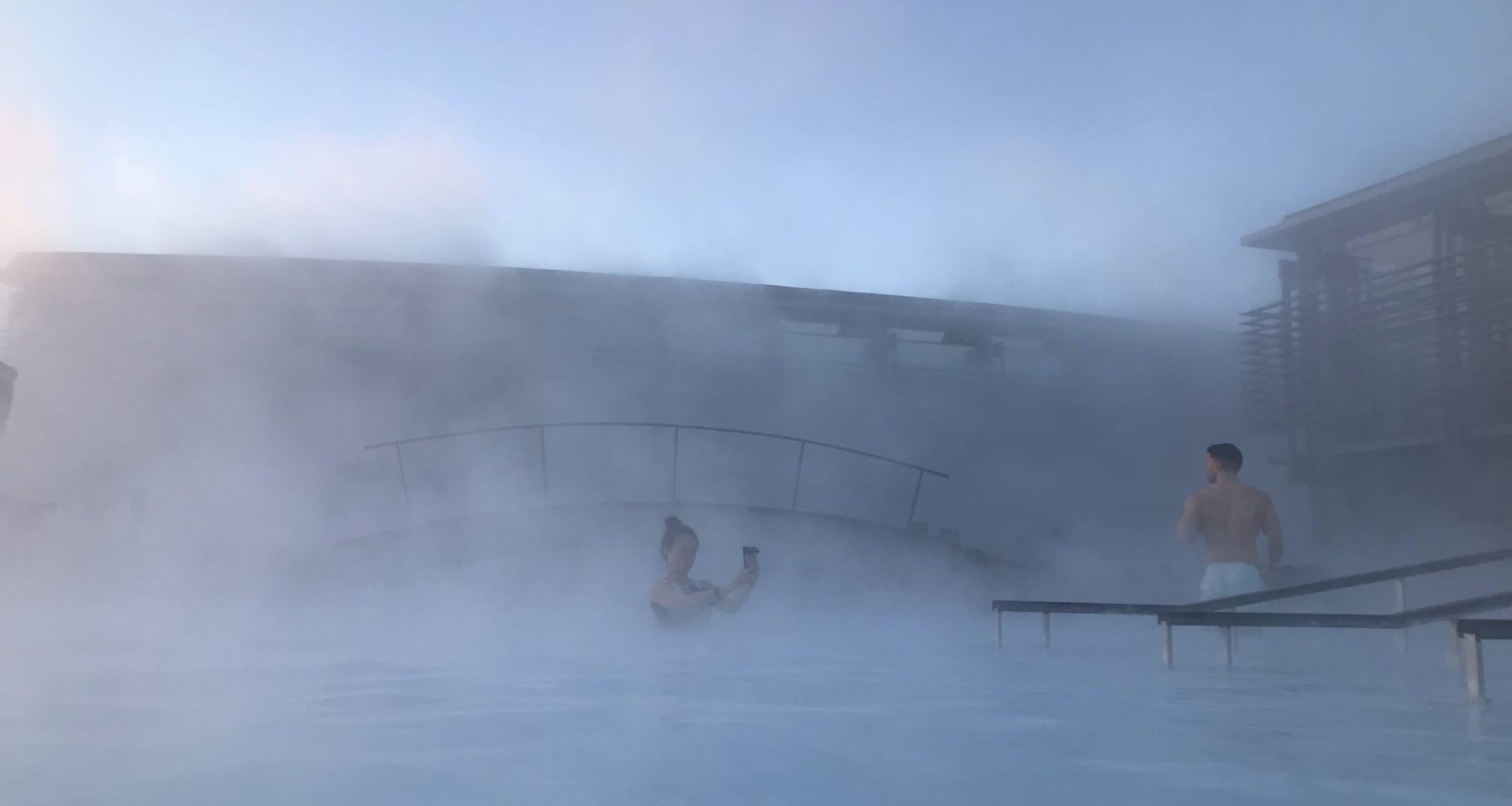
January is the month travelers split into two camps: those who escape winter entirely and those who lean all the way into it. The northern hemisphere is in deep cold, which is exactly what makes Lapland, Hokkaido, and the Norwegian Lofoten, one of the lesser-known small islands, at their most theatrical.
The southern hemisphere, meanwhile, is in high summer, so Patagonia, the Australian coast and South Africa’s Cape hit their peak. It’s also one of the cheapest months for Caribbean and Southeast Asian beaches, since the post-New-Year lull keeps prices soft through mid-month.
Four very different trips below — powder, adventure, auroras and beach — each with what’s new, where to eat and drink, and how to play it over one to three days or a full week.
January · quick reference
Where to Go in January — Pick Your Trip by Mood & Region
Where to go this month depending on what you want and where you’re flying from.
| Why to go | From the US | From Europe |
|---|---|---|
| City break | Tokyo Lowest crowds of the year |
Lisbon Mild 16°C, off-peak rates |
| Beach & sun | Riviera Maya ~4-hr flights, dry 28°C |
Canary Islands Europe’s shortest winter-sun hop |
| Hiking & adventure | Patagonia, Argentina Only full-access window for the W trek |
Finnish Lapland Peak aurora, snowshoeing, husky sleds |
| Wellness | Costa Rica Dry season at Nicoya retreats |
Madeira Levada walks + spa stays |
| Food & drink | Bangkok Dry season + Asia’s deepest bar scene |
San Sebastián Pintxos crawl, no summer queues |
| Family | Florida Keys Dry, warm, easy direct flights |
Tenerife Family resorts, 21°C, ~4-hr flight |
January is the month most travelers either escape winter entirely or lean into it. The northern hemisphere is in deep cold, but that’s exactly what makes places like Lapland, Hokkaido, and the Norwegian Lofotens at their most theatrical. Meanwhile in the southern hemisphere, January is high summer — peak season for Patagonia, the Australian coast, and South Africa’s Cape. It’s also one of the cheapest months for Caribbean and Southeast Asian beach escapes, since the post-New Year lull keeps prices low through mid-month. Here’s where to go in January.
Japan — Powder, Quiet Temples and the Year’s Cleanest City Air
| Trip types | City break · Hiking & adventure · Food & drink · Culture |
| Weather | -5°C to 8°C (23°F to 46°F) |
| Best for | Skiers, first-time-in-winter city travelers, food obsessives |
| Getting there | ~10–11h direct from the US West Coast; ~13–14h from Western Europe |
Why go: January is Japan at its most photogenic, and the country quietly does two opposite things brilliantly at once. Hokkaido is buried in the lightest powder on earth, while Tokyo and Kyoto are bright, crisp and emptier than at almost any other time. If you want one trip that combines a world-class ski week with a couple of low-crowd city days, this is the month.
Good to know: Niseko averages roughly 15 metres of snow a season — more than almost any inhabited place on the planet — and January is its snowiest month, with recent Januaries dropping well over four metres in the month alone. Tokyo, by contrast, gets its clearest, driest air of the year; the main exception is the first three days of January, when locals flood the shrines for hatsumōde (Meiji Jingu alone draws around three million visitors).
What’s new & trending: The conversation in Tokyo has shifted to Azabudai Hills, where Aman’s more sociable sister brand, Janu Tokyo, made the label’s global debut with a 4,000-sqm spa that’s become the city’s wellness talking point. In Kyoto, the recently opened Capella Kyoto — a Kengo Kuma design in the Miyagawa-chō geisha district — has reset the bar, with a signature restaurant from California’s three-Michelin-starred SingleThread.
Eat & drink: For a serious night out, Bar Benfiddich in Shinjuku — where the bartender forages and distills his own botanicals — sits among the very best on Asia’s 50 Best Bars list. Pair it with a kaiseki dinner in Kyoto or a no-reservations ramen counter in Tokyo for the full range.
Plan it: 1–3 days — base in Tokyo for an art-and-food city break (teamLab, Nezu Museum, a Benfiddich nightcap). A week — split four nights of Niseko powder with three low-crowd days in Kyoto’s temples.
Recommended hotel in Niseko: Setsu Niseko (5-star, ski-in/ski-out)
Recommended hotel in Tokyo: Aman Tokyo (the city’s most refined urban retreat)
Patagonia — High Summer at the End of the World
| Trip types | Hiking & adventure · Nature & wildlife · Photography · Wine & food |
| Weather | 10°C to 22°C (50°F to 72°F), daylight past 10pm |
| Best for | Trekkers, road-trippers, big-landscape photographers |
| Getting there | ~9–11h US to Buenos Aires, then a domestic hop; Europe via Madrid or São Paulo |
Why go: It’s high summer in Argentina and Chile, and January is the one window when Torres del Paine’s famous W trek is fully open and El Chaltén’s Mount Fitz Roy is at its most photographable. The wind is relentless — Patagonia is never not windy — but daylight stretches past 10pm, so you can hike late and still make dinner.
Good to know: The W trek runs roughly 70km and is typically walked over four to five days; summer (December–February) is the only stretch when all sections and refugios are reliably open. If you’d rather not camp, the valley’s lodges let you walk the same trails by day and sleep in a bed each night.
What’s new & trending: The shift here is in how people do Patagonia — away from tents and toward all-inclusive “base lodges” that run guided day hikes, so you get the trek without the backpack. Buenos Aires, meanwhile, is hot and half-empty in January (locals decamp to the coast), which makes it a surprisingly good moment for a tango-and-steak city stopover at either end of the trip.
Eat & drink: In Buenos Aires the Palermo wine bars and parrillas are quieter than usual, and the city’s craft-cocktail scene (in the lineage of the pioneering Florería Atlántico) is among Latin America’s strongest. In El Chaltén, refuel post-trek with Patagonian lamb and a local IPA at one of the village’s microbreweries.
Plan it: 1–3 days — a Buenos Aires city stopover (San Telmo, Recoleta, a late asado). A week or more — fly south for the W trek plus a day at the Perito Moreno glacier.
Recommended lodge in Torres del Paine: Tierra Patagonia (5-star, all-inclusive guided excursions)
Recommended hotel in Buenos Aires: Palacio Duhau – Park Hyatt (5-star)
Finnish Lapland — Polar Night, Auroras and Glass Igloos
| Trip types | Hiking & adventure · Wellness · Family · Romance |
| Weather | -20°C to -5°C far north (-4°F to 23°F); Helsinki -5°C to 0°C |
| Best for | Aurora-chasers, couples, families with older kids |
| Getting there | Europe via Helsinki + short domestic flight; US via a European hub |
Why go: January in Finland‘s far north means polar night — the sun doesn’t rise at all above Sodankylä — but the auroras more than compensate. This is reindeer-sled-and-glass-igloo season, which sounds like marketing but is genuinely how locals describe the month.
Good to know: The polar night (kaamos) isn’t total darkness; you get hours of blue-and-violet twilight that photographers prize, and the long nights simply mean more aurora-viewing windows. Allow at least three to four nights to give the lights a fair chance — they’re never guaranteed on any single evening.
What’s new & trending: Glass-roofed accommodation has spread well beyond the original igloos into design-led aurora cabins and “wilderness suites,” and Helsinki is increasingly a destination in its own right rather than just a transit point — the Design District is at its most atmospheric in winter, minus the summer cruise crowds.
Eat & drink: In the north, lean into New Nordic Arctic cooking — reindeer, cloudberry, foraged everything. In Helsinki, the city’s Michelin scene punches above its size; cap the evening with a cocktail in the Design District before the cold sends you back inside.
Plan it: 1–3 days — a Helsinki design-and-sauna city break. A week — add three or four nights in Saariselkä or Rovaniemi for auroras, huskies and snowshoeing.
Recommended hotel in Saariselkä: Kakslauttanen Arctic Resort (4-star, the original glass-igloo hotel)
Recommended hotel in Helsinki: Hotel St. George (5-star, with Ai Weiwei’s Bubble in the courtyard)
Thailand — Dry-Season Beaches and Asia’s Best Bar Scene
| Trip types | Beach & sun · Food & drink · Wellness · Family · City break |
| Weather | 24°C to 32°C (75°F to 90°F), almost no rain |
| Best for | Beach-and-spa travelers, food/cocktail trips, families |
| Getting there | Europe ~11–12h direct to Bangkok; US via a Gulf or Asian hub |
Why go: Thailand in January is at its meteorological peak — dry, sunny and rain-free. The Andaman-coast islands (Phuket, Krabi, Koh Lanta) are at their best, and Bangkok is about as breezy as Bangkok gets. It’s the rare destination that does beach, spa, street food and serious cocktails all in one trip.
Good to know: January falls squarely in the cool, dry northeast-monsoon window, so the Andaman side is calm and clear — ideal for diving and island-hopping. Because it’s peak season, the best villas book out early and rates run high, so lock in stays well ahead.
What’s new & trending: Bangkok has quietly become Asia’s bar capital — it placed seven bars on Asia’s 50 Best Bars 2025, more than any other city. The fine-dining scene keeps climbing too, led by the city’s Michelin-starred modern-Thai kitchens.
Eat & drink: Bar Us ranked No.4 on Asia’s 50 Best Bars 2025 (and cracked the global top 15) for its inventive take on tropical flavors — the standout cocktail stop in the city. For dinner, the modern-Thai tasting menus at the likes of Sorn and Le Du are worth planning a night around.
Plan it: 1–3 days — a Bangkok food-and-bar city break (markets by day, rooftop and Bar Us by night). A week — pair two Bangkok nights with five on the Andaman coast.
Recommended hotel in Phuket: Trisara Phuket (5-star, private pool villas)
Recommended hotel in Bangkok: Capella Bangkok (5-star, riverside)
Iceland
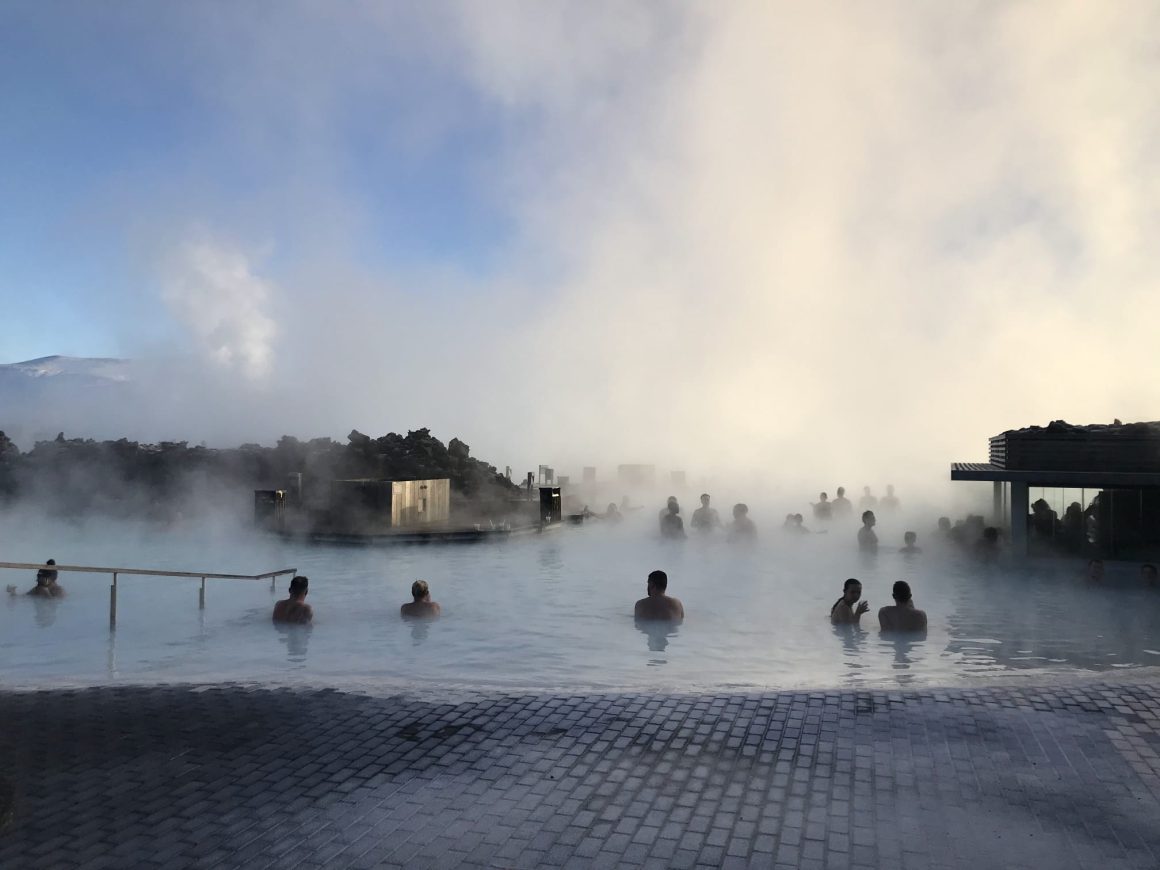
For winter escapes in Europe, consider visiting Iceland in January. This is the peak month for Northern Lights viewing, with long, dark nights offering the best viewing conditions. Wrap up warm when exploring the country’s natural wonders, including waterfalls, geysers and active volcanoes, as temperatures at this time of year average just -1°C to -6°C (30°F to 21°F). One of the best places to warm up in January is in the mineral-rich waters of the Blue Lagoon, or with a hot coffee in one of Reykjavik’s inviting cafes, bars (like a popular monkeys.reykjavik) and restaurants. Alternatively, consider the Scandinavian countries of Finland, Norway and Sweden for a European winter escape.
- Why go: Þorrablót Festival (late January) – A traditional Icelandic midwinter feast celebrating Icelandic heritage with music, storytelling, and unique dishes.
Vietnam
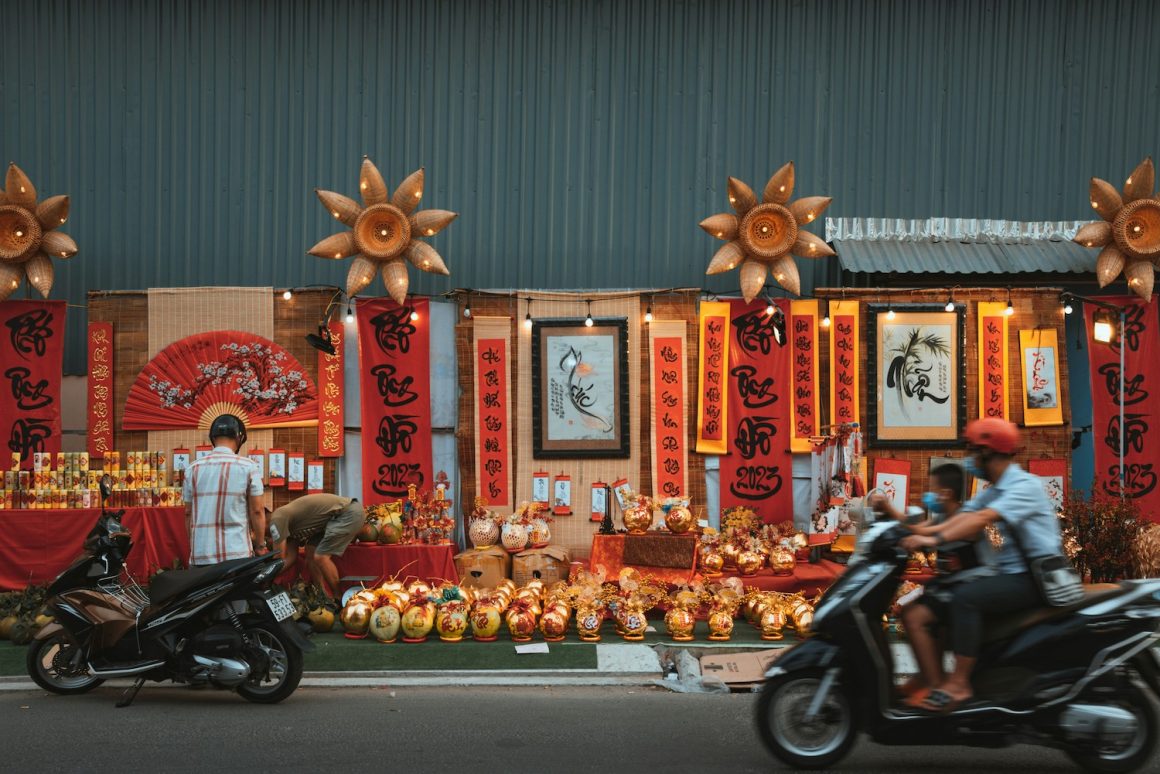
If you’re wondering where is warm in January then Vietnam is a top contender for travel. In the south of the country, January is the middle of the dry season, with little rainfall and warm average temperatures of 25°C to 30°C (77°F to 86°F). From the lively bars and fascinating museums of Ho Chi Minh City to the tropical Mekong Delta and the stunning beaches of Phu Quoc, this early part of the year is a great time for cultural and beach travel in Vietnam. If you’re wanting to head north, to Hanoi and Halong Bay, I suggest waiting a month or two, until temperatures have warmed up.
- Why go: Tet Festival (January 25 – February 2, 2025) – The Lunar New Year marks the arrival of spring, with vibrant celebrations across the country.
Canada
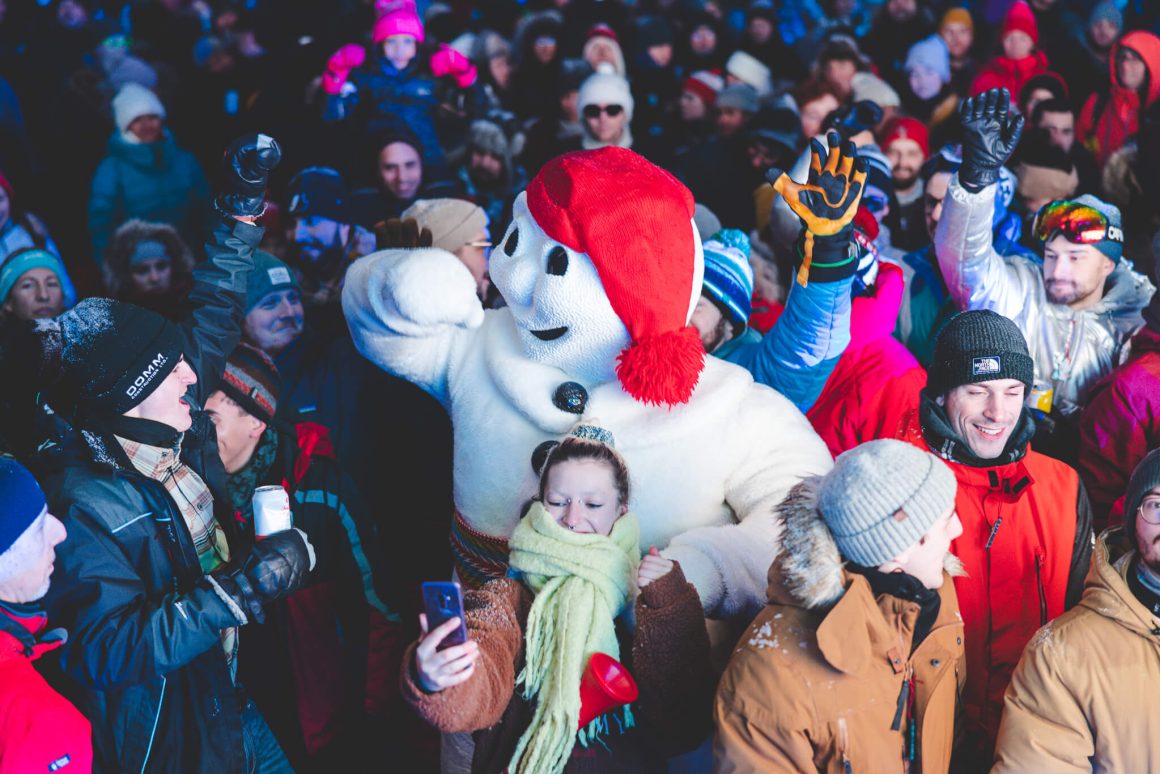
Canada offers an easy option for American travelers wondering where to go in January. Neighboring Canada offers excellent skiing opportunities, particularly in Whistler, Banff and Revelstoke. You can go exploring in the Rockies too, but be prepared for cold temperatures of -5°C to -15°C (23°F to 5°F), with things getting colder the further north you go.
Spain
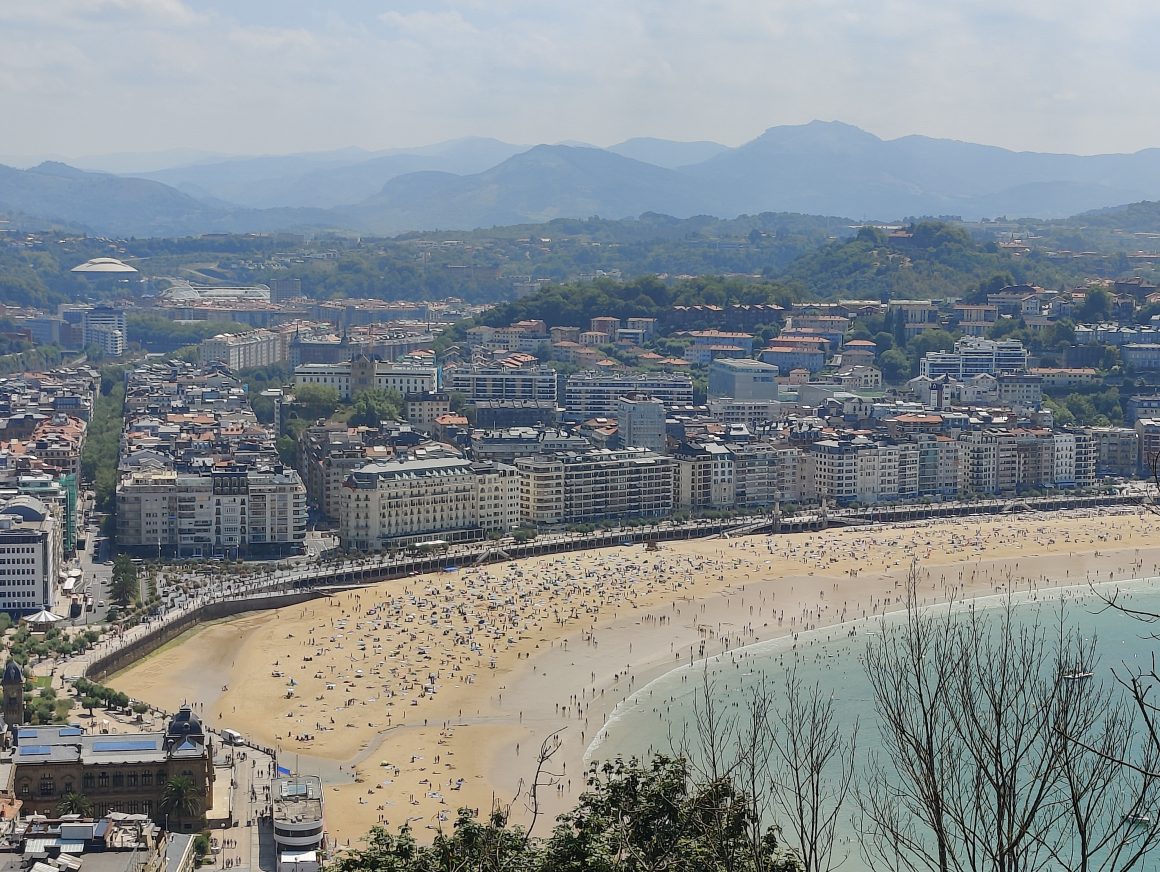
Although January is the height of winter in Europe, the continent’s southern destinations are still pleasantly warm. The further south you go, the warmer it gets, with Andalusia’s cities like Seville and Malaga averaging around 16°C (61°F). Travelers can take in the iconic Alhambra in Granada or head further south still to the Canary Islands – Tenerife, Lanzarote and Gran Canaria are located just off the coast of Morocco and are popular winter sun destinations for Europeans looking to escape the cold winter.
- Why go in Spain in January: San Sebastián Day (January 20, 2025) – In the Basque Country, this festival features traditional drumming parades and celebrations in San Sebastián.
Mexico

South of the United States, Mexico is the best place to head for winter sun for those not wanting to travel far or operating on a budget. Average temperatures in January along the Riveria Maya are around 25°C (77°F), with Playa del Carmen, Tulum and Cancun all offering a range of all-inclusive luxury resorts, blissful beaches and cultural sites like Chichen Itza. The best thing? The flight time to Cancun from New York is just 4 hours. LA is 4 and a half, Chicago is just under 4 and Houston is only a little over 2 hours!
- Why go: Merida Fest (January 5-26, 2025) – A celebration of the city’s founding with concerts, art exhibitions, and cultural performances.
Florida, USA
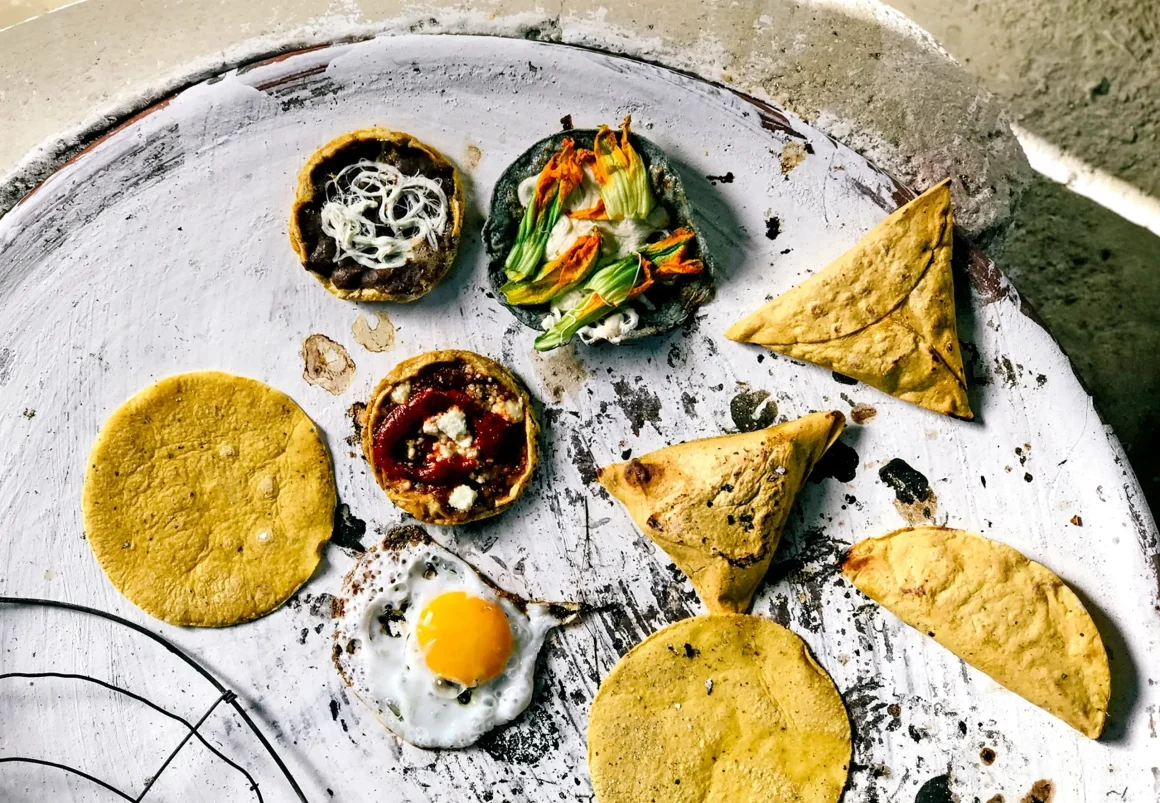
You don’t have to go abroad to get some sun, as the Sunshine State is a great domestic option for those deciding where to travel in January. Orlando’s theme parks are less crowded at this time, and the Florida Keys offer warm weather averaging around 24°C (75°F), perfect for snorkeling and unwinding on the beach.
Other great ideas for where to go in January include New Year breaks to London, Dubai or Sydney, skiing in Japan or the annual Harbin Ice Festival in China. For winter sun, consider Bali in Indonesia, Cancun in Mexico or Zanzibar, off the coast of Tanzania.
Editor’s pick · New & noteworthy
Janu Tokyo, Japan
If you only have a January city break in you, make it Tokyo — and make the base Janu Tokyo. Aman’s younger, more sociable sister brand chose the city for its global debut, landing in the new Azabudai Hills district with a 4,000-square-metre wellness floor that’s become the talk of the city. Below it sit new restaurants and the teamLab Borderless digital-art museum, while the temple of Zōjō-ji and the towers of Roppongi are a short walk away. It’s the most complete argument going for treating Tokyo as a long-weekend destination rather than a stopover.
January gives you a genuine choice: lean into the cold or escape it entirely. South Africa, the Australian coast, New Zealand and most of Southeast Asia are at peak season; Lapland, Hokkaido and the Lofotens are at their most dramatic; and Spain’s Costa del Sol and the Canary Islands remain the rare warm-weather European options for sun without leaving the continent. Whichever camp you’re in, January rewards booking early — start planning your trip today.
The festivals worth planning a trip around, and the ticketed events on sale. Europe’s largest fire festival: a thousand torch-bearing guizers march through Lerwick and burn a replica Viking longship, then the halls party until morning. Epiphany is the real gift-giving day in Spain and much of Latin America — the Cabalgata parades on the evening of the 5th, roscón de reyes on the 6th. The world’s biggest ice-and-snow festival: full-scale palaces carved from Songhua River ice, lit from inside at night, in temperatures around –20°C. America’s leading independent film festival, in a ski town at 7,000 feet — premieres, deals, and the year’s breakout documentaries. Weekday Tickets are valid Mon-Thurs ONLY during the run of show; Any Day Tickets are valid All Days during the run of the show***One ticket per carload required*** Hours: Sunday through Thursday - From Dusk till 10:00pm; Friday and Saturday…Happening in January 2027
Festivals worth planning around
Curated by Locals InsiderOn sale now
Ticketed events, January 2027