

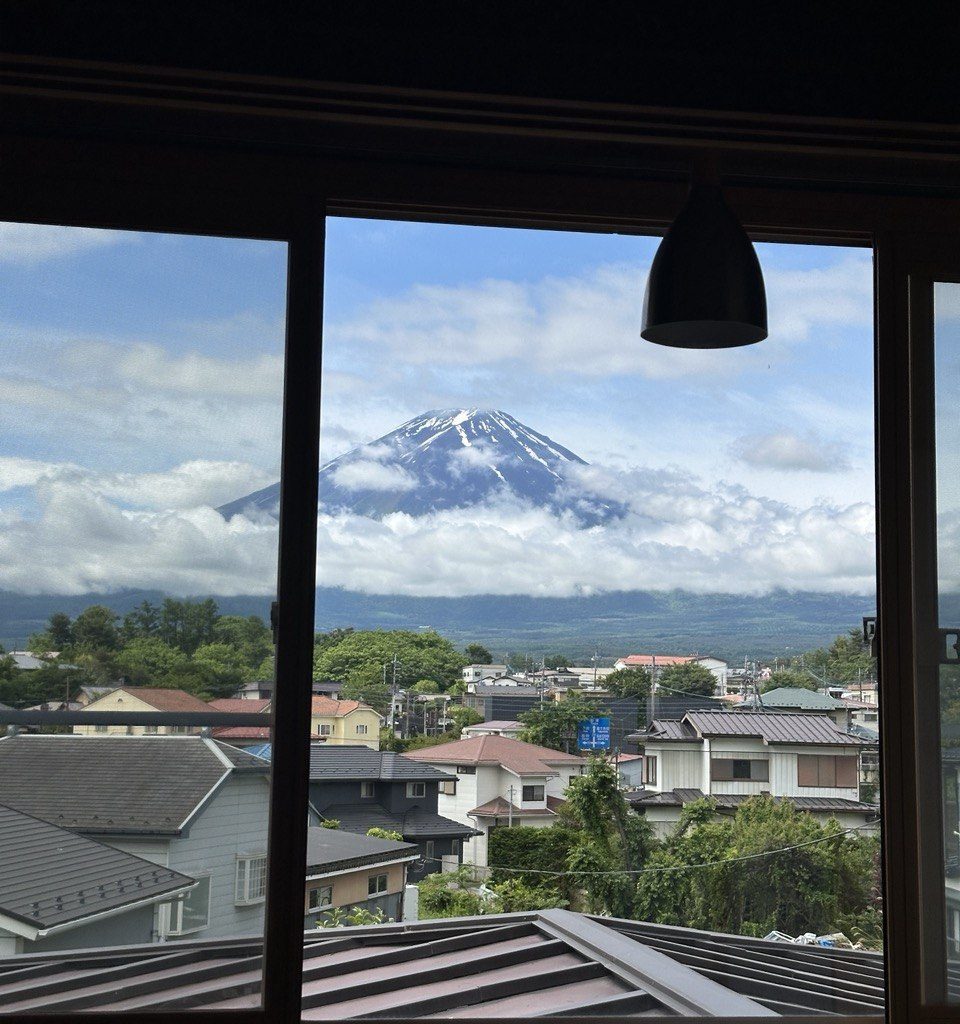
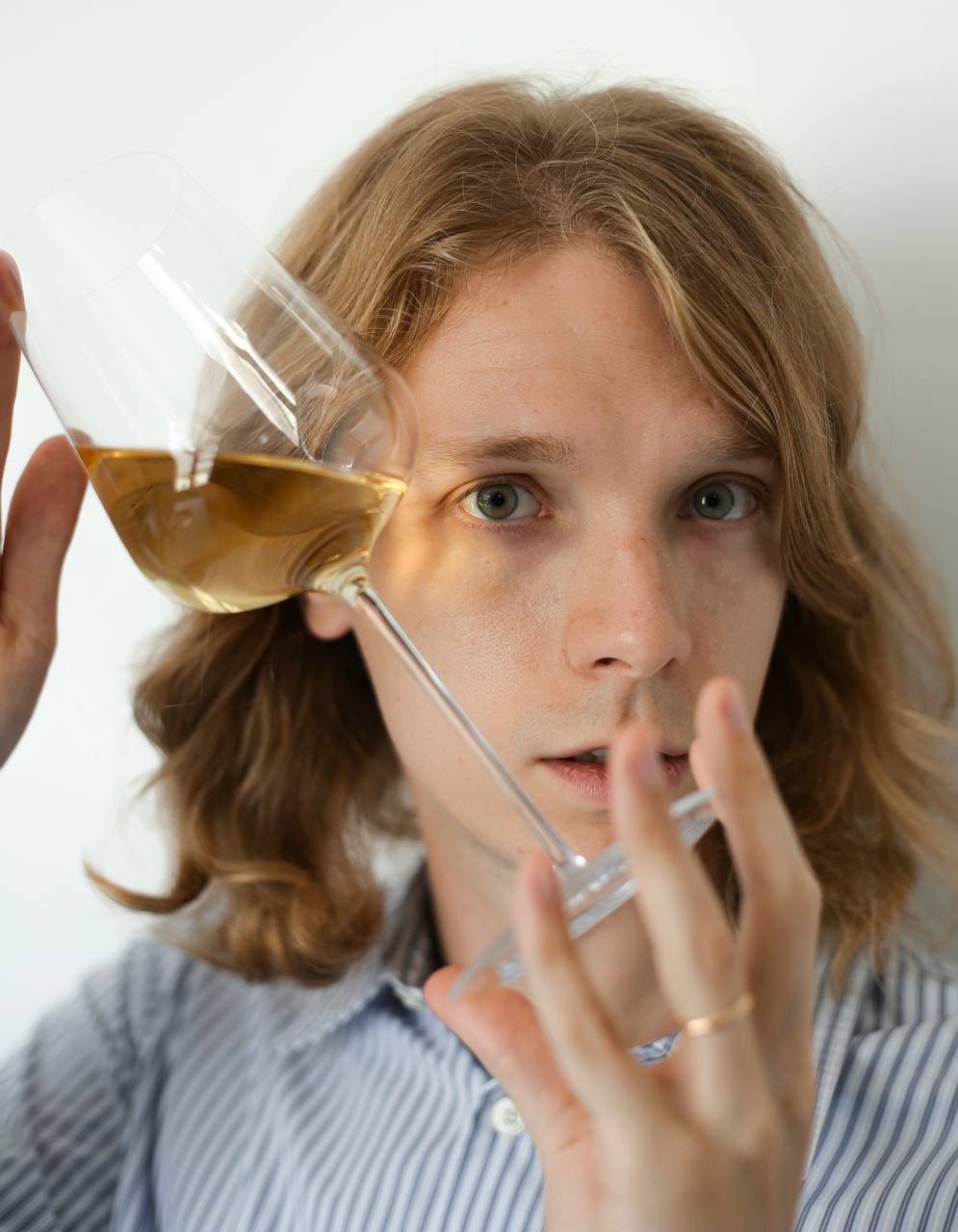
Wine journalist Yasha Lysenko spent a month traveling across Japan and shares with Locals Insider a first-time route through the country: from meditative Kyoto and the temples that shaped it, through the memory and rebirth of Hiroshima and its sake region — to layered, ever-surprising Tokyo, with a day in Nikko along the way.
● Fixed price agreed before you land — no meter, no haggling.
● Driver meets you at arrivals with a sign with your name.
● Up to 90 minutes included wait time for delays and long queues.
● Free cancellation up to 5–24 hours before pickup.
Book your transfer →Destinations to Visit in Japan: Start with a Spiritual Kyoto
Even before my first encounter with Japan, I was expecting a different experience of time and space. A slower rhythm, one in which emptiness doesn’t need to be filled, silence becomes a value in itself, and there’s more room for contemplation. That’s how it turned out. This feeling arises everywhere — in the arrangement of space, in gestures, in conversations, in the most ordinary scenes. And it manifests especially clearly in Kyoto. Here Japan — at least the Japan I had imagined — happens at every step. This city should be the starting and central point of your acquaintance with the country.
“Here Japan — at least the Japan I had imagined — happens at every step.”
I found myself here in May, at the best moment, as my Japanese interlocutors repeatedly pointed out during my trip. The cherry blossom tourist wave has subsided, the rainy season hasn’t started yet, everything around is green, and the temperature is moderate.
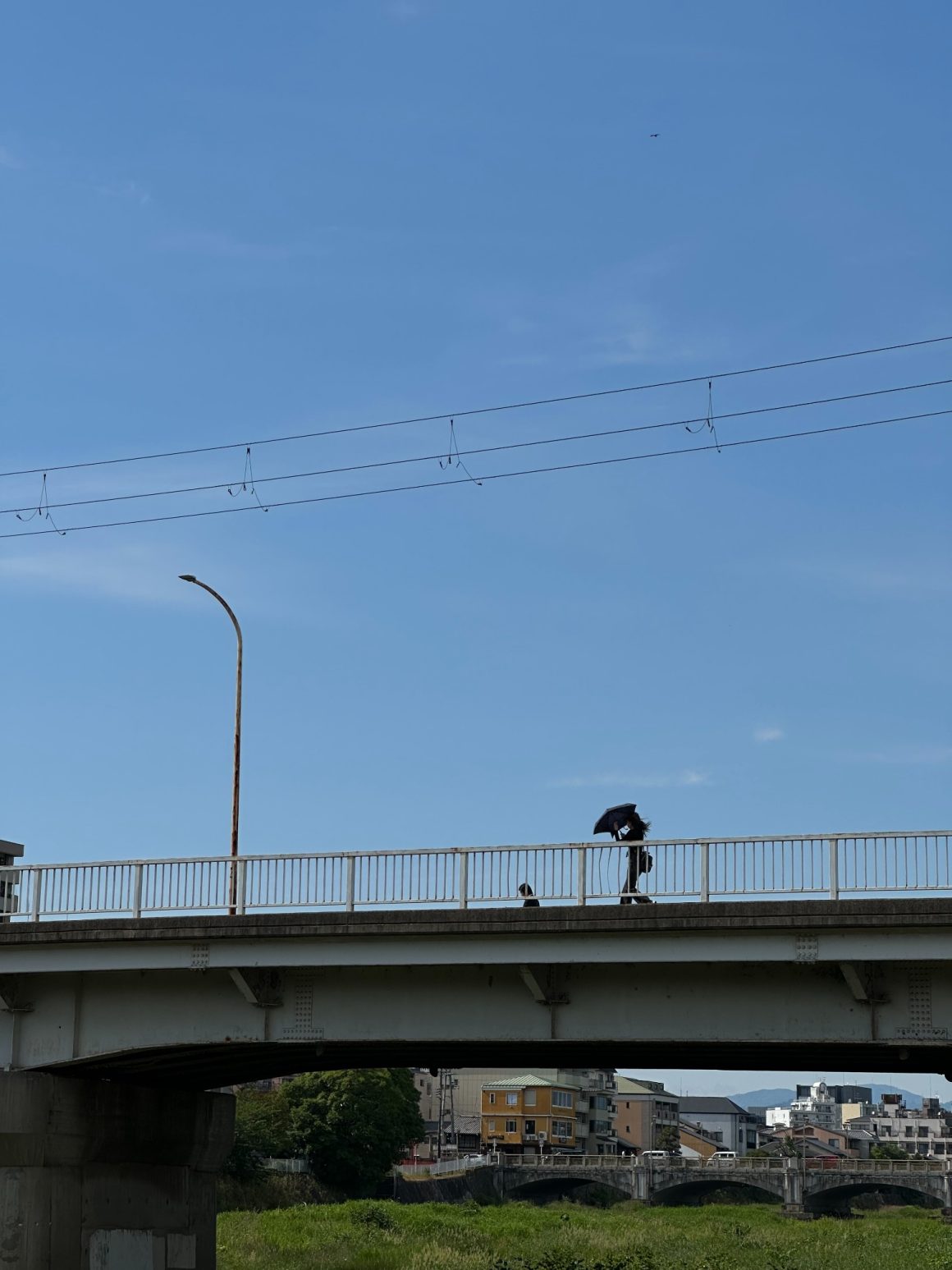
From Temple to Temple: Kyoto’s Essential Activity
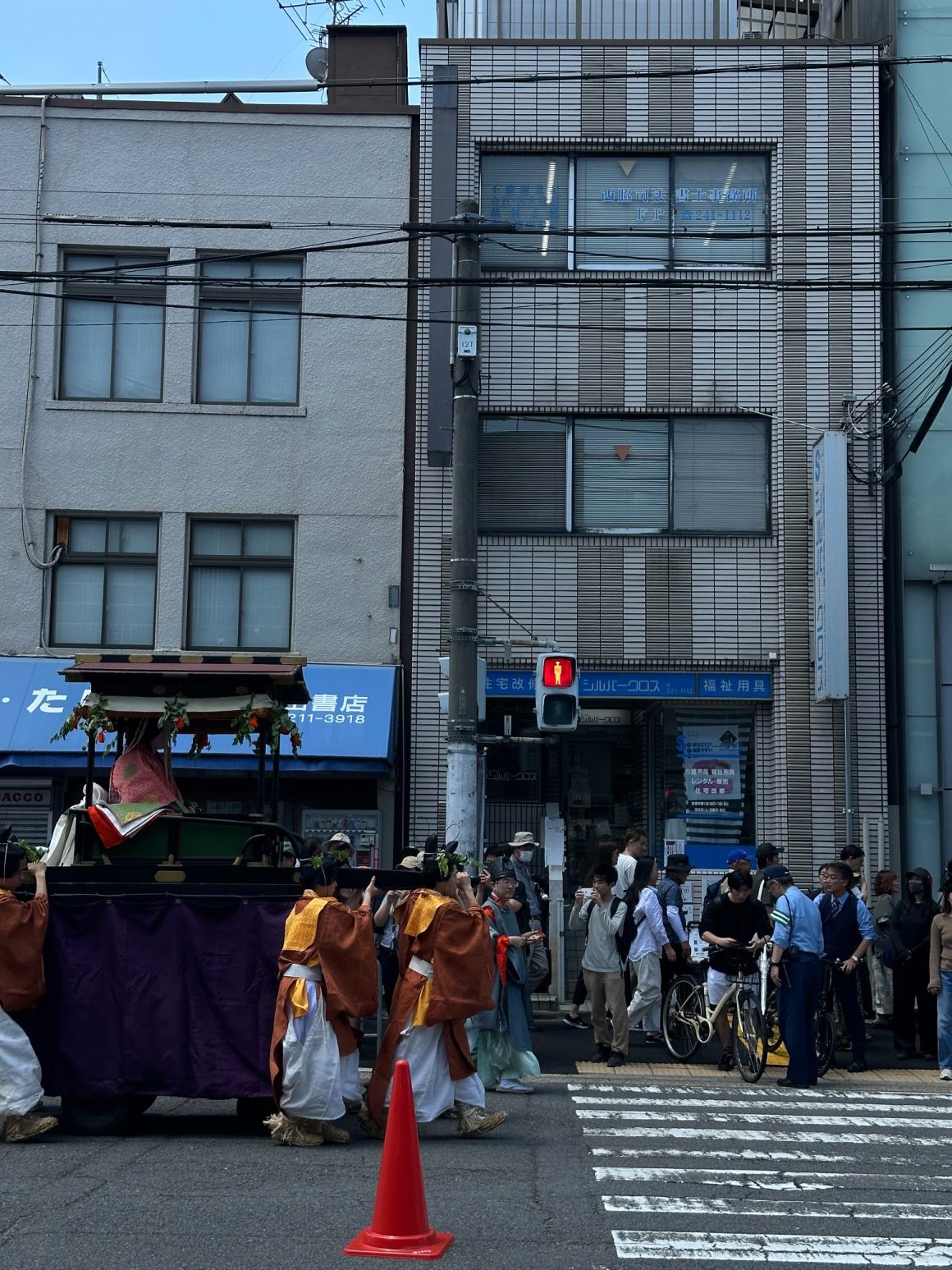
In Kyoto, we skip the list of must-see attractions and move without hurry, gradually building our own route.
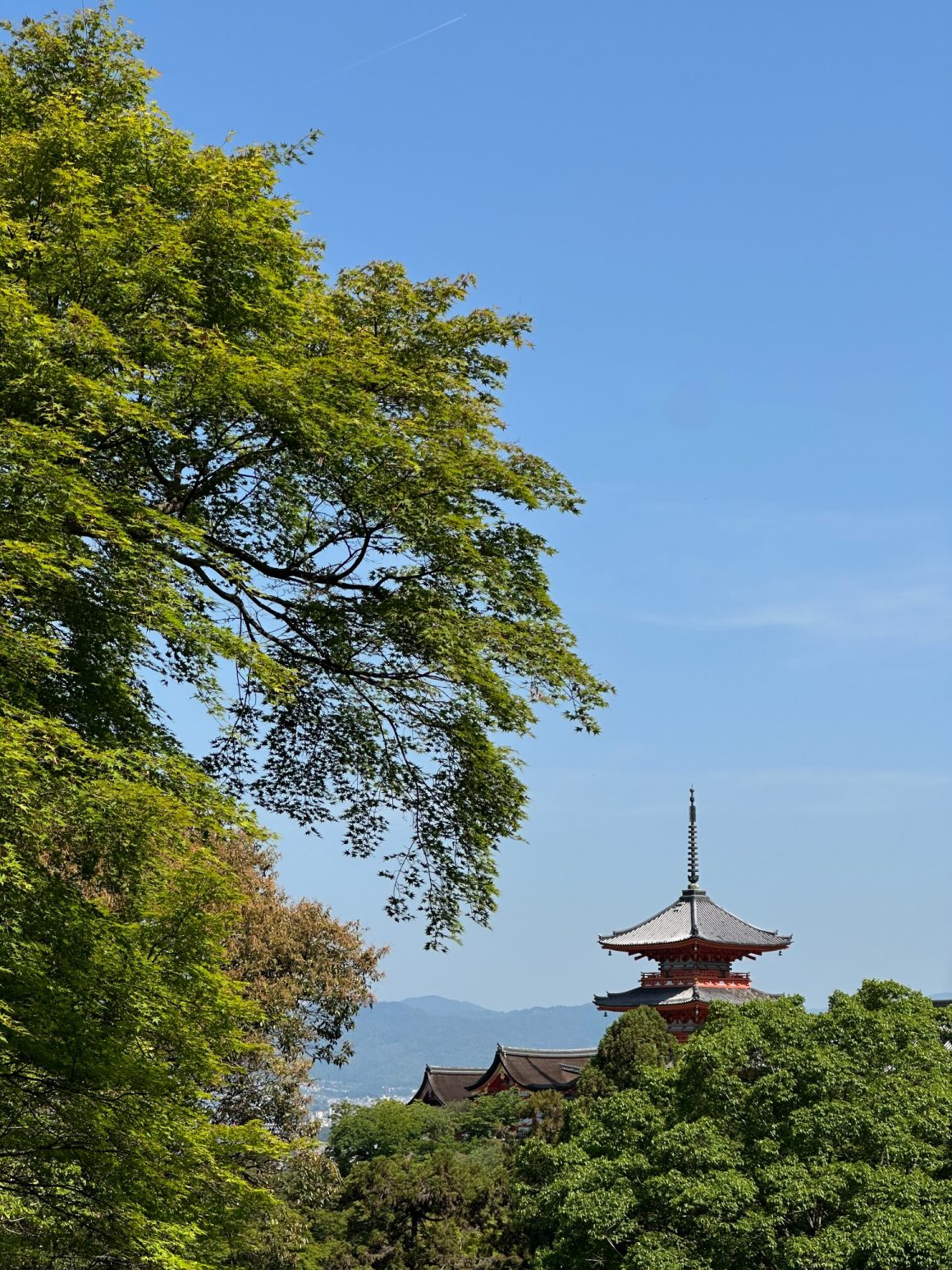
The key activity is wandering from one Shinto shrine to another, from one Buddhist temple to the next. There are about two thousand of them here — more than anywhere else in Japan. This is the legacy of more than a thousand years when Kyoto was the imperial capital and the country’s main cultural, religious, and artistic center. Almost untouched by the destruction of World War II, the city preserved a rare historical continuity.
In 1945, it was on the shortlist of possible atomic bombing targets. It was removed from the list by US Secretary of War Henry Stimson, who had been to Kyoto and remained under the powerful impression of its beauty.
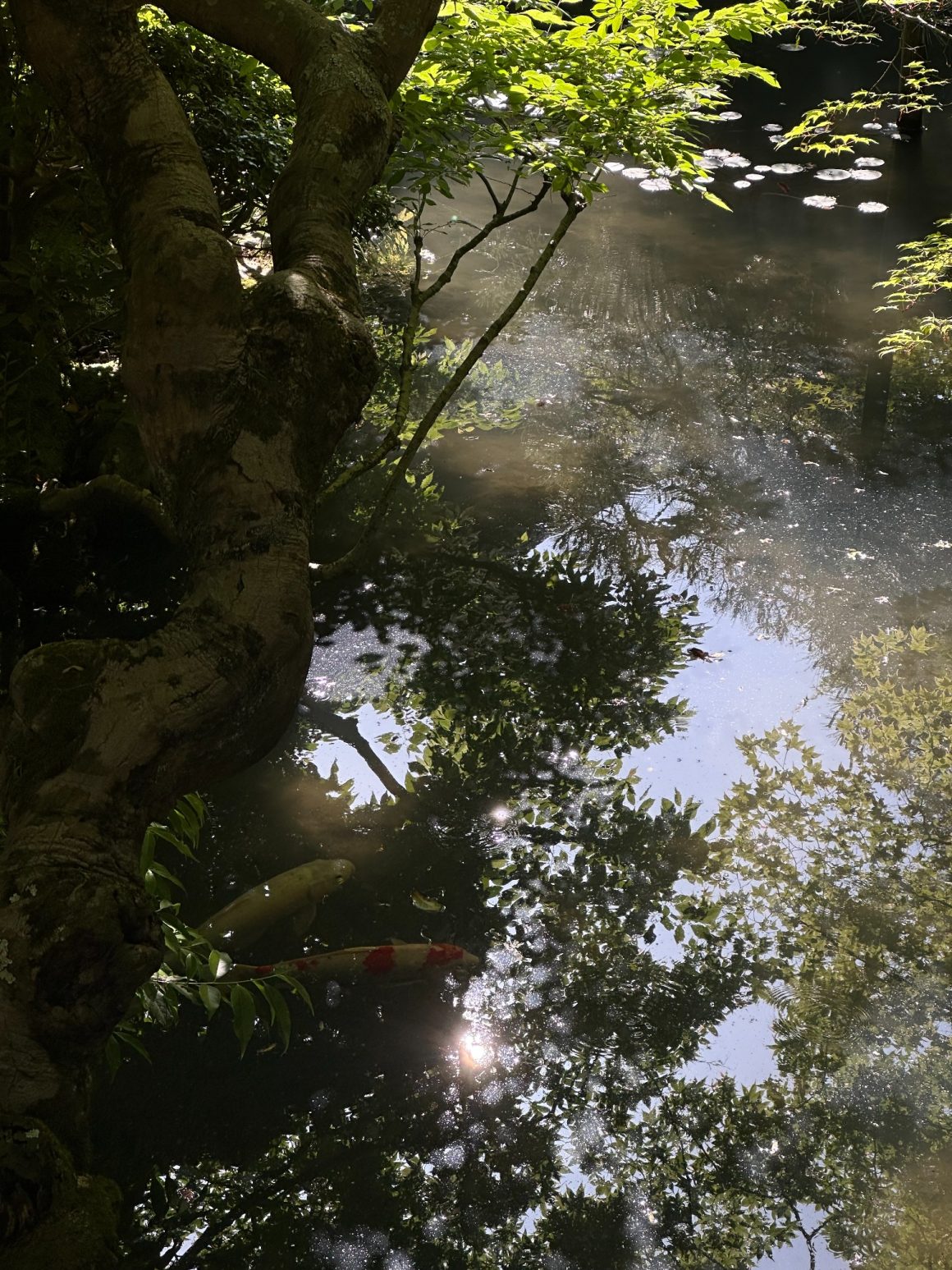
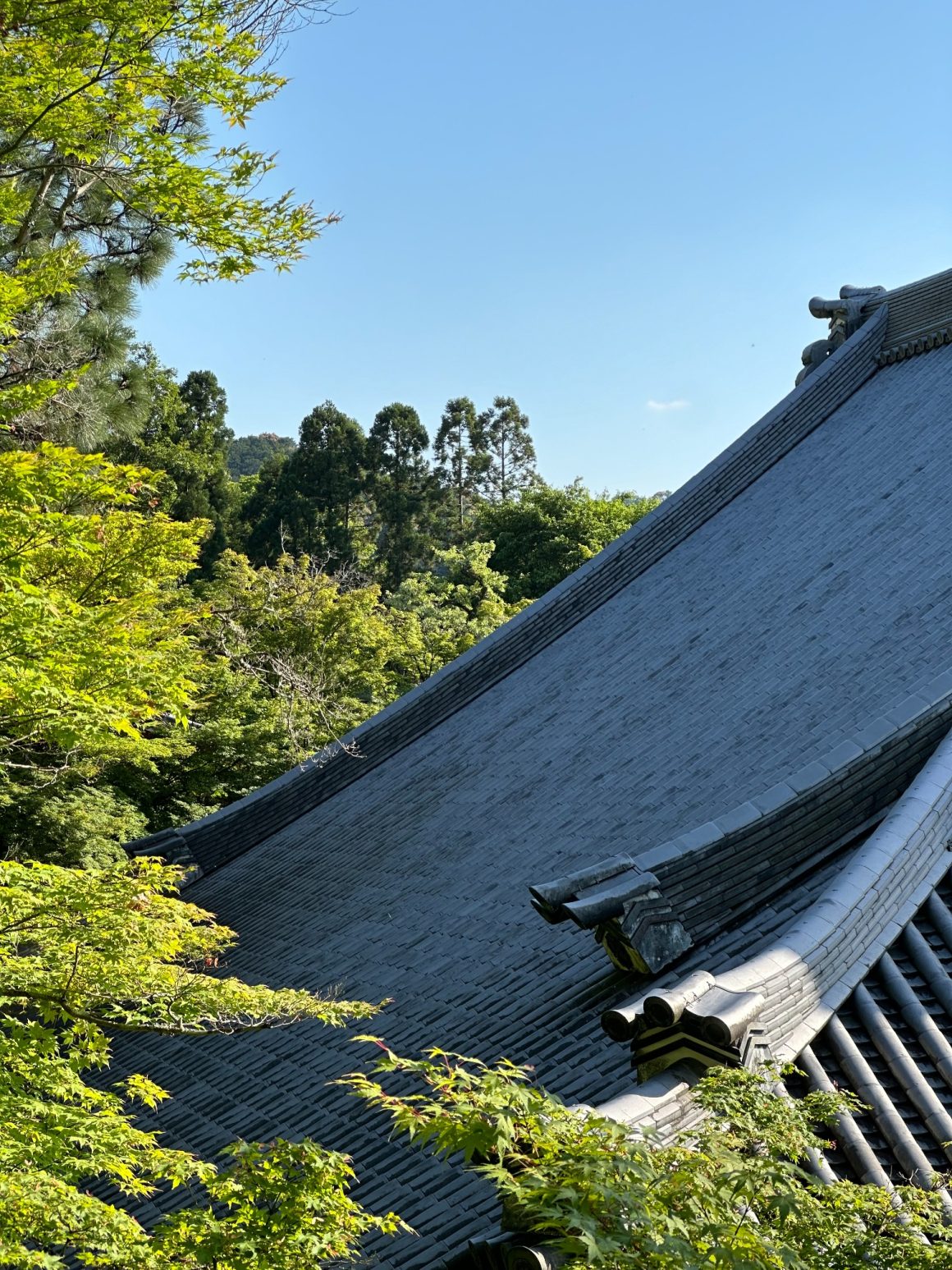
That beauty manifests in the precise geometry and almost weightless architecture of the Buddhist temples — wooden, permeated with soft light passing through paper partitions. Here you can settle onto tatami and gaze for a long time at a garden sometimes reduced to a few stones, an old lantern, and a strip of moss. In the Japanese tradition, space is not meant to be filled to the end — not with objects, not with feelings, not with words.
Hence the attention to pauses, halftones, half-shadows. To emptiness as an independent form of presence.
“In the Japanese tradition, space is not meant to be filled to the end — not with objects, not with feelings, not with words. To emptiness as an independent form of presence.”
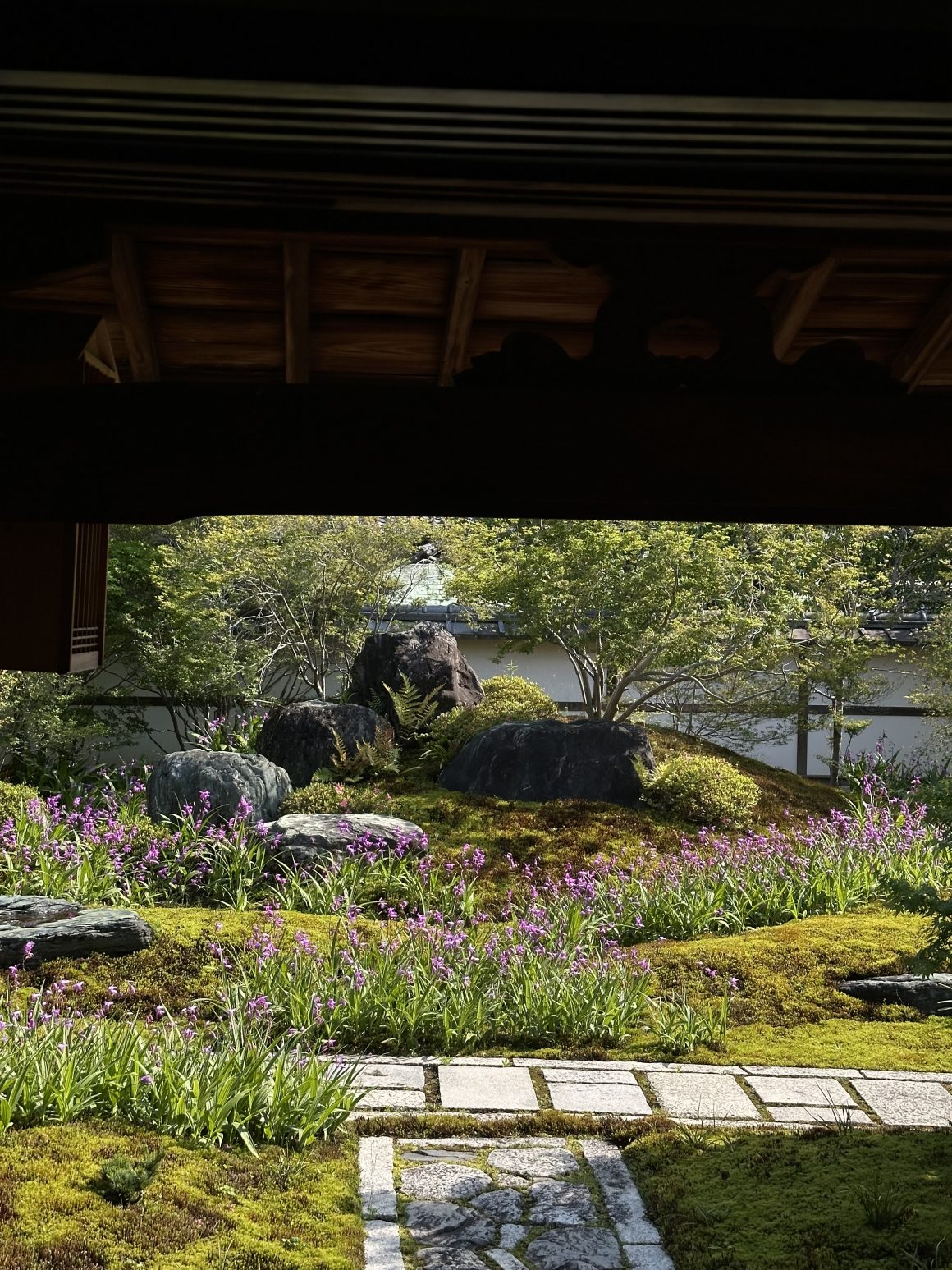
The Lesser-Known Temples: Tofuku-ji, Eikan-do, Shoren-in and Saiho-ji
There are temples and shrines listed in any guidebook (Kinkaku-ji “Golden Pavilion,” Ginkaku-ji “Silver Pavilion,” Fushimi Inari-taisha, Kiyomizu-dera “Pure Water Temple”) — better to visit them early in the morning, otherwise there’s no escape from the crowds. But I strongly recommend visiting places that are talked about less often: Tofuku-ji, Eikan-do Zenrin-ji, Shoren-in, and Saiho-ji.
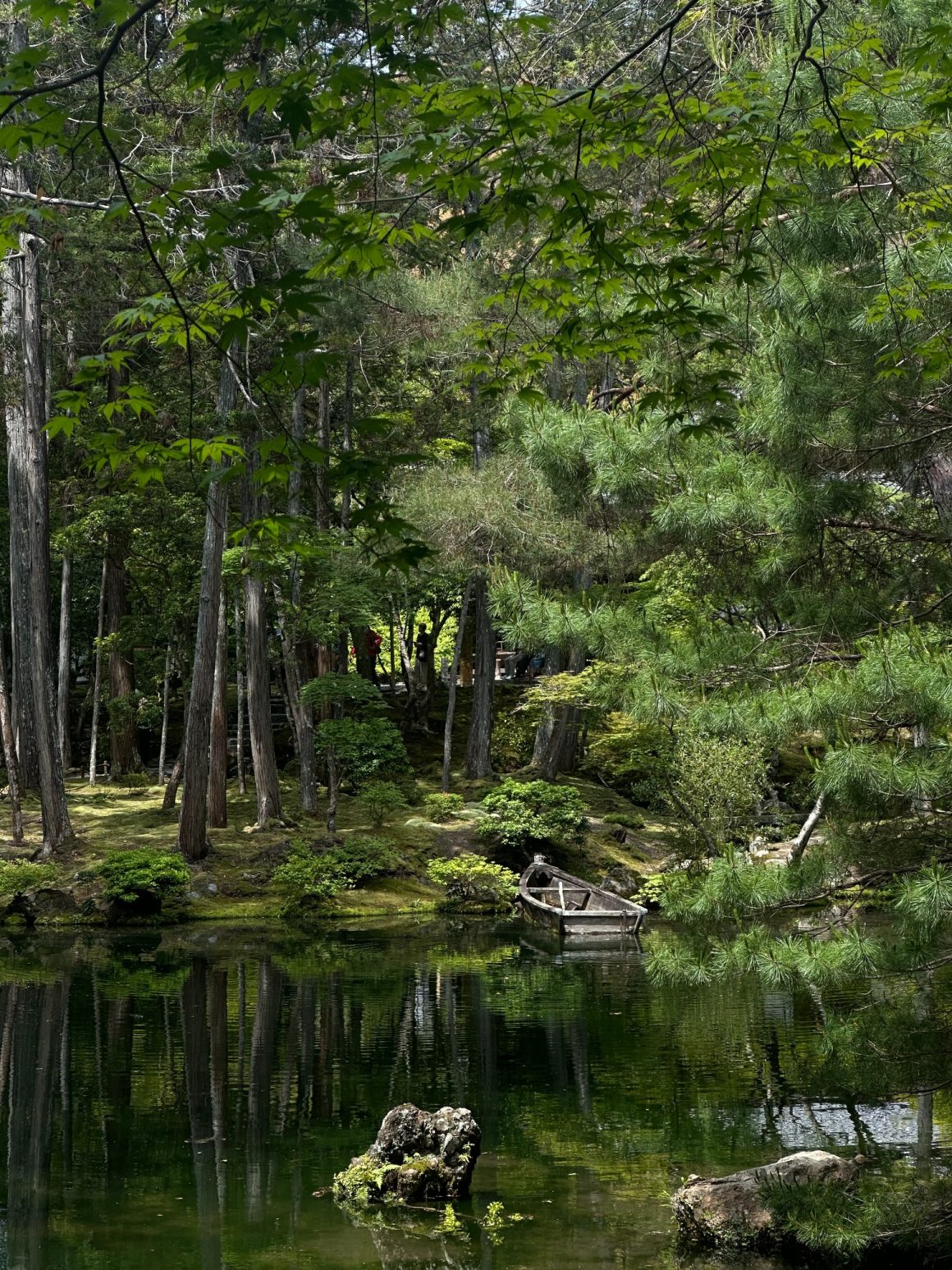
The last one is a Zen Buddhist temple famous for its garden with over 100 species of moss. Until 2023, you could only book a visit by regular mail: those interested would send a postcard to the temple and wait for a reply with a date. Today online registration is open, but you should still arrange it well in advance.
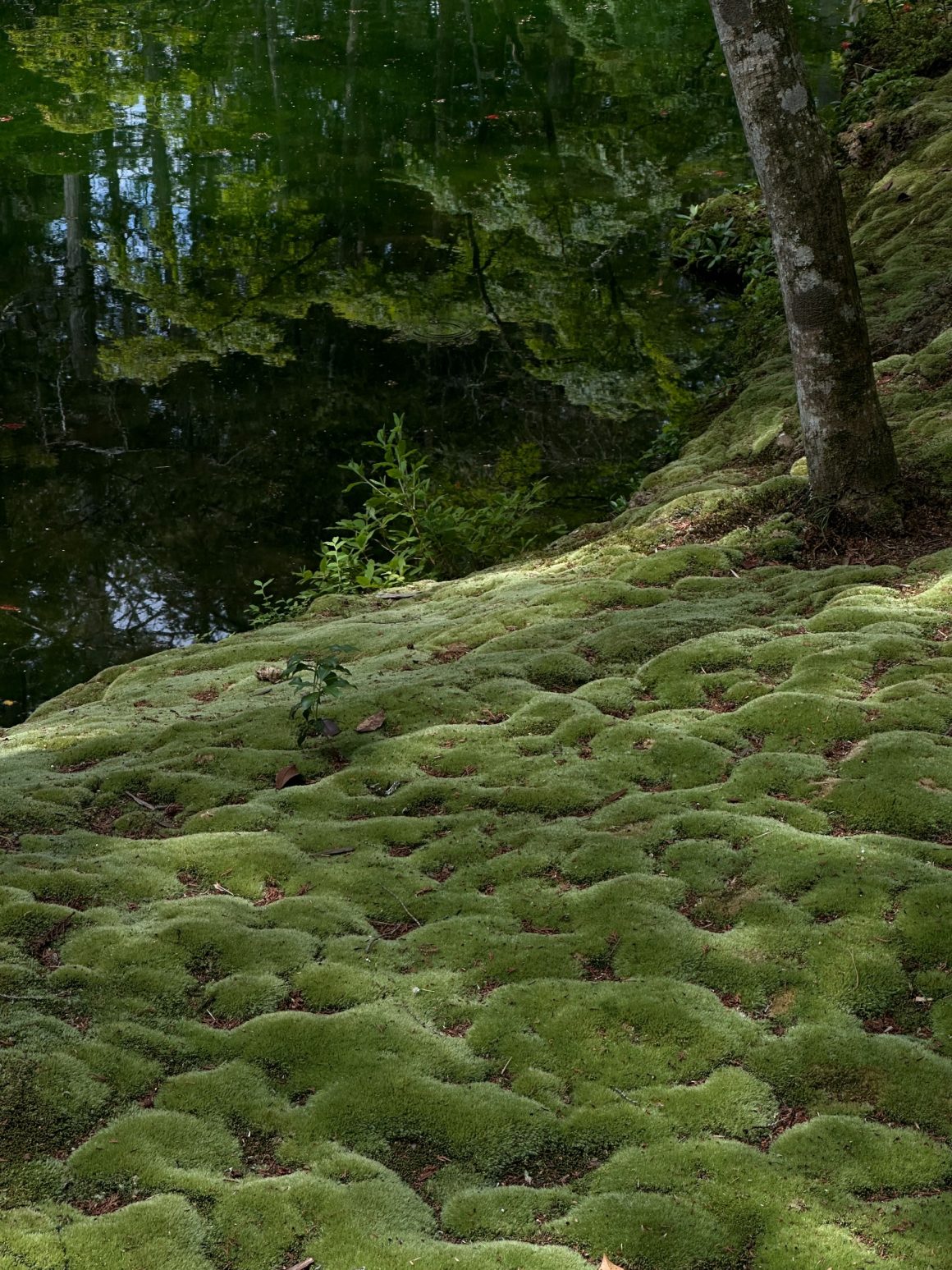
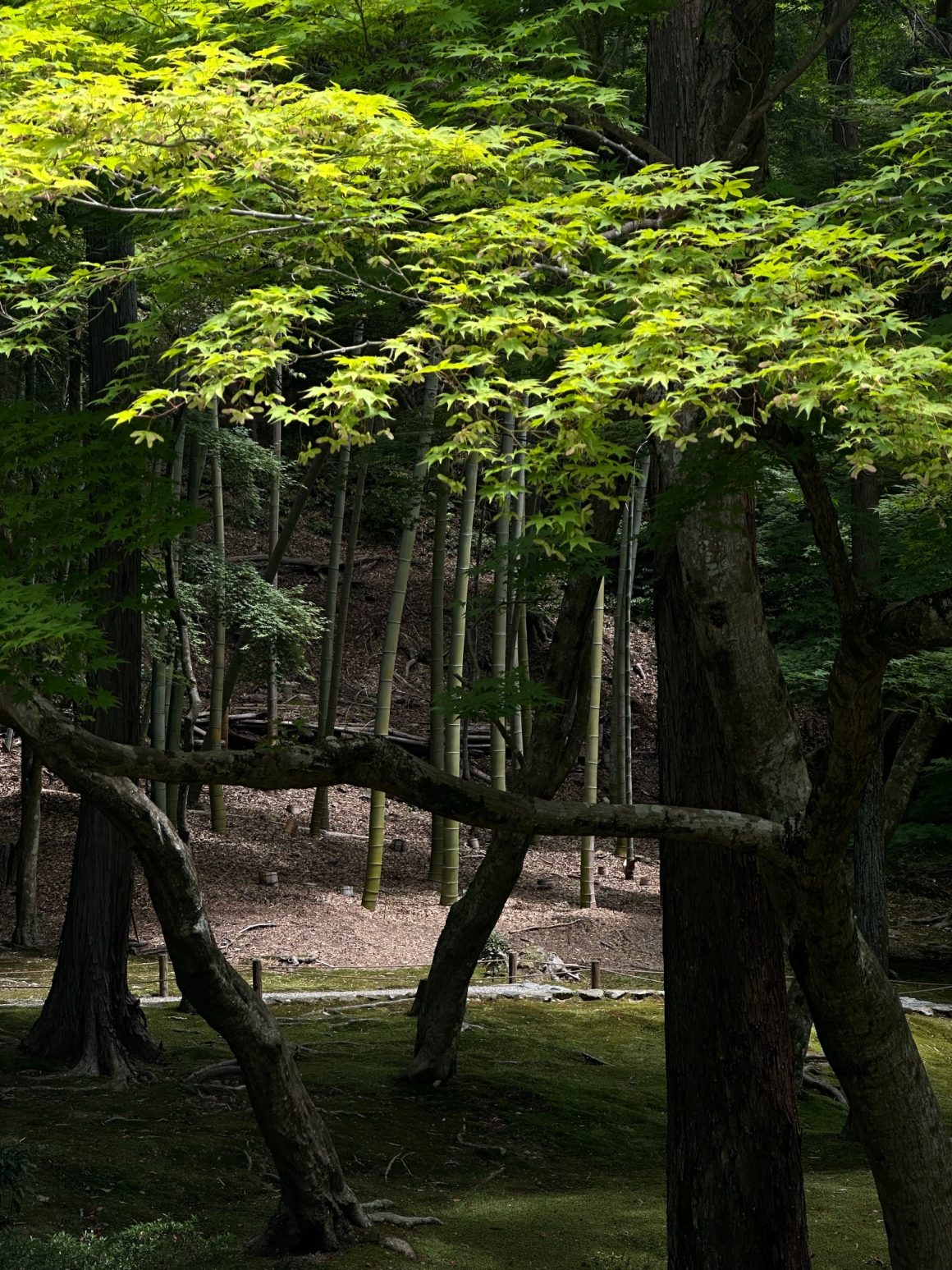
The activities at all these temples are as follows: reading, copying sutras, tea ceremony, watching the gardeners collect fallen leaves one by one and re-draw the waves on white gravel.
The Perfect Evening: Funaoka Onsen
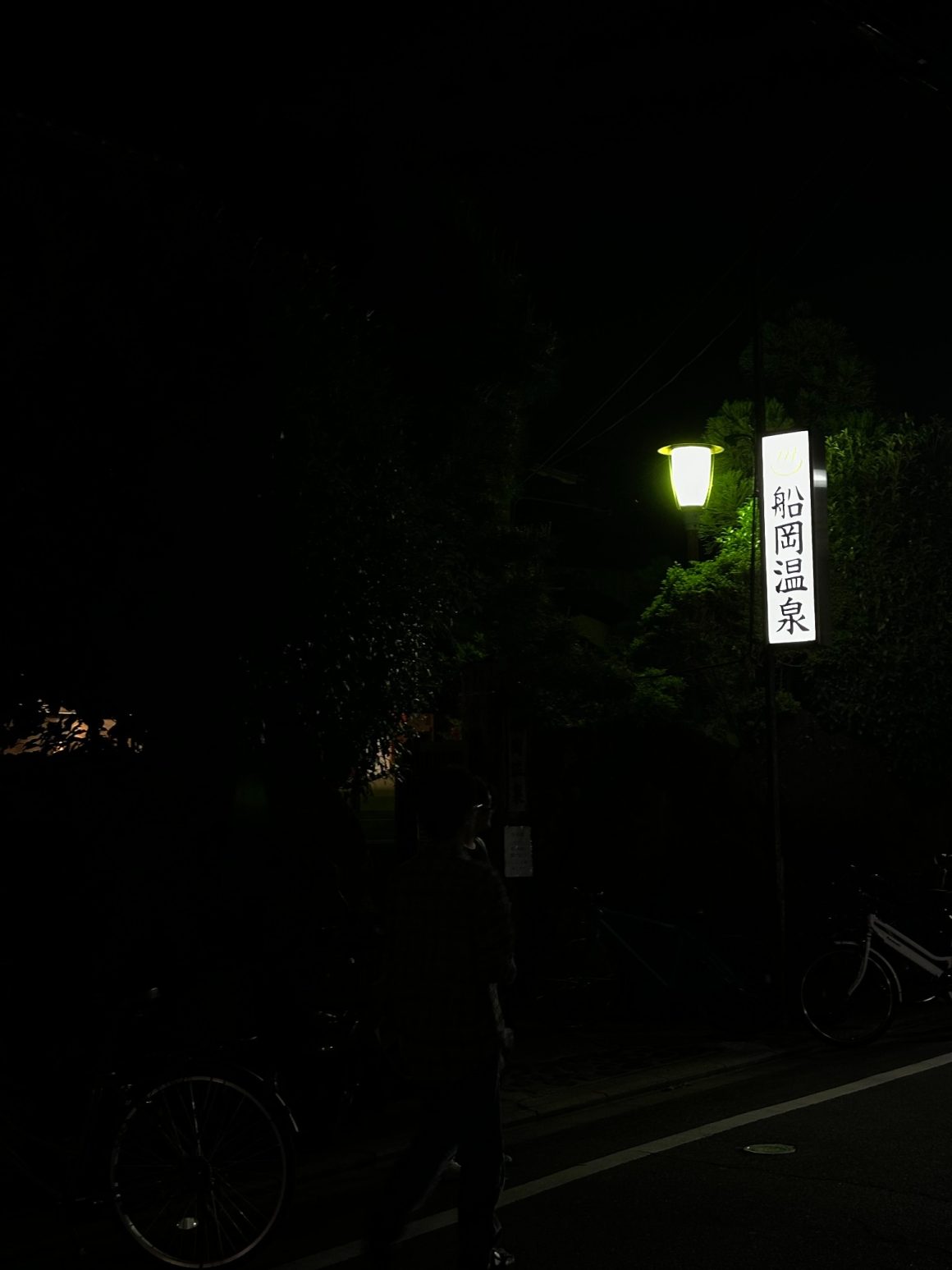
As for the evening, the ideal scenario is this. Head to a historic sento — a Japanese public bathhouse with separate bathing areas for men and women. Funaoka Onsen opened in 1923; inside, carved wooden panels from the Taisho and early Showa eras have been preserved, depicting scenes of Japan’s colonial expansion, samurai, and mythological subjects.
It was here in 1933 that the country’s first electric bath appeared. In addition to that, there are indoor baths, an open-air rotenburo with an artificial grotto, cold baths, and a jacuzzi.
You’ll surely draw the attention of locals, who aren’t used to seeing foreigners here. To avoid breaking etiquette, wash thoroughly before bathing, and dry yourself completely before returning to the changing room. For the Japanese, the bathhouse is not entertainment but a daily ritual of restoration.
After the Bath — Late-Night Ramen and a Jazz Bar
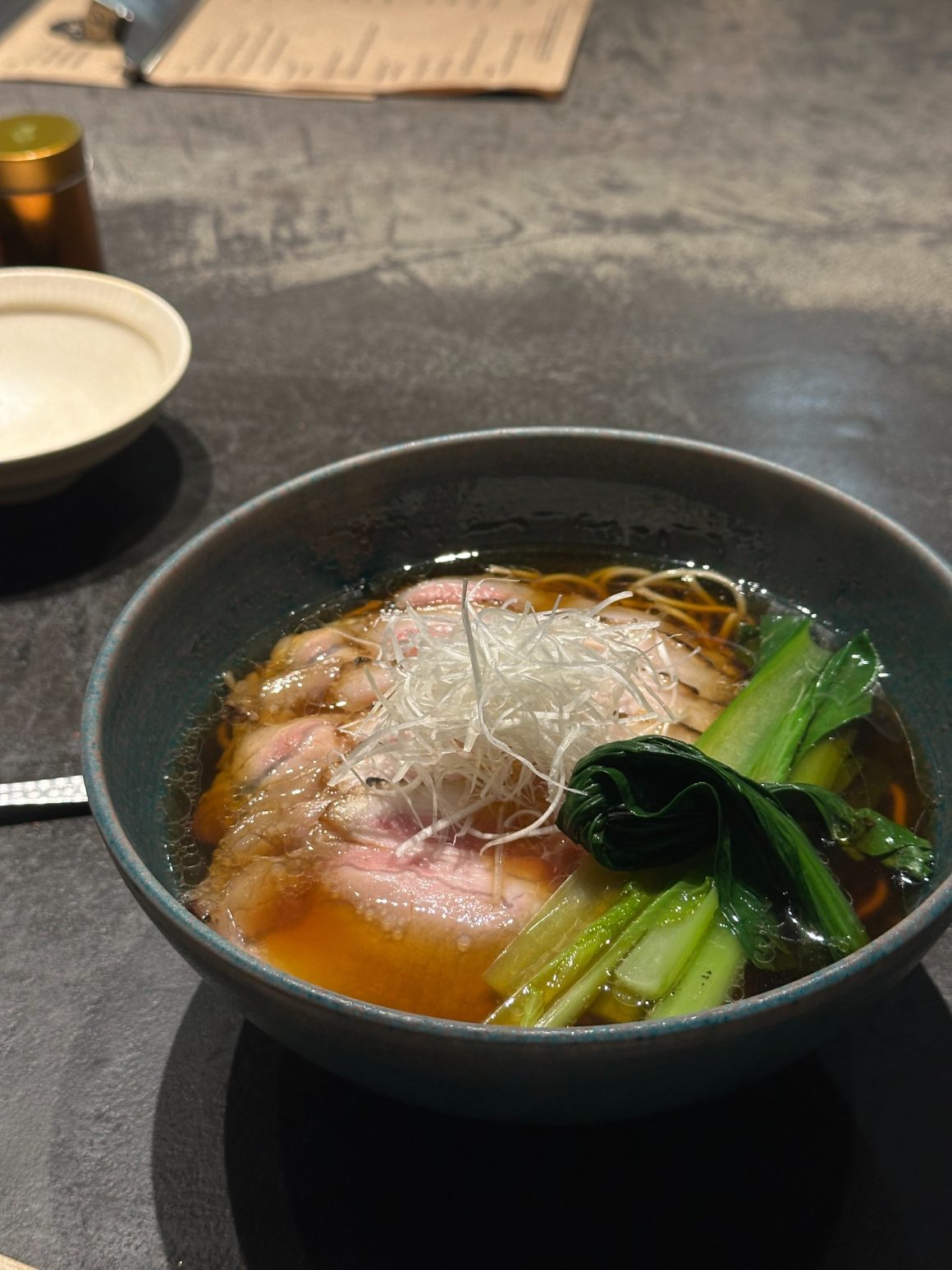
After the sento, head out for late ramen. A hot, salty broth after the bath is a fairly customary way for locals to end an evening. Not far away is Noodle Shop Rennosuke — a tiny restaurant hidden among identical residential buildings in the Murasakino district.
Here they prepare a clear broth on dashi and light soy sauce, with homemade noodles from Kyoto wheat and thinly sliced baked pork from a local producer. Everything is served in Kiyomizu-yaki ceramics, in a minimalist interior, and to the sound of jazz.
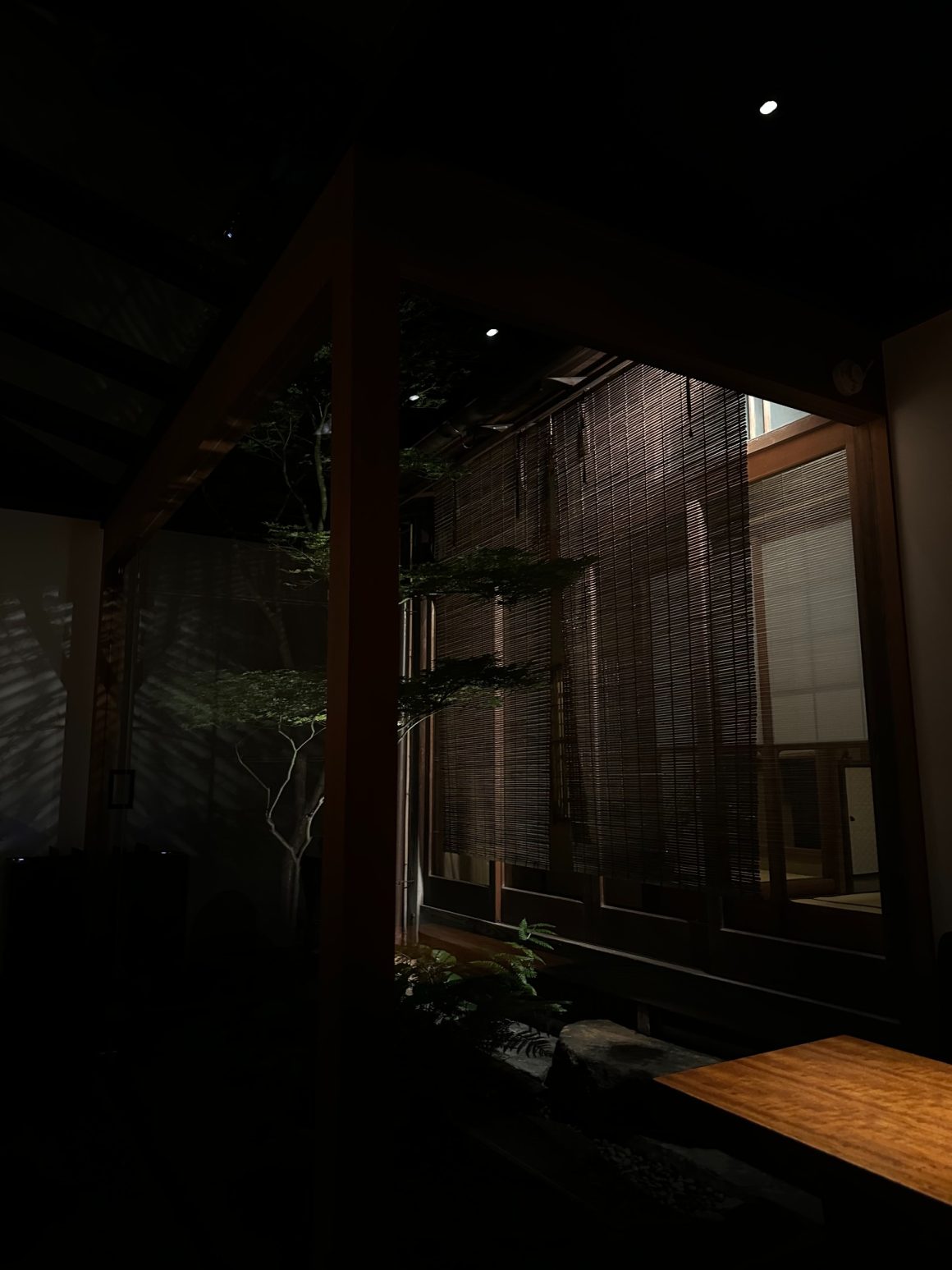
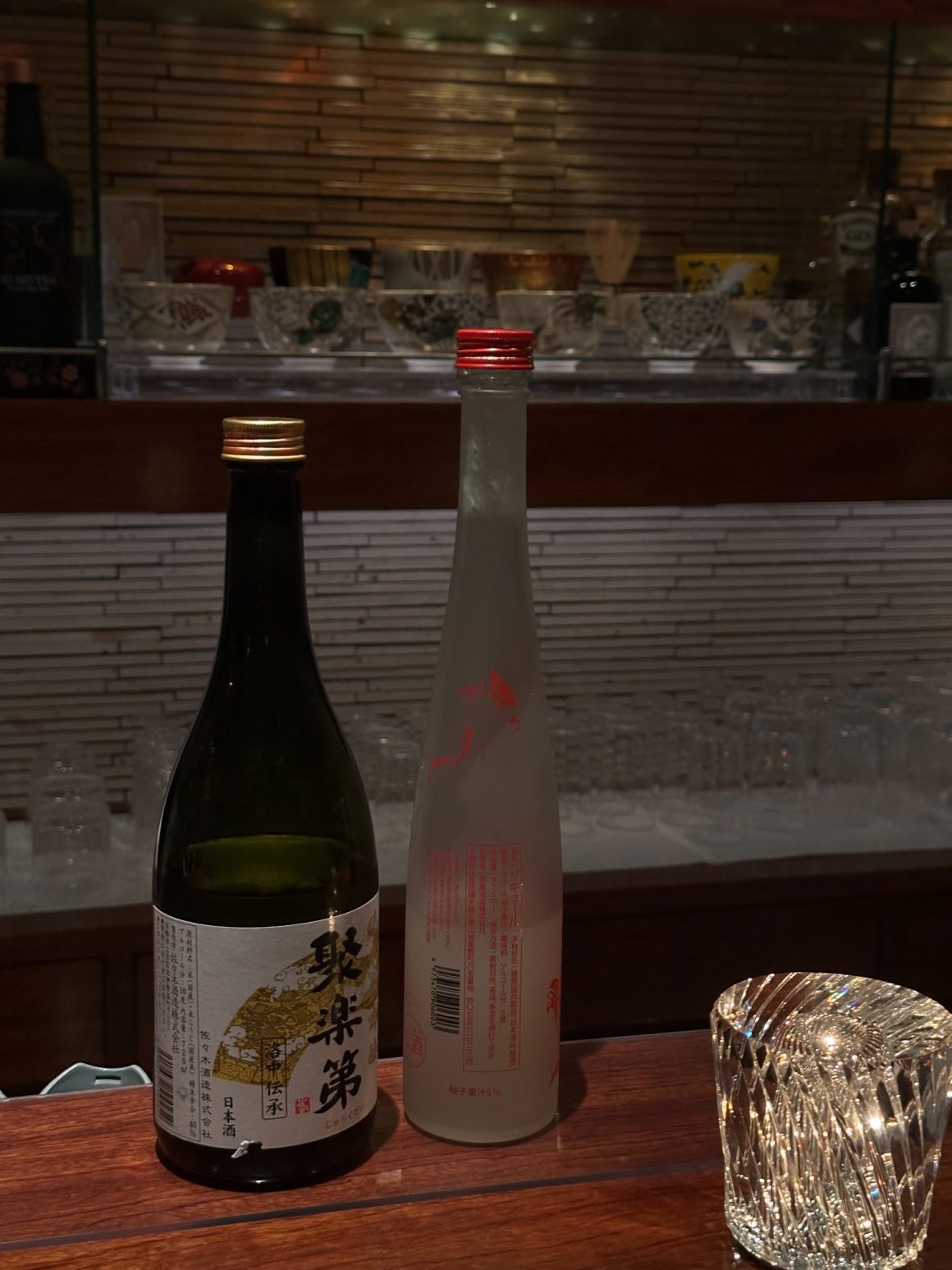
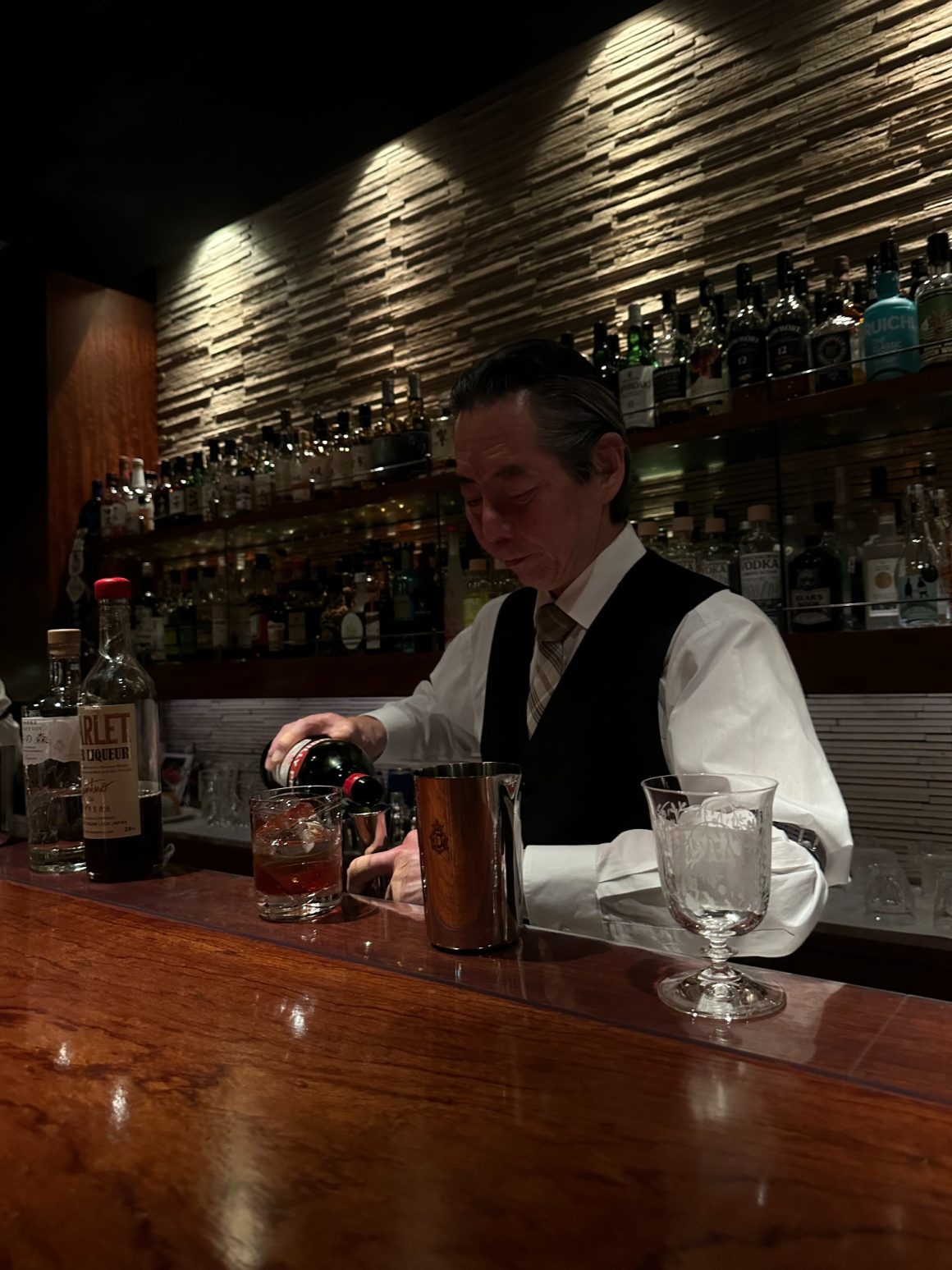
If you don’t want to end the evening yet, head to The Common One Bar Kyoto. It’s tucked away in a Gion alley, in an old Kyoto house: dim light, a wooden counter, jazz, and cocktails that are born from a conversation with the bartender. Here I had a flawless Japanese Old Fashioned and a curious cocktail based on sake and matcha.
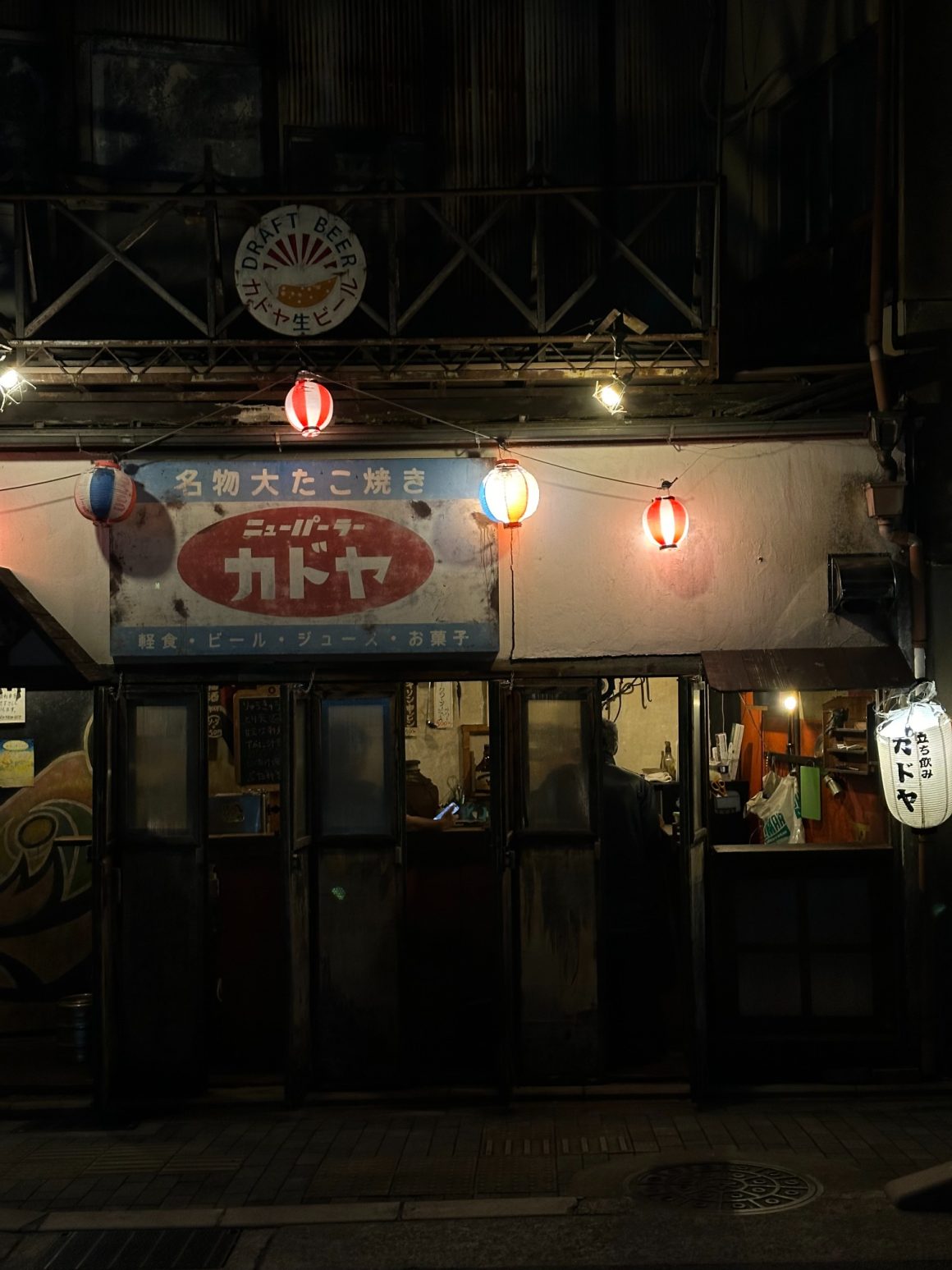
Meanwhile, a maple tree darkened behind the window. For Japan, this is a characteristic detail: even in a tiny bar with a few seats, there’s often an inner tsuboniwa garden around which the entire space is built. In Japanese culture, there’s a strong sense that a person shouldn’t be separated from nature — it should remain nearby even in the most intimate interior.
“In Japanese culture, there’s a strong sense that a person shouldn’t be separated from nature — it should remain nearby even in the most intimate interior.”
A Culinary Evening: Kushikatsu Bon and Juu-go
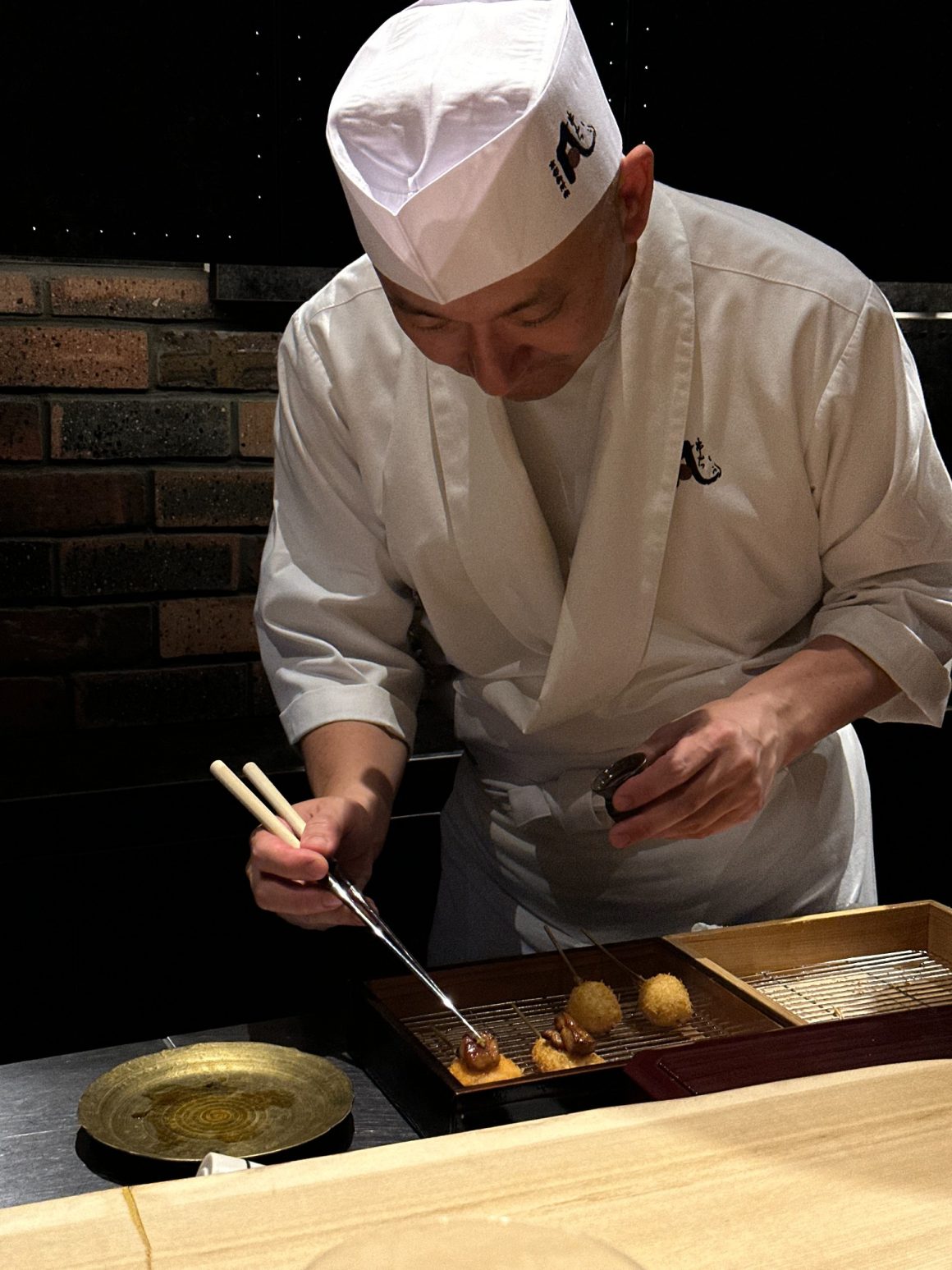
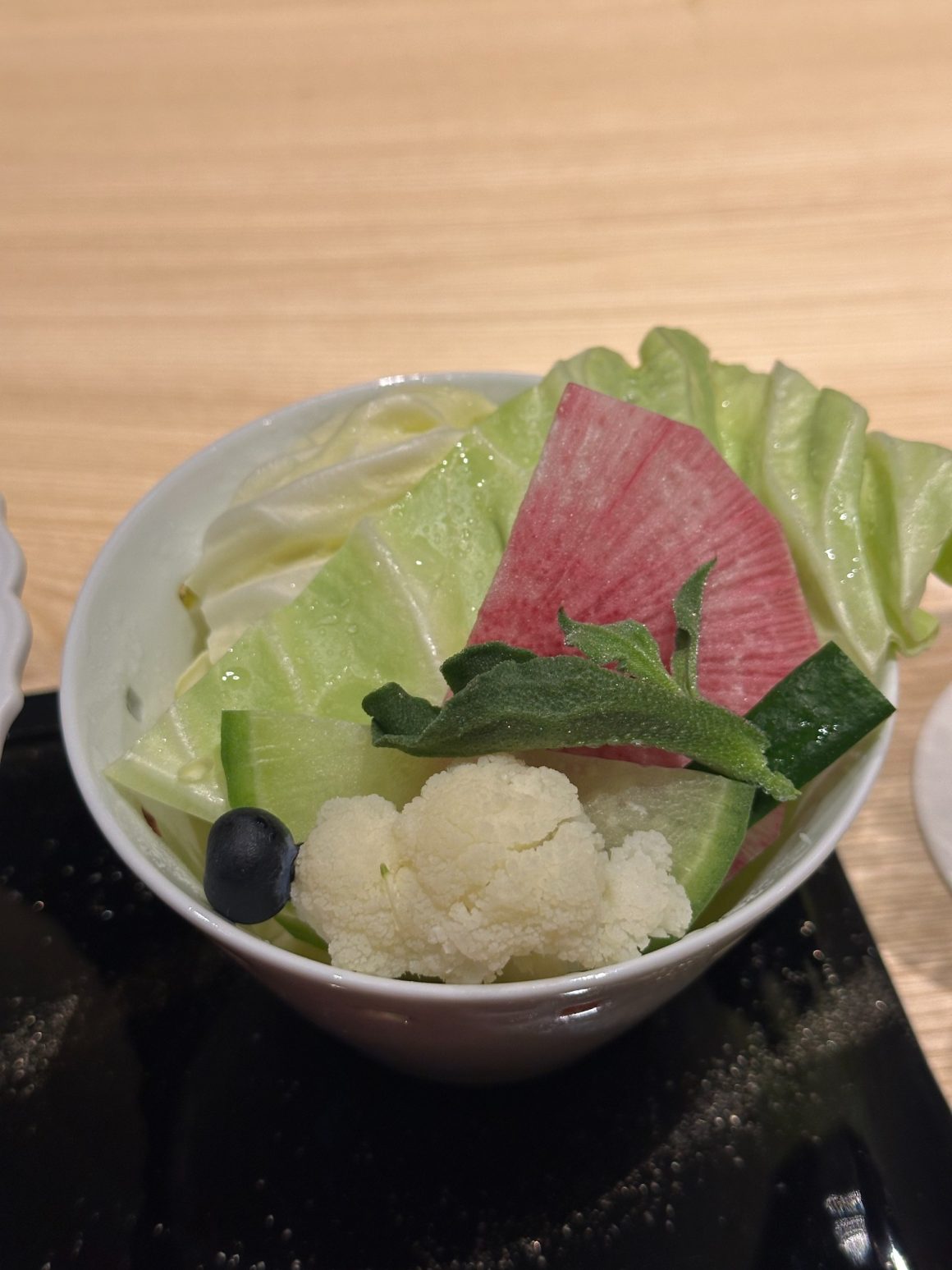
We continue our gastronomic exploration at Kushikatsu Bon Kyoto, located near the Imperial Palace. It’s a restaurant in a traditional Kyoto house where the chef prepares kushikatsu — a local classic: meat, seafood, and vegetables on skewers in an almost weightless batter. A ten-course lunch omakase — wagyu, New Caledonian shrimp, Kyoto asparagus, sea snails in béchamel sauce, and other seasonal products — costs just 2,800 yen. One of those rare cases when exceptional attention to detail is barely reflected in the bill.
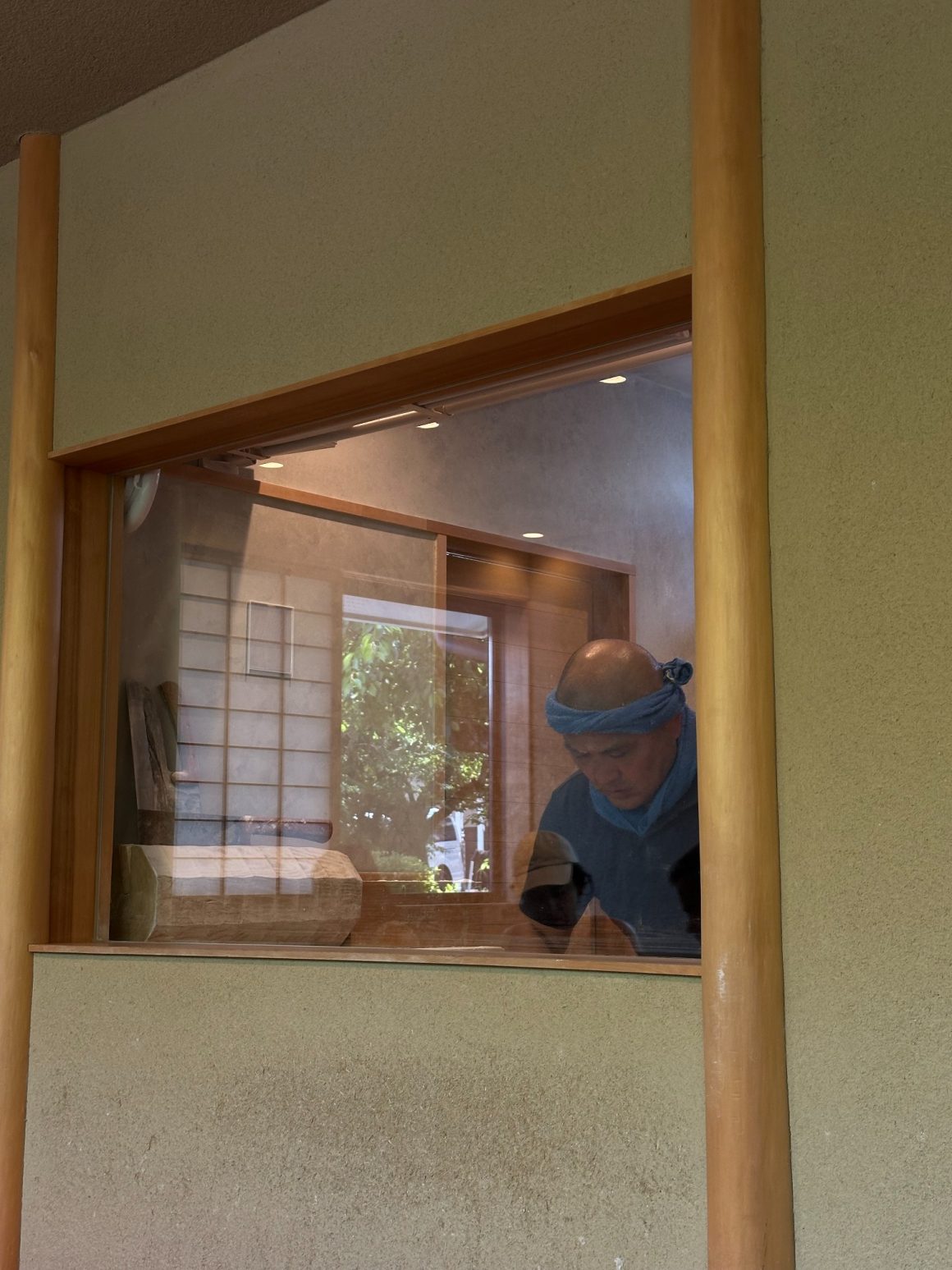
Another place not to skip is Juu-go, a tiny six-seat restaurant by Akii Ishibashi, located right by the canal of the Philosopher’s Path — one of the quietest walking areas in eastern Kyoto. There’s one dish on the menu — soba. Ishibashi grows the buckwheat himself and only starts kneading the dough after the guest takes their seat at the counter.
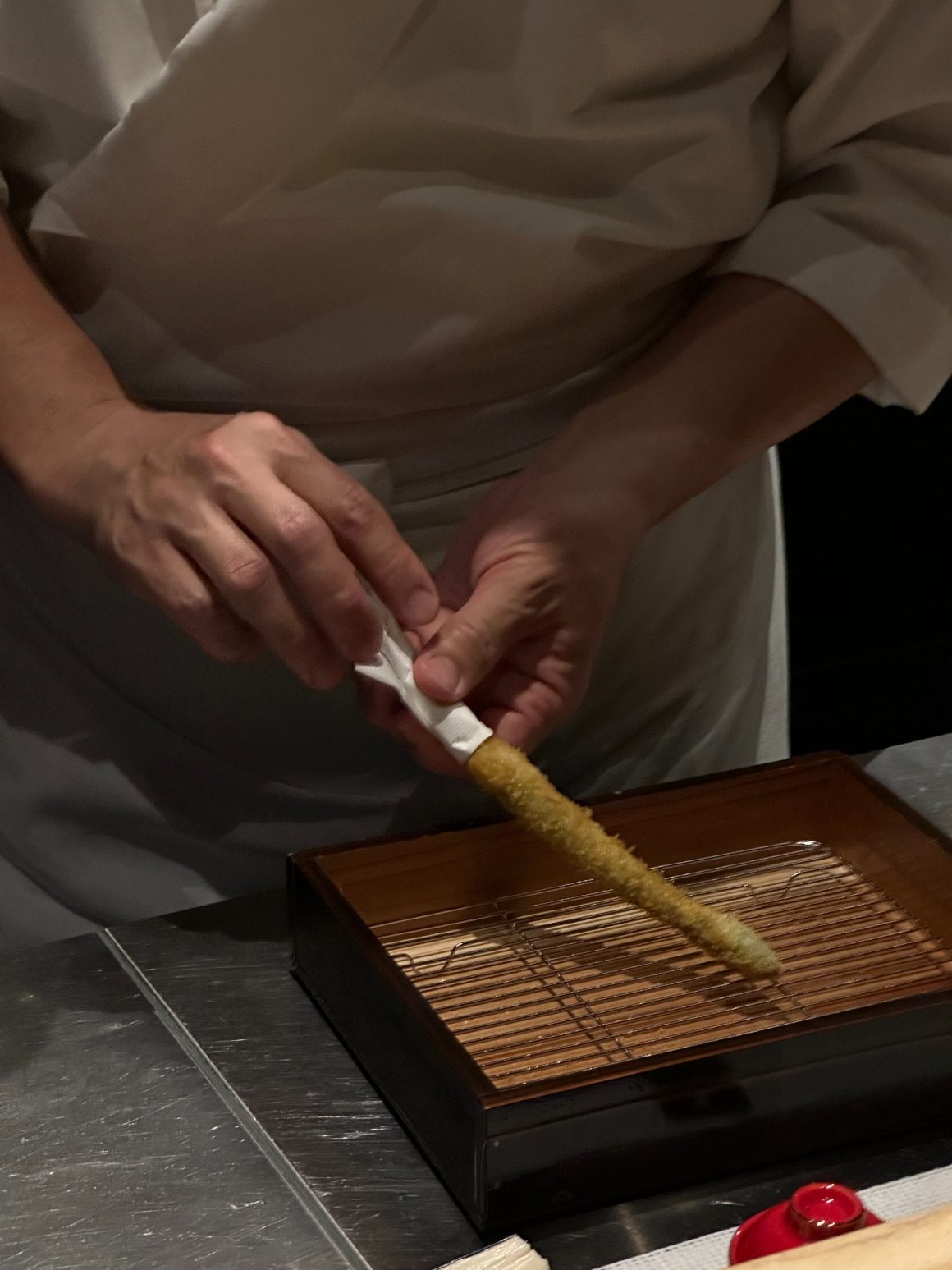
He cuts the noodles deliberately thick so that the grain flavor and texture come through more vividly, and serves them with tsuyu, green onion, and daikon. Book a table in advance, though the meal itself is surprisingly inexpensive.
Hiroshima: A Story of Rebirth
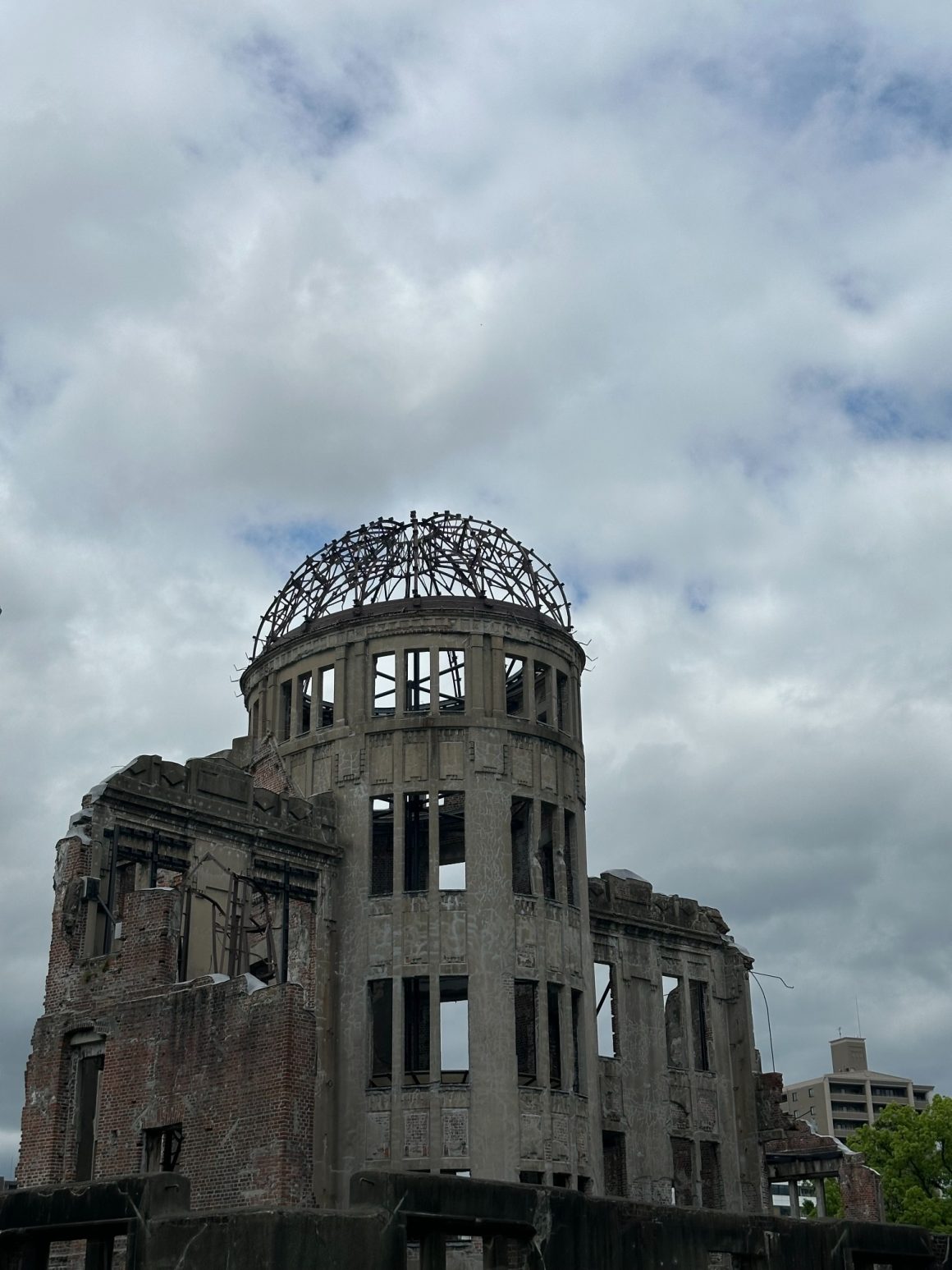
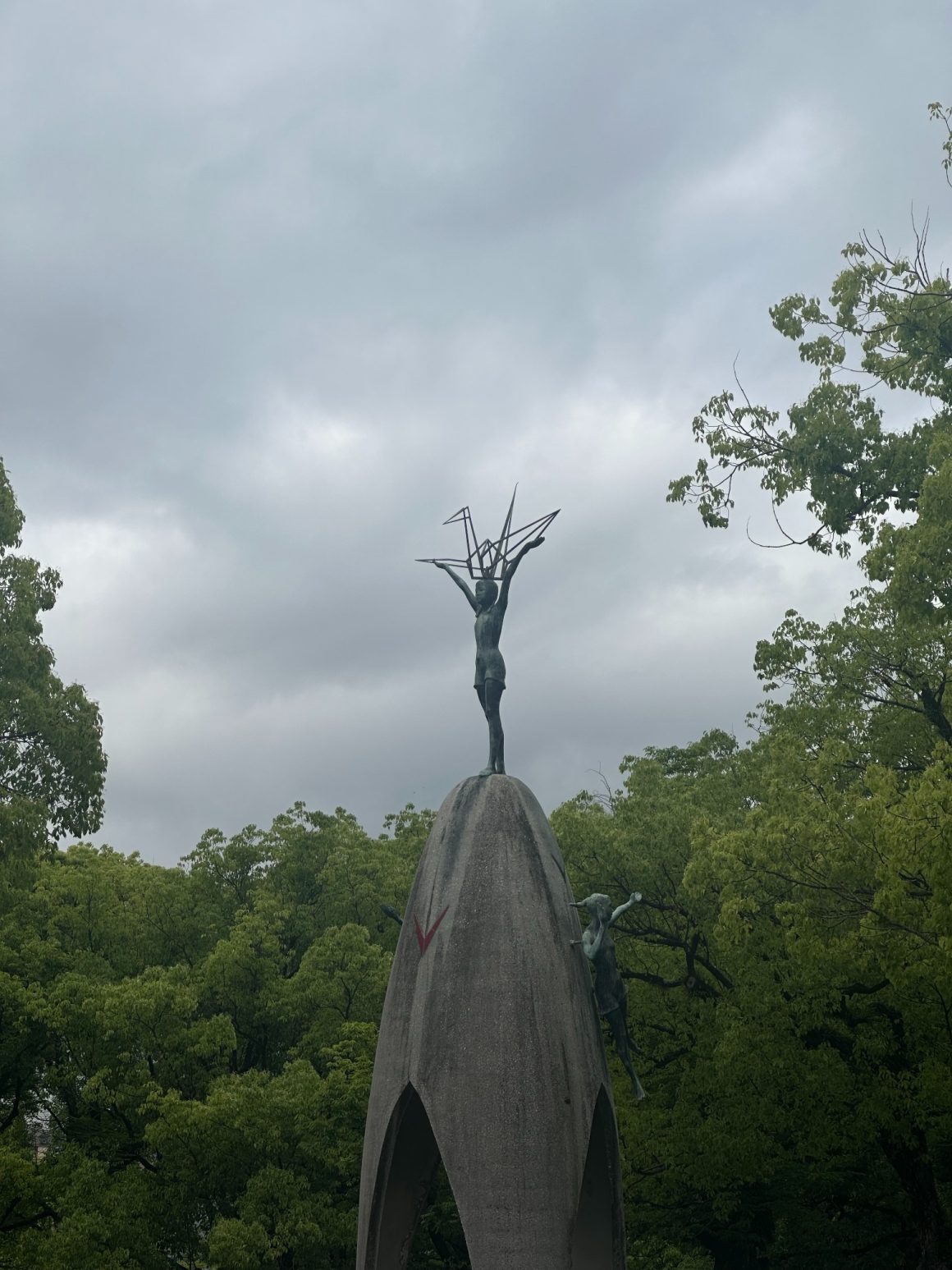
From Kyoto, via Osaka, it’s easy to reach Hiroshima. This is a city that has passed through trials that don’t fit into the mind. A reminder of them stands in the memorial park at the very center. Here are the ruins of the former Industrial Exhibition Hall (the Genbaku Dome) and the Eternal Flame, which is supposed to go out only when there is no nuclear weapon left on Earth.
I thought that the experience of visiting Hiroshima would be somewhat gloomy, existential. But despite its heavy past, today it’s a green city full of life. It makes sense to stay at the recently opened, stylish Hilton Hiroshima. The hotel is done in the spirit of contemporary Japanese minimalism: lots of light wood, natural stone, high ceilings, floor-to-ceiling windows, a spacious spa.
It’s a perfect starting point for exploring the city on foot: through the bustling Nagarekawa and Hondori streets to Hiroshima Castle, and then swapping the urban rhythm for the silence of the Hiroshima Museum of Art.
“I thought that the experience of visiting Hiroshima would be somewhat gloomy, existential. But despite its heavy past, today it’s a green city full of life.”
The Hiroshima Museum of Art: A European Modernism Collection
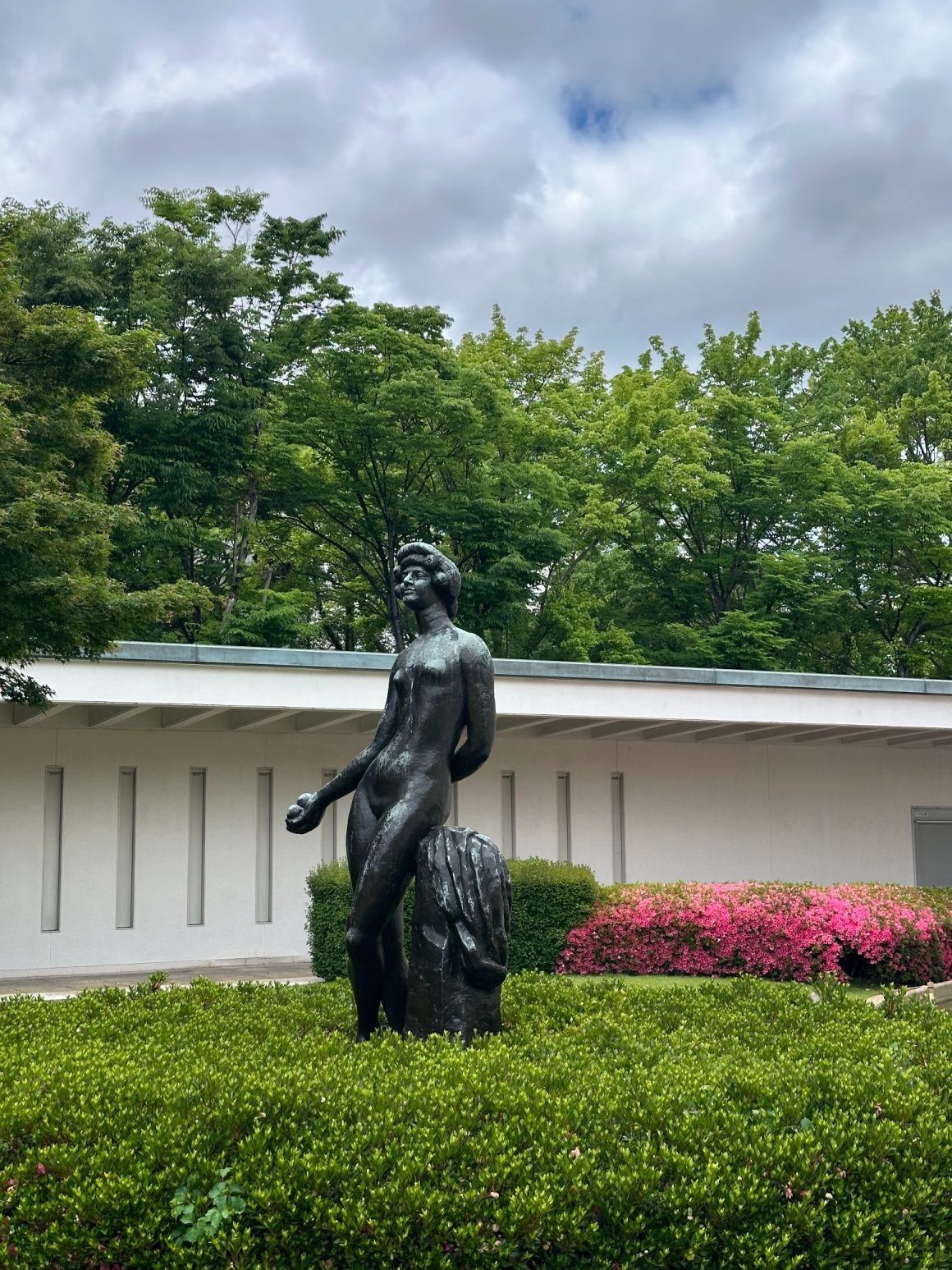
This is a must-visit — another reminder of how Japan rebuilt the city after the war. Founded by the Bank of Hiroshima in 1978 as an anniversary gift to the city, the museum was conceived as a place that returns joy and peace of mind. The collection was assembled even before the opening, in the late 1960s and 1970s, when many masterpieces of European modernism still didn’t cost astronomical sums. That’s how they managed to assemble an outstanding selection: early Picasso with “Two Women at a Bar,” Vincent van Gogh’s “Daubigny’s Garden,” as well as works by Renoir, Cézanne, Matisse, Chagall, and Modigliani.
The Sake Region: From Saijo to Dassai
While you’re in Hiroshima, it’s worth continuing your acquaintance with the region through sake. Just forty minutes from the city is Saijo — one of the three historical centers of Japanese sake brewing, where seven active producers are concentrated along a single street.
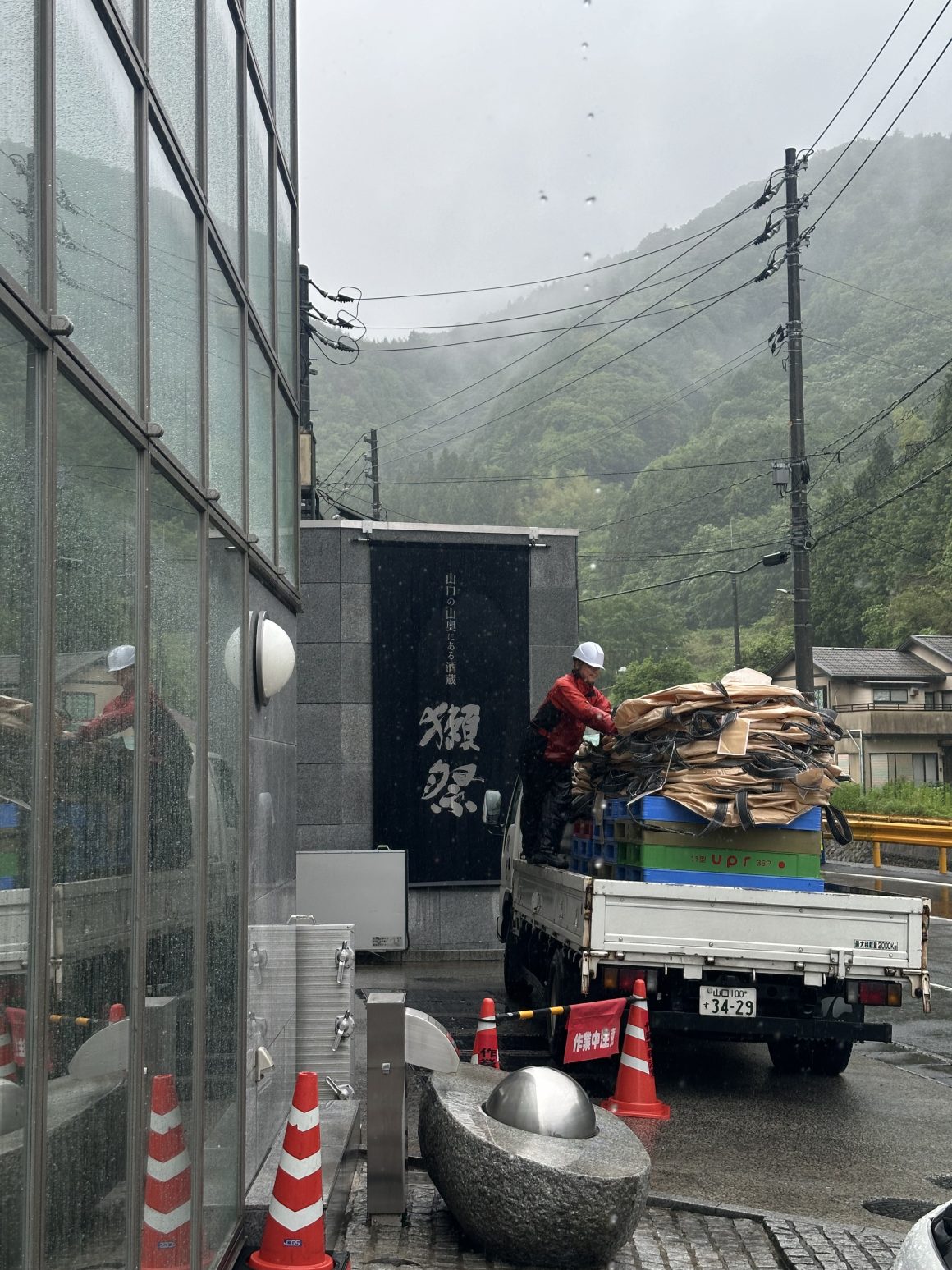
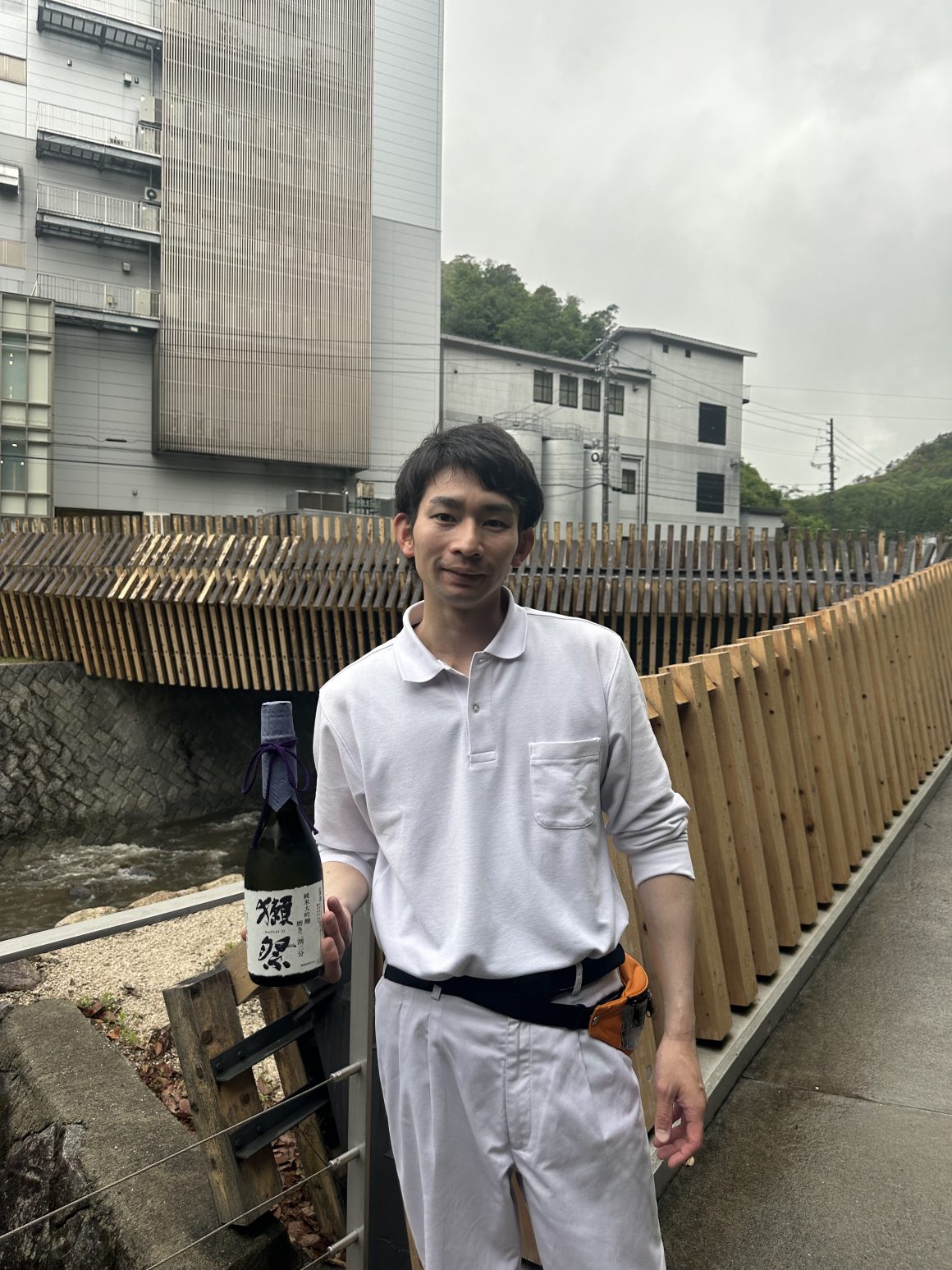
And if you continue southwest, in the neighboring Yamaguchi Prefecture you can visit the production facility of Dassai — one of the most recognizable contemporary sakes in Japan. The sakegura is located in a narrow forested valley by a mountain river, across which the Kusugi Bridge is thrown. The old bridge was destroyed by the 2018 flood; four years later, it was restored by the great Kengo Kuma, who clad it in local hinoki cypress. The bridge leads to a small tasting room and boutique — a bright wooden space with views of the river and dense forest.
Reading Tokyo
Less than four hours on the shinkansen from Hiroshima — and you’re in Tokyo. It’s worth taking a seat by the right window: after Shizuoka, if the sky is clear, you can enjoy a view of Mount Fuji.
Upon arriving in Tokyo, don’t try to find its “center” — in the usual European sense, there simply isn’t one. A European city usually gravitates toward a single point: a square, a cathedral, a historic core. Tokyo is arranged differently. Formally, the Imperial Palace could be considered its center, but for Tokyoites themselves, this is more of a historical symbol than the focus of city life. Around it are parks, administrative buildings, and business districts — lively during the day and noticeably emptying in the evening. Staying here or in neighboring Ginza, packed with tourists, is one of the most common mistakes.
Where to Stay: Nakameguro, Daikanyama, Ebisu
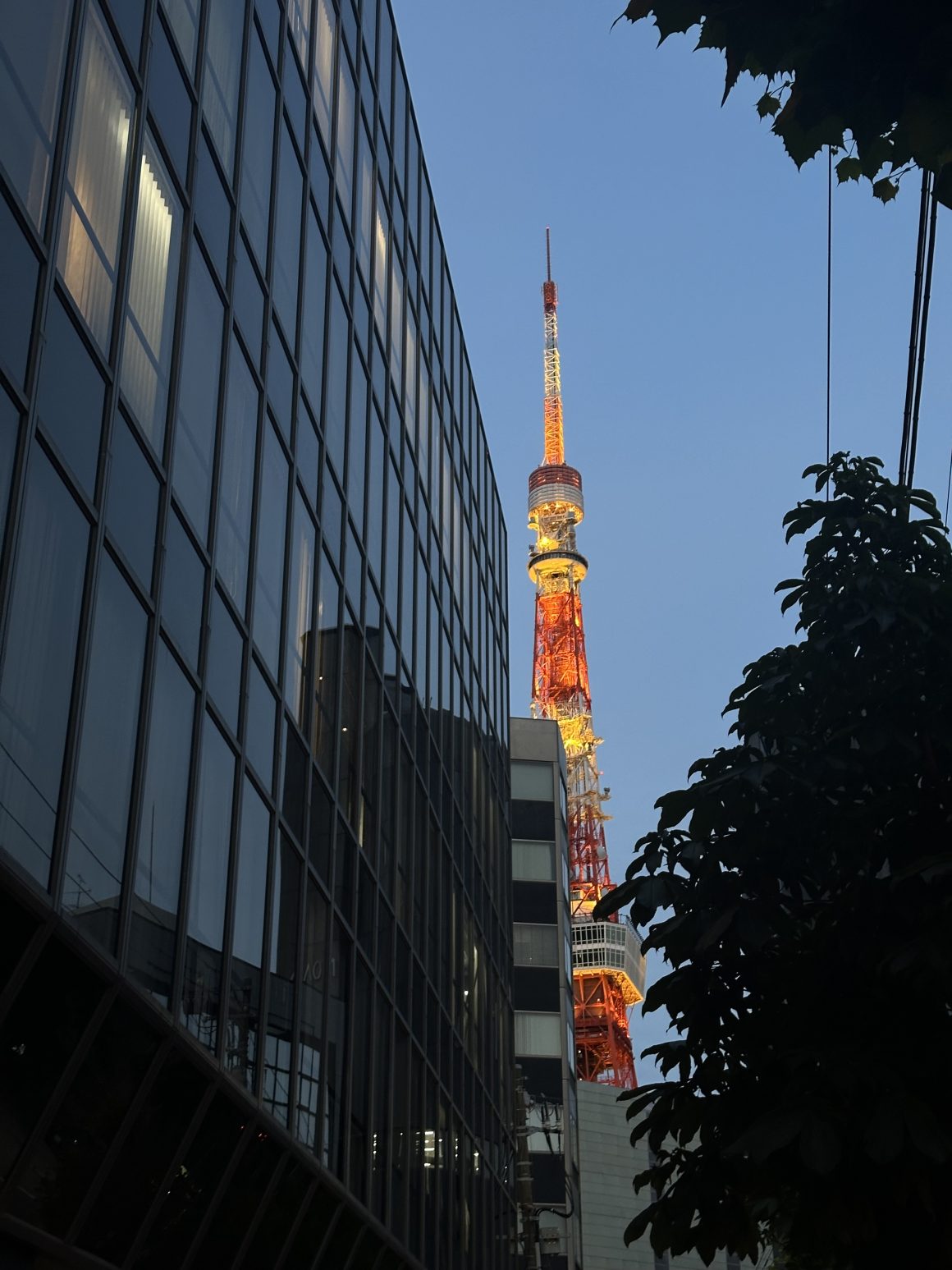
Local insiders almost unanimously recommended Nakameguro, Daikanyama, and Ebisu. The request was as follows: an authentic neighborhood without crowds of tourists, but not too quiet or disconnected from life either — so that in the evening you could go out for a drink and have pleasant bars within walking distance. The advice turned out to be accurate: we got the Tokyo we were looking for.
During a week in Nakameguro, we almost never encountered foreigners. I couldn’t shake the feeling that the neighborhood was arranged by Tokyoites for themselves.
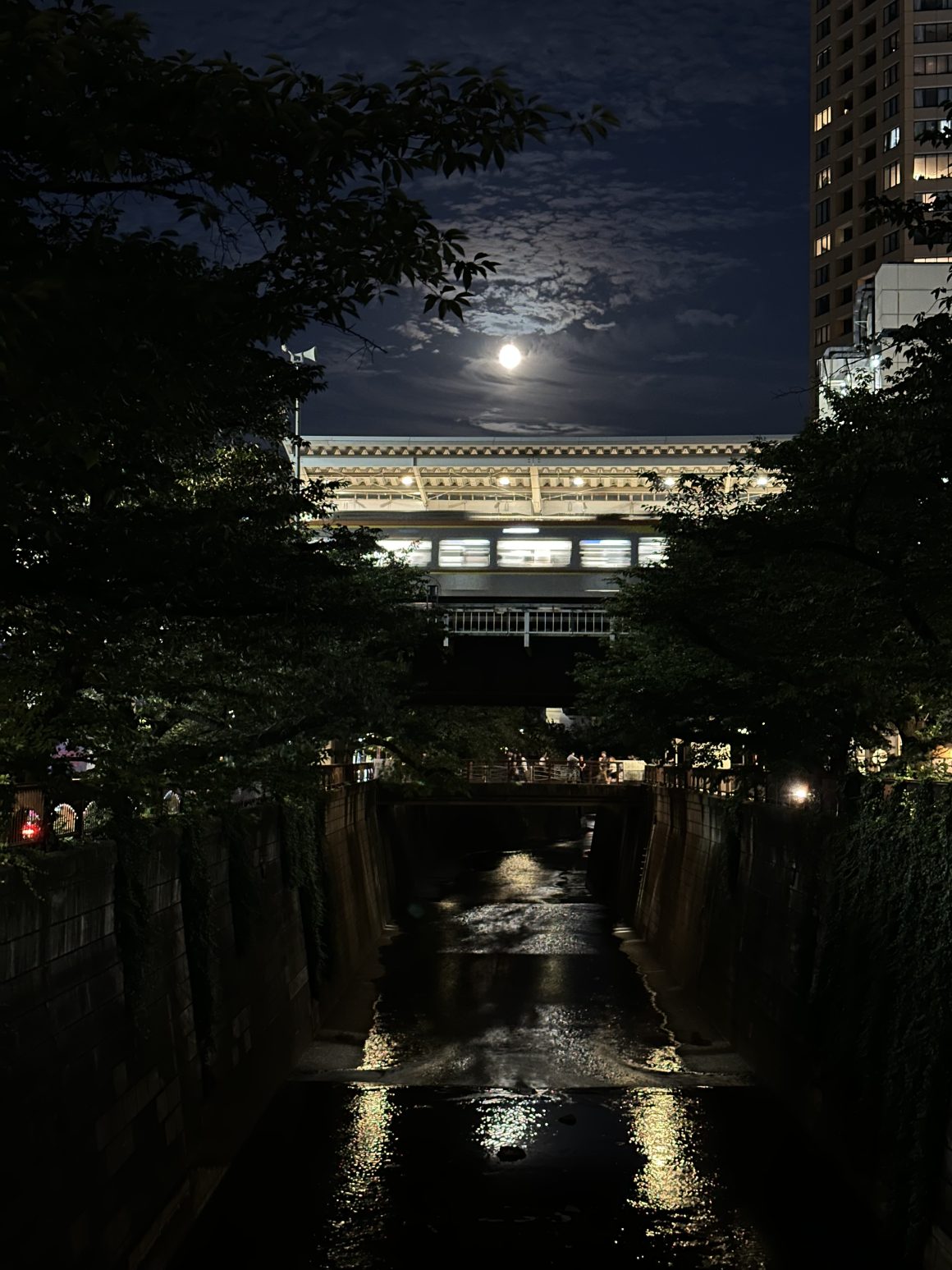
We watched their daily life: morning queues for French pastries, lunches in ramen shops under the arches of the railway line, visits to hair salons with panoramic windows, long hours in bookstores over a cup of specialty coffee, shopping in independent brand boutiques, and evening meetings in sake bars. The Meguro River runs through the neighborhood, and its embankment becomes another place for unhurried observation of life — and of water.
The First Days: The National Museum and Nezu
In your first days, it’s worth stopping by the Tokyo National Museum — it will help you understand the key Japanese symbols, so it becomes much easier to “read” the city. They have a permanent exhibition, arranged as a journey through different eras: from Neolithic Jomon pottery through the Buddhist art of Nara and the samurai culture of medieval Japan to Edo-period screens and prints. This is also an occasion to explore the historic Nezu and Yanaka districts adjacent to the park.
The Nezu Museum deserves special attention — primarily thanks to Kengo Kuma’s architecture, though the collection itself is no less impressive. Here are assembled works of Japanese art, calligraphy, and objects related to the tea ceremony. You can continue your acquaintance with this tradition at NezuCafé on the museum grounds: from the panoramic windows there’s a view of a garden with winding paths, tea pavilions, and ponds with koi carp.
Aoyama: Architecture, Galleries, and Bookstores
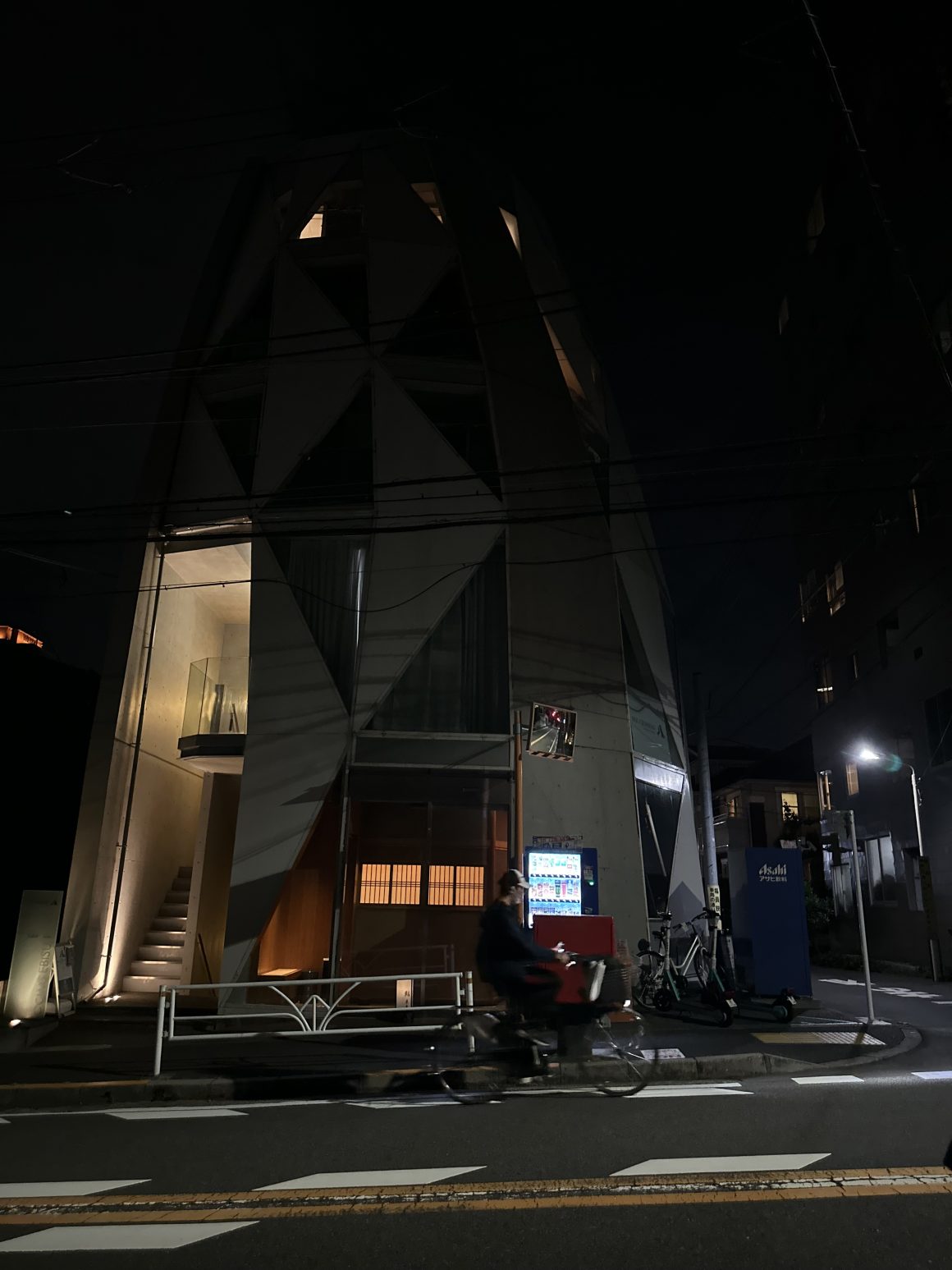
After the visit, it’s worth staying in Aoyama. In this neighborhood, works by Tadao Ando neighbor galleries, designer stores, independent coffee shops, and bookstores: a scattering of snapshots of contemporary Tokyo architecture.
Sumo at Ryōgoku Kokugikan
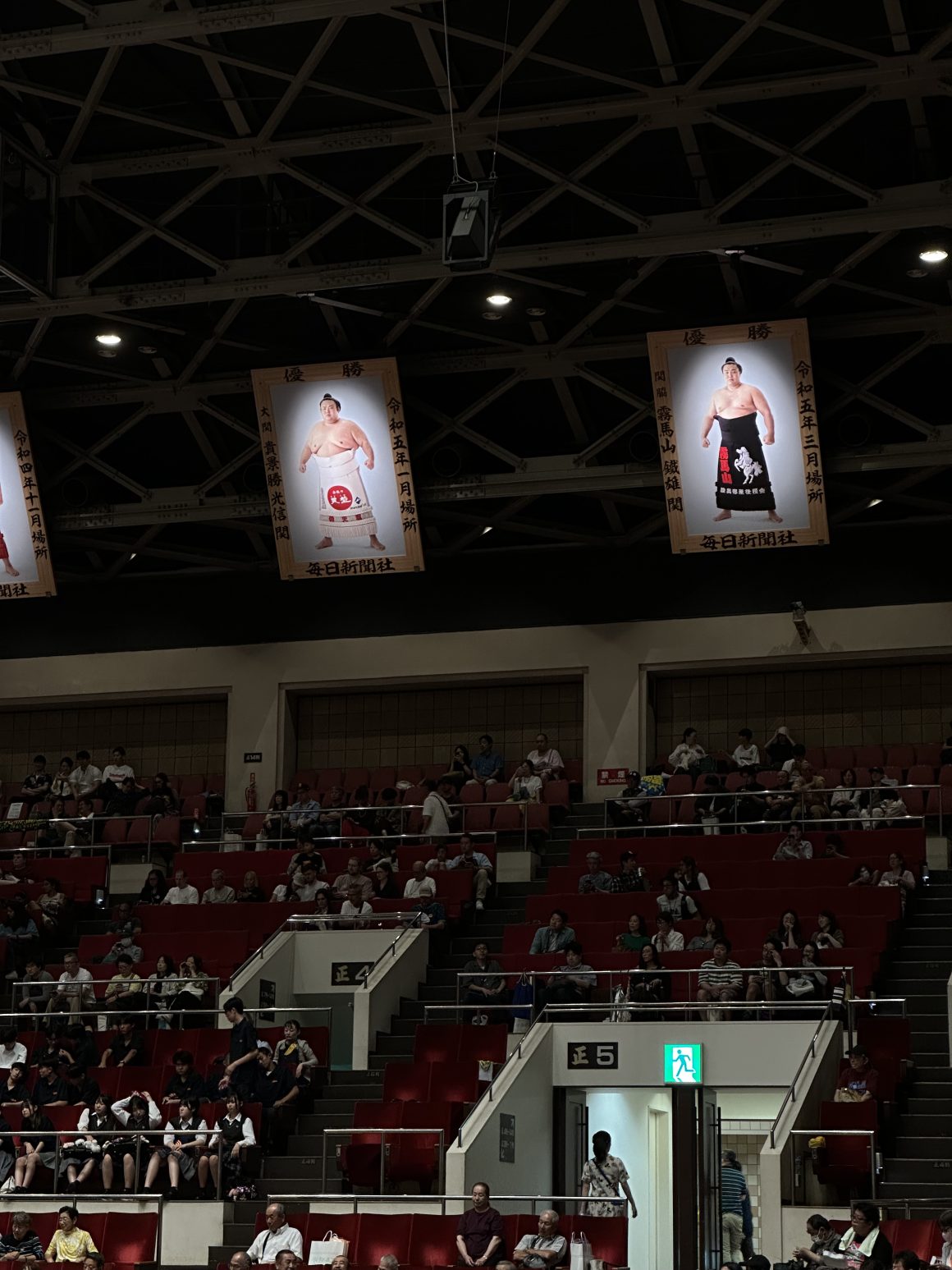
A great idea is to attend a sumo tournament at the main Ryōgoku Kokugikan arena. Each match has its own original dramaturgy, and even after two hours you’re still watching the next one with great interest.
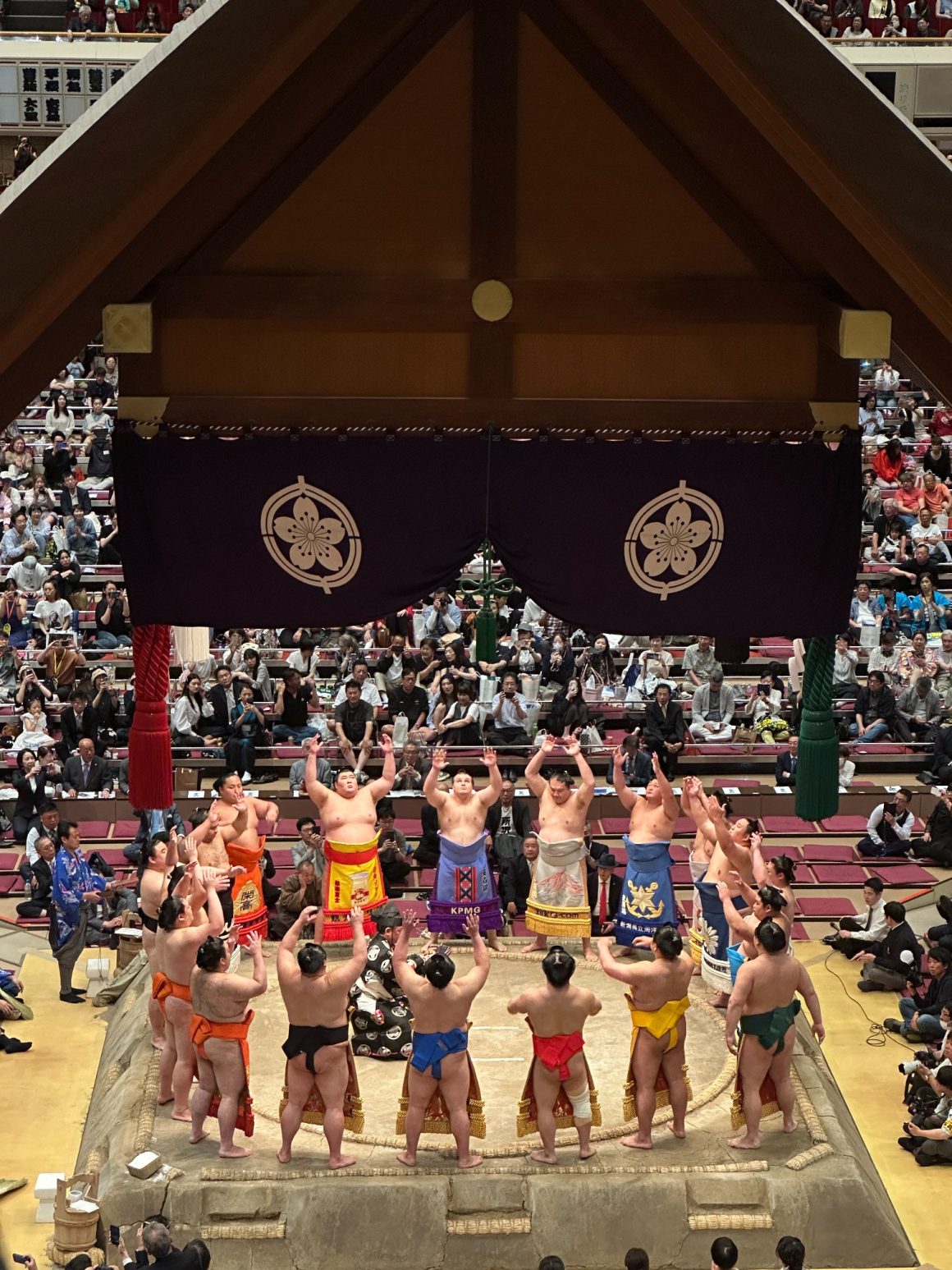
This is definitely a new sensation for the Western consciousness, an experience of unity with the Tokyo community that comes to sumo matches as families and spends the whole day at the arena.
Tokyo Gastronomy: Tonkatsu and Soba
Obviously, one trip to Tokyo is not enough to understand the local gastronomic culture — a continuous dialogue between the cuisines of Hokkaido, Kansai, Kyushu, Okinawa, Niigata, Nagano, and dozens of other regions. So — just a few addresses for a first acquaintance.
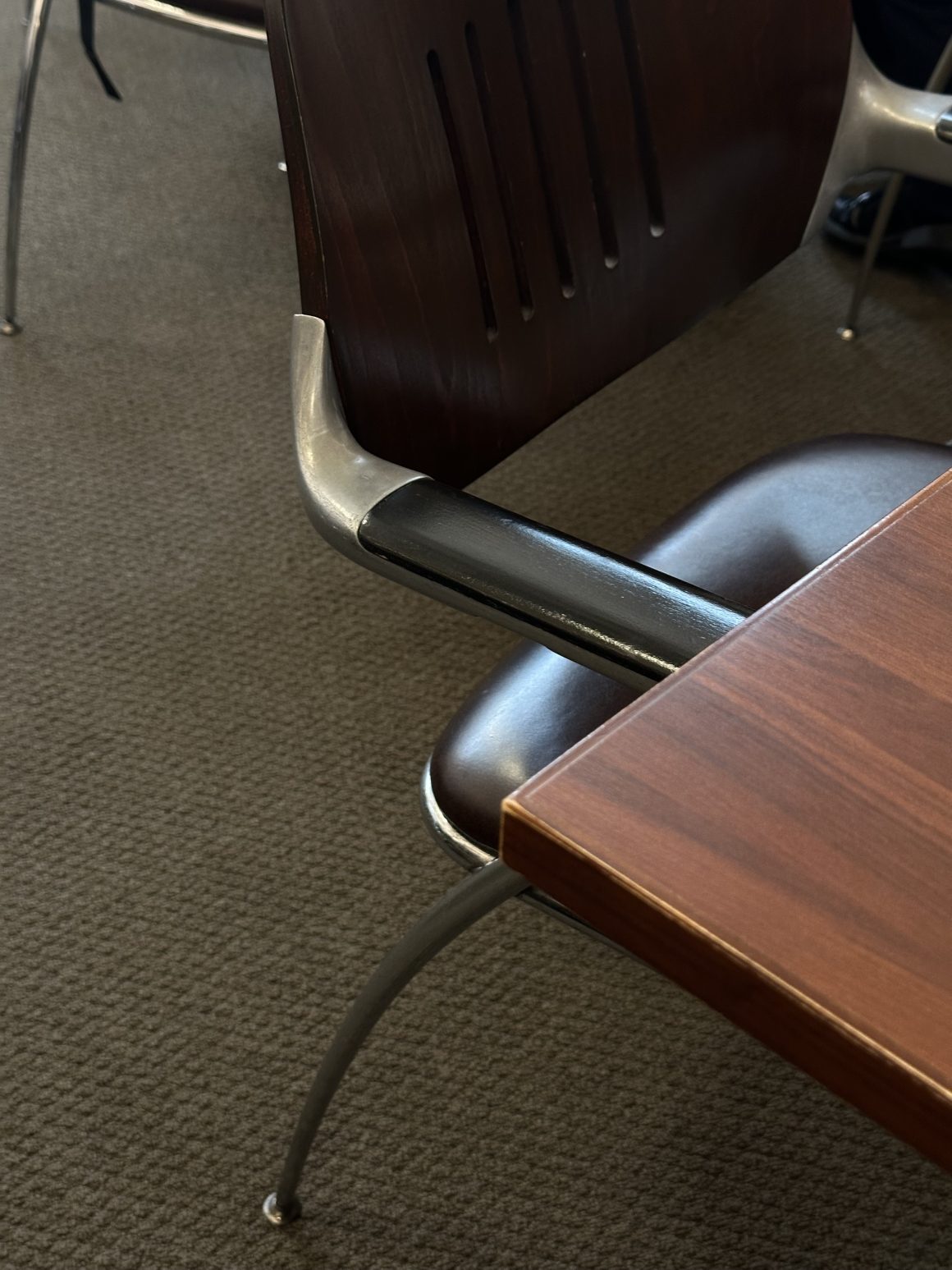
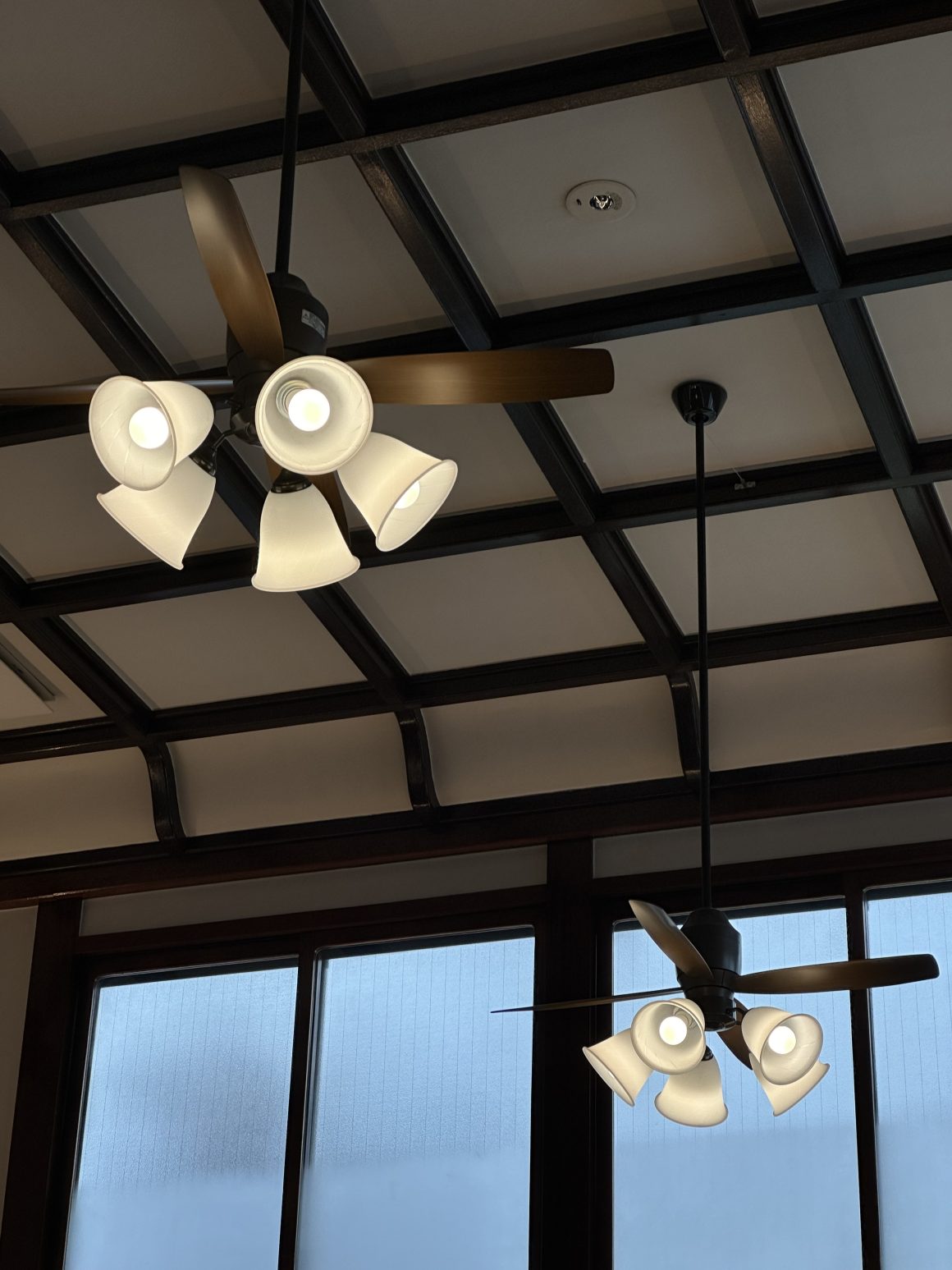
One of them is Tonkatsu Maisen Aoyama. The restaurant occupies the building of a former public bathhouse, transformed into a bright atrium with high ceilings, wooden vaults, and floor-to-ceiling windows opening onto a small inner garden. Here they prepare some of the most famous tonkatsu in the city — pork cutlets in crispy breading. This is a favorite lunch location among locals.
In the old Nezu district, it’s worth stopping by Sobakokoro — an intimate café with homemade soba, seasonal vegetables, and tempura seafood. The noodles are served in porcelain of the most varied shapes and shades, so the tray is worth looking at as much as the dish itself. Eight seats, calligraphy on the walls, a refrigerator with sake magnums, and a giant cash register from the early 2000s — this is an authentic, generous place with attention to detail.
coicoi: A Wine Bar in Shirokane
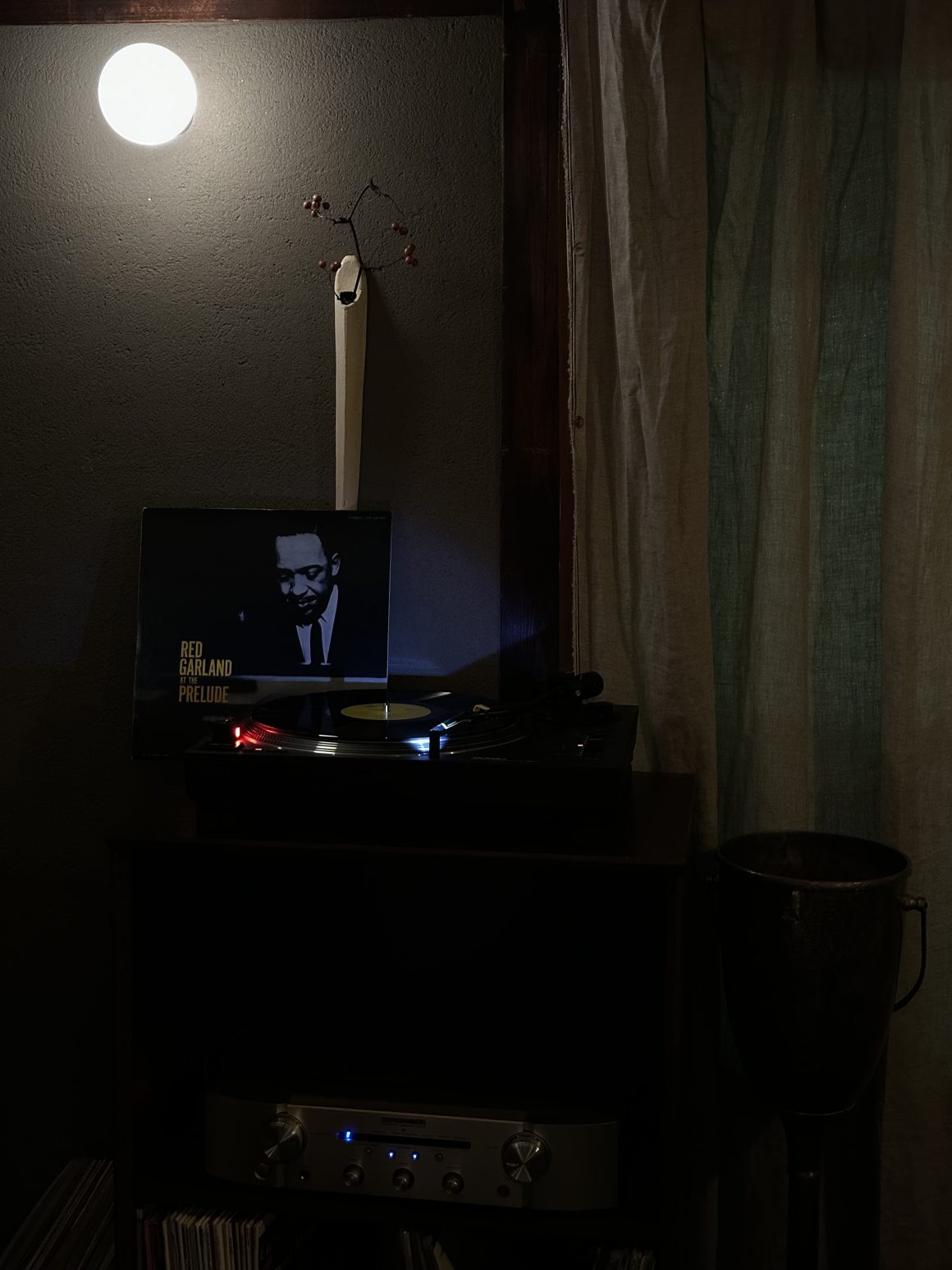
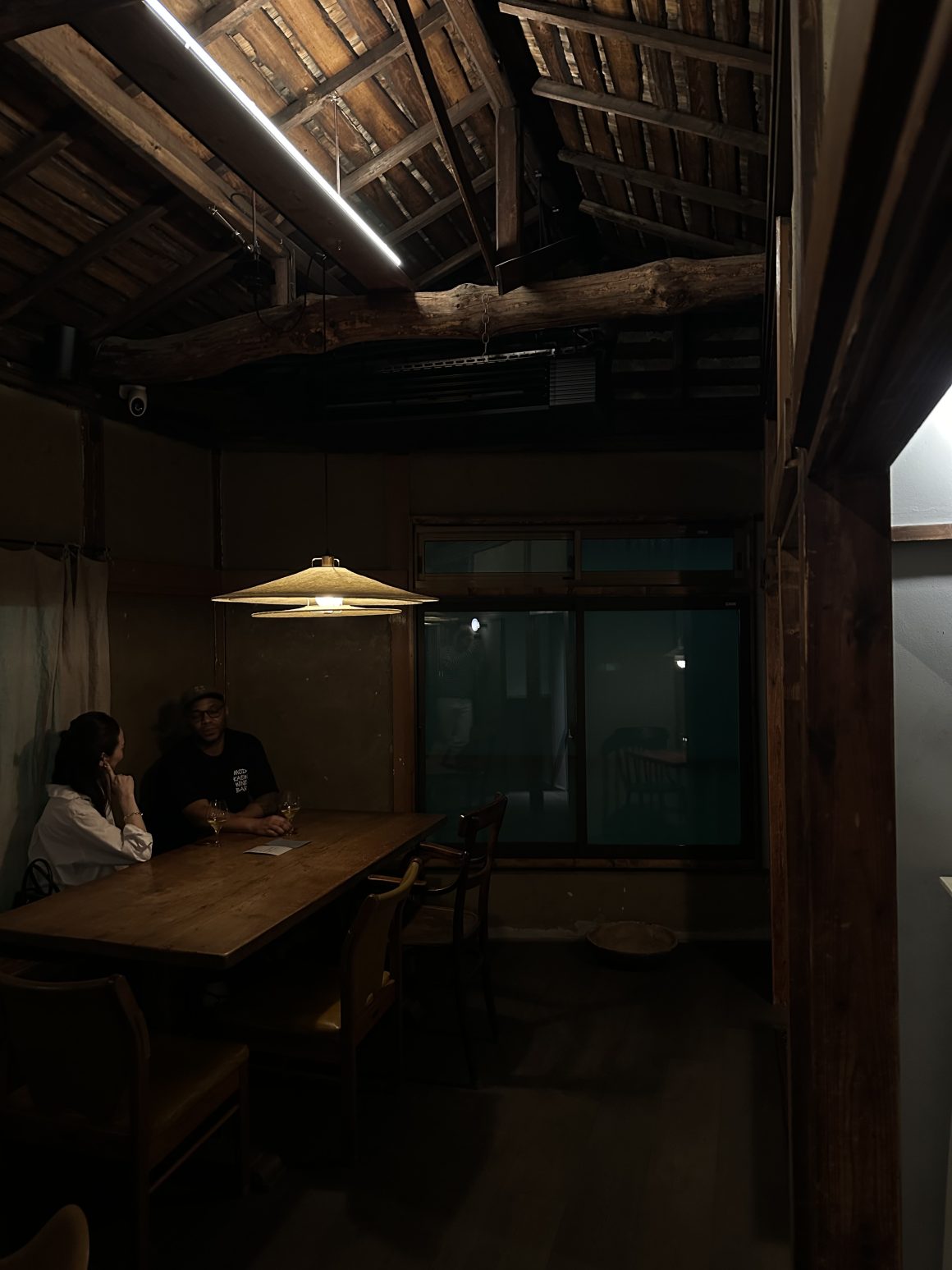
For an evening, intimate wine experience, we head to the recently opened bar coicoi. It’s on the second floor of an old Tokyo house in the Shirokane district, not far from Ebisu, and gives itself away almost not at all from the street. It’s often like this with good places in Japan: you have to try hard to find the entrance. We climb a creaking vintage staircase — and enter a small room where jazz is playing.
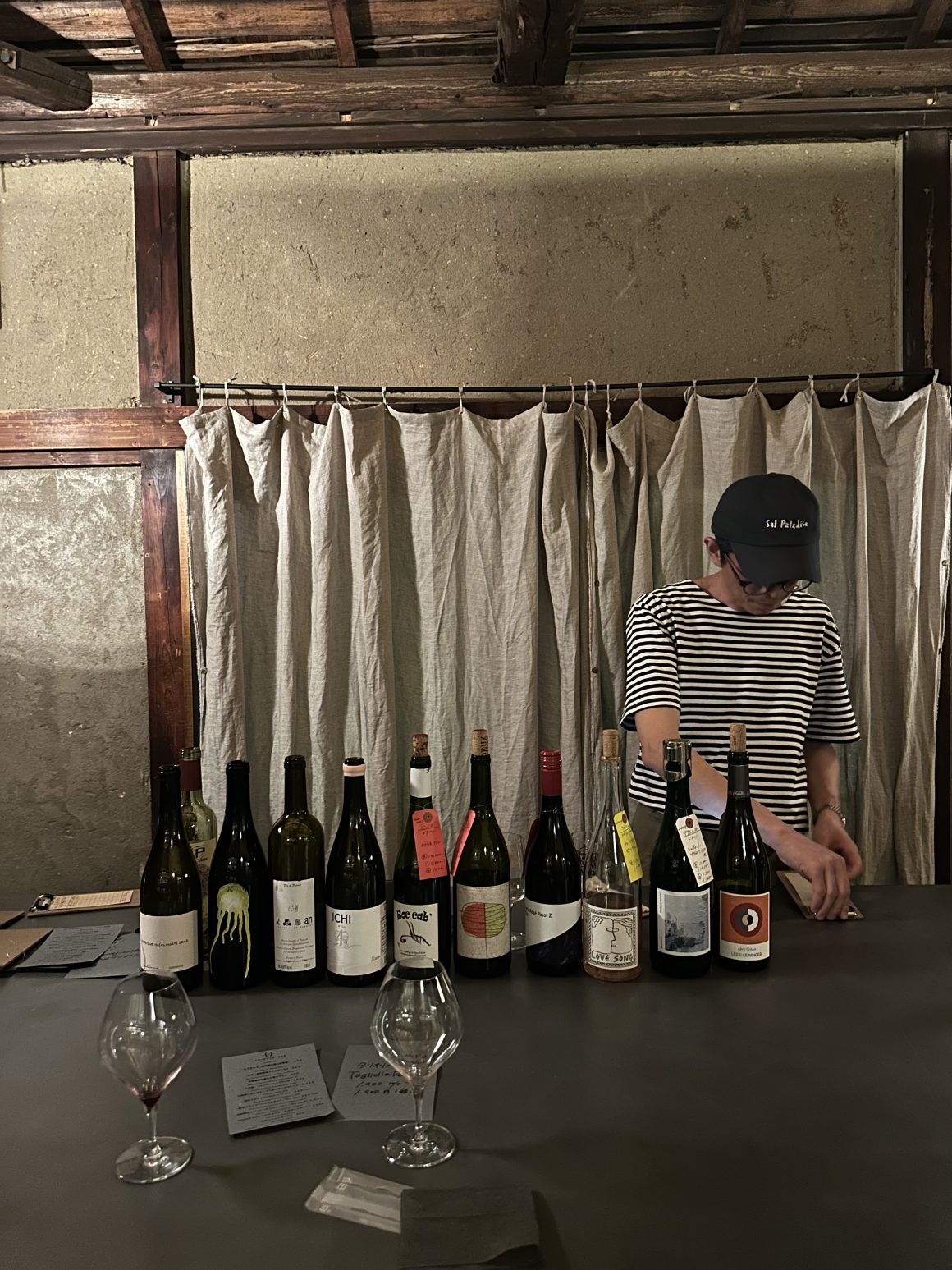
A dresser with records, a cedar cabinet with fine crystal glasses and decanters, a wine collection with the best Japanese domaines.
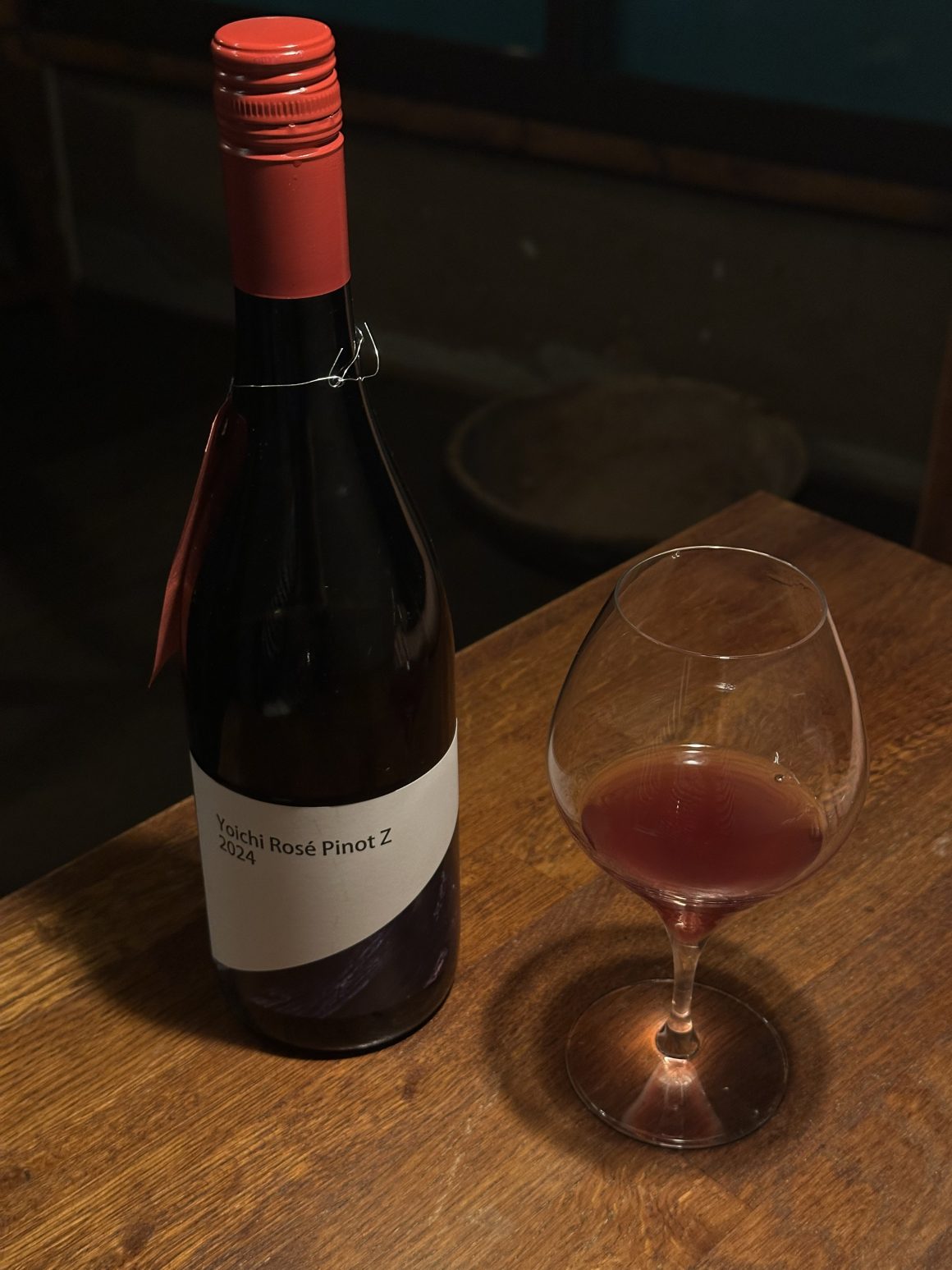
Wines by Toru Takamatsu, Domaine Takahiko, and Domaine Mont from Hokkaido sit alongside Clos Rougeard, Jean-François Ganevat, and Arianna Occhipinti. A cozy venue for measured wine conversation.
Nikko: An Escape from the Metropolis
To rest briefly from the metropolis, head to Nikko — the trip from Tokyo takes about two hours. For Japan, this place is comparable in significance to Versailles for France: this is where the mausoleum of Tokugawa Ieyasu is located, the founder of the shogunate that determined the fate of the country for more than two and a half centuries.
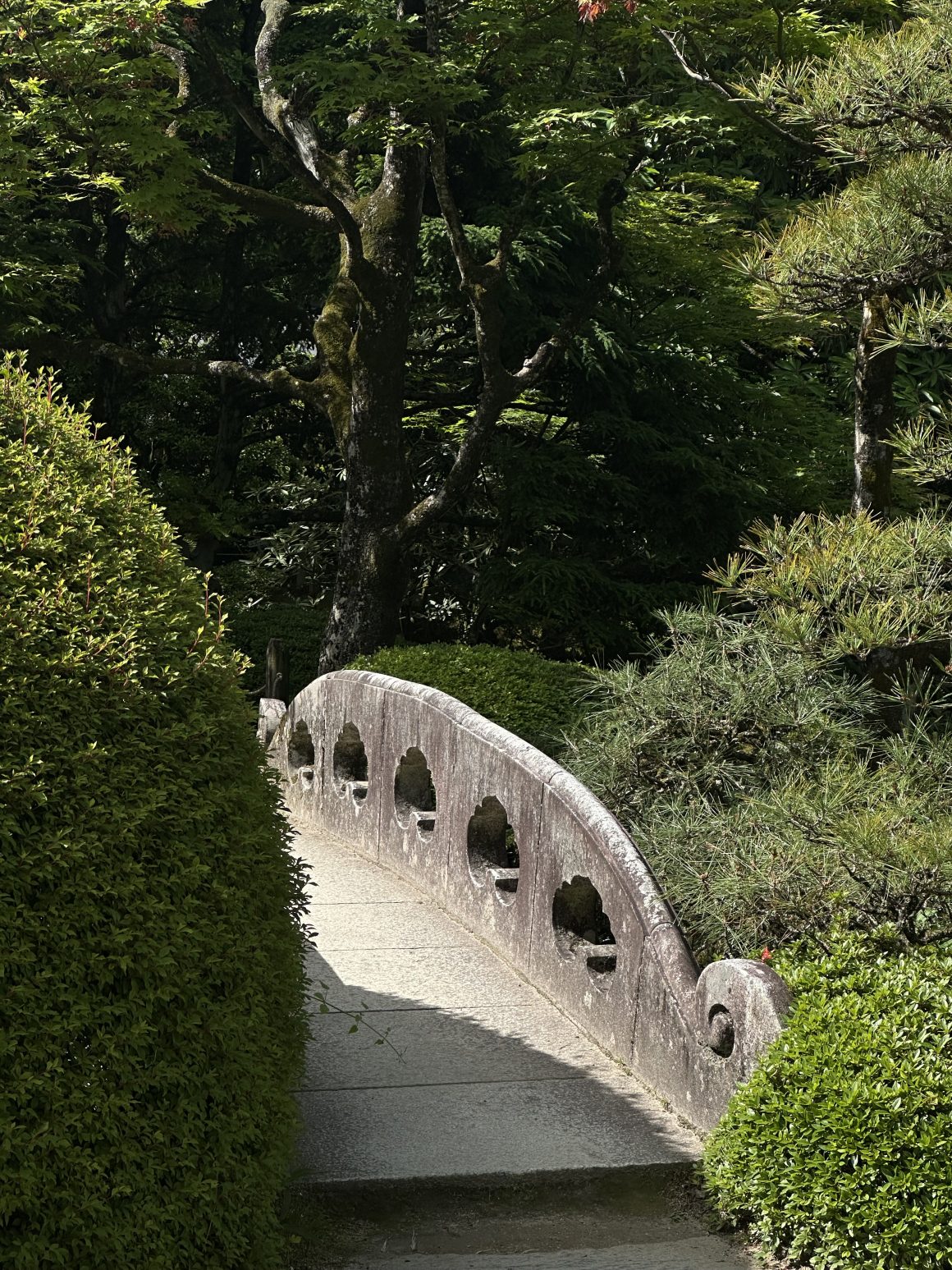
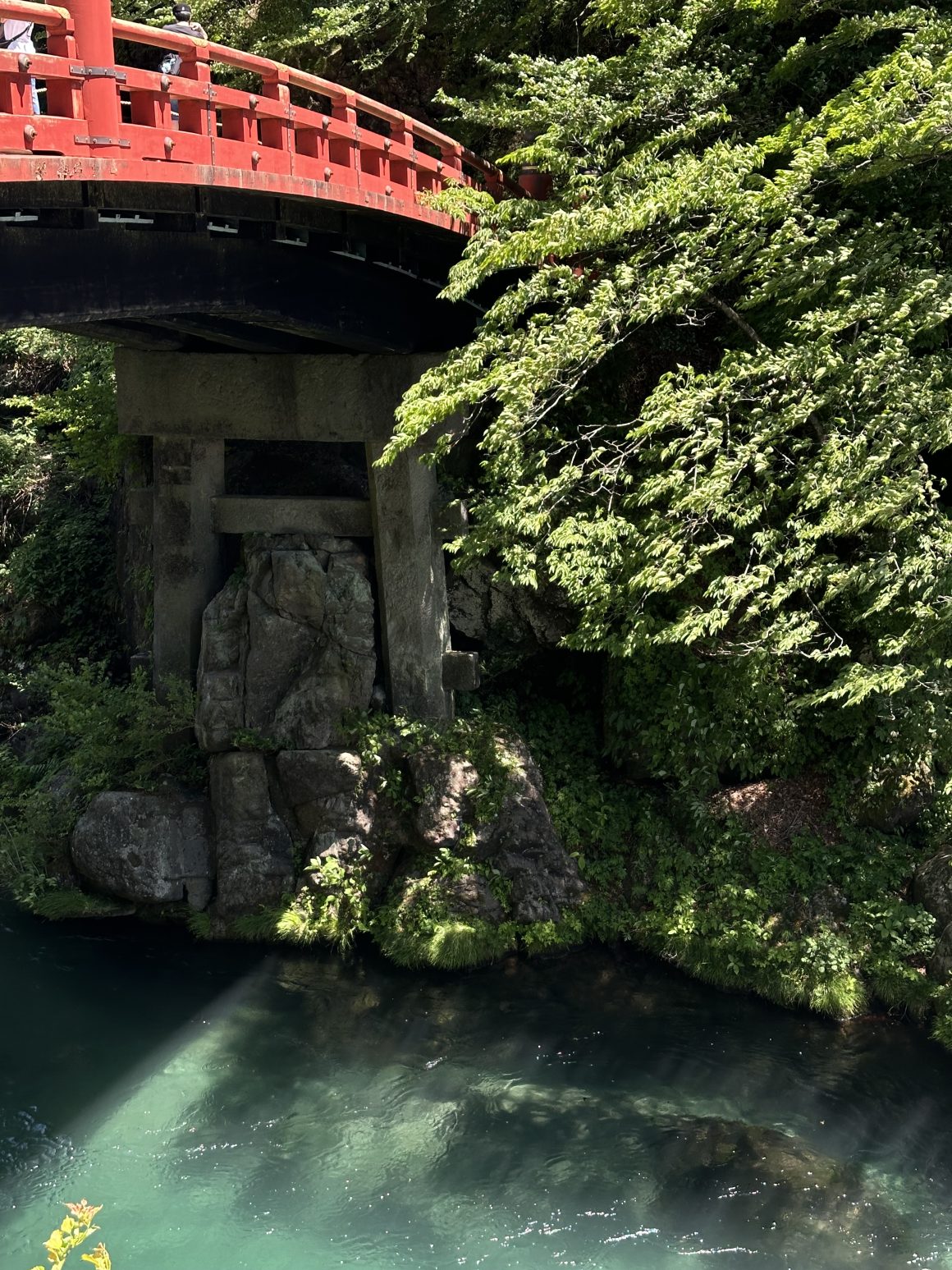
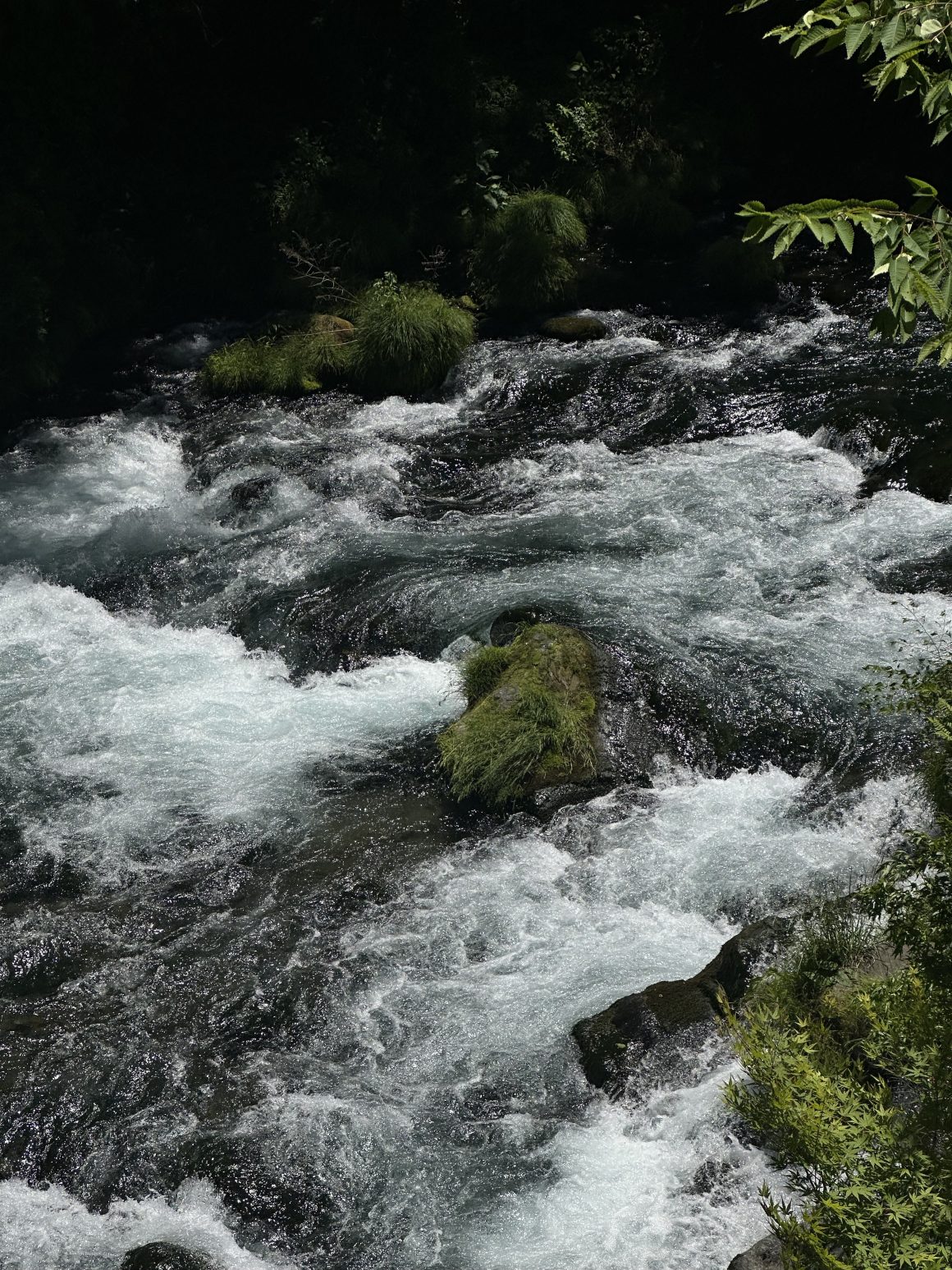
No less impressive than the history is the nature of Nikko — mountain forests, waterfalls, and centuries-old avenues of Japanese cedars. It’s best to stay overnight at a ryokan with an onsen: on the first day, calmly settle into the town, and the next morning, explore the temples early without lines. Start with Rinno-ji, which opens earlier than the others.
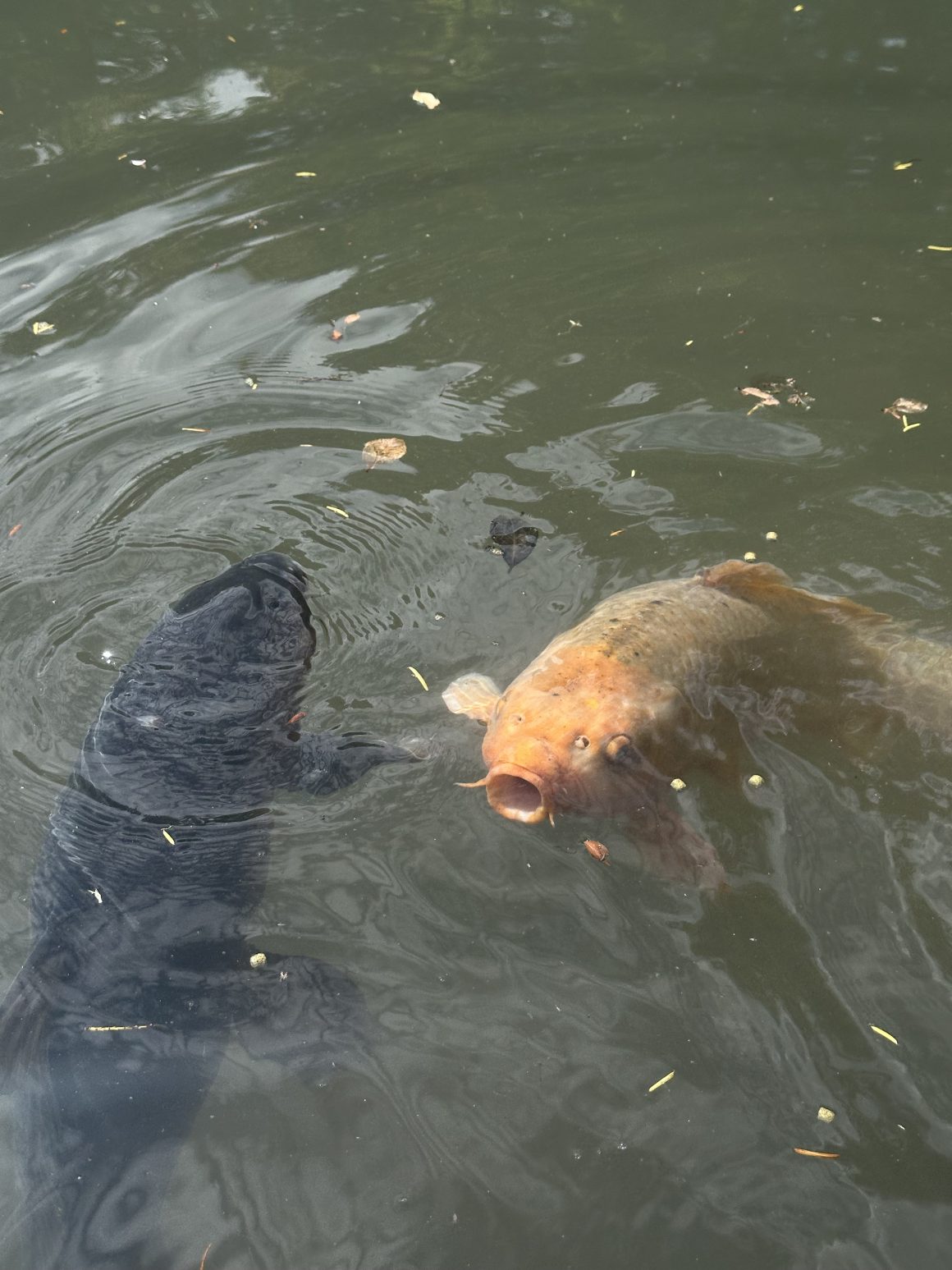
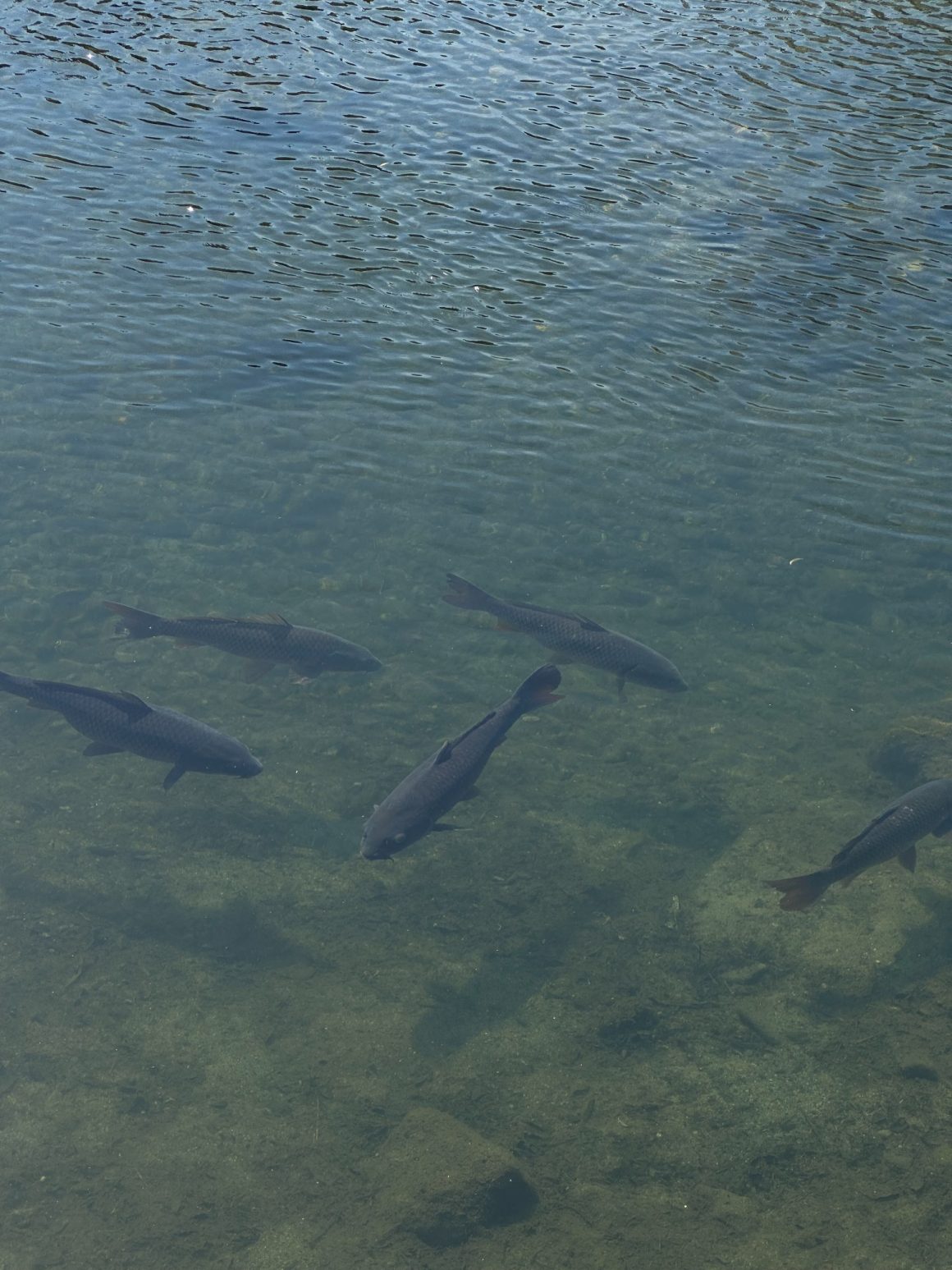
Here you can catch the morning prayer of Buddhist monks and feed the carp in the temple garden. Then climb a little higher and explore Tosho-gu, where the lavish architecture — far from Kyoto’s minimalism — is a manifesto of Tokugawa power.
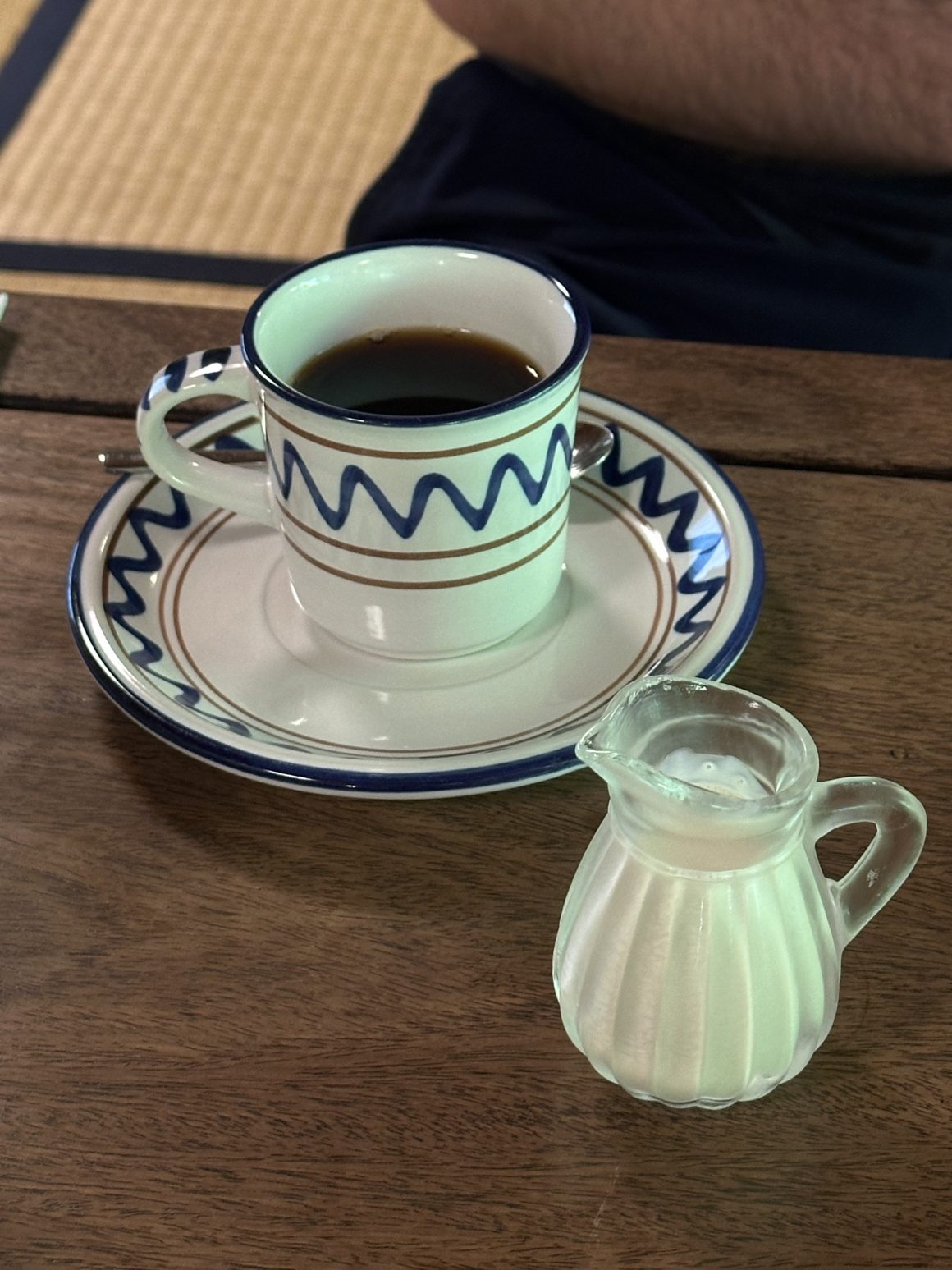
A breather — at Nikko Coffee, a specialty coffee shop in an old Japanese house. In the cup — beans from Brazil, Guatemala, Ethiopia, and Colombia; around you — antique dressers, library lamps, high vaults, and windows that let in soft light in measured amounts. And an inner garden that lets you not lose contact with nature.
For lunch — definitely at Sannaisaryo Taikobo, where in a traditional Japanese house, at low tables on tatami, they serve Nikko yuba — a delicate film that forms on the surface of hot soy milk. Here it’s served fresh, in a hot broth, with mountain herbs, seasonal vegetables, pickles, rice, and local snacks. This is a classic meal of Buddhist monks who have adhered to a vegetarian tradition for centuries. The meal takes place with a view of the inner Zen garden. On the table is a small sign asking you to “eat as slowly as possible.” That’s all of Japan, right there.
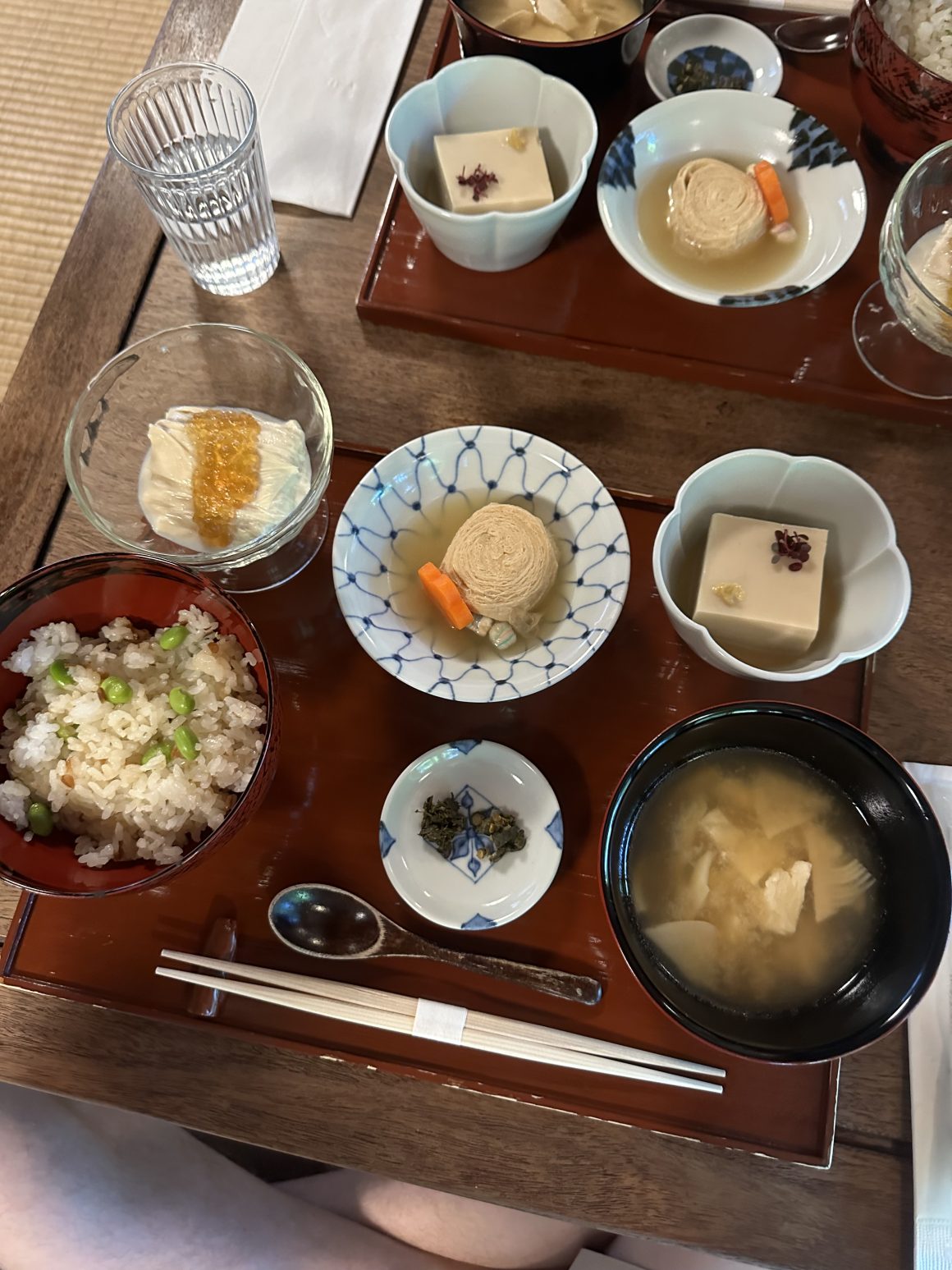
“On the table is a small sign asking you to ‘eat as slowly as possible.’ That’s all of Japan, right there.”
My Japan Guide: 15 Places in Yasha’s Route
Every temple, museum, bathhouse, restaurant, and bar Yasha writes about in his Japan guide — from Kyoto to Nikko. Verified addresses and official sites for planning your own route.
Kyoto: Best Temples, Sento and Where to Eat
first stop on the route15-778 Honmachi, Higashiyama-ku, Kyoto
tofukuji.jp · Open 9:00-16:30
One of the lesser-known temples that Yasha recommends visiting instead of the tourist-heavy ones. Head temple of the Rinzai sect, famous for autumn foliage.
48 Eikandocho, Sakyo-ku, Kyoto 606-8445
eikando.or.jp · Open 9:00-17:00
A quiet temple with rare architectural geometry and attention to detail. Also famous for its autumn illumination in November.
69-1 Awadaguchi Sanjobocho, Higashiyama-ku, Kyoto 605-0035
shorenin.com · Open 9:00-17:00 · ¥600
Another of the “unobvious” temples where Yasha suggests dropping in without rushing. One of Kyoto’s five Monzeki temples with imperial lineage.
56 Matsuo Jingatani-cho, Nishikyo-ku, Kyoto 615-8286
intosaihoji.com · Booking required · ¥4,000
Famous for its garden with over 100 species of moss. Online booking is now required. UNESCO World Heritage. Not open to children under 12.
82-1 Murasakino Minamifunaokacho, Kita-ku, Kyoto 603-8225
funaokaonsen.net · 15:00-01:00 · Closed Tuesdays
Carved panels from the Taisho and early Showa eras, Japan’s first electric bath (1933), an open-air rotenburo. A Registered Tangible Cultural Property.
56-32 Murasakino Shimokashiwanocho, Kita-ku, Kyoto 603-8313
Tel +81 90-5789-9499 · Booking recommended
A tiny restaurant with clear dashi broth, homemade Kyoto-wheat noodles, thinly sliced local pork, Kiyomizu-yaki ceramics, and jazz. Michelin Bib Gourmand 2024.
Gion district, Higashiyama-ku, Kyoto
Tucked in an old Kyoto house in a Gion alley. Jazz, a wooden counter, cocktails born in conversation with the bartender — try the sake-and-matcha cocktail.
Kyoto Gosho Minami (south of the Imperial Palace), Nakagyo-ku, Kyoto
Reservations via pocket-concierge.jp
A 10-course lunch omakase: wagyu, New Caledonian shrimp, Kyoto asparagus, sea snails in béchamel. Just 2,800 yen.
Along the Philosopher’s Path, Sakyo-ku, Kyoto
Chef Akii Ishibashi grows the buckwheat himself and starts kneading the dough only after guests sit down. One dish — soba. Book ahead.
Hiroshima Travel Guide: Memorial Park, Museum and the Sake Region
Saijo and Dassai included1-1 Nakajimacho, Naka-ku, Hiroshima 730-0811
city.hiroshima.lg.jp · Open 24 hours
The Genbaku Dome (former Industrial Exhibition Hall) and the Eternal Flame, meant to go out only when no nuclear weapon remains on Earth. UNESCO site.
11-12 Fujimicho, Naka-ku, Hiroshima 730-0043
hilton.com · Opened 2023
Contemporary Japanese minimalism: light wood, natural stone, high ceilings, floor-to-ceiling windows, a spacious spa. A perfect starting point for the city on foot.
3-2 Motomachi, Naka-ku, Hiroshima 730-0011
hiroshima-museum.jp · Open 9:00-17:00
Early Picasso (“Two Women at a Bar”), Van Gogh’s “Daubigny’s Garden,” works by Renoir, Cézanne, Matisse, Chagall, Modigliani. A gift from the Bank of Hiroshima.
Central Hiroshima · runs east from Peace Park to Hatchobori
Bustling shopping streets on the walking route from the hotel to Hiroshima Castle — part of the first day in town.
Saijo, Higashihiroshima 739-0011
~40 minutes by JR Sanyo Line from Hiroshima Station
One of the three historic centers of Japanese sake brewing. Seven active producers concentrated along a single street — walkable in an afternoon.
2143-1 Osogoe, Shuto-cho, Iwakuni, Yamaguchi 742-0422
asahishuzo.ne.jp · Tasting room
One of Japan’s most recognizable contemporary sakes. Tasting room and boutique. Kusugi Bridge by Kengo Kuma (2022) clad in local hinoki cypress.
Tokyo: Where to Stay, Best Neighborhoods and Restaurants
Nakameguro, Aoyama, Ueno and moreMeguro-ku and Shibuya-ku, southwest Tokyo
JR Yamanote Line and Tokyu Toyoko Line
Authentic neighborhoods without tourist crowds. The Meguro River runs through Nakameguro with a scenic embankment for unhurried walks.
13-9 Uenokoen, Taito-ku, Tokyo 110-8712
tnm.jp · Open 9:30-17:00 · Closed Mondays
From Neolithic Jomon pottery through Nara-era Buddhist art and samurai culture to Edo-period screens and prints. Helps you “read” the city.
6-5-1 Minami-Aoyama, Minato-ku, Tokyo 107-0062
nezu-muse.or.jp · Open 10:00-17:00 · Closed Mondays
Kengo Kuma’s architecture. Japanese art, calligraphy, tea ceremony objects. NezuCafé on the grounds with panoramic garden and koi pond views.
Bunkyo-ku and Taito-ku, north Tokyo
Adjacent to Ueno Park · Nippori or Sendagi stations
Old Tokyo neighborhoods for an unhurried walk after the National Museum. One of the few districts largely untouched by WWII bombings.
Minato-ku, central Tokyo
Omotesando or Gaienmae stations
Tadao Ando’s work, galleries, designer stores, independent coffee shops, and bookstores — a scattering of snapshots of contemporary Tokyo architecture.
1-3-28 Yokoami, Sumida-ku, Tokyo 130-0015
sumo.or.jp · Grand tournaments in Jan/May/Sep
Japan’s main sumo arena. Tokyoites come to matches as families and spend the whole day at the arena. Book tickets months ahead for tournament days.
4-8-5 Jingumae, Shibuya-ku, Tokyo 150-0001
mai-sen.com · Open 11:00-22:00
Set in a former public bathhouse — bright atrium, wooden vaults, floor-to-ceiling windows onto a garden. Some of the city’s most famous tonkatsu.
Nezu district, Bunkyo-ku, Tokyo
Homemade soba, seasonal vegetables and tempura seafood, porcelain of varied shapes and shades. Calligraphy on the walls, sake magnums, a giant early-2000s cash register.
Shirokane district, Minato-ku, Tokyo · near Shirokane-Takanawa station
Sister venue to kermistokyo
Second floor of an old Tokyo house. Japanese domaines from Hokkaido (Toru Takamatsu, Domaine Takahiko, Domaine Mont) alongside Clos Rougeard, Arianna Occhipinti.
Nikko Day Trip from Tokyo: Temples and Traditional Cuisine
2 hours from Tokyo2301 Sannai, Nikko, Tochigi 321-1431
toshogu.jp · Open 8:00-17:00 (16:00 in winter)
The mausoleum of Tokugawa Ieyasu — founder of the shogunate that shaped Japan for more than 250 years. Lavish architecture that manifests Tokugawa power.
2300 Sannai, Nikko, Tochigi 321-1494
rinnoji.or.jp · Open 8:00-17:00
Opens earliest of the Nikko temples. Catch the morning prayer of Buddhist monks and feed carp in the temple garden.
3-13 Honcho, Nikko, Tochigi 321-1434
nikko-coffee.com
Beans from Brazil, Guatemala, Ethiopia, and Colombia. Set in an old Japanese house with antique dressers, library lamps, high vaults, an inner garden.
2384 Sannai, Nikko, Tochigi 321-1431 · near Tosho-gu
Traditional Japanese house · reservations recommended
Nikko yuba (delicate soy-milk film) with mountain herbs, seasonal vegetables, pickles, rice — a classic Buddhist monk’s meal. A sign on the table asks you to “eat as slowly as possible.”
Addresses and links verified against official temple, museum, and business sites and the Michelin Guide, August 2026. Hours and booking policies can change — always confirm with the venue before your visit.
See whether you need an e-visa or a visa to Japan and other countries here.
Do You Need a Visa? Check in 10 Seconds
Select your passport and destination to see whether you need an eVisa, a traditional embassy visa, or nothing at all.
What about eSims? Here are the best eSim card promotions and VPN services you may need.