


Digital Nomad Visas, Taxes and Tools: How to Live and Work Abroad Legally in 2026
Digital nomad visas in more than 50 countries, from €817 a month in Albania to €4,500 in Estonia. The paperwork, the tax, the eSIMs and insurance — and the people who moved and stayed.
What Is a Digital Nomad? Definition, Numbers and Where They Go
A digital nomad works remotely for employers or clients outside the country they're living in, and moves between countries while doing it. The distinction that matters isn't lifestyle, it's legal: a tourist visa doesn't permit work, which is why more than 50 countries now issue a dedicated nomad visa — a temporary residence permit for people earning abroad.
Population and spending estimates aggregate Nomads.com, MBO Partners and national visa data. Nobody registers as a nomad, so treat every total as an estimate.
Where they actually go splits by region. Nomads.com's tracking puts Bangkok and London level at the top of the most-visited cities, with New York, Barcelona, Paris, Berlin and Lisbon behind them. Survey data tells a different story about preference: Mexico ranks first at 13% of nomads' votes, then Thailand at 12%, Indonesia 9%, Colombia 7% and Vietnam 5%, with Southeast Asia taking 34% of the regional vote.
The visa indexes disagree with both. The 2026 Digital Nomad Visa Index ranks Spain first, then Malta, Portugal, Germany and Hungary, weighing cost of living, tax treatment and the residency pathway. A separate index scoring internet, cost, safety, visa ease and tax puts Portugal top on 92, Estonia 91, Georgia 90, Spain 89 and Thailand 88. Which list is right depends entirely on whether you're optimising for a year or for a passport.
Digital Nomad Rule Changes in 2026: Thailand, Georgia and Portugal
The direction of travel in 2026 is tighter, not looser. Three changes worth knowing before you book anything.
Thailand halved its visa-free stay
Thailand's 60-day visa exemption is gone. Nationals of 60 countries and territories — including the US, UK, Canada, Australia and most of the EU — now get 30 days on arrival, down from 60, and the eligible list has been cut from 93 countries to 60. Published in the Royal Gazette on 31 August, effective 15 September. Anyone admitted before that date keeps the stay they were granted. A 1,900-baht extension at an immigration office still gets you to roughly 60 days, and the DTV remains the route for a longer stay. Check your nationality's category on the Thai Ministry of Foreign Affairs list and apply through the official Thai eVisa portal.
Georgia's programme is on hold
Georgia scored 90 on the nomad index and asked for no income minimum — it was the easy answer for a first year abroad. Its Remotely from Georgia programme is currently suspended, and a labour-law change landed in March 2026. Don't plan around it until it reopens — status on the Georgian consular portal.
Portugal's NHR is finished, Montenegro may follow
Portugal's old NHR regime is closed to new applicants; the replacement, IFICI, gives a 20% flat rate for ten years but only to a narrow list of professions. Montenegro's nomad programme may end after 2026. The cheap windows are closing faster than new ones open. Portugal's current regime is documented by the Portuguese Tax Authority.
People Who Moved Abroad and Stayed: Their Stories
Not passing through. Photographers, instructors, gallery owners and founders who moved country, stayed, and now write for us about the place they landed in.
Di Wu Munk of Dots & Lines on Art, Connection and Her Favorite Asian Restaurants in Calgary





Hélène Havard on Photographing Places as Memory: French Polynesia, Cuba and Pacifica


Budapest's Best-Kept Secrets, From the Hungarian National Ballet


I Called Greenland Home for Four Years — These Are the Places Worth Visiting


Scuba Diving in Tulum: A Local Instructor's Reefs, Cenotes and Beginner Tips



Digital Nomad Visas by Country: Income, Length and Tax
The visa is the easy part. Tax residency is where people get caught: stay past 183 days and most countries want to tax you, whatever your visa says. Five programmes worth knowing, current for 2026.
Do you even need a visa?
Our free checker covers eVisa and visa requirements by destination for US, EU and UK passport holders — including the countries where you can apply online in an afternoon.
| Country | Income floor | Length | Tax on foreign income | |
|---|---|---|---|---|
| SpainSpanish Ministry of Inclusion (UGE) | €2,849/mo | 3 yrs, renewable to 5 | Beckham Law: 24% flat on Spanish income, foreign income exempt | Residency path |
| Portugal (D8)AIMA | €3,680/mo | 2 yrs, renewable | Progressive 13.25–48% past 183 days; IFICI 20% for some professions | Citizenship in 5 |
| CroatiaCroatian Ministry of the Interior | €3,622.50/mo | 18 months, no renewal | Foreign income untaxed for the life of the permit | 0% tax |
| GreeceGreek Ministry of Foreign Affairs | €3,500/mo | 1 yr + 2-yr permit | 50% income-tax discount for up to 7 years if you move tax residency | Fast approvals |
| EstoniaEstonian Police and Border Guard Board | €4,500/mo net | 1 year | No special regime — Europe's highest bar | World's first, 2020 |
| ThailandThai eVisa portal | THB 500,000 in savings, no monthly income | DTV: 5 years, 180-day stays | Evolving — foreign income taxed if remitted in the year earned | Longest validity |
| JapanMOFA Japan | ¥10m/yr (~$67,000) | 6 months, non-renewable | Generally exempt over the six months | Highest bar in Asia |
| South KoreaKorea Visa Portal | ~₩105m/yr; ~$37k for 18–34 outside Seoul | Up to 2 + 1 years | Foreign income exempt | Under-35 discount |
| IndonesiaImigrasi Indonesia | $60,000/yr | 1 year (E33G) | Exempt under 183 days; taxed past it | Bali |
| UAEu.ae | $3,500/month | 1 year, renewable | No personal income tax at all | 0% tax |
| GeorgiaGeorgian consular portal | ~€1,800/month when open | 1 year | 1% small-business regime for registered freelancers | Suspended |
| Costa RicaMigración CR | $3,000/month | 1 year + 1 | Foreign income explicitly exempt; territorial system anyway | 0% tax |
Figures current for 2026. Albania is the cheapest way in at roughly €817 a month; Italy asks about €28,000 a year plus a degree and six months of remote experience; Japan wants ¥10 million a year; Thailand's DTV takes THB 500,000 in savings instead of a monthly income. Always confirm thresholds on the issuing authority's own site before applying — they move with minimum wages each January.
Digital Nomad Taxes in Europe: Where Foreign Income Isn't Taxed
This is the part that costs people money, and it is where Europe differs most from itself. Stay more than 183 days in most countries and you become tax resident there — and a tax resident is normally taxed on worldwide income. A handful of European jurisdictions tax only what you bring in, or cap the bill outright, which is why the same few names appear on every nomad index. The first six below are ordinary EU or EEA countries; the five after them are the micro-states and islands where the arithmetic changes entirely.
| Country | Foreign income kept abroad | The catch |
|---|---|---|
| MaltaMalta Tax & Customs Administration | 0% — remittance basis: foreign income is taxed only if you bring it into Malta, and foreign capital gains aren't taxed even if you do | A €5,000 minimum annual tax once foreign income passes €35,000, whether or not you remit anything. Below €35,000, no minimum. Couples are assessed jointly on both figures. Separately, holders of Malta's Nomad Residence Permit fall under their own rules — a 10% flat rate on authorised remote-work income under S.L. 123.210, not the remittance basis. |
| Croatia | 0% — foreign income untaxed for the life of the nomad permit | 18 months maximum, no renewal, and a six-month gap before you can reapply. |
| Greece | Taxed, but with a 50% income-tax discount for up to seven years if you move your tax residency | The discount is a separate application from the visa. |
| Spain | Foreign income exempt under the Beckham Law; Spanish income at a flat 24% up to €600,000 | The flat rate is for employees, not freelancers, and it's optional — you elect into it. |
| PortugalAIMA, Portugal | Progressive 13.25–48% once you pass 183 days | NHR is closed. IFICI's 20% flat rate replaces it, for a narrow set of professions only. |
| Estonia | 22%, no special regime | Europe's highest income bar at €4,500/month net, and no tax break to show for it. |
| Micro-states, islands and dependencies — outside the EU, mostly outside Schengen | ||
| AndorraDepartament de Tributs | 0–10% on worldwide income: nothing on the first €24,000, 5% to €40,000, 10% above. No wealth, inheritance or gift tax; VAT 4.5% | Residency is the gate. Passive residency rose to €1m of investment (or €400,000 via the Housing Fund plus a €50,000 deposit) in February 2026, with 90 days a year minimum presence. Not EU, not Schengen. |
| GibraltarGibraltar Finance | Tax capped, not rated: Category 2 status taxes only the first £118,000 of worldwide assessable income | Maximum around £42,380 a year, minimum £37,000, for 2025/26 — you know the number before the year starts. Requires £2m net worth and approved accommodation. British Overseas Territory, outside Schengen. |
| JerseyGovernment of Jersey | 20% standard rate; high-value residents pay 20% on the first tranche of income and 1% above it | Entry is by approval under the 2(1)(e) high-value residency route, with a minimum annual tax contribution and a property purchase requirement. Crown Dependency — not EU, not Schengen. |
| LuxembourgAdministration des contributions directes | Ordinary progressive rates on worldwide income — no remittance basis | The draw is the impatriate regime: a portion of a qualifying inbound employee's pay is exempt for the first years, but it is employer-sponsored and does not fit freelancers. EU and Schengen. |
| San MarinoUfficio Tributario | Progressive to 35%, with reliefs for new residents and new economic activity | An enclave inside Italy, outside the EU but inside its customs and Schengen travel area in practice. Residency is quota-limited and usually tied to an investment or a company. |
The Schengen clock, and who it binds
If you don't hold an EU, EEA or Swiss passport, the rule that governs your movement isn't the visa — it's 90 days in any rolling 180, counted across the whole Schengen area, not per country. Six weeks in Lisbon and six in Athens is one 90-day allowance spent, not two. The clock looks back 180 days from any given date, so it refills gradually rather than resetting on a calendar.
A national visa changes that. Every nomad permit in the table above is a residence permit issued by one country: it lets you stay in that country beyond 90 days, and it lets you travel through the rest of Schengen for up to 90 days in 180 on top. That's the practical reason to hold one — not the tax, the time.
The places outside the zone buy you extra days. Andorra, Gibraltar and Jersey are not in Schengen; the UK isn't either. Days spent there don't burn Schengen allowance, though Andorra is reached only through France or Spain, so the journey does. San Marino sits inside Italy and is treated as Italian territory for entry purposes. Ireland and Cyprus are in the EU but outside Schengen, with their own separate allowances.
Entry rules by nationality: European Commission, Schengen borders and visa · check your own passport with our visa checker. From late 2026, non-EU travellers also register through the EU's Entry/Exit System at the border.
Two things no country waives. US citizens are taxed by the IRS wherever they live — Malta's 0% on unremitted income doesn't remove the US filing obligation, and the Foreign Earned Income Exclusion is the usual relief. And leaving your old country isn't automatic: most require you to break residency formally, or they keep taxing you. This page is a starting point, not tax advice — the numbers move with national budgets. Primary sources: Malta Tax & Customs Administration · Residency Malta, Nomad Residence Permit · IRS, Foreign Earned Income Exclusion · OECD on tax residency.
Digital Nomad Visa and Tax Terms, Explained
Every table on this page uses terms that mean something specific. These are the ones worth knowing before you compare two programmes.
- Income floor
- The minimum you must prove you earn, usually monthly and usually gross. Most programmes want three to six months of bank statements plus a contract, and nearly all require the income to come from outside the country issuing the permit — Spain allows up to 20% from Spanish clients, most allow none.
- Validity
- How long the permit lasts before it expires, and whether you can renew. Croatia's 18 months can't be renewed at all and you must leave for six months before reapplying; Spain's runs three years and extends to five. "Renewable" rarely means automatic — Portugal removed automatic extensions, so renewals start 60 days before expiry.
- Tax residency, and the 183-day rule
- Separate from your visa. Spend more than 183 days in a country in its tax year and you generally become tax resident, which normally means it can tax your worldwide income. Having a nomad visa does not make you tax resident, and not having one doesn't protect you from becoming one.
- Remittance basis
- A system where you're taxed only on foreign income you actually bring into the country — "remit" — rather than on everything you earn. Malta is the European example: keep the money in a foreign account and it isn't taxed there; move it to a Maltese account and it is. Usually paired with a minimum annual tax so the government collects something regardless.
- Capital gains
- Profit from selling an asset — shares, crypto, property — rather than income from working. Taxed separately from income almost everywhere, and often far more favourably: Malta doesn't tax foreign capital gains even if you remit them, and Andorra exempts gains on assets held more than ten years.
- NHR and IFICI
- Portugal's Non-Habitual Resident regime, which gave new arrivals a decade of favourable rates and closed to new applicants in 2024. Its replacement, IFICI, offers a 20% flat rate for ten years but only to a narrow list of professions — mostly research, tech and higher-value roles. If a page still tells you to apply for NHR, it's out of date.
- DTV
- Thailand's Destination Thailand Visa: a five-year multiple-entry visa allowing stays of 180 days at a time, extendable once. It asks for THB 500,000 in savings rather than a monthly income, which suits freelancers with lumpy earnings. Distinct from the 30-day visa exemption most tourists get.
- Beckham Law
- Spain's impatriate regime, named after the footballer. Elect into it and Spanish employment income is taxed at a flat 24% up to €600,000 instead of progressive rates, with foreign income exempt. It's for employees, not freelancers, and you opt in — it isn't automatic with the visa.
- Non-dom
- Short for non-domiciled: resident in a country but with your permanent home considered to be elsewhere, which is the default for most people who move. It's what unlocks the remittance basis in Malta and Cyprus. Domicile is a stickier concept than residency and doesn't change just because you moved.
- Minimum annual tax
- Several regimes set a floor rather than a rate: Malta's €5,000 a year for non-doms with foreign income over €35,000, Gibraltar's £37,000 minimum under Category 2, €15,000 under Malta's Global Residence Programme. You pay it whether or not your calculated liability comes out lower — it is the price of the regime, not a tax on your earnings.
Best eSIMs and VPNs for Digital Nomads in 2026
The three things that decide whether a week somewhere works: the data plan, the connection you can trust, and a backup when the apartment wifi turns out to be 3 Mbps.
Airalo
The default for most trips. Plans in 200+ countries, so one app covers a year of moving, and it activates before you take off — you land with data instead of hunting the airport for wifi.
From $4 · 1GB / 3 days · regional plans from $9.50
Holafly
The one to take when you're staying put and working all day. Unlimited data per country rather than a GB allowance, so video calls and hotspotting don't end the plan on day four.
From $3.90/day unlimited · global unlimited around $64.90/month
NordVPN
The one that gets you into the banking app that has decided a foreign IP means fraud. Big server network, reliable on café and hotel wifi, and the higher tiers bundle a password manager and breach alerts.
From $3.09/month on a long plan · $12.99 rolling monthly
ExpressVPN
The pick if the VPN is staying on all day. Consistently quick across long-distance servers, which matters when you're in Bangkok connecting to a server in London for a call.
From $2.79/month on a long plan · $12.99 rolling monthly
eSIMs
Data the moment you land, without a local SIM queue.
VPNs
For the banking app that blocks foreign IPs, and the café wifi you shouldn't trust.
Backup wifi
When the listing says fibre and delivers 3 Mbps.
Digital Nomad Insurance and Banking: What We Use
Nearly every nomad visa requires health insurance that covers the host country specifically. Here's what we've tested, and the banking that works when you're paid in one currency and spending in another.
Wise
The account for people paid in one currency and spending in another. Real mid-market rate, the fee shown before you confirm, and local bank details in several currencies so clients can pay you domestically.
Free to open · no monthly fee · conversion typically from 0.35% · free ATM withdrawals to €250/£200/$200 a month
SafetyWing
Built for people without a fixed address, which is the problem most insurers can't price. Subscription rather than a fixed trip length, covers you across countries, and the policy documents name the host country — which is what nomad visa applications ask for. Genki is the closer comparison if you want higher medical limits and are staying put longer.
Subscription, not a trip length · renews monthly · names the host country, which visa applications ask for
Health insurance
Required by nearly every nomad visa — and it must name the host country.
Banking
Paid in one currency, spending in another, proving an address in a third.
Applying
Visa paperwork without an agency, and where an app does it faster.
Where Digital Nomads Stay: Monthly Rentals, Coliving and Discounts
Long stays cost less per night than short ones, but only if you book them the right way. Monthly lets, coliving and the promo codes worth using on a 28-night booking.
Monthly stays on Airbnb
The 28-night discount is the single biggest saving available to a nomad and most people never trigger it — booking 27 nights instead of 28 can cost you 30–50% more for the same flat. Book the month, then negotiate directly for the second one. Coliving is the alternative when a month alone in a strange city is the actual problem.
Book the airport transfer before you land — 7% off with LOCALS
The first hour in a new city is the one you least want to spend negotiating a fare. Kiwitaxi books a fixed-price car with a named driver in 100+ countries: you get the price up front, the driver waits with a sign, and the fare doesn't move if the flight is late. Use Promo Code LOCALS for 7% off your first order.
How the code works · What airport pickups actually get you · Transfers vs car hire
Digital Nomad City and Country Guides
Our destination guides for people working from somewhere, not just visiting it — tax and cost comparisons, and where to actually work once you land.
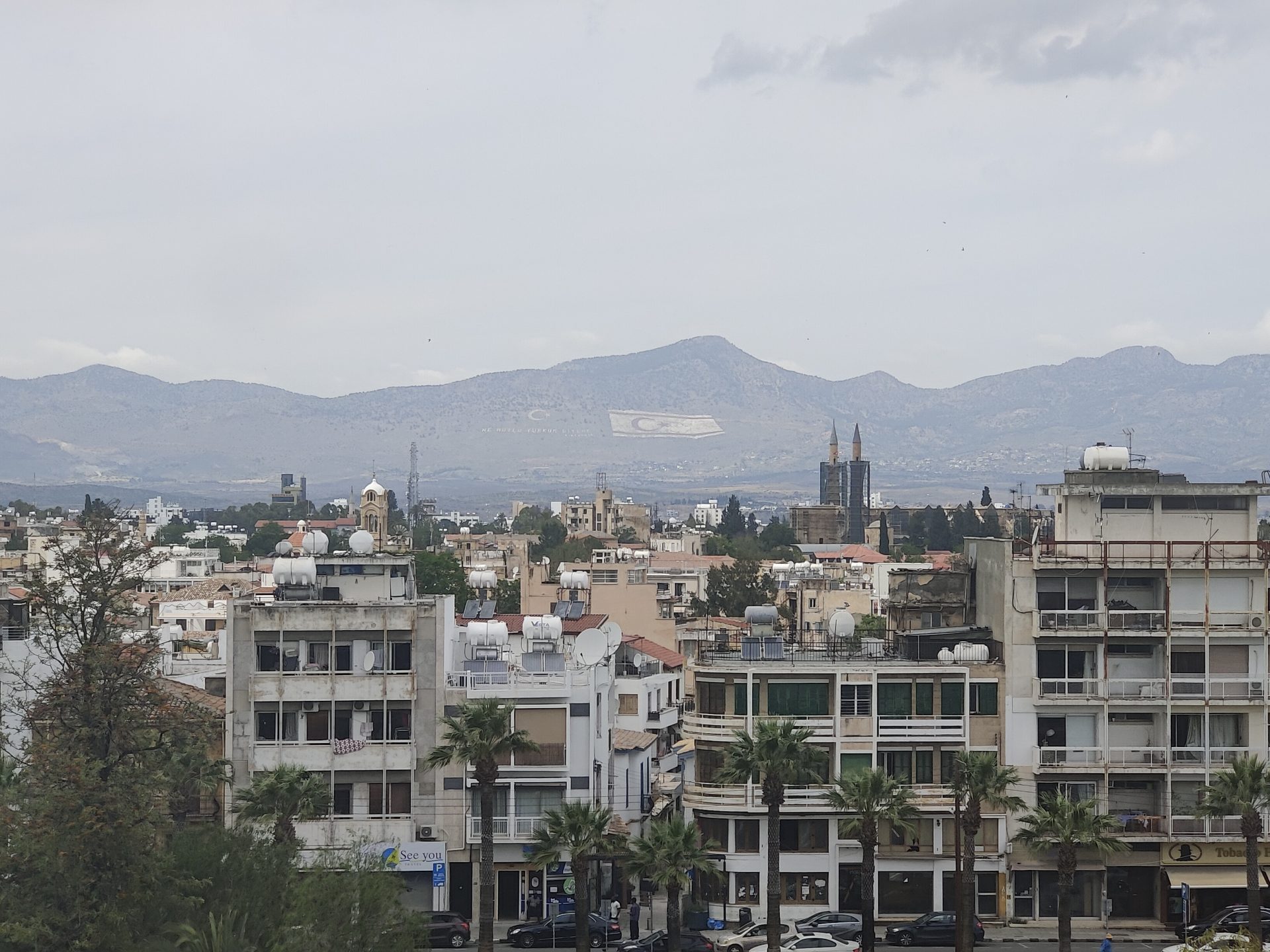
Cyprus for Digital Nomads: Tax, Rent, and How It Compares to Malta and Andorra
Three low-tax islands, three very different bills.
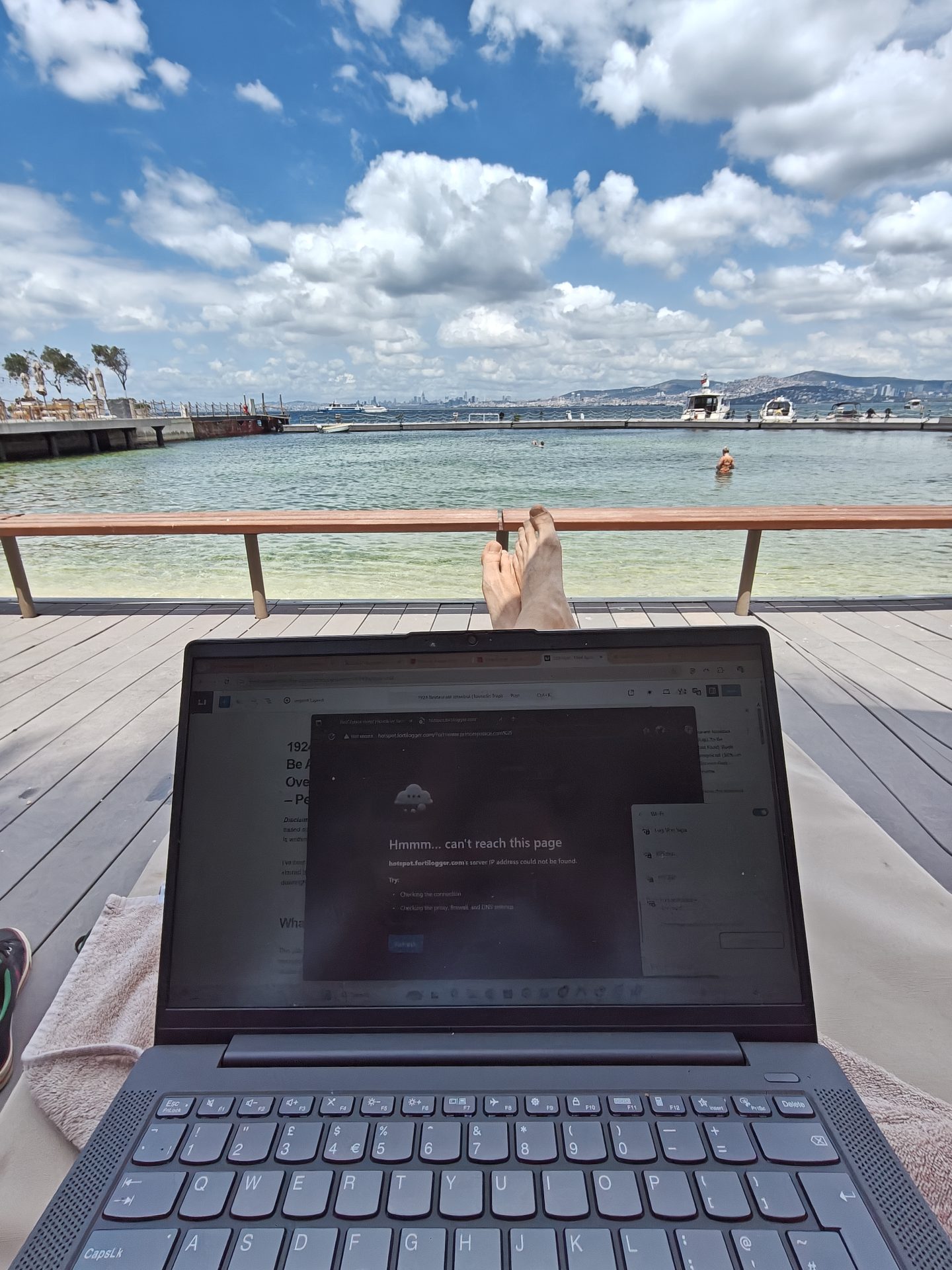
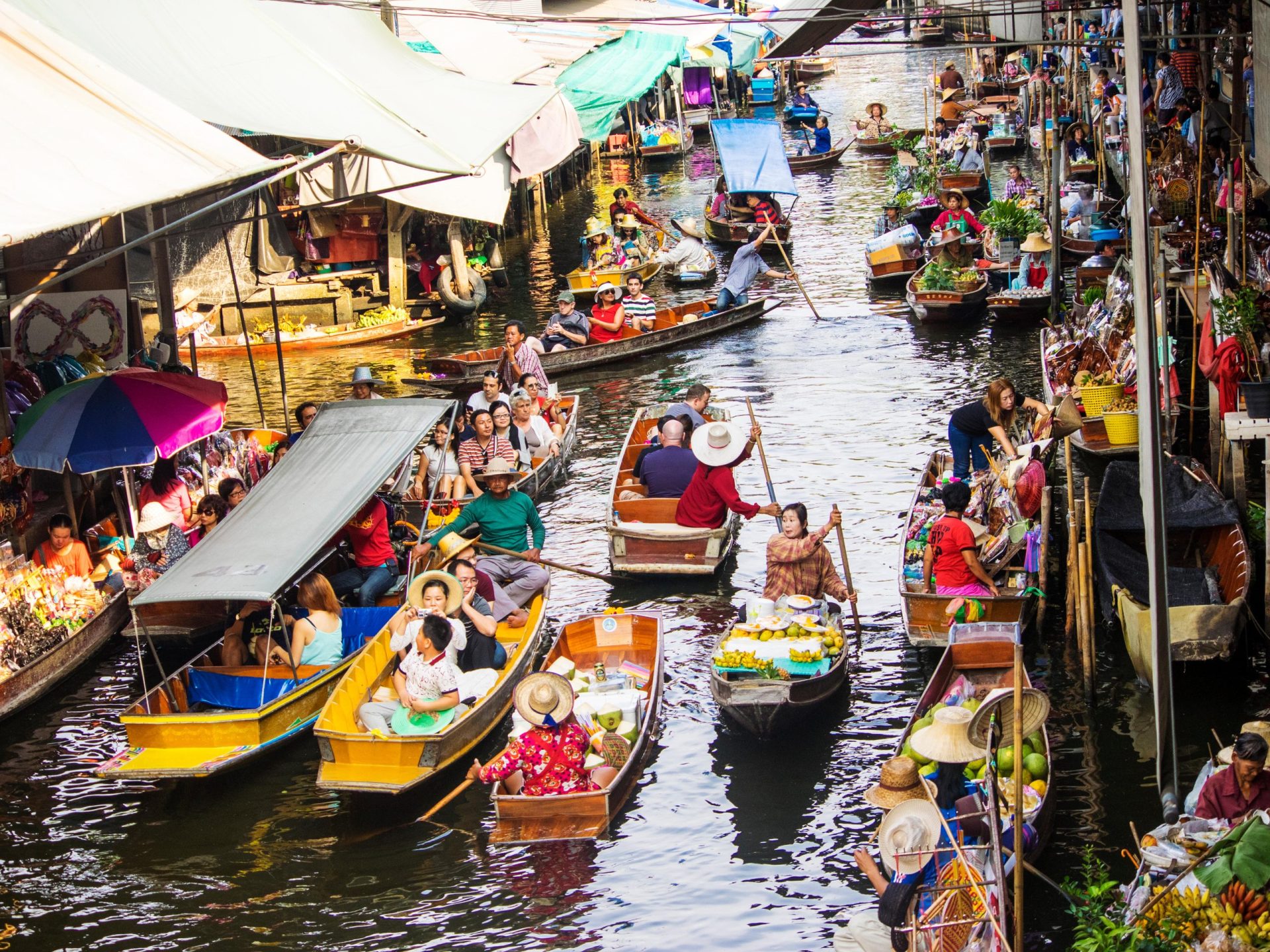
Bangkok for Digital Nomads: Where to Work
Cafés, coworking and the neighbourhoods that suit a long stay.
Follow us for field notes from the road
Photos, places, and short dispatches from our writers — between articles.
Follow on Instagram →