

Tokyo Travel Guide: Where to Stay, Eat, and What's New for 2026
Tokyo is the Japanese capital — the world's most populous metropolitan area at 37 million people — that travelers consistently rate as the planet's most rewarding single city visit, with more Michelin-starred restaurants than any city in the world, 23 distinct central wards, and a public transit system carrying more passengers than the populations of most countries. Shibuya's iconic crossing, Shinjuku's neon energy, Asakusa's traditional Senso-ji temple, and the surrounding Yanaka, Daikanyama, and Nakameguro neighbourhoods give the city its endlessly distinct walking experiences.
This guide is built for first-timers but useful well into your fifth visit. We've started with picking the right neighborhood — Tokyo's districts feel like separate cities — and worked through the hotels, including 2024-26 openings like Janu Tokyo and Bulgari Tokyo (both ranked on World's 50 Best Hotels 2025), the sushi counters and Michelin tables that take months to book, the museums that go beyond the obvious. Tokyo holds more Michelin-starred restaurants than any city in the world — over 200, more than Paris and Kyoto combined.
Quick facts
Live right now
Where to base yourself
First-time visitor? Pick a neighborhood that matches your vibe and stay there.
Ginza
The Refined Tokyo
Tokyo's most elegant district — flagship stores from Chanel to Uniqlo, the Sukiyabashi Jiro of Jiro Dreams of Sushi fame, kabuki-za theater. Where business Tokyo and luxury Tokyo meet.
Shibuya
The Vibrant Tokyo
The Scramble Crossing (3,000 people every two minutes), Hachiko statue, Shibuya Sky tower with the panoramic view. Fashion-forward, young, never quiet — and just renovated into a vast new urban core (Shibuya Sky, Sakura Stage).
Shinjuku
The Salaryman Tokyo
Japan's busiest train station (3.6 million daily passengers), the Lost in Translation neighborhood, Golden Gai's tiny bars, the towering night-lit skyscrapers. Where Tokyo's after-work life happens.
Asakusa
The Old Tokyo
The Senso-ji temple (645 AD) at the center, traditional shopping streets, kimono rentals, the most preserved pre-modern district. Where Tokyo looks closest to old Japan.
Aoyama / Omotesando
The Designer Tokyo
The most architecturally significant shopping street in Asia — Tadao Ando, Herzog & de Meuron, SANAA, Toyo Ito have all built flagships here. Boutiques, contemporary galleries, design hotels.
Daikanyama / Naka-Meguro
The Stylish Tokyo
Cherry-blossom canal at Naka-Meguro (the city's most photographed sakura spot), the Tsutaya bookshop complex at Daikanyama, indie boutiques. Quietly residential, deeply stylish.
The Insider's Edit
Three picks Tokyo regulars send their friends to — curated from Tatler 2026, the World's 50 Best lists, and verified hospitality reporting.
#15 World's 50 Best 2025; in the Yaesu tower's top floors.
#25 World's 50 Best; in the Otemachi Tower with ikebana arrangements changed daily.
#37 World's 50 Best (new entry); Aman's sister brand debut in Azabudai Hills.
Where to stay
Opened 2023 on the top floors of the new Yaesu Tower. #15 on World's 50 Best Hotels 2025. Stunning views of the Imperial Palace from above, an Italian-marble spa, the most refined newer-luxury opening in Tokyo.
“Houses Niko Romito's Bulgari Il Ristorante.”
#25 on World's 50 Best Hotels 2025. On floors 33-38 of the Otemachi Tower — the spa pool overlooks the Imperial Palace gardens. Daily-changing ikebana arrangements.
“The most spiritually-calm urban luxury hotel in Asia.”
Aman's sister-brand debut, opened 2024 in the new Azabudai Hills development. #37 on World's 50 Best Hotels 2025 (new entry).
“A vast spa with separate male and female bathing facilities, eight restaurants, and the social energy Aman is too refined to allow.”
Kengo Kuma + Ian Schrager's collaboration — Marriott's design-hotel brand in a Toranomon Hills tower. The Lobby Bar is the cool-crowd Tokyo address.
“Excellent value among the design-luxury bracket.”
A 17-story traditional Japanese ryokan in the middle of Otemachi — tatami floors, futons, the only urban onsen (hot spring) bath in central Tokyo, kaiseki dinner option.
“Closest you can come to a ryokan experience without leaving the city.”
The boutique Trunk Hotel's Harajuku location on the famous Cat Street — 20 rooms, properly stylish, with a relaxed lobby that doubles as a neighborhood living room.
“Among Tokyo's coolest under-¥100k options.”
The 'Lost in Translation' hotel — the New York Bar on the 52nd floor still has the night view that defined the film. Refurbished and reopened in 2024 after a long renovation.
“The Tokyo classic.”
On the top floors of the Mitsui Tower — every guest room has the city view. The Sense restaurant (Tateru Yoshino) and the spa are world-class.
“The Tokyo flagship of the most respected Asian luxury chain.”
IHG's design brand in a quiet pocket of Shibuya — a 10-minute walk from the Scramble Crossing but in a calm residential-feeling pocket.
“Smart design, fair pricing for the location.”
The design-minded capsule hotel chain — sleek minimalist pods, immaculate bathing facilities, the most architecturally interesting budget option in Tokyo.
“Best for solo travelers staying one or two nights.”
Where to eat
Three Michelin stars (held until 2020, removed for being too exclusive — but still considered Tokyo's most coveted sushi counter).
“Bookings nearly impossible without introduction from existing customer or top hotel concierge.”
Three Michelin stars in 2024 (first by a foreign chef in Japan in many years). Daniel Calvert's modern French-Japanese on the 7th floor of the Four Seasons Marunouchi. Asia's 50 Best Restaurants 2026 #16.
“The hardest table in Tokyo.”
The tonkatsu (breaded pork cutlet) institution since 1939 — one menu (rosu or hire), four ingredients, a system that hasn't changed in 80 years. Watching the chefs work the line is part of the meal.
“Queue is part of the institution.”
Where to have breakfast
Australian chef Bill Granger's Tokyo outpost — the ricotta hotcakes with banana and honeycomb butter that built his international reputation.
“The Omotesando-Sangubashi corridor's best brunch.”
Tokyo's most beloved specialty roaster — a tiny wooden two-story house under cherry trees by the canal. Outdoor benches; locals stand and chat with their coffee.
“Most rewarding morning coffee in central Tokyo.”
Sourdough bakery + café from chef Marie Iijima — Tokyo's best European-style breads, croissants, and the avocado tartine that became a Tokyo brunch standard.
“Inside the T-Cube building near Roppongi.”
The first ramen shop in the world to receive a Michelin star (2015) — chef Yuki Onishi serves shoyu ramen with black truffle oil. Ticket-machine system; line forms before opening.
“Worth the trip to Sugamo (Yamanote Line).”
Japan's convenience stores deserve their global reputation — the egg sandwich is the cult item, the onigiri are made fresh daily, the coffee from the machine is excellent.
“The Tokyo equivalent of a quick local breakfast.”
Museums worth your time
TeamLab's immersive installations — walk through knee-deep water, lie under a digital flower forest, the Infinite Crystal Universe. Originally temporary; now permanently extended.
“Book online weeks ahead.”
Visit website →TeamLab Borderless reopened in 2024 in Azabudai Hills after closing the original Odaiba location. The artworks 'move' between rooms — there's no fixed map.
“Reservations essential.”
Visit website →Kengo Kuma's bamboo-and-stone building in Minami-Aoyama houses a serious collection of East Asian art — Chinese bronzes, Japanese paintings, calligraphy.
“The hidden Japanese garden behind is the surprise (with a tea house).”
Visit website →On the 53rd floor of Roppongi Hills — contemporary art rotating major shows, with the panoramic Tokyo City View observation deck on the same floor. The best blockbuster contemporary shows in Tokyo.
“Open late.”
Visit website →Japan's oldest and largest national museum (1872) — 120,000 objects across six buildings in Ueno Park.
“The Honkan (Japanese Gallery) is the essential building; the Hyokeikan is architectural heritage in itself.”
Visit website →Tadao Ando's concrete building in Tokyo Midtown — Issey Miyake co-founded; rotating design exhibitions across two galleries.
“Reliably the most thoughtful design show in Tokyo at any given time.”
Visit website →Only-here places
Tokyo's oldest temple (645 AD) — the Thunder Gate (Kaminarimon), Nakamise shopping street, and the temple itself. Free entry.
“Go at 5am for the empty courtyard or 9pm for the lit-up evening view.”
Visit website →The wholesale fish market moved to Toyosu in 2018 but the outer market — restaurants, shops, knife stores, breakfast sushi — remains. Best at 7-9am.
“The tamagoyaki (Japanese omelette) skewers are the morning order.”
Visit website →A vast Shinto shrine surrounded by 100,000 trees donated from across Japan in 1920 — the most popular shrine in the country (New Year visitors top 3 million).
“The walk in from Harajuku through the torii gates is the experience.”
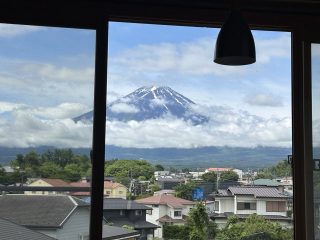
Visit website →Tokyo's most spectacular observation deck — open-air on the roof of Shibuya Scramble Square (229m up). Mount Fuji on clear days.
“Book tickets online with a specific entry time.”
Visit website →The maximum-density manifestation of otaku (anime/manga/gaming) culture — multi-story arcades, anime shops, maid cafés, electronics stores.
“The Yodobashi Akiba alone is nine floors of electronics shopping.”
A pre-war shopping street that survived earthquake and war — small shops, traditional crafts, the most old-Tokyo atmosphere you can still find. Yanaka Cemetery nearby is full of cats and locals walking.
“Take Sendagi station.”
Ride the Yamanote loop (or the Marunouchi line through Tokyo Station) at 8:30am. Not for the claustrophobic — the famous white-glove pushers exist.
“An hour of being immersed in how 37 million people move.”
Tours & things to do in Tokyo
In partnership with GetYourGuide, Locals Insider recommends these tours and things to do in Tokyo.
Nature & quiet
58 hectares of garden in the middle of Shinjuku — formal English, French and Japanese gardens, the Taiwan Pavilion. Where Tokyo cherry-blossoms in late March.
“¥500 entry; pay it.”
Tokyo's main central park beside Meiji Shrine — Sunday rockabilly dancers, drum circles, picnic-ing locals. Where Tokyo learns to relax. Free.
“Best Sunday afternoon.”
A 1.5km canal lined with 800 cherry trees — peak sakura is end of March, when it's the most photographed spot in Tokyo. Quietly atmospheric the rest of the year.
“Walk from Naka-Meguro to Daikanyama.”
An hour west of Tokyo by Keio line — 599m peak with hiking trails of varying difficulty, plus a cable car for the lazy. Most popular peak in Japan; expect crowds on weekends.
“Mount Fuji visible from the top on clear days.”
1.5 hours by Romance Car train — hot springs, Lake Ashi with Mount Fuji backdrop, the Open Air Museum. The Hakone Free Pass covers all the trains/buses/ropeways.
“The most accessible classic-Japan day trip from Tokyo.”
City festivals
- Late March – early AprilCherry Blossom Season (Hanami)
The most magical week in Japan — sakura blooms across the city, in Shinjuku Gyoen, Ueno Park, the Meguro canal, Sumida River. Park reservations are taken at 6am for evening picnics. Plan flights months ahead.
- May (mid-month)Kanda Matsuri
One of Tokyo's three great Shinto festivals — happens odd years (2025, 2027). 200 mikoshi (portable shrines) carried by 3,000 priests through Akihabara to the Kanda shrine.
- AugustSumida River Fireworks
The most spectacular hanabi (fireworks) display in Tokyo — 20,000 fireworks over the Sumida River. The traditional Tokyo summer ritual. Last Saturday of July.
- OctoberTokyo International Film Festival
Asia's biggest international film festival — premieres, panels, retrospectives across Roppongi and Hibiya cinemas. The Asian counterpart to Cannes.
- Late NovemberAutumn leaves (Kōyō)
Japanese maples turning crimson in Rikugien Garden (with night illumination), Mount Takao, the Imperial Palace's East Gardens. Less internationally famous than sakura — and just as spectacular.
Travel safety & inclusivity
Tokyo is one of the safest major cities in the world. Lost wallets are typically returned with cash intact. Lone women walk anywhere at night. Pickpocketing is rare. Real risks: getting lost in train stations, earthquake preparedness.
Japan has no anti-discrimination laws and no same-sex marriage. Tokyo is socially tolerant — the Shinjuku Ni-chome district is Asia's largest gay neighborhood (300+ bars). Tokyo Rainbow Pride parade in April attracts 200,000+. Public attitudes shifting, but legal recognition lagging.
Safety scores reflect UK FCDO & US State Department travel advisories. LGBTQ+ scores reflect Equaldex and ILGA-Europe rankings. Both refreshed quarterly.
Frequently asked about Tokyo
Where do locals eat in Tokyo?
Three picks across the spectrum of how Tokyoites actually eat.
For the iconic Tokyo institution: Toryumon (鳥竜門) and the surrounding Omoide Yokocho at 1 Chome Nishishinjuku, Shinjuku City, Tokyo 160-0023 — the warren of postwar yakitori stalls behind Shinjuku Station's west exit, smoke-stained and standing-room-only, where salarymen have eaten the same charcoal-grilled chicken skewers for sixty years. Order yakitori (negima, tsukune, kawa), draft beer, and the kushiage in batter.
For the modern fine-dining benchmark: Florilège, at 5-10-25 Roppongi, Minato City, Tokyo 106-0032 (relocated to Azabudai Hills in 2023). Hiroyasu Kawate's one-Michelin-star French-Japanese tasting menu — Asia's 50 Best #1 in 2024, now with a plant-leaning menu and an open kitchen with counter seats facing the chef. Book 60 days ahead.
For the casual ramen institution: Ichiran at 3-34-10 Shinjuku, Shinjuku City, Tokyo 160-0022 — the cult tonkotsu ramen chain in individual cubicles, open 24 hours, no Japanese needed (the ordering sheet is in English). The Shinjuku branch is the most accessible.
Where can I get the best seafood with champagne or sparkling wine in Tokyo?
For Tokyo seafood paired with serious Champagne — and a setting worth flying for — the reference is The New York Bar at the Park Hyatt Tokyo, on the 52nd floor of the Park Hyatt at 3-7-1-2 Nishishinjuku, Shinjuku City, Tokyo 163-1055.
Made famous globally by Lost in Translation, but the food is properly serious — the in-bar menu runs to oysters (Hokkaido and Hiroshima), uni, lobster, and a Champagne list that includes grower-producer selections rarely poured by the glass elsewhere in Tokyo. The 52nd-floor floor-to-ceiling windows look directly at Mount Fuji on clear winter mornings.
For a more dedicated seafood-and-wine destination, Kabi at 2-12-14 Higashiyama, Meguro City, Tokyo 153-0043 is the modern natural-wine and seasonal-seafood favourite of Tokyo's young chef scene.
Which historical boutique hotel should I stay at in Tokyo?
For an old-world historical stay in Tokyo, the reference is Hoshinoya Tokyo, at 1-9-1 Otemachi, Chiyoda City, Tokyo 100-0004.
A 17-story modern ryokan (traditional Japanese inn) built in 2016 in the financial district, but rooted in 400+ years of ryokan hospitality tradition. Tatami floors throughout, hot spring baths on the top floor with views over the Imperial Palace gardens, kaiseki dinner. The brand (Hoshino Resorts) operates several traditional countryside ryokan dating back over a century — this is their Tokyo flagship that brings the traditional ryokan experience into a contemporary urban setting.
For something built earlier with European-Art-Deco heritage, The Tokyo Station Hotel at 1-9-1 Marunouchi, Chiyoda City, Tokyo 100-0005 inside the 1914 red-brick Tokyo Station building is the proper historical-luxury alternative (150 rooms, designated National Important Cultural Property).
Pricing from around ¥80,000/night for either. Bookings via Hoshinoya or The Tokyo Station Hotel.
What is the LGBTQ+ scene like in Tokyo?
Tokyo has Asia's most concentrated LGBTQ+ nightlife scene, though Japan does not yet recognize same-sex marriage at the national level (as of 2026) — partnership certificates are available at the Tokyo municipal level since 2022. Tokyo Rainbow Pride takes place in April-May in Yoyogi Park (around 240,000 attendees in 2024).
The neighborhood: Shinjuku Ni-chome (新宿二丁目) in Shinjuku City — by some measures the highest concentration of gay bars per square block in the world, with 300+ tiny venues across a few streets. The scene is dense but the bars are very small (often 6-10 seats) and many are members-only or Japanese-language-only.
The bar to start at: Aiiro Café at 2-18-1 Shinjuku, Shinjuku City, Tokyo 160-0022 — international-friendly, English spoken, on the corner of the main Ni-chome intersection, open-air terrace for people-watching. Good first stop before exploring the side streets. Arty Farty next door is the long-running dance bar.
Saunas: 24 Kaikan Shinjuku at 2-13-1 Shinjuku, Shinjuku City, Tokyo 160-0022 is the long-running men's sauna and capsule hotel in the heart of Ni-chome — open 24 hours, doubles as accommodation for visitors.
What unique small museum, new 2024-2026 landmark, or 1-3 day itinerary should I plan for Tokyo?
The famous-person small museum: Ghibli Museum, at 1-1-83 Shimorenjaku, Mitaka, Tokyo 181-0013. Hayao Miyazaki's personal museum dedicated to Studio Ghibli's films and animation process — designed by Miyazaki himself in 2001, with rotating short films exclusive to the museum (you cannot see them anywhere else). Tickets must be booked weeks in advance through Lawson convenience stores in Japan or the official online portal for international visitors. Closed Tuesdays.
The 2024-2026 must-see: Azabudai Hills at 5-10 Azabudai, Minato City, Tokyo 106-0041 — opened in 2023. Tokyo's largest urban redevelopment project (Mori Building, 30 years in planning), with the 330-metre Mori JP Tower (now Japan's tallest building until Toranomon Hills Station Tower overtook it in 2024), Heatherwick Studio low-rise landscape, the relocated and expanded teamLab Borderless digital art museum inside Azabudai Hills, and the world's first Janu Tokyo hotel (Aman's sister brand, 122 rooms with one of Tokyo's largest wellness facilities).
1-3 day itinerary: Day 1 — Asakusa morning (Senso-ji temple, Nakamise Street), boat down the Sumida River to Hamarikyu Gardens, afternoon in Ginza (Itoya stationery, Tsukiji outer market for lunch). Day 2 — Shibuya and Harajuku morning (the crossing, Meiji Shrine, Takeshita Street), Aoyama and Omotesando afternoon (Nezu Museum, Prada Building by Herzog & de Meuron), evening in Shinjuku for ramen and Ni-chome. Day 3 — Azabudai Hills morning (teamLab Borderless ticket booking essential), Roppongi for Mori Art Museum, evening at the New York Bar with the Mount Fuji view (if clear).
Planning more than just Tokyo? Our Japan travel guide covers the whole country — weather and currency live, hotels and restaurants across regions, must-visit experiences and where else to go.
Articles in this section are written by the Locals Insider editorial team. Got a Tokyo tip we missed? Email us at hello@localsinsider.com — we read every one.