

Guangzhou was not the first city I associated with China. It doesn’t sit on people’s radar the way Shanghai does, or the way Shenzhen or Chongqing gets talked about. And that was exactly the point—I wanted to see what China feels like outside the hyped places.
No One Talks About Guangzhou — So I Went
I went partly out of curiosity, partly for history. Canton—Guangzhou—was one of China’s main gateways to the outside world for centuries: foreign trade was long funneled through here, and after the First Opium War it became one of the treaty ports opened to international community. It reminded me a little of going to Nagoya in Japan: a city no one romanticizes, but one that quietly offers a lot once you arrive.
Another reason is that that the Pearl River Delta has nice mild climate for a winter and spring visit, while summers there is too hot and humit.
If you’ve got three or four days, that’s enough to let Guangzhou show you its different moods without forcing a plan.
First impressions of Guangzhou: a quiet kind of megacity
What surprised me was how quiet the streets can feel with around 19 mio. in city proper and in metro up to 70 mio., the largest urban area in the world right now. So many scooters are electric—no engine noise, just a soft glide—until one sneaks up behind you.
English is sparse, but people try to help. And practically: Guangzhou is quite walkable, with a metro that works well when you don’t feel like doing the distance on foot. Or a Didi taxi via one of the apps.
Stay in Guangzhou: where I’d base myself (and why)
I stayed at Paco Business Hotel near Ouzhuang Metro—affordable, central, good for one person. It made it easy to split my days between older west-side Guangzhou and the newer east-side districts. I wanted to be in the middle of it all, but for good fresh hotels, this area is a but limited.
If you want a glossy hotel life, Tianhe is where it’s concentrated, such as the Guangzhou W Hotel. The older west side of the city felt thinner on standout accommodation, which is why staying central and commuting west worked well for me.
Eat in Guangzhou: how I’d do food here
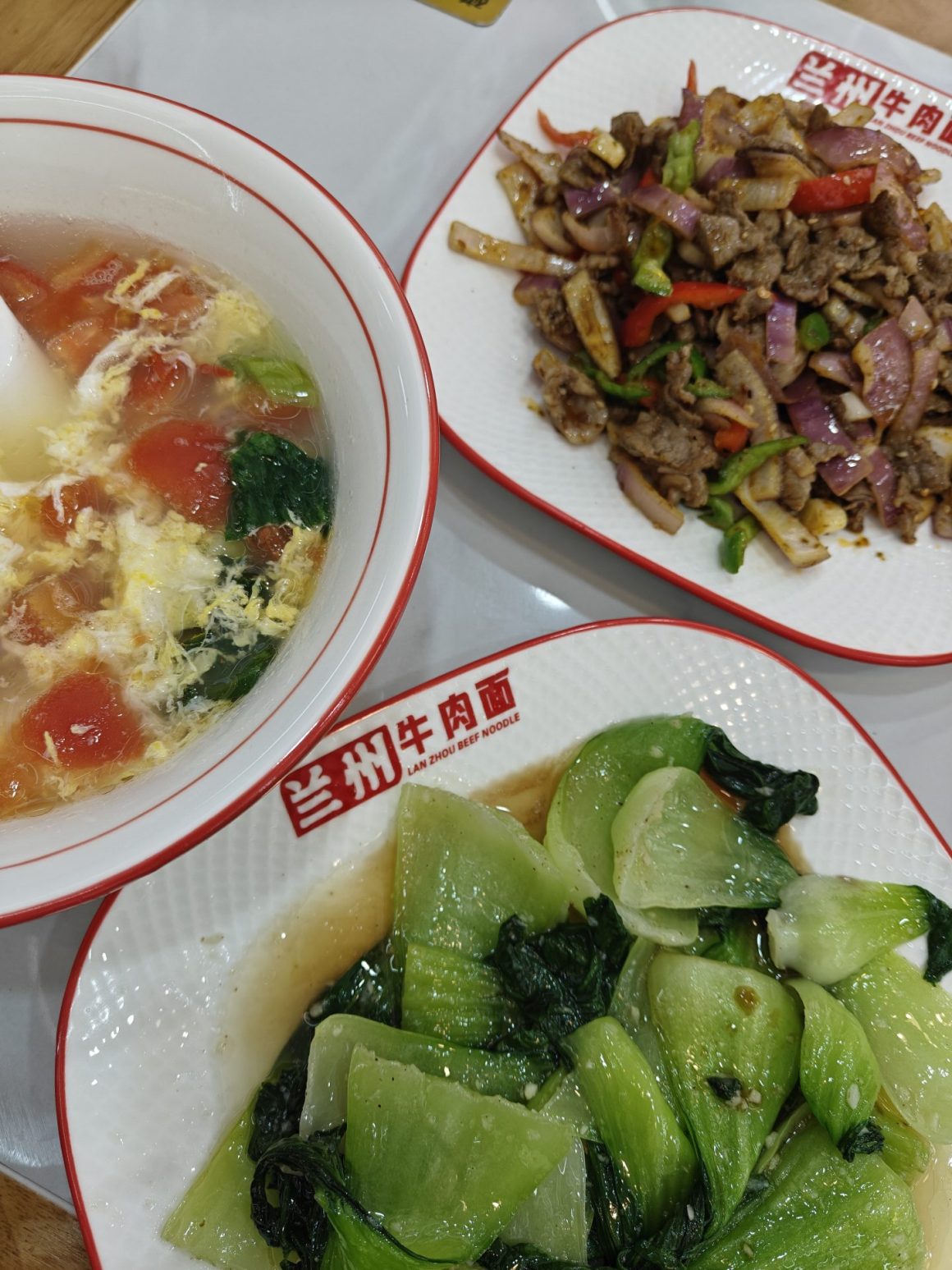
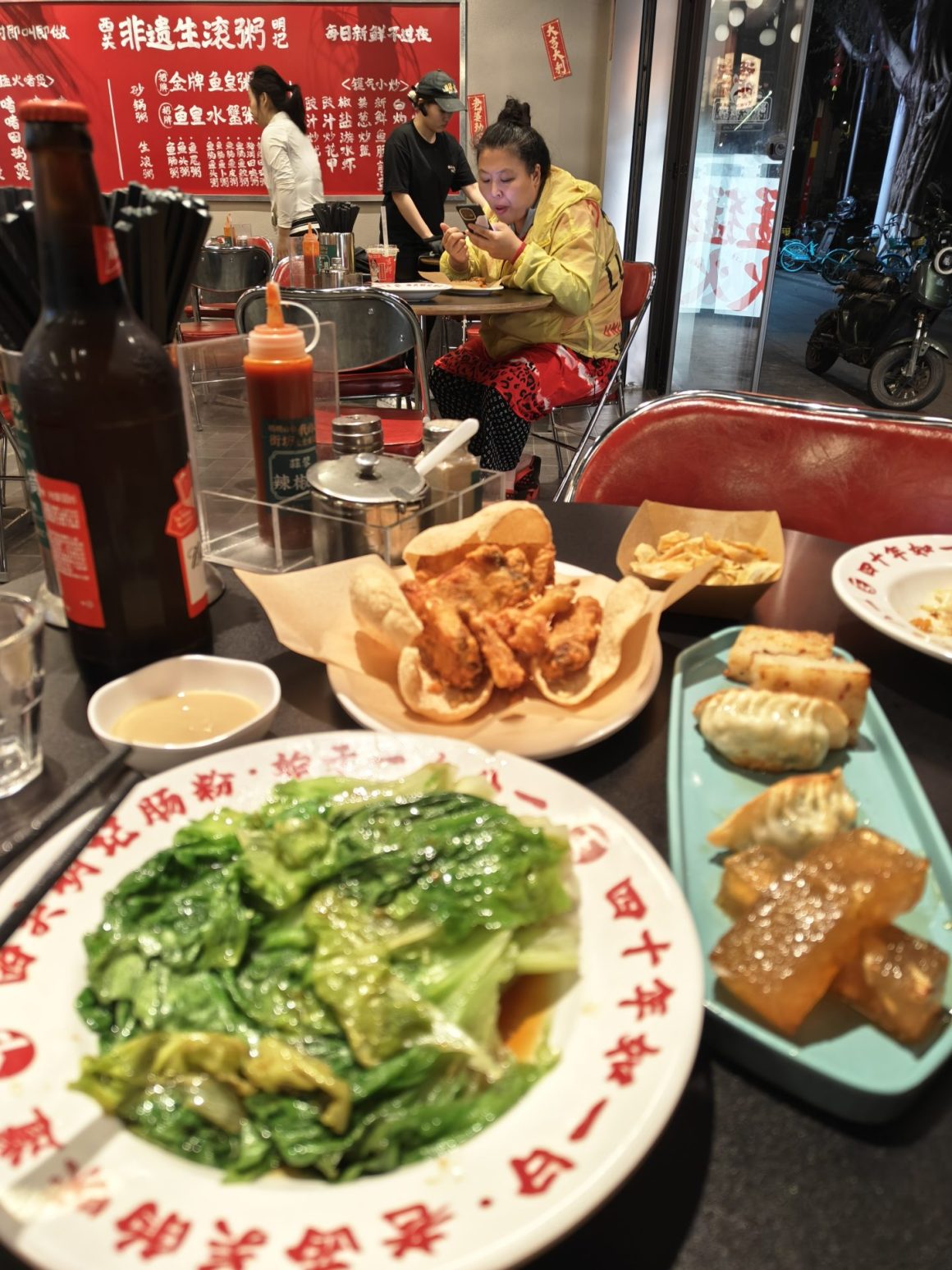
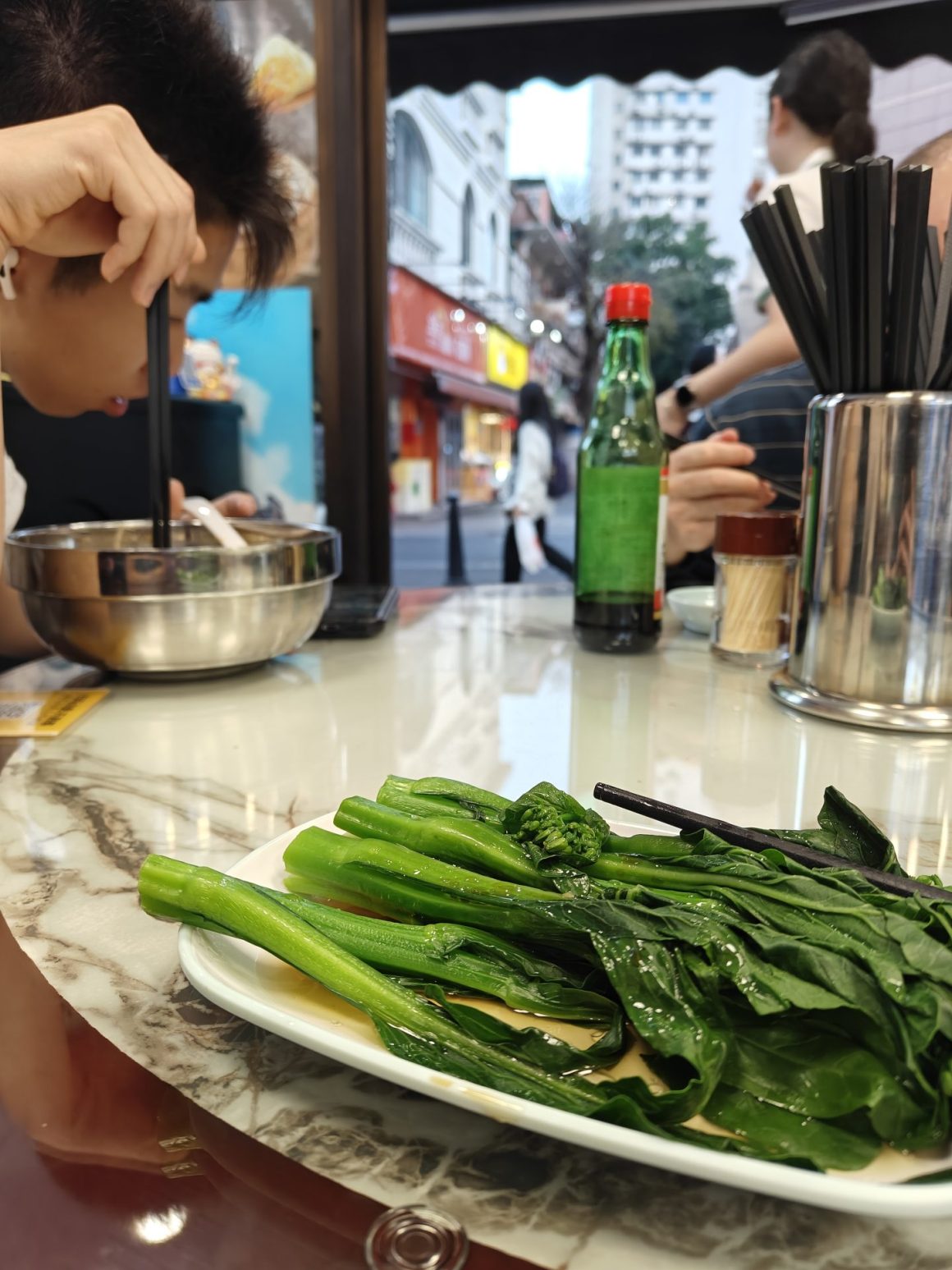
In Guangzhou, dim sum isn’t a destination—it’s the default setting. I wouldn’t walk across town for one specific restaurant, because almost everywhere I tried was genuinely good: warm soups, fast service, plates that arrive faster than you can decide what you meant to order. Just swipe, swipe, pay, and wait a bit, then suddenly food appears at the table. Maybe I am too used to the European way of several interactions, almost like rituals to get what you want. At least it erases most of the language barrier, which is a thing. And be sure to have internet and your apps setup, otherwise game over.
Late-night grazing
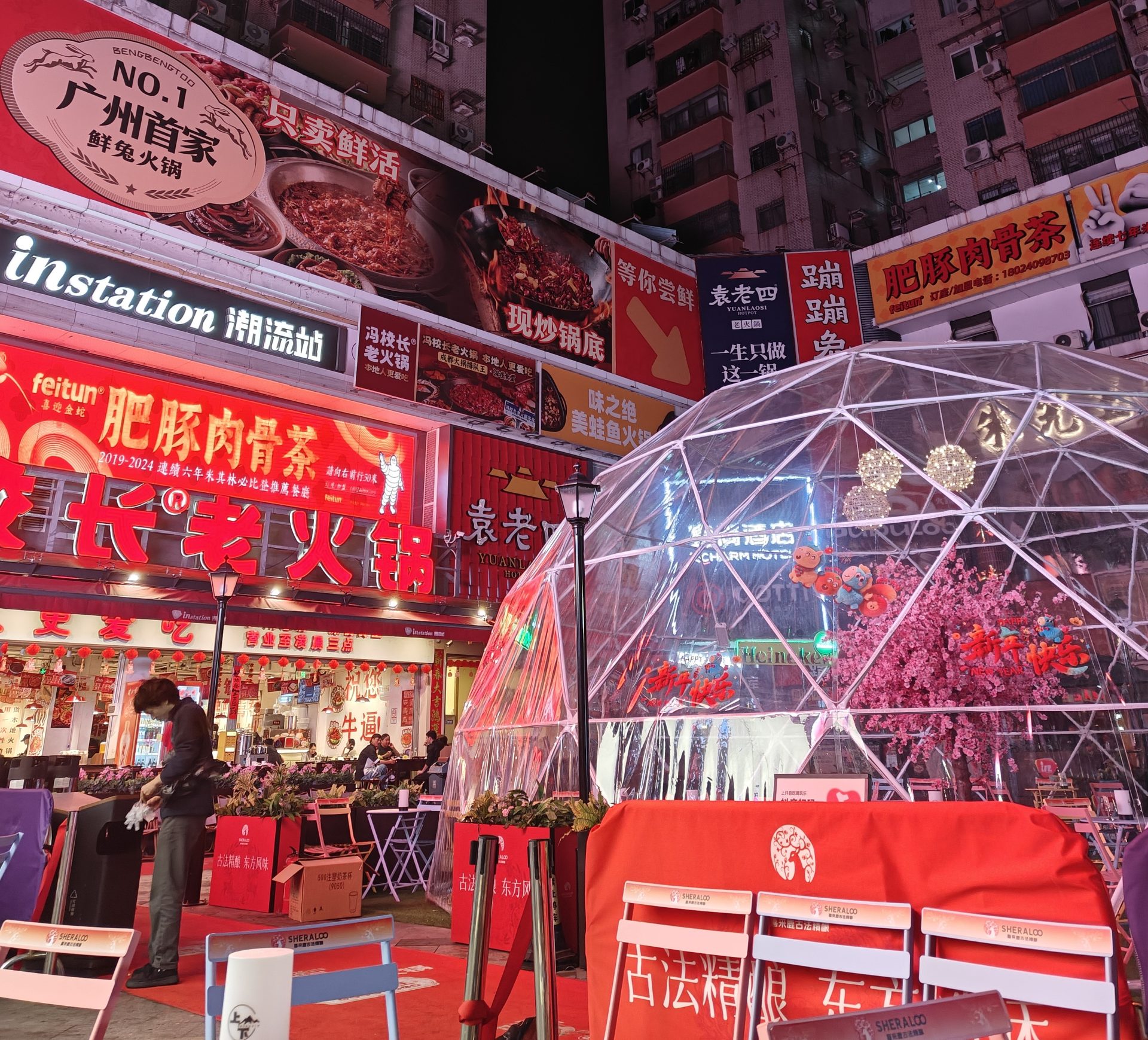
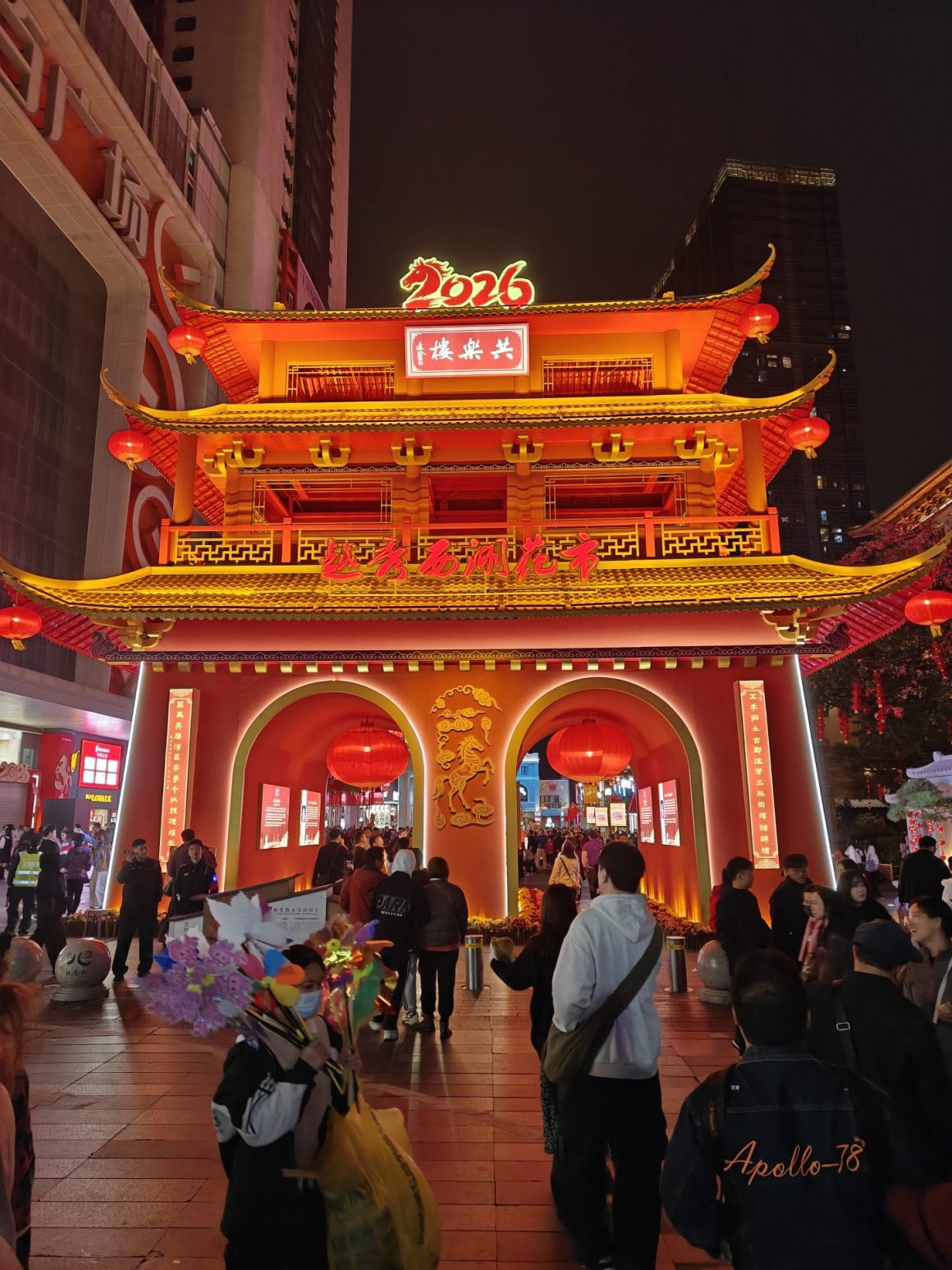
For a late snack wander, I liked Beijing Road after dark—bright, busy, and built for grazing rather than sitting through a long dinner. In the side streets, it is easy to find some decent Dim Sum and other Cantonese food, easy places, in and out. It can be quite busy, though.
One bite (and coffee)
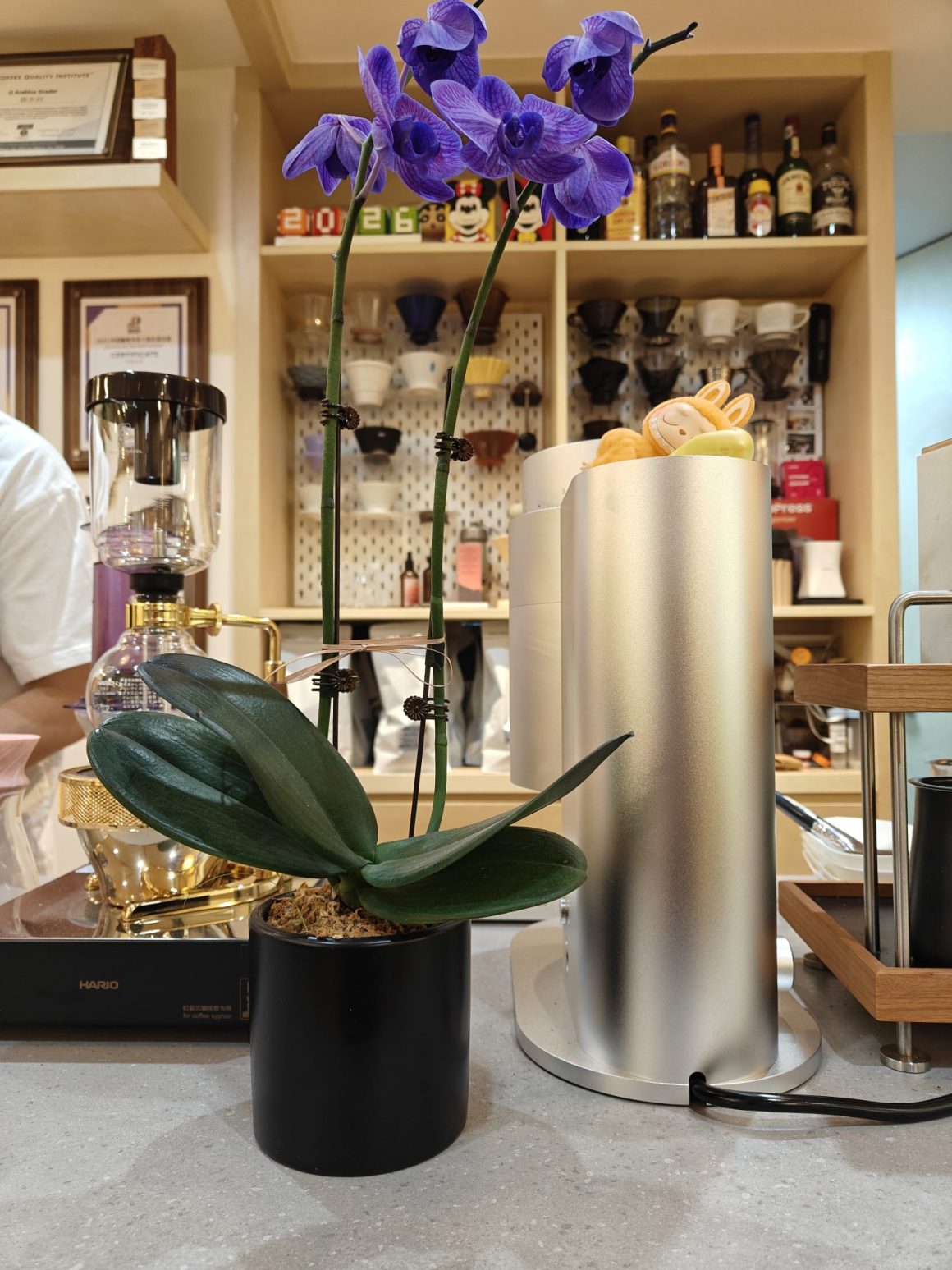
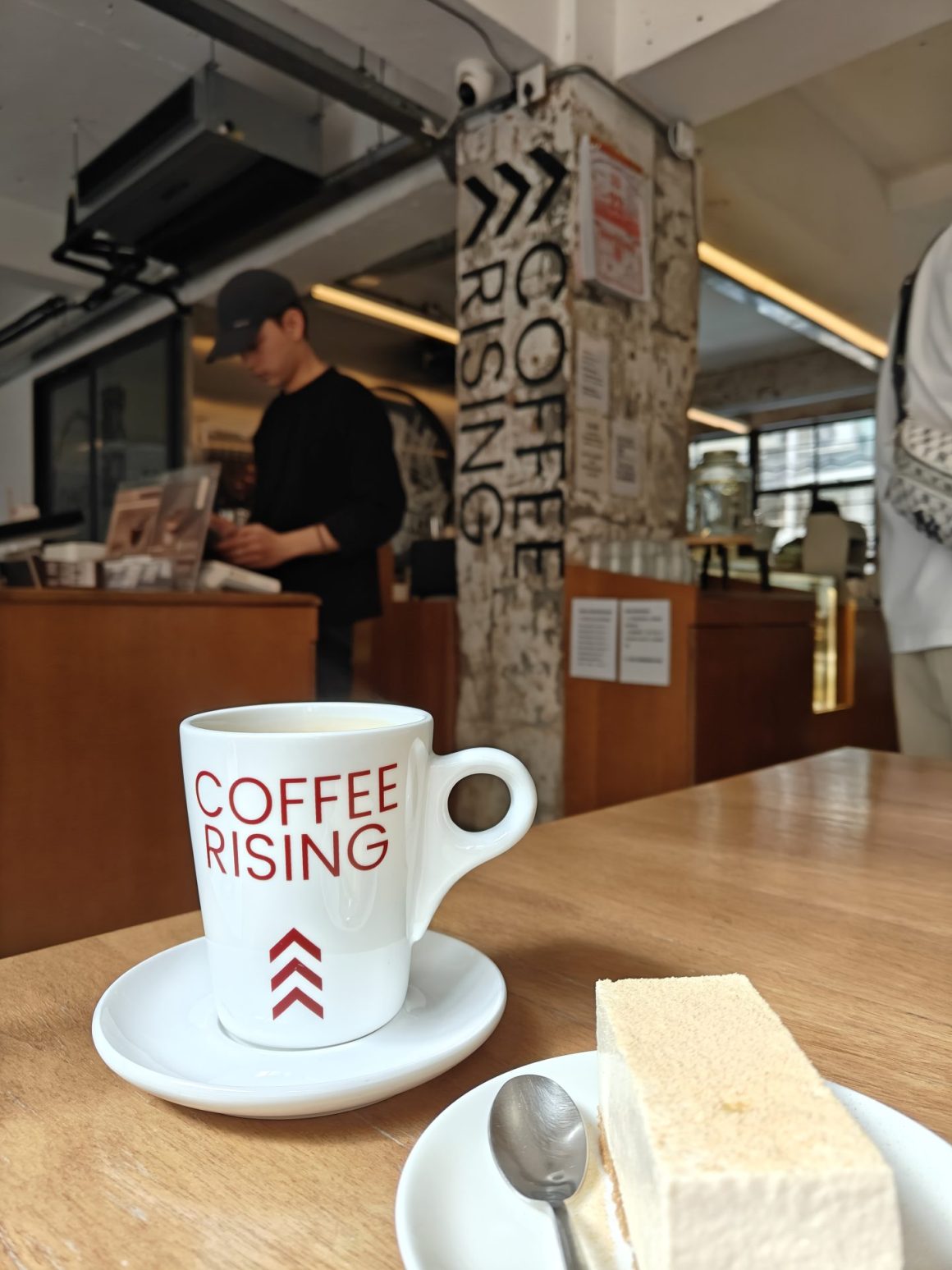
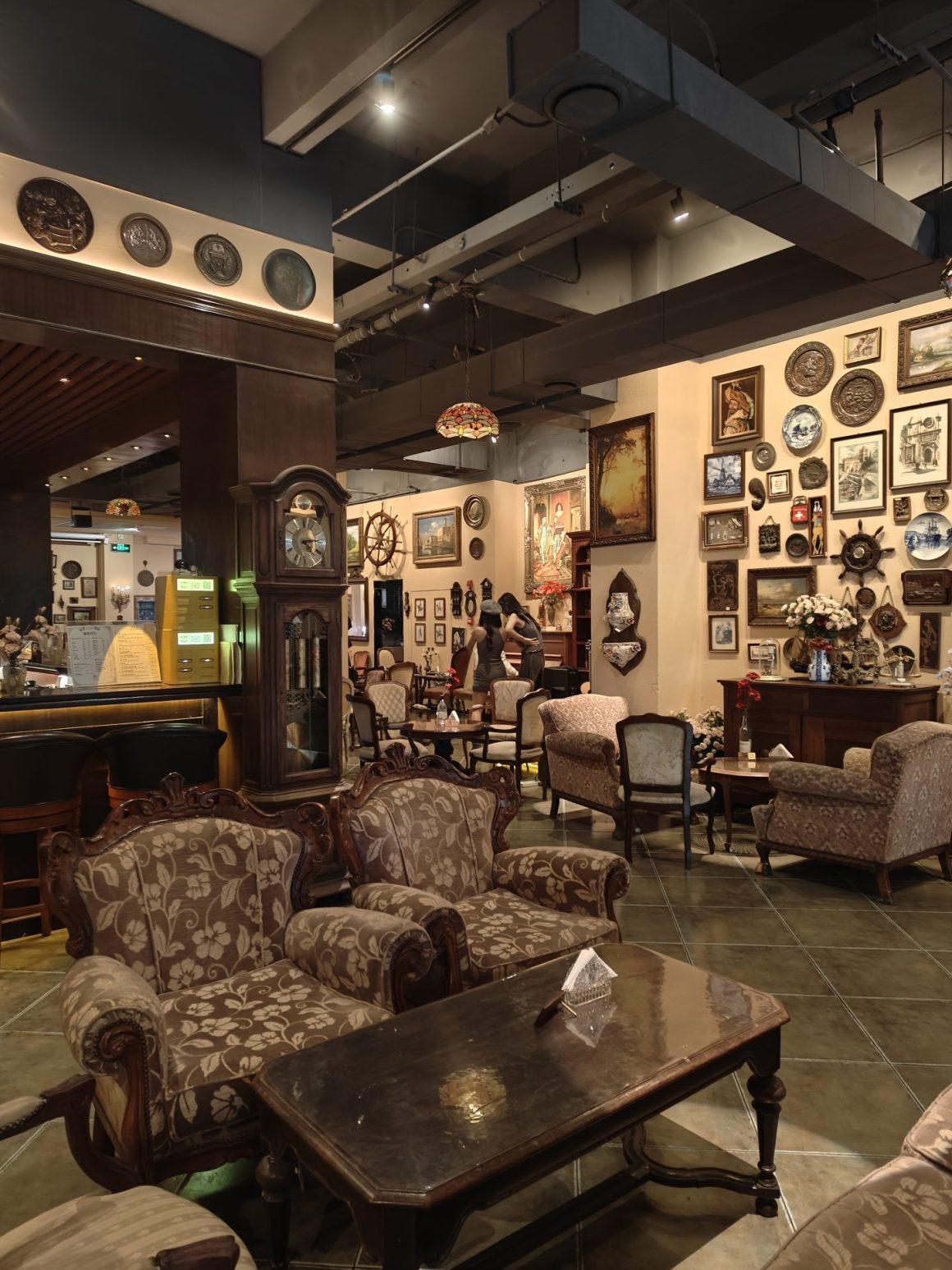
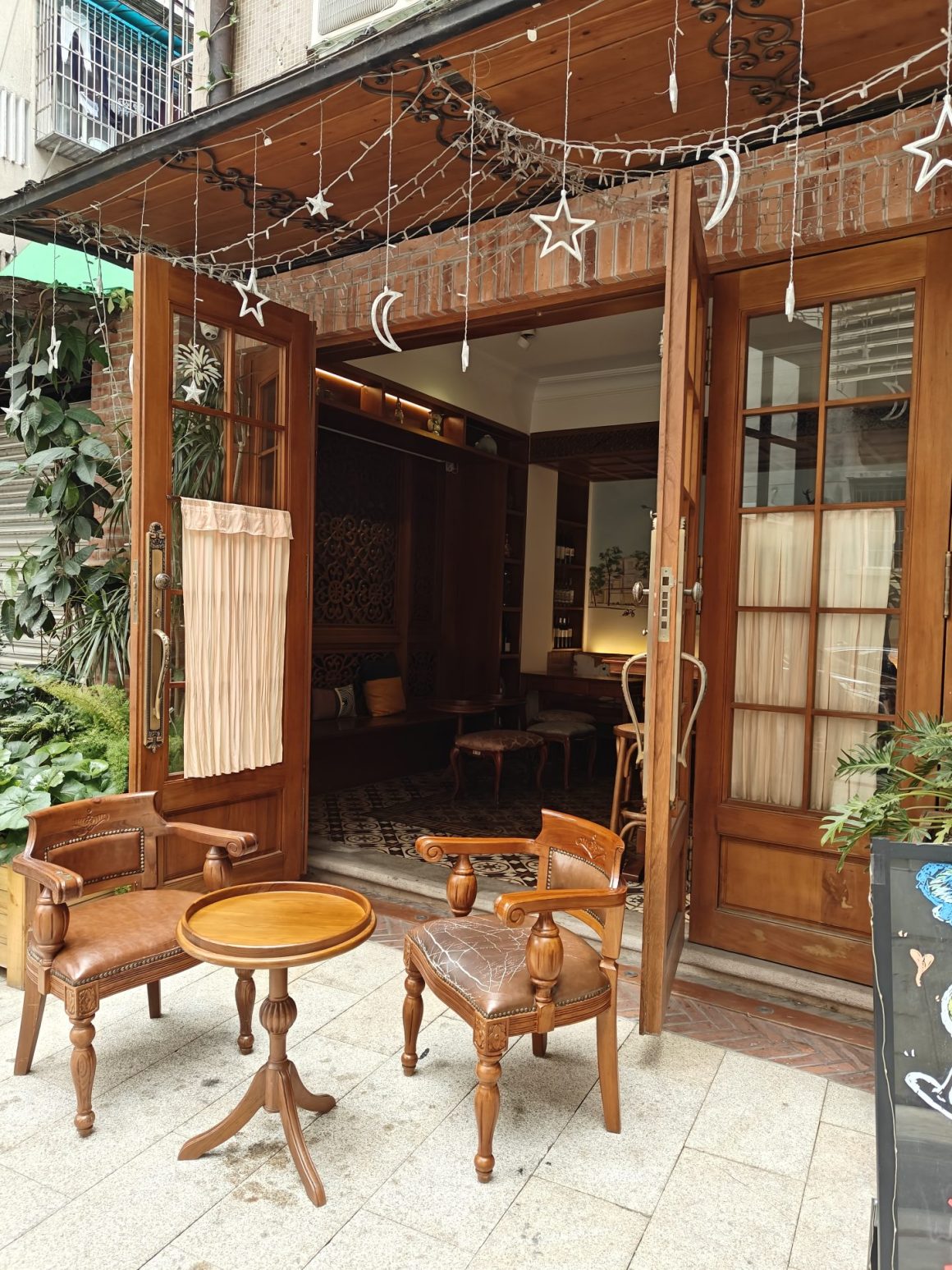
In Dongshankou, I liked Coffee Rising at Donghua Market for its tofu cake and a delicious specialty coffee. There are several cafés, each specializing in bubble tea, coffee, or cakes. Another interesting thing: I went to three (or maybe more) vintage-styled cafés (Tiff Cafés), and each one had a serious photo session going on—girls and guys in baroque or gothic dresses. I now wish I’d snapped a few more pictures, but I got the notion this is an ongoing thing.
What to do in Guangzhou: the city, by mood
West side: old Guangzhou, street-level and chaotic in a good way
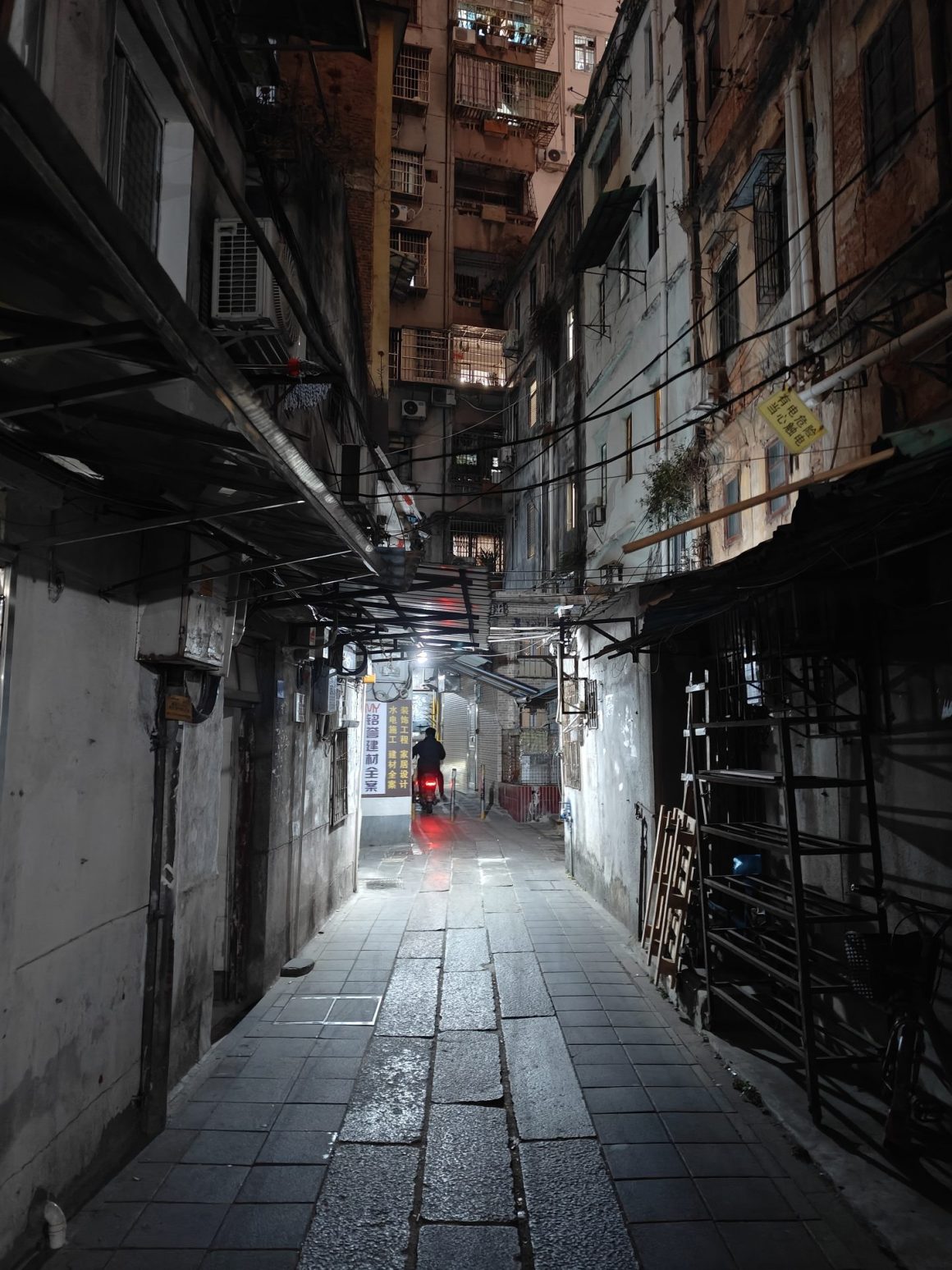
The older parts of the city were what I kept returning to. Streets fold into each other, the ground rises and dips, and the chaos feels useful—not curated, just alive.
Yongqingfang (Liwan)
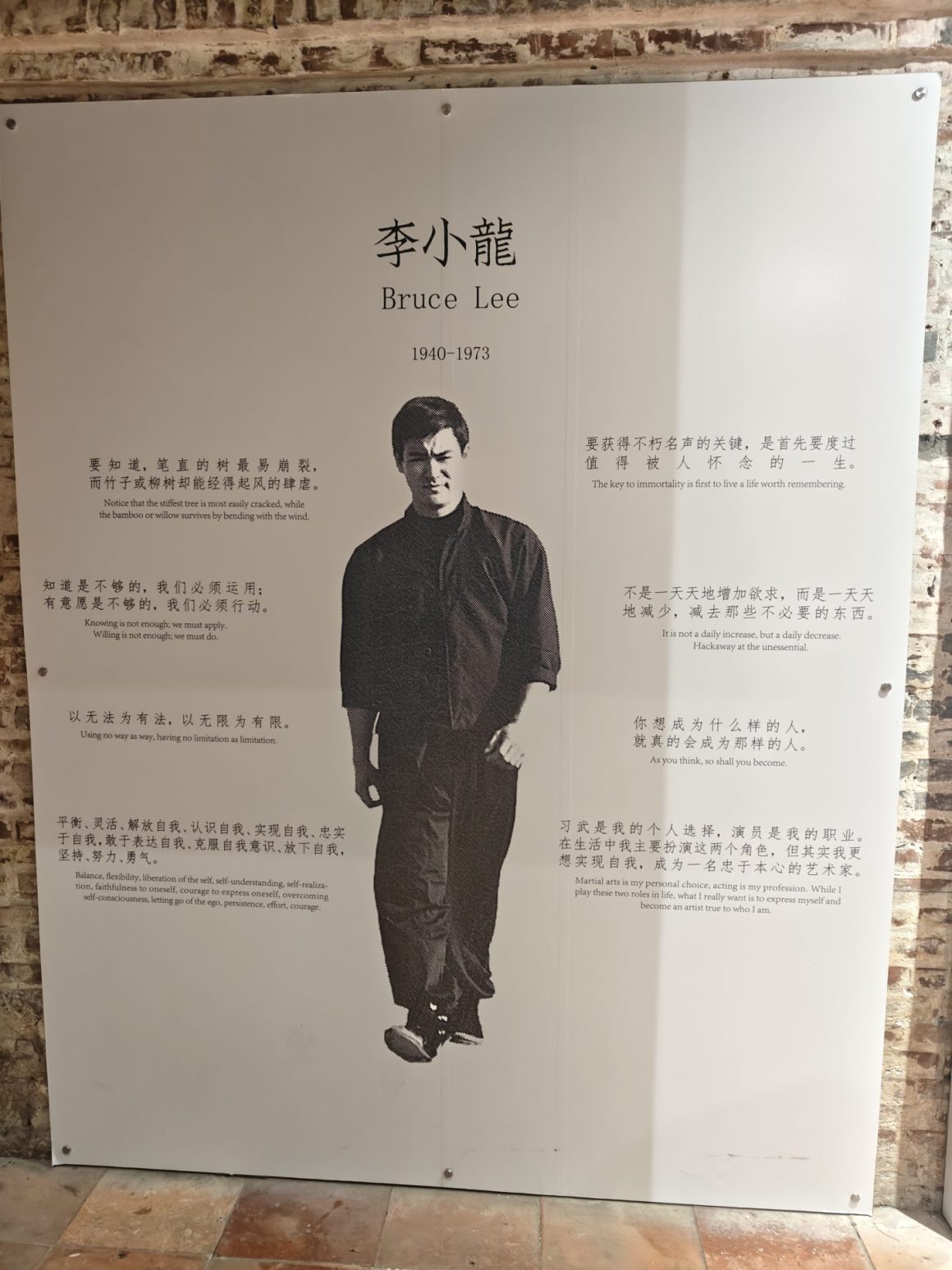
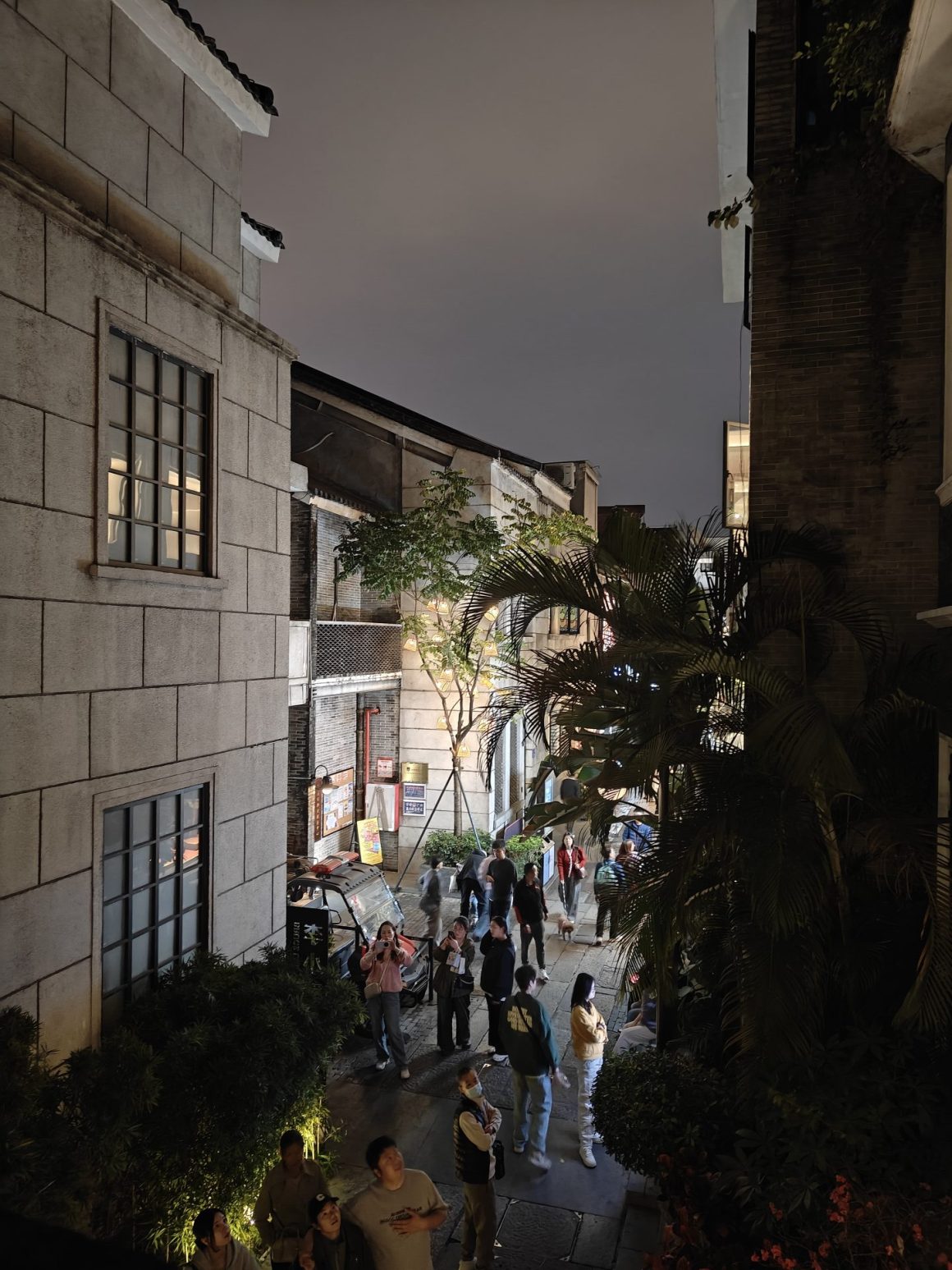
Yongqingfang is restored historic Guangzhou—brick, old façades, crowds, cameras, snacks. It’s commercial, yes, but it’s also where you see how locals use the city: hanging out, eating, taking photos, drifting without a plan.
If you’re already in the area, Liwan Lake Park is a good reset—green, water, slower pace.
Shamian Island (Shamiandao)
If the west side gets loud in the best way, Shamian is where you go to exhale. It’s a small island with tree-lined streets and old concession-era buildings, calmer than the rest of the city, made for a slow walk when you want the volume turned down. Small Europe in the center of China town.
Beijing Road + Dafo Temple (Big Buddha Temple)
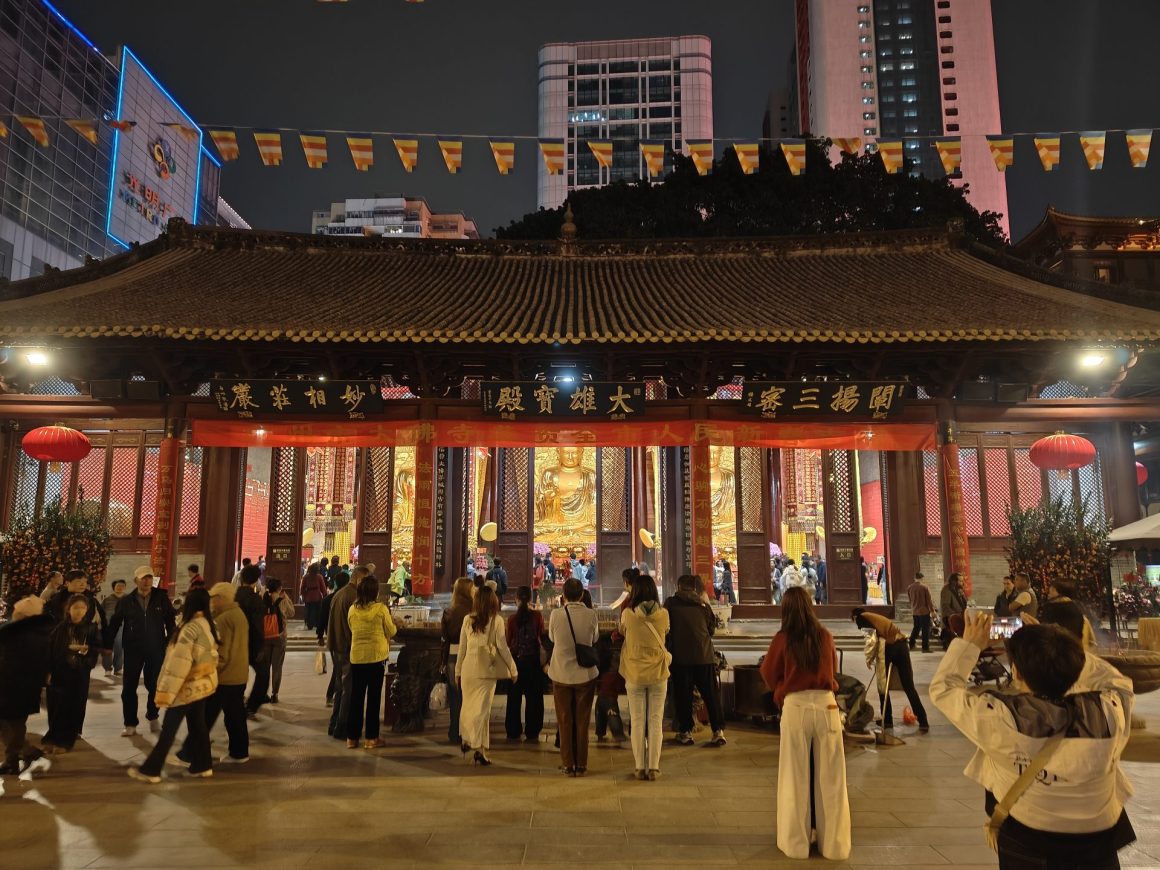
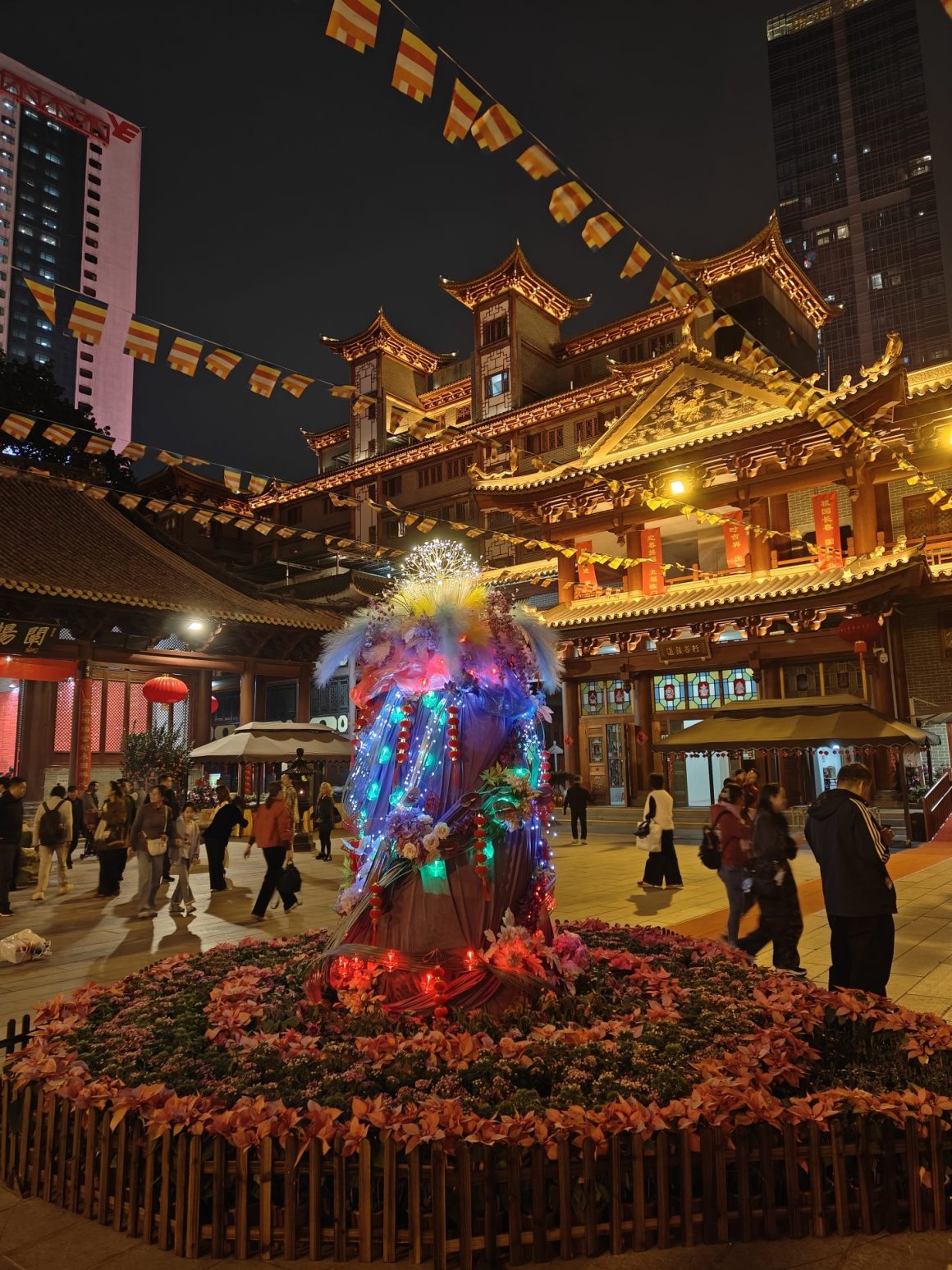
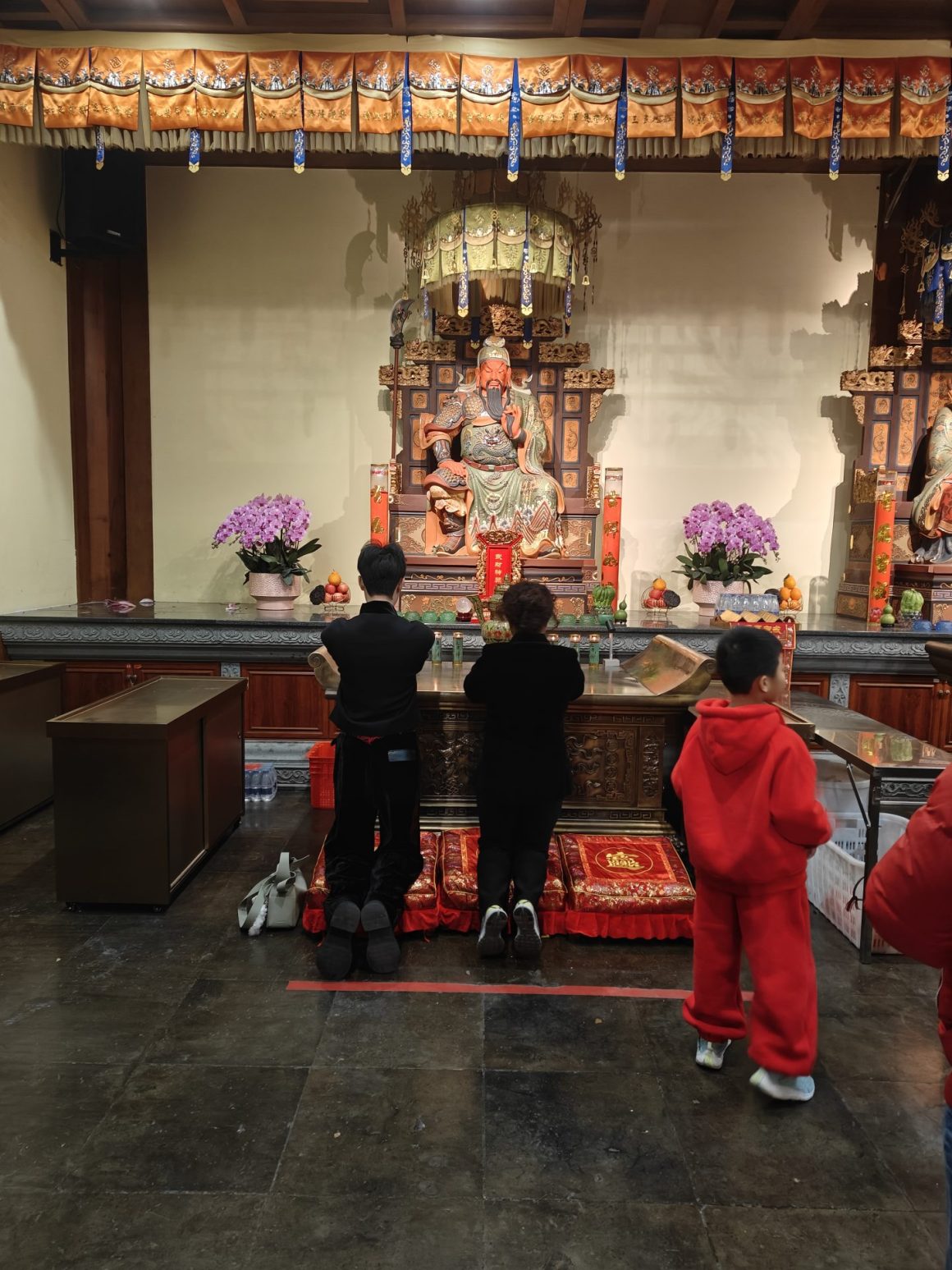
Beijing Road is the neon-and-crowds version of Guangzhou, especially at night. Close by is Dafo Temple (Big Buddha Temple)—a sudden hush off a busy street.
One detail I noticed (and appreciated): it felt less strict about footwear than Buddhist sites I’m used to in places like Japan or Thailand — less choreography, more flow.
Dongshankou: cafés, style, and small obsessions
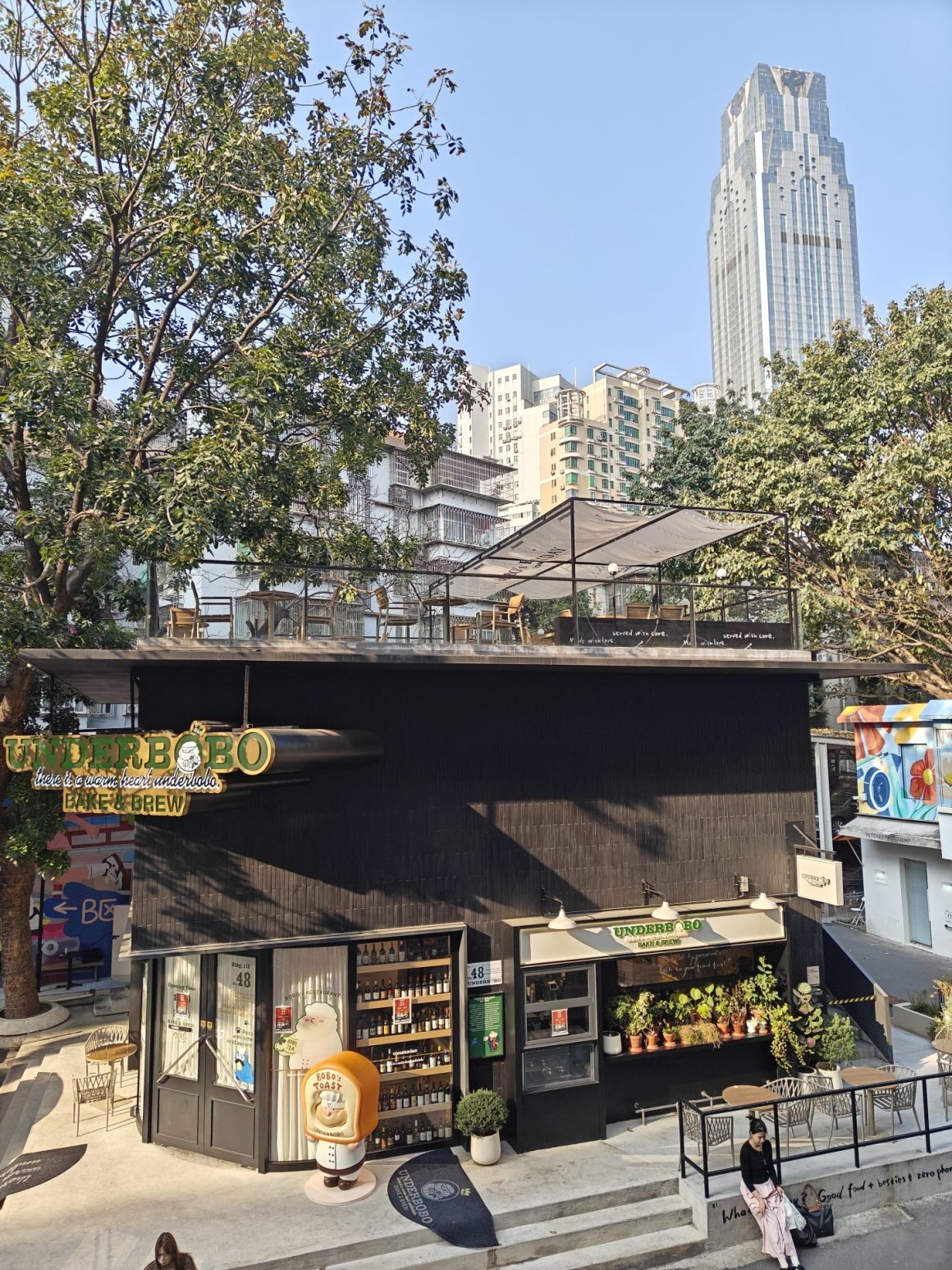
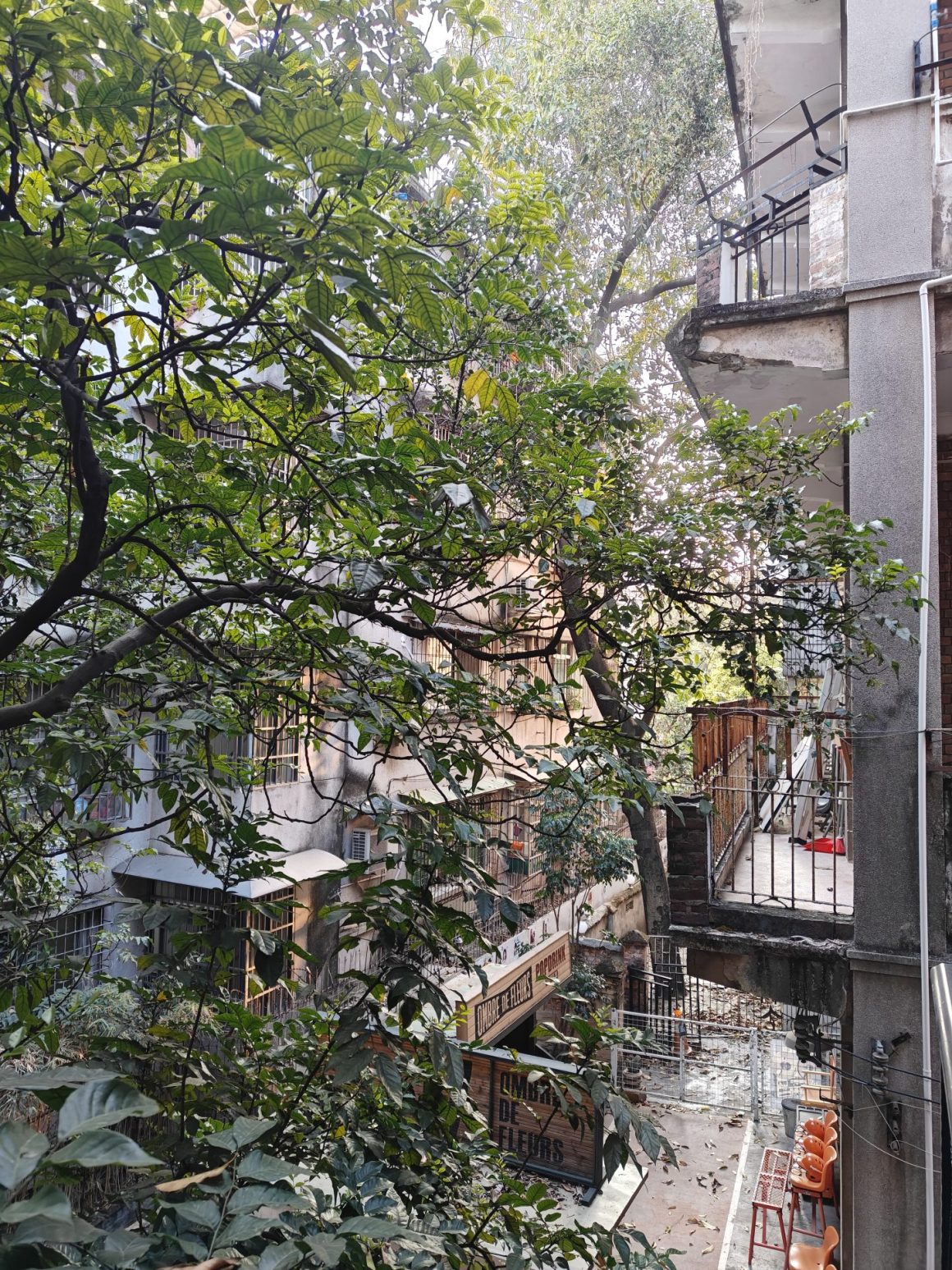
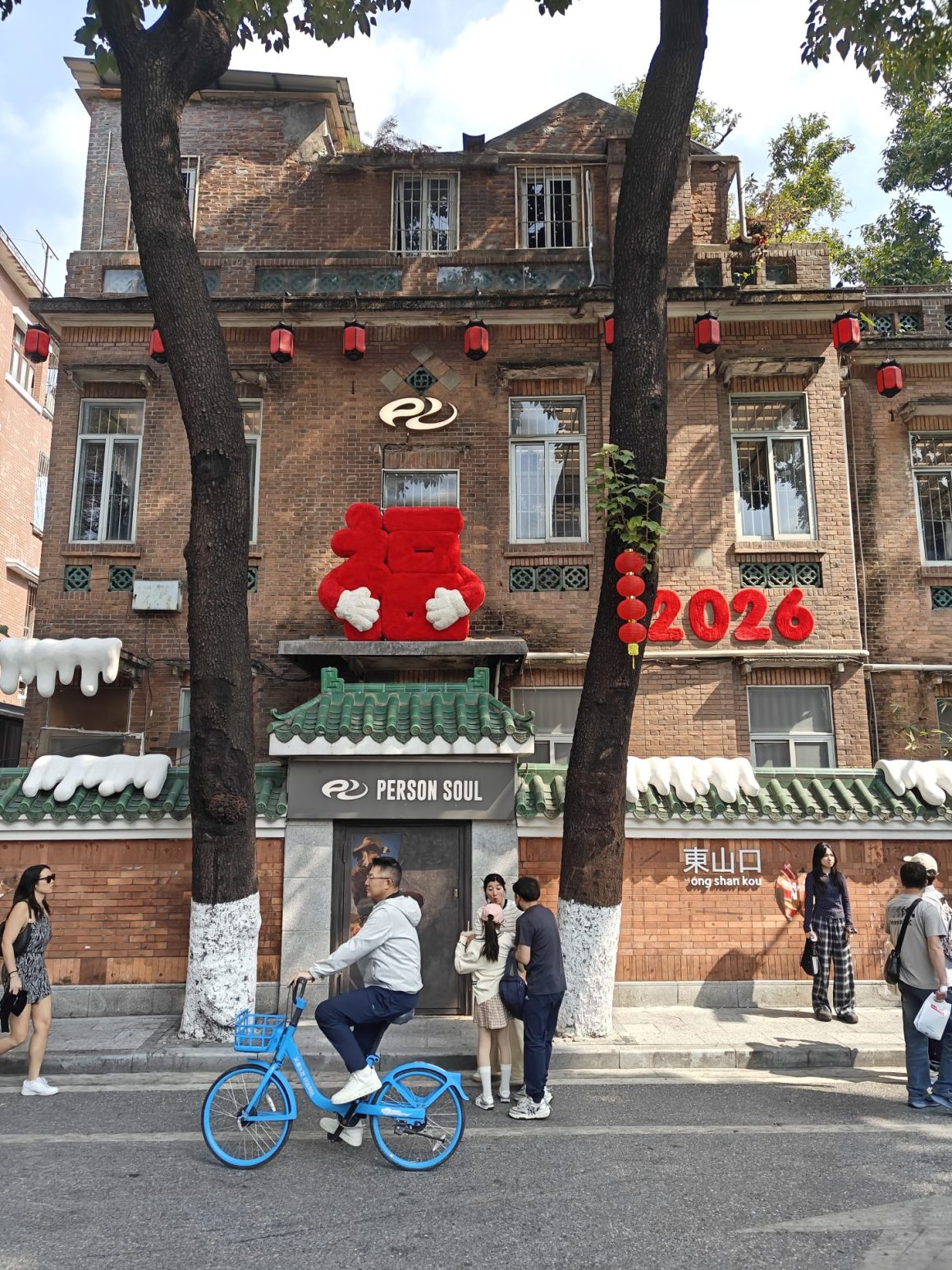
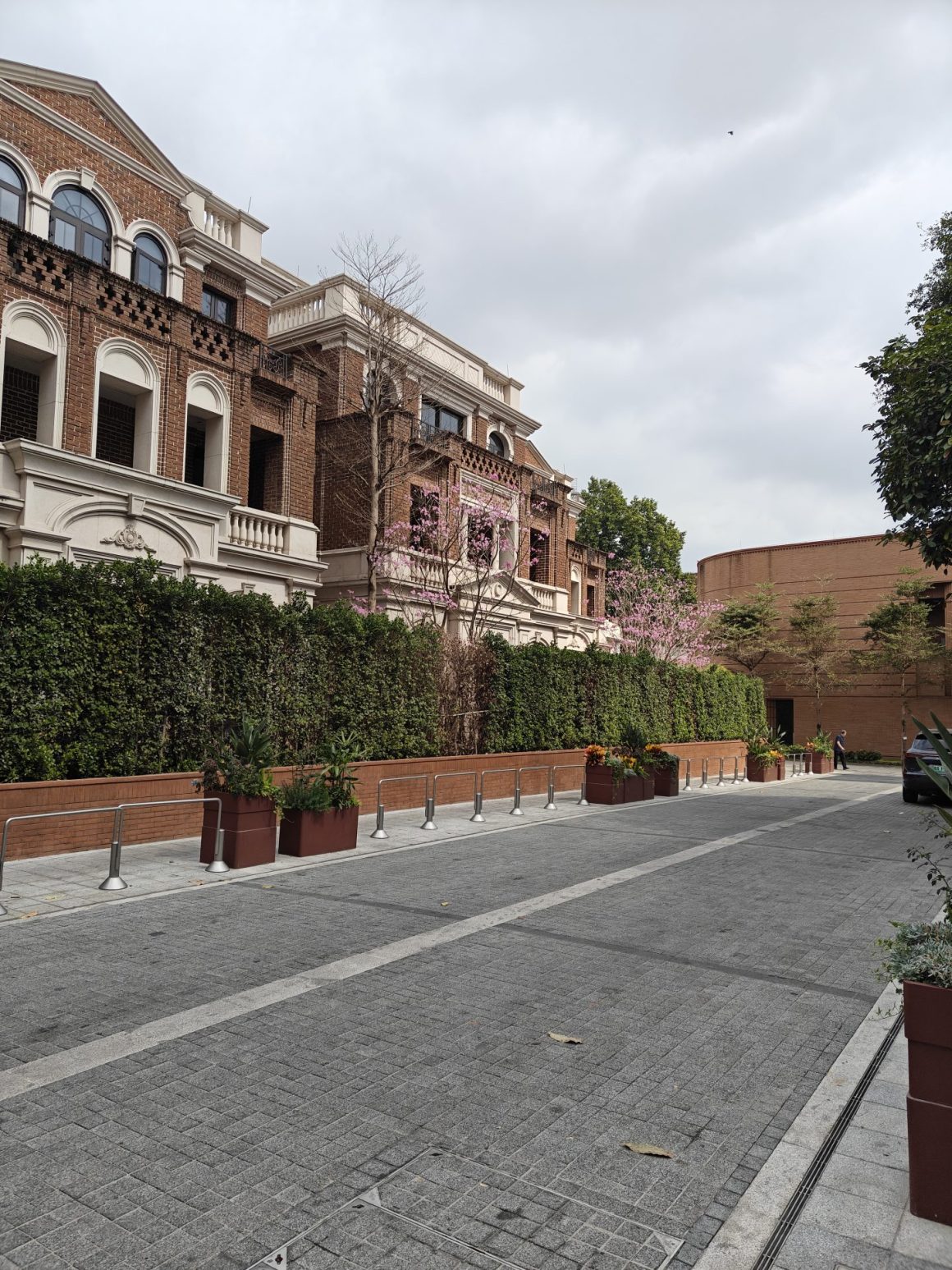
Dongshankou is one of my favorite parts of the city because it can hold two moods at once: laid-back café streets, and then suddenly these photogenic early-1900s brick houses with a slightly Western silhouette—more like what you see in Shanghai’s former French Concession.
It’s also just full of places. Vintage shops and specialty stores are mixed in with the everyday Guangzhou layer—bubble tea, snack counters, convenience stores—so you end up drifting in and out of tiny shops without needing a plan.
What people wear here
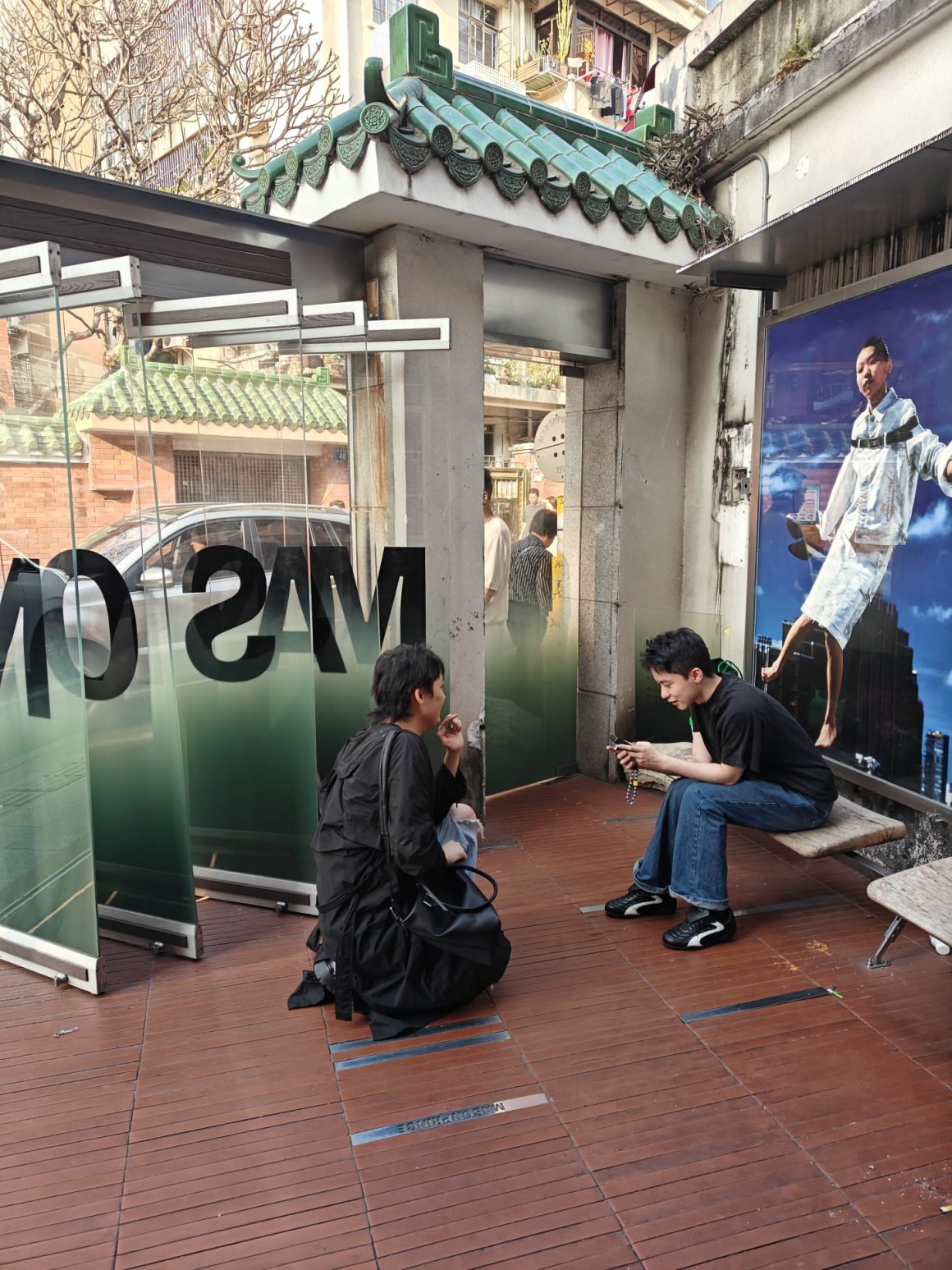
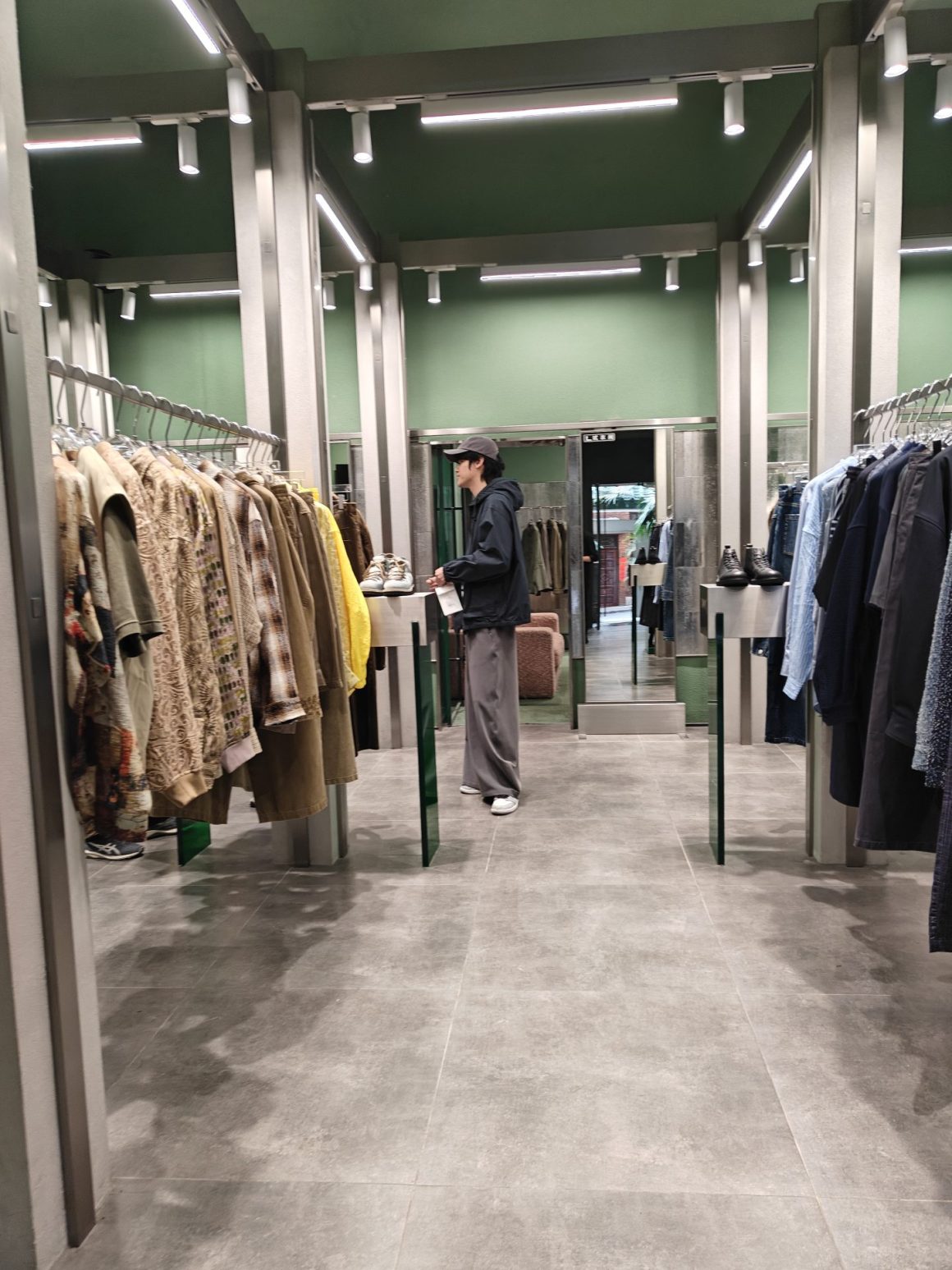
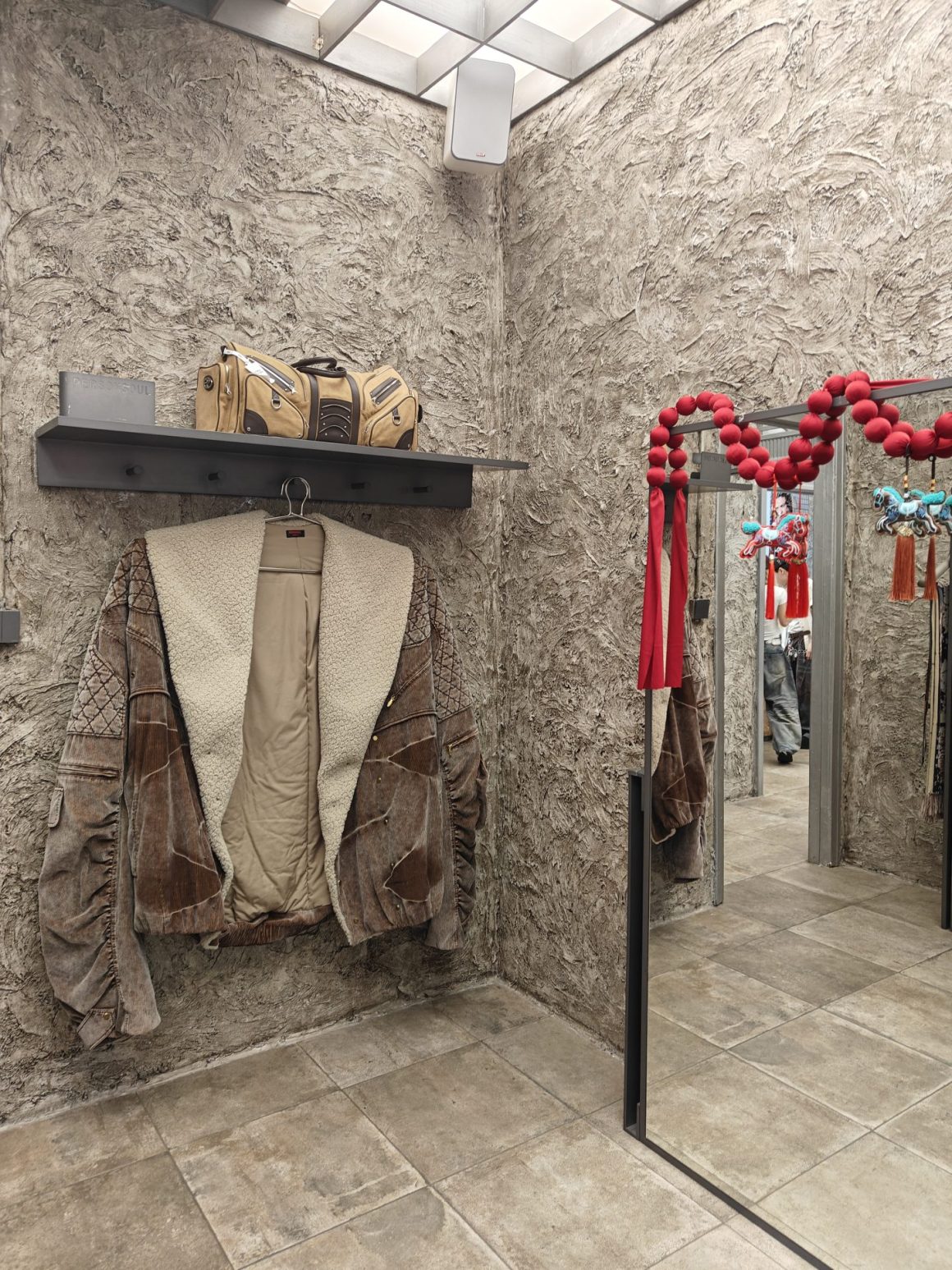
Dongshankou has a specific fashion energy—minimalist, sharp, sporty, highly styled. I liked Simwood for the affordable, no-nonsense approach. In the same orbit you’ll also see the louder streetwear end of things—Personsoul, Mason Prince—pieces that look designed for photos, but still worn like real clothes.
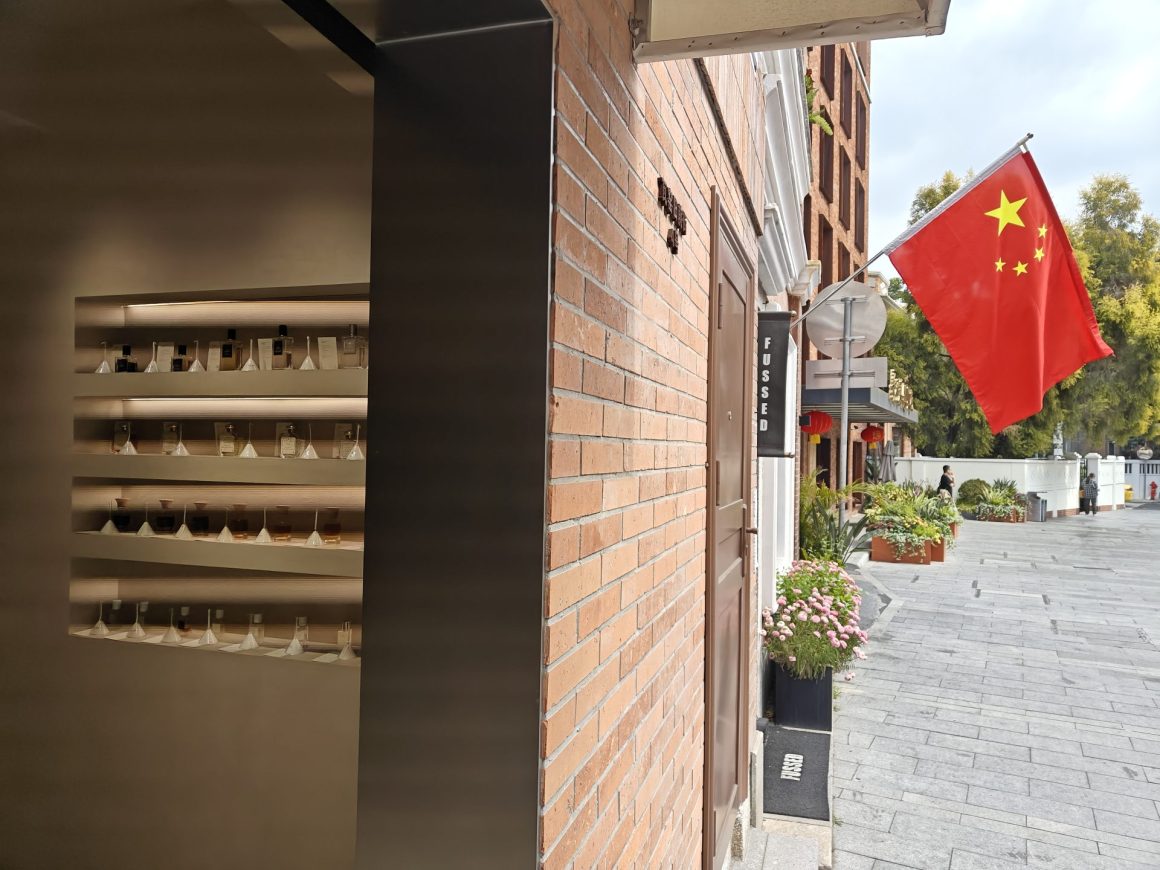
The perfume pocket near the 3rd National Congress memorial
This is one of those Guangzhou mysteries I never fully solved: why are there so many perfume shops around here?
I remember FUSSED and Bainiao Zhige, plus other scent-forward little stores clustered nearby. It’s not a “shopping district” in the obvious way—it’s more like you stumble into a niche scene you didn’t know the city had. Another coffee place called Under the Tree, was a nice to have a break and do people watching.
Tianhe: modern Guangzhou, best in the evening
Tianhe is newer and more vertical—business, entertainment, glass and steel. It can lack the texture of the older districts, but it’s where Guangzhou’s scale feels clearest. It also means it is less impressive in the daytime, while in te evening it becomes alive.
Going out: Tiyu Xilu in Tianhe
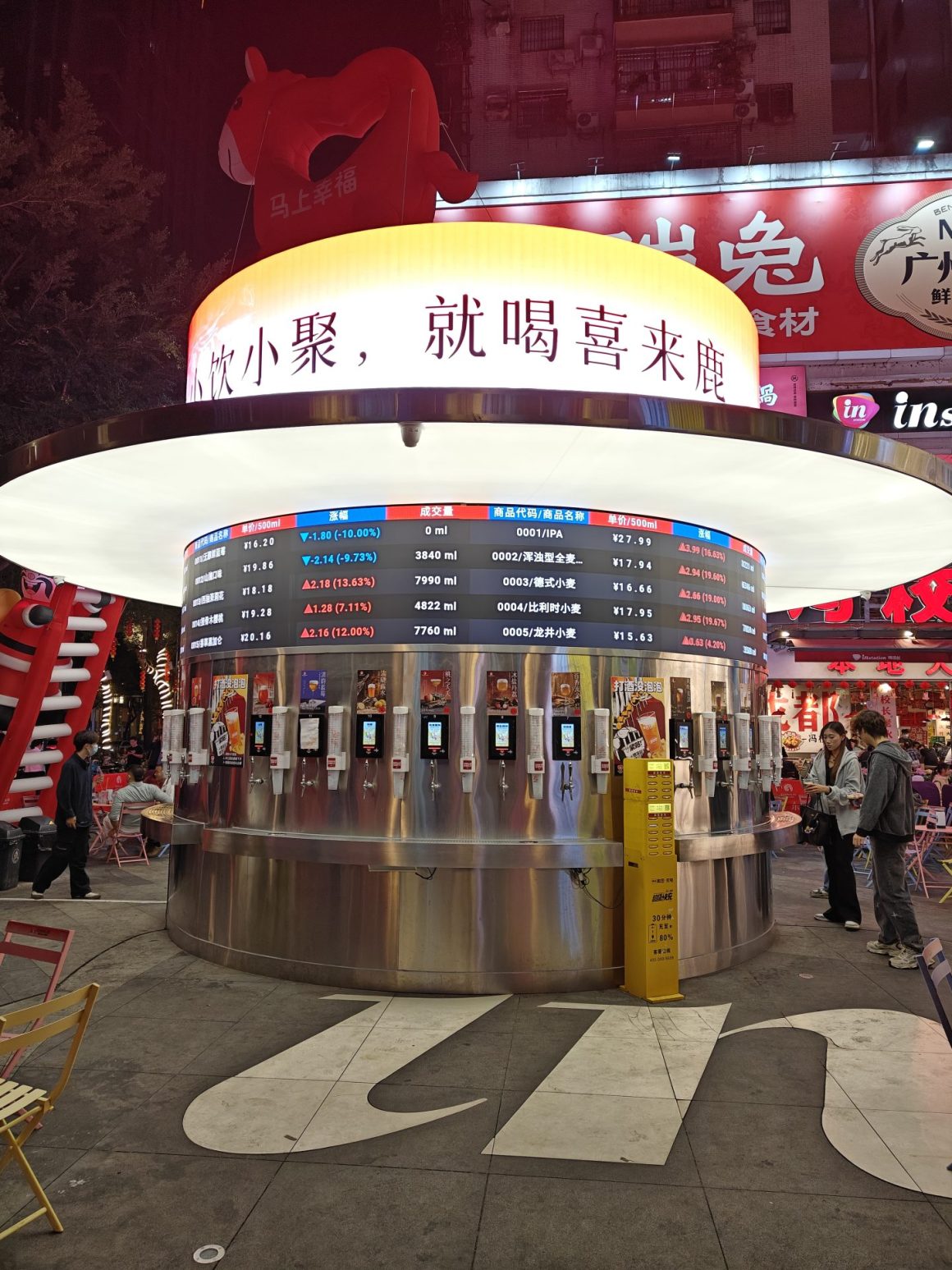
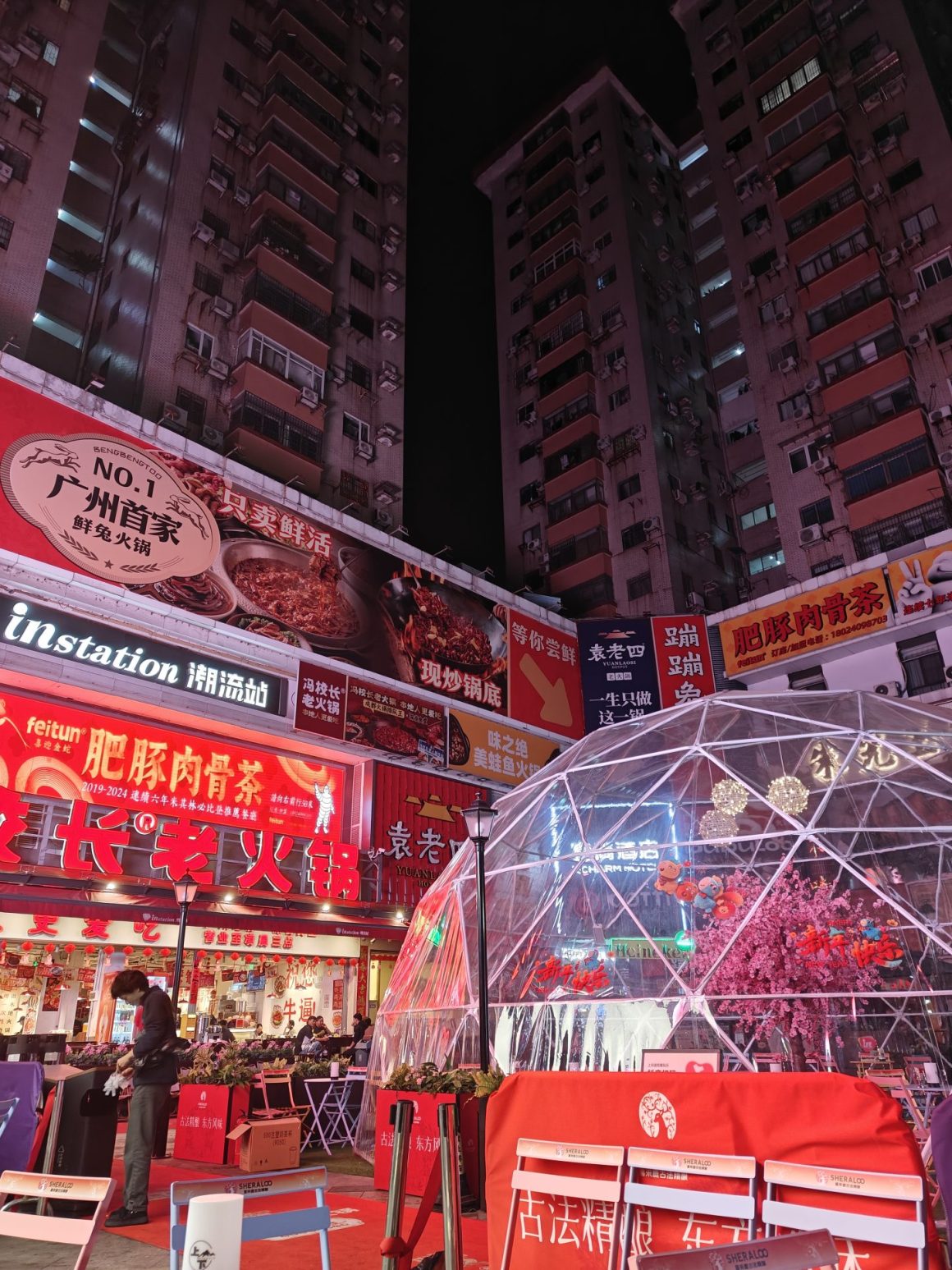
For nightlife, the Tiyu Xilu area (West Tiyu Road) felt young and busy—people spilling out of the metro, meeting friends, moving in groups. Not romantic, just alive. I had a beer at the Qingdao Beer Exchange with some intestine snacks from one of the food outlets. You choose your beer and swipe on WeChat, though there isn’t much to choose from—it’s more focused on aromatic punch drinks than beer. Very affordable, though.
A better place for beer is the nearby taphouse, Wuwang Taproom, with a much better selection. Another more casual beer spot is the El Nido Fang Bar, but there are so many places around here that if I found myself in the area, I’d pick a destination—and if something good shows up on the way, even better.
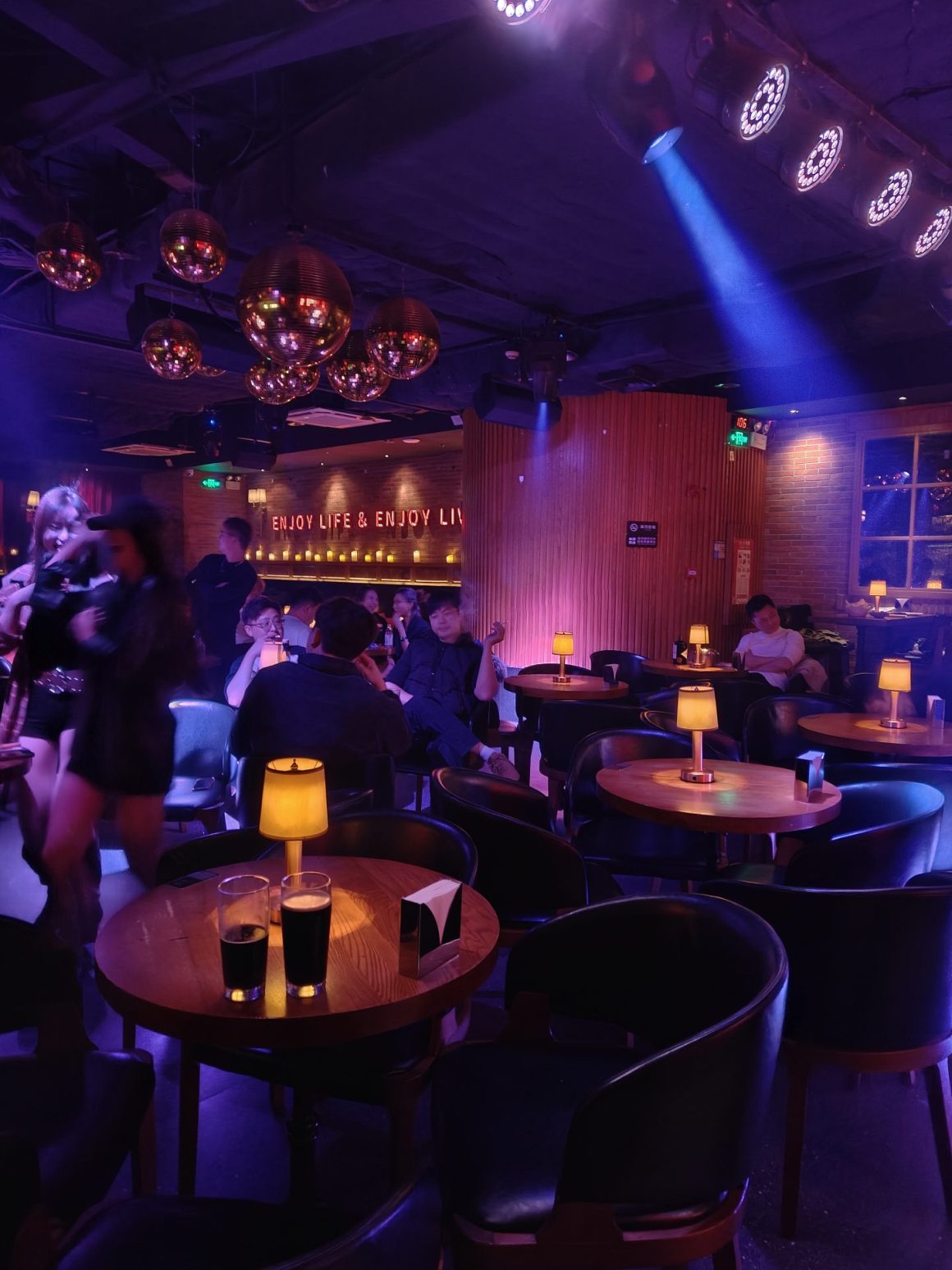
If you want a night out that isn’t alcohol-focused, Ting Fanchaji Tévo Lounge is an interesting one. It’s basically tea served like a bar menu — the kind of place where ordering feels like picking a cocktail, just with different teas and presentations. It’s a nice change of pace after the Beijing Road chaos, and it still feels like going out.