


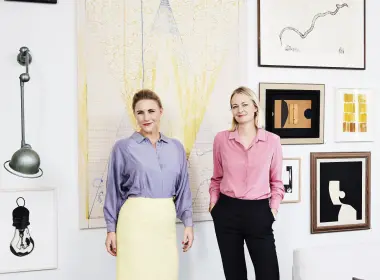
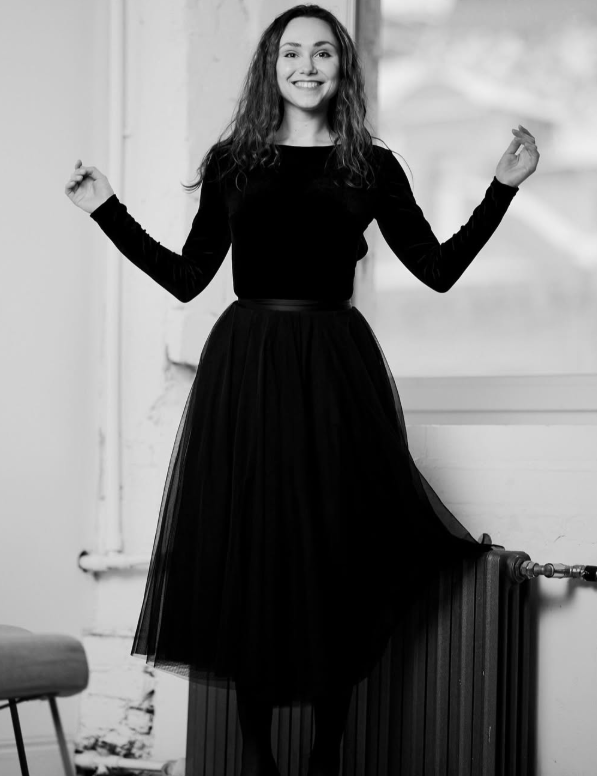
Anna Lavrinenko says her name is the only thing about herself she can state with confidence. Everything else has changed more than once: almost seventeen years dancing at the Mariinsky Theatre, a degree in art history, pastry school, and new beginnings in new countries. What hasn’t changed is how she looks at art: slowly, forty minutes in front of a single painting, with nothing else planned for the day.
For Locals Insider, she has prepared an art guide to Venice, built on that same slow way of looking. It takes her down into a crypt lit only by a candle, beneath a ceiling that opens onto the sky, and out to an island where poetry and ballet, two parts of her own life, rest side by side. And by the end of the walk, she has a question she’d like the next Biennale to ask.
Venice is an open-air museum. Choosing just a few places I would recommend is difficult, but I will try.
San Simeone Piccolo: A Candlelit Crypt Opposite the Station
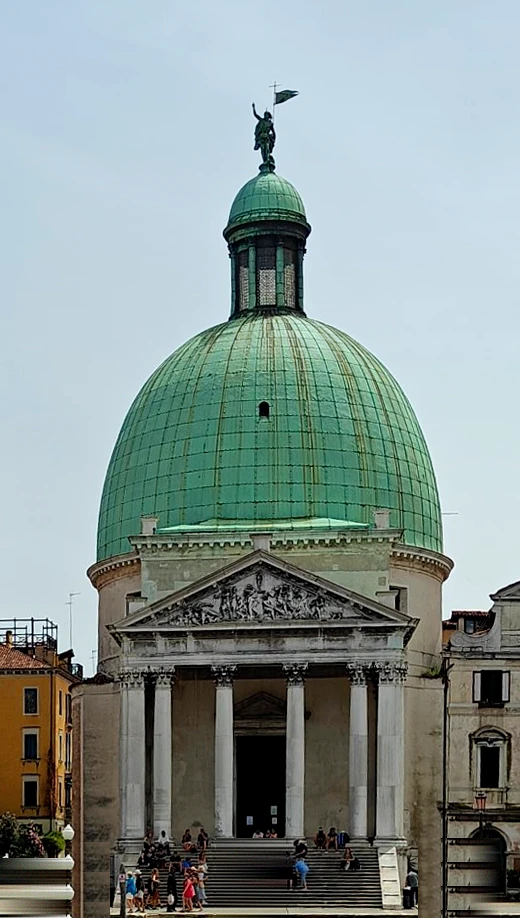
The first is the church of San Simeone Piccolo. You notice it as soon as you leave the railway station: a small building crowned by a dome that seems far too large for it. According to legend, Napoleon said that he had seen churches without domes, but never a dome without a church.
Yet the most intriguing part of the church lies beneath it: the crypt. Two underground galleries meet in an octagonal chamber with an altar.
Paintings cover the walls and vaults: biblical scenes, skulls, bones, and images of the dead. Among them is a skeleton accompanied by the inscription Memorare novissima tua et in aeternum non peccabis – “Remember your last things, and you will never sin.”
When I visited, an attendant gave each person a small candle at the entrance. After the light and splendour of Venice, the descent underground, lit only by its dim, trembling flame, felt particularly striking. Figures gradually emerged from the darkness on the walls as the flame drew closer.
“There was something of a spiritual exercise in that descent.”
There was something of a spiritual exercise in that descent: leaving the city’s beauty above and spending a few minutes face to face with thoughts of death, judgment, and salvation.
Giardino Mistico: A Hidden Carmelite Garden Near Santa Lucia
Despite the crowds of tourists who fill Venice every year, there are still quiet places where you can stop and hear the city as if from a distance. One of them is the Giardino Mistico, the garden of a Carmelite monastery near Santa Lucia station.
The space is laid out with restraint: a small vineyard, a herb garden, roses, and long paths beneath arches entwined with grapevines. In summer, you can take shelter from the heat and spend an hour or two listening to the muffled sounds of life beyond the walls, the crunch of gravel underfoot, and the splash of water against the landing stage.
In 2026, the garden became one of the venues of the Venice Biennale. Visitors were given noise-cancelling headphones at the entrance, and each part of the garden had its own music. The walk became a succession of sounds and impressions – an opportunity to step away from the bustle while remaining in the very heart of the city.
Joseph Brodsky’s Venice: The Pensione Accademia
One of my favourite poets, Joseph Brodsky, stayed at the Accademia boarding house on his first visit to Venice, near the bridge and museum of the same name. One could put together a whole guide to Brodsky’s Venice, but that is another story.
Gallerie dell’Accademia: The Paintings I Always Return To
For my part, I cannot come to Venice without visiting the Gallerie dell’Accademia. By now I have a group of works before which I always linger. And yet, on every visit, I find something I had never noticed before.
Carpaccio’s Ten Thousand Martyrs of Mount Ararat
Here are a few of my favourites. The first is Vittore Carpaccio’s The Conversion and Crucifixion of the Ten Thousand Martyrs of Mount Ararat. On a single canvas, the artist brings together several moments of the story: horsemen lead the condemned, martyrs are already crucified on the trees, and in the distance a path opens towards heavenly life.
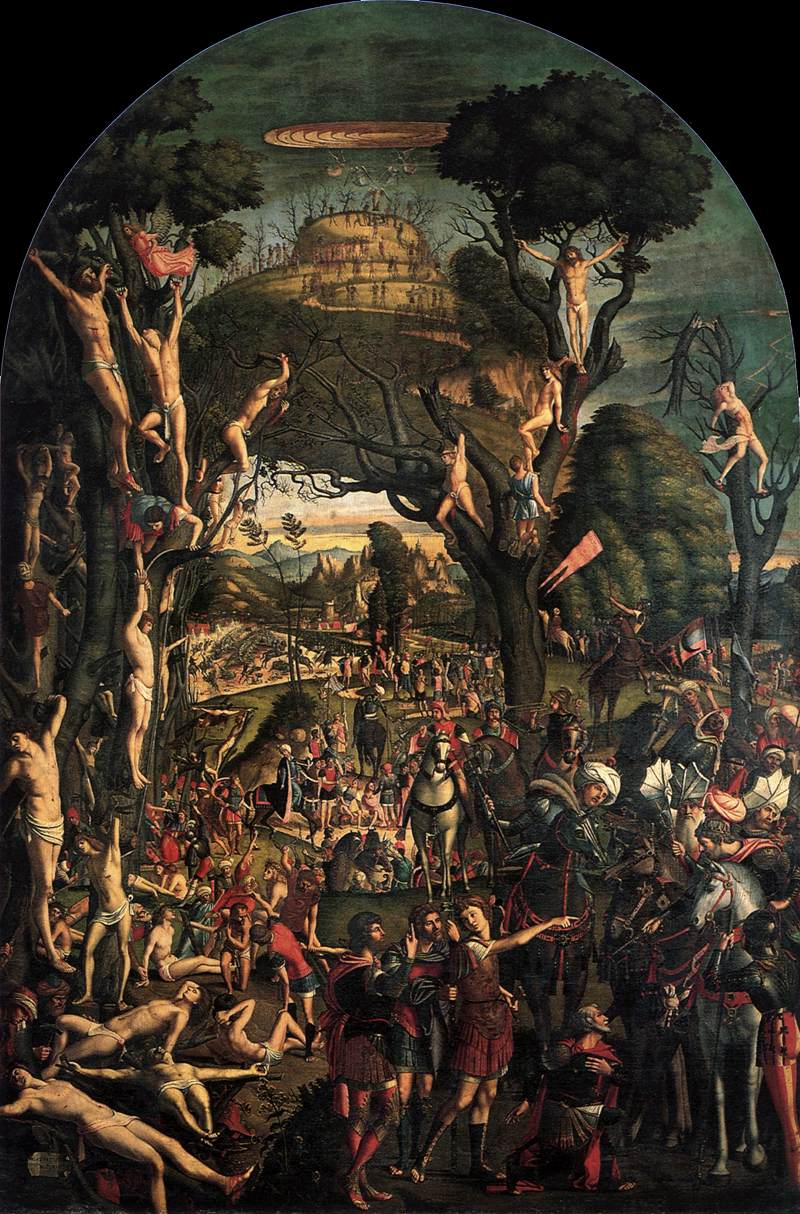
What strikes me most is the way Carpaccio brings together the beauty of the landscape and the horror of what is happening. The crucified figures occupy almost the entire left side of the painting, yet they are easy to miss at first: the trunks and branches seem to absorb the human bodies. Gradually, the eye moves from earthly suffering towards the promise of salvation.
In the lower left corner lies a figure whose unusual foreshortening reminds me of Mantegna’s Lamentation over the Dead Christ: we see the feet first, and then our gaze travels along the body to the face. That association leads me to cinema.
Andrey Zvyagintsev has said that he deliberately turned to Mantegna’s painting when filming the father’s first appearance in The Return: the boys peer into a room and see him lying on a bed. In both cases, the viewpoint makes us pause before a human body and look closely at it.
Giorgione’s The Old Woman: “With Time”
The next work I always return to is Giorgione’s The Old Woman. She holds a piece of paper bearing the words Col tempo – “With time.” She looks straight at us and points to herself, as though inviting us to consider what time does to a person.
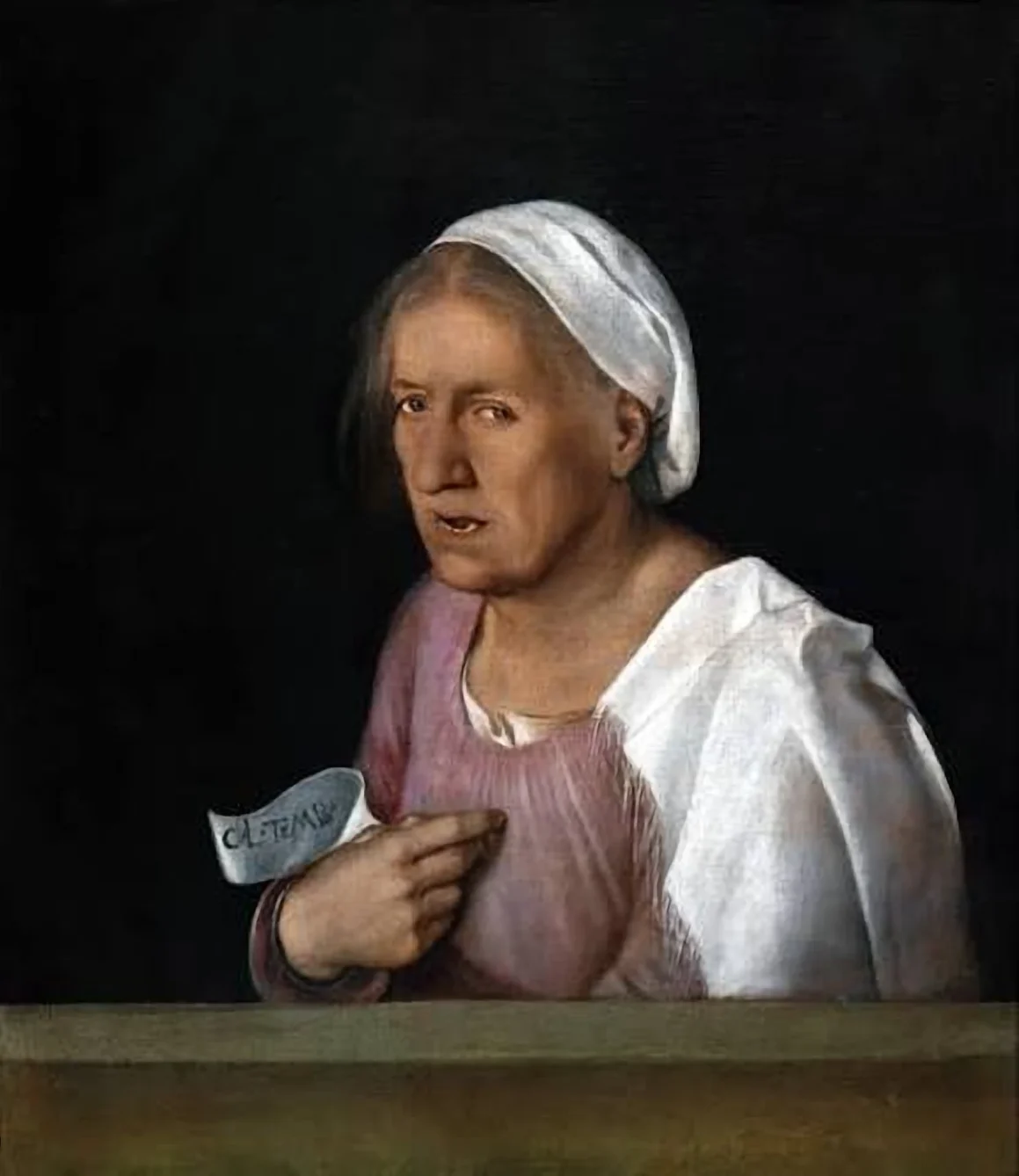
I once heard someone say that almost everyone is given youth, but old age must be earned. Looking at this woman, I wonder what she was like before. Whom did she love?
What did she dream of? Which hopes came true, and which did she have to relinquish?
We know nothing about her life, yet we see before us a person who has lived it. The question Giorgione leaves me with is no longer only about her: what will we ourselves be like when we grow old?
“Almost everyone is given youth, but old age must be earned.”
Bosch’s Hermit Saints Triptych
The last work I want to mention before leaving the Accademia is Hieronymus Bosch’s Hermit Saints Triptych. Its panels depict Saint Anthony, Saint Jerome, and Saint Giles. Each has withdrawn from the world, but solitude has brought none of them peace: strange creatures crowd around Anthony, Jerome prays among ruins, and Giles hides in the depths of a forest.
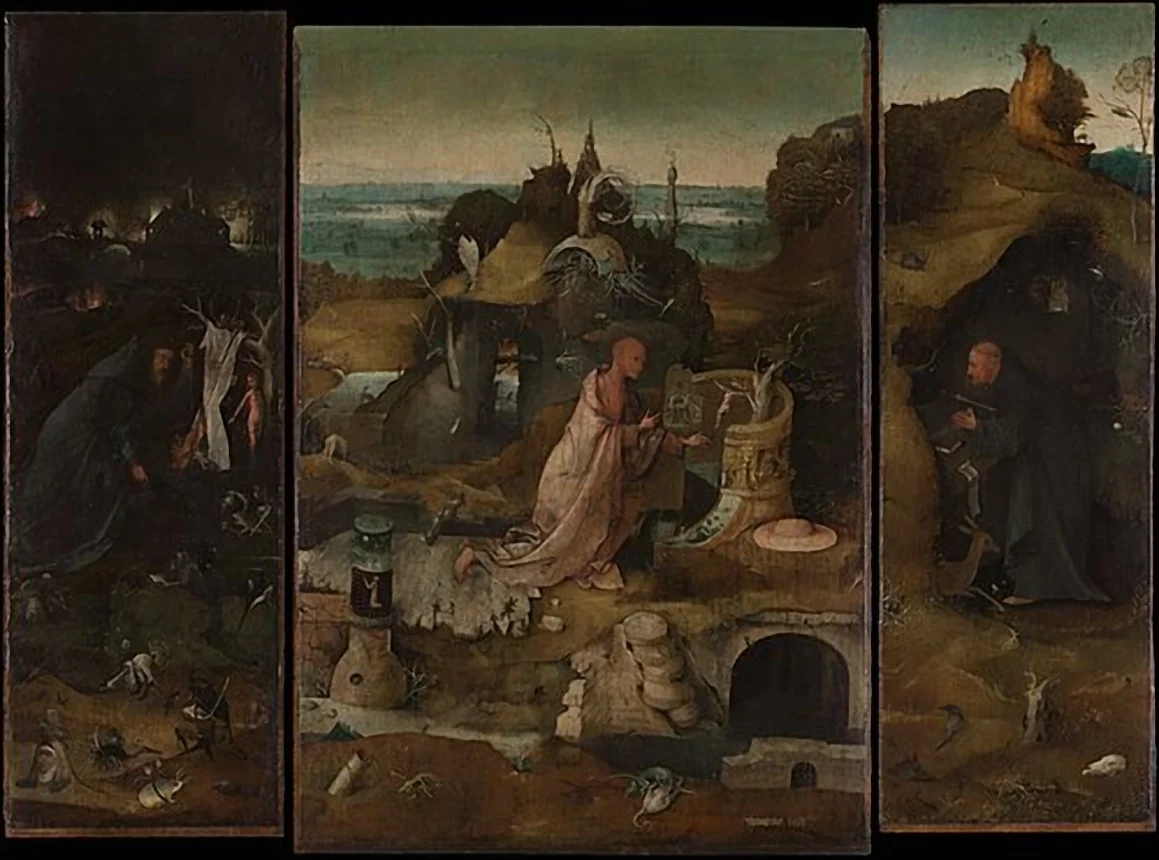
As in so many works by Bosch, there are enough fantastic beings here to keep you looking indefinitely. If tourist groups did not usually fill the small room, I would spend much longer examining the finest details and the peculiar tenderness with which Bosch portrays his little monsters.
San Pantalon: Fumiani’s Ceiling That Opens onto the Sky
After leaving the Gallerie dell’Accademia, I suggest continuing through Dorsoduro and stopping at the church of San Pantalon. Its facade is unremarkable.
Amid the splendour Venice reveals at every turn, it is easy to pass it by. But behind that modest exterior lies a real treasure.
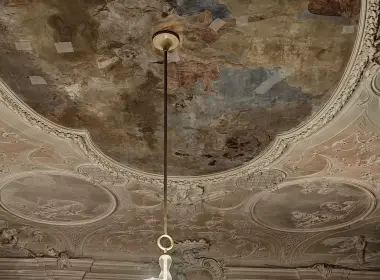
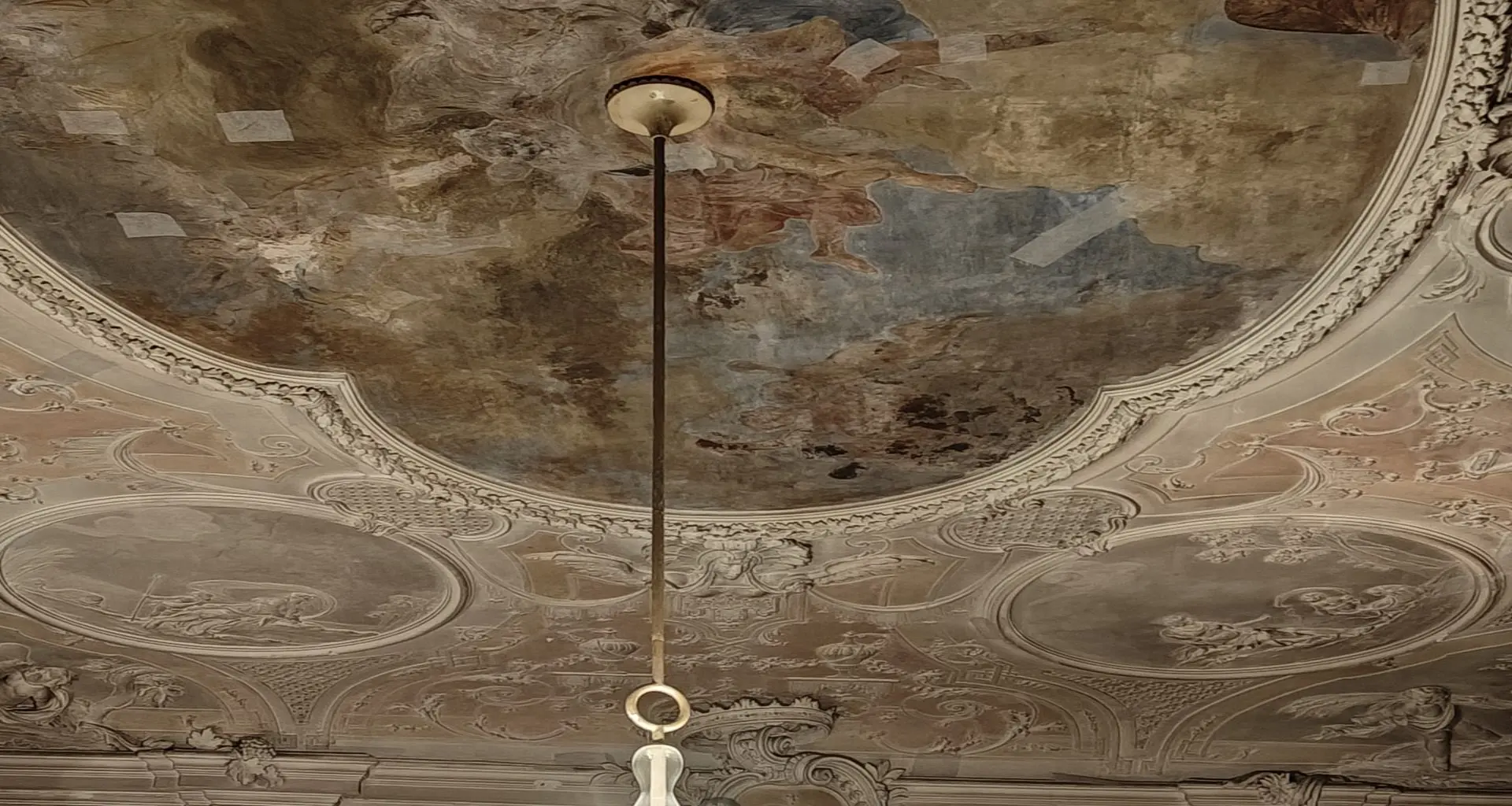
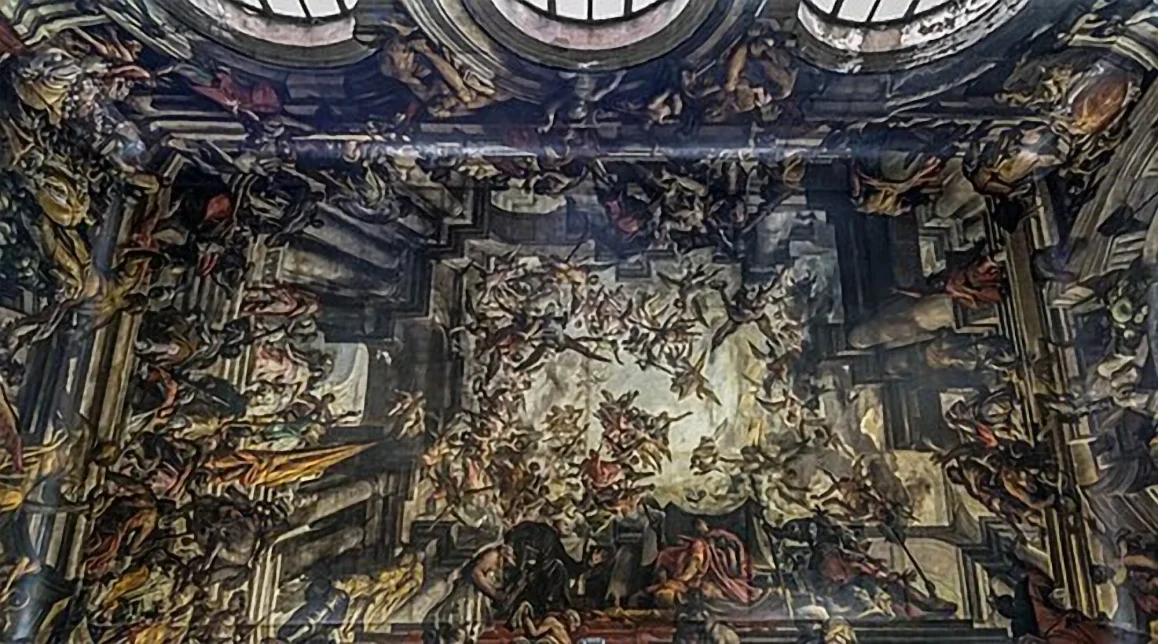
Imagine walking along a busy canal, tired of the heat and crowds, and entering a dim, almost empty church. It is cool and quiet inside. You look up and see an immense painting covering the entire ceiling.
You drop a coin into a box, the lights come on, and a sky filled with figures gradually opens above you. Painted architecture seems to extend the real architecture, until the boundary between the church and the depicted space disappears.
This is The Martyrdom and Glory of Saint Pantaleon by the Venetian painter Giovanni Antonio Fumiani. He worked on it for some twenty years, from the 1680s until 1704.
Fumiani also designed theatrical scenery; looking at the ceiling, you can sense how much he liked the idea of turning the entire space around the viewer into a grand stage. What at first appears to be a fresco is actually painted in oils on forty joined canvases.
San Sebastiano: Veronese’s Church and Final Resting Place
After San Pantalon, I would like to invite you to the church of San Sebastiano. The two churches offer entirely different impressions of Venetian painting.
In San Pantalon, Fumiani creates a grand illusion: you raise your head and the ceiling seems to vanish, opening onto the sky. In San Sebastiano, Veronese’s paintings reveal themselves gradually as you move from the sacristy to the nave, from the ceiling to the altar and the organ shutters.
I am especially drawn to the story of Esther on the ceiling. Veronese depicts not only biblical events but also a courtly world filled with movement, magnificent fabrics, and ceremonial gestures.
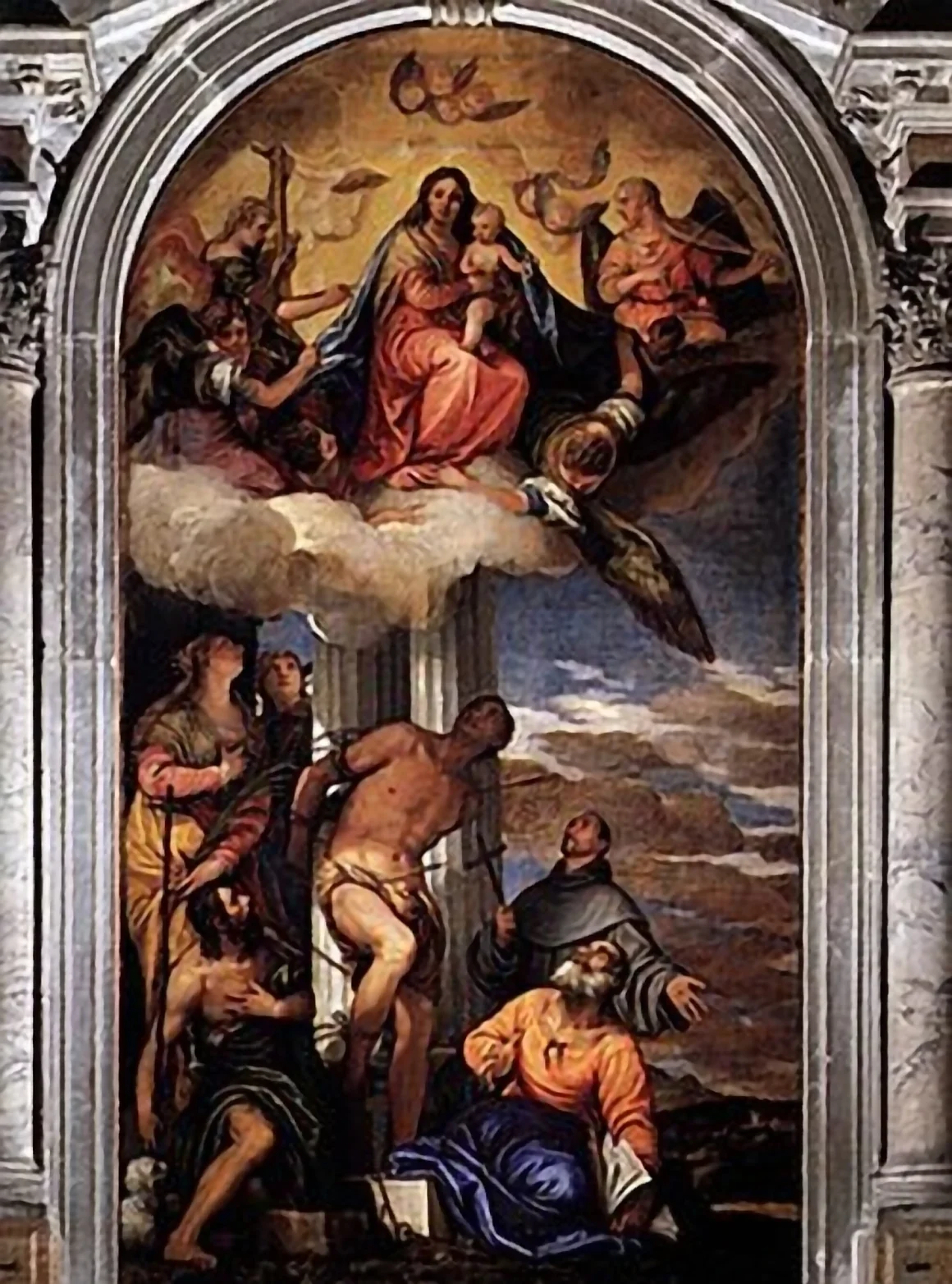
Near the altar is the painter’s own tomb. After spending so long with his paintings, that detail feels especially personal: San Sebastiano is where Veronese left so many of his works, and where his own journey ended.
San Giorgio Maggiore: Palladio, Tintoretto’s Last Supper and the Best View of Venice
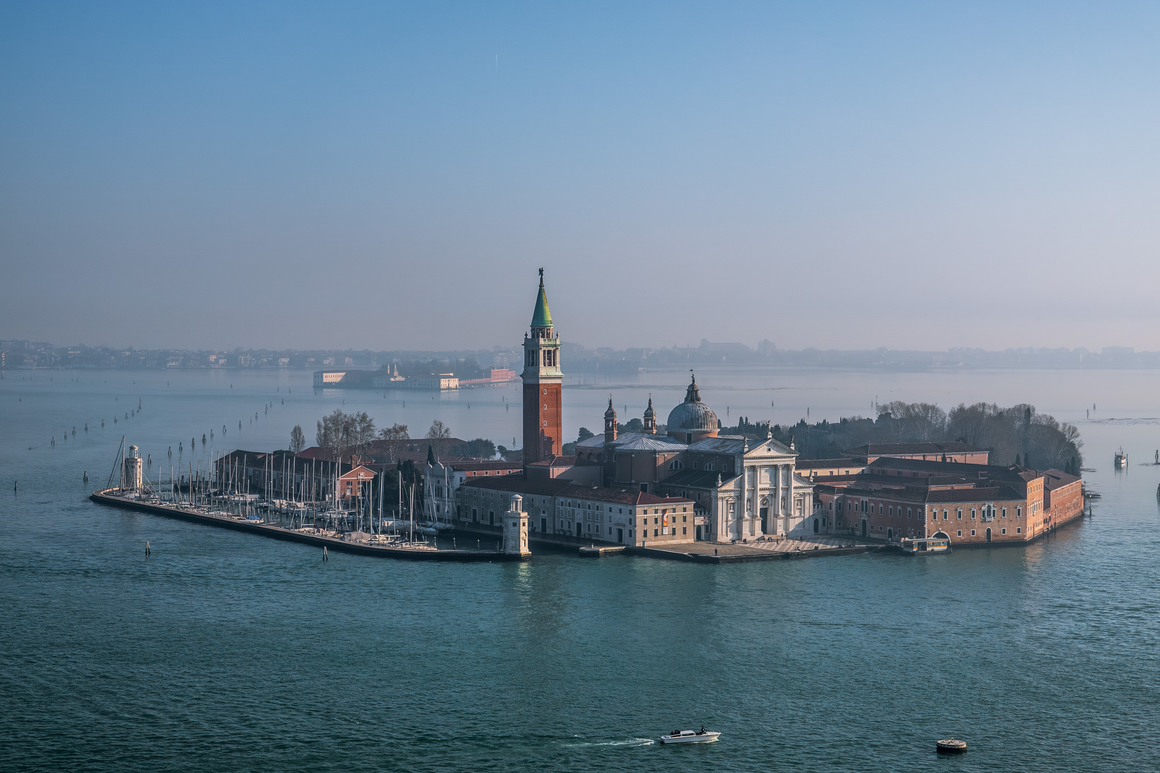
It is surprisingly easy to escape the tourist crowds in Venice. You board a vaporetto and find yourself on another island, one that many travellers never think to visit. One such island is San Giorgio Maggiore.
Its basilica, with a white facade designed by Palladio, inevitably catches your eye from the waterfront near St Mark’s Square. Sunlight and reflections from the water make it seem almost luminous.
Once you reach the island, the first thing you want to do is turn back towards Venice. It is true that grand things are best seen from a distance: from here, the city looks entirely different, and the view is breathtaking.
The interior of the basilica is remarkably bright. There are two works by Tintoretto here, and one of them, The Last Supper, is particularly dear to me. I think many people associate this subject with Leonardo da Vinci’s orderly, frontal composition.
Tintoretto does something quite different: at first it looks like an ordinary scene in an inn, full of everyday details. In the foreground, a woman takes something out of a basket that a cat is trying to climb into.
Farther back we notice Christ, picked out by the radiance of his halo, and the apostles. The light of a lamp hanging from the ceiling meets that otherworldly glow.
The table recedes diagonally into the painting. Looking at it from the side, you feel as though the church continues into the painted space and you yourself are entering the room.
Scuola Grande di San Rocco: Tintoretto’s Twenty-Year Masterpiece
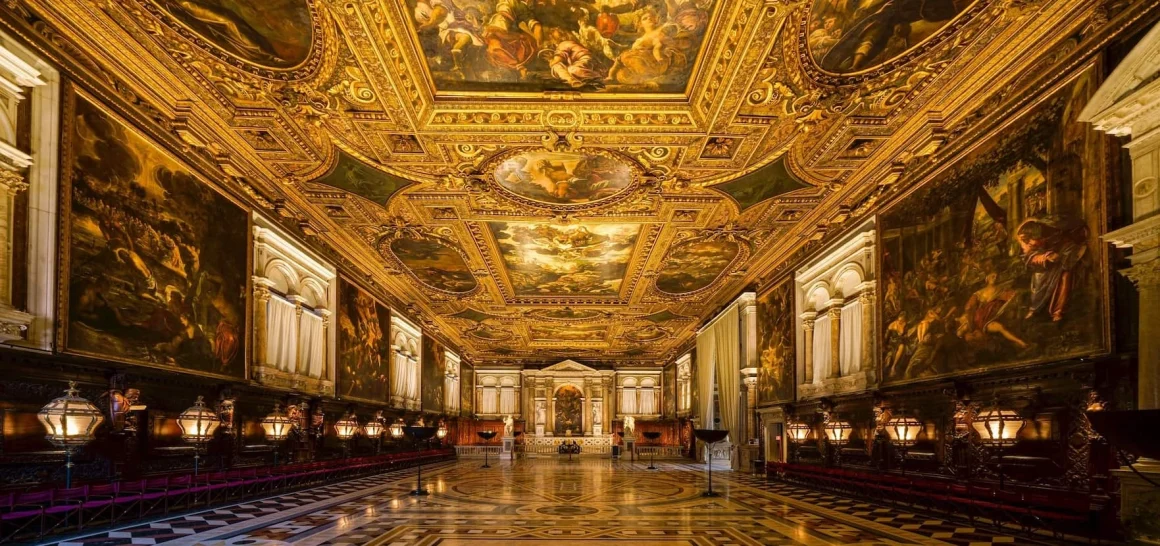
Since I have mentioned Tintoretto – and it would be impossible not to mention him in Venice – let me invite you to the Scuola Grande di San Rocco. He worked here for more than twenty years, creating an enormous cycle of paintings on subjects from the Old and New Testaments.
The most powerful of them, to my mind, is The Crucifixion in the Sala dell’Albergo. Christ rises on the cross at the centre, but your gaze cannot rest on him alone. People move all around him: some prepare other executions, while others watch what is happening.
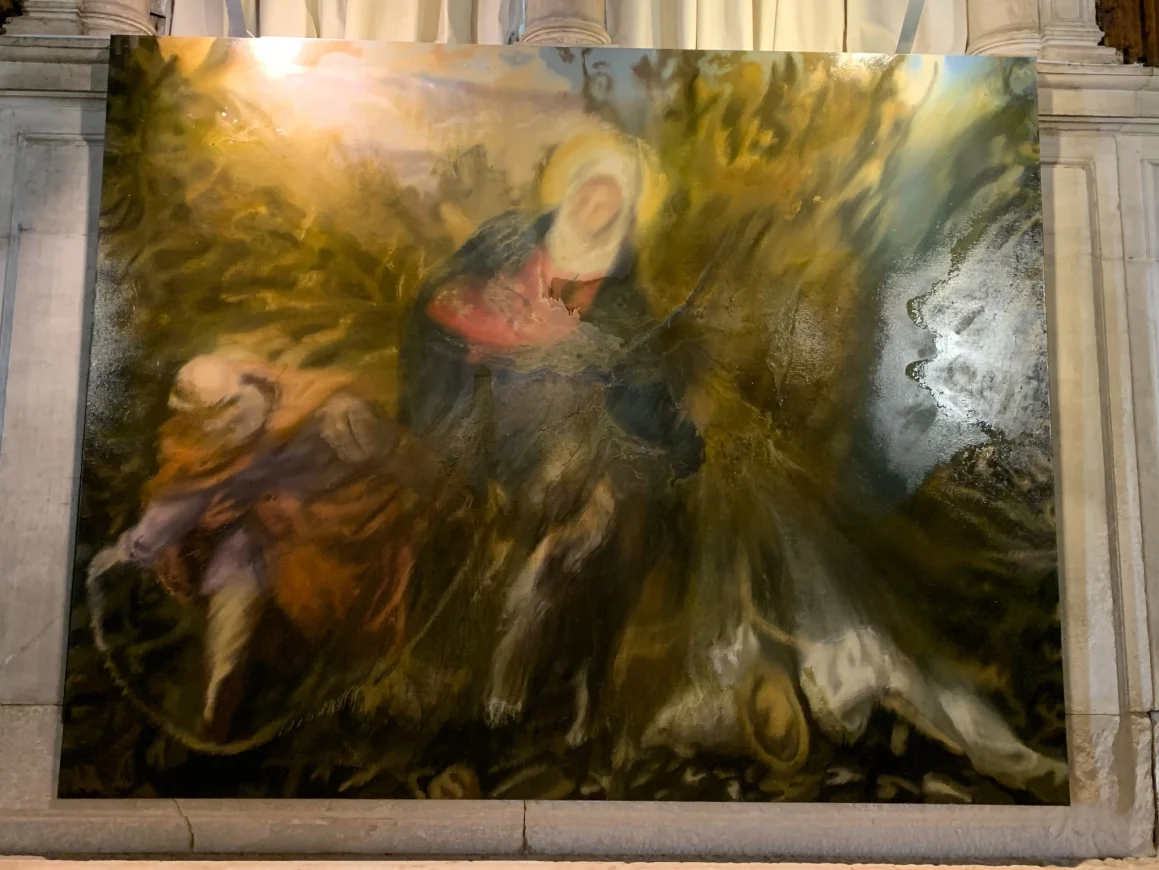
Tintoretto shows not a single instant lifted out of time, but a whole world in which the tragedy unfolds. The longer you stand before the painting, the more you notice – and the harder it becomes to walk away.
But painting is not the only reason the Scuola is so impressive. In the chapter hall, the walls are lined with carved walnut, and among the patterns one figure after another appears, embodying human qualities and vices. Beside shelves of books, winged Fury strains against her chains, while Curiosity hides her face beneath a hat, as though watching the visitors.
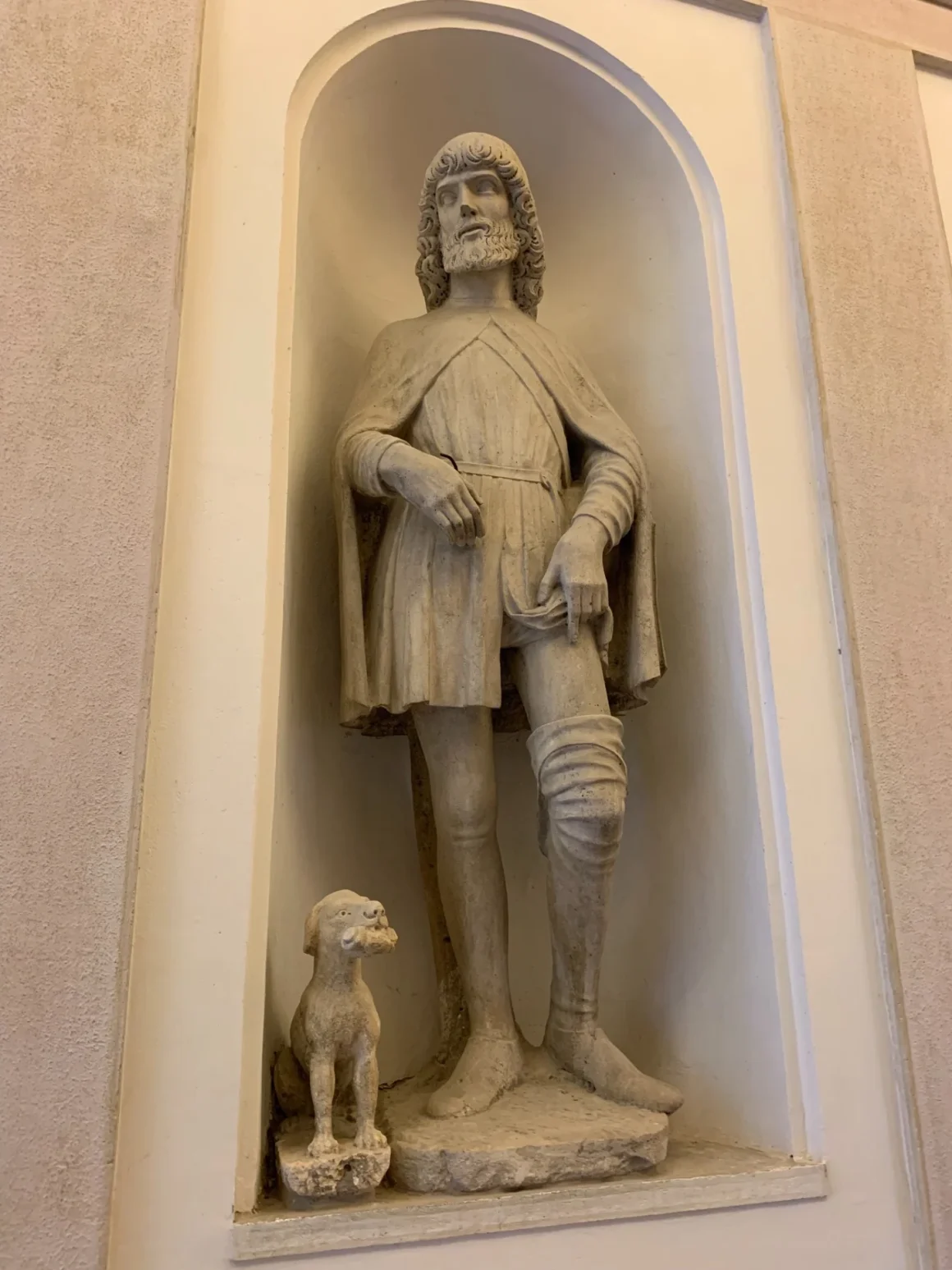
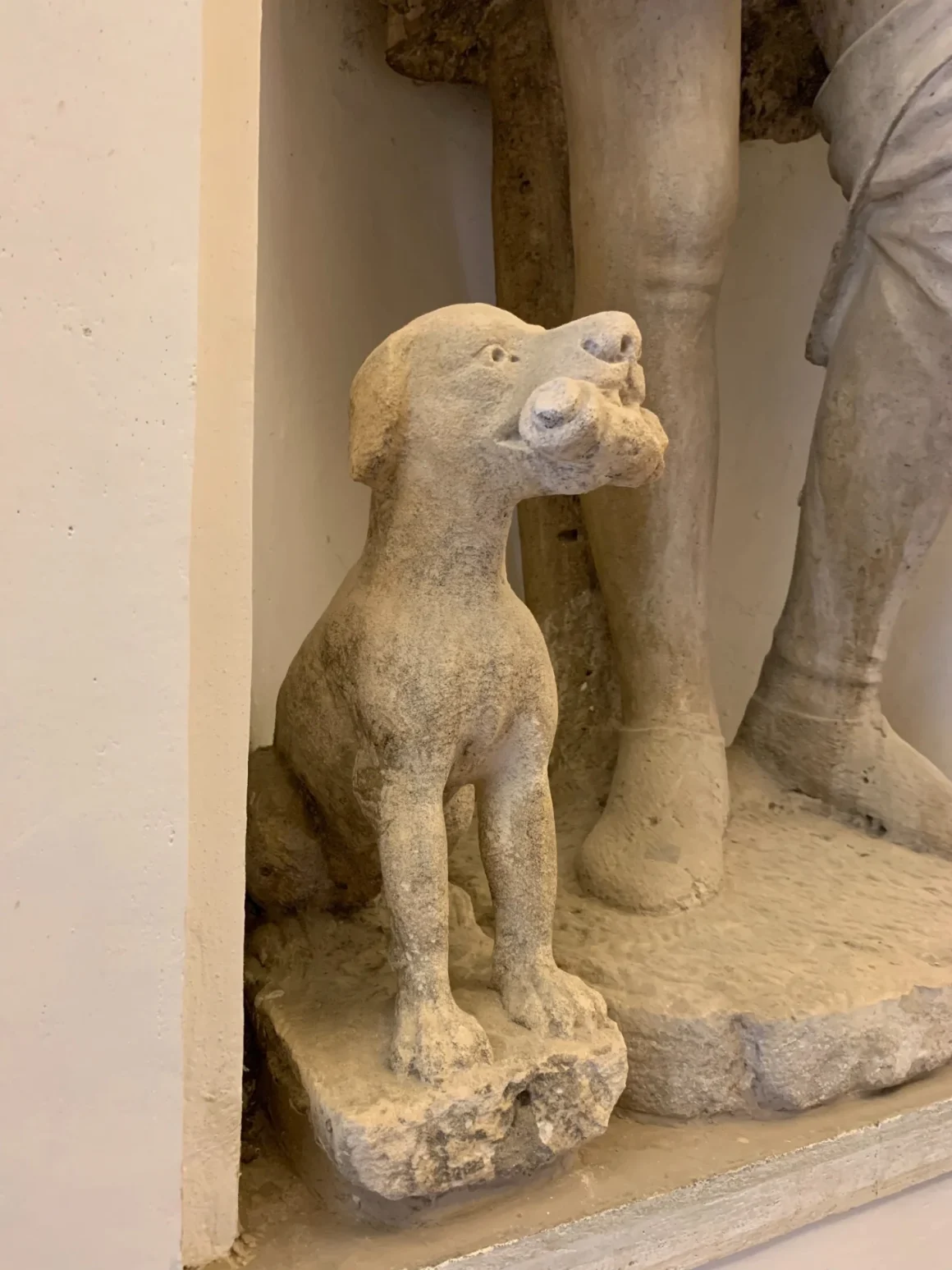
The books themselves are carved from wood – all sixty-four volumes, down to the spectacles, quill, and inkwell. After Tintoretto’s paintings, your eye enters another world full of movement and character, this time made with a chisel.
Doge’s Palace: Tintoretto’s Paradise and the Black Veil of Marino Faliero
And finally, another encounter with Tintoretto awaits in the Doge’s Palace. In the Hall of the Great Council, his Paradise, made with the help of his workshop, covers almost the entire wall behind the throne.
After The Last Supper, the change of scale is astonishing: a heavenly space opens before us, filled with countless figures. The eye cannot take it all in at once and keeps returning to individual faces, gestures, and flashes of light.
If you look up towards the row of doges’ portraits beneath the ceiling, you will find a black drape among them. It occupies the place of Marino Faliero, executed for attempting a coup.
Amid the solemn images of Venice’s rulers, the black rectangle is particularly stark. It too tells a story – about how the Venetian Republic chose to remember its own past.
San Michele Cemetery: Brodsky, Stravinsky and Diaghilev on the Island of the Dead
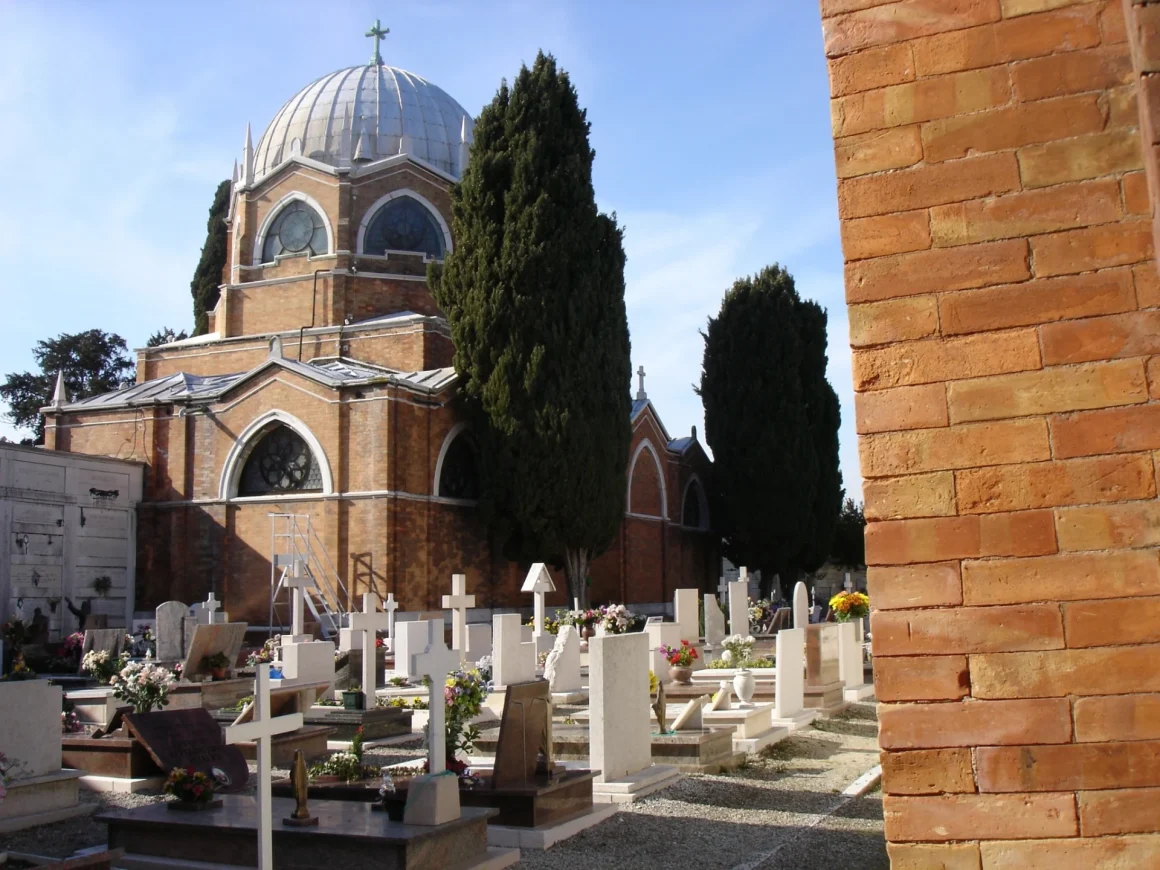
Another place I would include in my guide is the cemetery of San Michele. It offers another reason to leave Venice’s noisy streets for a while.
The short vaporetto ride feels like a passage into an entirely different space. That is hardly surprising: we are travelling to the island of the dead.
The cemetery was established here in the early nineteenth century, when burials began to be moved out of the city. At first the island of San Cristoforo was set aside for them; later it was joined to neighbouring San Michele by filling in the canal between them.
People whose names are particularly important to me are buried here: Joseph Brodsky, Igor Stravinsky, and Sergei Diaghilev. Diaghilev died in Venice in 1929. Stravinsky, who died many years later in New York, wanted to be buried beside him – the man with whom he shared the history of the Ballets Russes.
Brodsky also died in New York. He left no precise instructions about his burial place; his wife, Maria Sozzani, decided that he should be buried in Venice.
At San Michele you can also find the graves of the poet Ezra Pound, the composer Luigi Nono, and others who left their mark on the city’s history and art. But it is Brodsky, Diaghilev, and Stravinsky who draw me here above all: poetry and ballet, two parts of my own life, meet unexpectedly on this quiet island.
Caffè Florian: A Bellini Where the Venice Biennale Was Born

I do not want our journey to end at the cemetery, though. Let us return to St Mark’s Square and stop at Caffe Florian. It would be difficult to find a more touristy place in Venice, and yet I love to linger here: order a Bellini, savour it slowly, and listen to the musicians playing right there in the square.
The cafe opened in 1720 under the grand name Venezia Trionfante, or “Triumphant Venice.” But locals began calling it after its owner, Floriano Francesconi, and so the name Florian took hold.
Over three centuries, Casanova, Goethe, Byron, Dickens, Proust, and Stravinsky have all been here. And in one of the cafe’s rooms in the late nineteenth century, the idea of an international art exhibition was born – an idea that grew into the Venice Biennale, another reason I return to this city again and again.
And of course Brodsky comes to mind here once more. In Watermark, he describes looking through an illuminated window of the Florian at night and imagining the poet W. H.
Auden sitting at a table with friends, as though for an instant he had slipped into another time. I like to end our walk here: to sit among voices and music, watch the square, imagine Brodsky deep in conversation, and feel how in Venice the future and the present continually meet the past.
“In Venice the future and the present continually meet the past.”
The Venice Biennale: How to Look at Contemporary Art
Every two years, for six months, the Venice Biennale offers an especially vivid way of observing that meeting of present and past. To spend time with every participant would take at least a week.
And to understand what the makers of some works intended, even the label beside them may not be enough: you have to investigate how the work came about, read, compare, and ask questions. That takes patience and a great deal of curiosity.
Why Contemporary Art Can Feel Hard to Understand
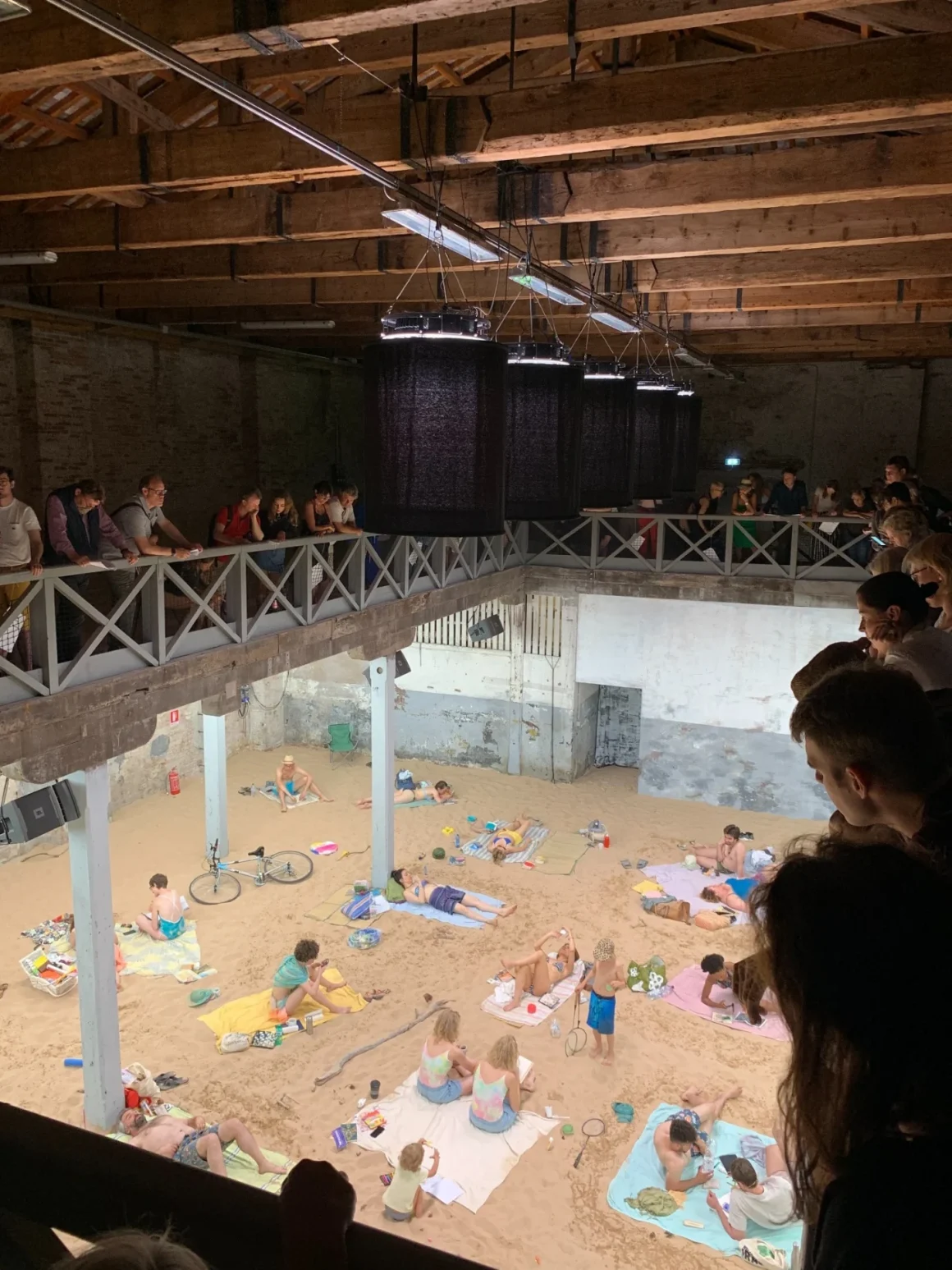
But many people come to an exhibition first and foremost for an immediate impression. What they can see and feel matters to them, while in some works the visual element is almost absent. This raises the question: why does contemporary art seem so hard to understand?
Will Gompertz has written an excellent book called What Are You Looking At? 150 Years of Modern Art in the Blink of an Eye. His story begins long before our own time and traces how one artistic idea led to the next: why artists abandoned familiar ways of depicting the world, what they proposed instead, and why audiences initially met their work with bafflement. The book shows very well that the question “What was the artist trying to say?” has been with us for much longer than we tend to think.
As early as the beginning of the twentieth century, Malevich, Kandinsky, Mondrian, and Klee wrote about the principles of their art. The tradition continues today: contemporary artists also publish essays and manifestos explaining why a particular form, material, or way of relating to the viewer matters to their work.
Art Has Always Responded to Its Time
What happens in the world has always found a reflection in art. After a seventeenth-century plague epidemic in Venice, the Republic vowed to build the church of Santa Maria della Salute: its response to disaster was a building that changed the shape of the city. During the French Revolution, Jacques-Louis David put painting at the service of politics.
And in the mid-nineteenth century, Courbet gave the funeral of an ordinary person the scale previously reserved for great historical events. Art responded to change even when it did not depict it directly: its subjects, protagonists, and very idea of what deserved attention all shifted.
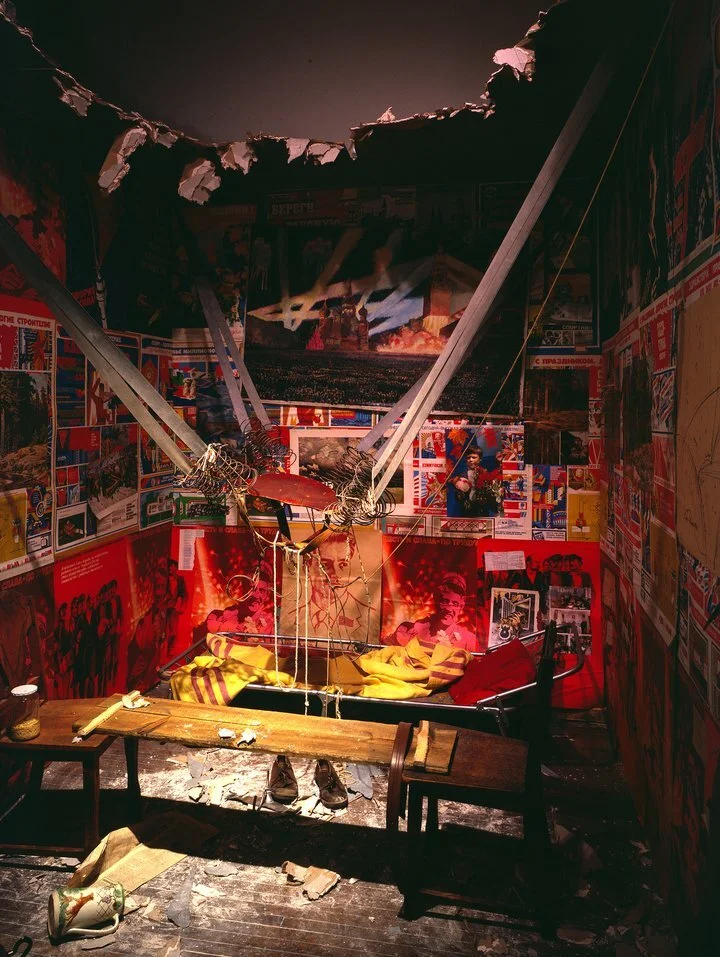
At the beginning of the last century, the familiar order was changing before people’s eyes: technology advanced, empires collapsed, and war broke out. Art changed with the world: Expressionism, Futurism, Dada, and the avant-garde emerged. Artists searched for a language for the new reality, and some openly called for the old to be thrown “overboard from the ship of modernity.”
Today those bold attempts, which once provoked confusion and outrage, have stood the test of time and become classics themselves. Perhaps something similar is happening with the art we see at the Biennale.
But which works being made now will retain their force in a hundred years? As Ilya and Emilia Kabakov might put it, “Not Everyone Will Be Taken Into the Future.”
The Language Artists Choose Today
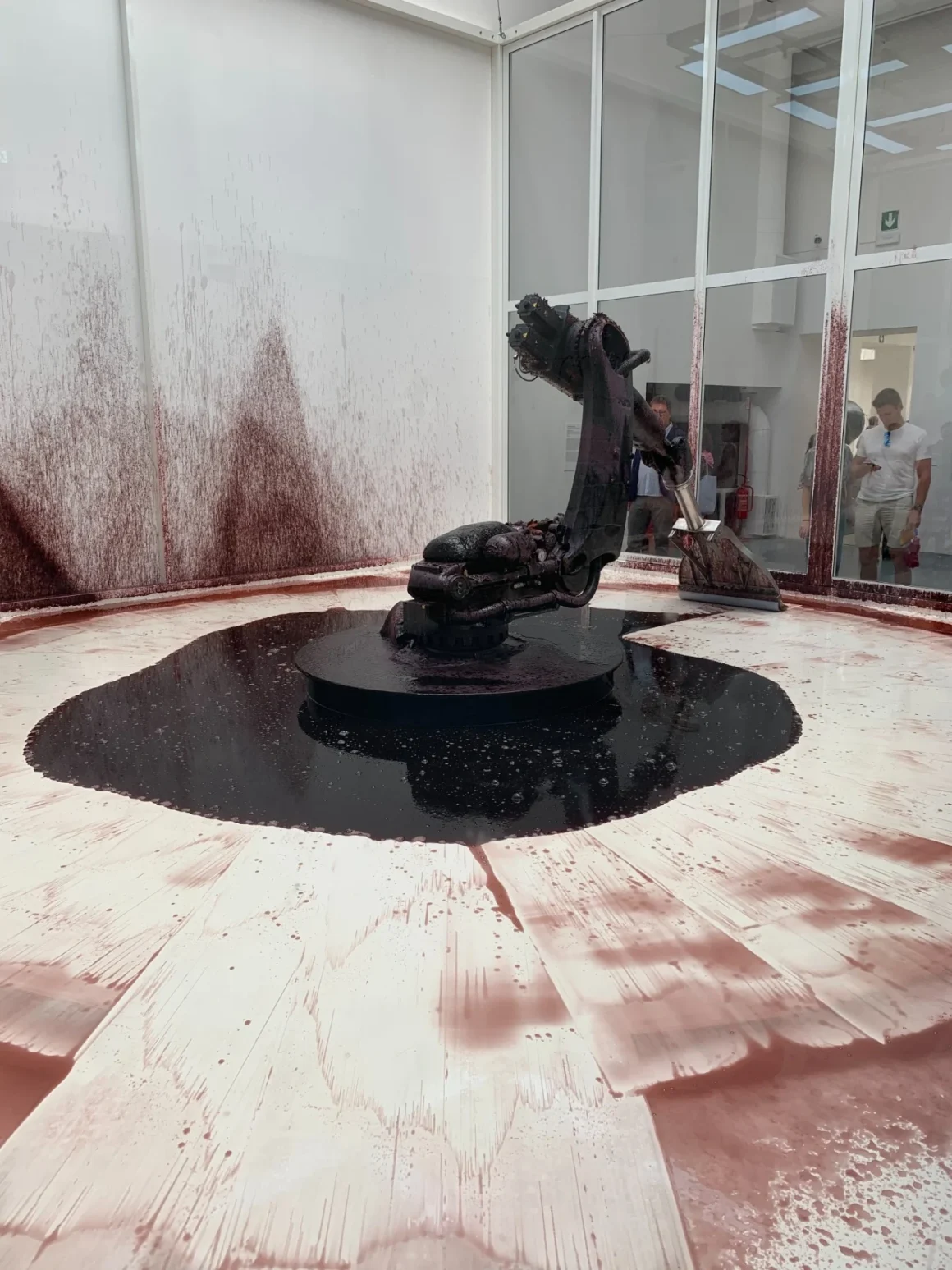
But what language do artists choose today? It is almost impossible to answer in a single word.
Painting and sculpture have not disappeared, but alongside them video, sound, performance, archival documents, and entire spaces that invite the viewer inside have become increasingly prominent. The choice of form is itself part of the statement: an artist tells one story through images and invites us to hear or experience another.
Such works appeal not so much to sight alone as to our perception of an entire atmosphere. Sound, light, space, and even our own movement within it give rise to associations, different for each of us. Many things shape them: culture, education, and lived experience.
Two people can therefore emerge from the same pavilion with entirely different impressions. That does not necessarily mean one of them misunderstood the work.
That makes a visit to the Biennale all the more interesting. The artists share no single language, but the central exhibition has a theme proposed by its curator, while national pavilions present their own projects.
Some respond to that theme; others pursue an entirely different conversation. Together, they let us see how many different perspectives can meet in one place.
What Does It Mean to Be Together? A Theme for the Next Biennale

The theme of the next Art Biennale has not yet been announced, and I would like to indulge in a little speculation. The 2019 Biennale was called May You Live in Interesting Times.
For a long time, that phrase was taken to be an ancient Chinese curse; in spirit, it recalls the saying “May God spare you from living through an age of upheaval.” In fact, the expression originated in English, but that makes it no less apt today.
We live in a time of enormous change. Aggression in the world seems inexhaustible. People increasingly choose solitude or concentrate on their careers; marriages happen later, as does the decision to have children.
Some move from country to country; others build families with someone from another culture. Their children may be born in a third country and grow up among several languages and traditions, not always knowing which to call their own.
At the same time, more and more of our lives move onto screens: we communicate, study, meet people, and fall in love online, hardly ever putting our phones down. Amid all these changes, I want to ask: what does it mean to be together?
What do we feel when another person is physically beside us, when we can talk without a screen between us and feel their warmth? Do we still need this, or is this kind of closeness slowly becoming a thing of the past?
I think this question arises now precisely because our familiar ways of being together are changing faster than we can make sense of them. Closeness was once often defined by a shared home, a language, a circle of people, even the place where a person was born and lived their entire life. Today a family can live across several countries, a friendship can exist through messages, and a person can feel at home in several cultures without wholly belonging to any of them.
Technology helps us stay connected across any distance, but being constantly available to one another is not the same as feeling close. We can exchange messages every day and still feel acutely lonely. We can find ourselves among strangers and unexpectedly feel a sense of connection through a conversation, a glance, a gesture, or a shared silence.
So what interests me is not only what we may be losing, but what new forms of closeness are emerging. Must we live near each other, speak the same language, and see the world in the same way in order to be together?
What allows us to feel connected to someone whose experience is entirely unlike our own? Art offers a way to explore these questions not only through words, but through space, sound, touch, and the presence of another person.
That is the theme I would propose for the next Biennale: “What Does It Mean to Be Together?” Perhaps visitors would leave it paying just a little more attention to the people around them.
The Venice art route: 12 places, addresses and tips
Every church, gallery, island and café in this guide, in the order of the walk.
-
Santa Croce
San Simeone Piccolo
Neoclassical church with an oversized green dome and Venice’s only catacomb-style crypt, explored by candlelight.
Address Fondamenta San Simeone Piccolo, Santa Croce 698
Good to know Opposite Santa Lucia station, over the Scalzi bridge · crypt by small candle donation (around €2)
-
Cannaregio
Giardino Mistico
The Carmelite monastery’s walled garden: vineyard, herbs, roses and vine-covered paths, a hush beside the station.
Address Carmelitani Scalzi, Cannaregio 54
Good to know Usually by reservation or on open days · next to Santa Lucia station
-
Dorsoduro
Pensione Accademia
The boarding house where Joseph Brodsky stayed on his first visit to Venice.
Address Fondamenta Bollani, Dorsoduro 1058
Good to know Steps from the Accademia bridge · vaporetto Accademia
-
Dorsoduro
Gallerie dell’Accademia
Venice’s great painting collection: Carpaccio, Giorgione’s The Old Woman, Bosch’s Hermit Saints Triptych.
Address Campo della Carità, Dorsoduro 1050
Good to know Vaporetto Accademia (lines 1 and 2) · book ahead in high season
-
Dorsoduro
San Pantalon
Plain façade, astonishing inside: Fumiani’s ceiling, painted in oils on forty joined canvases over some twenty years.
Address Campo San Pantalon, Dorsoduro 3703
Good to know Free entry · 10:00–12:30 and 15:30–18:00, closed Fridays · coin-operated lights for the ceiling · vaporetto San Tomà
-
Dorsoduro
San Sebastiano
Veronese’s church: his ceiling of Esther, organ shutters and altar paintings — and the painter’s own tomb.
Address Campo San Sebastiano, Dorsoduro 1687
Good to know Near the Zattere · vaporetto San Basilio
-
San Giorgio island
San Giorgio Maggiore
Palladio’s white basilica with Tintoretto’s Last Supper inside, and the best view back across to St Mark’s.
Address Isola di San Giorgio Maggiore
Good to know Vaporetto line 2 to San Giorgio, a few minutes from San Zaccaria
-
San Polo
Scuola Grande di San Rocco
Tintoretto’s vast cycle of paintings, The Crucifixion in the Sala dell’Albergo, and carved walnut figures in the chapter hall.
Address Campo San Rocco, San Polo 3052
Good to know Behind the Frari · vaporetto San Tomà · paid entry
-
San Marco
Doge’s Palace
Tintoretto’s Paradise behind the throne in the Hall of the Great Council, and the black veil for Marino Faliero.
Address Piazza San Marco 1
Good to know Timed tickets · book online to skip the queue
-
San Michele island
San Michele Cemetery
Venice’s island of the dead: the graves of Brodsky, Stravinsky, Diaghilev, Ezra Pound and Luigi Nono.
Address Isola di San Michele
Good to know Vaporetto 4.1 or 4.2 to Cimitero from Fondamente Nove · free entry
-
San Marco
Caffè Florian
Open since 1720 on St Mark’s Square — Casanova, Goethe, Byron and Proust came here, and the idea of the Biennale was born here.
Address Piazza San Marco 57
Good to know Order a Bellini and listen to the orchestra · a music supplement is added when it plays
-
Castello
Venice Biennale
The international exhibition held every two years for six months, centred on the Giardini and the Arsenale.
Address Giardini della Biennale & Arsenale, Castello
Good to know Vaporetto Giardini or Arsenale · allow several days to see it all
Opening hours change with the season and for services and events — check each venue’s own site before you go.
If you want more (and we know you do), Alex from Locals Insider added his own favorite Venice tip for art and opera lovers.
Musica a Palazzo: Immersive Opera Performance Room by Room in a Venetian Palace on the Grand Canal
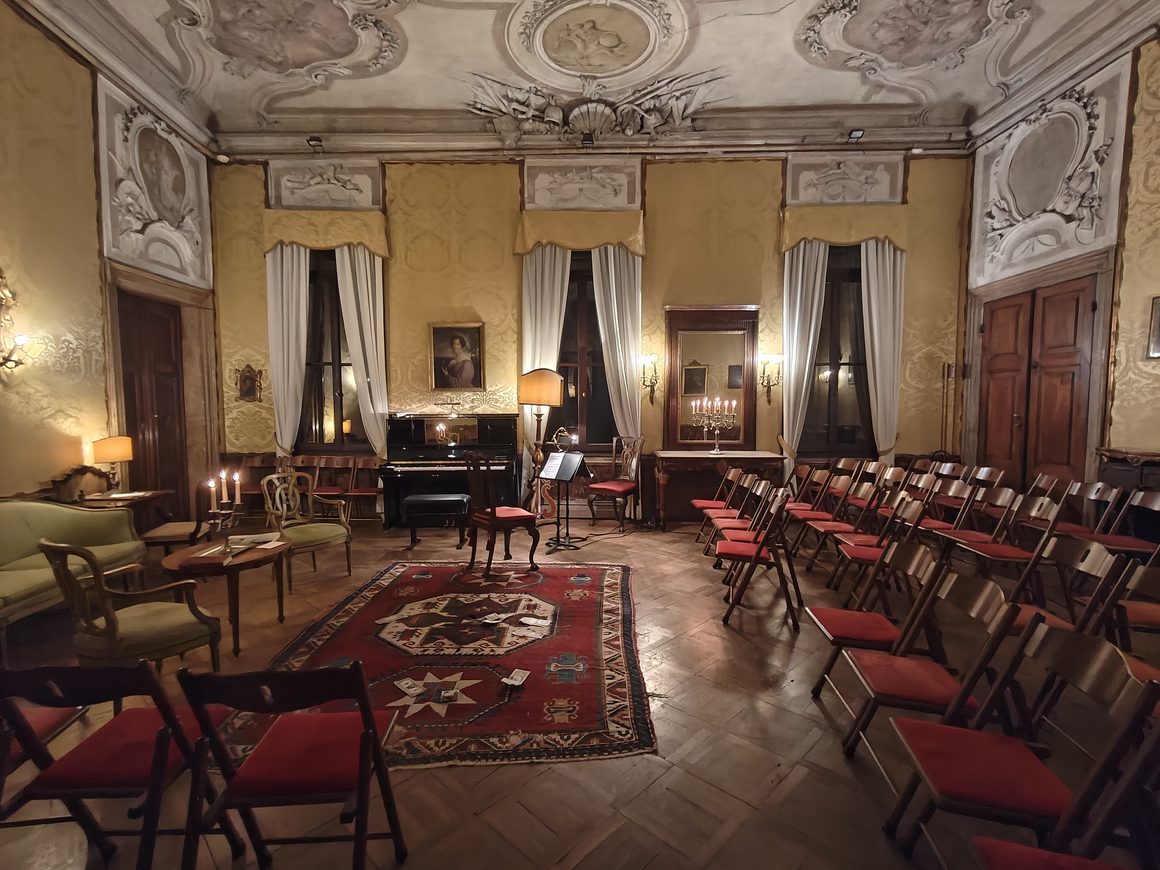
For an evening that feels like Venice centuries ago, there is Musica a Palazzo, where just two or three opera singers perform for 100 to 150 guests inside Palazzo Barbarigo Minotto, a historic palace on the Grand Canal.
There is no stage or orchestra pit: by candlelight and among antique mirrors, each act of Verdi’s La Traviata and Rigoletto or Rossini’s The Barber of Seville is set in a different hall, and the audience moves from room to room with the story, as in immersive theatre. The palace is right beside the Giglio vaporetto stop, between St Mark’s Square and the Accademia Bridge, and with so few seats each night it is worth booking ahead.