

 Argentina
 Austria
 Azerbaijan
 Belgium
 Brazil
 Canada
 Chile
 China
 Colombia
 Costa Rica
 Croatia
 Cyprus
 Czech Republic
 Denmark
 Egypt
 Estonia
 Finland
 France
 French Polynesia
 Georgia
 Germany
 Greece
 Greenland
 Hong Kong
 Hungary
 Iceland
 India
 Indonesia
 Ireland
 Italy
 Japan
 Kenya
 Lithuania
 Malta
 Mauritius
 Mexico
 Mongolia
 Montenegro
 Morocco
 Netherlands
 Norway
 Oman
 Peru
 Poland
 Portugal
 Saudi Arabia
 Serbia
 Singapore
 Slovenia
 South Africa
 South Korea
 Spain
 Sweden
 Switzerland
 Taiwan
 Thailand
 Türkiye
 USA
 United Arab Emirates
 United Kingdom
 Uruguay
 Uzbekistan
 Vietnam
Destinations › Europe › Italy
Country guide · Europe
Italy
Italy Travel Guide: Rome, Florence, Amalfi & Where to Go in 2026
Your Italy guide, curated by Locals Insider
Italy, by Locals Insider
Italy is the country where every region thinks it's the best one, and they're all making good arguments. Rome runs on layered history and Trastevere dinners that go on too long.
Florence wins on art density per square mile — and on the legendary bistecca at Trattoria Sostanza, where they've been cooking the same way since 1869. Venice is best in November when the crowds clear and the fog rolls in.
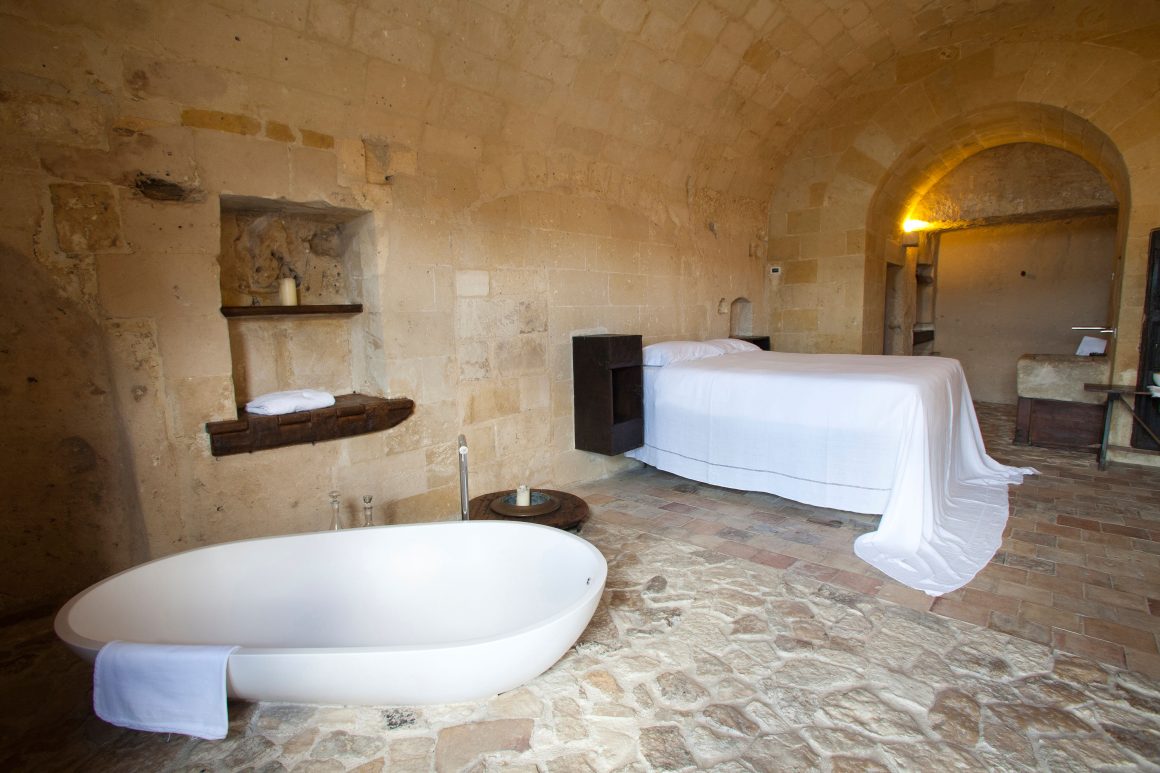
Then there's the south — Amalfi cliffs (Da Adolfo accessible only by boat shuttle), Matera's UNESCO-listed cave dwellings carved into a 9,000-year-old canyon, Sicily's baroque towns — and the slower north of the Italian lakes and Dolomite valleys.
Italy rewards travelers who slow down. Two cities in a week beats five.
Our Italy coverage spans 26 articles — Rome heritage hotels, Florence design boutiques, Massimo Bottura's Modena (three Michelin stars at Osteria Francescana, plus his nearby Casa Maria Luigia hotel), Venice's overlooked corners. The wine and food coverage runs deep.
Cities to explore
Where to go in Italy
Cities with a full guide are marked “City guide”.
Rome
Layered antiquity, neighbourhood trattorias, baroque drama, aperitivo culture
City guide · 6 stories
Florence
Renaissance art, Tuscan cuisine, Oltrarno artisan workshops
City guide · 4 stories
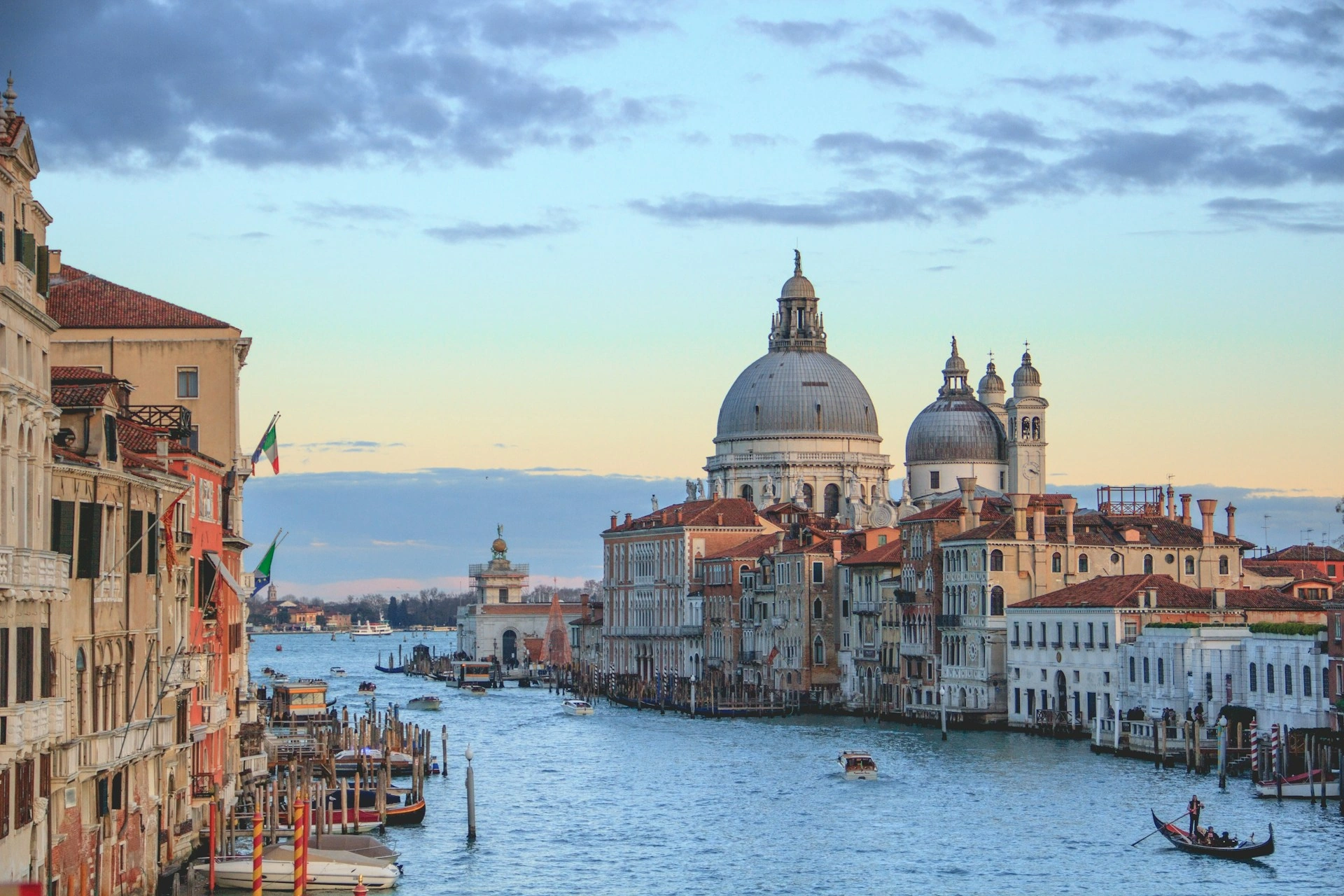
Venice
Lagoon mornings, Cicchetti bars, off-season magic when tourists thin
City guide · 5 stories
Naples & the Amalfi Coast
Pizza birthplace, dramatic coastlines, island day-trips to Capri and Ischia
City guide · 1 story
Stories · updated as we publish
Latest from Italy
All 28 stories




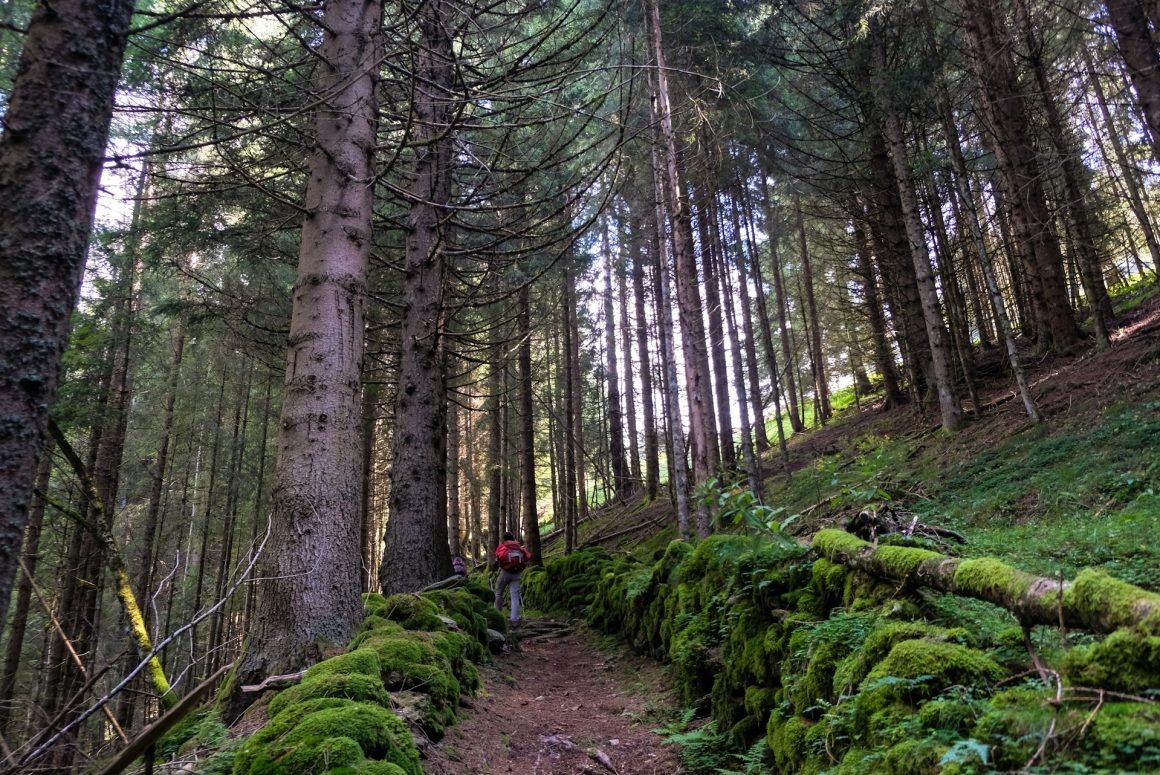
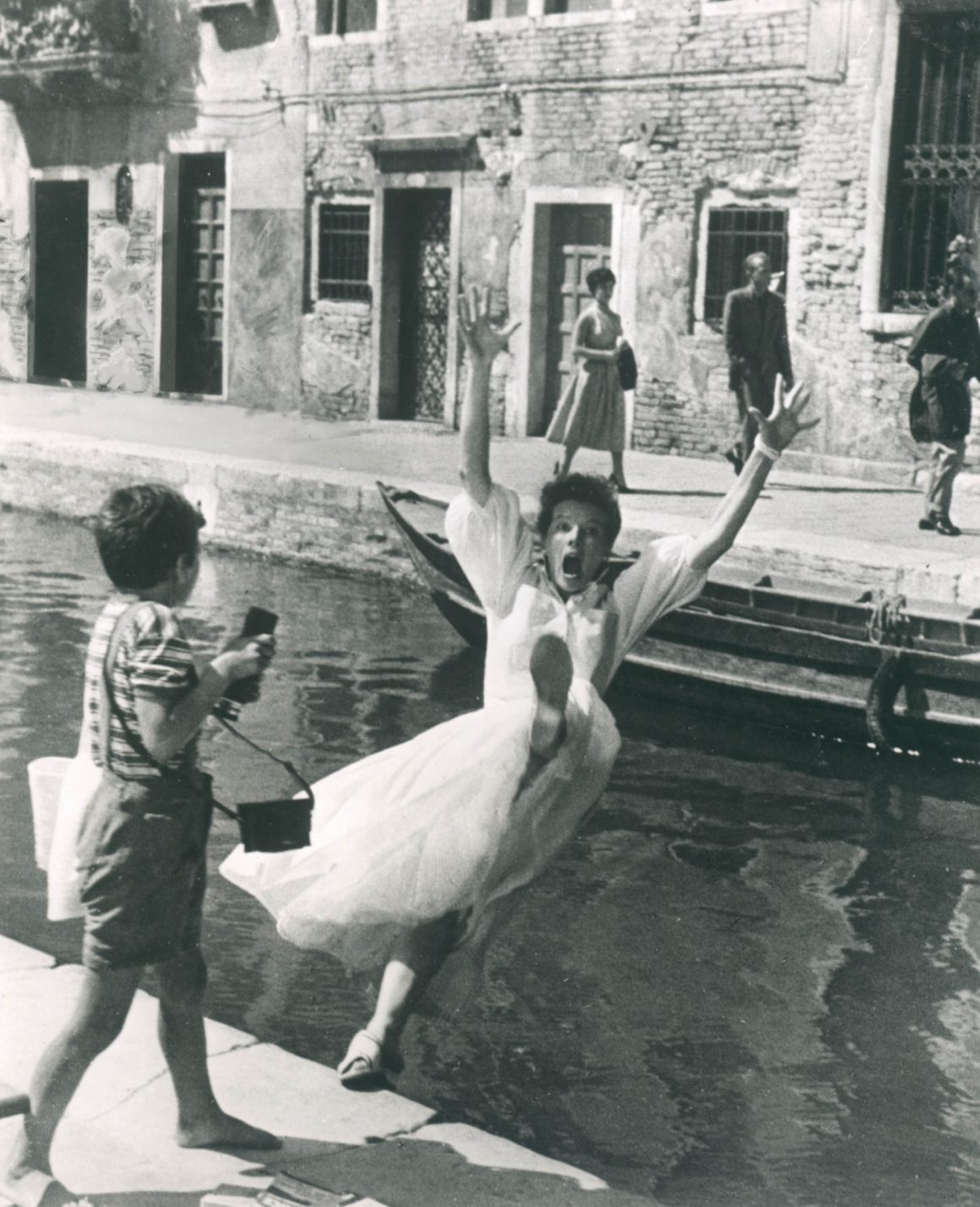

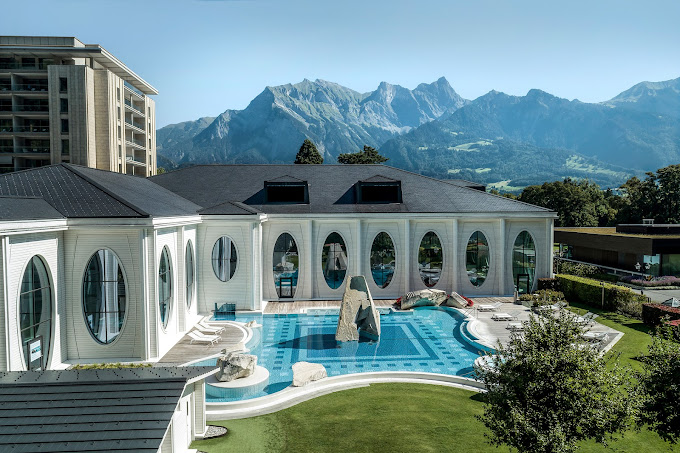
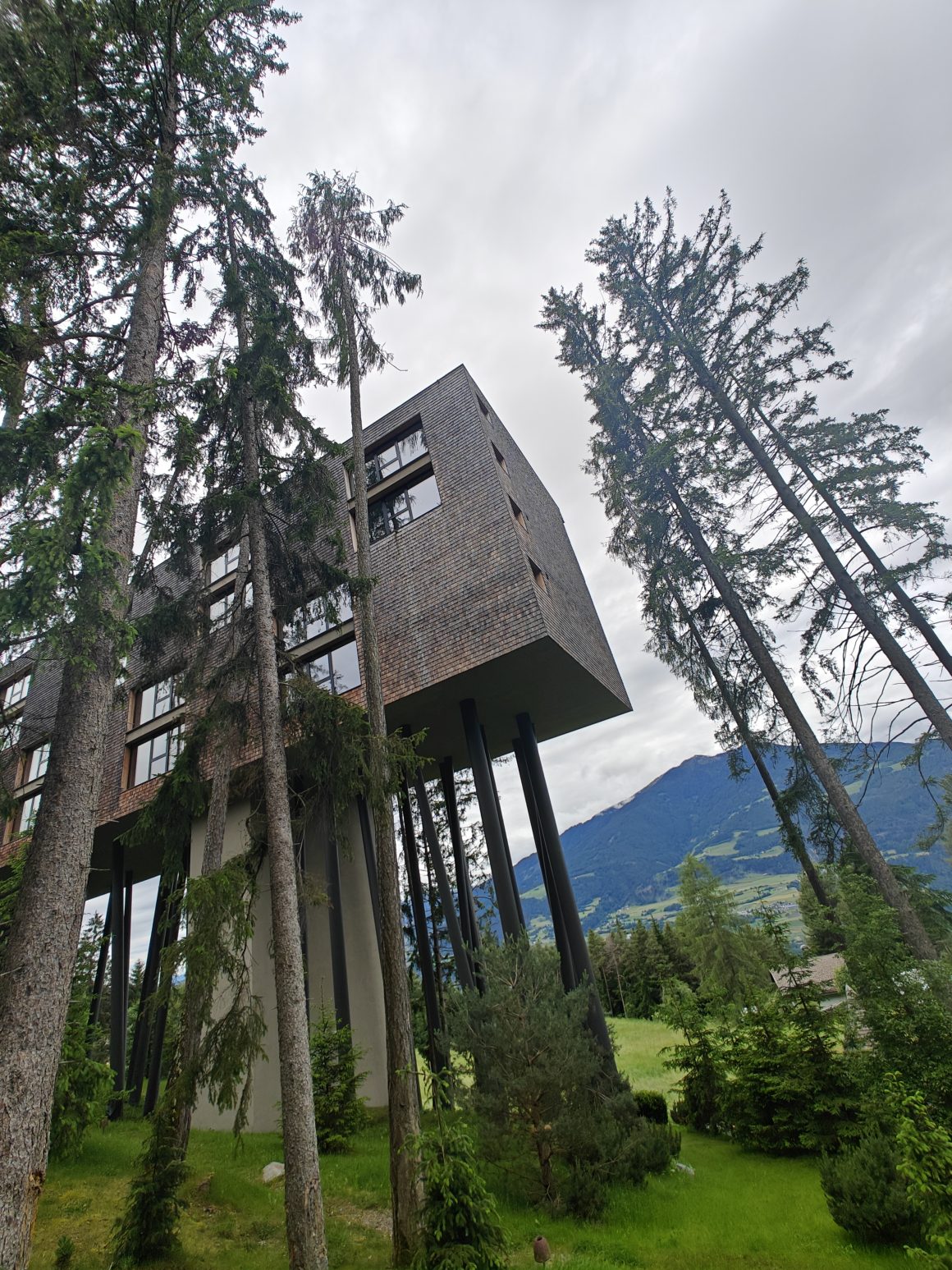
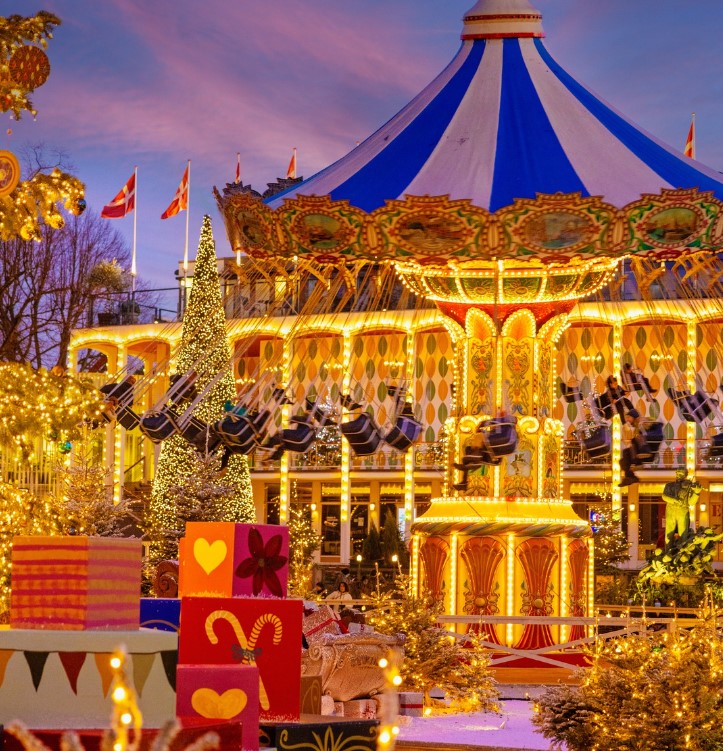
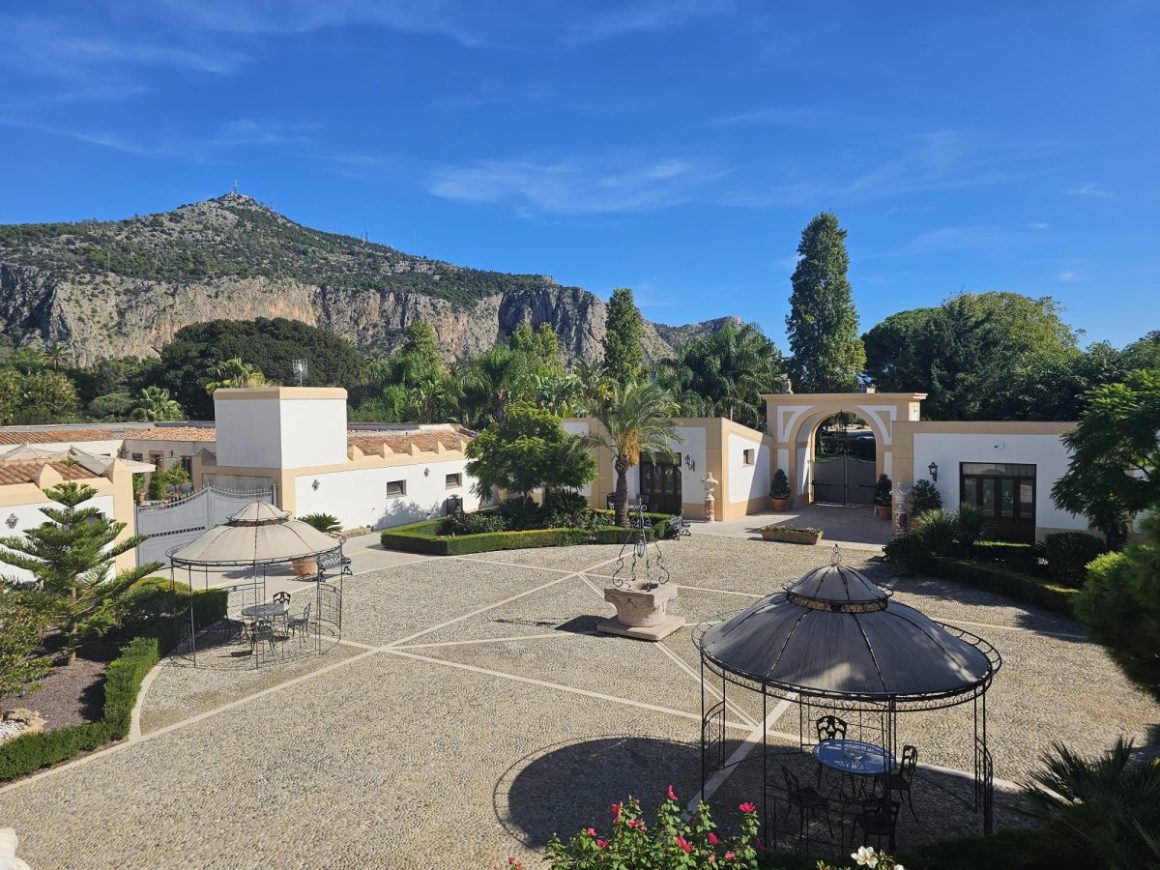

Recommended in our stories
Places in Italy our authors recommend
Church · Venice
Fondamenta San Simeone Piccolo, Santa Croce 698
Neoclassical church with an oversized green dome and Venice's only catacomb-style crypt, explored by candlelight.
Open in Google Maps ↗In Anna Lavrinenko’s story · Venice Art Guide: Hidden Churches, Tintoretto & the Biennale

Listening bar · Rome
Via del Falco 37/38, 00193 Rome, Borgo, Rome
Named for the revolutions of an LP, and tucked into the streets behind the Vatican where almost nothing stays open for locals.
Open in Google Maps ↗In Rafi Mercer’s story · Best Listening Bars in the World: Rafi Mercer of Tracks & Tales on What Makes a Room Worth Listening In
Place · Rome
Via della Lungara 230
Frescoes by Raphael, Sebastiano del Piombo, and Sodoma.
Open in Google Maps ↗In Alexandre Vassiliev’s story · A Fashion Historian’s Guide to Rome: Seven Styles on One Street and Where to Find Fashion
Park
38080 Autonomous Province of Trento, Italy
Open: 24/7, year-round.
Open in Google Maps ↗In Sophie Campbell’s story · Italy’s Best Natural Parks We Love and Top Nature Activities in the Country

Shop · Milan
Via Broletto &, Via del Lauro, 20121 Milano MI, Italy
In a country whose fashion industry is dominated by huge brands like Gucci, Ferragamo, and D&G, young and independent brands remain ever so slightly elusive.
Open in Google Maps ↗In Nick Nomi’s story · Ethics Aesthetics: Our Favorite Independent Design Shops & Fashion Boutiques
Market
Vipiteno Christmas Market, Piazza Città, 39049 Vipiteno BZ, Italy
Open in Google Maps ↗In Martin Eriksen (Danemaq)’s story · Europe’s Best Christmas Markets

Hotel · Naples
Corso Vittorio Emanuele, Naples
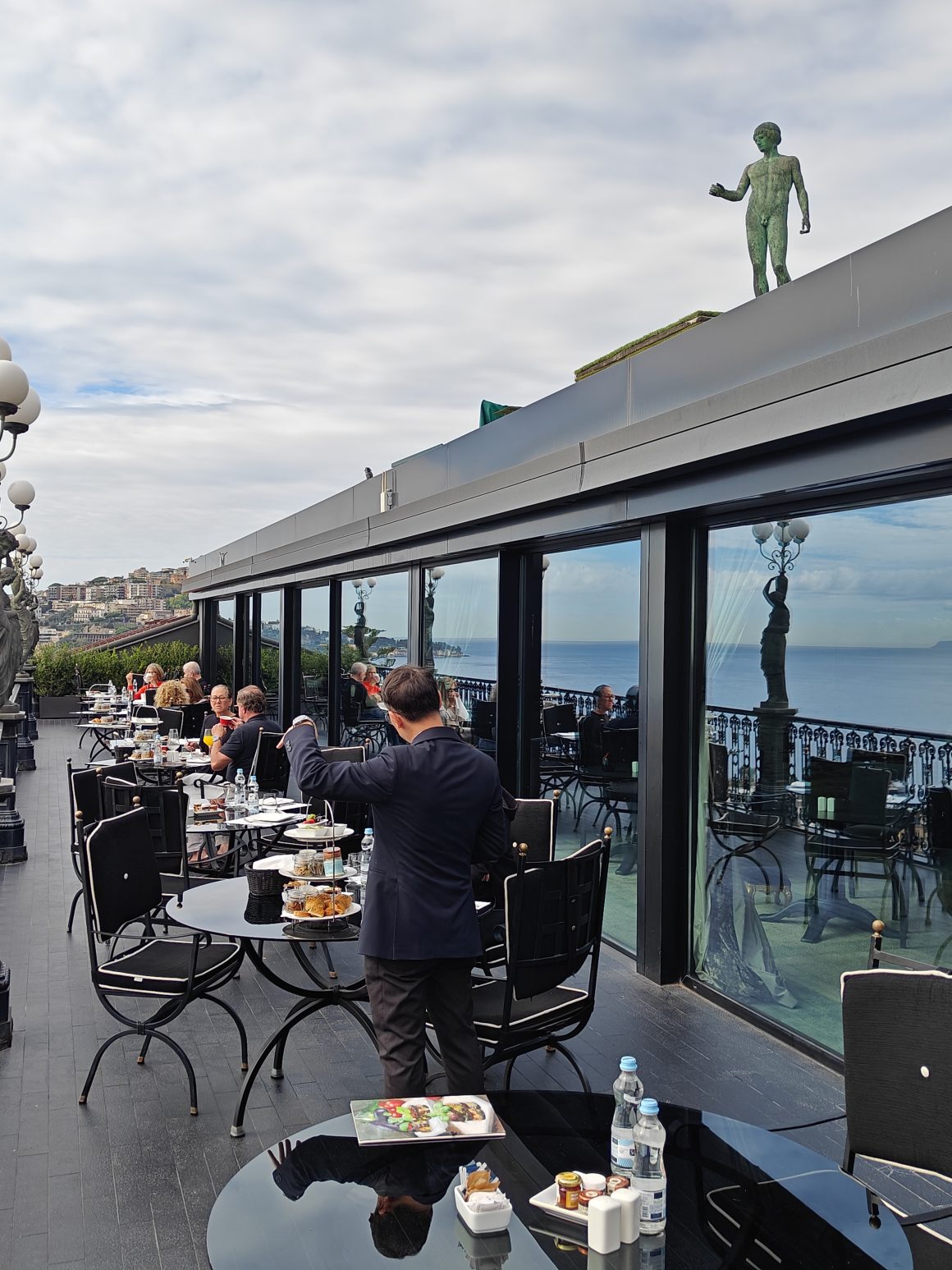
Established in 1870, Grand Hotel Parker’s is Naples’ oldest hotel, offering timeless elegance with some of the city’s best views.
Open in Google Maps ↗In Alex Copenguy’s story · Our 3 Best Historical Luxury Hotels with Amazing Skyline Views in Naples

Hotel · Rome
Via della Penna, 22
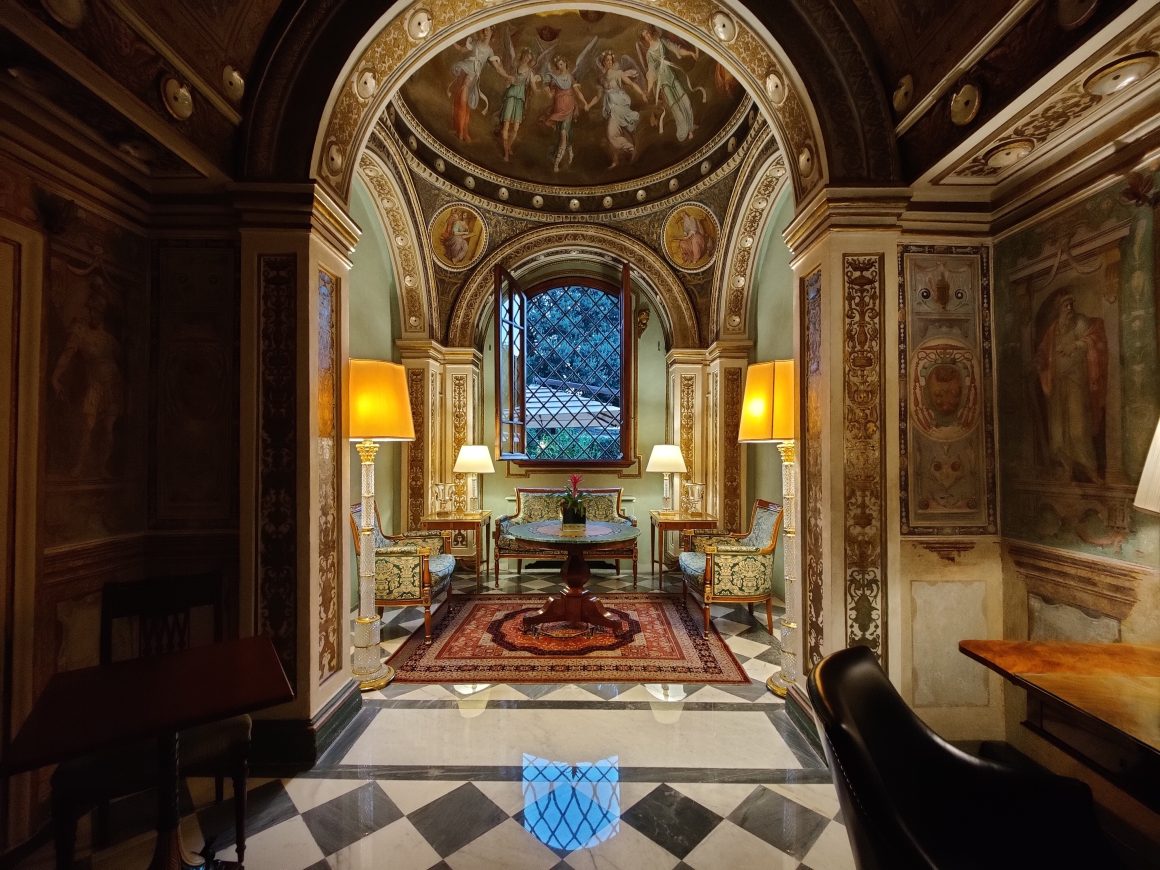
Hotel Locarno is an Art Deco gem that takes you back to the glamour of 1920s Rome.
Open in Google Maps ↗In Locals Insider’s story · The Best Luxury Boutique Hotels in Rome With Vintage Charm & Silence
Garden · Venice
Carmelitani Scalzi, Cannaregio 54
The Carmelite monastery's walled garden: vineyard, herbs, roses and vine-covered paths, a hush beside the station.
Open in Google Maps ↗In Anna Lavrinenko’s story · Venice Art Guide: Hidden Churches, Tintoretto & the Biennale
Don’t miss
Don’t miss in Italy
Must visit · Basilicata, Southern Italy
Matera at sunset
The Sassi di Matera — Italy's UNESCO-listed cave dwellings carved into a limestone canyon in Basilicata.
Inhabited continuously for 9,000 years (making it possibly the world's oldest continuously inhabited settlement), abandoned in shame in the 1950s, rediscovered as one of Europe's most photographable landscapes. Stay in a sasso (cave) hotel and walk the lit alleyways at dusk.
Fly into Bari (1 hour drive). Best March-June or September-October.
Coastal hike
Path of the Gods (Sentiero degli Dei)
The Amalfi Coast's signature hike — 5 miles along clifftop trails between Bomerano and Nocelle, with views down to Positano and the Mediterranean stretching to Capri. The walk takes 3-4 hours, ends with 1,500 stone steps down to Positano, and demands sturdy shoes.
Start in Bomerano (bus from Amalfi). Easier hiking April-June and September-October.
Experiences
Experiences in Italy locals love
- Cicchetti and ombra crawls in Venice's Cannaregio district
- Truffle hunting in Piedmont's Langhe hills (October–November)
- The Cinque Terre coastal hike between five villages
- Aperitivo hour in Milan's Navigli canal district
- Vespa rides through the Tuscan back roads
Insider tips
Insider tips for Italy
- Matera's cave dwellings — a sleeper southern Italy must
- Lake Orta instead of Como — quieter, just as beautiful
- Procida island, the 2022 Italian Capital of Culture, still under the radar
- Bologna's quadrilateral food market for the country's best produce
- The Val d'Orcia hilltop town of Pienza for pecorino tastings
- Ostia Antica — Rome's other ruins, without the Forum's crowds
Our picks
Italy’s best restaurants, hotels and museums
Checked against Michelin, the venue or Google.
Osteria Francescana
Michelin
$$$$ (€350+ tasting menu)
Massimo Bottura's three-Michelin-star Modena restaurant — twice ranked World's #1 by 50 Best. Avant-garde Italian using ingredients from the surrounding Emilia-Romagna. Book the day reservations open (3 months ahead).
Via Stella 22, 41121 ModenaWebsite ↗
Da Vittorio
Michelin
$$$$ (€280+ tasting menu)
Three-Michelin-star family-run restaurant outside Bergamo — the Cerea family's signature dish is paccheri with three tomato sauces. Adjacent estate has a Relais & Châteaux hotel, making it a destination weekend.
Via Cantalupa 17, 24060 Brusaporto (BG)Website ↗
Trattoria Sostanza
Traditional
$$ (€40-70 per person)
Florence's most legendary trattoria, since 1869 — bistecca alla fiorentina cooked over the wood fire, the famous tortino di carciofi (artichoke omelet), and pollo al burro. Cash only, communal tables, no reservations after 9pm.
Via del Porcellana 25R, 50123 Firenze
Da Adolfo
Seafood
$$$ (€60-100 per person)
The Amalfi Coast restaurant you reach only by boat — Da Adolfo runs free shuttles from Positano harbor (look for the red flag boat). Grilled mozzarella on lemon leaves, fish caught that morning, the bluest swim spot in Italy out front.
Spiaggia di Laurito, 84017 PositanoWebsite ↗
Aman Venice
Luxury
€2,500-5,000
Aman's Venice property — a 16th-century palazzo on the Grand Canal with original frescoes by Tiepolo, the famed gardens (rare in Venice), and rooms few hotels in Europe can match. Two-Michelin-Key rated.
Palazzo Papadopoli, Calle Tiepolo 1364, 30125 VeneziaWebsite ↗
Hotel de Russie
Luxury
€800-1,500
Rocco Forte's Rome hotel between Piazza del Popolo and the Spanish Steps. The Stravinskij Bar courtyard is one of Rome's most photographed evening spots; the secret garden goes up the hillside in terraces.
Via del Babuino 9, 00187 RomaWebsite ↗
Il Sereno Lago di Como
Boutique
€1,200-2,800
Patricia Urquiola-designed lakefront on Lake Como — black-stone infinity pool over the water, only 30 suites, the wood-and-marble bathrooms with windows opening directly to the lake. Quietly the most modern luxury hotel on Como.
Via Torrazza 10, 22020 Torno (CO)Website ↗
Casa Maria Luigia
New 2026
€800-1,500
Chef Massimo Bottura's countryside hotel outside Modena — 12 rooms in a restored country villa, breakfast prepared by Bottura himself, vinyl listening room, the surrounding land producing some of the kitchen's ingredients. Refreshed 2025.
Stradello Bonaghino 56, 41014 Castelvetro di ModenaWebsite ↗
Galleria Borghese
Renaissance & Baroque art
Bernini's most extraordinary sculptures (Apollo and Daphne, The Rape of Proserpina) plus six Caravaggios in a 17th-century villa set in the Villa Borghese gardens. Timed-entry tickets only — book 2-3 weeks ahead.
Piazzale Scipione Borghese 5, 00197 RomaWebsite ↗
Fondazione Prada
Contemporary art
OMA-designed (Rem Koolhaas) campus on a former distillery — the gold-leafed Haunted House, Wes Anderson's Bar Luce, rotating major exhibitions. Milan's most architecturally significant contemporary art space.
Largo Isarco 2, 20139 MilanoWebsite ↗
Peggy Guggenheim Collection
Modern art
Peggy Guggenheim's personal collection of 20th-century art — Picasso, Pollock (her discovery), Magritte, Calder — in her Venice palazzo on the Grand Canal. The sculpture garden is one of Venice's most peaceful spots.
Dorsoduro 701, 30123 VeneziaWebsite ↗
On the world lists
Editor’s picks for Italy
Italy had an extraordinary year on the world's rankings — additions worth noting:
Passalacqua, Lake Como: #4 World's 50 Best Hotels 2025
Named Best Hotel in Europe and Best Boutique Hotel — an 18th-century Bellini-frescoed villa above the lake.Four Seasons Firenze: #9 World's 50 Best 2025
In a 15th-century palazzo with the city's largest private garden.Bulgari Roma: #22 World's 50 Best (new entry)
In a 1936 palazzo near Piazza Augusto Imperatore.Hotel Il Pellicano, Porto Ercole: #26 World's 50 Best (new entry)
The Argentario coast's most stylish institution since the 1960s.Palazzo Talìa, Rome
A restored 16th-century Roman estate with cinematic interiors by film director Luca Guadagnino.Fondazione Prada, Milan
Rem Koolhaas's compound with a gold-leafed Haunted House — among Europe's strongest contemporary art programs.The Lake Como EDITION, Cadenabbia (2026)
Ian Schrager's design-led debut on Lake Como — opening 2026.
Through the year
Italy festivals and what’s on
February
Carnevale di Venezia
Two weeks of masked balls and parades in Venice
July & August
Palio di Siena
Bareback horse race around Siena's main piazza — fierce and ancient
June–September
Verona Opera Festival
Open-air opera in the Roman amphitheatre, world-class
Questions
Italy FAQ
Tuscany or Piedmont for a wine trip?
Both, eventually — but for a first wine trip, the answer depends on your appetite. Tuscany is cinematic and well-trodden (Chianti, Brunello di Montalcino, Vino Nobile di Montepulciano, all Sangiovese-based), with countryside that delivers exactly what you imagine.
It's also more set up for visitors, with many estates welcoming walk-ins. Piedmont is more refined and ceremonial — Barolo and Barbaresco from the Nebbiolo grape, UNESCO-listed Langhe hills, and white truffles in Alba in autumn. Estates expect appointments.
If it's your first Italian wine trip and you like rustic-elegant, choose Tuscany; if you want serious, structured wines and don't mind planning ahead, choose Piedmont. Three to four nights in one region beats hopping between both.
Where do locals actually eat in Rome?
Avoid restaurants with photographic menus, anyone called "Mama" outside, and the entire stretch from the Trevi Fountain to the Pantheon.
Romans eat in Trastevere (try Da Enzo al 29 for cacio e pepe — book a week ahead), Testaccio (the old slaughterhouse district, now Rome's food spine — Flavio al Velavevodetto for carbonara done properly), and the Monti neighbourhood near Termini for newer-wave cooking.
Lunch is 1–2:30, dinner doesn't start before 8. Coffee at the counter is €1.20; sitting at a table can triple that. Tap water in Rome is famously good — fountain water from the nasoni too.
What's the best hike in Italy that isn't the Cinque Terre?
The Cinque Terre coastal trail is beautiful but exhausting in crowds.
Three serious alternatives: the Path of the Gods (Sentiero degli Dei) on the Amalfi Coast — 7km of ridge-walking from Bomerano to Nocelle with the Tyrrhenian Sea below; the Tre Cime di Lavaredo loop in the Dolomites — 10km around three of the most photographed peaks in the Alps (do it in late June or September to avoid both snow and crowds); and the Sentiero del Viandante along the eastern shore of Lake Como — 45km divided over three or four days, with osterie at the end of each stage.
For something most foreigners miss, the volcanic crater rim of Vulcano in the Aeolian Islands gives you a 1-hour climb and an active fumarole at the top.
Is it safe to visit areas with seismic or volcanic activity in Italy?
Italy is one of Europe's most seismic countries — the Apennine spine produces regular moderate quakes (L'Aquila 2009, Amatrice 2016), and active volcanoes include Etna, Vesuvius, Stromboli and the Campi Flegrei caldera near Naples. For travelers, this is something to be aware of, not anxious about.
Tour operators on Etna and Stromboli follow daily activity bulletins from INGV (Italy's National Institute of Geophysics) and close access when alert levels rise. If you're staying near Vesuvius or the Campi Flegrei, download the Civil Protection app for alerts.
Significant tourist injuries from these systems are rare. The bigger practical issue is that volcanic activity occasionally closes Catania airport for ash — keep flexibility in onward bookings if you're flying through Sicily.
Do I need a car in Italy?
For Rome, Florence, Venice, Milan and Naples — no. Italy's high-speed rail (Frecciarossa and Italo) is excellent: Rome to Florence in 90 minutes, Florence to Venice in 2 hours, all cheaper and less stressful than driving.
Rent a car when you're going rural: Tuscan countryside, Puglia, Sicily outside Palermo and Catania, the Dolomites, Lake Como villages. ZTL zones (limited traffic zones) in every historic city centre carry automatic fines if you drive in by mistake — leave the car at a garage outsid