
Destinations › Portugal › Lisbon
City · Portugal
Lisbon
Lisbon Travel Guide: Alfama, Príncipe Real, and Where to Stay
Your Lisbon guide, curated by Locals Insider
Lisbon, by Locals Insider
Lisbon is the Portuguese capital that travelers consistently rate as Western Europe's best-value major city break — seven hills, the iconic yellow Tram 28, the Alfama Moorish quarter, Belém's manueline pastries, and a contemporary creative scene (LX Factory, the Príncipe Real galleries) that has quietly arrived in the last decade.
This guide is built for first-timers who want a city not yet flattened by tourism.
We've started with picking the neighborhood (it changes the trip) and worked through the boutique hotels — including Bairro Alto Hotel and Memmo Alfama we've reviewed — the Michelin tables (Belcanto and Alma both hold two stars), and the unique places most guides miss: the LX Factory printworks, Time Out Market, and the Calouste Gulbenkian collection — one of Europe's greatest private art collections, still relatively under-visited.
Famous for
Pastéis de nata, fado music, azulejo tiles, the Tagus river light, Tram 28, port wine (technically from Porto but everywhere here), cheap food at high quality, the Atlantic surf 30 minutes west.
Did you know?
Lisbon is the second-oldest capital city in Europe (after Athens) — older than Rome, London, and Paris. Phoenicians named it Allis Ubbo ('safe harbor') around 1200 BC.
Ask a local’s list
Stories · updated as we publish
Latest from Lisbon
All 5 stories
Recommended in our stories
Lisbon places our authors recommend
Garden
Calçada da Ajuda, 1300-011 Lisbon
Portugal's oldest botanical garden, established in 1768, features elegant Baroque terraces, rare plant collections, and sweeping views of the Tagus River.
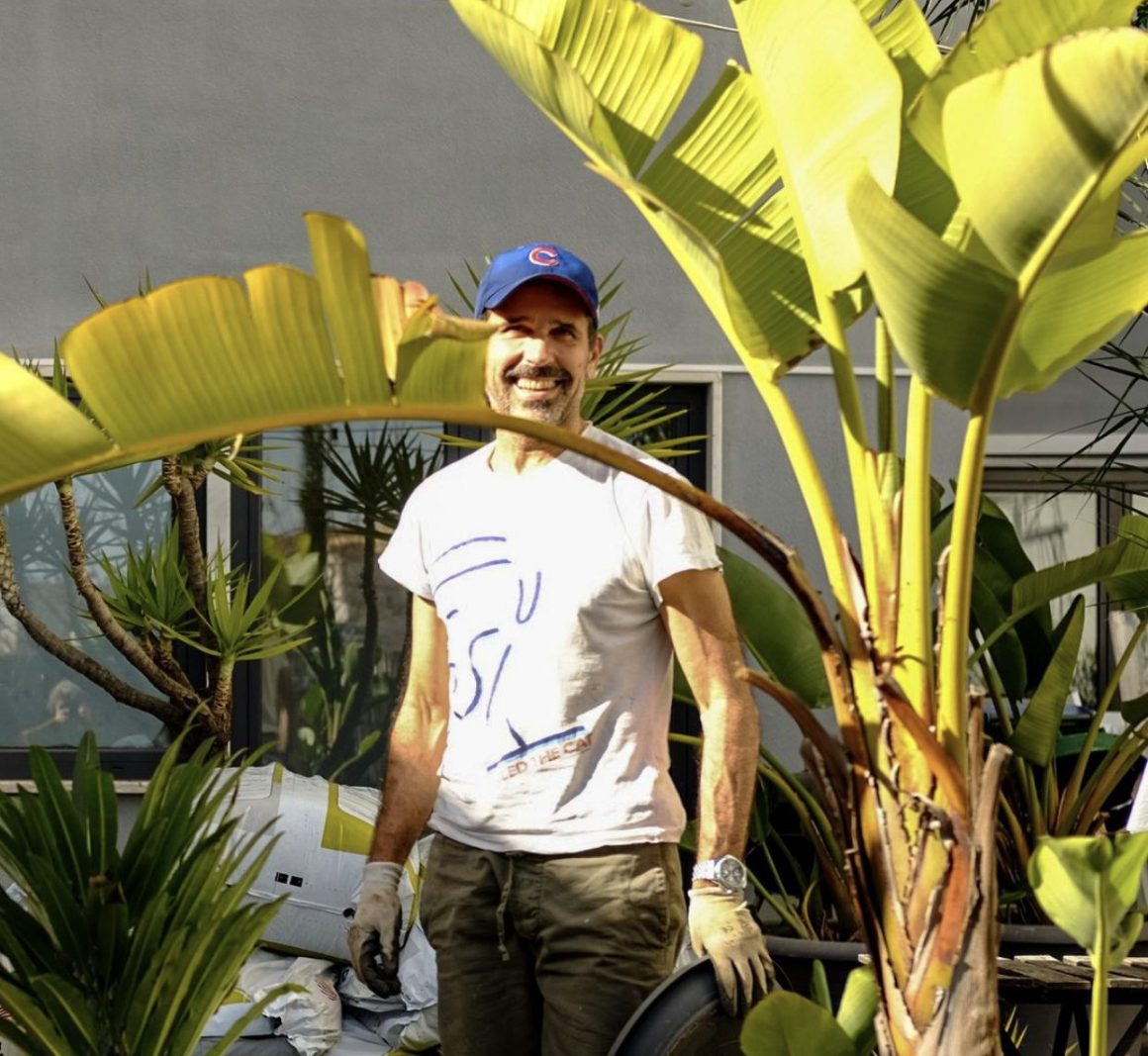
Open in Google Maps ↗In Nuno Prates’s story · Lisbon Gardener Nuno Prates: Best Gardens in Lisbon & How He’s Greening the City
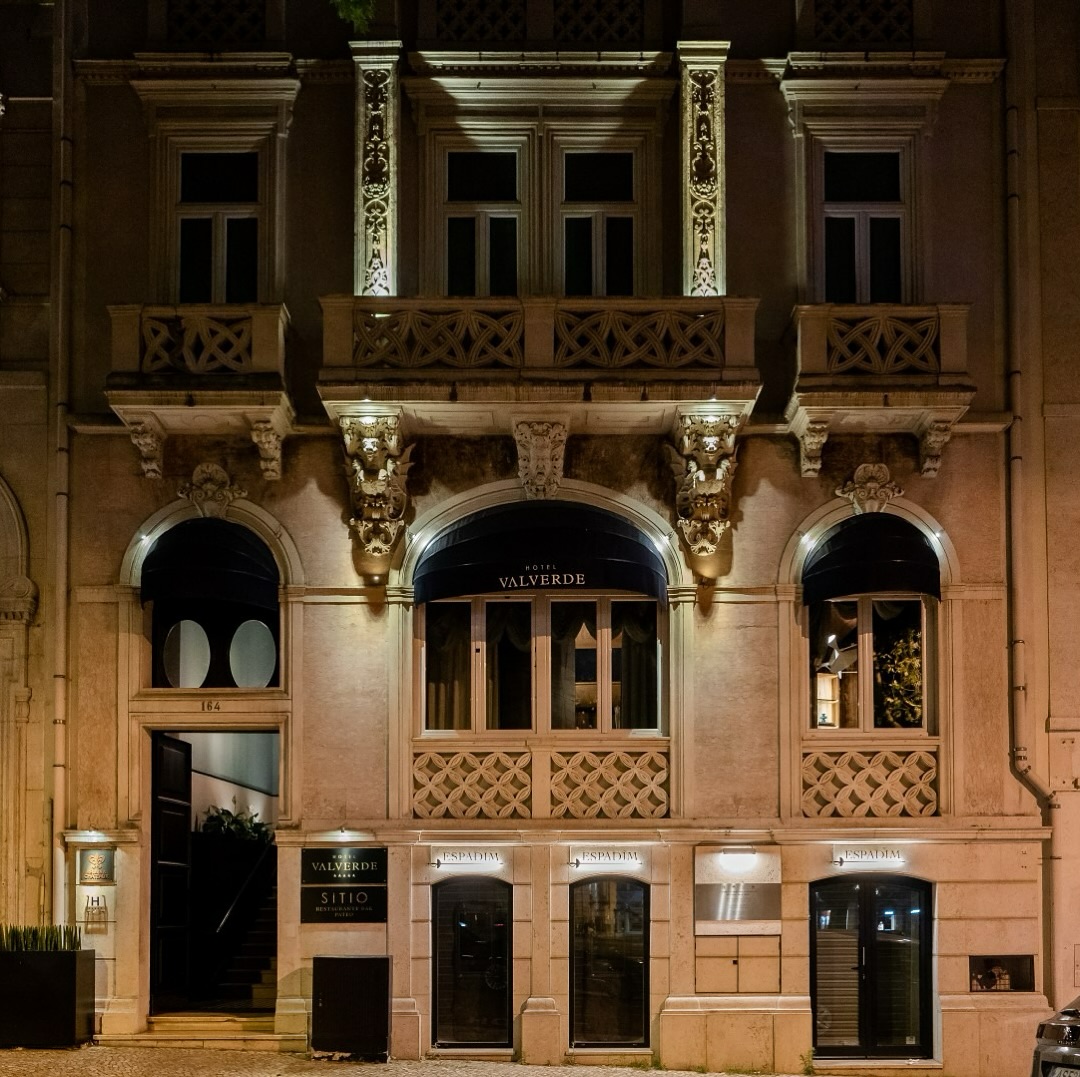
Hotel
Avenida da Liberdade 164
Valverde Hotel is a small luxury escape with a mix of traditional and modern design.
Open in Google Maps ↗In Locals Insider’s story · Top Boutique Hotels in Lisbon
Garden
Rua da Escola Politécnica 58, 1250-096 Lisbon
Hidden in the Príncipe Real neighborhood, this University of Lisbon botanical garden is home to thousands of plant species, towering palms, and Portugal's fi…
Open in Google Maps ↗In Nuno Prates’s story · Lisbon Gardener Nuno Prates: Best Gardens in Lisbon & How He’s Greening the City
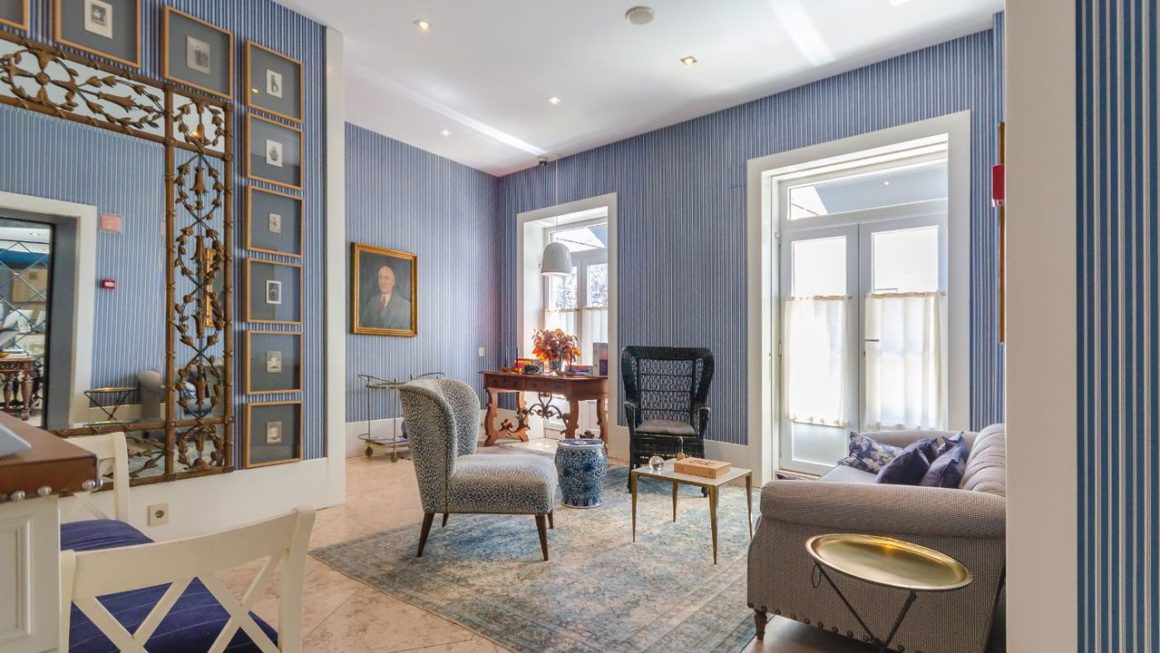
Hotel
Rua do Alecrim 12, Cais do Sodré
LX Boutique is small but full of character, with each floor dedicated to a theme inspired by Lisbon’s culture and history.
Open in Google Maps ↗In Locals Insider’s story · Top Boutique Hotels in Lisbon
Garden
Largo dos Jerónimos, 1400-209 Lisbon
Located beside the Jerónimos Monastery in Belém, this seven-hectare garden showcases tropical and subtropical plants collected from Portugal's former oversea…
Open in Google Maps ↗In Nuno Prates’s story · Lisbon Gardener Nuno Prates: Best Gardens in Lisbon & How He’s Greening the City
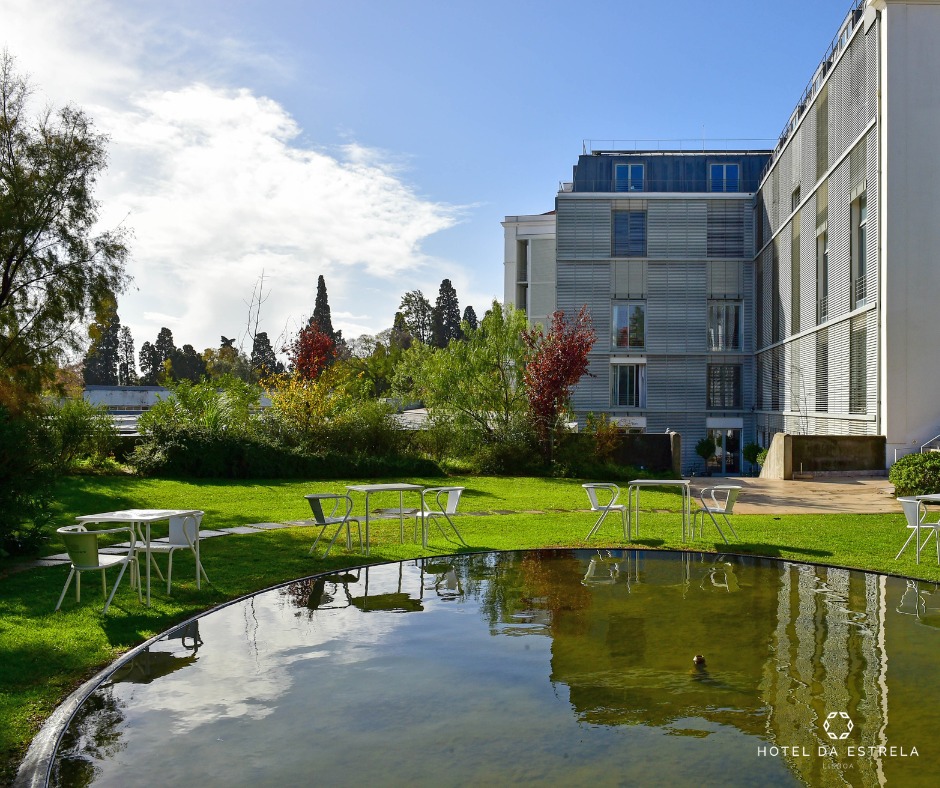
Hotel
Rua Saraiva de Carvalho 35, Campo de Ourique
Set in a former palace, Hotel da Estrela is all about quiet luxury with a quirky touch.
Open in Google Maps ↗In Locals Insider’s story · Top Boutique Hotels in Lisbon
The Lisbon guide
Where to stay, eat and drink in Lisbon
Picked by Locals Insider. Every address checked against the venue or Google.
Bairro Alto Hotel
Luxury · Chiado
€350-800
Re-opened 2019 after a long renovation. The rooftop view across the Tagus is the city's most celebrated. Eduardo Souto de Moura's restoration of the 18th-century buildings.
We featured it in our boutique hotels coverage — still the gold-standard central Lisbon stay.
Praça Luís de Camões 2, 1200-243 LisboaWebsite ↗
Memmo Alfama
Boutique · Alfama
€250-500
Set in the medieval Alfama district, with a small infinity pool on a terrace overlooking the rooftops down to the Tagus. 42 rooms, all designed around the views. We wrote about it — it's still the romance choice.
Travessa das Merceeiras 27, 1100-348 LisboaWebsite ↗
Palácio Príncipe Real
Historical boutique · Príncipe Real
€350-800
A 19th-century palace turned 28-suite hotel in Príncipe Real — handpainted ceilings, antique tile floors, a tiny garden pool. Most romantic small hotel in the city. Adults-only.
Rua da Alegria 53, 1250-006 LisboaWebsite ↗
Santiago de Alfama
Historical boutique · Alfama
€280-650
A 15th-century palace in the heart of Alfama — 19 individually designed rooms, exposed Moorish-era walls, a small garden. Closest you can stay to the Castelo de São Jorge.
Rua de Santiago 10-14, 1100-494 LisboaWebsite ↗
Verride Palácio Santa Catarina
Luxury · Bica
€450-1,200
Converted 18th-century palace at the top of the Bica funicular — rooftop pool with a 270° city view (the most panoramic hotel terrace in Lisbon). 19 rooms only. Among the city's most spectacular newer hotels.
Rua de Santa Catarina 1, 1200-401 LisboaWebsite ↗
The One Palácio da Anunciada
Luxury · Avenida da Liberdade
€350-700
A 16th-century palace on Avenida da Liberdade with the city's most beautiful hotel garden — citrus trees, fountains, a heated outdoor pool surrounded by historic walls. The Liberdade location is one walk to everywhere.
Rua das Portas de Santo Antão 81, 1150-266 LisboaWebsite ↗
The Lumiares Hotel & Spa
Boutique · Bairro Alto
€220-500
53 apartment-suites in a restored Bairro Alto building — each with its own kitchen. Rooftop bar (Lumi Sky Bar) is open to non-guests. Best apartment-style option in central Lisbon.
Rua do Diário de Notícias 142, 1200-145 LisboaWebsite ↗
Le Consulat
Boutique · Príncipe Real
€250-550
A 17th-century palace on Praça do Príncipe Real — 14 suites only. Original azulejo tiles in the lobby, an honesty bar, the most private terrace garden in central Lisbon.
Praça do Príncipe Real 26, 1250-184 LisboaWebsite ↗
Lost Inn Lisbon
Young & hip · Cais do Sodré
€50-180
Hostel-design-hotel hybrid near Cais do Sodré (Pink Street). Private rooms with shared kitchens, a beautiful patio, properly cool design. Best value under €100/night.
Beco dos Apóstolos 6, 1200-038 LisboaWebsite ↗
Belcanto
Michelin · Chiado
★★€225-285 tasting menu
Two Michelin stars. José Avillez's flagship — modern Portuguese with theatrical plating. The 'snake apple' dessert (Eden-inspired) is the signature.
Tasting menu only; book 60+ days ahead.
Largo de São Carlos 10, 1200-410 LisboaWebsite ↗
Alma
Michelin · Chiado
★★€175-235 tasting menu
Two Michelin stars. Henrique Sá Pessoa's modern Portuguese in a 19th-century townhouse — calmer, more product-led than Belcanto. The roasted pigeon with Madeira sauce is the legend.
Rua Anchieta 15, 1200-023 LisboaWebsite ↗
Cervejaria Ramiro
Seafood · Anjos
€40-80 per person
The Lisbon shellfish institution since 1956 — gambas à la guilhot, crab, prawns, oysters, all from the Atlantic that morning. Anthony Bourdain ate here. No reservations; queues from 12pm.
Finish with a 'prego' (steak sandwich).
Avenida Almirante Reis 1, 1150-007 LisboaWebsite ↗
Taberna da Rua das Flores
Modern tasca · Chiado
€35-55 per person
Tiny Chiado tasca with a daily-changing menu on a blackboard — modern takes on the Portuguese classics, the kind of place chefs eat on their day off. No reservations; arrive at 7pm or wait.
Rua das Flores 103, 1200-194 Lisboa
Prado
Farm-to-table · Alfama
€45-70 per person
António Galapito's seasonal Portuguese in a former bakery near the Sé cathedral. Wild-fermented natural wines, vegetables from a 12-hectare farm outside Lisbon. The cleanest, most ingredient-driven cooking in the city.
Travessa das Pedras Negras 2, 1100-404 LisboaWebsite ↗
Sea Me — Peixaria Moderna
Seafood · Chiado
€60-100 per person
Buy your fish from the open counter (priced by weight), have it grilled, with Portuguese sushi side. The crossing of traditional fishmonger and modern fish restaurant. Chiado central, always busy, book ahead.
Rua do Loreto 21, 1200-241 LisboaWebsite ↗
100 Maneiras
Modern · Bairro Alto
€100-160 tasting menu
Yugoslavian-born chef Ljubomir Stanisic's playful tasting menu — wild ingredients, theatrical service, the kind of meal where every course is a small show. Two Michelin stars.
Rua do Teixeira 35, 1200-459 LisboaWebsite ↗
Pastéis de Belém
Pastelaria · Belém
The bakery that invented the pastel de nata in 1837 — protected recipe, still hand-made daily by the same family. The takeaway queue moves fast; the sit-down rooms behind are more atmospheric. Eat them while still warm.
Rua de Belém 84-92, 1300-085 LisboaWebsite ↗
Manteigaria
Pastelaria · Chiado
Many locals' choice for the city's best pastel de nata — €1.20, eaten standing at the counter watching them being made. Multiple locations (Chiado, Time Out Market, Príncipe Real). No queue for as long as you keep it standing-room.
Rua do Loreto 2, 1200-242 LisboaWebsite ↗
A Brasileira
Classic café · Chiado
The 1905 Art Deco café where Pessoa drank coffee — his bronze statue sits at a permanent outdoor table. Touristy now, but stand at the bar with a 'bica' (Lisbon espresso) and the place still works. Open at 8am.
Rua Garrett 120, 1200-205 Lisboa
Dear Breakfast
Brunch · Bairro Alto
The Lisbon brunch institution — eggs done properly, sourdough toast, the best avocado-egg-everything plates in the city. Multiple locations now; the Bairro Alto original still has the longest queue.
Rua das Gaivotas 17, 1200-202 LisboaWebsite ↗
Hello, Kristof
Coffee · Cais do Sodré
Specialty coffee + magazine shop in one — Polish founder, Scandinavian aesthetic, the best independent espresso in town. The kind of place you sit with a book for two hours.
Rua do Poço dos Negros 103, 1200-339 LisboaWebsite ↗
Red Frog
Speakeasy · Avenida da Liberdade
Hidden behind an unmarked door near Avenida da Liberdade — Lisbon's first serious speakeasy. World's 50 Best Bars regular. Knock first, then the bartenders find you a seat.
Cocktails to the highest international standard.
Rua do Salitre 5A, 1250-198 LisboaWebsite ↗
Park Bar
Rooftop · Bairro Alto
On the top floor of a multi-story carpark — yes, you take the lift up to a carpark and walk out onto a tropical-rooftop bar overlooking the river. Most-photographed sunset spot in central Lisbon. Cocktails are average; the view isn't.
Calçada do Combro 58, 1200-115 Lisboa
Pavilhão Chinês
Cabinet curiosity bar · Príncipe Real
Five rooms in a 19th-century building filled — wall to ceiling — with the owner's collection of antique soldiers, model planes, telephones, dolls, military uniforms. Order a brandy and read the menu (in five languages) for an hour. Unlike anything else.
Rua Dom Pedro V 89, 1250-093 Lisboa
Pensão Amor
Eclectic late · Cais do Sodré
A converted 19th-century brothel — many small rooms each with a different vibe, burlesque shows late, the kind of bar where the night ends. On the famous Pink Street.
Rua do Alecrim 19, 1200-014 LisboaWebsite ↗
By the Wine — José Maria da Fonseca
Wine bar · Chiado
Run by the 1834 Setúbal winery — the world's only bar dedicated to Moscatel de Setúbal and their other wines. Tasting flights, small plates, vaulted ceiling decorated with hanging glass bottles.
Rua das Flores 41-43, 1200-194 Lisboa
Foxtrot
Speakeasy · Príncipe Real
A 1978 art-deco-style speakeasy — billiard table, jazz piano, low-lit nooks. The bartenders mix the cocktail to your mood. Among the city's most atmospheric drinking spots.
Travessa de Santa Teresa 28, 1200-405 Lisboa
Museu Calouste Gulbenkian
Private collection
One of Europe's greatest private collections — Egyptian antiquities, Islamic ceramics, Lalique jewelry, Old Masters (Rubens, Rembrandt, Manet). The 1950s building set in a 7-hectare garden. Closed Tuesdays.
Surprisingly under-visited.
Avenida de Berna 45A, 1067-001 LisboaWebsite ↗
MAAT (Museum of Art, Architecture and Technology)
Contemporary
Amanda Levete's wave-like riverside building in Belém — the roof doubles as a public walkway, the most architecturally ambitious museum opening in Portugal this century. Sunset light off the Tagus from the roof is the moment.
Avenida Brasília, 1300-598 LisboaWebsite ↗
National Tile Museum (Museu Nacional do Azulejo)
Decorative arts
Five centuries of Portuguese tiles in a former 16th-century convent. The 36-meter Great Panorama of Lisbon tile mural (pre-1755 earthquake) is the headline. Most beautiful chapel of any Lisbon museum (the Madre de Deus).
Rua da Madre de Deus 4, 1900-312 LisboaWebsite ↗
MNAA (National Museum of Ancient Art)
National gallery
Portugal's national museum of pre-1850 art — Bosch's Temptation of St Anthony triptych, Nuno Gonçalves's St Vincent Panels (Portugal's most-reproduced national painting). Quieter than the major European national galleries; arguably as good.
Rua das Janelas Verdes, 1249-017 LisboaWebsite ↗
Berardo Collection
Contemporary
Joe Berardo's private collection of 20th-century art — Picasso, Warhol, Bacon, Pollock — in the Belém Cultural Center. Free entry. A genuinely complete collection of modernism on a single floor.
Centro Cultural de Belém, Praça do Império, 1449-003 LisboaWebsite ↗
LX Factory's Ler Devagar bookshop
Bookshop / installation
In a former 19th-century printworks at LX Factory — a flying bicycle suspended from the ceiling, books stacked to the rafters, a café in the middle. The most photographed bookshop in Portugal. Open till midnight.
Rua Rodrigues de Faria 103, 1300-501 LisboaWebsite ↗
Tram 28
Vintage tram · City-wide
The 1930s wooden tram that climbs from Martim Moniz through Alfama, Baixa, Chiado, and Estrela — the steepest, most cinematic public-transport ride in Europe. Go early morning to get a seat; rush hour is a sardine tin.
Various stops, LisboaWebsite ↗
Castelo de São Jorge
Moorish castle · Alfama
The 11th-century Moorish citadel on the highest hill — peacocks in the gardens, the most complete city panorama you can stand inside. The cisterns and dark towers are the surprise. Go at golden hour.
R. de Santa Cruz, 1100-129 LisboaWebsite ↗
Time Out Market
Food hall · Cais do Sodré
The original Time Out Market (2014) — 26 Portuguese chefs operating stalls under one roof in the 1892 Mercado da Ribeira. Eat one dish from each of two stalls. Goes till midnight.
Av. 24 de Julho 49, 1200-479 LisboaWebsite ↗
LX Factory
Creative complex · Alcântara
Old industrial complex under the 25 de Abril bridge — co-working spaces, the Ler Devagar bookshop, restaurants, a Sunday market. The most concentrated creative-class crowd in Lisbon.
R. Rodrigues de Faria 103, 1300-501 LisboaWebsite ↗
Sintra day trip
UNESCO town · 30 minutes by train
Pena Palace (the multicoloured fairytale on the hill), Quinta da Regaleira's Initiation Well, the Moorish Castle. Take the morning train from Rossio — go on a weekday, never a weekend. A long day from Lisbon.
Sintra, Portugal
Cabo da Roca
Cliff coast · 45 minutes west
Continental Europe's westernmost point — 140-meter cliffs straight into the Atlantic. The lighthouse, the 'where the land ends and the sea begins' monument (Camões quote). Drive or take the 403 bus from Sintra.
Cabo da Roca, Portugal
Cristo Rei
Viewpoint · Almada (south bank)
Lisbon's smaller answer to Rio's Christ the Redeemer — 110m tall, on the south bank of the Tagus. Take the ferry across from Cais do Sodré, then taxi/bus up. The view back across the river to Lisbon is the reason to go.
Alto do Pragal, 2800-058 AlmadaWebsite ↗
Jardim da Estrela
Park
Romantic 19th-century garden opposite the Basílica da Estrela — kiosks for coffee, a small lake, the kind of park where local children spend their afternoons. The most central proper park.
Praça da Estrela, 1200-667 Lisboa
Monsanto Forest Park
Urban forest
1,000 hectares of urban forest on Lisbon's western edge — the city's lung. Cycle paths, viewpoints (Miradouro Panorâmico de Monsanto in a converted restaurant), the abandoned monastery feel. Take a Bolt taxi.
Parque Florestal de Monsanto, Lisboa
Miradouro de Santa Catarina
Viewpoint
The sunset miradouro — locals bring beers from the supermarket and sit on the wall watching the sun go down behind the 25 de Abril bridge. Free, atmospheric, much better than the more famous Miradouro de São Pedro de Alcântara.
Rua de Santa Catarina, 1200-401 Lisboa
Praia do Guincho
Beach
Wild Atlantic surf beach 30 minutes west by car — windier and more dramatic than the bay-side beaches. Where Lisboans actually go for proper beach days. Combine with Sintra and Cabo da Roca.
Praia do Guincho, 2750 Cascais
Arrábida Natural Park
Coast
An hour south — limestone cliffs straight into turquoise Mediterranean-style water, the most photogenic stretch of coastline near Lisbon. Galápos and Galapinhos beaches are the prize. Drive or take an organized day trip.
Setúbal, Portugal
Neighborhoods
Lisbon neighborhoods: where to base yourself
Chiado
The Elegant Lisbon
The city's most refined central neighborhood — bookshops, design boutiques, Belcanto restaurant, the rebuilt 18th-century Pombaline grid streets. Where literary Lisbon (Pessoa drank coffee at A Brasileira here) still lives.
Best for First-timers who want it all walkable, design lovers, couples
Feels like The grown-up version of the city — refined but not boring
Alfama
The Old Lisbon
The Moorish quarter that survived the 1755 earthquake — twisting medieval lanes, white houses with washing on the lines, fado music drifting from tiny restaurants at night. Tram 28 runs through it. The most cinematic part of Lisbon.
Best for Couples, atmosphere-seekers, fado lovers
Feels like A village frozen 600 years ago, with the river at the bottom of every street
Bairro Alto
The Late-Night Lisbon
The bohemian hill — quiet by day, the city's drinking neighborhood after 10pm. Centuries-old tascas with €3 wines, late-night fado houses, the small bars that line each street.
Best for Younger travelers, anyone for whom dinner ends after midnight
Feels like A village that wakes up at sunset and stays up till dawn
Príncipe Real
The Stylish Lisbon
On the hill above Bairro Alto — independent shops, the Embaixada concept store, design hotels, the city's best plant-filled square (Praça do Príncipe Real). Where stylish locals live.
Best for Design lovers, couples, second-time visitors
Feels like The most refined, slightly bohemian Lisbon — like Notting Hill if it never got too expensive
Belém
The Monumental Lisbon
Five kilometers west of the center by the river — Jerónimos Monastery, Belém Tower, the Discoveries Monument, MAAT museum. Cinematic riverside neighborhood. Pastéis de Belém invented the pastéis de nata here in 1837.
Best for Families, first-timers, anyone interested in maritime history
Feels like The capital's open-air museum district
LX Factory & Alcântara
The Creative Lisbon
Old industrial complex under the 25 de Abril bridge — converted into a maze of co-working spaces, independent shops, a famous bookshop (Ler Devagar) in a former printworks. The city's creative-class HQ.
Best for Creative travelers, photographers, indie shoppers
Feels like Lisbon's Brooklyn — but Portuguese, with a bridge that looks like the Golden Gate above it
Editor’s picks
Six things to do in Lisbon
Memmo Alfama
Set in the medieval Alfama district with a rooftop infinity pool above the rooftops.Palácio Príncipe Real
A 19th-century palace turned 28-suite hotel in Príncipe Real.Belcanto
Chef José Avillez's two-Michelin-starred Chiado restaurant.Alma
Two Michelin stars; chef Henrique Sá Pessoa's modern Portuguese in a 19th-century townhouse.MAAT — Museum of Art, Architecture and Technology
Amanda Levete's wave-like riverside building in Belém.Museu Calouste Gulbenkian
One of Europe's great private collections (Egyptian, Islamic, Lalique jewelry).
Through the year
Lisbon festivals and what’s on
June 13
Santo António (Festas de Lisboa)
Lisbon's patron-saint night — every street in Alfama and Bairro Alto throws a sardine-and-wine party, parades from each neighborhood (the marchas populares) compete on Avenida da Liberdade. The most local night of the year.
May-June
IndieLisboa
International independent film festival across multiple Lisbon cinemas — premieres, retrospectives, masterclasses. One of the most respected indie festivals in Southern Europe.
August-September
Festival ao Largo
Free open-air opera, ballet, and classical concerts in Largo de São Carlos — performed by the Companhia Nacional de Bailado and Teatro Nacional de São Carlos. Bring a cushion.
September
Festival do Caracol Saloio
The 'snail festival' in the Cascais area — small-snail eating contests, beer, Portuguese summer vibe at its most local.
November
Web Summit
The world's largest tech conference — 70,000 attendees from 150 countries take over Lisbon for a week each November. The whole city's hotels triple in price; book months ahead.
Good to know
Lisbon at a glance
Population545,000 (2.9M metro)
Time zoneWET (UTC+0)
Safety 8.6/10
Very safe by global standards — Portugal consistently ranks among the world's safest countries (Global Peace Index #7, 2024). Pickpocketing on Tram 28 and at major attractions is the only thing to watch.
LGBTQ+ friendly 8.8/10
Portugal is one of Europe's most LGBTQ+-friendly countries — same-sex marriage since 2010, adoption rights since 2016. Lisbon's Príncipe Real and Bairro Alto are the gay heart. Pride parade in mid-June.
Questions
Lisbon FAQ
Where do locals eat in Lisbon?
Three picks across the spectrum of how Lisboetas actually eat.
For the iconic 1956 institution: Cervejaria Ramiro, at Avenida Almirante Reis 1, 1150-007 Lisboa. The most famous seafood beer-hall in Portugal — gambas à la plancha, percebes (gooseneck barnacles), tiger prawns, the ham-and-steak sandwich (prego no pão) to finish. No reservations; expect a queue.
The Anthony Bourdain stop that locals still defend.
For the modern, trendy pick: A Cevicheria, at Rua Dom Pedro V 129, 1250-096 Lisboa in Príncipe Real. Chef Kiko Martins' Peruvian-Portuguese ceviche bar — no reservations, the giant octopus hanging from the ceiling is the photo, the classic ceviche and the tiradito are the orders.
Around 25-seat counter.
For the affordable, locals' standard: Time Out Market Lisboa at Mercado da Ribeira, Avenida 24 de Julho 49, 1200-479 Lisboa. Curated food hall with 30+ stalls from the city's best chefs (Henrique Sá Pessoa, Marlene Vieira, Vincent Farges) — properly local food, casual prices, perfect for sampling.
Where can I get the best seafood with champagne or sparkling wine in Lisbon?
For Lisbon seafood with serious sparkling wine, the destination is Sea Me - Peixaria Moderna, at Rua do Loreto 21, 1200-241 Lisboa in Chiado.
A modern fish market-restaurant hybrid — display ice counter where you pick your fish to be grilled, a serious oyster and shellfish bar, sashimi and crudo options, and a wine list strong on Portuguese vinho espumante (Bairrada and Távora-Varosa are the classic sparkling regions), Champagne, and white Douro and Vinho Verde whites.
Reservations strongly recommended for dinner; the bar seats work well for walk-ins. Ask the sommelier for the local espumante recommendation — Filipa Pato and Luis Pato from Bairrada are widely regarded as Portugal's reference traditional-method sparkling producers.
Which historical boutique hotel should I stay at in Lisbon?
For an old-world boutique stay in Lisbon, the reference is Hotel Britania Art Deco, at Rua Rodrigues Sampaio 17, 1150-278 Lisboa off Avenida da Liberdade.
A 1944 Art Deco boutique designed by Cassiano Branco (one of Portugal's most important 20th-century architects), preserved essentially intact with original wood paneling, lighting, and the iconic round Art Deco motifs throughout. 33 rooms.
The only Art Deco hotel in Lisbon and a designated property of cultural value. Quiet side street between the Avenida and Marquês de Pombal, but five minutes' walk to Restauradores and the Baixa.
Pricing from around €200/night. Bookings via the Heritage Hotels site. For something with deeper aristocratic history, Palácio Belmonte at Páteo Dom Fradique 14 in Alfama (10 suites inside a 15th-century palace next to the Castle of São Jorge) is the ultra-exclusive alternative.