Some artists work in one language. Hadi Moussally works in many at once — cinema, photography, dance, performance, fashion. Lebanese-born and dividing his time between Paris and Barcelona, he’s the filmmaker behind La Casquette (winner of Best Queer Refugee Short 2026), the performer behind Salma Zahore, and one of the more restlessly curious voices in European hybrid filmmaking today.
His work has traveled to more than 500 festivals and won over 70 awards. What stays with him, though, is the conversation after each screening — the people who tell him they saw themselves in a story.
For LocalsInsider, Hadi wrote about Paris, Barcelona, tolerance, Salma, dance, and the city he now calls home. What follows is his essay, in his own words.
Follow Hadi at hadimoussally.com and on Instagram at @hadi.moussally.
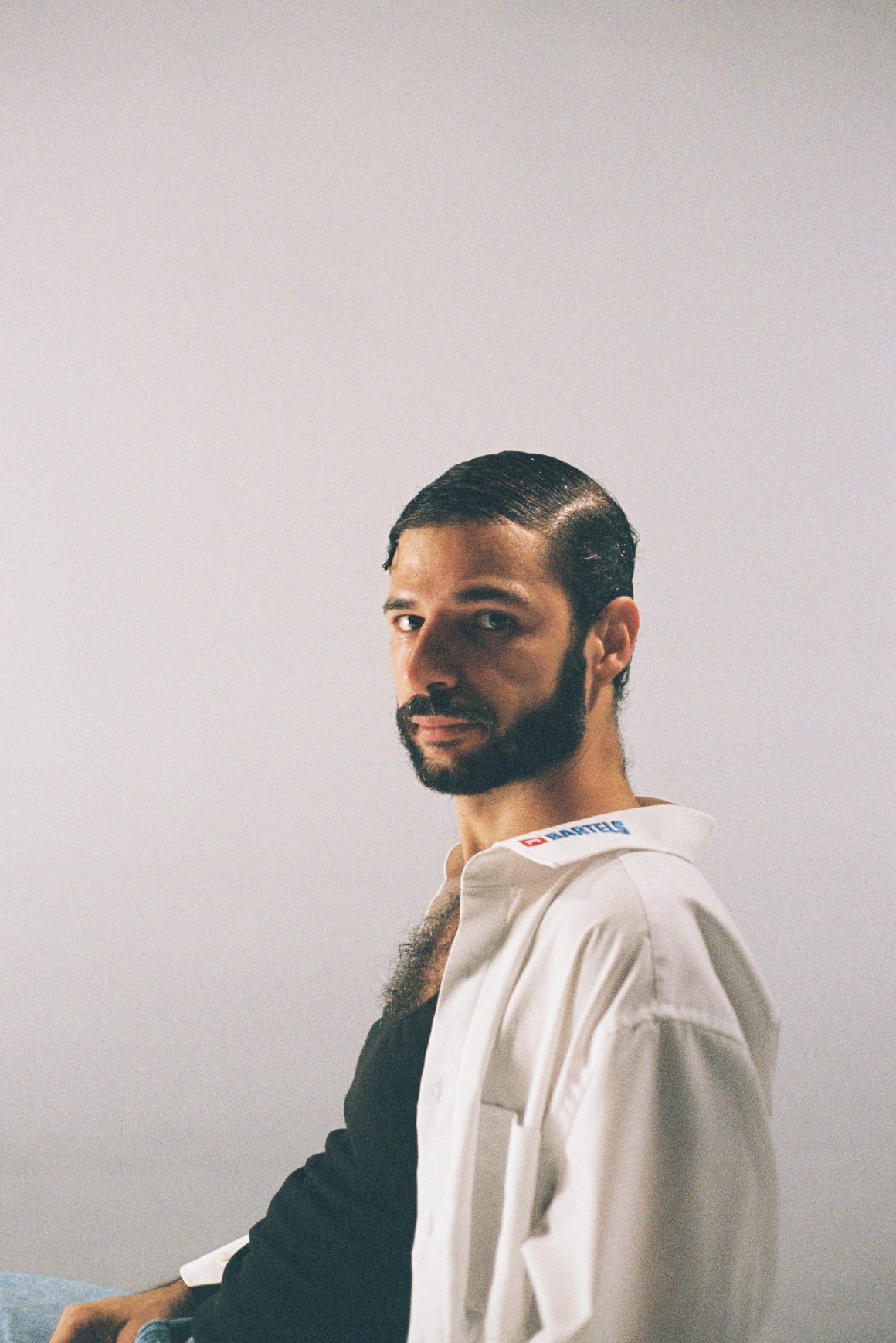
Hadi Moussally’s guide to Barcelona
Where a filmmaker eats, dances, and finds himself in the city.
- BērytīEatLebanese restaurant · Travessera de Gràcia 228, 08024
- NunEatLebanese restaurant · Carrer de València 204, 08011
- Candy DarlingNightlifeQueer bar & performance venue · Gran Via de les Corts Catalanes 586, 08011
- Las Brujas Flamenco ClubSeeFlamenco tablao · Carrer de la Mercè 31, 08002
- La FedericaNightlifeLGBTQ+ bar · Carrer de Salvà 3, 08004
- BardaixaDrinkBar · Carrer del Parlament 12, 08015
- Sala ApoloNightlifeMusic club · Carrer Nou de la Rambla 113, 08004
- Gallery C6ArtContemporary art gallery · Carrer de la Ciutat de Granada 52, 08005
- TurQueshShopVintage fashion boutique · Carrer del Rec 65, 08003
- Platja de Sant SebastiàBeachPasseig Marítim de la Barceloneta 2, 08003
- Platja de la Mar BellaBeachPasseig Marítim de la Mar Bella 104, 08005
- Les Tres XemeneiesBeachBeach & waterfront · Avinguda Eduard Maristany, Sant Adrià de Besòs
Why I chose Paris first
I first moved from Tripoli, Lebanon, to Montpellier, where I studied engineering for a year. I actually passed the year, but I quickly realized it wasn’t the life I wanted. Cinema had always been where my heart was, so I made what felt like a risky decision at the time and started over with a Bachelor’s degree in Cinema.
Once I finished my degree, Paris became the obvious next step. If you want to study cinema in France, it’s hard to ignore the city’s incredible cinematic heritage. I completed a Master’s in Fiction Cinema, and then a second Master’s in Anthropological Documentary.
Those two very different approaches, combined with my background in photography, dance and performance, shaped the hybrid form of filmmaking I practice today. I love moving between fiction and documentary, blending fashion, dance and visual art to tell stories that don’t fit neatly into one genre.
But Paris gave me much more than an education. It became the place where I truly found my artistic voice. It’s a city where cinema, photography, dance, fashion and political debate all coexist. You can spend the afternoon in a museum, the evening at a film screening, and end the night discussing art with people from all over the world.
“The question isn’t where everything is perfect. The question is: where do you feel you can breathe a little easier?”
Like any great city, Paris is full of contradictions. It can be inspiring and exhausting, welcoming and challenging at the same time. But that’s also what makes it such a fascinating place to create. It constantly pushes you to question yourself, and I think that’s one of the greatest gifts an artist can receive.
Paris then, Paris now
I arrived in Paris in 2009, and I was completely blown away by the city. I used to joke that I found “la poubelle, belle” — that even the garbage was beautiful. Coming from Tripoli and then Montpellier, everything felt magical to me.
I was discovering world cinema, museums, festivals, queer spaces, and meeting people from all over the world. I think part of that wonder came from the city itself, but also from the fact that I was a young student who had just changed his life to follow his passion.
Today, I see Paris with different eyes. The world has become more politically polarized, and Paris reflects that. The city has become more expensive, and you can feel a certain tension in everyday life. But at the same time, there are also more conversations around representation, identity, decolonizing culture, and giving space to voices that were previously marginalized. As an Arab queer filmmaker, those conversations matter to me.
After more than ten years living there, I also started to feel a little trapped. Not because Paris isn’t an incredible city — it absolutely is — but because I had built my entire life around it. I realized I needed new perspectives, new rhythms, and simply more space to breathe.
I think I’m Mediterranean at heart. I could probably live almost anywhere, but I need the sun, the sea, good weather, and a pace of life where you’re not constantly running. That’s one of the reasons Barcelona became so important to me.
Today, because I divide my time between Paris and Barcelona, and because I’m constantly traveling to different cities for film festivals, screenings, exhibitions, workshops and performances as Salma Zahore, I feel much freer. I no longer feel that I belong to just one city. Every place I visit influences my work in a different way.
Meeting audiences after a screening in Vancouver isn’t the same as performing in Copenhagen or giving a workshop in Barcelona. Those encounters constantly feed my creativity, and I think movement has become an essential part of my artistic identity.
I don’t think Paris is better or worse than it was before; it has simply evolved. Every generation experiences a different version of the city. What I still love is that Paris remains a place where artists can constantly feed their curiosity. You can discover a retrospective of a filmmaker from the other side of the world, a contemporary dance performance, a photography exhibition, and a political debate all in the same day.
In the end, the biggest change isn’t only Paris — it’s me. When I arrived in 2009, I was trying to find my place. Today, I return with much more confidence, carrying my own stories and my own artistic language. My relationship with the city has matured, just as I have.
What’s actually closest to my heart
People often ask me to choose between filmmaking, dance, photography or performance, but honestly, I don’t think I can. To me, they’re all different languages.
If I have an idea, I don’t start by asking, “Should this become a film?” I ask, “What’s the best way to tell this story?” Sometimes it’s a documentary, sometimes it’s fiction, sometimes it’s photography, a performance, or a dance piece. The medium always comes after the idea.
I think that’s why my work naturally became hybrid. My Master’s in Fiction Cinema taught me how to construct stories, while my Master’s in Anthropological Documentary taught me how to observe reality. Photography taught me composition. Dance taught me that the body can say things words never could. Fashion taught me how clothing can carry meaning. Today, all those influences coexist in my work.
“If I have an idea, I don’t start by asking, ‘Should this become a film?’ I ask, ‘What’s the best way to tell this story?'”
If I had to choose one thing that’s closest to my heart, though, it would be storytelling.
That’s what connects everything I do. Whether I’m directing a film, performing as Salma Zahore, teaching a dance workshop, or taking a photo, I’m always trying to tell a story and create an emotional connection.
At the end of the day, I don’t really see myself as just a filmmaker, a performer, or a photographer.
I simply see myself as an artist who enjoys exploring different ways of telling stories.
On La Casquette winning Best Queer Refugee Short
It was a wonderful surprise, especially because La Casquette is a film I made in 2022, and it’s still travelling around the world today.
As filmmakers, we often move very quickly from one project to the next. You finish a film, you start writing another one, and you’re already thinking about the future. So when a film continues to find new audiences years later, and even continues to receive awards, it’s incredibly moving. It reminds you that stories can have a much longer life than you initially imagined.
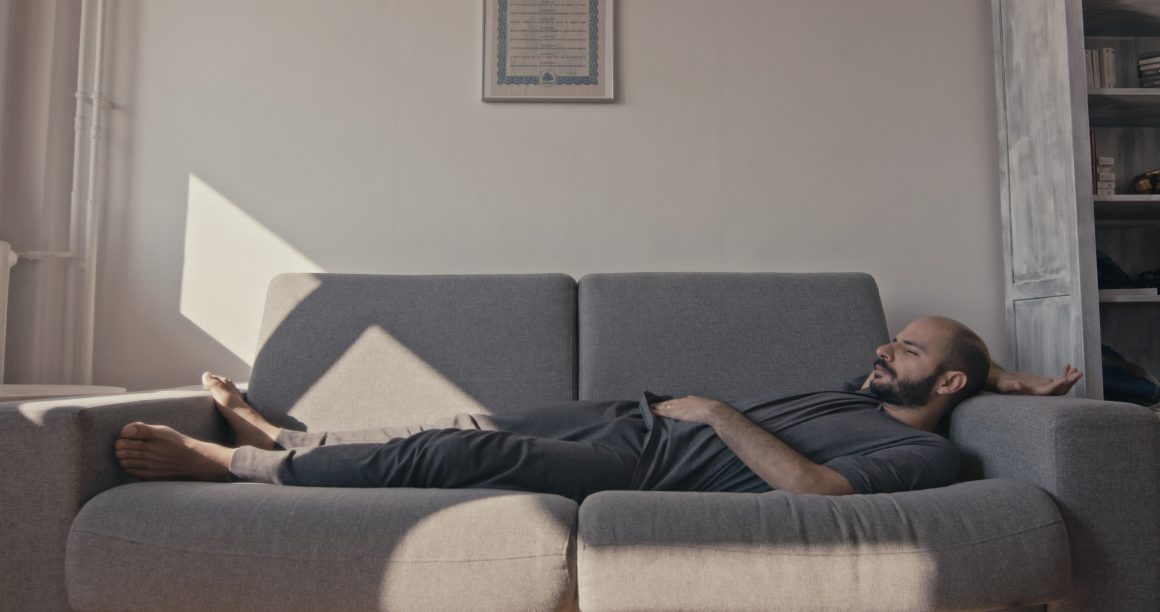
More broadly, I feel very grateful every time one of my films resonates with audiences. Today, my work has traveled to more than 500 festivals worldwide and received over 70 awards. Every selection and every prize is meaningful because it means that somewhere, someone connected with a story I wanted to tell.
“I don’t think artists change the world overnight. But we have to believe that we can change the world as a group.”
But what stays with me even more than awards are the conversations after screenings. When someone comes up to me and says, “I saw myself in that character,” or “I’ve never thought about this subject in that way before,” that’s probably the greatest reward I can receive as a filmmaker.
La Casquette is particularly special because it’s a film that speaks about identity, belonging, and the invisible weight of prejudice. Those themes are unfortunately still very relevant today, perhaps even more than when I made the film.
So yes, receiving the award made me incredibly happy. But more than anything, it reminded me that the conversation around the film is still alive. As long as people continue watching it, discussing it, and recognizing themselves in it, I feel the film is still doing its job.
Where I feel I can breathe easier: Paris vs Barcelona
I don’t think utopia exists. Every country has its own challenges, and no city is completely free from racism, homophobia, or discrimination. The question isn’t where everything is perfect. The question is: where do you feel you can breathe a little easier? Where do you feel you’re not in fight mode all the time?
For me, today, that’s Barcelona.
One of the reasons I eventually felt exhausted in Paris was that I often had the feeling I would always be seen as a foreigner. Whether that perception is always true or not isn’t really the point. It’s how it feels when you live it every day.
I often say that if you bump into one hundred people in a day and one or two of them insult you because of your origins or your sexuality, statistically it’s a very small percentage. But emotionally, those one or two encounters can completely ruin your day. They change the way you move through the city.
As someone who is Arab, I know I “look Arab” in France, and sometimes that immediately triggers stereotypes or prejudice. In Barcelona, people often assume I’m Spanish or simply Mediterranean before anything else. It’s one less thing to worry about. It doesn’t mean racism doesn’t exist here — it absolutely does — but my experience of it is different.
The same goes for being queer.
I remember living in Paris and, during Pride, changing into drag only once I reached the parade because I didn’t always feel comfortable walking through certain neighborhoods in full drag. The fact that I even had to think about that reminded me that there is still a lot of work to do, and also why Pride remains so important.
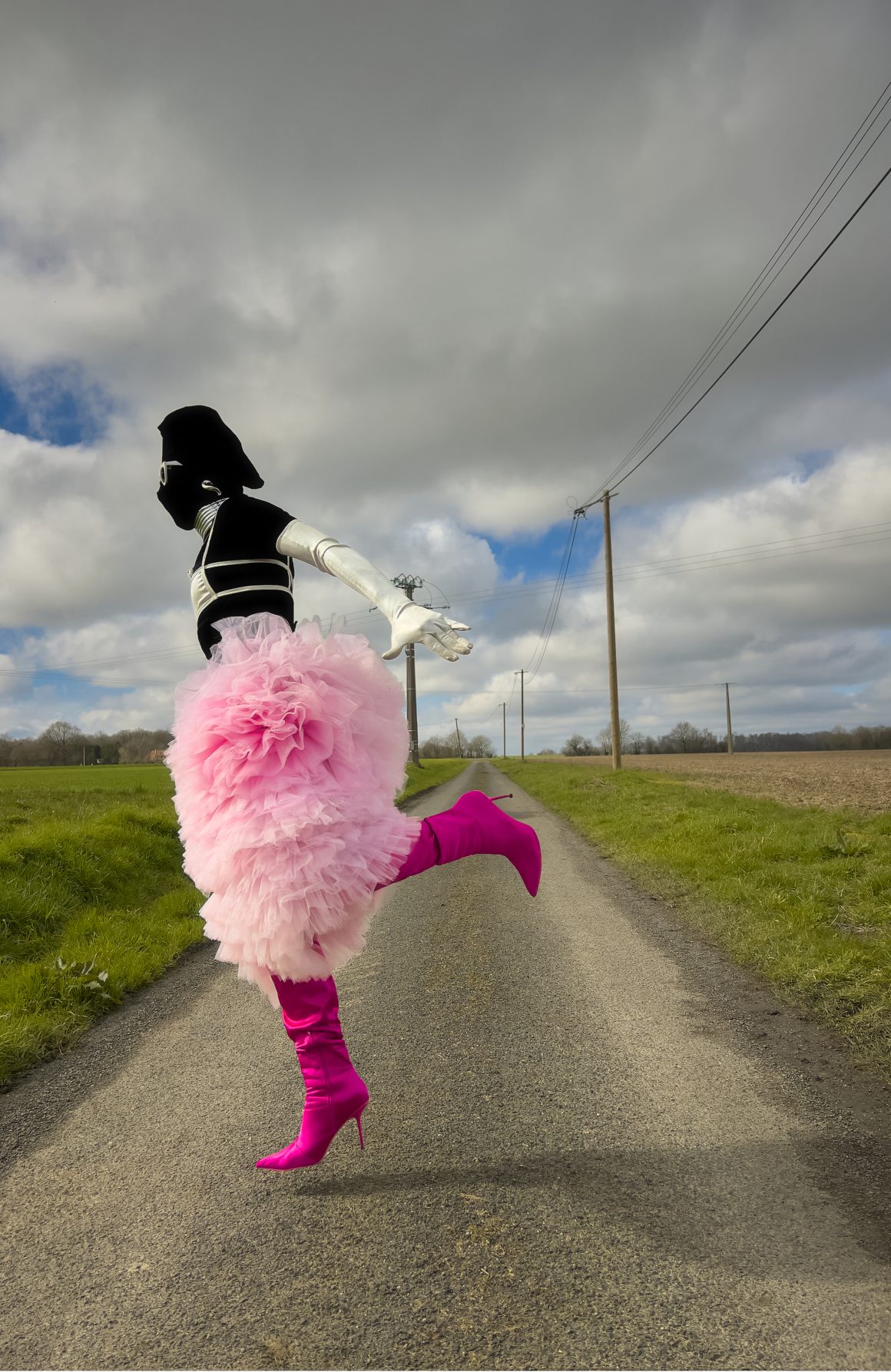
In Barcelona, I feel much freer.
One memory that has stayed with me happened in El Raval, a neighborhood some people describe as rough or difficult. I walked past a small local restaurant and saw an elderly woman, a drag queen, and a trans woman sitting together, laughing around the same table.
It was such a simple moment.
Nobody was staring.
Nobody seemed uncomfortable.
They were simply sharing a meal and enjoying each other’s company.
I remember thinking: this is the world I want to live in.
I’ve also walked through El Raval in heels and in full drag, surrounded by people from many different cultures and religions, including many Muslims. Nobody cared. People were simply living their lives.
For me, that was a powerful reminder that the problem isn’t Islam or any religion in itself. The problem is intolerance and a lack of education. When people grow up learning to respect difference, they usually do.
Barcelona isn’t perfect. France isn’t hopeless.
They’re simply different experiences.
For me, Barcelona is the place where I feel I can breathe a little easier, where I’m not constantly in fight mode and anticipating how people might react before I’ve even spoken.
“I no longer feel that I belong to just one city. Every place I visit influences my work in a different way.”
The weight of wearing several casquettes
I often think about this through La Casquette.
In French, there’s an expression, “porter la casquette de quelqu’un,” which means taking responsibility for something you didn’t do, or carrying someone else’s burden. That’s where the title comes from.
Sometimes I feel like I wear several “casquettes.” One because I’m Arab, another because I’m queer.
As an Arab, there’s this unspoken feeling that you have to reassure people: “Don’t worry, I’m Arab, but I’m not a terrorist.” As a gay man, it’s almost the same mechanism: “Don’t worry, I’m gay, but I’m not going to hit on you just because you’re a man.”
You’re constantly having to prove what you’re not, before people are willing to see who you actually are.
Over time, that creates a kind of hyper-awareness. Whenever someone is rude to you, you immediately start analyzing the situation. Was that racism? Was it homophobia? Was it both? Or… did that person simply have a bad day? Or maybe they’re just a grumpy and rude Parisian?
It sounds almost funny when I say it like that, but it’s actually exhausting. You’re constantly trying to decode people’s reactions, and that kind of vigilance follows you everywhere.
I remember one day in Paris I was wearing a T-shirt that said “Kebab World Tour” in Arabic. At the time, I was obsessed with celebrating kebab culture — it was my little project mid-2010s. A man in a suit, probably in his forties, walked past me and said, “Islamiste de merde.” (Fcking islamist.*)
At first, I genuinely hoped he was talking to someone on his phone (which is not correct), or maybe he was speaking to someone else. I turned around, and he was looking directly at me.
I was almost in denial. I kept thinking, maybe I misheard him.
And then another thought came: whatever I do, I lose. If I ignore him, I carry that frustration with me all day. If I react, I risk becoming exactly the stereotype he’s projecting onto me — the angry, aggressive Arab.
That’s an impossible position to be in.
I’ve experienced similar situations in administrative offices while renewing my residency papers, where you’re sometimes spoken to with very little respect, and you feel you can’t answer back because your legal status depends on that interaction. Or the so-called “random” identity checks that somehow never feel entirely random.
Those experiences don’t define France. I’ve also met extraordinary people there, built my career there, and found lifelong friends there. But they do shape the way I move through the world.
That’s one of the reasons I make films. I don’t think cinema can eliminate racism or homophobia. But I do believe stories can complicate stereotypes. They remind us that no one should have to spend their life apologizing for an identity they didn’t choose.
Why nationalism is popular again in Europe
I think the first thing we need to do is avoid looking for one simple explanation.
Whenever societies go through periods of economic crises, wars, inflation, genocides, rapid social change, people naturally become anxious. When people are anxious, they’re also more likely to look for simple answers to very complex problems.
History has shown us that when societies are afraid, minorities often become the easiest people to blame.
As someone who is both Arab and queer, I know what it feels like to become part of that conversation.
But I don’t think people suddenly wake up one morning and become racist or homophobic.
Fear is often built slowly.
Sometimes by political discourse.
Sometimes by sensationalist media.
Sometimes because people simply don’t know anyone who is different from them.
That’s why I believe culture is so important.
Films, performances, books, music — they allow us to meet people we might never otherwise encounter. They remind us that behind every label is a human being.
I don’t think artists change the world overnight. But we have to believe that we can change the world as a group.
We can also create empathy.
And empathy makes fear a little more difficult.
That’s why I continue making films, performing as Salma Zahore, and teaching workshops.
They’re all different ways of bringing people together.
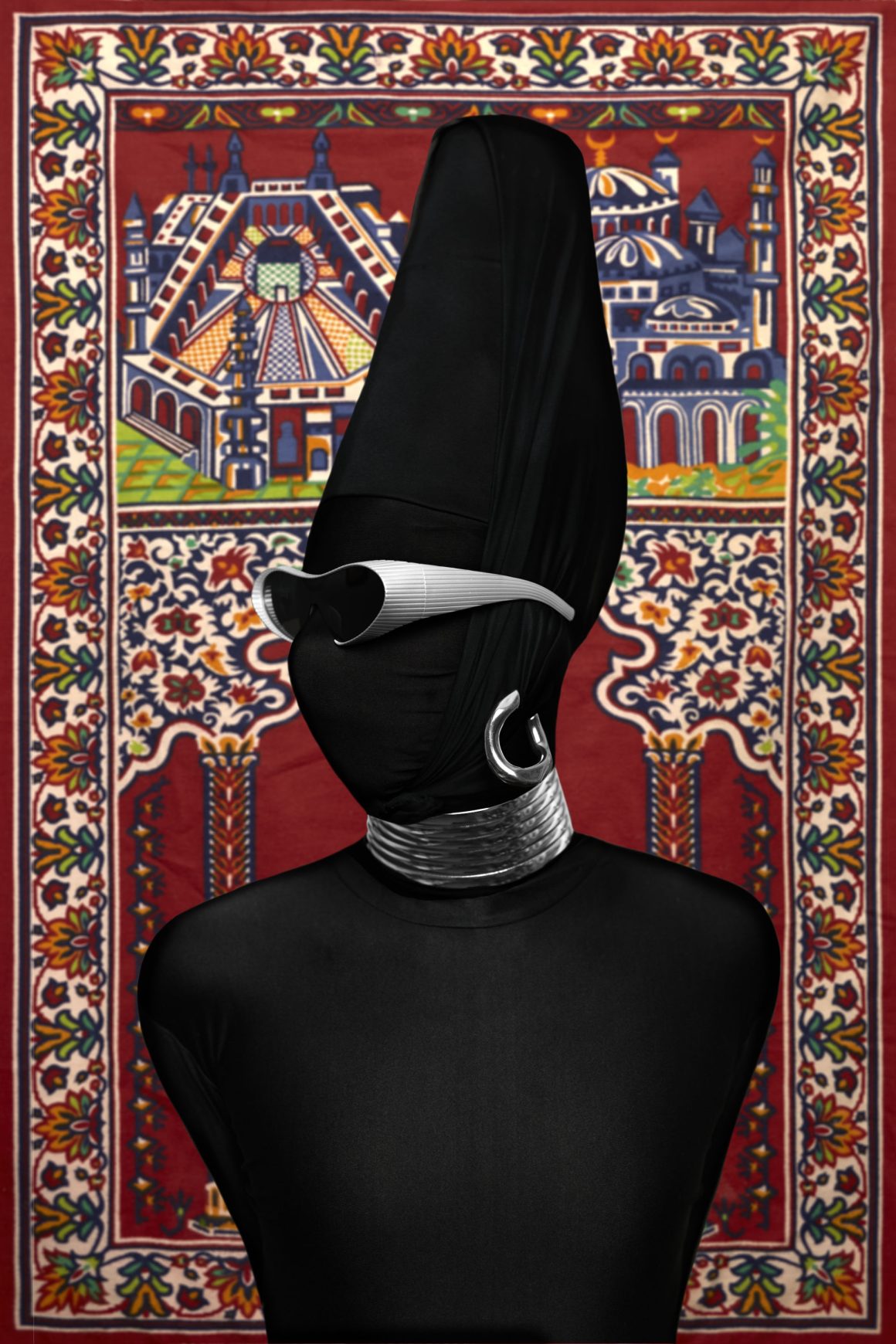
The feature film I’ve been carrying for twenty years
Yes.
Actually, I already knew what my first feature film would be about when I arrived in France in 2005.
I remember writing the very first scene shortly after moving from Lebanon and telling myself, “One day, this will be my first feature film.”
More than twenty years later, I’m finally at the stage of developing it.
It has taken a long time, but I also think I needed those years to become the filmmaker capable of telling that story.
My documentary background has deeply influenced the way I write fiction.
I’m always inspired by the people around me and by my own family.
My graduation film, I Have Ten Years, explored identity through my sister.
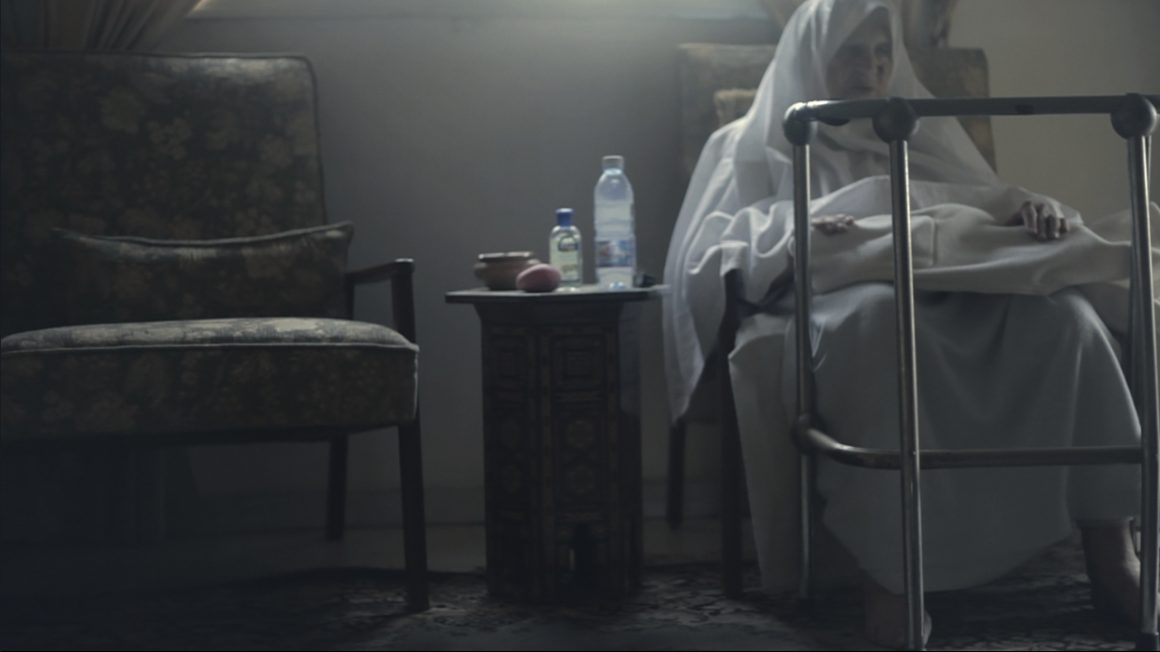
My documentary My Old Grandmother was about memory, the time passing by, and the stories we choose to keep.
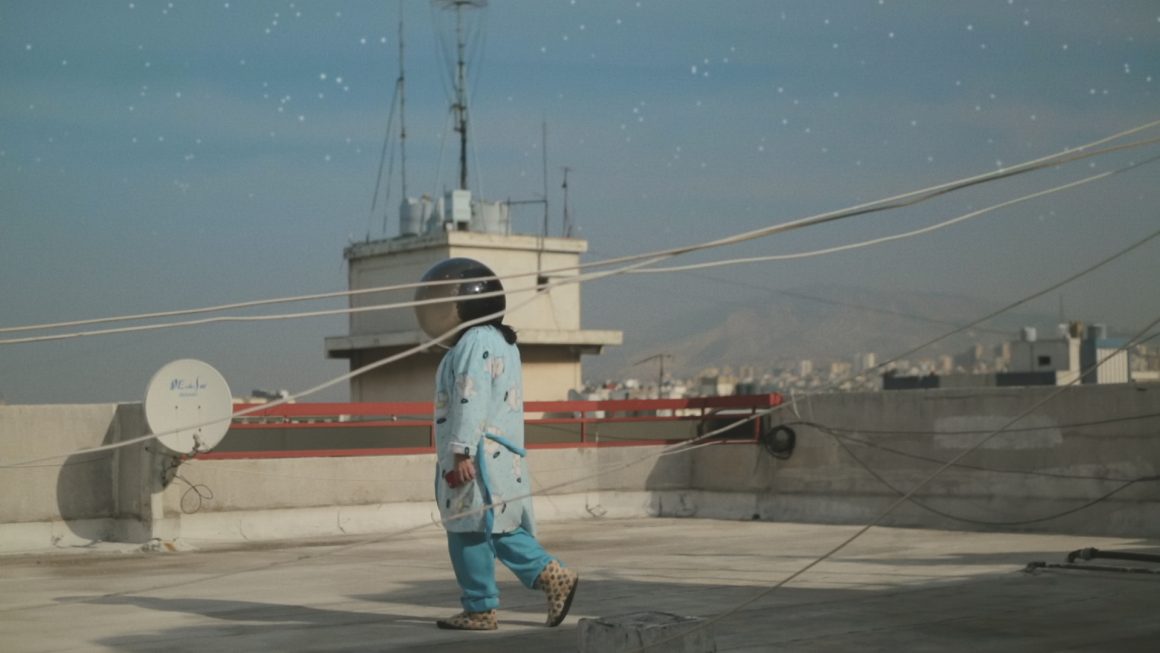
Later, Space Woman was inspired by my mother, imagining her retirement in Tripoli and her dream of becoming an astronaut.
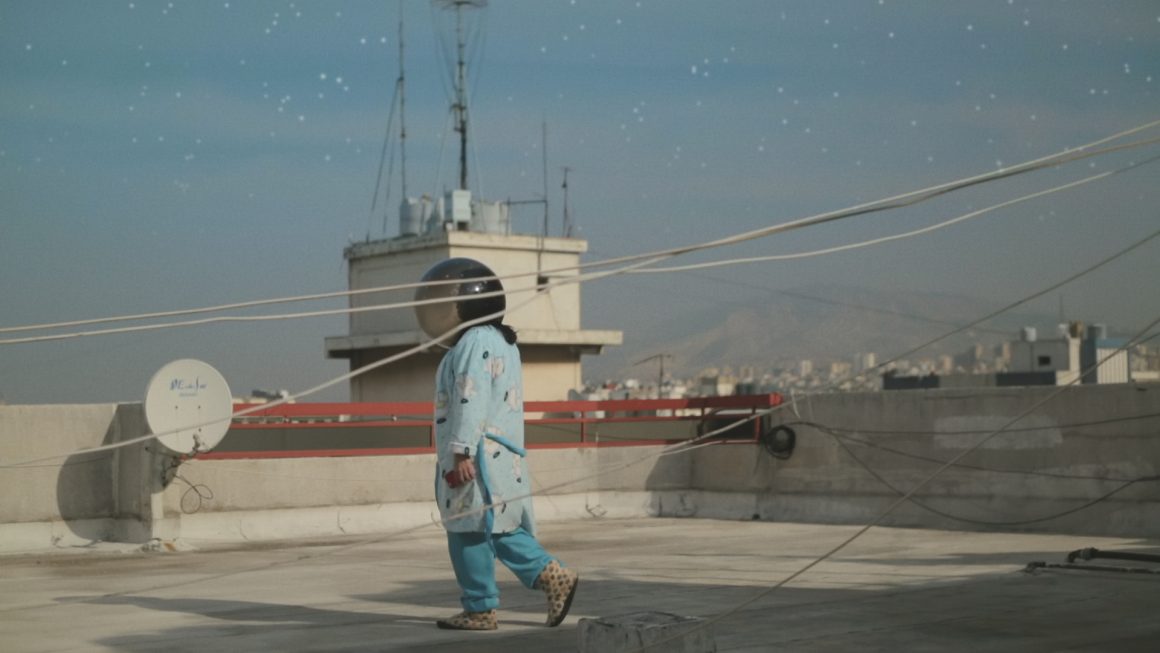
My first feature follows that same path.
It was born after the passing of my brother, may he rest in peace.
The main character isn’t exactly him or exactly me.
He’s a fusion of both of us, inspired by our experiences of growing up in Lebanon — a country that is incredibly beautiful but can also be incredibly difficult — and by what it means to leave home and build a life somewhere else.
The working title is The Last Breath of the Unluckiest Man on Earth.
It’s a title that often makes people smile because it’s so long, but somehow it has always felt right to me.
At its heart, it’s a film about grief, memory, resilience, and the strange ways we carry the people we’ve lost with us.
It’s deeply personal, but I hope it will also be universal.
Even if you’ve never been to Lebanon, everyone has experienced love, loss, or the feeling of searching for where they belong.
The biggest challenge today is simply finding the time to write and the funding to do it.
Between my commercial work, my short films, traveling to festivals, and everything that’s happening with Salma Zahore, life is wonderfully busy.
But this feature has waited for me for more than twenty years. I don’t think it’s going anywhere. I just want to give it the time and care it deserves.
Why I run Arabic dance workshops
My workshops are rooted in belly dance, but they’re also a fusion with other dance styles depending on the theme of each class. We work not only on movement, but also on stage performance, musicality, and learning how to truly listen to Arabic music. It’s about understanding the rhythm, the emotions, the lyrics, and the cultural context behind the songs.
The classes are open to all levels. Whether you’ve never danced before or you’ve been dancing for years, everyone is welcome. My goal isn’t to create perfect dancers — it’s to give people the tools to express themselves while discovering the richness of Arabic music and culture.
One of my favorite things is seeing who comes to the workshops. There are many Arabs, but also many people who aren’t Arab. Everyone learns together. For Arab participants, it’s often a way of reconnecting with a part of their culture or rediscovering songs they grew up with in a new way. For non-Arab participants, it’s an introduction to a culture they may know very little about. I love seeing those worlds meet in the same room.
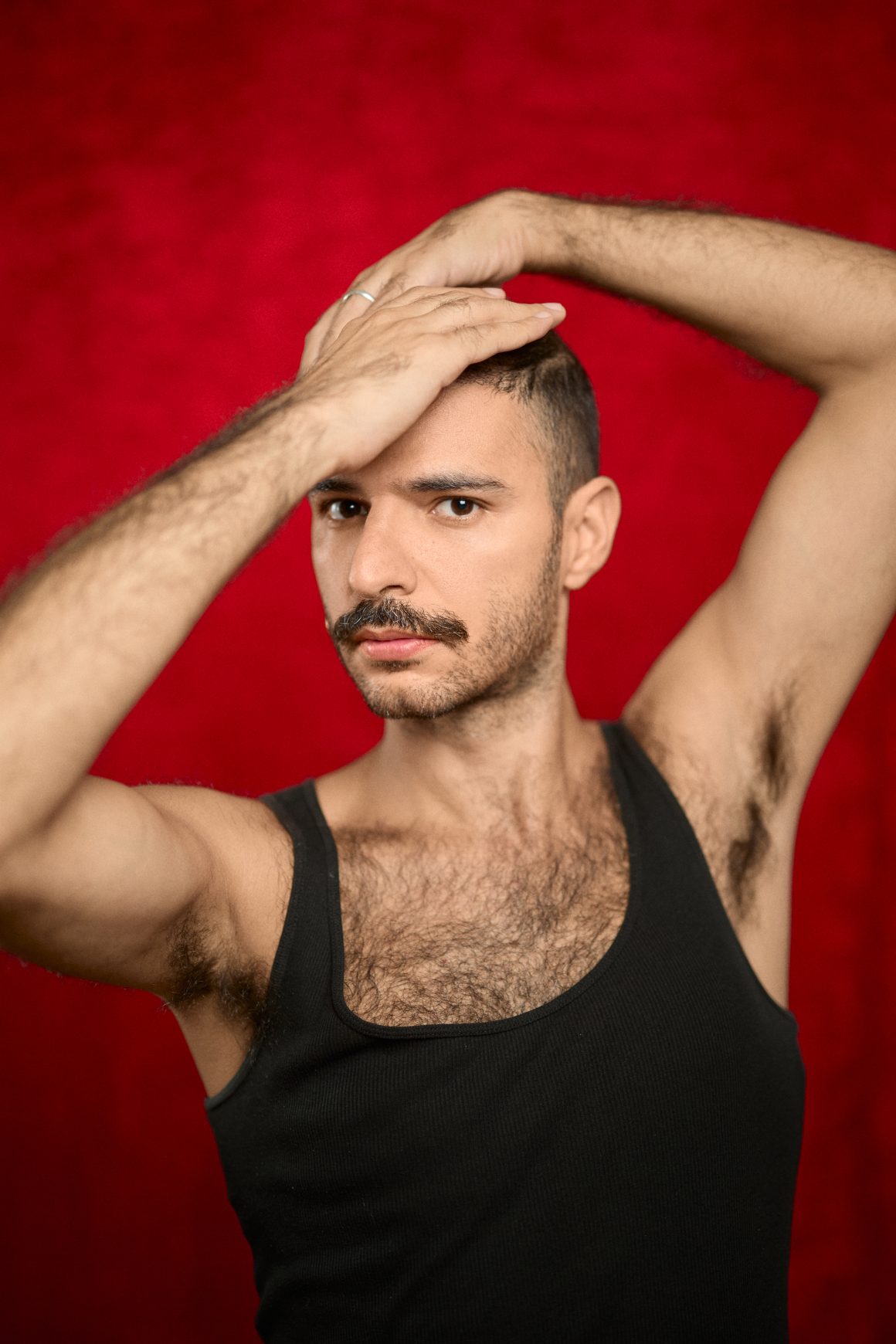
I mainly teach regular classes in Barcelona, but I also give workshops in Paris and wherever my work takes me. Whenever I’m invited to perform as Salma Zahore in a new city, I try to organize a workshop if time allows. For example, this August I’ll be teaching in Copenhagen and Munich the day before my performances there. I love that these workshops travel alongside my artistic practice.
In many ways, my workshops are an extension of my filmmaking. My films invite people to discover another culture through stories. My workshops invite them to discover it through movement.
In both cases, my goal is exactly the same: to create empathy, curiosity, and genuine human connection.
What dance offers
Dance is one of the oldest languages we have. It existed long before we had words, and it’s something every culture in the world shares.
For me, dance offers freedom. It allows us to express emotions that are sometimes impossible to put into words. Joy, grief, anger, desire, nostalgia — the body often speaks before the mind does.
As a filmmaker, I spend a lot of time observing bodies. A small gesture can tell you more than an entire page of dialogue. That’s probably why dance has become such an important part of my artistic practice.
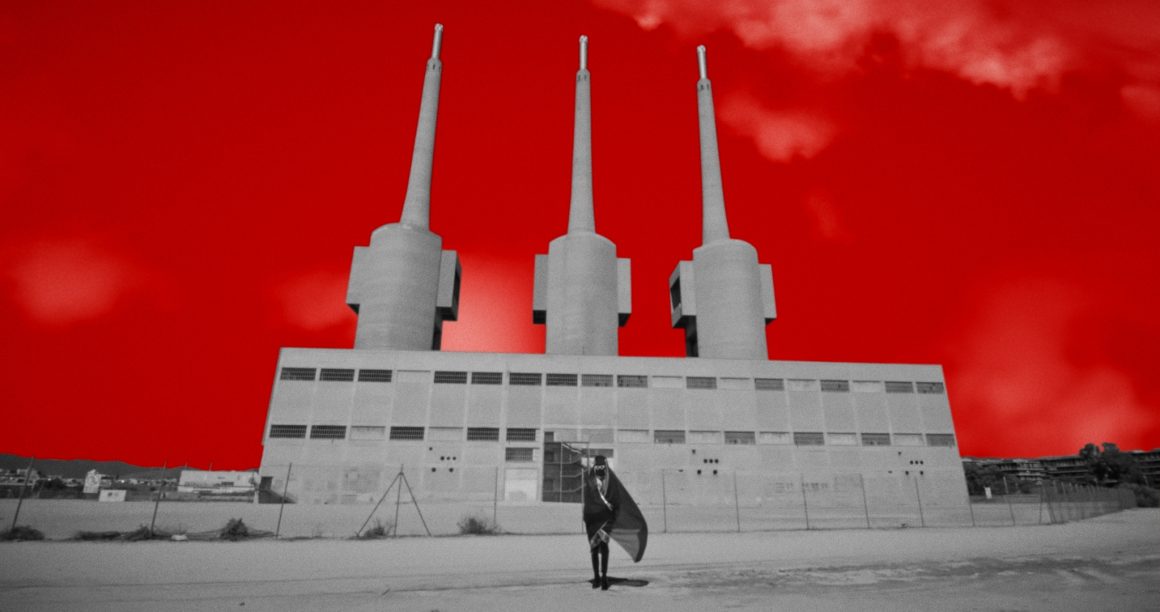
But my relationship with dance is also deeply personal.
When Salma Zahore was born, it happened almost by accident. I never imagined becoming a performer. Today, I often describe it as my second coming out, because I completely fell in love with being on stage.
Through Salma, I reconnected with a part of myself that had been asleep since childhood. When I was little, I loved belly dancing. My parents encouraged me, but society questioned them. People would ask, “How can you let your son belly dance?” Without realizing it, I learned that this part of me wasn’t something I was supposed to show.
So I buried it.
Years later, when I finally performed for the first time as Salma, I cried. I realized how much I had been carrying inside me all those years.
That’s when I realized that my body had always been political — I just hadn’t chosen it. Performing gave me the chance to reclaim that and decide what story my body would tell.
My existence as an Arab queer person was already political. So instead of hiding, I decided to use my body to dance, to create, to liberate, and to celebrate.
That’s also why, in Abjad Hawaz, I use my body to embody the Arabic alphabet. Today, Arabic is sometimes perceived as a language to fear, when in reality it’s one of the most beautiful languages in the world. It’s a language of poetry, philosophy, science, music, and centuries of culture.
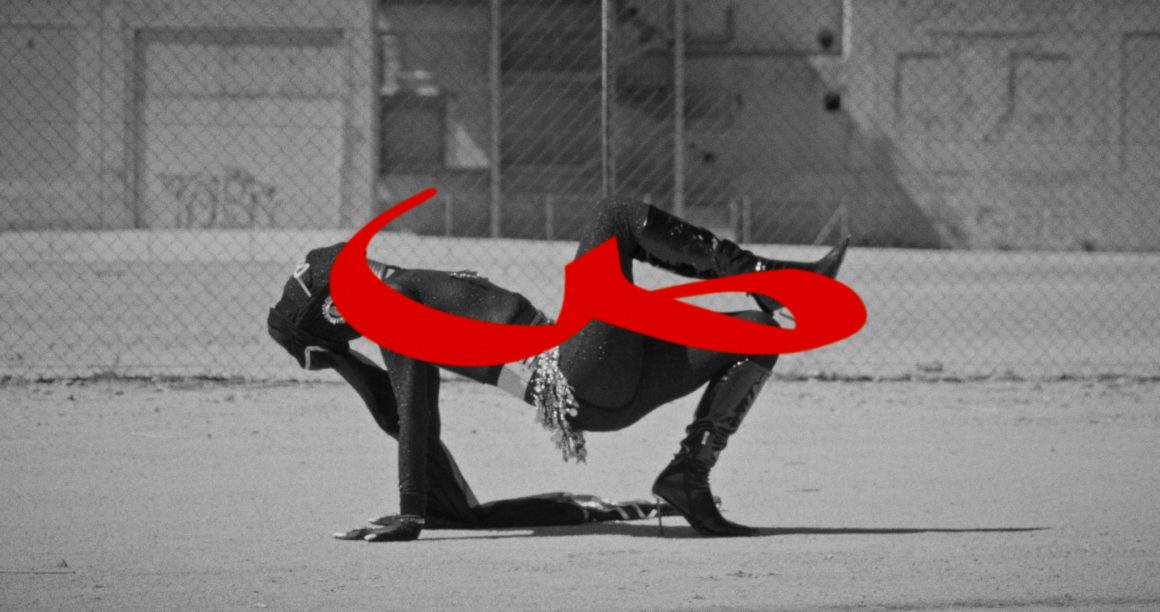
By translating each letter through movement, I wanted to invite people to look at Arabic differently — not with fear, but with curiosity and wonder.
Dance reconnects me with my culture, but it also allows me to share that culture with others in a joyful way.
And finally, dance creates community. You don’t need to speak the same language, come from the same country, or even know each other’s names. You can simply move together.
In a world that feels increasingly divided, I think that’s something incredibly precious.
Meeting Salma Zahore
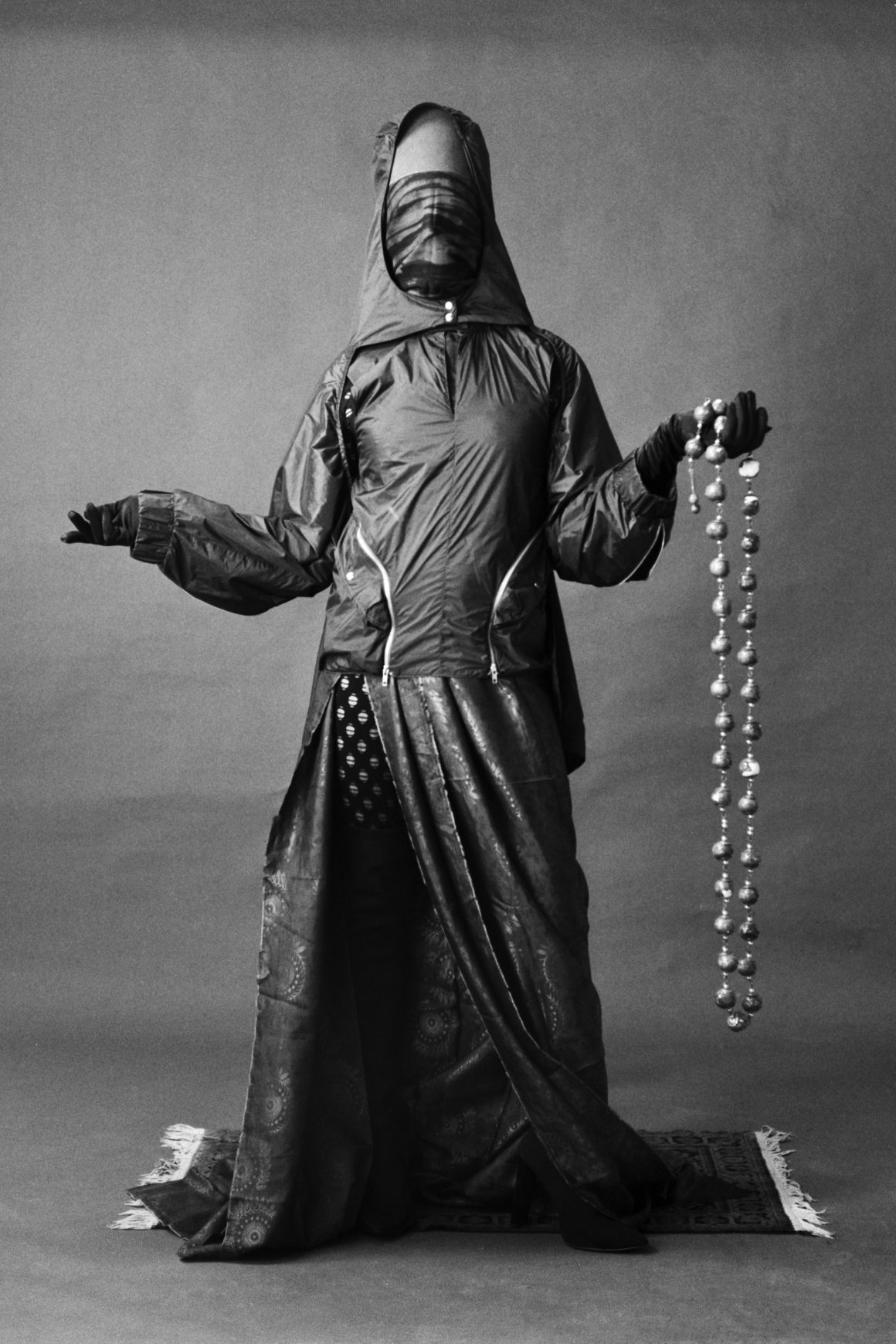
Salma Zahore is another language through which I tell stories.
People often describe her as my drag persona, and that’s true — but she’s much more than that. She’s another artistic practice, just like filmmaking or photography.
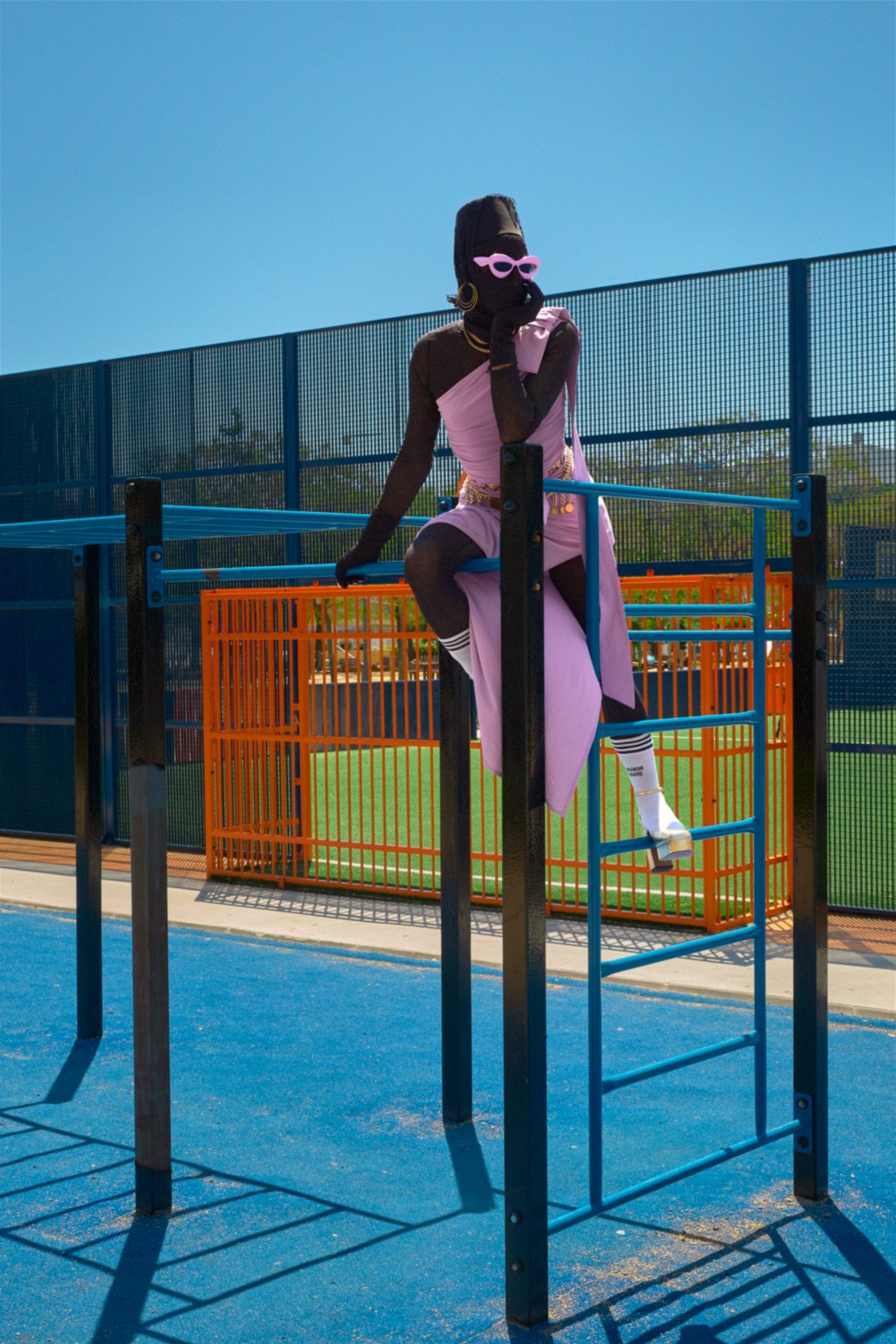
Through Salma, I can explore ideas about identity, gender, culture, joy, and belonging in a completely different way.
What’s funny is that she wasn’t planned at all. I never dreamed of becoming a drag performer. It happened almost by accident. Someone invited me to perform once, I said yes, and everything changed.
Today, I often call it my second coming out, because I discovered a part of myself that had been waiting for years.
Through Salma, I reconnected with the little boy who loved belly dancing before society told him it wasn’t something boys were supposed to do. Suddenly, everything I had hidden for years came back, not with shame, but with pride.
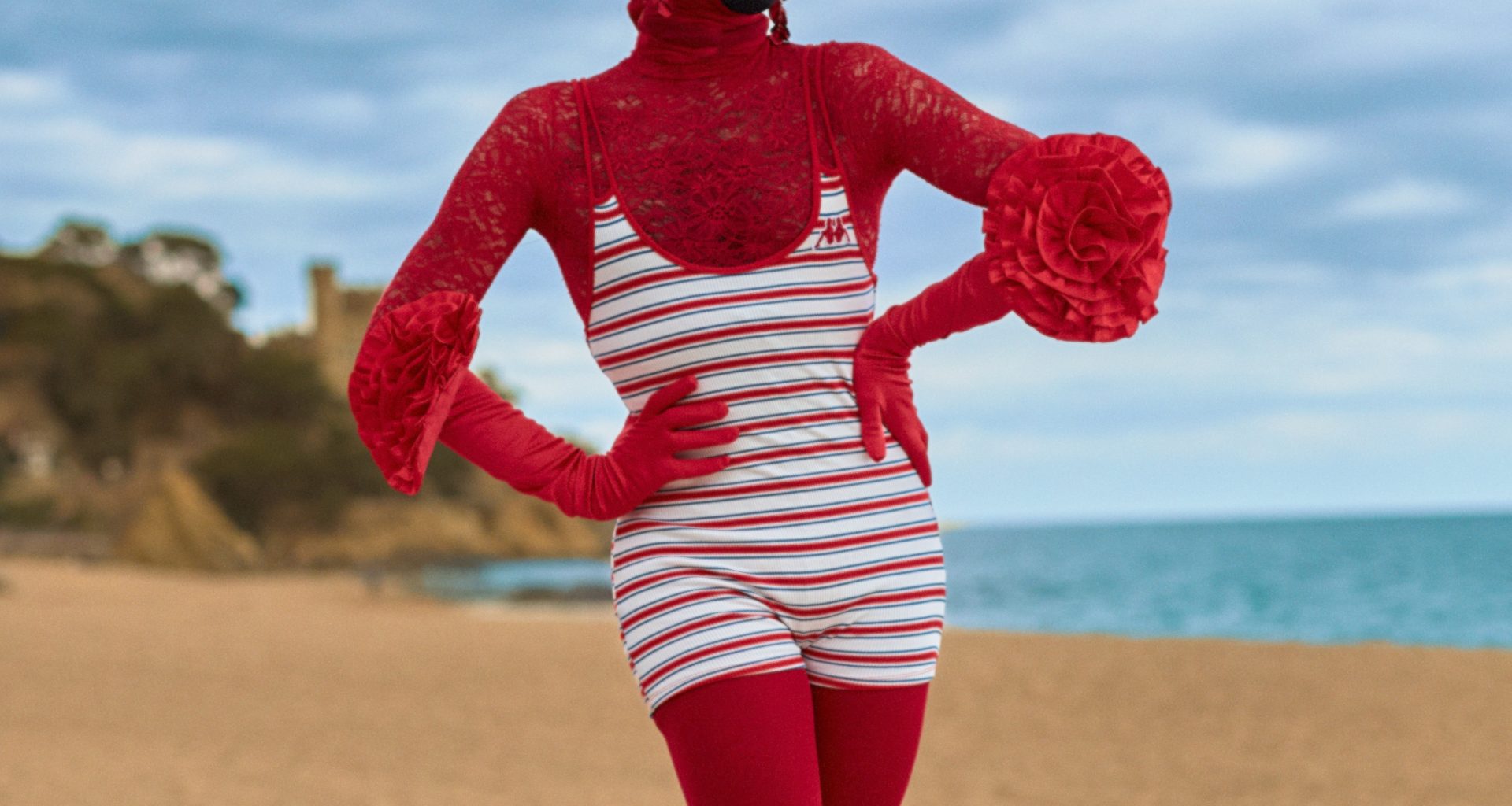
Salma is joyful, funny, nostalgic, glamorous, and sometimes completely ridiculous. She loves Arabic pop music, cinema, and making people laugh. But beneath the glitter, there’s always something deeper.
She uses humor to open conversations about identity, migration, queerness, and stereotypes.
One thing that is very important to me is that Salma doesn’t make fun of Arab culture — she celebrates it.
For a long time, I felt that Arabs in popular culture were often represented through war, terrorism, or oppression. I wanted to create a character who reminded people of something else: our music, our divas, our humor, our poetry, our beauty, our resilience, and our ability to celebrate life.
That’s why nostalgia is such a big part of what I do. Whether it’s through Melody Hits, the music of Nancy Ajram and Haifa Wehbe, the legendary performances of Sherihan, old Arabic cinema, or childhood memories, I’m inviting people to reconnect with a version of Arab culture that is full of joy, creativity, glamour, and celebration.
In the end, Salma and Hadi aren’t opposites.
They’re two different ways of telling the same stories.
Hadi invites people into reflection through cinema.
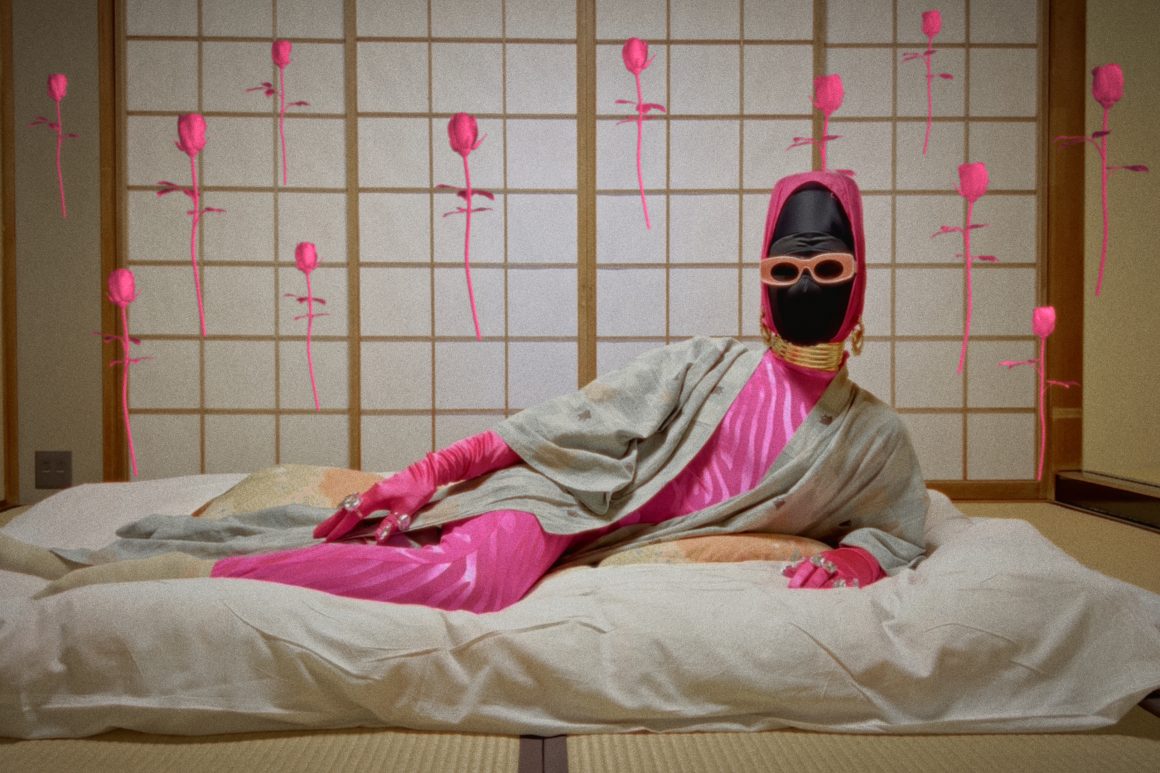
Salma invites them in through laughter, music, and dance.
But they both have exactly the same goal: to create empathy, challenge stereotypes, and bring people together.
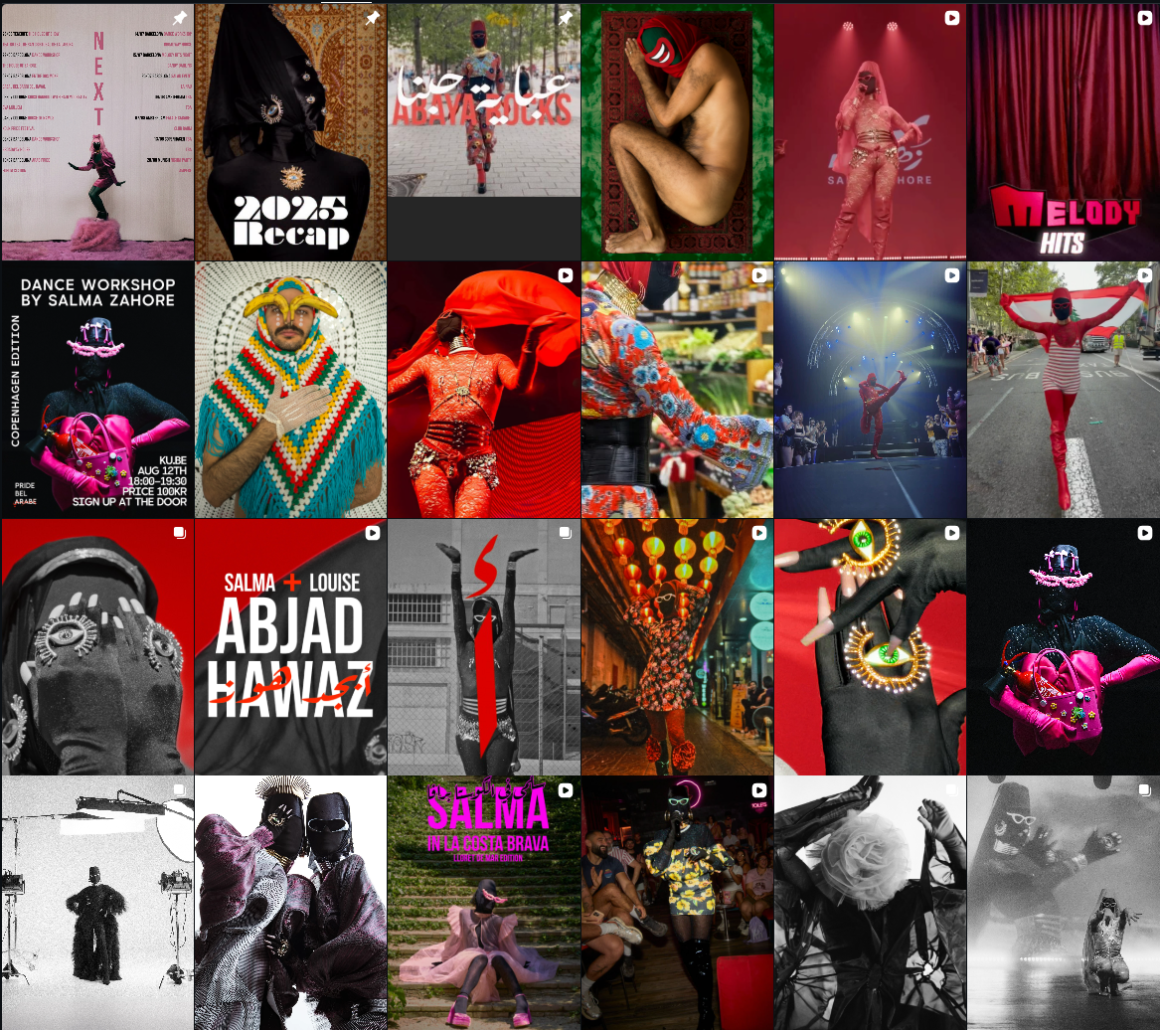
Why Salma’s face is always covered
The first answer is very simple: because Salma isn’t supposed to be just me.
I often say, “Salma is everyone, and everyone is Salma.”
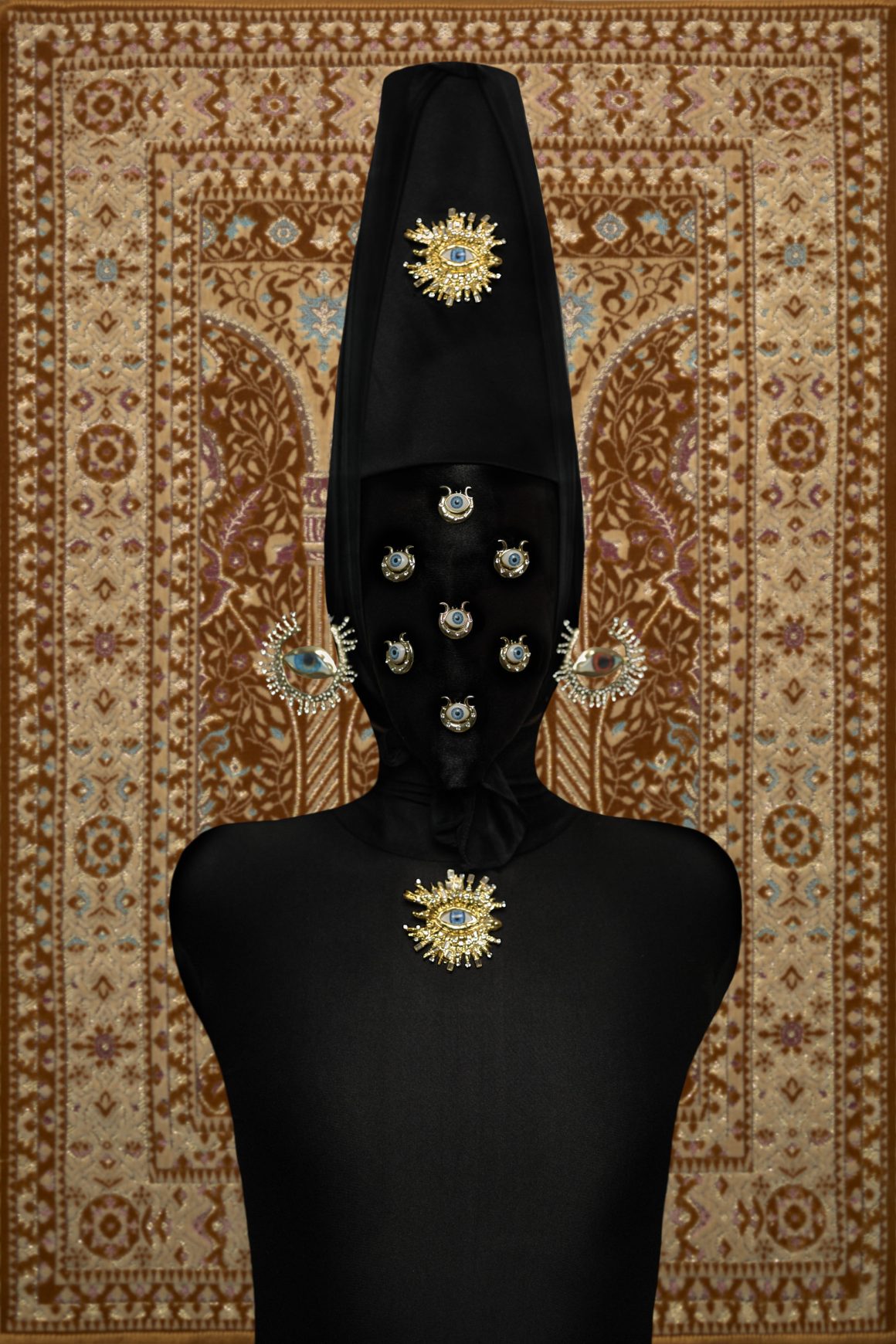
She’s what I call a queerture, a queer creature. She’s not meant to fit neatly into one category or one identity.
The moment you fully see my face, the performance risks becoming about Hadi. By covering it, Salma becomes more universal. People project their own stories, emotions, and identities onto her.
As a filmmaker, I’ve always believed that what we don’t show can be just as powerful as what we do show. I wanted to create a character that leaves space for imagination.
The covered face also creates a contradiction that fascinates me.
We’re so used to believing we understand someone by looking at their face. Salma does the opposite. She hides the face but reveals the body.
Suddenly, the audience pays attention to movement, posture, costume, rhythm, and presence instead of facial expressions.
There is also a very practical reason.
I come from a fashion background, and I’m very particular about aesthetics. I knew that if I decided to become a drag performer, I would have to learn makeup.
But I never wanted to.
I have so much respect for drag artists who spend hours creating extraordinary looks, but I knew that if I tried to do the same, I would spend months, or even years, trying to master something that didn’t excite me creatively.
So I asked myself:
What can I bring that feels different?
There are already so many incredible drag artists doing beautiful makeup and incredible lip-sync performances. I didn’t want to imitate that. I wanted to find my own artistic language.
That challenge became exciting.
If people often connect drag with facial expression and lip-sync, how do you lip-sync when no one can even see your lips?
The answer was the body.
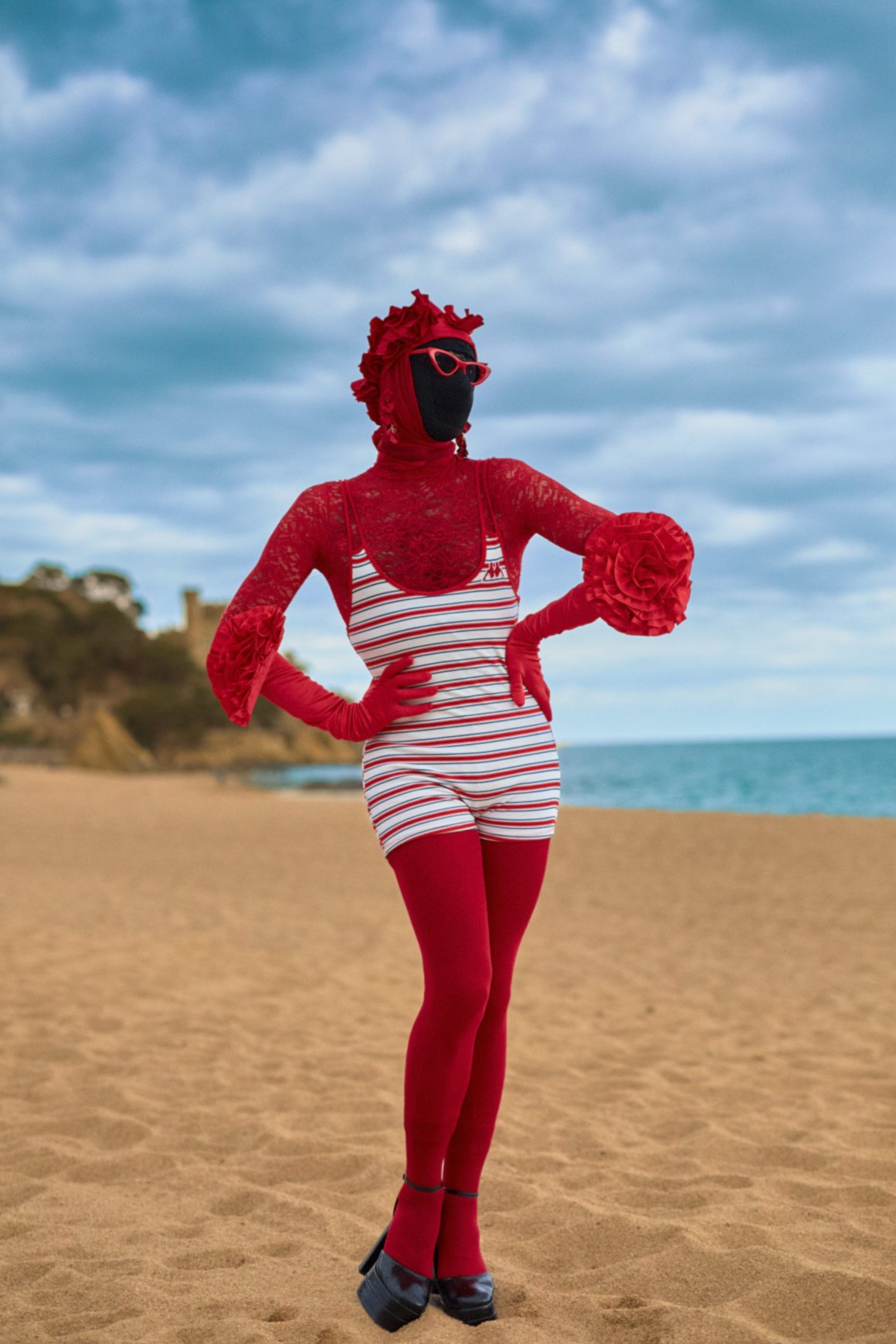
I started working much more on body language, dance, gesture, silhouette, and presence. Every movement had to become expressive enough to carry the emotion without relying on facial expressions.
As a queerture, Salma also questions the way we categorize people.
Is this masculine?
Is this feminine?
Is this a hijab, or simply a piece of fabric?
Who decides?
Why do we immediately attach meaning to clothing or bodies before we’ve even met the person wearing them?
I love creating that moment of uncertainty because it invites people to question their own assumptions.
On a personal level, the covered face also gave me freedom at first. I was discovering this new part of myself, and covering my face gave me the courage to step onto a stage.
Ironically, by hiding part of myself, I ended up revealing much more of who I really was.

Where Salma feels most at home
Salma feels at home wherever love is. I know it’s cheesy, but it’s true.
Of course, Barcelona has become her home. It’s where she was born, where she found her confidence, and where she discovered that she belonged on a stage. There’s something about the Mediterranean spirit, the diversity, and the openness that makes her feel free.
But Salma also has a passport made of glitter. She loves traveling.
One of the greatest gifts she’s given me is the opportunity to meet Arab communities all over the world. Whether I’m performing in Vancouver, Copenhagen, Amsterdam, Paris, Munich, or the Canary Islands, I always meet people who tell me, “Thank you for bringing us a little piece of home.”
Sometimes they’re Arabs who suddenly hear a song they haven’t listened to in years. Sometimes they’re people discovering Arabic music for the very first time.
What still surprises me is how many people know Salma.
Even today, when I see the community growing online or when I travel to a new city, I still can’t quite believe it. Sometimes I’m backstage, waiting to go on, and I hear people in the audience saying, “I love Salma.” They have no idea I’m standing just a few meters away.
Other times, the presenter simply says my name and the audience starts cheering before I’ve even stepped on stage.
Every single time, I get goosebumps.
I don’t think I’ll ever get used to that feeling. The amount of love, trust, and support people have given Salma is far greater than I ever imagined.
I never expected this character, who was born almost by accident, to resonate with so many people around the world.
It’s something I carry with a lot of gratitude, and also with a great sense of responsibility.
At the same time, I love when non-Arab audiences dance to Nancy Ajram, Haifa Wehbe, the legendary performances of Sherihan, or an old Arabic classic without understanding every word.
Joy doesn’t need subtitles.
I think that’s where Salma feels most at home: in rooms where people from different cultures are dancing together to the same song.
If I had to choose one place, I’d still say Barcelona, because it’s where Salma was born.
But honestly, every time the lights go down, the music starts, and people are willing to celebrate together, that becomes home.
My Barcelona: favorite places, galleries, bars and where to feel the city
Barcelona gave me something I didn’t know I was missing: balance.
I’m someone who needs to walk. One of my favorite things to do is simply wander through the city with my camera, without a destination.
I love walking through neighborhoods like Eixample, Sant Antoni, Poble-sec, or El Born. Each one has its own personality, and that’s what I love about Barcelona. You can turn a corner and suddenly discover a tiny gallery, a neighborhood café, or a conversation happening in five different languages.
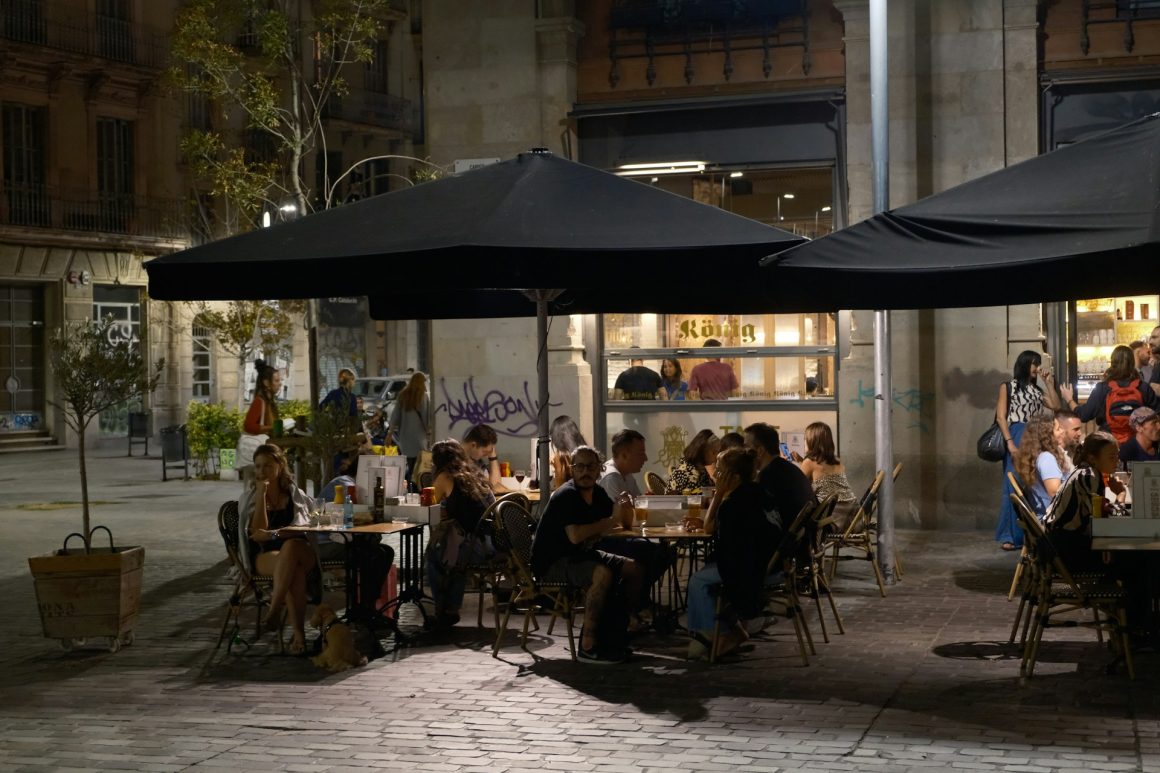
Barcelona also has this wonderful feeling that everyone somehow knows everyone.
You go out for a coffee and end up bumping into friends, artists, performers, or people you haven’t seen in months. What was supposed to be a quick walk often turns into a long conversation.
I love that sense of community. It makes the city feel intimate despite being such an international city.
What I love most is that the city is incredibly accessible and walkable. You don’t need to rush from one place to another. You can simply walk, discover a new street, stop for a coffee, meet someone, and let the city surprise you.
That slower rhythm suits me perfectly.
I also need the sea.
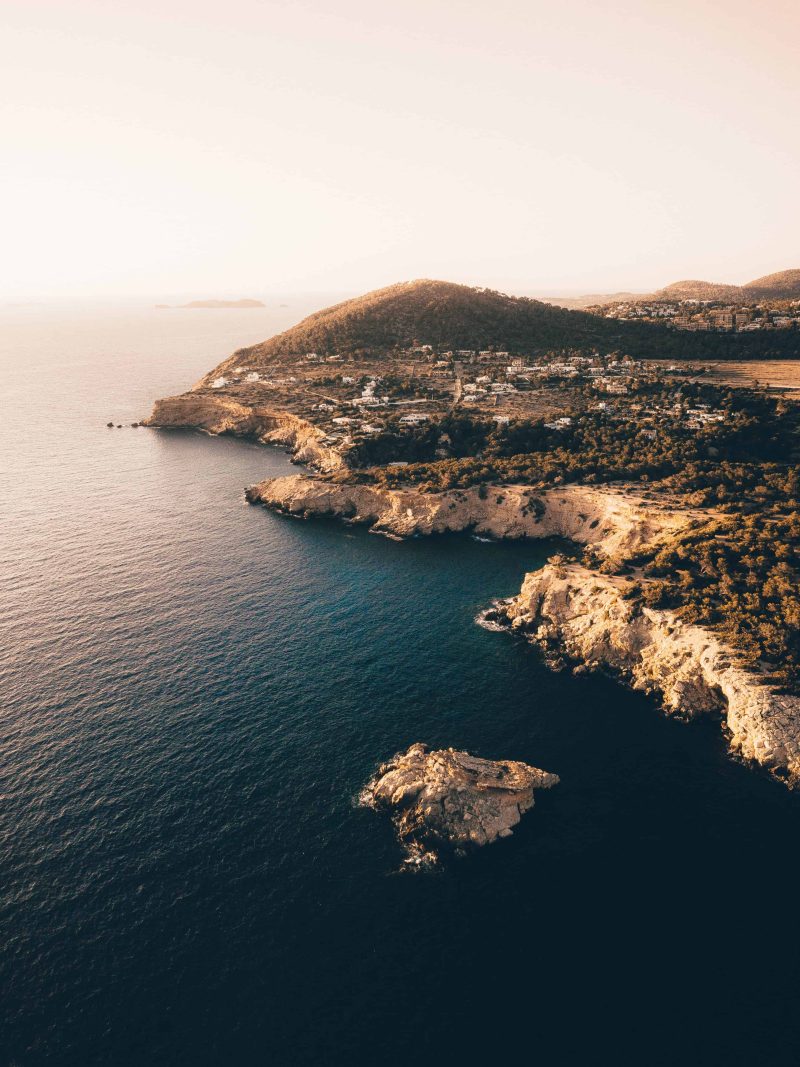
Whenever I feel overwhelmed or creatively stuck, I go for a walk by the beach. I love Sant Sebastià, Mar Bella, and Les Tres Xemeneies.
Living by the Mediterranean reminds me of Lebanon. There’s something about the light, the smell of the sea, and the slower rhythm that immediately makes me feel at home.
Food is also a huge part of my relationship with Barcelona.
As a Lebanese person, I naturally gravitate towards places that remind me of home. I love Beryti and Nun. They’re places where meals are shared, conversations last for hours, and people really take the time to be together.
That Mediterranean generosity feels very familiar to me.

Barcelona is also where Salma Zahore was born, so some places have a special emotional meaning.
Candy Darling will always have a place in my heart because it’s where I performed in drag for the very first time. Every time I walk back in, it still feels like coming home.
I also love Las Brujas, an incredible flamenco tablao, and bars like La Federica and Bardaixa, each with their own atmosphere and wonderful sense of community.
For nightlife, Apolo is probably my favorite club. It’s one of those places where very different people share the same dance floor, and that’s something I always appreciate.
When I want to discover contemporary art, I love visiting Gallery C6, and whenever I’m looking for inspiration — or simply beautiful clothes — I always enjoy wandering through TurQuesh, one of my favorite vintage shops.
If I had to recommend one thing, though, it wouldn’t actually be a place.
I’d tell people to spend a day without a plan.
Walk through Sant Antoni, Poble-sec, El Born, or simply follow your curiosity until you end up by the sea. Listen to the different languages around you, stop for a coffee, and let the city surprise you.
Because I think that’s the real spirit of Barcelona.
It’s a city that invites you to slow down, to meet people, to celebrate differences, and to remember that life isn’t only about rushing from one place to another.