
Destinations › Italy › Milan
City · Italy
Milan
Milan Travel Guide: Where to Stay, Eat, and the New Brera Scene
Your Milan guide, curated by Locals Insider
Milan, by Locals Insider
Milan is the northern Italian fashion-and-design capital that travelers consistently misread as a one-day stopover for the Duomo — actually a properly serious 3-night city break with the Brera arts district, the Quadrilatero della Moda shopping spine, the Navigli canal evenings, and Da Vinci's Last Supper at Santa Maria delle Grazie.
This guide is built for first-timers but stays useful on the third trip.
We've started with picking the right neighborhood — Brera vs Quadrilatero della Moda feels different — and worked through the hotels (the Bulgari Hotel Milano behind a private garden adjoining the Botanical Garden, the 2023 Aman Milano in the Palazzo Mellerio), the restaurants from Cracco's one Michelin star inside the Galleria Vittorio Emanuele II to D'O di Davide Oldani's two-star tasting menu, the museums (the Fondazione Prada's gold-leafed Haunted House is the most serious contemporary art space in Italy), and the unique places that earn Milan its reputation as Italy's most rewarding extended-stay city.
Famous for
Fashion (Milan Fashion Week, the Quadrilatero della Moda), design (Salone del Mobile), Da Vinci's Last Supper, La Scala opera, AC and Inter Milan, aperitivo culture, and being Italy's most international city.
Did you know?
Milan invented the aperitivo at the Camparino bar in 1867 — Davide Campari, whose father had just invented Campari, used the now-famous Galleria Vittorio Emanuele II bar to popularise the pre-dinner bitter drink.
Ask a local’s list
Stories · updated as we publish
Latest from Milan
All 5 stories
Recommended in our stories
Milan places our authors recommend
Shop
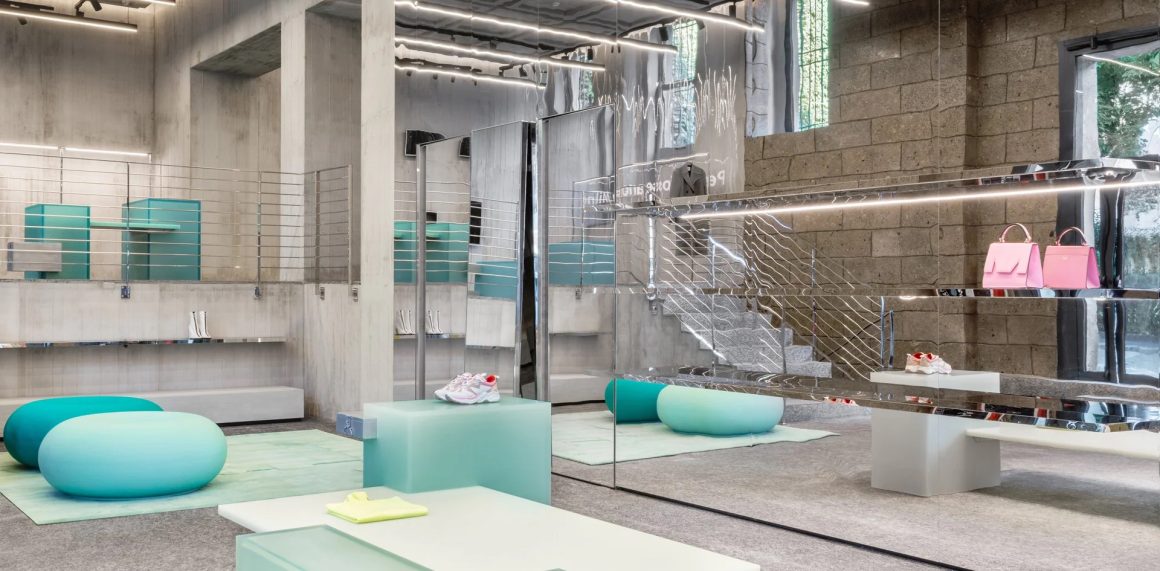
Via Broletto &, Via del Lauro, 20121 Milano MI, Italy
In a country whose fashion industry is dominated by huge brands like Gucci, Ferragamo, and D&G, young and independent brands remain ever so slightly elusive.
Open in Google Maps ↗In Nick Nomi’s story · Ethics Aesthetics: Our Favorite Independent Design Shops & Fashion Boutiques
Hotel
Via Alessandro Manzoni 31
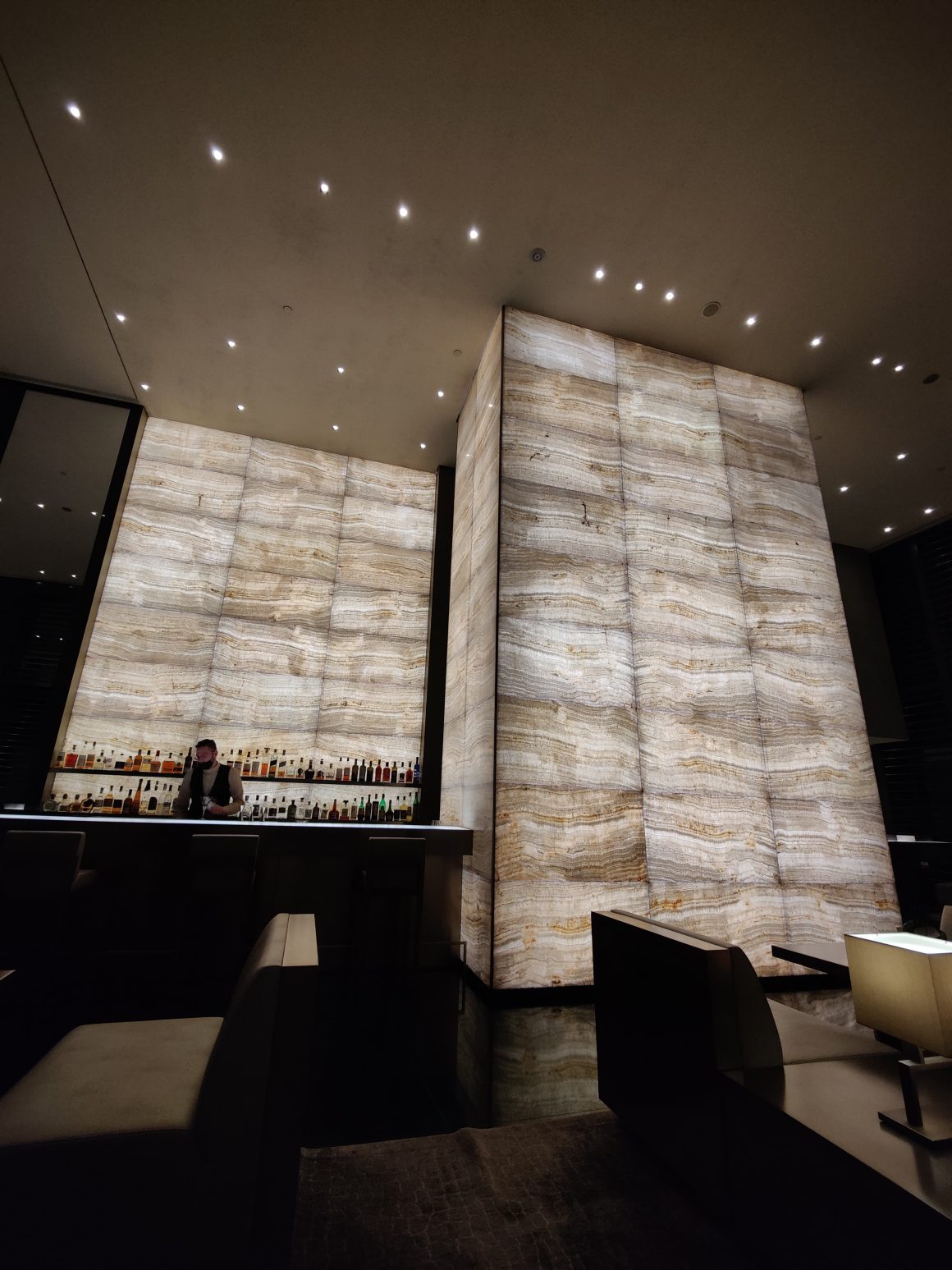
Why You’ll Love It: Staying at the Armani Hotel feels like being wrapped in pure style even though the basic rooms are very small (I can't say that about the…
Open in Google Maps ↗In Alex Copenguy’s story · 6 Boutique Hotels in Milan You’ll Love: Perfect for a Short Chic City Stay

Hotel
Via Privata Fratelli Gabba 7b
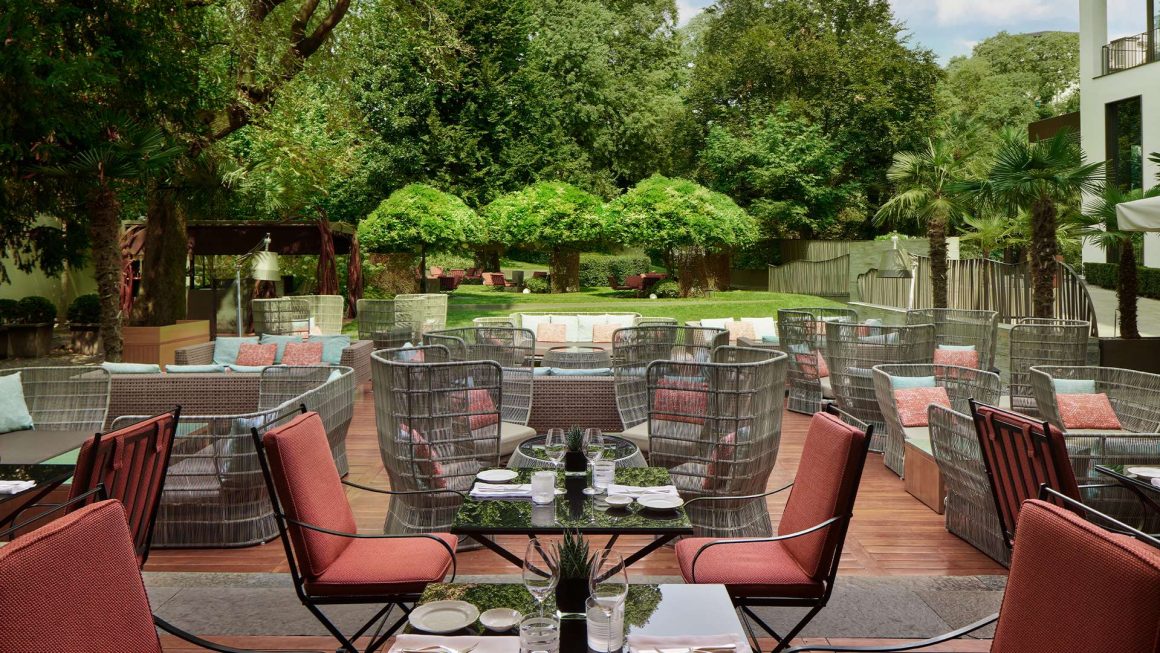
Insider Note: "The hotel's private garden is a hidden gem—a perfect spot to unwind after a day of exploring Milan."
Open in Google Maps ↗In Alex Copenguy’s story · 6 Boutique Hotels in Milan You’ll Love: Perfect for a Short Chic City Stay
Hotel
Via Privata Fratelli Gabba 7b
"The hotel's private garden is a hidden gem—a perfect spot to unwind after a day of exploring Milan."
Open in Google Maps ↗In Alex Copenguy’s story · 6 Boutique Hotels in Milan You’ll Love: Perfect for a Short Chic City Stay
The Milan guide
Where to stay, eat and drink in Milan
Picked by Locals Insider. Every address checked against the venue or Google.
Bulgari Hotel Milano
Luxury · Brera
€1,200-5,500
In the Brera district behind a private garden adjoining the Botanical Garden. 58 rooms, the Bulgari Spa pool. Antonio Citterio's design.
Among Milan's most exclusive addresses; the original Bulgari Hotel.
Via Privata Fratelli Gabba 7B, 20121 MilanoWebsite ↗
Mandarin Oriental Milan
Luxury · Quadrilatero
€800-3,500
Four 18th-century buildings on Via Andegari, near La Scala — opened 2015 after Antonio Citterio restored the connecting courtyards. 104 rooms. The Seta restaurant has two Michelin stars.
Via Andegari 9, 20121 MilanoWebsite ↗
Aman Milano
New 2026 · Centro
€1,500-6,000
In the 18th-century Palazzo Mellerio with a Jean-Michel Wilmotte design — opened 2023. 73 rooms, the largest hotel garden in central Milan, the Aman Spa. Most refined newer luxury opening in Italy.
Via Privata della Moscova 28, 20121 MilanoWebsite ↗
Hotel Principe di Savoia, Dorchester Collection
Luxury · Centro
€600-2,500
1927 grande dame on Piazza della Repubblica — where Maria Callas, Liza Minnelli, the Kennedys stayed. The Acanto restaurant, the Club 10 wellness center on the rooftop. Old-world Milan luxury.
Piazza della Repubblica 17, 20124 MilanoWebsite ↗
Four Seasons Hotel Milano
Luxury · Quadrilatero
€800-3,500
A converted 15th-century monastery — the cloister courtyard is the city's most photographed hotel feature. La Veranda restaurant, the spa. Among the most central luxury hotels in Milan.
Via Gesù 6/8, 20121 MilanoWebsite ↗
Park Hyatt Milan
Luxury · Duomo
€600-2,200
Beside the Galleria Vittorio Emanuele II — converted 19th-century banking building. The Mio restaurant terrace overlooks Piazza Duomo. Among the most central luxury hotels in Italy.
Via Tommaso Grossi 1, 20121 MilanoWebsite ↗
Hotel Cavour
Boutique · Brera
€220-450
Family-run 4-star in Brera — properly Milanese, comfortable, fair price for the central walkable location. Best mid-budget central Brera option.
Via Fatebenefratelli 21, 20121 MilanoWebsite ↗
Room Mate Giulia
Design · Duomo
€200-450
Patricia Urquiola-designed boutique behind the Galleria Vittorio Emanuele II. Properly stylish, central, well-priced for the design quality.
Via Silvio Pellico 4, 20121 MilanoWebsite ↗
Hotel VIU Milan
Design · Porta Volta
€250-550
Contemporary design hotel with rooftop pool overlooking the Bosco Verticale towers — best newer design hotel in the Porta Nuova / Porta Volta area.
Via Aristotile Fioravanti 6, 20154 MilanoWebsite ↗
Combo Milano
Aparthotel · Porta Romana
€80-220
Hostel-design-aparthotel hybrid on the Navigli — private rooms, dorms, a beautiful common area. Best value design accommodation in central Milan.
Ripa di Porta Ticinese 83, 20143 MilanoWebsite ↗
Cracco
Michelin · Centro
★€220-280 tasting menu
One Michelin star. Chef Carlo Cracco's modernist Italian in the Galleria Vittorio Emanuele II — one of Italy's most famous chefs in one of its most iconic locations. The risotto allo zafferano (saffron risotto) is the signature.
Galleria Vittorio Emanuele II, 20121 MilanoWebsite ↗
D'O di Davide Oldani
Michelin · Cornaredo
★★€110-150 tasting menu
Two Michelin stars. Davide Oldani's 'Cucina Pop' tasting menu — democratic high-end cuisine, the most accessible 2-star menu in Italy. In Cornaredo (15 minutes from Milan by car).
The seasonal vegetable plates are legendary.
Via Magenta 18, 20010 Cornaredo MIWebsite ↗
Trippa
Modern trattoria · Porta Romana
€50-85 per person
Chef Diego Rossi's contemporary trattoria — focused on offal and traditional Italian cuts, deeply seasonal. World's 50 Best Restaurants Discovery Series. Reservations weeks ahead.
Via Giorgio Vasari 1, 20135 MilanoWebsite ↗
Ratanà
Modern Milanese · Porta Nuova
€60-100 per person
Chef Cesare Battisti's modern Milanese — the most refined version of Milanese classics (risotto, ossobuco, cotoletta). Bib Gourmand. In the Porta Nuova garden district.
Via Gaetano de Castillia 28, 20124 MilanoWebsite ↗
Da Giacomo
Traditional · Porta Venezia
€70-130 per person
The Milanese fashion crowd's traditional dinner spot — Tuscan-influenced fish, the wood-paneled dining rooms haven't changed in decades. Where Giorgio Armani actually eats.
Via Pasquale Sottocorno 6, 20129 MilanoWebsite ↗
Latteria San Marco
Traditional trattoria · Brera
€55-90 per person
Sister-run Brera trattoria — properly Milanese cooking, no menu changes since 1970s. Cash only, no reservations, queue from 7pm. Among the most loved Milan dinner institutions.
Via San Marco 24, 20121 Milano
Tokuyoshi
Michelin · Centro
★€150-220 tasting menu
One Michelin star. Chef Yoji Tokuyoshi's 'Contaminated Italian Cuisine' — Japanese precision applied to Italian ingredients. The most refined intercultural tasting menu in Milan.
Via S. Calocero 3, 20123 MilanoWebsite ↗
Pasticceria Marchesi 1824
Pasticceria · Quadrilatero
The 1824 pasticceria — now owned by Prada. The Galleria Vittorio Emanuele II location is the most spectacular (you sit in the Galleria itself). Espresso and the marchesi pastries are the classic.
Via Santa Maria alla Porta 11A, 20123 MilanoWebsite ↗
Camparino in Galleria
Historic bar · Centro
Inside the Galleria, opened 1867 — where the aperitivo was invented. Sit outside in the gallery, order a Campari, watch Milan's most famous architectural space. Renovated 2019 by Studio Urquiola.
Galleria Vittorio Emanuele II 2, 20121 MilanoWebsite ↗
Pavé
Bakery café · Porta Venezia
Modern Italian bakery — properly leavened breads, croissants, pastries. The Milan version of the Australian-influenced café concept. Multiple locations.
Via Felice Casati 27, 20124 MilanoWebsite ↗
Cova Montenapoleone
Historic pasticceria · Quadrilatero
Open since 1817 — Milan's oldest pasticceria. Owned by LVMH now. The panettone (Christmas, but available year-round in some form) is the most authentic in Milan.
Via Montenapoleone 8, 20121 MilanoWebsite ↗
Princi
Bakery · Multiple
The bakery that defined modern Milan breakfast — Rocco Princi's design-led bakery-café concept (later licensed to Starbucks Reserve). Wood-fired ovens visible from the dining area. Multiple locations.
Multiple locations across MilanWebsite ↗
Bar Basso
Classic cocktail · Porta Venezia
Open since 1947 — invented the Negroni Sbagliato (the 'mistaken Negroni' with prosecco instead of gin) by accident in 1972. The most internationally important Milan bar. Standing-room only, properly local.
Via Plinio 39, 20129 MilanoWebsite ↗
Bulgari Hotel Bar
Hotel cocktail · Brera
Inside the Bulgari Hotel — Antonio Citterio's design, the private garden setting. Where Milan's fashion industry actually drinks. Reservations help.
Via Privata Fratelli Gabba 7B, 20121 MilanoWebsite ↗
1930
Speakeasy · Porta Genova
Milan's most internationally celebrated speakeasy — World's 50 Best Bars regular. No address listed; you get the password through their social media. The bartenders are obsessive about technique.
Anonymous location (you need a password)
Mag Café
Aperitivo · Navigli
Vintage Navigli cocktail bar — old maps on the walls, properly Milan. Among Navigli's most respected drinking spots for the actually serious.
Ripa di Porta Ticinese 43, 20143 Milano
Ceresio 7 Pools & Restaurant
Rooftop · Porta Nuova
Dsquared2 founders' rooftop — two pools, an open kitchen, the Bosco Verticale framed across the way. Fashion-industry-favorite summer terrace.
Via Ceresio 7, 20154 MilanoWebsite ↗
Terrazza Aperol
Aperitivo · Duomo
Inside the Galleria with terrace overlooking Piazza Duomo — touristy, branded, but the view is spectacular. The Aperol Spritz at the source.
Galleria Vittorio Emanuele II, 20121 MilanoWebsite ↗
Fondazione Prada
Contemporary art
Rem Koolhaas's compound — converted distillery buildings plus the gold-leafed 'Haunted House.' The most serious contemporary art space in Italy. The Bar Luce (designed by Wes Anderson) is the photography moment.
Largo Isarco 2, 20139 MilanoWebsite ↗
Pinacoteca di Brera
Old Masters
One of Italy's greatest art galleries — Caravaggio's Supper at Emmaus, Mantegna's Dead Christ (the foreshortening masterpiece), Raphael's Marriage of the Virgin. In a former Jesuit college. Plan three hours.
Via Brera 28, 20121 MilanoWebsite ↗
Museo del Novecento
20th-century Italian
Italy's 20th-century art collection on Piazza Duomo — Boccioni, Morandi, the Italian Futurists. The spiral ramp interior. The top-floor restaurant view of the Duomo is the bonus.
Piazza del Duomo 8, 20123 MilanoWebsite ↗
Triennale Milano
Design
Italy's design museum — the Italian Design Museum on the ground floor, plus major rotating exhibitions. In Parco Sempione. The Triennale is one of the most respected design institutions globally.
Viale Emilio Alemagna 6, 20121 MilanoWebsite ↗
Museo Poldi Pezzoli
Private collection
A 19th-century private collection in Gian Giacomo Poldi Pezzoli's family palace — Botticelli, Mantegna, Piero della Francesca, plus armor, ceramics, and weaponry. Far less crowded than the major galleries.
Via Alessandro Manzoni 12, 20121 MilanoWebsite ↗
Gallerie d'Italia, Piazza Scala
Italian art
Intesa Sanpaolo's bank-collection museum opposite La Scala — Italian art from the 19th to 21st centuries. Across three connected palaces. Free temporary exhibitions; permanent collection ticketed.
Piazza della Scala 6, 20121 MilanoWebsite ↗
Duomo di Milano
Cathedral · Centro
The world's largest Gothic cathedral (1386-1965, 579 years to complete). 135 spires, 3,400 statues. Take the lift or stairs to the rooftop — walk among the marble spires with the Italian Alps in the distance on clear days.
Piazza del Duomo, 20122 MilanoWebsite ↗
Galleria Vittorio Emanuele II
Historic gallery · Centro
The world's oldest still-operating shopping mall (1877) — iron and glass roof, marble floors, the high-end flagships (Prada, Versace, LVMH). Spin on the heel of the bull mosaic for good luck (tradition).
Piazza del Duomo, 20121 Milano
Da Vinci's The Last Supper
UNESCO mural · Magenta
Leonardo's 1495-98 fresco on the refectory wall of Santa Maria delle Grazie. 25 people every 15 minutes only — tickets sold out 3+ months ahead. Book the very second the calendar opens (release dates monthly).
Piazza di Santa Maria delle Grazie, 20123 MilanoWebsite ↗
Castello Sforzesco
Castle / museums · Centro
15th-century Sforza family castle — Michelangelo's last sculpture (the Rondanini Pietà) is here. Multiple small museums inside. The park behind (Parco Sempione) is the city's green lung.
Piazza Castello, 20121 MilanoWebsite ↗
Bosco Verticale (Vertical Forest)
Modern architecture · Porta Nuova
Stefano Boeri's residential towers covered in 900 trees and 20,000 plants — completed 2014. The most-photographed modern building in Italy. You can't go inside (residential); the best view is from the surrounding plaza.
Via Gaetano de Castillia 11, 20124 Milano
Naviglio Grande Sunday antiques market
Antiques market · Navigli
Last Sunday of every month — 380 stalls along the Naviglio Grande canal. The biggest antiques market in northern Italy. Vintage furniture, Italian design, jewelry.
Among Milan's local highlights.
Naviglio Grande, Milano
Cimitero Monumentale
Cemetery · Garibaldi
Milan's monumental cemetery (1866) — an open-air sculpture museum. The most spectacular tombs by Italy's leading 19th-20th century sculptors. Free entry; closed Mondays.
Piazzale Cimitero Monumentale, 20154 Milano
Parco Sempione
Park
The 47-hectare park behind Castello Sforzesco — the Arco della Pace at the far end, the Triennale design museum at the edge, and the Torre Branca observation tower. Milan's central green space.
Piazza Sempione, 20154 Milano
Giardini Pubblici Indro Montanelli
Park
Milan's oldest public park (1784) — between Porta Venezia and Brera. The Natural History Museum, the Planetarium. Where local families spend Sundays.
Corso Venezia, 20121 Milano
Lake Como day trip
Lake
An hour by train to Como or Varenna — the most famous of the Italian Lakes. Day trips work via the public ferry service between Bellagio, Varenna, and Menaggio. Half-day from Milan minimum.
Lake Como, Lombardy
Idroscalo
Lake / park
Milan's 'sea' — a 2.5km artificial lake just east of the city (originally built for seaplanes in 1930). Beaches, water sports, summer swimming. Where locals spend hot summer Sundays.
Metro M3 to San Donato then bus.
Idroscalo, 20090 Segrate MI
Lake Maggiore + Isole Borromee day trip
Lake + island palaces
70 minutes by train to Stresa, then ferry to the Borromean Islands — Isola Bella's Baroque palace and terraced gardens are the prize. Full day from Milan.
Lake Maggiore, Stresa
Neighborhoods
Milan neighborhoods: where to base yourself
Brera
The Stylish Milan
Milan's most charming central district — cobbled streets, art galleries, the Pinacoteca di Brera at the heart, the Botanical Garden hidden behind walls. Walkable, atmospheric, residential-feeling.
Best for First-timers, design lovers, couples
Feels like The most beautiful version of Milan
Quadrilatero della Moda
The Fashion Milan
Via Montenapoleone, Via della Spiga — the world's most exclusive shopping streets. Flagship stores from every major Italian fashion house, plus the city's most expensive hotels.
Best for Shoppers, fashion lovers, luxury seekers
Feels like Fashion's global capital, made walkable
Navigli
The Vibrant Milan
Milan's canal district — designed by Leonardo da Vinci, restored 2015 for Expo. Bars and restaurants along the towpaths, the Sunday antiques market on the Naviglio Grande. The city's main aperitivo neighborhood.
Best for Younger travelers, nightlife seekers, food explorers
Feels like Amsterdam-meets-Milan
Porta Nuova / Isola
The Modern Milan
Milan's contemporary architectural showcase — Bosco Verticale (the vertical forest towers), the new Porta Nuova business district, the Isola creative neighborhood. The Milan of the future.
Best for Design lovers, architecture enthusiasts, second-time visitors
Feels like What Italy looks like in 2026
Porta Venezia
The Diverse Milan
Liberty (Italian Art Nouveau) architecture, the Indro Montanelli park, the LGBTQ+ heart of the city — also the Eritrean neighborhood. Quietly cosmopolitan.
Best for LGBTQ+ travelers, design lovers, anyone wanting diverse Milan
Feels like Milan's most inclusive corner
Centro Storico (Duomo area)
The Iconic Milan
The Duomo, the Galleria Vittorio Emanuele II (the world's oldest shopping mall, 1877), the Teatro alla Scala. The city's symbolic center.
Best for First-timers, families, anyone wanting iconic landmarks
Feels like The heart of Milan
Editor’s picks
Six things to do in Milan
Bulgari Hotel Milano
In the Brera district behind a private garden adjoining the Botanical Garden.Mandarin Oriental Milan
Four 18th-century buildings on Via Andegari, near La Scala.Cracco
One Michelin star; chef Carlo Cracco's modernist Italian in the Galleria Vittorio Emanuele II.D'O di Davide Oldani
Two Michelin stars; Oldani's "Cucina Pop" tasting menu in Cornaredo.Fondazione Prada
Rem Koolhaas's compound with a gold-leafed *Haunted House*; the most serious contemporary art space in Italy.Pinacoteca di Brera
Old masters including Caravaggio's *Supper at Emmaus* and Mantegna's *Dead Christ*.
Through the year
Milan festivals and what’s on
January
Sant'Ambrogio (December 7)
Milan's patron-saint day — opening night of the La Scala opera season is on this evening. The most prestigious cultural event in Italy. Tickets are hard to come by — but the Oh Bej!
Oh Bej! Christmas market in the Castello Sforzesco area is open to all.
April
Salone del Mobile
The world's most important design week — one week in April. The whole city becomes a showcase: showrooms, palaces, courtyards open up. Hotels triple in price; book 6+ months ahead.
February + September
Milan Fashion Week
Twice a year — February (autumn/winter) and September (spring/summer). One week each, the fashion industry takes over central Milan. Front rows are private; the parties spill into the streets.
April-October
Milano Outdoor (city-wide cultural program)
Open-air concerts, theater, exhibitions across multiple Milan parks and piazzas. The Triennale, the Fondazione Prada, the Pirelli HangarBicocca all program summer outdoor events.
May
Festa del Naviglio
First weekend of June (sometimes late May) — the Navigli area festival with food stalls, music, the canals at their most festive. Properly local.
Good to know
Milan at a glance
Population1.4M (metro 3.2M)
Time zoneCET (UTC+1)
Safety 8/10
Generally safe by global standards. Pickpocketing in Centro/Duomo and on the metro is the main risk. Scams (the 'free bracelet' scam) around Duomo.
Train station areas need normal alertness.
LGBTQ+ friendly 7.6/10
Italy recognises civil unions (2016) but not same-sex marriage. Milan is the most LGBTQ+-friendly Italian city — Porta Venezia is the gay heart. Milan Pride Week in late June.
Questions
Milan FAQ
Where do locals eat in Milan?
Three picks across the spectrum of how Milanesi actually eat.
For the modern Milanese-trattoria reference: Trippa, at Via Giorgio Vasari 1, 20135 Milano. Chef Diego Rossi's nose-to-tail trattoria opened in 2015 — already an institution, on the World's 50 Best Discovery list multiple years. Offal-forward Italian cooking with serious natural-wine list.
Reservations open 1 month ahead; disappear quickly.
For the iconic Milanese institution: Ratanà, at Via Gaetano de Castillia 28, 20124 Milano.
Chef Cesare Battisti's modern Milanese restaurant inside a 19th-century railway station building in Porta Nuova — properly serious risotto alla milanese with osso buco, cotoletta, and the seasonal Milanese vegetable pairings. Reservations recommended.
For the affordable, locals' lunch standard: Luini Panzerotti, at Via Santa Radegonda 16, 20121 Milano. The 1888 family-run panzerotti shop behind the Duomo — fried dough pockets stuffed with mozzarella and tomato, eaten standing in the street. Around €3 per panzerotto, queue is fast-moving.
The original Milanese street-food experience.
Where can I get the best seafood with champagne or sparkling wine in Milan?
For Milan seafood with serious Franciacorta (Italy's reference sparkling wine, made in Lombardy just an hour east of Milan), the institution is Langosteria, with the original flagship at Via Savona 10, 20144 Milano in Tortona.
Enrico Buonocore's seafood-focused restaurant — daily fresh fish and shellfish from the Tyrrhenian and Adriatic coasts, the iconic lobster Catalana, raw bar plates, and a Franciacorta and Champagne list that runs to several pages.
Multiple Milan locations now (Bistrot in Brera, Café in Galleria, the Cucina at Tortona) but the original Savona is the proper destination. Bellavista, Ca' del Bosco, and Berlucchi are the Franciacorta references; ask the sommelier.
Reservations essential — among the hardest tables to book in Milan. For a more walk-in friendly raw bar, Crispi 7 at Via Francesco Crispi 7, 20121 Milano in Brera is the contemporary alternative.
Which historical boutique hotel should I stay at in Milan?
For an old-world historical stay in Milan, the reference is Grand Hotel et de Milan, at Via Manzoni 29, 20121 Milano, two minutes' walk from La Scala.
Opened in 1863 — Giuseppe Verdi lived in Suite 105 for the last 27 years of his life and died here in January 1901 (the suite is preserved and bookable). Maria Callas, Ernest Hemingway, Caruso, and most international opera stars performing at La Scala have stayed.
95 rooms, with the original Belle Époque public spaces (the Liberty-style Don Carlos restaurant, the Caruso bar) entirely preserved. Quieter than the Four Seasons Milan; more historically layered than the Bulgari.
Pricing from around €650/night. Bookings via the official site. For a smaller boutique alternative with more contemporary design, Portrait Milano at Corso Venezia 11 (the Ferragamo family's 2022-opened boutique in a restored 16th-century seminary courtyard) is the contemporary heritage choice.
What is the LGBTQ+ scene like in Milan?
Italy passed same-sex civil unions in 2016 but has not yet legalised same-sex marriage. Milan has the largest and most visible LGBTQ+ scene in Italy. Milano Pride takes place in late June, with around 300,000 attendees in recent years.
The neighborhood: Porta Venezia is the city's gay quarter — concentrated along Viale Tunisia, Via Lecco, and Via Tadino. Walking distance from the Duomo, properly residential, with the highest concentration of gay bars and cafés in Italy.
The bars: Lecco Milano at Via Lecco 5, 20124 Milano is the long-running classic Porta Venezia gay bar and apéritivo spot — packed from early evening. For nightclub energy, Pop Milan at Via Lazzaro Spallanzani 27, 20129 Milano is the contemporary gay nightclub.
The Mono Bar at Via Lecco 6 is the iconic gay cocktail bar directly across from Lecco.
Saunas: QQ Sauna at Via Faruffini 4, 20149 Milano is the central men's sauna near Porta Venezia — sauna, steam, gym, lounge, cabins. Sauna Metro in the same area is the other long-running option.
What unique small museum, new 2024-2026 landmark, or 1-3 day itinerary should I plan for Milan?
The famous-person small museum: Casa Museo Boschi di Stefano, at Via Giorgio Jan 15, 20129 Milano.
The 1930s apartment of art collectors Antonio Boschi and Marieda di Stefano, preserved with their entire collection of 20th-century Italian art (Morandi, De Chirico, Sironi, Fontana, Manzoni) hung salon-style across 11 rooms.
Among the most concentrated 20th-century Italian art collections anywhere, displayed in a domestic setting. Free admission. Closed Mondays.
Among Milan's most under-visited small museums.
The recent landmark: ADI Design Museum at Piazza Compasso d'Oro 1, 20154 Milano in Porta Volta — opened in 2021 in a former tram depot, dedicated to the history of the Compasso d'Oro award (Italy's design industry's most prestigious prize since 1954).
1,000+ design objects on display including Olivetti typewriters, Vespa scooters, Castiglioni lamps. The most ambitious new Italian design museum in decades.
Also: Portrait Milano at Corso Venezia opened in 2022 in a restored 16th-century seminary, with one of Milan's best new courtyard squares (open to non-guests).
1-3 day itinerary: Day 1 — Duomo morning (climb the rooftop, walk the Galleria Vittorio Emanuele II), Brera afternoon (Pinacoteca Brera, Brera district walk), apéritivo in Brera.
Day 2 — Last Supper morning (book 2-3 months ahead, Santa Maria delle Grazie), Castello Sforzesco and Parco Sempione lunch, dinner at Trippa or Ratanà. Day 3 — Design district (ADI Design Museum, Triennale, Casa Museo Boschi di Stefano), evening apéritivo in Porta Venezia.
Locals Insider
Spotted a mistake? Know a better place?
We check every guide against official sources, but places change. Tell us what’s out of date, or the spot you’d send a friend to.
Tell us about itToday in Milan
Now
Sunset
16:59
Live, for today
Best months
April–June, September–October
From a local
Milan locals who write for usLocals here
All authors
Alex Copenguy
Alex Copenguy, founder of Localsinsider.com, loves exploring cities on foot, finding cozy, historic boutique hotels, and avoiding tourist spots.
He's passionate about Scandinavian simple yet functional design, contemporary art, and enjoys mussels with fries and cold prosecco. A fan of saunas and banyas, he always seeks out a good male massage when traveling.

Anna Lavrinenko
Anna Lavrinenko danced at the Mariinsky Theatre for almost seventeen years and now teaches ballet, still reminding her students to point their feet.
An art historian who can lose a whole day in front of one painting, she also trained in pastry at Le Cordon Bleu and has lived, worked and started over in several countries. Instagram: @lavrinenkoann

Rafi Mercer
Rafi Mercer is the founder and writer of Tracks & Tales, a global guide to listening bars and listening culture.
He spent twelve years at Virgin and a career in record shops, listening rooms and the quieter corners of the music business.
He is the author of The Luxury of Listening, and hosts the Listening Club, a monthly vinyl session for members worldwide.

Alexandre Vassiliev
Alexander Vasilyev is a television presenter, world-renowned fashion historian, interior designer, set designer, author of popular books and a contributor to Locals Insider.
Olga Modjaro
Olga Modjaro is a travel blogger who writes in both Russian and English. She has adored Italy all her life and dreamed of moving there. But one day everything changed…
For the past four years, she and her family have been living in France, in Burgundy — right in the heart of the famous town of Chablis.
She is a photographer and has been running successful blogs for over ten years, has visited more than 35 countries, and has written three travel guides. Olga is a hedonist.
She knows a lot about cheese, attends wine auctions, and loves both France and Italy. She is also passionate about beautiful and unique hotels.
“Every hotel has a story, and I strive to tell it — that’s my principle!” she says.

Teddy Dondanville
Teddy Dondanville is a rock climbing guide and freelance writer originally from California, now based in Albany, NY.
He works as an Assistant Rock Guide with the American Mountain Guides Association and is a certified Wilderness First Responder.
A returned Peace Corps Volunteer from Peru, Theodore combines his passions for the outdoors, writing, and the Spanish language in both guiding and storytelling.

Paolo De Andreis
Paolo De Andreis is an Italian journalist, editor, and author based in Viterbo with over three decades of experience writing about culture, technology, and travel.
A former founder of Italy’s first daily online news site, Punto Informatico, Paolo has contributed to leading publishers such as Repubblica, Italia Oggi, and Olive Oil Times.
He brings a deep love of language, storytelling, and fine wine to his work. When he’s not writing, you might find him playing national-level chess or exploring linguistic trends across cultures.
44 places on the map
Which area suits you?
1 / 3
Your vibe?
2 / 3
Most important?
3 / 3
Pace?
Your match








 Martinique
 Romania
 Scotland