Pennsylvania: what to do, see & eat — curated guide to the Keystone State 2026
The Keystone State — where America was drafted, and where its gambling laws got interesting.
Pennsylvania holds Independence Hall, the room where the country was argued into existence, Fallingwater, the house architecture critics call America's greatest, Ricketts Glen's waterfall trail with 21 named falls, and two cities — Philadelphia and Pittsburgh — in permanent sandwich rivalry. Primanti Bros. puts the fries inside the sandwich; decide for yourself if that's genius. All of it below.
13MPopulation
Keystone StateNickname
PHL / PITHub airports
May–Jun, Sep–OctBest months
★ LocalsInsider Picks
Our Picks for Pennsylvania
Pennsylvania's heavyweights, chosen by Martin and Alex: the house over the waterfall, the prison that named penitence, and the field that turned the war.
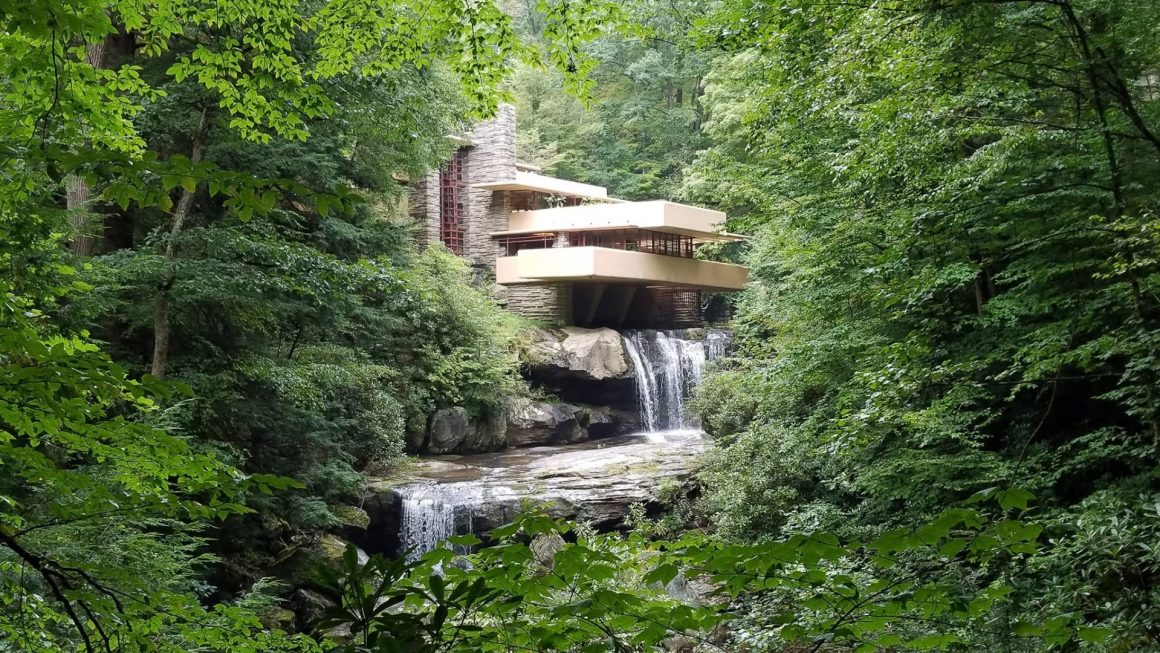
Wright's 1937 masterpiece cantilevers a house directly over its waterfall — the most famous private residence in American architecture, kept with original furnishings in its Laurel Highlands ravine. Book tours well ahead; pair with Kentuck Knob ten minutes away for the quieter Wright encore.
LocalsInsider recommends
Eastern State Penitentiary — the Prison That Invented the Penitentiary
The 1829 radial fortress that invented solitary 'penitence' — and stands now in stabilized ruin: crumbling skylit cellblocks, Capone's furnished cell, and the Big Graph confronting mass incarceration's present tense. The audio tour (Steve Buscemi narrating) is the rare one that's essential.
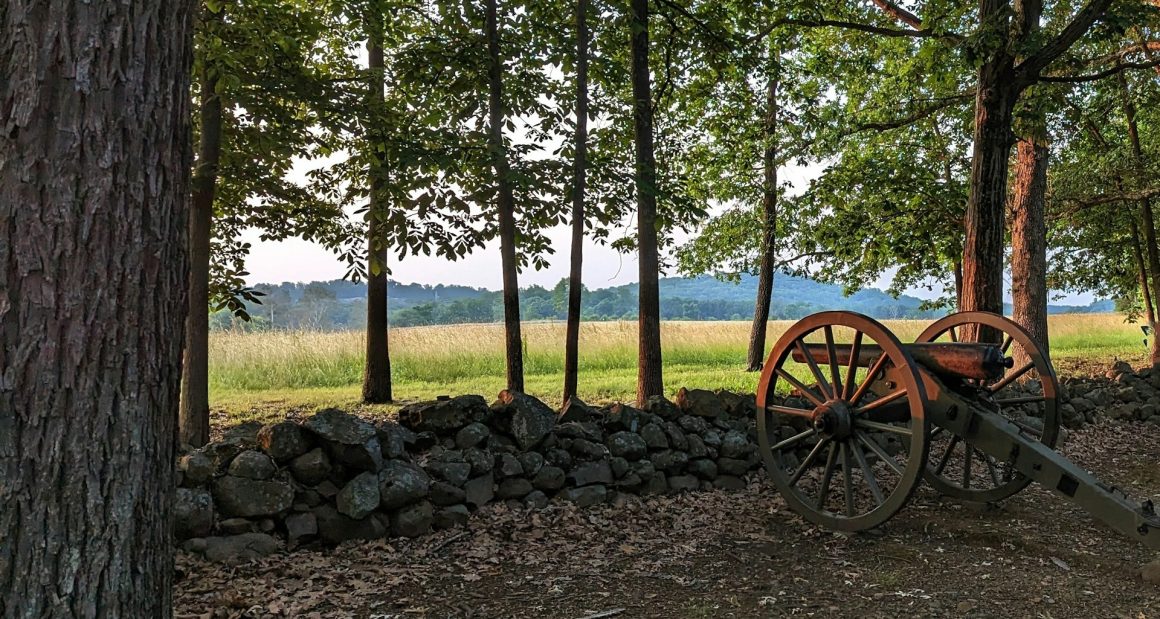
The war's turning point becomes legible when walked: Little Round Top's held flank, the Angle where Pickett's Charge broke, the cemetery where Lincoln reframed the nation in 272 words. Hire a licensed battlefield guide for your own car — the two hours that turn monuments into narrative.
Henry Mercer hand-poured two reinforced-concrete castles in Doylestown: Fonthill, his 44-room tile-encrusted home, and the Mercer Museum — a Gothic atrium hung with whale boats, Conestoga wagons and 50,000 pre-industrial tools. Eccentric architecture in service of an idea: that everyday objects are history's real archive.
Here is our curated guide to Pennsylvania: hand-picked places to eat, museums worth your time, trails to hike, and spa retreats to rest and recharge — plus the best time to go.
Nature & Parks
What to See in Pennsylvania: Waterfalls, Gorges & Dark Skies
Pennsylvania's wild side is Appalachian plateau country — waterfall glens, whitewater gorges, and the darkest measured skies east of the Mississippi.
Laurel Highlands
Ohiopyle State Park
The Youghiogheny River's gorge packs the East's most reliable whitewater (the Lower Yough's class III–IV runs are the region's rafting standard), Cucumber Falls' walk-behind curtain, natural waterslides in the riverbed itself, and the Great Allegheny Passage rail-trail rolling through the middle — all ten minutes from Fallingwater (see History), which is why the Laurel Highlands is the state's best two-day outdoors-plus-architecture combination. 4.8★.
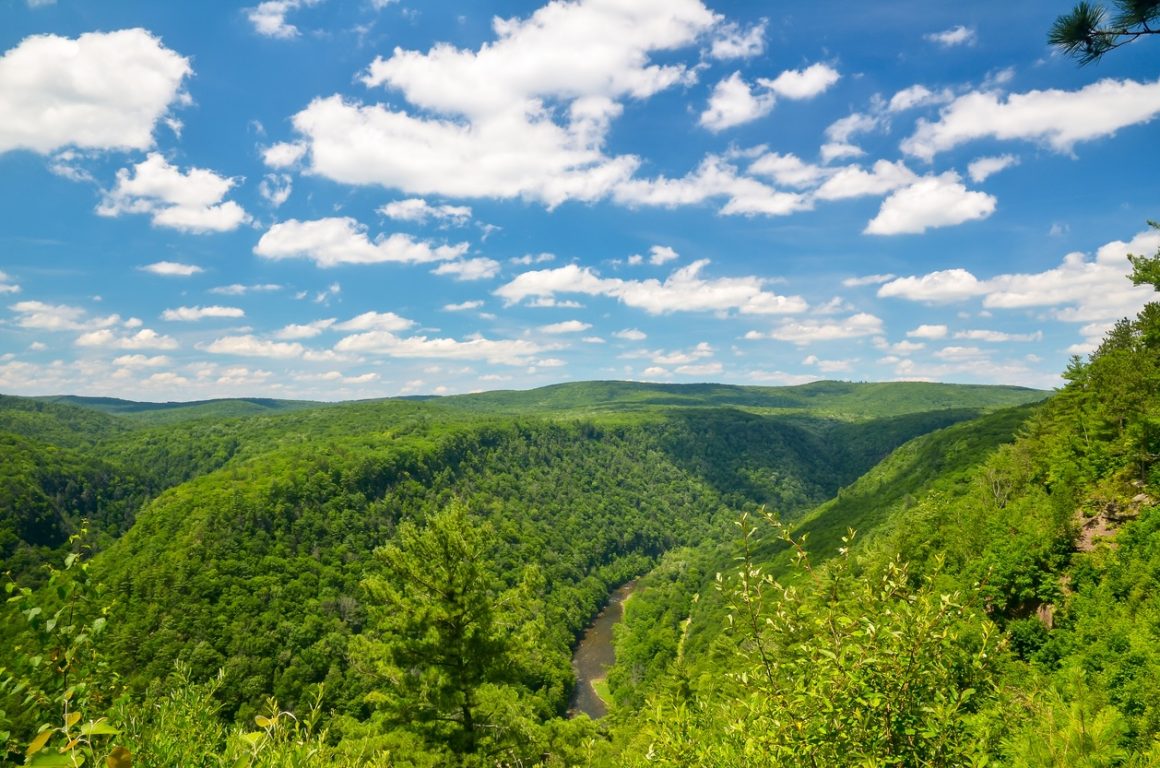
Forty-seven miles of 800-to-1,450-foot gorge through the Tioga State Forest — rim overlooks at Leonard Harrison and Colton Point state parks, and the 62-mile Pine Creek Rail Trail running the canyon floor, regularly listed among the world's great bike rides. October here is the state's single best color show.
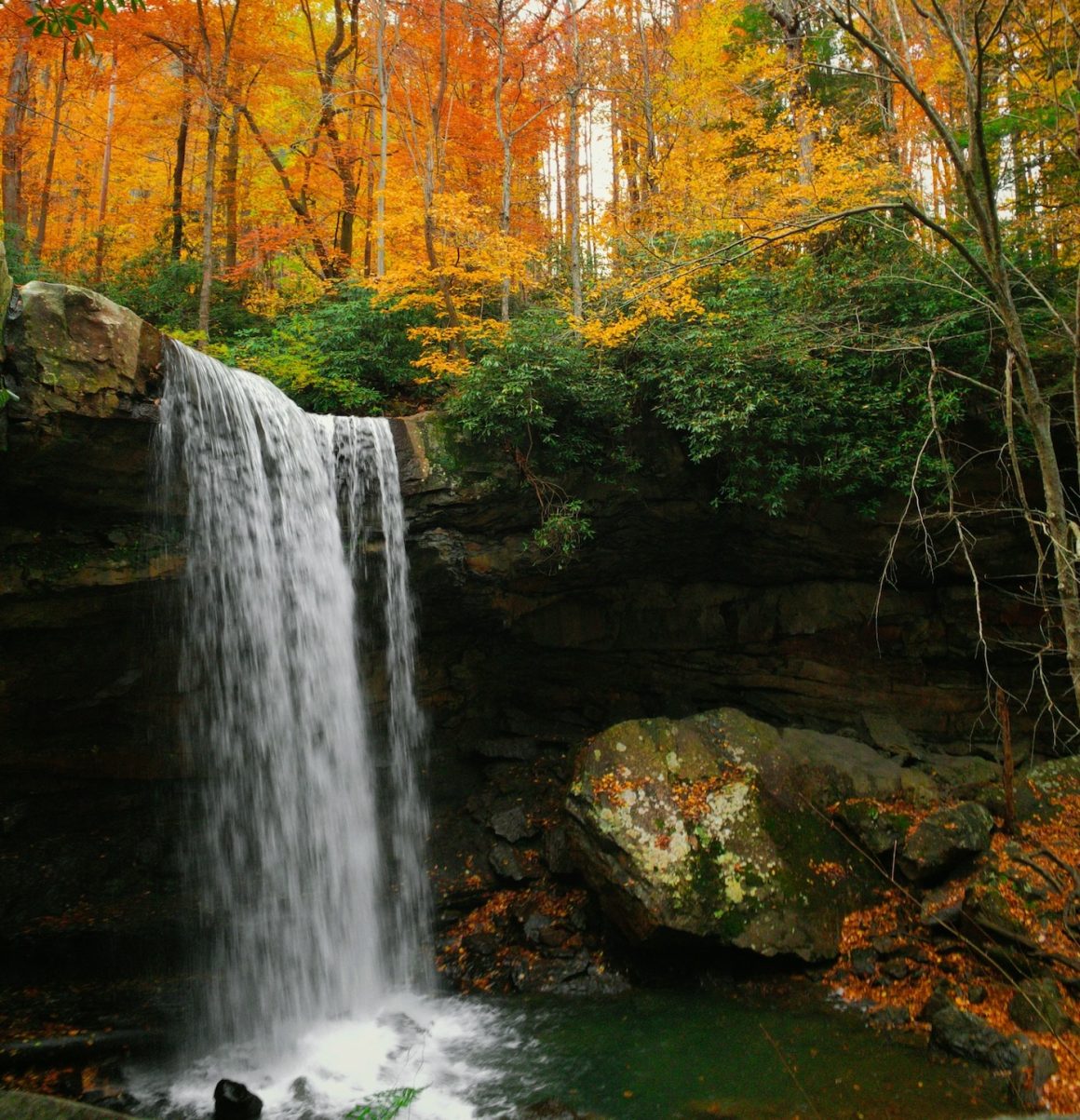
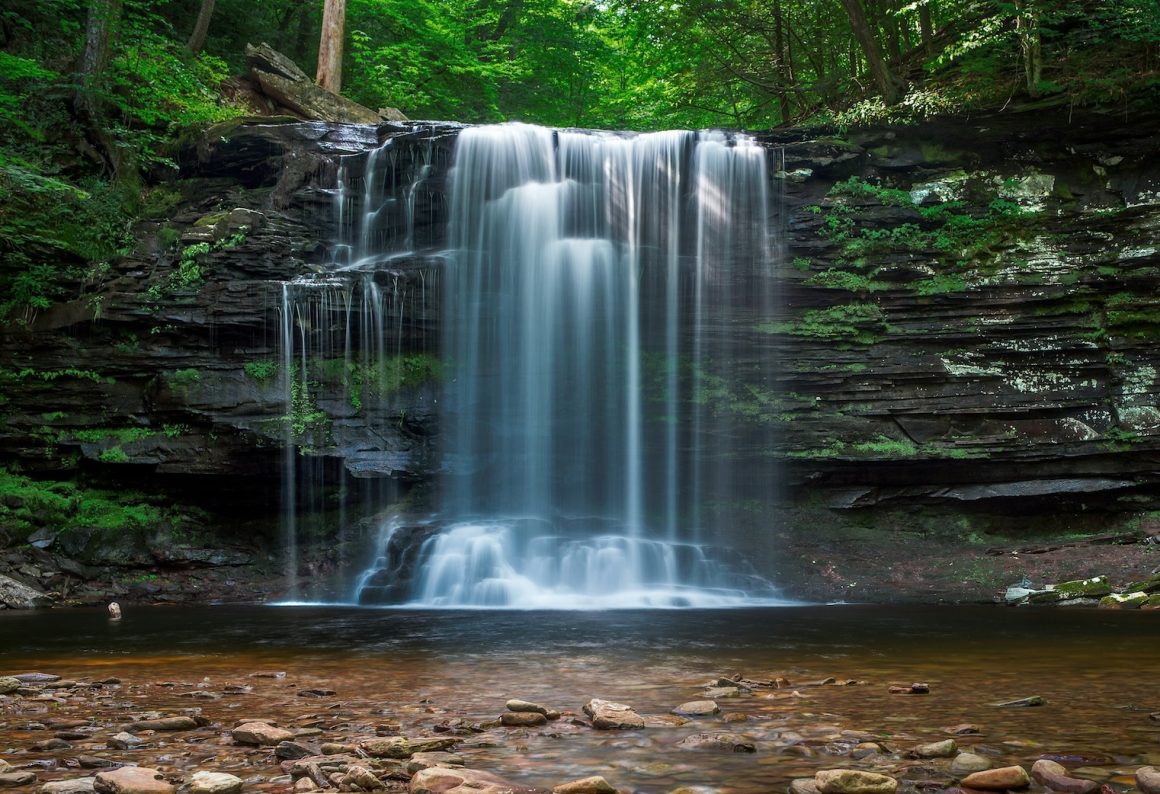
The crown jewel of Pennsylvania's park system: the Falls Trail's 7.2-mile loop passes 21 named waterfalls — Ganoga's 94-foot staircase the tallest — through old-growth hemlock glens designated a National Natural Landmark. It's genuinely strenuous (stone steps, wet rock — proper footwear is non-negotiable, and winter requires ice gear and experience), and reviewers who compare it to Smokies waterfalls rank it higher. 4.9★ on the trail itself; arrive early, the falls draw tripod crowds by mid-morning.
One of the darkest certified International Dark Sky Parks on the eastern seaboard — the Milky Way casts shadows on moonless nights — with a dedicated astronomy field, public star parties, and rules (red lights only) that mean it's run seriously. Book the astronomy-field passes ahead; new-moon weekends fill months out.
A recurved sand spit hooking into Lake Erie: Pennsylvania's only surf beaches, lagoons to kayak, and one of the East's great birding migration traps — plus sunsets over open freshwater horizon, which nowhere else in the state can offer.
The world's first refuge for birds of prey (1934): autumn ridge winds funnel 15,000–20,000 migrating raptors past the lookouts each season — golden eagles in November are the connoisseur's window. A conservation-history landmark that's also just a superb ridge hike.
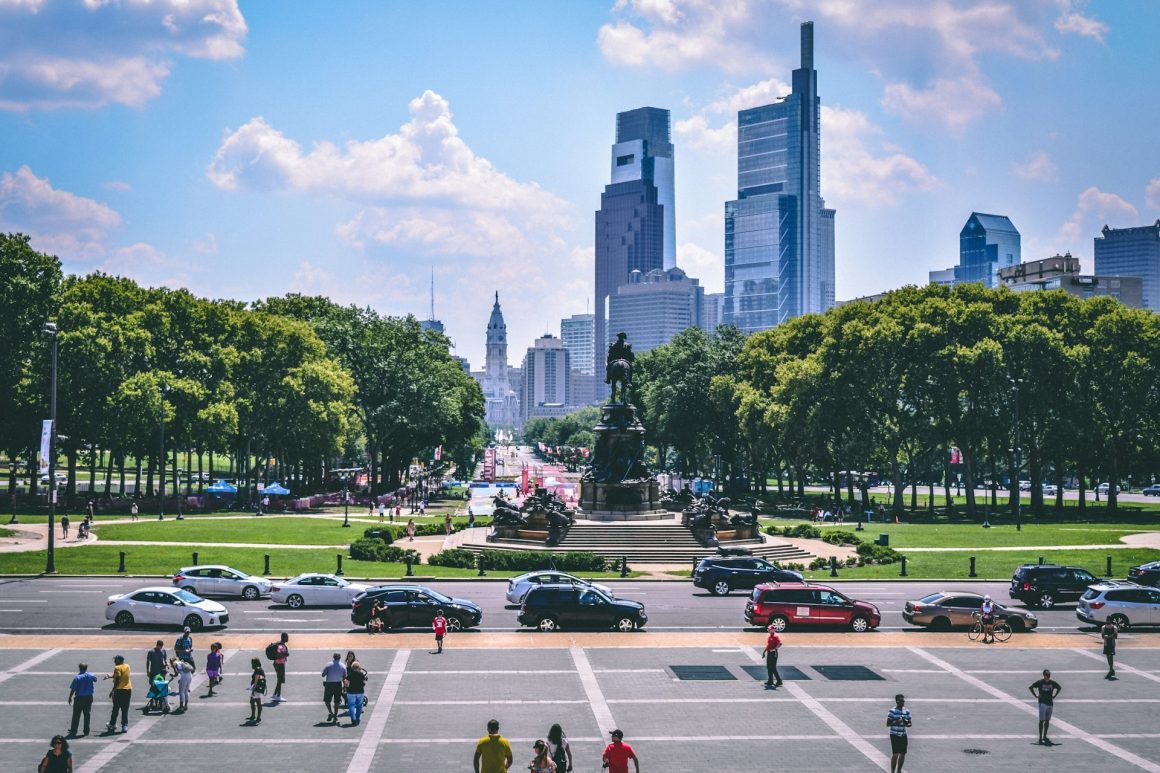
America's birth certificate sits in a UNESCO-listed hall (see History), but the living city is the draw: Reading Terminal Market's 1893 train-shed food hall (4.7★ across 46,000 reviews — go hungry), the Italian Market's nine blocks, murals by the thousand (the country's largest public art program), Fairmount Park's Schuylkill banks, and the Museum Mile crowned by the Rocky steps. Book Independence Hall's timed tickets ahead; spend the saved hours eating.
Four hundred and forty-six bridges (more than Venice, locals note correctly), two century-old funiculars climbing Mount Washington for America's best urban overlook, the Warhol and Carnegie museums, and a food scene that shed the rust decades ago. Ride the Duquesne Incline at dusk; the three-rivers panorama explains the whole city.
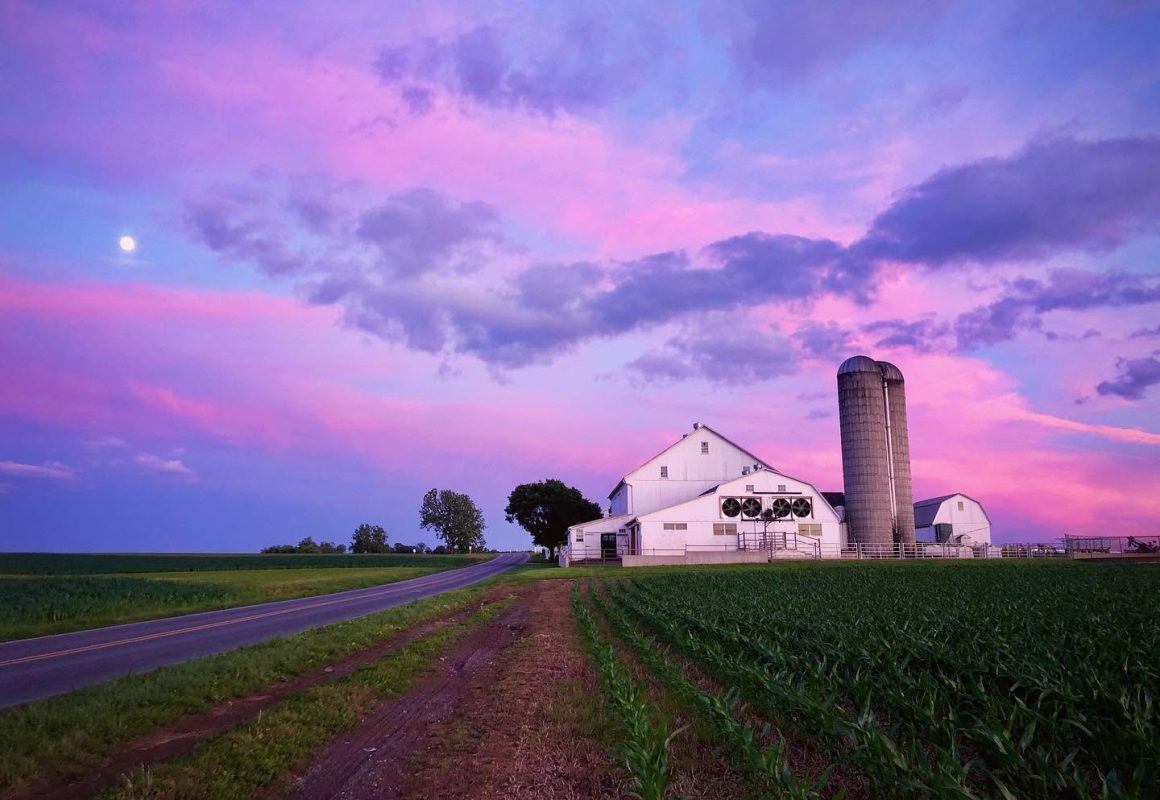
Two experiences in one county: the buggy-and-farmstand countryside of the world's oldest Amish settlement (Bird-in-Hand and Intercourse's markets, mud sales in spring), and Lancaster city itself — a genuinely cool small city around the 1730 Central Market, the nation's oldest continuously running public farmers market.
A Victorian coal-baron town stacked in a Lehigh Gorge notch — the Asa Packer mansion, the opera house, Lehigh Gorge rail-trail biking and whitewater below, and October weekends that require parking strategy. The name's story (the town bought Jim Thorpe's remains in 1954) is its own strange American tale.
See History for the battlefield; the borough itself earns an overnight — the Lincoln-slept-here David Wills House, ghost-tour cottage industry, and a surprisingly good farm-to-table scene feeding off Adams County orchards.
The Bucks County riverbank pair (New Hope–Lambertville) of galleries, canal towpaths and playhouse history — and one of the East Coast's most historic LGBTQ+ resort towns, flying the flag since the 1950s arts-colony era.
Pennsylvania quietly hosts some of America's top-ranked destination spas — the Poconos and Laurel Highlands do the heavy lifting.
Feature
The Lodge at Woodloch — Hawley (Poconos)
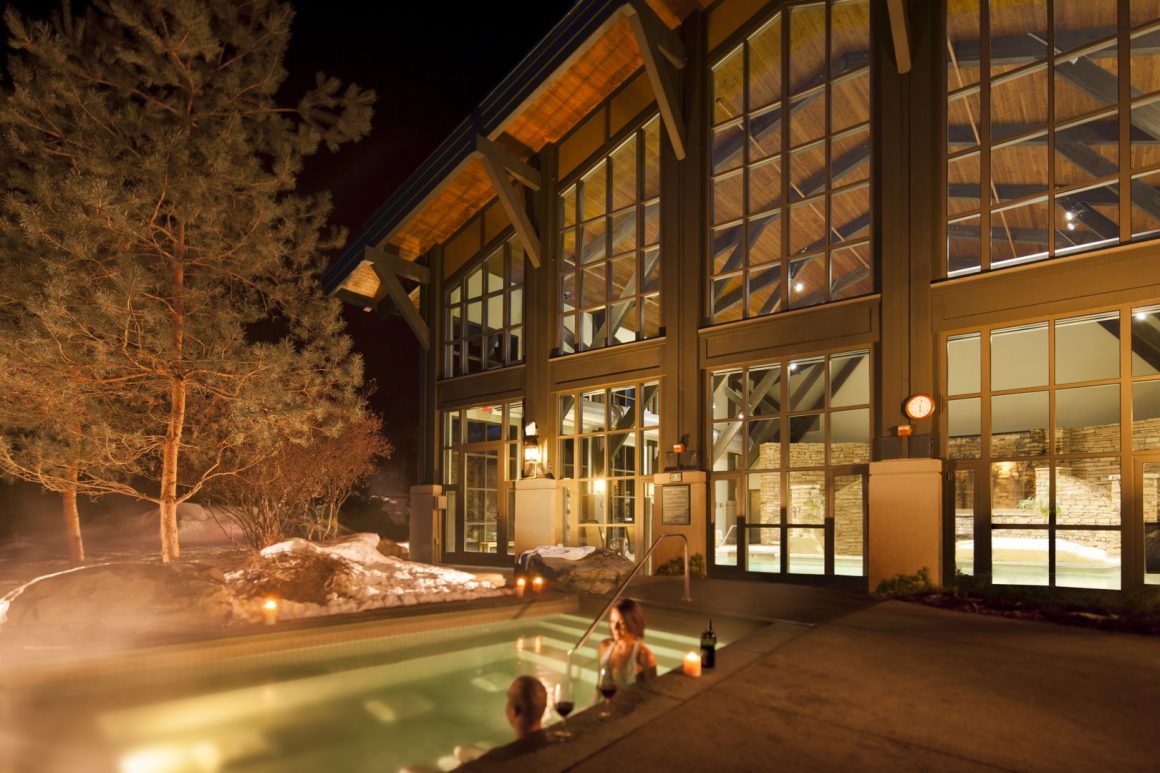
A perennial top-tier finisher in national destination-spa rankings: an adults-only lakeside lodge whose 40,000-square-foot spa runs on its own aquifer, with a snow room, hydromassage waterwalls, 25+ daily activities from forest bathing to cooking demos, and farm-to-table dining that converts skeptics. Our gate: 4.8★ with "dream" recurring in reviews. Day passes exist midweek.
The maximalist: a 2,200-acre resort holding Forbes Five-Star hotel and spa operations, a Rolls-Royce fleet, safari animals, shooting academy — and the Woodlands Spa plus Holistic Healing Center at its calm core. Ten minutes from Fallingwater, which makes the pairing irresistible.
The 1806 mineral-springs hotel where presidents summered (Buchanan ran the country from its porch; the first transatlantic cable message to a president arrived here) — restored with a 30,000-square-foot spa drawing on the original eight springs, and one of America's oldest golf courses.
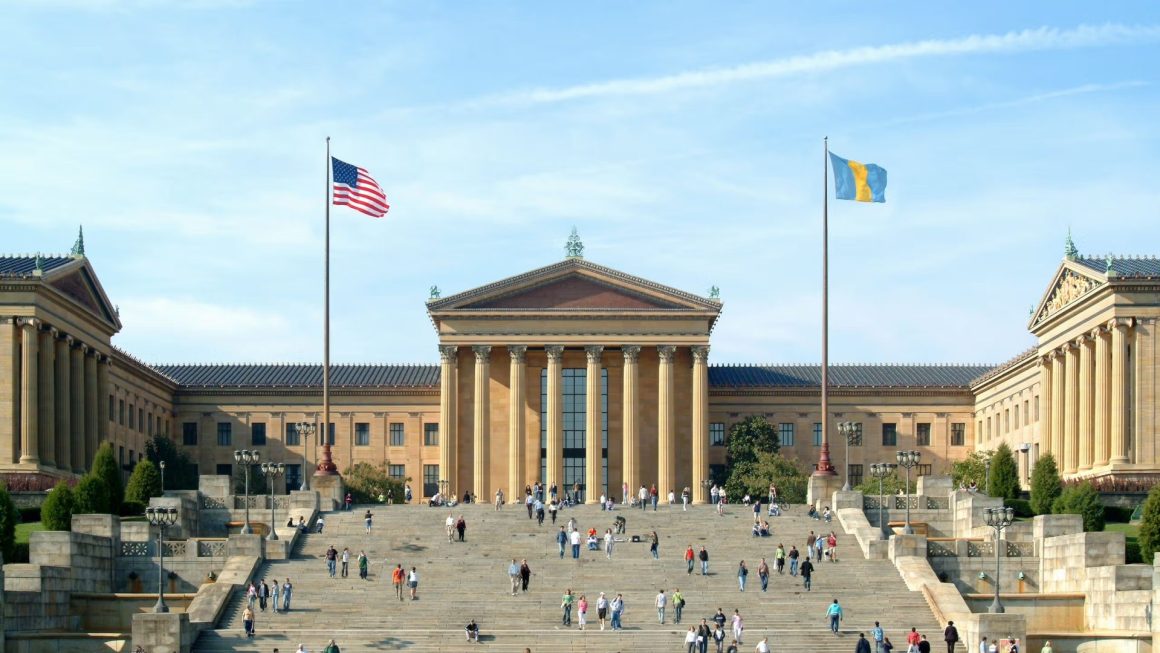
One of the largest art museums in the country, in its Greek temple above the Schuylkill: Duchamp's essential works (the largest holding anywhere), Eakins' Philadelphia, a Rajput temple hall and French cloister rebuilt inside, and the Frank Gehry-renovated core spaces (2021). Yes, the Rocky steps and statue — run them, everyone does, then actually go in.
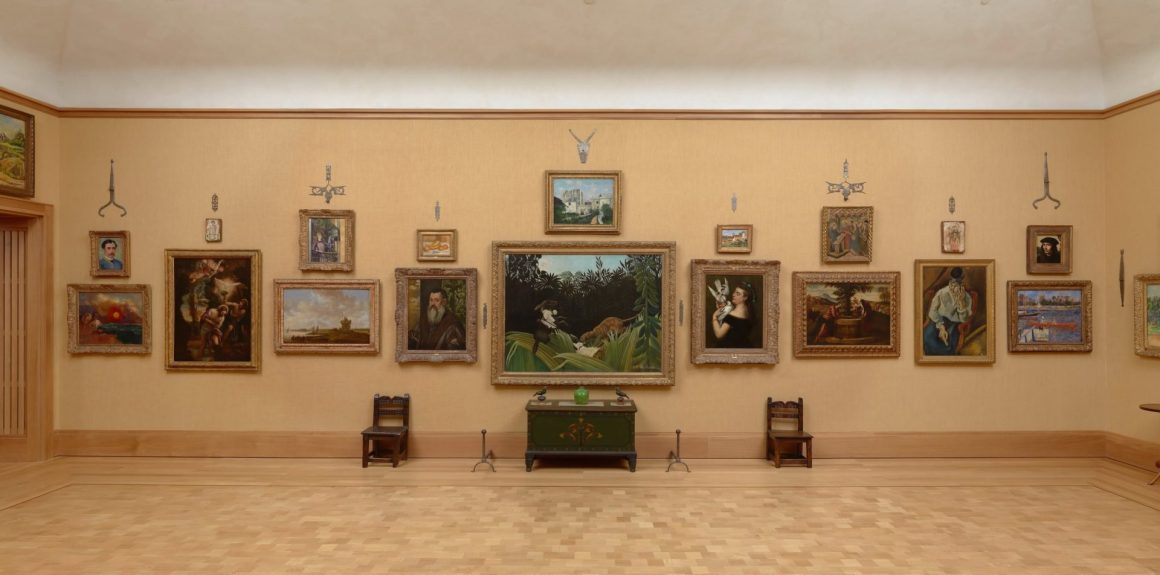
The most idiosyncratic great collection in America: Albert Barnes's 181 Renoirs, 69 Cézannes and 59 Matisses (more than the Louvre's and Musée d'Orsay's combined holdings of several of these) hung in his exact wall "ensembles" — moved amid famous controversy from Merion to the Parkway in 2012, arrangement preserved to the inch. Book ahead; go slowly.
The largest museum in North America dedicated to a single artist — seven chronological floors in the city that made him, from Pittsburgh commercial work to the Factory films to the silver Clouds room you walk through. Do your own screen test on the way out. 4.6★.
Carnegie Museums of Art & Natural History — Pittsburgh
Two museums in one Beaux-Arts pile: the dinosaur hall (Diplodocus carnegii — "Dippy" — the most famous dinosaur skeleton in the world by replica count) and an art museum whose Carnegie International (since 1896) is the oldest recurring contemporary exhibition in North America.
The College of Physicians' cabinet of medical history: Einstein's brain sections, the Hyrtl skull wall, the Soap Lady — presented with scholarly seriousness amid an ongoing (and public) debate about the ethics of display, which the museum now addresses head-on. Not for everyone; unforgettable for the rest.
The Civil War's turning point (July 1–3, 1863; 51,000 casualties) and the war's most completely preserved battlefield: start with the film-cyclorama-museum sequence (the 1884 Cyclorama painting, restored, still lands), then do the 24-stop auto tour or — the superior move reviewers keep confirming — hire a Licensed Battlefield Guide who rides along in your car. Little Round Top, the High Water Mark, and the cemetery where Lincoln spoke 272 words. 4.9★.
Independence Hall & the Liberty Bell — Philadelphia
The room where both the Declaration of Independence (1776) and the Constitution (1787) were debated and signed — Pennsylvania's UNESCO World Heritage Site — toured with timed tickets and ranger storytelling that reviewers single out by name. The Bell (crack and all) is next door, free, and moves faster than its line suggests. 4.7★.
Frank Lloyd Wright's 1935 masterpiece cantilevered directly over Bear Run's waterfall — the AIA has called it the greatest work of American architecture, and UNESCO inscribed it (with seven other Wright works) in 2019. Tours are timed and sell out; the in-depth version rewards the drive, and Kentuck Knob — Wright's hexagonal 1956 house — is 20 minutes away for the double bill. 4.8★.
The 1777–78 winter encampment where Washington's army starved, drilled (Steuben's parade ground survives) and came out an army — now 3,500 acres of monuments, reconstructed huts and the memorial arch, ringed by a superb 10-mile bike loop. Free.
The world's first true penitentiary (1829, solitary "Pennsylvania system") preserved in glorious ruin — Capone's carpeted cell, the crumbling cellblock spokes, and an unusually honest exhibit on modern incarceration. The Halloween nights fund the preservation.
The field where the fourth plane came down on September 11, 2001 — the Tower of Voices' forty wind chimes, the Wall of Names along the flight path, and a visitor center of restrained power. Quietly one of America's essential memorials.
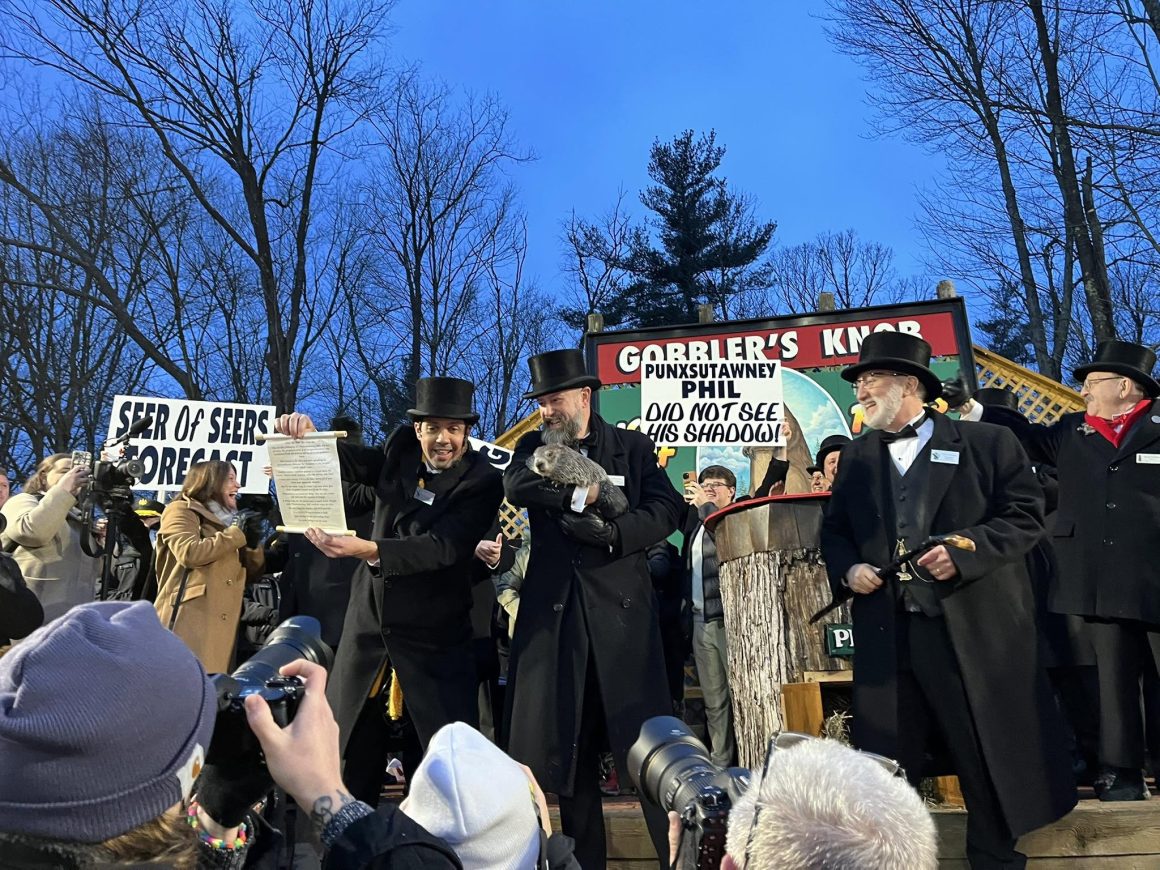
Yes, really: tens of thousands at Gobbler's Knob before dawn, the Inner Circle's top hats, Phil's prognostication since 1887 — a genuinely surreal piece of living Americana worth doing once, bonfire-cold and all.
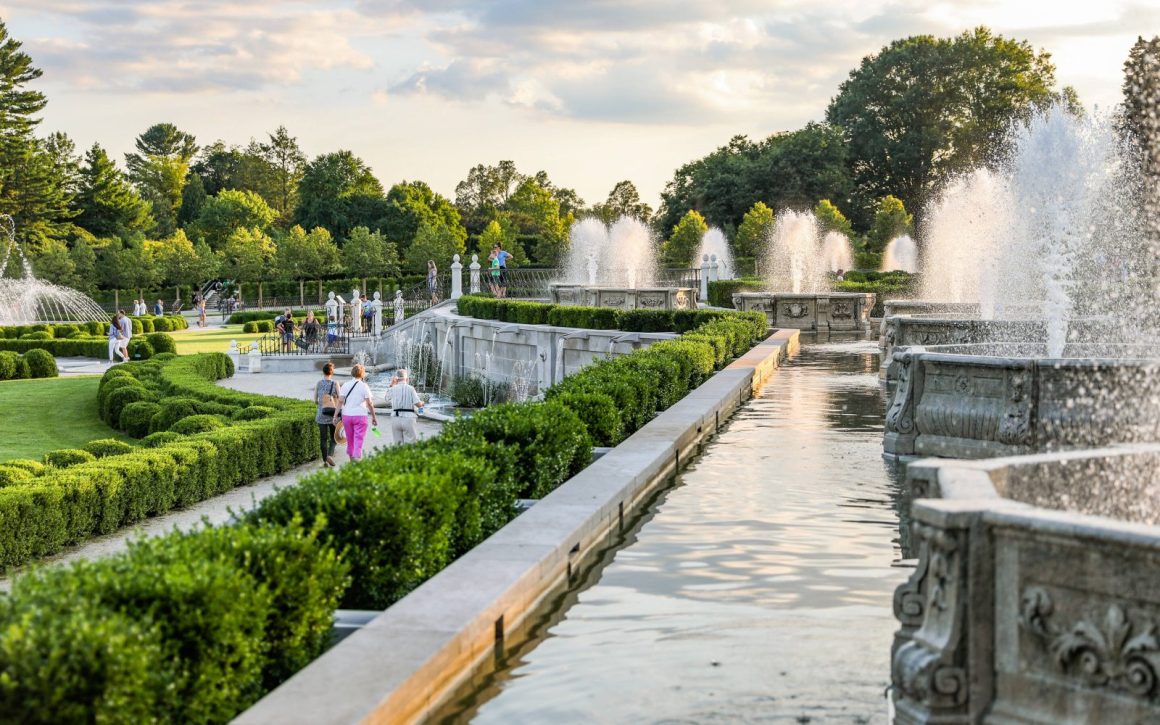
Pierre du Pont's 1,100-acre horticultural kingdom: the 4-acre glass Conservatory, the reimagined 5-acre fountain garden performing to music (summer nights, with fireworks on select dates), and a Christmas display that defines the genre. Our gate's Pennsylvania champion: 4.9★ across 32,000 reviews. Timed tickets.
The chocolate company town (streetlights shaped like Kisses, air that genuinely smells of it): a top-tier coaster park, the free Chocolate World factory ride, and the 1930s Hotel Hershey's cocoa-treatment spa for the adult version.
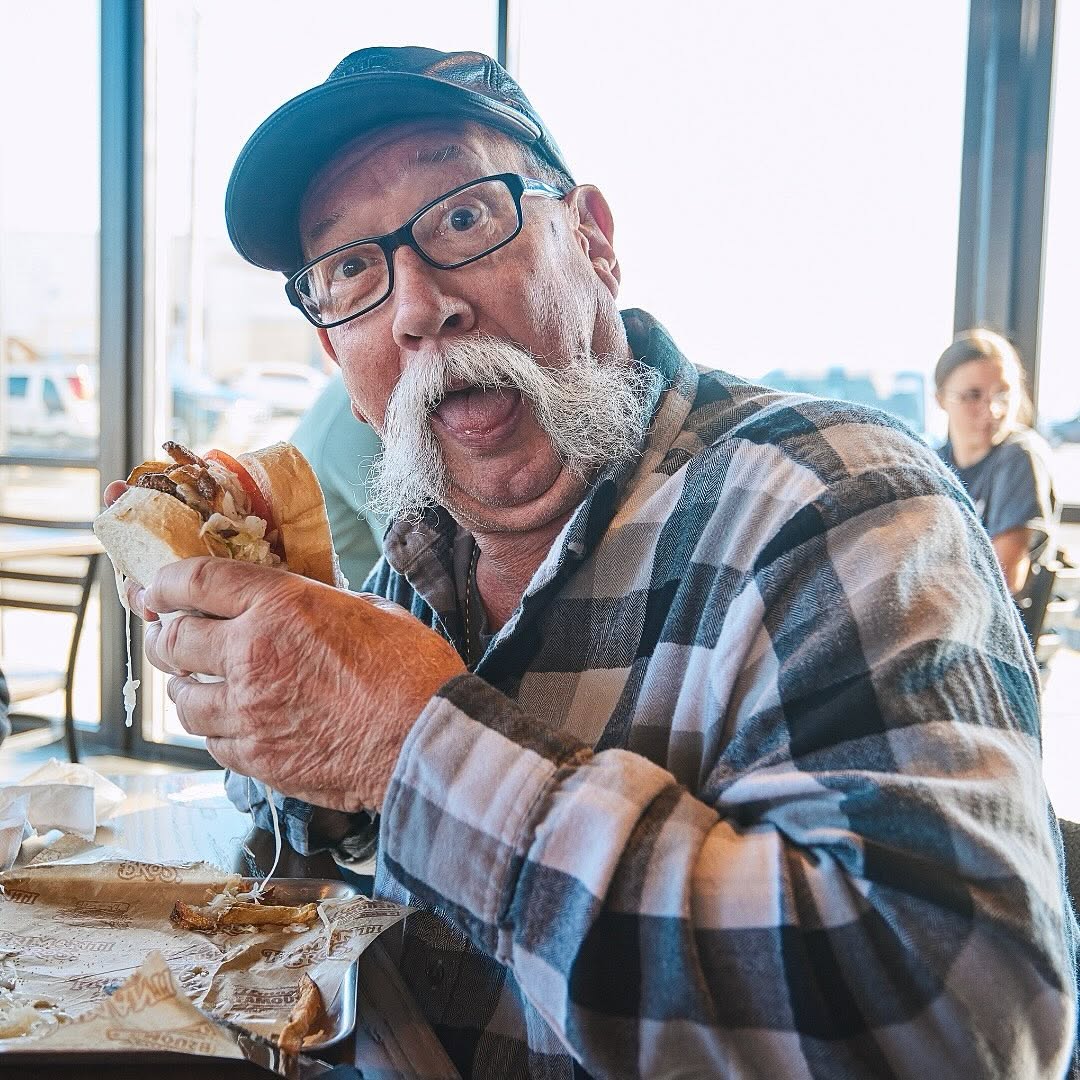
Ride the 1877 Duquesne Incline up Mount Washington at dusk, then descend for the working-class ritual: a Primanti Bros. sandwich with the fries and slaw inside (born 1933 in the Strip District for truckers who needed one-handed meals).
What to Eat in Pennsylvania: Local Cuisine & Where to Find It
Two cities in sandwich rivalry, a Dutch-country baking tradition, and the market halls that predate the republic's railroads.
The Feature
Primanti Bros. — Pittsburgh
The fries-and-slaw-in-the-sandwich original (1933, Strip District, open all night) — capicola and egg is the classic call. A regional format, not a gimmick, and the Strip District location remains the pilgrimage.
Pat's (which claims the 1930 invention) and Geno's glare at each other across Passyunk for the tourists; Philadelphians themselves queue at John's Roast Pork (a James Beard Classic, and the better sandwich), Angelo's, or Dalessandro's. Order technique matters ("one whiz wit" = Cheez Whiz with onions); so does accepting that the roast pork below outranks it.
The roast pork sandwich — Philadelphia's real king
Slow pork, sharp provolone, garlicky broccoli rabe on a seeded roll — the sandwich locals argue is the city's true signature: John's Roast Pork and DiNic's (Reading Terminal) are the twin thrones. Eat both; write us your verdict.
Reading Terminal Market — Philadelphia
The 1893 market hall doing everything at once: Amish counters (Beiler's doughnuts, Dutch Eating Place scrapple breakfasts), the Famous 4th Street cookie, DiNic's roast pork, Bassetts — America's oldest ice cream company (1861) — under one train-shed roof. 4.7★ across 46,000 reviews.
Shoofly pie (wet-bottom or dry — a real debate), whoopie pies (Lancaster contests Maine's origin claim, loudly), soft pretzels from the source (Julius Sturgis, Lititz — America's first commercial pretzel bakery, 1861), and chicken pot pie that's noodles, not crust. Central Market on a Saturday is the syllabus.
The Dutch thrift-cooking classic (pork scraps and cornmeal, sliced and fried crisp) defended fiercely at diners statewide — Pennsylvania has more classic diners than any state, and scrapple-egg-and-hash-browns at one of them is the true state breakfast.
Betting & Casinos
Casinos, Betting & Racetracks in Pennsylvania
Wind Creek Bethlehem
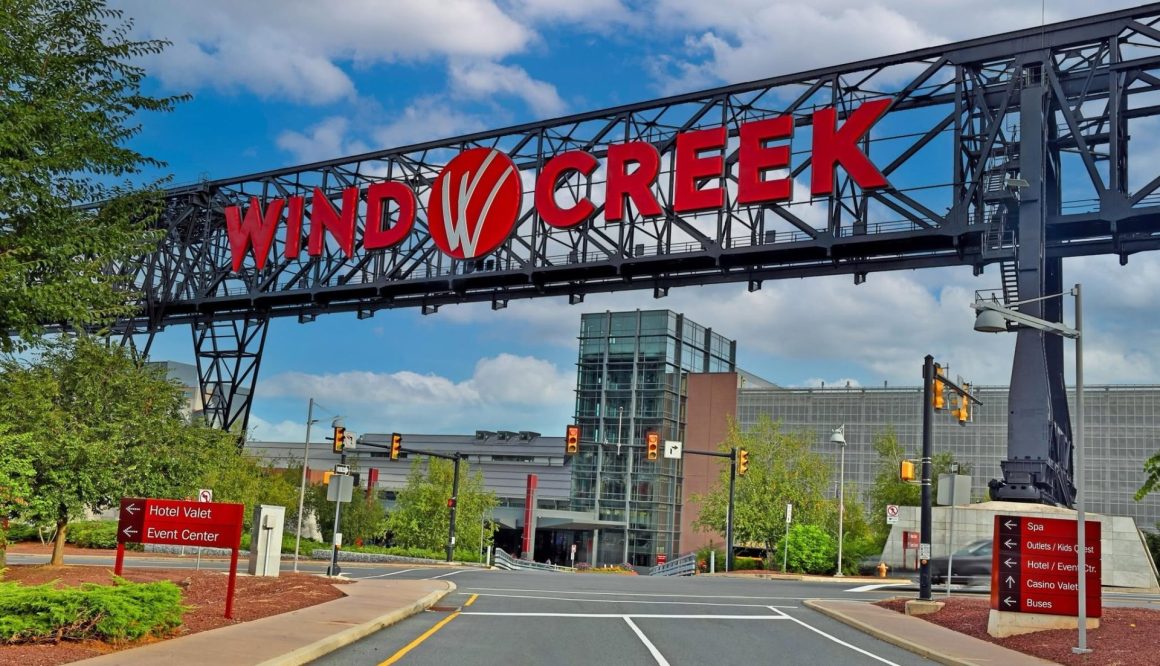
The most atmospheric casino in America's East: built inside the former Bethlehem Steel works, with the blast-furnace stacks lit purple over the floor — full tables, big poker, and the SteelStacks arts campus next door making the trip worthwhile for non-players.
Pennsylvania's revenue king: the state's largest gaming floor, a serious poker room — and the racetrack that hosts the Pennsylvania Derby and Cotillion each September, the state's biggest race day.
The North Shore floor between the stadiums — tables, a busy book with skyline windows, and the practical anchor of a Steelers-or-Pirates gambling weekend; sibling Rivers Philadelphia covers the Fishtown end.
Independence Hall and the Liberty Bell, Gettysburg, cheesesteaks, the Amish, Hershey chocolate, Groundhog Day, Fallingwater, steel-city Pittsburgh — and, lately, being the state where America's gambling laws get decided.
What to do in Pennsylvania this weekend?
Philly: Independence Hall (book ahead) + Reading Terminal + the Barnes. Pittsburgh: incline at dusk + Warhol + Primanti's. Outdoors: Ricketts Glen's falls or the Fallingwater–Ohiopyle double. October: Jim Thorpe or Pine Creek Gorge.
Is Pennsylvania LGBTQ+ friendly?
More protective than its statute book suggests: the legislature has never passed the Fairness Act adding sexual orientation and gender identity to the Human Relations Act, but since 2023 the state Human Relations Commission formally interprets existing sex-discrimination law to cover both, and MAP rates PA in a fair/middle tier. On the ground it's strong: Philadelphia's Gayborhood has official rainbow street signs, Philly and Pittsburgh score 100 on the HRC Municipal Equality Index, New Hope has been an LGBTQ+ resort town for 70 years, and dozens of municipalities carry local ordinances. (Sources: PHRC; MAP; HRC MEI.)
What food is Pennsylvania famous for?
Cheesesteaks and roast pork, Primanti's, soft pretzels, scrapple, shoofly and whoopie pies, Hershey's chocolate, Yuengling (America's oldest brewery, 1829), and market-hall everything.
What is the best time to visit Pennsylvania?
May–June and September–October; October specifically for the gorges and Laurel Highlands; December for Longwood's Christmas; February 2nd for one very specific rodent.
Pennsylvania: What to Do, See & Eat — Curated Guide to the Keystone State
Pennsylvania places to visit: parks, museums, restaurants & spa retreats, plus the best time to go — the LocalsInsider curated guide to the Keystone State, 2026.