

 Argentina
 Austria
 Azerbaijan
 Belgium
 Brazil
 Canada
 Chile
 China
 Colombia
 Costa Rica
 Croatia
 Cyprus
 Czech Republic
 Denmark
 Egypt
 Estonia
 Finland
 France
 French Polynesia
 Georgia
 Germany
 Greece
 Greenland
 Hong Kong
 Hungary
 Iceland
 India
 Indonesia
 Ireland
 Italy
 Japan
 Kenya
 Lithuania
 Malta
 Mauritius
 Mexico
 Mongolia
 Montenegro
 Morocco
 Netherlands
 Norway
 Oman
 Peru
 Poland
 Portugal
 Saudi Arabia
 Serbia
 Singapore
 Slovenia
 South Africa
 South Korea
 Spain
 Sweden
 Switzerland
 Taiwan
 Thailand
 Türkiye
 USA
 United Arab Emirates
 United Kingdom
 Uruguay
 Uzbekistan
 Vietnam
Destinations › Europe › Denmark
Country guide · Europe
Denmark
Denmark Travel Guide: Copenhagen, Aarhus, Bornholm in 2026
Your Denmark guide, curated by Locals Insider
Denmark, by Locals Insider
Denmark is the country that quietly figured out how to live well and now exports the formula.
Copenhagen is the design capital that earns the reputation — Noma's three Michelin stars on Refshaleøen, Nørrebro's food scene, the world's best bike infrastructure, hotels that all seem to be designed by the same impeccable taste committee.
But Denmark opens up beyond Copenhagen: Aarhus is the second city most travelers skip (and shouldn't), Bornholm is the Baltic Sea island where Copenhageners go to disconnect, and Læsø in the Kattegat is the tiny island where the houses are still roofed in eelgrass — the only place in the world this is done.
Our Denmark coverage is the deepest in our European archive — 24 articles across Copenhagen neighborhoods, the boutique hotels worth the splurge (Hotel d'Angleterre, Nimb inside Tivoli Gardens, Sanders behind Nyhavn), Bornholm's slow island culture, and the design city most travelers underestimate.
Cities to explore
Where to go in Denmark
Cities with a full guide are marked “City guide”.
Copenhagen
Bike-everywhere capital, new Nordic food, design hotels, waterfront sauna culture
City guide · 16 stories
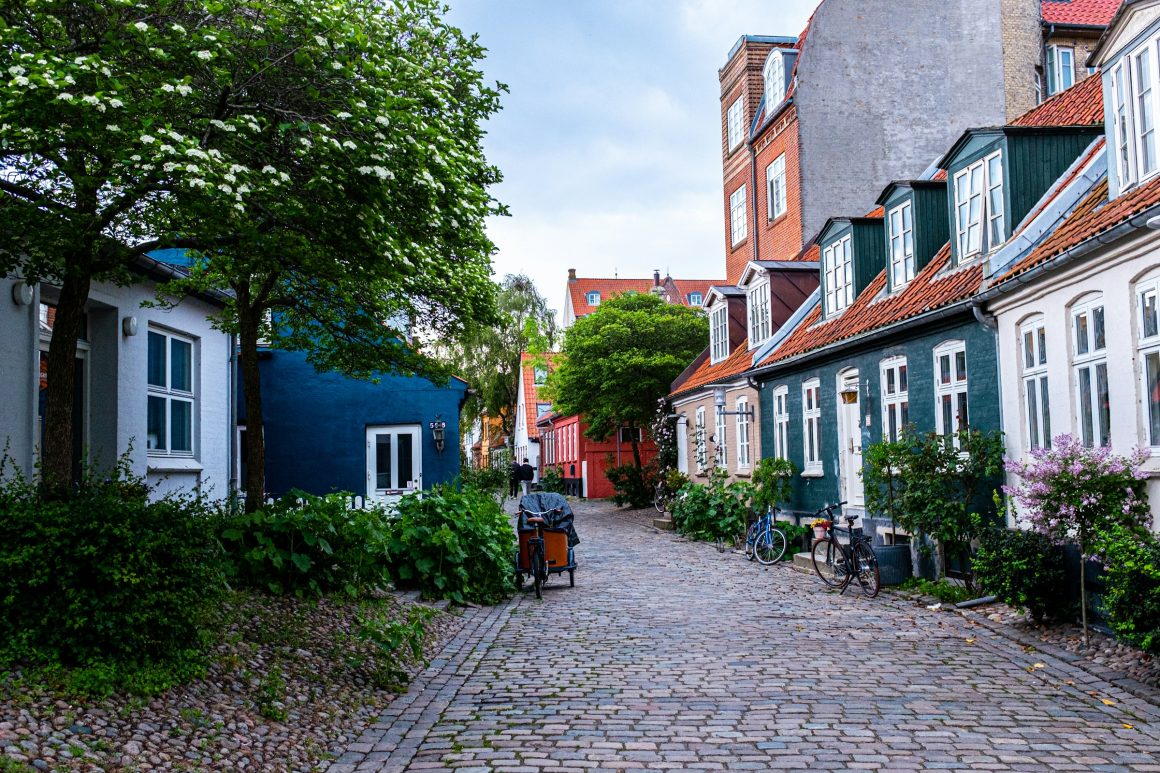
Aarhus
Second city, ARoS art museum, Latin Quarter charm
City guide · 5 stories
Skagen
Where two seas meet, light that drew the Skagen painters
Møn
White chalk cliffs, dark-sky island, weekend escape
Stories · updated as we publish
Latest from Denmark
All 31 stories


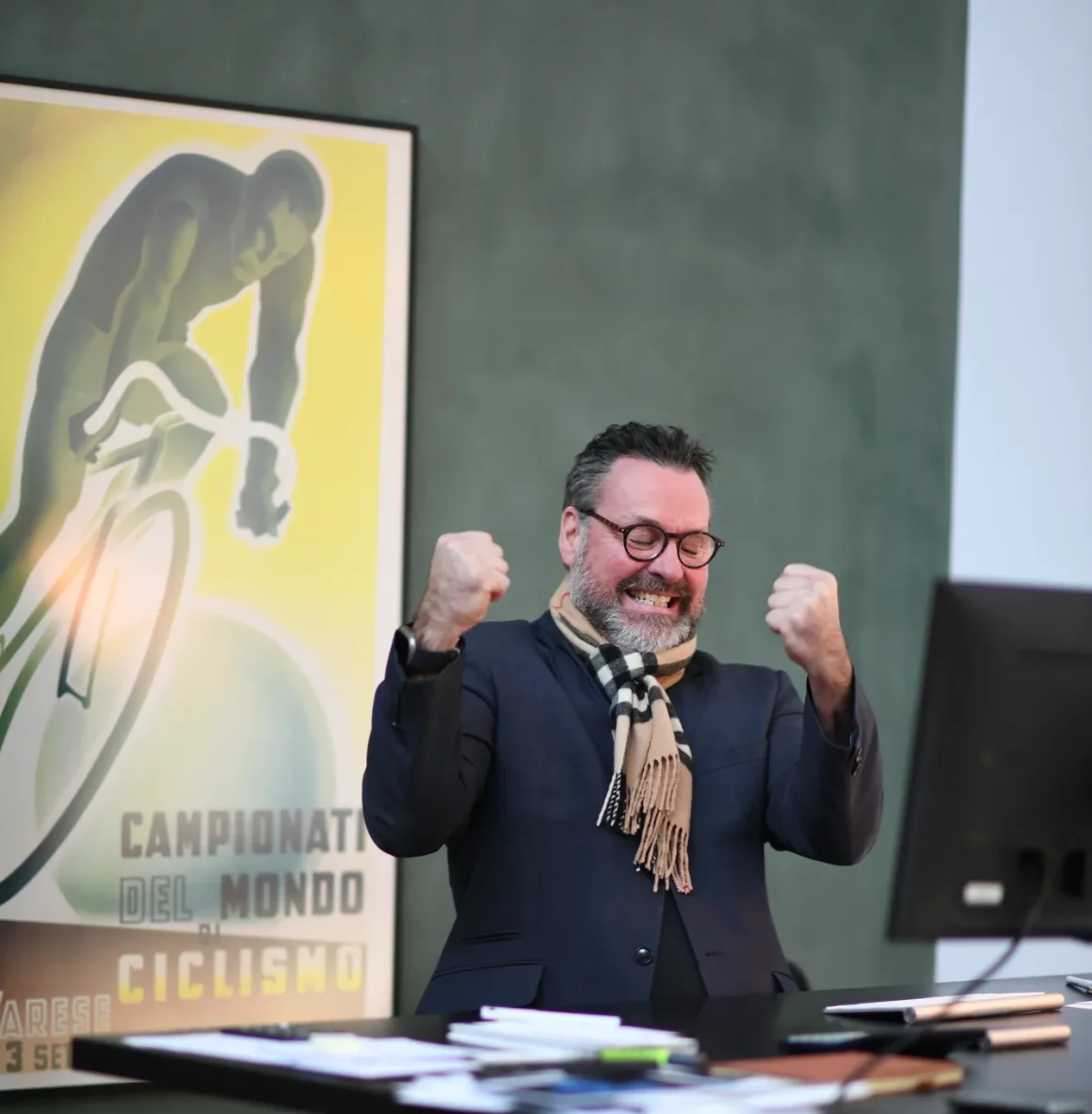
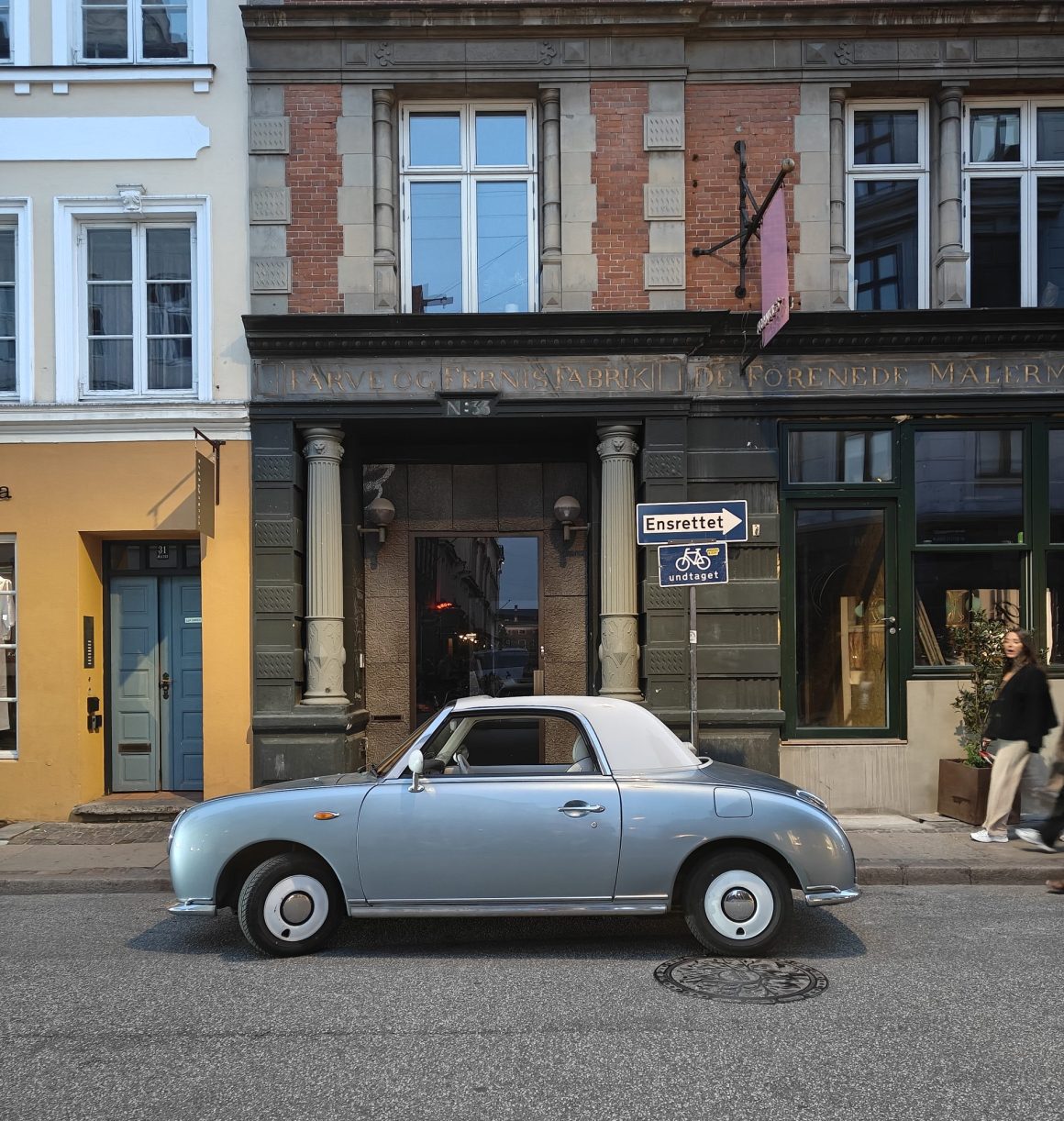
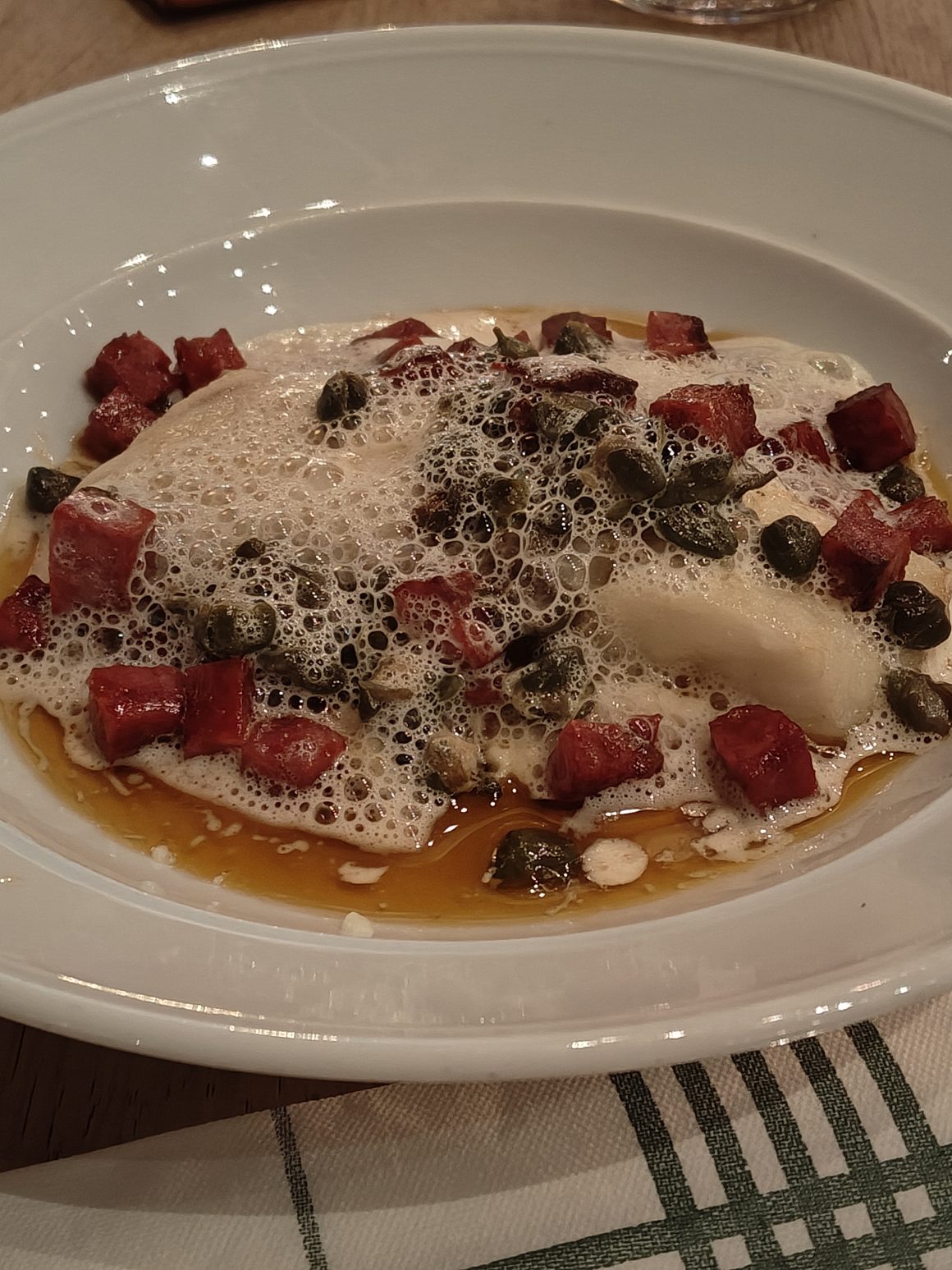
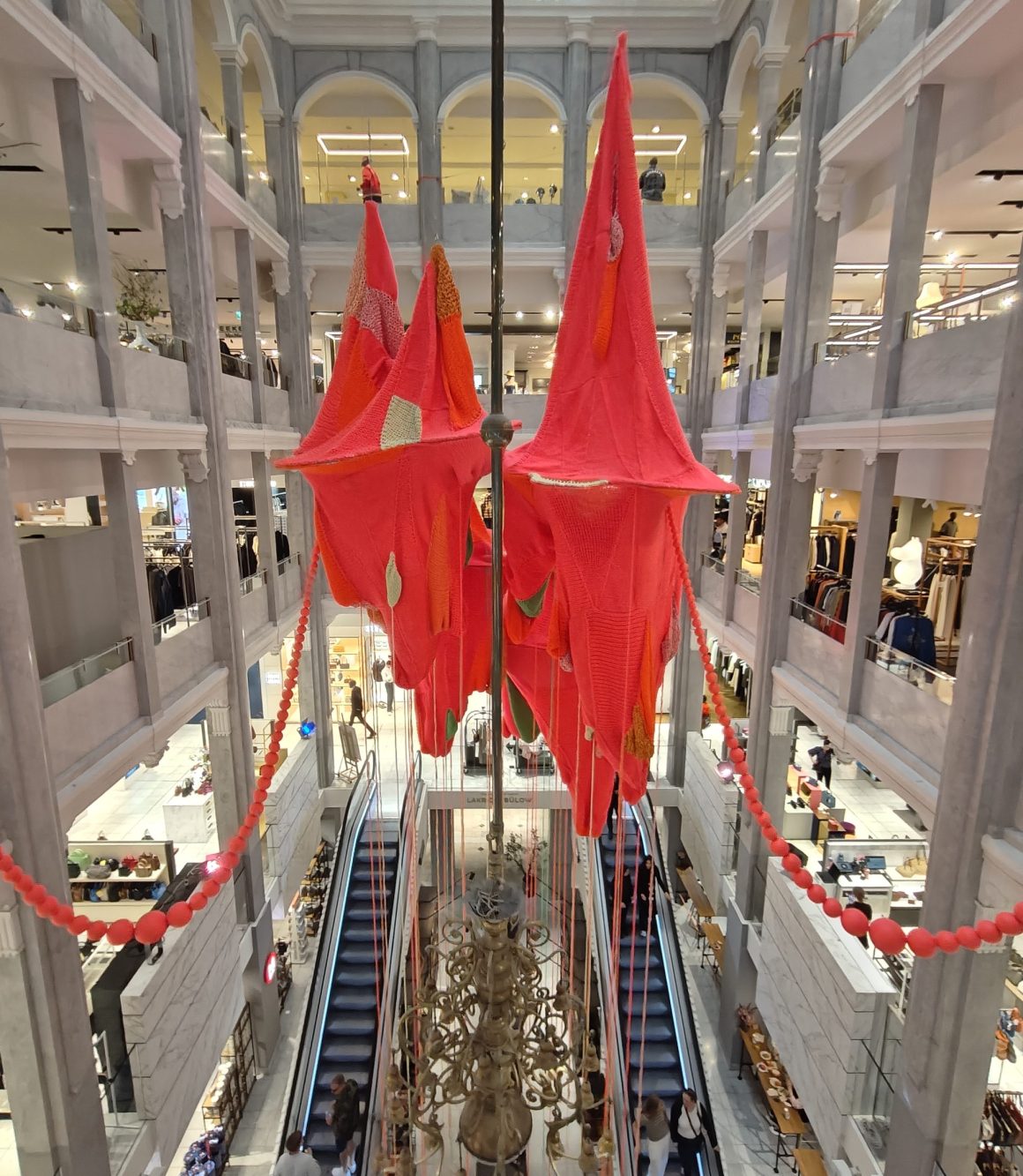
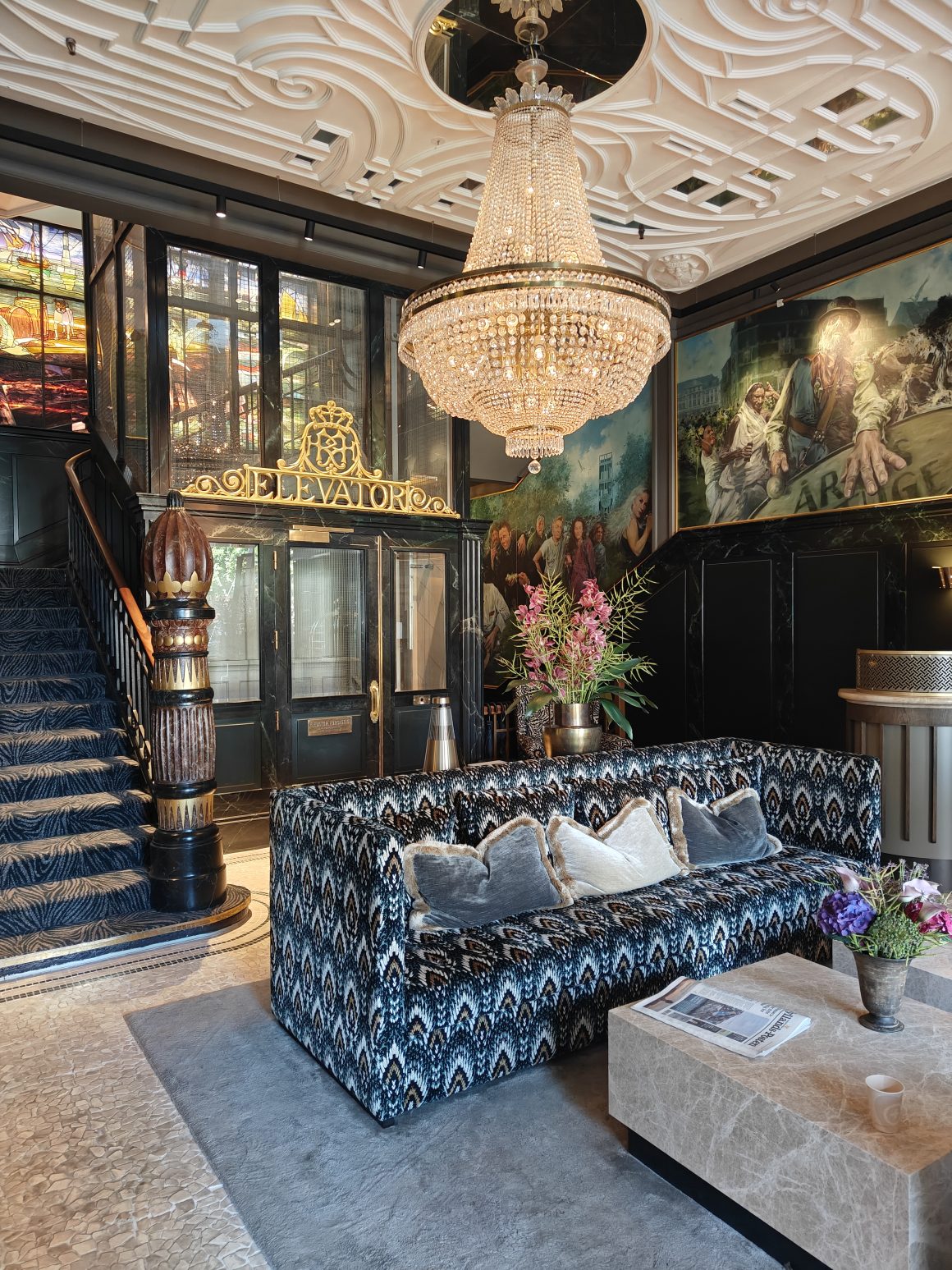

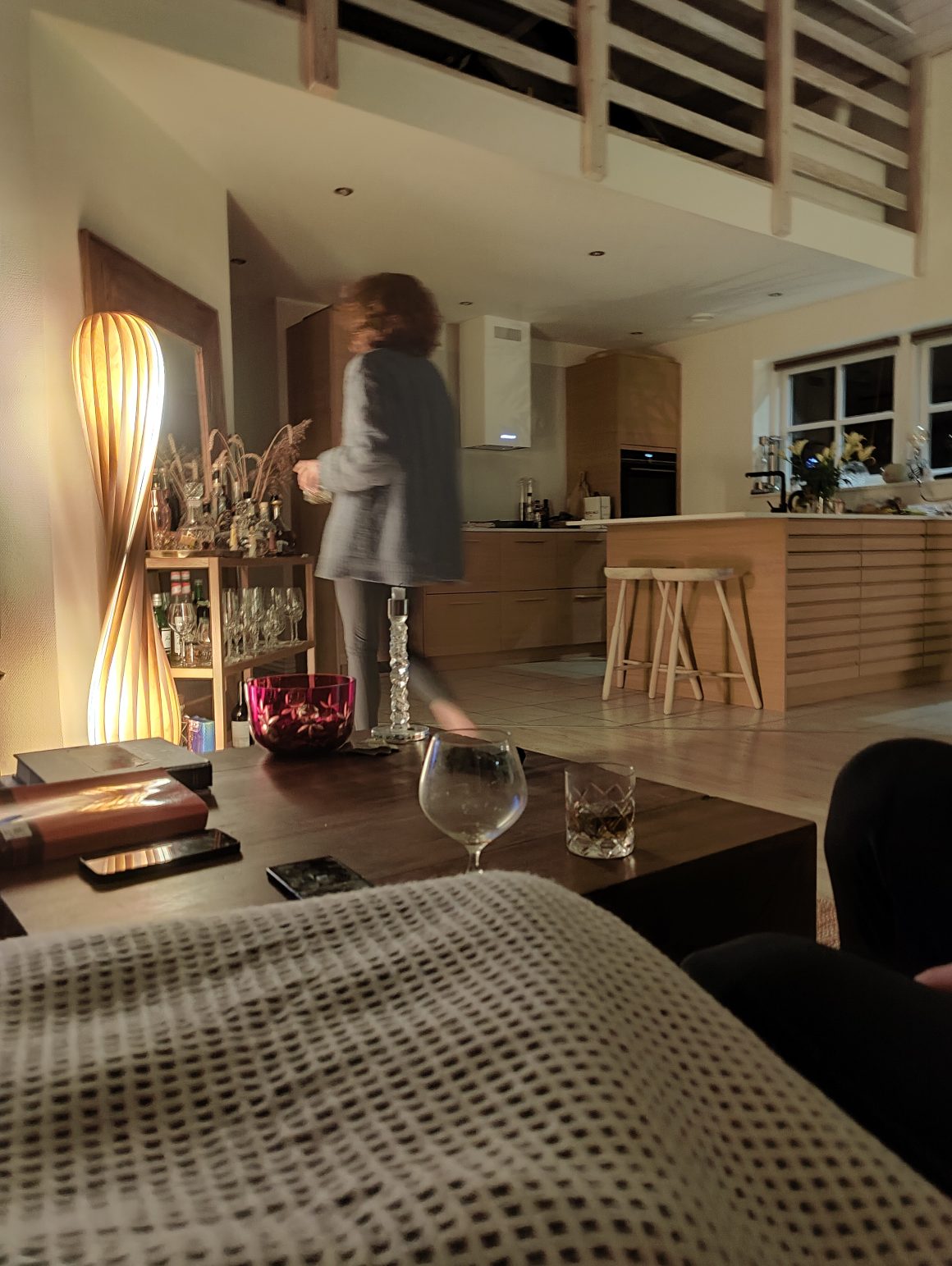
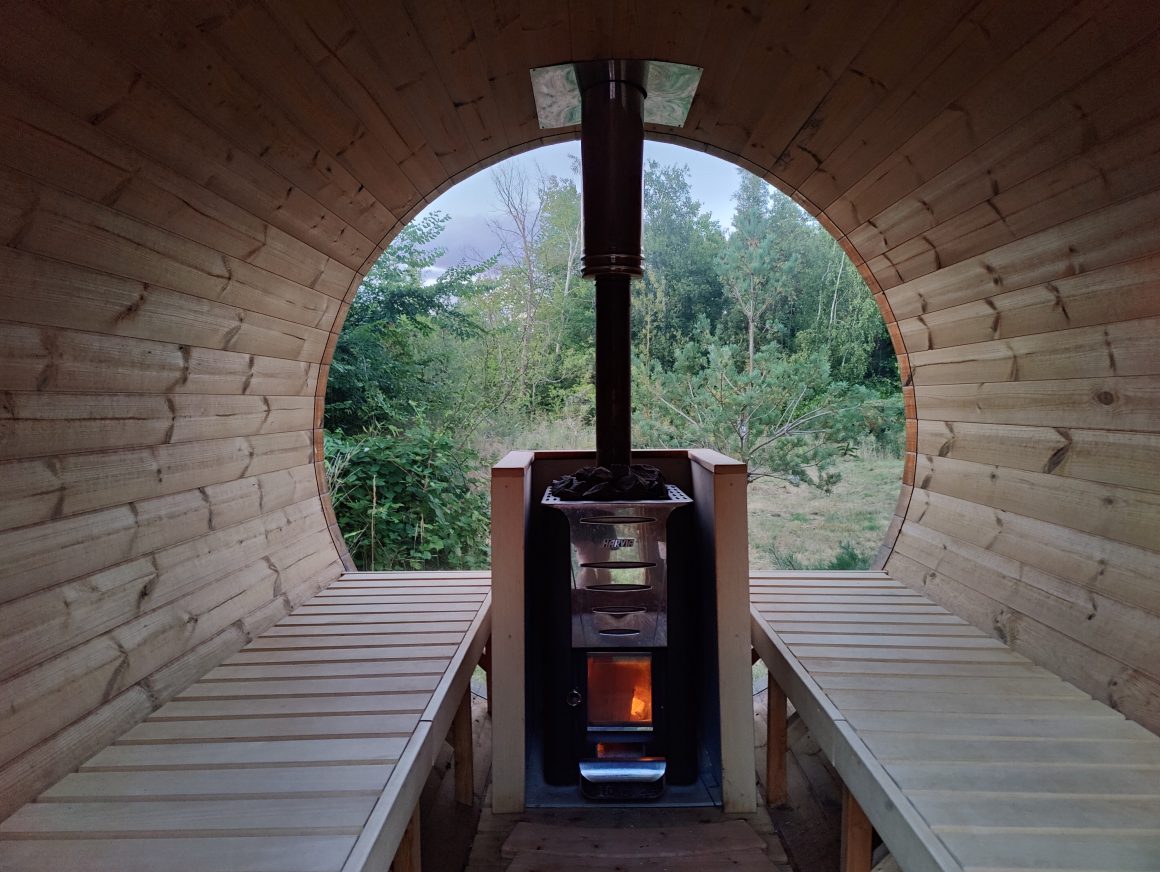


Recommended in our stories
Places in Denmark our authors recommend
Place · Copenhagen
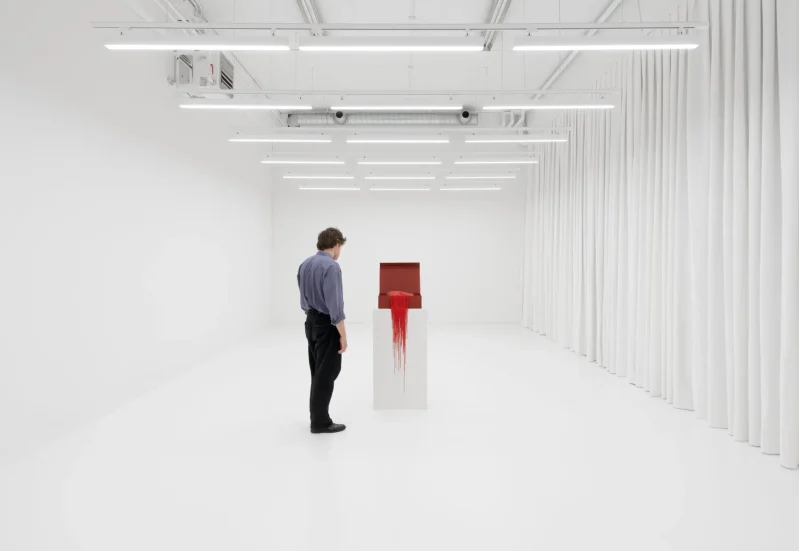
Refshalevej 173A, 1432 Copenhagen K, Refshaleøen
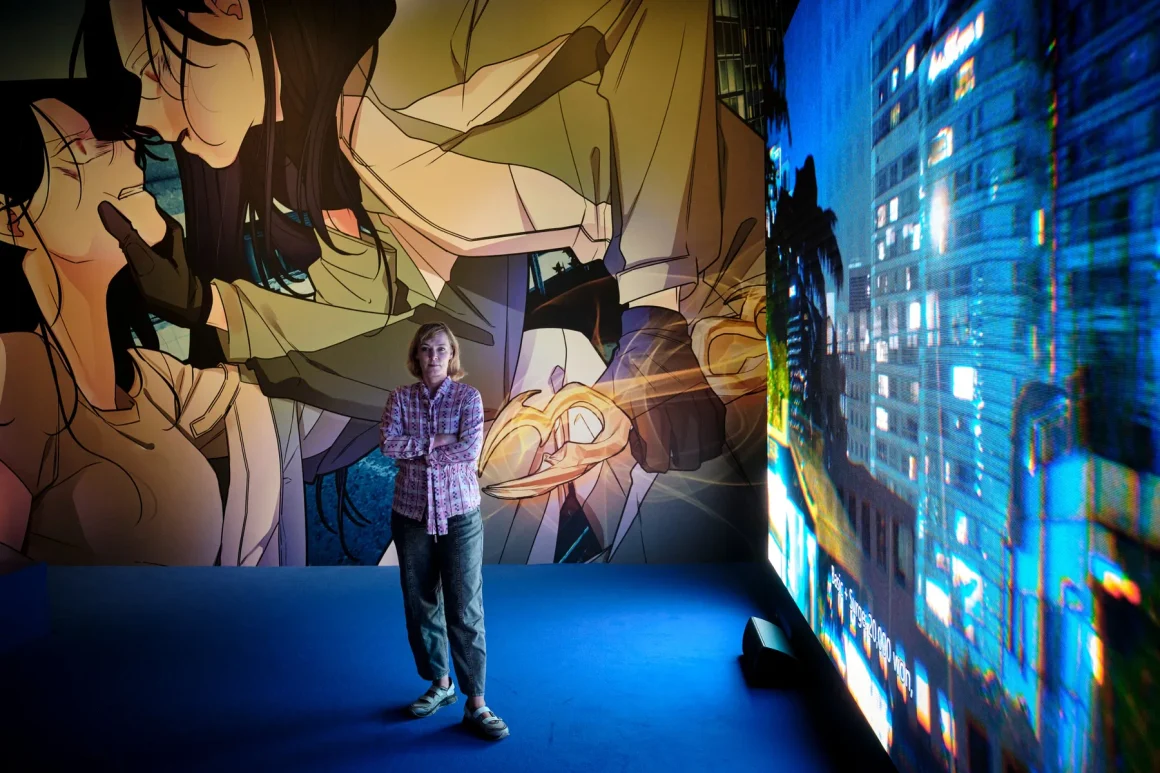
Of course, CC is the first place to go.
Open in Google Maps ↗In Marie Laurberg’s story · “The Institution Should Adapt to the Art, Not the Other Way Around”: Marie Laurberg on Copenhagen Contemporary and Where to See Art in the City
Place · Faroe Islands
Vestmanna, Streymoy
Cliffs rising around 700 meters from the sea, with deep grottoes, narrow straits and thousands of nesting puffins, guillemots and fulmars in summer.
Open in Google Maps ↗In Heidrik a Heygum’s story · “I Want Beauty Back”: Faroese Artist Heiðrik á Heygum on Neo-Romanticism, the Hidden People and His Faroe Islands
Place · Copenhagen
Christianshavn
The self-governing quarter she walks behind: self-built wooden houses, workshops and a creative environment unlike anywhere else in Copenhagen.
Open in Google Maps ↗In Kunstsalonen’s story · They Turn Private Homes into Galleries for One Weekend: Meet Kunstsalonen

Restaurant
Dosseringen 13, 5300 Kerteminde
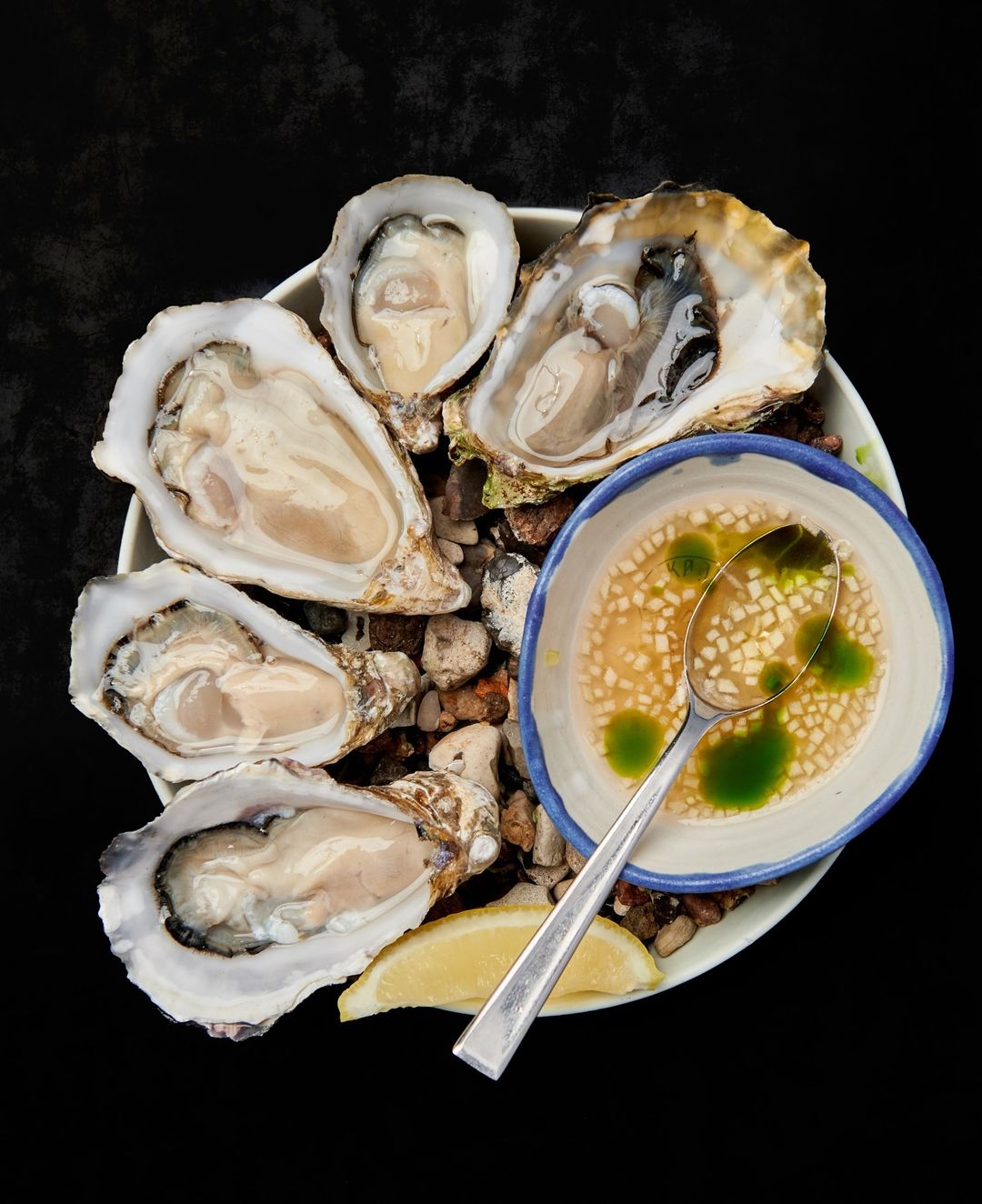
Previously named Denmark's best fish restaurant, and celebrated its 40th anniversary in 2025.
Open in Google Maps ↗In Helle and Jacob Stokkebye’s story · Hans Christian Andersen’s Island Makes Sparkling Wine for Geranium and Le Taillevent: Helle and Jacob Stokkebye on Making Michelin-Listed Wine on Funen
Restaurant
Brogade 37A, 5700 Svendborg
Part of the same restaurant group as Restaurant Resumé.
Open in Google Maps ↗In Peter Revsbech’s story · “Denmark Built Its Own ChatGPT. It Started With a Dictionary”: Peter Revsbech of Ordbogen on Sovereign Models, Silicon Valley — and Where to Eat in Svendborg
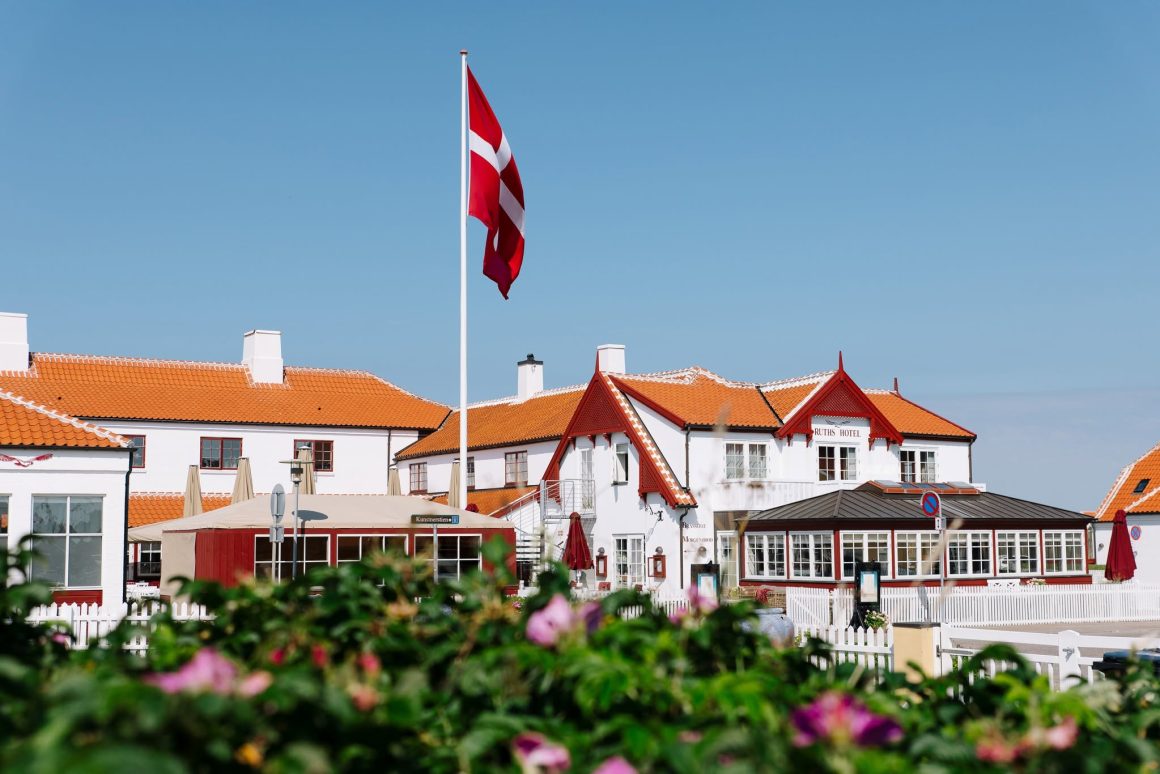
Hotel · Skagen
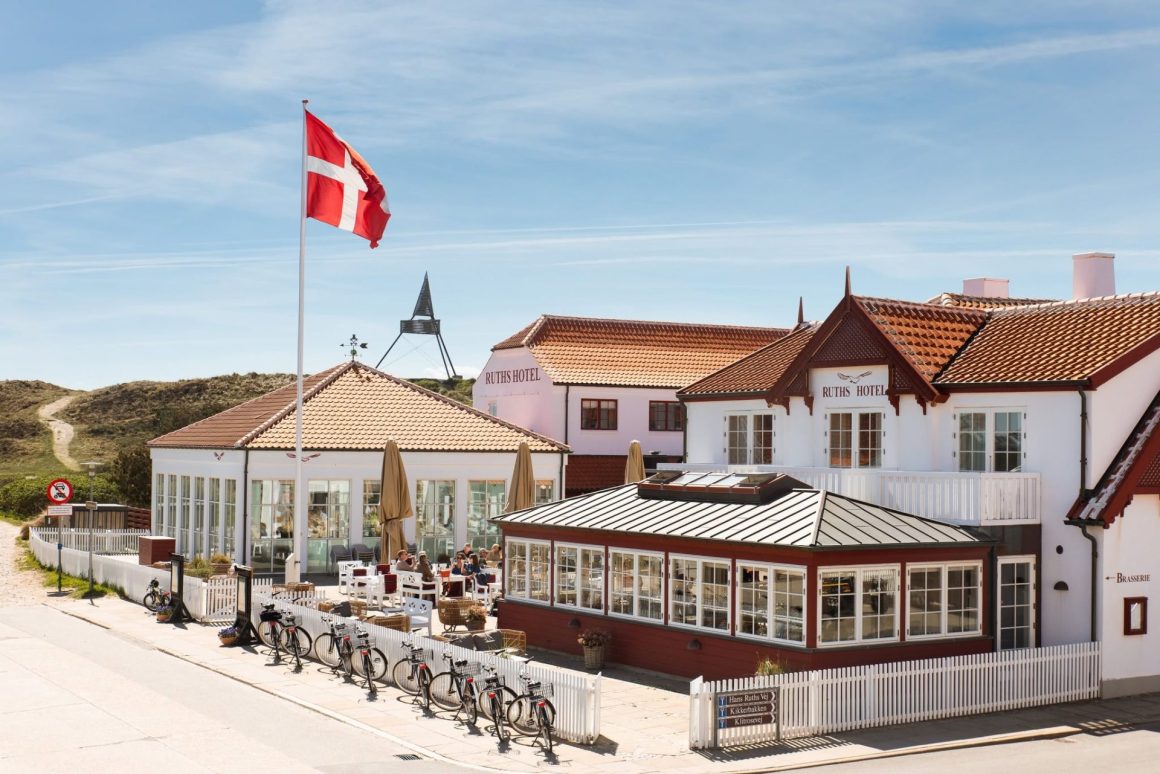
Hans Ruths Vej 1, 9990 Skagen, Skagen's grande dame, where Denmark's coastline ends
The badehotel you visit first if you want to understand the genre.
Open in Google Maps ↗In Martin Eriksen (Danemaq)’s story · Denmark’s top beach hotels: 10 seaside resorts for cuisine, and a hygge weekend
Bar · Copenhagen
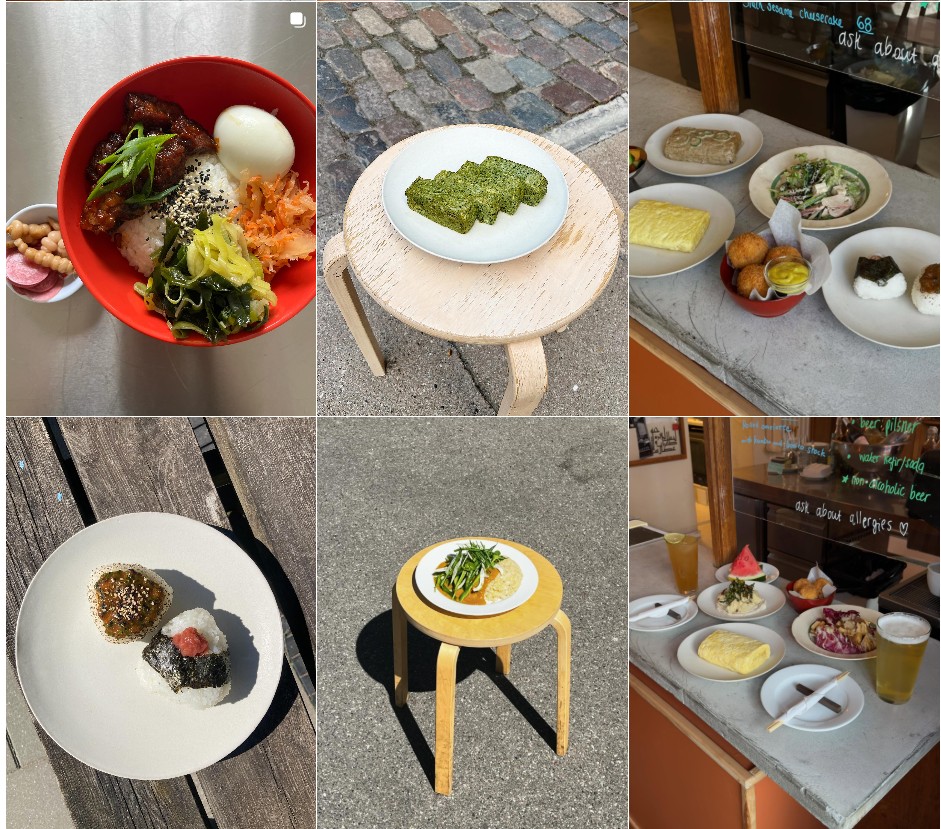
Baldersgade 8, 2200 København N
Great little breakfast/lunch spot in Nørrebro; I like how they always have new dishes and desserts!
Open in Google Maps ↗In Anya Belitskaya’s story · Best Designer-Recommended Cafés and Bars in Copenhagen
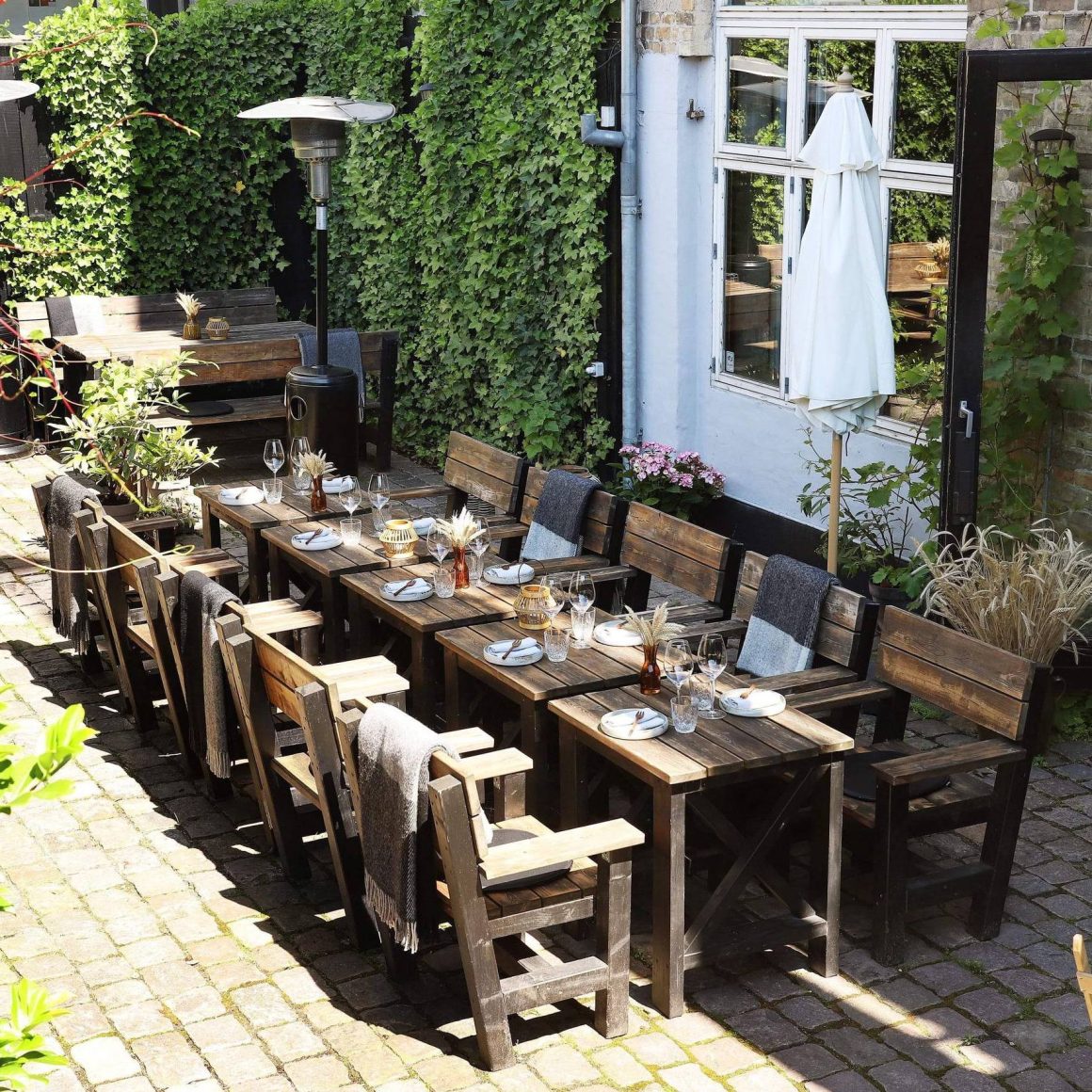
Restaurant · Aarhus
Mejlgade 35B, 8000 Aarhus C
One of Aarhus’s Michelin-starred gems, Domestic focuses on hyper-local ingredients, including sustainably sourced fish from Danish waters.
Open in Google Maps ↗In Locals Insider’s story · Best Seafood & Fish Restaurants in Aarhus for Fresh Oysters & Grill
Shop · Copenhagen
Store Strandstræde 20
Open in Google Maps ↗In Alex Copenguy’s story · My 15 Things to Do in Copenhagen: Local Tips for Breakfast, Design, New Parks & Swimming
Don’t miss
Don’t miss in Denmark
Must visit · Læsø, North Jutland
Læsø island's seaweed-roofed houses
A tiny Kattegat Sea island, two hours by ferry from Frederikshavn, where the traditional farmhouses are roofed with eelgrass (sea grass) — the only place in the world this is done.
Once farmed by women while the men worked the salt huts, the roofs are 20-40 cm thick, last 300 years, and have become quietly internationally famous as cultural landscape. Plus prawns from the Kattegat, salt works still operating since the 13th century, and roughly 1,800 inhabitants.
Ferry from Frederikshavn (1.5 hours each way). Visit May-September for the best weather; rent a bike on arrival.
Coastal cliffs & UNESCO biosphere
Møns Klint white cliffs
Denmark's most dramatic landscape — 6 kilometers of chalk-white cliffs rising 128 meters above the Baltic Sea, formed 70 million years ago. The beech forest above (Klinteskoven) carpets in wild garlic every May. UNESCO Biosphere reserve.
Two-hour drive south of Copenhagen.
GeoCenter Møns Klint at the top has a great café. Stairs down to the beach require some effort.
Experiences
Experiences in Denmark locals love
- New Nordic dining at Geranium, Alchemist or Noma
- Cycling Copenhagen's harbor circuit and bridges
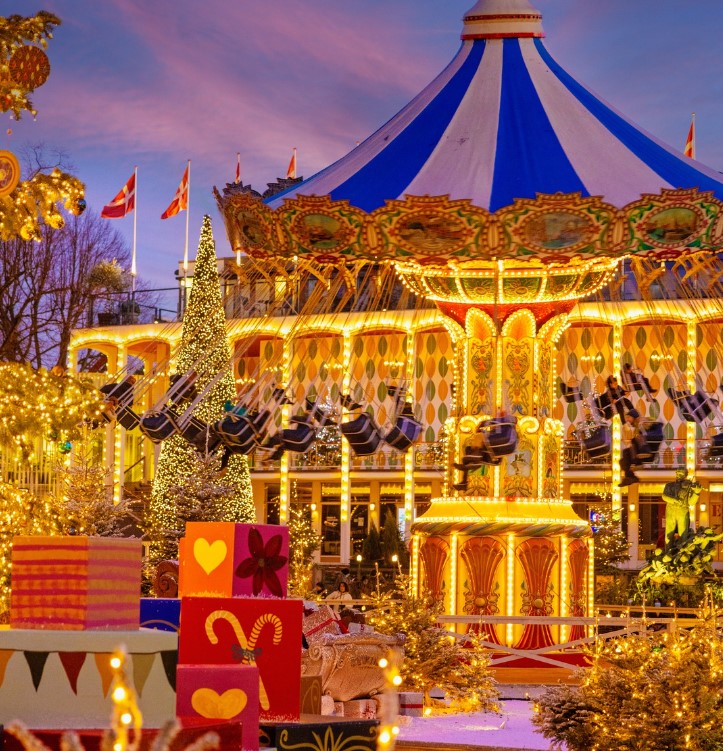
- Tivoli Gardens at dusk
- The Louisiana Museum of Modern Art (north of Copenhagen)
- Faaborg's coastal artist colonies
Insider tips
Insider tips for Denmark
- Bornholm — Baltic island with smokehouses, cliffs, cycling
- Reffen street-food market in Copenhagen's industrial reborn district
- Mols Bjerge National Park in Jutland
- Christiania — Copenhagen's car-free freetown
- Roskilde's Viking ship museum and weekend festival in summer
- Refshaleøen island for the most current Copenhagen food scene
Our picks
Denmark’s best restaurants, hotels and museums
Checked against Michelin, the venue or Google.
Noma
Michelin
$$$$ (DKK 4,500+ tasting menu)
René Redzepi's three-Michelin-star restaurant — four times ranked World's #1. The conversion announcement (transitioning to a fine-dining test kitchen in 2025) makes a Noma seat increasingly rare. Seasonal menus: Vegetable, Seafood, Game.
Book the day reservations open.
Refshalevej 96, 1432 KøbenhavnWebsite ↗
Geranium
Michelin
$$$$ (DKK 3,200+ tasting menu)
Rasmus Kofoed's three-Michelin-star restaurant on the 8th floor of Parken Stadium — World's 50 Best #1 in 2022. Plant-forward 'New Nordic' precision. Tasting menu only; reservations 3 months ahead.
Per Henrik Lings Allé 4, 8th floor, 2100 KøbenhavnWebsite ↗
Schønnemann
Traditional
$$ (DKK 250-450 per person)
The classic Copenhagen smørrebrød (open-faced sandwich) restaurant since 1877 — pickled herring, marinated salmon, pork rillette, accompanied by snaps. Lunch only, no dinner. The traditional Danish midday meal locals still actually eat.
Hauser Plads 16, 1127 KøbenhavnWebsite ↗
Kadeau
New 2026
$$$$ (DKK 2,800+ tasting menu)
Two-Michelin-star contemporary Nordic using ingredients from chef Nicolai Nørregaard's Bornholm island. The Christianshavn restaurant moved to its new larger location 2024. Sister Kadeau Bornholm is the summer-only original.
Wildersgade 10B, 1408 KøbenhavnWebsite ↗
Hotel d'Angleterre
Luxury
DKK 4,500-9,000
Copenhagen's grande dame since 1755 — the white Neoclassical building overlooking Kongens Nytorv square, the Marchal Michelin-starred restaurant, the legendary Christmas window displays. Where royalty stays in Copenhagen.
Kongens Nytorv 34, 1050 KøbenhavnWebsite ↗
Nimb Hotel
Boutique
DKK 3,500-7,500
Inside Tivoli Gardens — a Moorish-revival palace converted to a 38-room boutique hotel. Brasserie Nimb, the rooftop pool with Tivoli skyline views, and after-hours access to the amusement park gardens that few hotels can match.
Bernstorffsgade 5, 1577 KøbenhavnWebsite ↗
Sanders
Boutique
DKK 2,800-5,500
Former dancer Alexander Kølpin's 54-room hotel between Kongens Nytorv and Nyhavn — Lorenzo Castillo interior design (mid-century Danish meets British colonial), the TATA bar locals drink in. Featured Condé Nast Hot List.
Tordenskjoldsgade 15, 1055 KøbenhavnWebsite ↗
Hotel Sanders' Strand (NEW)
New 2026
DKK 3,500-7,000
Same Alexander Kølpin team's first hotel outside Copenhagen — on Bornholm island, opening late 2025. Coastal villa setting, restaurant with the same Sanders standards. Among the most anticipated Scandinavian openings of 2026.
Bornholm (opening late 2025)Website ↗
Louisiana Museum of Modern Art
Modern art
Denmark's most important modern art museum, 35 km north of Copenhagen on the Øresund coast. Sculpture park overlooking Sweden, Calder mobiles in the lawn, world-class rotating exhibitions. Take the coastal train from Copenhagen Central; the journey is half the pleasure.
Gl. Strandvej 13, 3050 HumlebækWebsite ↗
SMK – Statens Museum for Kunst
National gallery
Denmark's national gallery — strong Danish Golden Age collection (Hammershøi, Krøyer), plus Matisse, Picasso, and contemporary Nordic art. Free permanent collection. The X Wing extension is architecturally significant in its own right.
Sølvgade 48-50, 1307 KøbenhavnWebsite ↗
Designmuseum Danmark
Danish design
The story of Danish design from 1900 to now — Hans Wegner chairs, Arne Jacobsen everything, the famous Chair Walk room with hundreds of iconic chairs lined up chronologically. Recently reopened after a major renovation.
Bredgade 68, 1260 KøbenhavnWebsite ↗
On the world lists
Editor’s picks for Denmark
A few additions for travelers staying longer in Copenhagen and beyond:
Hotel Sanders, Copenhagen
A 54-room boutique behind the Royal Danish Theatre — residential, English country-house feel. Possibly the city's most refined small hotel.Louisiana Museum of Modern Art, Humlebæk
Often called the world's most beautiful museum — glass corridors through a sculpture park on the Øresund, with Giacometti, Calder, and Yayoi Kusama.The Glyptotek, Copenhagen
Carl Jacobsen's Mediterranean antiquities and French sculpture — the Hammershøi rooms in the Danish wing are the depth.Faroe Islands extension via Koks
The two-Michelin-star fermentation-driven restaurant from chef Poul Andrias Ziska — easy add-on from Copenhagen.
Through the year
Denmark festivals and what’s on
June-July
Roskilde Festival
One of Europe's biggest music festivals — 130,000 attendees, eight days
July
Copenhagen Jazz Festival
10 days of jazz across 100+ venues in the city
June 23
Sankt Hans Aften
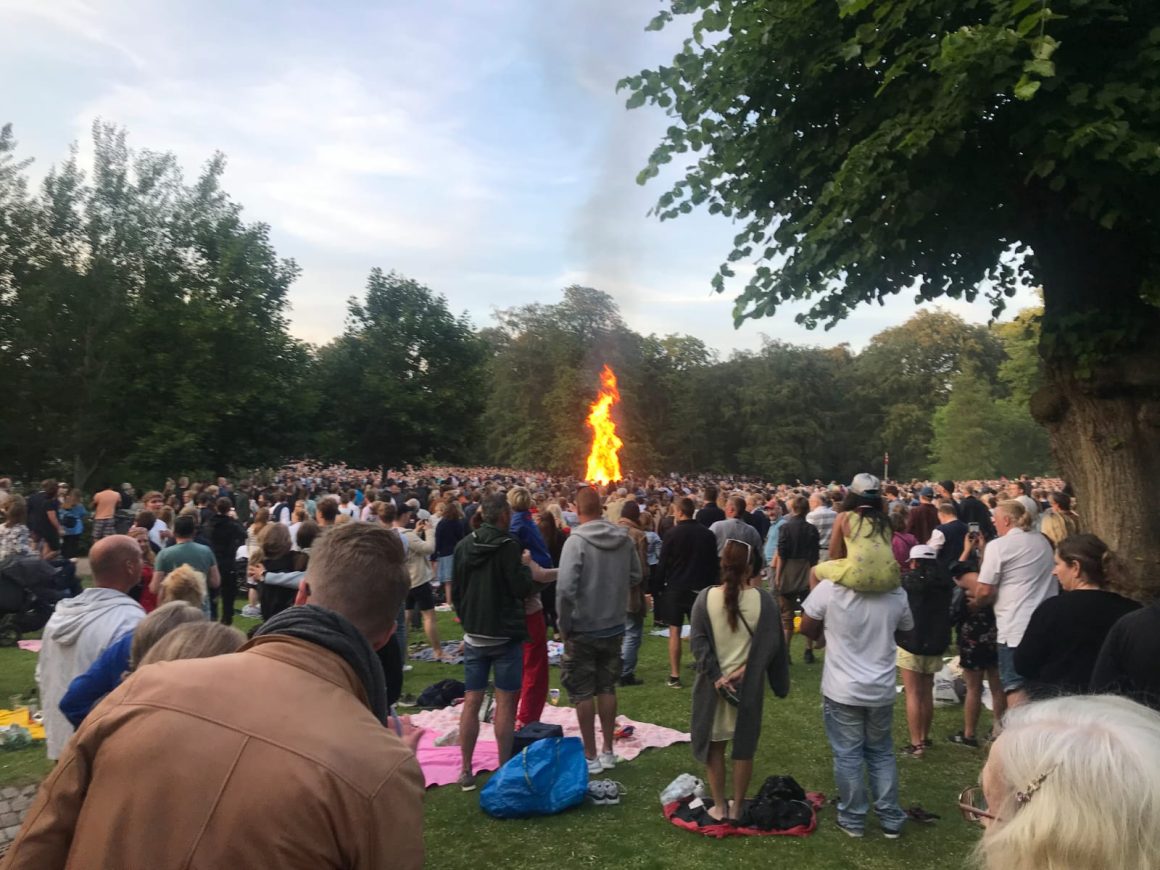
Midsummer bonfires on every beach, witch effigies, midnight singing
Questions
Denmark FAQ
Is Noma still open, and where do locals eat in Copenhagen now?
Noma closed as a regular restaurant in mid-2025 and transitioned to a test kitchen, occasional pop-ups, and the Noma Projects product line — so you can't simply book a table the way you used to. The good news: Copenhagen now has 30+ Michelin stars across 19 restaurants.
The three-star tier alongside Noma is Geranium (the most accessible booking, on the 8th floor of Parken stadium; book months ahead) and Jordnær. Two-star Alchemist by chef Rasmus Munk is the immersive multi-hour experience locals talk about.
For non-Michelin but exceptional: Marv & Ben, Høst, and Pluto are favourites that don't require six-month planning. For everyday meals, head to Torvehallerne food hall or the bakery Hart Bageri (founded by a former Noma baker).
Is Copenhagen actually walkable, or do I need to rent a bike?
Both — and the answer matters. The historic centre (Strøget, Nyhavn, Christiansborg, Rosenborg) is genuinely walkable in a day or two.
But Copenhagen is built around cycling — over 380 km of bike lanes, 49% of locals commute by bike year-round, and the city's best neighbourhoods (Nørrebro, Vesterbro, Christianshavn, Refshaleøen) reward the half-hour ride more than a slog on foot. Rent a bike for at least one full day — Donkey Republic and Swapfiets both work via app.
Stick to designated bike lanes (they're physically separated from cars), signal turns, and remember: cyclists here are fast and won't slow down for tourists. If you don't cycle, the metro and S-train cover everywhere — get a City Pass for unlimited rides.
Buses are reliable but rarely needed in the centre.
What is hygge actually, and where can I experience it?
Hygge (roughly "hue-guh") isn't a noun you can buy — it's the Danish word for the deliberate cultivation of warmth, contentment, and unhurried connection, usually around food, candles, friends, and the worst weather.
It's why Denmark consistently ranks among the world's happiest countries despite winters that are dark by 4pm. To actually feel it, skip the marketing version: go to a small candlelit café in Nørrebro in November, order a cinnamon bun and a slow coffee with no laptop.
Eat at a wine bar like Manfreds on a wet night. Stay in a converted farmhouse on Funen or Bornholm and read by the woodburner. Hygge can't be performed — you arrive at it when you stop hurrying.
Locals often say tourists who hunt for hygge miss the point; you have to slow down first.
Is Copenhagen worth visiting in winter?
Yes, with the right expectations.
December is the best month — Tivoli Gardens transforms into a Christmas market (one of Europe's best), Hans Christian Andersen's city lights up, and the dark afternoons are exactly when Copenhagen's indoor culture — Michelin restaurants, candlelit bars, design shops, hot saunas — is at its best.
January and February are bleaker: 7 hours of daylight, temperatures often hovering near freezing, occasional snow. But it's also when locals own the city again and prices drop.
If you visit then, build the trip around indoor activities: the SMK, Designmuseum Danmark, a cooking class, harbour sauna sessions, long lunches. Pack proper waterproof boots and layers — Danish weather is famously changeable, and the wind off the harbour cuts.
Should I rent a car in Denmark or just take trains?
For Copenhagen, Aarhus, Odense, and Aalborg — take the train. DSB intercity trains are fast, frequent, and the ride from Copenhagen to Aarhus takes 3 hours through some of the country's prettiest scenery.
Rent a car only if you're exploring the countryside: Funen's manor houses, Bornholm (technically requires a ferry, but renting on the island is easier), the West Coast beaches, or the Wadden Sea UNESCO area.
Denmark drives on the right, road tolls only apply to two bridges (Storebælt and Øresund — about 250 DKK each way), and gas runs around 14 DKK per litre. Parking in Copenhagen is expensive and frustrating; if you base in the city, return the car before that part of the trip.
See our car rental services guide.
Capital CopenhagenTime CET (UTC+1)Plugs Type C/E/F/K (230V)
Locals Insider
Spotted a mistake? Know a better place?
We check every guide against official sources, but places change. Tell us what’s out of date, or the spot you’d send a friend to.
Tell us about itMore countries
Is Denmark for you?
You're drawn to design, hygge, world-class cycling infrastructure, and a quality of life that consistently tops global indexes. Denmark is small but punches far above its weight in food, design, and livability.
You’re
The Design-Driven Traveler
Design lovers
Food lovers
Couples
Cyclists
Sustainability-focused
Walkability10
Getting around9
Safety10
Weather5
Value for money3
LGBTQ+ friendly10
Crowds5
Digital nomads8
When to go
Best time to visit Denmark
From a local
Locals in DenmarkLocals here
All authors
Marie Laurberg
Marie Laurberg is the director of Copenhagen Contemporary, Copenhagen’s international art centre for installation art, housed in a former shipyard welding hall on Refshaleøen.
She took up the role in 2022, after two decades as a curator and head of exhibitions at ARKEN and the Louisiana Museum of Modern Art.

Heidrik a Heygum
Heiðrik á Heygum is a Faroese artist working across painting, illustration, music and film, often described as a Neo-Romantic.
Trained at Super16 in Copenhagen and the Academy of Visual Art in Iceland, he has made music videos for artists including Eivør and Brimheim, and now works from his studio in the Faroe Islands.
Website: heidrik.com · Instagram: @heidrik

Kunstsalonen
Kunstsalonen is a nomadic art salon founded in 2017 by Anne Aarsland and Mette Helena Rasmussen.
Twice or three times a year they hang contemporary art in a private Copenhagen home and open it to the public for one weekend — 27 homes so far, with the works for sale.

Helle and Jacob Stokkebye
Helle and Jacob Stokkebye run Stokkebye Vingård on the Danish island of Funen, where 22,000 vines produce organic sparkling wine poured at Michelin restaurants including Geranium, Jordnær and Le Taillevent.
It began as a hobby in 2009 with a thousand vines in the garden. Jacob trained at Kong Hans and worked as a sommelier in Bordeaux; Helle came from the UN and the Danish Foreign Ministry
Peter Revsbech
Peter Revsbech is CEO of Ordbogen, the company behind Denmark's largest online dictionary, where he is building Mimir, a Danish language model trained and kept entirely in Denmark.
He advises Danish industry on AI, and lives in Svendborg.

Martin Eriksen (Danemaq)
Martin Eriksen, editor at LocalsInsider.com, was born and raised in Thy, Northern Jutland, Denmark.
He studied pharmacy in Copenhagen and has since traveled extensively, living and working in different parts of the world as a digital nomad before settling in Malta.
With a scientific background and a keen interest in history, social sciences, and local cultures, he combines an analytical perspective with firsthand travel experiences and insights gained from living abroad.
Cecilie de la Prada
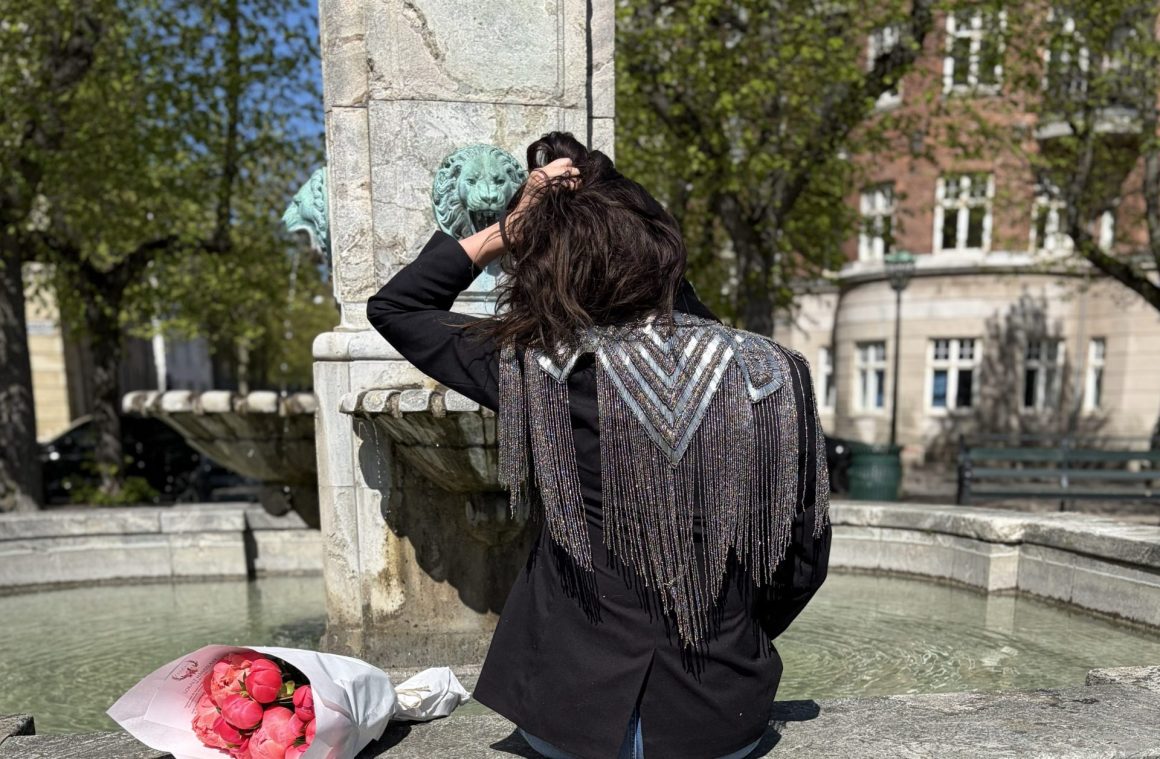
Cecilie de la Prada is the founder of Dudette, an independent boutique on Copenhagen's Kompagnistræde dedicated to Scandinavian maximalism — hand-beaded accessories, statement jewelry, and pearl capes for people who refuse to blend in.
A former theater professional, she opened Dudette to bring a little more sparkle, humor and personality to the city's design landscape. Find her at dudette.dk and on Instagram @dudette.dk.
Anya Belitskaya
Anya Belitskaya is a Copenhagen-based fashion designer and MA graduate of the Royal Danish Academy (Fashion, Clothing & Textiles).
Her work fuses cultural memory with exuberant ornamentation—think shine, florals, and generous shapes—while centering inclusivity and joy.
Belitskaya’s practice sits at the intersection of craft and community, proposing fashion that celebrates real bodies and real celebrations.

Alex Copenguy
Alex Copenguy, founder of Localsinsider.com, loves exploring cities on foot, finding cozy, historic boutique hotels, and avoiding tourist spots.
He's passionate about Scandinavian simple yet functional design, contemporary art, and enjoys mussels with fries and cold prosecco. A fan of saunas and banyas, he always seeks out a good male massage when traveling.
14 places on the map
Elsewhere on Locals Insider


 Martinique
 Romania
 Scotland