Wisconsin: what to do, see & eat — curated guide to the Badger State 2026
The Badger State — Lake Superior sea caves, supper-club old fashioneds, and more cheese than anywhere in America.
Wisconsin does the Midwest at full volume: Devil's Lake's 500-foot quartzite canyon, the Apostle Islands' kayak-through sea caves, Taliesin, Frank Lloyd Wright's own home, and a Friday-night ritual at supper clubs like Ishnala — brandy old fashioned included. It's the most underrated weekend state in America, and Chicagoans already know it.
5.9MPopulation
Badger StateNickname
May–Oct (Feb for winter sports)Best months
★ LocalsInsider Picks
Our Picks for Wisconsin
Wisconsin's quiet heavyweights — Martin and Alex's picks: Wright's home ground, a Mississippian outpost, and the beer that named a city.
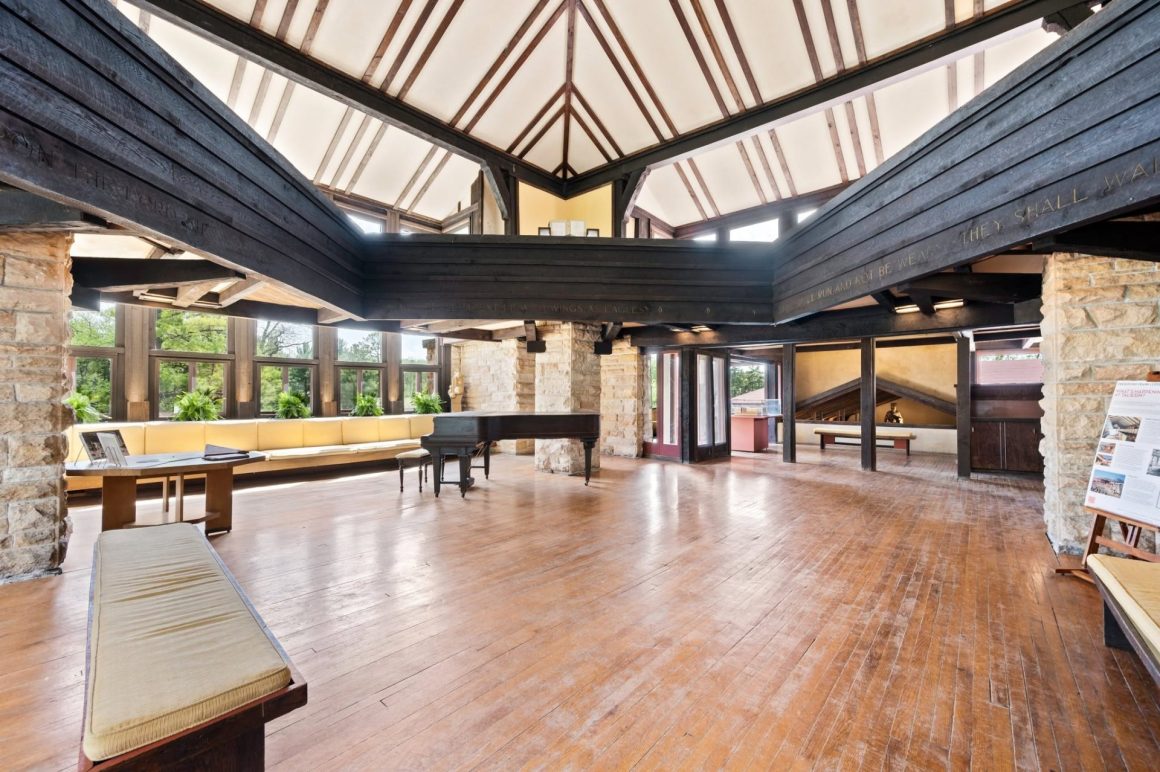
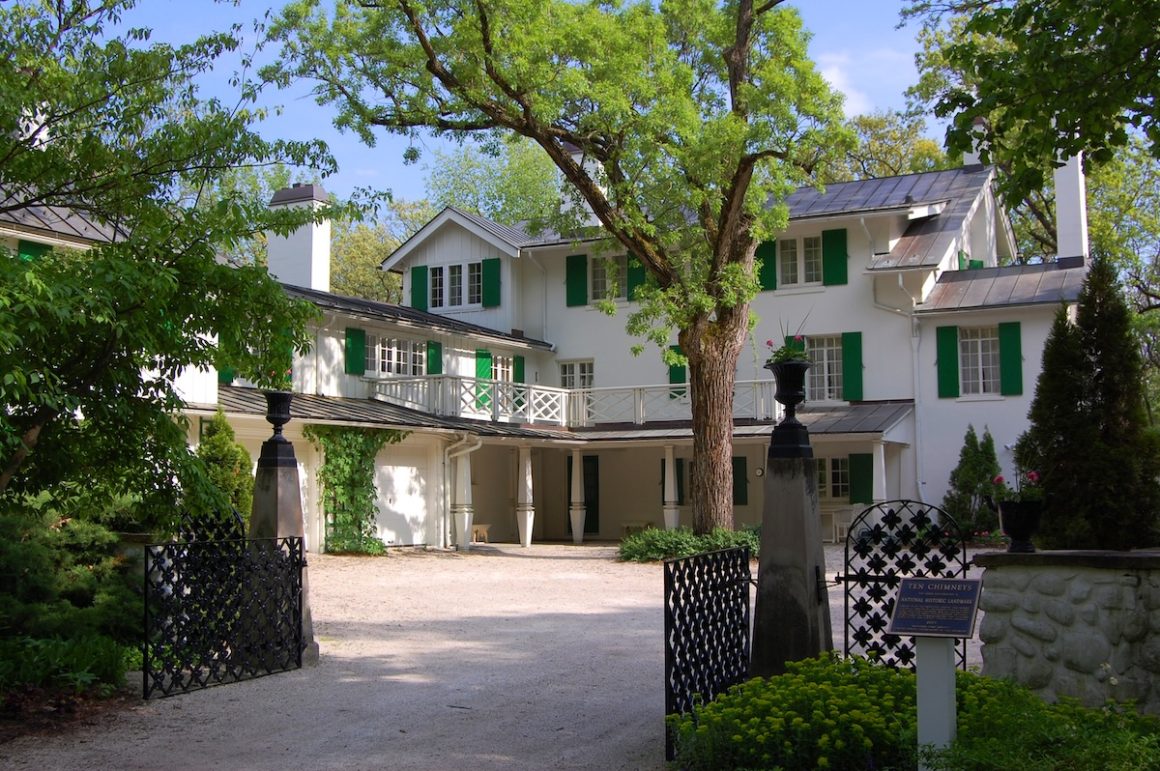
Wright's 800-acre home, studio and school in the Driftless hills he grew up in — built 1911, twice burned (once in the 1914 murders that darkened his legend), twice rebuilt, and refined until his death. The estate tour spans the house, Hillside School and the landscape that taught him organic architecture. UNESCO-listed; book ahead, Spring Green's American Players Theatre makes it a weekend.
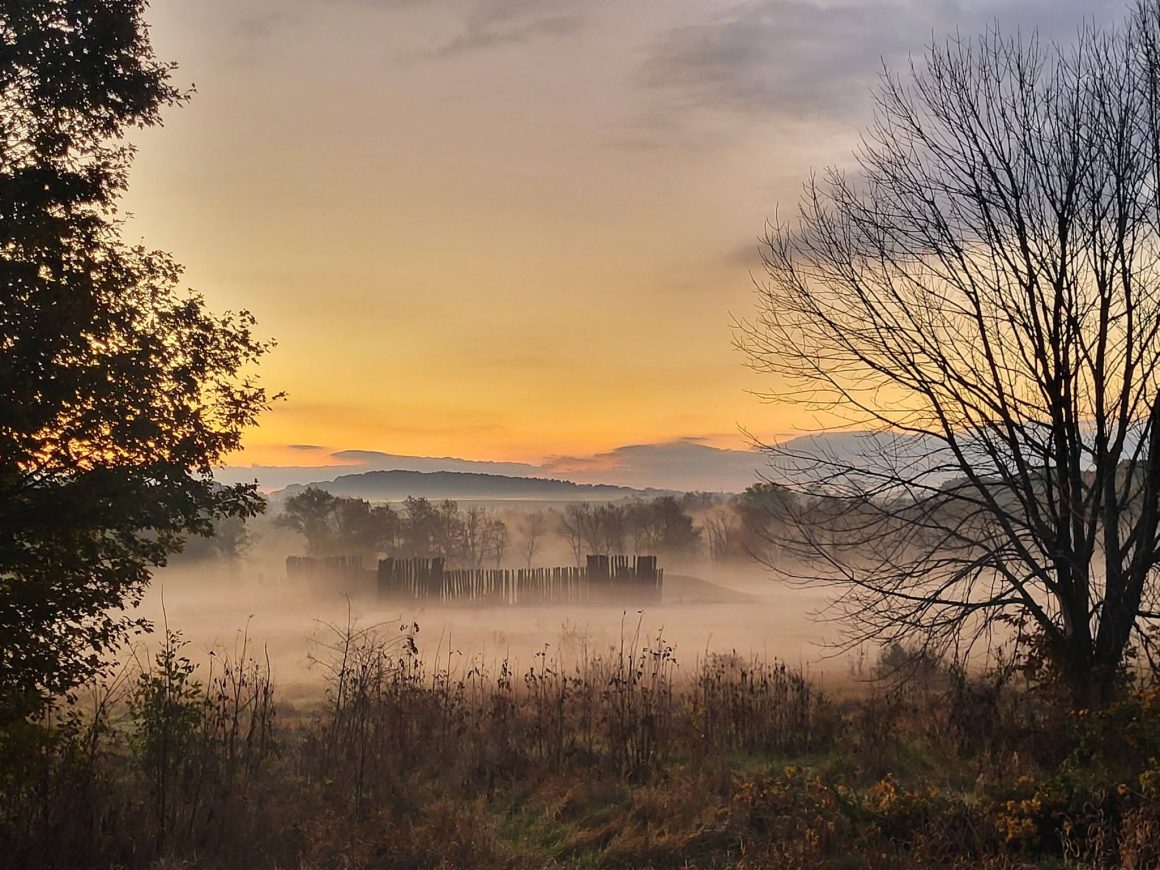
A fortified Mississippian town of the Cahokia world, a thousand miles north of the metropolis: flat-topped platform mounds, a reconstructed stockade line, and the Crawfish River site that rewrote the region's deep history. Quiet, free, and startling — the wider Indigenous urban world, in dairy country.
LocalsInsider recommends
Milwaukee's Brewing Heritage — the Industry That Named a City
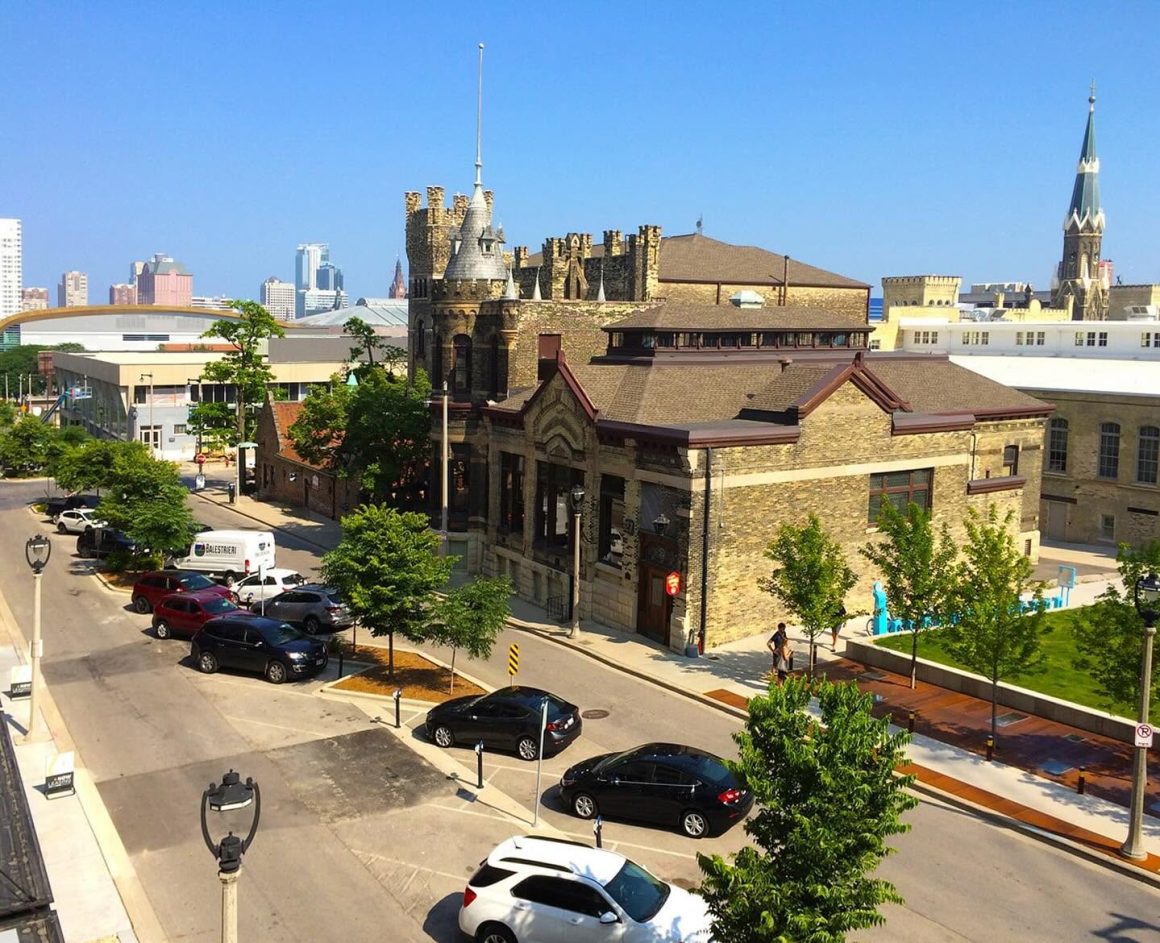
The city beer built, toured at both scales: the Victorian Pabst complex's gilded halls (tours pour in the original tavern) and the working Miller Valley caves and packaging lines — plus the Pabst Mansion's captain-of-industry excess. Industrial heritage you can drink; designate accordingly.
Alfred Lunt and Lynn Fontanne — Broadway's reigning couple for three decades — built their private world in the Wisconsin countryside: hand-painted rooms, a Swedish log studio, and guest books signed by everyone from Olivier to Coward. Performance, retreat and artistic social life, preserved to the teacup; tours May–November.
Here is our curated guide to Wisconsin: hand-picked places to eat, museums worth your time, trails to hike, and spa retreats to rest and recharge — plus the best time to go.
Nature & Parks
What to See in Wisconsin: Nature, Hiking & the Lakeshore
Two glacial epochs and two Great Lakes gave Wisconsin scenery that has no business being this close to Chicago.
Bayfield
Apostle Islands National Lakeshore
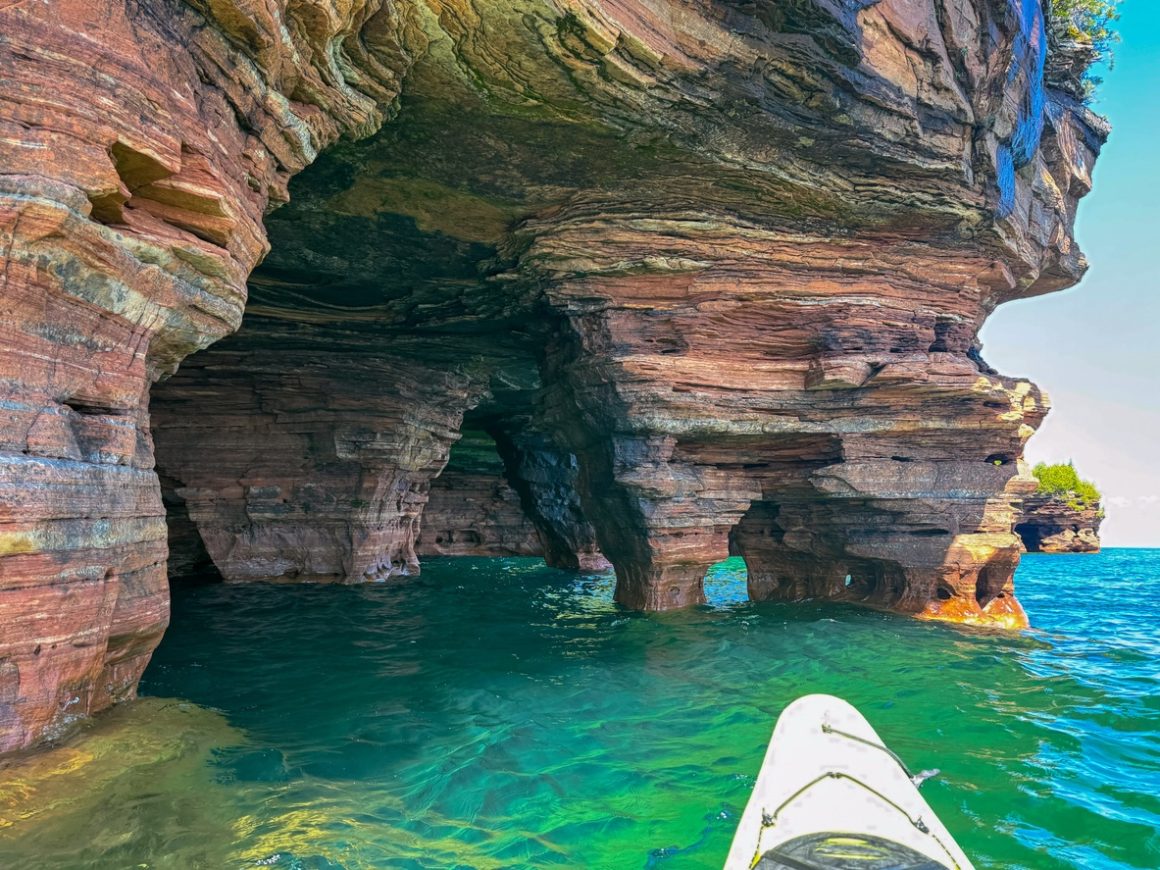
Twenty-one islands and 12 miles of mainland Superior shore, protected in 1970 largely thanks to Wisconsin senator Gaylord Nelson — the founder of Earth Day. The headline act is the mainland sea caves at Meyers Beach: honeycombed red sandstone you kayak through in summer, and in rare hard-freeze winters walk into over ice (the 2014 ice-cave season drew 138,000 people and made national news). The islands also hold the largest collection of historic lighthouses in the National Park system — eight towers on six islands. 4.8★.
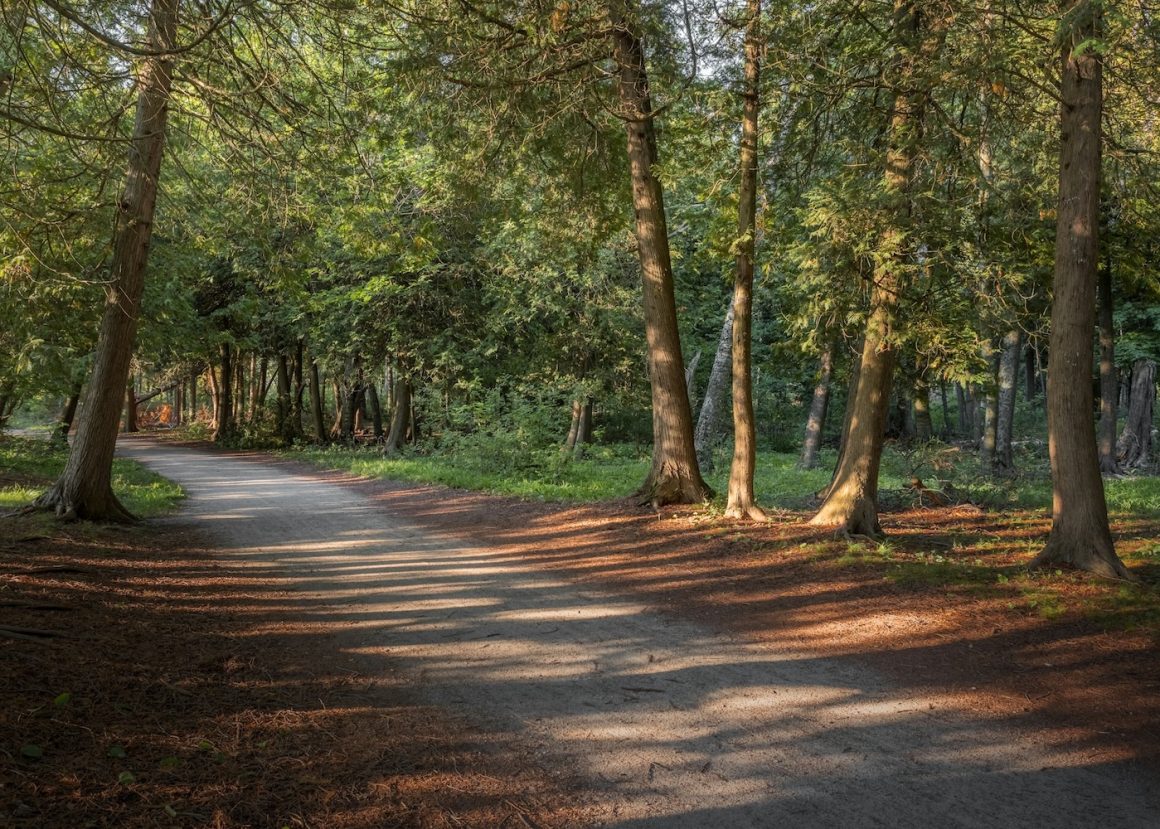
The heart of the "Cape Cod of the Midwest" since 1909 — one of Wisconsin's oldest and busiest parks: eight miles of Green Bay shoreline, the 1868 Eagle Bluff Lighthouse, Eagle Tower's fully accessible 850-foot canopy ramp (rebuilt 2021), and a summer theater troupe that's performed in the park since 1935. Cycle the Sunset Trail, then eat a fish boil in Fish Creek — the boilover flame-up is the show.
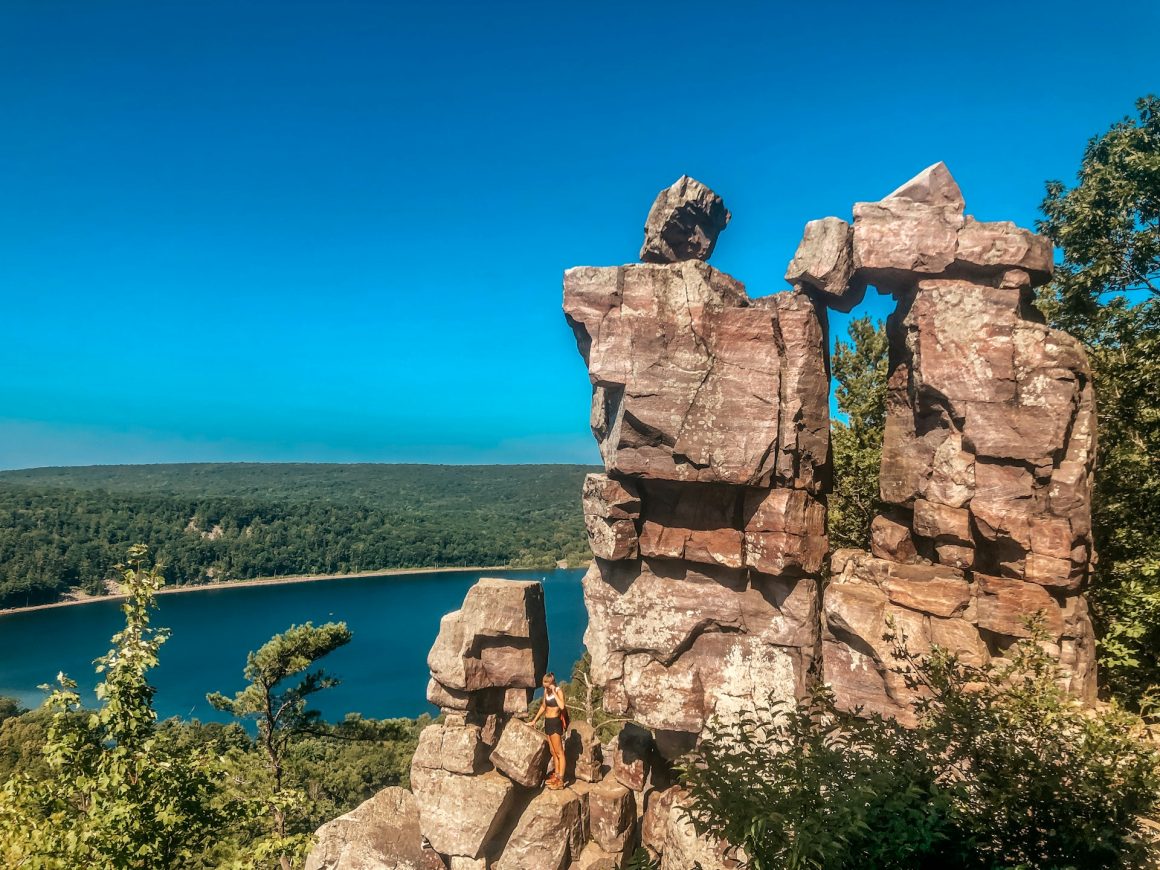
Wisconsin's flagship park (1911) sits in the Baraboo Hills, whose purple-pink quartzite is roughly 1.6 billion years old — among the most ancient exposed rock in North America — and the last glacier plugged both ends of the gorge, creating a 360-acre spring-fed lake with no visible inlet or outlet. The East Bluff trails (Devil's Doorway, Balanced Rock) climb 500 feet of talus to the best short-hike views in the Midwest; the CCC built the stone staircases in the 1930s. It draws around 2.5–3 million visitors a year — 4.8★ across 13,000+ reviews — so summer weekends demand a pre-10 a.m. arrival.
One of only eleven National Scenic Trails in the country, and the only one devoted to a geological story: its ~1,200 miles trace the exact terminal moraine of the last glacier across Wisconsin, from Interstate State Park on the St. Croix to Potawatomi State Park in Door County. The Kettle Moraine and Devil's Lake segments make the best day hikes; a few hundred "thousand-milers" have hiked the whole thing.
Discovered by accident in 1939 when a limestone quarry blast opened the hillside, this National Natural Landmark cave near Madison stays 50°F year-round — the reliable rainy-day (or 95-degree-day) nature stop, with jewel-box formations still actively growing. Above ground, adjacent Blue Mound State Park holds the highest point in southern Wisconsin.
Milwaukee — Lakefront art · breweries · third coast
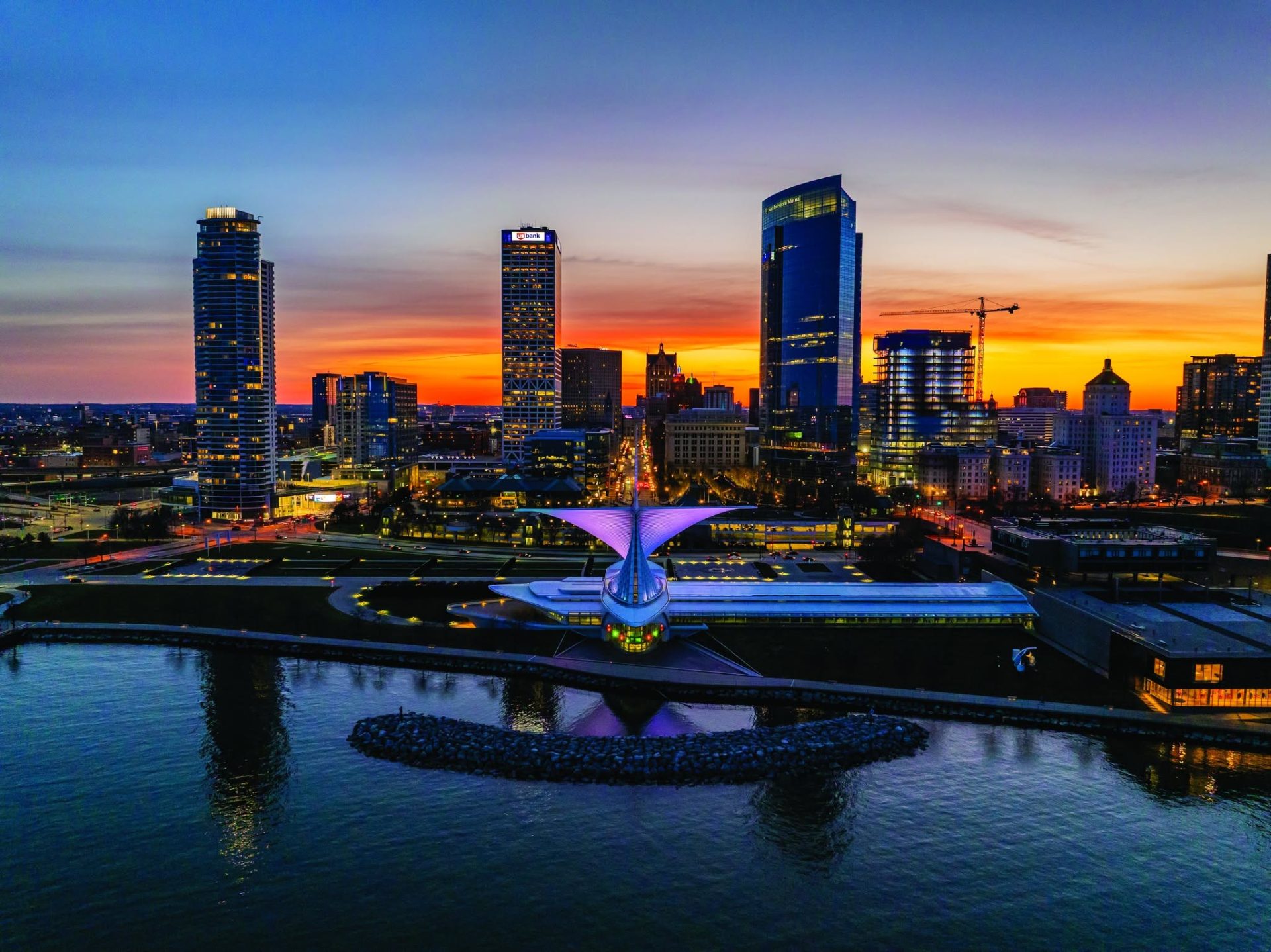
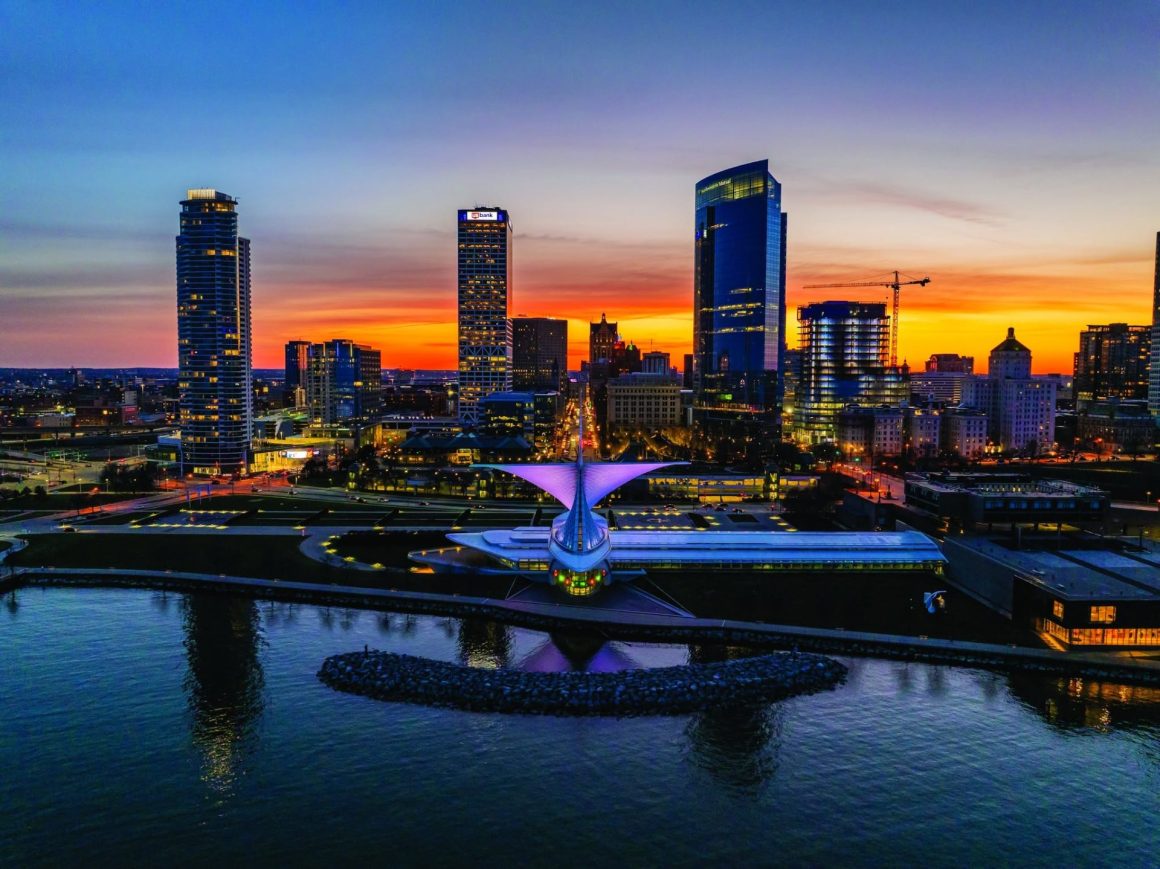
The city that beer built — Pabst, Schlitz, Miller and Blatz all brewed here, and the Harley-Davidson Museum guards the other hometown religion — now anchors its lakefront with Santiago Calatrava's winged art museum and fills the Historic Third Ward's warehouse blocks with the Milwaukee Public Market. Summerfest, running since 1968 along the lake, bills itself as the world's largest music festival (Guinness certified it in 1999). Ninety minutes from Chicago on the Amtrak Hiawatha, and still underrated is an understatement.
Built on an isthmus between lakes Mendota and Monona, with a state capitol whose dome is by law the tallest thing in town — and ringed every Saturday by the Dane County Farmers' Market, the largest producer-only farmers' market in the US. The UW Memorial Union Terrace's sunburst chairs are the state's best sunset seat, and Frank Lloyd Wright's Monona Terrace (designed 1938, finally built 1997) curves over the lake downtown.
Seventy miles of peninsula between Green Bay and Lake Michigan holding 300 miles of shoreline, 11 historic lighthouses, five state parks and a cherry-orchard economy dating to the 1890s — Door County still grows a large share of America's tart cherries. The ritual circuit: fish boil in Fish Creek, cherry pie in Sister Bay (watch the goats grazing Al Johnson's sod roof), sunset at Cave Point's wave-carved limestone.
A hillside harbor village of about 500 facing the islands — berry farms and orchards up the hill, the Madeline Island ferry at the dock, and October's Apple Festival (since 1962) swelling the town a hundredfold. The Bayfield Maritime Museum and sailing charters fill summer; the ice road to Madeline Island (when it freezes) is a genuine only-in-Wisconsin drive.
Chicago's Gilded Age families built their summer "cottages" — actually mansions — around this spring-fed lake after the 1871 fire, and the 21-mile Shore Path that predates them all (an Indigenous footpath, kept public ever since) still runs straight across their manicured front lawns. Walk any stretch of it; ride the 1916-tradition US Mailboat, whose jumpers deliver letters to piers at speed every summer morning.
Wisconsin quietly hosts some of the Midwest's only true destination spas — including one attached to a plumbing empire that takes water very seriously.
Feature
Kohler Waters Spa — Kohler
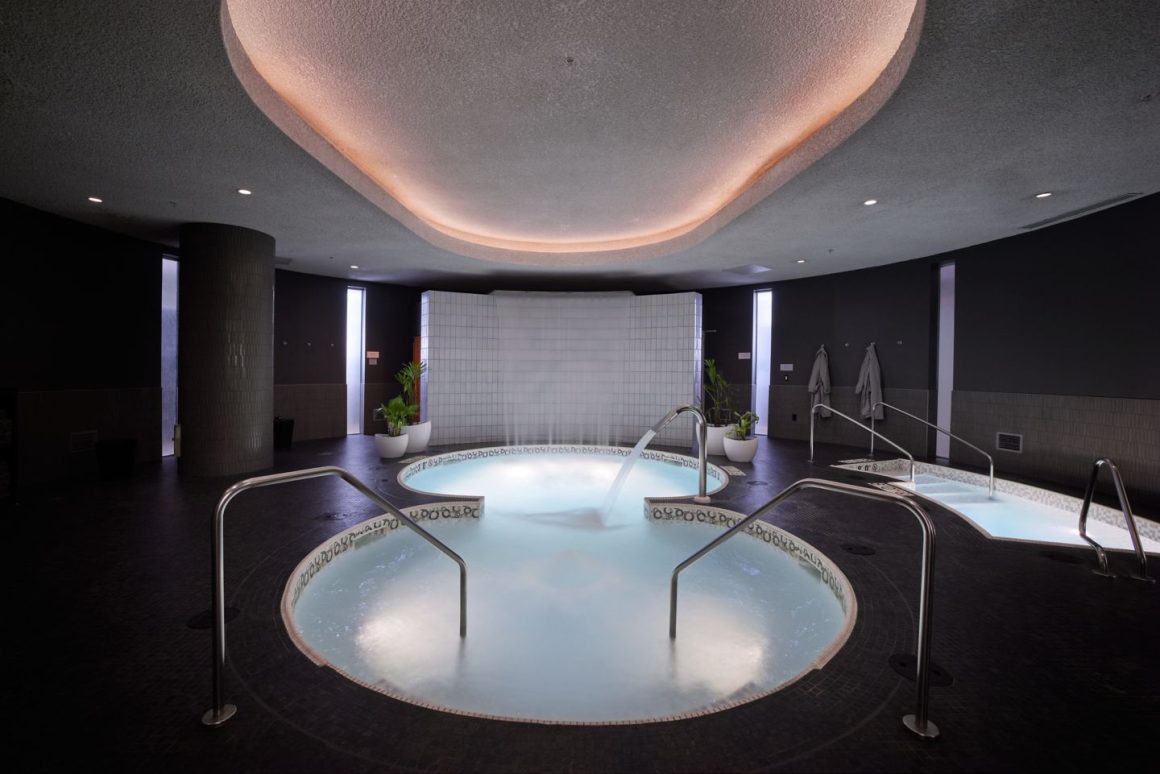
A five-star water-therapy spa from the company that makes America's bathtubs, attached to The American Club — a 1918 dormitory Kohler built for immigrant factory workers, now the Midwest's only AAA Five Diamond resort hotel. The spa runs an eight-station hydrotherapy circuit, a rooftop deck with plunge pools, and treatments engineered around moving water, as you'd hope. 4.6★; reviewers call the massages the best of their lives with suspicious frequency.
An adults-only, devices-away destination spa hidden in a red-pine canyon minutes from the waterpark chaos — built in 2003 around a signature purifying bath ritual, with infinity pools, a swim-up bar and spa cottages in the trees. Long the state's most famous spa; recent guests split on whether the rooms have kept pace with the price (a detailed March 2026 review says not), so book it for the spa day first and the overnight second. 4.4★.
A lakeside spa built around rituals drawn from the area's Native American heritage — its signature treatments use water from the spring-fed lake the Potawatomi held sacred — in Elkhart Lake, one of the Midwest's original resort villages (and, incongruously and wonderfully, home of the Road America race circuit).
The full resort spa on grounds with a past: Grand Geneva opened in 1968 as the Lake Geneva Playboy Club-Hotel, one of only two Playboy resorts ever built. Today it's hydro pools, seasonal treatments, two golf courses and a small ski hill — the easy add-on to a Lake Geneva weekend.
Best Museums in Wisconsin for Contemporary Art & Design
Milwaukee Art Museum
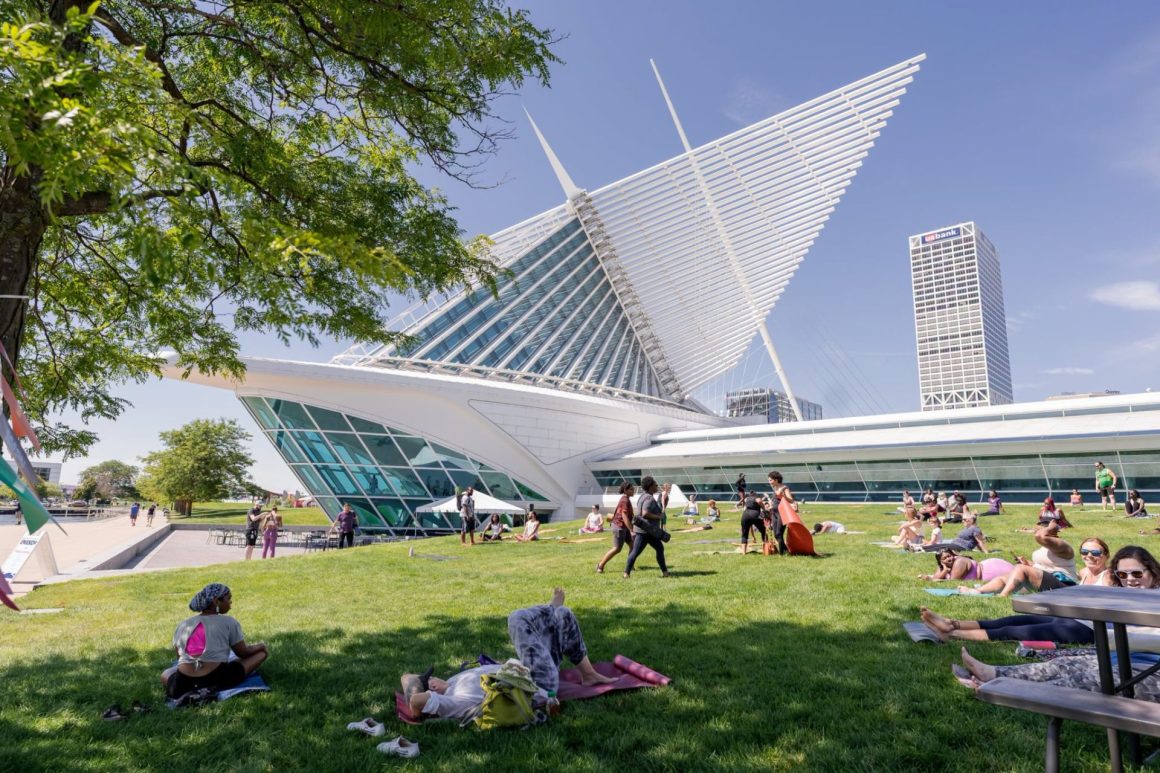
Santiago Calatrava's first completed building in the United States (the 2001 Quadracci Pavilion) gave Milwaukee its icon: the Burke Brise Soleil, a 217-foot wingspan of steel fins that opens at 10 a.m., flaps at noon and folds at closing — wider than a 747 and controlled by wind sensors. Behind the wings, a 30,000-work collection especially strong in Georgia O'Keeffe (born in Sun Prairie, WI), German Expressionism, folk and self-taught art, and design. 4.8★ across 8,600 reviews.
The country's leading champion of artist-built environments — it rescued and preserves whole visionary installations by self-taught artists — plus the famous artist-designed washrooms created through the Kohler company's Arts/Industry residency, which since 1974 has put artists on the factory floor. Free entry, 4.7★, and yes, reviewers genuinely tell you not to miss the bathrooms.
Frank Lloyd Wright's own 800-acre estate — home, studio, farm and school — begun in 1911 on his family's Welsh homestead land and rebuilt by him twice after catastrophic fires (the 1914 tragedy, in which seven people were murdered, is part of any honest tour). Every Wright period is visible somewhere on the property, which is why UNESCO inscribed it in 2019. Tours (4.8★) sell out; book ahead and bring bug spray in summer — the guides aren't kidding.
A free contemporary museum anchoring State Street inside Cesar Pelli's Overture Center, with a rooftop sculpture garden and the annual Wisconsin Triennial keeping the state's own artists on the walls — pair it with the also-free Chazen Museum (the second-largest collection in the state) two blocks toward campus for a full Madison art day.
The largest contemporary craft collection in North America — some 11,000 works of ceramics, fiber, studio glass, metals and polymer — in a luminous 2003 downtown building wrapped in translucent acrylic that glows after dark. The craft counterpart to Milwaukee's fine-art wings, 30 minutes apart.
The definitive collection of Wisconsin art — 6,000+ works from 1800s German panel painters to living artists — in a sharp 2013 wedge of a building on a bend of the Milwaukee River. Membership costs less than two coffees and admits you free for a year, a deliberate access experiment other museums study.
The largest museum of rural life in the United States: more than 60 historic buildings — Finnish log saunas, Danish farmhouses, an 1880s crossroads village — moved here from across the state and reassembled on 600 acres of the Kettle Moraine, opened for the 1976 Bicentennial. Costumed interpreters actually farm it: heirloom crops, heritage livestock, wood-fired kitchens.
Wisconsin's most important archaeological site: a stockaded Mississippian town of perhaps 500 people, occupied ~1050–1200 AD as the northernmost major outpost of the Cahokia world (see our Illinois guide) — with reconstructed platform mounds and palisade walls on the Crawfish River. Why it was abandoned remains genuinely unknown.
Beer baron Captain Frederick Pabst's 1892 Flemish Renaissance mansion — 37 rooms, 14 fireplaces, carved German woodwork — the grandest survivor of the "Grand Avenue" era when Milwaukee's brewing fortunes lined the boulevard with palaces. It spent 67 years as the Catholic archbishop's residence before preservationists saved it in 1975.
The 1869 tower you reach by crossing a stone causeway that's sometimes ankle-deep in Lake Michigan (a hay-wagon shuttle runs when it floods) — then climb all 97 spiral steps for the peninsula's best panorama. Still an active aid to navigation, kept by the Door County Maritime Museum.
A restored 1870 Victorian country estate — built by the fur-trade Dousman fortune — standing on a Mississippi River mound with deeper layers beneath it: a Hopewell-era burial mound, the site of Fort Shelby (the only War of 1812 battle fought in Wisconsin), and the fur post that made Prairie du Chien the state's second-oldest settlement.
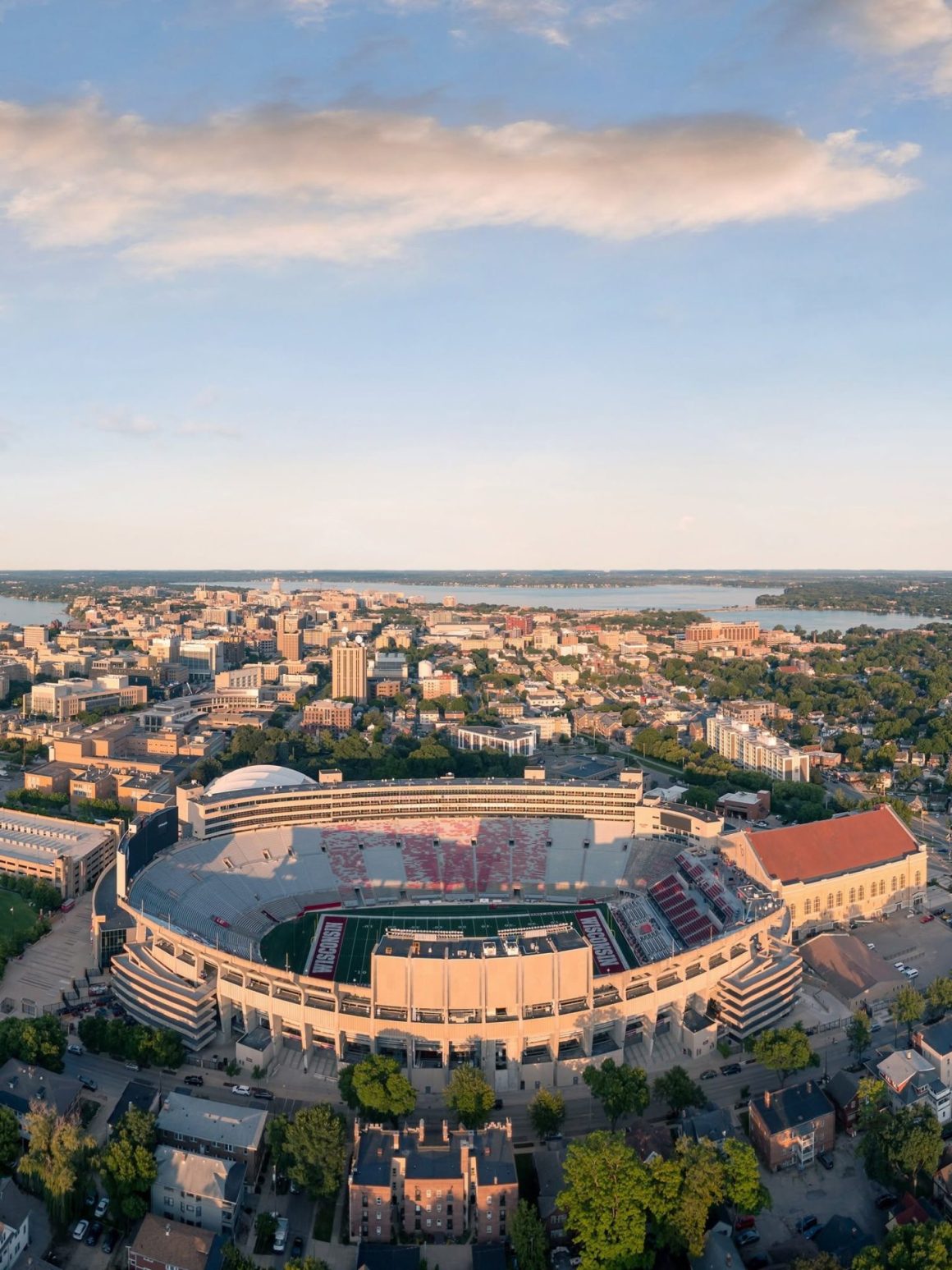
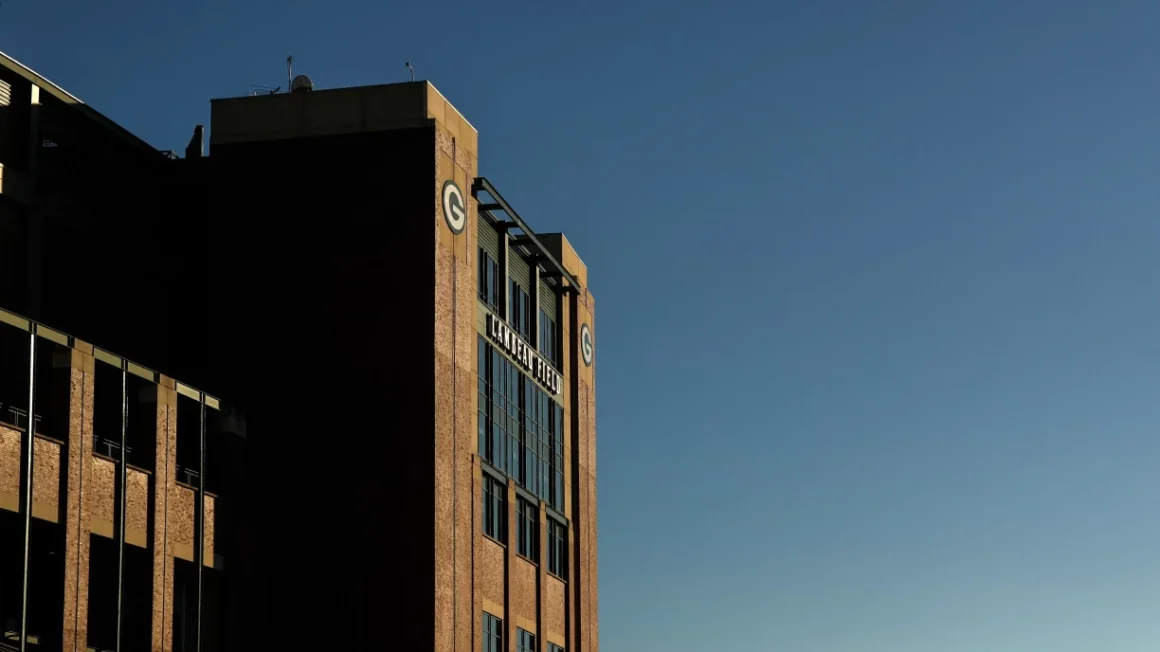
The NFL's most storied stadium (1957) in its smallest market — the Packers are the league's only publicly owned, non-profit team, with 500,000+ shareholder-fans and a Super Bowl trophy literally named after their coach. Stadium tours run year-round; the Packers Hall of Fame covers the 13 championships; and a December home game — the Frozen Tundra at minus-something — explains Wisconsin better than any museum.
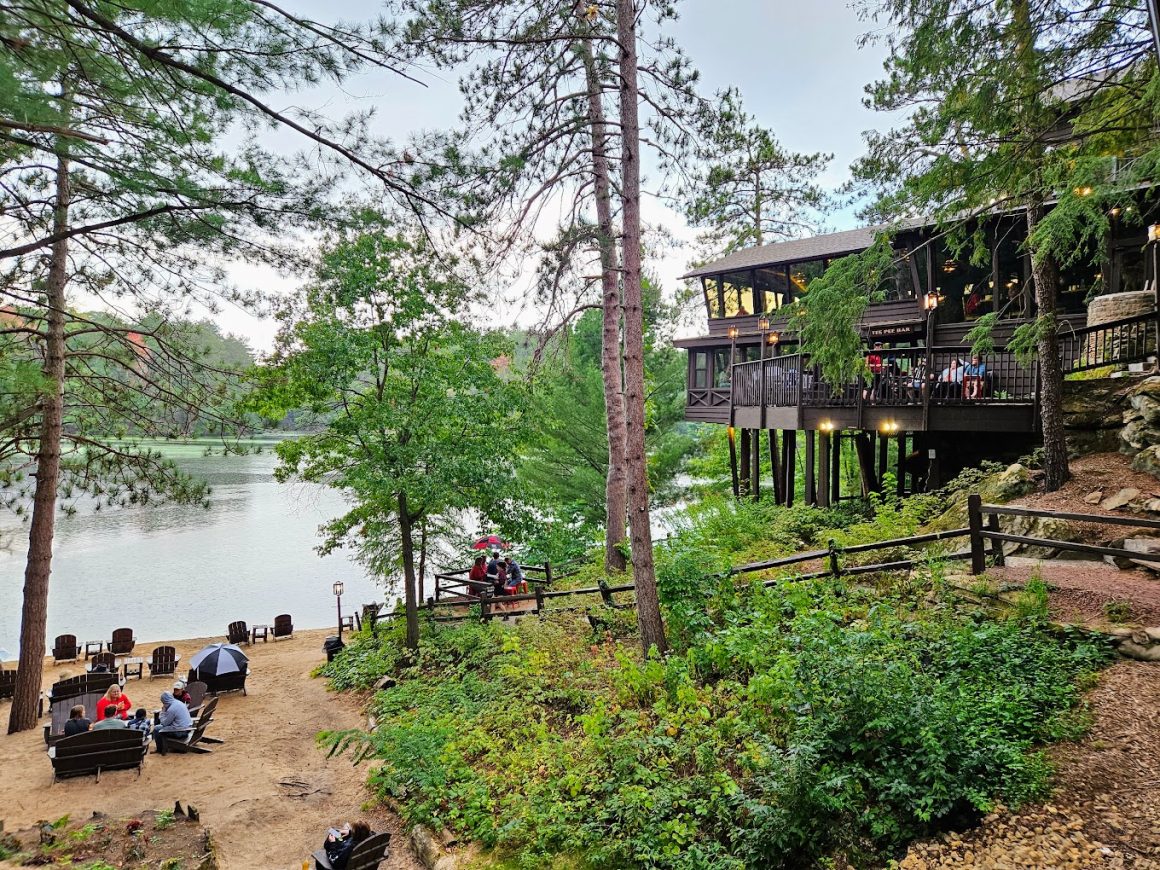
Wisconsin's living ritual, unchanged since the 1950s: arrive early, order a brandy old fashioned (sweet — Wisconsin drinks more brandy per capita than anywhere in America, largely because of this drink), work the relish tray, then Friday fish fry or Saturday prime rib, closing with a grasshopper. Ishnala (1953), reached by a drive through pines to Mirror Lake, is the scenic archetype — no reservations, and the lakeside wait with a drink is the point (4.5★/4,100 reviews).
Alex Jordan's delirious cliff-top labyrinth, opened 1960 a few miles from Taliesin (the neighbor-rivalry legend is probably apocryphal, which the attraction leans into anyway): the glass-tipped Infinity Room cantilevering 218 feet over the valley, the world's largest indoor carousel — 269 animals, not one of them a horse — and a 200-foot whale battling a giant squid. Deeply weird, completely unmissable; Neil Gaiman set a chapter of American Gods here for a reason. 4.6★/8,500 reviews.
The self-declared Waterpark Capital of the World, built atop (and rather overshadowing) genuinely beautiful sandstone river gorges: Noah's Ark is America's largest outdoor waterpark, and the Wilderness and Kalahari resorts run some of the biggest indoor parks on Earth. Take a Dells Boat or original-1950s Duck tour to see the actual dells the town is named for.
What to Eat in Wisconsin: Local Cuisine & Where to Find It
The eating here is a belief system: cheese curds must squeak, old fashioneds use brandy, Friday means fish fry, and custard beats ice cream.
The Feature
Kopp's Frozen Custard — Glendale (Milwaukee)
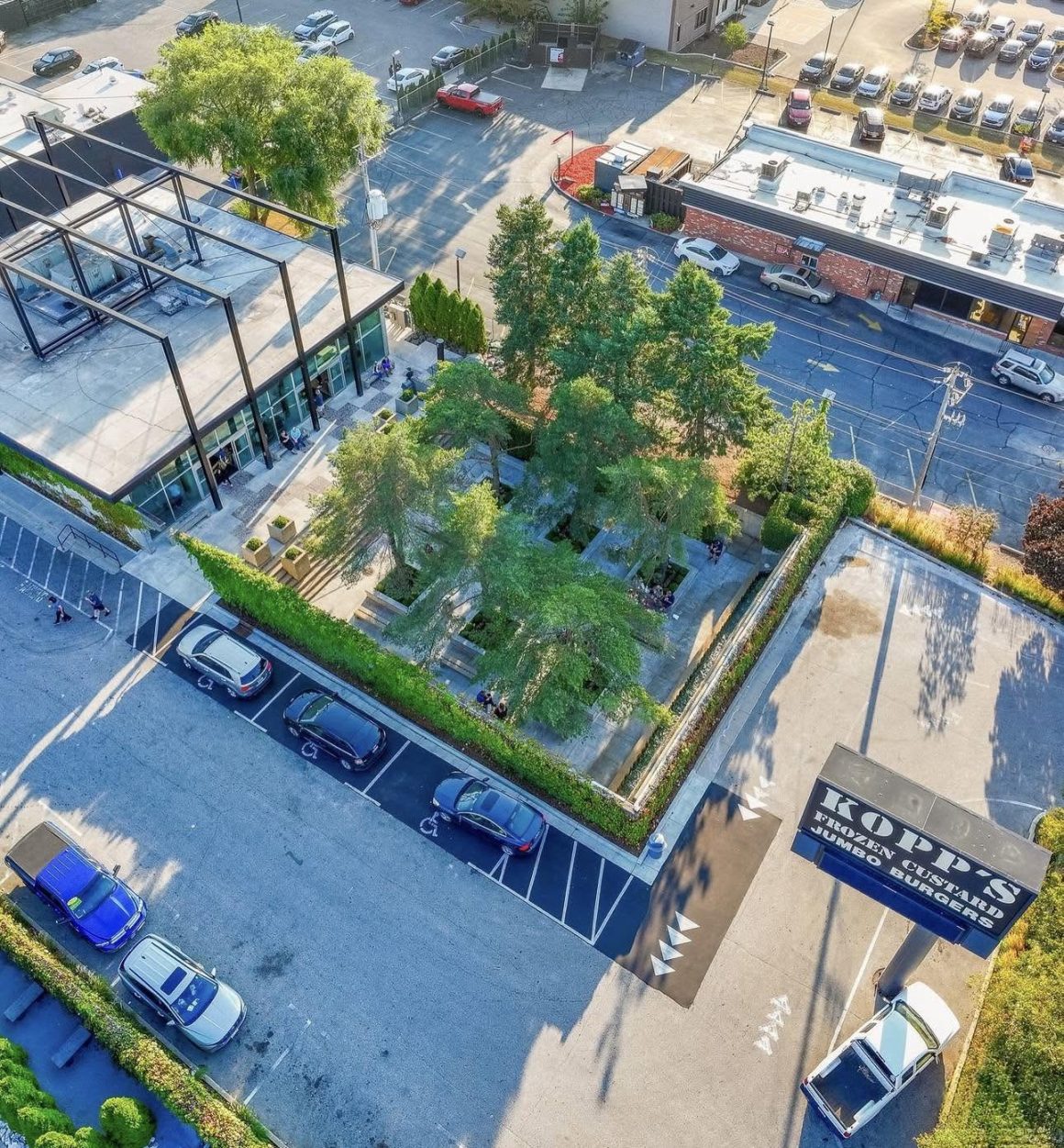
The Milwaukee custard standard since 1950 — a daily flavor-of-the-day board people plan weeks around, jumbo burgers smashed to the edge of the bun, and the fiberglass cows out front. Custard (egg yolks, slow churn, served at a warmer temperature than ice cream) is a Milwaukee obsession with its own rivalry triangle — Kopp's, Leon's, Gilles — and Kopp's is the modernist wing of it. 4.6★/7,100 reviews.
The 1936 birthplace claim of the butter burger — and unlike most origin claims, this one arrives with a visible, unapologetic slick of Wisconsin butter melting off the bun ("if it doesn't run down your arm, it isn't a butter burger" is house doctrine). Horseshoe counters only, cash-friendly, closed Sundays and Mondays. Culver's took the idea national; Solly's kept the butter honest.
Wisconsin's Friday fish fry tradition — born of Catholic meatless Fridays, Prohibition-era tavern survival and Great Lakes perch — at its most joyful: beer-hall benches on the river, fried perch or cod with potato pancakes, and a live polka band, at a brewery whose tour is repeatedly rated among the country's most fun. Book the fish fry; wing the tour.
Racine's Danish settlers made it America's kringle capital, and O&H (since 1949) is the standard-bearer of the flaky 36-layer oval — Wisconsin's official state pastry since 2013. Pecan is canonical; the bakery ships nationwide, but warm from the Durand Avenue ovens is the version that converts people.
See Signature Experiences — listed twice on purpose: it's both the meal and the event. Prime rib, lake windows, old fashioneds by the thousand.
Mars Cheese Castle — Kenosha
A literal crenellated castle of cheese on I-94 since 1947 (rebuilt bigger, with turrets, in 2011) — fresh squeaky curds, aged cheddar going back decades, Usinger's sausage, and the correct souvenir foam cheesehead. The border-crossing ritual for every Chicagoan heading north.
Flavor checklist: squeaky curds (fresh or fried) · butter burger · brandy old fashioned, sweet · Friday fish fry · Door County cherry pie · kringle · Sheboygan brats.
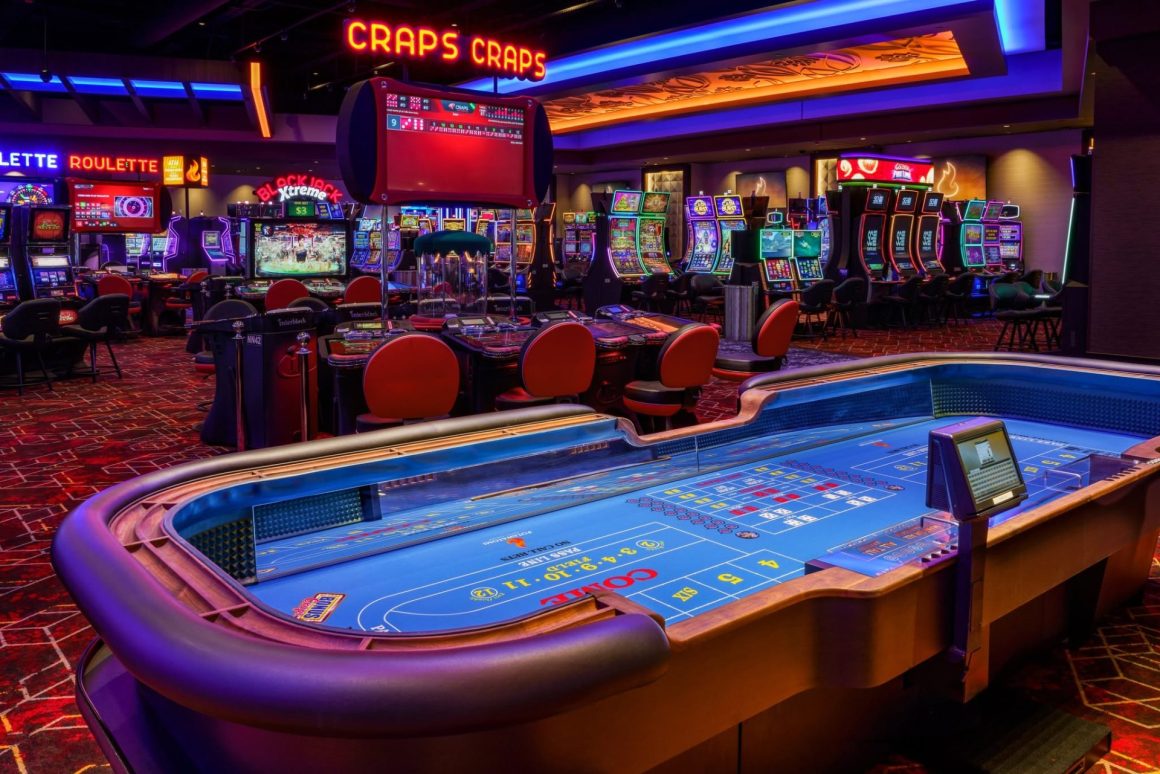
The state's largest casino — 3,000+ slots, a full pit with live roulette and craps (expanded in the recent $190M renovation), a 20-table poker room, a two-story sportsbook with a 2,000-square-foot LED wall, and a 500-room hotel — with a 1.7-mile skybridge to the Brewers' American Family Field in the works. It began as a bingo hall in 1991 and now anchors the Menomonee Valley.
The Ho-Chunk Nation's flagship and the Dells-area giant: 2,200+ slots and a genuine table spread — craps, roulette, baccarat, blackjack, Mississippi Stud — minutes from Devil's Lake, which makes for the state's oddest and best double feature: billion-year-old quartzite by day, dice by night.
Home of Wisconsin's first sportsbook (November 2021) and its geofenced on-reservation betting app — plus a full casino across several sites near Lambeau. The natural pairing with a Packers pilgrimage; on game Sundays the book is its own stadium.
Cheese — about a quarter of America's supply and more than 600 varieties — the Green Bay Packers and Lambeau Field, supper clubs and brandy old fashioneds, the Dells waterparks, Harley-Davidson, and Door County summers.
What to do in Wisconsin this weekend?
Summer: Devil's Lake hike + Ishnala supper club, or a Door County loop. Anytime: Milwaukee Art Museum (catch the noon wing-flap) + brewery tour + Friday fish fry. Fall: Bayfield Apple Festival and Apostle color. Winter: Lambeau, then a thaw at Kohler Waters.
Is Wisconsin LGBTQ+ friendly?
Mixed but historic: Wisconsin was the first state in the nation to ban discrimination based on sexual orientation — the 1982 "gay rights bill" signed by a Republican governor — but the statewide law still doesn't cover gender identity, leaving Wisconsin mid-pack on the Movement Advancement Project tally. Madison and Milwaukee both score at or near the top of the HRC Municipal Equality Index, and Milwaukee PrideFest, on the Summerfest grounds, is among the largest ticketed Pride festivals in the US.
What food is Wisconsin famous for?
Cheese curds (squeaky fresh or deep-fried), butter burgers, Friday fish fry, brandy old fashioneds, frozen custard, kringle and bratwurst.
What is the best time to visit Wisconsin?
June–September for lakes and Door County; late September–mid-October for color (Bayfield, Devil's Lake); January–February if the Apostle ice caves open — a rare-year phenomenon worth chasing.