
Destinations › Europe › Denmark › Copenhagen
City · Denmark
Copenhagen
Copenhagen Travel Guide: Where to Stay, Eat, and the New Nordic Scene
Your Copenhagen guide, curated by Locals Insider
Copenhagen, by Locals Insider
Copenhagen is the Danish capital that has, over the past 20 years, become Northern Europe's most-cited model for liveable city design — Noma and the New Nordic dining movement, the iconic Nyhavn harbour-front, the Tivoli Gardens (the world's second-oldest amusement park), and a cycling infrastructure unmatched in any European capital.
The compact city centre is properly walkable; the Christianshavn houseboat district and the alternative Christiania commune give it a counter-cultural edge; and the surrounding Øresund region (with Malmö 35 minutes by train across the bridge) makes for an easy Sweden extension.
This guide is built for first-timers. We’ll start with what you actually need to know — districts, where to sleep, where to eat by mood, and the under-the-radar places we send our own friends to.
Famous for
Hygge, Nordic design, world-class restaurants (Noma, Geranium, Alchemist), bicycle culture, Tivoli Gardens — and being routinely voted the world’s most liveable city.
Did you know?
Copenhagen has more bicycles than residents — about 675,000 bikes for 660,000 people. Locals cycle 1.4 million km every day.
Ask a local’s list
Stories · updated as we publish
Latest from Copenhagen
All 16 stories

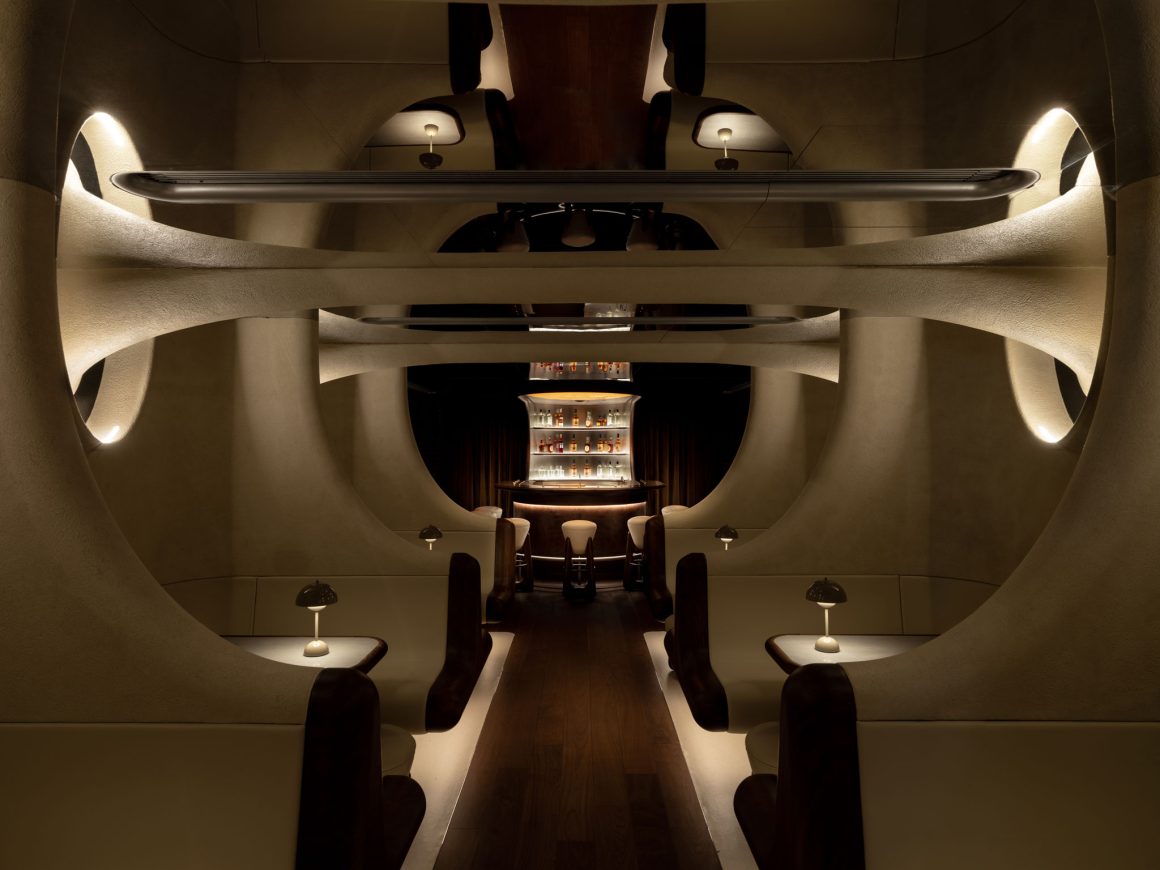
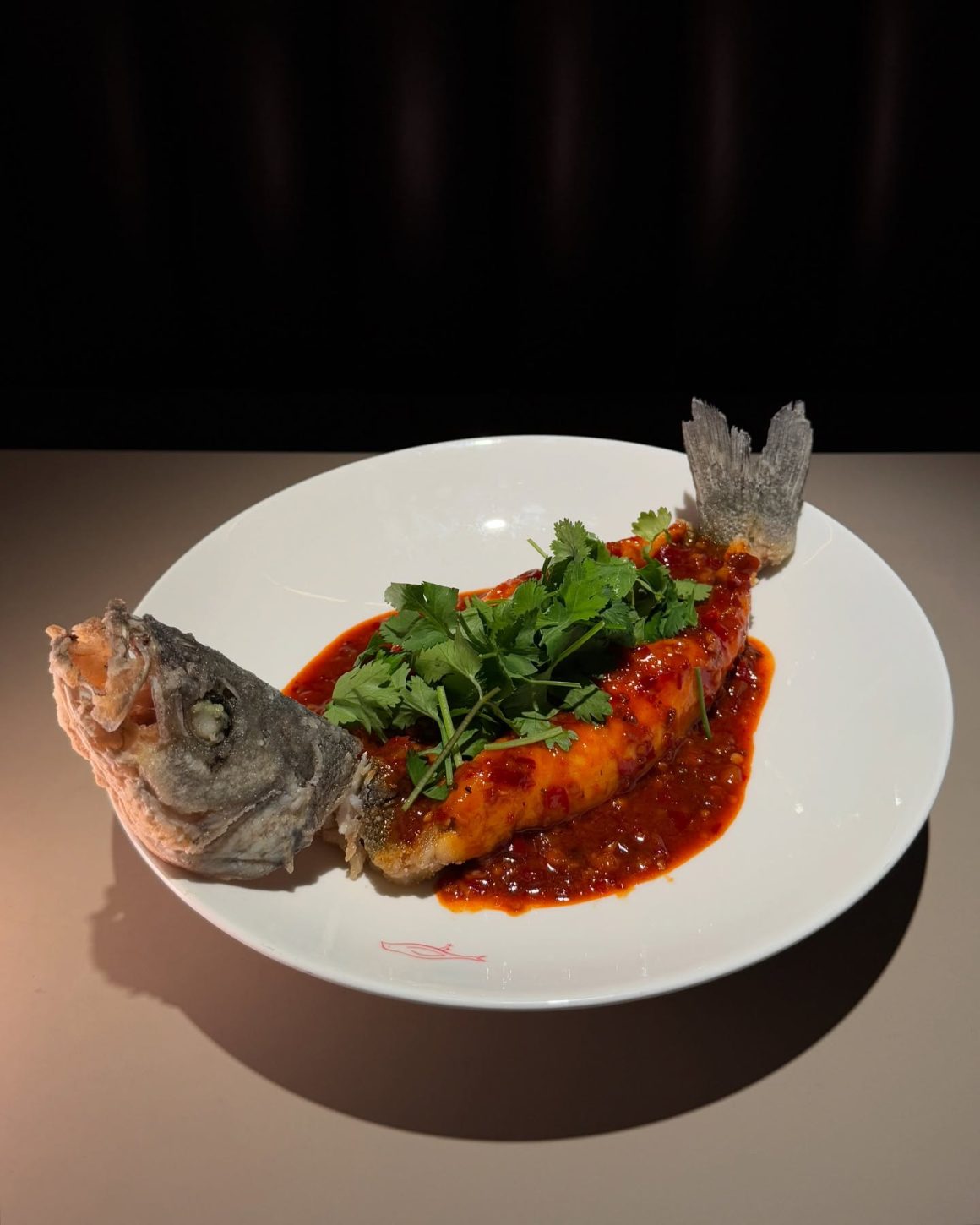
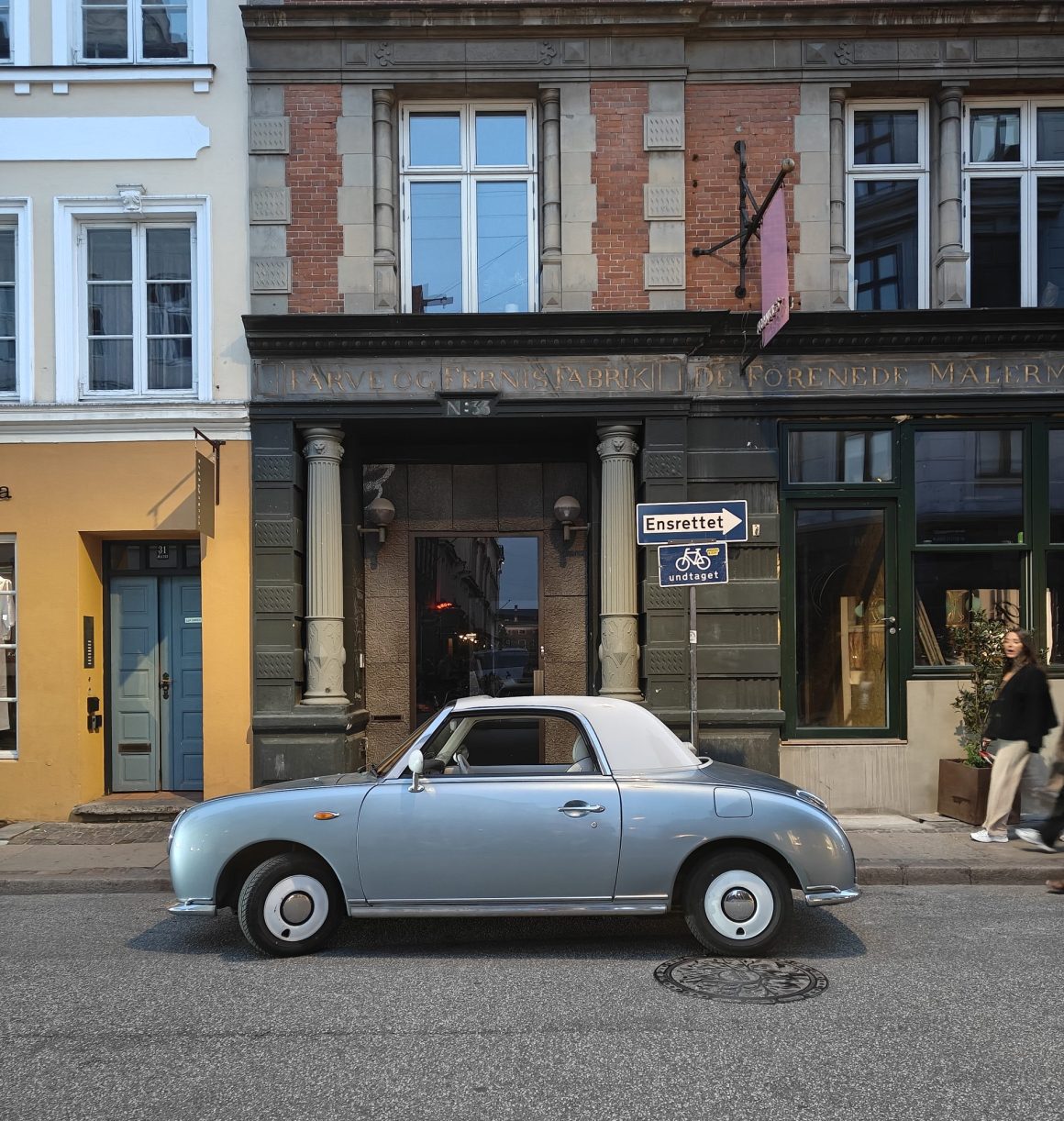
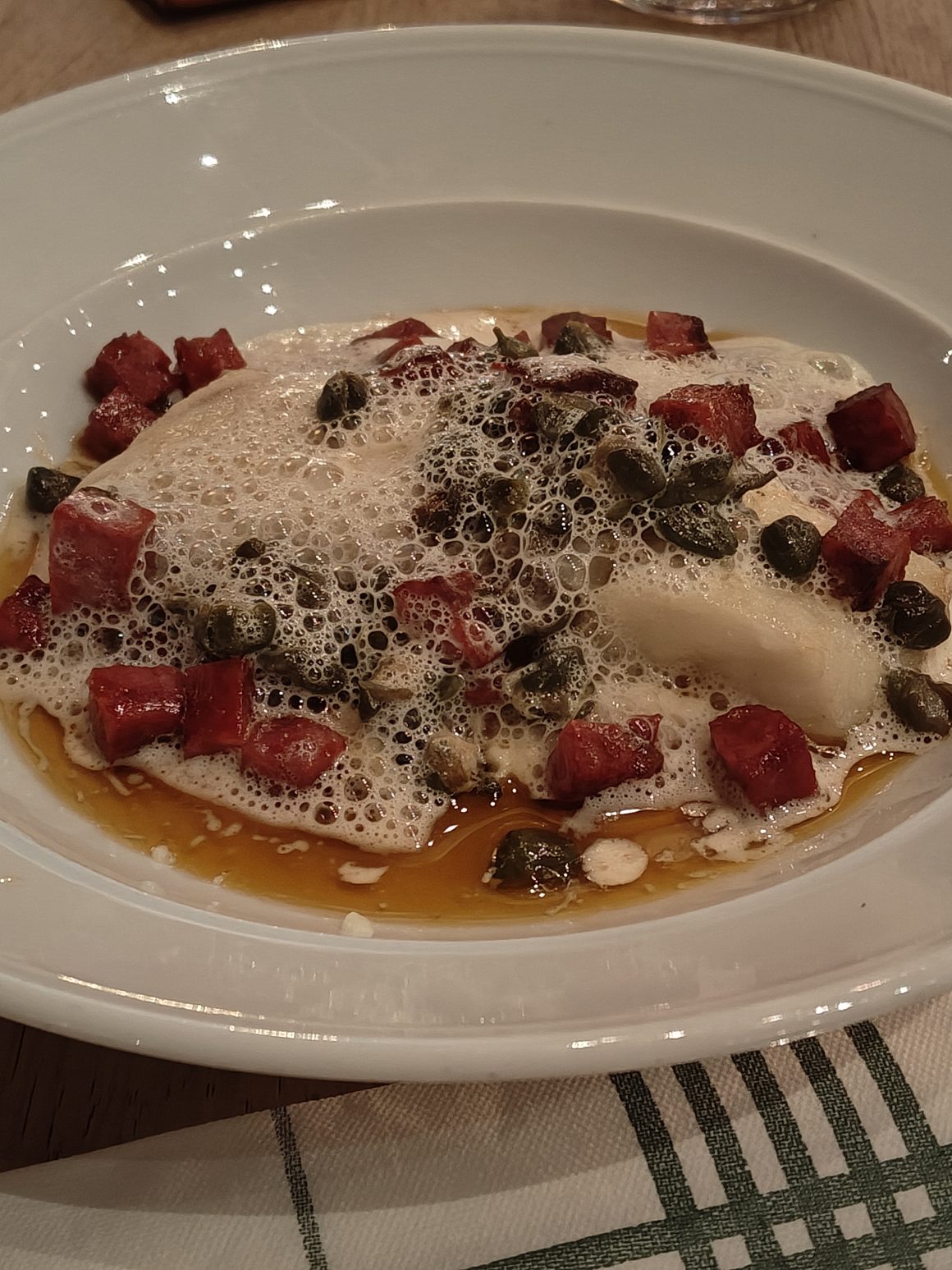
Recommended in our stories
Copenhagen places our authors recommend
Place
Refshalevej 173A, 1432 Copenhagen K, Refshaleøen
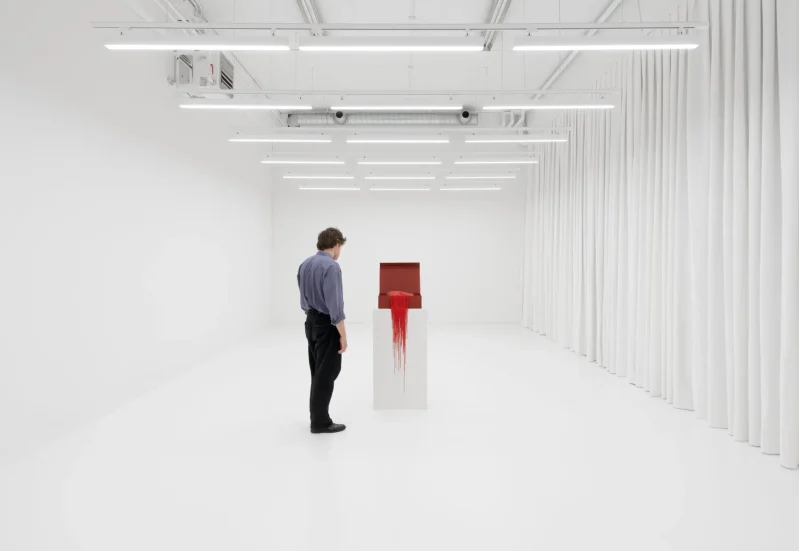
Of course, CC is the first place to go.
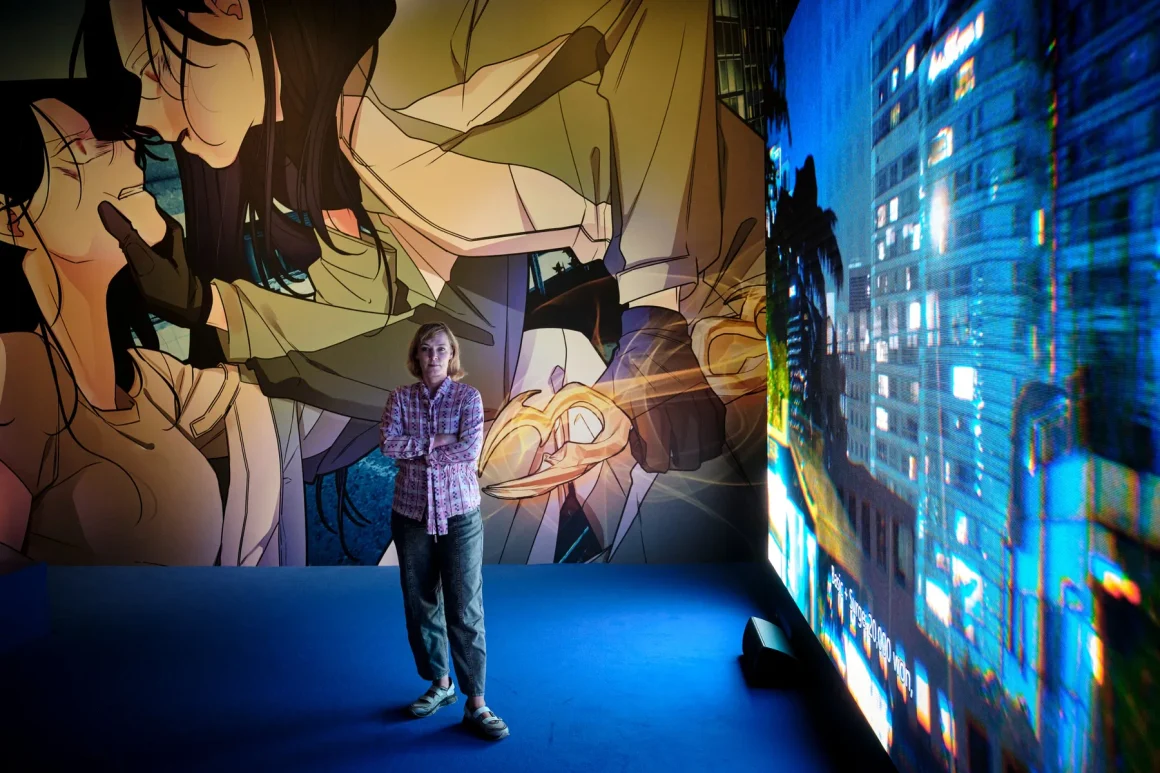
Open in Google Maps ↗In Marie Laurberg’s story · “The Institution Should Adapt to the Art, Not the Other Way Around”: Marie Laurberg on Copenhagen Contemporary and Where to See Art in the City
Museum
Gl. Strandvej 13, 3050 Humlebæk
They consistently have fantastic exhibitions, and the setting itself makes the visit an experience.
Open in Google Maps ↗In Kunstsalonen’s story · They Turn Private Homes into Galleries for One Weekend: Meet Kunstsalonen
Bar
Baldersgade 8, 2200 København N
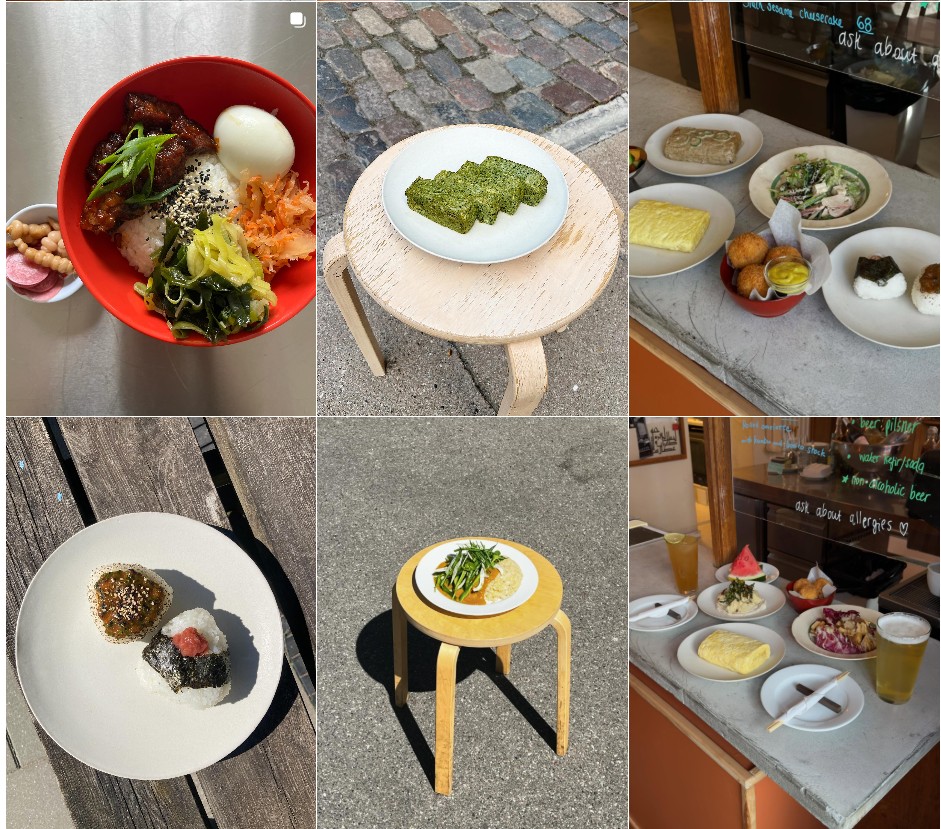
Great little breakfast/lunch spot in Nørrebro; I like how they always have new dishes and desserts!
Open in Google Maps ↗In Anya Belitskaya’s story · Best Designer-Recommended Cafés and Bars in Copenhagen
Shop
Store Strandstræde 20
Open in Google Maps ↗In Alex Copenguy’s story · My 15 Things to Do in Copenhagen: Local Tips for Breakfast, Design, New Parks & Swimming
Restaurant
Amaliegade 49, 1256 Copenhagen
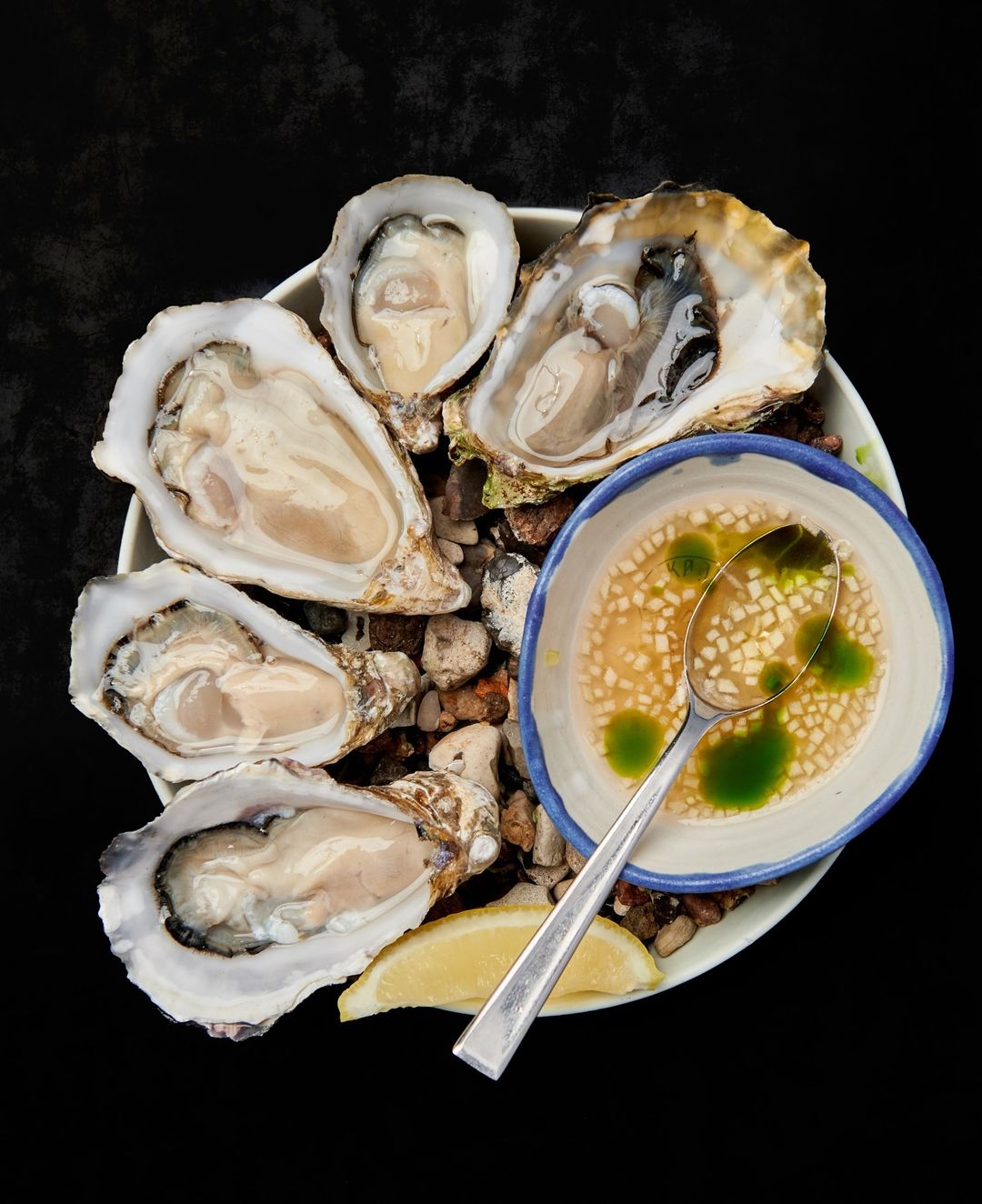
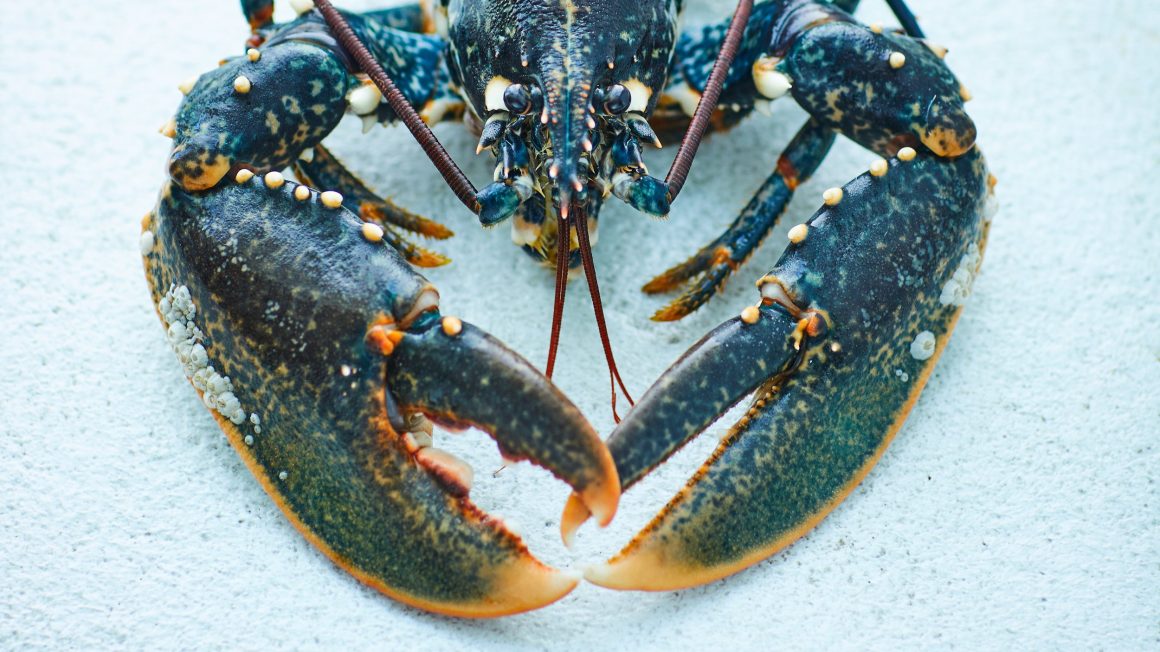
Opened in 2019 by the team behind Marv & Ben, The Pescatarian offers a modern take on Danish seafood, emphasizing sustainability and organic produce.
Open in Google Maps ↗In Locals Insider’s story · Top Eco-Friendly Seafood Restaurants in Copenhagen
Place
Johan Semps Gade, Christianshavn
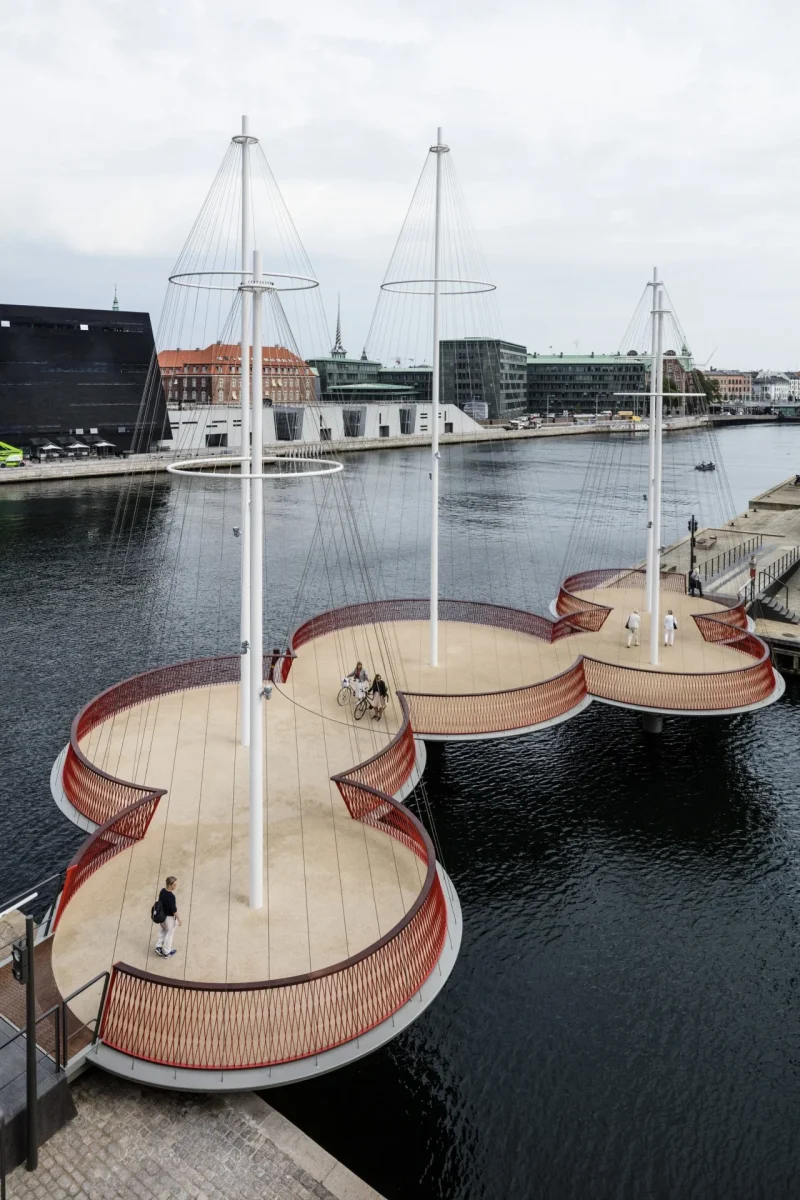
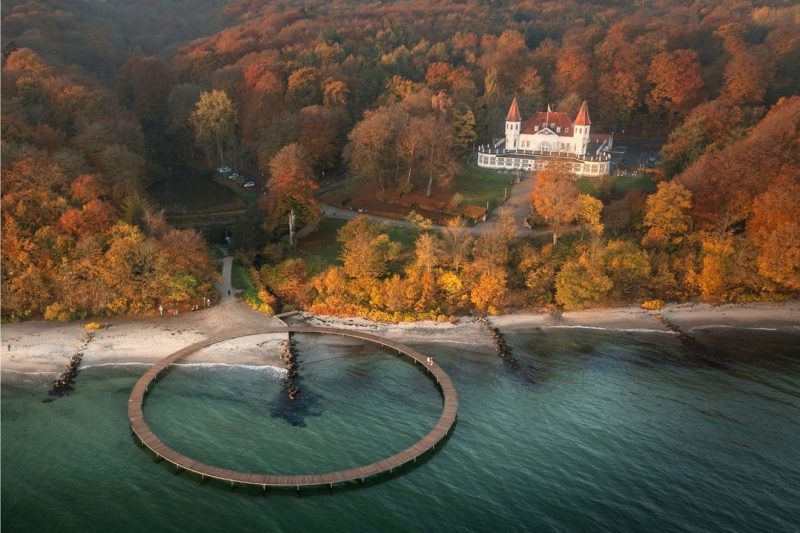
I also recommend The Circle Bridge by Olafur Eliasson, and the underground exhibition space Cisternerne.
Open in Google Maps ↗In Marie Laurberg’s story · “The Institution Should Adapt to the Art, Not the Other Way Around”: Marie Laurberg on Copenhagen Contemporary and Where to See Art in the City
Restaurant
Wildersgade 52, 1408 København K, Christianshavn
It is a very cosy place with a special atmosphere.
Open in Google Maps ↗In Kunstsalonen’s story · They Turn Private Homes into Galleries for One Weekend: Meet Kunstsalonen
Bar
Haraldsgade 3, 2200 København N (Skjolds Plads area)
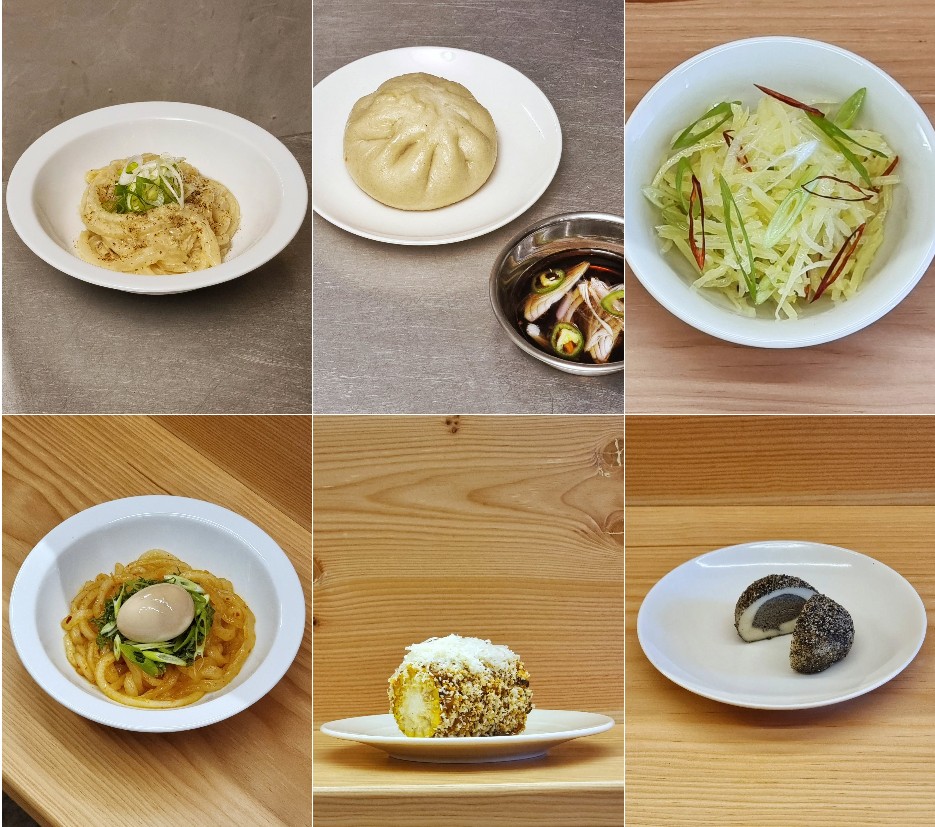
Minimalist interiors, thoughtful plates.
Open in Google Maps ↗In Anya Belitskaya’s story · Best Designer-Recommended Cafés and Bars in Copenhagen
Shop
Store Regnegade 1, Copenhagen K, Design, Art, Fashion
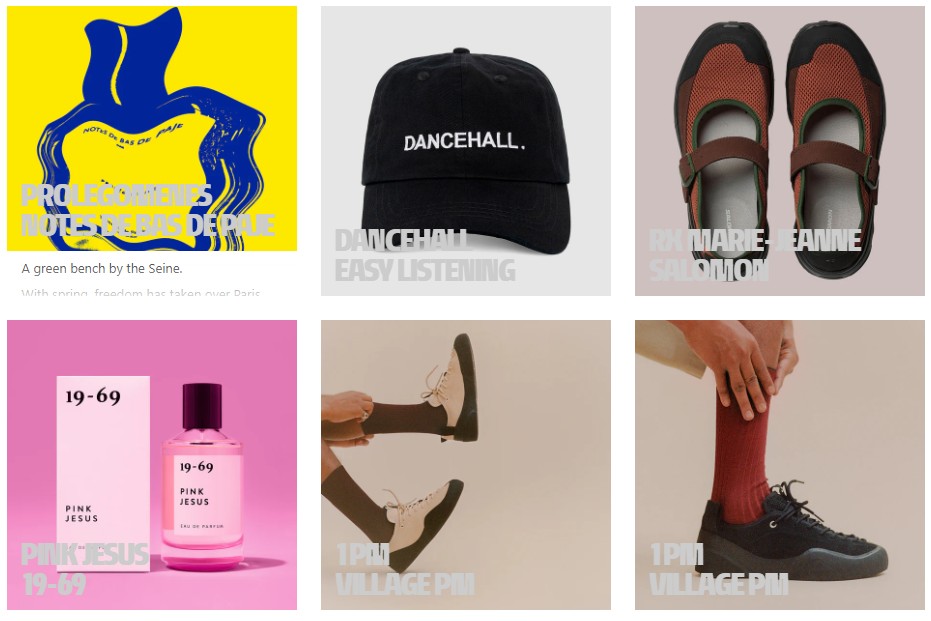
Seriously cool concept store—part gallery, part fashion lab.
Open in Google Maps ↗In Alex Copenguy’s story · Best Design & Fashion Shops in Copenhagen (Local Shopping Guide)
The Copenhagen guide
Where to stay, eat and drink in Copenhagen
Picked by Locals Insider. Every address checked against the venue or Google.
Hotel d’Angleterre
Luxury · Indre By
DKK 4,500-9,000····
The 1755 grande dame on Kongens Nytorv. One-Michelin-star Marchal restaurant on site. The choice if you want classic European luxury and a doorman who remembers your name.
Kongens Nytorv 34, 1050 København KWebsite ↗
Nimb Hotel
Luxury · Indre By (Tivoli)
DKK 3,500-7,500····
38 rooms inside Tivoli Gardens’ Moorish-style Nimb palace. Step out of your room and into the gardens. Magic at Christmas.
Bernstorffsgade 5, 1577 København VWebsite ↗
Hotel Sanders
Boutique · Indre By
DKK 2,800-5,500···
54-room boutique behind the Royal Danish Theater. Residential English country-house feel, intimate bar, the prettiest mid-luxury hotel in town.
Tordenskçoldsgade 15, 1055 København KWebsite ↗
Manon Les Suites by Guldsmeden
Design · Indre By
DKK 1,900-3,200···
Indoor jungle-style pool, organic minibar, Balinese-meets-Nordic design. Quietly one of the best-designed mid-priced hotels in the city.
Gårdrums Gade 2, 2000 FrederiksbergWebsite ↗
Hotel Skt. Petri
Boutique · Latin Quarter
DKK 1,800-3,500···
Once an old department store, now a design hotel with a courtyard bar locals actually drink at. Walk to anything in 10 minutes.
Krystalgade 22, 1172 København KWebsite ↗
STAY Apartments Copenhagen
Aparthotel · Islands Brygge
DKK 1,400-2,400··
Self-catering studios and apartments with proper kitchens. Modern building on the harbor, swim from your doorstep in summer.
Islands Brygge 79A, 2300 København SWebsite ↗
Adina Apartment Hotel
Aparthotel · Vesterbro
DKK 1,500-2,800··
Reliable serviced-apartment chain with full kitchens, washer-dryer, gym. The smart pick for stays longer than 3 nights or families.
Amerika Plads 7, 2100 København ØWebsite ↗
Generator Copenhagen
Young & hip · Indre By
DKK 280-900·
Bunks from €35; private rooms from €80. Great bar, beautiful courtyard, the social hostel that pretends to be a design hotel.
Adelgade 5, 1304 København KWebsite ↗
Urban House
Young & hip · Vesterbro
DKK 250-1,200·
Hostel-meets-hotel right by Central Station. Bunks, capsules and private rooms. Tattoo parlour and bike rental in the lobby.
Colbjørnsensgade 5–9, 1652 København VWebsite ↗
Hotel Alexandra
Historical boutique · Indre By
DKK 1,500-2,800···
Each room furnished with original mid-century Danish design — Arne Jacobsen, Hans Wegner, Finn Juhl. A staying-in-a-design-museum experience.
H. C. Andersens Boulevard 8, 1553 København VWebsite ↗
Geranium
Fine dining · Østerbro
$$$$ (DKK 3,200+ tasting menu)····
Three Michelin stars; Rasmus Kofoed’s vegetable-forward tasting menu. Currently the highest-ranked Nordic restaurant in the world. Book months ahead.
Per Henrik Lings Allé 4, 8th floor, 2100 København ØWebsite ↗
Alchemist
Fine dining · Refshaleøen
$$$$ (DKK 4,500+ tasting menu)····
Two Michelin stars; Rasmus Munk’s 50-impression theatrical tasting menu in a domed building. A six-hour culinary experience, not a meal.
Refshalevej 173C, 1432 København KWebsite ↗
Noma
Fine dining · Christianshavn
$$$$ (DKK 4,500+ tasting menu)····
René Redzepi’s defining restaurant. Seasonal menus rotate three times a year — seafood, vegetable, game. Closing as a restaurant in 2025 but the lab continues.
Refshalevej 96, 1432 København KWebsite ↗
Schoenneman
Traditional · Indre By
$$ (DKK 250-450 per person)···
The classic Danish lunch institution. Smørrebrød (open-faced sandwiches) on rye, herring, schnapps. Where Danish executives still go for two-hour lunches.
Hauser Plads 16, 1127 København KWebsite ↗
Restaurant Kronborg
Traditional · Indre By
$$ (DKK 250-400 per person)··
Wood-panelled smørrebrød specialist, family-run since 1995. The traditional Danish lunch experience locals send their parents to.
Brølggerstræde 12, 1211 København KWebsite ↗
Aamanns 1921
Modern Danish · Indre By
$$ (DKK 280-450 per person)··
Smørrebrød reimagined for the modern era. Bookable, lighter and finer than the old-school spots. The best introduction if you only try smørrebrød once.
Niels Hemmingsens Gade 19–21, 1153 København KWebsite ↗
Restaurant Barr
Modern Danish · Christianshavn
$$$ (DKK 600-900 per person)···
In the old Noma space, on the canal. Schnitzel, brews, comfort Nordic. From the Noma team but unstuffy.
Strandgade 93, 1401 København KWebsite ↗
Bistro Pastis
Bistro · Indre By
$$ (DKK 350-550 per person)··
French bistro classics done right — steak frites, escargot, st-emilion by the glass. Where Copenhageners go when they want zero surprises.
Gothersgade 52, 1123 København KWebsite ↗
Café Victor
Indre By
The Parisian-style brasserie on the corner of Ny Østergade since the 1980s. Avocado-and-smoked-salmon toast, Eggs Royal, properly strong coffee. The crowd is Copenhagen’s media, finance and political class — you’ll spot familiar Danish faces.
Sit by the huge windows and watch the city pass.
Vibe Politicians, businessmen, journalists
Ny Østergade 8, 1101 København KWebsite ↗
Skt. Peders Bageri
Indre By
Copenhagen’s oldest bakery, since 1652. Five minutes walk from Café Victor. Cardamom-and-cinnamon “onsdagssnegl” (Wednesday snail) is a city institution — locals queue out the door.
Cheap, quick, properly Danish. Take coffee and a pastry to a bench in Købmagergade.
Vibe Budget, walk-up bakery
Sankt Peders Stræde 29, 1453 København KWebsite ↗
Joe & The Juice
Multiple (founded in Copenhagen)
Born in Copenhagen in 2002, now global. Their scrambled-egg “Tunacado” sandwich and fresh-pressed juices are still the cheapest, fastest breakfast in town. The Bredgade flagship is the original.
Cash on tap, no fuss, half the city eats here on the way to work.
Vibe Quick, healthy, founded here
Original: Bredgade 36, 1260 København KWebsite ↗
Hart Bageri
Frederiksberg
Chef Thomas Frebel’s bakery (ex-Noma). Sourdough, croissants and arguably the best cinnamon snail in Denmark. Stand-up counter only — grab and walk to Frederiksberg Have.
Vibe Ex-Noma bakery
Gårdrumsvej 5B, 2000 FrederiksbergWebsite ↗
Mirabelle
Nørrebro
From the Relae group. Cardamom buns from their own bakery, perfect eggs, the best morning coffee in the city. The Nørrebro local’s breakfast.
Vibe Local-favorite bakery-cafe
Guldbergsgade 29, 2200 København NWebsite ↗
Atelier September
Indre By
The Instagram avocado toast that started the craze in Denmark. Still excellent. Tiny, gets crowded by 10am — arrive at 8 or accept the wait.
Vibe Cool minimalist cafe
Gothersgade 30, 1123 København KWebsite ↗
Mad og Kaffe
Vesterbro
Pick three, five or seven small plates from a menu of breakfast classics — eggs, bacon, granola, smoked salmon. Affordable by Copenhagen standards. Always packed for a reason.
Vibe Tapas-style brunch
Sønder Boulevard 68, 1720 København VWebsite ↗
Bobi Bar
Smoky political legend · Indre By
Tiny dark-wood bar serving Copenhagen since 1916. Smoking still allowed, lighting still terrible, debate still loud — mostly Danes, mostly politics, occasionally a writer or actor at the bar. Old-school bartenders, perfect martinis, cash only.
The kind of place locals send friends on their first night.
Vibe Old-school, smoky, locals only
Klareboderne 14, 1115 København K
Vinstue 90
Wine bar / brunt værtshus · Frederiksberg
Classic Copenhagen brown bar from the 1920s — cheap table wine, the famous “slow beer” (uncarbonated Carlsberg poured for 15 minutes), smoke-allowed interior, red lamps, characterful regulars. Local intelligentsia and journalists drink here on weekdays. Genuinely unchanged in decades.
Vibe Cheap wine, journalists, intellectuals
Gammel Kongevej 90, 1850 FrederiksbergWebsite ↗
Café Intime
Cabaret piano bar · Frederiksberg
1913 cabaret-style piano bar with live performances most nights — jazz pianists, drag, opera amateurs, regulars singing along. Velvet booths, candlelight, theatrical energy, an LGBTQ+-friendly crowd that’s been a fixture for a century. Unique experience you won’t find anywhere else in the city.
Vibe Live cabaret, sing-along, theatrical
Allegade 25, 2000 FrederiksbergWebsite ↗
The Library Bar (Copenhagen Plaza)
Hidden hotel bar · Vesterbro
Behind discreet doors at the 1913 Copenhagen Plaza, literally across from Central Station. Named one of the world’s 5 best hotel bars by Forbes. Dark wood, antique books, Chesterfield armchairs, a pianist plays jazz on quieter nights.
World-class cocktails. The hidden one you ask about.
Vibe Forbes 5-best, Chesterfield, jazz
Bernstorffsgade 4, 1577 København VWebsite ↗
Ved Stranden 10
Natural wine · Indre By
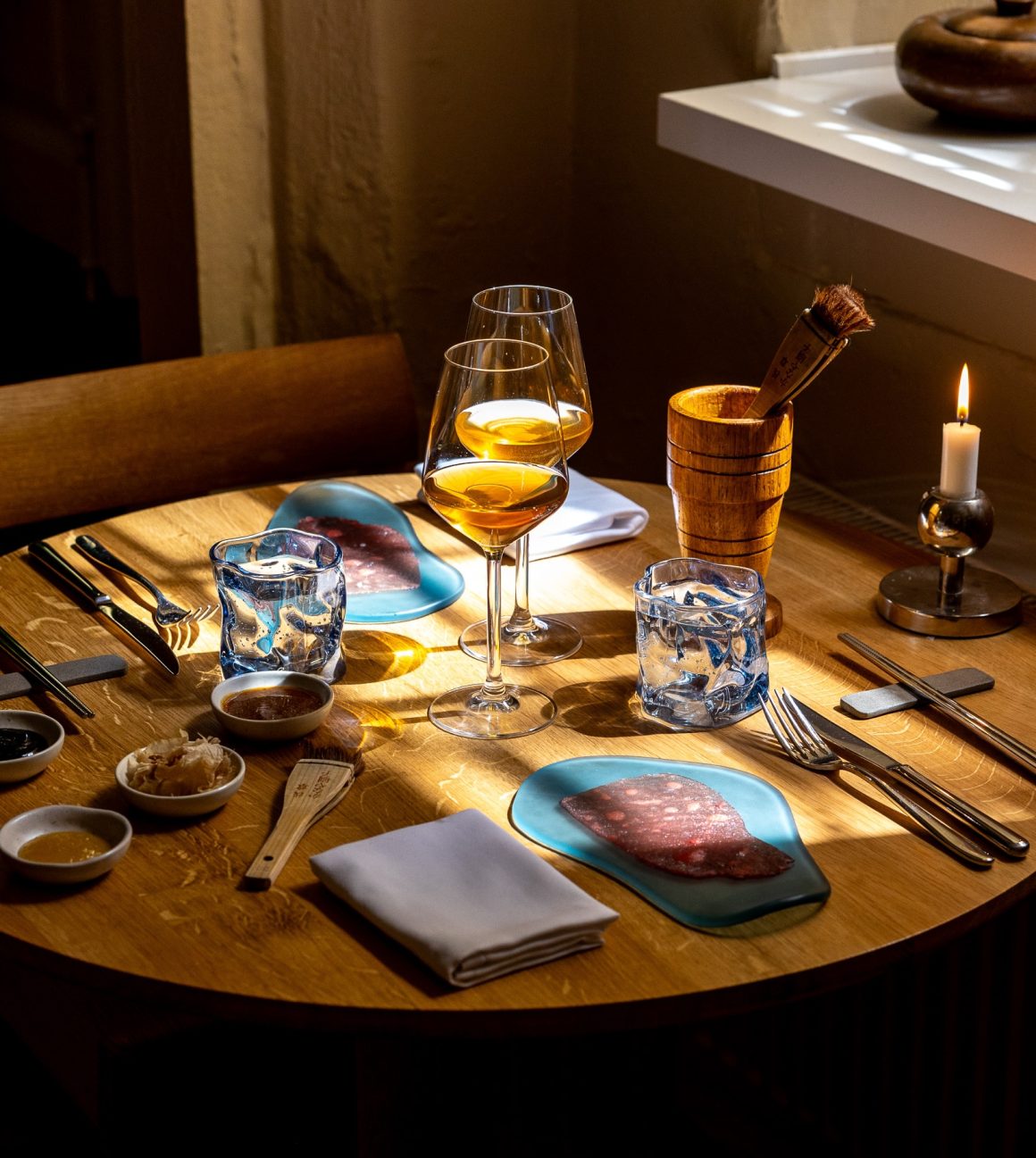
Canal-side natural wine bar in an 18th-century building. Sit outside in summer with a bottle of something orange and watch the boats pass. The most romantic drink in Copenhagen.
Vibe Canalside, natural wine
Ved Stranden 10, 1061 København KWebsite ↗
LIDKOEB
Cocktail · Vesterbro
Three floors in a courtyard building, the top one a hidden whisky bar. Award-winning cocktails, vintage interiors. The bar Copenhageners take dates they want to impress.
Vibe Hidden three-floor cocktail bar
Vesterbrogade 72B, 1620 København VWebsite ↗
Brus
Brewpub · Nørrebro
From the Toøl brewery. 33 taps of experimental Danish beer, sourdough pizza, brutalist concrete interior. Loud and good.
Vibe Industrial brewpub
Guldbergsgade 29F, 2200 København NWebsite ↗
Jazzhouse
Jazz / live music · Indre By
Copenhagen’s main jazz venue since 1991. Nightly programming from local trios to international names. Have dinner first, walk in for the late set.
Vibe Live jazz
Niels Hemmingsens Gade 10, 1153 København KWebsite ↗
Culture Box
Club / DJ · Indre By
The serious electronic-music club. Underground techno and house, world-class sound system, runs late. Go after midnight or don’t go.
Vibe Techno club
Kronprinsessegade 54A, 1306 København KWebsite ↗
The Standard Rooftop (Apollo Bar)
Indre By
On top of the old ferry terminal. 360-degree view of the harbor, Nyhavn and the Opera House. Sunset cocktails in summer.
View Harbor + Opera
Havnegade 44, 1058 København KWebsite ↗
Restaurant Allegade 10
Frederiksberg
Garden + rooftop above a residential street. Wood-fired pizza, local crowd, no pretension. Hidden gem locals keep to themselves.
View Frederiksberg rooftops
Allegade 10, 2000 FrederiksbergWebsite ↗
Cph Marriott Skybar
Kalvebod Brygge
25th-floor view across the harbor. Touristy but the view at golden hour is unbeatable, and they make a serious martini.
View Full city panorama
Kalvebod Brygge 5, 1560 København VWebsite ↗
Kødbyens Fiskebar
Meatpacking District
···
Inside a former meat-packing hall. Whole grilled fish, oysters by the dozen, natural wine. The seafood place locals book for a Friday.
Flaeskestor vet 100, 1711 København VWebsite ↗
Slurp Ramen Joint
Nørrebro
··
Counter-only ramen with daily seafood specials — tuna belly, mackerel, salmon roe. The chef trained in Tokyo. Lunchtime queues.
Nansensgade 90, 1366 København KWebsite ↗
Gilleleje Havn Fish Market
Day trip (60 min north)
·
Working fishing port with stalls selling whatever came off the boats that morning. Smoked salmon, smoked mackerel, herring sandwiches eaten at the harbor wall.
Havnen, 3250 Gilleleje (60 min north of Copenhagen)
Reffen / Refshaleøen Fish Stalls
Refshaleøen
·
Open-air food street on the harbor with multiple seafood vendors. Fish-and-chips, ceviche, sushi. Best in summer, sit on the water.
Refshalevej 167, 1432 København KWebsite ↗
Designmuseum Danmark
Design / decorative arts · Indre By
Just reopened after a multi-year renovation. The history of Danish design — chairs you’ve sat in, lamps you recognize, ceramics you covet. Essential for design lovers.
Bredgade 68, 1260 København KWebsite ↗
Louisiana Museum of Modern Art
Modern art · Humlebæk (40 min north)
Often called the world’s most beautiful museum. Calder and Giacometti sculptures in a garden on the Øresund sea. Worth the day trip.
Gl. Strandvej 13, 3050 Humlebæk (40 min north)Website ↗
The Glyptotek (Ny Carlsberg)
Classical antiquities + sculpture · Indre By
Carl Jacobsen’s personal collection: Mediterranean antiquities, French sculpture (Rodin, Degas), a Hammershøi room in the Danish wing. The conservatory is a quiet pleasure.
Dantes Plads 7, 1556 København VWebsite ↗
SMK — National Gallery of Denmark
Fine art · Indre By
Denmark’s national gallery. Danish Golden Age painting, Matisse, P. S.
Krøyer’s Skagen paintings. Free entry to the permanent collection.
Sølvgade 48–50, 1307 København KWebsite ↗
Cisternerne
Contemporary art / installation · Frederiksberg Gardens
Underground former water reservoir transformed into immersive art exhibitions. Eerie, beautiful, completely unlike anything else in Europe.
Søndermarken, 2000 FrederiksbergWebsite ↗
Hans Christian Andersen Hus (Odense)
Literary · Odense (1.5 hr train)
Day trip from Copenhagen. Kengo Kuma-designed museum opened 2021 — underground, fairytale-like — dedicated to Denmark’s most famous storyteller.
H.C. Andersens Hus, Hans Jensens Stræde, 5000 Odense (1.5 hr train)Website ↗
Carlsberg Byen
New quarter · Frederiksberg
The old Carlsberg brewery is being turned into a creative quarter — architecture, restaurants, a new park, the giant elephant gates from the original 1901 brewery still standing. Walk around at dusk, eat at one of the new openings.
Vesterfaelledvej 100, 1799 København VWebsite ↗
Meatpacking District (Kødbyen)
Creative district · Vesterbro
The former wholesale meat market now houses some of the city’s best galleries, bars and restaurants in the original 1930s white-tiled halls. Best after dark.
Halmtorvet, 1700 København V
La Banchina Bath House
Wellness / bath · Refshaleøen
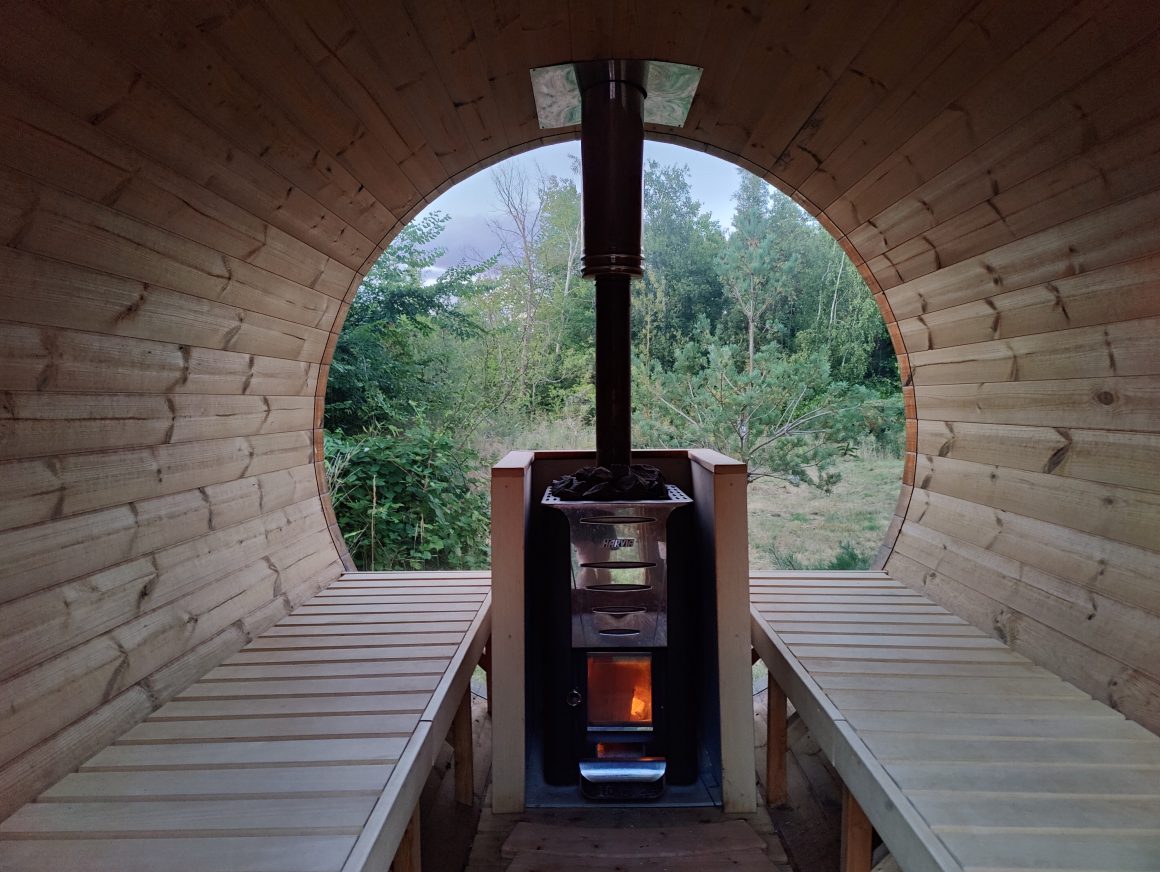
Tiny wood-fired sauna and harbor swim spot on a former industrial pier. Wine bar attached, ferry to get there. The most Copenhagen experience there is.
Refshalevej 141A, 1432 København KWebsite ↗
Christiania
Free-town · Christianshavn
The 1971 hippie free-town inside the city. Painted houses, lakeside paths, art installations, hand-built homes. Walk through respectfully — no photos of people — and don’t miss the Sunshine Bakery.
Refshalevej / Prüssistræde, 1407 København K
Nordisk Film Studios Tour
Film history · Valby
The world’s second-oldest still-operating film studio (founded 1906). Guided tours of the back-lots and historic sound stages. Book ahead — small groups, English available.
Mosedalvej 14, 2500 ValbyWebsite ↗
Black Diamond (Royal Library)
Architecture · Harbor
The angular black-granite extension to the Royal Library, jutting out over the water. Free to enter, beautiful reading rooms, rotating exhibitions, a quiet café with harbor view.
Søren Kierkegaards Plads 1, 1221 København KWebsite ↗
8-Tallet (BIG)
Architecture · Ørestad
Bjarke Ingels’ figure-8 apartment building — you can walk a path from ground level all the way up the spiral to the top of the building. Architecture pilgrimage.
Richard Mortensens Vej 81, 2300 København S
The Round Tower (Rundetårn)
Historic landmark · Indre By
1642 observatory in the city center, with a spiral ramp instead of stairs (Peter the Great rode his horse up). Eight-minute walk up, panoramic view at the top.
Købmagergade 52A, 1150 København KWebsite ↗
Frederiksberg Have (Gardens)
Park / garden · Frederiksberg
The romantic 18th-century royal garden, with a Chinese pavilion, lakes, the castle on the hill. Sundays are slow and full of locals.
Frederiksberg Runddel, 2000 Frederiksberg
Kongens Have (King’s Garden)
Park / garden · Indre By
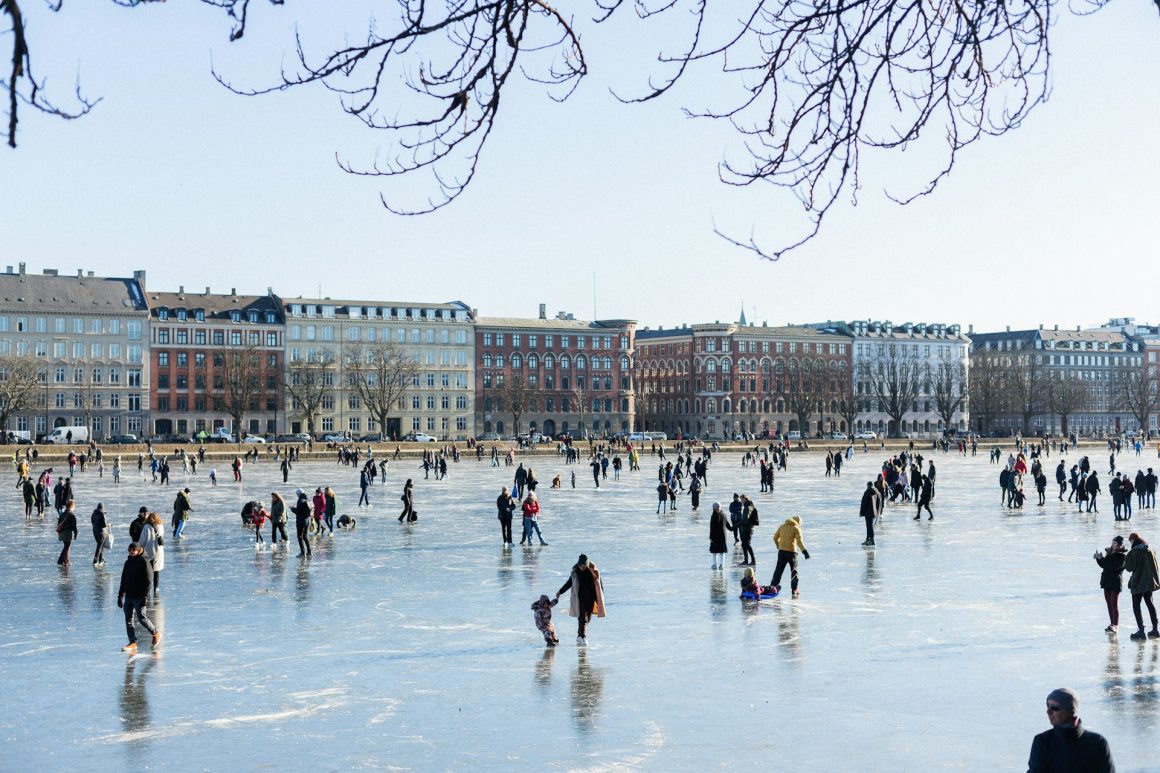
The oldest royal park in the city center, attached to Rosenborg Castle. Roses in summer, ice rink in winter, Danes lying on the grass any day above 14°C.
Øster Voldgade 4A, 1350 København K
Botanical Garden
Garden · Indre By
Free entry. The Victorian palm house is worth the visit alone — a 19th-century iron-and-glass cathedral filled with rainforest.
Gothersgade 128, 1123 København KWebsite ↗
The Lakes (Søerne)
Walking / running · Between districts
Three connected lakes that ring the city center. 6km path around them. Locals run, walk, push prams, sit on benches with takeaway coffee.
The city’s living room.
Between Nørrebro, Østerbro and Indre By
Islands Brygge Harbor Bath
Swimming · Islands Brygge
Designed by BIG — swim in the actual harbor in cleaner-than-most-pools water. Free, open dawn to dusk, packed in summer.
Islands Brygge 14, 2300 København S
Amager Strand (Beach)
Beach · Amager
5km of golden sand on a man-made island, 15 min from the center by metro. Locals swim from May to September. Sauna at the south end.
Amager Strandvej, 2300 København S (15 min by metro)
Dyrehaven (The Deer Park)
Forest / hike · Klampenborg (25 min north)
UNESCO-listed royal hunting ground with 2,000 free-roaming deer, oak forests, the 1583 Eremitage hunting lodge on a hill. Take the S-tog and walk.
2930 Klampenborg (25 min north by S-tog)
Neighborhoods
Copenhagen neighborhoods: where to base yourself
Indre By
Historical center, royal old town
Cobblestones, royal palaces, Strøget shopping. Where every first-timer should base themselves.
Best for First-time visitors, walking-tour lovers, history buffs
Feels like Old European capital with a Scandinavian polish.
Vesterbro & Meatpacking
Young, hip, where the night happens
Once the red-light district, now the cool one. Natural-wine bars, art galleries inside old warehouses, the best restaurants per square meter in the city.
Best for Foodies, art lovers, anyone under 40 who likes a late night
Feels like Brooklyn in the early 2010s but cleaner.
Nørrebro
Multicultural, creative, a little rough at the edges
Copenhagen’s most diverse area: Middle Eastern bakeries next to natural-wine bars, Assistens Cemetery (where Hans Christian Andersen is buried) as the local park.
Best for Street food, vintage shopping, people-watching
Feels like A real neighborhood where Danes actually live.
Østerbro
Quietly elegant, family-friendly
Wide boulevards, beautiful 19th-century apartments, the lakes, Flæsketorvet square. The “grown-up” district.
Best for Travelers who like a slower pace, runners, garden lovers
Feels like Paris’s 7th arrondissement with bicycles instead of taxis.
Christianshavn & Christiania
Canal-side bohemia
17th-century canal houses on one side, the hippie free-town of Christiania on the other. Eat at Noma, then walk five minutes and lose yourself in Christiania’s painted lanes.
Best for Romantics, culture-curious travelers, Noma reservations
Feels like Amsterdam’s canals fused with a small alternative commune.
Frederiksberg
Leafy, refined, design-forward
Technically a separate municipality. Frederiksberg Gardens, the zoo, Carlsberg Byen (the brewery turned creative district). Calmer than central, walking distance to everything.
Best for Design lovers, travelers wanting more space, the new Carlsberg quarter
Feels like An upscale Copenhagen suburb you’ll wish was your home.
Editor’s picks
Seven things to do in Copenhagen
Hotel d'Angleterre
The 1755 grande dame on Kongens Nytorv with one Michelin-starred Marchal.Nimb Hotel, Tivoli Gardens
38 rooms inside Tivoli's Moorish-style Nimb palace, opening directly onto the gardens.Hotel Sanders
A 54-room boutique behind the Royal Danish Theater; residential English country-house feel.Geranium
Three Michelin stars; Rasmus Kofoed's vegetable-forward tasting menu, current Best Restaurant in Europe.Alchemist
Two Michelin stars; chef Rasmus Munk's 50-impression theatrical tasting menu in a domed Refshaleøen building.The Glyptotek
Carl Jacobsen's Mediterranean antiquities and French sculpture with a Hammershøi room in the Danish wing.Louisiana Museum of Modern Art (day-trip)
In Humlebæk; often called the world's most beautiful museum, with Calder, Giacometti and Kusama in a sculpture park on the Øresund.
Through the year
Copenhagen festivals and what’s on
July (early)
Copenhagen Jazz Festival
10 days of jazz across the entire city — from main stages to corner bars. The festival that made Copenhagen a jazz city. Free events all over.
June
Distortion
5-day street party. The first three days take over different neighborhoods (Nørrebro, Vesterbro) with daytime block parties and night raves.
August (late)
CHART Art Fair
Nordic contemporary art fair at the Charlottenborg palace. The cultural week of the year.
August
Copenhagen Cooking & Food Festival
10 days where the city’s best restaurants do collaborations, pop-ups, harbor dinners. Book ahead — events sell out.
November – December
Christmas at Tivoli
Tivoli Gardens at Christmas is the best version of itself. Glogg, roasted almonds, fairy lights everywhere. Worth a winter trip for this alone.
Good to know
Copenhagen at a glance
Population660,000 (1.4M metro)
Time zoneCET (UTC+1)
Safety 9.2/10
Extremely safe day and night, including for solo travelers. Standard urban awareness around the central station after midnight.
LGBTQ+ friendly 9.4/10
One of the world’s most LGBTQ+-friendly cities. Same-sex marriage since 2012 (the first country to recognize partnerships, in 1989). Pride in August.
Questions
Copenhagen FAQ
Where do locals eat in Copenhagen?
Three picks across the spectrum of how Copenhageners actually eat.
For the iconic Danish institution: Restaurant Schønnemann, at Hauser Plads 16, 1127 København K. The 1877 smørrebrød (open-faced sandwich) institution — over 100 varieties of properly traditional rye-bread sandwiches with herring, smoked salmon, roast beef, and pâté. Lunch service only.
Reservations strongly recommended; the room is small and packed every day.
For the modern René Redzepi-school pick: Apollo Bar, at Nyhavn 2, 1051 København K. The casual sister to Restaurant Mes Amis (and adjacent to the Danish Royal Theatre's Charlottenborg) — chef Caroline Kjær cooking modern Nordic small plates with serious natural wine.
Walk-in friendly for the bar; reservations for tables. For a Noma alumni-helmed full tasting menu, Geist at Kongens Nytorv 8 from chef Bo Bech remains the iconic option.
For the affordable, locals' standard: Hija de Sanchez Cantina, at Slagterboderne 8, 1716 København V in Kødbyen meatpacking district. Rosio Sánchez (former Noma pastry chef) running properly serious Mexican — handmade tortillas, the carnitas tacos are the order. Casual, walk-in.
Where can I get the best seafood with champagne or sparkling wine in Copenhagen?
For Copenhagen seafood with serious Champagne and emerging Nordic sparkling wines, the destination is Fiskebaren, at Flæsketorvet 100, 1711 København V in Kødbyen.
A modern Nordic seafood-and-shellfish bar in the meatpacking district's white-tiled warehouse aesthetic — daily fresh shellfish from Danish waters (oysters from Limfjorden, Norway lobster, blue mussels), the iconic seafood-and-rye-bread tower for two, and a Champagne list strong on grower producers (Selosse, Cédric Bouchard, Egly-Ouriet).
The bar seats facing the open kitchen are the move.
Reservations recommended; the bar seats work for walk-ins. For an Old Town alternative with more conservative Danish smørrebrød-and-seafood vibe, Hummer at Nyhavn 63 is the lobster-counter specialist on the Nyhavn canal.
Which historical boutique hotel should I stay at in Copenhagen?
For an old-world historical stay in Copenhagen, the reference is Hotel d'Angleterre, at Kongens Nytorv 34, 1050 København K.
Denmark's oldest grand hotel, founded in 1755 by Jean Marchal — Hans Christian Andersen, Karen Blixen, Greta Garbo, Marlene Dietrich, Walt Disney, Winston Churchill, and most visiting heads of state have stayed.
The current white neoclassical building dates from 1875, with the iconic balconied facade overlooking Kongens Nytorv square. 92 rooms recently renovated under designer Tara Bernerd.
Restaurant Marchal (one Michelin star), the Balthazar Champagne Bar (Copenhagen's first dedicated Champagne bar), the iconic afternoon tea.
Pricing from around DKK 4,000-7,000/night. Bookings via the official site. For a smaller boutique alternative in Tivoli, Nimb Hotel at Bernstorffsgade 5 (the 1909 Moorish-style folly inside Tivoli Gardens, 39 rooms) is the iconic alternative.
What is the LGBTQ+ scene like in Copenhagen?
Denmark was the first country in the world to legalise same-sex registered partnerships (1989) and legalised full same-sex marriage in 2012. Copenhagen Pride takes place in mid-August, with the central Pride Square installed in City Hall Square each year. WorldPride 2021 was hosted in Copenhagen and Malmö jointly.
The neighborhood: There is no single gay quarter in Copenhagen, but the area around Studiestræde, Larsbjørnsstræde, and Vester Voldgade in Indre By (central Old Town) has the highest concentration of gay bars. Vesterbro has the contemporary creative-queer scene.
The bars: Centralhjørnet at Kattesundet 18, 1458 København K — Copenhagen's oldest gay bar, established in 1917, still a working bar over a century later.
For nightclub energy, Oscar Bar Café at Rådhuspladsen 77 overlooking the City Hall Square is the long-running daytime-and-evening favourite. Jailhouse Copenhagen at Studiestræde 12 is the cellar bar with prison-themed nights.
Saunas: Body Bio at Kingosgade 7, 1623 København V in Vesterbro is the central men's sauna.
What unique small museum, new 2024-2026 landmark, or 1-3 day itinerary should I plan for Copenhagen?
The famous-person small museum: Designmuseum Danmark, at Bredgade 68, 1260 København K.
The world's most concentrated collection of 20th-century Danish design — Arne Jacobsen's Egg and Swan chairs, Hans Wegner's Wishbone Chair, Verner Panton's S Chair, Poul Henningsen's PH lamps — set inside the 18th-century former Frederiks Hospital building.
Reopened in 2022 after a complete renovation. The most intellectually serious design museum in Scandinavia. Closed Mondays.
The recent landmark: Opera Park at Ekvipagemestervej, 1438 København K opened in 2023 — a major new public park on Holmen designed by Cobe Architects, situated next to the Henning Larsen-designed Royal Danish Opera (which itself opened in 2005).
Roundtrip walking-distance from Nyhavn via the inner harbour bridges. Pair with the Royal Danish Opera for an architectural cluster, or the nearby Maersk McKinney Møller Center (the renovated paper-cube Black Diamond library annex).
1-3 day itinerary: Day 1 — Central Copenhagen (Nyhavn, Strøget walk to Kongens Nytorv, lunch at Restaurant Schønnemann, Rosenborg Castle), evening at Tivoli Gardens.
Day 2 — Designmuseum + Frederiksstaden morning (Amalienborg changing of the guard at noon), Little Mermaid + Kastellet afternoon, ferry to Opera Park, dinner at Fiskebaren.
Day 3 — Christianshavn (Our Saviour's Church spiral spire), Freetown Christiania, Reffen street-food market lunch, Louisiana Museum day-trip (35 min train) or Refshaleøen for the new harbour bath.
Locals Insider
Spotted a mistake? Know a better place?
We check every guide against official sources, but places change. Tell us what’s out of date, or the spot you’d send a friend to.
Tell us about itToday in Copenhagen
Now
Sunset
16:10
Live, for today
Best months
May–September (white nights, long evenings)
From a local
Copenhagen locals who write for usLocals here
All authors
Marie Laurberg
Marie Laurberg is the director of Copenhagen Contemporary, Copenhagen’s international art centre for installation art, housed in a former shipyard welding hall on Refshaleøen.
She took up the role in 2022, after two decades as a curator and head of exhibitions at ARKEN and the Louisiana Museum of Modern Art.

Kunstsalonen
Kunstsalonen is a nomadic art salon founded in 2017 by Anne Aarsland and Mette Helena Rasmussen.
Twice or three times a year they hang contemporary art in a private Copenhagen home and open it to the public for one weekend — 27 homes so far, with the works for sale.
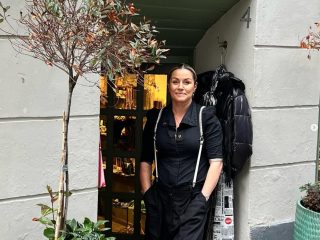
Cecilie de la Prada
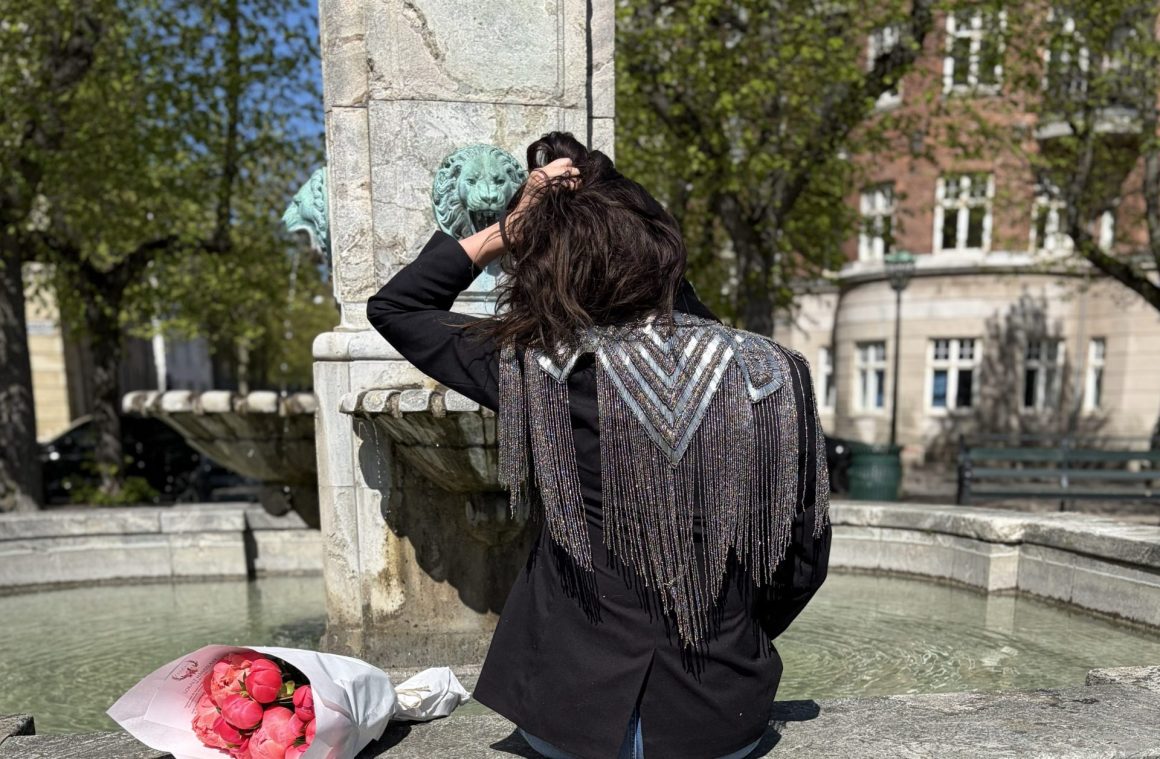
Cecilie de la Prada is the founder of Dudette, an independent boutique on Copenhagen's Kompagnistræde dedicated to Scandinavian maximalism — hand-beaded accessories, statement jewelry, and pearl capes for people who refuse to blend in.
A former theater professional, she opened Dudette to bring a little more sparkle, humor and personality to the city's design landscape. Find her at dudette.dk and on Instagram @dudette.dk.
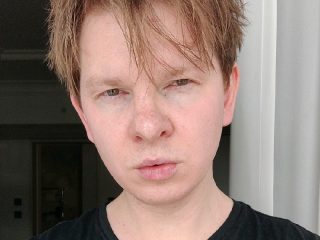
Alex Copenguy
Alex Copenguy, founder of Localsinsider.com, loves exploring cities on foot, finding cozy, historic boutique hotels, and avoiding tourist spots.
He's passionate about Scandinavian simple yet functional design, contemporary art, and enjoys mussels with fries and cold prosecco. A fan of saunas and banyas, he always seeks out a good male massage when traveling.
Anya Belitskaya
Anya Belitskaya is a Copenhagen-based fashion designer and MA graduate of the Royal Danish Academy (Fashion, Clothing & Textiles).
Her work fuses cultural memory with exuberant ornamentation—think shine, florals, and generous shapes—while centering inclusivity and joy.
Belitskaya’s practice sits at the intersection of craft and community, proposing fashion that celebrates real bodies and real celebrations.

Martin Eriksen (Danemaq)
Martin Eriksen, editor at LocalsInsider.com, was born and raised in Thy, Northern Jutland, Denmark.
He studied pharmacy in Copenhagen and has since traveled extensively, living and working in different parts of the world as a digital nomad before settling in Malta.
With a scientific background and a keen interest in history, social sciences, and local cultures, he combines an analytical perspective with firsthand travel experiences and insights gained from living abroad.
60 places on the map
Which area suits you?
1 / 3
Your vibe?
2 / 3
Most important?
3 / 3
Pace?
Your match





 Martinique
 Romania
 Scotland