Indiana: what to do, see & eat — curated guide to the Hoosier State 2026
The Hoosier State — the Crossroads of America, worth stopping at.
Indiana hides more than the interstate lets on: Indiana Dunes National Park's Lake Michigan shoreline, Turkey Run's sandstone canyons that feel airlifted from Kentucky, Columbus's concentration of modernist architecture (one of the greatest on Earth), a hotel dome once called the Eighth Wonder of the World — and, one Sunday each May, the largest single-day sporting event on the planet. Save room for St. Elmo Steak House's shrimp cocktail, hot enough to clear your sinuses.
6.9MPopulation
Hoosier StateNickname
May–OctBest months
★ LocalsInsider Picks
Our Picks for Indiana
Indiana's stranger blessings — Martin and Alex's picks: two failed utopias, a park that shouldn't exist, and a dome that shouldn't have survived.
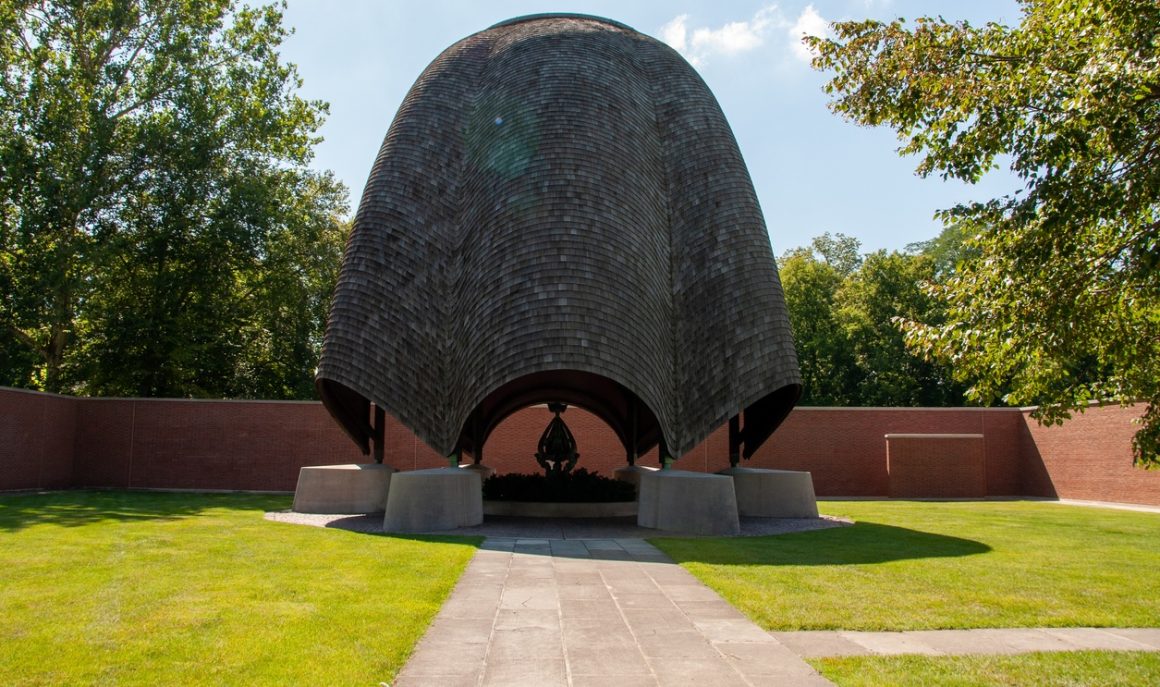
Two utopias tried this Wabash River town — the millennialist Harmonists (1814), then Robert Owen's community of scientists and reformers (1825). Both failed; the residue is extraordinary: Philip Johnson's Roofless Church, Richard Meier's white Atheneum, two labyrinths and a walkable lesson in American idealism.
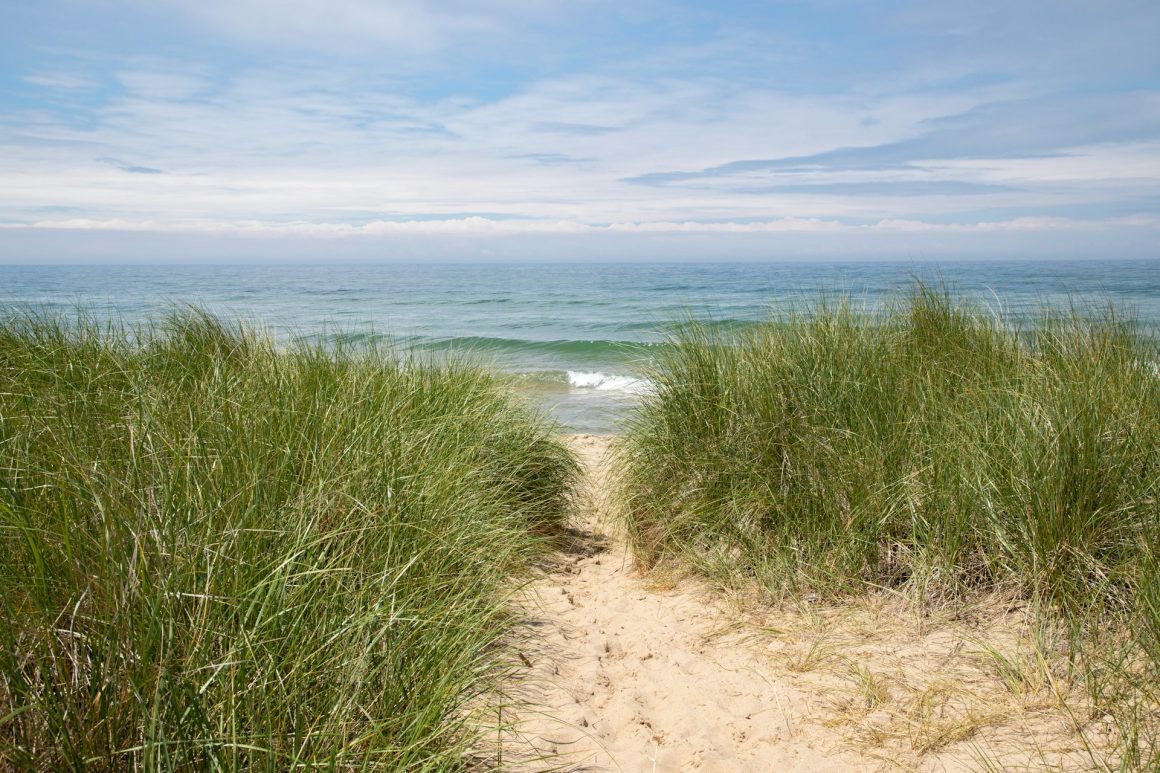
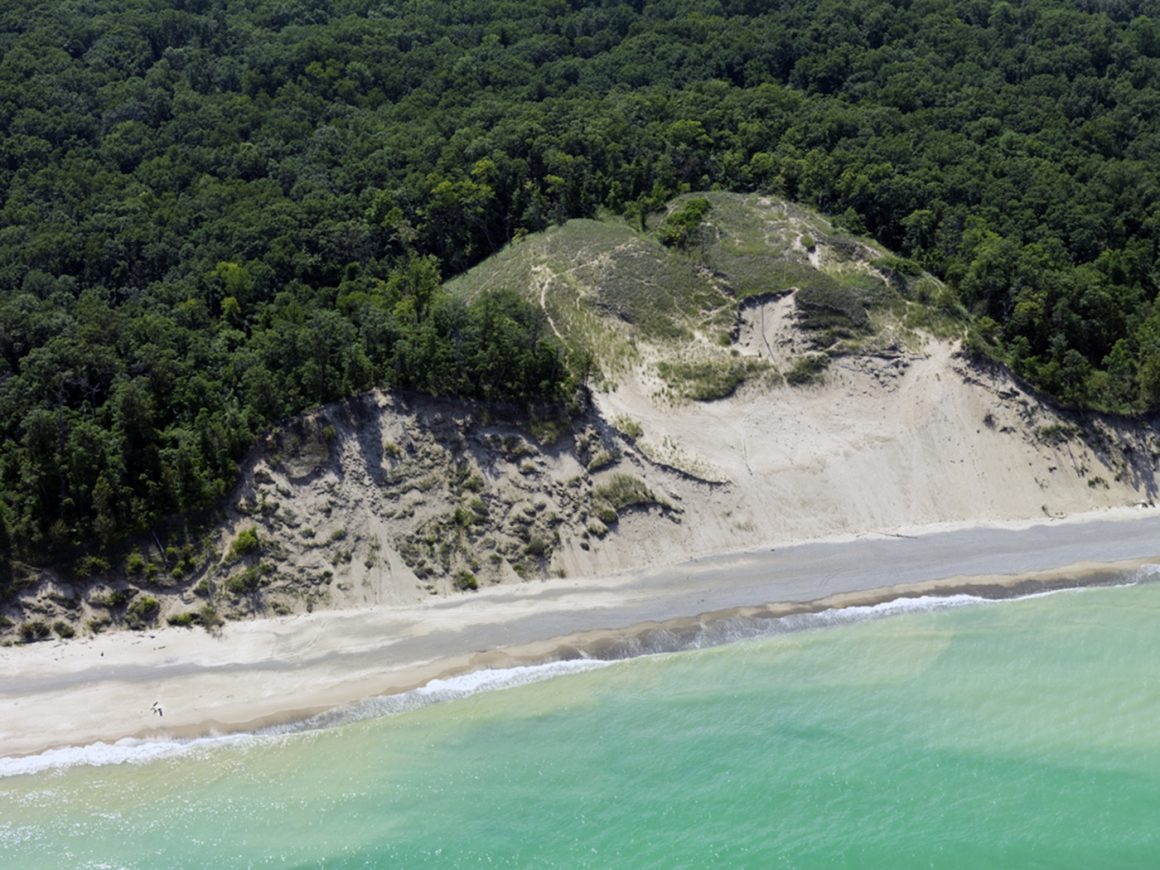
One of the most biodiverse national parks per acre — dunes, bogs, oak savanna — sharing a shoreline with working steel mills, which is precisely the point: the birthplace of American ecology (Cowles' succession studies) surviving beside the industry that nearly ate it. Climb the Three Dune Challenge, then look both ways down the beach.
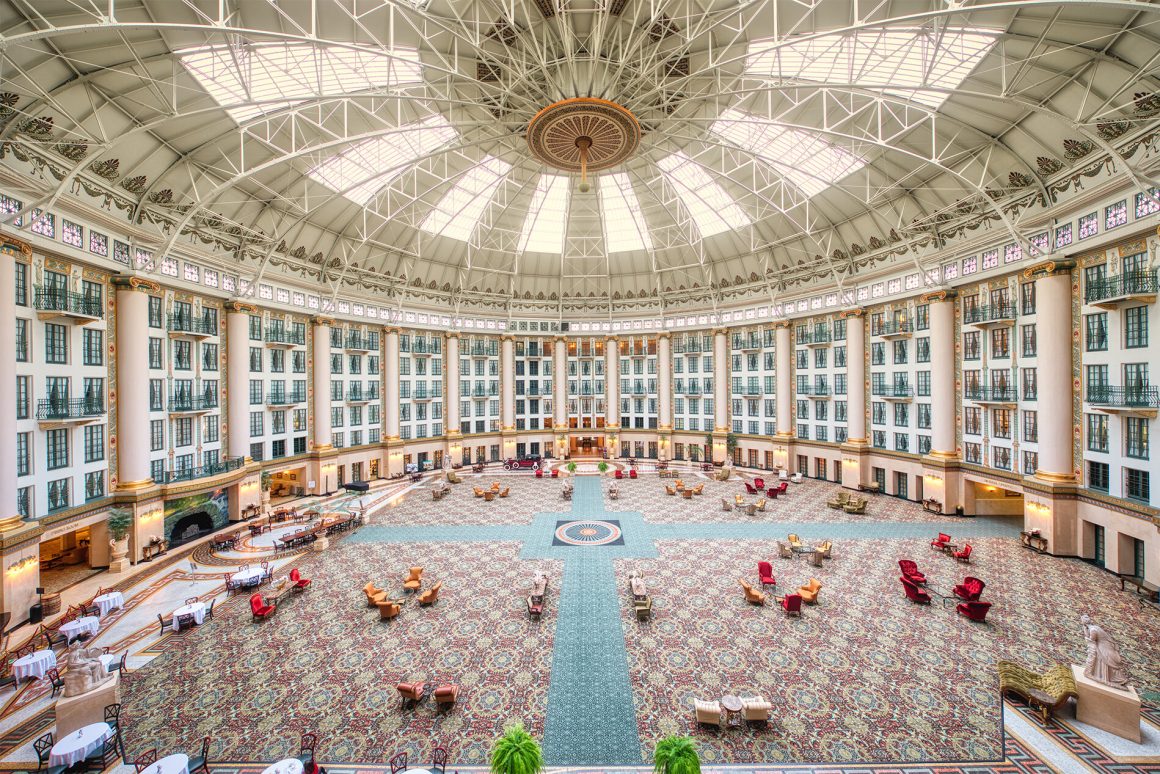
A 200-foot free-span dome — the world's largest until 1955 — crowning a mineral-springs resort where the Gilded Age took the waters. Derelict by the 1990s, rescued spectacularly since: walk into the atrium and look up. Pair with sibling French Lick next door; the dome alone is worth the drive.
Here is our curated guide to Indiana: hand-picked places to eat, museums worth your time, trails to hike, and spa retreats to rest and recharge — plus the best time to go.
Nature & Parks
What to See in Indiana: Nature, Hiking & the Dunes
Indiana's best landscapes hug its edges — Lake Michigan's dunes in the north, unglaciated canyon country in the west and hills in the south.
Marshall
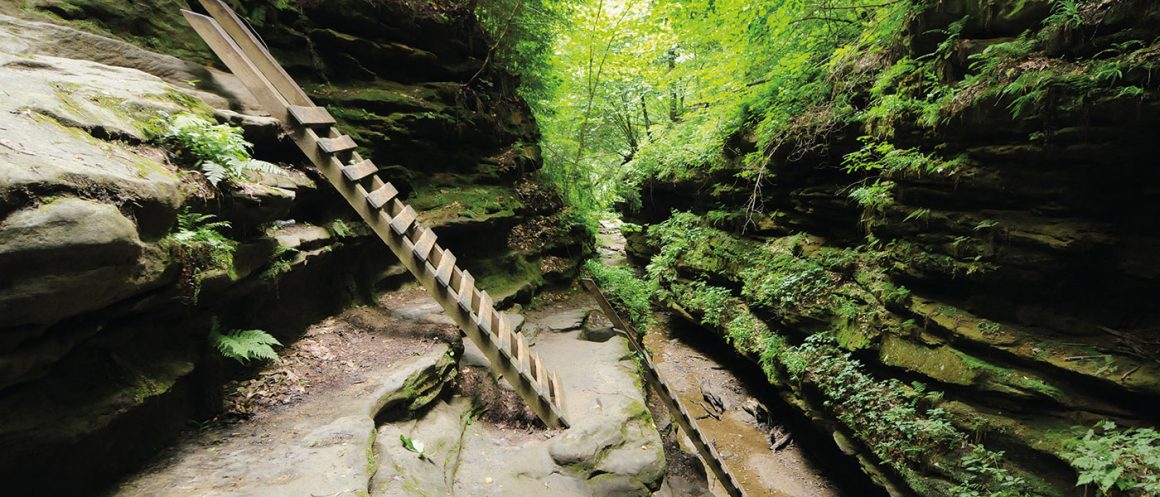
Turkey Run State Park
Indiana's second-oldest state park (1916) and its best hike: ladders, cliff-hugging ledges and stream-bed scrambles through 300-million-year-old sandstone gorges cut by Sugar Creek — Trail 3, the "rugged" one, is the most fun you can legally have in Indiana in boots. The 1919 Turkey Run Inn does the classic park-lodge overnight, and the suspension bridge over Sugar Creek is the state's favorite trailhead photo. 4.8★ across 8,000 reviews.
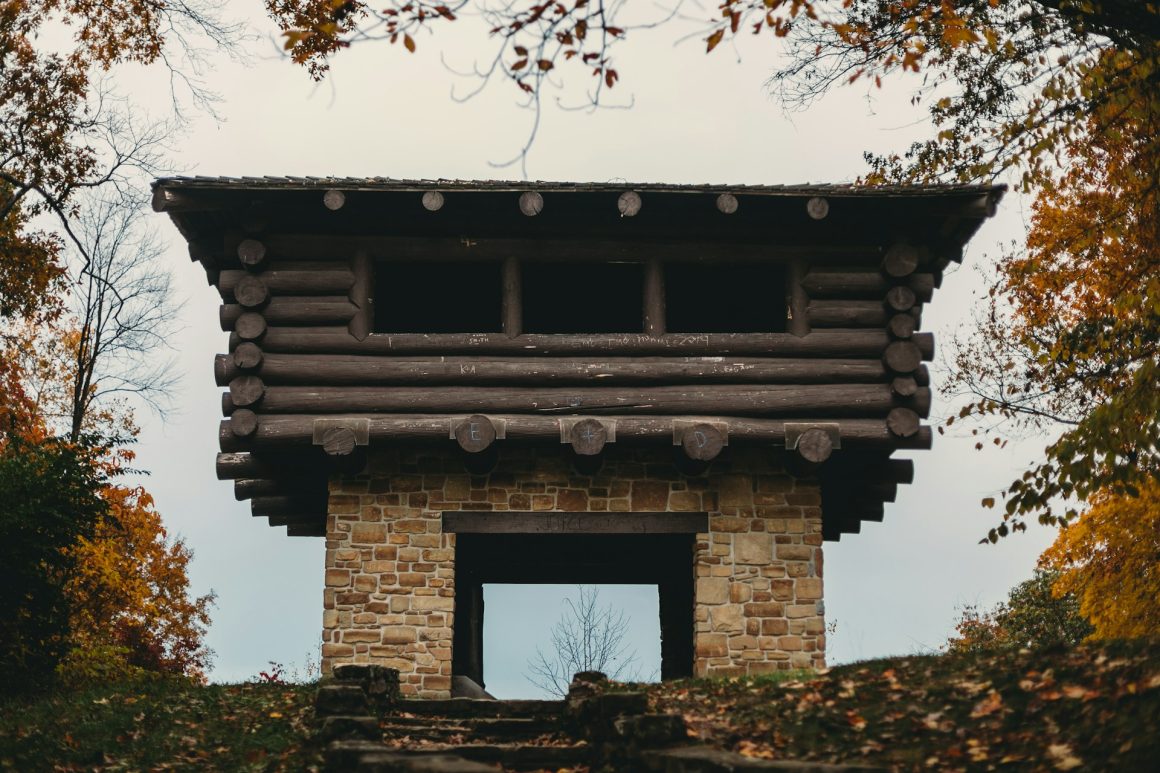
Nearly 16,000 acres of forested hills — Indiana's largest state park, nicknamed the "Little Smokies" — with vista points built by the CCC, a 1930s fire tower you can climb, and some of the best purpose-built mountain-bike trails in the Midwest (IMBA-recognized). In mid-October the hardwood color draws half the state; the artists' colony town of Nashville at the gate has been selling paintings of it since the 1900s. 4.8★.
America's 61st national park (upgraded 2019 after a century as a lakeshore) packs improbable biodiversity into 15 miles of Lake Michigan coast — over 1,100 native plant species, among the highest counts in the park system, thanks to dunes, bogs, prairies and oak savanna colliding. The 3 Dune Challenge climbs 552 vertical feet of sand (there's a sticker); West Beach's dune-and-boardwalk loop is the classic; and the "Century of Progress" homes — five futuristic houses barged here from the 1933 Chicago World's Fair — line the shore at Beverly Shores. Steel mills bracket the views, which is its own honest Indiana statement. 4.6★/13,000 reviews.
Four named waterfalls dropping up to 83 feet through a fossil-rich limestone canyon above the Ohio River — best in spring flow or as frozen columns in January — with the historic river town of Madison (see History) at the bottom of the hill.
Hoosier National Forest & the Charles C. Deam Wilderness
Indiana's only wilderness area: 13,000 roadless acres on Monroe Lake's south shore, with backpacking loops and a 1930s fire tower lookout. The adjoining forest hides Hemlock Cliffs' box canyon and the state's darkest skies.
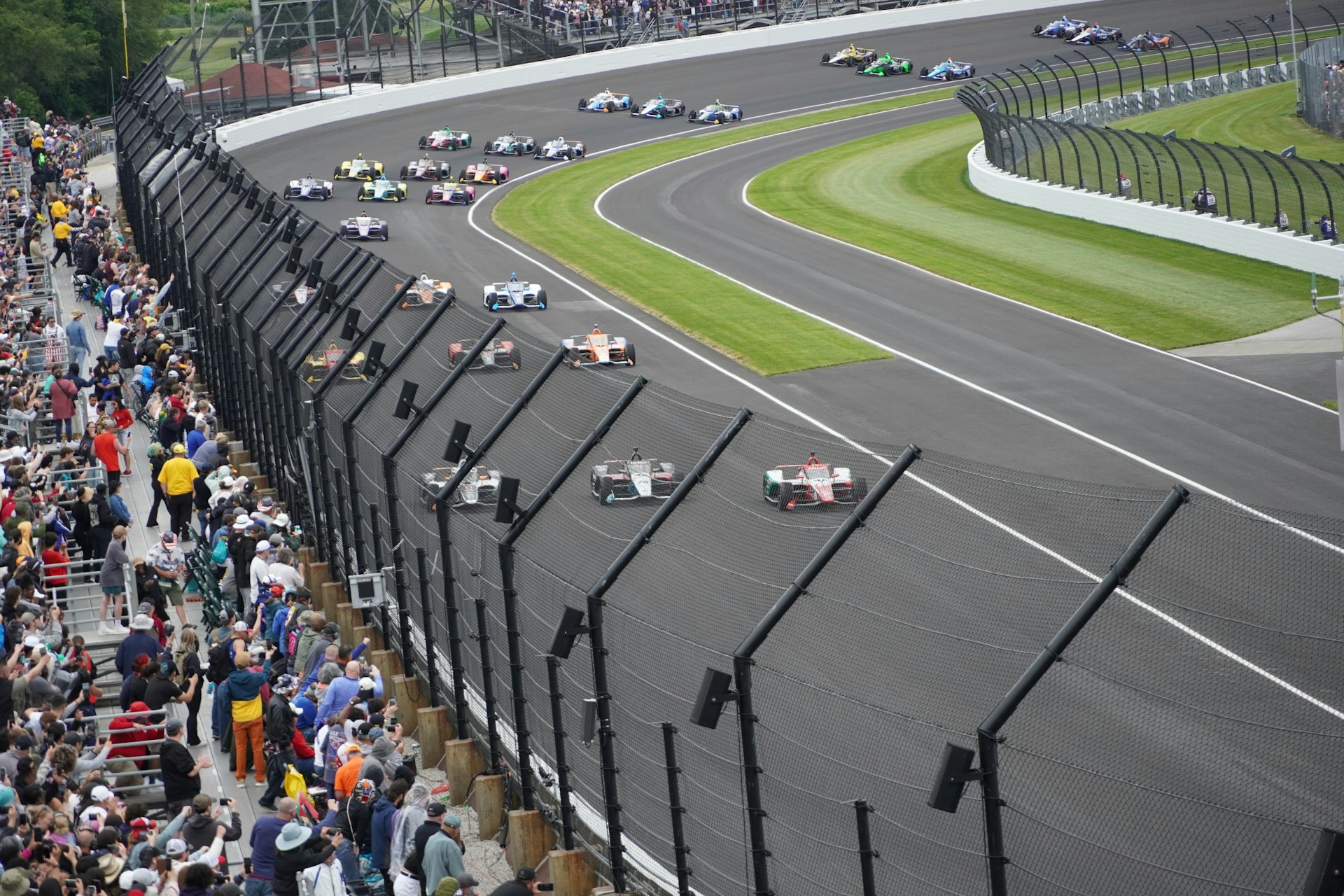
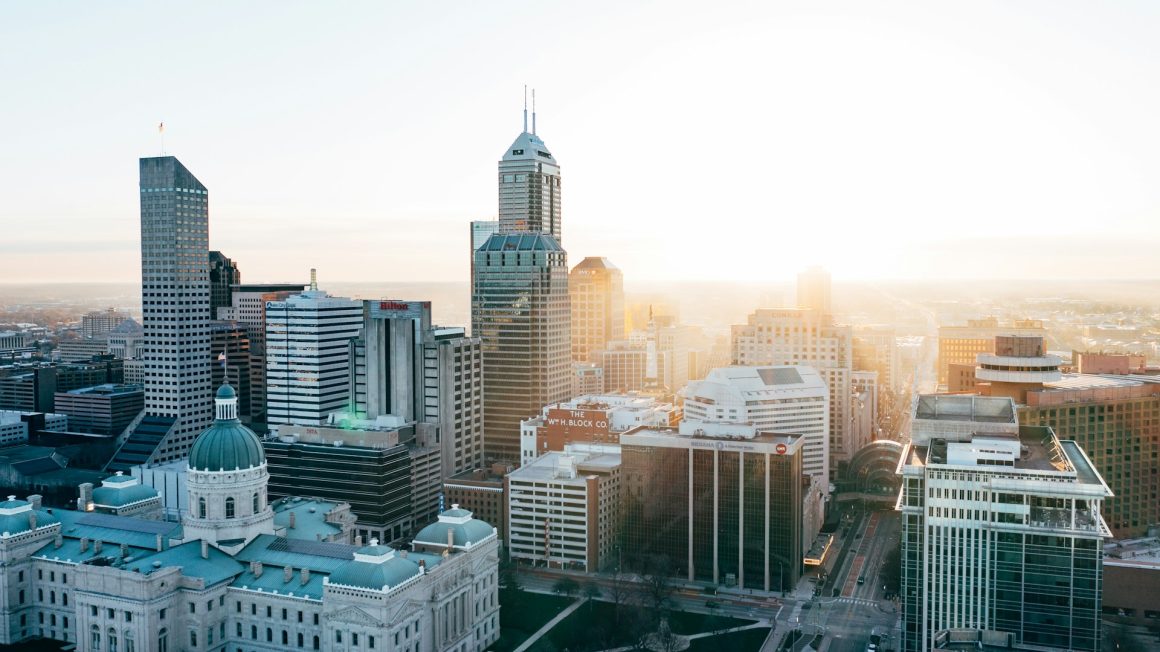
The 12th-largest US city runs on an eight-block White River State Park cultural campus (Eiteljorg, zoo, canal), the world's largest children's museum, and a downtown so walkable it hosts more big sporting events than nearly anywhere — capped by the Indianapolis 500, the largest single-day sporting event in the world, with crowds around 300,000 every Memorial Day weekend since 1911. The Bottleworks District (a restored Art Deco Coca-Cola plant) and Mass Ave carry the food and nightlife.
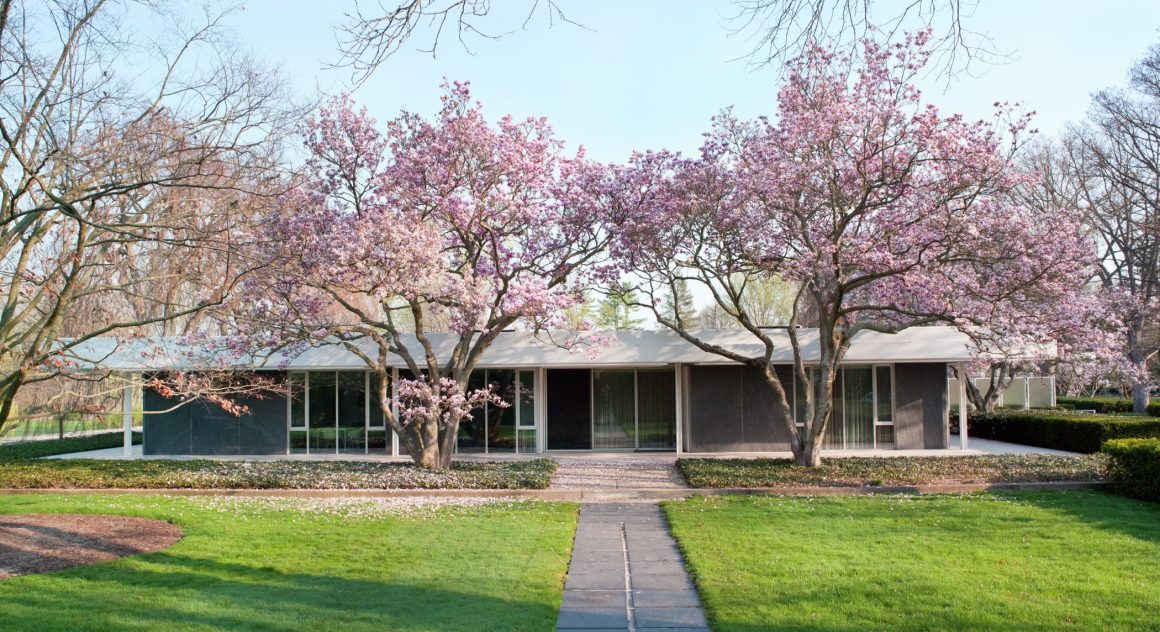
A city of 50,000 with over 90 buildings by modern masters — seven National Historic Landmarks among them — because industrialist J. Irwin Miller's Cummins Foundation offered, starting in 1957, to pay the architect's fee for any public building if a world-class designer was chosen: the result is churches by Eliel and Eero Saarinen, a library by I.M. Pei, banks, schools and fire stations by the century's best. The American Institute of Architects has ranked Columbus among the top US cities for architectural innovation, in company with Chicago and New York. Book the Visitors Center bus tour, and separately the Miller House — Eero Saarinen's 1957 residence, a mid-century landmark with its original Girard interiors. 4.7★ for the tours.
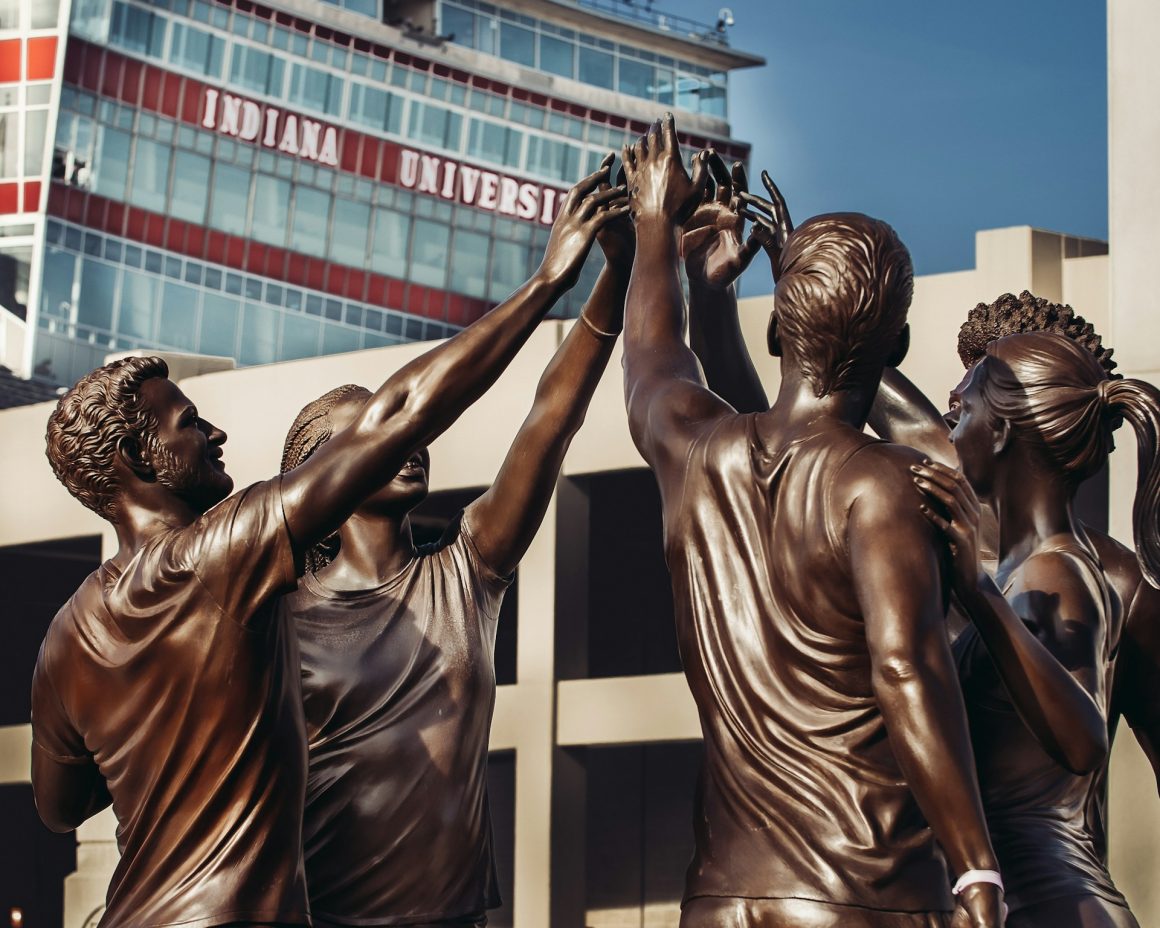
Indiana University's campus is built of the local limestone that also clads the Empire State Building and the Pentagon — quarried within miles of town, the story told in the film Breaking Away (1979), whose Little 500 bike race still runs every April. Add the Eskenazi Museum of Art (a Pei building), a Tibetan cultural center founded by the Dalai Lama's brother, and the state's best college food scene.
133 blocks of intact 19th-century river town — the largest contiguous National Historic Landmark district in the country — from Greek Revival mansions (tour the Lanier Mansion) to cast-iron storefronts, beneath Clifty Falls' canyon. One of the Midwest's most underrated overnights.
Two successive utopian communities — the Harmonists (1814) and Robert Owen's social reformers (1825) — tried to build the perfect society on this Wabash riverbank; what remains is a contemplative village of historic buildings, two labyrinths, Philip Johnson's Roofless Church (1960) and Richard Meier's Atheneum (1979). Half ghost of idealism, half architecture park.
Indiana's spa story is literally historic — a pair of 1900s mineral-springs resorts that drew presidents, gangsters and the Cubs, restored to full operation.
Feature
The Spa at West Baden Springs — West Baden
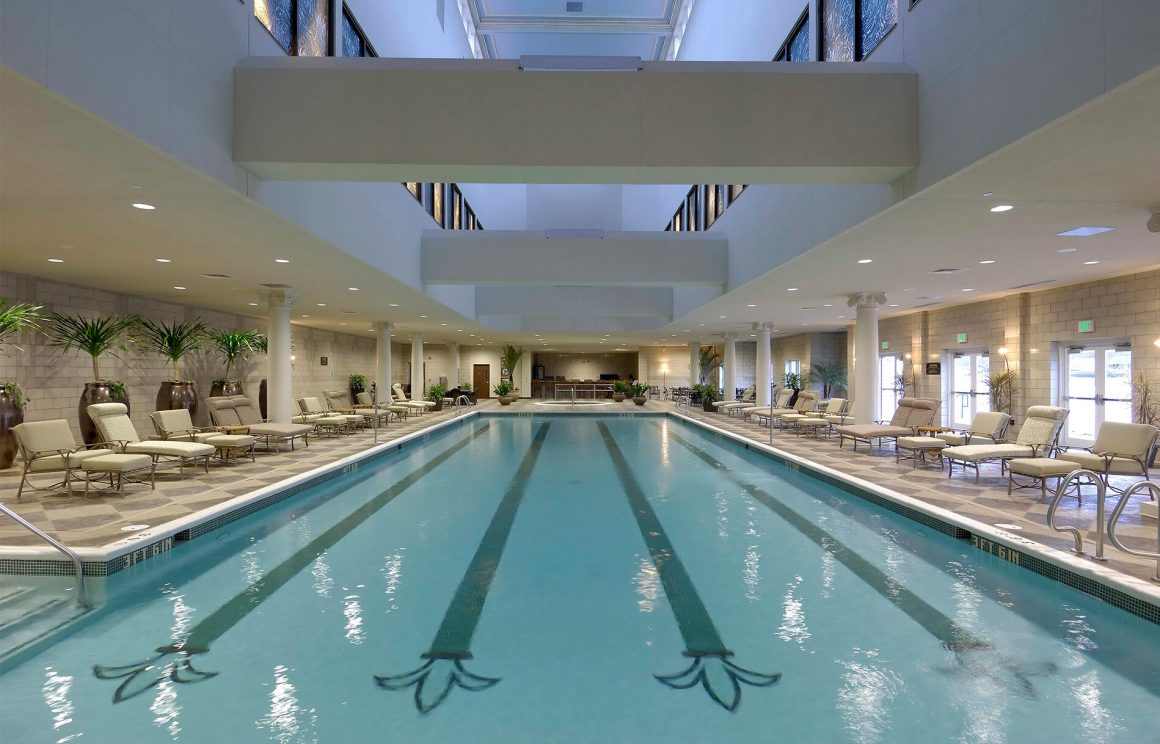
The hotel is the event: a 200-foot free-spanning dome, the largest in the world when it opened in 1902 and dubbed the "Eighth Wonder of the World," rising over an atrium that stops first-timers mid-stride. The spa runs mineral-inspired treatments (Pluto and Sprudel spring water built this valley's fortune) plus a pool under period arches; Al Capone summered here and the 1920s Cubs held spring training on the grounds. The hotel gates at 4.8★/3,800 reviews — extraordinary for a property this size.
The sister resort a mile away (connected by free trolley): a 1901 grand hotel whose "Pluto Water" laxative springs were once a national brand, now a full-menu spa, gardens, golf (the Donald Ross and Pete Dye courses are destination-grade) and the casino next door. Larry Bird's hometown, as every sign will remind you.
The Art Deco Bottleworks Hotel anchors Indy's boutique end; pair with a Mass Ave day-spa booking for the urban version of an Indiana spa day.
Culture
Best Museums in Indiana for Art & Design
Newfields (Indianapolis Museum of Art)
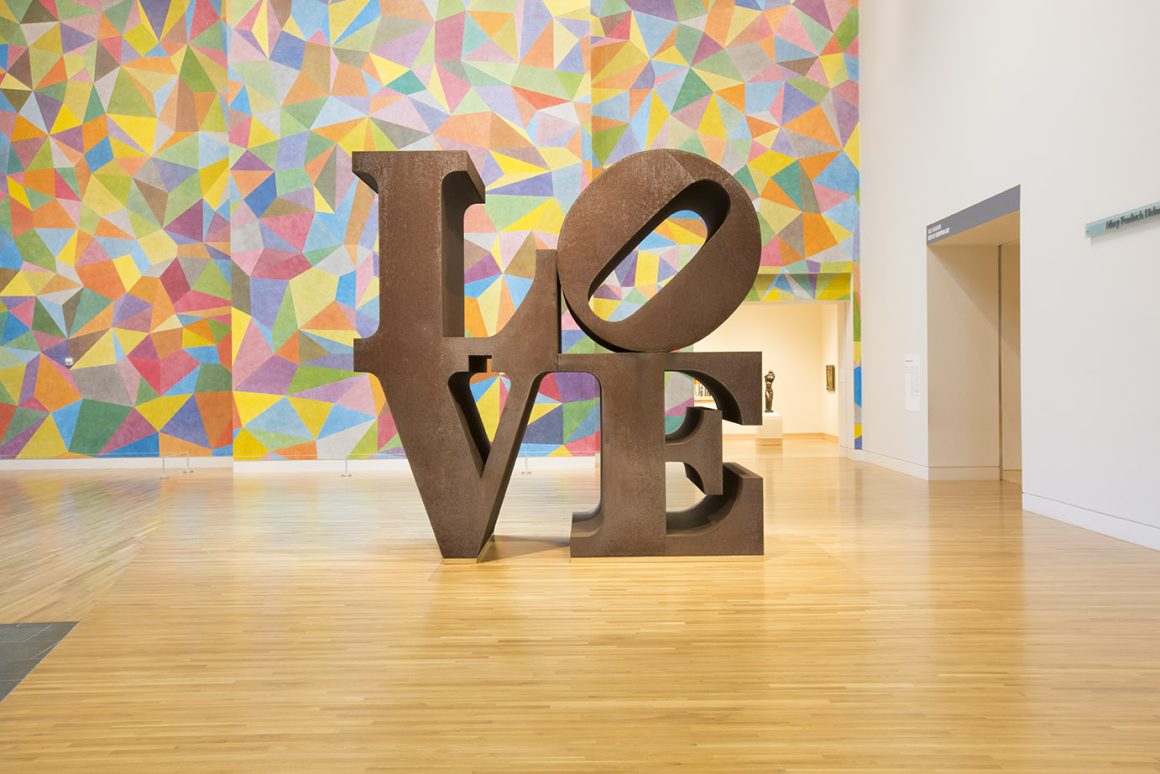
A 152-acre campus: an encyclopedic museum strong in Turner, neo-impressionism and design, the Lilly House estate, and the 100 Acres art-and-nature park where large-scale installations sit in woods and wetlands (free). Its Winterlights and harvest festivals have made it one of the most-attended art institutions in the Midwest — programming choices that drew real controversy in the early 2020s, since resolved into the current hybrid identity. 4.7★/6,700 reviews.
Eero Saarinen's 1957 flat-roofed masterpiece for J. Irwin Miller — with Alexander Girard's textile-saturated interiors and Dan Kiley's modernist garden intact — one of the most significant mid-century homes in America, toured by shuttle from the Columbus Visitors Center. Book ahead; small groups only.
One of the few museums east of the Mississippi devoted to Native American and Western art — and its contemporary Native art fellowship has made it a genuine force in the field, not a cowboy nostalgia hall. The Jingle Rails model-railroad takeover each winter is a beloved oddity. 4.6★.
An I.M. Pei triangle on the IU campus holding 45,000 works — Picasso, Pollock, significant African and Ancient collections — free, and far better than a university museum needs to be.
The largest children's museum in the world — 472,000 square feet, a Chihuly tower, real dinosaur digs, and an outdoor Sports Legends campus with Pete Dye-designed mini golf. Listed here because adults keep reviewing it without children (4.7★ across 18,700 reviews).
See Spas — listed twice on purpose: the 1902 dome is simultaneously the state's best historical restoration story (it sat derelict, partially collapsed, until a 1990s–2000s rescue by the Cook family) and its best hotel.
02
Levi & Catharine Coffin House — Fountain City
The "Grand Central Station of the Underground Railroad": the Coffins, Quaker merchants, sheltered an estimated 2,000 freedom seekers here between 1826 and 1847 — reportedly without losing a single one. The interpretive center (2016) and the modest brick house itself make one of the most affecting historic stops in the Midwest.
Abraham Lincoln lived in Indiana from age 7 to 21 — the formative years, on this exact farm, where his mother Nancy Hanks Lincoln died and is buried. A working 1820s living-history farm runs in season. Illinois gets the lawyer; Indiana raised him.
One of the country's premier living-history museums: an 1836 prairie town, a Civil War raid experience, and a tethered helium balloon ride 377 feet up — history museums rarely rate this high with actual children.
The oldest surviving pathology laboratory in the nation (1896), preserved intact inside the former Central State Hospital — autopsy amphitheater, specimen collections, and an honest telling of psychiatric history. Niche, unforgettable.
"The Greatest Spectacle in Racing" since 1911: 33 cars, 200 laps, around 300,000 spectators — the largest single-day sporting event in the world, at a Speedway so big it could contain Vatican City, Churchill Downs and the Rose Bowl simultaneously. Can't make race day? The IMS Museum and the track-lap bus tour run year-round; kissing the yard of bricks is included.
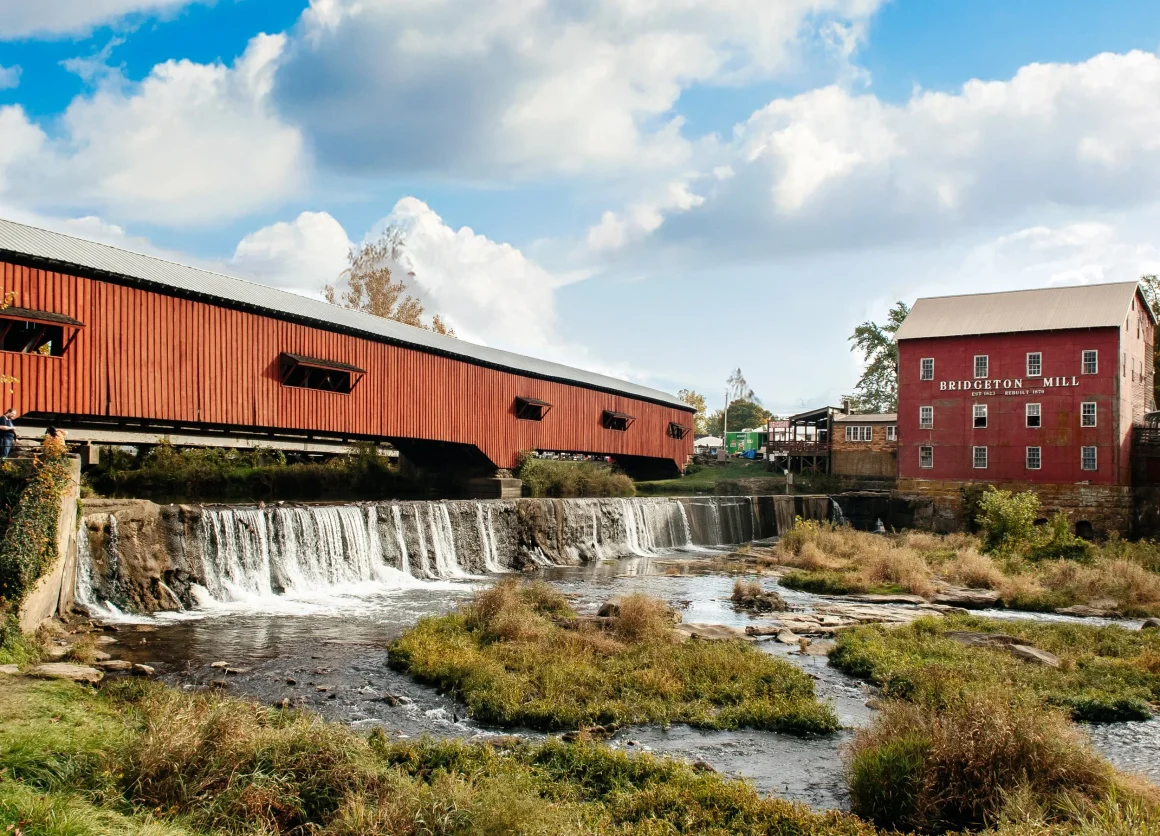
Thirty-one covered bridges — the most of any US county, hence "Covered Bridge Capital of the World" — linked by five color-coded drive-yourself loops around Turkey Run; the ten-day Covered Bridge Festival each October is Indiana's largest festival.
In a town actually named Santa Claus: the world's first themed amusement park (opened 1946, a claim it defends well), now famous for top-ranked wooden coasters (The Voyage) and a policy of free unlimited soft drinks and sunscreen that wins it perennial "friendliest park" awards.
A night game at historic Bosse Field or Victory Field
Baseball the old way: Evansville's Bosse Field (1915) is the third-oldest ballpark in regular use in America — A League of Their Own filmed here — and Indy's Victory Field is routinely called the best minor-league park in the country.
Local Cuisine
What to Eat in Indiana: Local Cuisine & Where to Find It
Indiana's plate: the tenderloin it claims to have invented, a shrimp cocktail that doubles as a dare, sugar cream pie, and persimmons nobody else understands.
The Feature
Nick's Kitchen — Huntington
The origin claim of the breaded pork tenderloin itself: Nick Freienstein started frying pounded pork here in 1908, and the diner still serves it plate-wide with the pie case behind. Iowa contests the dish's ownership (see our Iowa guide); eating at the claimed source is the only honest research. 4.5★.
Downtown's tuxedoed 1902 institution, famous less for the (excellent) steaks than for the shrimp cocktail: a horseradish-loaded sauce so violent it has its own warning reputation, national TV lore, and bottled retail line. A James Beard America's Classic (2012). 4.6★/7,000 reviews; book ahead on any event weekend, which in Indy is most weekends.
Indiana's official state pie (2009): the "desperation pie" of Amish and Quaker kitchens — cream, sugar, flour, no eggs — best from Wick's Pies in Winchester, which bakes thousands a day, or any Amish bakery in Shipshewana.
A kosher-style cafeteria deli run by the same family since 1905 — corned beef stacked high, cafeteria trays, and the reasonable claim of being among the oldest family-owned delis in America.
The native American persimmon ripens in southern Indiana hollows each fall, and Mitchell's Persimmon Festival (since 1947) crowns pudding champions — a dense, spiced dessert you will find almost nowhere else on Earth. Seasonal, and worth timing.
Fair food capital — Indiana State Fair, Indianapolis (Aug)
One of the nation's oldest state fairs (1852) and a deep-fried R&D lab; the dairy bar's grilled cheese and milkshakes are the traditionalists' pick.
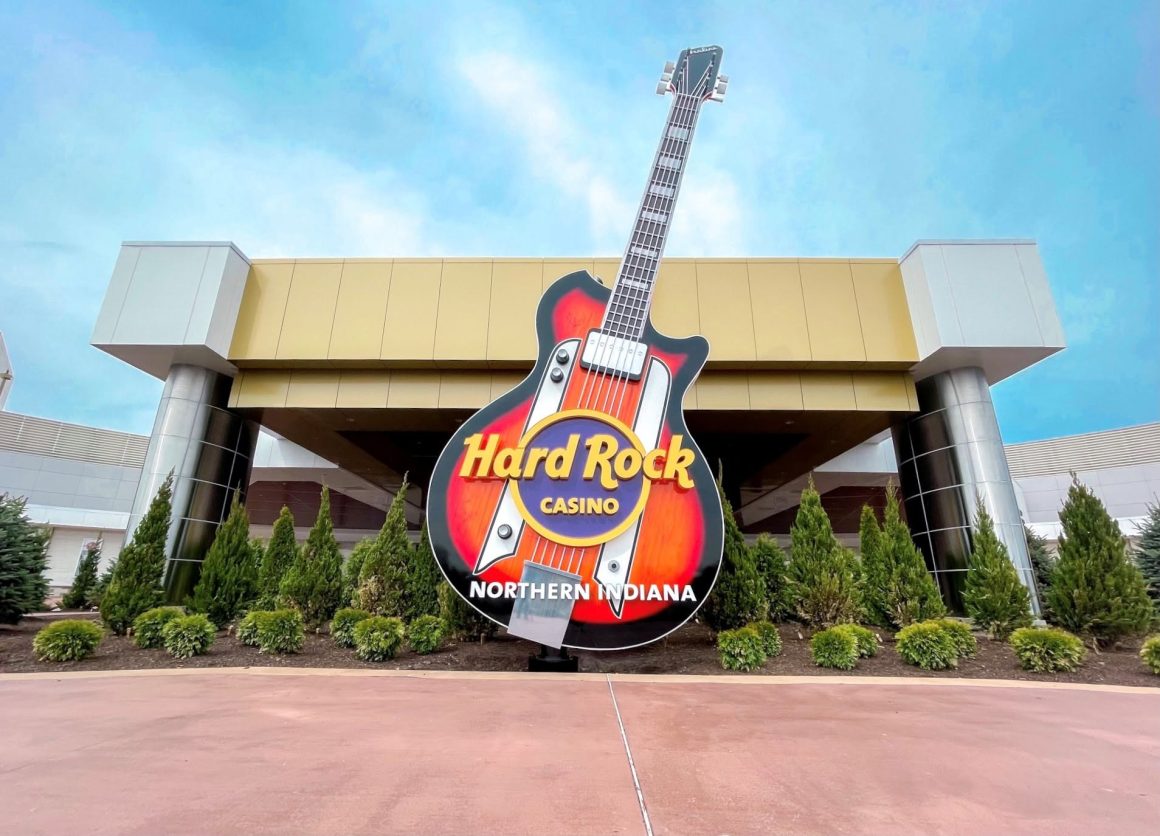
The newest full-scale property (2021), built to replace Gary's old riverboats — a big pit, poker room, Hard Rock Live venue, and the memorabilia walls, 40 minutes from Chicago.
The Chicagoland table-games giant on Lake Michigan — one of the largest gaming floors in the region and a poker room with genuine history (WSOP Circuit stop).
The outlier: a full casino attached to the restored 1901 French Lick Springs resort — play a hand, then walk the Eighth Wonder dome at West Baden next door. The only casino in America where the spa history outranks the gaming.
The Indy 500 and basketball obsession (Hoosiers is a documentary with extra steps), limestone that built America's landmarks, Columbus's modernist architecture, covered bridges, the breaded tenderloin — and being the Crossroads of America, with more interstate per square mile than almost anywhere.
What to do in Indiana this weekend?
Indy: Newfields + Mass Ave + St. Elmo. Outdoors: Turkey Run's Trail 3, or the Dunes' 3 Dune Challenge. October: Parke County's bridge festival + Brown County color. Anytime: the Columbus architecture tour — genuinely world-class.
Is Indiana LGBTQ+ friendly?
It depends heavily on where you are. Indiana has no statewide law adding sexual orientation or gender identity to its civil rights code — MAP rates the state in a low policy tier — and the 2015 RFRA controversy (amended after national backlash) still shapes its reputation. But local ordinances cover much of urban Indiana: Indianapolis, Bloomington, Fort Wayne, South Bend and 20+ municipalities protect SO/GI locally, Indy Pride is a major June festival, and Bloomington in particular is a genuinely welcoming college town. Federal Bostock protections apply in employment statewide. Travelers should simply know the patchwork is real. (Sources: MAP profile; municipal ordinance records.)
What food is Indiana famous for?
The breaded pork tenderloin, St. Elmo's nuclear shrimp cocktail, sugar cream pie, persimmon pudding, Amish cooking in Shipshewana, and fair food engineering.
What is the best time to visit Indiana?
May for the 500 (book everything early), June–September for parks and the Dunes, mid-October for Brown County and covered-bridge color. Winter is for basketball gyms.
Indiana: What to Do, See & Eat — Curated Guide to the Hoosier State
Indiana places to visit: parks, museums, restaurants & spa retreats, plus the best time to go — the LocalsInsider curated guide to the Hoosier State, 2026.