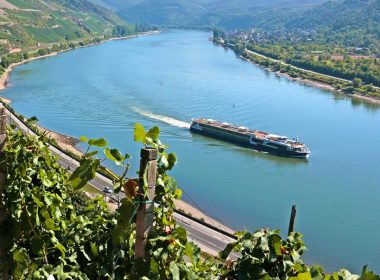
If you ask us, a river cruise is a quieter, slower thing than an ocean one, we do think so. The ships are smaller, the pace is calmer, and you tie up in the middle of towns and villages the big ocean liners can’t reach at all — places with one square, one church and no cruise terminal.
Discover Europe’s most famous rivers in the lap of luxury by taking an exclusive cruise. It’s a magnificent and memorable way to experience the culture, history, and cuisine across the continent, without needing to worry a great deal about arrangements.
Simply choose your vessel, select an itinerary, and hop on board. Most river cruises are much smaller than their ocean-going siblings, typically accommodating between 100 and 200 guests. This makes for more intimate sailing and gives you the chance to relax and take in your surroundings in peace and tranquility.
River cruising is one of the few ways to see several European countries without packing a bag more than once, which is exactly why our readers keep asking about it. The numbers back that up: a record 37.2 million people took a cruise, up from 34.6 million the year before, and nearly 90% said they intend to sail again — the highest repeat intention the industry has ever recorded, according to CLIA’s 2026 State of the Cruise Industry report. Around a third were first-timers.
So we picked seven European rivers that each offer something genuinely different — wine, war history, Baroque cities, Roman ruins — and paired each with a specific, highly rated itinerary you can actually book.
To help you plan your European river cruise, we at Locals Insider travel magazine handpicked seven journeys that you can take down European waterways. We’ve also recommended highly rated, luxurious vessels/operators to give you the perfect starting point when considering your trip.
The Best River Cruises in Europe, River by River
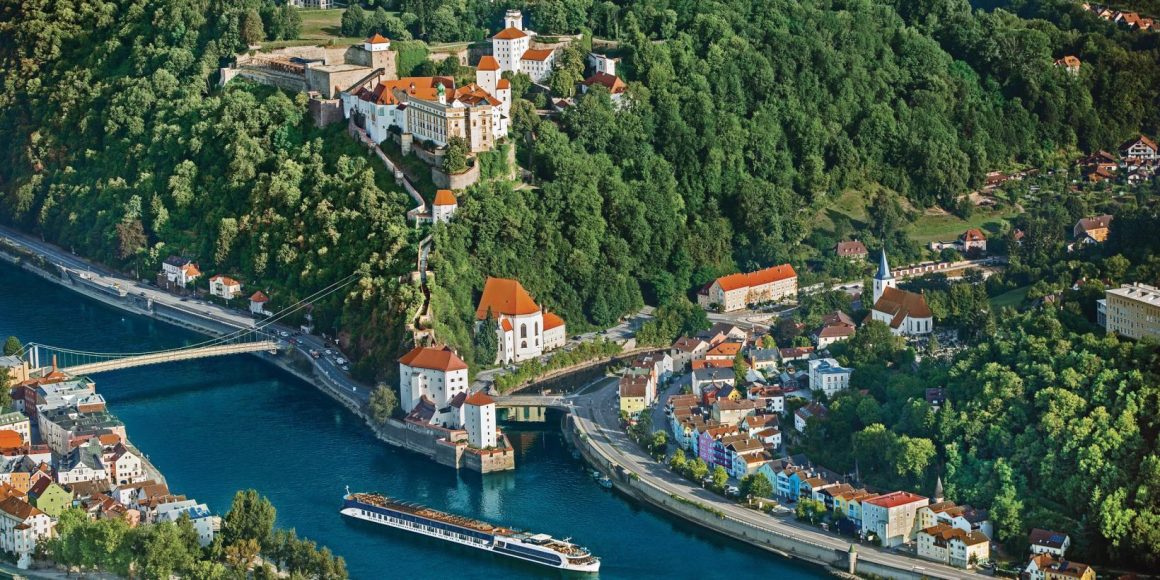
1: Danube
Why? Europe’s most famous waterway for multi-country river cruising.
The Danube is Europe’s best-known river. It’s also a dream starting point for anyone new to river cruising, connecting must-see European cities like Budapest, Bratislava, Vienna, and Linz, with stunningly beautiful, quaint villages and easily walkable towns.
What makes the Danube particularly special is how it has connected these countries for centuries, serving as both a trade route and a natural cultural boundary.
Away from the cities, you’ll pass vineyards, forests, castles, and traditional riverside villages, making the journey as much about the scenery between ports as the destinations themselves.
Our recommendation: Adventures by Disney Danube River Cruise
- 8-day cruise
- From $6,099 per person (about €5,280 / £4,520)
- Budapest – Bratislava – Vienna – Melk – Linz – Passau – Vilshofen
Pass through four countries on your trip on the Danube: Hungary, Slovakia, Austria, and Germany. Trip highlights include a walking tour of Dürnstein Castle, time in the picturesque Austrian town of Mondsee, and a panoramic city tour of Vienna.
As a Disney Cruise, it’s child-friendly and perfect for families, with guided excursions, on-board entertainment, and a full meal package available.
The Danube is also the main Christmas market route, with sailings from late November. Our guide to the top Christmas markets in Europe covers which stops are worth the detour.
Most Danube itineraries give you a day or less in Budapest, which is not much for a city this size. If you’re extending either end of the trip, a dancer with the Hungarian State Opera shared his own guide to Budapest’s best-kept secrets with us — worth reading before you go.
2: Seine
Why? A treasure trove for WW2 history buffs, beyond the lights of Paris.
Experience the majestic Seine from Spring to Fall, one of Europe’s most romantic and culturally important rivers. The Seine runs through northern France, beginning in Burgundy, flowing through Paris, and emptying into the English Channel.
While Paris, the City of Light, is the undisputed highlight, the Seine is rich in cultural heritage, with World War II POIs and artifacts along the way, and many memorable city and riverscapes to behold.
Our recommendation: Tauck, Impressions from the Seine Paris to Normandy
- 8-day cruise
- From $5,890 per person (about €5,100 / £4,365)
- Paris – Château de Versailles – Rouen – D-Day Beaches – Les Andelys – Giverny
Most itineraries give you a day or two in Paris at one end. If you have an evening free, the city’s top five wine bars, picked by a wine journalist is where we’d start.
Begin with sightseeing in Paris, before exploring the 700 rooms of the Château de Versailles. You’ll then have the chance to discover memories of Rouen, visit the D-Day beaches in Normandy, and explore Monet’s house and gardens in the stunning countryside locale of Giverny.
One practical note on this route: the Seine is a spring-to-autumn proposition. Most operators run it between April and October, and the D-Day beaches in particular are a considerably better experience in mild weather than in a Normandy January.
3: Elbe
Why? Saxon wonders and Baroque architecture to behold.
An Elbe river cruise connects two of Europe’s most fascinating cities: Berlin and Prague. Highlights along the way include Dresden, known for its impressive Baroque architecture and alluring towns within the Saxon countryside.
One thing you’ll notice while traversing the Elbe is that it’s still, to this day, one of the continent’s most unspoiled rivers. During the Cold War, the Elbe was seen as a borderland, meaning it was significantly underdeveloped compared to many of Europe’s other significant waterways.
Our recommendation: Viking’s Elegant Elbe – Berlin to Prague
- 10-day cruise
- From $3,499 per person (about €3,030 / £2,595)
- Berlin – Potsdam – Wittenberg – Meissen – Dresden – Saxon Switzerland – Bad Schandau – Děčín – Prague
Discover everything that Berlin has to offer before moving on to Potsdam, home of the Sanssouci Palace.
You’ll explore Martin Luther’s Wittenberg, the elegant, Baroque city of Dresden, and one of Germany’s natural wonders — Bastei — in Bad Schandau. In Czechia, you’ll stop in Děčín before three days exploring Prague, arguably Europe’s most picturesque city. Three days is enough to want a proper base — our pick of small historical luxury hotels in Prague covers where to stay if you extend.
Worth knowing before you book the Elbe: it’s a shallow river, and low water levels in high summer occasionally force operators to substitute coach transfers for sailing days. Ask what the operator’s policy is if that happens.
4: Moselle & Rhine
Why? A wine lover’s dream off the beaten path.
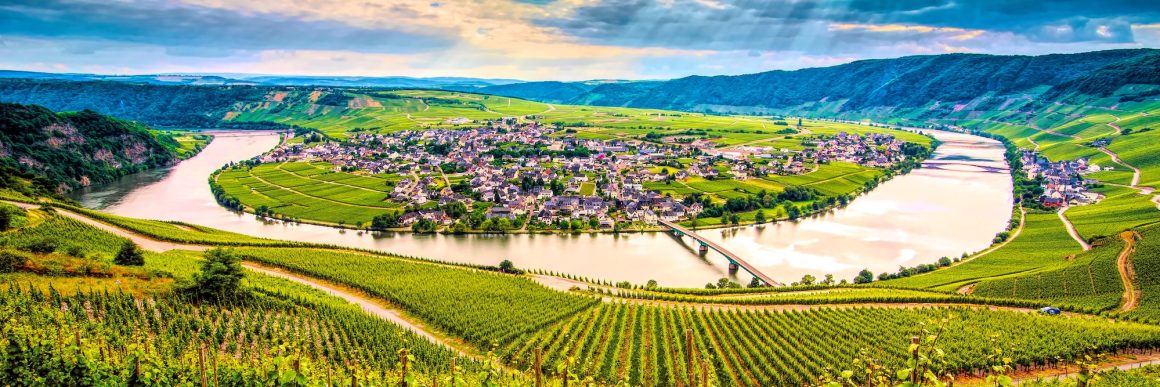
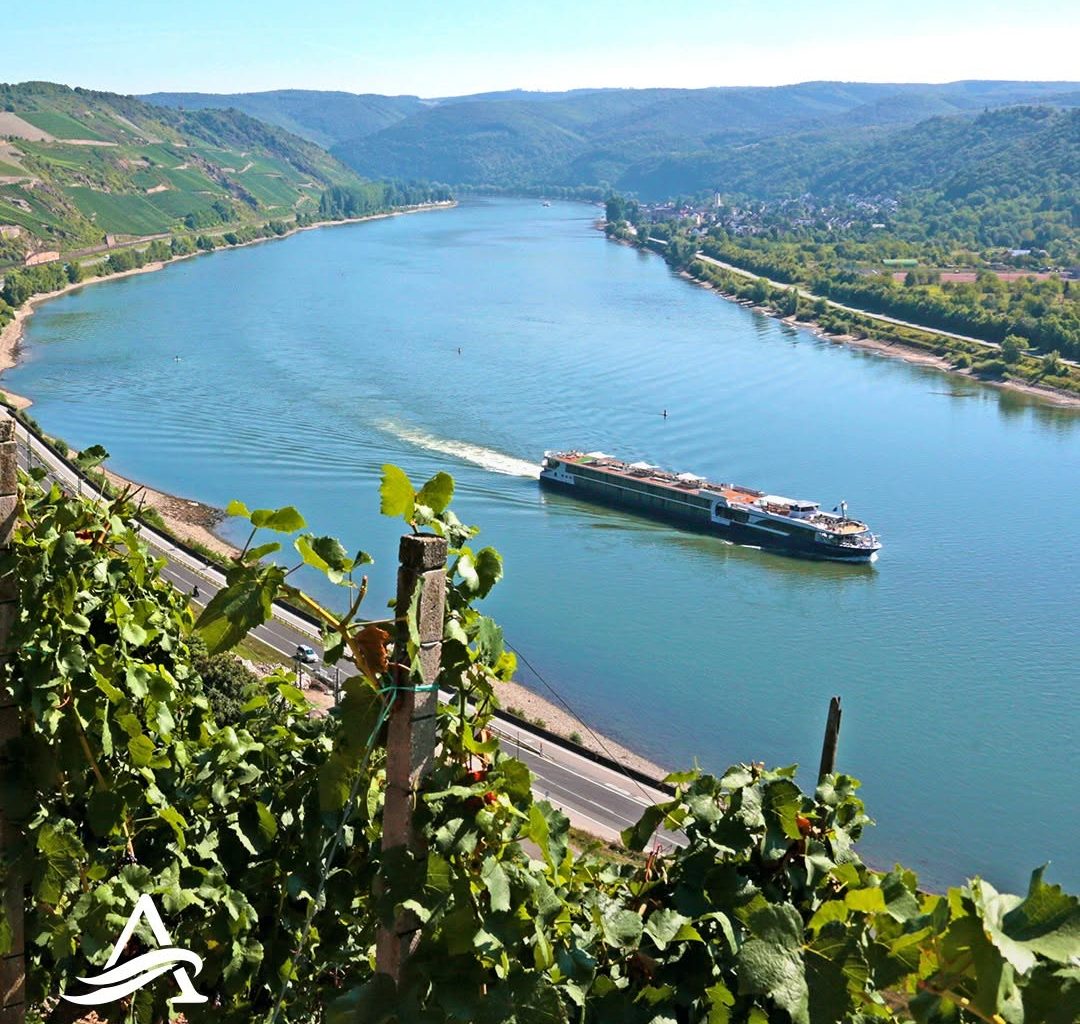
The Moselle courses through regions that were first cultivated by the Romans, famous for steep, terraced vineyards and dramatic Medieval castles. It links the more famous Rhine and allows you to traverse the hidden gem of Luxembourg, through either France or Germany.
The regions flanking the Moselle are a wine-lovers’ paradise, but the Moselle Valley is also home to magical old towns like Cochem and Trier, while some of the continent’s best-preserved Medieval castles (such as Burg Eltz) are waiting to be explored.
Our recommendation: The Rhine & Moselle: Canals, Vineyards, & Castles by Avalon Waterways
- 8-day cruise
- From $4,901 per person (about €4,245 / £3,630)
- Amsterdam – Nijmegen – Düsseldorf – Koblenz – Cochem – Bernkastel – Trier – Remich
Taking in three countries — the Netherlands, Germany, and Luxembourg — this cruise is one of the best ways to experience one of Europe’s lesser-known rivers, the Moselle.
You’ll visit Cochem, in the heart of Riesling country, and taste wines in the village of Bernkastel, home to some of Europe’s most sought-after whites. Trier, the oldest city in Germany, is worth the stop on its own: it holds more standing Roman architecture than anywhere north of the Alps.
5: Douro
Why? Rustic Portuguese charm away from bustling crowds.
Often overlooked for central European excursions, a river cruise on the Douro starts in picturesque Porto, before winding through the Portuguese countryside. It traverses one of Portugal’s most scenic valleys, comprising vineyards and Medieval towns.
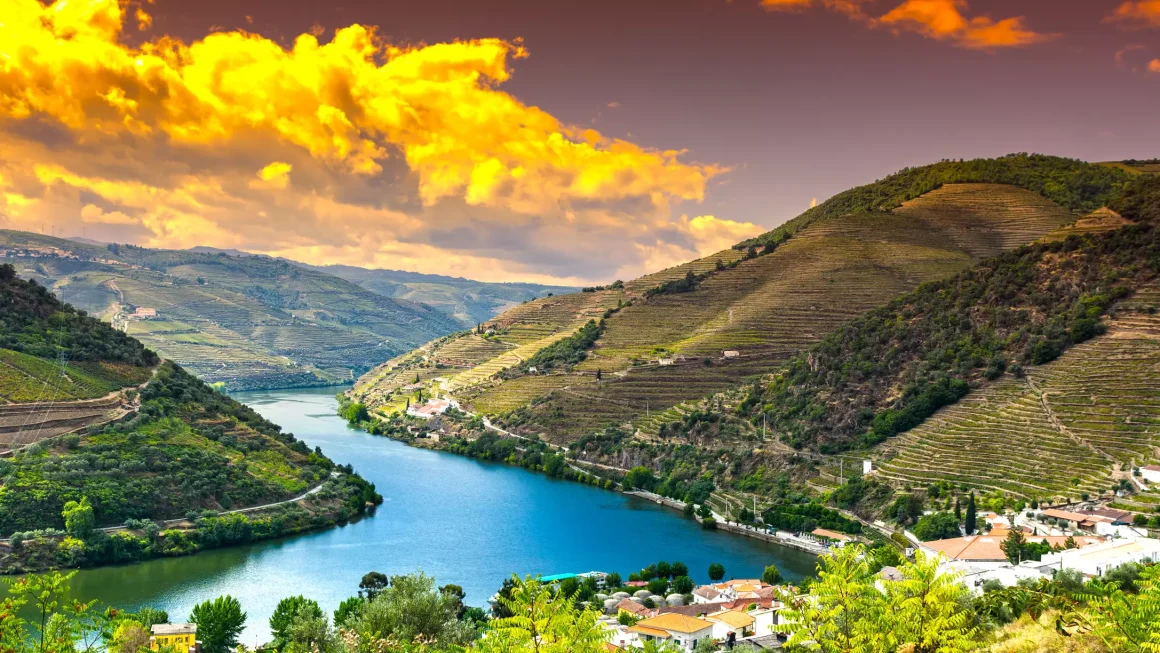
The Douro is known to have some of the deepest and narrowest locks in Europe — passing through is an intimate and memorable experience.
On most Douro river tours, you’ll experience the World Heritage City of Salamanca, and as much wine as you care to try in places like Peso da Régua, the heart of the port wine trade, where the product is shipped worldwide to discerning oenophiles.
Our recommendation: Highlights of the Douro Valley & Salamanca River Cruise by Riviera Travel
- 8-day cruise
- From $3,149 per person (about €2,725 / £2,335)
- Porto – Guimarães – Castelo Rodrigo/Foz Côa – Salamanca/Almeida – Quinta da Roêda – Lamego
We hand-picked this particular river cruise because of the excursion to Guimarães, the birthplace of Portugal and a UNESCO World Heritage city, and the visit to Quinta da Roêda, where you’ll sample wine and food at a working port estate before returning aboard.
This cruise also takes you to Spain, to Salamanca, no less, offering you the chance to explore beyond the confines of the Douro for a day.
The Douro Valley is the world’s oldest demarcated wine region, established in 1756, and the valley itself is UNESCO-listed. If you only take one of these seven cruises for the wine, this is the one — though our guide to five unique wineries around the world and Italy’s vineyard hotels and wine resorts cover the land-based alternatives.
6: Rhône
Why? Roman ruins, and delectable southern French cuisine and wine.
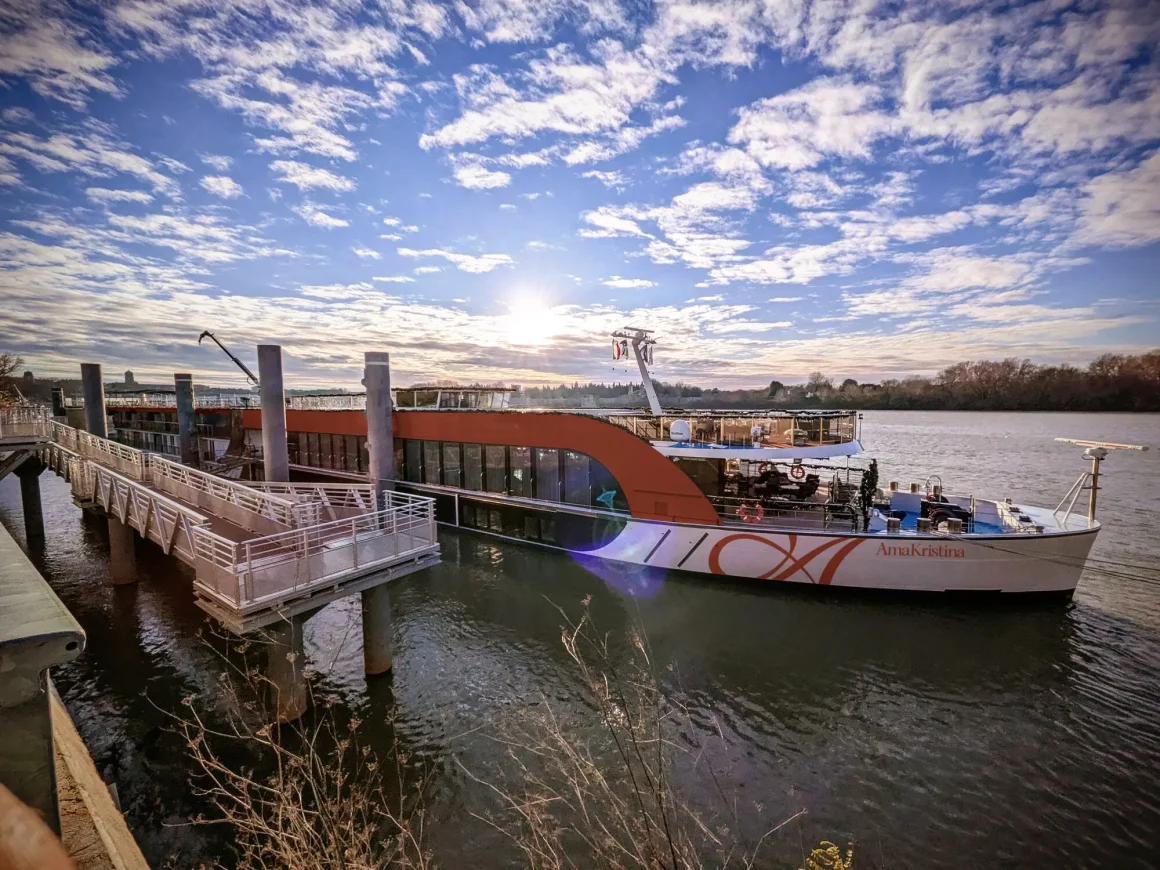
Historic Lyon is the starting point for most Rhône river cruises. Explore the atmospheric streets of Vieux Lyon, discover hidden traboules and climb Fourvière Hill for panoramic views across the city.
When you set sail, you’ll make for stops like Vienne, where you can explore ancient Roman ruins, Medieval abbeys, and Gothic cathedrals. Avignon, the city of popes, is another popular stop, while the ancient streets of Arles are home to France’s best-preserved Roman ruins.
Our recommendation: Colors of Provence by Ama Waterways
- 8-day cruise
- From $3,099 per person (about €2,685 / £2,295)
- Lyon – Vienne – Tournon – Avignon – Arles
This Rhône river cruise traverses green mountain passes and historic cities in the heart of southern France. You can travel north or south, starting at Lyon or Arles and taking in Vienne, Tournon, and Avignon.
Arles is where Van Gogh painted more than 300 works in fifteen months, and the town is close enough to the Camargue and the French Riviera to be worth extending. If you’re continuing south, a florist who lives in Nice gave us his guide to the Riviera — gardens, villas and where he actually eats.
7: Garonne & The Dordogne
Why? The ultimate wine-lovers’ river cruise in southern France.
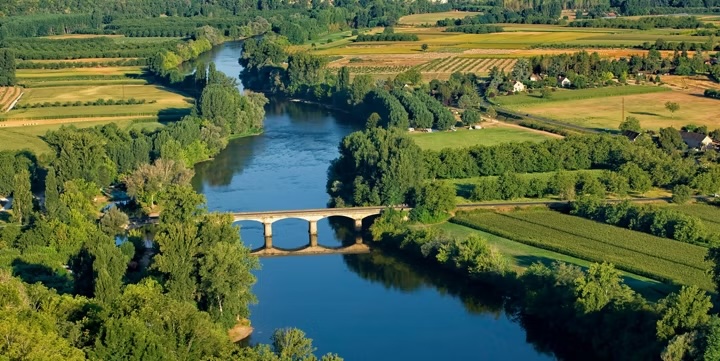
This is Bordeaux country, but there is more to the region than famous vineyards. The rivers reveal elegant châteaux, medieval villages, and quiet countryside that can be difficult to appreciate by road.
One unique feature is the tidal nature of the Garonne. Despite being far inland, its water level is influenced by Atlantic tides. Combined with visits to wine estates, oyster-growing areas, and historic ports, a river cruise provides a fascinating perspective on southwestern France’s relationship with the Atlantic.
Our recommendation: Chateaux, Rivers & Wine by Viking
- 8-day cruise
- From $2,999 per person (about €2,595 / £2,220)
- Bordeaux – Libourne – Bourg – Blaye – Pauillac
This eight-day round-trip cruise from Bordeaux explores the vineyards, rivers, and historic towns of southwestern France. Sailing along the Garonne and Dordogne, the itinerary visits famous wine-producing destinations including Libourne, gateway to Saint-Émilion on the Right Bank, and Pauillac in the Médoc, home to three of the five first-growth châteaux.
You’ll discover historic chateaux and villages and explore the UNESCO-listed citadel at Blaye, all while sampling renowned Bordeaux wines, local oysters, and distinguished French cuisine.
At $2,999 (about €2,595 / £2,220) this is the cheapest itinerary on our list, and it’s a round trip from Bordeaux — so there’s no one-way flight to arrange at the far end, which quietly saves more than the headline difference suggests.
When to Go, and What’s Actually Included
Season matters more than it does at sea. Most European river cruising runs from March or April to late October, with Christmas market sailings on the Danube and Rhine in late November and December. High summer brings the crowds and, on shallower rivers like the Elbe and the Douro, the risk of low water.
Read what the price covers. Most cruises offer half-board, full-board, and all-inclusive packages, and the difference between them on an eight-day trip is substantial. Shore excursions, drinks packages, gratuities and airport transfers are the four things most commonly excluded from a headline fare.
Ships are small, so cabins sell out early. With 100 to 200 guests rather than 3,000, a single popular sailing can be full a year ahead — particularly the Douro, which has a limited number of vessels licensed to operate on it.
Ready to Book an Exquisite River Cruise in Europe?
The above recommendations and itineraries are just a fraction of what’s available on Europe’s waterways. When booking, consider what’s important to you. Most cruises offer half-board, full-board, and all-inclusive packages.
There are also options for extras like excursions and meals on land that aren’t included in the price of your voyage. Be sure to check the full scope of activities and excursions available to you when making your reservation.
One thing to sort before you pay a deposit: cruise travel insurance works differently from standard policies, and river sailings have their own cancellation risks around water levels.
For the days either side, our guide to Europe’s most walkable cities covers where to spend them. If you like the idea of moving slowly through Europe but not by water, our favorite train trips in Europe and the most beautiful road trips in Europe are the alternatives. And if it’s a river cruise outside Europe you’re after, there’s a new Nile cruise with Waldorf Astoria in Egypt.
Every Town You’ll See on These European River Cruise
- Austria — Vienna, Melk, Linz, Dürnstein, Mondsee
- Czechia — Děčín, Prague
- France — Paris, Versailles, Rouen, Les Andelys, Giverny, Lyon, Vienne, Tournon, Avignon, Arles, Bordeaux, Libourne, Bourg, Blaye, Pauillac
- Germany — Passau, Vilshofen, Berlin, Potsdam, Wittenberg, Meissen, Dresden, Bad Schandau, Düsseldorf, Koblenz, Cochem, Bernkastel, Trier
- Hungary — Budapest
- Luxembourg — Remich
- Netherlands — Amsterdam, Nijmegen
- Portugal — Porto, Guimarães, Castelo Rodrigo, Foz Côa, Lamego, Peso da Régua
- Slovakia — Bratislava
- Spain — Salamanca, Almeida
What about 2027?
Two things are shaping European river cruising. Water levels are the industry’s central operational problem — low summer flows on the Elbe, Rhine and Danube have disrupted sailings repeatedly in recent years, and operators are responding with shallower-draft vessels and more flexible itineraries rather than pretending it isn’t happening. At the same time, the smaller rivers are where the growth is: the Douro, the Moselle and the Garonne are all attracting new vessels as the Danube and Rhine reach capacity. Expect more choice, and higher prices, on the quieter routes.