





Alef Felipe was born and raised in the Atlantic Forest — the Mata Atlântica, the ecosystem that stretches along Brazil’s Atlantic coast and is home to more than 900 bird species, including many found nowhere else on Earth. He grew up hunting in that forest. Today, eight years into a career as the first bird watching guide in the town of Tapiraí in São Paulo state, he takes travelers into the same forest to watch the birds he once used to hunt.
Tapiraí sits about three hours’ drive from the city of São Paulo and has quietly become one of Brazil’s best-known birdwatching destinations. For LocalsInsider, Alef wrote about how he became a bird guide, when to visit for the best sightings, the four lodges he recommends in the region, and his advice for anyone picking up binoculars for the first time.
Follow him on Instagram at @aleffelipe_bird_guide.

From Hunter to Bird Guide
For eight years now, I have been a bird watching guide. Everything I know, I learned from living among the birds — in the forest where I was born and raised, deep in the Atlantic Forest.

I was a hunter before I was a guide. Then I had the opportunity to work at an inn, and through that job I started learning more about nature conservation and about the birds of the Atlantic Forest specifically. That is how I became a bird watcher, and eventually the first bird watching guide in my city.

“Everything I know, I learned from living among the birds — in the forest where I was born and raised.”
Why the Atlantic Forest Is One of the World’s Great Birdwatching Places
The Atlantic Forest — the Mata Atlântica — is one of the world’s most biodiverse ecosystems and one of Brazil’s most important natural treasures. It stretches along the country’s Atlantic coast and is home to more than 900 bird species, many of them endemic — species that exist nowhere else on Earth.

Tapiraí, in the state of São Paulo, sits in the heart of the Atlantic Forest and is one of the country’s best-known birdwatching destinations. The region alone holds more than 400 bird species, including many of those rare endemics. It is about three hours by car from the city of São Paulo, and the forest around it is well-preserved enough that even beginner birders can have a good day here.

The Best Seasons: Feeders From April, Breeding From August
The main birdwatching season runs from April to November, and different species are visible in each part of it.
From April to July, it is feeder season. This is when the birds come in to feed at the strategically placed feeders that most of the lodges here maintain. It is the easier season for photography and for beginners, because the birds come to you.

From August to November, it is the breeding season, and this is the best time to spend time in the woods themselves — on the trails, looking for nests. The birds are more active and more territorial, so their calls give them away, and the mating displays are visible if you know where to look.
Trilha dos Tucanos: The Region’s Most Famous Birding Lodge
Trilha dos Tucanos — literally “Trail of the Toucans” — is one of Brazil’s best-known birdwatching lodges, sitting in the Atlantic Forest about three hours from São Paulo. It is designed specifically for birders, with well-maintained forest trails, strategically placed feeders that draw remarkable numbers of species, and photography opportunities you don’t get everywhere. More than 300 bird species have been recorded here. If you can only visit one lodge on your first trip to the region, this is the one.
Salve Floresta: The Lodge With the Canopy Tower
Salve Floresta is a quieter eco-lodge in the Atlantic Forest near Tapiraí, also about three hours from São Paulo. Its standout feature is a birdwatching tower built above the forest canopy — you get an eye-level view of the birds that spend their lives up in the treetops, without disturbing them from below. The lodge also runs environmental conservation programs and offers guided walks along its forest trails.
Casa da Mata: For Quieter, More Intimate Birding
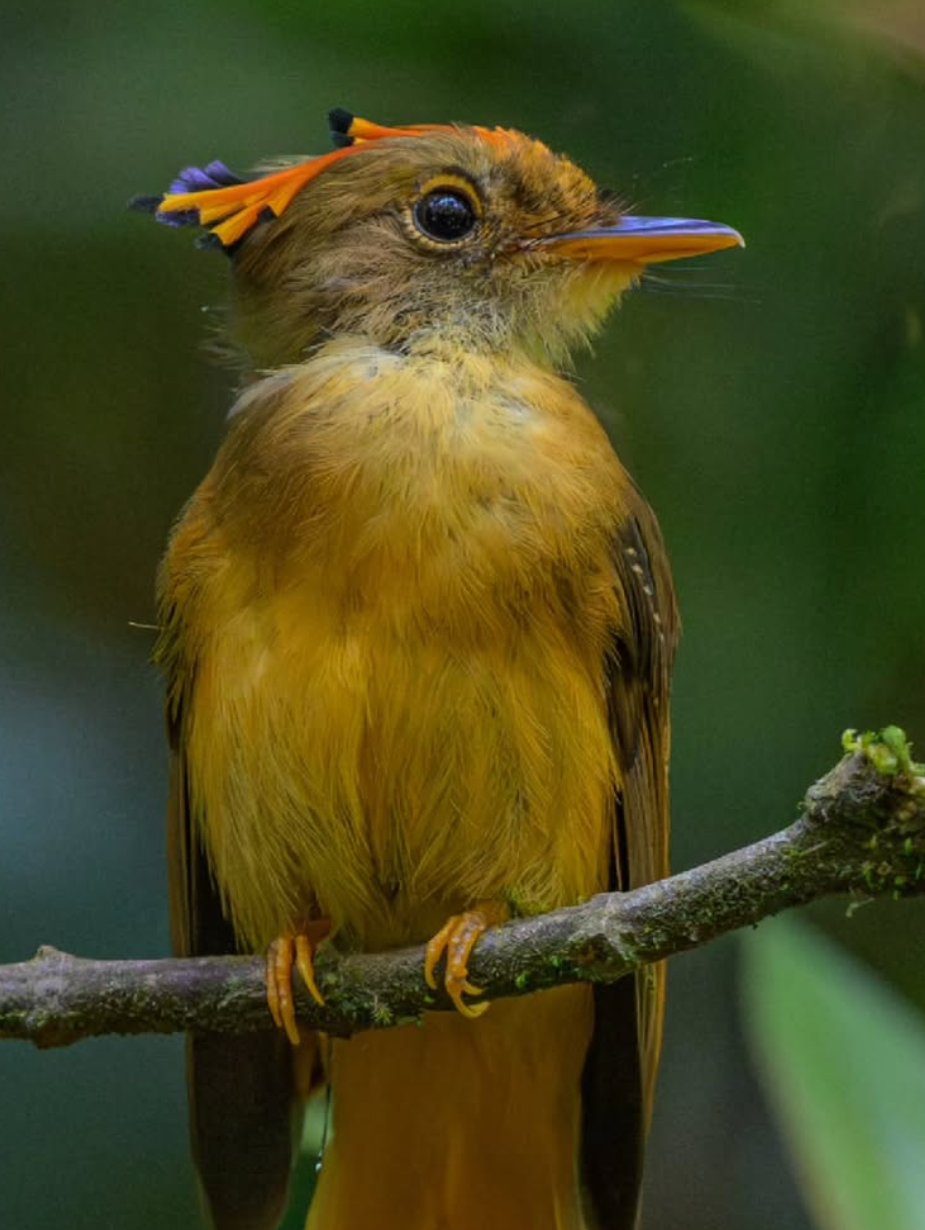
Casa da Mata is a smaller ecological retreat in well-preserved rainforest near Tapiraí. It’s set up for visitors who want a slower, more intimate experience — self-guided forest trails, bird feeders that attract Atlantic Forest species close to the lodge, and full-board accommodation. Guided outings can be arranged if you want extra help finding specific species. A good choice for photographers who want to work at their own pace, and for anyone visiting solo or as a couple who prefers a small operation over a busy lodge.

Duco Lodge and Legado das Águas: Away From the Crowds
Duco Lodge is a small, family-run place in the Atlantic Forest near Tapiraí, offering a quiet, authentic birdwatching experience away from the crowds. The forest around it is well-preserved and holds the same endemic species you would look for at the bigger lodges — but the atmosphere is more personal, and the guides know the trails intimately.
Duco Lodge sits close to Legado das Águas, one of the largest private Atlantic Forest reserves in Brazil, which is worth combining into the same trip for the sheer scale of preserved habitat around it.

Advice for First-Time Birdwatchers
For beginners, I always recommend a good pair of binoculars, and I recommend visiting places that are already set up for bird observation — lodges with feeders, trails, and towers. A guide helps a lot at the start, because they know where to look and what you are hearing.

“Bird watching is everywhere the birds are.”
But after that, honestly, bird watching is everywhere the birds are. You do not always need a special place. Once you have started paying attention, you will start seeing them in your own backyard.

Every Lodge in Alef Felipe’s Atlantic Forest Guide
The four birdwatching lodges Alef Felipe recommends in Brazil’s Atlantic Forest — verified addresses, official sites, and what makes each one different.
Birdwatching Lodges Near Tapiraí, São Paulo
Alef’s picks · Mata AtlânticaRodovia SP-79 (Rod. Ten. Celestino Américo), Km 164,5, Zona Rural, Tapiraí – SP
trilhadostucanos.com.br · WhatsApp (15) 99101-4733 · Bookings by prior arrangement only
One of Brazil’s best-known birdwatching lodges — a private 70-hectare reserve in the Paranapiacaba mountain range, three hours from São Paulo. Five self-guided trails, strategically placed fruit and hummingbird feeders, an “Insect Light” for forest insectivores, and homemade meals cooked on a wood-fired stove. More than 350 species catalogued, including endangered ones like the Jacutinga (Black-fronted Piping-guan).
“If you can only visit one lodge on your first trip to the region, this is the one.”
Estrada da CBA Km 12 / Estrada TPRM Km 12, 18180-000, Tapiraí – SP
salvefloresta.com · +55 15 99817 0960 · English site available
A quieter German-Brazilian ecolodge in the same region. Standout feature: an observation tower giving eye-level access to canopy species like the Bare-throated Bellbird (Araponga) and a hidden bamboo blind for ground-dwelling species like the Solitary Tinamou (Macuco). Wooden bungalows, organic garden restaurant with vegan options, lake with kayaking, and reforestation projects on site.
Rodovia SP-79 Km 168 (+200m), Quatro Barras, Tapiraí – SP
grandereservamataatlantica.com.br · WhatsApp (11) 98940-4747 · Part of the Grande Reserva Mata Atlântica network
A smaller ecological retreat five kilometers along the same road as Trilha dos Tucanos. Set up for visitors who want a slower, more intimate experience — self-guided forest trails, feeders that draw Atlantic Forest species close to the lodge, and full-board accommodation. Guided outings can be arranged on request. Good choice for photographers who prefer to work at their own pace.
Vale do Ribeira · spans municipalities of Juquiá, Miracatu and Tapiraí – SP · base in Miracatu, ~2h from São Paulo capital
legadodasaguas.com.br · Managed by Reservas Votorantim
The largest private Atlantic Forest reserve in Brazil — 31,000 hectares of continuous protected forest, roughly 1% of everything left of the biome in São Paulo state. Trails, bird observation, kayaking on the Juquiá River, and camping or lodge accommodation on-site. Alef’s small family-run Duco Lodge sits nearby and can be combined into the same trip for a quieter base with intimate guiding.
All lodges and addresses verified against each property’s own site, Grande Reserva Mata Atlântica network, and Reservas Votorantim. Visits typically require prior booking — most lodges do not accept walk-ins. Duco Lodge details are best confirmed directly with Alef.

Here are the top hiking routes and places for silent stargazing.
Photos: Alvenmod, Rafael Coutinho