


Malta has changed faster than almost anywhere in Europe, and you can measure it in tenancies. Foreign nationals now make up close to 30% of a population of roughly 588,000, against nearer 5% a decade ago — NSO figures put net migration at 13,906 people in a single year, 78.1% of it from outside the EU, and foreign workers now account for more than 90% of tenants on the island.
What that did to rents is now easing. After double-digit rises from 2021 through 2024, growth slowed to around 4.5% in early 2026. The national average sits near €900 a month for a one-bedroom and €1,200 for two; in Sliema and St Julian’s, where most new arrivals land, it’s €1,100–1,500 and €1,500–2,200 — a premium of 25–40% over the rest of Malta.
Neil Gatt Coleiro has watched all of it from the busiest corner of the market. He is Maltese, grew up in Gżira — where the 2024 census counted 7,206 foreigners against 4,848 Maltese, so the locals are outnumbered in his childhood town — and has been letting property here since 2012, now as Letting Manager at Frank Salt‘s St Julian’s branch.
With Locals Insider he shares what all this looks like from the other side of the desk: who is moving here now, who stays, and what people change their minds about.
Who Rents in Malta Now: Fifteen Years of Other People’s Front Doors
Why I Went Into Real Estate
I grew up in Gzira and St. Julians when I was a bit older. What drew me toward Real Estate 15 years ago was the opportunity to meet so many different people from around the world and help them find their home in Malta.
Who Is Renting in Malta Now
The rental market has grown and widened extensively over the last ten years particularly. We get all sorts of profiles, be it individuals, couples, families, even groups of friends moving here together, generally relocating here to work for a foreign company based or looking to set up here. That was not always the case, but I think the country has developed and changed to cater for anything and anyone by default.
For remote workers weighing the islands against each other, we compared Cyprus, Malta and Andorra on tax and rent.
Who Stays Long Term, and Who Leaves
Based on my experiences and assessment of such, I think the most common determining factor in this case would be age and stage of life. Younger people tend to maybe experiment with a move here and then move on after a few years to try something else, whereas more mature people find Malta to be a great place to settle for the long term future, especially if they are looking to raise a family.
Where to Live in Malta: What People Want First, and What They Take Second
What First-Time Renters Ask For
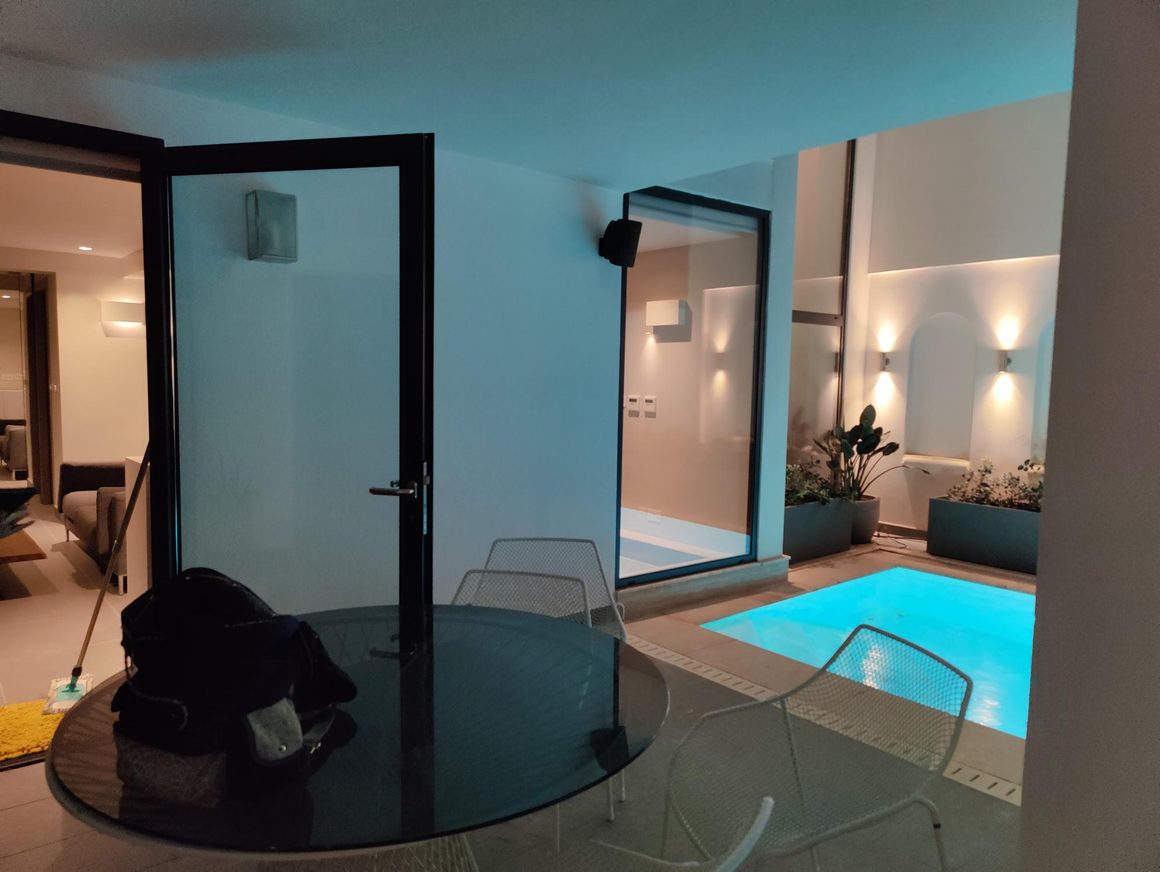
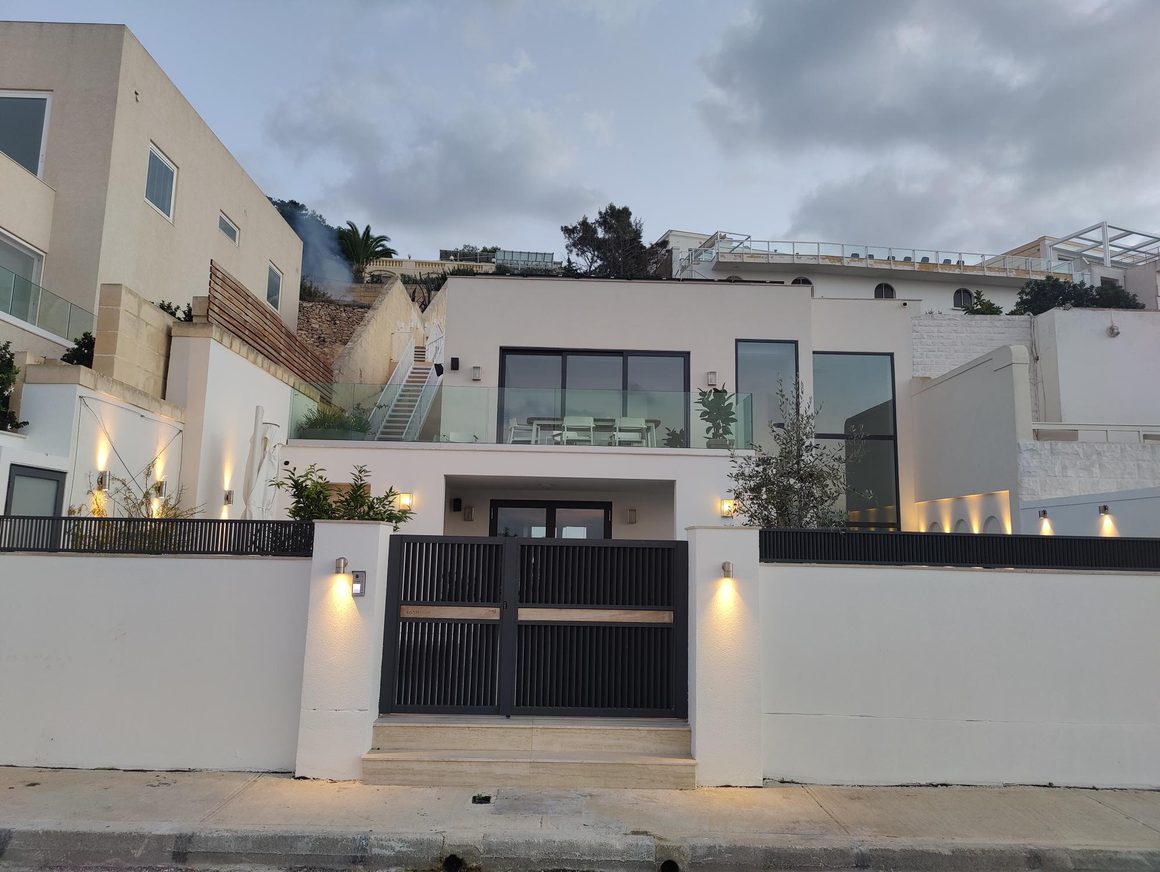
The most frequent misconception is people wanting to live in our capital city Valletta, which is lovely by the way, but not very practical and not at all what non Maltese people are used to and expecting of a capital city. Another would be wanting one or two spare bedrooms in case of family or friends visiting, at a later stage most find that those bedrooms were barely used if at all and move to a smaller, more cost effective and manageable space.
What They Choose the Second Time
A large number of returning clients also tend to star off with a very central and convenient location area like Sliema or St. Julians, but once settled and having ventured out and explored the rest of the island, they tend to move out into quieter areas located further inland on the island.
We went through the same thing ourselves: renting in Malta as expats.
What Surprises People About the Maltese
I feel like that from the start, they never really know what to expect of Maltese people, I don’t think we are particularly renowned for any specific characteristics. So after a bit of time, I think most will be pleasantly surprised to find out how warm, friendly and helpful we are and can be.
Where I Take a New Arrival First
Sliema and St. Julians is always a good gauge to better understand what people have in mind and want. And its usually quite clear as to whether one would want that sort of hectic city lifestyle or are completely put off by it and want somewhere far slower and more peaceful.
For the rest of the island, a Birkirkara salon owner’s guide to where locals swim, eat and drink.
Renting in Valletta: The Part of Malta That Changed Most
How Valletta Changed
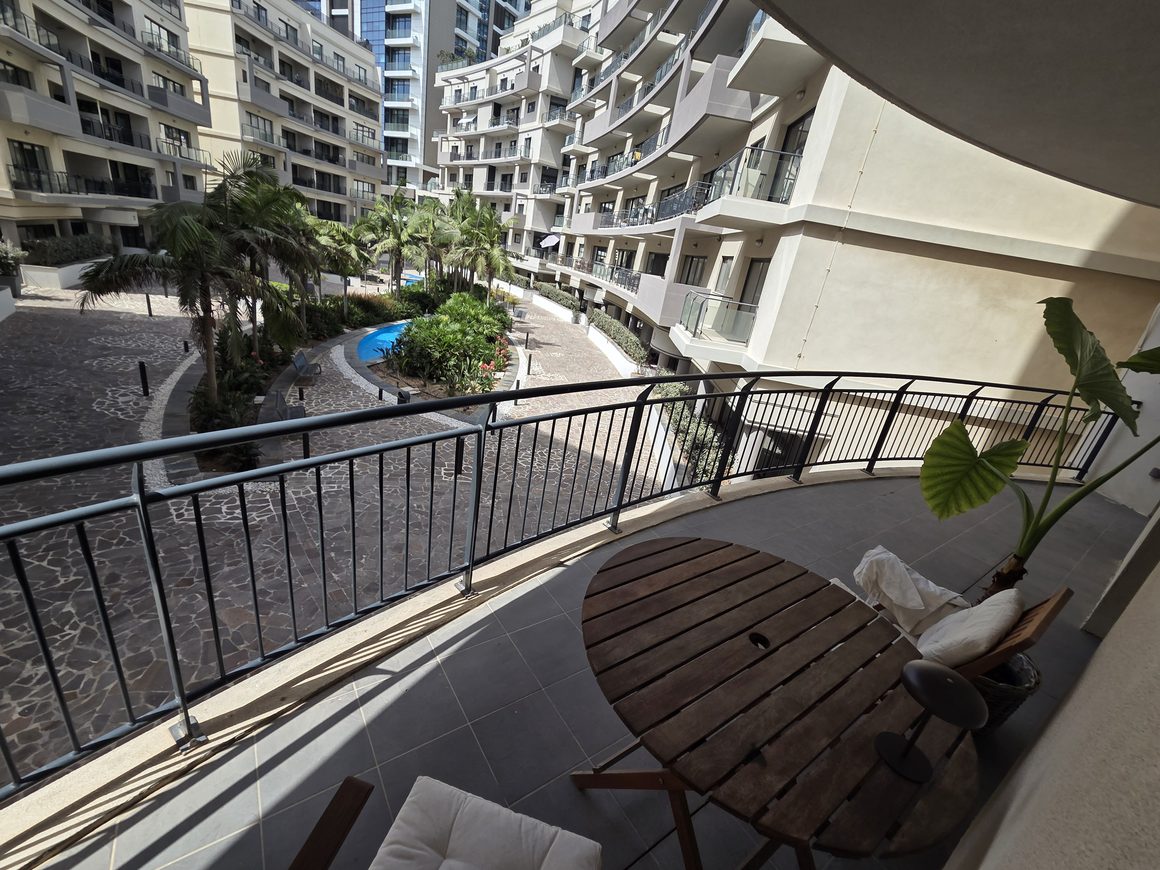
Easily Valletta, there was a time when Valletta was left in a derelict state of disrepair and neglect. It then won the right to be the European Capital of culture in 2018, in the run up to that and more so after it, both the state and private individuals started investing heavily into restoring both residential and commercial properties. Naturally that meant that property prices started increasingly drastically there and over time the population there changed also, with many Maltese people being priced out of the market or purchasing property there as an investment, especially for short lets.
Why I Live in Balzan and Bought in the Three Cities
I actually live in Balzan myself, but recently purchased a property in the three cities, these are areas of great historical significance on the island that will never lose their value as there is not room for further development. My grandparents used to live there and I spent weekends there visiting, so there is also sentimental value to it for me. I feel that most expats, especially moving newly here just find Sliema and St. Julians extremely easy and effortless to settle in. Everything is within walking distance and the population there must be amongst the highest concentration of non Maltese people, making it multi national also.
Who Rents at the Top of the Market
Generally its usually top level executives or high net worth individuals look to establish a home or a base here in Malta. Having significant budgets, they are usually prepared to pay a premium for a specific requisite they may have but good quality and value generally.
Overbuilding and High Rises: The Island He’d Like to Inherit
The Malta I’d Like to See Built
Given our island’s size, vertical development was always going to be inevitable, I would just like to see more specific zoning for high rises, better planned aesthetics generally and priority and unconditional attention being given to have everything created to positively compliment the beautiful buildings, architecture and surrounding that we have inherited. Different nationalities and cultures brings the opportunity to learn and embrace what may be different to what we are used to here, though it is equally as important to maintain, strengthen, share and be proud of what makes the Maltese people what they are.
Renting in Malta: Four Tips from a Local Real Estate Agent
- Rent central first, then move. Neil’s returning clients almost all follow the same path — Sliema or St Julian’s to start, somewhere quieter inland once they know the island. Budget for one short lease before the one you actually want.
- Skip the spare room. The bedroom you’re keeping for visitors is the one you’ll pay for every month and use twice a year. On Sliema prices, a second bedroom is roughly €400–700 a month.
- Valletta is a place to visit before it’s a place to live. It’s beautiful, it’s tiny, and it isn’t a capital in the sense most arrivals mean.
- The quiet areas aren’t a compromise. Balzan, the Three Cities, the inland towns — these are where people end up by choice, not by budget.
Where to Live in Malta: Six Areas, What They Cost, Who They Suit
Where new arrivals land, where they move once they know the island, and what each area actually costs. Asking rents, September 2026.
Sliema & St Julian’s
Where most new arrivals landOne-bed €1,100–1,500 · two-bed €1,500–2,200 · 25–40% above the Malta average
Neil’s first stop with anyone who has just arrived, because it settles the question fast: everything is within walking distance, the concentration of non-Maltese residents is among the highest on the island, and within an hour most people know whether they want that or the opposite. Nearly all his returning clients start here and move somewhere quieter afterwards.
Gżira
The town he grew up inOne-bed roughly €750–1,100 · between Sliema and Msida
Central, walkable to Sliema and the university, and the clearest illustration of what has happened to Malta: the 2024 census counted 7,206 foreigners against 4,848 Maltese in the town where he was a boy. Cheaper than the seafront a few minutes away.
Balzan
Where he lives nowInland village, no seafront premium
One of the old central villages — quiet streets, a square, and none of the Sliema noise. This is where the pattern he describes ends up: people who arrive on the coast and, once they know the island, move inland by choice rather than by budget.
The Three Cities
Where he has just boughtVittoriosa, Senglea and Cospicua, across the Grand Harbour from Valletta
His own purchase, and for two reasons. The historical significance means the value holds, because there is no room left to build. And his grandparents lived there — he spent his weekends visiting as a boy.
Valletta
Lovely, and not what you thinkTwo-bed roughly €1,100–1,600 · 0.61 km², 5,157 residents
The most frequent misconception he meets: everyone wants to live in the capital. It is beautiful and it is tiny — the EU’s second-smallest capital, and nothing like what non-Maltese arrivals picture. Derelict twenty years ago, then the 2018 European Capital of Culture year brought heavy restoration, prices rose sharply, and many Maltese were priced out or bought to short-let.
Swieqi & the inland towns
The second leaseQuieter, cheaper, ten minutes from the coast
Where the returning clients go: far enough from the bars to sleep, close enough that the beach is a short drive. Neil’s own advice is to budget for one short lease on the coast before the one you actually want.
Rent ranges are advertised asking prices and move with the season; a lease signed in November rarely matches an August listing.