

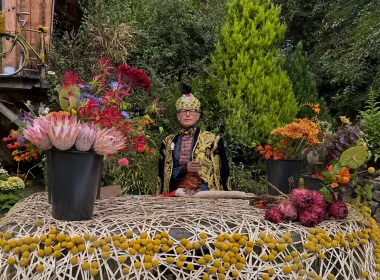


In Tórshavn, there are still large rocks that nobody moves, because they might be home to the huldufólk, the hidden people of Faroese folklore. For Heiðrik á Heygum, that is not a curiosity but a starting point.
Born in 1983 and raised in the Faroe Islands, Heiðrik trained at the Danish film school Super16 and the Academy of Visual Art in Iceland, and works across painting, illustration, music and film, including music videos for Eivør, Brimheim, Pernille Rosendahl and ORKA. He calls himself a Neo-Romantic. After years in Copenhagen, he moved back to the islands, where he now has his studio.
He told us why he refuses to be put in one box, why he sees Romanticism as a form of rebellion against a digital, efficient age, what the hidden people say about human nature, how the old stories still shape daily life in the Faroes, and where he would take a first-time visitor.
“I want beauty back. I want mythology, mystery, nature and Romanticism.”

Painter, Musician or Filmmaker? “I See Myself as an Artist”
I find this question quite interesting because it’s probably the one I get asked most frequently, and I think that says something about the time we’re living in. We seem to have this constant need to put people into boxes, to define them by one profession or one discipline.
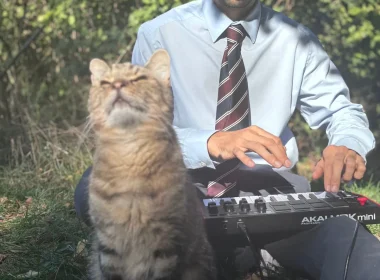
I don’t see myself as a musician, a painter or a filmmaker. I see myself as an artist. And being an artist, to me, means expressing emotions, ideas and stories through whatever medium feels right.
Historically, artists weren’t necessarily confined to one discipline. A painter could also be a poet, an architect, a sculptor or a musician. This idea that you must specialize in one thing is a relatively modern way of thinking, and I find it terribly restrictive.
I actually think we live in a rather conservative time, despite constantly congratulating ourselves on how progressive and modern we are. Everything needs to be categorized, labeled and controlled. There seems to be very little room for people who refuse to fit into these categories.
For me, the different art forms are simply different languages. Some things sound more beautiful in French, others in Danish. It’s the same with art. Some stories need music, others need moving images, and some need to be painted. They’re all colors on the same palette.
So I really couldn’t choose one. I’m a storyteller, and I use whatever language I need to tell the story.
“Some stories need music, others need moving images, and some need to be painted. They’re all colours on the same palette.”
Why Neo-Romanticism? A Rebellion Against the Digital Machine
“Neo-Romanticism” isn’t really a term I use in a strict art-historical sense. It’s simply something I started calling myself in my Instagram bio because it felt like the closest description of what I’m drawn to. The term was largely inspired by my admiration for the Pre-Raphaelites and the Romantic artists of the 19th century. I feel an enormous connection to their philosophy, their aesthetics, and particularly what they were reacting against in the society around them.
They were living through a period of rapid industrialization, when machinery, mass production, and modernity were transforming society. There was a growing sense that something deeply human was being lost in the process. Artists and thinkers such as John Ruskin questioned this development and defended craftsmanship, nature, beauty and the spiritual value of art.
I think we’re living through something remarkably similar today, except that our machines are digital.
We’re surrounded by technology, efficiency, algorithms and constant production. Everything is becoming increasingly mechanical, including the way we create and consume art. And I find much of it profoundly depressing.
I want beauty back. I want mythology, mystery, nature and Romanticism. I want art that makes us feel something, that reminds us we’re human beings and not simply consumers or machines.
“Art Should Disturb Us Sometimes”
Look at contemporary architecture, for example. So much of what we build seems completely devoid of imagination or beauty. Everything is designed to be efficient, economical and functional. And I think something similar has happened to art. So much of it feels manufactured, as though its purpose is simply to look pleasant on a wall without disturbing anyone.
But art should disturb us sometimes. It should move us, challenge us, make us uncomfortable, make us dream. It should have passion.
I also think we’ve become terribly disconnected from nature, our ancestors and our cultural histories. Particularly younger generations, who are growing up in a world almost entirely mediated through screens. We’re losing our relationship with the stories, landscapes and traditions that shaped us.
For me, Neo-Romanticism is a reaction against all of this. It’s not simply about looking backwards nostalgically or recreating the aesthetics of the 19th century. It’s about recovering something that I believe modern society has neglected.
In that sense, I see Romanticism almost as a form of rebellion. To insist on beauty, emotion, mythology and imagination in a world increasingly obsessed with technology and efficiency feels quite radical to me.
“I think we’re living through something remarkably similar today, except that our machines are digital.”
Stories Above Everything Else
Stories, above everything else.
I’ve always been fascinated by history, mythology and folklore. I’m also very interested in history, not because I think everything was better in the past, but because I believe we’ve lost certain ways of seeing the world. There was once a much stronger connection between art, craftsmanship and everyday life. Beauty wasn’t necessarily considered a luxury. It was something worth striving for.
Ultimately, I think all my work comes from a desire to create worlds and tell stories that make people feel something. Whether it’s a song, a painting, a film or a book, I want to transport people somewhere, perhaps somewhere beautiful, perhaps somewhere disturbing, but somewhere that stays with them.
I don’t want to create something that’s simply decorative or fashionable. I want to create something that has a soul.
“I don’t want to create something that’s simply decorative or fashionable. I want to create something that has a soul.”
Faroese Mythology and the Huldufólk, the Hidden People
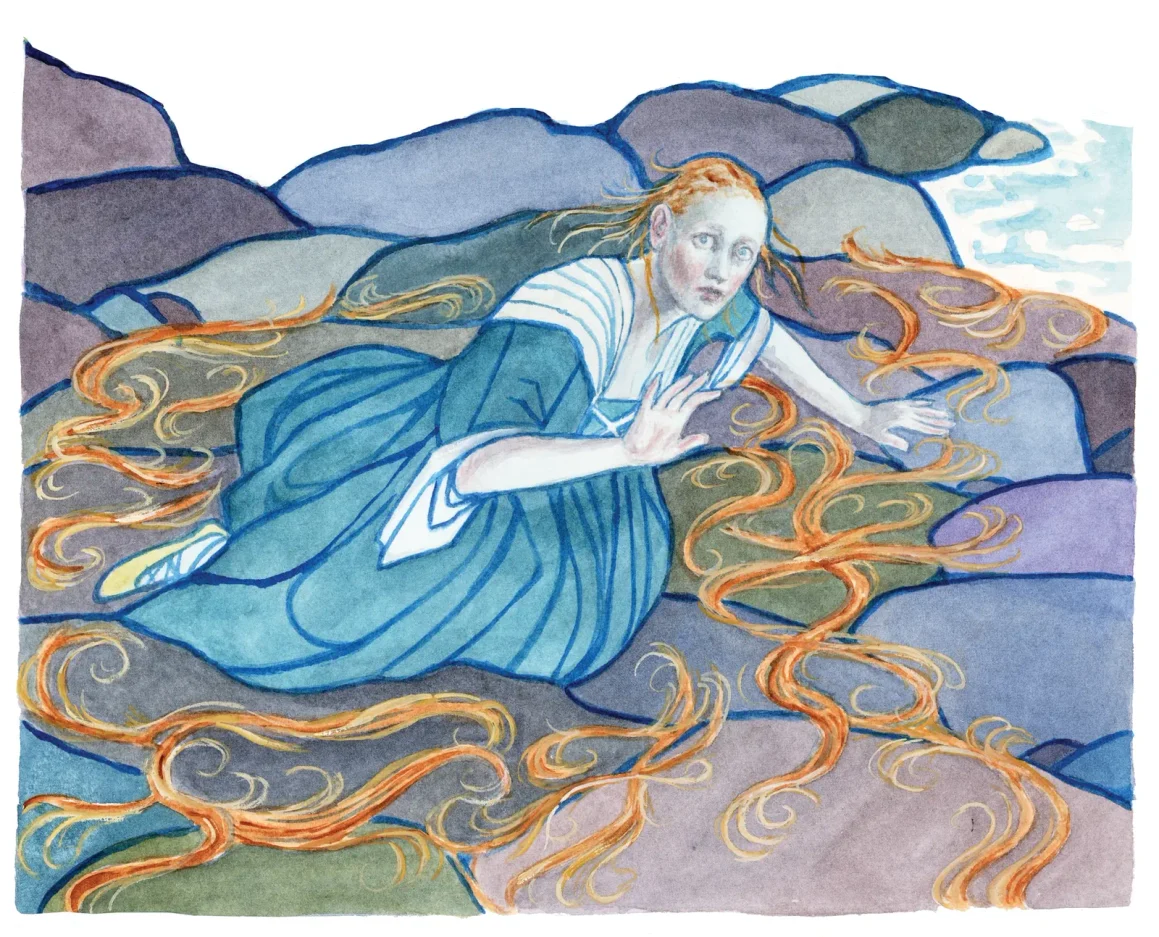
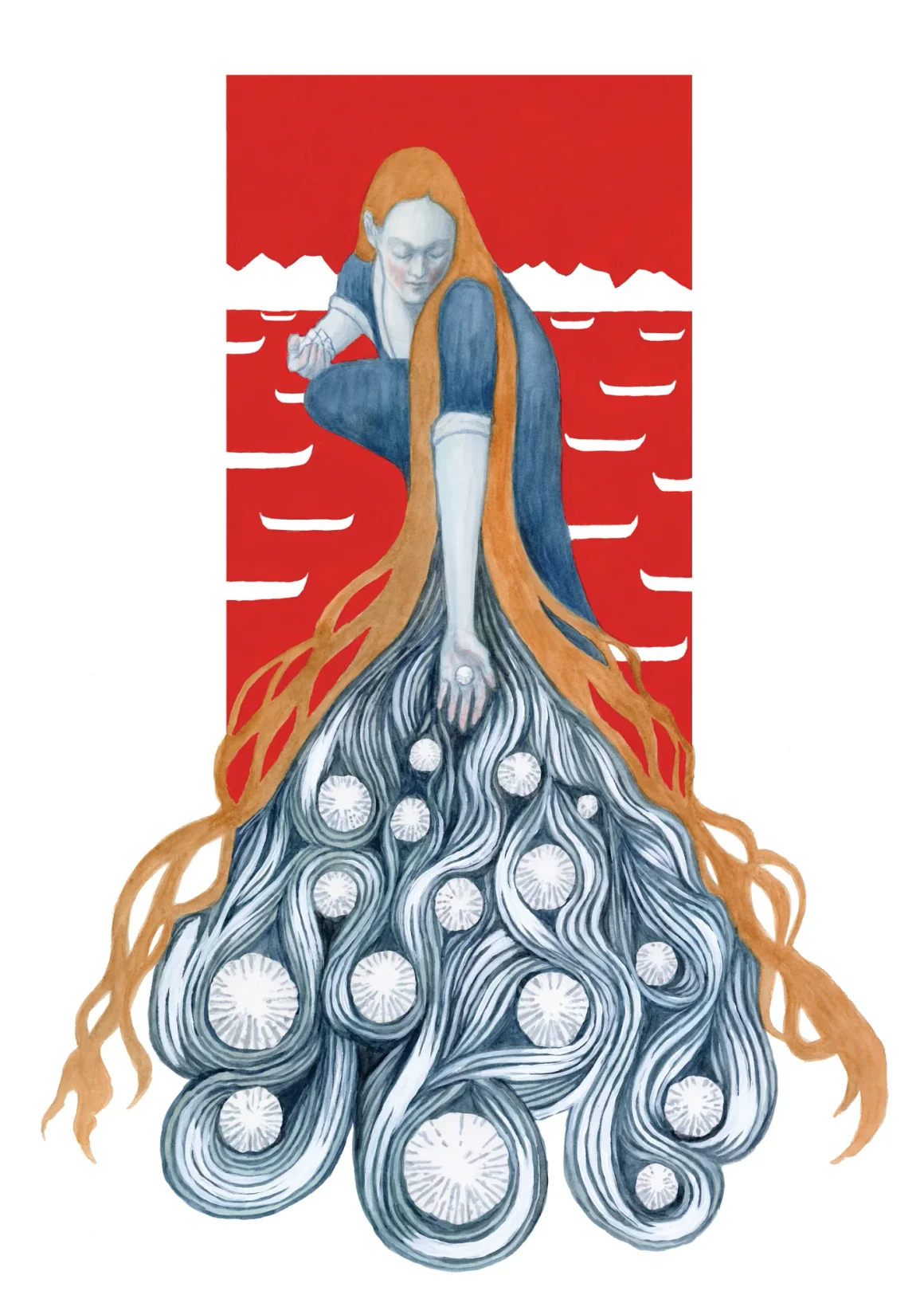
I think my fascination with Faroese mythology comes from growing up in a place where nature and storytelling are so closely connected. Almost every mountain, rock and valley has a story attached to it.
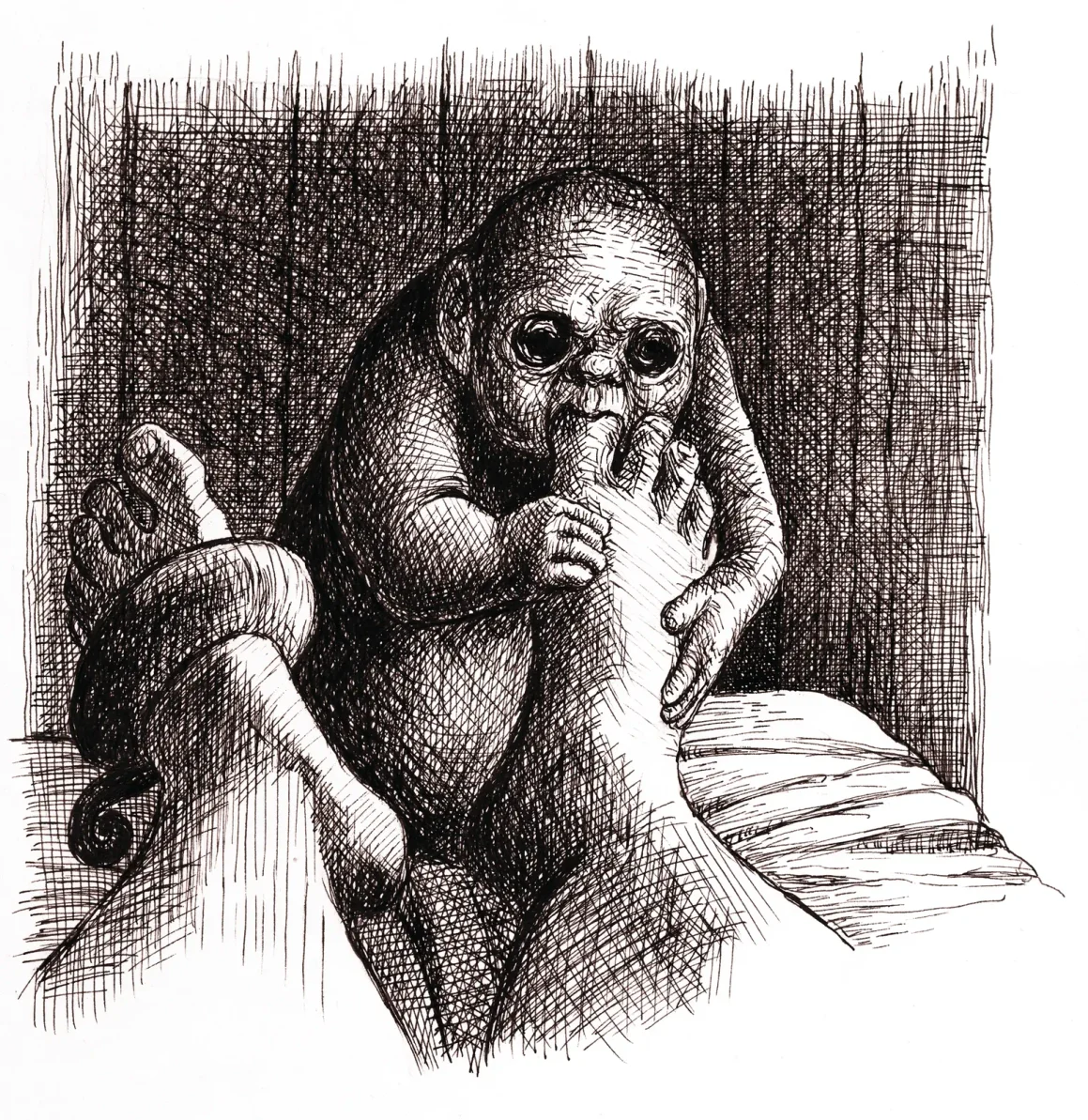
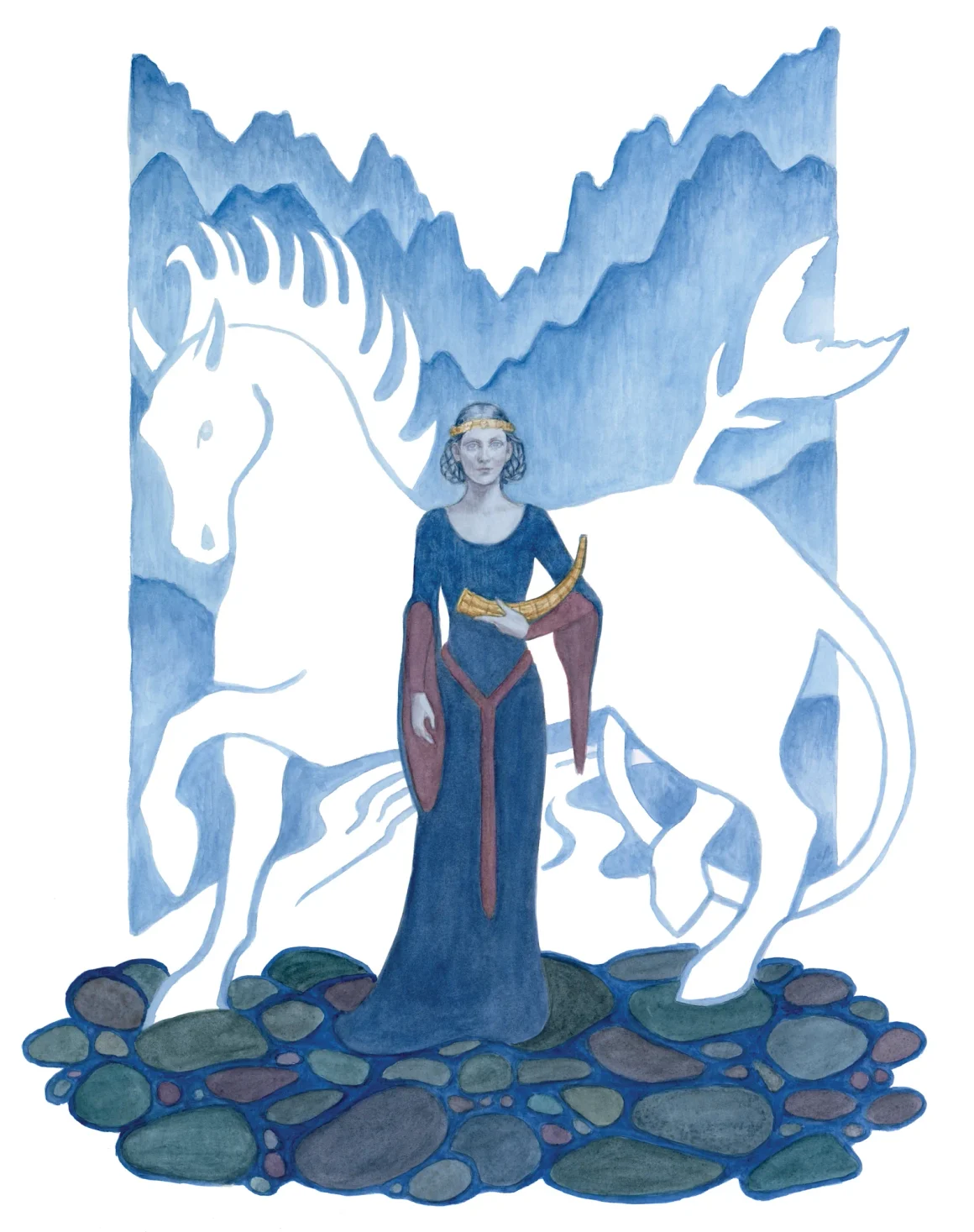
What I find particularly beautiful is the idea that the landscape isn’t simply scenery. There’s a spirit or a presence in everything. A rock might be the home of a hidden person, a lake might be inhabited by a supernatural creature, and a mountain might hold a story that’s hundreds of years old. Nature becomes something alive, something with its own personality and consciousness.
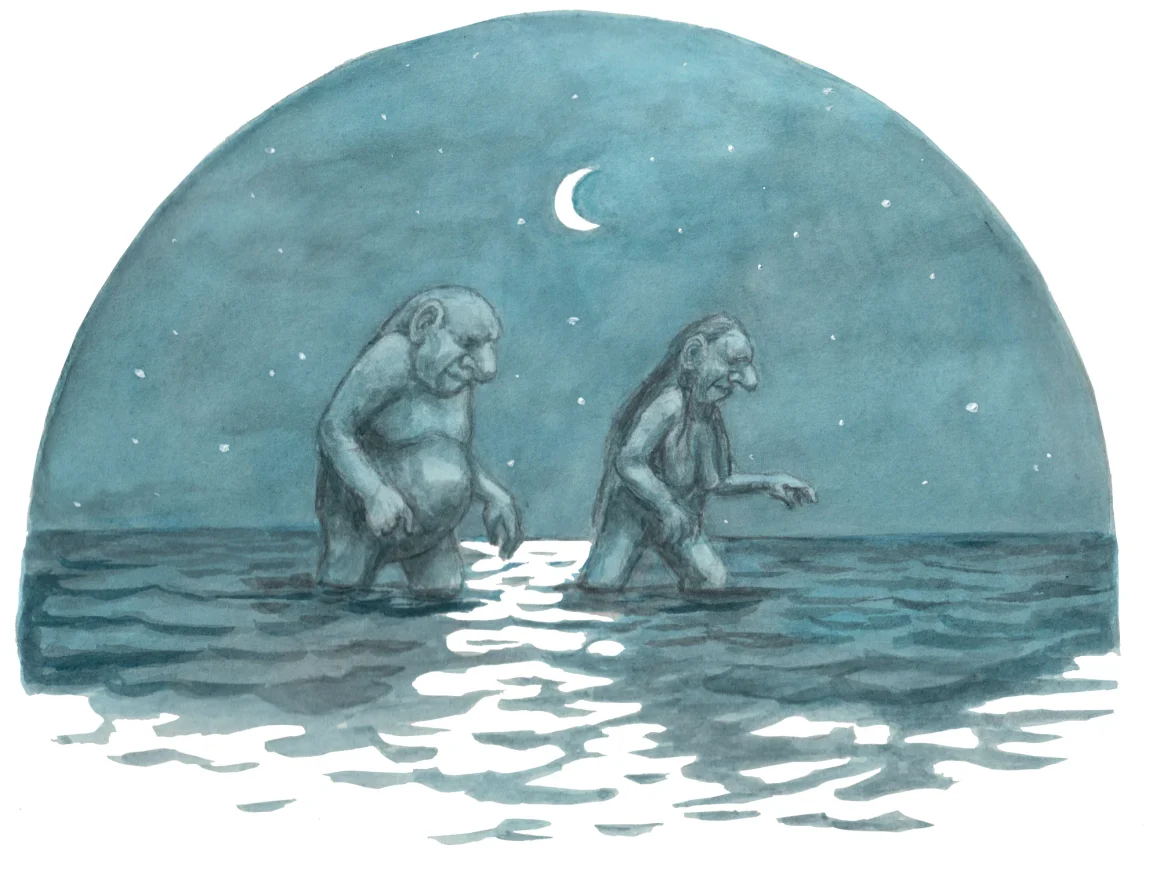
I’m particularly fascinated by the huldufólk, the hidden people, because I think they represent human nature in so many ways. They embody our fears, desires, impulses and contradictions. They’re neither entirely good nor evil, just like us. They can be kind and generous, but also jealous, cruel, selfish and vengeful. In a way, they became scapegoats for our own emotions and darker impulses. We projected onto these supernatural beings the parts of ourselves we didn’t necessarily want to acknowledge.
“They’re neither entirely good nor evil, just like us.”
How Folklore Still Shapes Everyday Life in the Faroe Islands
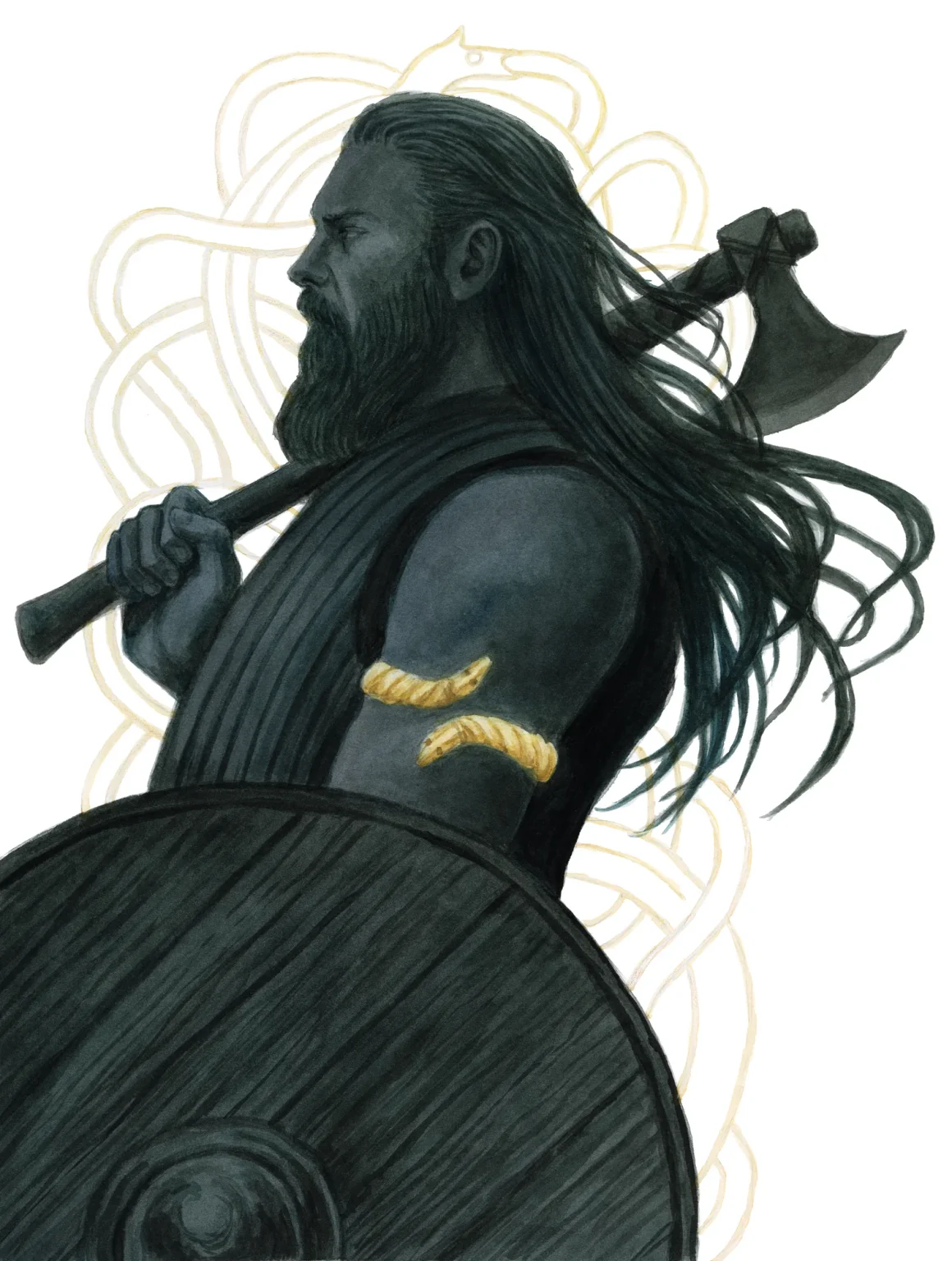
I think folklore and superstition are still very much part of Faroese society, perhaps more than people realize.
We live in a place where nature still has enormous control over our daily lives. Despite all our modern technology, the weather can still determine whether we can travel, work or even leave an island. You can be stranded somewhere for days because of a storm. Nature is not something we’ve managed to conquer here.
And I think that creates a particular mentality. When you live somewhere where so much is beyond your control, you naturally develop a relationship with forces greater than yourself. Religion and superstition have always played an important role in Faroese society. I’m not religious myself, and personally I see religion as another form of superstition, but I understand why people turn to these beliefs.
The Rocks Nobody Moves in Tórshavn
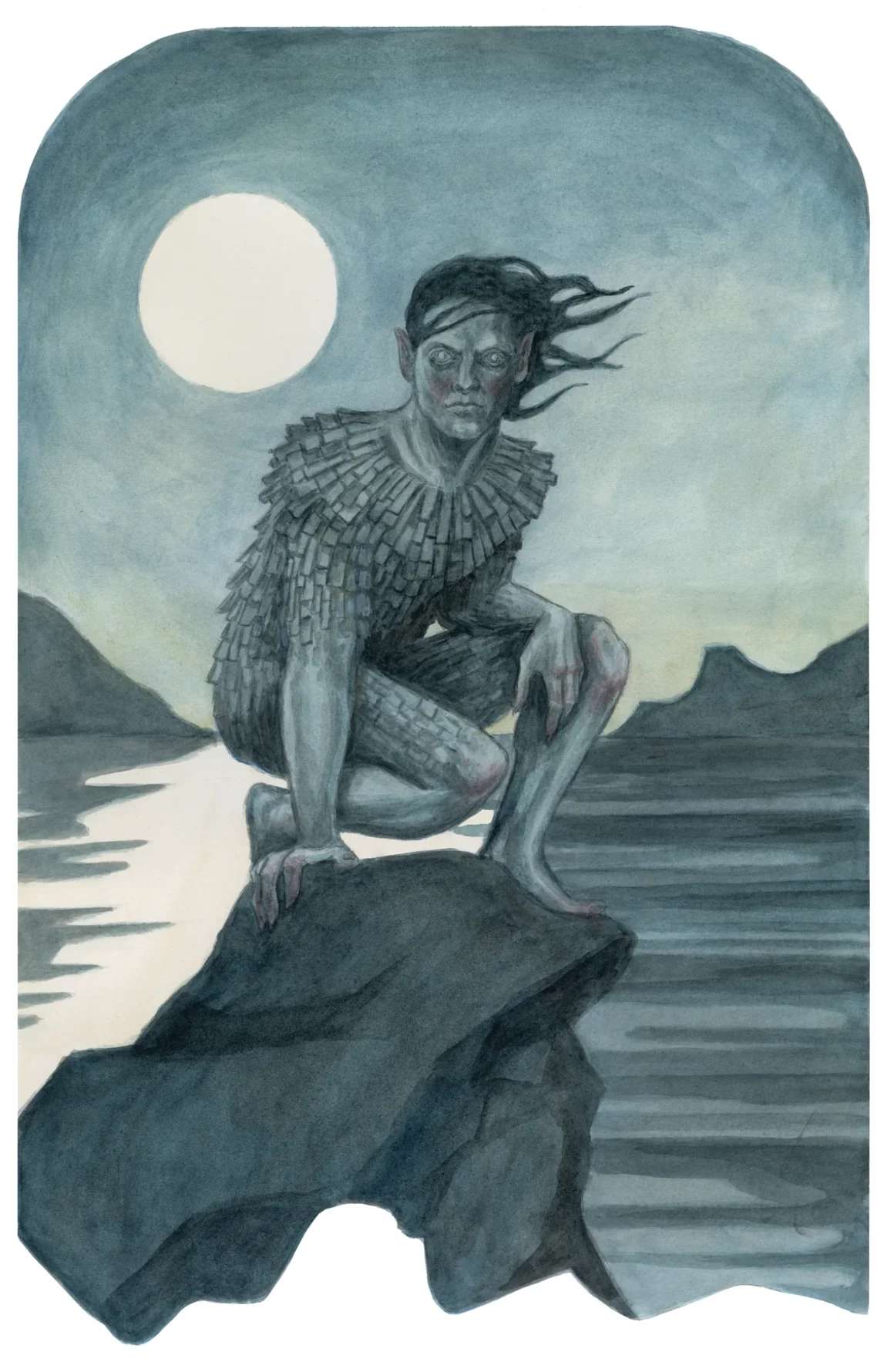
What’s remarkable is that some of the old folklore is still alive today. There are still people who believe in huldufólk, the hidden people who supposedly live inside certain rocks and hills. Even in Tórshavn, you can find large rocks that have been left untouched because people have traditionally been afraid of disturbing their homes.
So here we are in 2026, surrounded by modern buildings, cars and technology, and there are still rocks that people hesitate to move because of stories that are hundreds of years old. I find that absolutely fascinating.
“Even in Tórshavn, you can find large rocks that have been left untouched because people have traditionally been afraid of disturbing their homes.”
Leaving Copenhagen and Coming Home to the Faroe Islands
I think I gradually realized that I felt quite disconnected from Denmark, particularly Copenhagen. It’s a beautiful city in many ways, but I never really felt that I belonged there. It’s a very urban, rather bourgeois environment, and I found myself increasingly disconnected from nature, which is such an essential part of who I am.
I come from a small group of islands in the middle of the North Atlantic, where our language, culture and history are deeply rooted in the landscape.
Although Denmark and the Faroe Islands are both part of the Nordic world, I’ve always felt that we have much more in common with places like Iceland, Norway, Scotland and Ireland. There’s a certain North Atlantic mentality that I identify with much more strongly.
Returning also made sense professionally. I already had connections within the artistic community, and I found there were more opportunities to realize my projects. I also think people here understand my artistic language a little better, particularly my interest in mythology, mysticism and folklore.
So moving back wasn’t just about returning home. It was about reconnecting with something fundamental in myself.
“Moving back wasn’t just about returning home. It was about reconnecting with something fundamental in myself.”
A Changing Faroe Islands: Tourism, Growth and a Fragile Language
I think it’s a very positive development. The Faroe Islands are growing, we’re receiving more tourists, and there’s greater international interest in our little country. Growth brings new opportunities and perspectives, and hopefully a more open and progressive society, particularly when it comes to LGBTQ+ rights and diversity.
Of course, development has its downsides, but I prefer to look at it with optimism. However, I do think we need to invest much more seriously in our own culture. Faroese is spoken by only around 55,000 people, and that’s something incredibly precious and fragile.
Art, literature, music and film are essential to preserving our language and identity. Culture isn’t simply entertainment. It’s the foundation of who we are. We should welcome the world, but make sure our own voices don’t disappear in the process.
“We should welcome the world, but make sure our own voices don’t disappear in the process.”
Heiðrik’s Faroe Islands: Where to Go, Eat and Drink
The Vestmanna Bird Cliffs

One of my absolute favorite places is Vestmannabjørgini, the bird cliffs near Vestmanna. If the weather allows it, I would highly recommend taking a boat trip out there. It’s absolutely breathtaking.
Moss, Tórshavn

I really like Moss in downtown Tórshavn. The food is excellent, and the service is wonderful.
Etika: “Some of the Best Sushi in the World”

I’m also very fond of Etika, a sushi restaurant in Tórshavn. I genuinely think some of the best sushi in the world can be found in the Faroe Islands because the fish is so incredibly fresh. It might not be the first thing people associate with Faroese cuisine, but I would absolutely recommend trying sushi while you’re here.
“I genuinely think some of the best sushi in the world can be found in the Faroe Islands because the fish is so incredibly fresh.”
The National Gallery of the Faroe Islands

The National Gallery of the Faroe Islands is also wonderful. It has a beautiful collection that takes you through the history of Faroese art, so it’s a great place to discover our artistic heritage.
What to See, Eat and Drink in the Faroe Islands: Selected by Artist Heiðrik á Heygum
His bird cliffs, Tórshavn tables, gallery and wine bar, with addresses and opening times.
Vestmanna, Streymoy · Boat trip
Cliffs rising around 700 meters from the sea, with deep grottoes, narrow straits and thousands of nesting puffins, guillemots and fulmars in summer.
Tórshavn · Restaurant
A Mediterranean-leaning restaurant by the harbor, set inside a plant and design shop, known for brunch and relaxed dinners. Book ahead; there are few tables.
Tórshavn · Sushi
The Faroes’ best-known sushi bar, built on the islands’ famously fresh fish. A second Tórshavn branch is on Sundsvegur. Book ahead for dinner.
National Gallery of the Faroe Islands
Tórshavn · Art museum
Listasavn Føroya, in the Viðarlundin park, holds the largest collection of Faroese art, from the 1830s to today, with a sculpture walk outside.
Tórshavn · Wine bar
An intimate wine and arts restaurant in the city center, with fine wines, seasonal food and Faroese art on the walls.
Opening hours change with the season, and boat trips depend on the weather. Check with each place before you go.