


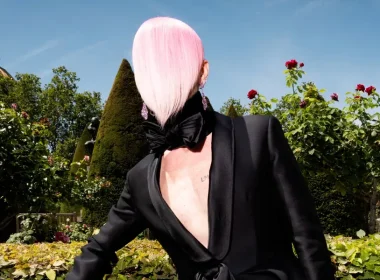
Martin Ehmele wants you to look twice at a flower. Under the name Botanical Vandalism, the Vienna-based floral artist treats flowers less as bouquets than as objects, installations and pieces of architecture, and a whole installation can start from an odd vegetable, a scrap of metal or a color combination nobody asked for.
He came to flowers from content creation and visual storytelling, grew up in Ravensburg near Lake Constance and made Vienna his home. Today he works with brands, creative agencies and private clients, dries and preserves seasonal flowers to give them a second or even third life, and is planning a studio that would be part floral atelier, part art studio and part laboratory for unusual ideas.
With Locals Insider, Martin shares why floristry deserves a little irreverence, why he tries not to make what everyone else posts on Instagram, what sustainability really means for flowers, and the Vienna he loves, from an imperial glasshouse to oysters in the seventh district.
“I like creating something that makes people look twice.”

From Visual Storytelling to Botanical Vandalism
My background is actually in content creation and visual storytelling, so working with flowers was a rather natural extension of my creative interests. I’ve always been fascinated by shapes, textures, colors and the way objects interact with a space.
What started as an interest in floral arrangements gradually developed into something much more sculptural. I realized that flowers don’t necessarily have to be arranged in the traditional sense. They can become objects, installations or even architectural elements.
That’s also how Botanical Vandalism came to life. I wanted to approach floristry with a certain irreverence, challenging the idea of what floral design is supposed to look like.
“Flowers don’t necessarily have to be arranged in the traditional sense.”

Where a Floral Artist Finds Inspiration: Art, Architecture and Odd Vegetables
Interestingly, a lot of my inspiration comes from outside the floral world. I’m drawn to contemporary art, architecture, furniture design, fashion and everyday objects.

I find beauty in things that might initially seem strange, imperfect or even slightly uncomfortable. An unusual vegetable, the shape of a piece of metal or an unexpected color combination can become the starting point for an entire installation.
I’m particularly interested in contrasts: organic versus industrial, beautiful versus bizarre, controlled versus chaotic. I like creating something that makes people look twice.
A Studio of His Own: Part Atelier, Part Laboratory
Absolutely. Having my own studio is definitely one of my next goals.

At the moment, Botanical Vandalism is growing through collaborations with brands, creative agencies and private clients. Having a dedicated space would allow me to experiment more freely, work on larger installations and explore materials beyond traditional floristry.
I don’t necessarily envision a conventional flower shop, though. I’d much rather create a multidisciplinary creative space somewhere between a floral atelier, an art studio and a laboratory for unusual ideas.
“A multidisciplinary creative space somewhere between a floral atelier, an art studio and a laboratory for unusual ideas.”
Floral Design Trends: Sculptural, Experimental and Off the Instagram Grid
I think floral design is becoming increasingly experimental, which I really appreciate. We’re moving away from perfectly arranged bouquets towards more expressive, sculptural compositions.
There’s a growing interest in unconventional materials, unexpected proportions, unusual textures and arrangements that almost resemble contemporary art installations.

Personally, I find it more interesting to work with the individual character of a flower rather than forcing everything into a perfect shape.
At the same time, I try not to follow trends too closely. I’d rather create something that feels a little unexpected than something that looks like everything else on Instagram.
“I’d rather create something that feels a little unexpected than something that looks like everything else on Instagram.”
Fresh, Dried or Artificial? Sustainability in Floristry
I primarily work with fresh flowers, plants and natural materials, but I’m not opposed to incorporating artificial or unconventional elements when they serve a creative purpose.


I think the environmental conversation around floristry is incredibly important. Fresh flowers can have a considerable environmental footprint, particularly when they’re imported over long distances or grown under energy-intensive conditions. However, I don’t believe that simply replacing everything with artificial flowers is necessarily the answer.
One thing I’m currently experimenting with quite a lot is drying and preserving flowers to extend their lifespan and give them a second, or even third, life. I love the idea of working with flowers when they’re naturally in season, preserving them and making them available for creative projects throughout the year, rather than having to source them from the other side of the world.
There’s also something fascinating about how flowers change as they dry. Their colors, textures and shapes evolve, often giving them an entirely new sculptural quality.
Ultimately, I believe sustainability in floral design is about being more conscious of how we source, use, preserve and reuse materials, without compromising creativity.
“Drying and preserving flowers gives them a second, or even third, life.”


From Ravensburg to Vienna
I grew up in Ravensburg, a small town in southern Germany, not far from Lake Constance.
Vienna eventually became my home, and it’s a city I’ve grown incredibly attached to. I love the contrast between its very traditional, almost imperial character and the contemporary creative scene that’s developed here.
It’s also a city that offers an exceptional quality of life without feeling overwhelmingly hectic. There’s a certain calmness to Vienna that I really appreciate, especially when working in a creative field.
Vienna, a City of Beautiful Contradictions
Vienna is a city of beautiful contradictions. It’s incredibly elegant, sometimes a little old-fashioned, occasionally grumpy, but also full of unexpected creativity.

You can spend your morning surrounded by imperial architecture, have lunch in a restaurant that’s been around for decades and end up at an experimental art opening or a tiny bar somewhere in the seventh district.
What I particularly love is that Vienna doesn’t try too hard to impress. It has its own pace, its own humor and a very distinctive personality.
It’s a city that reveals itself slowly, and I think that’s part of its charm.
“Vienna is a city of beautiful contradictions.”
Why a Floral Artist Rarely Visits Flower Shops
To be honest, I rarely visit traditional flower shops, as I source most of my materials directly from professional wholesalers.

My approach to floristry is quite sculptural, so I’m often looking for unusual shapes, textures and materials rather than traditional cut flowers. I particularly enjoy working with what’s currently in season and discovering unexpected botanical elements that inspire new ideas.
So while I can’t really name three personal favorites, I would definitely encourage people to explore Vienna’s independent florists and discover the different creative approaches they bring to working with flowers.
Two Places in Vienna for Plant Lovers
Botanical Garden of the University of Vienna at Belvedere: A beautiful green escape in the heart of the city, filled with an incredible diversity of plants. One of my favorite places to wander around and find botanical inspiration.

Palm House at Schönbrunn: An absolute must for anyone who loves plants. The impressive historic glasshouse, filled with lush tropical and subtropical vegetation, is worth visiting for its architecture alone.

“It’s a city that reveals itself slowly, and I think that’s part of its charm.”
Martin’s Vienna: Restaurants, Cafés, Museums and Shops
Vienna has so many interesting places to discover, and I’m particularly drawn to spaces that combine great design, a distinctive atmosphere and a strong creative identity.
Bars, Restaurants and Cafés
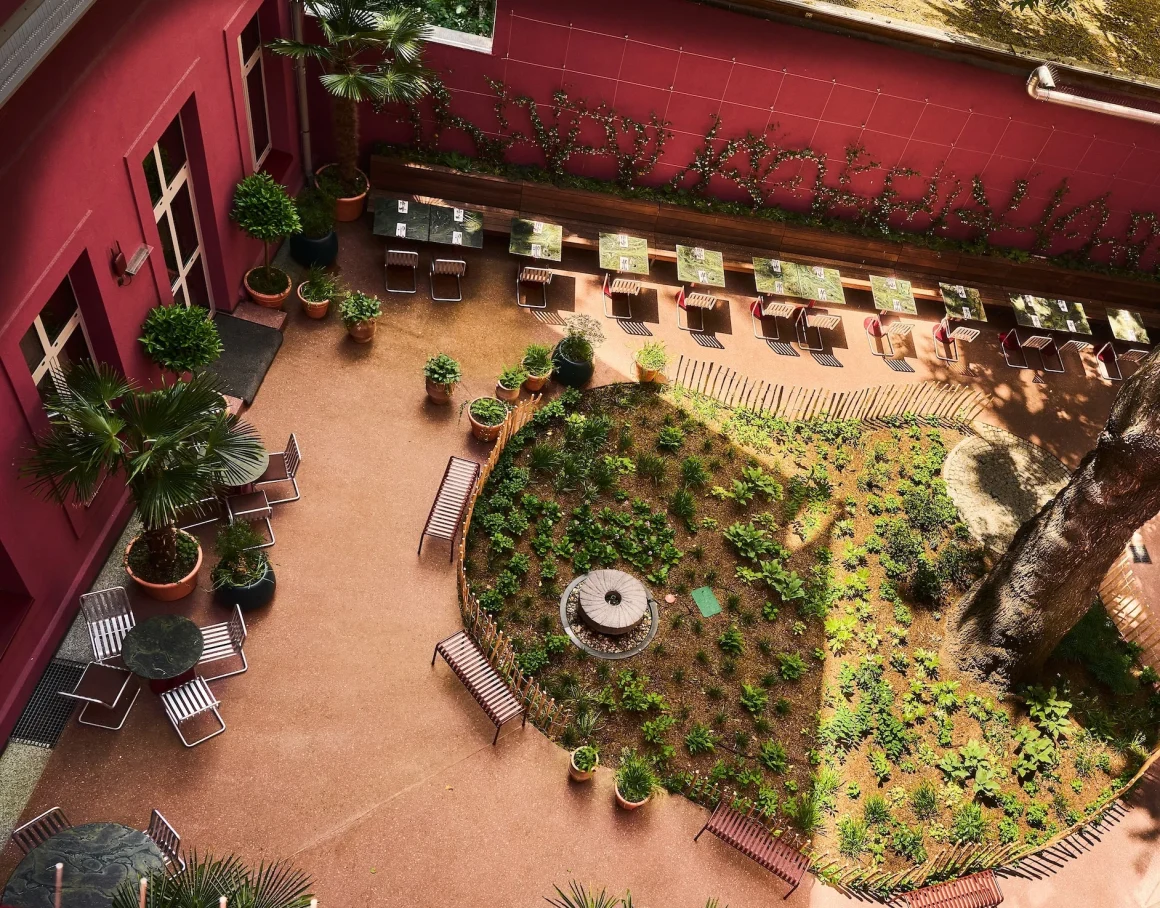
Boca at The Companion Hotel: A beautiful mix of contemporary interiors and Mediterranean cuisine. Definitely one of my favorite spots for a relaxed dinner.
Rinkhy: A charming neighborhood spot for oysters, a good glass of wine and a long evening with friends.
Cucina Itameshi: An exciting combination of Italian and Japanese cuisine, bringing together two of my favorite culinary worlds.
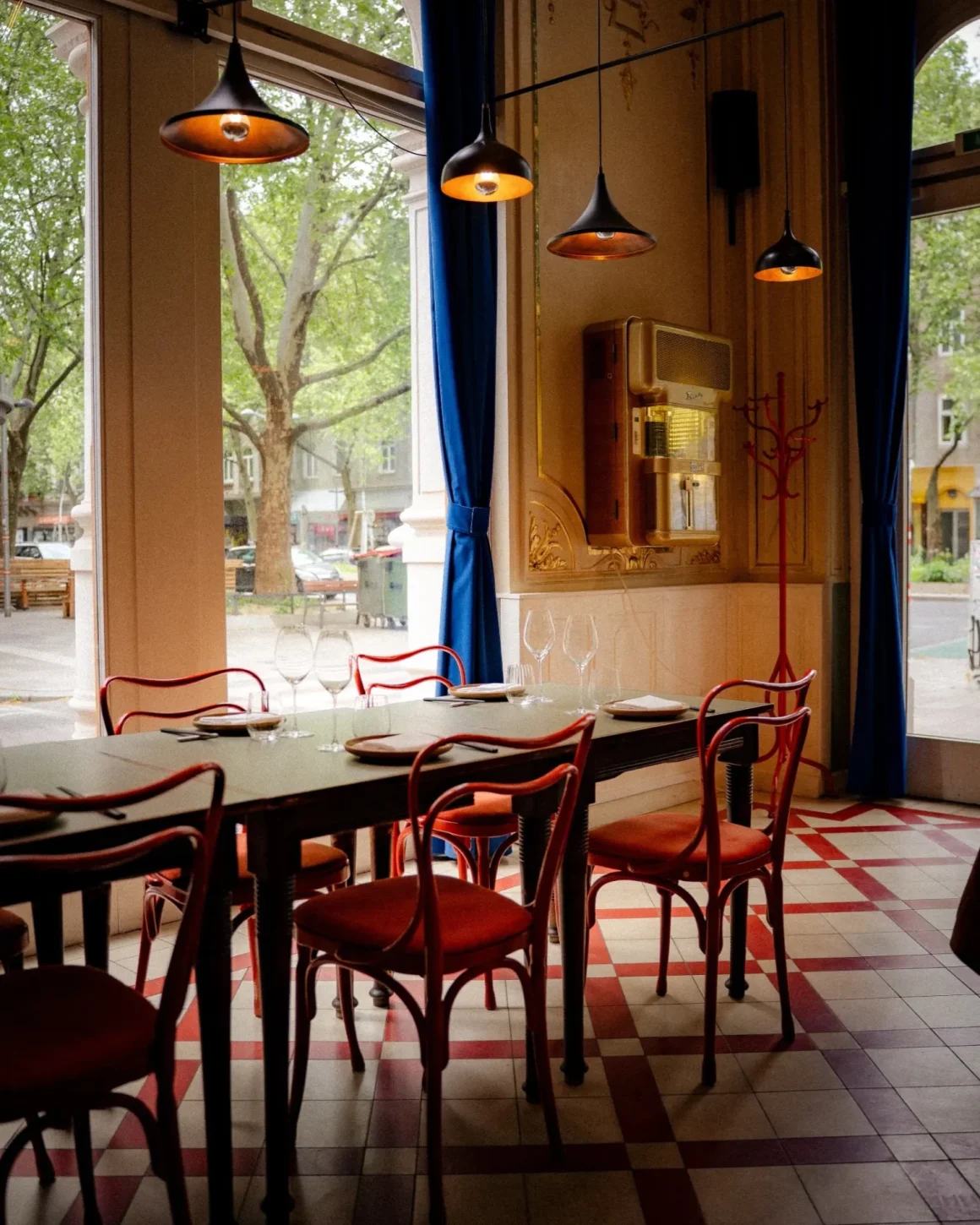
Bistro Fantasy: One of my favorite spots for breakfast and a lovely way to start the day.
Café Comet: For seriously good coffee. Definitely a must for coffee lovers.
Galleries and Museums

Leopold Museum: One of my favorites, particularly for its remarkable collection of Austrian modern art.
Albertina Modern: A great place to explore modern and contemporary art and discover new perspectives.
Belvedere 21: I love its focus on contemporary art, but also the architecture of the building itself.
Shops

Franziska Anna: Beautiful ceramics with a distinct sculptural character. Exactly the kind of craftsmanship and attention to form that I appreciate.
Wolfmich: One of my favorite places for vintage fashion. An eclectic selection of pieces with personality.
“I’m particularly drawn to spaces that combine great design, a distinctive atmosphere and a strong creative identity.”
Glasshouses, Oysters and Austrian Modernism: Martin Ehmele’s Vienna
The Botanical Vandalism founder’s picks, from two green escapes for plant lovers to his cafés, museums and shops, with addresses and opening times.
Palm House at Schönbrunn
Hietzing · Historic glasshouse · For plant lovers
The imperial iron-and-glass palm house in the Schönbrunn Palace park, opened in 1882, with tropical and subtropical plants spread across its pavilions.
Botanical Garden of the University of Vienna
Landstraße · Botanical garden · For plant lovers
Founded by Empress Maria Theresa in 1754, with more than 11,500 plant species on about eight hectares beside the Belvedere gardens.
Boca
Rudolfsheim-Fünfhaus · Mediterranean restaurant
The restaurant of The Companion, a 138-room design hotel by the Westbahnhof that opened in 2026, with a Mediterranean menu by Lauryn Therin, formerly of Ottolenghi and NENI.
Rinkhy
Neubau · Oyster and wine bar
A bistro bar with a seasonal wine list, where oysters are the specialty, served with matched wines. The smaller Rinkhy Little Oyster Bar is a few doors up at Zieglergasse 37.
Cucina Itameshi
Leopoldstadt · Italian-Japanese
Italian-Japanese cooking in a 19th-century palace on Praterstraße modeled on Venice’s Ca’ d’Oro. Book ahead.
Bistro Fantasy
Mariahilf · Café and bistro
A café-bistro with bare concrete walls, flowers everywhere and records spinning, serving breakfast and brunch by day and cocktails at night.
Café Comet
Neubau · Specialty coffee
The coffee bar of Viennese roastery Fürth Kaffee, with a rotating choice of single-origin beans, cold brew in summer, and pastries.
Leopold Museum
MuseumsQuartier · Austrian modernism
Home to the world’s largest collection of Egon Schiele, alongside Gustav Klimt and the Vienna Secession.
Albertina Modern
Innere Stadt · Modern and contemporary art
The Albertina’s museum of modern and contemporary art, opened in 2020 in the historic Künstlerhaus on Karlsplatz.
Belvedere 21
Landstraße · Contemporary art
The Belvedere’s contemporary art museum, in Karl Schwanzer’s steel-and-glass pavilion built for the 1958 Brussels World’s Fair and later moved to Vienna.
Wolfmich
Mariahilf · Vintage fashion
A small, carefully curated vintage shop known for designer pieces, from Prada and Balenciaga to Jean Paul Gaultier and Japanese labels.
Franziska Anna
Ceramics
Handmade ceramics with a distinct sculptural character.
Opening hours change, so check with each place before you go.