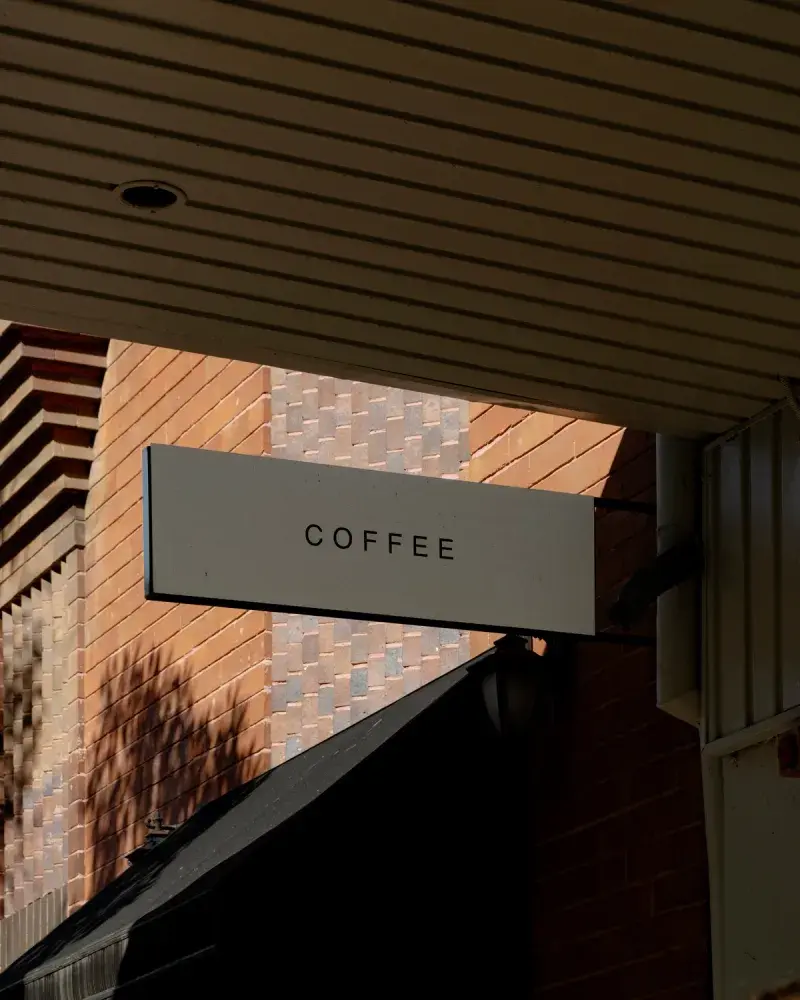
You know the feeling. You walk into a place and the phone is already in your hand before you’ve ordered anything. Same with hotel lobbies: picture first.
The trouble is finding those places in a city you don’t know. The designer cafés, the bars with an architect’s touch, the hotels worth the picture — they rarely sit on the main square, and the algorithm will send you to whatever is loudest this month.
Softer Volumes does that job for you. It is a design and travel publication that has been collecting such places for years.
It features handpicked designer cafés, cozy bars, and aesthetic hotels in Tokyo, Copenhagen, Madrid… around the world, along with a growing shelf of city guides. You can buy them online, in print or digital, and own the whole collection. More than 200,000 people follow along on Instagram, and over 10 million see the work every month.
Joe Vuong founded it and runs it from Australia and from everywhere he goes. He loves to travel and to discover beautiful places. He talks here about how a place actually earns its way in, why the publication turns down paid editorial, what Instagram has done to the way hospitality is designed — and where he would send a design-minded visitor in his own city.
It Began With Photographing Cafés on Holiday, Long Before It Was a Business
My background is in entrepreneurship, and I’ve started several businesses over the years. Softer Volumes is the one I’m focused on day-to-day.
I’ve always loved travel, design, photography and beautiful objects. Whenever I travelled, I’d naturally seek out well-designed cafés, interesting hotels — not necessarily expensive ones — and places that felt considered. I also photographed a lot of those experiences and enjoyed sharing what I found with other people.
softervolumes.com
Softer Volumes grew quite naturally from that. Today, it’s a lifestyle and travel publication with design at its core.
PR Teams Send Hundreds of Submissions. Every Trip Still Starts With Research
In the beginning, most of what we featured came from our own travels or from researching places we wanted to visit.
These days we’re fortunate to receive a huge number of submissions from designers, architects and PR teams, which helps keep us across what’s new and being developed. But I still spend a surprising amount of time researching myself. Before a trip, I’ll usually go quite deep into a destination and work out what we want to see. We also work with local contributors and photographers and get recommendations from people in the industry.
“We don’t do paid editorial collaborations. We’ve turned down quite a few offers because editorial independence is important to us.”
The Only Test That Matters: Does It Make You Stop and Want to Know More?
There’s definitely an immediate aesthetic test. Something about a space has to make me stop and want to know more.
It might be the architecture, proportions, materials, lighting or simply the restraint of the interior. But aesthetics are only the starting point. Atmosphere matters, how the space functions matters, and what they’re actually offering matters. Sometimes it’s the story or the people behind a project that make it particularly compelling.
The Berlin hotel that took 11 years and used to be a women’s prison
One of my favourite examples is Hotel Wilmina in Berlin. It was formerly a women’s prison, and the architects, Almut and Armand Grüntuch, spent 11 years transforming it into a hotel. What I love is that they didn’t erase the building’s history. You can still see the original bars and the proportions of the old cells, but it now feels calm and welcoming, with a beautiful garden where the prison yard once stood.
wilmina.com
For me, that makes a project even more interesting than aesthetics alone.
“They didn’t erase the building’s history. You can still see the original bars and the proportions of the old cells.”
Does a Beautiful Room Mean Better Coffee? Usually — But Not Always
www.primarycoffee.com.au
Generally, if someone has gone to the effort of creating a beautiful space, there’s a good chance that same attention to detail extends to the service and what they’re offering. But there are certainly exceptions, and I’ve experienced that mismatch myself.
Hospitality is also very subjective. Everyone has their own expectations and preferences, and even for the same person an experience can change from one visit to the next. You might love somewhere the first time and feel completely differently six months later — the staff member who made the experience memorable may have left, your expectations might have changed, or you might simply be in a different mood.
That’s one reason we don’t tell people exactly what to think about a venue. Our curation is our endorsement. We’ll put a place on their radar, then let them experience it and form their own opinion.
And beautiful interiors certainly aren’t essential to great hospitality. Your local mum-and-dad café might be very simple but give you brilliant coffee and service every time.
“Your local mum-and-dad café might be very simple but give you brilliant coffee and service every time.”
Photography Should Observe a Place, Not Sell It
Where possible, we like to photograph spaces ourselves because it gives us consistency in how Softer Volumes sees and represents a place. At other times, we work with collaborators and photographers in different cities.
More than a particular type of photographer, I’m interested in the approach. I prefer photography that feels observational rather than overly commercial — natural light, strong composition, an honest representation of the materials and enough context to give you a sense of being there.
Architects Buy the Books as Reference, Not Coffee-Table Decoration
shop.softervolumes.com
It’s a very international audience, but there’s usually a shared appreciation for good design. We’re based in Australia, so naturally that’s one of our stronger markets, but our audience extends well beyond Australia.
A lot of our readers work in architecture, interiors, graphic design, photography and hospitality. Others simply love travel and pay attention to the places they stay, eat and shop.
What’s interesting is that the books are often used as design references — almost like a snapshot of what designers, architects and hospitality operators are doing around the world at a particular moment.
In Sydney Kitchens, “Instagrammable” Is Already Part of the Brief
Maybe Summy Sydney (FB @CapellaSydney)
It would be difficult for social media not to influence hospitality design when a single image of a space or dish can go viral and suddenly bring enormous attention to a venue.
A few years ago I spoke to a chef from a prominent restaurant group in Sydney who mentioned that, when they were developing new venues, creating “Instagrammable” backdrops or moments — even down to the presentation of food and drinks — was always part of the conversation.
You can see that thinking in a lot of places now: a staircase, bathroom, wall or installation that has clearly been considered partly for the camera.
I don’t think there’s anything inherently wrong with that. Architecture and hospitality have always been about creating memorable moments. For me, the distinction is whether the design still works beyond the photograph — it needs restraint, consideration and, above all, function.
“The distinction is whether the design still works beyond the photograph.”
Bangkok Is Changing Fast, and Tokyo Rewards Every Return
Interesting things are happening everywhere and my focus usually goes to where I am planning to go next. I have trips coming up to Bangkok and Tokyo, so naturally I’ve been paying a lot of attention to both.
Bangkok is changing quickly, with a lot of investment in new hotels, restaurants, retail and wellness alongside a strong independent creative scene. On our next trip, we’ll be spending some time exploring the new One Bangkok precinct, which is part of that broader change.
montakanawa.jp
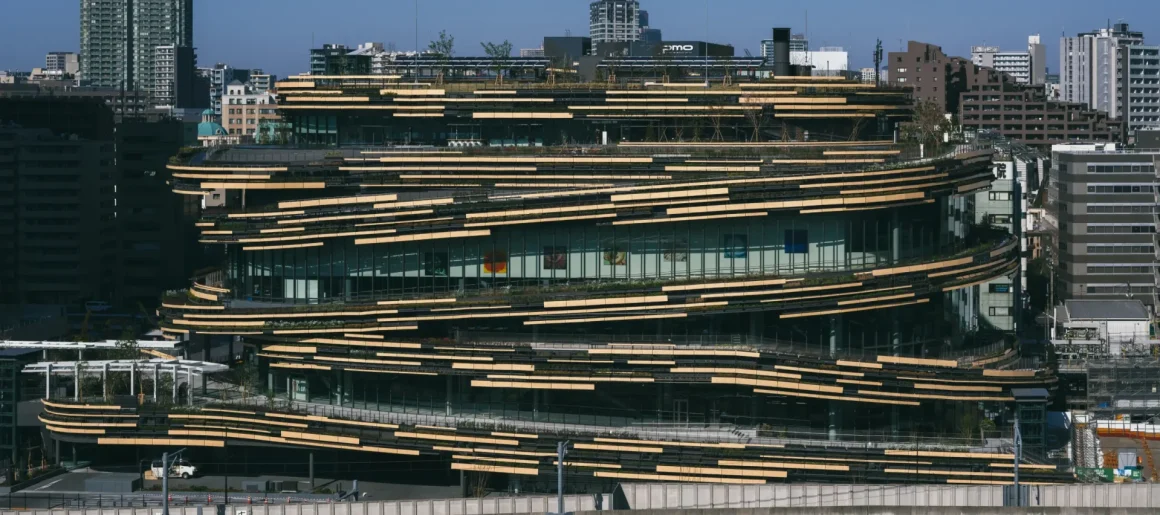
Tokyo is somewhere we return to again and again. I love the level of consideration you find there, whether it’s a major piece of architecture like the new MoN Takanawa building or something much smaller — a café, a store or even an everyday object.
As for Softer Volumes, we’ll keep expanding the city guide collection and publishing more books, while also broadening the editorial side of what we do. We want to tell more stories around travel, interiors, objects and the people behind them.
“I like the contrast between the raw streetscape and some of the very refined interiors hidden inside those buildings.”
The Softer Volumes Shop
Take the collection home with you
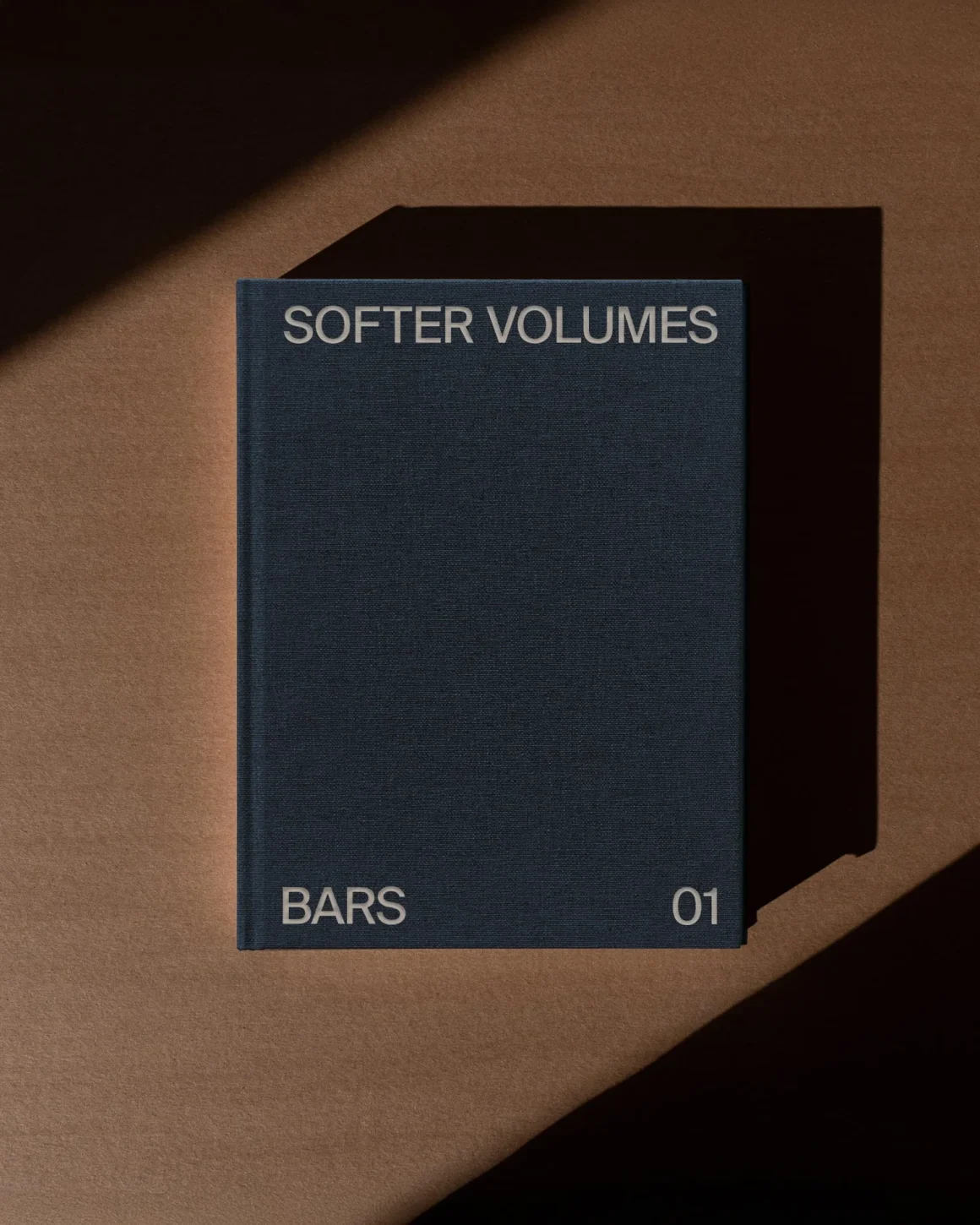
Joe Vuong’s books and city guides gather the cafés, bars and hotels Softer Volumes has photographed around the world. Architects and designers keep them as reference. Travellers use them to plan the next trip. Buy them in print or digital, one city at a time or the whole shelf.
Books · print or PDFCafes Vol. 01 & 02Designer cafés from around the world, also sold as a two-volume set.
Books · print or PDFBars Vol. 01 and Hotels Vol. 01Cosy bars and hotels chosen for their design, collected in one place.
City guides · PDFTokyo, Copenhagen, Madrid and moreBangkok, Seoul, Berlin and Bali too, ready on your phone before you land.
Joe’s Sydney: Skip the Postcards, Go to the Warehouses
Rather than give you a definitive favourite in every category, I’d encourage you to explore a few different parts of Sydney.
unsplash.com
Marrickville: refined interiors hidden inside raw industrial streets
One area I’m particularly interested in at the moment is Marrickville, which probably isn’t somewhere an international visitor would immediately think to explore. If you like coffee, good food and warehouse conversions, I’d definitely spend some time there.
www.20chapel.com.au
It was traditionally quite industrial, and you can still feel that, but many of the old warehouses have become cafés, breweries, restaurants and creative spaces.
I like the contrast between the raw streetscape and some of the very refined interiors hidden inside those buildings. Primary Coffee, Stitch Coffee, 20 Chapel, and Poor Toms Oltra to name a few.
Two pieces of adaptive reuse you can see just by walking
For architecture, there’s plenty to see simply by walking through the city.
FB @CapellaSydney
Capella Sydney occupies a beautifully restored sandstone government building, and nearby is Quay Quarter Tower, an extraordinary example of adaptive reuse on a completely different scale.
FB @CapellaSydney
And ride the Metro — the stations are architecture now
Gadigal Station by Alain Nguyen (unsplash.com)
I’d also tell people to ride the Metro. Some of the newer stations are impressive pieces of public architecture in their own right — Central, Gadigal and Martin Place are probably my favourites.
Locals Insider · Sydney
Warehouse Cafés, Sandstone and Metro Stations: Joe Vuong’s Sydney
The Softer Volumes founder’s picks, from Marrickville’s converted warehouses to adaptive reuse in the city, with addresses and opening times.
Quay Quarter Tower
Circular Quay · Architecture
50 Bridge Street · ground-floor food hall open weekdays
The 1976 AMP Centre, rebuilt by Danish studio 3XN with BVN instead of being demolished: around two thirds of the old tower was kept and extended to 54 floors. Named World Building of the Year at the 2022 World Architecture Festival.
Capella Sydney
Sydney CBD · Heritage hotel
24 Loftus Street · near Circular Quay
A 192-room hotel in the former Department of Education building, an Edwardian Baroque sandstone landmark from 1912, restored by Make Architects with interiors by BAR Studio.
Sydney Metro: Central, Gadigal and Martin Place
Sydney CBD · Public architecture
On the Metro line through the city, opened in August 2024
Three of the new driverless Metro stations under the city centre. Gadigal, at Pitt and Bathurst Streets, is named for the Gadigal people of the Eora Nation.
Primary Coffee
Marrickville · Specialty coffee
38 Chapel Street · daily from 6:30am (7am weekends) to 3pm
The second café from Dan Kim’s Primary roastery, after the original in Potts Point: a light-filled, minimalist warehouse space that is part café, part coffee showroom.
Stitch Coffee
Marrickville · Roastery café
15 Sydney Street · weekdays 7am–2:30pm, weekends 8am–3pm
The Sydney roaster’s Marrickville headquarters, with a café out front and the roastery at the back. Staff are happy to talk you through the beans.
A bright, semi-industrial grill restaurant run by former Rockpool Bar & Grill chefs, with dry-aged steaks and a rotating menu. Sit at the kitchen bar to watch the charcoal grill.
Poor Toms Oltra
Marrickville · Gin distillery and pizza
Building 3, 10 Brompton Street · Wed–Sun from 4pm (weekends from noon)
The Poor Toms gin distillery’s warehouse hall behind the Factory Theatre, with pizzas from the Pizza Oltra kitchen, cocktails and DJs on weekends.
Opening hours change, so check with each place before you go.
If you collect publications like this one, our guide to travel magazines worth reading covers the titles that still do it well in print. For more design-led places chosen by the people who live with them, see the best design shops in Copenhagen, and for hotels with the same attention to a building’s past, our hotel guides.
Joe Vuong is the founder of Softer Volumes, a design and travel publication based in Australia. Softer Volumes publishes books on designer cafés, aesthetic hotels and bars, as well as a growing series of city guides. An entrepreneur who has started several businesses, he travels constantly in search of well-designed places. Instagram: @softervolumes