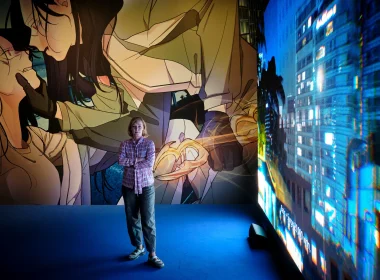
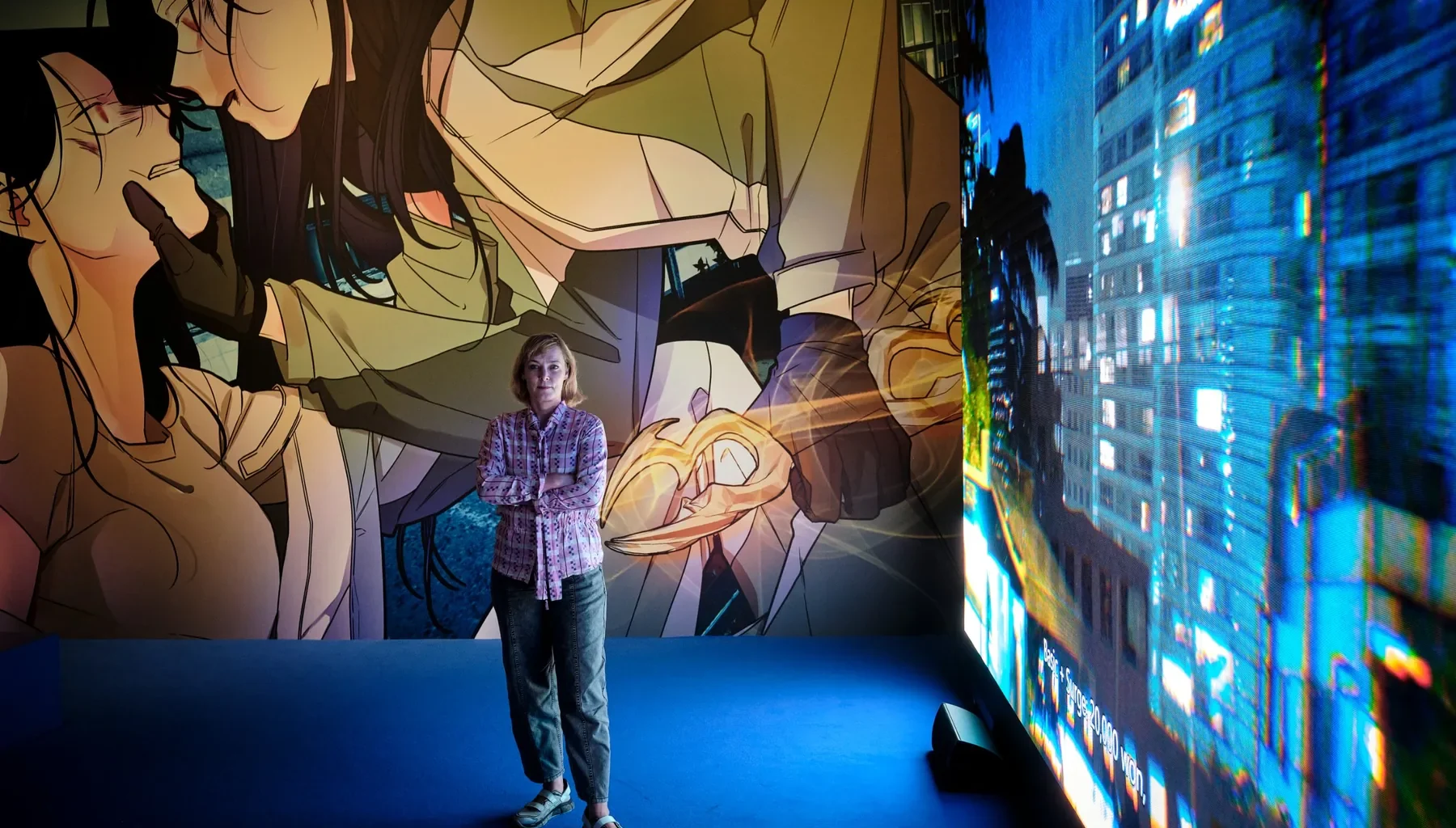
Copenhagen’s biggest room for contemporary art is a former welding hall. Burmeister & Wain built ships on Refshaleøen; today the same 7,000 square meters on Refshalevej hold installation art large enough to walk into, and Copenhagen Contemporary — CC — has become the city’s venue for work no conventional museum could physically take.
It started as an experiment. CC opened in 2016 in 3,400 square meters on Papirøen, a pilot project meant to prove that Copenhagen needed a space of this kind at all, and moved to the shipyard in 2018 with roughly double the room. This January it marked ten years with a three-day performance festival.
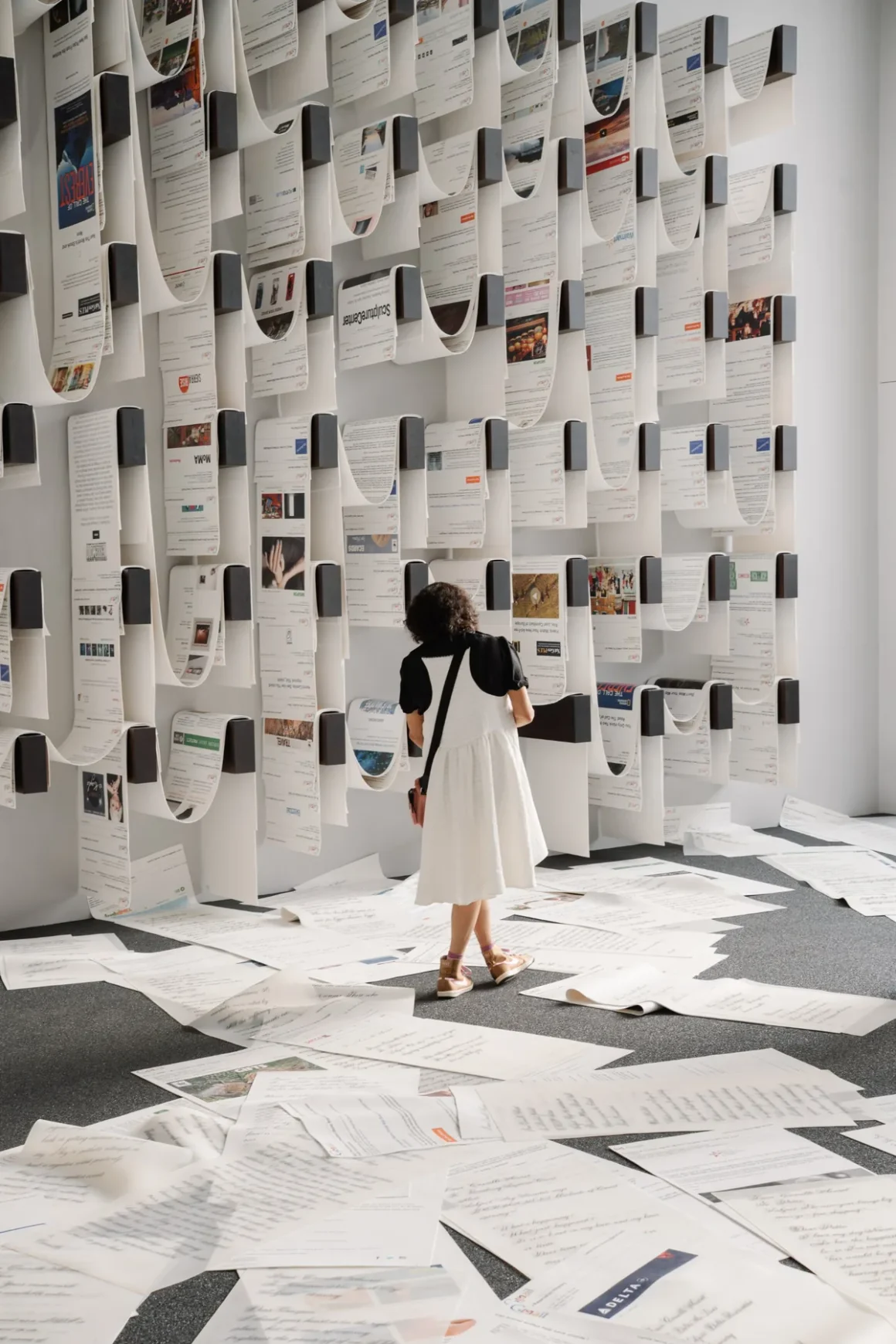
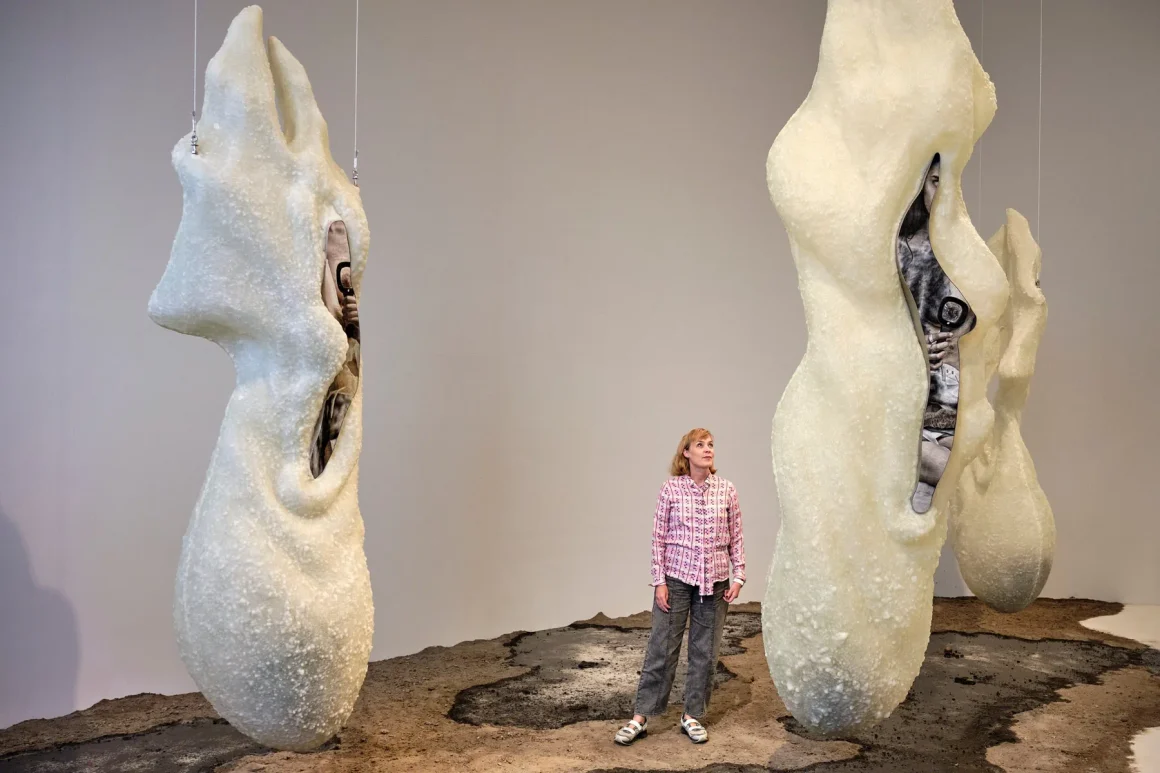
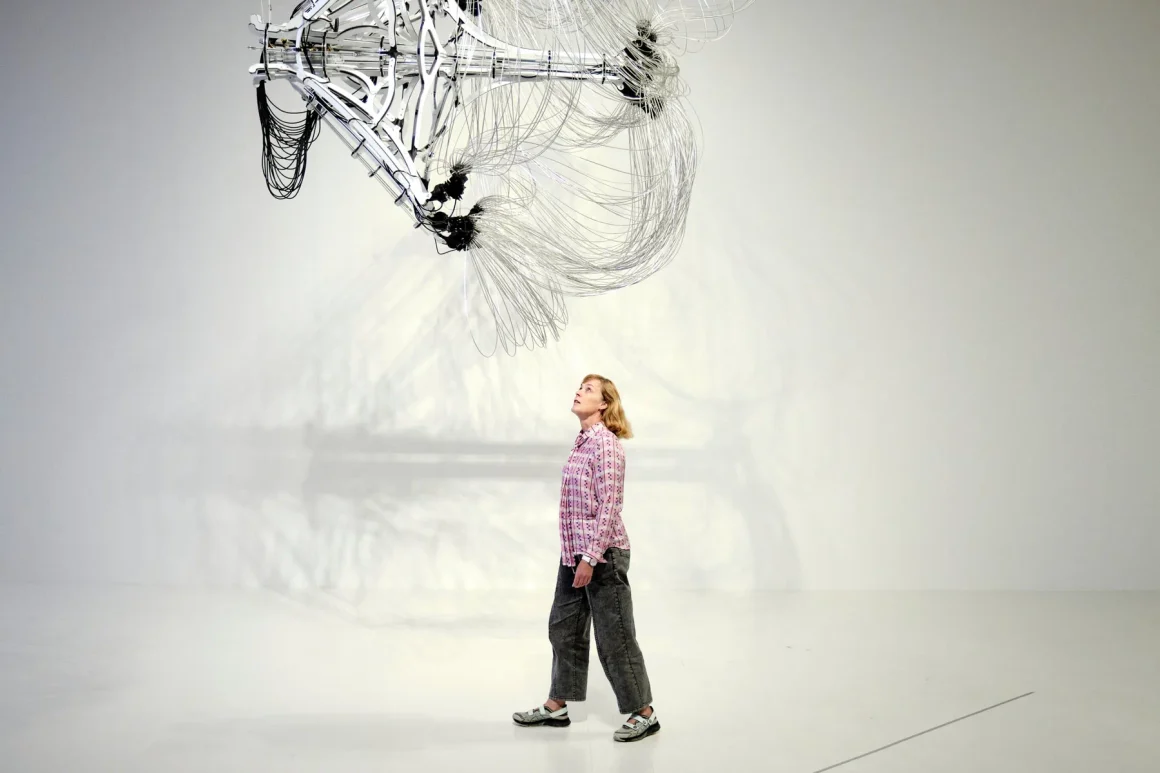
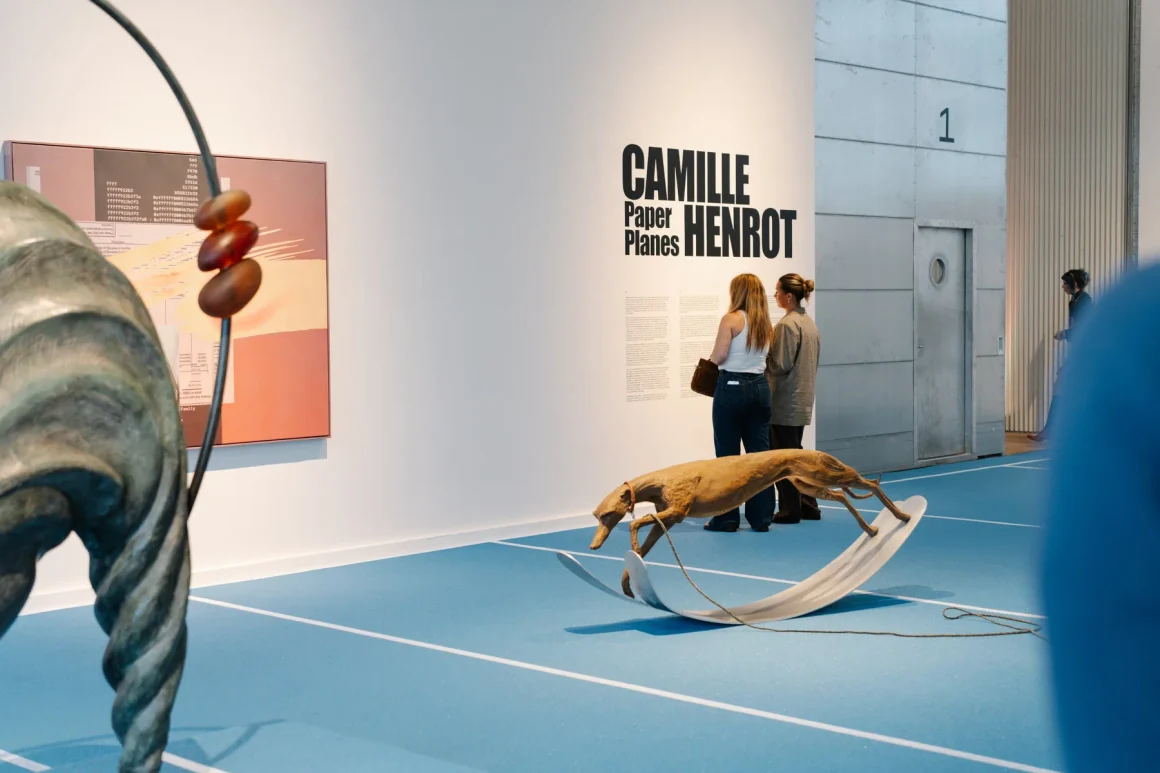
A James Turrell piece, Aftershock, is installed permanently. Camille Henrot’s Paper Planes and Kengo Kuma’s Earth | Tree are on now, alongside Fire & Ice, a show of eight artists with ties to Greenland.
Marie Laurberg has run it since August 2022. She came from Kunstmuseum Brandts in Odense, with two decades behind her as a curator and head of exhibitions at ARKEN and at the Louisiana Museum of Modern Art — large solo shows, new commissions, and theme exhibitions on utopias, exile and the dreams that took humanity to the moon.
She writes to Locals Insider about turning a project into an institution, why an art center should adapt to the art rather than the reverse, what Yayoi Kusama taught her about opposition — and where she would send an art lover in Copenhagen, including her own morning coffee.
“Our mission is world art at street level. Our artistic ambitions are very high. But the threshold to enter the space must be very low.”

From Curating Kusama to Leading a Young Institution
I have been working as a curator for many years, doing major solo shows and new commissions with contemporary artists, and large theme shows exploring utopias, exile, and the dreams and desires that brought humanity to the moon. Alongside this I have always had an interest in the societal role of the art institution and what the art museum of the future might look like.
So when I was approached about taking over leadership of Copenhagen Contemporary, I was definitely curious, and after a couple of meetings with the board I was sure this was an opportunity I should lean into. The organization is small enough that I still work very close to the art and the artists — and the space is large enough to have a real impact on the art scene and the culture at large.
CC is a very young institution, which means directing it also entails a lot of freedom in shaping its overall profile, its position among other institutions in Scandinavia and Europe, and defining what it should mean to the art community as well as to the citizens living in Copenhagen. The ceiling is high, we can grow in it, and we have large ambitions.
Why Copenhagen Needed a Hall You Don’t Have to Protect
For years there had been discussions that Copenhagen needed a new and larger space for contemporary art — and nothing happened. Eventually, a group of people with a background in art and culture decided to start a pilot project to demonstrate what such a project could look like, and that it had an important role to play among the existing institutions.
The industrial space allows for large-scale works and challenging installations that need a building you don’t have to protect. So at the outset CC was organized as a project, and when I joined after six years it already had two locations and three directors. My role has been to transform CC from a project into a lasting institution for contemporary art, and to broaden our mission from showing large artworks to really playing a key role as a new version of the art museum, ensuring its relevance for new generations of artists and audiences.
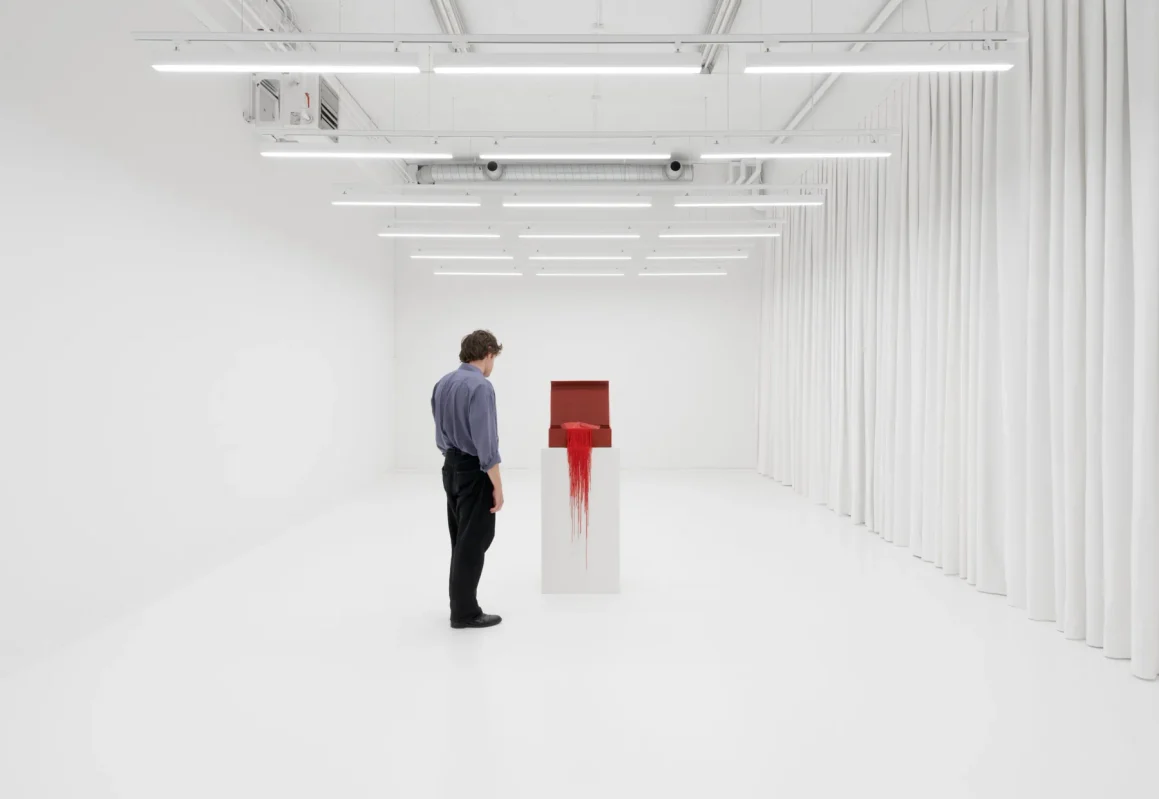
“World Art at Street Level”: The Mission That Sets CC Apart
Our mission is world art at street level. This means our artistic ambitions are very high: we aim to show the best of the global art scene. But the threshold to enter the space must be very low.
I believe in the democratization of art. Art can really speak to everyone — just like music. Bridging art with music, creating openings as community events, and developing highly innovative educational activities, we seek to develop the art institution of tomorrow.
Artistically, we aim to give contemporary art a main role in contemporary discourse. Both in terms of original solo shows with contemporary icons like Camille Henrot, whose major solo show Paper Planes was conceived especially for our space, and in terms of group shows like Soft Robots, which explored contemporary existence in a new technological environment.
“Art can really speak to everyone — just like music.”
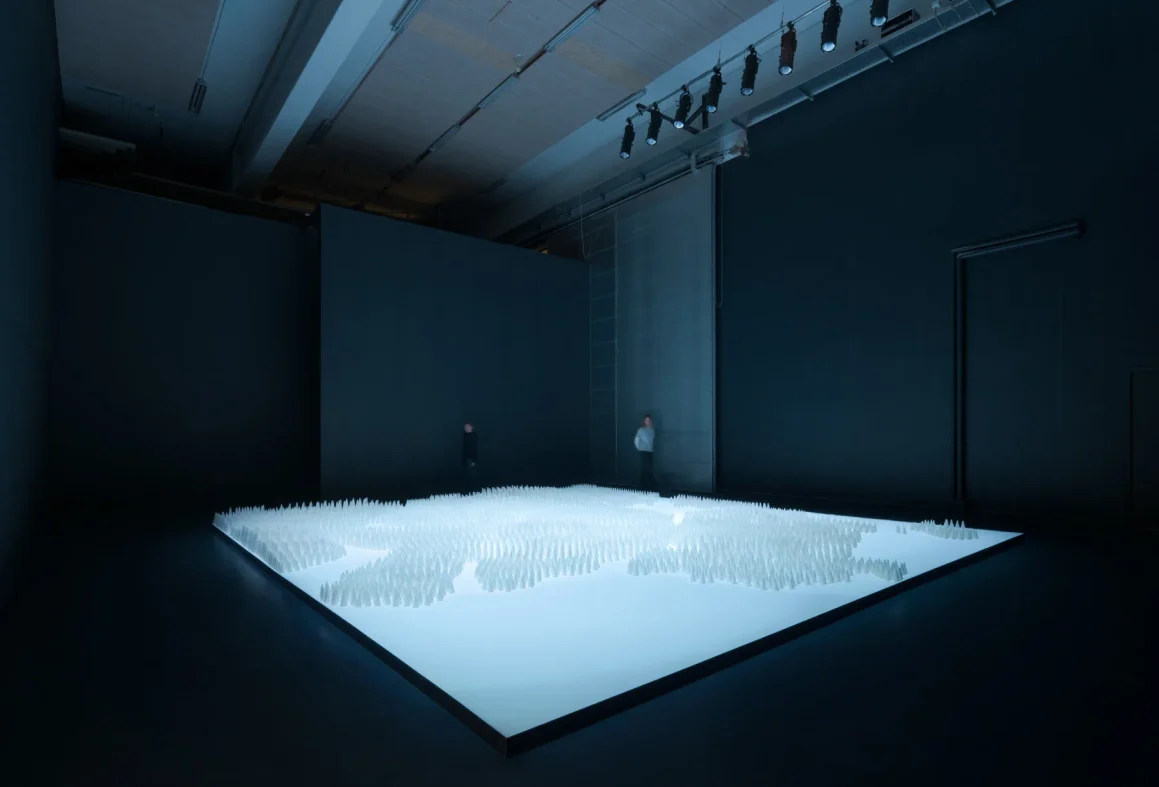
An Art Center Where Most Visitors Are Under 40
When I joined CC, I defined our mission both in terms of our artistic output and in terms of our key audiences. CC is an art institution centering on young audiences, and the majority of our visitors are below 39. This sets us completely apart from art institutions of a similar scale, where audiences are mostly people in their 50s and above. We inspire the art lovers of tomorrow.
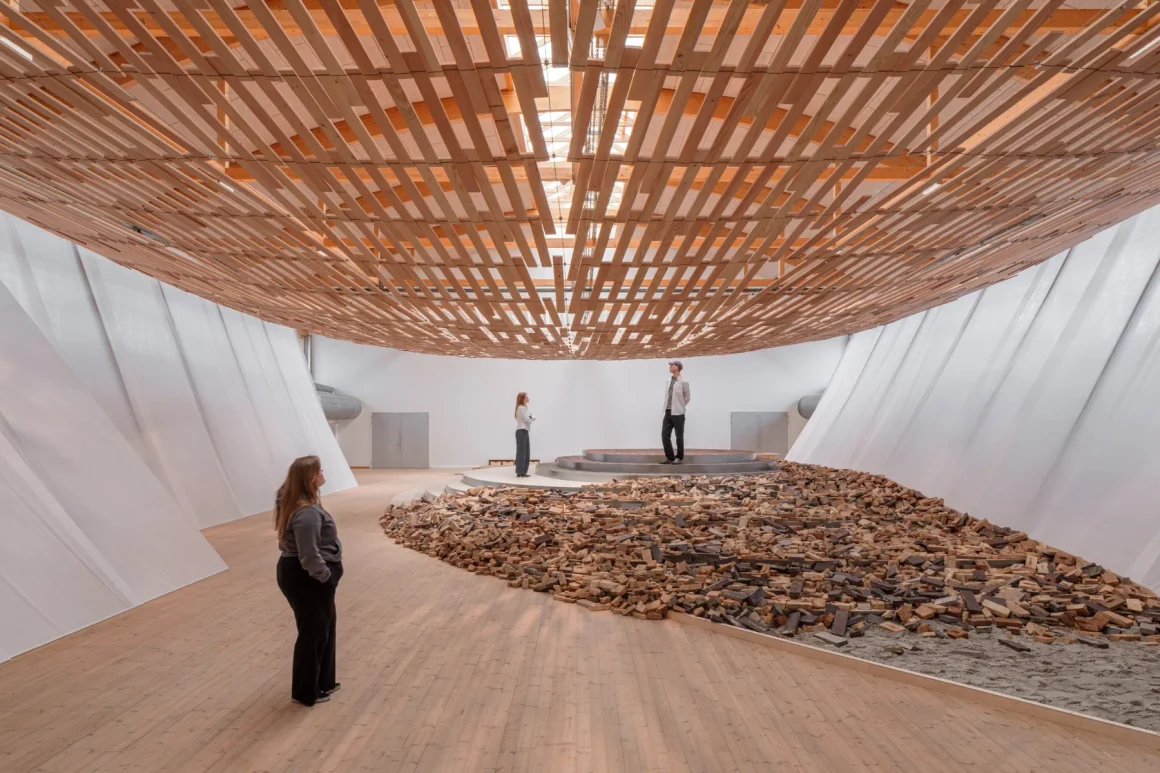
Fire & Ice, Camille Henrot, and the Wish List That Never Ends
Asked whose work she would most like to bring to Refshaleøen, having already worked with artists including Yayoi Kusama:
The list is endless. Right now we are proud to display major figures such as Camille Henrot, James Turrell and Kengo Kuma — but just as proud to have commissioned amazing new work by young positions like Martin Brandt Hansen and Emilia Sølvsten. They form part of the group show Fire & Ice — On Belonging and Becoming in Kalaallit Nunaat (Greenland), and have both created their most ambitious works so far, as part of our talent program CC Horizon.
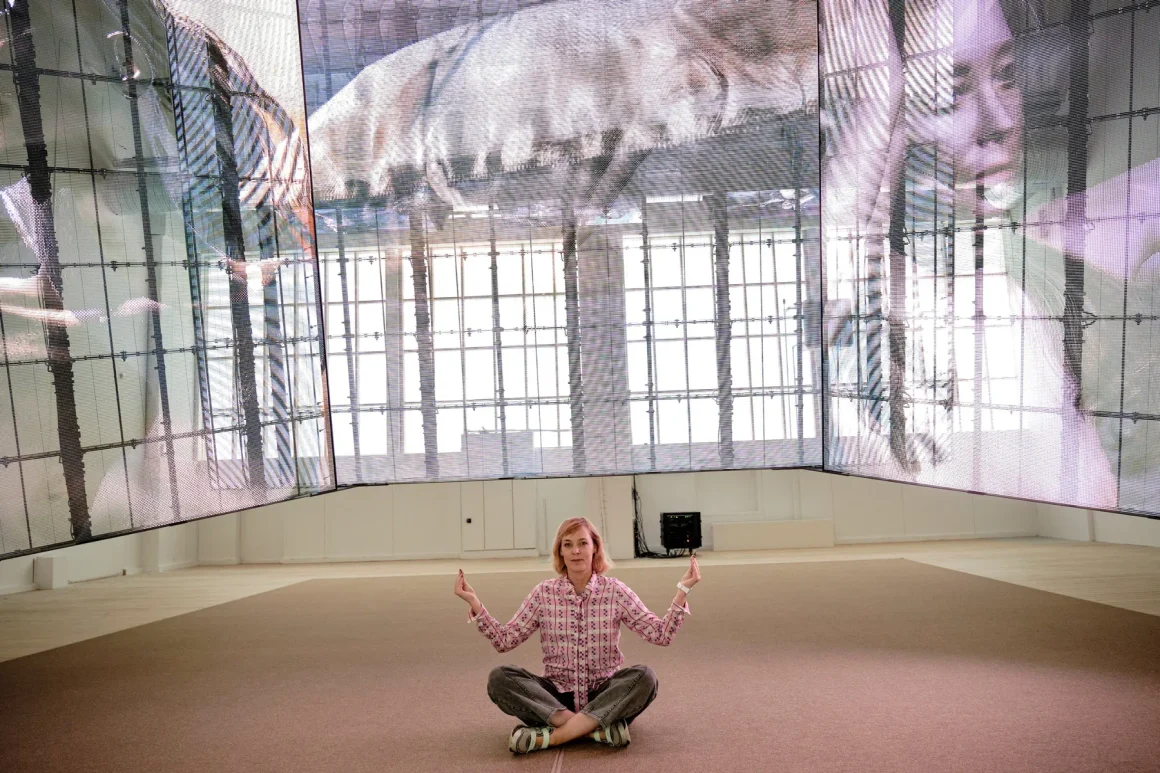
The Building as a Dance Floor: Let the Institution Adapt to the Art
CC is a dance floor for the artists. Here, they can really do what they want.
The building reminds me of a conversation I had with Olafur Eliasson many years ago, when I curated some of the first major commissions of installation art in a Danish art museum. In an institution geared to display painting and sculpture, he would bring in fog, water and soil. The art institution should adapt to the art, not the other way around. This rings so true when it comes to contemporary spaces. CC should morph each time to realize the vision of the artist.
“The art institution should adapt to the art, not the other way around.”
The Artists Who Taught a Curator How to Work
Each artist I work with inspires me in a new way, and I continually develop as a curator, thinker and leader in dialogue with artistic practices.
Yayoi Kusama has taught me how to believe in your vision even though you meet opposition. Laurie Anderson taught me a lot about freedom — you can feel the absolute creativity, her deep love of art as a universal language, her critical edge in everything she does. Adrián Villar Rojas is someone who makes philosophy physical and graspable.
Anne Imhof makes me understand connections and moods in our contemporary world that have not been formulated yet. From Wangechi Mutu I feel a deep connection with spirituality and everything living. The list goes on.
I really feel privileged working in a creative field that keeps evolving with every breath of our contemporary moment.
Copenhagen Is Becoming an Art Destination, Not Only a Food One
I feel Copenhagen is at a key moment, where the city is developing into a destination for art. We have seen the development in the food sector, where world-class restaurants like Noma and CC’s neighbor Alchemist, together with the young cafes and bakeries, put Copenhagen on the map for foodies.
The same is happening in terms of art. We have new major institutions like CC, we have a lot of interesting artist-run spaces — and also two art fairs happening simultaneously in August. With our talent program CC Horizon we help local artists produce new artworks that can open new doors for them on an international arena. All happening from Copenhagen.
Readers who want the food version of the same shift can start with the best places to eat in Copenhagen; for the design side of the city, see the best design shops and boutiques in Copenhagen.
Five Copenhagen Places Every Art Lover Should See
Of course, CC is the first place to go. I also recommend The Circle Bridge by Olafur Eliasson, and the underground exhibition space Cisternerne. I recommend Superkilen, an innovative square in Nørrebro made by Superflex.
And then I urge you to explore the city’s gallery scene, with spaces like Palace Enterprise, Wilson Saplana, Nicolai Wallner, Nils Stærk, Christian Andersen and Andersen’s Contemporary as inspiring venues.
Copenhagen’s art also turns up where you don’t expect it: one group of curators has been turning private flats into galleries for a weekend at a time.
A Director’s Own Copenhagen: Harbor Coffee, a Ferry Commute and a Secret Garden
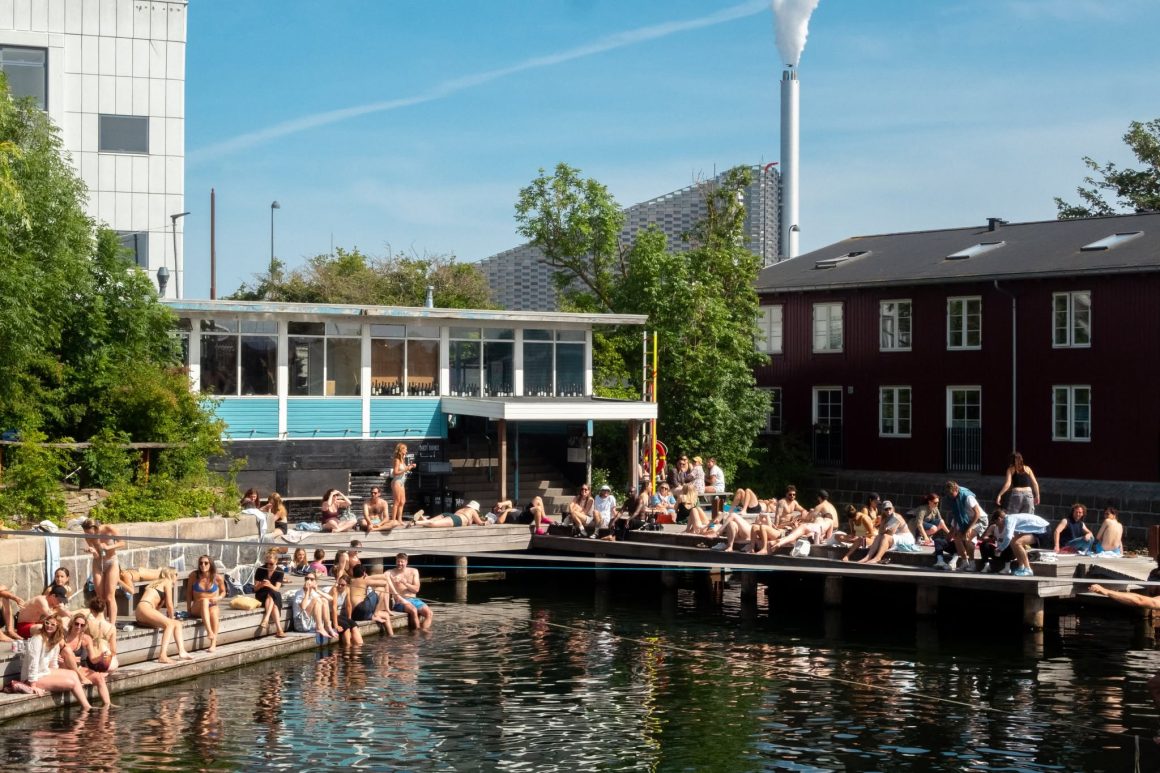
My morning coffee would be La Banchina near CC, where you can also swim in the harbor. Then Bottega Barlie for lunch, and Friheden at Nørrebro for dinner and drinks.
I would take the stairs at the national library to see Per Kirkeby’s monumental ceiling painting with a view of the harbor, and have a small coffee break in the secret garden behind the library. If it rains, this break should be moved inside, to the palm garden of the Glyptotek.
I love the ferry running through the harbor — it is my favorite way to go to work, and gives magnificent views of the city.
“I love the ferry running through the harbor — it is my favorite way to go to work.”
The Copenhagen Art Map: What Each Place Is & Where to Find It
Copenhagen Contemporary
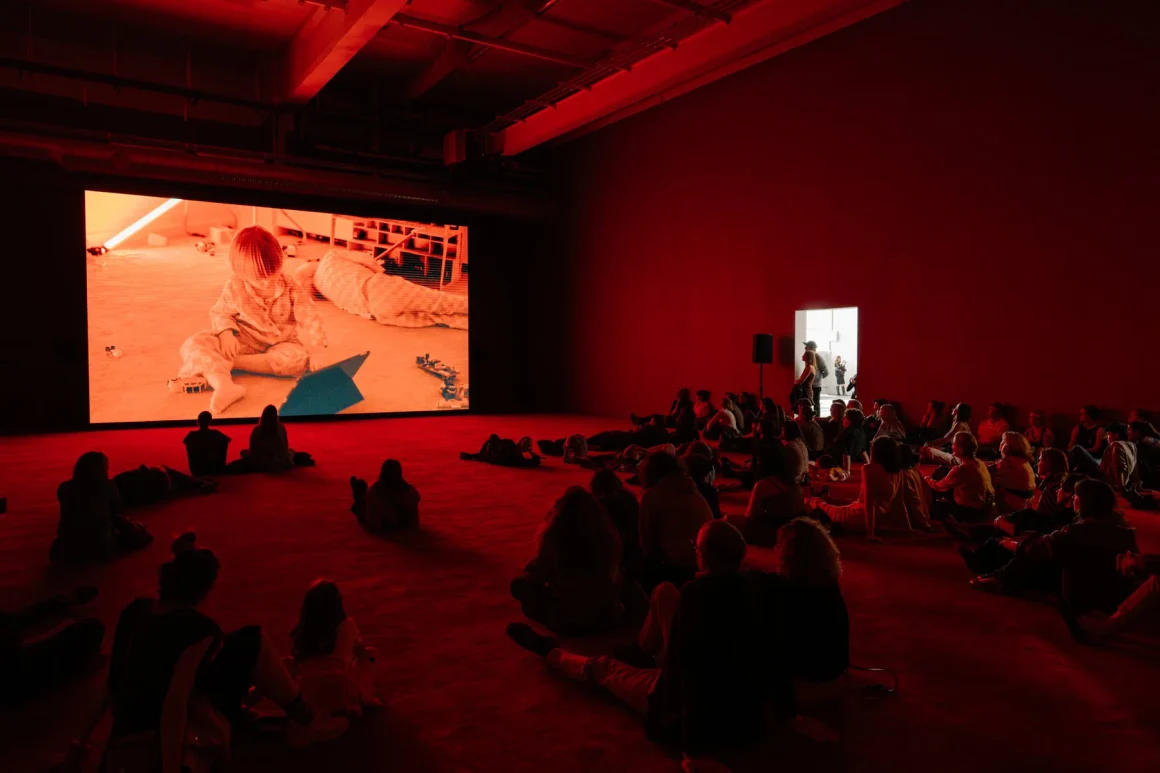
Seven thousand square meters of former Burmeister & Wain welding hall, given over to installation art too large for a conventional museum. Open Tuesday to Sunday with late hours on Thursday, and James Turrell’s Aftershock is installed permanently.
Refshalevej 173A, Refshaleøen · copenhagencontemporary.org
Cirkelbroen (The Circle Bridge)
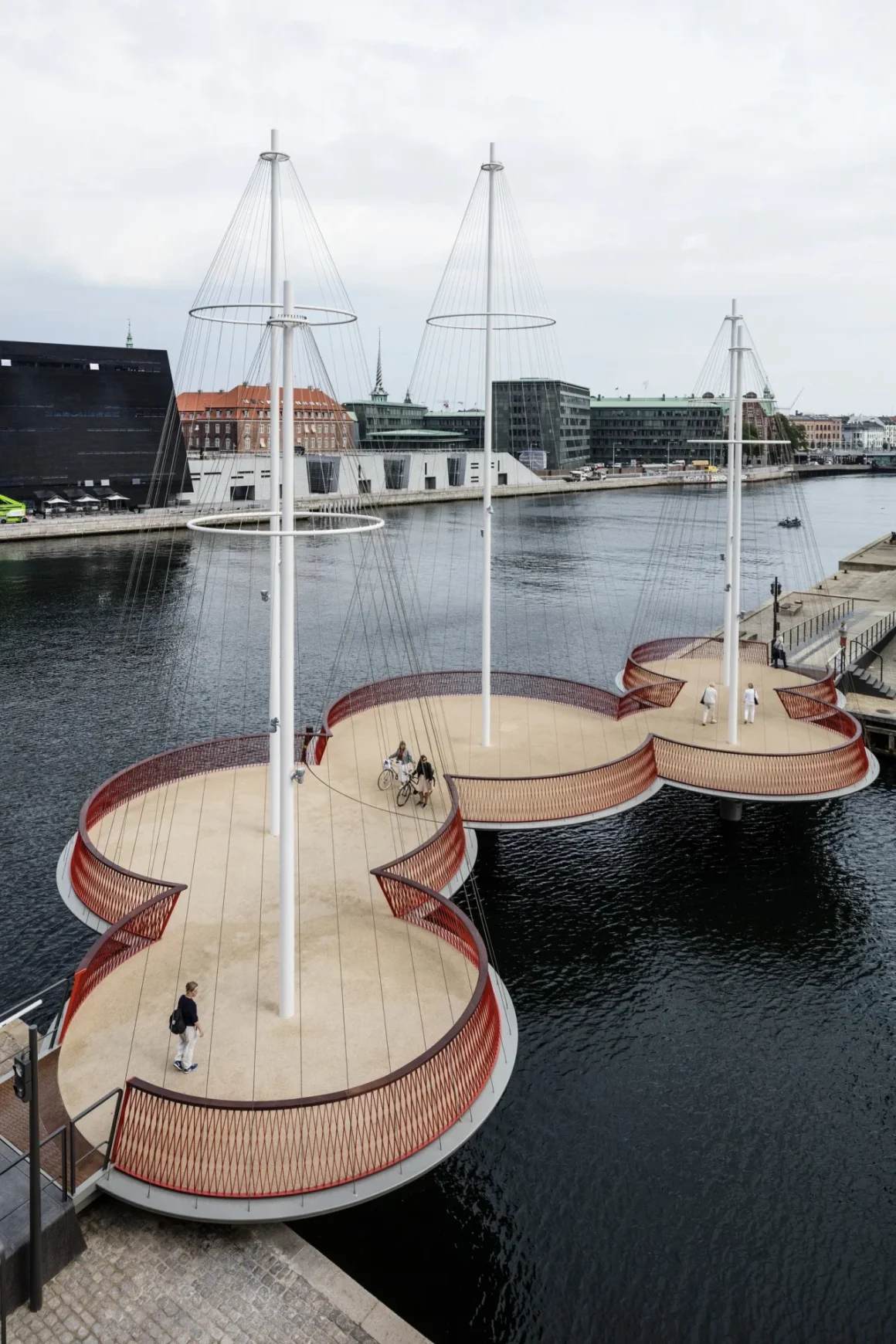
Olafur Eliasson’s bridge of five circular decks, each carrying a mast and a web of 110 inclined cables, opened in August 2015 as a gift to the city from the Nordea Foundation. Two of the decks swing open for boats. Free, always.
Johan Semps Gade, Christianshavn · olafureliasson.net
Cisternerne
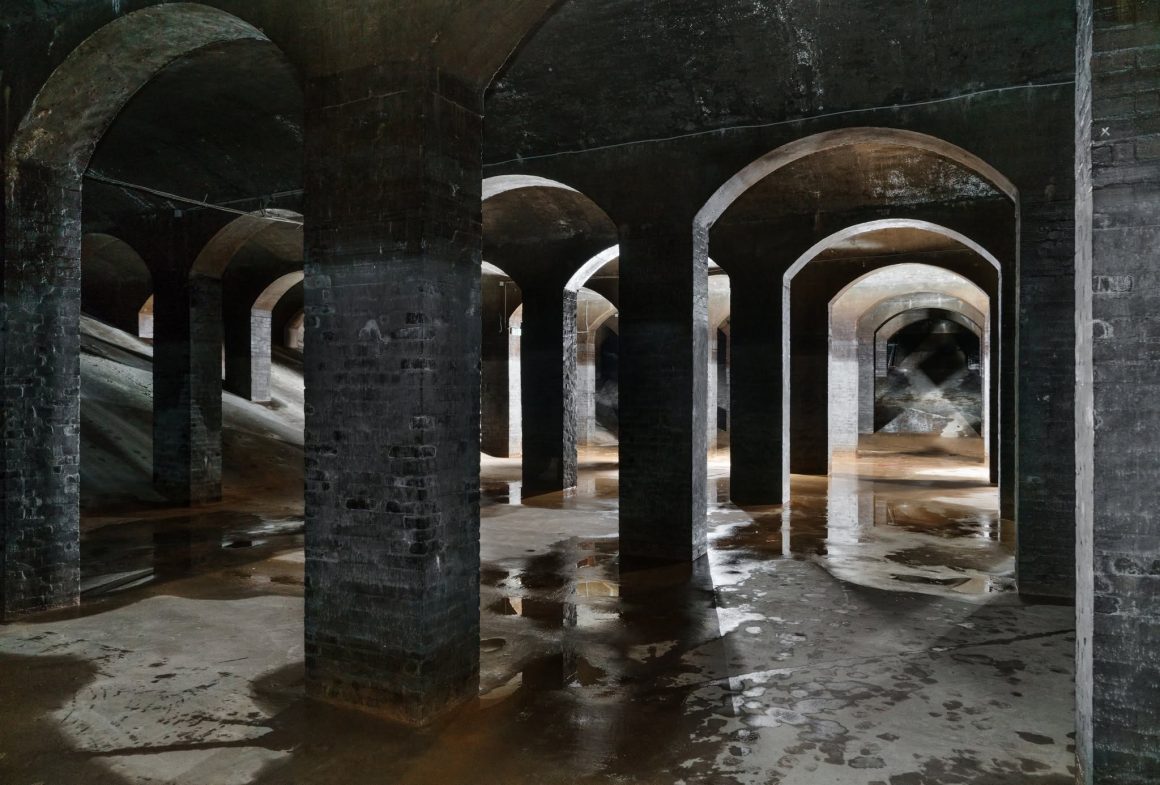
A drinking-water reservoir dug in 1856–59 that once held 16 million liters, out of service since 1933 and a site-specific art space since 2013. Humidity sits near 100 percent, the temperature falls to about 4°C in February, and stalactites grow from the ceiling. Coats are lent at the door. Tuesday to Sunday.
Roskildevej 25A, Søndermarken, Frederiksberg · frederiksbergmuseerne.dk
Superkilen
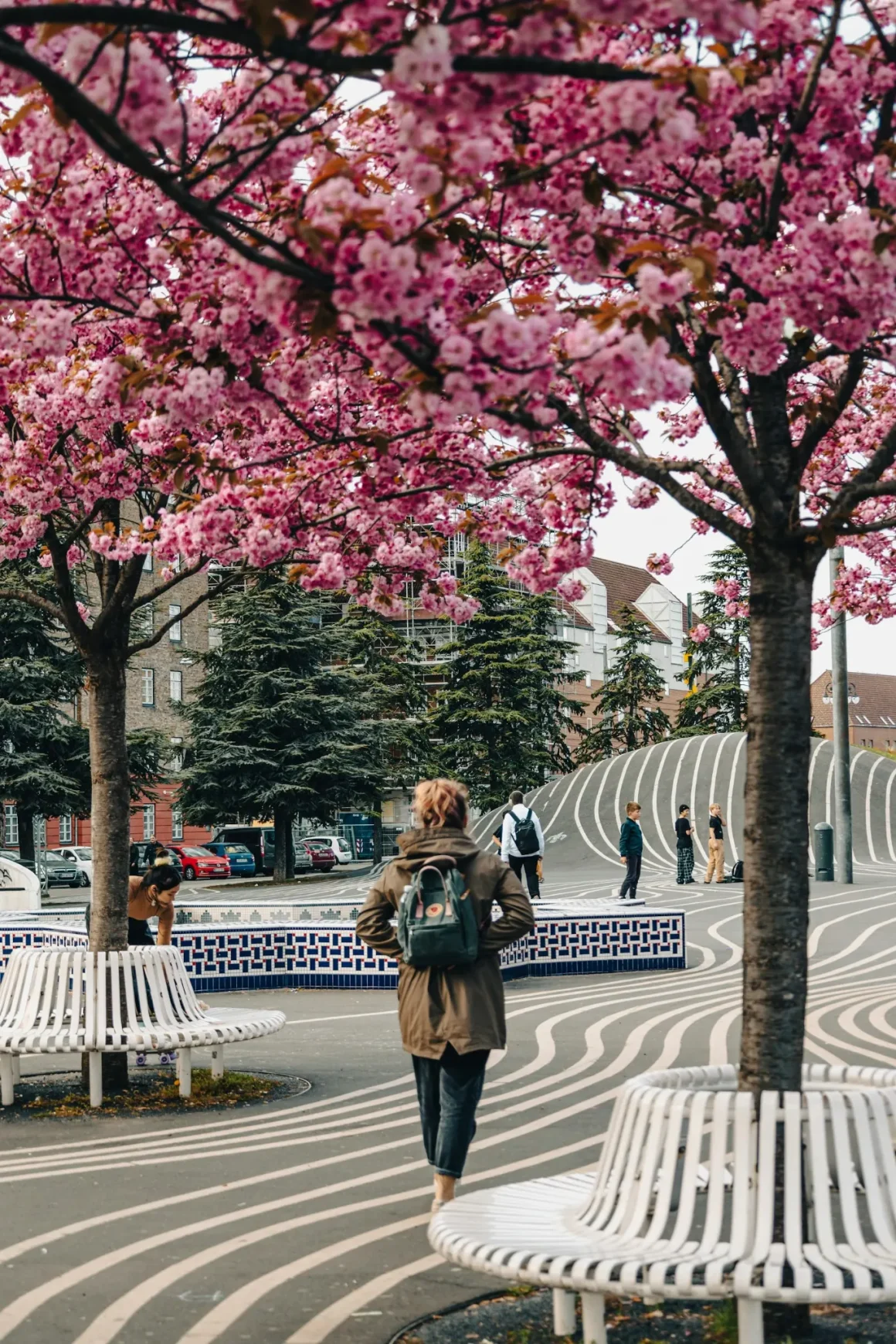
A public square completed in 2012 by the artist group Superflex with BIG and Topotek 1, laid out in three color-coded zones and furnished with street objects sourced from the home countries of the surrounding neighborhood. Free, always.
Nørrebrogade 210, Nørrebro
The galleries
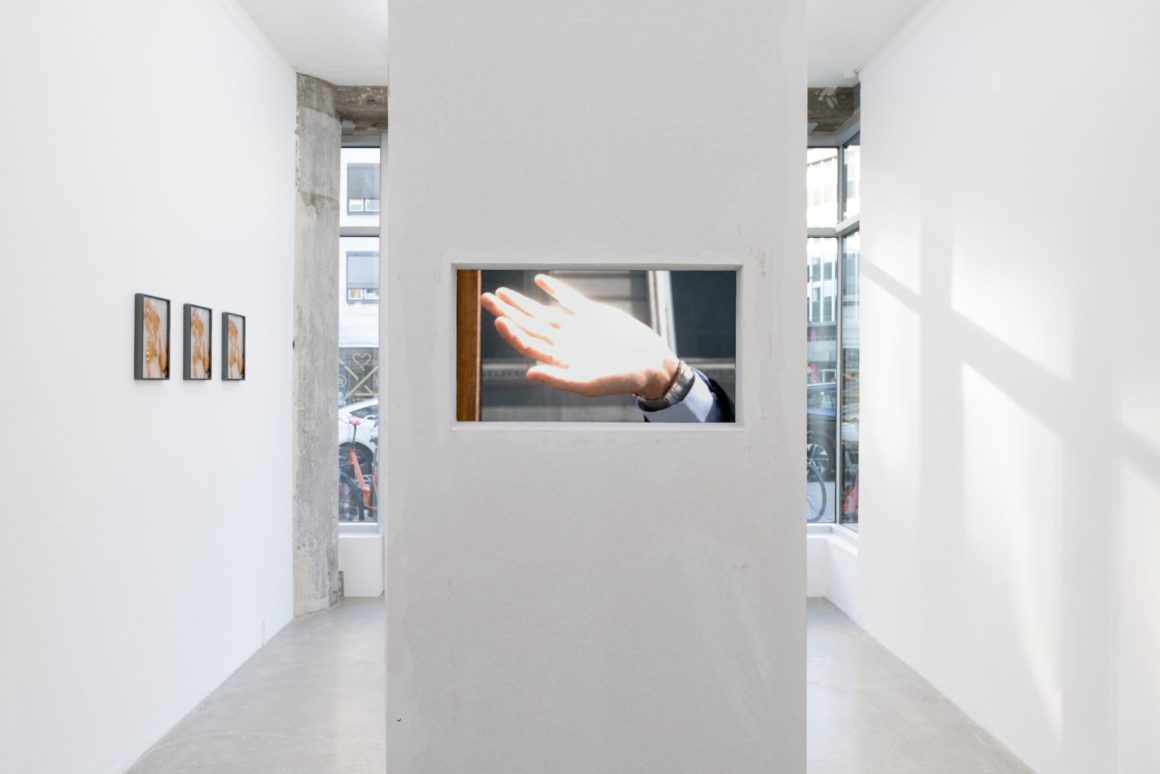
All free to walk into, and most open Wednesday to Saturday. Her six: Palace Enterprise, Wilson Saplana, Galleri Nicolai Wallner, Nils Stærk, Christian Andersen and Andersen’s Contemporary.
Palace Enterprise, Vester Farimagsgade 6 · Wilson Saplana, Vesterbrogade 6C · Galleri Nicolai Wallner and Nils Stærk, both Glentevej 49, Nordvest · Christian Andersen, Frederiksholms Kanal 28A · Andersen’s Contemporary, Rentemestervej 49
La Banchina
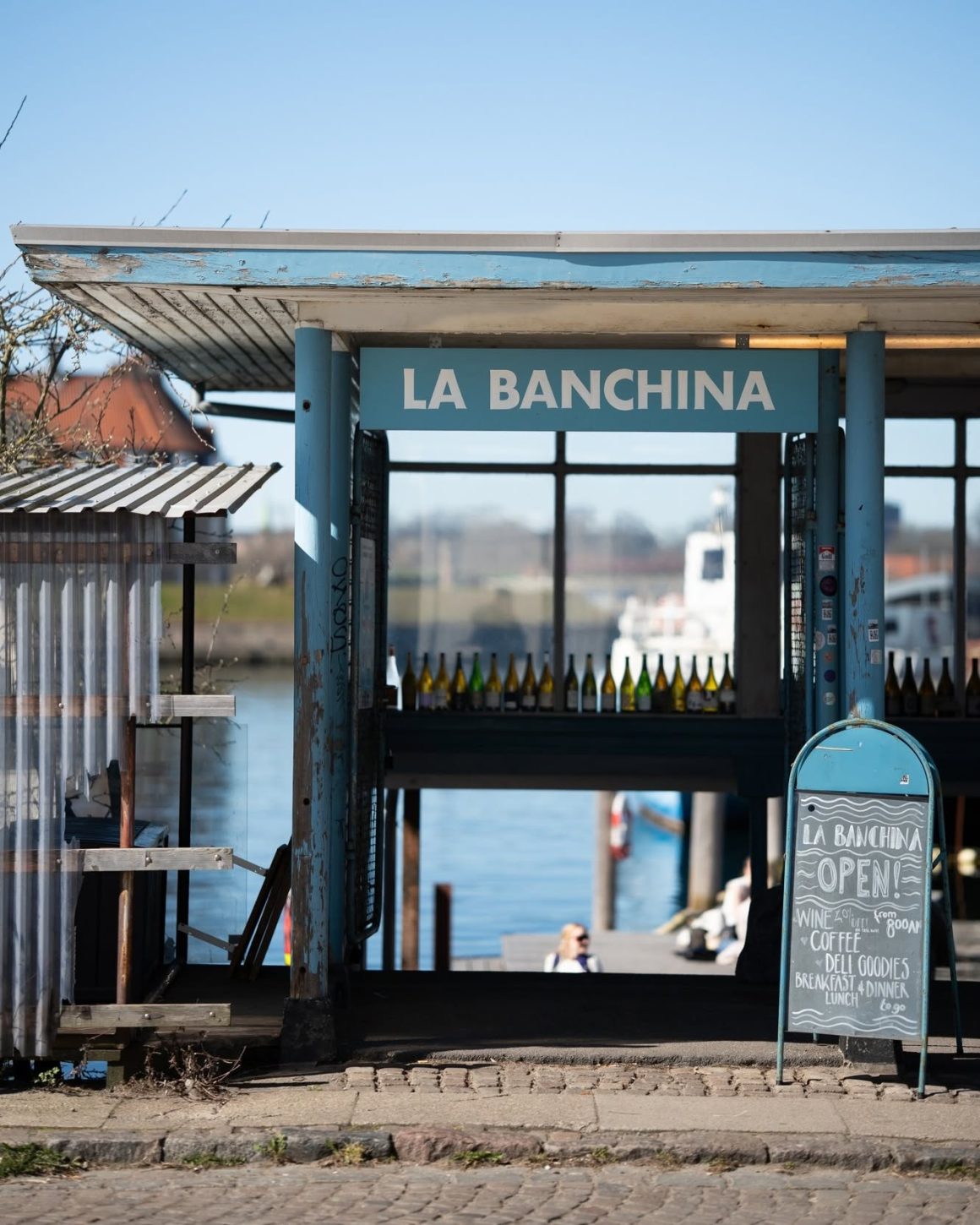
A jetty, a small kitchen, a wood-fired sauna and a ladder into the harbor, five minutes from CC. Open daily from 8am: coffee in the morning, wine and whatever came out of the water later.
Refshalevej 141, Refshaleøen · labanchina.dk
Bottega Barlie
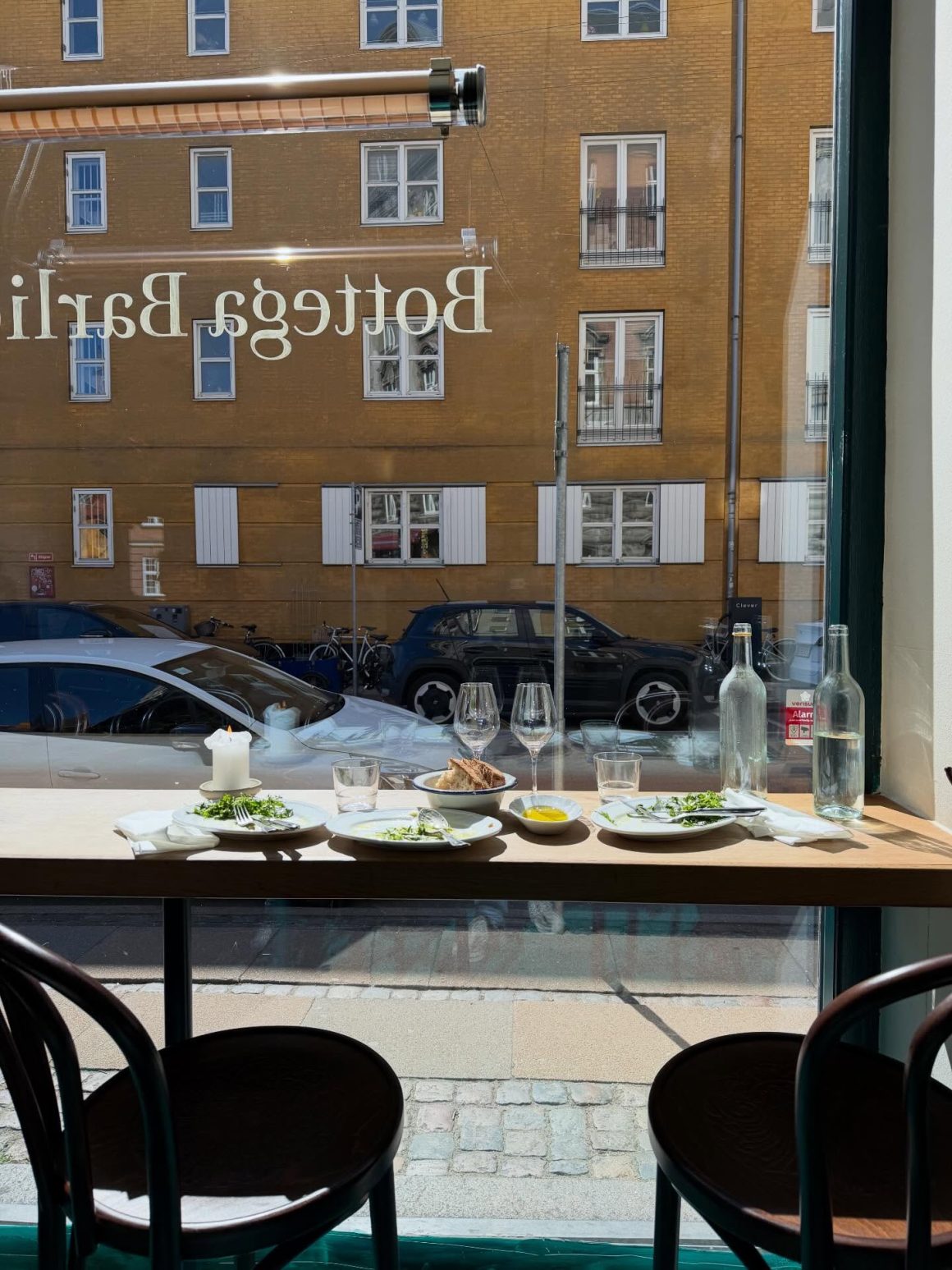
An all-day Italian bottega on a quiet residential corner, open from 7:30am on weekdays, known for its bread and a short wine list.
Fredericiagade 78, Frederiksstaden
Friheden
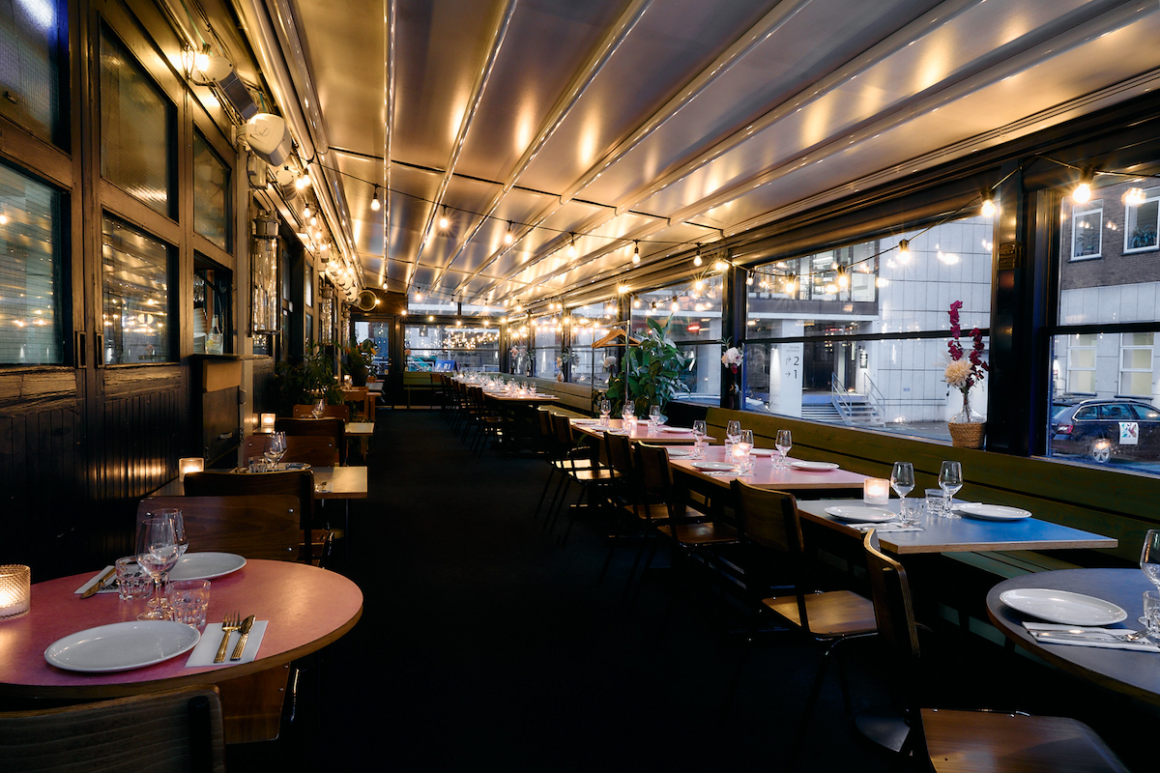
A neighborhood café-bar in a backstreet courtyard, running from breakfast through to a set menu in the evening, and late from Thursday to Saturday. Find your own table and order at the bar.
Esromgade 15, Nørrebro
The Black Diamond, Royal Danish Library
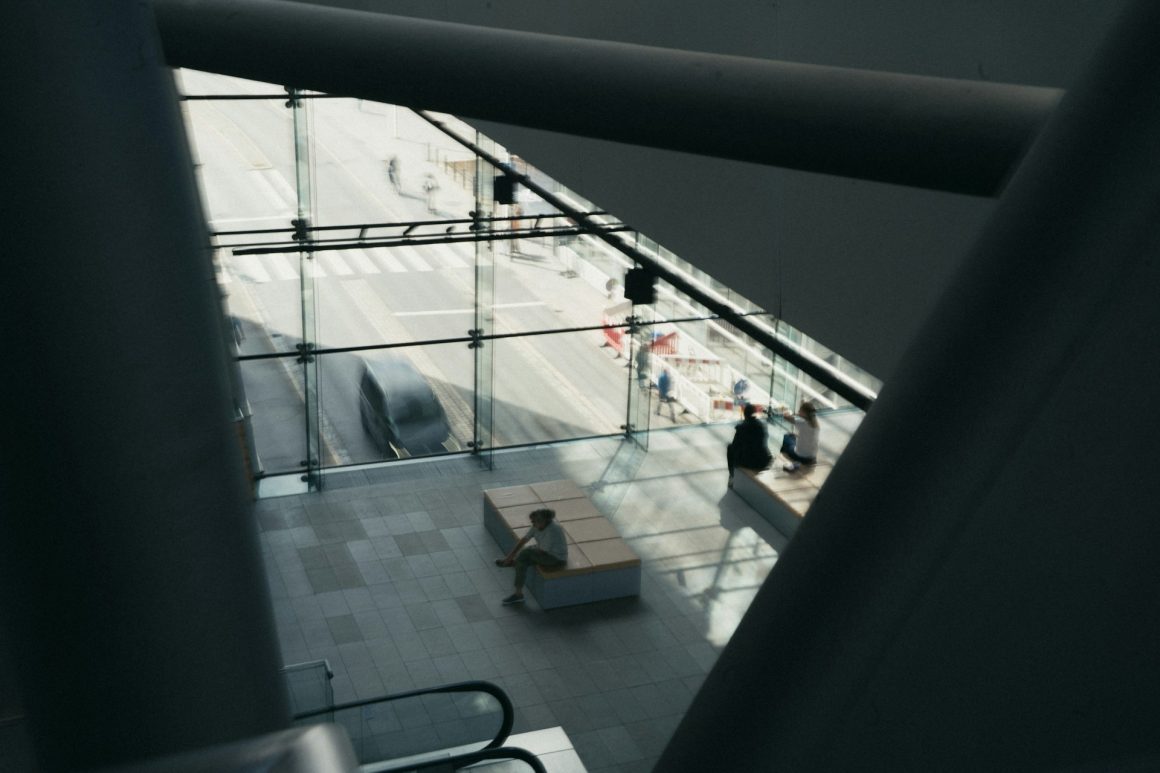
Schmidt Hammer Lassen’s waterfront extension opened in September 1999. Per Kirkeby’s ceiling painting runs to 210.8 square meters across 144 boards above the lending bridge, and the garden behind the old library building is the quiet part. Free to enter.
Søren Kierkegaards Plads 1, Slotsholmen · kb.dk
Ny Carlsberg Glyptotek

The Winter Garden is the palm-filled glass dome at the middle of the sculpture collection, with a café at its edge. Tuesday to Sunday, late on Thursday.
Dantes Plads 7, city center · glyptoteket.dk
The harbor buses
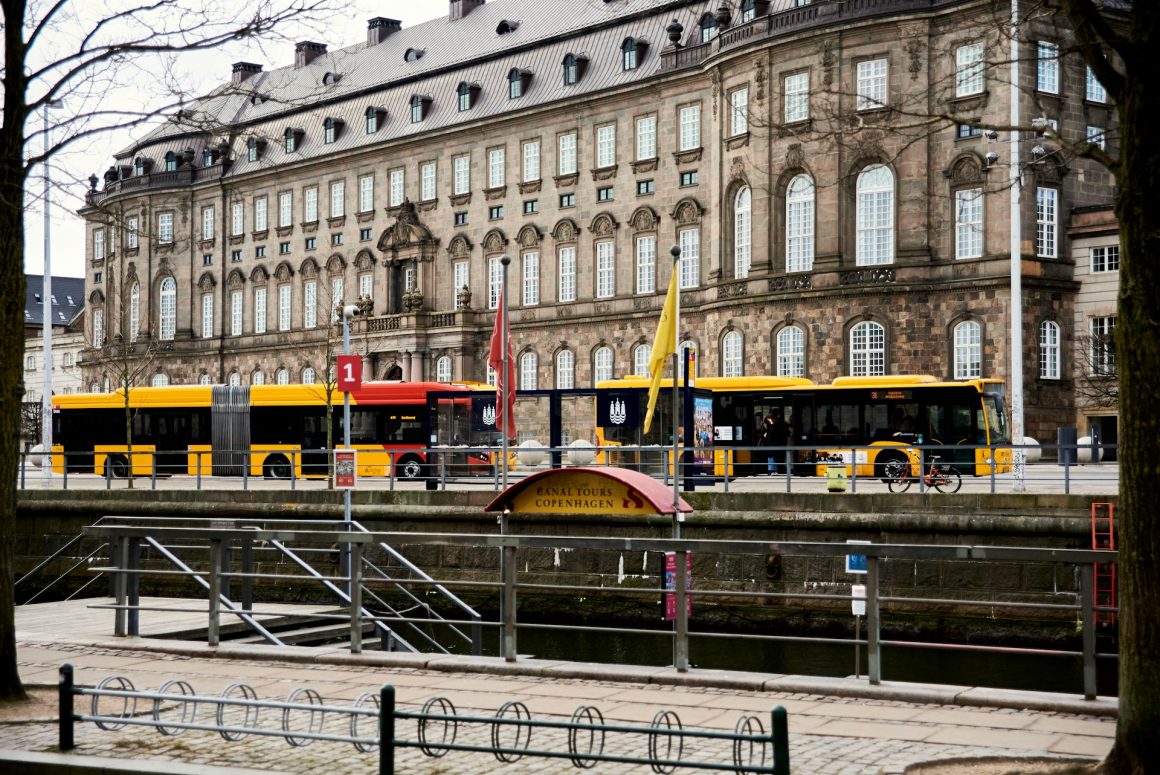
Her commute, and the cheapest boat ride in Copenhagen: public ferries run by Movia on the same ticket as the buses and metro.
Lines 991 and 992
If Marie’s harbor swim appeals, our guide to the best local spots in Copenhagen to chill, swim and explore covers where else to get in the water, and designer-recommended cafes and bars in Copenhagen picks up the rest of the day. For a base within ferry distance of all of it, see the top boutique hotels in Copenhagen.