 Argentina
 Austria
 Azerbaijan
 Belgium
 Brazil
 Canada
 Chile
 China
 Colombia
 Costa Rica
 Croatia
 Cyprus
 Czech Republic
 Denmark
 Egypt
 Estonia
 Finland
 France
 French Polynesia
 Georgia
 Germany
 Greece
 Greenland
 Hong Kong
 Hungary
 Iceland
 India
 Indonesia
 Ireland
 Italy
 Japan
 Kenya
 Lithuania
 Malta
 Mauritius
 Mexico
 Mongolia
 Montenegro
 Morocco
 Netherlands
 Norway
 Oman
 Peru
 Poland
 Portugal
 Saudi Arabia
 Serbia
 Singapore
 Slovenia
 South Africa
 South Korea
 Spain
 Sweden
 Switzerland
 Taiwan
 Thailand
 Türkiye
 USA
 United Arab Emirates
 United Kingdom
 Uruguay
 Uzbekistan
 Vietnam
Destinations › Latin America › Chile
Country guide · Latin America
Chile
Chile Travel Guide: Santiago, Patagonia, Atacama in 2026
Your Chile guide, curated by Locals Insider
Chile, by Locals Insider
Chile runs 4,300 kilometers from the Atacama Desert in the north to Patagonia's glaciers in the south — geographically the most extreme country on Earth.
Santiago is the modern capital between the Andes and the Pacific, with Boragó's foraged tasting menus pushing Chilean cuisine onto the world's 50 Best lists. Valparaíso is the UNESCO-listed coastal city of murals and funiculars.
Then the country opens up: Atacama's high desert (Tierra Atacama and explora the luxury anchors), the central wine country (Colchagua, Maipo), the Lake District, Patagonia's Torres del Paine.
Our Chile coverage focuses on the all-inclusive luxury lodges (Awasi, explora) that defined Patagonia and Atacama as destinations, the wine country (Vik Chile's design retreat), and the practical itinerary work for a country this long.
Quick facts · Live right now
Chile at a glance
CapitalSantiago
LanguageSpanish
CurrencyCLP
Time zoneCLT (UTC-4)
Plug typeType C/L (220V)
Weather in Santiago
via Open-Meteo · updated every 6 hours
Currency exchange · CLP
via European Central Bank · updated daily
Cities to explore
Where to go in Chile
Santiago
Cosmopolitan Andean capital, wine valley access
Valparaíso
Hillside colorful port city, street art, bohemian
Atacama Desert (San Pedro)
World's driest desert, geysers, salt flats
Torres del Paine (Patagonia)
Iconic peaks, glaciers, multi-day trekking
Stories · updated as we publish
Latest from Chile
1 storyDon’t miss
Don’t miss in Chile
Must visit · Patagonia (Magallanes Region)
Torres del Paine in Patagonia
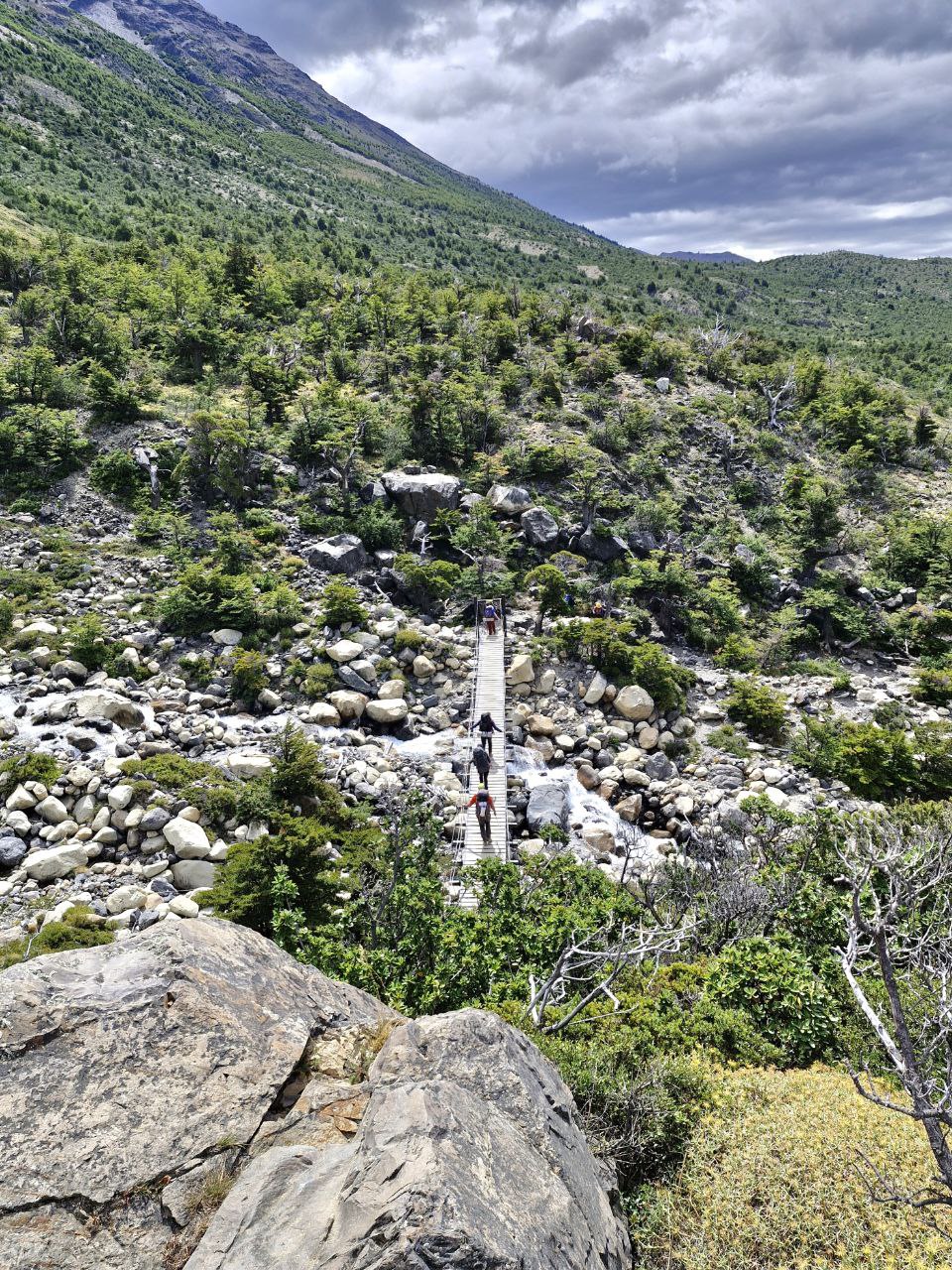
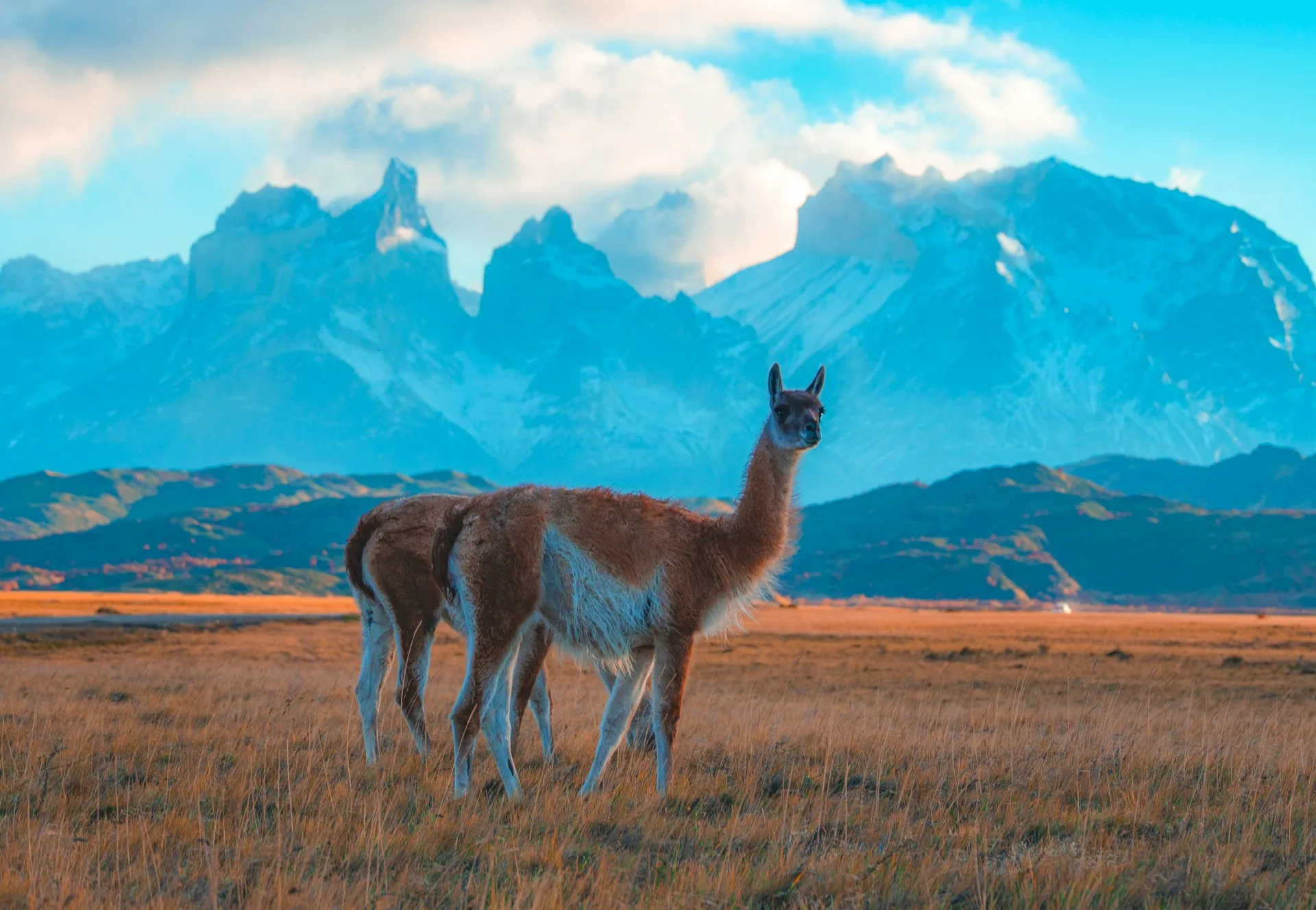
Three granite spires rising 2,500 meters above the Patagonian steppe — Chile's most iconic landscape. The 'W trek' takes 4-5 days; day-hikers can do the base of the towers in 8-10 hours; explora's all-inclusive lodges put the views directly outside your bedroom window.
Fly to Punta Arenas, drive 4 hours. Best November-March (Southern Hemisphere summer).
High-altitude desert
Atacama Desert star-gazing
The driest non-polar desert on Earth — and one of the world's best stargazing locations (the ALMA observatory is here for a reason). Salt flats, geysers at El Tatio, the salt-water lagoons. San Pedro de Atacama is the base; explora Atacama or Tierra Atacama for the luxury angle.
Fly to Calama from Santiago, drive 90 minutes. Acclimatize to 2,400m altitude.
Experiences
Experiences in Chile locals love
- Trekking the W Circuit in Torres del Paine
- Stargazing in the Atacama (clearest skies on Earth)
- Wine tasting in Casablanca, Maipo or Colchagua valleys
- Easter Island moai pilgrimage
- Carretera Austral road trip through Patagonia
Insider tips
Insider tips for Chile
- Chiloé island — folklore-rich, stilted churches
- Marble Caves of Patagonia (Puerto Río Tranquilo)
- Lake District around Pucón
- Tatio Geysers at sunrise in Atacama
- Valle del Elqui — pisco country and astronomy
- Chañaral de Aceituno for whale watching
Our picks
Chile’s best restaurants, hotels and museums
Checked against Michelin, the venue or Google.
Boragó (Santiago)
Michelin
$$$$ (CLP 250,000+ tasting menu)
Chef Rodolfo Guzmán's tasting menus through Chile's microclimates — Latin America's 50 Best top 5 (multiple years). Foraged ingredients, the famous land-and-sea sequence.
040 (Santiago)
Michelin
$$$$ (CLP 200,000+ tasting menu)
Chef Sergio Barroso's avant-garde Spanish-Chilean tasting menu — Latin America's 50 Best. The secret-speakeasy entrance behind a moving wall.
Liguria (Santiago)
Traditional
$$ (CLP 25,000-45,000 per person)
The Santiago restaurant locals defend — classic Chilean (chorrillana, pastel de choclo) plus surprising depth of wine. Where Santiago Saturday lunches stretch into evening.
Tierra Atacama farm-to-table
New 2026
$$$ (USD 80-130 per person)
The Tierra Atacama lodge's restaurant — Chilean wine country meets Atacama desert produce. Quinoa, llama loin, the desert herbs the hotel garden grows.
Awasi Patagonia
Luxury
USD 1,800-3,500
Relais & Châteaux all-inclusive — each villa with private guide and 4WD, customizing day trips through Torres del Paine. The model for relais-style Patagonia luxury.
explora Patagonia
Luxury
USD 1,500-3,000
All-inclusive lodge inside Torres del Paine National Park — windows directly framing the granite towers. Guided excursions included; the model that established Patagonia luxury in 1993.
Tierra Atacama
Luxury
USD 800-1,800
All-inclusive desert lodge — adobe construction matching the village, private patios with outdoor showers, the heated outdoor pool with Licancabur volcano views.
Vik Chile
Boutique
USD 1,200-3,500
Norwegian-Uruguayan family's wine country retreat — each suite designed by a different artist, the Vik vineyard surrounding the hotel, the famous metal-and-glass titanium-roofed main building.
Museo Chileno de Arte Precolombino (Santiago)
Pre-Columbian art
Latin America's most important pre-Columbian art collection — Andean ceramics, Mapuche silverwork, the Chinchorro mummies (older than Egyptian).
Museo de la Memoria y los Derechos Humanos (Santiago)
Pinochet-era human rights
The Pinochet dictatorship's human rights abuses documented — confronting, essential, and architecturally significant.
La Chascona / Pablo Neruda house (Santiago)
Poet house museum
Pablo Neruda's Santiago home built for Matilde Urrutia — three Neruda houses across Chile open to the public; this is the most accessible. La Sebastiana in Valparaíso is the more photogenic option.
On the world lists
Editor’s picks for Chile
A few additions for travelers heading to Patagonia, Atacama, or further:
Tierra Patagonia
A serpentine larch-clad lodge designed by Cazú Zegers, with floor-to-ceiling views over Torres del Paine — all-inclusive guided excursions.Awasi Atacama
Eight adobe villas in San Pedro de Atacama, each with a private guide and 4x4 to explore salt flats, geysers, and high-altitude lagoons.Explora Rapa Nui (Easter Island)
The only true luxury lodge on Rapa Nui — archaeologist-led visits to the moai of Rano Raraku.The Cormorant at 55 South, Puerto Williams
Opening as the southernmost luxury hotel in the world on Navarino Island — a launchpad for Cape Horn expeditions.
Through the year
Chile festivals and what’s on
September 18
Fiestas Patrias
Independence holiday — fondas (party tents), cueca dancing, empanadas, week-long
February
Tapati Rapa Nui
Easter Island's extraordinary two-week cultural festival celebrating Rapa Nui heritage
July
La Tirana Festival
Northern Chile's vast religious festival drawing 200,000+ pilgrims for masked dance
Need a visa for Chile?
Many travelers can enter Chile visa-free, but it depends on your passport. Check your specific requirements:
Check requirements for your passport
Powered by evisas.com · We'll open your nationality-specific requirements page in a new tab.
Partner link — Locals Insider may receive a small commission at no extra cost to you. Always confirm the latest requirements with the official embassy.
Questions
Chile FAQ
Do I need a visa to visit Chile?
Citizens of around 90 countries — including all EU/Nordic countries, the UK, US, Canada, Australia, Japan, South Korea, Russia, and most of Latin America — can enter Chile visa-free for up to 90 days as tourists.
The 90-day stamp can sometimes be extended by 90 more days through PDI (the immigration police) for around $100 USD. Citizens from non-exempt countries can apply for the e-Visa online or visit a Chilean consulate.
Passport must be valid for the duration of your stay (Chile is unusually flexible on the 6-month rule).
The SAG agricultural declaration on arrival is taken seriously — fines for undeclared fruits, seeds, or meat products start at $200 USD. Mercosur ID-card holders (Argentina, Brazil, Uruguay, etc.) can enter with their national ID alone.
Compared to most of South America, Chile is on the pricier side, but services are reliable.
When is the best time to visit Chile?
Chile spans over 4,000 km north to south, so timing depends entirely on the region. Patagonia (Torres del Paine) is only practical October to March — December–February peak, January–February for the long-daylight summer trekking; trails close from late April. Atacama Desert is essentially year-round but April–June and September–November are the sweet spots (avoid January thunderstorms, June nights are very cold). Santiago and wine country are best March–April (harvest season, Colchagua wine festivals) and October–November (spring, blooming Andes). Easter Island (Rapa Nui) is year-round but February is the Tapati Rapa Nui festival — the most important cultural event on the calendar. Ski season at Valle Nevado and Portillo: June–September.
Seasons are reversed from northern hemisphere.
What's the best Chile itinerary for first-time visitors?
Chile demands time — 12–15 days minimum if you want Atacama, Patagonia, and one cultural region.
The classic: Santiago (2 nights) — the Bellavista neighborhood, the Mercado Central seafood lunch, day trip to Valparaíso (colorful colonial port) and the Casablanca Valley wineries. San Pedro de Atacama (3 nights) — fly to Calama, then 90 min to San Pedro at 2,400m altitude.
Day tours: Valle de la Luna at sunset, El Tatio geysers at sunrise (4,300m, very cold), Atacama Salt Flat with flamingos, Lagunas Altiplánicas. Torres del Paine (4–5 nights) — fly Santiago → Punta Arenas → bus to Puerto Natales → into the park.
The full W Trek is 4–5 days; day-hikers can do the iconic Towers viewpoint in one day. Optional Easter Island (3–4 nights) via Santiago — 5.5 hour flight, the moai statues, Anakena beach, Tapati Festival in February.
How do I handle altitude in San Pedro de Atacama?
San Pedro itself sits at 2,400m — mild altitude, most people are fine.
But the key sights climb higher: El Tatio geysers at 4,300m (the day-tour starts at 4am for the steam plumes at sunrise — cold and exposed), Lagunas Altiplánicas around 4,200m, and the Chile–Bolivia border crossing tours peak at 5,000m.
Three rules. Spend 24 hours in San Pedro before any high-altitude excursion — your body needs the time. Drink coca tea (legal here, traditional, helps) and skip alcohol the first day. Acetazolamide (Diamox) is the standard preventive — start 24 hours before going up.
Locals also use soroche pills (sold in any pharmacy, around $5). Symptoms to watch: headache, dizziness, nausea, shortness of breath. If they worsen, descend immediately.
Most visitors do El Tatio on day 2 or 3, not day 1.
Is Chilean wine country worth a stop?
Yes — Chilean wine country is one of the New World's most exciting, and the regions are easy to combine with Santiago. Three valleys to know. Casablanca Valley (1 hour from Santiago, cool-climate Sauvignon Blanc and Chardonnay, on the way to Valparaíso) — Matetic Vineyards, Casas del Bosque, Bodegas RE. Colchagua Valley (2 hours south of Santiago, the heart of Chilean Cabernet Sauvignon and Carmenère — the grape that was lost in Bordeaux and rediscovered in Chile in 1994) — Lapostolle, Viu Manent, Montes; base in Santa Cruz for 1–2 nights. Maipo Valley (45 min from Santiago, the historic heartland — Concha y Toro, Santa Rita, Almaviva). March is harvest season, the most atmospheric time to visit.
Most wineries require advance booking, especially small premium producers.
Capital SantiagoTime CLT (UTC-4)Plugs Type C/L (220V)
Locals Insider
Spotted a mistake? Know a better place?
We check every guide against official sources, but places change. Tell us what’s out of date, or the spot you’d send a friend to.
Tell us about itWant to share your experience about Chile? Email us at hello@localsinsider.com.
More countries
Is Chile for you?
A long ribbon of geographic extremes — Atacama desert in the north, vineyards in the middle, Patagonian fjords in the south, plus Easter Island in the Pacific. Chile is South America's most stable, developed country.
You’re
The Geographic Explorer
Adventure travelers
Wine enthusiasts
Photographers
Hikers
Astronomers
Walkability7
Getting around7
Safety8
Weather7
Value for money6
LGBTQ+ friendly7
Crowds5
Digital nomads8
Safety scores reflect UK FCDO & US State Department travel advisories. LGBTQ+ scores reflect Equaldex and ILGA-Europe rankings. Both refreshed quarterly.
Not sure if Chile is right for your next trip?We'll compare 53 destinations against your travel style.
Take our country matcher quiz →When to go
Best time to visit Chile
9 places on the map
Elsewhere on Locals Insider