 Argentina
 Austria
 Azerbaijan
 Belgium
 Brazil
 Canada
 Chile
 China
 Colombia
 Costa Rica
 Croatia
 Cyprus
 Czech Republic
 Denmark
 Egypt
 Estonia
 Finland
 France
 French Polynesia
 Georgia
 Germany
 Greece
 Greenland
 Hong Kong
 Hungary
 Iceland
 India
 Indonesia
 Ireland
 Italy
 Japan
 Kenya
 Lithuania
 Malta
 Mauritius
 Mexico
 Mongolia
 Montenegro
 Morocco
 Netherlands
 Norway
 Oman
 Peru
 Poland
 Portugal
 Saudi Arabia
 Serbia
 Singapore
 Slovenia
 South Africa
 South Korea
 Spain
 Sweden
 Switzerland
 Taiwan
 Thailand
 Türkiye
 USA
 United Arab Emirates
 United Kingdom
 Uruguay
 Uzbekistan
 Vietnam
Destinations › Asia › India
Country guide · Asia
India
India Travel Guide: Delhi, Rajasthan, Goa & Where to Go in 2026
Your India guide, curated by Locals Insider
India, by Locals Insider
India is the country that wears every traveler down and rewards them anyway. Delhi is the layered capital — Old Delhi's Mughal alleys (Karim's still serves the kababs it served in 1913), New Delhi's Lutyens-era avenues, the National Museum's millennia of artifacts.
Mumbai is the louder, faster, more modern megalopolis — the Taj Mahal Palace facing the Gateway of India, Iron Chef Morimoto's restaurant inside that very Taj.
The Golden Triangle handles the icons; Rajasthan opens up beyond it; Kerala's backwaters slow everything down; Goa is the southern beach exception.
Our India coverage focuses on the boutique hotel renaissance (Postcard Hotels, Amanbagh, Oberoi Udaivilas), modern Indian fine dining (Indian Accent), and the practical itinerary work that makes India a great first trip, not an overwhelming one.
Cities to explore
Where to go in India
Cities with a full guide are marked “City guide”.
Delhi
Capital chaos-and-history, old Delhi food alleys, monuments
Jaipur (Rajasthan)
Pink city, palaces, gateway to desert and forts
Kerala
Backwaters, ayurveda, coconut coast, slower south
Goa
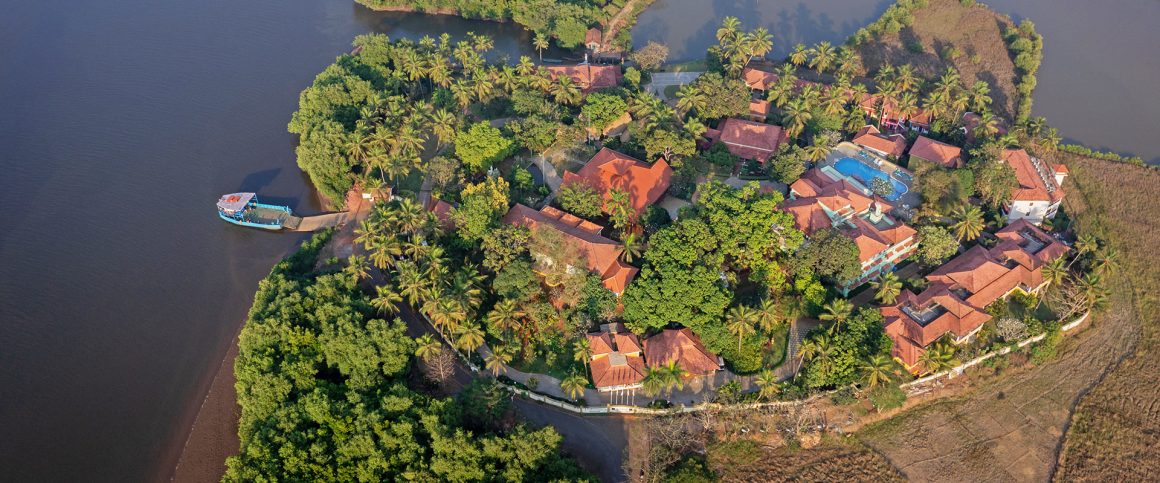
Beach culture, Portuguese colonial heritage, party-and-yoga mix
Stories · updated as we publish
Latest from India
All 6 stories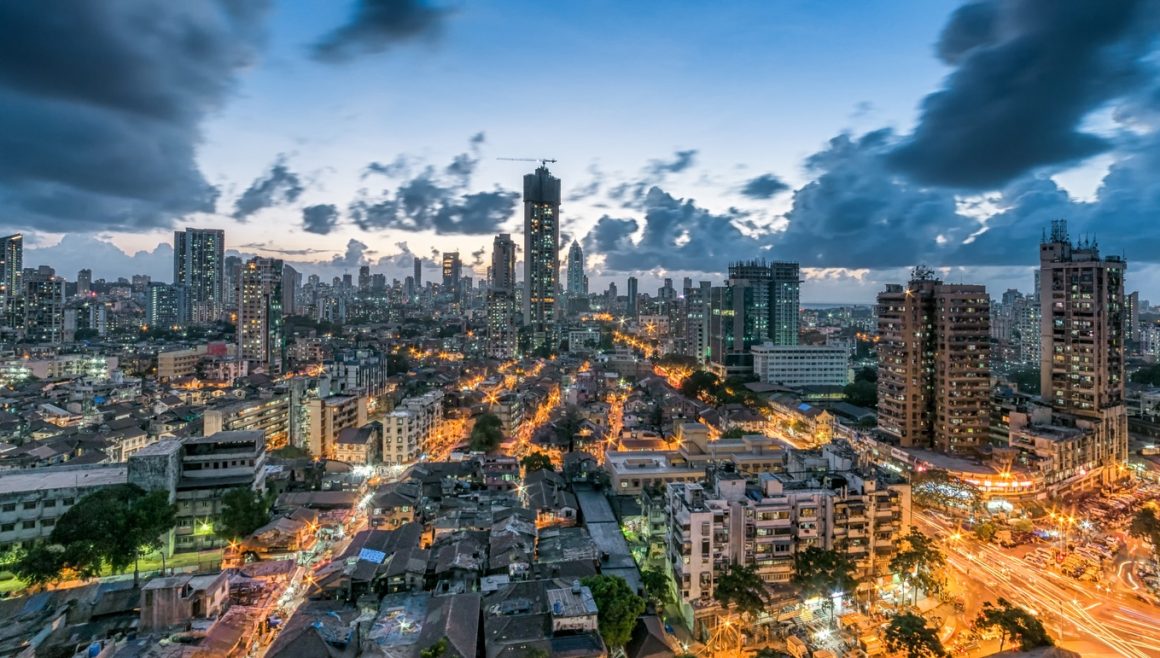

Recommended in our stories
Places in India our authors recommend
Place · Mumbai
Rose Minar, 87, Chapel Rd, Bandra West
"The food tastes new and comfortable at the same time—like a vintage car with a new engine."
Open in Google Maps ↗In Gosha Slugin’s story · Where to Eat, Drink, and Stay in Mumbai: A Guide from Bandra to Colaba

Place · Mumbai
Thadani House 329/A, Worli Village, Koliwada
A secret spot behind an inconspicuous bright door in the Worli fishing village.
Open in Google Maps ↗In Gosha Slugin’s story · Where to Eat, Drink, and Stay in Mumbai: A Guide from Bandra to Colaba
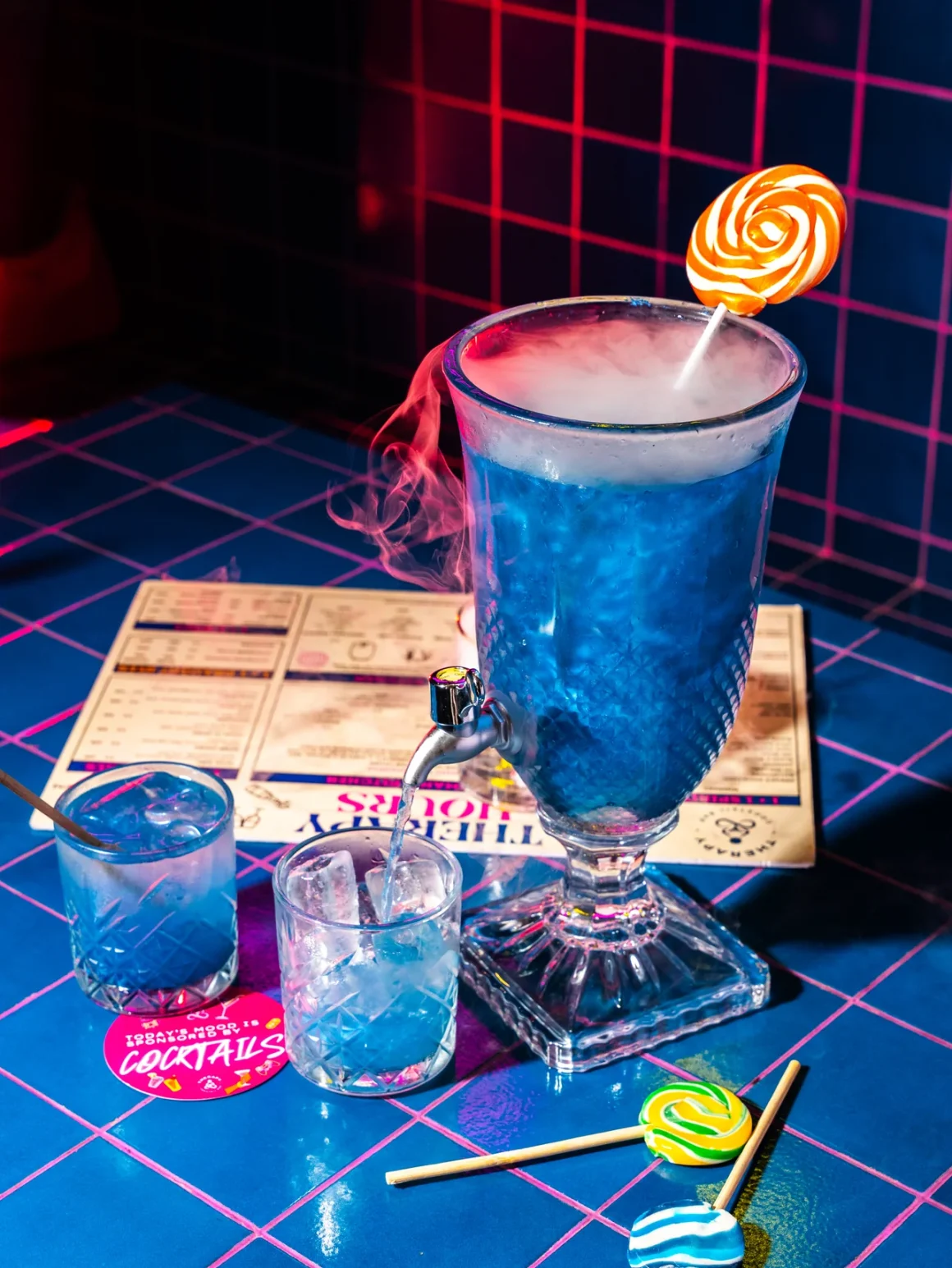
Bar · Mumbai
Ground Floor, Hotel Metro Palace, Hill Rd, Khar West
The name delivers 100%—this really is therapy after a long day.
Open in Google Maps ↗In Gosha Slugin’s story · Where to Eat, Drink, and Stay in Mumbai: A Guide from Bandra to Colaba
Don’t miss
Don’t miss in India
Must visit · Agra, Uttar Pradesh
Taj Mahal at sunrise
Yes it's the obvious answer, and it's still the right one. Buy the Mughal Monument combination ticket the day before, arrive at the East Gate by 5:30am for the 6am opening, and walk through the gateway as the marble shifts from rose-grey to white. By 9am the tour buses arrive and the moment is over.
Closed Fridays. The Taj Express train from New Delhi gets you there in 2 hours. Stay overnight; sunrise needs a hotel within 15 minutes.
Inland canal network
Kerala backwaters
Nine hundred kilometers of brackish lagoons, lakes, and rivers in Kerala — palm-fringed villages reached only by boat, life on the water unchanged for centuries. Hire a traditional kettuvallam houseboat from Alleppey for a 2-day cruise.
Fly to Kochi, drive 90 minutes to Alleppey. Best November-February.
Experiences
Experiences in India locals love
- The Taj Mahal at sunrise from Mehtab Bagh
- Houseboat overnight on Kerala's backwaters
- Camel safari in Rajasthan's Thar Desert
- Varanasi Ganges sunrise boat ride
- Darjeeling-Himalayan Railway toy train
Insider tips
Insider tips for India
- Hampi — boulder-strewn ancient capital ruins (Karnataka)
- Spiti Valley in the Himalayas — Ladakh without the crowds
- Pondicherry — French colonial coastal town
- Munnar tea plantations in Kerala
- Bundi — Rajasthan's blue city alternative to Jodhpur
- Khasi Hills in Meghalaya for living root bridges
Our picks
India’s best restaurants, hotels and museums
Checked against Michelin, the venue or Google.
Indian Accent (Delhi)
Michelin
$$$$ (INR 6,000+ tasting menu)
Manish Mehrotra's modern Indian — World's 50 Best regular, Asia's 50 Best top 10. The blue cheese naan, the Old Monk gulab jamun. The defining modern Indian restaurant.
The Lodhi Hotel, Lodhi Road, DelhiWebsite ↗
Wasabi by Morimoto (Mumbai)
Michelin
$$$$ (INR 8,000+ per person)
Iron Chef Masaharu Morimoto's Mumbai restaurant inside the Taj Mahal Palace — Japanese precision with Indian ingredients.
Taj Mahal Palace, Apollo Bunder, MumbaiWebsite ↗
Karim's (Old Delhi)
Traditional
$ (INR 300-700 per person)
Mughlai cuisine since 1913 in the warren of Old Delhi alleys behind Jama Masjid. Mutton korma cooked in clay pots overnight, seekh kebab from the original family.
16 Gali Kababian, Jama Masjid, Old DelhiWebsite ↗
Bukhara (ITC Maurya, Delhi)
Traditional
$$$ (INR 4,000-7,000 per person)
Northwest Frontier Indian — clay-tandoor specialists, the dal bukhara cooked for 18 hours. No menu changes since 1977.
ITC Maurya, Sardar Patel Marg, DelhiWebsite ↗
Taj Mahal Palace Mumbai
Luxury
INR 30,000-90,000
India's most iconic hotel since 1903 — the Indo-Saracenic Heritage Wing with rooms preserving the Tata family's original vision, the Sea Lounge afternoon tea, the Harbour Bar.
Apollo Bunder, MumbaiWebsite ↗
Amanbagh
Luxury
INR 80,000-200,000
Aman's Rajasthan property — a former Mughal hunting lodge surrounded by 11,000 acres of jungle. Marble haveli pavilions, the tiger reserve nearby.
Ajabgarh, Alwar District, RajasthanWebsite ↗
The Oberoi Udaivilas, Udaipur
Luxury
INR 50,000-150,000
On Lake Pichola facing the City Palace — gilded dome-topped pavilions, the lakeside pool. World's #1 hotel multiple times in Travel + Leisure reader awards.
Haridasji ki Magri, Udaipur, RajasthanWebsite ↗
The Postcard Hotels
New 2026
INR 18,000-45,000
India's most interesting boutique hotel collection — small properties (under 20 rooms) in unusual locations. All-inclusive pricing, adults-only, the design language consistently strong across 17 properties.
Multiple (Goa, Himalayas, Western Ghats)Website ↗
National Museum (Delhi)
Indian art & archaeology
India's national collection — the Dancing Girl of Mohenjo-Daro (one of the world's oldest bronze sculptures), Mughal miniature paintings, Buddha relics.
Janpath, New DelhiWebsite ↗
CSMVS (Mumbai)
Art & decorative arts
Formerly the Prince of Wales Museum — Mumbai's grand Indo-Saracenic gallery housing Indian art, decorative arts, and natural history.
159-161 Mahatma Gandhi Rd, Fort, MumbaiWebsite ↗
Kiran Nadar Museum of Art (KNMA)
Contemporary Indian art
India's first private museum dedicated to modern and contemporary art — Subodh Gupta, Bharti Kher, Sheela Gowda. Free admission.
145 DLF South Court, Saket, DelhiWebsite ↗
On the world lists
Editor’s picks for India
A few additions for travelers planning India at the highest end:
Wildflower Hall, an Oberoi Resort, Shimla
Lord Kitchener's former residence at 8,250ft in the Himalayan cedars — one of the great mountain hotels.Rambagh Palace, Jaipur
A Taj-managed Maharaja's palace from 1835 — afternoon tea on the Verandah is Jaipur ritual.Kiran Nadar Museum of Art, Delhi
India's most ambitious private contemporary collection — a new Adjaye Associates building opens in the Saket area in 2026-27.Maharajas' Express train
India's most luxurious train, looping through Rajasthan, Agra, Khajuraho, and Varanasi — closer in feel to the Orient Express than to a Shatabdi.Taj Mahal Palace, Mumbai listed on World's 50 Best Hotels 2025
The 1903 Apollo Bunder icon comes in at #38 — with the Sea Lounge tea and Wasabi by Morimoto.
Through the year
India festivals and what’s on
October or November
Diwali
The festival of lights — homes lit with diyas, fireworks, the biggest national celebration
March
Holi
Spring colour festival — clouds of coloured powder thrown in every street
November
Pushkar Camel Fair
Rajasthan's ancient livestock fair-turned-cultural festival, surreal in the desert
Questions
India FAQ
Do I need a visa to visit India?
Most foreign nationals need a visa.
The e-Tourist Visa covers citizens of around 170 countries (including all EU, Nordic, UK, US, Canada, Australia, Russia, Brazil, and most of Asia) — apply online at indianvisaonline.gov.in typically 4–7 days before travel; 30-day, 1-year, or 5-year options ($25–80).
E-Visa is valid for entry through 31 designated airports (including Delhi, Mumbai, Bengaluru, Chennai, Kolkata, Goa, Cochin, Jaipur) and 6 seaports. From 31 March 2026, all travelers must also complete the new digital Su-Swagatam e-Arrival Card within 72 hours of landing.
Passport must be valid for at least 6 months from entry, with two blank pages. Print your e-Visa — immigration still wants the paper copy.
What's the best route for a first trip to India?
The classic Golden Triangle — Delhi → Agra → Jaipur — is the iconic first-time route, doable in 7–10 days and covering the country's most famous monuments (Red Fort, Humayun's Tomb, Taj Mahal, Amber Fort, City Palace, Hawa Mahal).
Pair it with one "chill" destination to balance the intensity: Goa for beaches and Portuguese-influenced coast, Kerala for backwater houseboats and Cochin, or Udaipur for the lake palace and a slower Rajasthan pace.
With 14 days, add Varanasi (Hindu spiritual capital on the Ganges) or Rishikesh (yoga and the foothills of the Himalayas). Coming from the US or Europe, plan 10–14 days minimum — internal travel time eats more of the trip than you expect.
When is the best time to visit India?
October to March is the universal answer — cool, dry, pleasant 15–25°C across most of the country, perfect for the Golden Triangle, Rajasthan, and southern India. April and May bring intense heat (40°C+ across the north), but it's the only time to visit hill stations and the Himalayan foothills comfortably. June to September is monsoon — heavy in Mumbai, Goa, and Kerala (lush, dramatic, fewer tourists, lower prices), but northern India stays travelable with the right planning. Festivals worth planning around: Holi (March, the festival of colors), Diwali (October/November, the festival of lights), the Pushkar Camel Fair (November in Rajasthan), and the Jaisalmer Desert Festival (February).
Book the Taj Mahal sunrise slot well in advance — it's the country's most-visited monument.
Is Indian street food safe to eat?
Yes — with rules. Indian food is one of the great pleasures of travel here, and skipping street food means missing half of what makes the trip.
Three guides: eat where locals queue (high turnover = fresh; office workers at lunch is the strongest signal), everything cooked hot in front of you (dosa, samosa, pakora, kebabs — fine; uncooked salads and pre-cut fruit — riskier), and drink only bottled or filtered water (and avoid ice in budget places). Delhi belly is real for the unprepared; consider taking probiotics for a week before flying, and start gently — yoghurt-based dishes (lassi, curd rice) help.
Pharmacies sell oral rehydration salts everywhere for ~10 rupees. South Indian food (dosa, idli, sambar) tends to be milder; North Indian curries are heavier and richer.
How do I get around India between cities?
Three options. Domestic flights (IndiGo, Vistara, Air India) are the fastest — Delhi to Mumbai or Bangalore in 2 hours for $40–100, book through Goibibo or Cleartrip. Trains are the iconic Indian experience and surprisingly comfortable in upper classes (1AC, 2AC, 3AC sleeper); the Gatimaan Express Delhi–Agra in 1h40 and the Shatabdi Express Delhi–Jaipur are well-loved tourist routes.
Book through IRCTC or 12Go.asia 30–60 days ahead — popular routes sell out. Private car with driver is the most flexible for the Golden Triangle and Rajasthan — typically $40–80/day including driver and fuel, arranged through your hotel or a reputable agency.
Avoid driving yourself; Indian roads need local skill. Within cities, use Uber or Ola rather than street autos for fair pricing.
Locals Insider
Spotted a mistake? Know a better place?
We check every guide against official sources, but places change. Tell us what’s out of date, or the spot you’d send a friend to.
Tell us about itMore countries
Is India for you?
Genuinely overwhelming in the best way — 28 states that each feel like distinct countries, deep history layered with sensory chaos, and travel experiences that range from luxury rail journeys to backpacker classics. India rewards travelers who commit.
You’re
The Sensory Explorer
Cultural travelers
Spiritual travelers
Adventure travelers
Budget travelers
Backpackers
Walkability4
Getting around7
Safety6
Weather6
Value for money10
LGBTQ+ friendly4
Crowds6
Digital nomads7
When to go
Best time to visit India
From a local
Locals in IndiaLocals here
All authors
Sudhir Sundrani
Sudhir Sundrani is the founder of G8Trip, an AI travel planner. Before that, he spent eighteen years building digital products at ShareChat, Dailyhunt, and Vizury, with IIT Kanpur somewhere underneath it all.
He's traveled to fifteen-plus countries — most recently Bali, where he tested his own product live, mid-trip. Bengaluru-based.

Gosha Slugin
Gosha Slugin is a journalist and editor who has worked for the international magazine Time Out and as a PR specialist at the British Higher School of Art and Design.
He now lives with his family in Alanya, Turkey, where he organizes movie nights and runs a blog about the vibrant local life.

Alex Copenguy
Alex Copenguy, founder of Localsinsider.com, loves exploring cities on foot, finding cozy, historic boutique hotels, and avoiding tourist spots.
He's passionate about Scandinavian simple yet functional design, contemporary art, and enjoys mussels with fries and cold prosecco. A fan of saunas and banyas, he always seeks out a good male massage when traveling.
11 places on the map
Elsewhere on Locals Insider