
 Argentina
 Austria
 Azerbaijan
 Belgium
 Brazil
 Canada
 Chile
 China
 Colombia
 Costa Rica
 Croatia
 Cyprus
 Czech Republic
 Denmark
 Egypt
 Estonia
 Finland
 France
 French Polynesia
 Georgia
 Germany
 Greece
 Greenland
 Hong Kong
 Hungary
 Iceland
 India
 Indonesia
 Ireland
 Italy
 Japan
 Kenya
 Lithuania
 Malta
 Mauritius
 Mexico
 Mongolia
 Montenegro
 Morocco
 Netherlands
 Norway
 Oman
 Peru
 Poland
 Portugal
 Saudi Arabia
 Serbia
 Singapore
 Slovenia
 South Africa
 South Korea
 Spain
 Sweden
 Switzerland
 Taiwan
 Thailand
 Türkiye
 USA
 United Arab Emirates
 United Kingdom
 Uruguay
 Uzbekistan
 Vietnam
Destinations › Asia › Uzbekistan
Country guide · Asia
Uzbekistan
Uzbekistan Travel Guide: Samarkand, Bukhara, Khiva in 2026
Your Uzbekistan guide, curated by Locals Insider
Uzbekistan, by Locals Insider
Uzbekistan is the Silk Road country with the world's most photographed Islamic architecture, and which most American travelers haven't put on their list yet. Samarkand's Registan Square is one of the most breathtaking man-made sights anywhere.
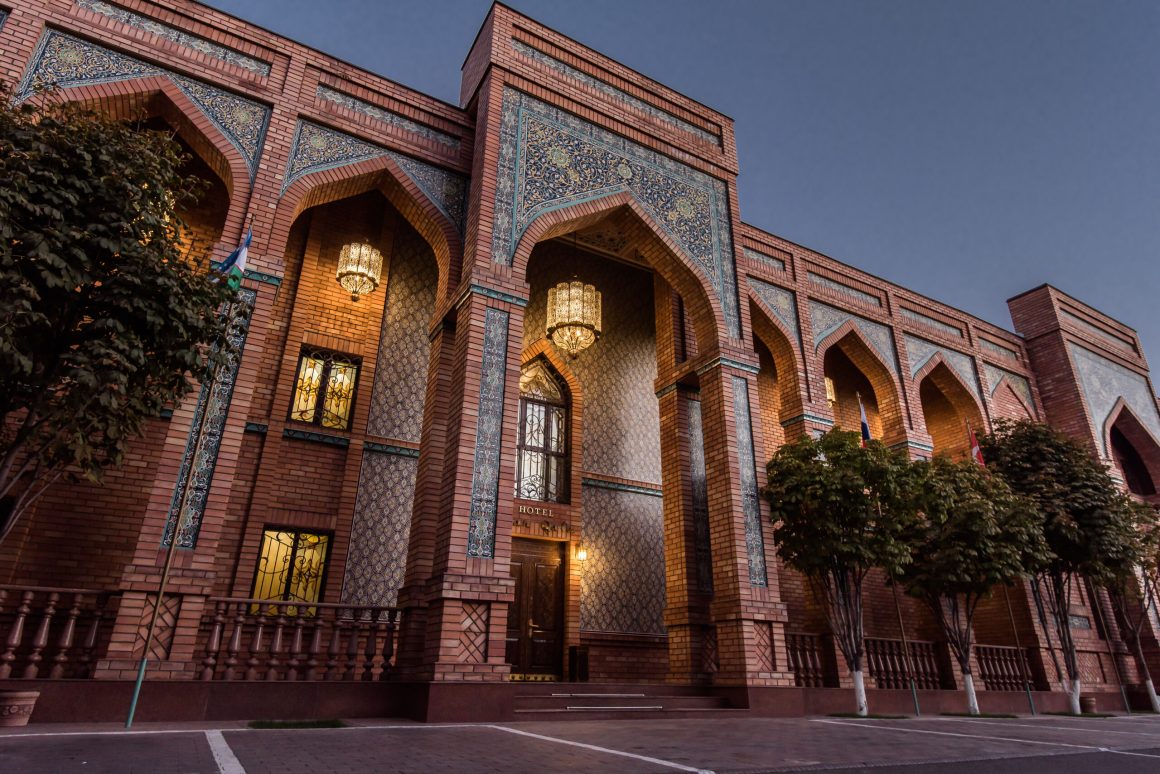
Bukhara's UNESCO old city has 140 mosques and madrasas mostly intact across 500 years (you can sleep inside a converted madrasa at Orient Star Khiva). Khiva is the walled desert city in the far west.
Our Uzbekistan coverage focuses on the Silk Road route (Tashkent → Samarkand → Bukhara → Khiva), the converted-madrasa hotels worth booking, and the food culture that bridges Central Asia and the Middle East.
Cities to explore
Where to go in Uzbekistan
Cities with a full guide are marked “City guide”.
Samarkand
Registan Square, Gur-e-Amir mausoleum, Silk Road capital of Timurid Empire
City guide · 1 story
Bukhara
UNESCO-listed old city — 140 mosques, madrasas, caravanserais, mostly intact
City guide · 1 story
Khiva
Walled desert city in the Khorezm region — like walking into an illustration
Tashkent
Uzbekistan's modern capital — Soviet metro system with chandelier stations, growing food scene
City guide · 1 story
Stories · updated as we publish
Latest from Uzbekistan
1 storyDon’t miss
Don’t miss in Uzbekistan
Must visit · Samarkand
Registan Square in Samarkand at sunrise
Three madrasas surrounding a central plaza — Ulugh Beg (1417), Sher-Dor (1636), Tilya-Kori (1660) — covered in turquoise and cobalt majolica tiles, the most photographed sight in Central Asia. Arrive at 6am before the tour buses; the early light makes the tiles glow.
Fly to Samarkand or 2 hours by Afrosiyob bullet train from Tashkent.
Steppe lake & desert
Aydar Lake & the Kyzylkum Desert
A 4,000 sq km lake created by accidental Soviet irrigation in the 1960s, now sitting in the middle of the Kyzylkum Desert. Stay overnight at the yurt camp near Sentyab village; camel rides at sunrise.
4 hours by car from Samarkand. Heated yurts in winter at Yurt Camp Aydarkul.
Experiences
Experiences in Uzbekistan locals love
- Sunrise at Samarkand's Registan Square — three madrasas, no people, golden light
- Bukhara's old town at golden hour — Lyabi-Hauz pool, madrasas, traditional plov dinner
- Khiva walled city — Itchan Kala fortress at dusk, with no electric lighting inside
- Plov tasting at the Central Asian Plov Centre in Tashkent — Uzbekistan's national dish, taken seriously
- Train journey on the Afrosiyob bullet train — Tashkent to Samarkand in 2 hours
Insider tips
Insider tips for Uzbekistan
- Samarkand and Bukhara are an easy fly-in/fly-out, but Khiva requires a long detour worth taking
- Stay in a converted madrasa in Bukhara — several have become boutique hotels
- Plov is regional — Samarkand plov, Bukhara plov, and Tashkent plov are all different, all serious
- Avoid August (45°C) — May or September are the sweet spots
- Uzbek tea (chai) is offered constantly — accept it always, it's the cultural greeting
Our picks
Uzbekistan’s best restaurants, hotels and museums
Checked against Michelin, the venue or Google.
Plov Center (Tashkent)
Traditional
$ (UZS 50,000-100,000 per person)
Tashkent's most famous plov institution — chef Akhror Akhmedov's giant kazan cooks 1,000+ servings daily. Lunch only, queues at noon.
1 Iftikhor St, Tashkent
Karimbek (Tashkent)
Traditional
$$ (UZS 150,000-300,000 per person)
Refined Uzbek with theatrical presentation — manti dumplings, slow-cooked beshbarmak, the dimlama stew.
194 Usman Yusupov St, Tashkent
Bibikhanym Teahouse (Samarkand)
Traditional
$ (UZS 80,000-150,000 per person)
Open-air teahouse beside Samarkand's largest mosque — the rooftop terrace with views of the Bibi-Khanym dome.
Opposite Bibi-Khanym Mosque, Samarkand
Old Bukhara
Traditional
$$ (UZS 100,000-200,000 per person)
Inside an old caravanserai in Bukhara's old town — Uzbek classics in a courtyard with a 12th-century well.
Bahaouddin Naqshbandi St, Bukhara
Silk Road by Minyoun (Samarkand)
Luxury
USD 350-700
Samarkand's most architectural luxury property — opened 2022. Walking distance to Registan, two pools, three restaurants, rooftop bar with mausoleum views.
Boulevard Silk Road Samarkand, SamarkandWebsite ↗
Hyatt Regency Tashkent
Luxury
USD 220-450
Tashkent's flagship international hotel — the indoor pool, Sette Italian restaurant, walking distance to the Hazrat Imam Complex.
1A Navoi St, TashkentWebsite ↗
Hotel Asia Bukhara
Boutique
USD 90-180
Boutique hotel inside Bukhara's UNESCO old town — traditional courtyard with Bukhara-tiled rooms, Lyabi-Hauz pool 5 minutes' walk.
57 Mekhtar Anbar St, BukharaWebsite ↗
Orient Star Khiva (Madrasa)
Boutique
USD 80-150
A converted 19th-century madrasa inside Khiva's walled old city — rooms in former student cells, the courtyard with original tilework.
Pakhlavan Mahmoud St, Itchan Kala, Khiva
Savitsky State Art Museum (Nukus)
Soviet avant-garde art
The world's most surprising art museum — Igor Savitsky's smuggled collection of Russian and Uzbek avant-garde art the Soviets had banned. 80,000+ works hidden in the desert town of Nukus.
Karakalpakstan Republic Square, NukusWebsite ↗
Afrosiyob Museum (Samarkand)
Pre-Islamic history
The Samarkand archaeological site museum — 7th-century murals from the Sogdian palace at Afrosiyob, depicting trade caravans and royal hunts.
Tashkent Rd, Samarkand
Khan's Palace (Khiva)
Historical palace
Inside the walled old city of Khiva — the Tash Khauli summer palace of the Khorezm khans, intricate carved-wood columns and tiled iwans.
Itchan Kala, Khiva
On the world lists
Editor’s picks for Uzbekistan
A few additions for the Silk Road traveler heading to Uzbekistan:
Boutique Bibikhanym Hotel, Samarkand
A small heritage hotel walking distance from the Bibi-Khanym mosque.Private after-hours Registan visit
Arrangeable through specialist operators (Untamed Borders, Cox & Kings) — the Registan's three madrasas alone justify the trip.The State Museum of History of the Timurids, Tashkent
Genuinely good history museum on Tamerlane and the Timurid dynasty.Sleep in a traditional yurt at Aydar Lake
Camel rides at sunset, Kazakh nomadic-style accommodation — easily added to a Khiva-Bukhara-Samarkand circuit.
Through the year
Uzbekistan festivals and what’s on
March 21
Navruz
Persian/Central Asian New Year on spring equinox — major holiday, sumalak preparation, traditional dances
May
Silk and Spices Festival
Bukhara's annual celebration of Silk Road heritage — handicrafts, food, music in the old city
August (every 2 years)
Sharq Taronalari Music Festival
International music festival in Samarkand showcasing Eastern musical traditions
Questions
Uzbekistan FAQ
Do I need a visa to visit Uzbekistan?
Uzbekistan has transformed from one of Central Asia's hardest visa countries into one of its easiest.
Citizens of over 90 countries — including all EU/Nordic countries, the UK, Canada, Australia, Japan, South Korea, Singapore, the UAE, Saudi Arabia, and now the US (visa-free from January 1, 2026) — can enter visa-free for up to 30 days.
No advance application needed; the stamp is issued at Tashkent or Samarkand airports, or at land crossings. Russian passport holders visa-free for 60 days.
For nationalities not on the visa-free list, the e-Visa at e-visa.gov.uz costs $20–40 and takes 2 business days. Registration rule: hotels register you automatically; if you stay in private accommodation or Airbnb for more than 3 days, you must register at the local OVIR office (or risk a small fine on exit — most travelers staying in hotels can ignore this).
Passport valid 3 months beyond entry. Uzbekistan switched its US State Department travel advisory to Level 1 (lowest) in 2025 — one of the safer Central Asian options.
When is the best time to visit Uzbekistan?
Uzbekistan has an extreme continental climate — brutally hot summers and cold winters. April–May and September–October are the universal sweet spots — 20–28°C, dry, sunny, ideal for walking the Silk Road cities, low humidity. March hosts Navruz (Persian/Central Asian New Year, March 21) — traditional music, folk dance, plov in every neighborhood, the most culturally rich travel window. Late September to mid-October is photographer's gold — vineyards in harvest, autumn light on the Registan tilework, fewer tourists than spring. Avoid June–August — Tashkent hits 35–38°C, Bukhara and Khiva regularly exceed 40°C (heat radiates off the desert and the tilework, walking outside between 11am and 4pm is unworkable).
If you must visit in summer, see the cities at dawn and after 6pm; rest indoors during the day. Winter (December–February) is cold (-5 to +5°C), occasional snow on the domes (beautiful for photography), crowds minimal, hotel prices lowest. Ramadan (2026: Feb 17–Mar 18) — Uzbekistan is more secular than the Gulf; most restaurants stay open.
What's the classic Uzbekistan Silk Road itinerary?
10–14 days minimum for the classic four-city Silk Road circuit.
Excellent high-speed Afrosiyob train connects the main cities (book at uzrailpass.uz, $20–40 per leg). Tashkent (2 nights): the capital — Chorsu Bazaar (the cinematic blue-domed market for spices, dried fruits, plov), the Khast Imam complex (containing the world's oldest Quran, the 7th-century Uthman Quran), Soviet metro stations decorated like palaces (free, photograph as long as you avoid soldiers), Plov Center at Besh Qozon for the national dish. Samarkand (3 nights, the highlight): the Registan (three blue-tiled madrasas around the world's most photographed plaza — see it at sunset and lit at night), Shah-i-Zinda avenue of mausoleums, Bibi-Khanym Mosque, Gur-e-Amir (Tamerlane's tomb), Ulugbek Observatory. Bukhara (3 nights): the most intact medieval Silk Road city — Po-i-Kalyan complex, Lyabi-Hauz, the old Jewish quarter, Ark Fortress, dozens of working madrasas. Khiva (2 nights): the walled inner-city of Itchan Kala (entirely UNESCO-listed), feels like an open-air museum — Kalta Minor minaret, Kunya-Ark, Tash Hauli Palace. Optional: the Aral Sea desert (Moynaq's ship graveyard), the Fergana Valley.
What should I know about food, money, and culture in Uzbekistan?
Food: Uzbekistan's cuisine reflects its Silk Road position — Persian, Turkic, Russian and nomadic influences in roughly equal measure. The national dish is plov (osh) — saffron-and-cumin rice with mutton, carrots, and chickpeas, traditionally cooked in a wood-fired kazan wok.
Tashkent's Plov Center (Besh Qozon) serves it for around 50,000 UZS ($4).
Also: shashlik (skewered grilled meat), laghman (hand-pulled noodle soup, Uyghur origin), manti (steamed dumplings), somsa (baked pastry parcels), shurpa (mutton soup), and the universal non (round flatbread) baked in tandoor ovens — never put it upside down, that's considered disrespectful.
Green tea (kok choy) is the default drink. Money: Uzbek som (UZS) — €1 ≈ 14,000 UZS in 2026. Bring crisp post-2006 US dollar bills for the best exchange rates outside Tashkent — Soviet-era bills are sometimes rejected.
ATMs are limited in Bukhara and Khiva. Culture: Sunni Muslim majority, fairly secular (women without headscarves common in Tashkent); modest dress at active mosques. Russian is the lingua franca older Uzbeks share — English is improving among under-35s but a translation app helps.
How do I travel between Uzbekistan's Silk Road cities?
Uzbekistan's high-speed train network is the easiest and most enjoyable way to do the Silk Road circuit.
The Afrosiyob trains (Spanish Talgo technology) run at up to 250 km/h between the main cities — comfortable, air-conditioned, on-board snacks, English-spoken at major stations. Key times in 2026: Tashkent–Samarkand 2 hours (15+ daily trains), Samarkand–Bukhara 1h45 (4+ daily), Tashkent–Bukhara 3h40 direct (2+ daily). Khiva is the outlier — most travelers fly Bukhara/Urgench (1 hr) or take the slower overnight sleeper train Bukhara–Khiva (6 hours). Book at railway.uz, the Uzbekistan Railways app, or via uzrailpass.uz (English interface).
Fares: economy $15–30 per leg, business class $25–45. Book 1–2 weeks ahead in high season (April–May, September–October) — popular Afrosiyob trains do sell out. Domestic flights (Uzbekistan Airways): Tashkent–Urgench (for Khiva) $50–100, daily. Shared taxis are common Uzbek-style for shorter inter-city trips (cheap, fast, social, but cramped). Within cities: Tashkent has an excellent metro (5,000 UZS / €0.30 flat fare), Yandex Go taxis everywhere.
Locals Insider
Spotted a mistake? Know a better place?
We check every guide against official sources, but places change. Tell us what’s out of date, or the spot you’d send a friend to.
Tell us about itMore countries
Is Uzbekistan for you?
The Silk Road country with the world's most photographed Islamic architecture. Samarkand's Registan Square is one of the most breathtaking man-made sights anywhere; Bukhara's old town hasn't fundamentally changed in 500 years; Khiva is the walled desert city out of an Arabian Nights illustration.
Plus Tashkent's surprising Soviet-modernist architecture and a food culture (plov, samsa, lagman) that bridges Central Asia and the Middle East.
You’re
The Silk Road Explorer
Culture travelers
History buffs
Architecture fans
Off-the-beaten-path travelers
Photographers
Walkability7
Safety8
Weather6
Value for money9
LGBTQ+ friendly1
Crowds3
Food scene7
English spoken5
Remote work5
When to go
Best time to visit Uzbekistan
14 places on the map
Elsewhere on Locals Insider