
 Argentina
 Austria
 Azerbaijan
 Belgium
 Brazil
 Canada
 Chile
 China
 Colombia
 Costa Rica
 Croatia
 Cyprus
 Czech Republic
 Denmark
 Egypt
 Estonia
 Finland
 France
 French Polynesia
 Georgia
 Germany
 Greece
 Greenland
 Hong Kong
 Hungary
 Iceland
 India
 Indonesia
 Ireland
 Italy
 Japan
 Kenya
 Lithuania
 Malta
 Mauritius
 Mexico
 Mongolia
 Montenegro
 Morocco
 Netherlands
 Norway
 Oman
 Peru
 Poland
 Portugal
 Saudi Arabia
 Serbia
 Singapore
 Slovenia
 South Africa
 South Korea
 Spain
 Sweden
 Switzerland
 Taiwan
 Thailand
 Türkiye
 USA
 United Arab Emirates
 United Kingdom
 Uruguay
 Uzbekistan
 Vietnam
Destinations › Europe › Spain
Country guide · Europe
Spain
Spain Travel Guide: Madrid, Barcelona, Andalucia & Where to Go in 2026
Spain offers vibrant festivals, diverse landscapes, and rich culinary traditions. LocalsInsider travel guide reveals Spain’s hidden gems, from tapas bars to boutique stays and cultural highlights.
Your Spain guide, curated by Locals Insider
Spain, by Locals Insider
Spain runs at a different clock than the rest of Europe. Lunch starts at 2pm, dinner at 10pm, and the nightlife doesn't consider itself underway until midnight.
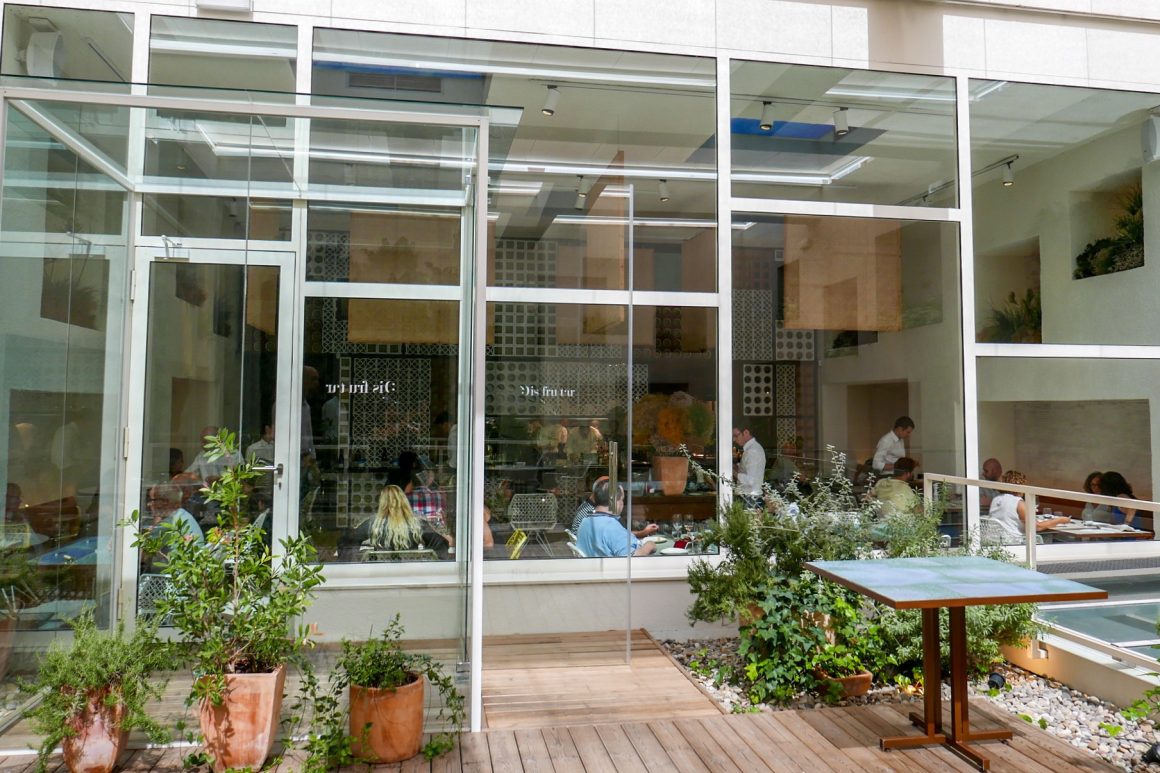
Madrid is the city that gets unfairly overshadowed by Barcelona — and meanwhile DiverXO (Dabiz Muñoz's three-Michelin-star flagship, World's 50 Best #4) and Disfrutar in Barcelona (50 Best #1 in 2024) are leading the most exciting fine dining scene in Europe.
The Basque Country in the north has Etxebarri, where everything is cooked over wood embers. Andalucía is quietly running the best food, the best architecture (Alhambra at sunset), and the warmest light in the country.
Our Spain coverage runs the full spectrum: Madrid neighborhood guides, Barcelona's design hotels, Andalucía's pueblos blancos, and the Balearic island reports for travelers who want the islands without the EDM crowds.
Quick facts · Live right now
Spain at a glance
CapitalMadrid
LanguageSpanish
CurrencyEUR
Time zoneCET (UTC+1)
Plug typeType C/F (230V)
Weather in Madrid
via Open-Meteo · updated every 6 hours
Currency exchange · EUR
via European Central Bank · updated daily
Cities to explore
Where to go in Spain
Cities with a full guide are marked “City guide”.
Barcelona
Gaudí architecture, beach city, Catalan cuisine, design hotels
City guide · 4 stories
Madrid
Museum capital, tapas crawls, world-class nightlife
City guide · 3 stories
Seville
Andalusian soul, flamenco origins, orange-tree squares
San Sebastián
Basque pintxos, surf beaches, Michelin-star density
City guide · 1 story
Stories · updated as we publish
Latest from Spain
All 11 stories

Recommended in our stories
Places in Spain we recommend and like

Museum · Madrid
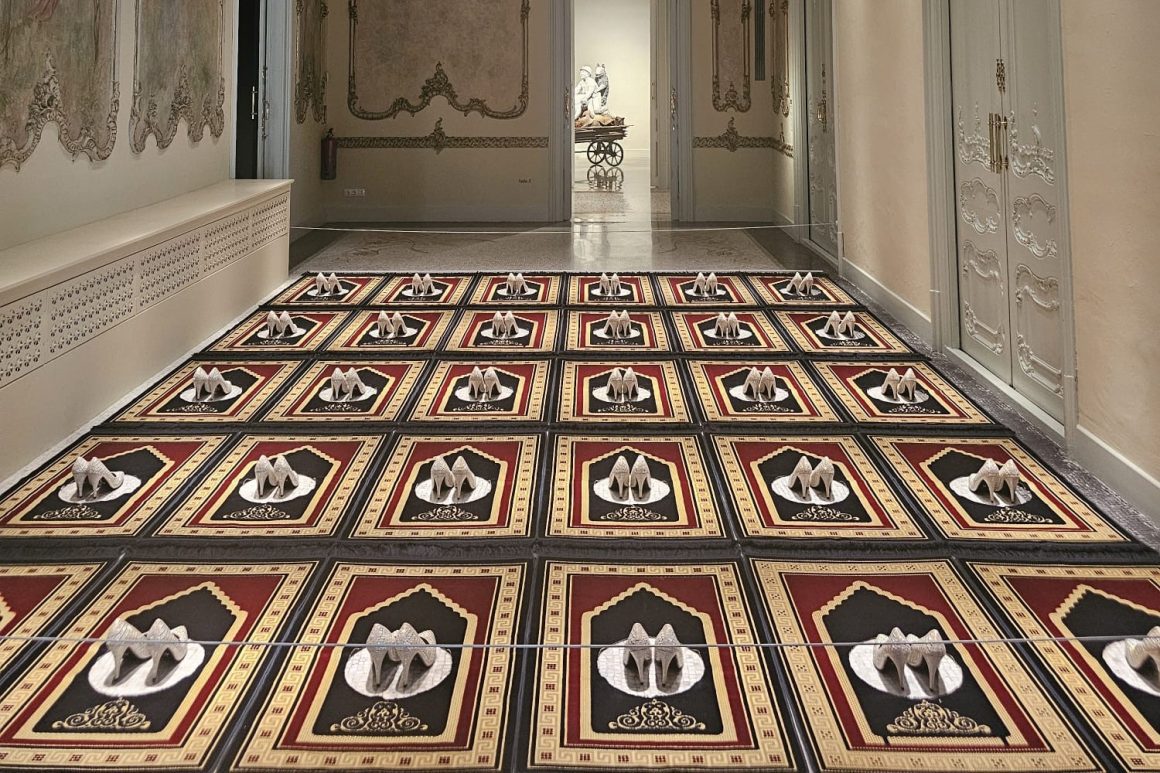
We would recommend a pleasant stroll along the Paseo del Prado, where you can visit museums such as the Prado, the Thyssen and CaixaForum, continuing on until you reach the Reina Sofía.
In Ana Arana and Enrique Ventosa’s story · “Colour Is a Construction Tool”: Plutarco Architect Studio on Madrid, Spanish Design and Why Scandi Minimalism Is Losing Its Grip
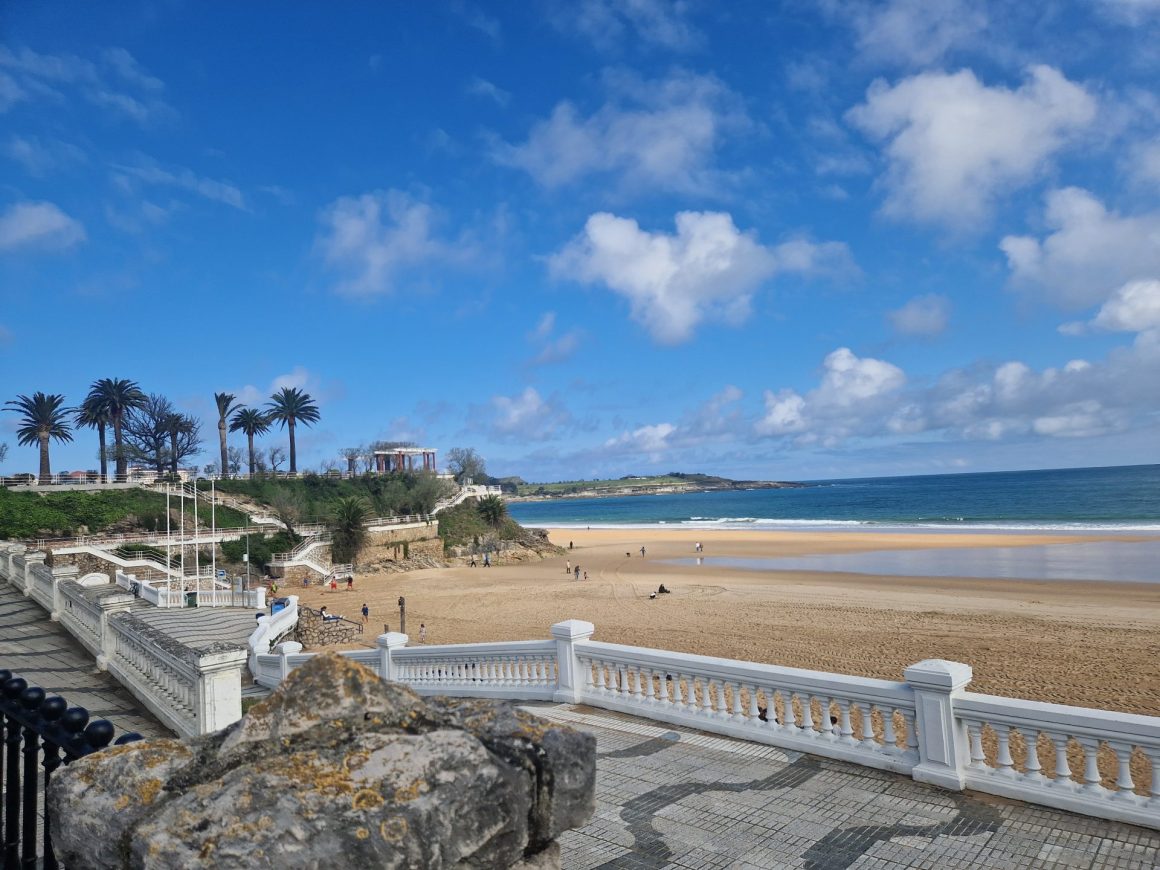
Beach
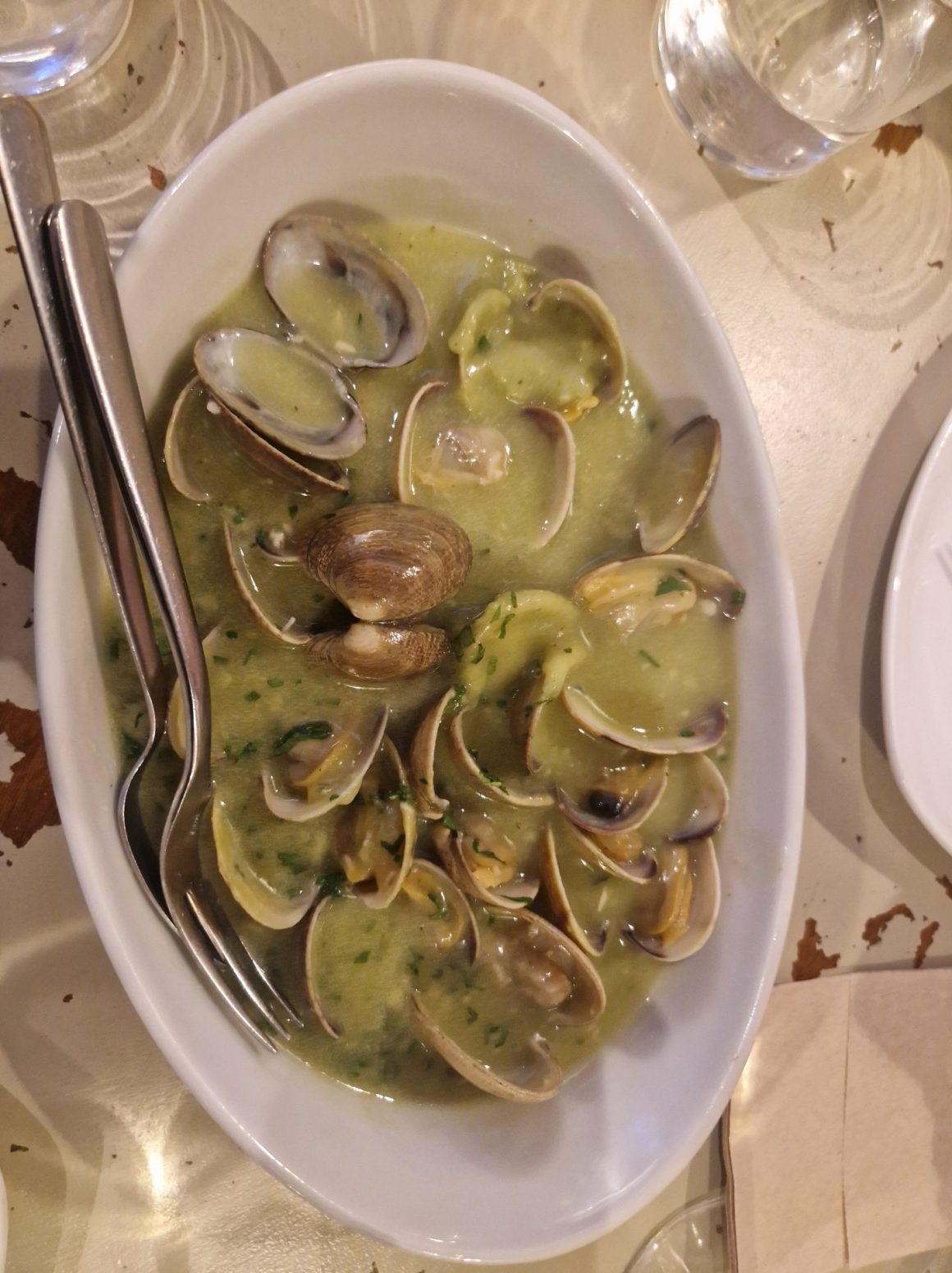
For dinner, I recommend Restaurante La Cañía, located near the casino.
In Denis Zaykovskiy’s story · My Santander Travel Guide: Beaches, Seafood Spots & Where to Stay
Hotel · Barcelona
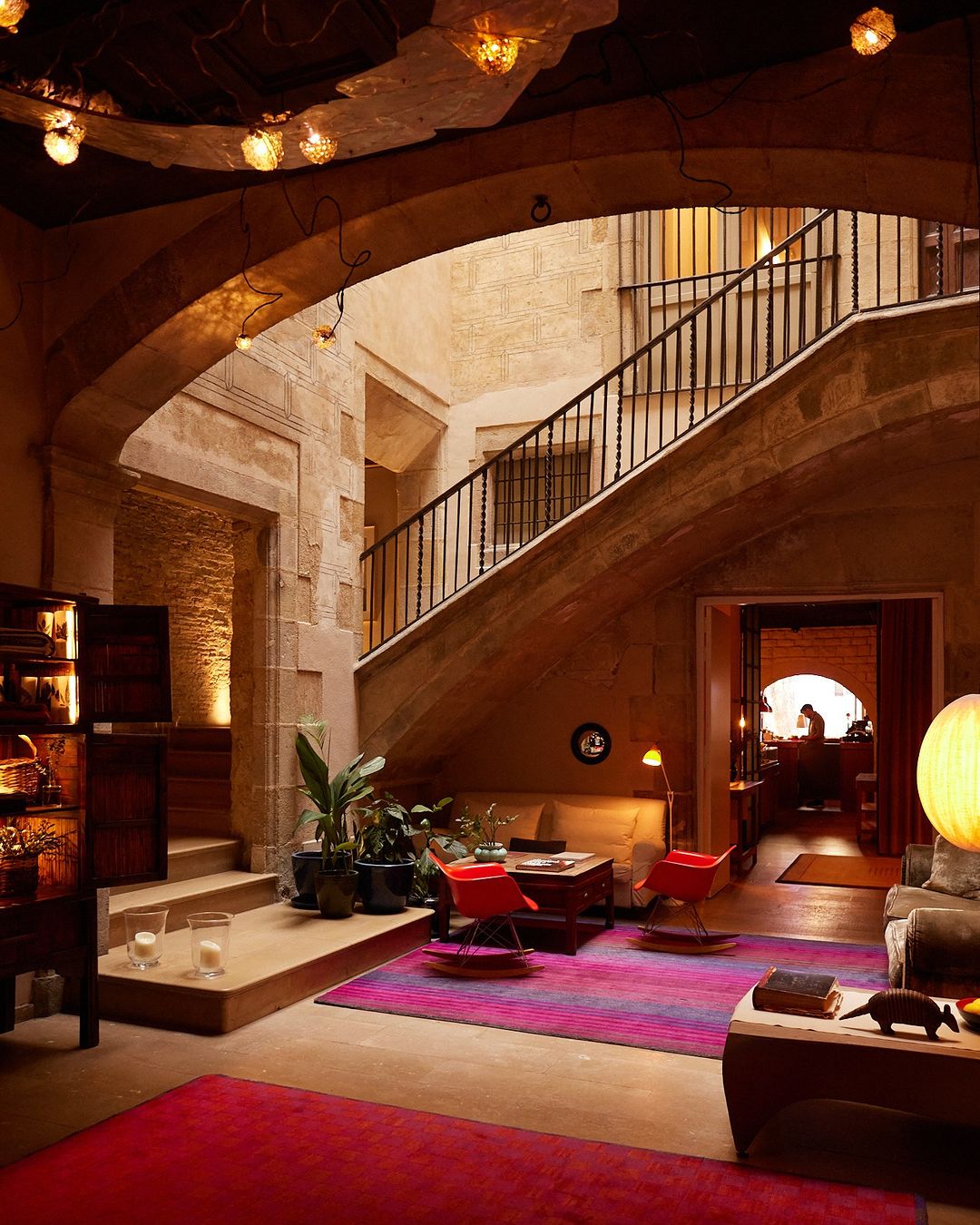
Fifty-one rooms inside the 1892 house and studio of Enric Sagnier, the Modernist architect who built hundreds of buildings across Barcelona and never got Gau…
In Locals Insider’s story · Boutique Hotels in Barcelona to Sleep In (Away from the Crowds)

Museum · Madrid
As for museums, the ones we mentioned earlier — the Thyssen, the Reina Sofía and the Prado — are essential.
In Ana Arana and Enrique Ventosa’s story · “Colour Is a Construction Tool”: Plutarco Architect Studio on Madrid, Spanish Design and Why Scandi Minimalism Is Losing Its Grip
Hotel · Barcelona
Twenty rooms in Poble-sec, at the foot of Montjuïc, designed by the Austrian designer Christian Schallert with a loose Sri Lankan influence — bespoke furnitu…
In Locals Insider’s story · Boutique Hotels in Barcelona to Sleep In (Away from the Crowds)

Place · Madrid
Swiss architects Herzog & de Meuron converted a disused power station from 1899 into this exhibition space, which opened in 2008. The botanist Patrick Blanc designed the vertical garden on the neighbouring wall.
In Ana Arana and Enrique Ventosa’s story · “Colour Is a Construction Tool”: Plutarco Architect Studio on Madrid, Spanish Design and Why Scandi Minimalism Is Losing Its Grip
Hotel · Barcelona
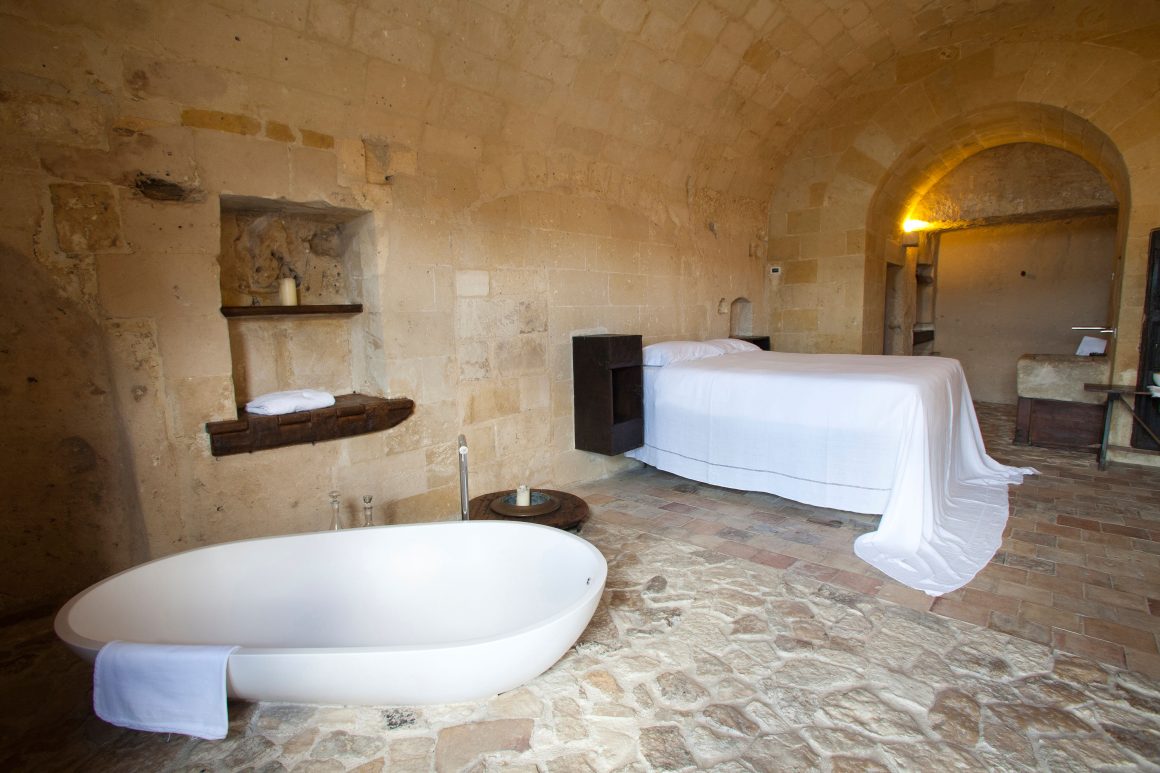
Twenty-eight rooms built into a Roman defensive tower in the Gothic Quarter, with the archaeology left visible: exposed brickwork, painted ceiling beams, and…
In Locals Insider’s story · Boutique Hotels in Barcelona to Sleep In (Away from the Crowds)
Don’t miss
Don’t miss in Spain
Must visit · Granada, Andalucía
Alhambra at sunset
The Moorish palace complex above Granada — one of the most architecturally complete monuments of Islamic civilization, with the Nasrid Palaces' tile work and the Generalife gardens that inspired Spanish patios for the next 500 years.
Visit early morning OR sunset for the best light over the Sierra Nevada.
Book tickets online 3+ months ahead. The Nasrid Palaces have a strict timed entry.
Cliffside walkway
Caminito del Rey
The 'King's little path' — a wooden walkway pinned to the gorge wall 100 meters above the El Chorro river in Málaga province. Once known as the world's most dangerous walk; now fully restored with safety rails. The original boards visible underfoot.
Book 2-3 months ahead. 8km one-way; bus from Málaga or Ardales.
Experiences
Experiences in Spain locals love
- Pintxos crawls in San Sebastián's old town
- Flamenco in a Triana neighborhood tablao in Seville
- The Caminito del Rey cliff walk in Málaga
- Tapas hopping in Madrid's La Latina on a Sunday
- Wine tasting in Rioja or Ribera del Duero
Insider tips
Insider tips for Spain
- Cádiz — Europe's oldest city, southern Spain's overlooked gem
- The white villages of Andalusia: Ronda, Arcos, Vejer
- Valencia's Las Fallas festival in March if you like organized chaos
- Galicia's Atlantic coastline for seafood and Celtic culture
- Bilbao's pintxos circuit beyond the Guggenheim
- Menorca over Mallorca — Balearic island without the crowds
Our picks
Spain’s best restaurants, hotels and museums
Checked against Michelin, the venue or Google.
DiverXO
Michelin
$$$$ (€450+ tasting menu)
Dabiz Muñoz's three-Michelin-star Madrid flagship, #4 on World's 50 Best 2025. Two avant-garde tasting menus served on canvas-like dishware. Reservations via lottery system.
Disfrutar
Michelin
$$$$ (€295+ tasting menu)
Three-Michelin-star, ranked World's #1 Restaurant 2024 by 50 Best. The three chefs (Castro, Casañas, Xatruch) all came from elBulli. Avant-garde Spanish, theatrical service.
Etxebarri
Michelin
$$$$ (€280 tasting menu)
Bittor Arginzoniz's one-Michelin-star asador an hour from Bilbao — everything cooked over wood embers, dishware and grills custom-designed for each ingredient. #2 on World's 50 Best 2025.
Cal Pep
Traditional
$$$ (€50-90 per person)
The Born tapas counter that locals queue for — no reservations, you eat standing at the bar. Pep recommends the menu; you nod. The chickpea-and-clam stew is essential.
Mandarin Oriental Ritz Madrid
Luxury
€1,200-3,000
1910 Belle Époque palace next to the Prado, Mandarin Oriental restoration completed 2021. Three Michelin Keys, the Deessa restaurant with two Michelin stars, Pictura tasting room.
Hotel Casa Fuster
Boutique
€400-900
Domènech i Montaner's modernist masterpiece on Passeig de Gràcia (1908) — Café Vienés where Woody Allen films, rooftop pool, Eixample district setting.
Hotel Marqués de Riscal
New 2026
€550-1,200
Frank Gehry-designed titanium-curve hotel embedded in a working winery in Rioja — refreshed 2025. Marqués de Riscal vineyards date to 1858. The wine spa is the destination.
Finca Cortesin
Luxury
€700-1,800
Andalucían country hotel between Marbella and Sotogrande — 67 suites set in white-washed cortijo buildings, three pools, the Roberto Trent Jones golf course. Hosted the Solheim Cup 2023.
Museo Nacional del Prado
Spanish & European masters
Velázquez's Las Meninas, Goya's Black Paintings, Bosch's Garden of Earthly Delights. The most important museum of European art outside the Louvre. Free entry 6-8pm Mon-Sat.
Guggenheim Bilbao
Contemporary art + architecture
Frank Gehry's titanium-clad museum that single-handedly transformed Bilbao from industrial port to design destination. Jeff Koons's Puppy in flowers outside. The building itself is the headline.
Reina Sofía
Modern art
Picasso's Guernica is here. Plus Dalí, Miró, Juan Gris — the major 20th-century Spanish masters. Free 7-9pm most evenings.
On the world lists
Editor’s picks for Spain
A few additions for travelers planning Spain beyond Madrid and Barcelona:
Hotel Marqués de Riscal, La Rioja
Frank Gehry's titanium-swirl hotel above the historic Marqués de Riscal winery — the original star-architect winery hotel.Hotel Mercer, Barcelona
In a medieval palace with the original Roman wall in the basement — Rafael Moneo restoration.La Bobadilla, a Royal Hideaway Hotel, Granada
An Andalusian cortijo with a private chapel hidden in 1,000 acres of hills.Museo Sorolla, Madrid
Joaquín Sorolla's own house preserved exactly as he left it — a perfect-scale escape from the Prado-Reina Sofía hike.A private night visit to the Alhambra, Granada
Arranged through the Parador de Granada or Royal Hideaway concierges.
Through the year
Spain festivals and what’s on
August
La Tomatina
World's biggest food fight, Buñol, near Valencia
July 6-14
San Fermín
Running of the bulls, Pamplona — controversial but iconic
March
Las Fallas
Valencia's fire festival — giant sculptures burned in city squares
Need a visa for Spain?
Many travelers can enter Spain visa-free, but it depends on your passport. Check your specific requirements:
Check requirements for your passport
Powered by evisas.com · We'll open your nationality-specific requirements page in a new tab.
Partner link — Locals Insider may receive a small commission at no extra cost to you. Always confirm the latest requirements with the official embassy.
Questions
Spain FAQ
Madrid or Barcelona — which should I visit first?
Different personalities, both worth your time. Madrid was named Europe's best destination for 2026 by European Best Destinations — it's the soulful, less obvious choice: world-class art (the Prado, Reina Sofía, Thyssen-Bornemisza, all walkable from each other), serious food culture (31 Michelin-starred restaurants in 2026), late-night energy, and proximity to medieval day trips (Toledo, Segovia, Ávila). Barcelona is the cinematic pick: Gaudí everywhere (the Sagrada Família is finishing key sections in 2026 for the Gaudí Centennial), Mediterranean beach in the city, Mediterranean food, and Catalonia's distinct identity.
If you have one trip and you love art and nightlife: Madrid. If you want architecture, beach, and design: Barcelona. With 10–14 days, do both, connected by the 2.5-hour AVE high-speed train.
Beyond Madrid and Barcelona, where else should I go?
Andalusia is the obvious second trip — Seville (flamenco, Real Alcázar, orange-blossom-scented spring), Córdoba (the Mezquita), and Granada (the Alhambra, which you must book months ahead). Valencia is the most underrated big city: home of paella, the futuristic City of Arts and Sciences, urban beaches, and far fewer tourists. San Sebastián for serious food (pintxos bar-hopping in Parte Vieja and three Michelin-starred restaurants in one small town). Bilbao for the Guggenheim and Basque culture.
For islands: Mallorca beyond the resorts (Tramuntana mountains, Sóller, Deià) or Menorca for a quieter, less developed Mediterranean. Spain rewards 10–14 days more than the typical week.
When is the best time to visit Spain?
April to early June and September to mid-October are the sweet spots — temperatures 20–28°C, gardens in bloom (Seville's orange blossoms in April are unforgettable), beach water warm enough to swim, and prices not yet at peak.
July and August are brutal in the interior — Madrid and Seville regularly hit 38–42°C, and locals abandon both cities for the coast.
Coastal Spain (Barcelona, Valencia, San Sebastián, Mallorca) is fine in summer but expensive and crowded. Spring festivals worth planning around: Seville's Feria de Abril (late April/May) and Holy Week in Andalusia.
Winter is quiet, mild on the coast (12–18°C), and unbeatable for Andalusia and the museums of Madrid — fewer crowds, lower prices, atmospheric light.
How does tapas culture actually work?
Tapas are small plates, but the culture varies wildly by region. In Granada and parts of Andalusia, tapas are still free with every drink — order a beer (caña) and a plate of jamón or croquettes appears unbidden. In Madrid and most cities, tapas are paid small plates, ordered to share. In Seville, you order tapa-sized portions of larger dishes (a third the size and price). In the Basque Country, the equivalent is called pintxos — small bites on bread, often displayed on the bar; you grab them and pay by counting toothpicks at the end.
The cultural ritual: bar-hop, ordering one or two plates plus a drink at each, moving on every 30–45 minutes. Eating standing at the bar is normal and cheaper than sitting at a table. Dinner runs 9–11pm.
Do I need a visa to visit Spain?
EU, EEA, and Swiss citizens enter freely. Citizens of the US, UK, Canada, Australia, Japan, and around 60 other visa-exempt countries can stay up to 90 days within any 180-day period in the Schengen Area.
From late 2026, those travelers will need an ETIAS online authorization (around €7, valid three years) before flying. Russian and Chinese passport holders need a Schengen short-stay visa via VFS Global or a Spanish consulate.
Travel insurance should cover at least €30,000 medical across the Schengen area. Spain's larger airports (Madrid Barajas, Barcelona El Prat, Palma) move quickly through EU lanes but can be slow at non-Schengen passport control — allow 60–90 minutes for connections.
Capital MadridTime CET (UTC+1)Plugs Type C/F (230V)