
Norway Travel Guide: Oslo, Bergen, Fjords & Where to Go in 2026
Explore Norway with LocalsInsider’s travel guide. From cozy boutique stays and fjord-side saunas to local dining and dramatic hiking trails, experience Norway’s magic.
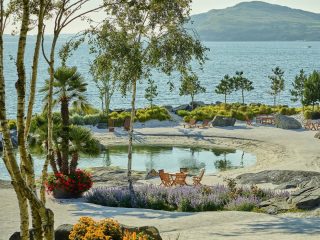
Norway is built vertical. Oslo and Bergen sit on water; everything else is reached by going up — into the fjords, across the Lofoten islands, north to Tromsø where the Northern Lights season runs October through March. The country is expensive in the way Switzerland is expensive, but the design hotels in remote locations are some of the most quietly extraordinary in Europe. Maaemo (Esben Holmboe Bang's three-Michelin-star New Nordic in Oslo) and Re-Naa in Stavanger lead the food scene. Hurtigruten ferry routes give you the coast slowly and properly.
Our Norway coverage is small but considered — focused on the fjord regions, Oslo's design and food scene, and the cold-weather travel that actually makes sense if you plan it right.
The travel personality: The Nordic Escape Seeker
Quick facts
Live right now
Best time to visit
| Season | Why go |
|---|---|
| June–August (long days, all roads open) | Aurora season runs roughly September–March in the Arctic |
| May, September | Shoulder season — fewer tourists, often cheaper, weather still good |
| November–February (Northern Lights, polar night) | Off-season — quiet, best deals, plan around weather |
Top cities to visit
Experiences you'll probably love
- Cruising the Nærøyfjord (UNESCO-listed)
- Northern Lights from Tromsø (November–March)
- Hiking Trolltunga or Preikestolen rock
- The Bergen Railway — one of the world's most scenic train rides
- Cold-water surfing in Lofoten
Not many tourists know about…
- Atlantic Road — the famed coastal drive
- Senja island — Lofoten's quieter neighbor
- Stavanger's old town and Pulpit Rock
- Røros, a perfectly preserved mining town in central Norway
- Sauna culture in Oslo's floating harbor saunas
- Hurtigruten coastal ferry — sleep onboard between fjord ports
If you visit only once, make it this
A 1,100-meter-high cliff edge that juts horizontally 700 meters above Lake Ringedalsvatnet — Norway's most photographed hike. 28km round-trip from Skjeggedal, takes 10-12 hours. Earn the photograph the hard way.
Open June-mid-September without a guide. Start at 6am to avoid the queue at the cliff edge.
Where to walk & breathe
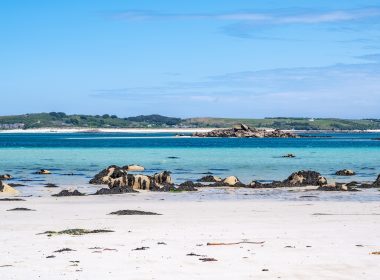
Six main islands above the Arctic Circle connected by bridges — fishing villages of red-painted rorbuer (cabins) reflected in still water, dramatic mountains rising straight from the sea, beaches with white sand and turquoise water that look tropical until you feel the temperature.
Drive the E10 from Svolvær to Å (the southernmost village, literally named "Å"). Best May-September.
Museums worth your time
13-floor tower designed by Estudio Herreros, opened 2021 in Bjørvika harbor district. Houses the world's largest collection of Edvard Munch's work, including versions of The Scream.
Visit website →Gustav Vigeland's 212 bronze and granite sculptures — the world's largest sculpture park by a single artist. The Monolith (a 14m tower of 121 entwined figures) is the centerpiece. Free, open 24/7.
Visit website →Renzo Piano-designed waterfront museum at Tjuvholmen — Damien Hirst, Jeff Koons, Cindy Sherman from the Astrup Fearnley private collection. Connected to a small public beach.
Visit website →The Insider's Edit
A few additions for travelers planning Norway beyond Oslo:
The Jensen & Skodvin glass cabins from the film Ex Machina — each room frames a different wild Norwegian view.
Three Michelin stars — chef Esben Holmboe Bang's hyper-Norwegian tasting menu in a stripped-back Bjørvika setting.
The new 13-storey Munch museum (opened 2021) on Oslo's waterfront — controversial architecture, but holds The Scream.
Scandinavia's largest art museum — the Munch room is the heart, but the design and craft galleries are also extraordinary.
The classic Norwegian coastal experience, now with a luxury suite category — passes the Lofotens and the North Cape.
Where to eat
Three-Michelin-star (since 2016) New Nordic — chef Esben Holmboe Bang's tasting menu using only Norwegian ingredients. Closing for relocation in 2025; reopening in new premises 2026.
Three Michelin stars (achieved 2023) in Stavanger — chef Sven Erik Renaa's tasting menu built around the Rogaland coast's seafood and farmers. Norway's second 3-star restaurant.
In the converted Sentralen cultural building near Oslo Opera House — Nordic seafood program with strong arctic char, mackerel, and king crab from the Barents Sea.
Oslo's food hall in the Vulkan district — Norwegian fish, cheeses, charcuterie, plus 30+ specialty food stalls and casual restaurants. Best lunch in Oslo for first-time visitors.
Where to stay
Oslo's design hotel on Tjuvholmen ('Thief Islet') — Andy Warhol prints, Damien Hirst pieces, Peter Blake mural in the lobby. Astrup Fearnley Museum across the bridge.
1897 Trondheim grande dame — Speilsalen restaurant with Michelin star, the famous Palmehaven palm garden room with year-round live music.
Hand-built log hotel on a fjord overlooking the Sunnmøre Alps — 30 rooms, the outdoor hot tub with fjord views, walking trails directly from the hotel. Relais & Châteaux.
Arctic island hotel north of Tromsø — sea cabins with Northern Lights skylights, white-sand beaches, midnight sun in June. Renovated 2024.
Realistic daily budget
Per person, per day. Excludes flights. Peak season can run 20-40% higher.
Travel safety & inclusivity
Safety scores reflect UK FCDO & US State Department travel advisories. LGBTQ+ scores reflect Equaldex and ILGA-Europe rankings. Both refreshed quarterly.
Major festivals
Need a visa for Norway?
Many travelers can enter Norway visa-free, but it depends on your passport. Check your specific requirements:
Powered by evisas.com · We'll open your nationality-specific requirements page in a new tab.
Partner link — Locals Insider may receive a small commission at no extra cost to you. Always confirm the latest requirements with the official embassy.
Not sure if Norway is right for your next trip? We'll compare 53 destinations against your travel style. Take our country matcher quiz →
Frequently asked questions about Norway
Do I need a visa to visit Norway?
Norway is in the Schengen Area but NOT in the EU. EU/EEA and Swiss citizens enter freely (Nordic citizens with national ID alone). Citizens of the US, UK, Canada, Australia, Japan, and around 60 other visa-exempt countries can stay up to 90 days within any 180-day period across the Schengen Area. From late 2026, those travelers will need an ETIAS online authorization (around €7, valid three years) before flying. Russian and Chinese passport holders need a Schengen short-stay visa via VFS Global or the Norwegian consulate. Travel insurance should cover at least €30,000 medical across the Schengen area. Norway uses the Norwegian krone (NOK) — €1 ≈ 11.50 NOK in 2026, and it's not in the eurozone. Like Sweden, Norway is heavily cashless — bring a card with no foreign-transaction fees (Revolut or Wise) and skip cash entirely if you want.
What's the best route to see the Norwegian fjords?
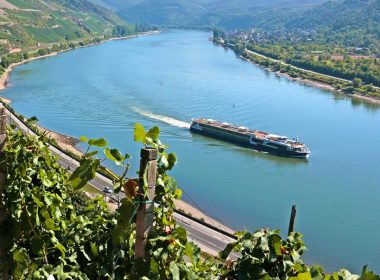
The classic 5–7 day route: Oslo (1–2 nights), then the Bergen Railway from Oslo to Myrdal (one of Europe's most scenic train rides), connecting to the Flåm Railway down to Flåm and a fjord cruise across the Nærøyfjord (UNESCO) to Gudvangen, then bus to Voss and onward train to Bergen. This is the famous "Norway in a Nutshell" route — book through Fjord Tours. Bergen (2 nights) as your base — Bryggen wharf, the funicular up Mount Fløyen, fish market. With 10 days, add Geirangerfjord (UNESCO, the most dramatic) via Ålesund, the Lofoten Islands in the north (Reine, Henningsvær — fly to Bodø, then ferry/drive), or the Atlantic Road. Fjord cruise season runs May to October; rest of the year is for aurora hunting in the north.
When is the best time to visit Norway?
Two completely different trips. June is the universal best month — long daylight (17–19 hours in Oslo, midnight sun above the Arctic Circle from late May), warming temperatures, all hiking trails accessible, fjord cruises in full operation, but slightly fewer crowds than July–August. July is warmest and busiest. September brings autumn colors, the aurora season begins in the north, prices drop 20–30%. Late September to early April is aurora season in Tromsø, Lofoten, and Senja (north of the Arctic Circle); the southern fjords get too little darkness and too much light pollution. December to February for skiing, ice-hotel stays, dog sledding. Avoid late April–May for the fjords — many high-altitude cable cars and mountain trails are still closed for the season.
Is Norway as expensive as people say?
Yes — and 20–40% pricier than Sweden or Denmark. Realistic 2026 daily budgets per person: budget (hostels, supermarket meals, public transport, free hikes) NOK 1,200–1,800 (€105–155); mid-range (3-star hotel, restaurants, Norway in a Nutshell day pass, one cable car) NOK 2,500–4,000 (€220–350); comfortable (4-star hotel, restaurants, fjord cruises, helicopter or scenic flights) NOK 5,000–8,000+ (€435–700+). Real ways to save: cook breakfast/lunch from Coop, Kiwi, or Rema 1000 supermarkets (a sit-down lunch easily hits NOK 250/€22), use the Vy train app for early-bird minipris fares, stay in cabins (hytter) outside cities for half the hotel price, and skip taxis (Oslo and Bergen public transport is excellent). Alcohol is brutally taxed — bring duty-free if you drink.
Are Lofoten Islands worth the long trip north?
Yes — for many travelers, Lofoten is the highlight of Norway. The archipelago sits above the Arctic Circle but enjoys a freakish microclimate thanks to the Gulf Stream — mild summers (10–18°C), and even winters rarely brutal. Iconic stops: Reine (the postcard fishing village under Reinebringen mountain — the hike up gives one of the most photographed views in Europe), Henningsvær (football pitch on a rock outcrop), Nusfjord (preserved fishing village), Hamnøy (red rorbu cabins over the water). Summer for midnight sun hiking, mid-September to March for aurora viewing — Lofoten is the rare place where you can see the lights from a beach. Getting there: fly to Bodø, then car ferry to Moskenes (3.5 hours), or fly directly into Leknes or Svolvær. Rent a car — public transport is sparse and the E10 coastal drive is the experience.
Locals Insider's Articles About Norway
Articles in this section are written by Locals Insider editorial team. Want to share your experience about Norway? Email us at hello@localsinsider.com.