

Serbia Travel Guide: Belgrade, Novi Sad & Where to Go in 2026
Discover Serbia with Locals Insider! From amazing restaurants and relaxing spas to Belgrade’s art spots, cool towns, and hidden resorts, we’ve got all the best tips for your trip.
Serbia is the Balkan country that punches well above its tourism profile, mostly because Belgrade is one of Europe's most underrated capitals. The city sits at the confluence of the Danube and the Sava, with a fortress that's been Roman, Ottoman, and Austro-Hungarian, and a nightlife scene built on splavs — the floating river clubs that keep going until sunrise. Skadarlija is the old bohemian quarter; Savamala is the post-industrial creative one. Novi Sad in the north is the Vojvodina capital with the EXIT festival and the Petrovaradin fortress. And Serbian food is genuinely worth the trip — meat-heavy, dairy-heavy, rakija-fueled, taken extremely seriously.
Our Serbia coverage focuses on Belgrade neighborhoods, the kafanas worth the visit, and the food scene that surprises every traveler.
The travel personality: The Balkan Explorer
Quick facts
Live right now
Best time to visit
| Season | Why go |
|---|---|
| April-June | Mild, blossom season, perfect for Belgrade and country drives |
| September | Wine harvest in Vojvodina, perfect city weather |
| July-August | Hot, but EXIT festival and full splav club scene |
Top cities to visit
Experiences you'll probably love
- Belgrade Fortress walk at sunset — Roman, Ottoman, and Habsburg history layered in stone
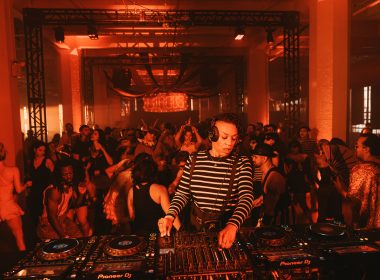
- Splav club night in Belgrade — the floating river clubs on the Sava (Belgrade nightlife is legendary)
- Rakija tasting — Serbia's national fruit brandy, taken seriously
- Drina house photography — the famous solo-cabin-on-a-rock in the middle of the river
- Etno village dinner with traditional Serbian meat and kajmak
Not many tourists know about…
- Skadarlija is Belgrade's old bohemian quarter — touristy but the kafanas are still real
- Try ćevapi, pljeskavica, and burek — meat-grilled, meat-patty, meat-pastry, all essential
- Belgrade's coffee culture is genuinely good — Koffein, Kafeterija are locals' choices
- Novi Sad in July for EXIT Festival in Petrovaradin Fortress — one of Europe's great festivals
- Drink rakija like Serbs do: small glasses, sipped slowly, with food, never as a shot
If you visit only once, make it this
2,000 years of fortifications at the confluence of the Danube and Sava — Roman, Byzantine, Ottoman, Habsburg layers visible in the stonework. The Kalemegdan park inside is where Belgrade lives. The sunset view over the river junction is the city's signature.
Free, always open. Walk up from Kalemegdanska Terasa for the panoramic view.
Where to walk & breathe
200+ stone pillars formed by erosion — narrow earthen spires capped with andesite rocks, in southern Serbia. Locally believed to be petrified wedding guests turned to stone by the devil. Strange, atmospheric, unlike anywhere else in Europe.
4 hours south of Belgrade. Best visited as part of a southern Serbia road trip.
Museums worth your time
Tito's mausoleum (the House of Flowers) plus three buildings of Yugoslav history. The relay batons collection (thousands sent to Tito for his birthday from across Yugoslavia) is poignant.
Visit website →Houses Tesla's actual ashes plus thousands of his original documents and inventions. Interactive demonstrations (Tesla coils, wireless light bulbs) make it more engaging than typical.
Visit website →Reopened 2017 after 10-year renovation — exceptional collection of Yugoslav modern art from 1900 to present. The Brutalist building itself is a landmark.
Visit website →The Insider's Edit
A few additions for travelers planning Belgrade and the Balkans:
Belgrade's only Leading Hotels of the World property — sleek modernist design and the rooftop Hot Tub Bar with city views.
A 1925 building near Saint Sava Cathedral — elegant, intimate, design-led.
Chef Vanja Puškar's tasting menu reinterpreting traditional Balkan cooking — quietly revolutionary.
A landmark Yugoslav Modernist building on the Sava-Danube confluence — reopened 2017 with the strongest Yugoslav-era collection anywhere.
Tesla's actual urn alongside working models of his inventions — small, riveting.
Where to eat
Belgrade's first Michelin-recommended restaurant — modern Mediterranean seafood in the Kosančićev venac riverside neighborhood, terrace with Sava views.
Chef Vanja Puškar's modern Balkan kitchen, opened 2019, Michelin-recommended 2026 — playful takes on Serbian classics, local ingredient focus.
Belgrade's oldest kafana (Bohemian tavern) on Skadarska Street since 1864 — Serbian classics (ćevapi, sarma, gibanica), live music nightly. Touristy but the food is genuine.
Traditional Vojvodina farmhouse restaurant — fresh paprika dishes, slow-roasted lamb, homemade rakija. The horseback rides and salas (farmstead) atmosphere are the experience.
Where to stay
Leading Hotels of the World property in central Belgrade — Japanese-inspired interiors by Isay Weinfeld, rooftop pool, walking distance to Kalemegdan Fortress.
1908 Art Nouveau Belgrade institution at Terazije Square — the famous Moskva Schnitt cake, classical café (where Beigrade's writers worked), walking distance to everything.
Vračar district boutique opposite Saint Sava Temple — Designhotels member, contemporary Serbian art collection in every room.
Boutique in Novi Sad's quiet neighborhood, refreshed 2024 — walking distance to the Danube and Petrovaradin Fortress, the EXIT Festival venue.
Realistic daily budget
Per person, per day. Excludes flights. Peak season can run 20-40% higher.
Travel safety & inclusivity
Safety scores reflect UK FCDO & US State Department travel advisories. LGBTQ+ scores reflect Equaldex and ILGA-Europe rankings. Both refreshed quarterly.
Major festivals
Need a visa for Serbia?
Many travelers can enter Serbia visa-free, but it depends on your passport. Check your specific requirements:
Powered by evisas.com · We'll open your nationality-specific requirements page in a new tab.
Partner link — Locals Insider may receive a small commission at no extra cost to you. Always confirm the latest requirements with the official embassy.
Not sure if Serbia is right for your next trip? We'll compare 53 destinations against your travel style. Take our country matcher quiz →
Frequently asked questions about Serbia
Do I need a visa to visit Serbia?
Serbia is an EU candidate country, not a Schengen member, and uses the Serbian dinar (RSD), not the euro — so the visa logic is different from EU/Schengen rules. Citizens of EU/EEA/Swiss countries, the UK, US, Canada, Australia, Japan, South Korea, Brazil, Argentina, Mexico, China, India, the UAE, Russia, Belarus, and around 90 countries total can enter Serbia visa-free for up to 90 days in any 180-day period. No advance application needed — the stamp is issued at Belgrade Nikola Tesla Airport. Russian and Belarusian travelers have made Serbia one of their most-visited European destinations since 2022 (one of the few European countries with direct Aeroflot/Air Serbia connections to Moscow). Crucial Kosovo caveat: Serbia does not recognize Kosovo as independent. If you enter Kosovo from Serbia, returning to Serbia overland is straightforward; but if you enter Kosovo first from any other country (Albania, North Macedonia, Montenegro), then try to enter Serbia from Kosovo, Serbia treats this as "illegal entry" via an unrecognized border — you'll be refused. Workaround: leave Kosovo via your original entry route. Passport valid 90 days beyond entry.
When is the best time to visit Serbia?
April to early June and September to mid-October are the universal sweet spots — 18–26°C, dry, Belgrade's river-front cafés alive but not overwhelmed, the Tara and Đerdap national parks at their best for hiking. Mid-June to mid-September is hot — Belgrade hits 30–35°C, the splavovi (the floating river clubs on the Sava and Danube) come into their own. The big summer event: EXIT Festival in Novi Sad at Petrovaradin Fortress (early July) — one of Europe's most respected music festivals, four nights of stage hopping across a fortress. Belgrade nightlife is year-round but peaks May–September when the floating clubs operate. Slava season (the patron-saint family days that mark the Serbian Orthodox calendar) is most concentrated in November–December — atmospheric if you're invited to one, but minor disruption for tourists. Winter (December–March): cold (-5 to +5°C), atmospheric snow, the Kopaonik ski resort (mid-December to mid-March, the country's best). Christmas (Orthodox calendar, January 7) and Slava-related festivities are when restaurants close briefly. Avoid mid-November and early March — grey, wet, slow.
What's the classic Serbia itinerary?
5–7 days for a satisfying first Serbia trip, rental car helpful but not essential (good bus and train network). Belgrade (3 nights): the genuinely underrated capital — Kalemegdan Fortress at the confluence of the Sava and Danube, the Skadarlija bohemian quarter (Belgrade's tiny Montmartre, traditional restaurants and live tambouritza music), the Communist-era brutalist Western City Gate, Tito's House of Flowers mausoleum and the Yugoslavia Museum, the St. Sava Temple (one of the world's largest Orthodox churches, the gold mosaic interior finished in 2018), Knez Mihailova pedestrian street, Zemun riverfront. Belgrade nightlife is legendary — the splavovi floating river clubs on the Sava and Danube (Freestyler, 20/44, River) plus underground clubs (Drugstore, KC Grad). Novi Sad (1–2 nights): 1.5 hr north — calmer, Petrovaradin Fortress overlooking the Danube (EXIT venue in July), Dunavski park, the central pedestrian Zmaj Jovina. Subotica Art Nouveau extension (1 hr further north). Tara National Park / Drvengrad (2 nights): 4 hr southwest — pristine pine forests, Emir Kusturica's wooden village/film set Drvengrad (Mećavnik). Or: the painted monasteries of Studenica and Žiča (UNESCO) in central Serbia.
Why is Belgrade nightlife so famous?
Belgrade has built one of Europe's strongest reputations for nightlife — cheaper than Berlin, less commercial than London, more sophisticated than the cliché. The combination of factors: two big rivers (Sava and Danube) with floating clubs along both banks, licensing flexibility (clubs operate 4–6am routinely, some never close), Yugoslav-era underground culture built around the alternative student scene at SKC and DOM Omladine, and genuinely good local DJs with international connections. What to know: the splavovi (literally "rafts," the famous floating river clubs) are the iconic Belgrade experience — operate May–September on the Sava (Block 70 stretch — Lasta, Freestyler, 20/44, Bali, Lukas) and on the Danube near Zemun. Each splav has a different musical identity (turbo-folk, house, hip-hop, alternative). Year-round underground clubs: Drugstore (techno, in a former slaughterhouse), KC Grad (alternative cultural center with live programming), 20/44 winter location. What to expect: starts late (real action 1–4am), face control at top splavovi can be selective (dress smart-casual, mixed groups easier than single-sex), drinks cheaper than Berlin (€4–6 for a cocktail, €2 for a beer). Don't tip excessively at splavovi — service is included; tipping €1–2 is polite, more is conspicuous.
What's Serbian food, drink, and money like?
Food: Serbian cuisine sits at the crossroads of Ottoman, Austro-Hungarian, and Slavic traditions — meat-heavy, smoky-grilled, breakfast-grade cheeses, sour cream on everything that doesn't move. Must-try: ćevapi (the iconic small minced-meat sausages — best at a proper ćevabdžinica; Walter and Loki Loko in Belgrade are legendary), pljeskavica (Serbian burger — usually ordered with kajmak), kajmak (the clotted-cream cheese that goes on everything), ajvar (red pepper and aubergine relish), karađorđeva šnicla (rolled veal stuffed with kajmak), sarma (sour-cabbage rolls), burek (filo pastry layered with meat or cheese), proja (cornbread). Sweet: baklava, tulumba, palačinke (crepes). Drinks: rakija is the national spirit — fruit brandy at 40–50% ABV, made from plum (šljivovica, the most common), quince, apricot, or grape. Home-distilled rakija is shared as a sign of hospitality — refusing is rude. Beer: Jelen, Lav, Zaječarsko. Wine: improving fast — Tikveš, Aleksandrović, Erdevik, especially Serbian-grown Prokupac red. Money: Serbian dinar (RSD) — €1 ≈ 117 RSD in 2026. Cards work in Belgrade and tourist areas; cash necessary in smaller towns. ATMs widely available. Tipping: 10% in restaurants, round up the taxi.
Locals Insider's Articles About Serbia
Articles in this section are written by Locals Insider editorial team. Want to share your experience about Serbia? Email us at hello@localsinsider.com.


