
Croatia Travel Guide: Dubrovnik, Split, Hvar & Where to Go in 2026
Croatia offers far more than its famous coastline and bustling tourist spots. With LocalsInsider.com, uncover the country’s hidden gems—stay in boutique hotels, dine at eco-friendly restaurants, and explore unique cultural landmarks. From ancient villages to serene nature retreats, we guide you to authentic, non-touristic experiences that showcase Croatia’s true essence.
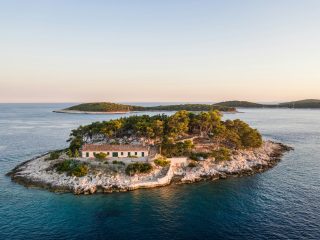
Croatia is what the Mediterranean was thirty years ago — clear water, ancient stone towns, food that hasn't been homogenized by tourism, and prices that haven't fully caught up to the rest of the EU yet. Dubrovnik is what everyone comes for; Split is the better base; the islands (Hvar, Brac, Vis, Korcula) are where the trip actually starts working. Inland, Plitvice Lakes is one of Europe's most photographed national parks for good reason, and Zagreb has quietly become one of Central Europe's more interesting cities.
Our Croatia coverage focuses on the island-hopping routes that work best, the under-touristed coastal towns, and the seasonal timing that gets you the country without the cruise ship crowds.
The travel personality: The Coastal Explorer
Quick facts
Live right now
Best time to visit
| Season | Why go |
|---|---|
| May–June, September | September swimming is perfect; July sees Dubrovnik cruise crowds at their worst |
| April, October | Shoulder season — fewer tourists, often cheaper, weather still good |
| November–March (most coastal restaurants close) | Off-season — quiet, best deals, plan around weather |
Top cities to visit
Experiences you'll probably love
- Sailing the Dalmatian coast island-hop route
- Plitvice Lakes' boardwalk through 16 cascading lakes
- Truffle hunting in Istria (Motovun area)
- Diocletian's Palace cellars in Split
- Beaches of Mljet and Lastovo islands
Not many tourists know about…
- Vis island — most remote inhabited island, JFK-bunker history
- Korčula — quieter alternative to Hvar, Marco Polo birthplace
- Zadar's sea organ — music played by the Adriatic
- Telašćica nature park on Dugi Otok island
- Konavle valley wine roads south of Dubrovnik
- Brač island's Zlatni Rat beach — Croatia's most photographed shore
If you visit only once, make it this
Roman Emperor Diocletian's 4th-century retirement palace forms the entire old town of Split — UNESCO-listed, completely inhabited (3,000 people still live within the original walls), with restaurants and shops occupying former temple chambers. Walk it at dusk when the limestone glows.
Free to walk through (you literally enter the city via it). Climb the bell tower for the panoramic view.
Where to walk & breathe
16 turquoise lakes connected by waterfalls, in Croatia's first national park. Wooden boardwalks cross directly over the falls; electric boats connect the upper and lower lakes. The water is the color of Caribbean shallows.
2 hours from Zagreb. Visit shoulder season (April-May or September); summer is crowded.
Museums worth your time
Possibly the most original museum concept in Europe — donated objects from failed romantic relationships with the donor's anonymous story attached. Surprisingly moving.
Visit website →Sculptor Ivan Meštrović's former villa overlooking Split — his major works in the gardens and inside the modernist house he designed himself.
Visit website →The Insider's Edit
A few additions to the standard Dubrovnik-and-Hvar circuit:
Cliffside above the Adriatic with the Old City rampart view that's almost too perfect — Maroje Mrduljaš-led recent refresh.
A 2020 wellness-led opening in an olive grove near Stari Grad — one of Croatia's first truly contemporary luxury resorts.
Six suites in a 17th-century bishop's palace, each themed around a stop on the Marco Polo trail.
89 mostly uninhabited islands — arrange via Zagreb-based concierges with a chef on board. One of the Mediterranean's great sailing weeks.
The 1st-century Roman amphitheatre — one of the six largest surviving — can be arranged for private evening viewings via the city's tourism board.
Where to eat
Zagreb's first-ever Michelin-starred restaurant (2023) — chef Bruno Vokal's contemporary tasting menus that change with the season. 24 seats in central Gornji Grad.
One-Michelin-star restaurant in Šibenik (Dalmatian coast) — chef Rudolf Štefan's modern Dalmatian using ingredients from a 30km radius. Cathedral-view terrace.
Family konoba on Korčula island serving peka (slow-cooked under a metal lid with embers), grilled fish, homemade pasta. Must reserve a day ahead — they cook to order.
On Dubrovnik's Lapad bay — fresh Adriatic seafood, the black risotto with squid ink, sea-view terrace. Outside the Old City crowds.
Where to stay
Cliffside hotel just outside the Old City — best view of Dubrovnik's walls from the water side, two pools, Sensori Spa, walking distance to Old Town.
1925 grande dame built for Orient Express passengers — Zinfandel's restaurant, Art Deco interiors carefully preserved, opposite Zagreb's main train station.
Opened 2021, refreshed 2025 — Croatia's most architecturally ambitious new luxury hotel on Hvar island, with a wellness program built around Mediterranean ingredients.
Korčula's only Relais & Châteaux — 18th-century bishop's palace converted to 6 residences, each themed after a country Marco Polo visited (he was reputedly born here).
Realistic daily budget
Per person, per day. Excludes flights. Peak season can run 20-40% higher.
Travel safety & inclusivity
Safety scores reflect UK FCDO & US State Department travel advisories. LGBTQ+ scores reflect Equaldex and ILGA-Europe rankings. Both refreshed quarterly.
Major festivals
Need a visa for Croatia?
Many travelers can enter Croatia visa-free, but it depends on your passport. Check your specific requirements:
Powered by evisas.com · We'll open your nationality-specific requirements page in a new tab.
Partner link — Locals Insider may receive a small commission at no extra cost to you. Always confirm the latest requirements with the official embassy.
Not sure if Croatia is right for your next trip? We'll compare 53 destinations against your travel style. Take our country matcher quiz →
Frequently asked questions about Croatia
Do I need a visa to visit Croatia?
Croatia joined the Schengen Area in January 2023, so EU, EEA, and Swiss citizens enter freely. Citizens of the US, UK, Canada, Australia, Japan, and around 60 other visa-exempt countries can stay up to 90 days within any 180-day period across the Schengen Area (Croatia included). From late 2026, those visa-exempt travelers will need an ETIAS online authorization (around €7, valid three years) before flying. Russian and Chinese passport holders need a Schengen short-stay visa via VFS Global or the Croatian consulate. Travel insurance should cover at least €30,000 medical across the Schengen area. Croatia uses the euro (switched from kuna in January 2023). Passport must be valid for at least 3 months beyond your intended departure.
What's a good 7-day Croatia itinerary?
The classic Dalmatian Coast route: Split (2 nights) — Diocletian's Palace, the Riva promenade, ferry hub for the islands. Hvar (2 nights) — Hvar Town's harbor, lavender fields, and the Pakleni Islands offshore. Korčula (1 night) — Marco Polo's reputed birthplace, a compact Venetian-era town. Dubrovnik (2 nights) — the 2km circuit of medieval walls is among Europe's finest urban walks. Connect them all by Jadrolinija catamaran (€8–20 per hop, book ahead in summer). If you have 10 days, add Plitvice Lakes National Park (UNESCO, 16 turquoise lakes connected by waterfalls — 3 hours from Split, book timed-entry tickets online) and a night in Zagreb. United Airlines now flies direct from Newark to Split (April 2026 onwards), changing the logistics for US travelers.
When is the best time to visit Croatia?
May and September are the sweet spot — air temperatures 22–28°C, sea 21–24°C in September (still swimmable), fewer crowds, and accommodation 25–35% cheaper than July–August. June and early October work well too. July and August are peak: the hottest weather, the liveliest festival scene (Ultra Europe in Split, the Dubrovnik Summer Festival), but also packed Plitvice, cruise-ship overflow in Dubrovnik, and serious heat (32°C+ in coastal towns). Croatia welcomed over 20 million international visitors in 2025 and generated €15.3 billion in tourism revenue — book accommodation and Plitvice tickets at least 2 months ahead for peak. Winter is quiet on the coast (most island hotels close November–April), but Zagreb's Christmas market is one of Europe's best.
Are Croatian beaches sandy or pebble?
Almost all are pebble or rocky — Croatia has very few sand beaches, and this comes as a surprise to people expecting a typical Mediterranean strip of sand. The trade-off: the water is exceptionally clear (no sand to cloud it), and the views are some of the Adriatic's most dramatic. Bring water shoes — essential for getting in and out comfortably, especially at rocky entries. The rare sand beaches worth knowing: Zlatni Rat (Bol, Brač Island) — the famous V-shaped sand spit that shifts shape with the wind. Sakarun (Dugi Otok) — long shallow sand, family-friendly. Lopar (Rab Island) — Croatia's biggest sandy bay. Best pebble beaches: Stiniva (Vis), Nugal (near Makarska), and Pasjača (south of Dubrovnik) — voted Europe's best beach in recent years.
How do I get around the Croatian islands?
Jadrolinija is the main national ferry company, with both car-passenger ferries and faster passenger-only catamarans. Foot passenger fares are €8–20 per hop. Split is the main hub, with connections to Hvar, Brač, Vis, and Korčula, and a long-distance catamaran to Dubrovnik via the islands. Book catamarans 1–2 months ahead for July and August — they sell out, especially the Split–Hvar morning departures. Krilo and TP Line run additional summer catamaran routes. Suggested first-timer's island chain: Split → Hvar (2 nights) → Korčula (2 nights) → Dubrovnik. If you want to rent a car, do it on the mainland and skip taking it onto small islands (where parking and narrow streets are headaches). Within Hvar and Korčula towns, everything is walkable.
Locals Insider's Articles About Croatia
Articles in this section are written by Locals Insider editorial team. Want to share your experience about Croatia? Email us at hello@localsinsider.com.