
India Travel Guide: Delhi, Rajasthan, Goa & Where to Go in 2026
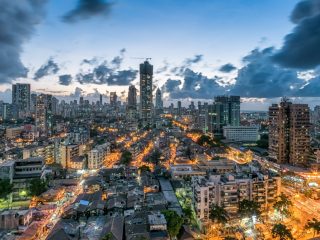
India is the country that wears every traveler down and rewards them anyway. Delhi is the layered capital — Old Delhi's Mughal alleys (Karim's still serves the kababs it served in 1913), New Delhi's Lutyens-era avenues, the National Museum's millennia of artifacts. Mumbai is the louder, faster, more modern megalopolis — the Taj Mahal Palace facing the Gateway of India, Iron Chef Morimoto's restaurant inside that very Taj. The Golden Triangle handles the icons; Rajasthan opens up beyond it; Kerala's backwaters slow everything down; Goa is the southern beach exception.
Our India coverage focuses on the boutique hotel renaissance (Postcard Hotels, Amanbagh, Oberoi Udaivilas), modern Indian fine dining (Indian Accent), and the practical itinerary work that makes India a great first trip, not an overwhelming one.
The travel personality: The Sensory Explorer
Quick facts
Live right now
Best time to visit
| Season | Why go |
|---|---|
| October–March (most of the country) | Don't underestimate the size — pick 2-3 regions max for one trip |
| September, April | Shoulder season — fewer tourists, often cheaper, weather still good |
| May–September (hot then monsoon) | Off-season — quiet, best deals, plan around weather |
Top cities to visit
Experiences you'll probably love
- The Taj Mahal at sunrise from Mehtab Bagh
- Houseboat overnight on Kerala's backwaters
- Camel safari in Rajasthan's Thar Desert
- Varanasi Ganges sunrise boat ride
- Darjeeling-Himalayan Railway toy train
Not many tourists know about…
- Hampi — boulder-strewn ancient capital ruins (Karnataka)
- Spiti Valley in the Himalayas — Ladakh without the crowds
- Pondicherry — French colonial coastal town
- Munnar tea plantations in Kerala
- Bundi — Rajasthan's blue city alternative to Jodhpur
- Khasi Hills in Meghalaya for living root bridges
If you visit only once, make it this
Yes it's the obvious answer, and it's still the right one. Buy the Mughal Monument combination ticket the day before, arrive at the East Gate by 5:30am for the 6am opening, and walk through the gateway as the marble shifts from rose-grey to white. By 9am the tour buses arrive and the moment is over.
Closed Fridays. The Taj Express train from New Delhi gets you there in 2 hours. Stay overnight; sunrise needs a hotel within 15 minutes.
Where to walk & breathe
Nine hundred kilometers of brackish lagoons, lakes, and rivers in Kerala — palm-fringed villages reached only by boat, life on the water unchanged for centuries. Hire a traditional kettuvallam houseboat from Alleppey for a 2-day cruise.
Fly to Kochi, drive 90 minutes to Alleppey. Best November-February.
Museums worth your time
India's national collection — the Dancing Girl of Mohenjo-Daro (one of the world's oldest bronze sculptures), Mughal miniature paintings, Buddha relics.
Visit website →Formerly the Prince of Wales Museum — Mumbai's grand Indo-Saracenic gallery housing Indian art, decorative arts, and natural history.
Visit website →India's first private museum dedicated to modern and contemporary art — Subodh Gupta, Bharti Kher, Sheela Gowda. Free admission.
Visit website →The Insider's Edit
A few additions for travelers planning India at the highest end:
Lord Kitchener's former residence at 8,250ft in the Himalayan cedars — one of the great mountain hotels.
A Taj-managed Maharaja's palace from 1835 — afternoon tea on the Verandah is Jaipur ritual.
India's most ambitious private contemporary collection — a new Adjaye Associates building opens in the Saket area in 2026-27.
India's most luxurious train, looping through Rajasthan, Agra, Khajuraho, and Varanasi — closer in feel to the Orient Express than to a Shatabdi.
The 1903 Apollo Bunder icon comes in at #38 — with the Sea Lounge tea and Wasabi by Morimoto.
Where to eat
Manish Mehrotra's modern Indian — World's 50 Best regular, Asia's 50 Best top 10. The blue cheese naan, the Old Monk gulab jamun. The defining modern Indian restaurant.
Iron Chef Masaharu Morimoto's Mumbai restaurant inside the Taj Mahal Palace — Japanese precision with Indian ingredients.
Mughlai cuisine since 1913 in the warren of Old Delhi alleys behind Jama Masjid. Mutton korma cooked in clay pots overnight, seekh kebab from the original family.
Northwest Frontier Indian — clay-tandoor specialists, the dal bukhara cooked for 18 hours. No menu changes since 1977.
Where to stay
India's most iconic hotel since 1903 — the Indo-Saracenic Heritage Wing with rooms preserving the Tata family's original vision, the Sea Lounge afternoon tea, the Harbour Bar.
Aman's Rajasthan property — a former Mughal hunting lodge surrounded by 11,000 acres of jungle. Marble haveli pavilions, the tiger reserve nearby.
On Lake Pichola facing the City Palace — gilded dome-topped pavilions, the lakeside pool. World's #1 hotel multiple times in Travel + Leisure reader awards.
India's most interesting boutique hotel collection — small properties (under 20 rooms) in unusual locations. All-inclusive pricing, adults-only, the design language consistently strong across 17 properties.
Realistic daily budget
Per person, per day. Excludes flights. Peak season can run 20-40% higher.
Travel safety & inclusivity
Safety scores reflect UK FCDO & US State Department travel advisories. LGBTQ+ scores reflect Equaldex and ILGA-Europe rankings. Both refreshed quarterly.
Major festivals
Need a visa for India?
Most travelers need an eVisa or travel authorization to enter India. Apply online in minutes through our trusted partner:
Apply for your India eVisa →Powered by evisas.com · We'll open your nationality-specific requirements page in a new tab.
Partner link — Locals Insider may receive a small commission at no extra cost to you. Always confirm the latest requirements with the official embassy.
Not sure if India is right for your next trip? We'll compare 53 destinations against your travel style. Take our country matcher quiz →
Frequently asked questions about India
Do I need a visa to visit India?
Most foreign nationals need a visa. The e-Tourist Visa covers citizens of around 170 countries (including all EU, Nordic, UK, US, Canada, Australia, Russia, Brazil, and most of Asia) — apply online at indianvisaonline.gov.in typically 4–7 days before travel; 30-day, 1-year, or 5-year options ($25–80). E-Visa is valid for entry through 31 designated airports (including Delhi, Mumbai, Bengaluru, Chennai, Kolkata, Goa, Cochin, Jaipur) and 6 seaports. From 31 March 2026, all travelers must also complete the new digital Su-Swagatam e-Arrival Card within 72 hours of landing. Passport must be valid for at least 6 months from entry, with two blank pages. Print your e-Visa — immigration still wants the paper copy.
What's the best route for a first trip to India?
The classic Golden Triangle — Delhi → Agra → Jaipur — is the iconic first-time route, doable in 7–10 days and covering the country's most famous monuments (Red Fort, Humayun's Tomb, Taj Mahal, Amber Fort, City Palace, Hawa Mahal). Pair it with one "chill" destination to balance the intensity: Goa for beaches and Portuguese-influenced coast, Kerala for backwater houseboats and Cochin, or Udaipur for the lake palace and a slower Rajasthan pace. With 14 days, add Varanasi (Hindu spiritual capital on the Ganges) or Rishikesh (yoga and the foothills of the Himalayas). Coming from the US or Europe, plan 10–14 days minimum — internal travel time eats more of the trip than you expect.
When is the best time to visit India?
October to March is the universal answer — cool, dry, pleasant 15–25°C across most of the country, perfect for the Golden Triangle, Rajasthan, and southern India. April and May bring intense heat (40°C+ across the north), but it's the only time to visit hill stations and the Himalayan foothills comfortably. June to September is monsoon — heavy in Mumbai, Goa, and Kerala (lush, dramatic, fewer tourists, lower prices), but northern India stays travelable with the right planning. Festivals worth planning around: Holi (March, the festival of colors), Diwali (October/November, the festival of lights), the Pushkar Camel Fair (November in Rajasthan), and the Jaisalmer Desert Festival (February). Book the Taj Mahal sunrise slot well in advance — it's the country's most-visited monument.
Is Indian street food safe to eat?
Yes — with rules. Indian food is one of the great pleasures of travel here, and skipping street food means missing half of what makes the trip. Three guides: eat where locals queue (high turnover = fresh; office workers at lunch is the strongest signal), everything cooked hot in front of you (dosa, samosa, pakora, kebabs — fine; uncooked salads and pre-cut fruit — riskier), and drink only bottled or filtered water (and avoid ice in budget places). Delhi belly is real for the unprepared; consider taking probiotics for a week before flying, and start gently — yoghurt-based dishes (lassi, curd rice) help. Pharmacies sell oral rehydration salts everywhere for ~10 rupees. South Indian food (dosa, idli, sambar) tends to be milder; North Indian curries are heavier and richer.
How do I get around India between cities?
Three options. Domestic flights (IndiGo, Vistara, Air India) are the fastest — Delhi to Mumbai or Bangalore in 2 hours for $40–100, book through Goibibo or Cleartrip. Trains are the iconic Indian experience and surprisingly comfortable in upper classes (1AC, 2AC, 3AC sleeper); the Gatimaan Express Delhi–Agra in 1h40 and the Shatabdi Express Delhi–Jaipur are well-loved tourist routes. Book through IRCTC or 12Go.asia 30–60 days ahead — popular routes sell out. Private car with driver is the most flexible for the Golden Triangle and Rajasthan — typically $40–80/day including driver and fuel, arranged through your hotel or a reputable agency. Avoid driving yourself; Indian roads need local skill. Within cities, use Uber or Ola rather than street autos for fair pricing.
Locals Insider's Articles About India
Articles in this section are written by Locals Insider editorial team. Want to share your experience about India? Email us at hello@localsinsider.com.