South Korea Travel Guide: Seoul, Busan, Jeju & Where to Go in 2026
Discover South Korea with Locals Insider’s guides. Learn what to do and where to go, featuring unique restaurants, boutique hotels, and authentic neighborhoods.
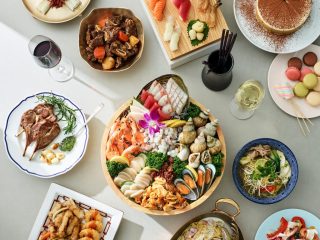
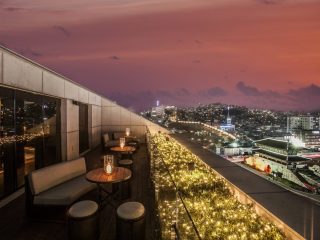
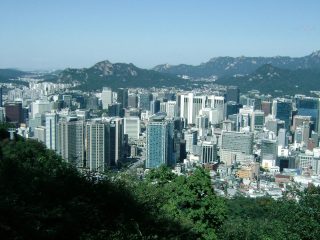
South Korea is the country that exported its culture before its travel destinations caught up — K-pop, K-drama, K-beauty got the world's attention; Korean food, Korean design, and Korean cities are still under-discovered. Seoul is the capital that combines Joseon-era palaces with the world's most efficient subway system and a food scene running from $4 gimbap at Gwangjang Market to the three-Michelin-star Mosu in Itaewon. Beyond Seoul: Busan's port-city energy and best seafood, Jeju's volcanic island, the temple stays in the country's Buddhist heart.
Our South Korea coverage focuses on Seoul neighborhoods, the new Korean fine dining (Mosu, Mingles, Jungsik), and the design hotels that anchor every visit.
The travel personality: The K-Culture Pioneer
Quick facts
Live right now
Best time to visit
| Season | Why go |
|---|---|
| April–May, September–October | Spring blossoms and autumn foliage are both worth timing a trip around |
| March, November | Shoulder season — fewer tourists, often cheaper, weather still good |
| July–August (humid), December–February (very cold) | Off-season — quiet, best deals, plan around weather |
Top cities to visit
Experiences you'll probably love
- Korean BBQ in Seoul's Mapo or Hongdae
- Cherry blossoms in Jinhae or Yeouido (April)
- Temple stay in a mountain monastery
- Hallasan volcano hike on Jeju
- Hanok village stays in Bukchon (Seoul) or Jeonju
Not many tourists know about…
- Andong — traditional Confucian culture
- Damyang bamboo forest near Gwangju
- Tongyeong — southern coastal town, fish market culture
- Sokcho and Seoraksan National Park (autumn foliage)
- Jeonju for traditional Korean food and hanok village
- Boseong's green tea plantations
If you visit only once, make it this
Seoul's last surviving traditional neighborhood — 600+ hanok houses clustered on the hillside between Gyeongbokgung Palace and Changdeokgung. Walk at 7am when residents are still asleep; pair with the palace's 10am changing-of-the-guard ceremony.
Anguk Subway Station (Line 3). Respect the residents — this is a real neighborhood.
Where to walk & breathe
Korea's largest island — Hallasan (1,950m), the lava tubes of Manjanggul, Seongsan Ilchulbong tuff cone, the female haenyeo divers who still free-dive for abalone.
Fly from Seoul Gimpo or Incheon (75 minutes). Rent a car for the coastal road circumnavigation.
Museums worth your time
Korea's main museum — the gold crowns of the Silla kingdom, the Goryeo celadon ceramics, the ten-story marble pagoda. Free admission.
Visit website →Three buildings by Mario Botta, Jean Nouvel, and Rem Koolhaas housing the Samsung family's collection. Traditional Korean art plus globally significant contemporary art.
Visit website →The Daelim Cultural Foundation's design-led exhibitions that draw queues around the block.
Visit website →The Insider's Edit
A few additions for travelers planning Seoul beyond the obvious:
Andre Fu's design in the Gwanghwamun corridor — the best urban base in Seoul.
A 2021 opening in Gangnam, in the legacy of Korea's first Western hotel (the original 1914 Joseon Hotel).
Three buildings by Mario Botta, Jean Nouvel, and Rem Koolhaas housing classical Korean art, Korean modernism, and the Samsung family's contemporary collection.
In David Chipperfield's Amorepacific HQ — small, exquisitely curated rotating exhibitions.
Bookable through Rakkojae or Bukchonmaru — the most refined way to experience Joseon-era Seoul.
Where to eat
Three-Michelin-star contemporary Korean — chef Sungwook Anh's tasting menu through Korean ingredients and French technique. Asia's 50 Best top 10.
Two-Michelin-star New Korean — chef Yim Jung-sik's modernist take on Korean cuisine, with a sister restaurant in NYC.
Seoul's oldest traditional market — bindae-tteok at Sun Hee Ne, raw beef tartare at Bugak Sandang, the famous mayak gimbap.
Two Michelin stars — chef Kang Min-goo's modern Korean balanced between traditional jang and contemporary technique.
Where to stay
Walking distance to Gyeongbokgung Palace — the indoor swimming pool, Yu Yuan Cantonese (Michelin-recommended), Charles H. cocktail bar.
Top floors of a glass tower in Gangnam — Super Potato's wood-and-stone interiors, the 24th-floor pool with city views.
Floors 76-101 of Lotte World Tower — Seoul's tallest building. Stay (Michelin-starred French by Yannick Alléno), the SKY 31 pool.
Korean boutique chain — Yeouido location has the best Han River views. Apartment-style suites with kitchenettes.
Realistic daily budget
Per person, per day. Excludes flights. Peak season can run 20-40% higher.
Travel safety & inclusivity
Safety scores reflect UK FCDO & US State Department travel advisories. LGBTQ+ scores reflect Equaldex and ILGA-Europe rankings. Both refreshed quarterly.
Major festivals
Need a visa for South Korea?
Most travelers need an eVisa or travel authorization to enter South Korea. Apply online in minutes through our trusted partner:
Apply for your South Korea eVisa →Powered by evisas.com · We'll open your nationality-specific requirements page in a new tab.
Partner link — Locals Insider may receive a small commission at no extra cost to you. Always confirm the latest requirements with the official embassy.
Not sure if South Korea is right for your next trip? We'll compare 53 destinations against your travel style. Take our country matcher quiz →
Frequently asked questions about South Korea
Do I need a visa or K-ETA to visit South Korea?
Most Western travelers don't need a visa for short stays — and through December 31, 2026, citizens of 67 visa-exempt countries (including the US, UK, Canada, Australia, Japan, Singapore, and most of the EU) are also exempt from K-ETA, the electronic travel authorization. You just need a valid passport, a return ticket, and the new mandatory e-Arrival Card (free, online, completed before arrival as of 1 January 2026). Most visa-exempt nationals get up to 90 days per entry; Canadians get up to 180. Nationals from non-exempt countries — including Russia, China, and India — still need a visa applied for at a Korean consulate. Always check the K-ETA waiver status closer to travel — it has changed yearly. Passport must be valid for at least 6 months.
How many days do I need to see Korea properly?
Seven days is the minimum for a meaningful trip — four in Seoul, three in Busan, connected by the 2.5-hour KTX high-speed train. Ten days adds Jeju Island, Korea's volcanic resort island that feels like a different country (1-hour flight from Seoul or Busan). Fourteen days lets you add Gyeongju (the old Silla dynasty capital, the country's most concentrated historic site), Andong (hanok villages, traditional masks, Confucian heritage), or skiing in Pyeongchang in winter. Seoul alone deserves four days minimum — Gyeongbokgung at opening, an evening in Hongdae, lunch at Gwangjang Market, a half-day in Bukchon and Ikseon-dong, and Itaewon or Seongsu-dong for the modern side. T-Money card on day one — it works on every metro, bus, and most taxis.
What's the best time to visit South Korea?
Two short, perfect windows. Spring (late March to mid-May) for cherry blossoms — peak bloom is usually the first week of April in Seoul, slightly earlier in Busan and Jeju. Autumn (mid-October to mid-November) for the country's other star season — the fall foliage in Naejangsan and Seoraksan National Parks is genuinely spectacular, often more dramatic than spring. Summer (late June to mid-August) is hot, very humid, and includes a serious rainy season (jangma) in late June through mid-July — Busan's beaches are at their best but the rest of the country sweats. Winter is bitterly cold in Seoul (regularly below -10°C), but it's also when ski resorts open and Seoul's empty palaces dusted with snow are the most beautiful sight in Korea.
Where should I actually eat in Seoul?
Start with the markets. Gwangjang Market for the iconic street-food trifecta — bindaetteok (mung bean pancake), mayak gimbap (mini rice rolls), and live octopus if you're brave. Tongin Market for the dosirak café (use brass tokens to assemble your own tray of banchan). For Korean BBQ done seriously, Yeontabal in Mapo for galbi or Saebyeokjip for hangover-soup-and-pork. For modern Korean fine dining, Mingles (Michelin three-star) is the answer — book months ahead. Gangnam is where the trendy expensive spots cluster; Hongdae and Itaewon for late-night drinking food; Seongsu-dong for the new specialty coffee and pastry scene. Always look for the long line of office workers at lunch — it's the most reliable signal in the city.
Is Jeju worth the detour?
If you have 10+ days in Korea, yes. Jeju is volcanic, semitropical, and culturally distinct — Koreans treat it as their honeymoon and weekend escape destination. The main draws: Hallasan, South Korea's tallest mountain (a moderate but long full-day hike to the crater), the dramatic Seongsan Ilchulbong sunrise peak (UNESCO-listed), the lava-tube cave system in the northeast, and quiet beaches like Hyeopjae and Hamdeok. Flights from Seoul Gimpo to Jeju run nearly every 15 minutes for $40–80 one-way. Rent a car on arrival — the island is built for driving, and bus connections between sights are slow. Three or four days covers the highlights. Skip Jeju in summer if you can — it's the busiest domestic destination in Korea and beaches get packed.
Locals Insider's Articles About South Korea
Articles in this section are written by Locals Insider editorial team. Want to share your experience about South Korea? Email us at hello@localsinsider.com.