

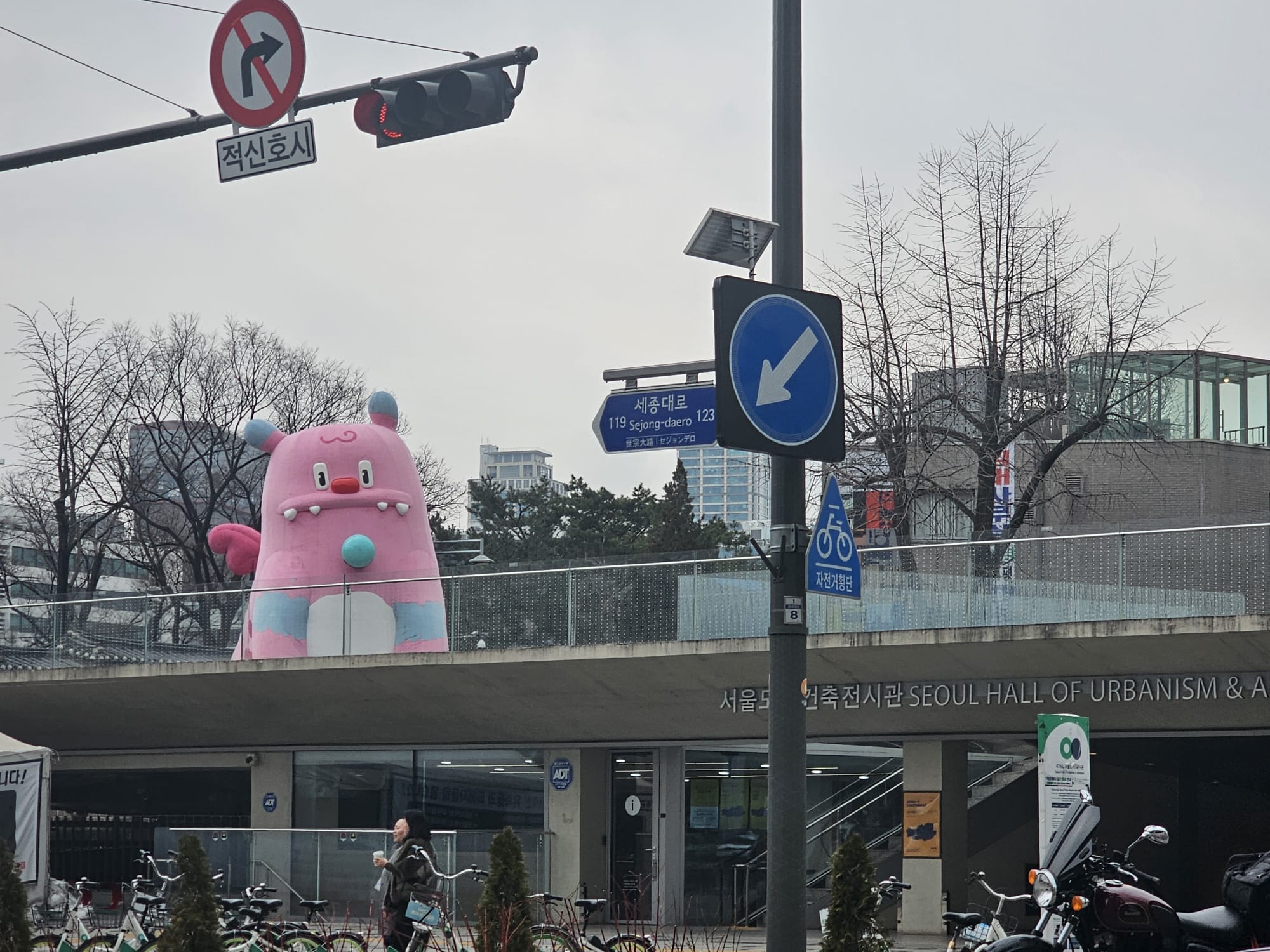

Seoul, South Korea‘s vibrant capital, is a city that seamlessly blends tradition and innovation. Like no other, the city offers culture, nightlife, shopping, luxurious stays, onsens, and many Korean barbeque spots. The city is safe – this is a big plus: all you need is uber and credit card. Here’s a guide to exploring the best things to do in Seoul, where to go, what to eat, and where to stay. Lotte Hotel Seoul, one of the hotels covered below, has since been relaunched as THE GRAND LOTTE SEOUL after a renovation of its main-tower rooms.

The article feels messy, but that’s exactly what it’s like when you travel to Seoul—everything happening all at once. The city is a chaotic yet fascinating mix of contrasts, where modern skyscrapers stand beside traditional hanok villages, and neon-lit streets pulse with life while serene temples offer a quiet escape. Enjoy!
Things to do and Places to Visit in Seoul – Our Favorite Spots in Town
Bars and Nightlife
- Charles H. Bar
Address: 97 Saemunan-ro, Sinmunno 1(il)-ga, Jongno-gu, Seoul
What It Is: A swanky cocktail bar in the basement of the Four Seasons Hotel. Perfect for expats and tourists, this spot combines cozy vibes with expertly crafted drinks. - Kompakt Record Bar
Address: 46 Gangnam-gu, Seoul
What It Is: A tiny, underground bar with a focus on hip-hop, jazz, and funk. Great for music lovers seeking a relaxed, authentic nightlife experience. - Six Night (식스나잇)
Address: 13 Eonju-ro 174-gil, Gangnam-gu, Seoul
What It Is: A trendy bar with plush seating and international vibes. Come for the cocktails and people-watching, but don’t expect a wild dance floor. - Piranha Nightclub
Address: Itaewon-ro, Yongsan-gu, Seoul
What It Is: A high-energy spot known for drag shows, diverse dance floors, and open-air terraces. Perfect for a vibrant night out.
Restaurants
- Myeongdong Night Market
Address: Myeongdong-gil, Jung-gu, Seoul
What It Is: A bustling street food haven offering spicy tteokbokki, crispy hotteok, and more. A must for foodies exploring Seoul at night. - Terrace Room (테라스룸)
Address: 37 Seolleung-ro 152-gil, Cheongdam-dong, Gangnam-gu, Seoul
What It Is: A stylish restaurant with indoor and terrace seating. Perfect for people-watching over Italian-inspired cuisine and good coffee. - Legume
Address: 2F, 652 Gangnam-daero, Sinsa-dong, Gangnam-gu, Seoul
What It Is: A vegan restaurant in an office building. A unique find in meat-centric Seoul, offering a calm dining experience. - Chicken Restaurant “Dageuro-Ga”
Address: 20 Nonhyeon-ro 153-gil, Gangnam-gu, Seoul
What It Is: A cozy, homey spot with generous portions of chicken. Run by a kind older woman who makes the experience even more charming. - Sua Epice (수아에피스)
Address: 2F, 652 Gangnam-daero, Gangnam-gu, Seoul
What It Is: A Thai restaurant with a great view of Gangnam’s bustling streets. Perfect for people-watching while enjoying bold flavors.
Culture and Attractions
- Gyeongbokgung Palace
Address: 161 Sajik-ro, Sejongno, Jongno-gu, Seoul
What It Is: A stunning royal palace with historical significance. Best experienced during the changing of the guard ceremony. - Leeum Museum of Art (리움미술관)
Address: 60-16 Itaewon-ro 55-gil, Yongsan-gu, Seoul
What It Is: A mix of contemporary art and traditional Korean porcelain, great for a 1-2 hour cultural experience. - National Museum of Korean Contemporary History
Address: 198 Sejong-daero, Sejongno, Jongno-gu, Seoul
What It Is: A fascinating exploration of Korea’s rapid rise as a global powerhouse. - Mullae Artist Village
Address: Mullae-dong, Yeongdeungpo-gu, Seoul
What It Is: A former industrial area turned creative hub, filled with art studios, quirky cafes, and galleries.
Designer Shops
- Apgujeong Rodeo Street
Address: Apgujeong-ro, Gangnam-gu, Seoul
What It Is: Seoul’s answer to NYC’s Soho, featuring luxury boutiques and trendy fashion. - Beaker Flagship Store (비이커 청담플래그십스토어)
Address: 408 Apgujeong-ro, Cheongdam-dong, Gangnam-gu, Seoul
What It Is: A hotspot for Korean and international designer brands. A must for fashion enthusiasts. - GENTLE MONSTER Flagship Store (젠틀몬스터 홍대 플래그십스토어)
Address: 19 Yanghwa-ro 16-gil, Mapo-gu, Seoul
What It Is: Known for avant-garde eyewear and Instagram-worthy decor. - Thisisneverthat (디스이즈네버댓)
Address: 13 Wausan-ro 17-gil, Mapo-gu, Seoul
What It Is: A popular streetwear brand offering edgy Korean fashion.
Hotels
- THE GRAND LOTTE SEOUL (formerly Lotte Hotel Seoul)
Address: 30 Eulji-ro, Jung-gu, Seoul
What It Is: A massive hotel that had dated decor when we stayed, before its main-tower rooms were renovated and the hotel rebranded. Conveniently located next to City Hall but felt impersonal and lacked charm. - Four Seasons Hotel Seoul
Address: 97 Saemunan-ro, Sinmunno 1(il)-ga, Jongno-gu, Seoul
What It Is: A luxurious stay with stunning views, world-class service, and a Japanese-style spa that’s second to none. - Ananti at Gangnam
Address: 734 Nonhyeon-ro, Gangnam-gu, Seoul
What It Is: A stylish but noisy hotel. While the rooms look great, road noise and extra charges for spa access can be a letdown.
The Fascination of Seoul and Korea
I attended a language school in Boston, MA, where I met many Koreans. I was fascinated by their approach, which was so different from that of Americans and Europeans—understated, hardworking, attentive, and focused on education and skills first, with leisure coming second. The more I talked to my Korean classmates and the more I read about and watched things related to the country, the more intrigued I became.

I wanted to see the “Miracle on the Han River” for myself—a country with numerous challenges, such as its location and limited natural resources, yet it has become one of the most developed, educated, and wealthy nations, at least on paper. This curiosity led me to explore where to go in Seoul and experience firsthand the nation’s unique blend of tradition and modernity.
How did they manage to surpass Japanese electronics and automobiles, even if only in the short term?
I was eager to understand how their society functions, especially with global cultural phenomena like Parasite, Squid Game, and K-pop influencing perceptions of Korea worldwide. My visit was also a chance to dive into the many things to do in Seoul and witness its vibrant energy and rich cultural landscape.
Seoul Like a Local: Unique Things to Do, Places to Visit, and Hidden Gems

Jongno vs. Gangnam: Where to Stay in Seoul
During our trip to Seoul, we stayed in both Jongno and Gangnam, and if you’re wondering where to base yourself, here’s our take: Jongno makes more sense. It’s closer to many of Seoul’s must-see spots, and getting around from there is relatively easy. Gangnam, on the other hand, is interesting to explore but not ideal for staying—it feels more corporate and less accessible to the city’s highlights.

City Rhythms and Uniformity
One fascinating aspect of Seoul is how synchronized everything feels. Workers stream out of office buildings almost exactly at 6:02 PM, whether it’s a corporate headquarters or a factory. It’s a level of punctuality that might leave Europeans scratching their heads.

The city itself is vast and uniform. As you step outside the main tourist hubs, you’ll notice rows upon rows of identical blocks, each marked with numbers, stretching endlessly like a real-life SimCity. It’s an urban landscape that blurs the line between the old and new. Even Seoul’s “ancient” castles have a restored look, making it hard to guess whether they’re centuries-old or built in the 1990s.
Being a Foreigner in Seoul
Seoul feels mostly welcoming as a foreigner, though there are moments when you might feel a bit out of place, depending on where you go. To say a few words like Thank you (Gamsahamnida) and Hello (Annyeonghaseyo) – is a must! People like it and smile. Navigating between local and tourist-centric areas highlights the city’s contrasts and adds to the adventure.


Where to Live in Seoul: Hotels We Stayed at
Four Seasons Hotel Seoul, Jongno
The Four Seasons Hotel Seoul is pretty new and feels more international than Korean, but that’s not a bad thing—it’s one of the best Four Seasons I’ve stayed at. The views from the rooms are stunning, but the real star here is the spa.

Honestly, it’s probably the best spa in a Four Seasons I’ve visited. It’s Japanese style, with different baths, lots of space, and not crowded at all. It’s gender-divided, so no awkward moments worrying about swimwear. Everything feels calm and luxurious, exactly what you want after a day exploring Seoul.


Ananti at Gangnam
The Ananti at Gangnam didn’t live up to the hype. The rooms look nice and match the photos, but the road noise is insane—constant, day and night. It’s hard to relax with that level of disruption.

The spa isn’t included in the price, which feels a bit cheeky for a so-called luxury hotel. On top of that, the service was disappointing. They told us the room was ready but wanted to charge extra for a 2-hour early check-in. Most hotels would just let you in if it’s available. Overall, it felt more like a dressed-up motel than a proper five-star experience.
THE GRAND LOTTE SEOUL (Formerly Lotte Hotel Seoul), Jung District
The Lotte Hotel Seoul (renamed THE GRAND LOTTE SEOUL in August 2026 after a partial room renewal) was huge when we stayed, and its location next to City Hall made it feel more like a government building than a luxury hotel. The decor and furniture were outdated—it might’ve been fancy years ago, but then it was just tired.
The hotel sits on top of a mall, and it feels as impersonal as it sounds. The first room they gave us was noisy due to bad ventilation. They moved us to a bigger room on a lower floor, but it didn’t change much. The spa? Nothing special. It’s like a public facility, and they charge extra to use it. You can get a wash massage if you’re into that, but overall, the experience lacked charm or attention to detail.


Jongno District: The Heart of Seoul
We stayed in Jongno, which makes more sense as more areas of interest are closer. It’s relatively easy to get around, though the city is huge and traffic gets busy during rush hour from 6 PM. Jongno is the cultural heart of Seoul, offering a mix of grand historical sites, fascinating museums, and vibrant local experiences.

Here’s what you shouldn’t miss:
Jongno Close to Ikseon-dong Hanok Village
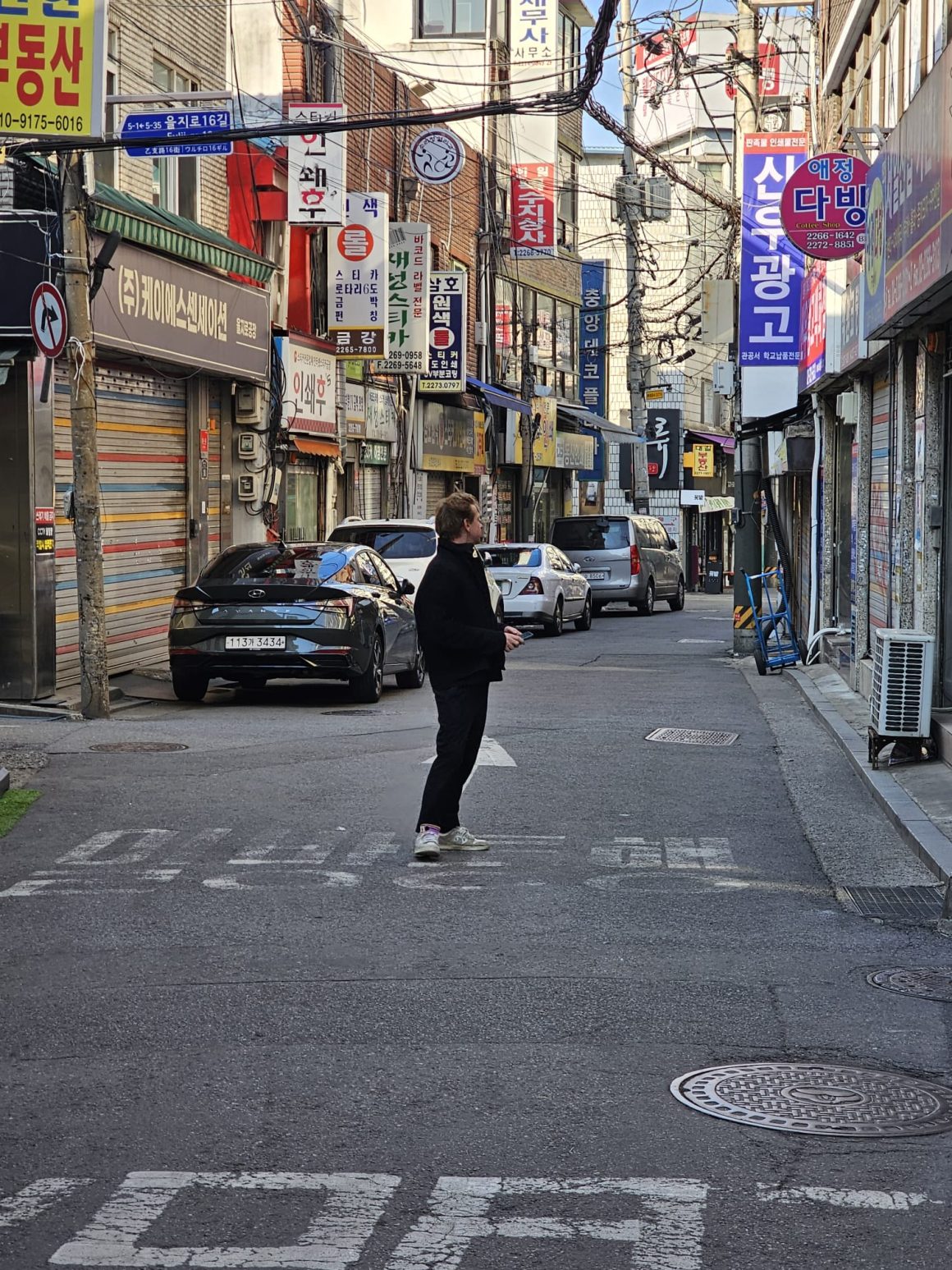
Ikseon-dong Hanok Village is a fascinating mix of chaos and charm, drunk wibe, where the young and old come together to indulge in junk food, drinks, and a lively night out. This vibrant area is unapologetically Korean.
This lively area contrasts with Jongno’s historical and artistic side. It’s a maze of narrow streets filled with bars, cafes, and quirky shops. Whether you’re in the mood for junk food, karaoke, or just people-watching, Ikseon-dong has an unpolished charm that feels authentically Korean.

During the day, afternoon, and early evening, the area offers Korean BBQ and karaoke bars. Later, it transforms into a mix of (gay) bars, tarot readers, photo booths with full wardrobe options, hidden gay massage rooms (no signs), and beer bars with a slightly German vibe. The bars and hangouts are scattered across street levels, basements, and even upper floors, creating an intriguing maze of nightlife options.

If you’re looking for a specific spot you found online, good luck—navigating Ikseon-dong can be tricky. We gave up on a few Google Maps recommendations and just wandered around until we stumbled upon something that caught our interest. The spontaneity added to the fun.

One quirky highlight? I found a Danish beer here—one that’s probably unknown outside Korea! They market it as Danish beer, even though it has nothing to do with Denmark. Ikseon-dong is messy, unpredictable, and utterly captivating—a must-visit for anyone seeking an offbeat and authentic Seoul experience.


Gyeongbokgung Palace
One of Seoul’s most iconic palaces, Gyeongbokgung stands as a symbol of Korea’s royal past. While undeniably impressive, the palace can feel overly restored, which might detract from its historical charm for some. Still, it’s worth visiting for its grand architecture and to catch the changing of the guard ceremony.

National Museum of Korean Contemporary History
Dive into Korea’s modern history at this extensive museum. From the country’s post-war development to its cultural milestones, you can easily spend hours exploring the exhibits and gaining a deeper understanding of Korea’s journey to the present day. The general admission is free.


MMCA (National Museum of Modern and Contemporary Art)
Art fans will love the MMCA. With diverse collections ranging from contemporary