
Japan Travel Guide: Tokyo, Kyoto, Osaka & Where to Go in 2026
Discover Japan with LocalsInsider’s travel guide. From tranquil onsens and boutique ryokans to artisanal dining and breathtaking hiking trails, experience Japan’s unique charm.
Japan rewards the traveler willing to slow down. Tokyo first, of course — the world's most efficient megacity, where you can eat better at a basement counter than at most Michelin restaurants elsewhere (Sushi Saito, Den, and Sukiyabashi Jiro all here). But Japan opens up when you leave the capital: Kyoto's slow temples, Osaka's louder food culture, the Seto Inland Sea's art islands (Naoshima with its Tadao Ando museums and Kusama's yellow pumpkin), the snow country of Tohoku, Okinawa's tropical detour. The country runs on small ceremonies and quiet competence — coffee made with reverence, gardens designed centuries ago, trains that arrive when they say they will.
Our Japan coverage spans Tokyo neighborhoods, Kyoto temple walks, and the boutique hotels that are quietly redefining luxury (Aman Tokyo, the new Bvlgari Tokyo). One Japanese experience worth seeking out: the rooftop onsens at Spa LaQua atop Tokyo Dome — open-air baths with the city skyline at midnight.
The travel personality: The Detail-Obsessed Aesthete
Quick facts
Live right now
Best time to visit
| Season | Why go |
|---|---|
| March–May (cherry blossoms), October–November (autumn foliage) | Cherry blossom timing shifts by city — Tokyo late March, Hokkaido early May |
| June, September | Shoulder season — fewer tourists, often cheaper, weather still good |
| July–August (hot, humid), winter (cold north) | Off-season — quiet, best deals, plan around weather |
Top cities to visit
Experiences you'll probably love
- Ryokan stay with kaiseki dinner and onsen bath
- Cherry blossom hanami in Kyoto's Philosopher's Path
- Tsukiji outer market breakfast and sushi crawl
- Riding the Shinkansen bullet train
- Powder skiing in Niseko (December–March)
Not many tourists know about…
- Kanazawa — Kyoto's quieter cousin with intact geisha district
- Shikoku island's 88-temple pilgrimage route
- Naoshima — Benesse art island
- Yakushima — ancient cedar forest, Studio Ghibli inspiration
- Takayama and Shirakawa-go in the Japanese Alps
- Onomichi's cat alleys and Shimanami Kaido cycling route
If you visit only once, make it this
Spa LaQua sits 9 floors above the Tokyo Dome amusement park in Bunkyō — open-air rotenburo (hot spring baths) on the rooftop with views over the Tokyo skyline, fed by natural hot springs pumped from 1,700 meters underground. Open until 9 AM the next morning, making it one of Tokyo's most distinctive late-night experiences.
¥3,230 entry. Tattoo policy is strict — small tattoos must be covered with patches (available at entry). 24-hour access for an extra fee.
Where to walk & breathe
The Seto Inland Sea island that contemporary art transformed. Tadao Ando-designed Chichu Art Museum sunk into the ground, Yayoi Kusama's yellow pumpkin sculpture at the ferry pier, the entire Lee Ufan Museum dedicated to one artist. Pedal a rented bike between sites; the landscape becomes the art.
Ferry from Takamatsu or Uno. Plan 2 days minimum. Some museums require advance reservations.
Museums worth your time
Reopened 2024 in Azabudai Hills after the Odaiba location closed. The fully immersive digital art collective — borderless rooms where works flow between spaces. Book timed tickets weeks ahead.
Visit website →On the 53rd floor of Mori Tower in Roppongi Hills — major contemporary art exhibitions, plus the Tokyo City View observation deck. The skyline views are part of the visit.
Visit website →Kengo Kuma-designed building housing the Nezu family's collection of Japanese and East Asian art, with one of Tokyo's most peaceful traditional gardens hidden behind it. Walking distance from Omotesandō.
Visit website →The Insider's Edit
Japan is having one of the most extraordinary luxury-hotel openings of the decade:
Opened March 2026 in the Miyagawa-cho geisha district — designed by Kengo Kuma, just 89 rooms.
Opening June 2026 — a 48-suite luxury retreat in a Meiji-era prison, cell-blocks combined into suites.
Aman's sibling brand debut in Azabudai Hills.
In the Yaesu tower's top floors.
Asia's 50 Best Restaurants 2026: Japan's #1 restaurant (#13 in Asia) — chef Yusuke Takada's modern French.
Ken Okuyama-designed 17-suite luxury sleeper through Tohoku and Hokkaido.
Tadao Ando's Chichu Art Museum, Teshima Art Museum, and the Setouchi Triennale every three years.
Where to eat
Jiro Ono's legendary sushi counter — the documentary's 'Jiro Dreams of Sushi.' Held three Michelin stars for years; Jiro is now in his late 90s and the restaurant is famously difficult to book (US passport-holders need to go through a hotel concierge).
Chef Zaiyu Hasegawa's two-Michelin-star kaiseki in Jingumae — playful, modern Japanese cooking with the famous 'DFC' (Den Fried Chicken) and the garden-shaped salad. World's 50 Best regular.
Takashi Saito's three-Michelin-star sushi counter in Roppongi — eight seats, two seatings per night, considered by many Tokyo locals to be the best sushi in the city. Reservations through hotel concierges or repeat customers only.
The famous inner wholesale market moved to Toyosu in 2018, but the outer market remains — 400+ stalls selling tamagoyaki (sweet egg), uni on toast, fresh sashimi, dried bonito flakes. Start at 7am and graze for two hours. Best traditional Tokyo breakfast experience.
Where to stay
Aman's first urban hotel — occupies floors 33-38 of the Otemachi Tower with views over the Imperial Palace gardens. The lobby's six-story washi-paper soaring atrium, the 30-meter swimming pool, the cypress-wood Aman Spa.
The Lost in Translation hotel — top 14 floors of the Kenzo Tange-designed Shinjuku Park Tower. Closing for renovation October 2025 through 2027. The New York Bar on the 52nd floor remains an iconic Tokyo experience.
Japanese ryokan reimagined as an Otemachi skyscraper — guests change into yukata at check-in, the lacquered hallways, the rooftop onsen on the 17th floor with city views. Kaiseki dining included.
Opened April 2023, refreshed 2025 — top 7 floors of Tokyo Midtown Yaesu near Tokyo Station. The Bvlgari Bar on the 45th floor, an indoor pool with city views, the city's most architecturally striking new luxury opening.
Realistic daily budget
Per person, per day. Excludes flights. Peak season can run 20-40% higher.
Travel safety & inclusivity
Safety scores reflect UK FCDO & US State Department travel advisories. LGBTQ+ scores reflect Equaldex and ILGA-Europe rankings. Both refreshed quarterly.
Major festivals
Need a visa for Japan?
Most travelers need an eVisa or travel authorization to enter Japan. Apply online in minutes through our trusted partner:
Apply for your Japan eVisa →Powered by evisas.com · We'll open your nationality-specific requirements page in a new tab.
Partner link — Locals Insider may receive a small commission at no extra cost to you. Always confirm the latest requirements with the official embassy.
Not sure if Japan is right for your next trip? We'll compare 53 destinations against your travel style. Take our country matcher quiz →
Frequently asked questions about Japan
Do I need a visa to visit Japan?
Citizens of 70+ countries — including the EU (all Nordic countries), UK, US, Canada, Australia, New Zealand, Singapore, Hong Kong, Taiwan, and South Korea — can enter Japan visa-free for up to 90 days (Thailand and Indonesia: 15 days; check your specific nationality). Russian, Chinese, and Indian citizens still need a tourist visa applied for through the Japanese embassy in their home country, typically 5–10 working days. From 2024, Japan merged immigration and customs into the mandatory Visit Japan Web system — register your trip and flight details on the official portal before arrival, get one QR code, and skip the paper forms. Passport must be valid for the duration of your stay (Japan doesn't enforce the 6-month rule but airlines may ask). Departure tax rises to ¥3,000 from July 2026 (up from ¥1,000), automatically added to airline tickets.
Is the JR Pass worth buying in 2026?
For most 7- to 10-day itineraries, no longer. The April 2023 price hike pushed the 7-day pass to ¥50,000 (around $325), and another increase is scheduled for 1 October 2026. A typical Tokyo + Kyoto + Osaka loop with one day-trip no longer breaks even — buy individual shinkansen tickets via the smartEX app or Klook instead, plus a Suica or PASMO IC card for local transit. The JR Pass still makes sense for long loops covering Tohoku, Hokkaido, or Kyushu, or for travelers doing four or more shinkansen legs in a week. Price each leg on Navitime or the Japan Travel app before deciding. Regional passes (JR East, JR West, Hokkaido) are usually better value than the nationwide pass if you're focusing on one area.
When is the best time to visit Japan?
Two iconic windows. Cherry blossom season typically peaks late March to early April — Tokyo's full bloom in 2026 was around 27 March, Kyoto around 1 April, similar dates expected in 2027. Crowds and prices peak hard; book 4–5 months ahead. Autumn foliage (kōyō), mid-October to late November, is the locals' favorite — Kyoto's temple gardens are stunning, weather a comfortable 15–22°C, slightly fewer foreign tourists than spring. Avoid Golden Week (29 April–6 May 2026) when domestic travel surges and intercity transport sells out. May after Golden Week, early June before tsuyu (rainy season mid-June to mid-July), and late September are the quietest good-weather windows. The weak yen since 2023 makes Japan unusually affordable for foreign travelers — a $10 ramen now closer to $6–7.
What's a good first-time Japan itinerary?
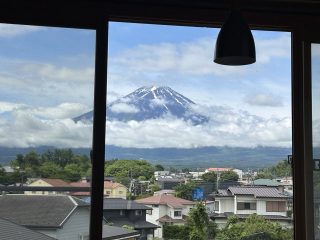
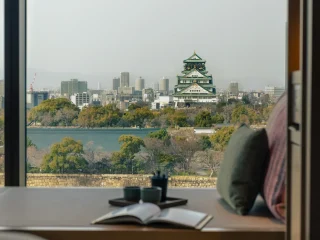
The Golden Route is the standard for good reason — 10–14 days covers it well. Tokyo (4–5 nights): Shibuya, Shinjuku, Asakusa, the teamLab Planets/Borderless installations, day trips to Nikko and Kamakura. Hakone (1 night) via Romance Car for the iconic Mt Fuji view from Lake Ashi (clearest in winter). Kyoto (3–4 nights): Fushimi Inari at sunrise (to dodge the crowds), Arashiyama, Gion, Kinkaku-ji, and a kaiseki dinner. Osaka (1–2 nights) for food in Dotombori, Universal Studios Japan, and as a base for Nara and Himeji Castle. For a quieter 2026 alternative, consider Kanazawa (ryokans, the Kenroku-en garden), Fukuoka (Kyushu's food capital), or the Seto Inland Sea (Naoshima art islands) — all far less touristed than the Golden Route.
How do I handle money in Japan?
Japan is still more cash-friendly than most developed countries — convenience stores, big hotels, chain restaurants, and department stores accept cards, but smaller restaurants, temples, taxis outside major cities, and many ryokans want cash. Carry ¥10,000–20,000 as backup at all times. For ATMs, 7-Eleven's Seven Bank ATMs reliably accept foreign cards (Visa, Mastercard, American Express, even most Chinese cards) — 24/7, English menus, in every neighborhood. Suica/PASMO IC cards (¥500 deposit) work for nearly all trains, buses, vending machines, and convenience stores; load via cash at any station machine. The Welcome Suica (red card, ¥500 no-refund deposit) is the tourist-specific version. Mobile Suica is also available in Apple Wallet for iPhone users. Tipping is unwelcome and may be returned — service is included.
Locals Insider's Articles About Japan
Articles in this section are written by Locals Insider editorial team. Want to share your experience about Japan? Email us at hello@localsinsider.com.