
Portugal Travel Guide: Lisbon, Porto, Madeira & Where to Go in 2026
Portugal is the country travelers always wish they had given more time. A week in Lisbon and Porto barely scratches the surface — there's the Algarve's hidden coves, Madeira's volcanic peaks, the Azores rising out of the Atlantic, and vineyard villages along the Douro where the river bends so sharply the trains take their time. The food is quietly serious (Lisbon now has 16 Michelin-starred restaurants, including José Avillez's two-star Belcanto), the wine is undervalued, and the design hotel scene rivals anywhere in Europe.
Denis Zaykovskiy's long-form coverage of Porto Santo and the Azores sets the tone for how we cover Portugal — slow, considered, and rooted in places most travelers haven't reached yet. Below: the boutique hotels worth booking (Bairro Alto Hotel, Memmo Príncipe Real), the restaurants worth flying for (Belcanto, Cervejaria Ramiro), and the full archive.
The travel personality: The Coastal Slow Traveller
Quick facts
Live right now
Best time to visit
| Season | Why go |
|---|---|
| May–June and September | September is the sweet spot — warm ocean, smaller crowds, harvest season inland |
| April, October | Shoulder season — fewer tourists, often cheaper, weather still good |
| November–March (mild winters, perfect for cities) | Off-season — quiet, best deals, plan around weather |
Top cities to visit
Experiences you'll probably love
- Sunset wine bars in Porto's Ribeira district
- Thermal spas in the Azores' volcanic lagoons
- The scenic train ride along the Douro Valley
- Seafood taverns in Setúbal and Cascais
- Hidden beaches in Comporta, an hour from Lisbon
Not many tourists know about…
- Praia da Ursa near Sintra — a dramatic cliff-backed beach most tourists miss
- São Brás de Alportel's market in the Algarve interior, Saturday mornings
- The Linha do Tâmega scenic train route from Livração
- Belém's Pastéis de Belém versus the modern challengers in Alfama
- Ericeira's surf scene — Europe's only World Surfing Reserve
- Quinta da Pacheca's wine barrel rooms on the Douro
If you visit only once, make it this
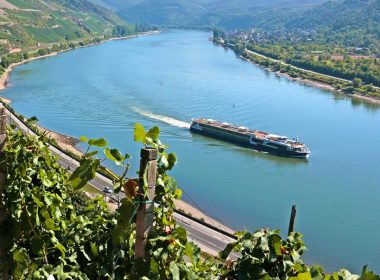
Portugal's first wine region (declared in 1756) and arguably its most beautiful landscape. Take the Linha do Douro train from Porto's São Bento station — the route hugs the river east from Régua to Pinhão, past terraced vineyards that have been worked for centuries. Stop at Pinhão for the azulejo-tiled station and a port tasting at Quinta do Bomfim.
Best September-October for harvest. Train takes 2.5 hours from Porto each way.
Where to walk & breathe
Possibly Europe's most photogenic garden — a 1900s romantic-Gothic estate with a spiraling Initiation Well, hidden grottoes, and woodland trails climbing toward the Pena Palace. Esoteric, slightly theatrical, and easily worth a half-day from Lisbon.
Take the train from Rossio to Sintra (40 min), then walk 15 min uphill. Open daily 9:30am-7pm.
Museums worth your time
Lisbon's most architecturally striking museum — the Amanda Levete-designed wave-roofed building on the Tagus riverside, plus the converted 1908 Tejo Power Station next door. Walkable from Belém.
Visit website →Armenian oil magnate Calouste Gulbenkian's private collection — Egyptian, Greek, Roman, Islamic, plus Rembrandts and Manet. Set in a leafy garden that locals use as their park.
Visit website →One of Europe's best modern art collections — Warhol, Pollock, Picasso, Bacon — at CCB in Belém. Free admission on Saturdays.
Visit website →The Insider's Edit
A few additions for travelers planning Portugal beyond Lisbon and Porto:
Churchill painted from the suite — the 1891 cliff-top hotel above Funchal harbour.
A restored 19th-century quinta in the port-wine country.
Hillside hotel with the largest Portuguese wine cellar in any hotel and two Michelin stars at chef Ricardo Costa's restaurant.
One of Europe's great private collections — Egyptian, Islamic, French 18th-century furniture, Lalique jewelry.
Traditional flat-bottomed wine boats, now bookable through Six Senses Douro for the day.
Where to eat
Chef José Avillez's two-Michelin-star flagship in Chiado, currently #31 on The World's 50 Best Restaurants. Contemporary Portuguese — Avillez treats cooking as fado, his form of expression.
Lisbon's most beloved seafood institution since 1956 — gambas à la guillo (sizzling garlic prawns), percebes (gooseneck barnacles), and prawns the size of your fist. Locals line up; tourists too. Worth the wait.
The original Time Out Market — Lisbon's old Mercado da Ribeira reimagined as a curated food hall with 26 of the city's best chefs and restaurants in stall format. Best for first-timers who want to taste broadly.
José Avillez's newer plant-based fine dining concept, awarded a Michelin Green Star for sustainability. Tasting menu built entirely from Portuguese vegetables, herbs, and seafood. Opened 2023, refreshed 2025.
Where to stay
Lisbon's grande dame since 1959 — Parque Eduardo VII views, the indoor pool with city skyline through floor-to-ceiling windows, Almoço lunch on the seventh floor. Featured Condé Nast Traveler 2025 Europe 50.
One of Lisbon's original boutique hotels, rebornin 2019 after a renovation by Pritzker laureate Souto de Moura. Awarded a Michelin Key 2025. Rooftop terrace with Tagus views, classic balconies, in-house bakery.
16th-century palace conversion near Avenida da Liberdade — Michelin Key 2025, seasonal outdoor pool with sauna, the courtyard restaurant, vaulted ceilings throughout. Trip.com #1 most Instagrammable Lisbon hotel.
Design Hotels member in the leafy Príncipe Real neighborhood — black infinity pool, vertical garden, and views over Lisbon's red roofs from the rooftop. The neighborhood is Lisbon's coolest, with antiques, boutiques and the city's best brunch culture.
Realistic daily budget
Per person, per day. Excludes flights. Peak season can run 20-40% higher.
Travel safety & inclusivity
Safety scores reflect UK FCDO & US State Department travel advisories. LGBTQ+ scores reflect Equaldex and ILGA-Europe rankings. Both refreshed quarterly.
Major festivals
Need a visa for Portugal?
Many travelers can enter Portugal visa-free, but it depends on your passport. Check your specific requirements:
Powered by evisas.com · We'll open your nationality-specific requirements page in a new tab.
Partner link — Locals Insider may receive a small commission at no extra cost to you. Always confirm the latest requirements with the official embassy.
Not sure if Portugal is right for your next trip? We'll compare 53 destinations against your travel style. Take our country matcher quiz →
Frequently asked questions about Portugal
Which Portuguese wine region should I visit first?
If it's your first time, the Douro Valley — the world's oldest demarcated wine region (1756) and a UNESCO landscape of terraced hills tumbling into the river. Base in Pinhão for two or three nights, take the Régua-to-Pocinho train along the river (one of Europe's most beautiful rail journeys), and visit Quintas like Bomfim and de la Rosa for tastings. Stay at Six Senses Douro Valley if budget allows — its grape-infused spa treatments and views over the river are unmatched. For your second trip, head to the Alentejo, designated European Wine City 2026, where the wines are bolder and the crowds thinner. Bairrada (between Coimbra and Porto) is Portugal's serious sparkling wine country, paired with leitão — slow-roasted suckling pig that locals consider the country's finest dish.
Where can I do a proper spa retreat in Portugal?
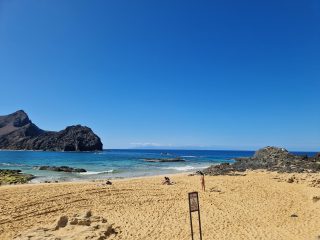
Three genuine wellness retreats stand out. Six Senses Douro Valley wraps Ayurvedic treatments, river-view yoga and vineyard walks around a converted 19th-century manor — the spa uses grape-infused treatments unique to the region. L'AND Vineyards in the Alentejo combines modern architecture with vineyard wellness and Michelin-starred dining (rooms have retractable skylight roofs over the bed for stargazing). For something on the coast, Sublime Comporta spreads cabana-style villas across a 17-hectare estate of pine forest and rice fields, with a quiet, sand-toned spa. New for 2026: Legacy Ithos on Porto Santo's golden beach has just opened a thalasso clinic using volcanic waters and sand.
What's the best time to visit Portugal?
Late April to early June and mid-September to October are when Portugal is at its best — temperatures of 20–27°C, beaches swimmable, accommodation prices reasonable, light at its most photographic. July and August are peak: hot inland, expensive, and Lisbon and the Algarve get overwhelmed. November to March is mild on the coast (12–17°C) but rainy; the Douro is closed in winter for most quintas. Madeira stays around 20°C year-round and is one of Europe's best winter escapes. If you're after wine harvest, come in late September — the picking starts in the Douro and runs through October.
Do I need a visa to visit Portugal?
EU, EEA, and Swiss citizens enter Portugal freely under EU free-movement rules. Citizens of the US, UK, Canada, Australia, Japan, and around 60 other visa-exempt countries can stay up to 90 days within any 180-day period without a visa. From late 2026, those visa-exempt travelers will need an ETIAS authorization (online application, around €7, valid three years) before flying into the Schengen Area — Portugal included. Russian and Chinese passport holders need a Schengen short-stay visa applied for via VFS Global or the Portuguese consulate before travel. Whatever passport you carry, your travel insurance should cover medical expenses to at least €30,000 across the Schengen area.
How many days do I need to see Portugal properly?
For a focused first trip, ten days lets you do Lisbon (3–4 days), Porto and the Douro Valley (3 days), and either the Algarve or Sintra–Cascais (2–3 days) without rushing. Lisbon alone deserves four days minimum to include Sintra. If you have a long weekend, pick one city — Lisbon and Porto each reward depth more than a hop between them. The Lisbon–Porto Alfa Pendular train takes under 3 hours and is more pleasant than driving. For wine, add the Douro; for slow travel, swap the Algarve for the Alentejo; for beaches, the western Algarve beyond Lagos (Sagres, Aljezur) is the underrated half.
Locals Insider's Articles About Portugal
Articles in this section are written by Denis Zaykovskiy and Locals Insider. Want to share your experience about Portugal? Email us at hello@localsinsider.com.