
Destinations › Italy › Portofino
City · Italy
Portofino
Portofino: A First-Timer's Guide to Italy's Most Photographed Fishing Village
Your Portofino guide, curated by Locals Insider
Portofino, by Locals Insider
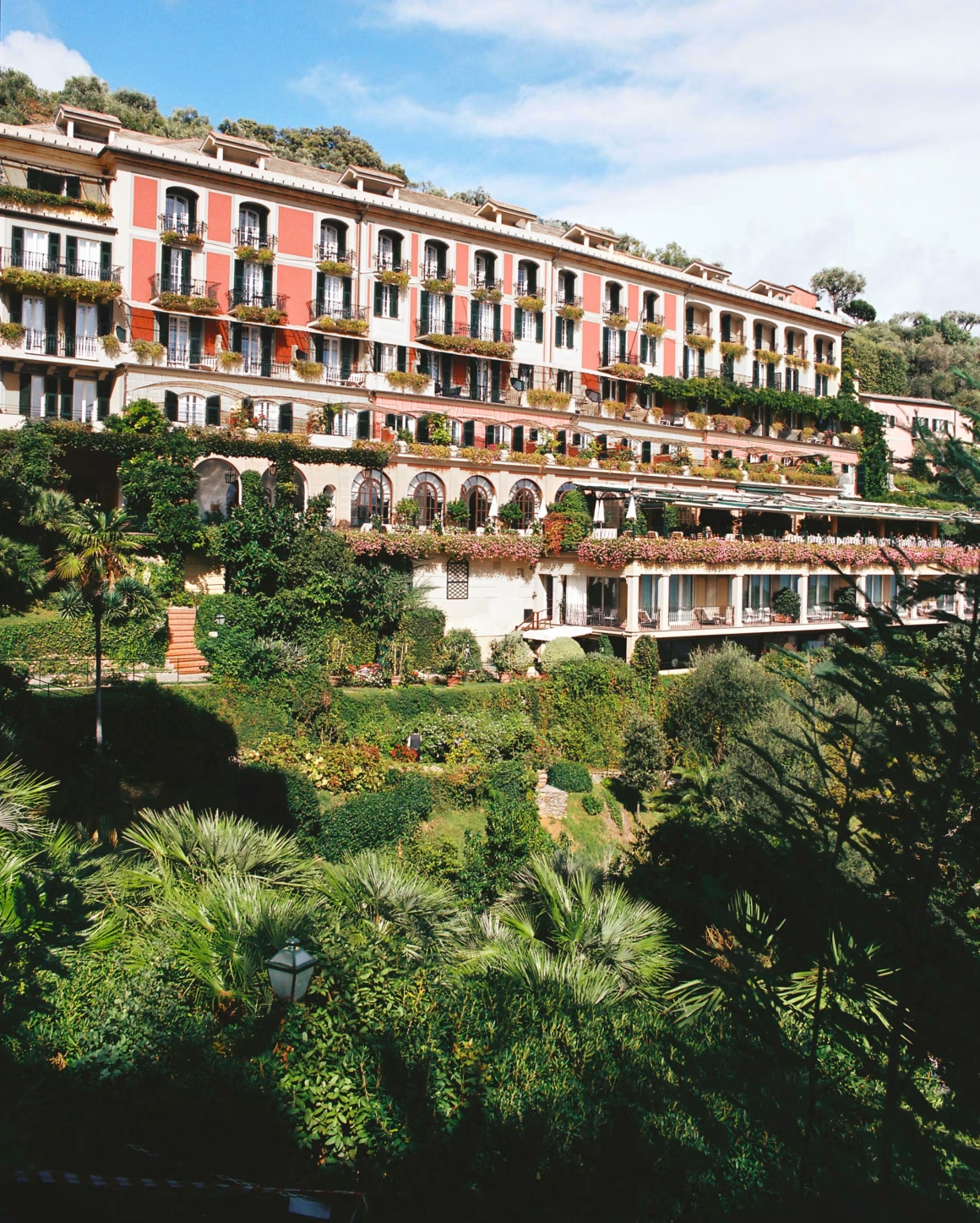
Portofino is the tiny Ligurian fishing village — population 400 — that became the most exclusively photographed harbour in Europe sometime in the 1950s and has never quite shed the title — the horseshoe-shaped harbour, the painted ochre and pink houses, the iconic Belmond Splendido on the hillside, and a 3-night stay that anchors any serious Italian Riviera trip.
The stays are limited and properly serious. Belmond Splendido, the legendary hilltop hotel above the village, and its harbour-front sister Splendido Mare, the recently restored Hotel Eight, and the village's handful of pensione-scale rooms — that's roughly it.
The dining is the small piazzetta and the harbour quay; the day-trips are the walk to San Fruttuoso abbey (boat-only access), the lighthouse hike on the Portofino headland, and the new wave of farm experiences at La Portofinese on the slopes above. A three-night stay, not a stopover.
Famous for
The painted-house harbour and the famous piazzetta, Belmond Splendido and Splendido Mare hotels, the lighthouse walk on Punta Portofino, San Fruttuoso abbey (boat access only), the Portofino Marine Protected Area, the Christ of the Abyss underwater statue, the surrounding Riviera villages of Santa Margherita Ligure and Camogli, and the Cinque Terre extension day-trip.
Did you know?
Portofino's population doubles in winter, not summer. The village proper has about 400 permanent residents, but in winter the second-home Milan and London owners actually live there to escape city pollution and winter rates. In high summer, the day-trippers (from Genoa cruise ships and the Cinque Terre) outnumber residents 50 to 1.
Ask a local’s list
Stories · updated as we publish
Latest from Portofino
1 storyThe Portofino guide
Where to stay, eat and drink in Portofino
Picked by Locals Insider. Every address checked against the venue or Google.
Belmond Splendido
Iconic luxury, hilltop · Hill above Portofino village
€1,200–4,500
Portofino's signature hotel since 1901 — a former Benedictine monastery on the hillside above the harbour, with 67 rooms, the famous pool deck overlooking the village, and a guest list that has included Bogart, Madonna, Onassis. The Italian Riviera grande dame.
Salita Baratta 16, 16034 PortofinoWebsite ↗
Splendido Mare, A Belmond Hotel
Harbour-front luxury · Portofino village harbour
€800–2,500
Belmond's harbour-front sister property to the Splendido — 14 rooms inside three restored 17th-century townhouses directly on the Piazzetta. Reopened in 2022 after a full redesign by Martin Brudnizki. Smaller, more intimate, more immediately central than its hilltop sister.
Via Roma 2, 16034 PortofinoWebsite ↗
Eight Hotel Portofino
Design boutique · Above Portofino village (Paraggi side)
€280–650
A smaller (18-room) boutique hotel on the hillside between Portofino village and Paraggi Bay — restrained design, sea views, half the price of the Splendido properties. The smart-luxury choice that doesn't require a Belmond budget.
Via del Fondaco 11, 16034 PortofinoWebsite ↗
Grand Hotel Miramare (Santa Margherita Ligure)
Belle Époque grand · Santa Margherita Ligure
€350–800
Santa Margherita's 1903 Belle Époque seafront grand hotel — 81 rooms, private beach access, the city's most aristocratic stay. The smart base for a Portofino visit that doesn't require Portofino prices.
Via Milite Ignoto 30, 16038 Santa Margherita LigureWebsite ↗
Hotel Continental (Santa Margherita Ligure)
Heritage seafront 4-star · Santa Margherita Ligure
€250–550
A 1903 hotel with its own private beach in Santa Margherita — 78 rooms, a small garden facing the bay, properly old-world. Walking distance to the harbour.
Via Pagana 8, 16038 Santa Margherita LigureWebsite ↗
Hotel Cenobio dei Dogi (Camogli)
Heritage 4-star, Camogli · Camogli
€220–480
Camogli's grand hotel — a former 16th-century Doge's residence on the harbour-front. 102 rooms, private beach, properly old-Italian-Riviera in feel. Quieter and cheaper than the Portofino-side options.
Via Cuneo 34, 16032 CamogliWebsite ↗
DaV Mare (Splendido Mare)
Modern Ligurian, hotel restaurant · Portofino Piazzetta
€90–180 mains
Open to non-residents — the Splendido Mare's harbour-front restaurant by the Cerea family of three-Michelin Da Vittorio fame. Ligurian cuisine elevated to a serious level, with the Portofino harbour as your dining-room view.
Via Roma 2, 16034 PortofinoWebsite ↗
Puny
Iconic Portofino trattoria · Portofino Piazzetta
€55–110 mains
The Piazzetta's most famous trattoria — running since the 1970s, with the white-painted exterior, terrace tables on the square, and a menu of traditional Ligurian (pesto trofie, pansoti, anchovies). Cash only on smaller plates. Reservation strongly recommended.
Piazza Martiri Olivetta 5, 16034 Portofino
Ristorante Pitosforo
Classic Ligurian, harbourside · Portofino harbour
€60–120 mains
Direct on the Portofino harbour quay — Ligurian seafood, properly serious antipasti, terrace tables right at the water's edge. The harbour-front lunch institution.
Molo Umberto I, 16034 Portofino
U Giancu (Rapallo, 15 min)
Quirky Ligurian, comics-themed · San Massimo, Rapallo
€35–60 mains
Worth knowing about for a meal away from Portofino prices — a famously quirky Ligurian restaurant in the hills above Rapallo, with walls covered in original comic-book art donated by visiting comics artists. Excellent traditional cooking.
Via San Massimo 78, 16035 RapalloWebsite ↗
La Portofinese
Farm-to-table eco-experience · Hills above Portofino
An eco-farm above Portofino that has reopened in recent years — small-scale tastings, farm tours, traditional Ligurian olive-oil and pesto experiences. Book ahead; small groups only.
Località Castagne, 16034 Portofino
La Terrazza (Belmond Splendido)
Iconic hilltop hotel bar · Belmond Splendido
The Splendido's terrace bar with the most photographed cocktail view in Italy — over the harbour and out to the Mediterranean. Open to non-residents at sunset on a 'discretion of the maître d'' basis. Smart-casual dress.
Salita Baratta 16, 16034 Portofino
Bar Morena
Piazzetta institution · Portofino Piazzetta
A small bar on the Piazzetta — the locals' coffee in the morning, the visitors' aperitivo in the evening. The closest thing Portofino has to a regular coffee bar. Affordable by Portofino standards.
Piazza Martiri Olivetta, 16034 Portofino
Sundial Bar (Splendido Mare)
Harbour-front cocktail bar · Splendido Mare
The Splendido Mare's ground-floor cocktail bar — Martin Brudnizki-designed nautical interior, classic Italian cocktails, the harbour just outside the door. The grown-up Portofino evening.
Via Roma 2, 16034 Portofino
Le Vinaccie (Santa Margherita)
Wine bar in Santa Margherita · Santa Margherita Ligure
A wine bar in Santa Margherita with a serious natural-wine list and Ligurian regional specialties — properly grown-up. The base-town alternative to Portofino's harbour bars.
Via Garibaldi 95, 16038 Santa Margherita Ligure
Castello Brown
Hilltop castle museum
A 16th-century fortress on the hill above Portofino village — bought by a British consul in 1867, restored, now a small museum with the most photogenic terrace view in town. Walk up from the village in 15 minutes.
Via alla Penisola 13a, 16034 PortofinoWebsite ↗
Abbazia di San Fruttuoso
Medieval abbey, boat-access only
A 10th-century Benedictine abbey set into a tiny pebble cove on the back of the Portofino headland — accessible only by boat (from Camogli or Portofino) or a 2-hour hike. Owned and managed by the FAI (Italian National Trust). Half-day excursion.
San Fruttuoso, 16030 CamogliWebsite ↗
Cristo degli Abissi (Christ of the Abyss)
Underwater bronze statue
An 8-foot bronze statue of Christ placed underwater in 1954 in San Fruttuoso bay, 17 metres below the surface. Accessible only by snorkel or scuba diving — but glass-bottom boats from Camogli give a view from above. A genuinely unusual marine pilgrimage.
San Fruttuoso bay, 16030 Camogli
Chiesa di San Giorgio
Hilltop village church
The small parish church on the hillside above the harbour — modest interior, lovely small terraced cemetery behind, panoramic harbour view. Free, often quiet.
Via alla Chiesa di San Giorgio, 16034 Portofino
Punta Portofino Lighthouse walk
Iconic headland walk
From the Piazzetta, a 20-minute coastal walk through pines and Mediterranean scrub to the small lighthouse at the end of the Portofino headland. Sweeping sea views in three directions. Free; the most reliable Portofino-day-trip even in peak season.
Punta del Capo, 16034 Portofino
Paraggi Bay
Hidden sandy cove
A tiny turquoise cove between Portofino and Santa Margherita Ligure — Portofino's only real beach. Two beach clubs (Bagni Fiore is the famous one) plus a small free section. Bus or walking access.
Paraggi, 16034 Portofino
San Fruttuoso boat trip
Abbey-and-cove excursion
The classic Portofino day-trip — a 30-minute boat to the San Fruttuoso abbey, set in a tiny cove only reachable by sea or hiking. Small restaurants on the pebble beach, swimming in transparent water, the Christ of the Abyss statue just offshore. Half a day.
Boat departures from Portofino or Camogli
Portofino-Santa Margherita coastal walk
5-km Belle Époque path
A 5-km waterfront path between Portofino and Santa Margherita — past Belle Époque villas, Paraggi Bay, small private coves. About 90 minutes walking each way. The classic free walk.
Coastal path between the two towns
Parco di Portofino
Regional protected park
The 1,000+ hectare regional park covering the entire Portofino promontory — Mediterranean scrub, pine and oak forest, marked walking trails connecting the inland villages of Olmi, Pietre Strette and Cala dell'Oro. Free; properly empty in shoulder seasons.
Portofino headlandWebsite ↗
Area Marina Protetta Portofino
Marine protected area
A 346-hectare marine protected area around the Portofino headland — among the most biodiverse Mediterranean marine zones, with the Christ of the Abyss underwater statue. Snorkelling, diving, dolphin sightings on boat trips.
Surrounding waters of Portofino headland
Camogli pebble beach & town walks
Working fishing village beach
Camogli's narrow pebble beach has the tall painted houses as backdrop — best at sunset. The small town behind has Genoa-style stepped lanes (caruggi) and the Castel Dragone fortress at one end. Free; lovely.
Camogli seafront
Promontorio di Portofino summit (Mount Portofino)
Headland summit walk
The highest point on the promontory at 610 metres — reached by a moderate 2-hour walk from Portofino village. Panorama of the entire Gulf of Genoa on a clear day.
Monte di Portofino, 610m summit
Neighborhoods
Portofino neighborhoods: where to base yourself
Portofino village & Piazzetta
The painted-harbour core
The village is essentially one harbour, one main square (the famous Piazzetta), one street climbing up to Castello Brown, and a small church on the hillside. Everything happens on or around the harbour quay. Walkable in 15 minutes end to end.
Best for First-timers, photographers, iconic-image hunters
Feels like An Italian-Riviera postcard that knows it's a postcard
Portofino Promontory (Parco di Portofino)
The protected headland
The forested hill behind and beside the village — protected as a regional park, with walking trails to the lighthouse (Punta del Capo), to San Fruttuoso abbey on the other side of the headland, and to small inland villages. The wild side of Portofino.
Best for Walkers, hikers, nature lovers
Feels like A Mediterranean coastal nature reserve, accessed from a village
Santa Margherita Ligure
The bigger sister town
5 minutes by car (or 30 minutes walking) from Portofino — a proper small Riviera town with daily life, Belle Époque hotels, a pedestrianised seafront, more restaurants, and the railway station for the Riviera. Most repeat visitors stay here and visit Portofino, rather than the reverse.
Best for Repeat visitors, longer stays, family travel
Feels like The Belle Époque Italian-Riviera town Portofino isn't trying to be
Camogli
Fishing village on the other side of the headland
15 minutes by car or train from Portofino — Camogli is the working-fisherman's village on the western side of the Portofino headland. Tall painted houses against the sea, an annual sardine festival, less touristed and more authentically Italian.
Best for Repeat visitors, food explorers, day trips
Feels like What Portofino was before the 1950s
Paraggi Bay
The single sandy beach
Between Portofino and Santa Margherita Ligure — Paraggi is a small sandy cove (Portofino has no real beach), with two beach clubs, turquoise water, the small Capo Portofino lighthouse walk starting nearby. The only proper beach option in the area.
Best for Beach days, families, sunbathers
Feels like A perfect small Mediterranean cove with beach clubs and serious prices
Editor’s picks
How to spend your days in Portofino
Portofino rewards two to three nights — more than a stop, less than a vacation. Day one: settle in, walk the harbour and the Piazzetta, the lighthouse walk at sunset, a serious dinner at Puny or DaV Mare. Day two: a San Fruttuoso boat day with swimming and lunch at the cove.
Day three: the Portofino-Santa Margherita coastal walk one way, lunch in Santa Margherita, return to Portofino for an evening drink at the Splendido's La Terrazza.
The peak-summer mistake is staying in Portofino itself — the day-tripper crush is intense, parking is impossible, prices triple. Stay in Santa Margherita or Camogli (which is properly atmospheric and 10 minutes by train), then take a boat or a 15-minute taxi for the Portofino dinners and walks.
If you have a fourth or fifth day, the Cinque Terre starts an hour south by train — Monterosso, Vernazza, Corniglia, Manarola, Riomaggiore. Doable as a long day-trip from Santa Margherita, but ideally one overnight.
Through the year
Portofino festivals and what’s on
May
Sagra del Pesce (Camogli Fish Festival)
Camogli's annual Sunday-in-May fish festival — fishermen fry sardines, anchovies and small fish in a giant 4-metre frying pan and serve them free to anyone who turns up. About 30,000 visitors come for the spectacle.
August (10 August)
Festa di San Lorenzo (Portofino)
Portofino's saint's day — village procession, harbour mass, then candles set adrift on the water at night. The most atmospheric small-village evening in the area.
July
Stelle nel Borgo (Santa Margherita)
An open-air classical music festival in Santa Margherita Ligure's central squares and churches — properly serious chamber music in a Belle Époque seafront town.
August (5 August)
Stella Maris boat procession (Camogli)
An annual boat procession out from Camogli into the gulf, with the statue of the Madonna del Boschetto on a decorated boat. Followed by fireworks. The most photographed Camogli evening.
Tours
Tours and day trips in Portofino
Good to know
Portofino at a glance
PopulationAround 400 (Portofino village proper)
Time zoneCET (UTC+1, +2 in summer)
Safety 10/10
Portofino and the surrounding Riviera villages are among the safest tourist destinations in Italy. Crime against tourists is functionally non-existent. The only practical caution is the steep cobbled paths around the village in wet weather and around the lighthouse walk.
Solo travel of any kind is genuinely fine.
LGBTQ+ friendly 7/10
Italy doesn't legally recognise same-sex marriage (only civil unions, since 2016).
The Italian Riviera, including Portofino, is a properly international resort area with substantial Anglo-American and Northern European visitors — visible same-sex affection in the immediate Portofino-Santa Margherita-Camogli tourist zone is normal. Outside that, social attitudes vary.
Questions
Portofino FAQ
Where do locals eat in Portofino?
Portofino is tiny (fewer than 400 permanent residents) — the entire iconic harbour is walkable in 10 minutes. The restaurant scene is concentrated on the famous Piazzetta and the harbour-front.
For the iconic Portofino institution: Ristorante Puny, at Piazza Martiri dell'Olivetta 4, 16034 Portofino. The most-cited celebrity-spotting restaurant in the Italian Riviera — operating since 1968, with the iconic terrace directly on the Piazzetta facing the harbour.
Properly serious Ligurian cuisine (the iconic pasta al pesto with Genovese pesto, trofie with seafood, fritto misto). Reservations 1-2 months ahead in summer; expect to see iconic global celebrities at the next table.
For the modern, contemporary pick: Stella, at Piazza Martiri dell'Olivetta 32, 16034 Portofino. A more contemporary Portofino restaurant on the Piazzetta — properly executed Ligurian cuisine with a more modern presentation than Puny. Reservations recommended.
For the affordable, locals' standard: Da U Batti, at Vico Nuovo 17, 16034 Portofino. A traditional Ligurian seafood-focused restaurant tucked into a small alley off the Piazzetta — the iconic Portofino working-class lunch spot.
For an affordable alternative outside the village, the nearby Camogli harbour (15 minutes by car) has more affordable proper Ligurian seafood restaurants without the Portofino premium.
Where can I get the best seafood with champagne or sparkling wine in Portofino?
For Portofino seafood with serious Champagne, the destination is O Magazin, at Calata Marconi 34, 16034 Portofino.
A properly serious harbour-front seafood restaurant — daily fresh Ligurian catch (the iconic gamberi rossi red prawns from Santa Margherita Ligure, branzino sea bass, the famous polpo alla genovese octopus), and a wine list strong on Champagne, Ligurian Vermentino, and Franciacorta sparkling.
The terrace tables directly over the harbour with views of the moored yachts is among Italy's most cinematic dining settings.
For an iconic alternative with the most cinematic Portofino experience, the La Terrazza rooftop bar at the Belmond Hotel Splendido (covered below) offers the iconic sunset Bellini-and-aperitivo service overlooking the entire Portofino harbour from above.
For something more casual, the Restaurant Pitosforo just off the Piazzetta has serious Champagne service in a properly Portofino-traditional atmosphere.
Which historical boutique hotel should I stay at in Portofino?
For an old-world historical stay in Portofino, the reference is Belmond Hotel Splendido, at Salita Baratta 16, 16034 Portofino.
The most iconic Italian Riviera hotel — originally a 16th-century Benedictine monastery, converted to a Belle Époque luxury hotel in 1901. The hillside position above Portofino offers the most cinematic views of the iconic colourful harbour from the property's outdoor terraces.
Elizabeth Taylor and Richard Burton, Humphrey Bogart, Frank Sinatra, the Burton-Taylor power couple, and most international celebrities visiting the Italian Riviera have stayed. 65 rooms across the heritage main building and Splendido Mare (the sister property directly on the harbour).
The iconic pool, the heritage-Italian gardens, and the unmatched panorama. Open seasonally (typically April-October).
Pricing from around €1,800/night in peak season. Bookings via the official Belmond site. For a more affordable alternative in nearby Santa Margherita Ligure (10 minutes by car), Grand Hotel Miramare on the seaside promenade is the comparable Belle Époque heritage hotel.
For a contemporary boutique alternative, Eight Hotel Portofino in the village is the smaller modern choice.
What is the LGBTQ+ scene like in Portofino?
Italy passed same-sex civil unions in 2016 but has not yet legalised same-sex marriage.
Portofino is widely LGBTQ+-friendly as a tourist destination — the Italian Riviera has long had a sophisticated international visitor population including many LGBTQ+ travellers — but the village itself is too tiny (fewer than 400 permanent residents) to sustain any dedicated LGBTQ+ scene or nightlife.
The neighborhood: There is no defined gay quarter in Portofino. The entire village is essentially one piazza and one harbour.
The venues: Portofino has no dedicated LGBTQ+ bars, clubs, or saunas. The high-end resort hospitality scene — the Splendido, the Piazzetta restaurants, the harbour-side bars — is widely LGBTQ+-friendly without any particular LGBTQ+-specific establishments.
For dedicated LGBTQ+ nightlife on the Italian Riviera, the nearest cluster is in Genoa (45 minutes west by train or car) with bars like Diversity Genova, or in Milan (2.5 hours by train) for serious queer nightlife.
Pride and resorts: For Italian Riviera LGBTQ+ travel, the iconic destinations are Forte dei Marmi (with the long-standing gay beach scene), Viareggio, and the larger Tuscan-coastal cities. Portofino is the iconic glamorous-couples destination rather than a queer-nightlife destination.
What unique small museum, new 2024-2026 landmark, or 1-3 day itinerary should I plan for Portofino?
The famous-person small museum: Castello Brown, at Via alla Penisola 13a, 16034 Portofino.
The 12th-century castle on the headland above Portofino — once the residence of British consul Montague Yeats Brown (the property bears his name; he purchased the abandoned medieval fortress in 1867 and converted it into a private residence).
Now a small museum with photographs and documents of Portofino's iconic 19th-and-20th-century international visitor history (Hemingway, Greta Garbo, the Burton-Taylors, royalty).
The walk up from the Piazzetta takes 15-20 minutes; the panoramic harbour view from the castle ramparts is among the iconic Italian Riviera viewpoints.
The recent landmark: San Fruttuoso Abbey at San Fruttuoso, 16032 Camogli — the 11th-century Benedictine abbey accessible only by boat or a properly serious 2-hour coastal hike from Portofino.
The iconic Cristo degli Abissi (Christ of the Abyss) statue (a 2.5-metre bronze statue of Christ with arms outstretched submerged at 17 metres depth in San Fruttuoso bay) — installed in 1954 and among the world's most-photographed underwater statues.
Boat tours from Portofino and Camogli include both the abbey visit and the dive-site overview.
1-3 day itinerary: Day 1 — Portofino village (Piazzetta morning coffee, harbour walk, climb up to Castello Brown and the Faro lighthouse for sunset, dinner at Puny).
Day 2 — Boat day (San Fruttuoso abbey + Cristo degli Abissi boat tour from Portofino harbour, swimming and lunch at the abbey, evening Bellini at Splendido).
Day 3 — Day trip via the Portofino-Santa Margherita-Camogli regional train (or by boat) to the iconic Cinque Terre villages (Vernazza, Monterosso, Manarola, Riomaggiore, Corniglia — UNESCO World Heritage, the five iconic colourful coastal villages, all walkable via the Sentiero Azzurro coastal path).
Locals Insider
Spotted a mistake? Know a better place?
We check every guide against official sources, but places change. Tell us what’s out of date, or the spot you’d send a friend to.
Tell us about itToday in Portofino
Now
Sunset
16:57
Live, for today
Best months
April–June, September–October
From a local
Portofino locals who write for usLocals here
All authors

Anna Lavrinenko
Anna Lavrinenko danced at the Mariinsky Theatre for almost seventeen years and now teaches ballet, still reminding her students to point their feet.
An art historian who can lose a whole day in front of one painting, she also trained in pastry at Le Cordon Bleu and has lived, worked and started over in several countries. Instagram: @lavrinenkoann

Rafi Mercer
Rafi Mercer is the founder and writer of Tracks & Tales, a global guide to listening bars and listening culture.
He spent twelve years at Virgin and a career in record shops, listening rooms and the quieter corners of the music business.
He is the author of The Luxury of Listening, and hosts the Listening Club, a monthly vinyl session for members worldwide.

Alexandre Vassiliev
Alexander Vasilyev is a television presenter, world-renowned fashion historian, interior designer, set designer, author of popular books and a contributor to Locals Insider.

Alex Copenguy
Alex Copenguy, founder of Localsinsider.com, loves exploring cities on foot, finding cozy, historic boutique hotels, and avoiding tourist spots.
He's passionate about Scandinavian simple yet functional design, contemporary art, and enjoys mussels with fries and cold prosecco. A fan of saunas and banyas, he always seeks out a good male massage when traveling.
Olga Modjaro
Olga Modjaro is a travel blogger who writes in both Russian and English. She has adored Italy all her life and dreamed of moving there. But one day everything changed…
For the past four years, she and her family have been living in France, in Burgundy — right in the heart of the famous town of Chablis.
She is a photographer and has been running successful blogs for over ten years, has visited more than 35 countries, and has written three travel guides. Olga is a hedonist.
She knows a lot about cheese, attends wine auctions, and loves both France and Italy. She is also passionate about beautiful and unique hotels.
“Every hotel has a story, and I strive to tell it — that’s my principle!” she says.

Teddy Dondanville
Teddy Dondanville is a rock climbing guide and freelance writer originally from California, now based in Albany, NY.
He works as an Assistant Rock Guide with the American Mountain Guides Association and is a certified Wilderness First Responder.
A returned Peace Corps Volunteer from Peru, Theodore combines his passions for the outdoors, writing, and the Spanish language in both guiding and storytelling.

Paolo De Andreis
Paolo De Andreis is an Italian journalist, editor, and author based in Viterbo with over three decades of experience writing about culture, technology, and travel.
A former founder of Italy’s first daily online news site, Punto Informatico, Paolo has contributed to leading publishers such as Repubblica, Italia Oggi, and Olive Oil Times.
He brings a deep love of language, storytelling, and fine wine to his work. When he’s not writing, you might find him playing national-level chess or exploring linguistic trends across cultures.
27 places on the map
Which area suits you?
1 / 3
Your vibe?
2 / 3
Most important?
3 / 3
Pace?
Your match