



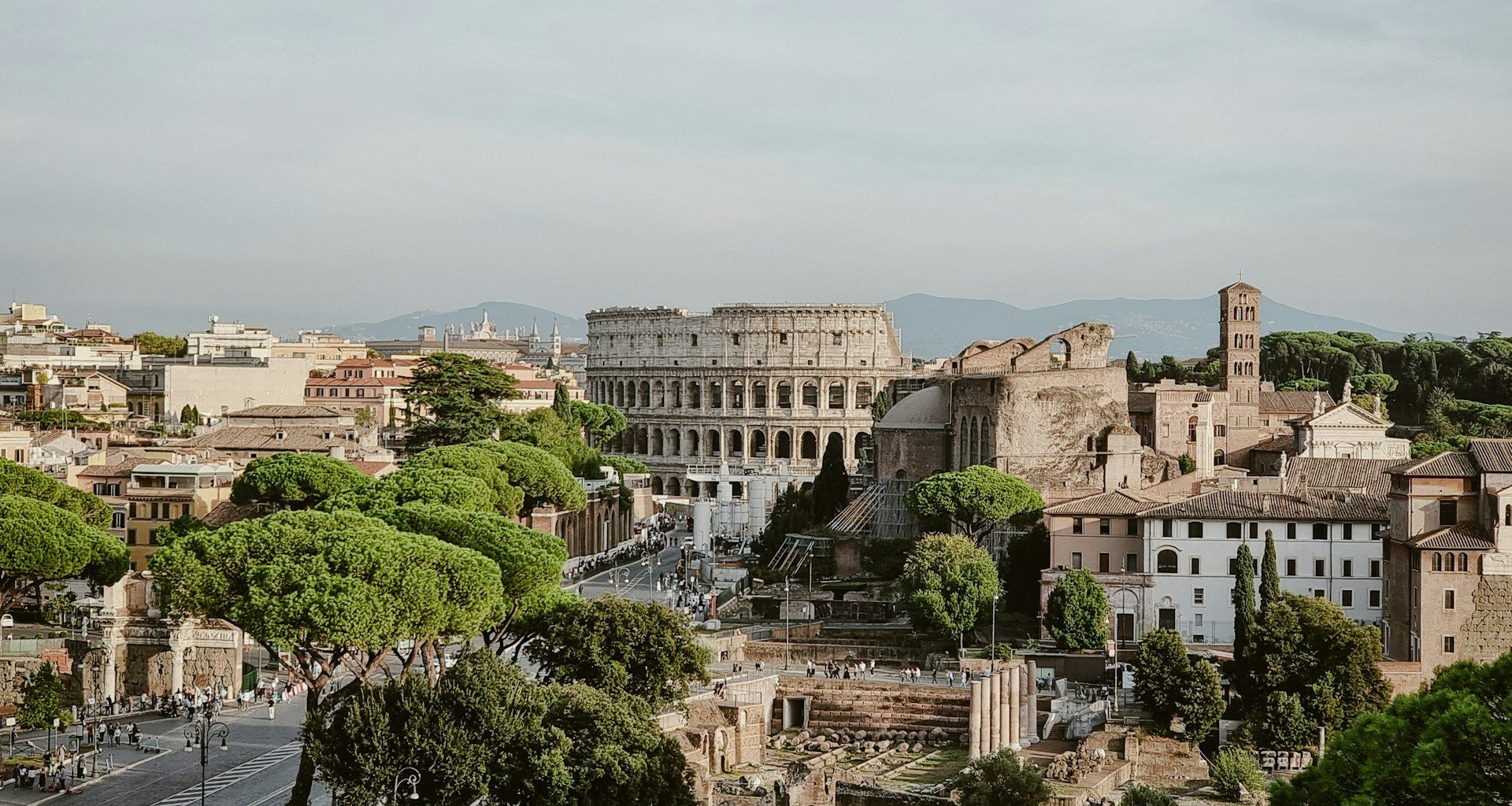
Russian fashion historian Alexandre Vassiliev travels constantly, but he spends more time in Italy than in almost any other country. He lectures in Rome and Venice, leads private tours through Tuscany and Puglia, and returns every fall to the Amalfi Coast and Pompeii. Exclusively for Locals Insider, the historian, set designer, and collector has put together a personal guide to Rome.
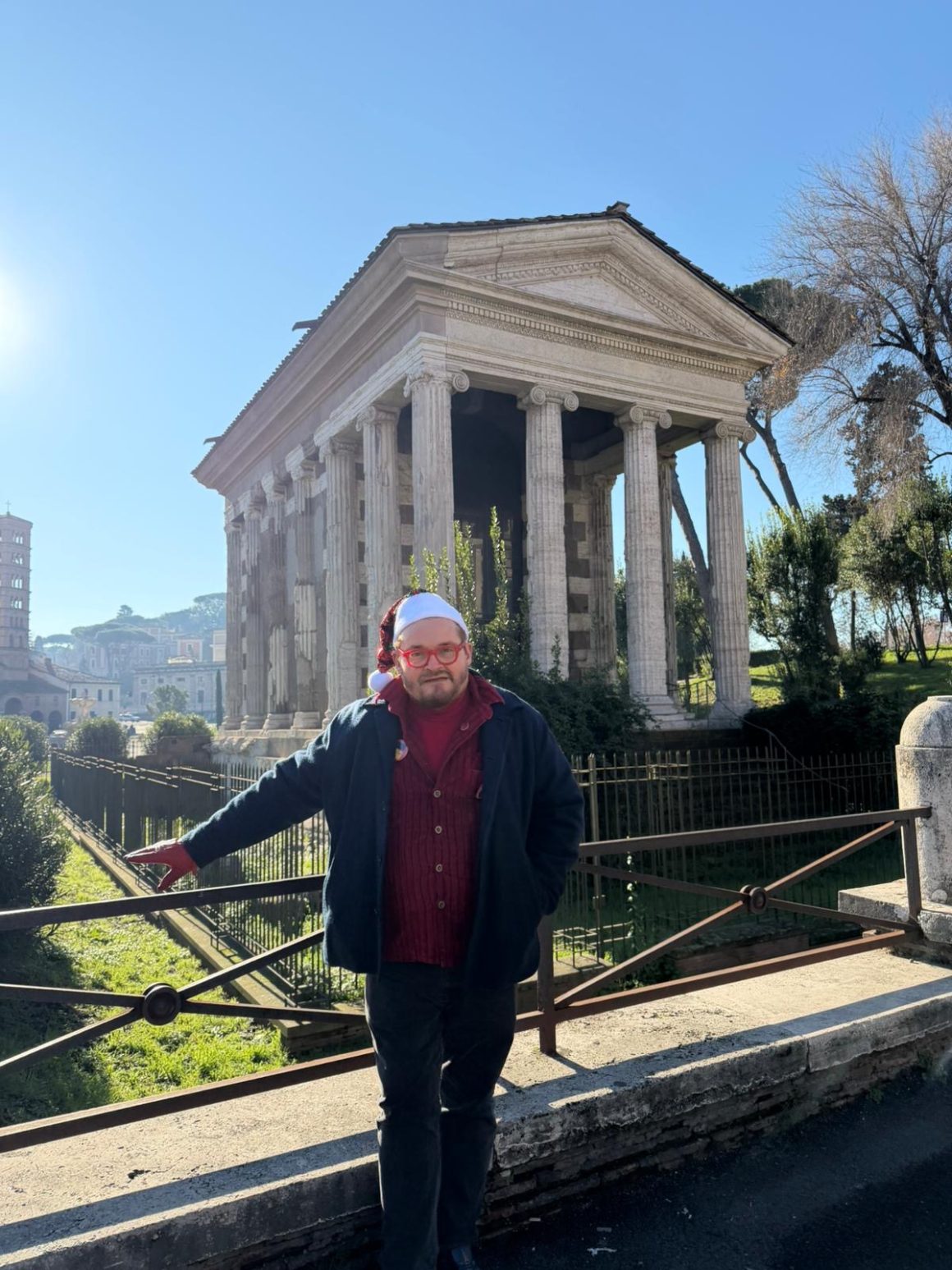
Rome: A City That Is a Stage-Set Warehouse
Rome, to my mind, is the most beautiful city in the world. As it happens, nobody has ever come up with or built anything better. The city looks like a warehouse of stage sets — of plays and operas long since performed. The mix of styles is so eclectic and so grand that simply walking through Rome is a constant pleasure for the eye.
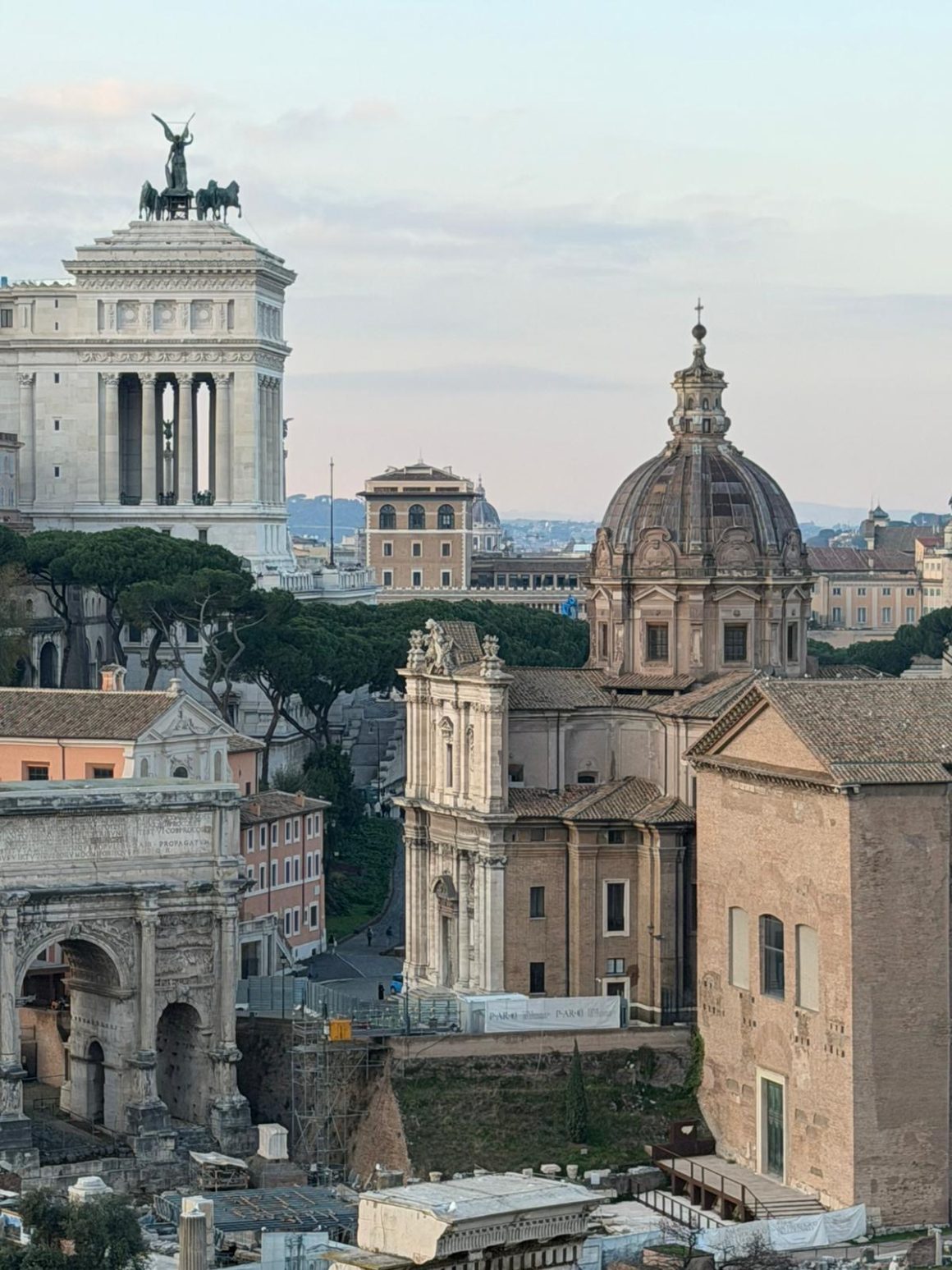
Here antiquity gives way to Gothic, Gothic to Renaissance, Renaissance to Baroque. Baroque yields to Empire, then to Victorian, then Art Nouveau, Art Deco, and even the totalitarian style of Mussolini. It’s all jumbled together, without much reverence or respect of one era for another.
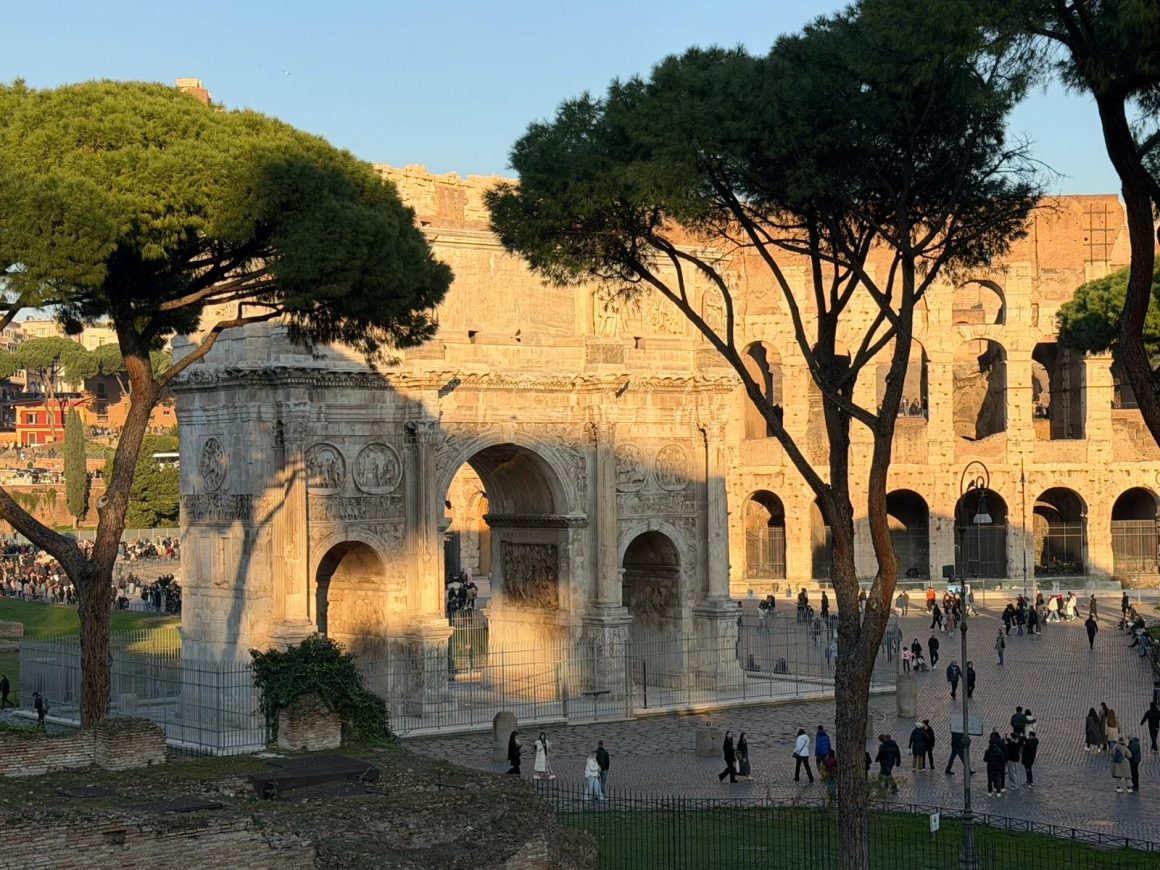
But the structure of Rome is so magnificent and the facade lines so well held that a walk among Piazza Navona, Piazza Venezia, the Roman Forum, the Trevi Fountain, Piazza di Spagna, and Via del Corso is so satisfying that you’ll always end up in a good mood.
Rome is enormous. You can’t cover it in a day, and I wouldn’t recommend giving it just one. The city deserves a good week — every quarter of Rome is worth a full day on its own.
Trastevere: Palazzo Corsini, La Fornarina, and the Shadow of Schiaparelli
Take Trastevere. It’s the district on the far side of the Tiber, the kind of place every great city has once had — an old neighborhood that held on to its character. In Rome, Trastevere still has it.
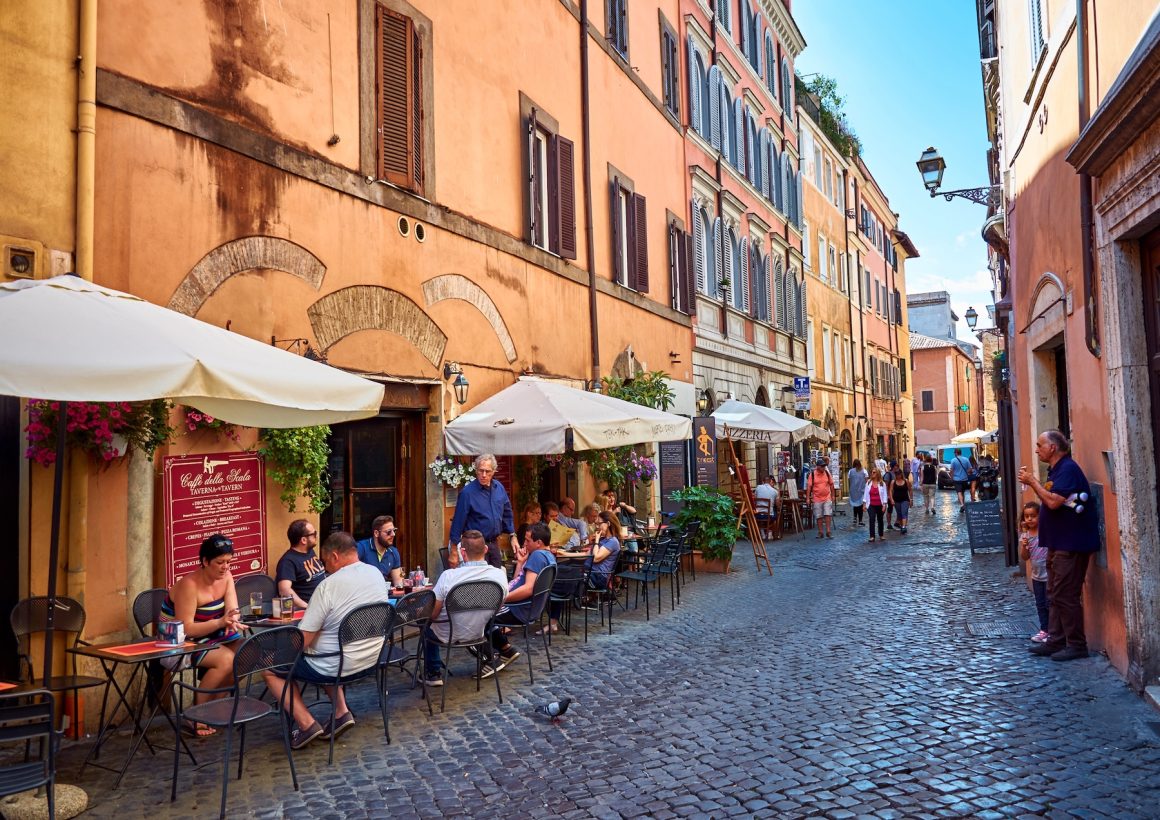
Trastevere is quiet, delicious, deeply popular, with remarkable museums and villas. Palazzo Corsini, for instance: the palace where, in the seventeenth century, Queen Christina of Sweden lived after converting to Catholicism and giving up her Swedish throne for Rome. She lived here for thirty years and died here in 1689.
In that same Palazzo Corsini, on September 10, 1890, the brilliant fashion designer Elsa Schiaparelli was born. Her family kept an apartment in the palace — her father served as director of the Lincei Library. Today Maison Schiaparelli is one of the most coveted fashion houses in Paris.
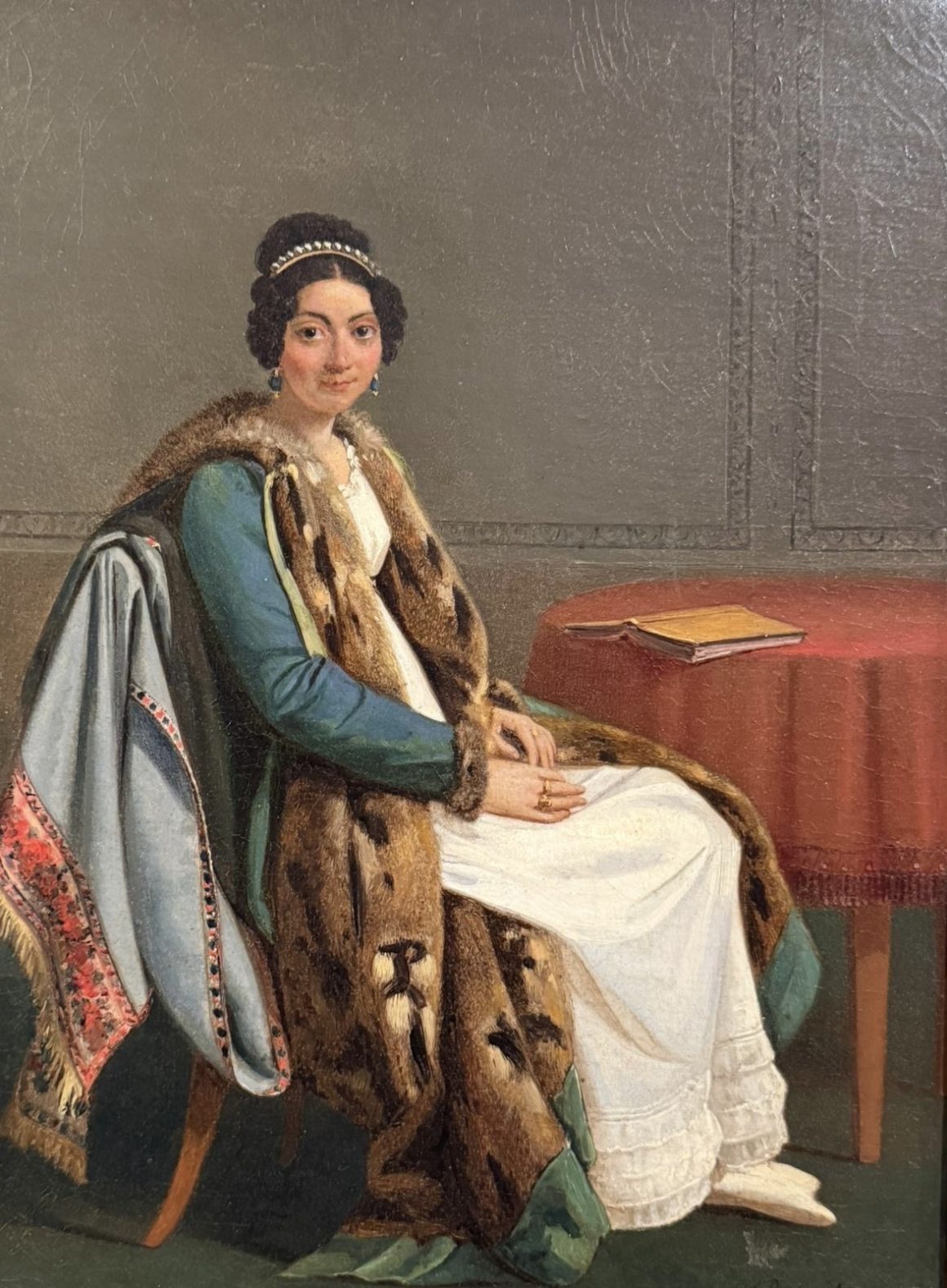
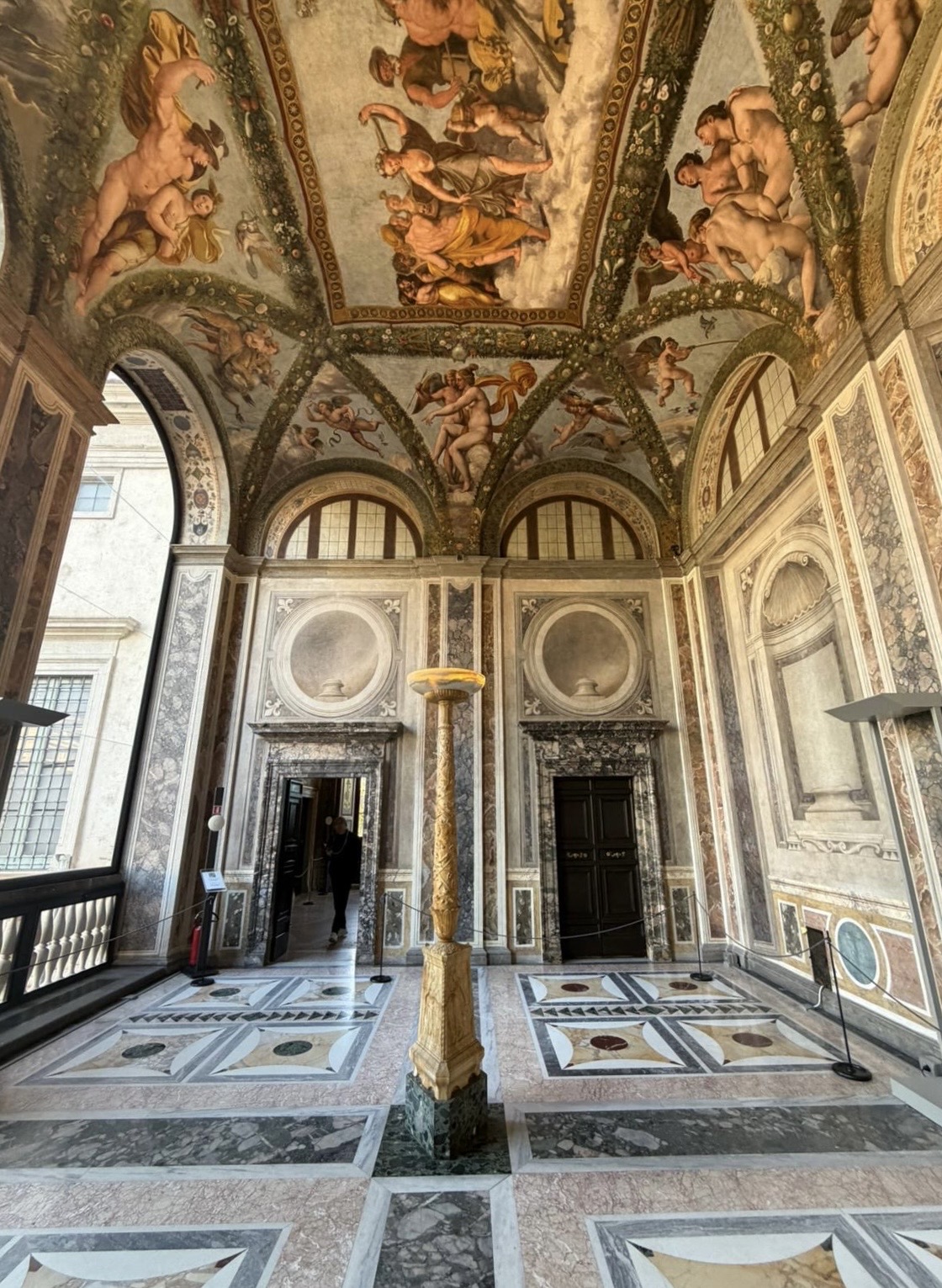
Palazzo Corsini also holds a wonderful painting collection: Caravaggio, Guido Reni, Fra Angelico, Filippo Lippi, Rubens, Van Dyck, Murillo, Rosalba Carriera. Enfilades of rooms, a grand staircase, and one hall painted bright pink — which surely must have inspired a young Elsa Schiaparelli to dream up her famous shocking pink of the 1930s.
Villa Farnesina and the House of La Fornarina
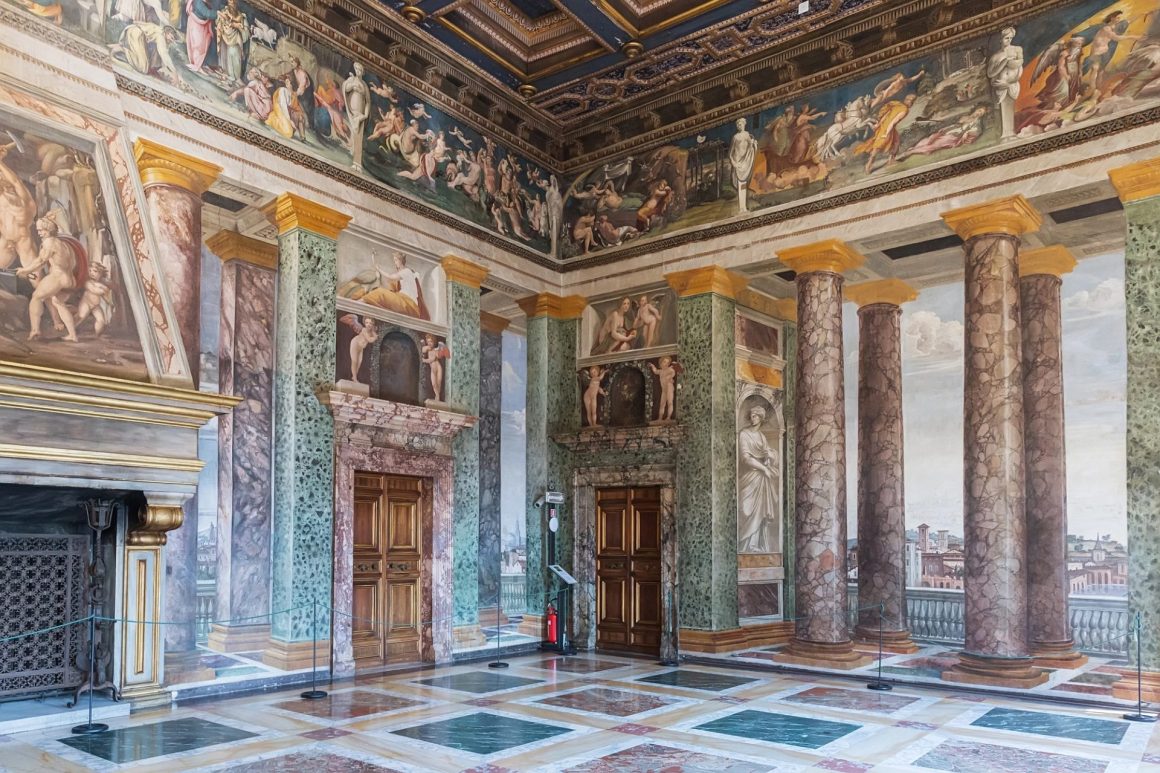
Right next to Palazzo Corsini stands the glorious Villa Farnesina, entirely frescoed by Raphael. His work here is so divine, so magnificent, so virtuosic that a walk through the villa and its garden is a real pleasure. The villa sits on the bank of the Tiber.
A few steps further on, just past the city gate of Porta Settimiana, along Via di Santa Dorotea, stands the bakery and house traditionally associated with La Fornarina. Margherita Luti, daughter of a baker from Siena and, according to legend, Raphael’s model and lover. The romantic nineteenth-century version says Raphael died in her arms.
Vasari’s more prosaic account tells us the painter died of a fever brought on by “amorous excesses,” and on his deathbed he sent Margherita away with the means to live decently. Either way — as deaths go, a worse one is hard to imagine.
A stroll across the little Tiber Island gives you an entire day of pleasure. Why? Because there are no big stores here, almost no traffic. This is central Rome stripped of the hurry, the crowds, and the metropolitan edge.
Villa Borghese: A Second Day-Long Walk
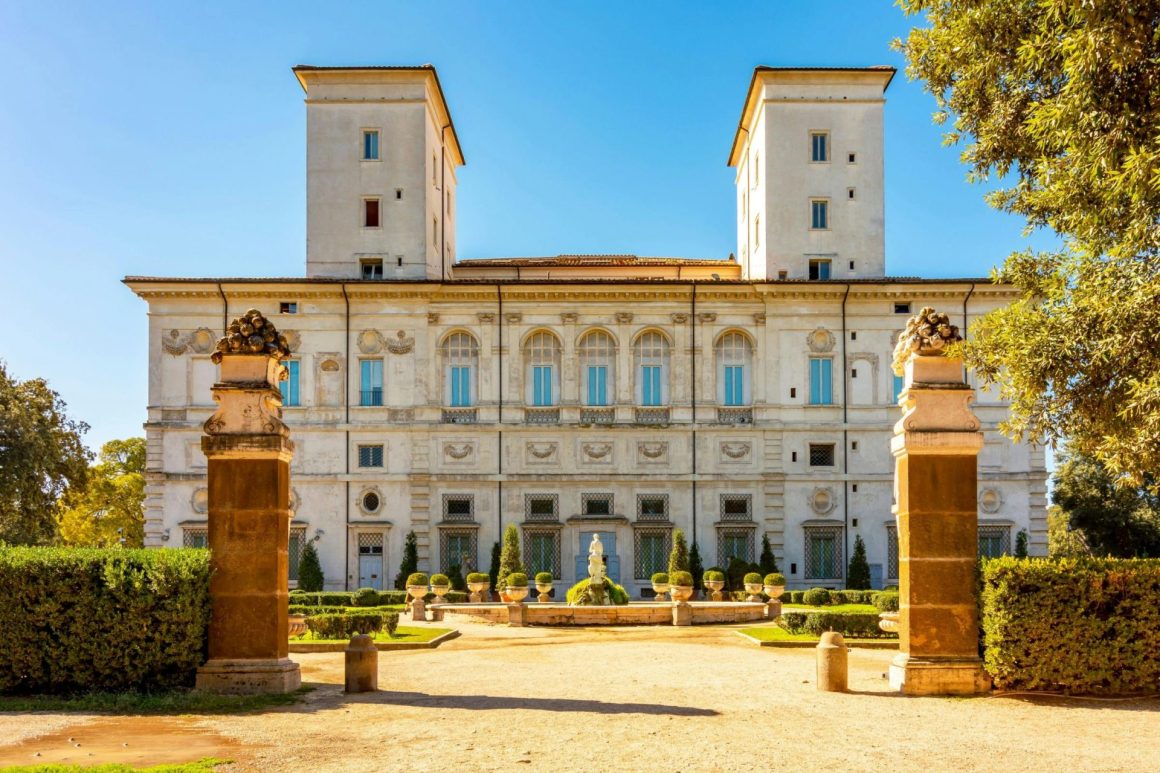
Another stunning walk: Villa Borghese. The gardens sit on the hill above Piazza del Popolo — an enormous, endlessly beautiful park.
At its heart stands the lavish Renaissance villa with its extraordinary sculpture by Bernini and Canova and a first-class painting collection. But the real draw is the detail of the ceilings and walls, and the gripping stories of the people who once owned this singular museum. Hours are limited and entry is by advance booking only. The Galleria Borghese pairs perfectly with a walk through the park.
A Warning: Rome and Pickpockets
Rome is also a city of pickpockets. Always keep track of your bag, wallet, and phone. And never hang a bag on the back of your chair in a café. That means you don’t want it anymore — it will disappear in an instant.
Museo Boncompagni Ludovisi: Rome’s Secret Fashion Museum
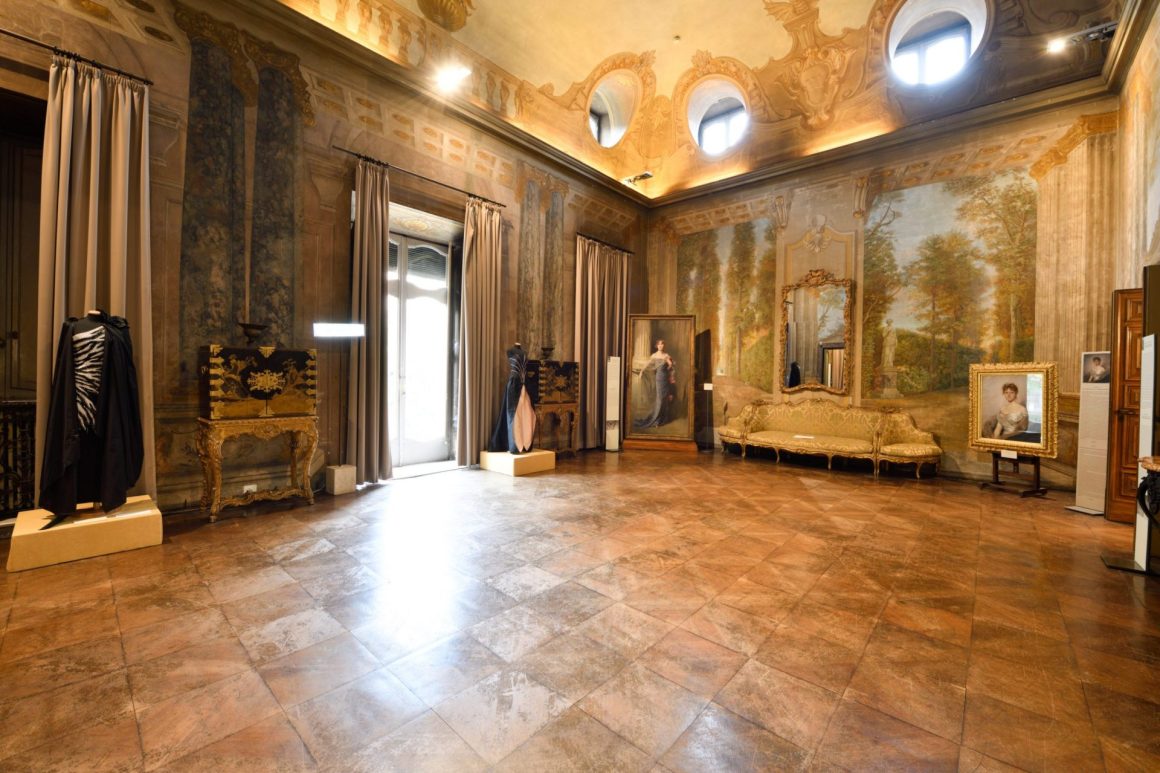
Italians — men and women alike — are beautiful and stylish. Rome holds a huge number of collections tied to the world of fashion. On one of the central streets, just off Via Veneto, stands the Villino Boncompagni — an eclectic villa from 1901.
Inside is the Museo Boncompagni Ludovisi, which doesn’t present itself as a fashion museum but houses one of the largest collections of Italian costume from the turn of the twentieth century: dresses from the 1920s and ’30s, handbags, accessories, cosmetic articles, sculpture, and ceramics. Admission is free.
Rome’s Must-See Landmarks, Picked by Locals Insider
- Palazzo Corsini and Galleria Corsini — Via della Lungara 10, Trastevere. The palace where Queen Christina of Sweden died and Elsa Schiaparelli was born. Painting collection from the 15th to the 18th century. Tuesday through Sunday, 10 a.m. to 7 p.m. Tickets €12.
- Villa Farnesina — Via della Lungara 230. Frescoes by Raphael, Sebastiano del Piombo, and Sodoma. Monday through Saturday, 9 a.m. to 2 p.m. Tickets €10. Free on the second Sunday of each month.
- Galleria Borghese — Piazzale Scipione Borghese 5. Bernini, Canova, Caravaggio, Raphael, Titian. Strict advance booking, entry in timed slots every two hours. Tickets €15.
- Museo Boncompagni Ludovisi — Via Boncompagni 18. Italian costume of the 19th and 20th centuries, 800 garments and accessories. Tuesday through Sunday, 9:30 a.m. to 7 p.m. Free admission.
- Palazzo Altemps — Piazza di Sant’Apollinare 46. Ancient Roman sculpture on par with the world’s major museums — in the nearly empty halls of a Renaissance palazzo. Tuesday through Sunday, 9:30 a.m. to 7 p.m. Tickets €15 (combined pass valid for one week across all four branches of the Museo Nazionale Romano).
Three Collectors: Napoleon, Mario Praz, and the Antique Dealers of Via dei Coronari
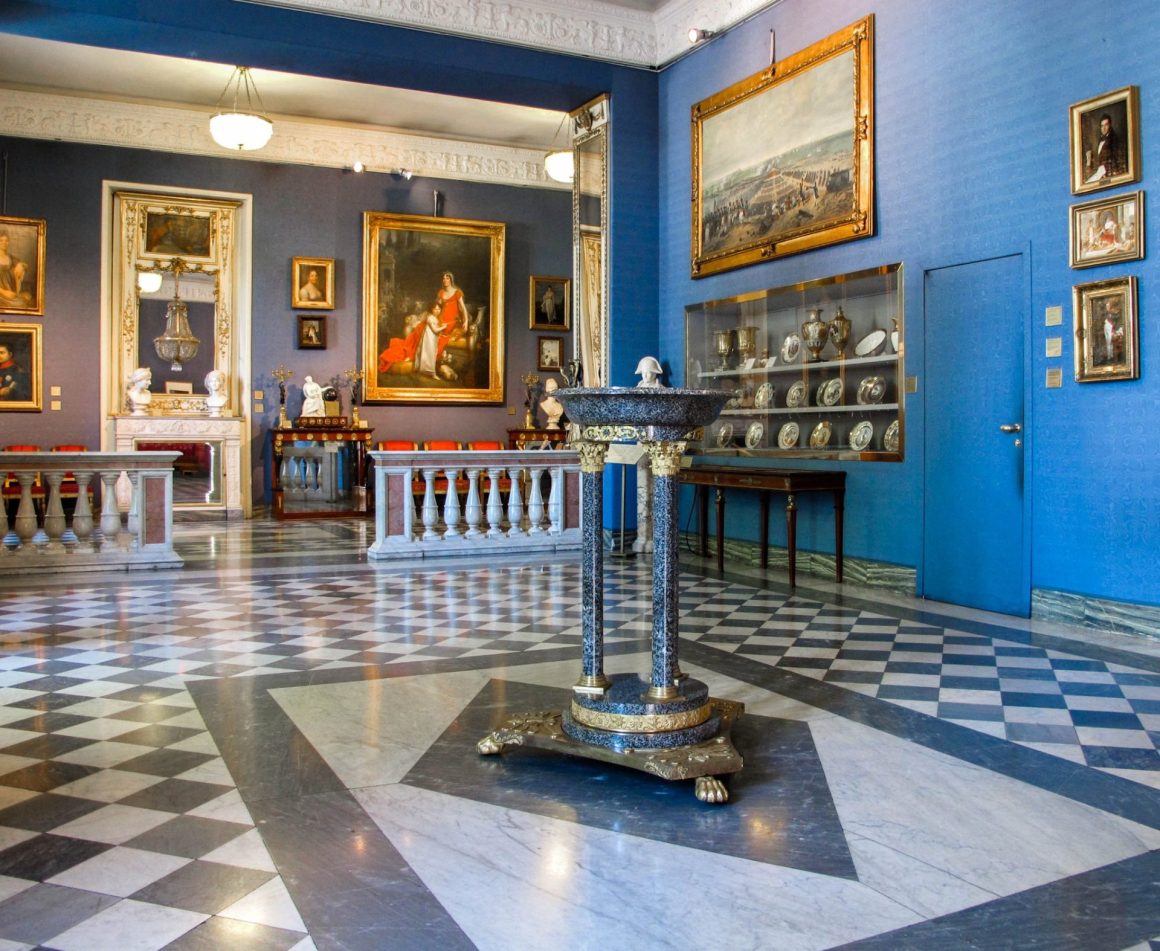
Among Rome’s smaller museums worth a day, I’d single out two — and they share a single building, Palazzo Primoli. On the main floor is the Museo Napoleonico, founded in 1927 by Count Giuseppe Primoli, a great-grandnephew of Lucien Bonaparte (brother of Napoleon I). Superb furniture, paintings, portraits, porcelain, miniatures; objects tied both to Napoleon I and to Napoleon III and his wife, the Spanish-born Empress Eugénie.
Enchanting Winterhalter portraits, unique everyday objects — travel cases, cups, cutlery belonging to the imperial family. A strong costume collection, including the court dress of Napoleon’s mother, Letizia Bonaparte.
In the same building is the Museo Mario Praz — the apartment of the Roman collector, aesthete, and writer Mario Praz. It is fitted out with such refined furniture and such exquisite small objects — wax silhouettes, mosaics, inlaid side tables and bureaus, rare beds — that walking through the Museo Praz is a delight for anyone civilized. Entirely to my taste.
Five minutes away is Palazzo Altemps, where you’ll find Roman sculpture fit for any major museum. But the place is so little known that almost no one goes — you’ll be face to face with ancient Rome in total solitude.
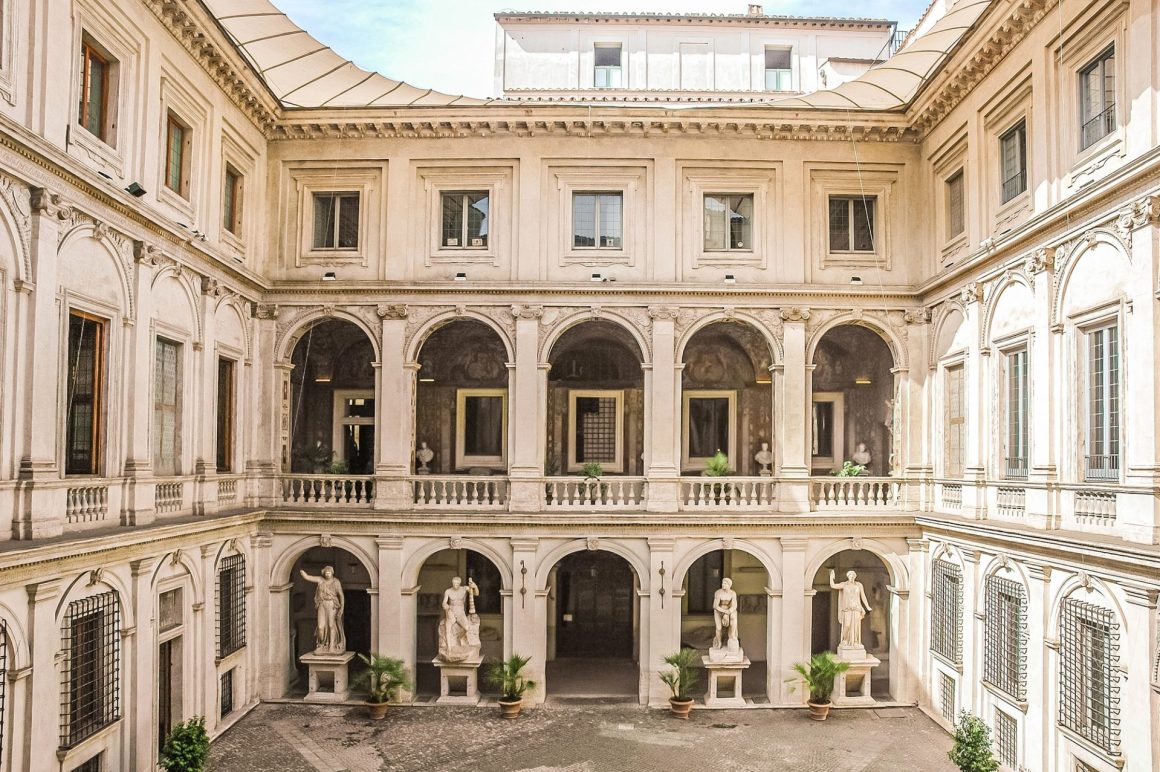
And right behind Palazzo Altemps begins Via dei Coronari, with roughly eight antique shops in a row where you can do very well for yourself. I particularly recommend the antique jewelry shop of Angelica Lisana, specialists in Victorian jewelry, mosaics, corals, cameos, and antique dolls. She bargains well — especially if you mention you read about her in Alexandre Vassiliev’s guide. She’ll melt, and she’ll give you a good price.
Rome’s Best Antique and Vintage Stops, Picked by Locals Insider
- Via dei Coronari — named by Architectural Digest in 2019 as one of the ten most beautiful streets in the world. Several antique shops in a row, ranging from high-end to accessible.
- Mercato di Porta Portese — Piazza di Porta Portese. Rome’s main flea market, Sundays only, 7 a.m. to 2 p.m. Vintage, books, old leather, jewelry. In Trastevere, a short walk from Palazzo Corsini.
- Via del Governo Vecchio — a street between Piazza Navona and Campo de’ Fiori. Vintage clothing and jewelry; lots of independent stores.
- Mercato delle Stampe — Largo della Fontanella di Borghese. Old books, prints, magazines, maps. Monday through Saturday, 9 a.m. to 7:30 p.m. For collectors.
Where to Eat: Rabbit, Porchetta, and Fish
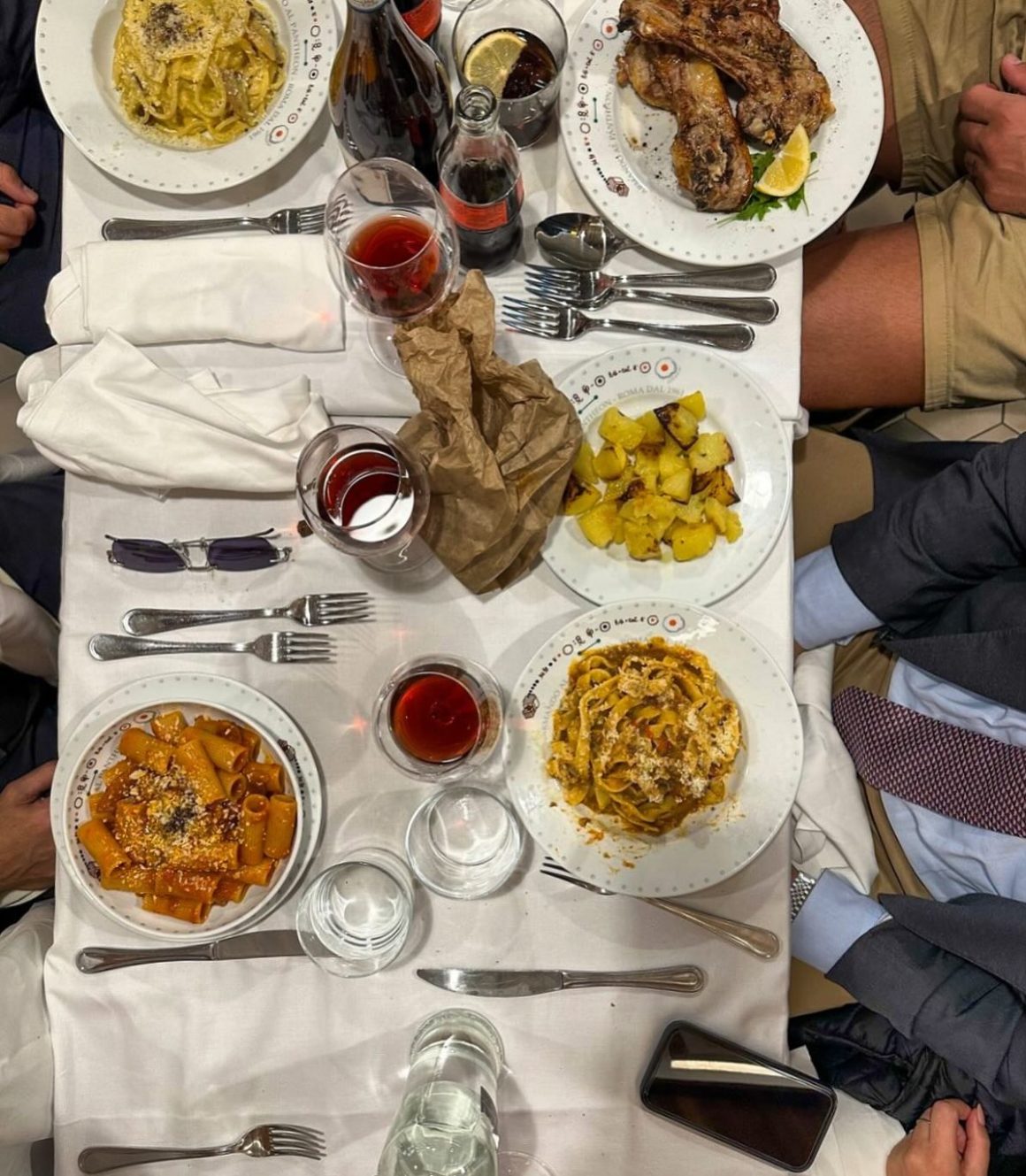
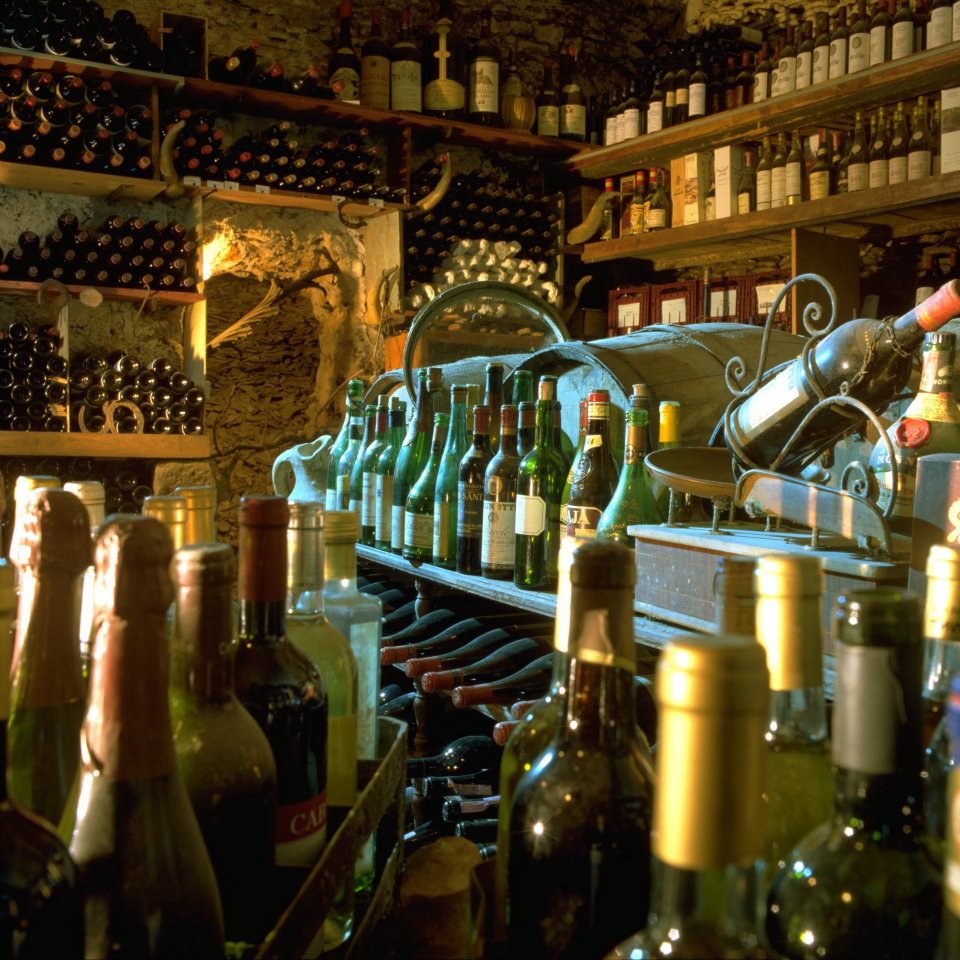
In Rome I try all sorts of things, but I’m especially fond of how they cook rabbit here — and, perhaps surprisingly, the roasted pork (porchetta). Rome also has a spectacular wine selection; don’t skip it. Beyond rabbit and pork: the sea is close, so fish and shellfish arrive fresh.
Hundreds of thousands of tourists pour into Rome, which means there’s an overwhelming number of fast, forgettable places — and you shouldn’t expect every restaurant to feed you well. Much of what you’ll get is standard-issue. My advice: choose places where the antipasti sit in a display case so you can pick what you want by sight. Don’t trust the menu — trust your eye and your instinct.
Rome’s Best Restaurants, Picked by Locals Insider
- Armando al Pantheon — Salita de’ Crescenzi 31. Steps from the Pantheon. A family-run restaurant since 1961. Book a week ahead — locals know it better than tourists do. Classic Roman: carbonara, cacio e pepe, saltimbocca.
- Da Enzo al 29 — Via dei Vascellari 29, Trastevere. One of the best traditional addresses in Trastevere. Book a month out or expect the line.
- Checchino dal 1887 — Via di Monte Testaccio 30. Authentic Roman quinto quarto — offal cuisine: trippa, pajata, coda alla vaccinara. A 130-year history. For a serious dinner.
- Roscioli — Via dei Giubbonari 21. Salumeria, wine bar, and restaurant under one roof. The carbonara is among the best in Rome. A huge wine list.
- Pierluigi — Piazza de’ Ricci 144. A seafood restaurant with tables on a small Baroque square. Antipasti on display in the case — exactly Alexandre Vassiliev’s “pick by sight” principle. A serious level.
Where to Stay: A Hotel in an Old Convent
I’m especially fond of the hotel in the old convent right in Trastevere — every room is a former monk’s cell. Very beautiful, very seductive. Many Roman hotels are historic palazzos, and they’re perfectly decent.
Every hotel in Rome comes equipped with a bidet. Italians do not consider hygiene possible without one. And always keep your money in the safe. Trust no one.
Rome’s Best Hotels, Picked by Locals Insider
- G-Rough — Piazza di Pasquino 69. A small design hotel inside a 17th-century palazzo, two minutes from Piazza Navona. Ten rooms, each furnished with vintage pieces from the 1930s to 1950s. For travelers who love design over opulence. From €350 per night.
- Hotel Donna Camilla Savelli — Via Garibaldi 27, Trastevere. A 17th-century convent designed by Borromini. Every room is a former cell. This is the place Alexandre Vassiliev had in mind. From €280 per night.
- Hotel de Russie — Via del Babuino 9, between Piazza del Popolo and Piazza di Spagna. Roman luxury in its classic form — Picasso, Cocteau, and Stravinsky all stayed here. A secret garden, a full spa. From €900 per night.
- Palazzo Dama — Lungotevere Arnaldo da Brescia 2. A Renaissance palazzo on the bank of the Tiber, facing Piazza del Popolo. A pool in the inner courtyard — a rarity in central Rome. From €450 per night.
- Hotel Eden — Via Ludovisi 49. A historic five-star hotel next to the Museo Boncompagni Ludovisi. A rooftop restaurant with panoramic views of the city. From €800 per night.
Looking for Another Italy — a Completely Different One?
Rome is eclecticism, empire, and Villa Borghese. But there’s another point on the Italian map in this series — southern, volcanic, cut from black lava. If after wandering Trastevere you want something wholly unlike it, read our Catania guide: baroque built from volcanic tuff, the fish-market theater of La Pescheria, and Mount Etna, rumbling through almost every night.