




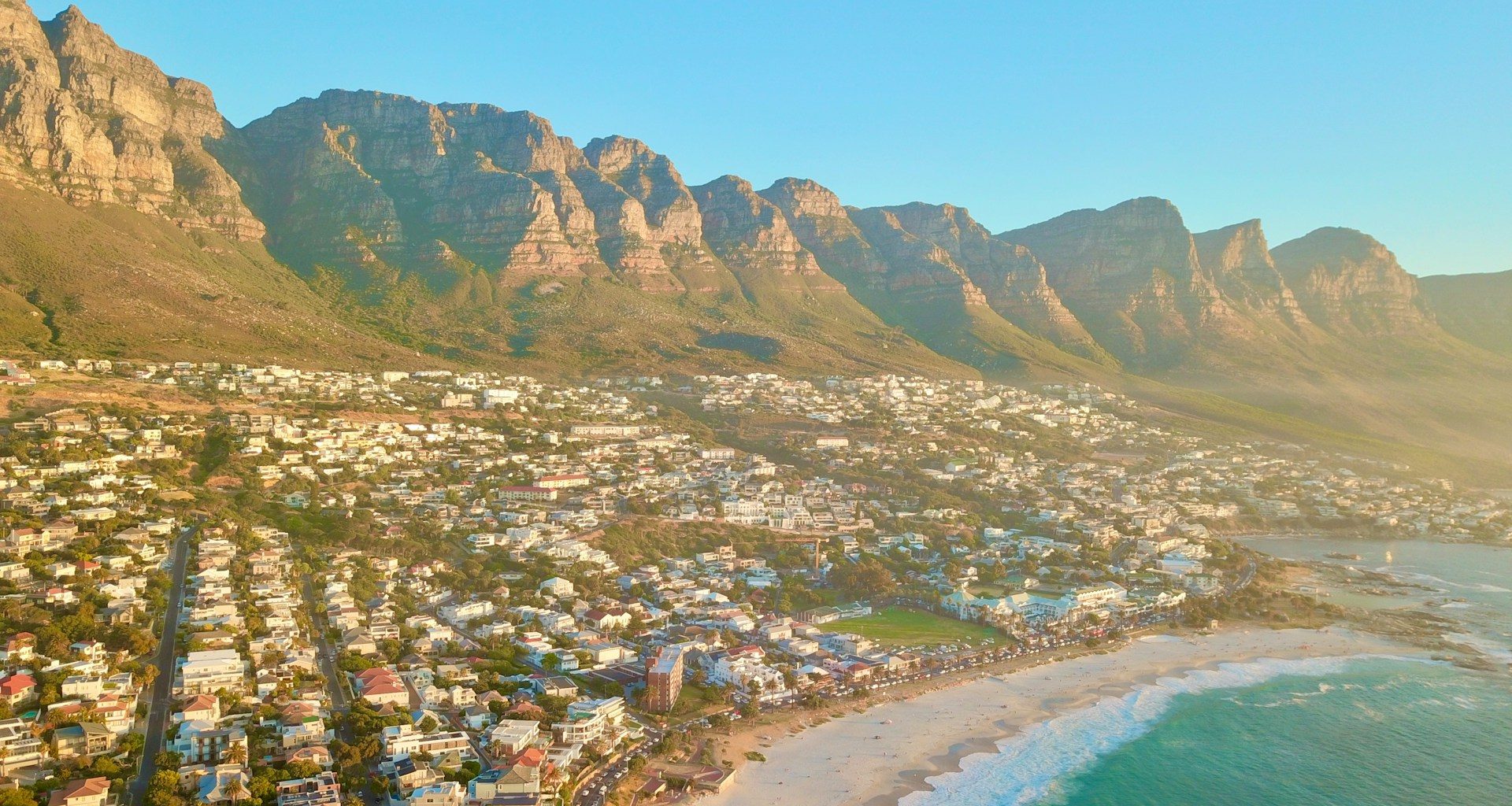
South Africa is an extraordinary country where you could spend weeks and still feel like you’ve only scratched the surface. It has oceans, the Cape of Good Hope, stories of maritime exploration, dramatic coastal drives, mountains, vineyards, safaris, remarkable food, and, of course, an unmistakable end-of-the-world atmosphere.
Here is everything you need to know to prepare for a trip to Cape Town.

Visa
Good news: citizens of the United States, the European Union, and many other countries do not need a tourist visa for stays of up to 90 days in South Africa.
Your passport must be valid for at least 30 days after your departure date from South Africa.
Immigration officers may ask to see a return ticket or hotel reservation confirmation, so keep them accessible. No vaccinations are required for visiting Cape Town and the Western Cape region.
Getting There
Getting to Cape Town is easier than ever. While it used to feel like a journey to the edge of the world, the recent increase in direct flights has greatly reduced travel time. Whether you’re coming from the United States or Europe, you can now trade a grueling layover for a movie marathon and a nap.
For Americans, direct flights from the East Coast are a total game-changer, turning a two-day trek into a single, albeit long, “hop” across the Atlantic. European travelers have it even better because they’re flying mostly straight south. They’ll land with little to no jet lag, meaning they can head straight from the tarmac to a vineyard without experiencing the “zombie” phase.
Direct Routes & Connectivity
Most long-haul flights to Cape Town are overnight. You’ll board in the evening and touch down just in time for breakfast with a view of Table Mountain.
- From North America: Skip the connections with direct service from New York (Newark), Washington D.C. (Dulles), and Atlanta. Expect a flying time of around 15 hours.
- From Europe: Enjoy direct flights from major hubs like London (Heathrow and Gatwick), Paris, Amsterdam, Frankfurt, Munich, Zurich, and Istanbul. These flights typically clock in at 11 to 12 hours.
- Connecting Flights: If you prefer a break or a different carrier, one-stop routes through Dubai, Doha, or Addis Ababa remain popular and highly convenient options.
Best Time to Visit
Cape Town and the Atlantic coast have a Mediterranean climate, featuring warm, dry summers and mild, wet winters.
The best times to visit for most travelers are spring (September through October) and fall (March through May), when the weather is comfortable and the city is less crowded.
However, if a safari is a priority, the dry season from June through October offers the best conditions for viewing wildlife.
Travel Tips
Travel insurance is strongly recommended, especially if you plan to include safaris, cruises, hiking, or other outdoor activities.
Purchase a local SIM card at the airport upon arrival. It takes only a few minutes and is significantly cheaper than international roaming.
Uber and Bolt both operate in Cape Town. The city is generally safe in tourist areas, but avoid empty streets at night and do not display valuables openly.
Currency and Payments
The local currency is the South African rand (ZAR), and the banknotes are among the most beautiful in the world, featuring iconic wildlife rather than political figures.
ATMs at the airport are the easiest way to withdraw local currency. Credit cards are widely accepted, though cash is useful for markets, tips, and small services.
Renting a Car

Renting a car in Cape Town is easy, with all major international companies available at the airport. You will need your driver’s license; an International Driving Permit is recommended for some travelers.
Rental prices vary by season and vehicle type, averaging about $30 to $60 per day for a compact car.
Driving is on the left side of the road. Gas stations are frequent, but for long drives it is wise to keep the tank full, especially in remote areas.
Where to Stay in Cape Town
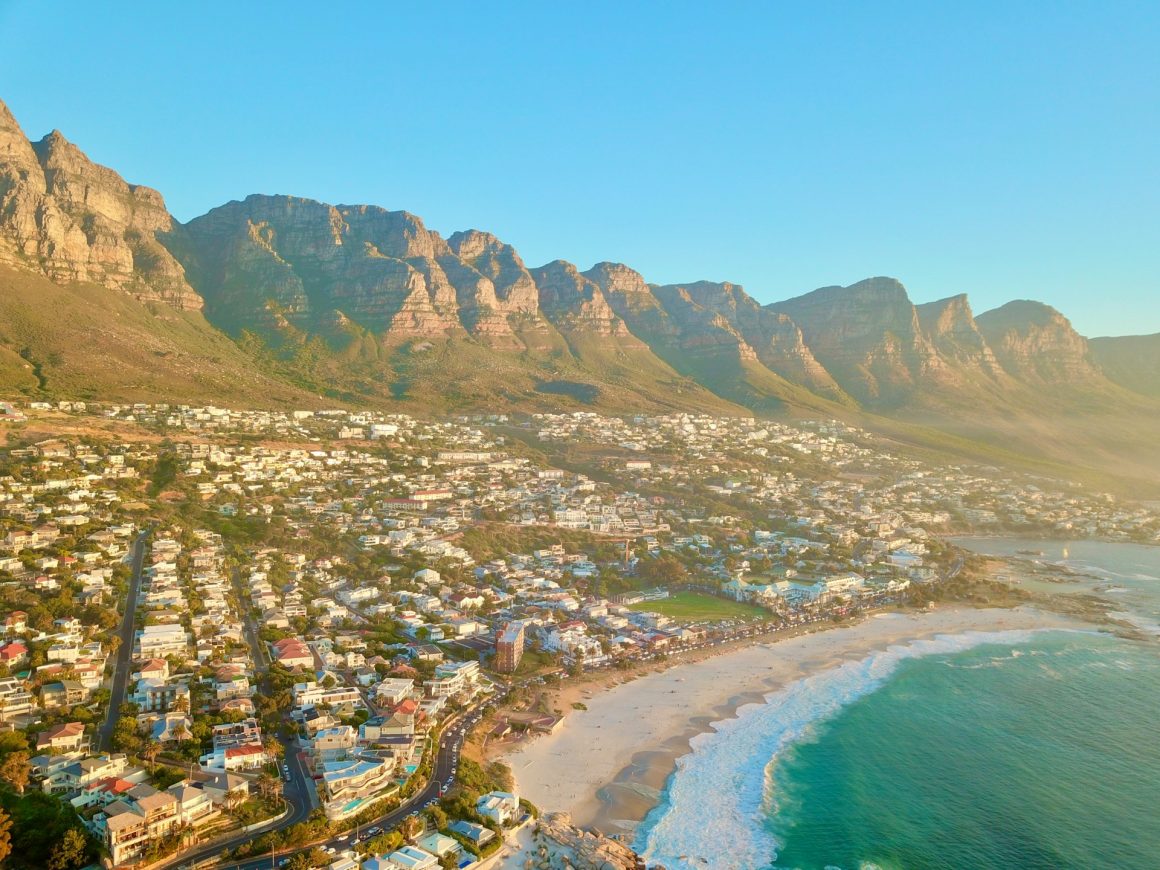
Several neighborhoods are consistently recommended for visitors:
— V&A Waterfront — safe, lively, and close to restaurants, shops, and the harbor
— Constantia / Constantia Heights — green, quiet, and surrounded by vineyards
— Sea Point / Camps Bay — ocean views and popular beaches
— Gardens / Tamboerskloof — central, walkable areas near the city center
Hotels
The Cellars-Hohenort, an SLH Hotel
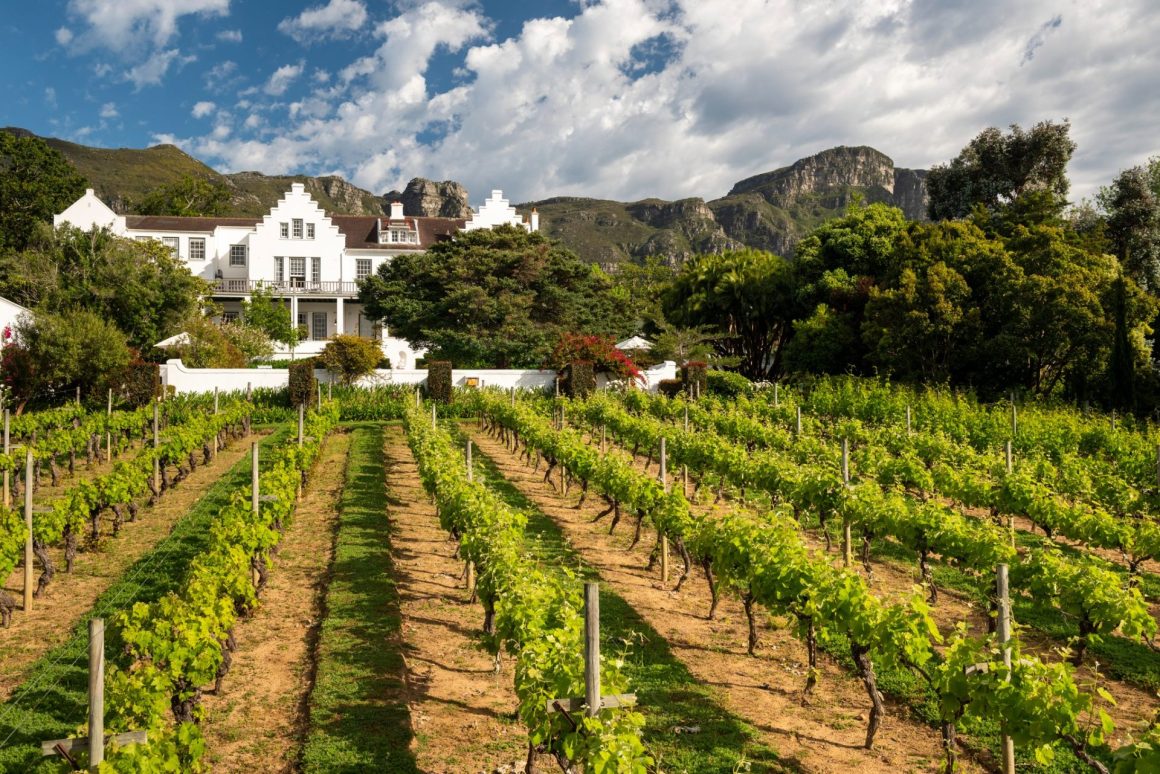
Website: www.thecellars-hohenorthotel.com
An elegant five-star boutique hotel with historic architecture, part of the Small Luxury Hotels collection. Located in the leafy Constantia Heights area near gardens and vineyards.
There is a fine-dining restaurant, a spa, attentive service, and a feeling of countryside luxury within the city.
Rooms from approximately $450 per night.
Alphen Boutique Hotel & Spa
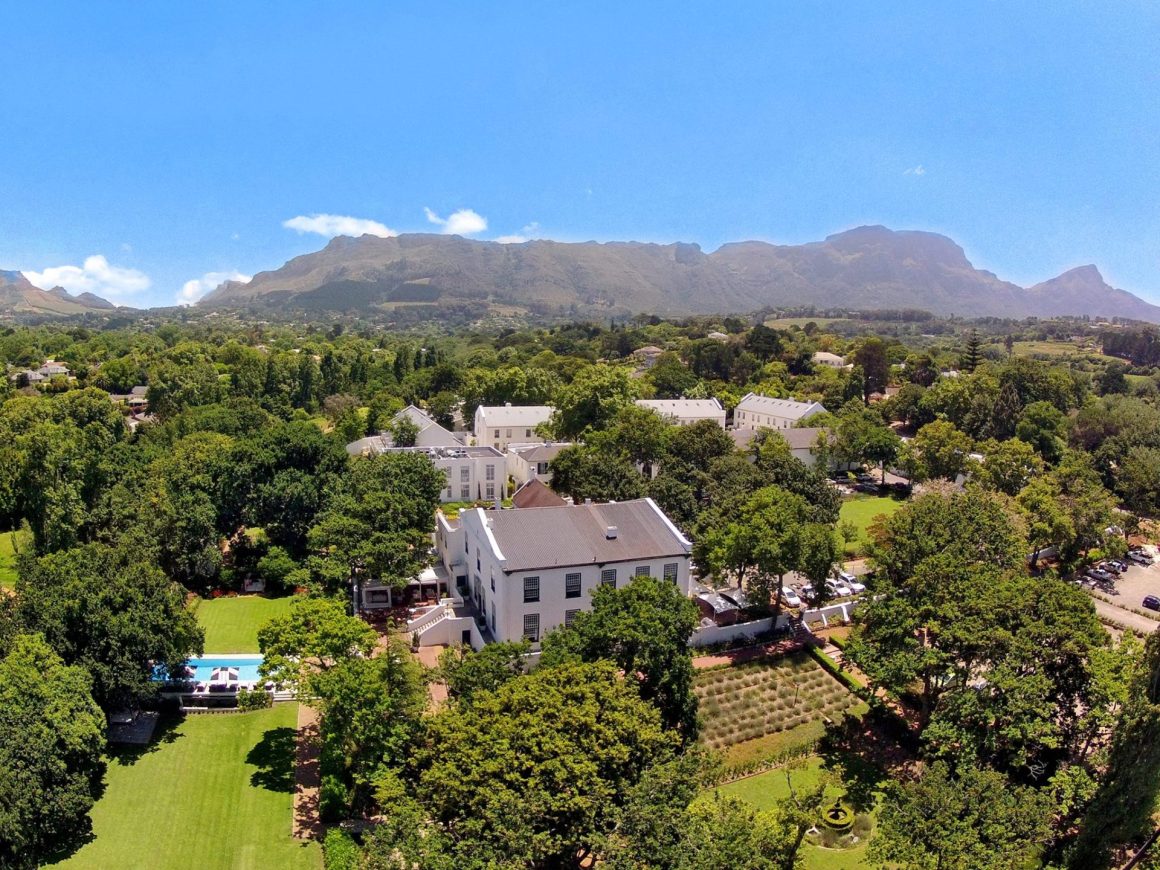
Website: www.alphen.co.za
A colonial-style boutique hotel in the green and peaceful Claremont area. Ideal for travelers who want to stay in the city while feeling close to nature.
Excellent breakfast, spa treatments, and an on-site restaurant.
Rooms from approximately $550 per night.
South Beach Camps Bay Boutique Hotel

Website: www.southbeachsa.com
One of the most popular seafood restaurants in Cape Town, located in the Victoria & Alfred Waterfront with harbor views.
Order the lobster or crab, the restaurant’s signature dishes, along with oysters or mussels and local wine.
Reservations are recommended for dinner and weekends.
Where to Eat Seafood in Cape Town
Baía

V&A Waterfront, Shop 7226, 19 Breakwater Blvd
Website: baiarestaurant.co.za
One of the most popular seafood restaurants in Cape Town, located in the Victoria & Alfred Waterfront with harbor views.
Order the lobster or crab, the restaurant’s signature dishes, along with oysters or mussels and local wine.
Reservations are recommended for dinner and weekends.
SeaBreeze Fish & Shell
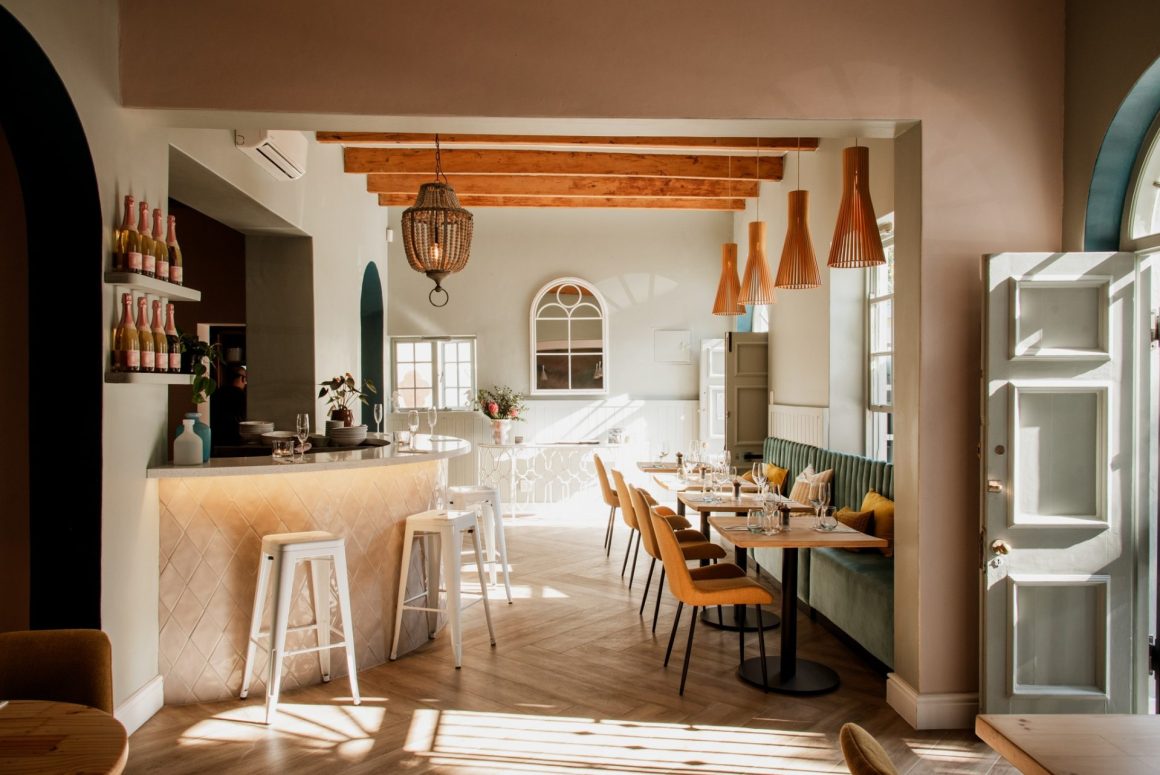
213 Bree St, Cape Town City Centre
Website: seabreezecapetown.co.za
A local legend beloved by Cape Town foodies and travelers alike, this spot is the definition of “dock-to-table.” The menu is a love letter to the South African coast, centered entirely around the freshest local catch with a creative, modern twist.
Whatever the fishermen bring in that morning is exactly what lands on your plate. Expect inventive flavor pairings and bold presentations—think zesty hake ceviche, crispy fish tacos, or their signature black tuna burger. If you’re feeling classic, you can’t go wrong with the fresh catch of the day served simply with artisanal bread and house-made sauces.
What to See

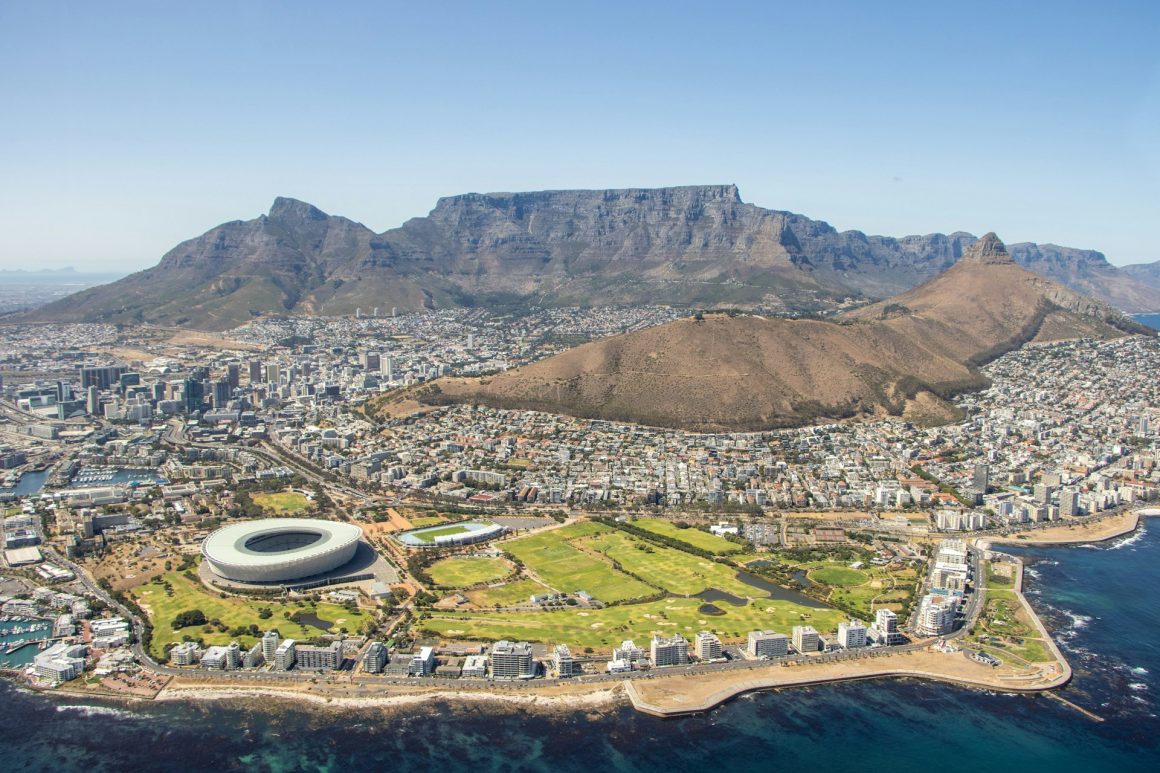
Table Mountain is the undisputed icon of the Cape Town skyline, offering a postcard-perfect view of the city and the Atlantic with its sweeping, 360-degree panorama.
For the easiest ascent, take the Table Mountain Aerial Cableway. It runs daily, though hours tend to shift with the seasons and weather conditions. Once you reach the summit, you’ll find a café, several lookout points, and unbelievable views. Just a heads-up: Bring a jacket or hoodie. Even on a warm day, it gets windy up there.
If you prefer to earn your view, you can always take the trails. There are plenty of routes of varying difficulty, with the average hike taking about two hours each way. If the sun is out, sunscreen and water are absolute necessities.
Cape of Good Hope

Let’s face it, if you’ve flown halfway around the world to reach Cape Town, you’re not going to skip this spot. It’s an absolute must for your itinerary.
The Cape of Good Hope is located at the tip of the Cape Peninsula, roughly a one-and-a-half- to two-hour drive from Cape Town. The route there is stunning, and while you can hop on an organized tour, the best way to experience it is by driving yourself. Having your own car gives you the freedom to pull over whenever you see a beautiful view or a wandering baboon.

Here’s what’s on the agenda:
- Cruise down Chapman’s Peak Drive: Widely considered one of the most stunning coastal roads on the planet. Expect serious views and plenty of “pull-over-now” photo ops.
- Hang with the locals at Boulders Beach: Home to a massive colony of African penguins. It’s incredibly photogenic and, honestly, just adorable.
- Hike to the Lighthouse: Follow the mountain trails up to the point where the Atlantic and Indian Oceans meet for some truly epic horizon views.
- The “I Was There” Shot: Make sure to snap about a million photos at the iconic Cape of Good Hope sign—it’s the ultimate proof of your South African adventure.
Safari Near Cape Town
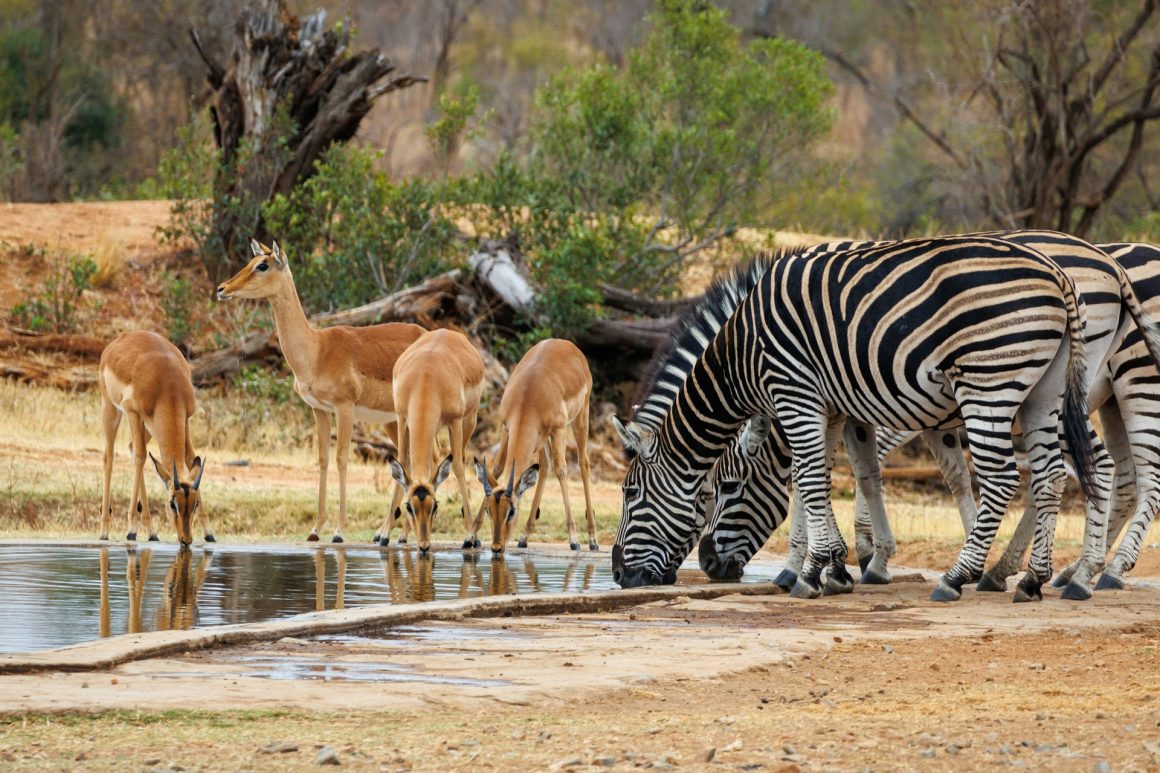
Let’s be real: for most people, you can’t come to South Africa without going on safari. The classic move is, of course, tracking the “Big Five” in the national parks.
Now, Kruger National Park is the legend here, but it’s a hike from Cape Town—you’d need to hop on another flight or settle in for a very long drive.
If you want to keep things closer to home base, there are fantastic private reserves and parks right along the Garden Route, like Botlierskop, Kragga Kamma, and a few others. These are perfect for a quick two-day getaway where you can spend the night in a cozy lodge.
Is it the same “middle-of-nowhere” intensity as a week-long deep-bush safari? Maybe not. But will you see the animals? Absolutely. If safari is just one “must-do” on your list rather than the whole point of the trip, these spots are a brilliant, compact way to do it.
For example:
Garden Route Game Lodge

Website: grgamelodge.co.za
If you’re ready for a wilder pace, check out this private game reserve along the Garden Route. Located about 3.5 hours from Cape Town, it’s the perfect spot to trade the city skyline for the bush. You’ll head out on guided safaris in open-top 4x4s to track the “Big Five” and other local wildlife, all while enjoying the perks of a fully serviced luxury lodge.
Botlierskop Private Game Reserve

Website: www.botlierskop.co.za
Another private reserve offering safari drives, opportunities to see elephants, lions, giraffes, and more, and comfortable lodge and tented accommodations.
If you’re looking to maintain your momentum after Cape Town, it’s worth venturing off the beaten path and heading straight into the vineyards. South Africa is one of the world’s most underrated wine destinations. The dramatic landscapes, historic architecture, and unique local varietals come together to create a sensory experience like no other.
To learn where to sample the finest Chenin and Pinotage, not only in South Africa but also in France and beyond, check out our feature on local wineries, curated by wine journalist Anton Obrezchikov.
