
Back in the winter, I was wondering where to take my mom for a spring trip to celebrate her birthday in a special way. I was looking at a map of Spain, considering different cities, until finally my thoughts returned to a place I’d visited just a few years earlier for only three days—Santander. I had already liked the city very much back then: ocean, beaches and fresh air. This time, I decided: we’re going there together. And so, at the end of March, my mom and I were already on a plane to the capital of Spain’s smallest region—Cantabria.
A City by the Ocean
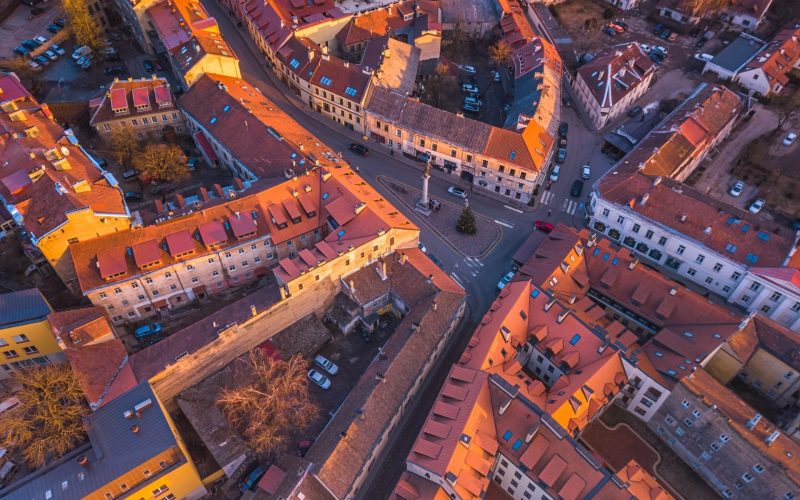
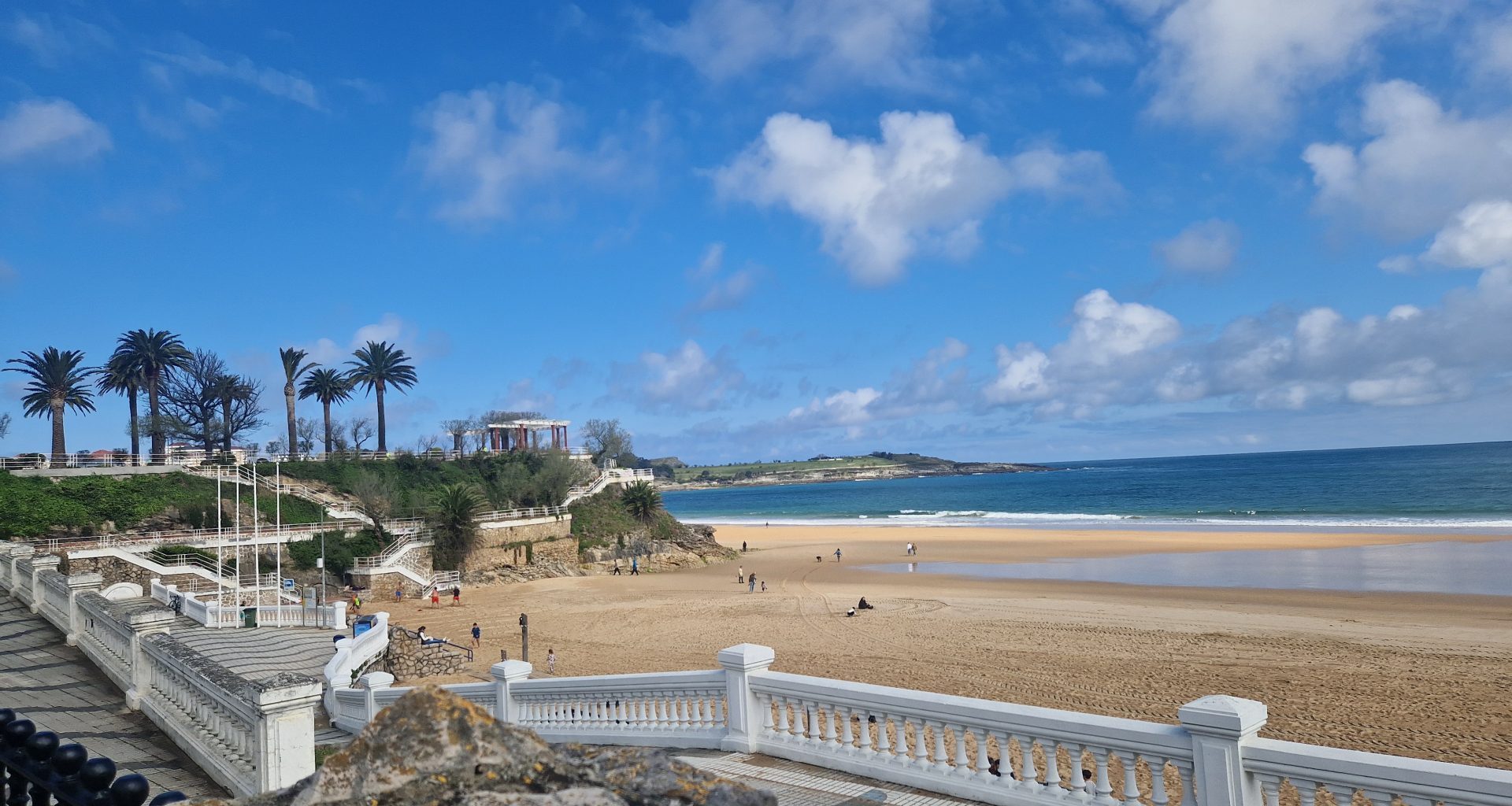
Santander has about 180,000 residents and lies right on the ocean’s edge. Wide, sandy beaches practically merge into the city—it feels as though the beach is its natural extension. The very center itself is located a bit further inland, on the shore of a lagoon leading to the harbor.
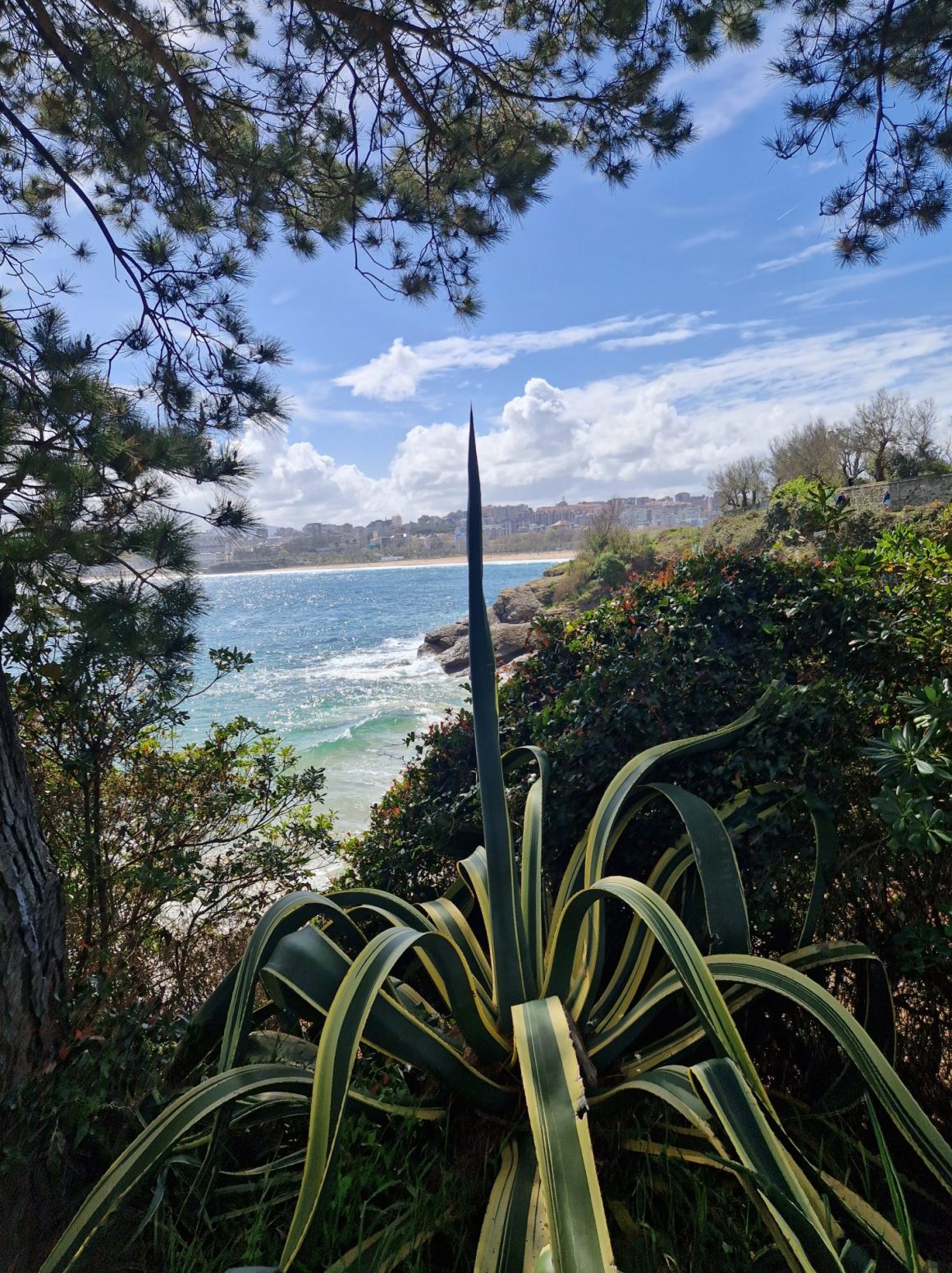
For my mom and me, I found a spacious two-bedroom apartment in the seaside neighborhood of El Sardinero. It’s a great base because it’s close to the city’s main and largest beach—Playa del Sardinero. From our living room, we had a beautiful view of the ocean. If you’re planning a trip to Santander, I highly recommend staying in El Sardinero. For the apartment we paid about 200 euro per night.
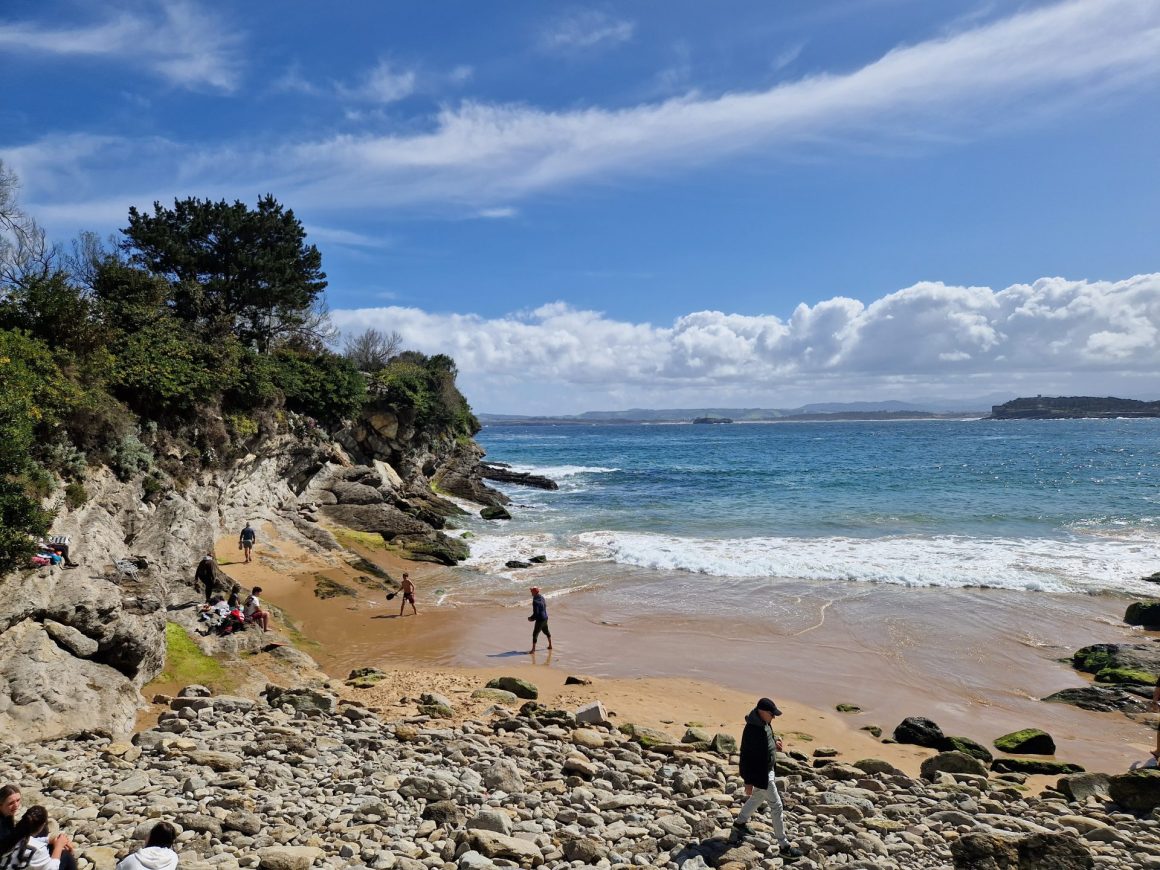
You can walk to the city center in about 40 minutes. It’s not just a regular walk, but a truly pleasant stroll—the path runs along the coast, and along the way, you’ll find yourself wanting to stop every so often to look at the waves, cliffs, and the beaches ahead. By bus, you can reach the city center in 7–10 minutes.
A city center that has been through the fire
Santander’s city center is eclectic and fascinating, though its history is also quite dramatic. Over the centuries, the city developed as an important trading port—ships set sail for the Americas from here, and goods traveled to and from Castile through this route. In the 19th century, Santander became an elegant resort for the Spanish aristocracy, and later the favorite summer retreat of King Alfonso XIII himself. This peaceful, dignified world came to an end, however, on a certain February night in 1946.
That was when a massive fire broke out, forever changing the city’s appearance. It began with a small blaze in one of the warehouses in the center, most likely fanned by a strong north wind. Gusts quickly spread the flames through the narrow streets of the old town. For three days, the fire consumed the historic buildings—entire blocks of tenement houses burned down, and shops, workshops, and the homes of ordinary residents were destroyed. Thousands of people lost their homes and had to start their lives from scratch.
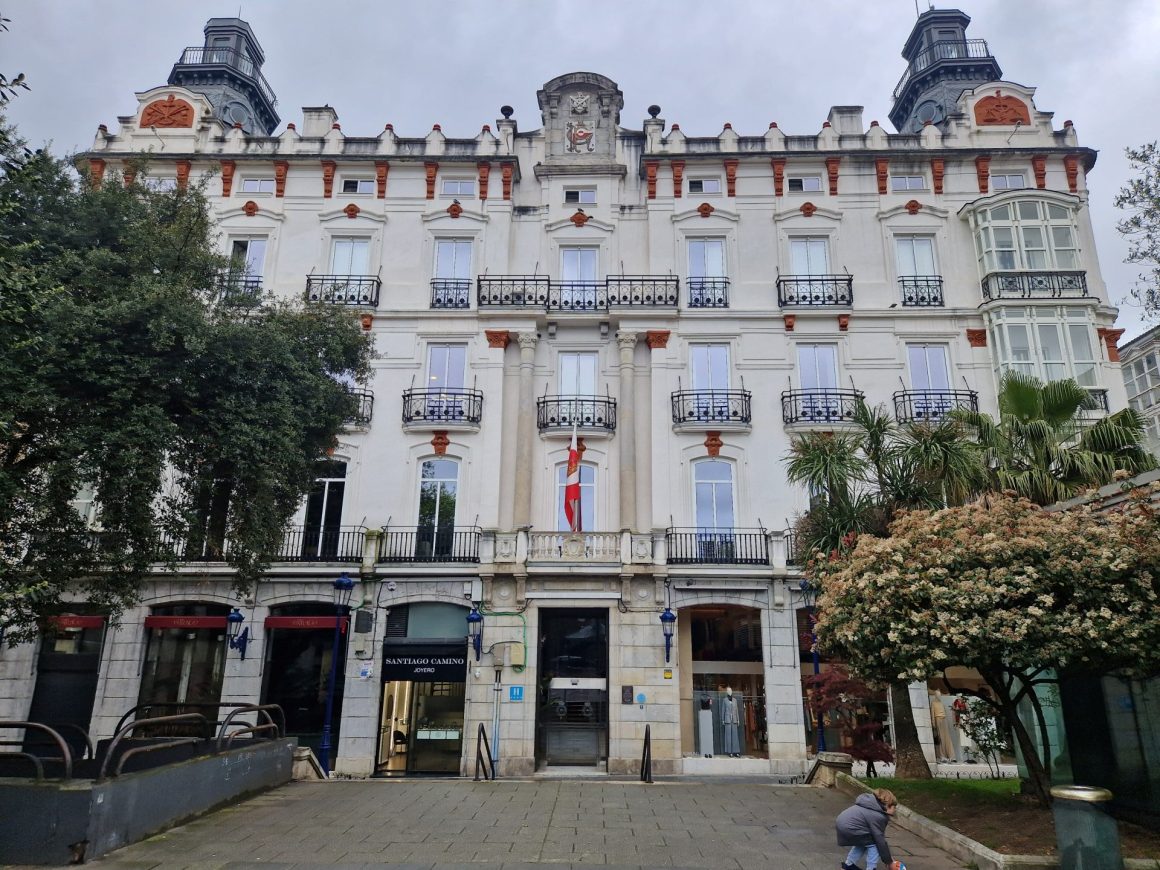
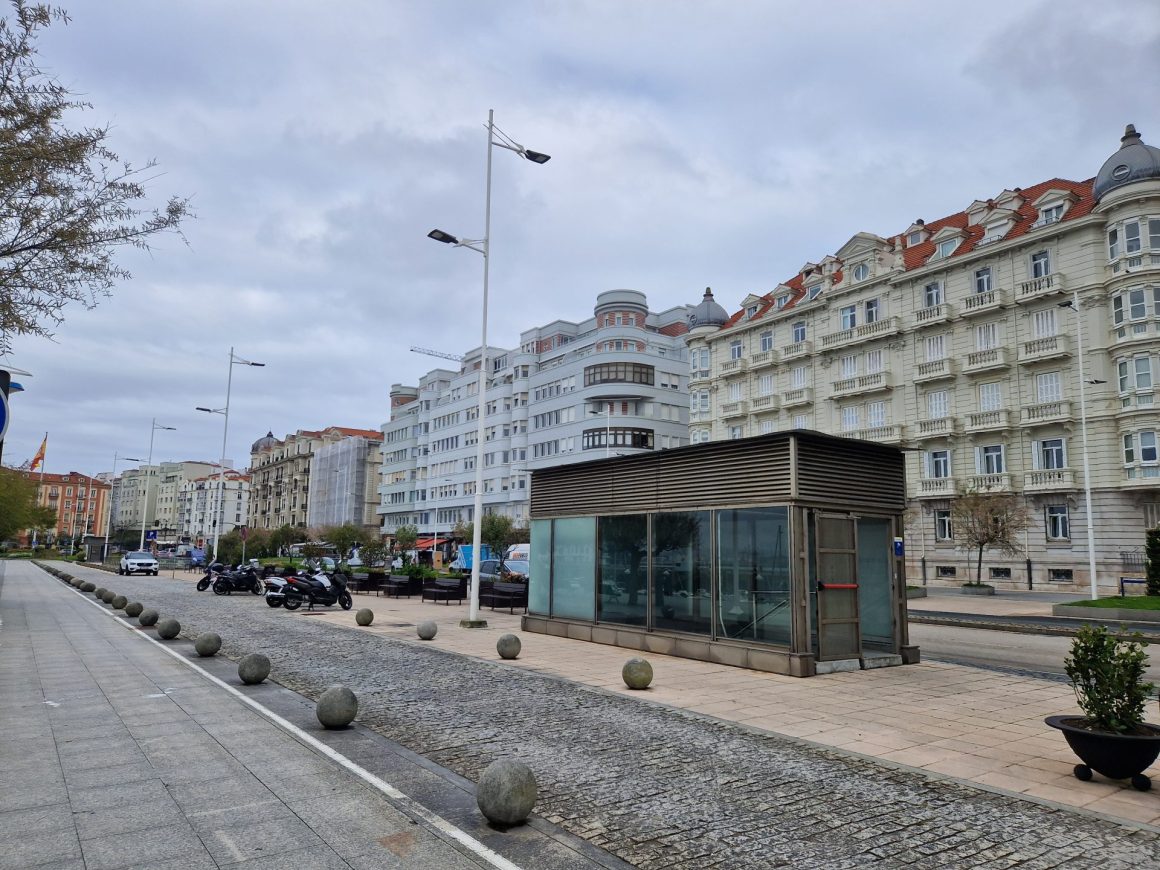
The Old Town practically ceased to exist, and little remained of the former Santander. However, some of the most important buildings survived—including the cathedral, which was later restored. Today’s city center is thus a mix of post-war construction and the few surviving fragments of the old town. Walking through it, one realizes that this city had to largely rise from the ashes.
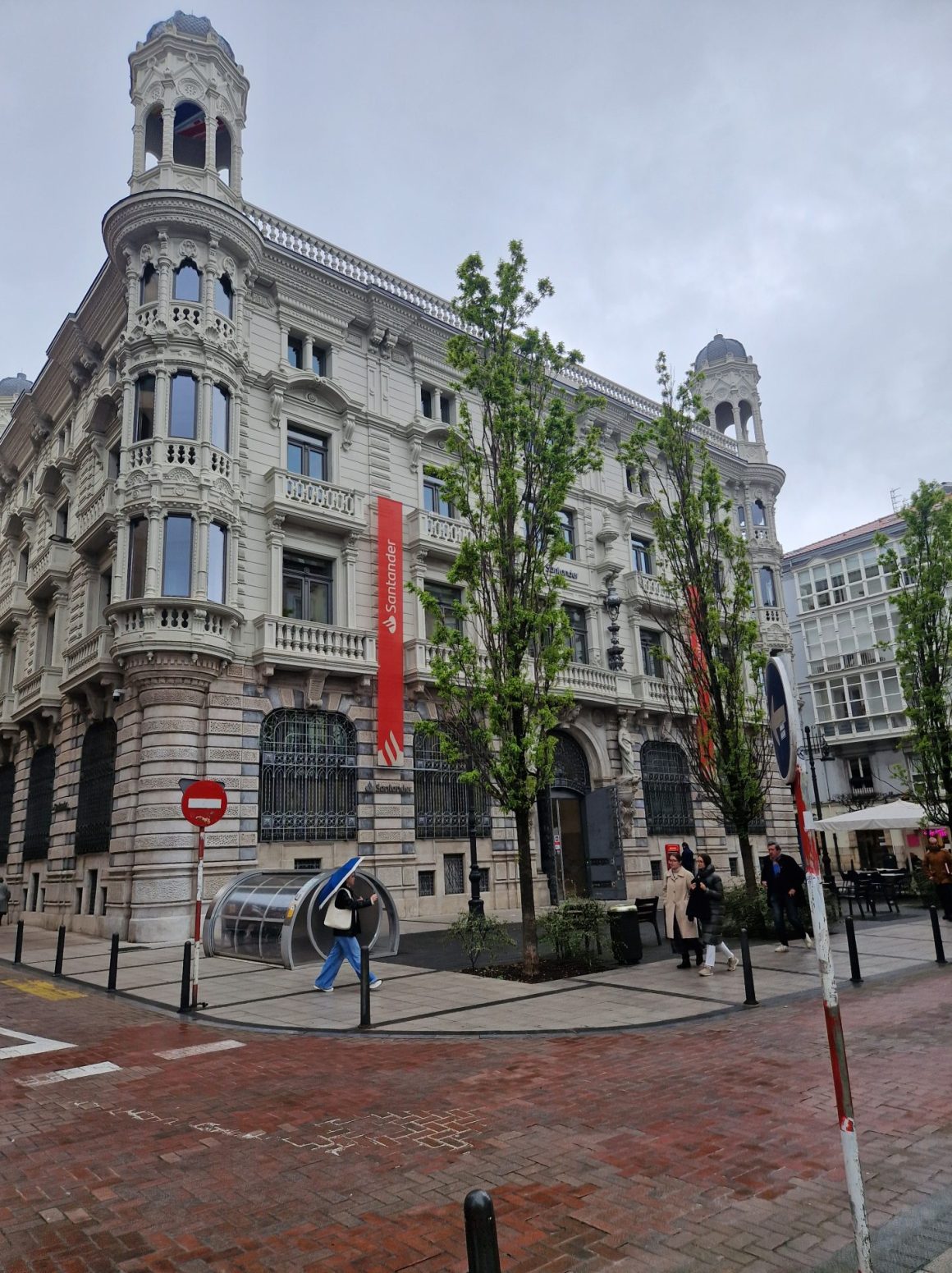
Walking along the main promenade, it’s hard not to notice the impressive Santander Bank building—it’s the headquarters of the famous bank, which has its roots right here. Although the city center is definitely worth seeing, I get the impression that the city’s true charm lies in its beaches and coastal neighborhoods.
El Sardinero and the secret corner of Mataleñas
We spent most of our first few days right in our neighborhood—going for walks, gazing at the ocean, and enjoying the pre-season tranquility.
You should definitely head over to Parque de Mataleñas. From the park’s hill, there’s a beautiful view of the city, the bay, and the cliffs. It’s a great spot for photos, but also just to sit on a bench and gaze into the distance.
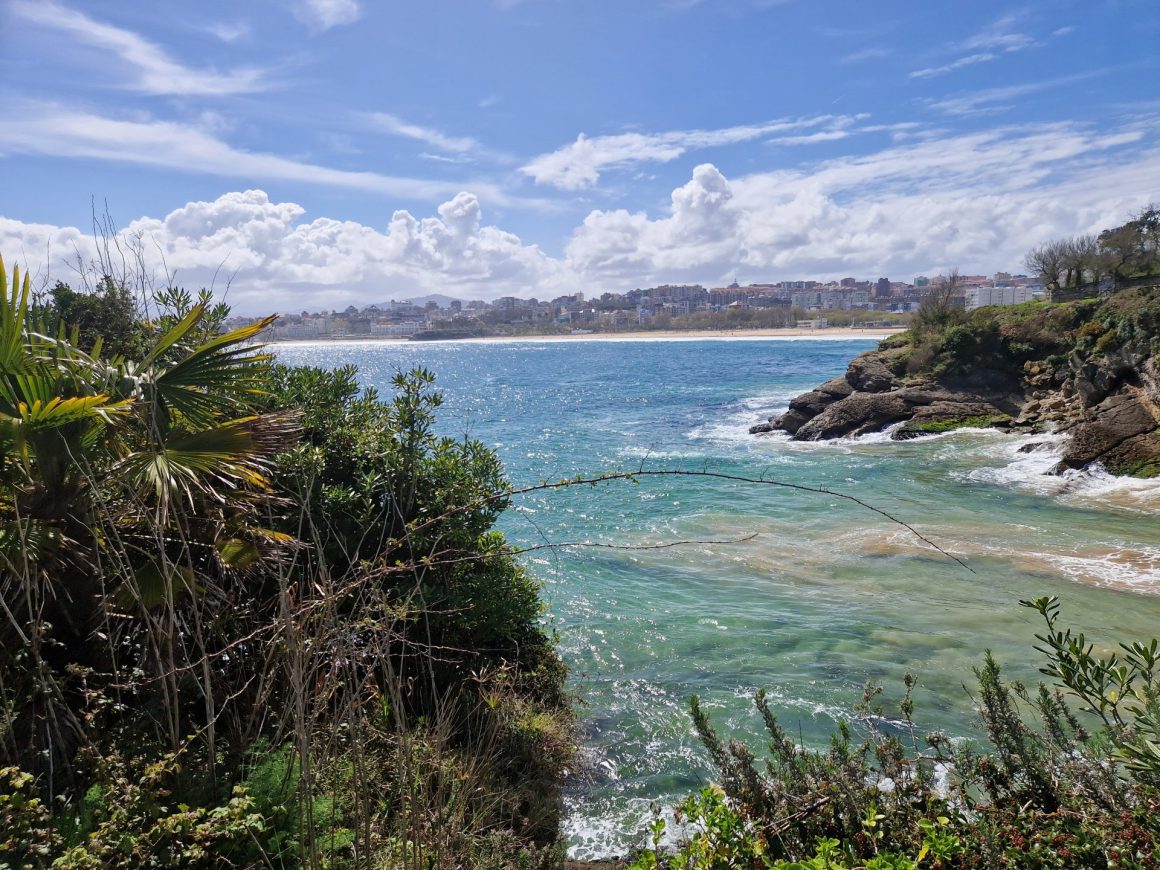
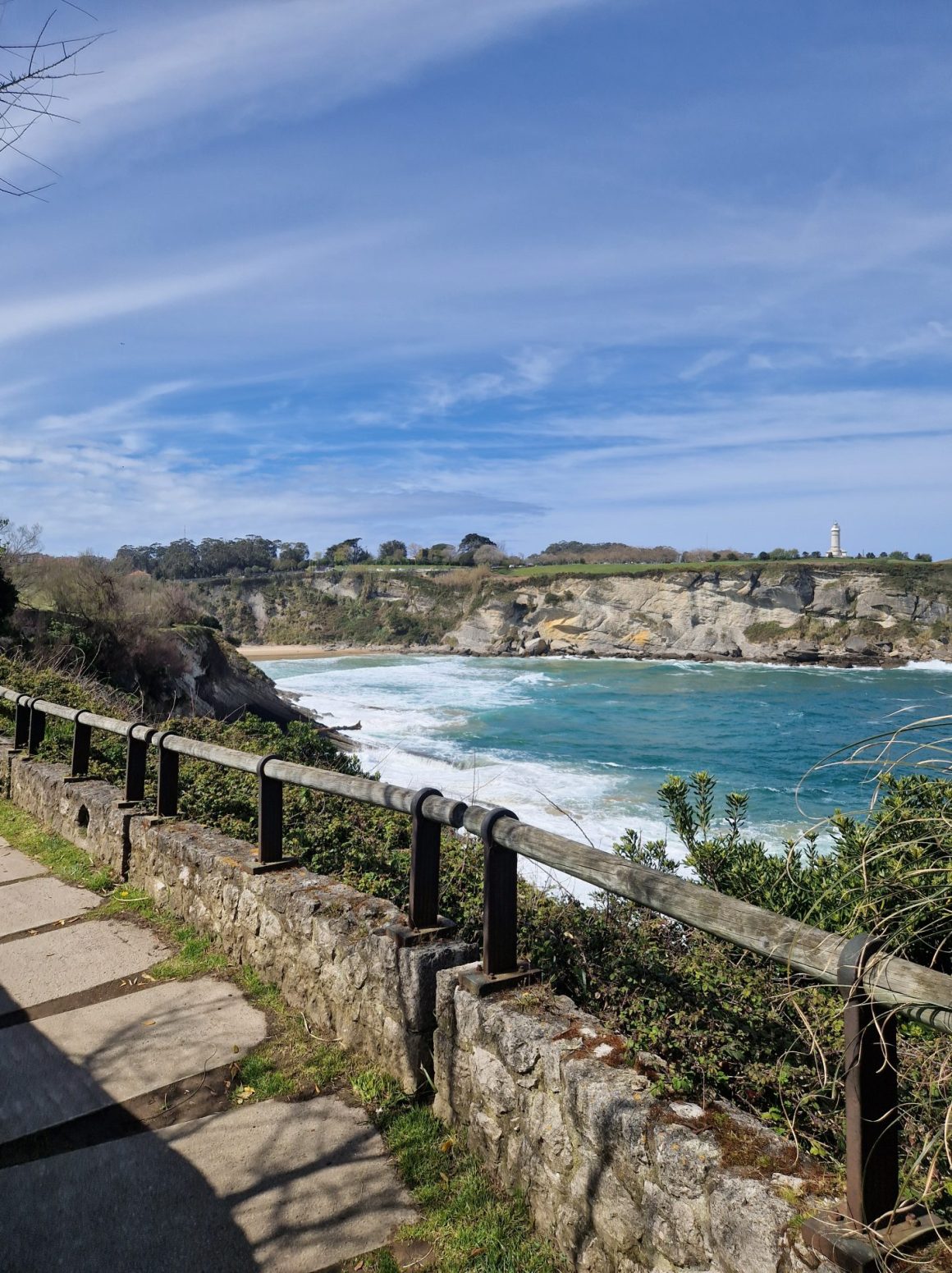
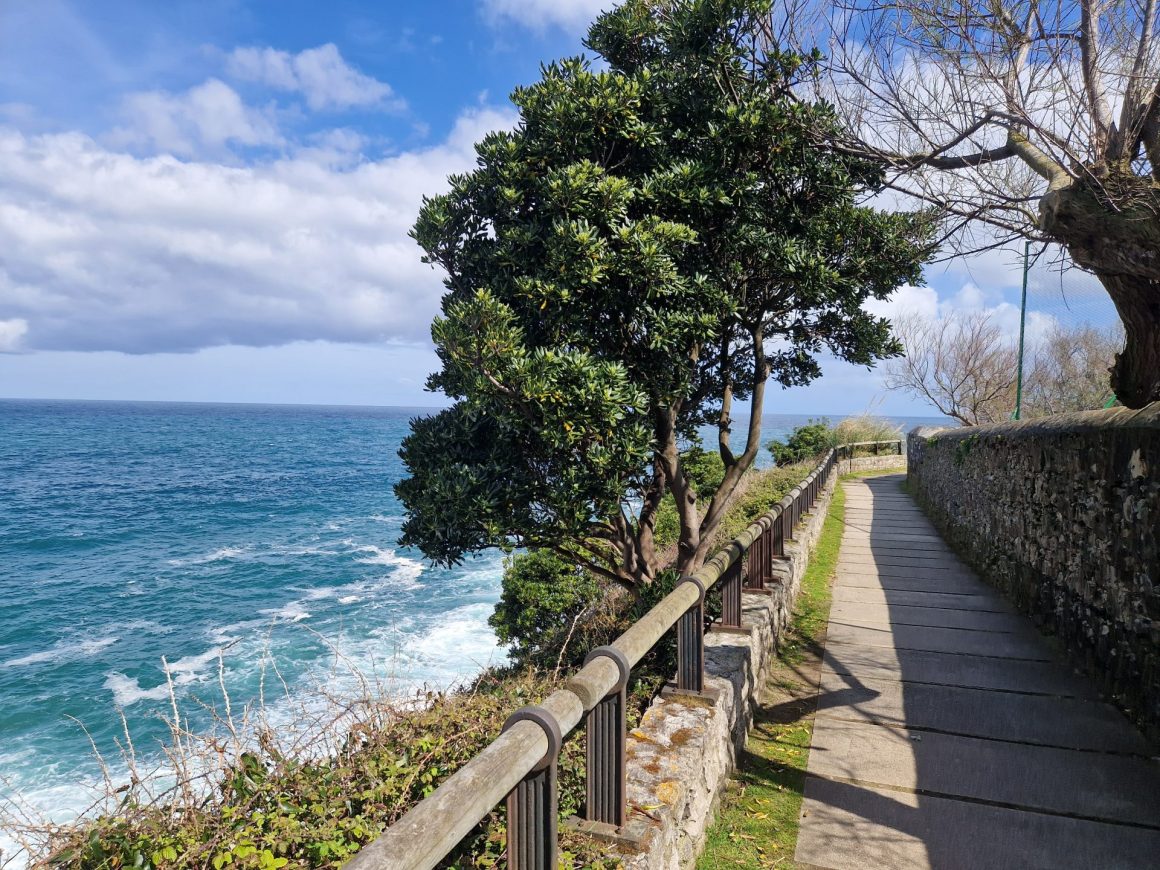
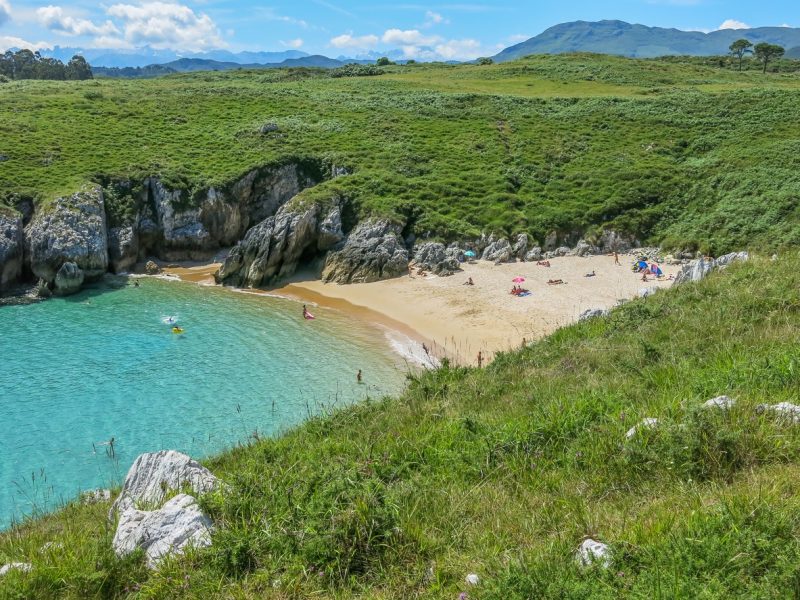
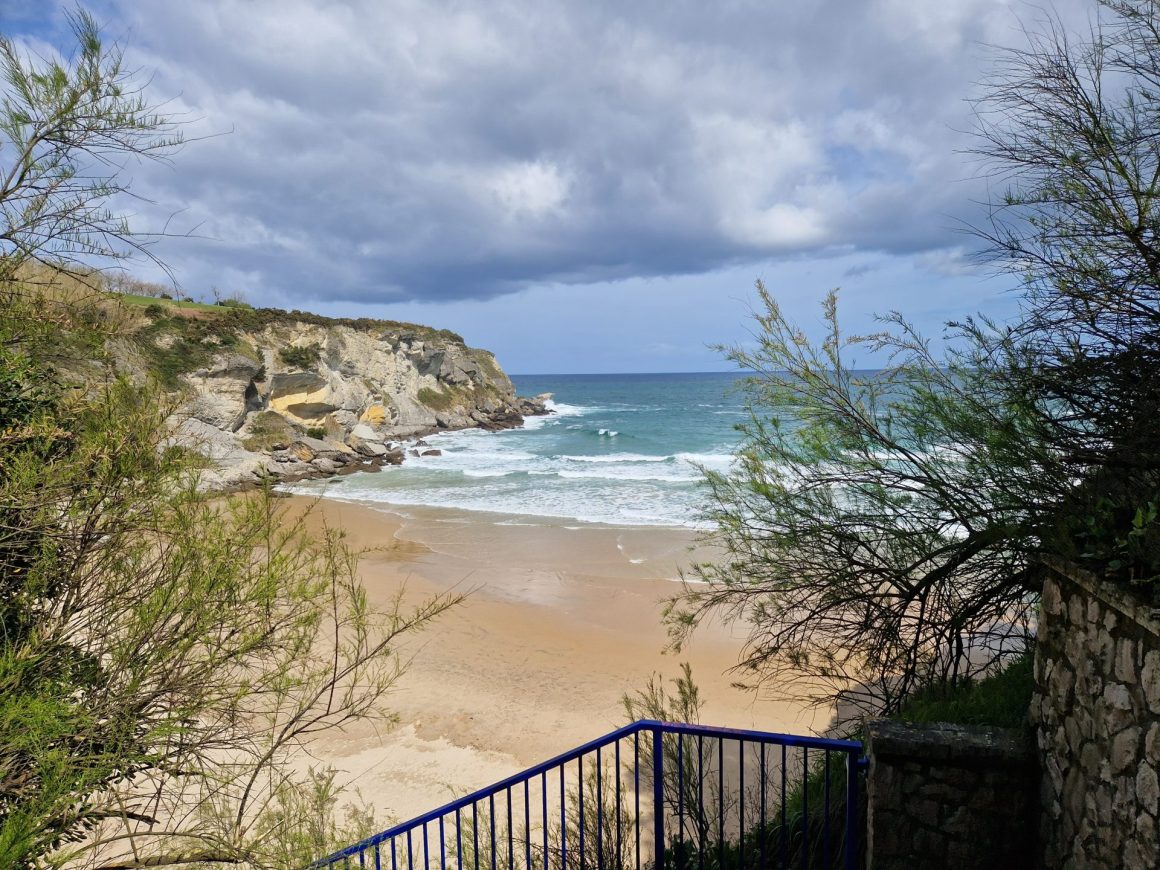
If you walk a bit further, on the other side of the park, you’ll find a small, hidden beach—Playa de Mataleñas. Tucked away between the cliffs, a bit off the beaten path. It’s known mainly to locals, and it’s here, in the summer, when the city’s main beaches are bursting at the seams, that you can supposedly find peace and quiet. It’s a “secret beach” that tourists often have no idea about.
Where to eat in Santander’s – my tried-and-true spots
When traveling, I like to have a few places I can return to. In Santander, we quickly found our favorites.
Breakfast – Cafetería Korona
Calle Doctor Gregorio Marañon, 1, Santander
We liked “Cafetería Korona” the most. We paid only 7.50 euros for two coffees and two pieces of toast. The service is friendly, and the tables in the garden overlook the ocean—the perfect start to the day. To be honest, it was more cost-effective to eat breakfast out than to cook in the apartment.
Lunch / late lunch – Il Piccolino pizzeria
Calle Doctor Gregorio Marañon, 1, Santander
Il Piccolino pizzeria was a great choice for lunch. The pizzas are really large, with good crust and quality ingredients. The staff speaks English and is happy to help you choose. Prices are reasonable: you’ll pay around 9–11 euros for a pizza, and a glass of wine costs 2.70 euros.

Dinner – Restaurante La Cañía
C. Joaquín Costa, 45, 39005 Santander, Cantabria, Hiszpania
For dinner, I recommend Restaurante La Cañía, located near the casino. It’s a very pleasant place with an outdoor seating area, friendly English-speaking staff, and delicious food. The menu features plenty of fish and seafood dishes, as well as typical Cantabrian cuisine.
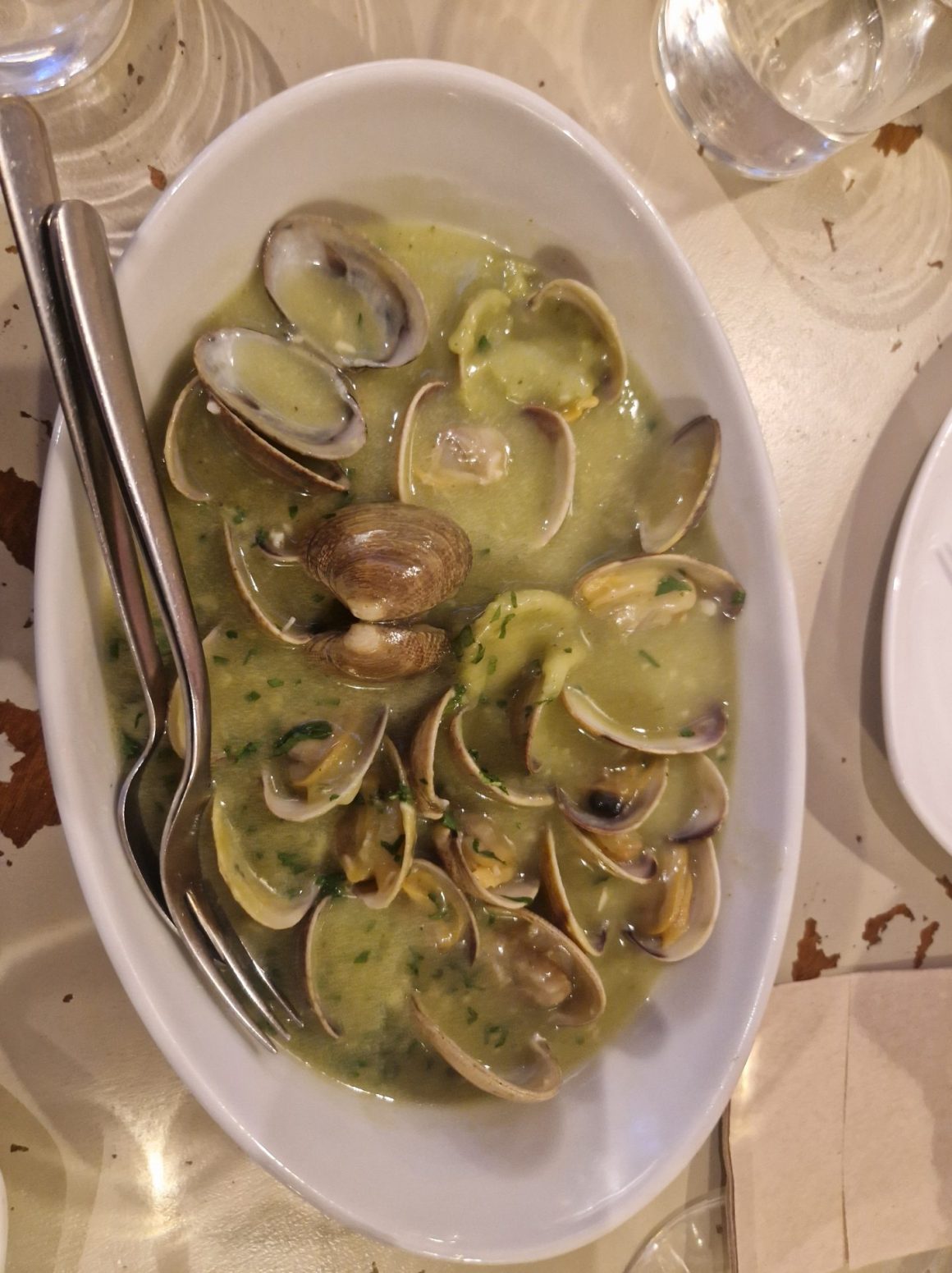
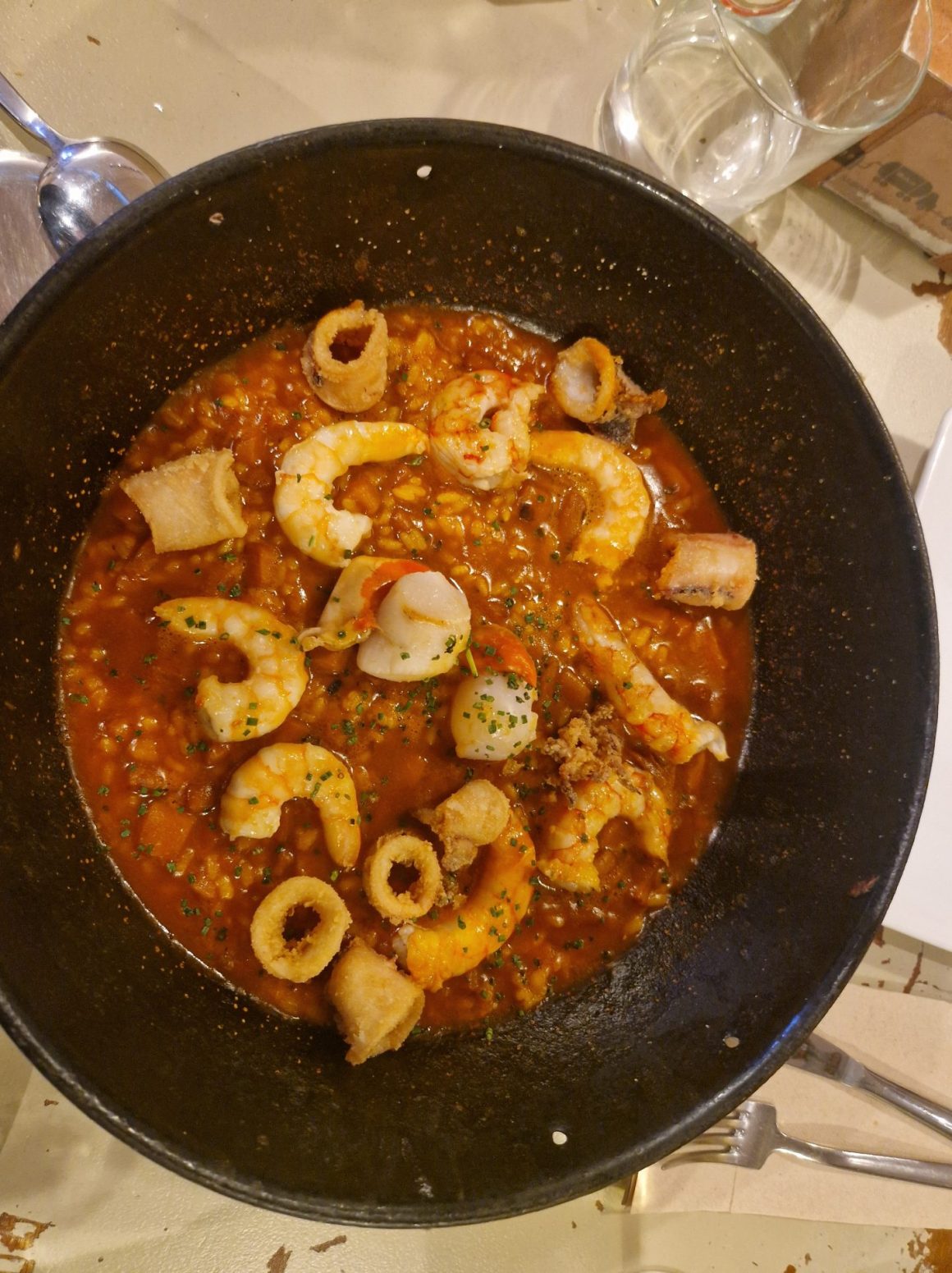
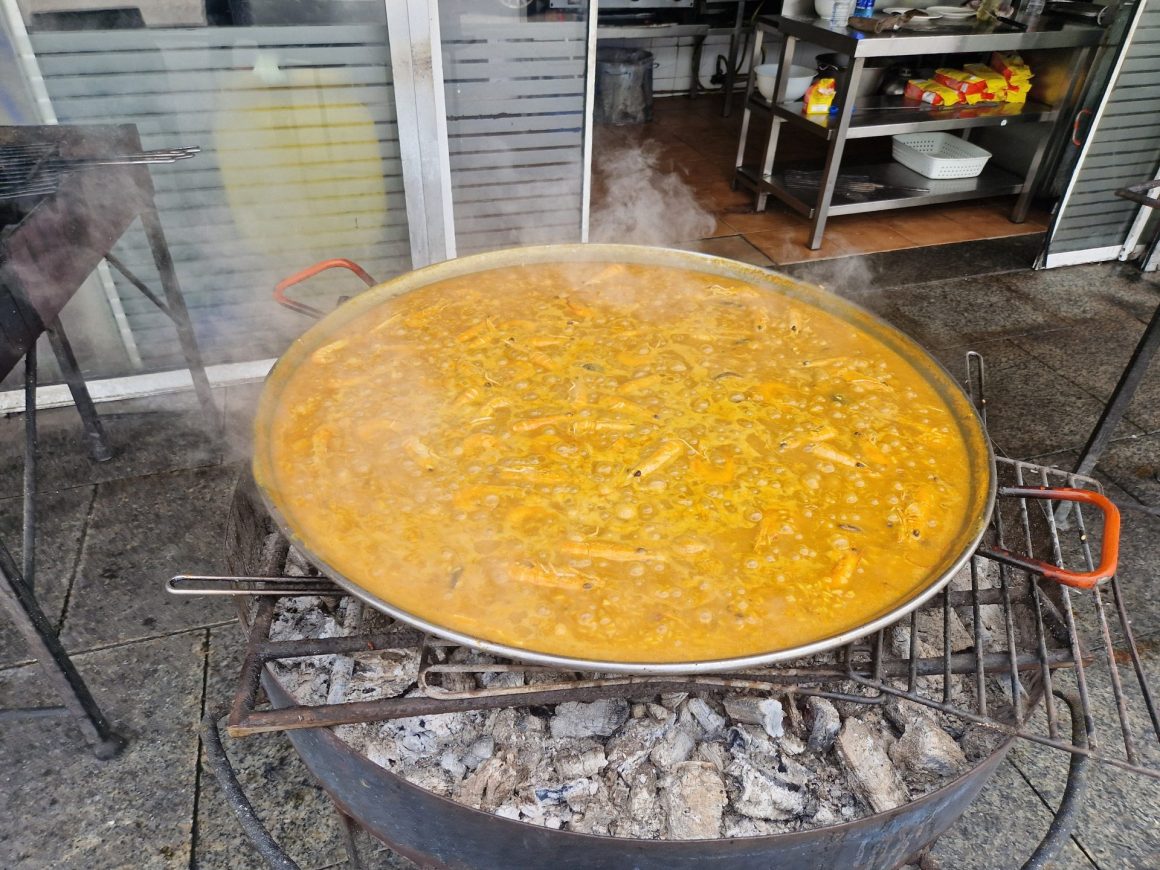
What stood out most for us was the seafood paella—served in a large skillet, a must-order for two people. It’s packed with shrimp, squid, and mussels. We paid around 52 euros for the dish for two, but it was truly worth it.
Check out the best seafood places in Barcelona if you are in Spain.
Magdalena Palace, seals, and penguins in Santander
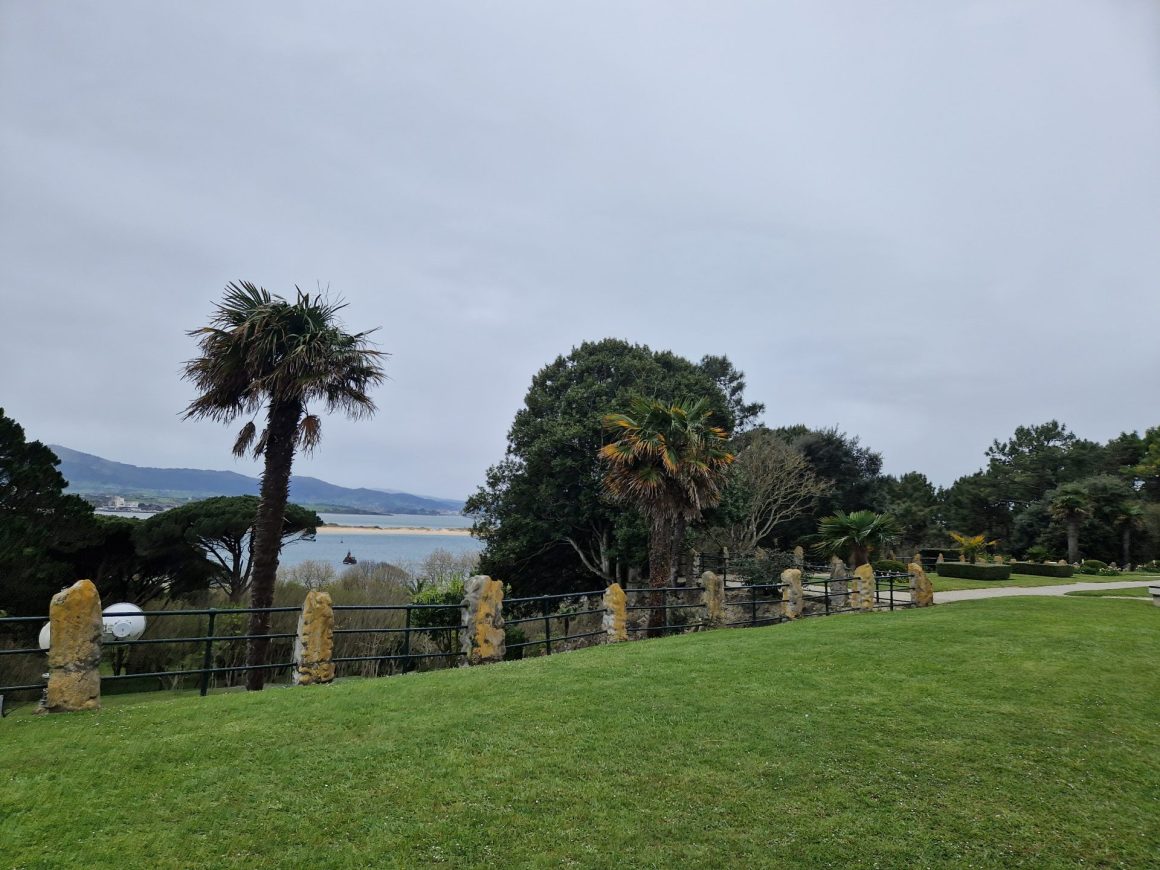
One of the must-see attractions in Santander is the Magdalena Palace (Palacio de la Magdalena) and the park surrounding it. The residence is located on a peninsula, overlooking the ocean and nearby islands—the place looks like something out of a postcard.
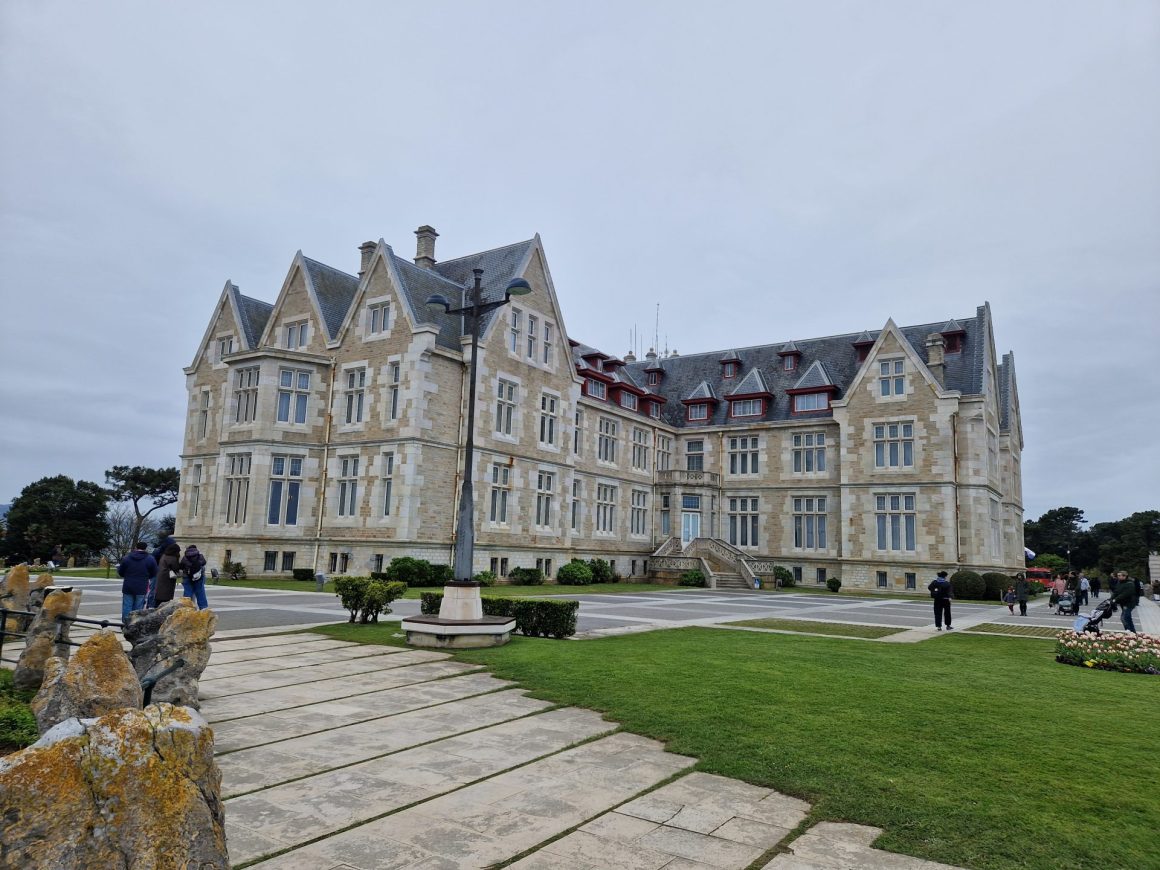
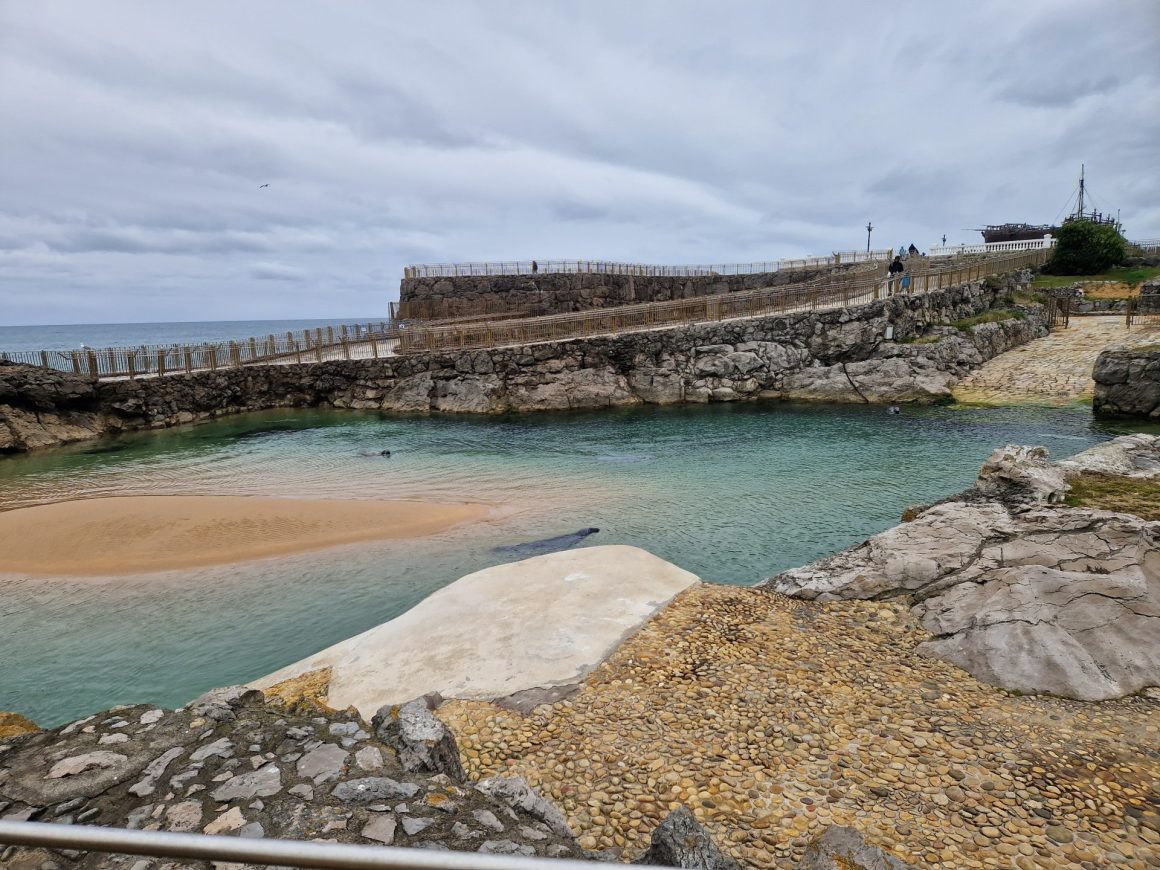
If you’re traveling with children, at the park entrance, on the left, you’ll find a small “mini zoo.” Seals and penguins live there right on the ocean’s edge. Admission is free, and it’s a huge attraction for the little ones.
When it rains – Centro Botín
By the ocean, the weather can change in a matter of minutes, so if you happen to have a cloudy, rainy day, it’s good to have a Plan B. In Santander, that place is the Centro Botín Museum of Contemporary Art—a modern building situated right on the water, also architecturally interesting.
The museum features a permanent collection as well as temporary exhibitions. From March 26 to September 6, you can see the works of Japanese artist Yuko Mohri, who combines visual arts with experimental music. Admission is 6 euros per person. There’s a very pleasant café on the ground floor where you can have lunch.
A paradise for fish lovers – Barrio Pesquero
Cantabria has always been connected to the ocean and fishing. If you love fish and seafood as much as I do, be sure to visit the Barrio Pesquero district—the former fishermen’s quarter.
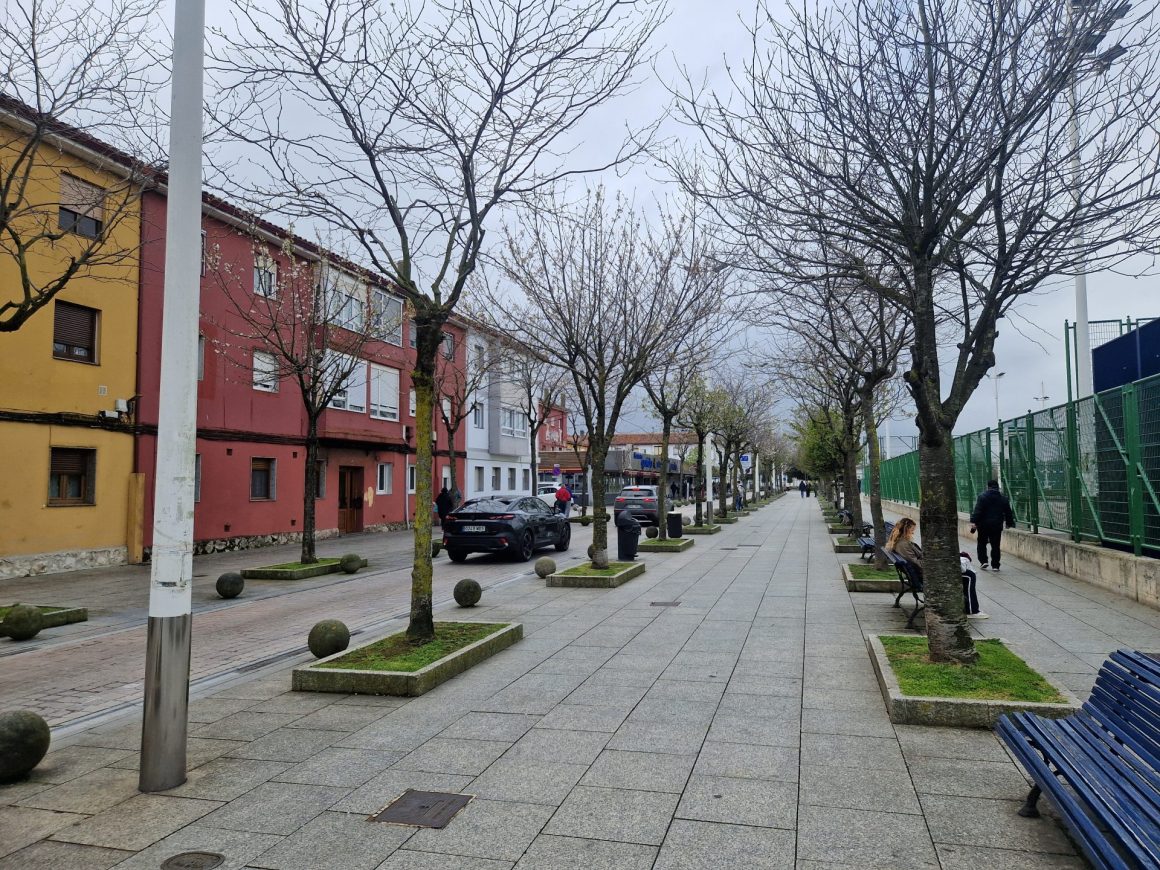
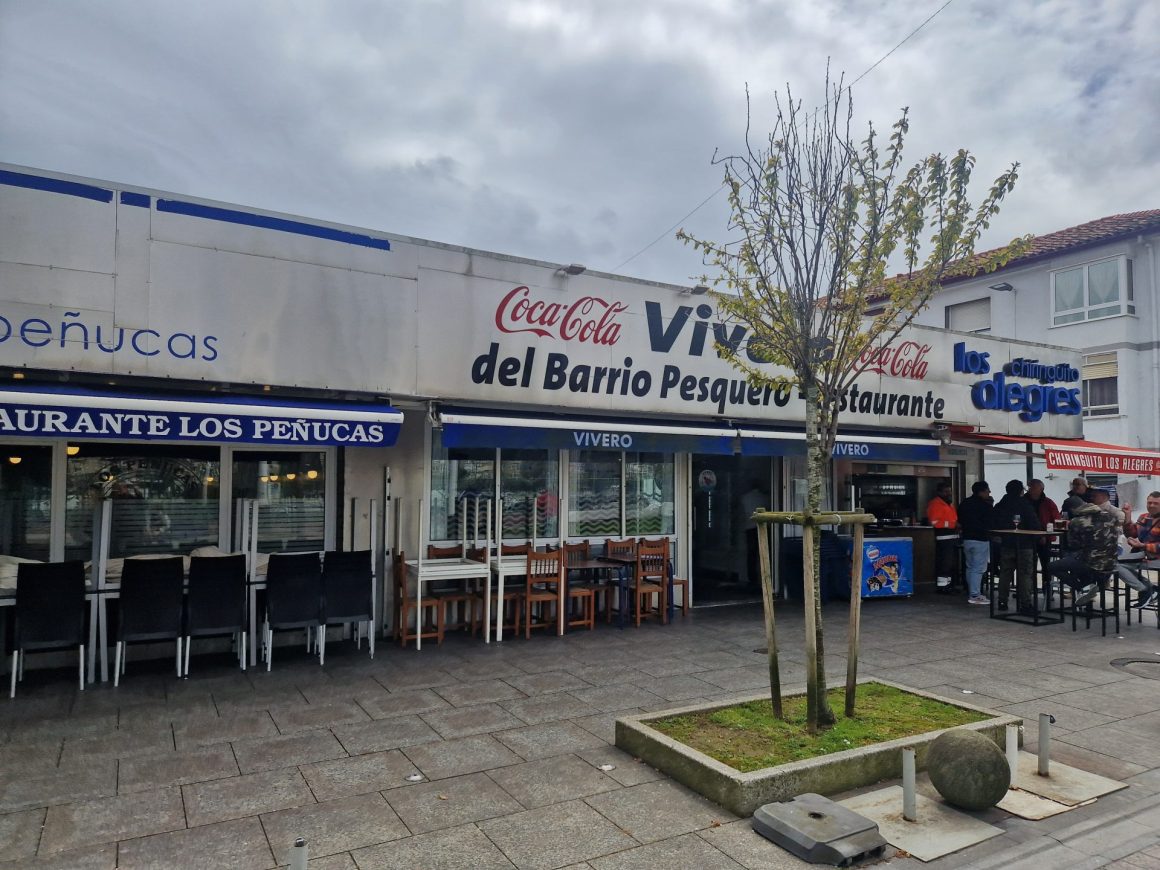
You’ll find plenty of seafood restaurants there. Keep in mind that most of them are open mainly during lunch hours: roughly from 12:00 PM to 4:00 PM.
The menu features local delicacies: scallops, lobsters, crabs, and various types of fish. Everything is fresh, caught that morning in the waters of the Cantabrian Sea.
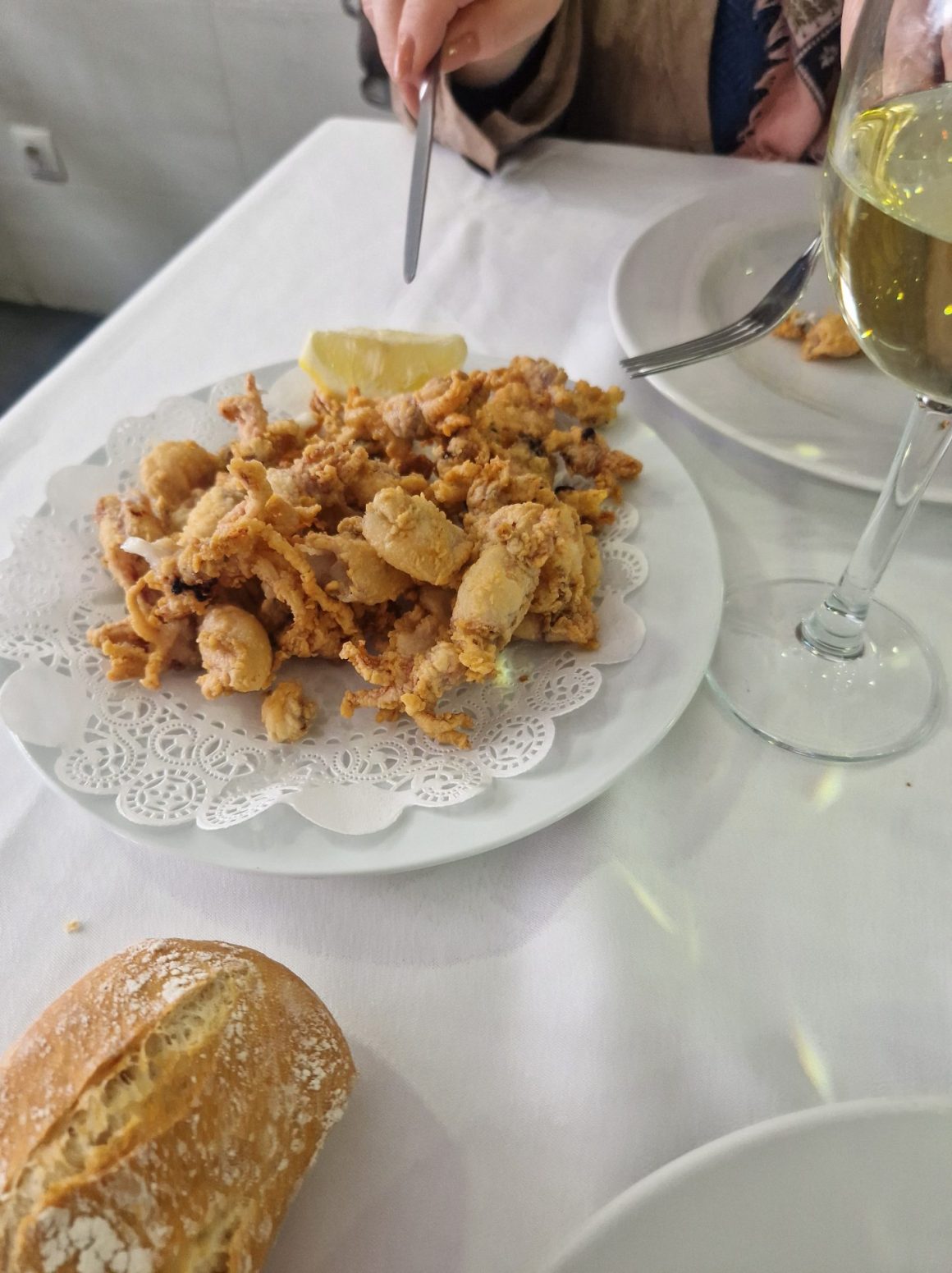
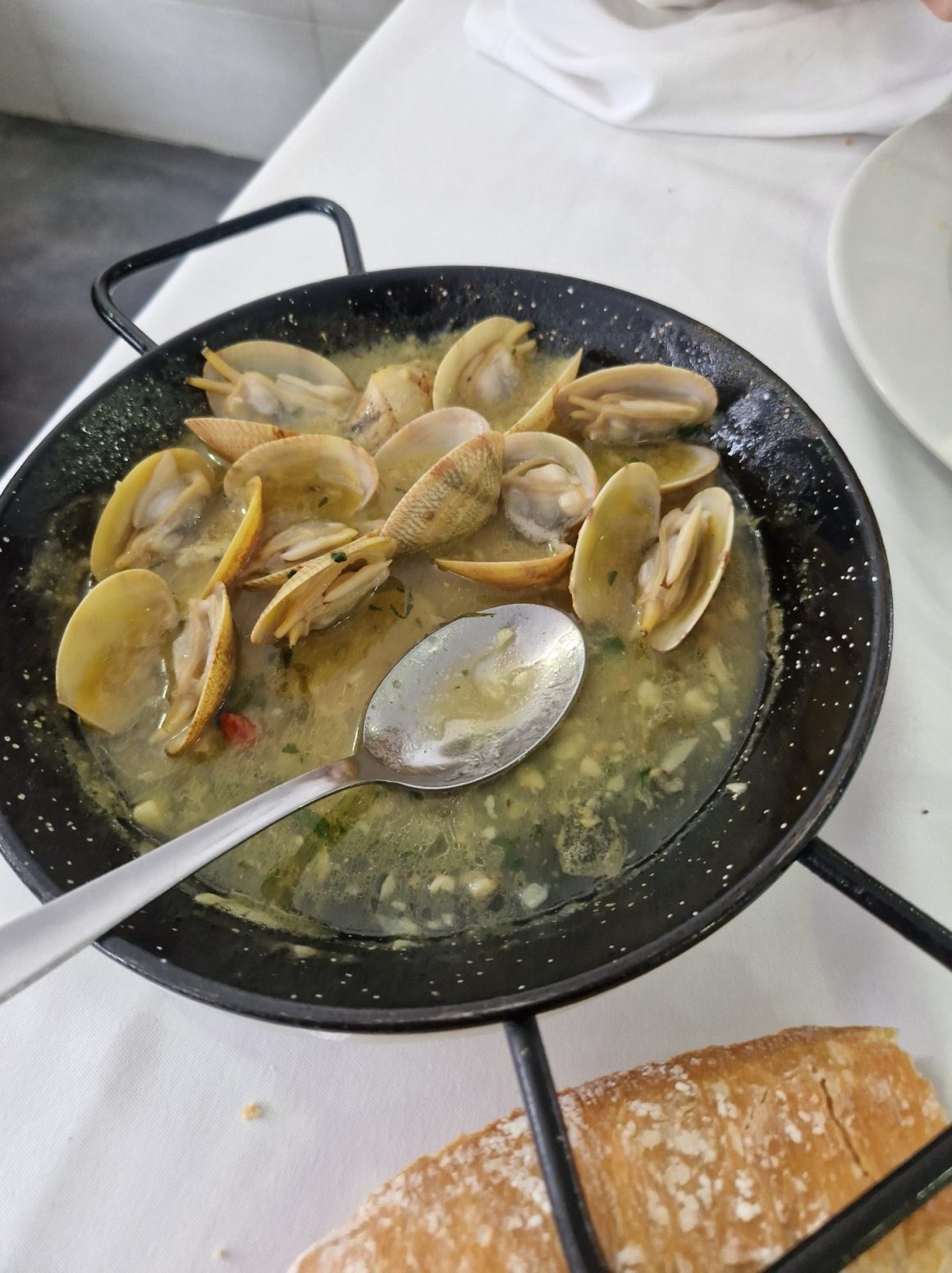
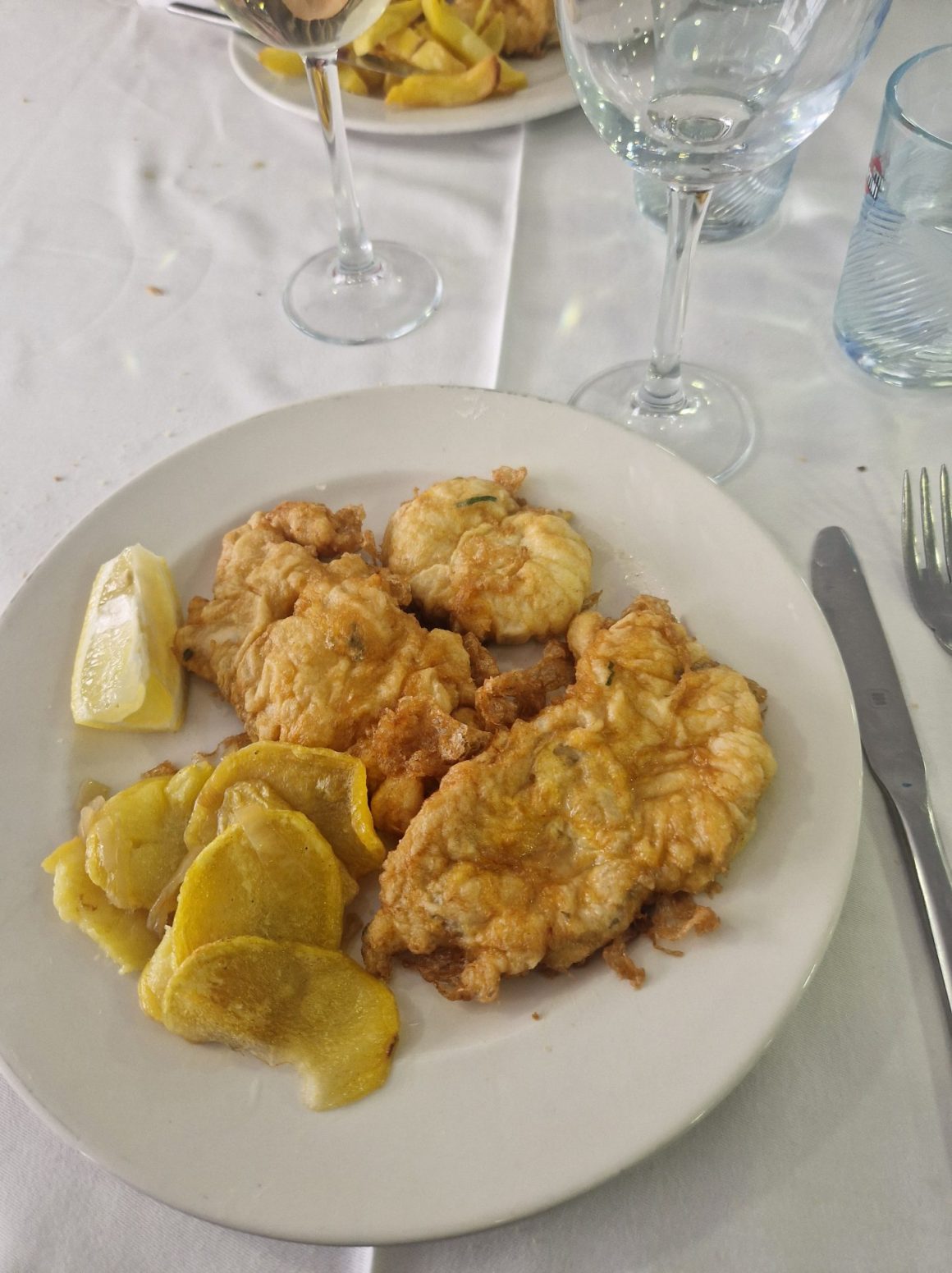
At the Vivero restaurant (C. Marqués de la Ensenada, 5, Santander), we ordered mini squid, a serving of clams, and two servings of fish—monkfish and hake. Everything was very tasty. We paid 86 euros for this lunch.
In Barrio Pesquero, restaurants often cook paella in huge pans over an open fire—just watching them stir and serve it is a little show in itself. This part of the city is really worth seeing.
You can get to Barrio Pesquero by city buses 4 and 14 (the stop is called “Barrio Pesquero”). You can also walk from the city center—the walk takes about 30–40 minutes. Uber is also available in the city.
Day trips in the area – caves, mountains, wild beaches
There are plenty of places around Santander that are perfect for a day trip:
– Altamira Cave – one of the world’s most famous caves with rock paintings, featuring some of the earliest known human drawings.
– Picos de Europa National Park – mountains with beautiful trails, perfect for those who want to escape the city for a while and breathe in the mountain air.
– The wild beaches of Cantabria – along the coast, you’ll find many lesser-known, wild beaches, often hidden among cliffs, where you can feel like you’re at the end of the world.
Why is Santander worth visiting?
Santander often remains in the shadow of nearby San Sebastián, which is better known and “trendier.” And yet, I feel that Santander is actually the perfect place for a more peaceful vacation.
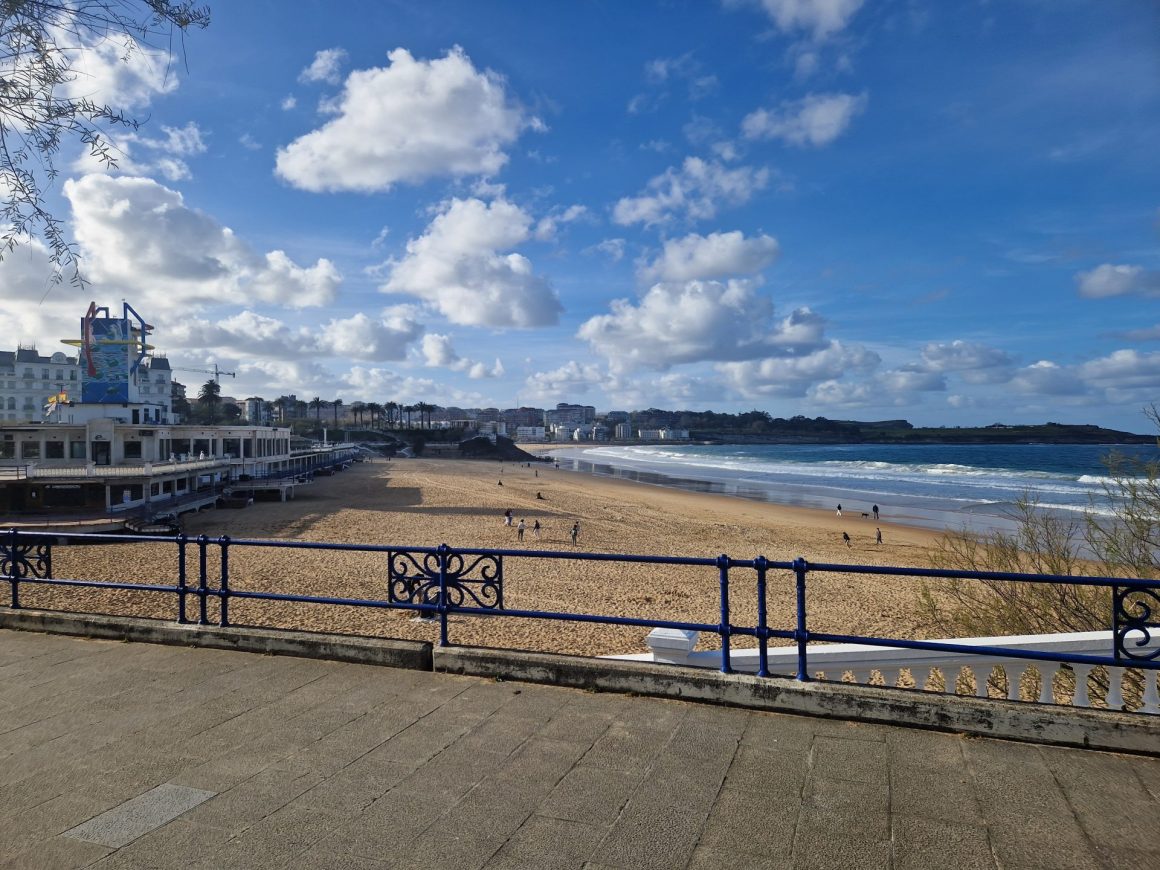
There are fewer people here, the atmosphere is more familiar and intimate, yet there is no shortage of good food, beautiful views, or interesting places to explore. It is a city that has been through fire, been reborn, and today lives at its own peaceful pace.
For me, Santander has something very welcoming about it—you leave feeling like you’ve truly relaxed. And I’m sure that the next time I’m looking for a place for a peaceful seaside getaway, this city will once again be high on my list.