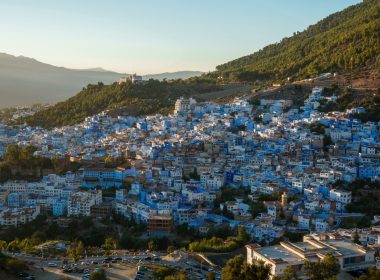

Alexandre Vassiliev has travelled to more than 85 countries. For many years he has been leading his own tours through Morocco — both north and south. The fashion historian, set designer, collector, and TV presenter has compiled a personal guide to Moroccan cities specially for Locals Insider. First in the series: Chefchaouen.
This small blue city in the Rif Mountains is the one he remembers among them all. “It has everything it takes to stay in your memory for the rest of your life,” says Vassiliev. There are people who fall so deeply in love with it that they keep coming back year after year — searching for that particular sense of grace that is almost impossible to put into words.
But before you pack your suitcase, allow me to tell you the truth about Chefchaouen — beautiful, but honest.
The Blue That Wasn’t Always There
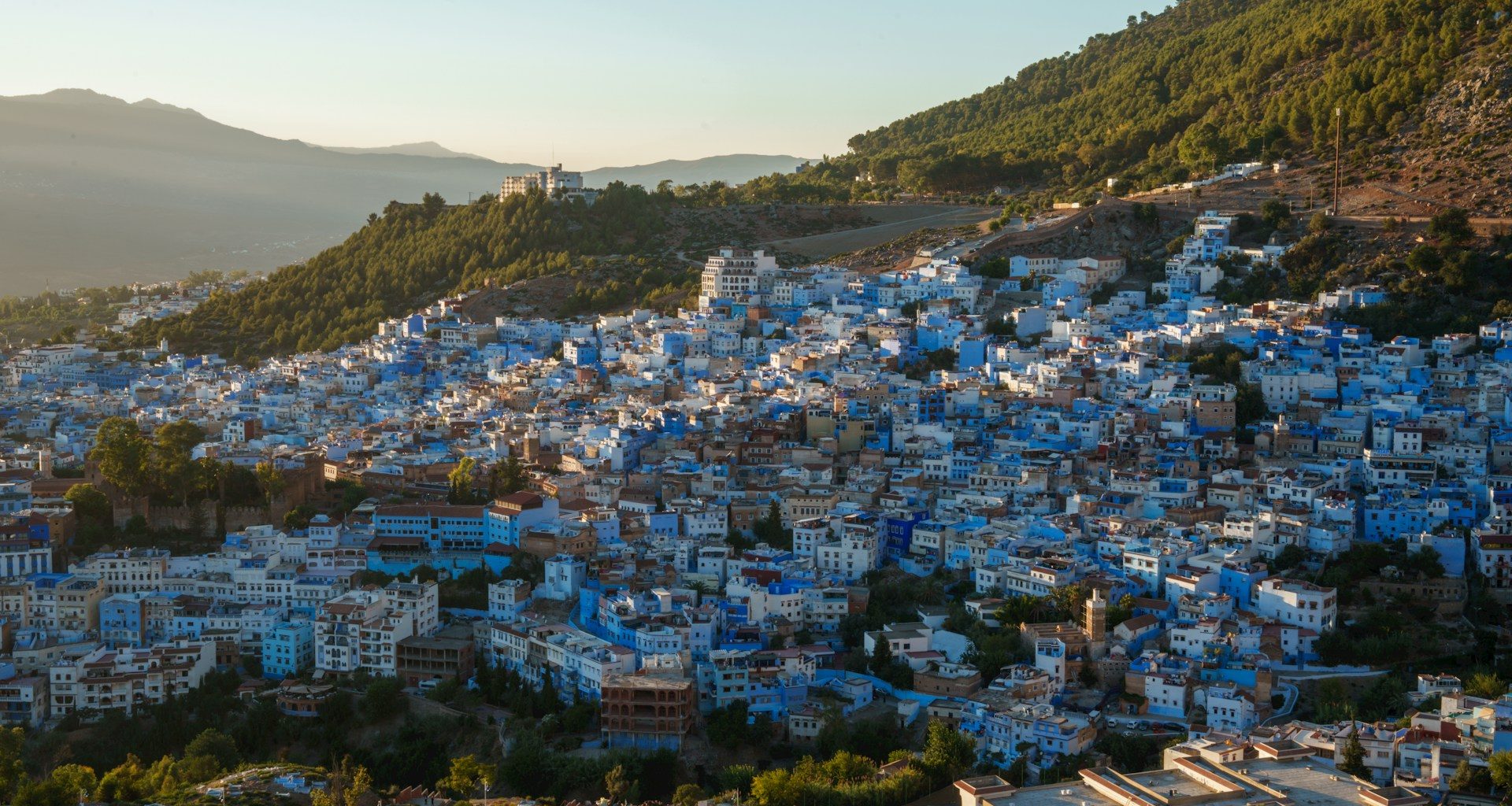
Chefchaouen is a stunning, deep blue. For anyone who loves cobalt and ultramarine, it is absolutely essential to the imagination. But the city is thoroughly overrated. The buildings were painted blue only in the late 20th century — on the orders of a mayor who simply brought paint to an ancient Jewish village and handed out cans to the residents. “Paint everything blue.” The result was a spectacular display.
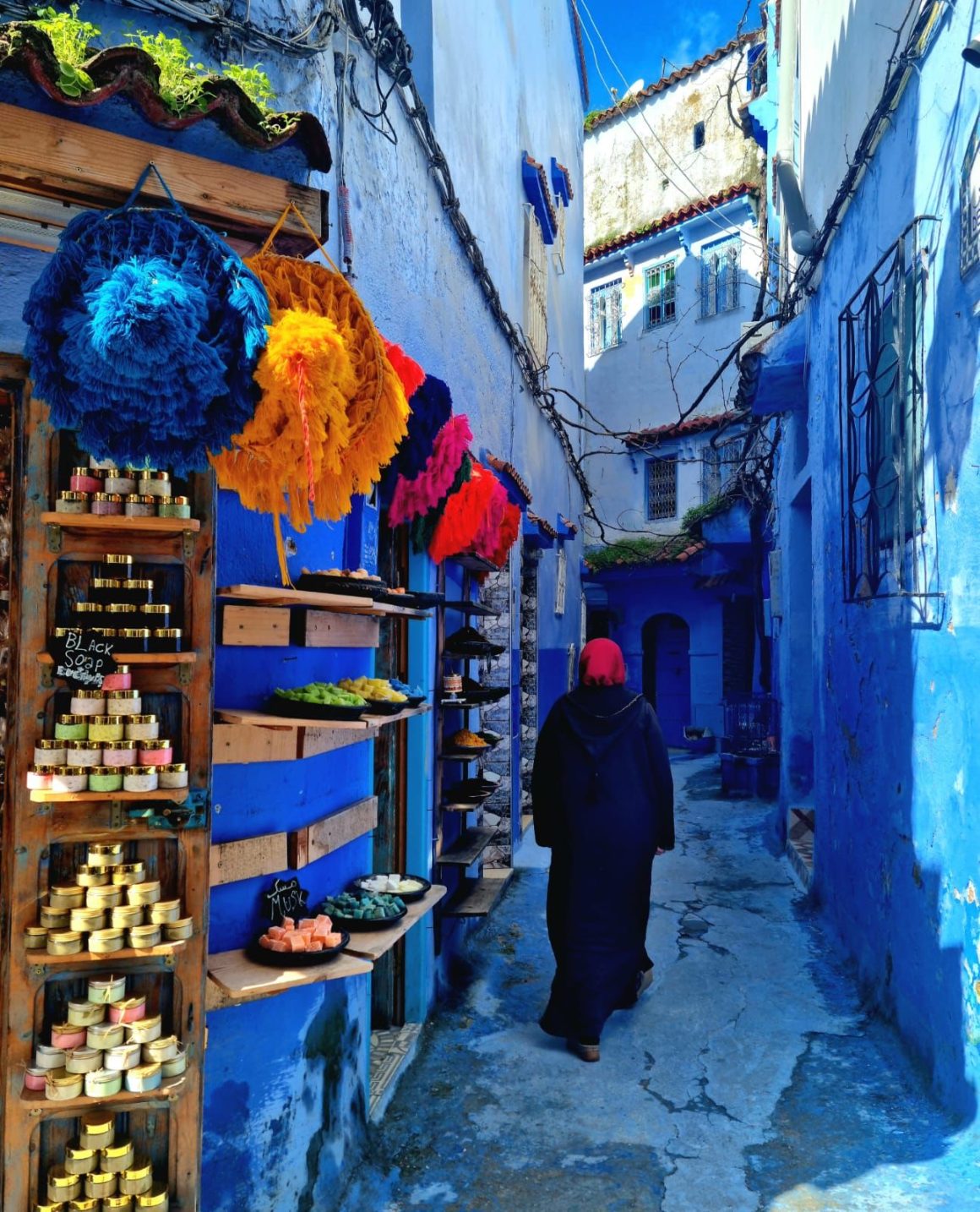
Blue was used here before — it was brought by Jews expelled from Spain in 1492, immediately after Columbus’s voyage. Some of them settled in northern Morocco, including in Chefchaouen. Over time the tradition faded, and the buildings became beige and white, like all the houses in Morocco. A clever mayor simply restored the image — and turned the city into a genuine performance.
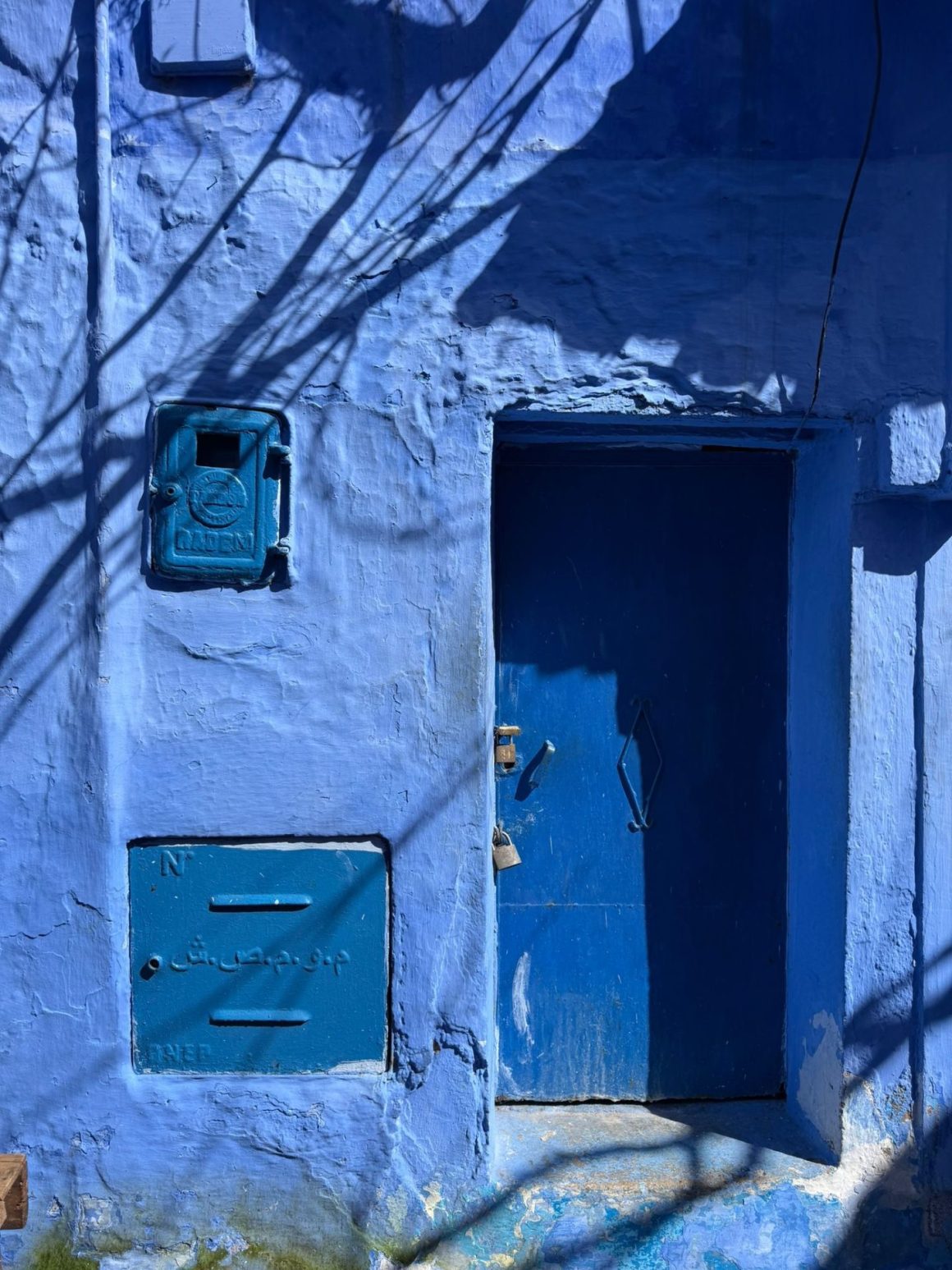
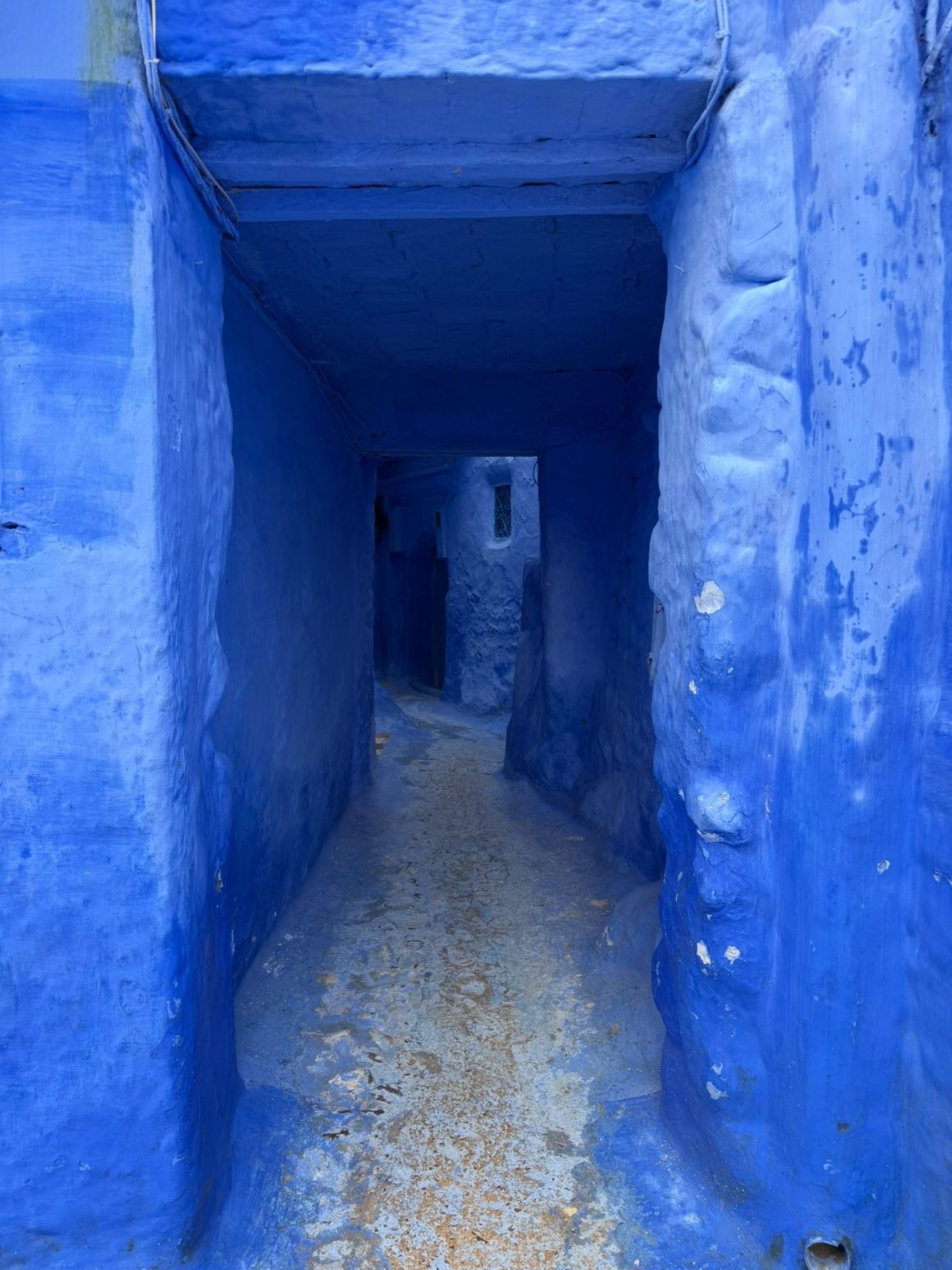
This is more a work of contemporary art, where not an artist but a bureaucrat invented a new face for the city. The walls, the doors, and even the cobblestones are painted. When you arrive, you find yourself inside an image that would have delighted Yves Klein — the designer of the 1980s who worked exclusively in shades of blue. Do not confuse him with Calvin Klein — these are two entirely different people.
What to See in Chefchaouen’s Medina
In essence, Chefchaouen has one street: you begin at the top and gradually make your way down, from one blue house to the next, until you reach the square. There are no museums here, no paintings, no sculpture — do not look for them. This is not a historic city in the conventional sense. What it does have are antique shops — in Morocco these always mean ceramics or metalwork: painted platters and wrought brass lanterns. Quite charming and authentic.
The locals are spoiled by tourists, yet remain warm. No other mountain village in Morocco receives anything close to this volume of visitors.
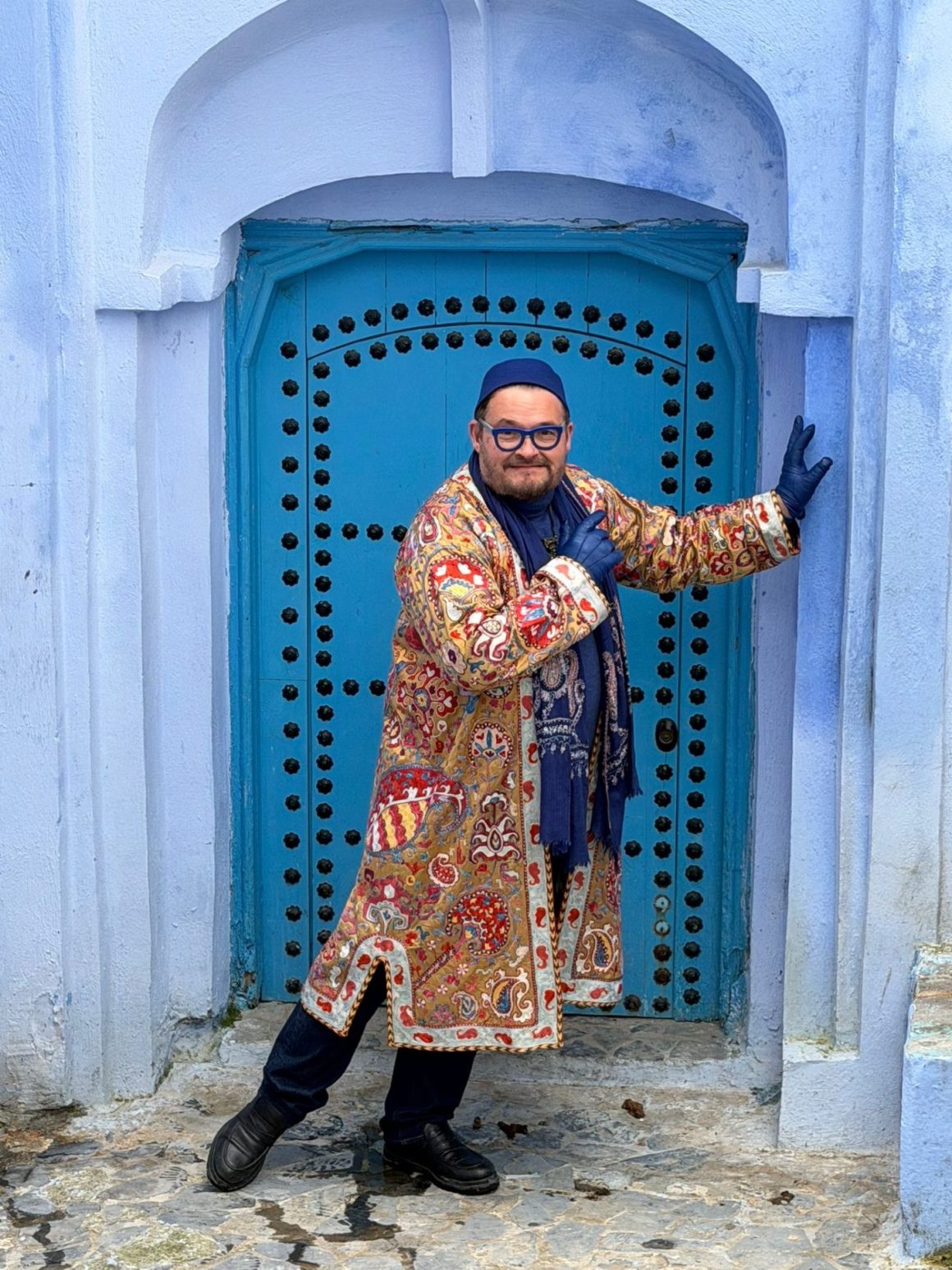
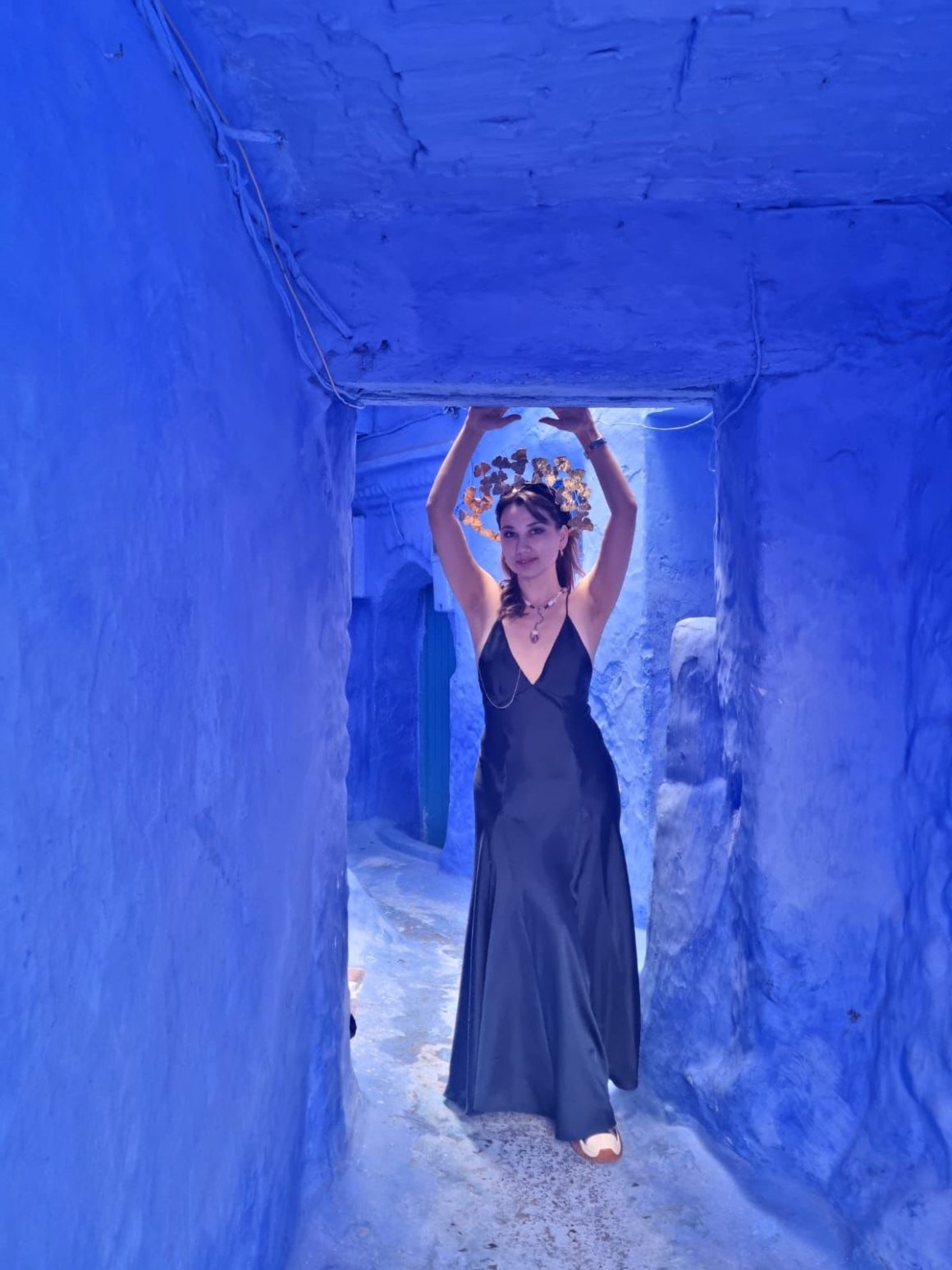
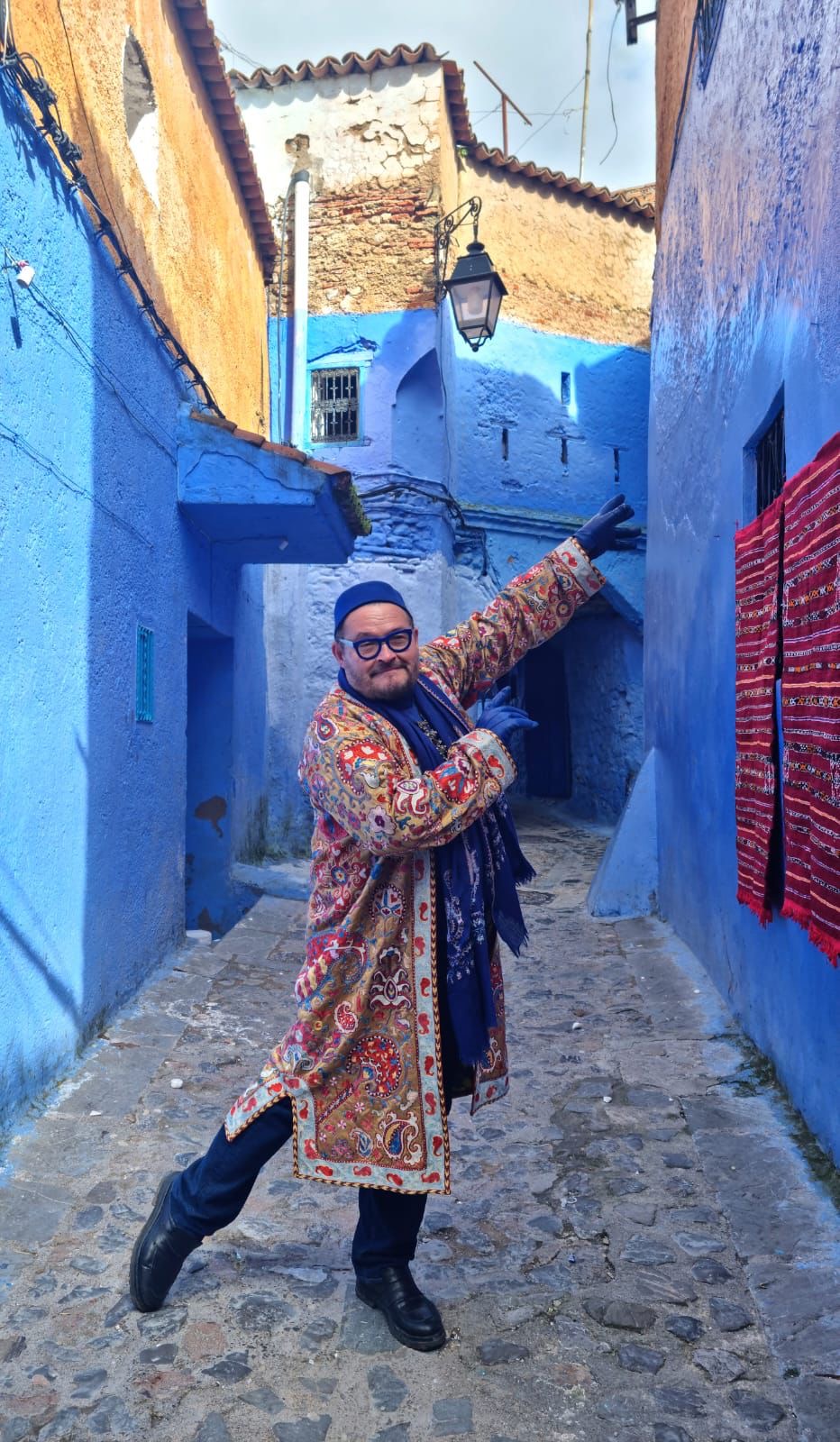
My wardrobe advice. When I travel to Chefchaouen, I bring only blue things — I know the photographs will be blue on blue, and I am always the star of Instagram. I recommend the same to everyone: the pieces need not be entirely blue, but they should carry some blue element — a blue scarf, a blue brooch, a blue bag. Do not go there without blue. Otherwise the photographs simply will not be right.
Chefchaouen sights, curated by Locals Insider:
- Kasbah and Plaza Uta el-Hammam — the heart of the medina, 15th century, an Andalusian garden and a small museum inside the fortress. Entry is token price
- Spanish Mosque — ruins on the hill above the city, the prime spot for sunrise and sunset views. The walk up takes about 30 minutes
- Ras El Ma — a spring and a small waterfall at the edge of the medina, where local women wash their carpets. Calm, non-touristy
Where to Eat in Chefchaouen
In Chefchaouen, everyone eats the same thing — and that is a good thing. Moroccan cuisine almost always means tagine: a clay pot with a cone-shaped lid, inside chicken or lamb. In the mountains, I make a point of never ordering fish: the journey it has made to get here is far too long.
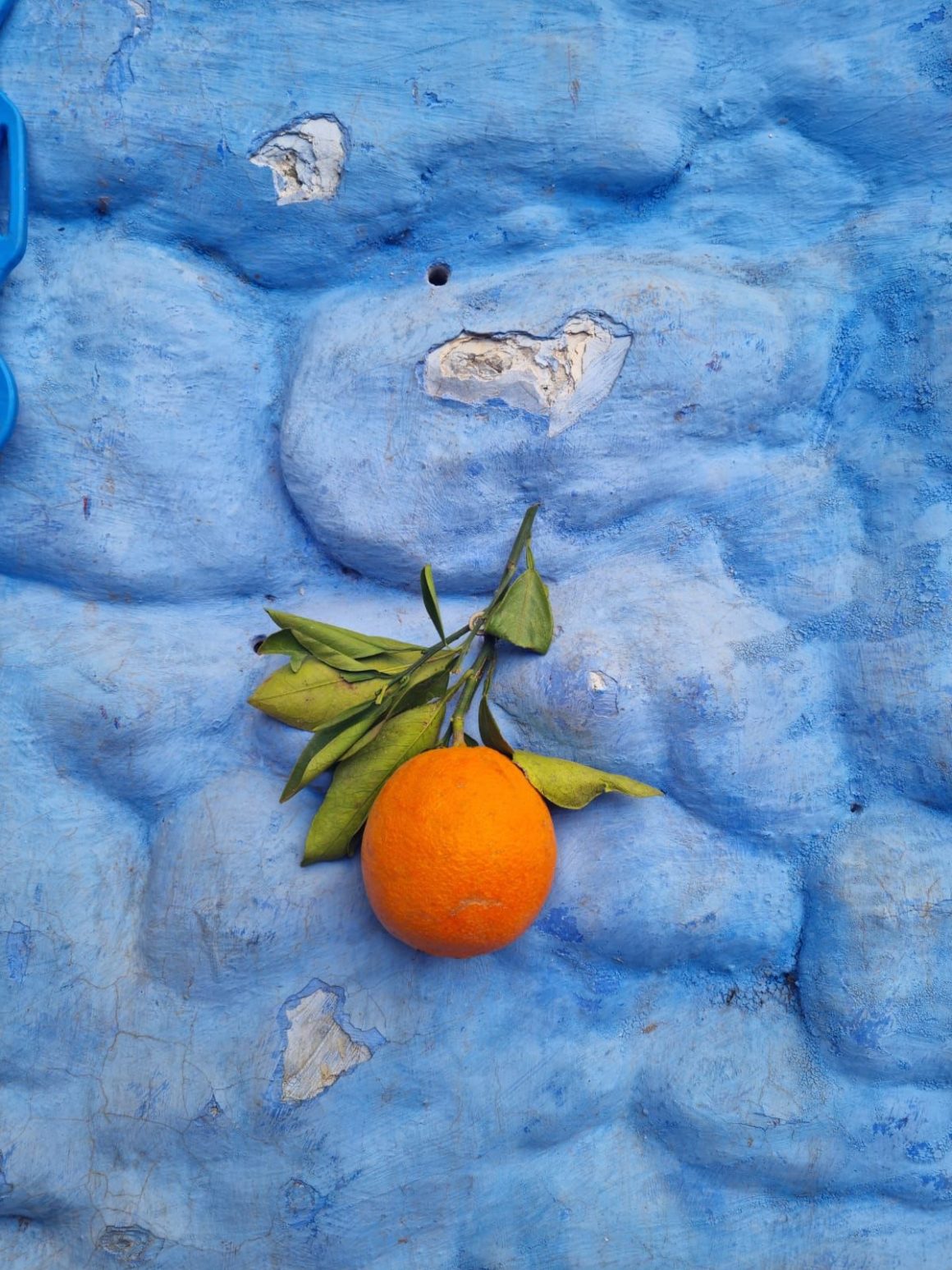
The restaurants I like are on the main square at the bottom of the city — there are about four of them, one after another. All are middle of the road. But they are accessible by car, which by my logic means the produce is fresher. Restaurants that can only be reached on foot — I avoid.
Always order the traditional chicken or lamb — it will not let you down. Usually served with prunes. Or couscous: wheat grain with stewed vegetables and lamb, sometimes with merguez — thin, spicy little sausages. It comes with plumped raisins and a sharp, pungent sauce not unlike adjika — it should be stirred into the cooking liquid. Prices everywhere are modest.
And one last piece of advice from an experienced traveller: when you do not know what you are eating — order a Coca-Cola. It is the most neutralising drink there is. It dissolves absolutely everything. You will have no stomach trouble in India or Morocco if you wash the food down with Coke.
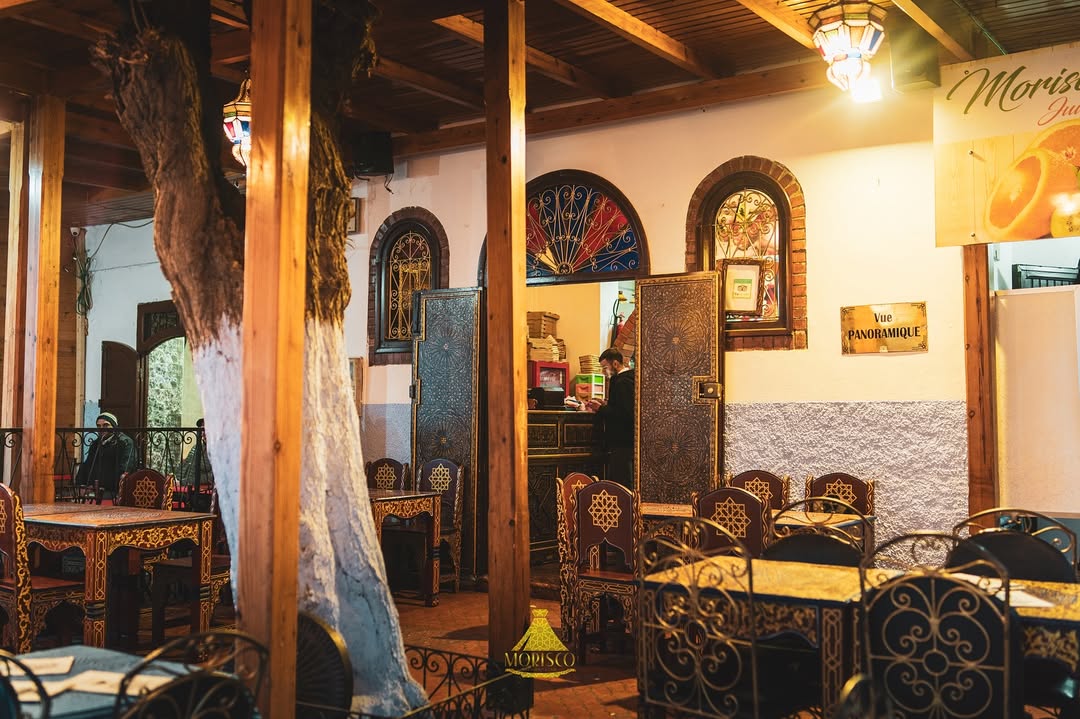
Restaurants, curated by Locals Insider:
- Restaurant Morisco — right on Plaza Uta el-Hammam, with views of the kasbah. Specialises in the local breakfast ftour beldi: goat’s cheese, eggs, olive oil.
51,Place Outa Hamam Chefchaouen - Café Clock — a three-storey restaurant in the medina on Rue El Kharrazin, with an open terrace and live music in the evenings. Berber omelette, spiced cappuccino for 25 dirhams. One of the most popular spots in the city.
3 Derb Tijani, Chefchaouen - Sofie’s Restaurant — by local guides’ accounts, the best tagine in town. A small place; booking ahead is recommended.
- Bab Ssour — a vegetarian restaurant with home-style food and rooftop views. The owner personally recommends the dish of the day.
No 31 Rue Benjelloun, Chefchaouen
Where to Drink
There is no proper bar culture here — this is a Muslim mountain city. What you will find everywhere, however, is fresh mint tea, which in Morocco is a ritual in itself.
Drinks, curated by Locals Insider:
- Café Clock (see above) — by evening it becomes a place with live music and spiced drinks. The best rooftop in the medina.
3 Derb Tijani, Chefchaouen - Restaurant Cafe Zambra — a panoramic terrace above the medina, rated 4.8 on Google, particularly beautiful at sunset.
Soulaiman El Haouat, Av Fahfouh 13 - Local cafés on the square — mint tea, café au lait, and msemen (Moroccan flatbreads). Perfect for a slow morning
Where to Stay in Chefchaouen: Hotels and Riads
I myself always came to Chefchaouen by bus from Tangier — about two hours — and returned the same day. In Tangier I always stay at Hotel Villa de France — a wonderful place where Cézanne once lived. The whole hotel is decorated with his paintings (reproductions, so there is no point stealing them), but the magic there is entirely real.
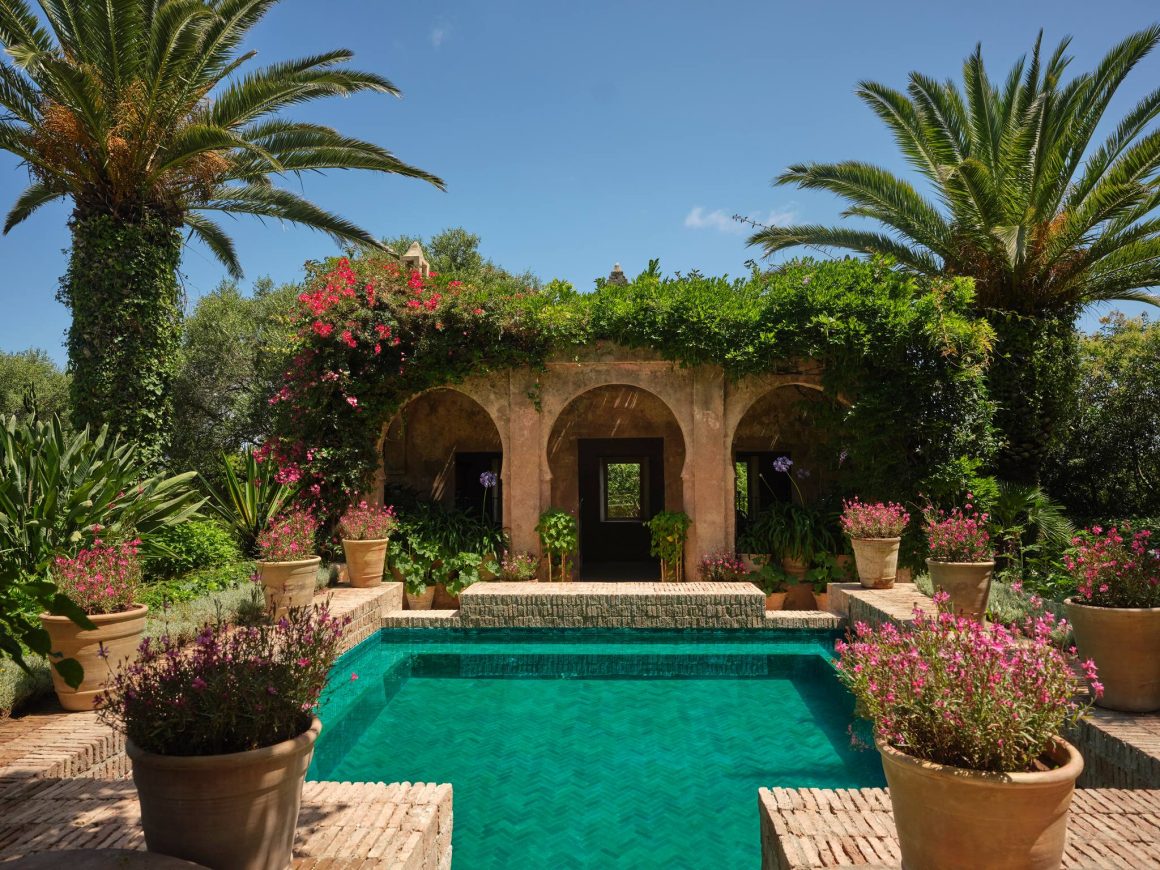
If you want to stay in Chefchaouen itself, there are plenty of guesthouses. For those with a wider budget, I recommend looking for something in the spirit of Villa Mabrouka in Tangier — the former home of Yves Saint Laurent, all green: green walls, green furniture, green garden. It is colour therapy. Morocco, in general, is colour therapy.
Practical Tips: What to Know Before You Go to Chefchaouen
- Travel via Tangier. The bus from Tangier to Chefchaouen takes about two hours. It makes sense to combine both cities in one trip — the north of Morocco is, for me, visually more interesting than the south.
- Dress in blue. Without a blue element in your wardrobe, you will miss the point entirely. A blue scarf, a blue bag, blue gloves — anything. Otherwise the photographs simply will not be right.
- Fish only by the sea. In the mountains, do not order fish. Stick to chicken or lamb — they will not disappoint.
- Coca-Cola as insurance. Wash unfamiliar food down with Coke. It works in Morocco and in India alike.
- Plan the whole north. Chefchaouen is one stop on a route, not a destination in itself. Casablanca, Tangier, Tetouan, Fez — each of these cities deserves a full day. Everyone goes to Essaouira and Marrakech, assuming those are the highlights. But the north is a fairy tale.
Planning Your First Trip to Morocco?
Chefchaouen is just one point on the map of a country that knows how to surprise at every turn. If you want to understand how to build a route from scratch — Tangier, Fez, Casablanca, and the Atlantic coast — read Maria Pushkarskaia’s personal itinerary “My First Time in Morocco” on Locals Insider.
Chefchaouen is in there too — but seen through the eyes of a first-time explorer, not an expert. Two perspectives together are better than any guidebook.