

With nearly 15 million residents, Bangkok has long lacked what many global capitals take for granted: a large, institutional center dedicated to contemporary art. So, when news broke about the opening of Dib Bangkok, the city’s first international contemporary art museum, a visit was a must.
The experience was a mixed one, though, and here’s why.
Architecture as the First Impression
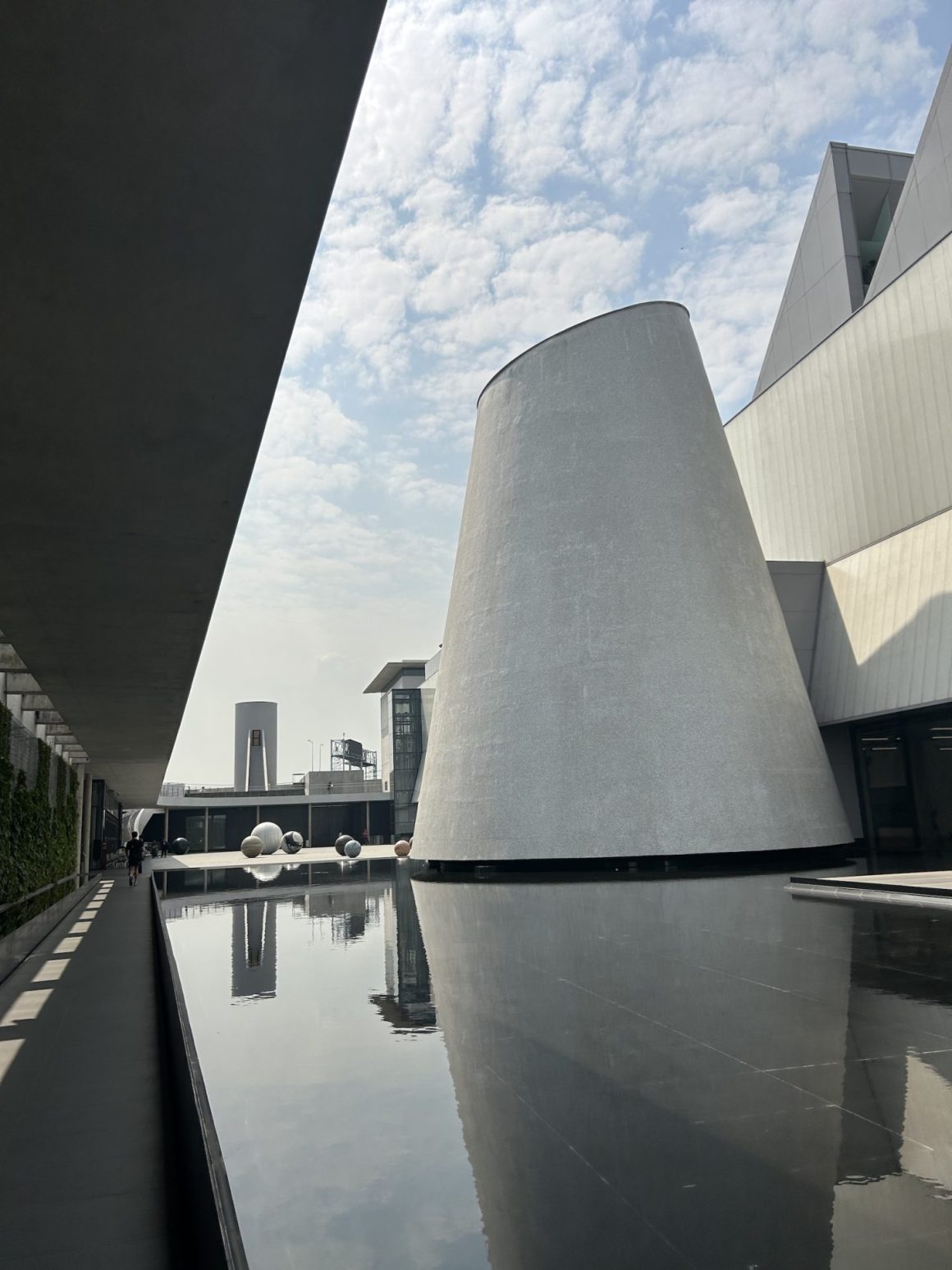
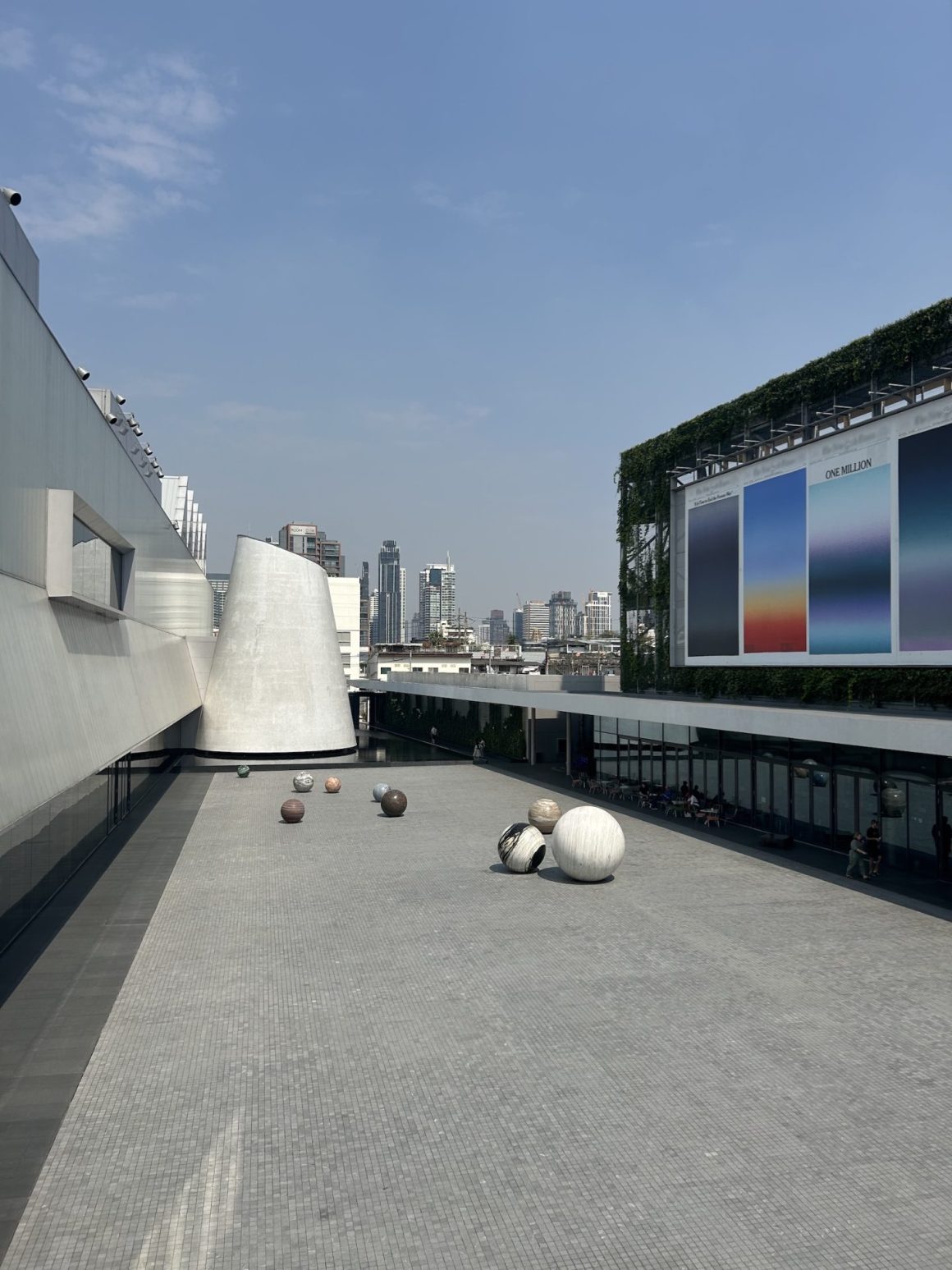
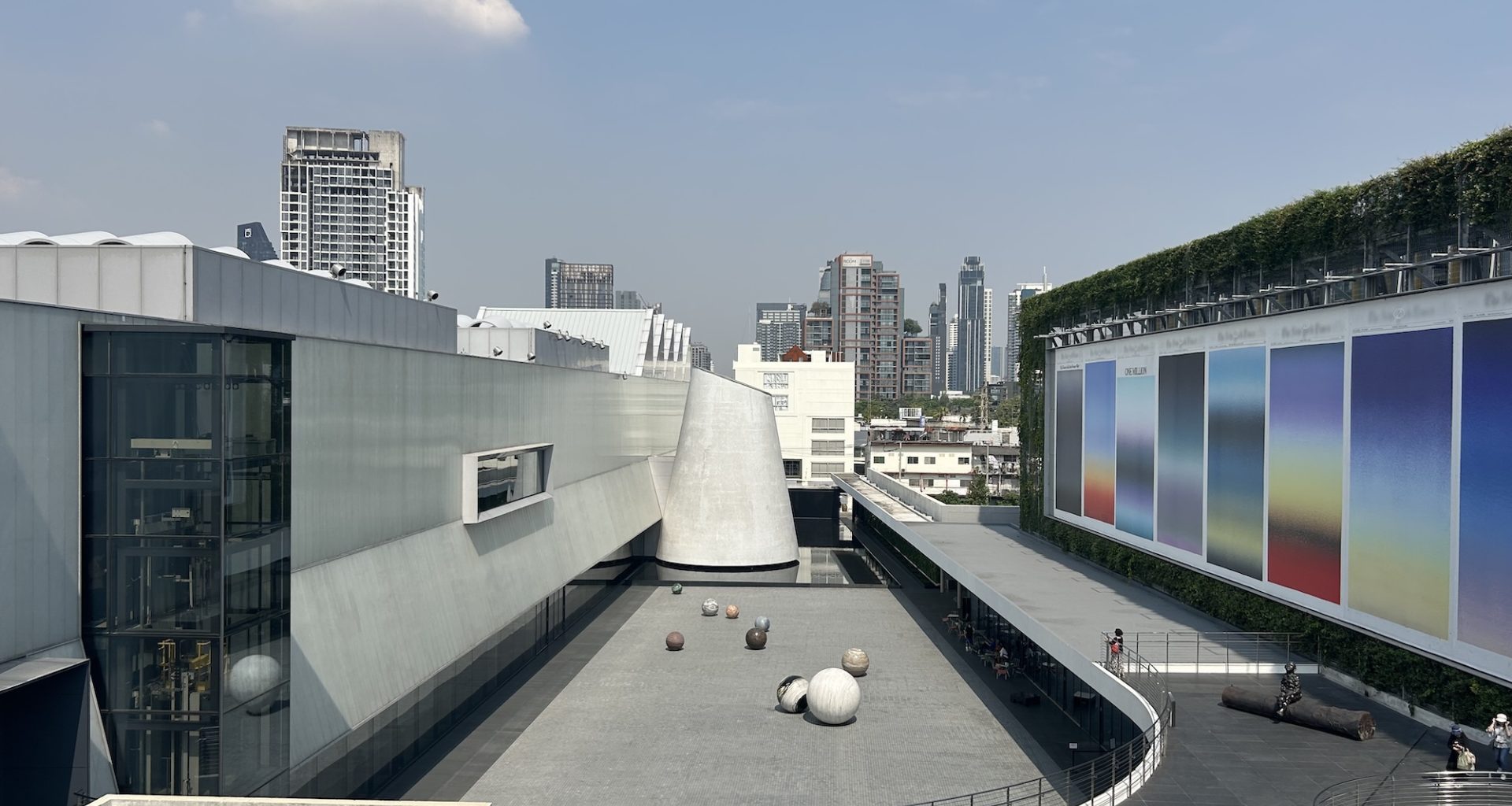
The central courtyard, dotted with massive stone sphere installations by Alicja Kwade, feels both meditative and monumental, offering a quiet reprieve from Bangkok’s relentless pace. A freestanding tower by James Turrell, titled Straight Up, anchors the experience, offering one of his signature Skyspace environments.
Visitors climb a staircase, step inside, and look up through an oculus, where light subtly reshapes their perception. It’s a familiar Turrell theme, yet it remains effective.
The Opening Exhibition: Ambition and Sensory Scale
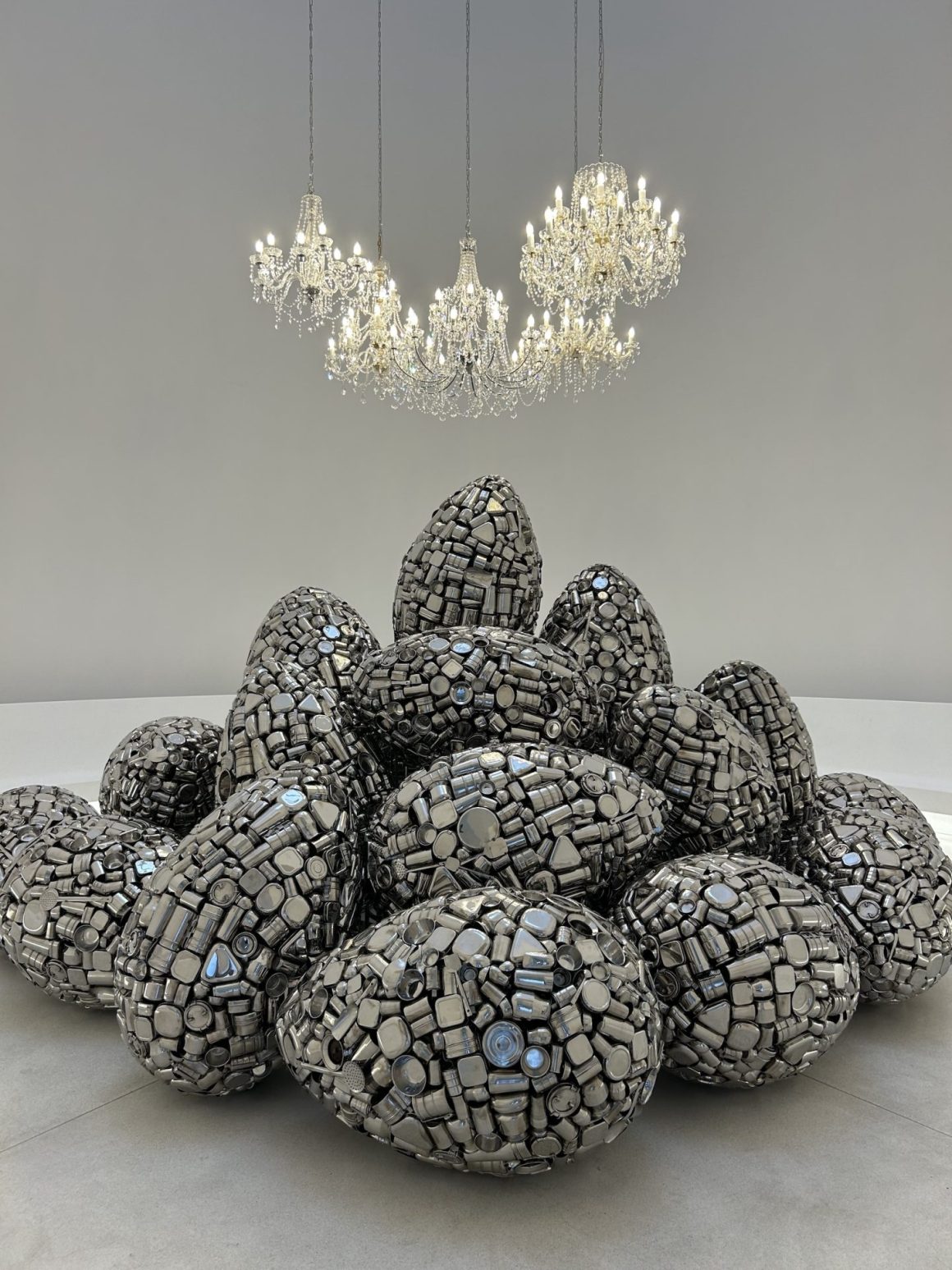
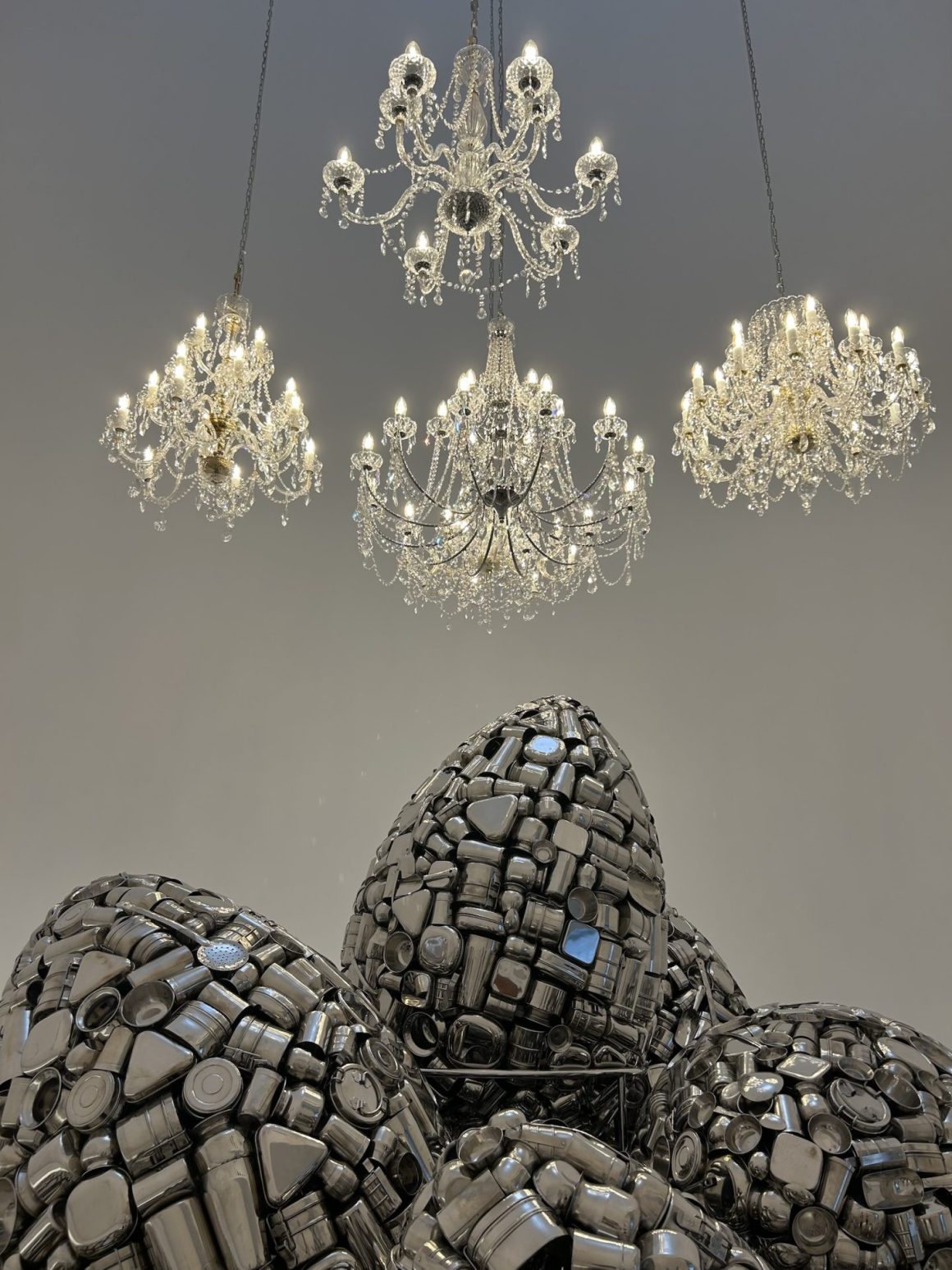

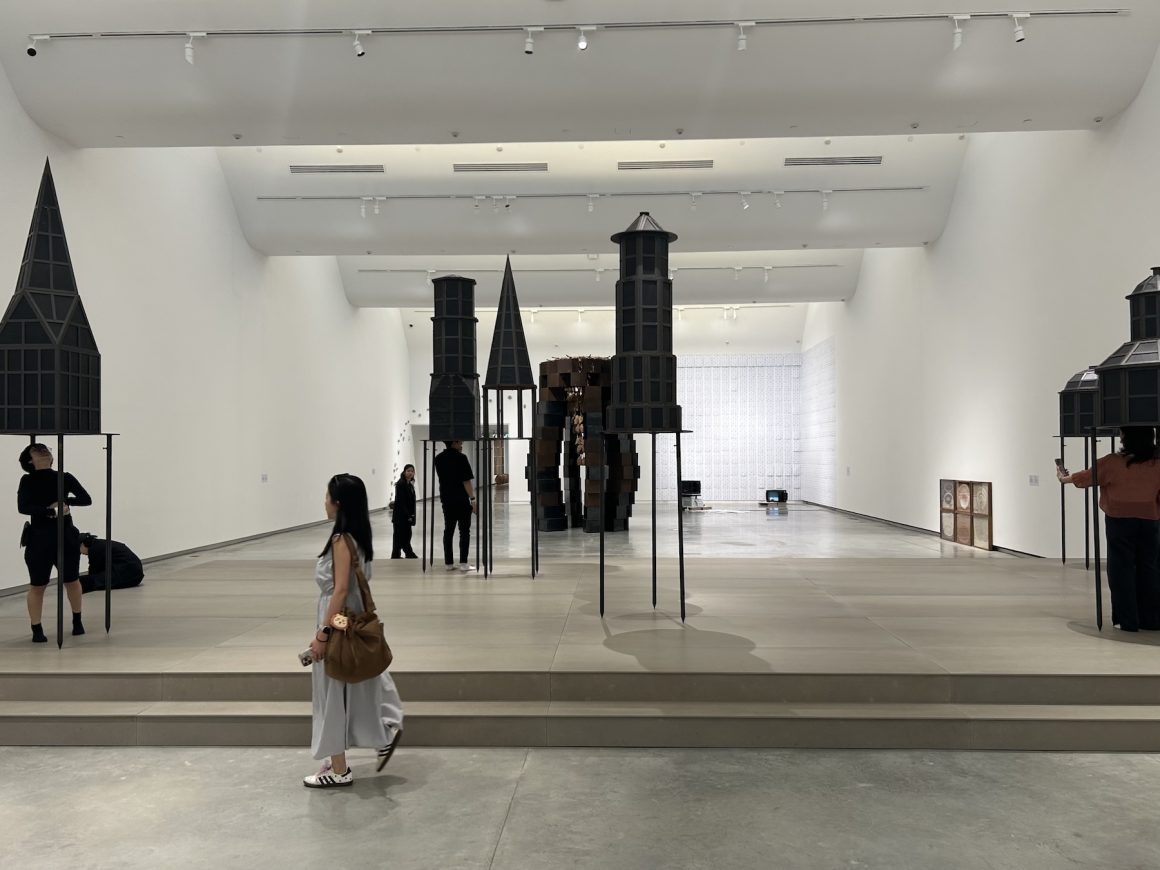
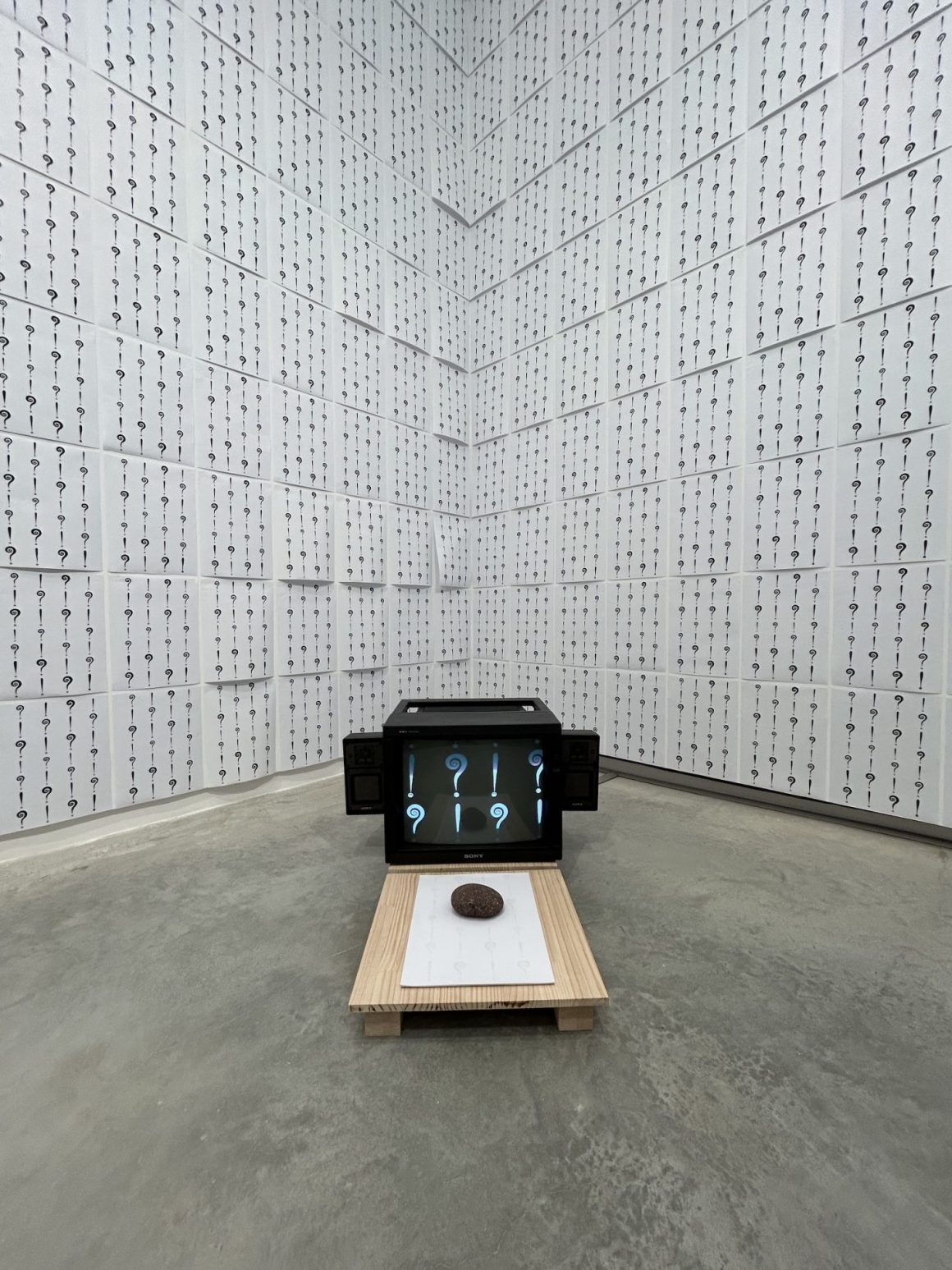
The inaugural exhibition, (In)visible Presence, will be on view until August 3, 2026. It brings together 81 works by 40 artists and explores themes of absence, materiality, memory, and sensory perception.
The curatorial ambition is clear; many of the works engage with sound, light, scale, and physical interaction instead of relying purely on visual spectacle.
The standout moment comes courtesy of Marco Fusinato’s Constellations, a site-specific installation that is as unsettling as it is unforgettable. Visitors are invited to strike a stark white wall with a chained baseball bat, producing a 120-decibel crack that reverberates through the gallery.
Fusinato describes it as a “theater of rupture and resonance,” and the description fits: the work feels violent, performative, and oddly cathartic—an embodied confrontation rather than passive viewing.
Uneven, but Grounded Locally
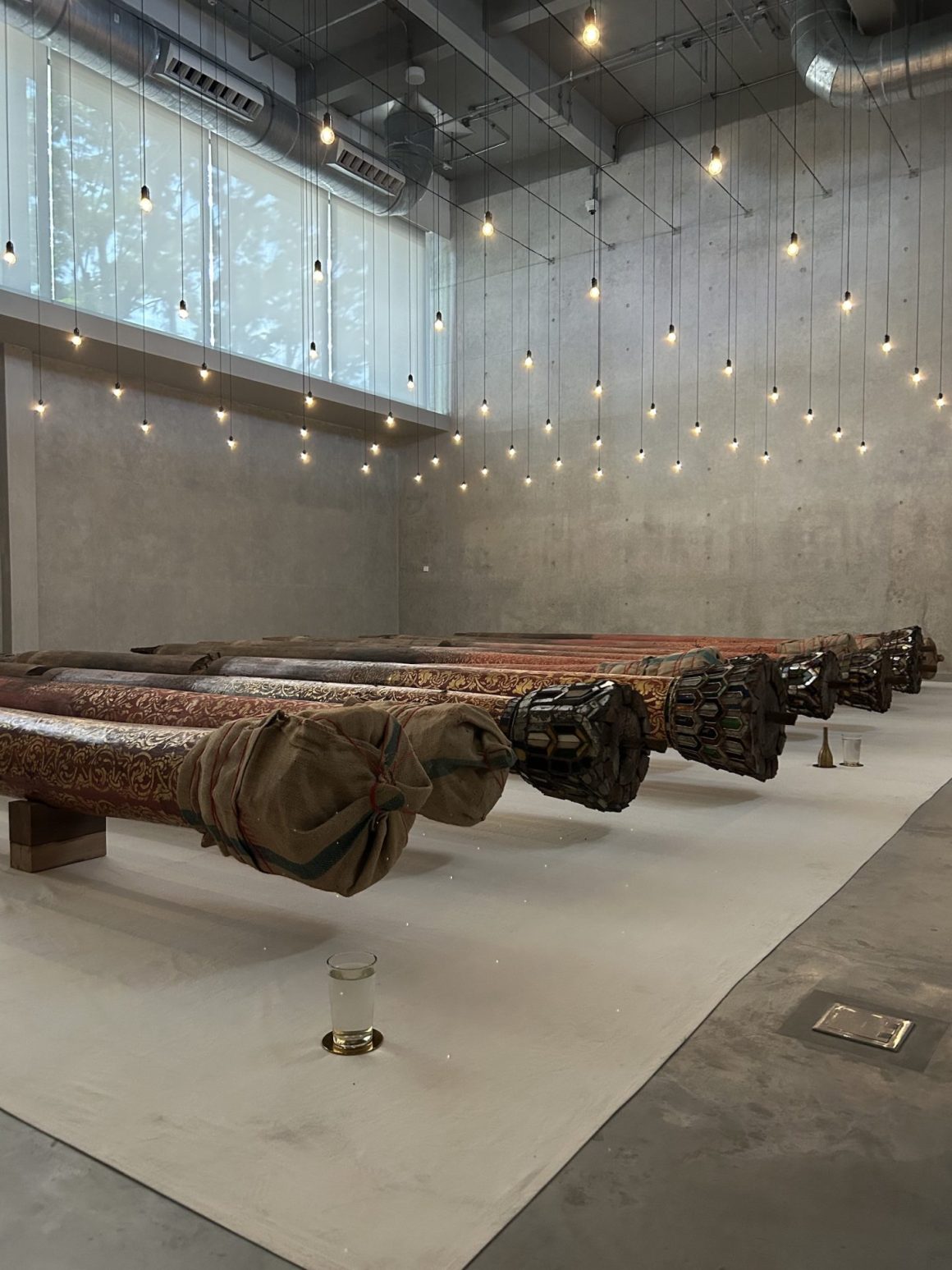
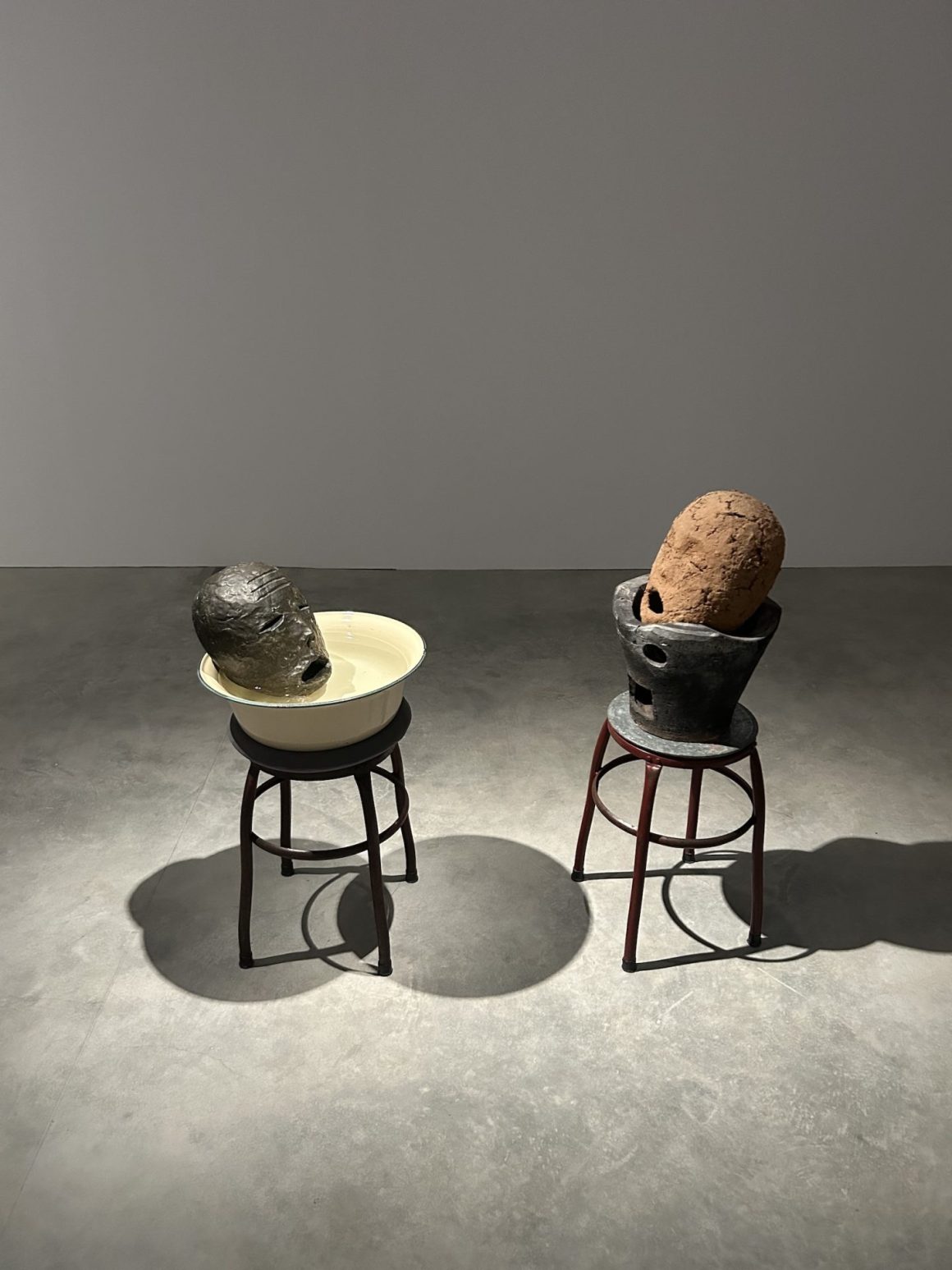
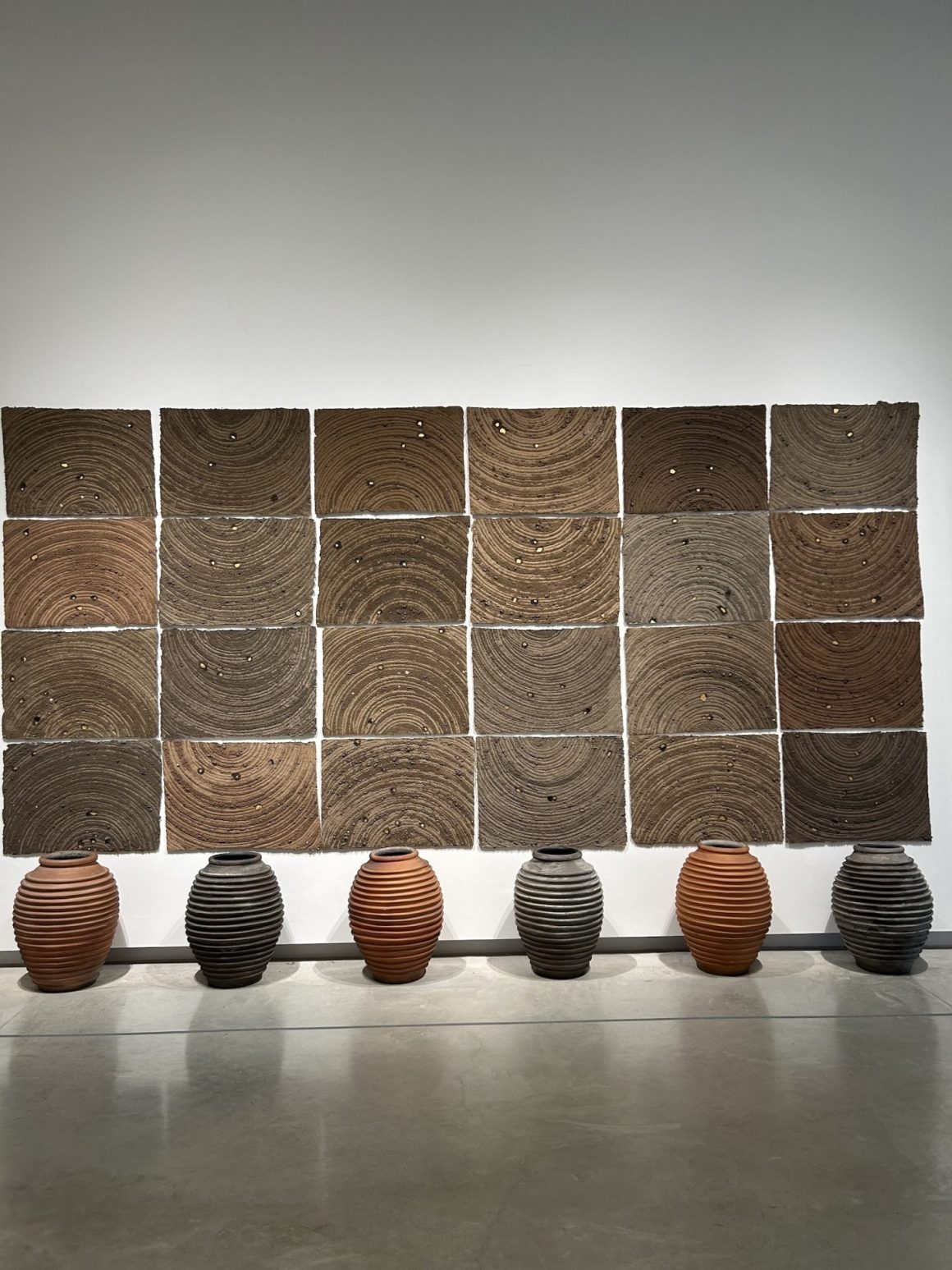
Elsewhere, the exhibition is uneven. Some pieces linger in the mind longer than others, and at times, the show feels more like a careful survey than a cohesive statement.
Nevertheless, one of the real strengths of Dib Bangkok lies in its inclusion of Thai artists, who are often underrepresented in international museum contexts. On the third floor, works by artists like Montien Boonma offer quiet depth and a stronger sense of local context.
The Price of Admission

Still, the experience comes with friction. Admission costs nearly €20, expensive by Bangkok standards, and entry requires an online registration process that can take several minutes. It’s hard not to miss simpler times, when buying a ticket meant no QR codes, no data, and no barriers to curiosity.
A Destination, Not Yet a Community Hub
Perhaps most importantly, Dib Bangkok does not yet feel like a living hub of the city’s art scene. For now, it lacks the raw energy and community appeal of Bangkok Kunsthalle. This is especially clear when you consider their independent art scene roots.
Dib feels polished, composed, and slightly distant, more of a destination than a meeting point. I’ve noticed this kind of refined detachment at the Zeitz Museum in Cape Town as well. The architecture is impressive, but the space feels somewhat removed from the city’s everyday cultural life.
Dib Bangkok may not yet feel like the city’s cultural heartbeat, but it adds another layer to Bangkok’s evolving creative landscape. If you’re interested in discovering new places—especially if nightlife is part of how you experience a city—we recommend continuing the evening elsewhere.
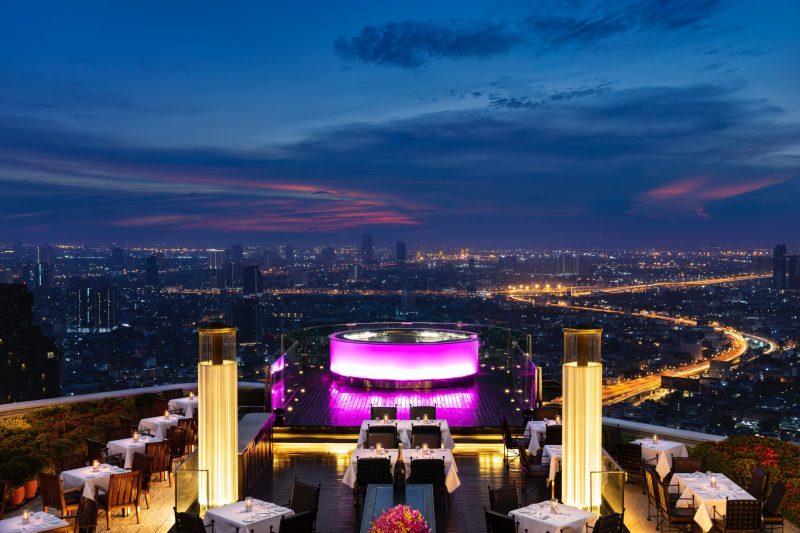
Perched on the 44th floor above Dusit Central Park, ÆTHER is a new rooftop club offering one of Bangkok’s best 360-degree skyline views, a serious sound system, and programming that feels genuinely current. We’ve already visited late on a Friday night and shared what the place is really like in our full review.