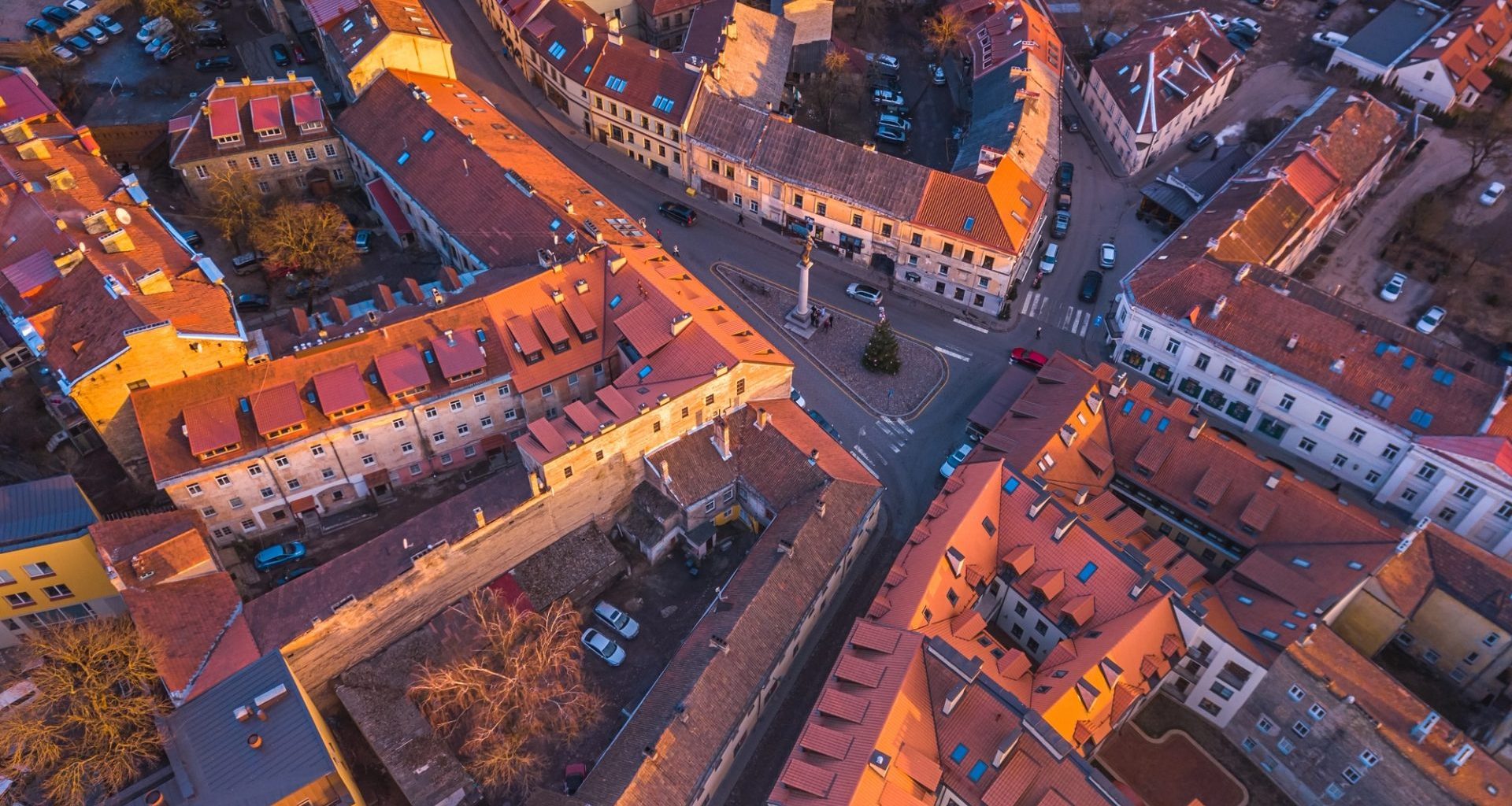
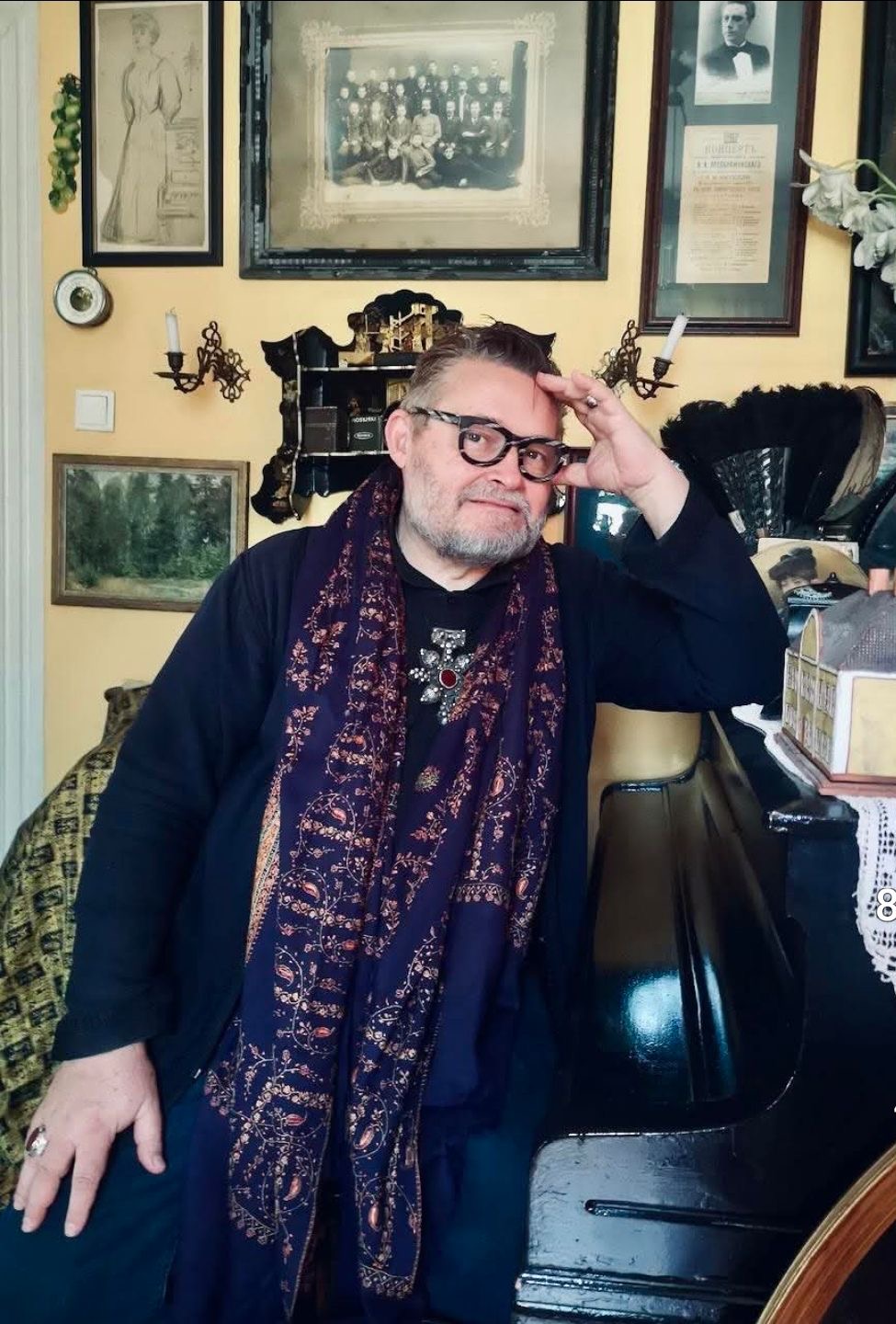
Fashion historian and television presenter Alexandre Vassiliev comes from a family with Lithuanian roots. For him, Vilnius is not a city out of a guidebook — it’s the place where, for ten years running, he showed his costume collections at the Museum of Applied Arts, and where the very landscape is steeped in a mix of Gothic, Baroque, and Italian Renaissance.
Exclusively for Locals Insider, the historian, set designer, and collector has put together a personal guide to Vilnius.
Lithuania, Once an Empire
Vilnius holds a singular place in history. For centuries Lithuania was an independent and well-armed principality whose scale, at one point, was staggering. In the 15th century, under Vytautas the Great, the Grand Duchy of Lithuania stretched from the Baltic Sea to the Black Sea — the largest state in Europe at the time.
These weren’t only conquests: Lithuania expanded through the dynastic marriages of Gediminas’s sons to heiresses of Volhynia and Kievan Rus. All of present-day Ukraine, in the 14th and 15th centuries, was part of the Lithuanian duchy.
In 1386, the Grand Duke Jogaila converted to Catholicism and married the Polish queen Jadwiga, creating a personal union between Lithuania and Poland. Full unification of the two states came later — with the Union of Lublin in 1569. Lithuanian Vilnius became Polish Wilno.
The city was founded by Lithuanians and largely built by Poles. To this day, Poles look back on Vilnius with a particular nostalgia.
Bona Sforza and the Italian Trace
What’s distinct about Vilnius is that this Eastern European capital is, to my mind, far more an example of Italian architecture than of Polish or Lithuanian. Most of the great churches with their lavish facades — St. Theresa’s, Saints Peter and Paul, St. Casimir’s — feel deeply Italian.
For those who don’t know: at one point the Queen of Poland and Grand Duchess of Lithuania was an Italian — Bona Sforza, a princess from Vigevano near Milan and a member of the Sforza dynasty that had ruled the Duchy of Milan. She married Sigismund I the Old in 1518. With her arrival came Italian architects, priests, master furniture-makers, and tailors. Lithuania, in its cultural code, is far more closely tied to Italy than is generally recognized.
The Jerusalem of the North
There is one more thing that defines Vilnius. For nearly three hundred years, this was one of the principal centers of Jewish life and thought in Eastern Europe. Yiddish itself didn’t form here — it emerged in the Rhineland and northern France as early as the 10th century.
But Vilna became its eastern capital. It was here, in the 18th century, that the Vilna Gaon — Elijah ben Solomon Zalman, one of the great Jewish thinkers of all time — lived and taught. It was here, in 1925, that YIVO was founded — today headquartered in New York and still the world’s leading institute of Yiddish studies. And it was Jewish Vilna that the Jewish world called Yerushalayim de-Lite — the Jerusalem of the North.
St. Anne’s Church: Flamboyant Gothic and the Shadow of Napoleon
Vilnius is a city of remarkable culture, with abundant museums and rich architecture. The most famous landmark is St. Anne’s Church, built at the turn of the 16th century — to be precise, between 1495 and 1500, under Grand Duke Alexander Jagiellon — in the Flamboyant Gothic style.
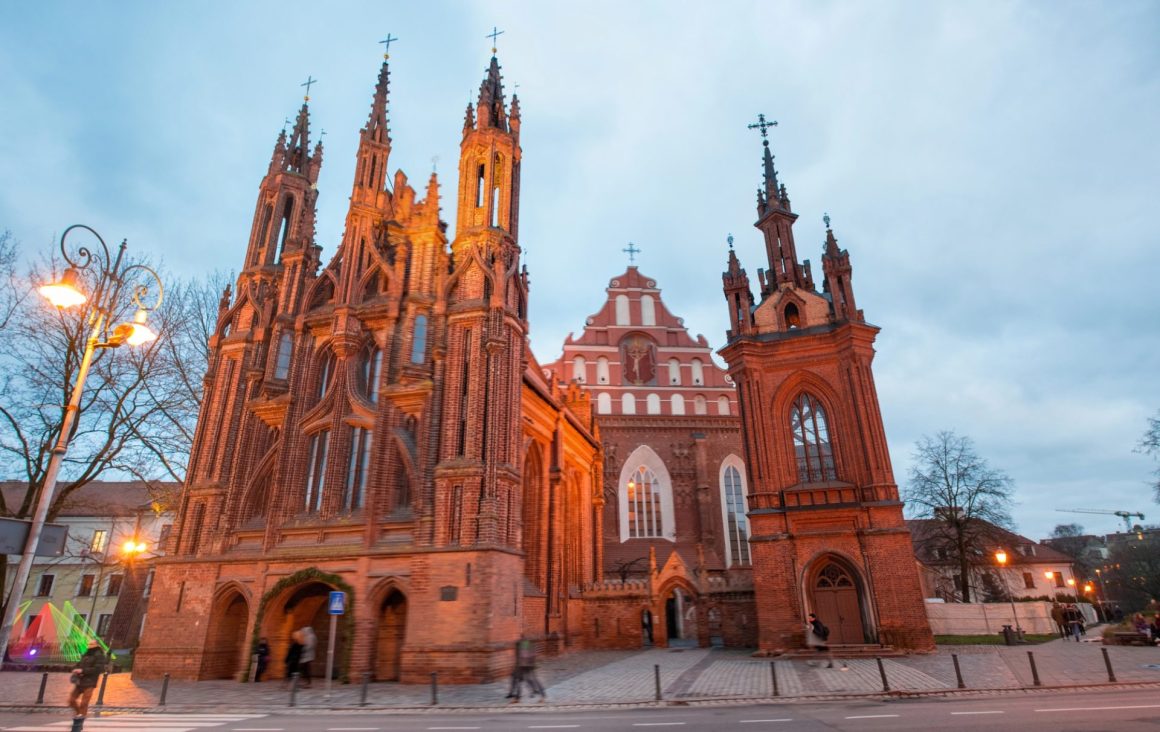
According to a 19th-century legend, Napoleon — passing through Vilna during the 1812 campaign — was so taken with it that he wished he could carry the church back to Paris in the palm of his hand. He couldn’t, of course. But the facade is genuinely extraordinary, laid up from 33 different kinds of brick.
Things to Do in Vilnius
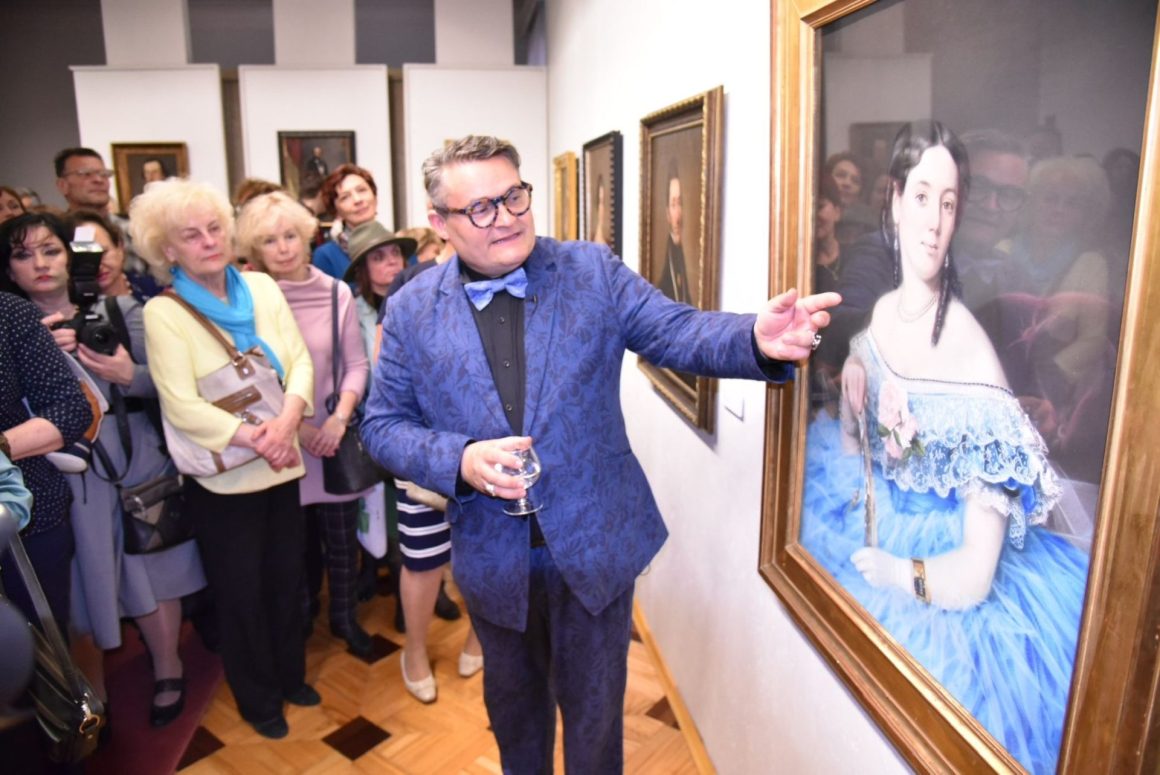
Vilnius is celebrated for its museums. The principal painting collection is housed in the Radvila Palace, a Late Renaissance building from 1635–1653, commissioned by Janusz Radziwiłł. The palace was badly damaged twice — first after the Muscovite invasion of 1655–1660, then during World War I. Today the museum occupies only part of the building; the rest still awaits restoration. Some of the city’s best temporary exhibitions happen here.
Another stop is the Vilnius Picture Gallery on Didžioji street — a substantial collection of Polish-Lithuanian art, including Biedermeier and Secessionist painters from the turn of the 20th century.
Then there’s the excellent MO Museum of contemporary art — modern Lithuanians have a real appetite for the new, and the building, by Daniel Libeskind, looks like a Japanese hangar dropped into the Old Town. The collection is varied and rich.
There’s also Markučiai Manor, the wooden 19th-century estate where Alexander Pushkin’s youngest son, Grigory, lived after marrying a local heiress and settling here in 1899. The house preserves furniture brought from the family’s Russian estate, and stands as a small, atmospheric pocket of pre-revolutionary aristocratic life.


And finally, the Museum of Theatre, Music and Cinema, where I recently saw a wonderful exhibition of Mstislav Dobuzhinsky — a leading figure of Russia’s Mir Iskusstva (World of Art) movement, who was born in Lithuania and worked extensively for the Kaunas opera and ballet between the wars.
Vilnius Sights, Picked by Locals Insider
- St. Anne’s Church (Šv. Onos bažnyčia) — Maironio g. 8. Built 1495–1500 under Alexander Jagiellon. A Flamboyant Gothic masterpiece in 33 types of brick. Part of the Bernardine ensemble. UNESCO World Heritage.
- Gate of Dawn (Aušros vartai) — Aušros vartų g. 14. The only surviving gate of the city walls (1503–1522). The chapel above holds a Northern Renaissance image of the Virgin (1620–1630), crowned by Pope Pius XI in 1927. The most important Catholic pilgrimage site in Lithuania.
- Saints Peter and Paul Church — Antakalnio g. 1. An Italian Baroque masterpiece with an interior of more than 2,000 stucco sculptures by the masters Peretti and Galli.
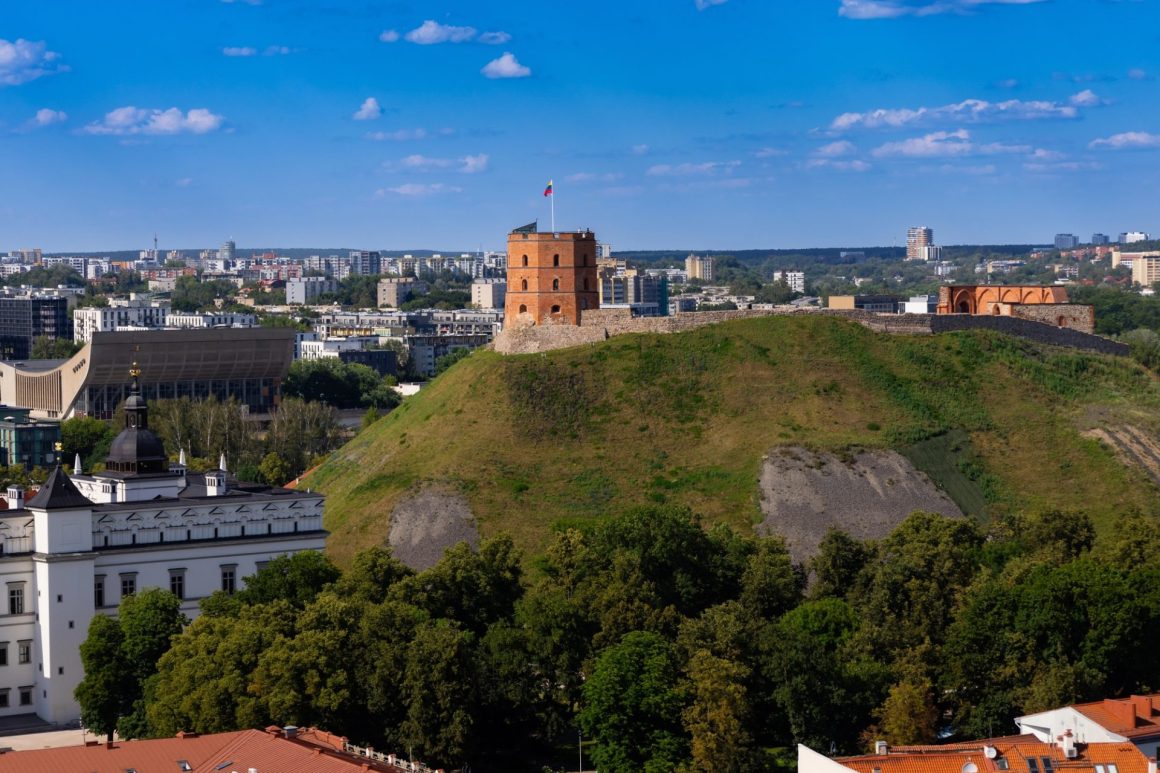
- Gediminas Tower — Castle Hill, Old Town. A Gothic tower from the 14th–15th centuries, the only surviving fragment of the Upper Castle. Inside: medieval Vilnius. From the top: the best view of the city and the Neris river.
- Museum of Occupations and Freedom Fights — Aukų g. 2A. The former Museum of Genocide Victims, housed in the building that served in turn as NKVD, Gestapo, and KGB headquarters. The original cells and interrogation rooms are preserved. Powerful.
Vilnius Museums, Picked by Locals Insider
- Radvila Palace (Radvilų rūmai) — Vilniaus g. 24. Late Renaissance palace, 1635–1653, branch of the Lithuanian National Museum of Art. Western European painting from the 16th to the 19th centuries: Spranger, Carlo Dolci, Carracci. Tickets €6.
- Vilnius Picture Gallery — Didžioji g. 4. Polish-Lithuanian art from the 16th to the 20th centuries — Biedermeier, Secession, interwar modernism. A branch of the Lithuanian National Museum of Art.
- MO Museum — Pylimo g. 17. Contemporary art museum in a Daniel Libeskind building (2018). Lithuanian modern and contemporary art from the 1960s onward.
- Markučiai Manor — Subačiaus g. 124. A 19th-century wooden estate where Alexander Pushkin’s youngest son lived. Authentic interiors and original furniture from the family’s Russian estate. Tickets €3.
- Museum of Applied Arts and Design (the Arsenal) — Arsenalo g. 3A. Housed in the Old Arsenal. Lithuanian applied arts from the 14th to the 20th centuries. This is where Alexandre Vassiliev showed his costume collections for ten consecutive years.
Juozas Statkevičius: Lithuanian Fashion in Paris
Lithuania’s most prominent designer is Juozas Statkevičius. A man of serious talent, he shows regularly at Paris Fashion Week and was the first Baltic designer to present a haute couture collection in Paris, in 2001 and 2002. He has shown there ever since. His clothes are excellent — and so is his fragrance, Eau de Parfum, with its unforgettable woody bite.
Where to Stay: Stikliai and Beyond
The most stylish hotel in Vilnius is Stikliai, on Stikliai Street — the name means “glass.” It’s a historic building in the city’s former Jewish Quarter, on the street where, in 1547, the glassblower Martynas Paleckis founded Lithuania’s first glass manufactory.
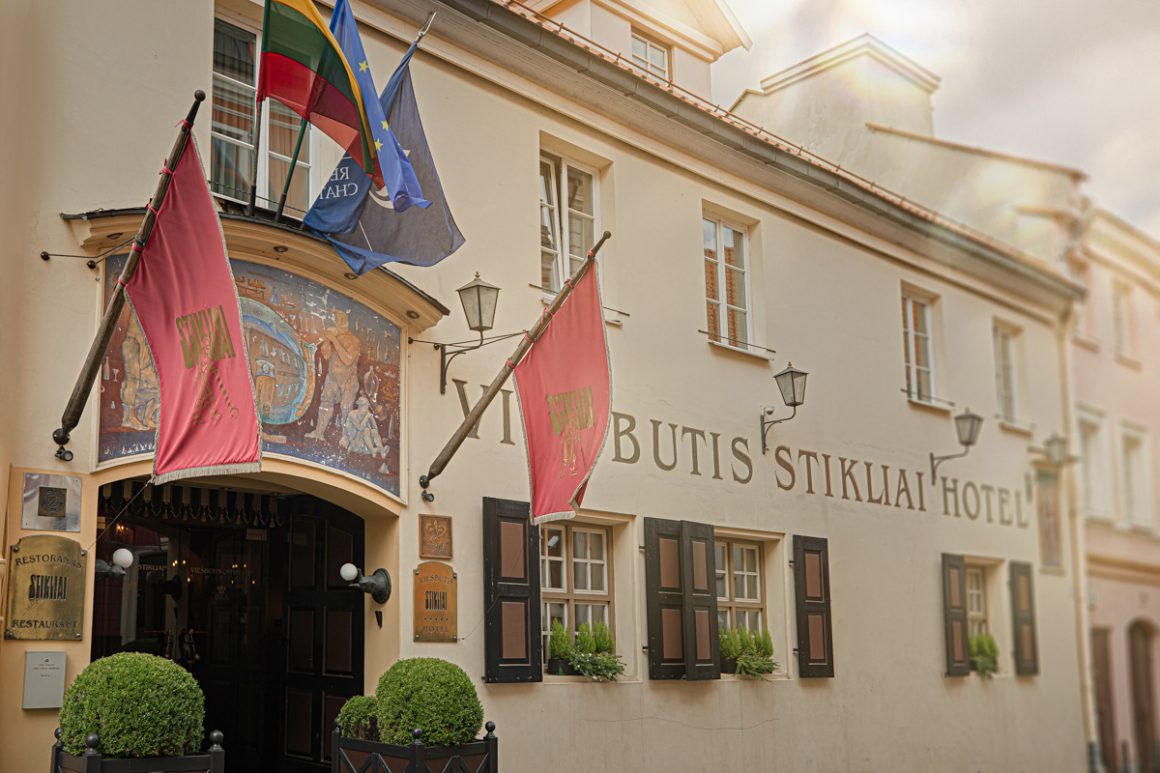
The Prince of Monaco, the President of the United States, the President of France, and the kings of Sweden and Norway have all stayed here. Every room was designed by the French interior designer Anne Toulouse, who lived in Lithuania for a time. The result is a real pleasure.
There are plenty of other hotels in town — most people recommend Hotel Shakespeare, which is more modest and very comfortable.
Best Hotels in Vilnius, Picked by Locals Insider
- Stikliai Hotel — Gaono g. 7. Member of Relais & Châteaux, five stars since 1995. A Baroque-Gothic building in the Jewish Quarter; the restaurant is a member of the Chaîne des Rôtisseurs. Interiors by Anne Toulouse. From €280 per night.
- Shakespeare Boutique Hotel — Bernardinų g. 8/8. 33 rooms, each named for a writer. A 16th-century building steps from St. Anne’s Church. From €130 per night.
- Pacai Hotel — Didžioji g. 7. A 17th-century Pac family palace turned Design Hotel. Restored frescoes, contemporary rooms, and Nineteen18 — a two-Michelin-star restaurant. From €220 per night.
- Kempinski Hotel Cathedral Square — Universiteto g. 14. A grand five-star hotel facing Cathedral Square. The classic choice for travelers who want a hotel, not a palace-with-a-history. From €250 per night.
- Hotel Vilnia — Didžioji g. 18. A small boutique hotel in the heart of the Old Town, with a Baroque facade. A quieter alternative to the bigger names. From €110 per night.
Where to Eat: New Cooking and the French
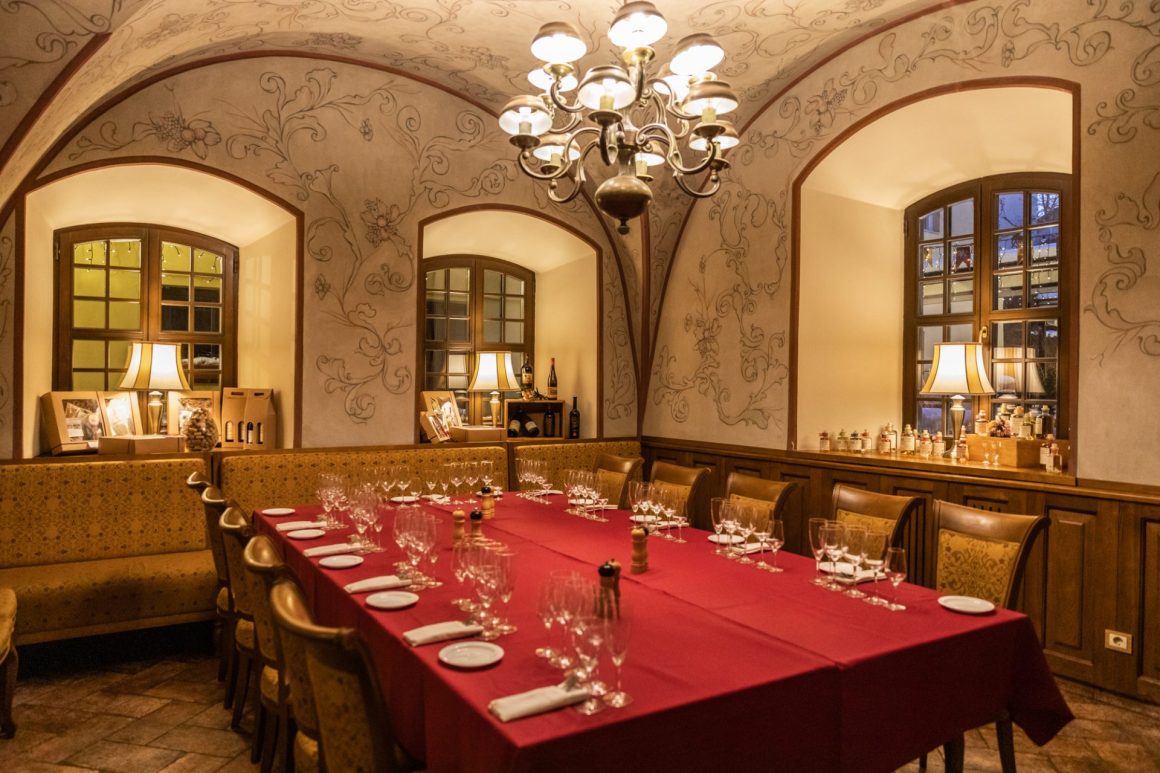
There are a great many restaurants in Vilnius, and new ones keep opening — many of them not to my taste. Minimalist plating, dim lighting, large plates, food in small bites, prices on the high end. But there are more traditional places, and surprisingly good French restaurants — the French play a real role in Vilnius.
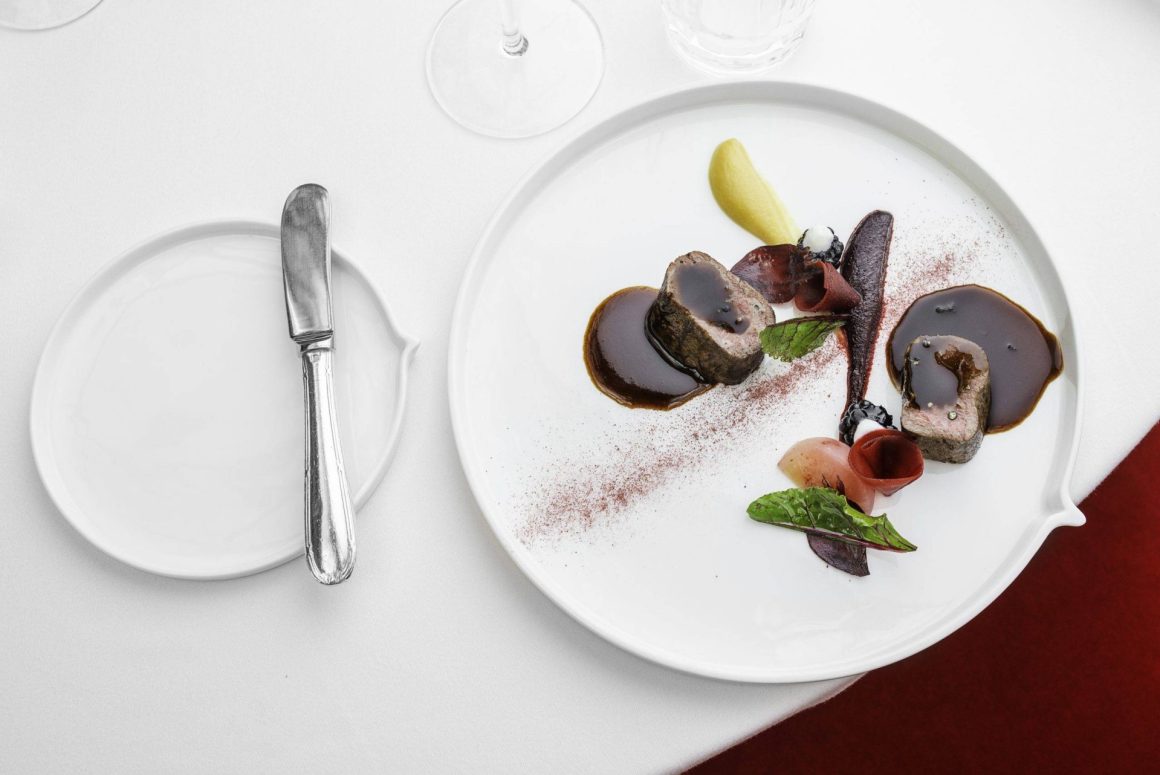
Best Restaurants in Vilnius, Picked by Locals Insider
- Stikliai Restaurant — Gaono g. 7. Member of the Chaîne des Rôtisseurs since 1922. French and Lithuanian cuisine in a historic palazzo setting.
- Nineteen18 — Didžioji g. 7, inside Pacai Hotel. Two Michelin stars. Modern Lithuanian cooking built on local ingredients.
- Lokys — Stiklių g. 8. One of the oldest restaurants in Vilnius (open since 1971), in a 15th-century Gothic cellar. Game is the specialty: venison, wild boar, bear.
- Senoji Trobelė — Aušros Vartų g. 22. Rustic Lithuanian food in a country setting. Cepelinai, šaltibarščiai (cold beet soup), smoked pork.
- Demo — Stiklių g. 4. Contemporary chef-driven cooking, Michelin Bib Gourmand, a short seasonal menu. Reservations required.
Antique Shops and Pre-Owned Diamonds
Vilnius has a great many antique shops. They range from large warehouses of furniture and tableware to tiny stores trading in pre-owned diamonds, gold, and emeralds of remarkable quality. Lithuanians have a well-developed eye for objects, and what they choose tends to be interesting.
Best Antique and Vintage Stops, Picked by Locals Insider
- Pamėnkalnio Antikvariatas — Pamėnkalnio g. 19. An old family-run antique shop. Furniture and interior pieces from the 18th and 19th centuries.
- Antikvariatas Pylimas — Pylimo g. 8. A central antique store with icons, silver, jewelry, and Lithuanian ceramics.
- Užupis Flea Market — Užupio g. Sundays only. Vintage, books, leather, crafts.
- Trakų Vintage — Trakų g. A vintage clothing and accessories shop.
Romance of the Old Town and Café Networking
Walks through Vilnius — especially through the Old Town — are romantic. Cafés are everywhere, and most of them function as networking hubs for young people in deep computer trance: girls and boys at the tables typing all day. I understand they’re working, and in its way, this is what Vilnius is now famous for.
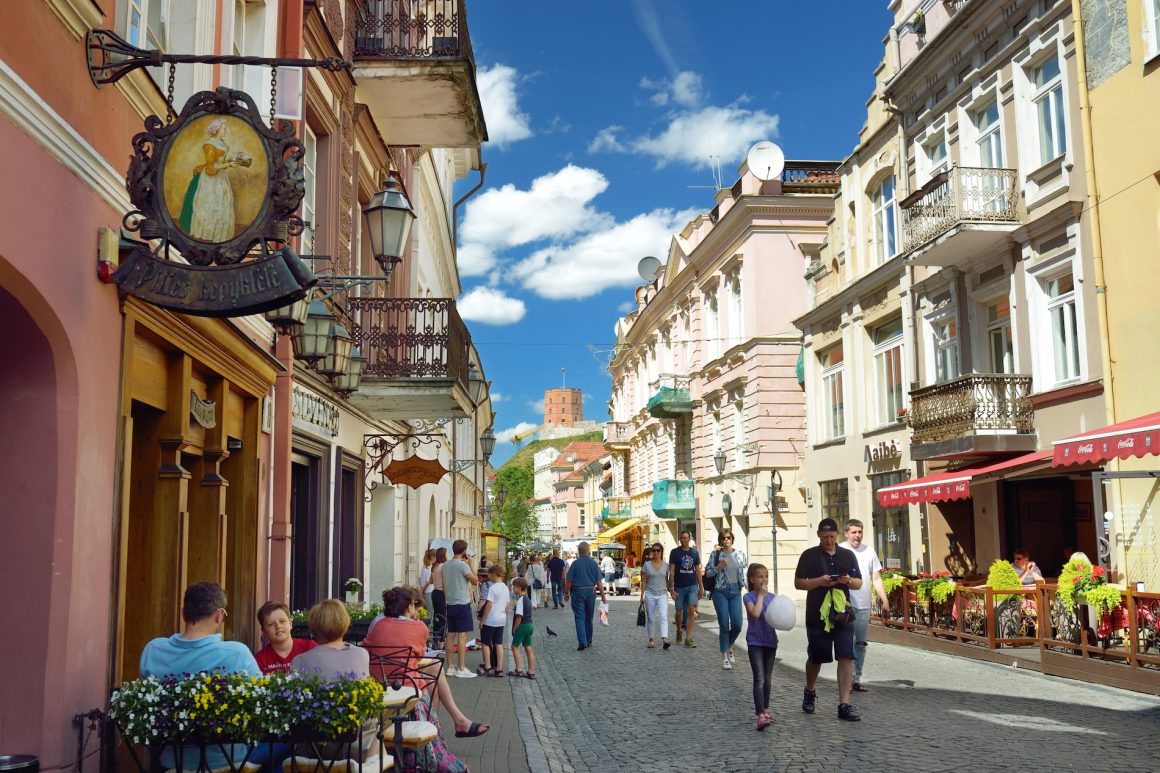
Vilnius sits at the crossroads of cultures — you’ll hear several languages on the street, sometimes within a single café table.
Tips from Alexandre Vassiliev’s Vilnius Guide
- Markučiai Manor — 30 minutes on foot from the center, 15 by bus. In winter the estate is silent, like a private home. In summer, the surrounding park fills with picnickers.
- St. Anne’s Church — go in the morning, when the sun fires the brick to its brightest red.
- Gediminas Tower — toward the evening. The view from the top, over the city and the Neris river, is the best in Vilnius.
- The Gate of Dawn — go with awareness. This is a place of pilgrimage, not a tourist site. Be quiet, and don’t put your camera in worshippers’ faces.
- English works in the city center, but a few words of Lithuanian go a long way.Labas for hello, ačiū for thank you. Locals notice — and appreciate.
- For pre-owned diamonds and amber, go to the antique jewelers. The standard tourist shops carry only mid-grade new amber; the real pieces are in the small stores with floor-to-ceiling display cases and a clerk who knows every ring on the shelf.
Where Next with Alexandre Vassiliev?
Alexandre Vassiliev writes for Locals Insider on cities around the world — places where cultural codes are layered as densely as in Vilnius. The Hong Kong guide: the British city the Chinese never renamed. Tangier guide: a city of spies, art nouveau, and two seas. The Catania guide: Sicilian Baroque rebuilt from black volcanic stone.