Montenegro may be small, but it’s astonishing how much it fits into one easy-to-love corner of Europe: timeworn towns crowned with medieval churches, beaches for every mood, restorative spa retreats, pocket-sized bays lined with fish restaurants, plus mountains and national parks that feel worlds away from the coast. Here, nature and history don’t just coexist — they travel side by side. And wherever you base yourself, each region reveals its own distinct rhythm and a handful of places that feel entirely its own.
Darya Lushina is a stylist and makeup artist with 17 years of experience. She’s called Montenegro home for the past seven years and, thanks to her work, has criss-crossed the country from shoreline to highlands. Over time she’s built a personal shortlist of spots that are simply non-negotiable. For Locals Insider, Darya shares the pins she’d drop on your map — the places to go if you want to truly feel Montenegro, and fall a little bit in love with it.
Mogren Beach, Budva
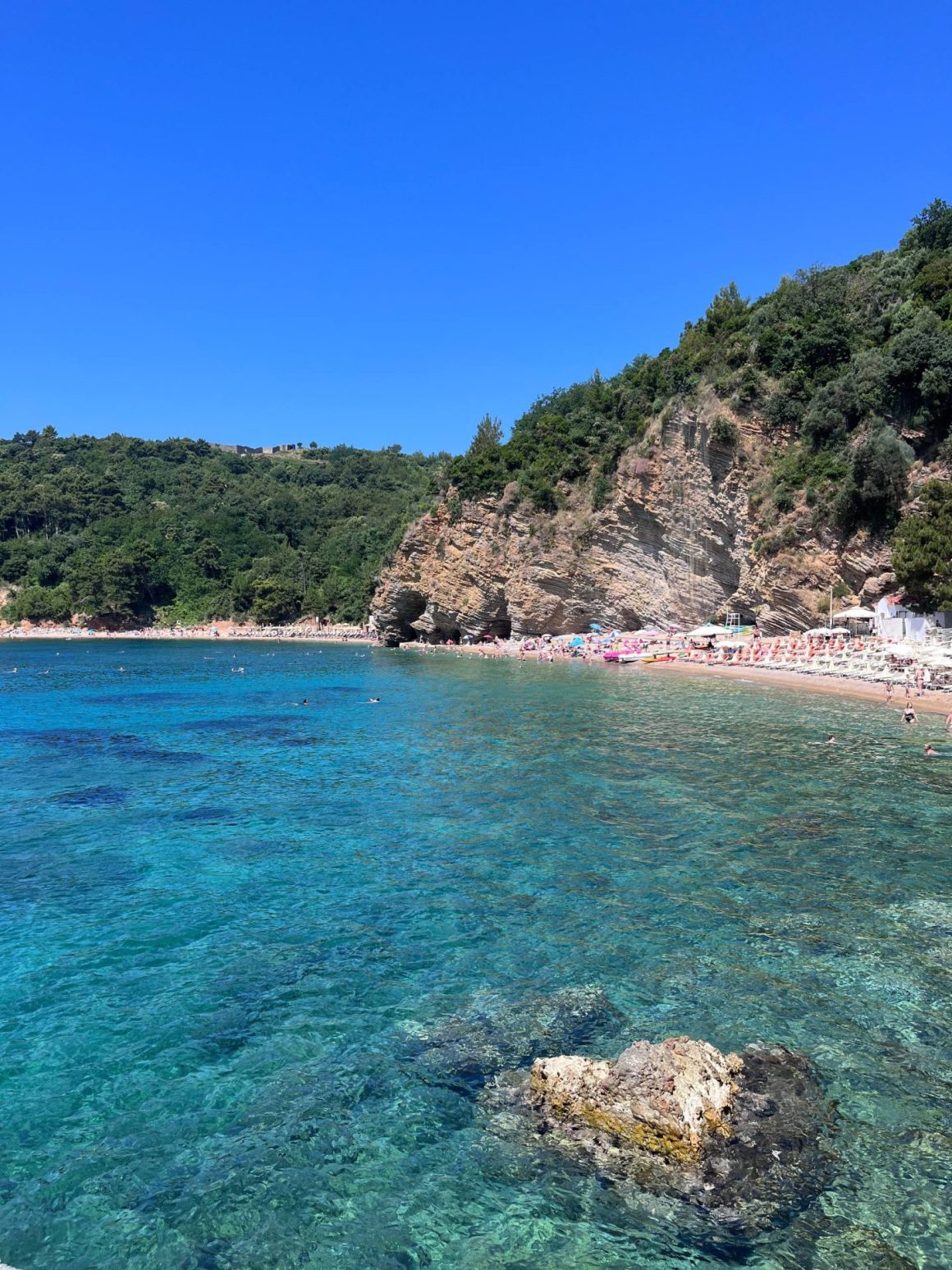

If you’re anywhere near Budva, make a point of stopping by this beach. You reach it via a walkway carved along the cliffs straight from the Old Town, and once you arrive, it’s all dramatic rock faces, greenery, and that unmistakable Adriatic glow.
The sand here is fine and pebbly, the water impressively clear — clear enough to spot fish as you swim. For a bit of fun, there are paddleboards, pedal boats, and small boats for hire, plus a handful of cafés right on the spot. The mood is pleasantly secluded, calm, and easy.
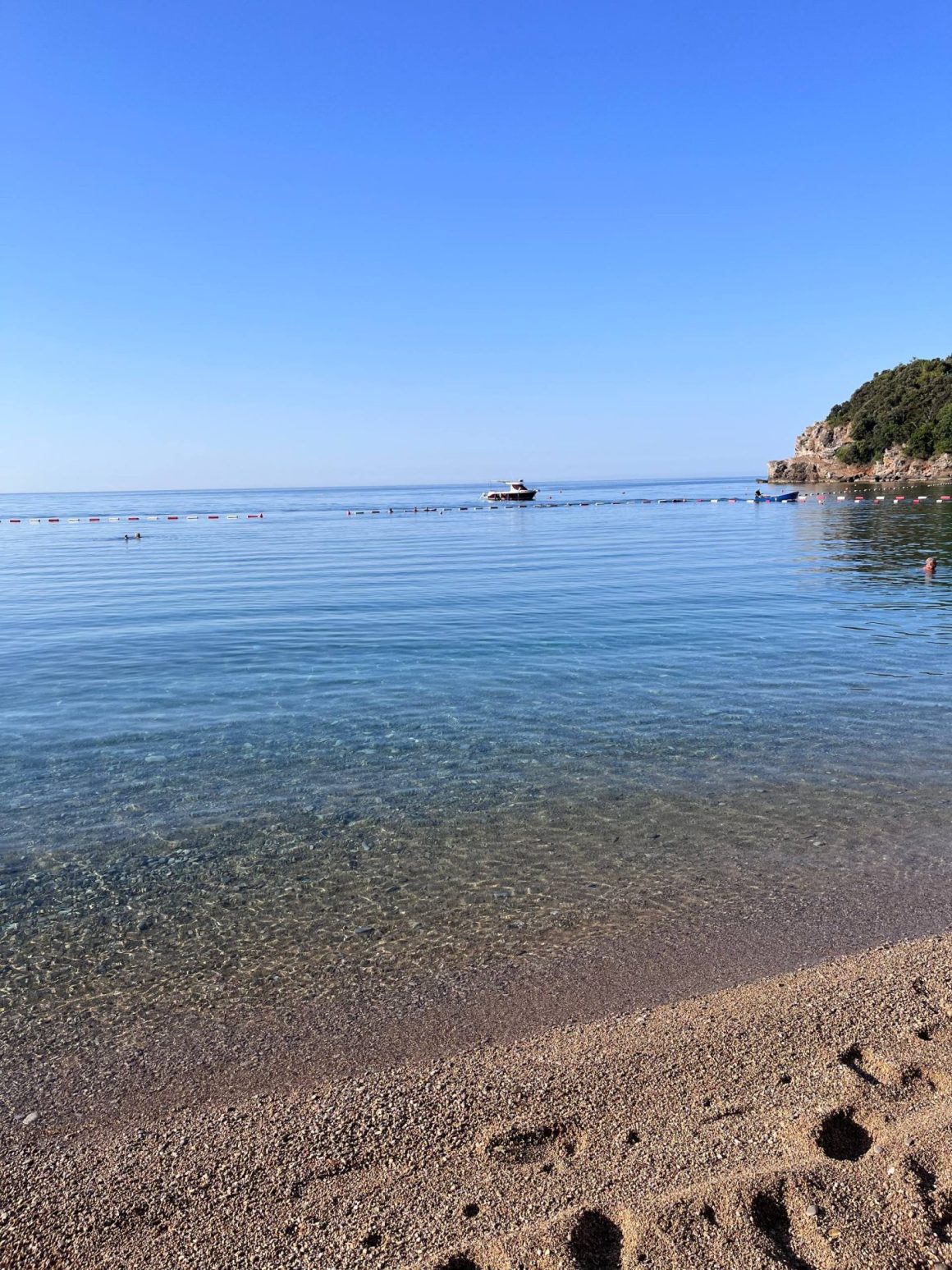
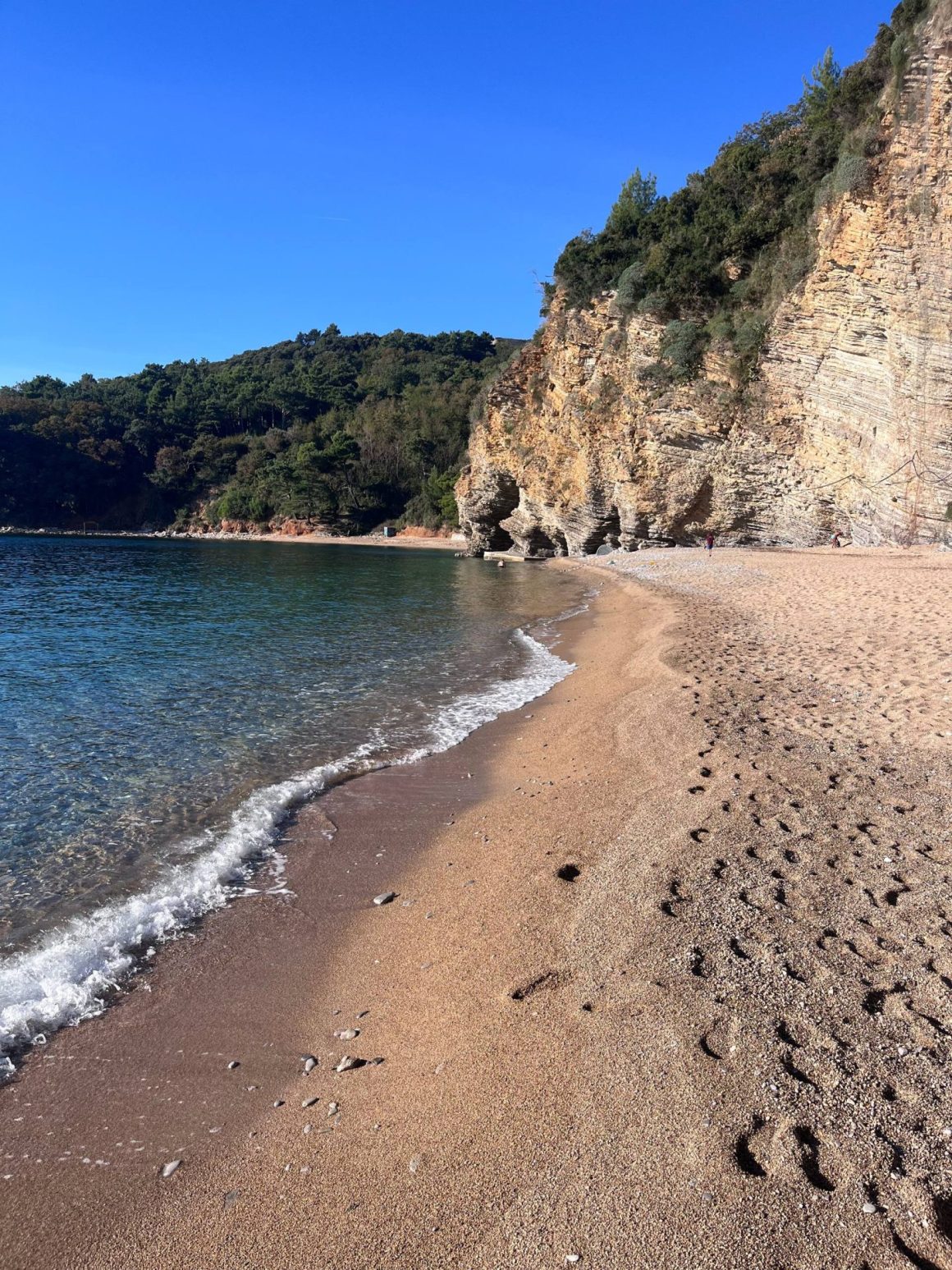
Come at sunset, when the light turns especially flattering. For dinner, you can stay on the beach and choose one of the restaurants, or wander back to the Old Town.
2. Perast
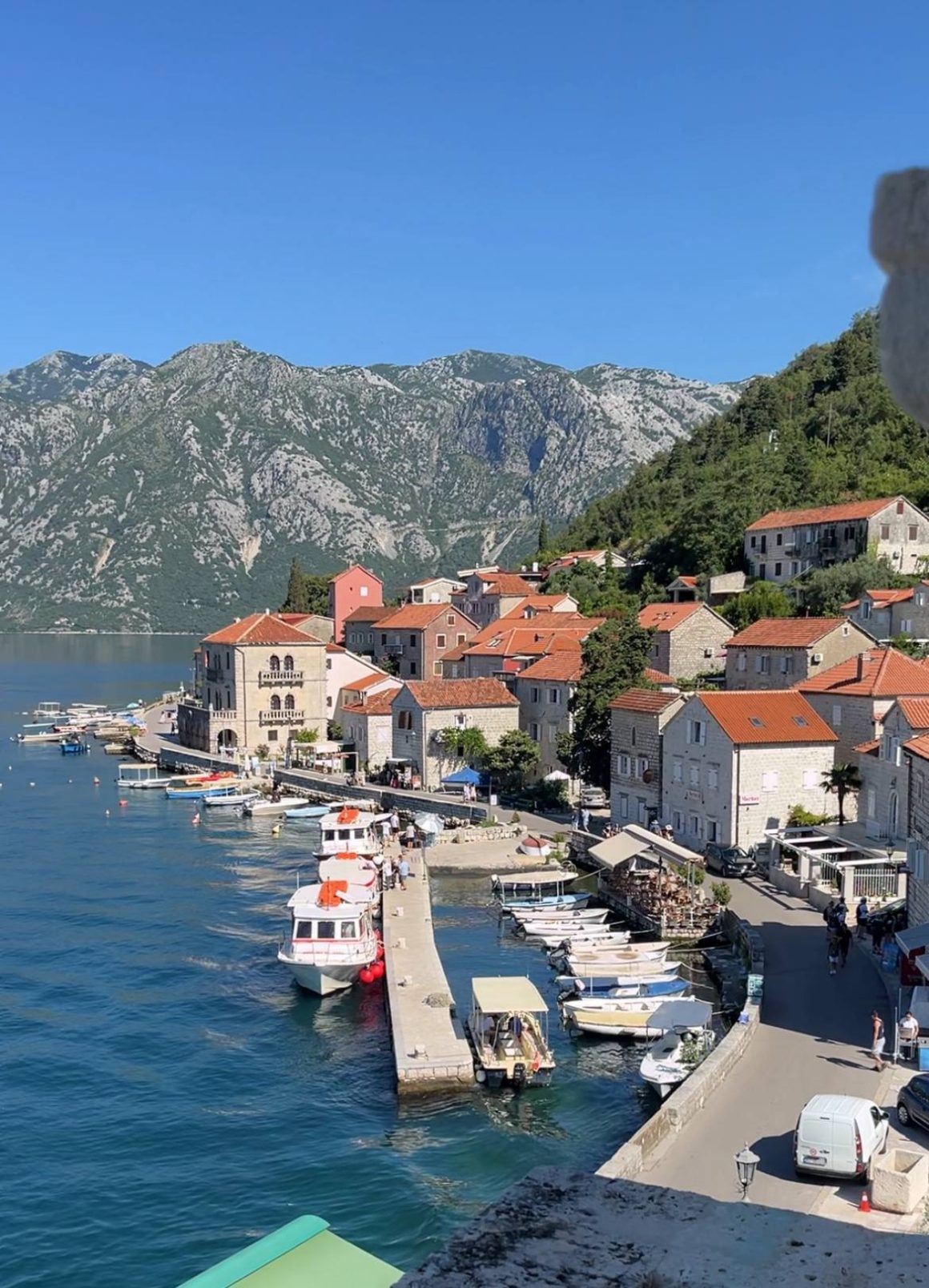
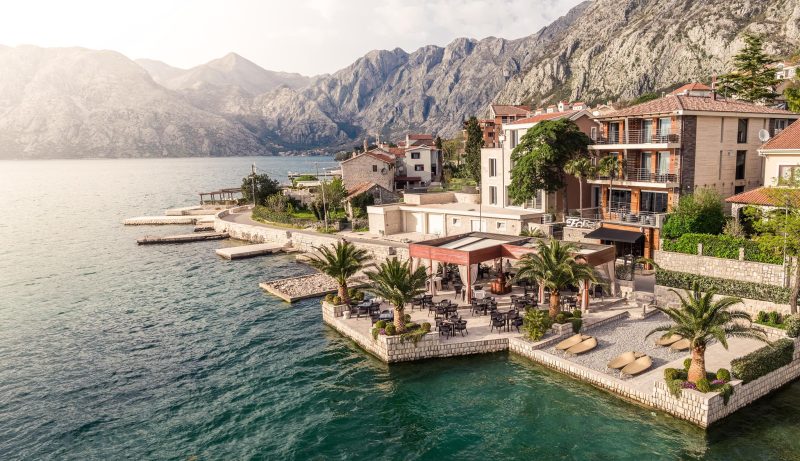
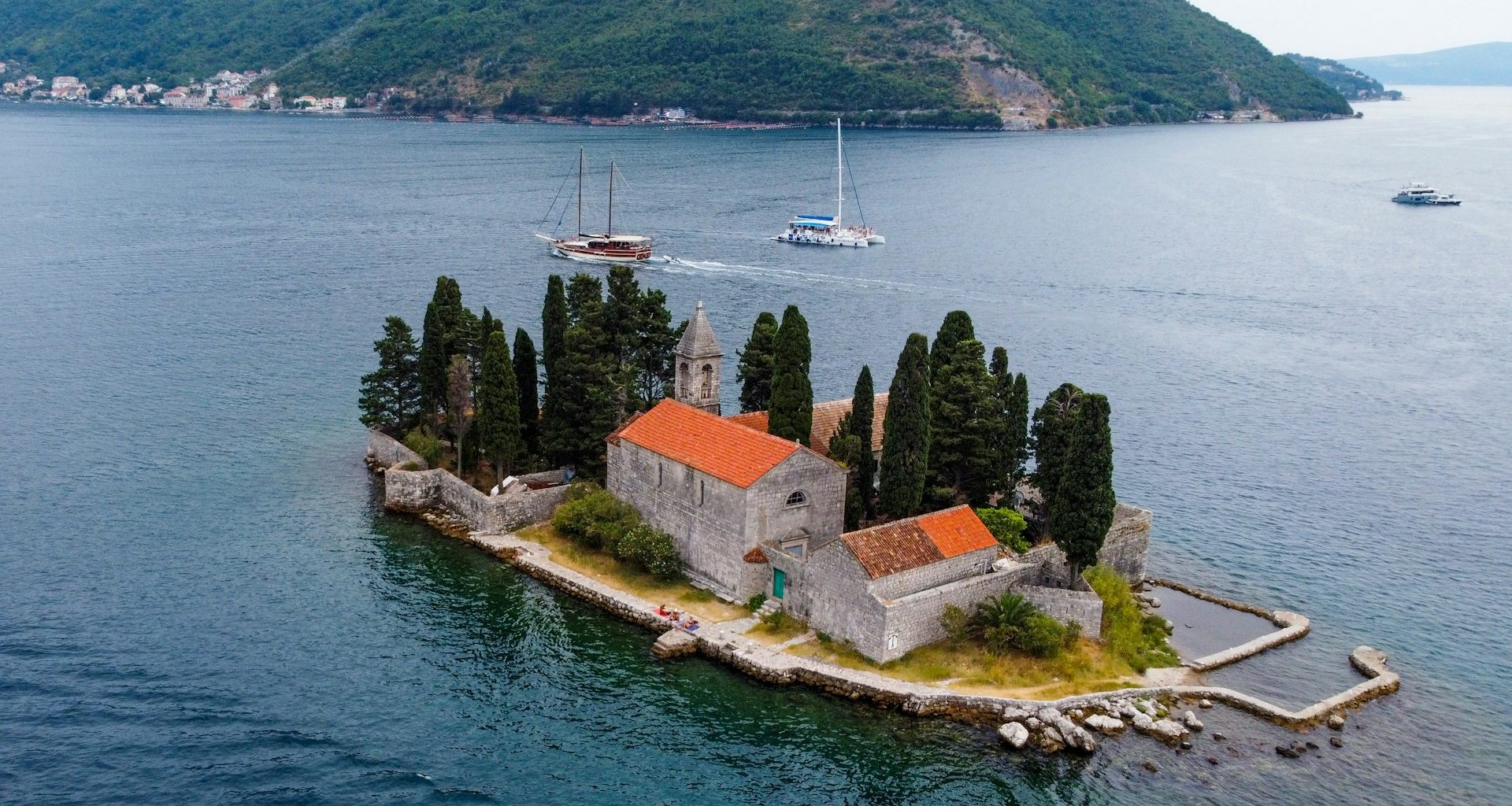
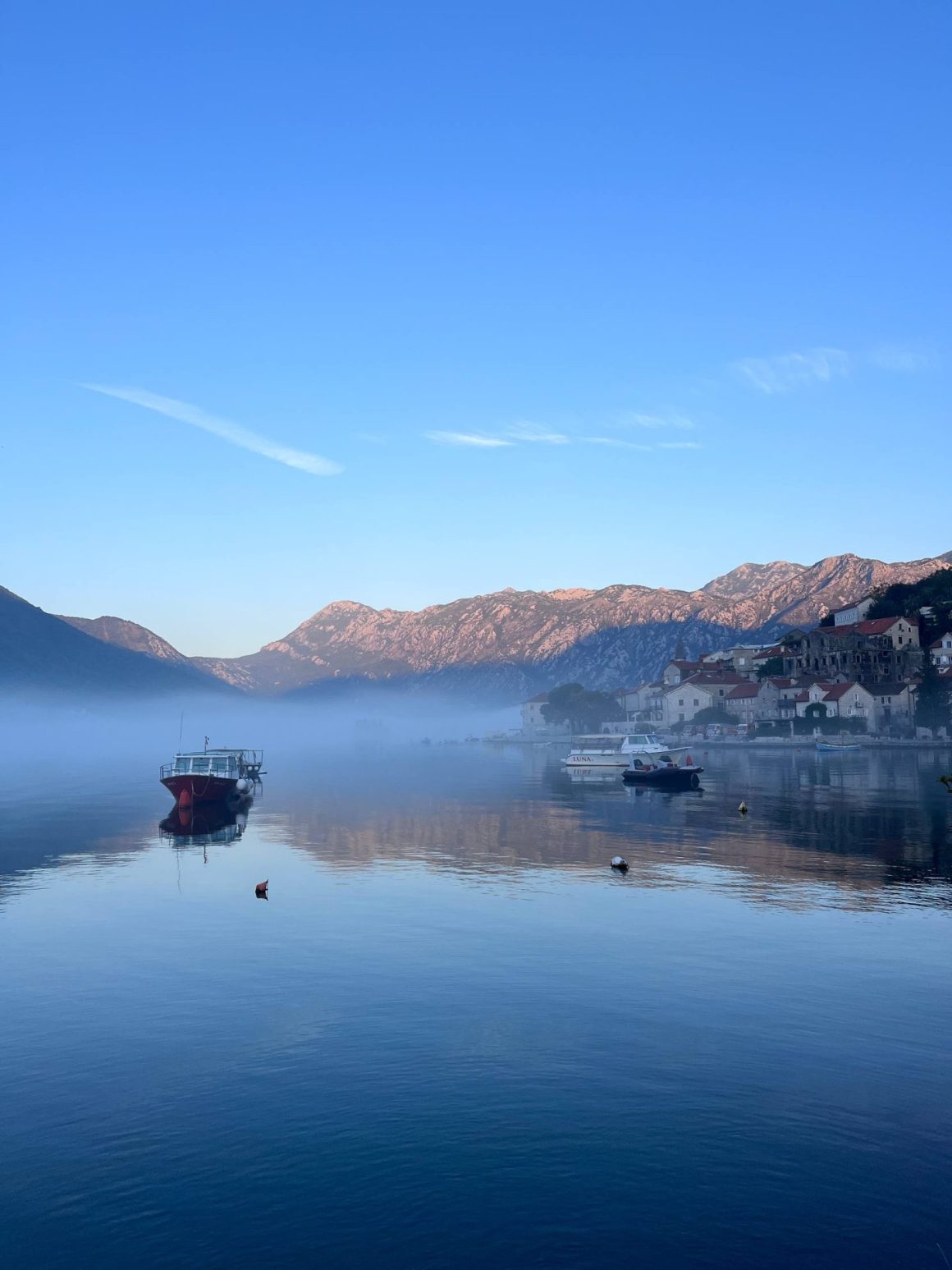
Perast is a miniature town in the Bay of Kotor — small and beautiful in a way that feels almost like a film set. Baroque palaces, churches, and old cobbled lanes have been carefully preserved, and everything here invites you to slow down.
It’s perfect for quiet moments and sea views. Just off Perast, there are two small islands: St George’s Island, crowned by a picturesque Benedictine abbey, and Our Lady of the Rocks (Gospa od Škrpjela).
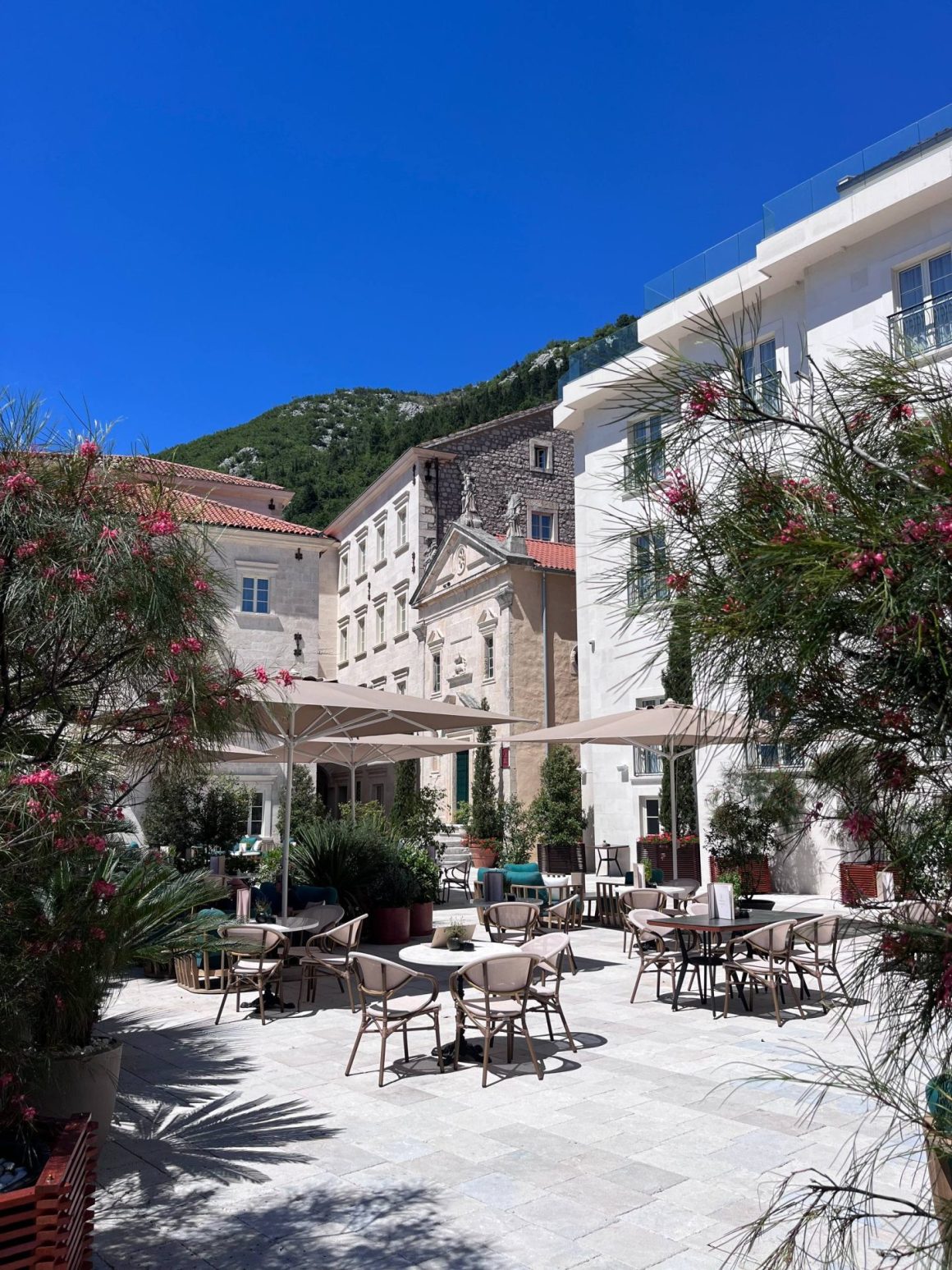
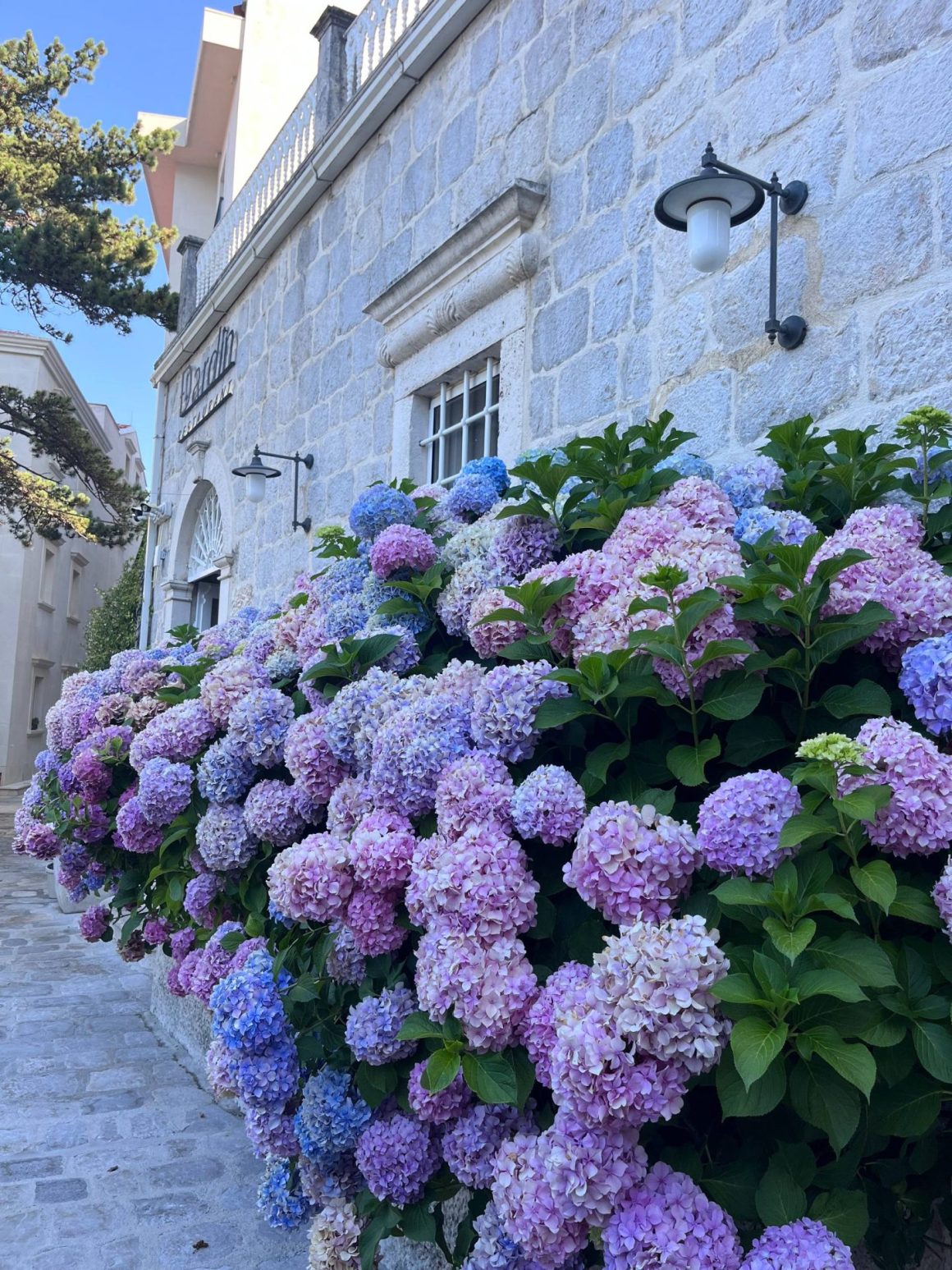
From Our Lady of the Rocks, the views over the bay — and back towards Perast itself — are spectacular. I also recommend driving the full loop around the bay from Kotor: the route closes with a ferry crossing, so you can take your car across the water.
Along the way you’ll see one beautiful scene after another — mountains, tiny fishing towns, and oyster farms. Make a stop in Orahovac at Školjke Boke — an oyster and mussel farm with a café set right at the mouth of the Ljuta River, between Orahovac and Kotor.
The owners cultivate the seafood right in the bay and serve it at peak freshness — often straight from the water. It’s not a restaurant in the traditional sense: it’s simple, authentic, and wonderfully unpolished. You sit on the pier or deck, with the sound of waves and boats in the background, eating the freshest oysters imaginable.
Bring cash — sometimes they don’t accept cards.
Sveti Stefan and Miločer Park

Just nine kilometres from Budva, Sveti Stefan is a picture-perfect islet-hotel connected to the mainland by a narrow causeway — and one of the most iconic sunset photo spots in Montenegro. Chances are you’ve seen this view on postcards more than once.
The place has a long and fascinating history. In the 1950s, artists transformed the local fishing settlement into an “artists’ colony”. Over time it grew more fashionable, and the artists made way for a different crowd.
For several decades, Sveti Stefan became Montenegro’s own answer to Saint-Tropez. Sophia Loren, Claudia Schiffer, Carlo Ponti, Maya Plisetskaya, and many other global celebrities holidayed here.
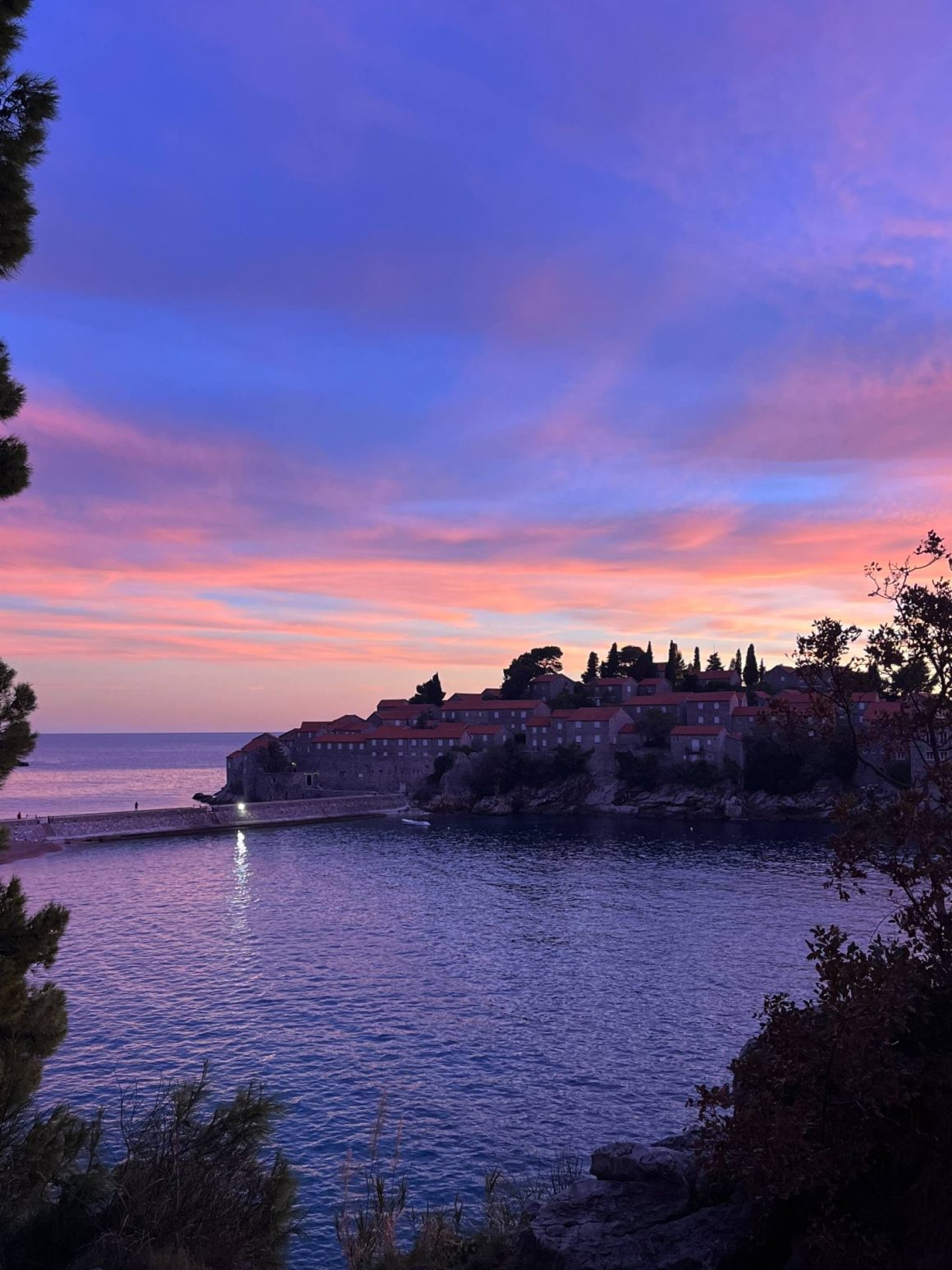

Later, the island was closed, and in the 2000s an Aman Resorts property opened here, owned by Russian businessman Vladislav Doronin. It operated until 2020, when it closed.
You can’t visit the hotel now, but a couple of years ago the hotel beach was opened to everyone. You can relax on the famous pink-tinged sand for free.
Nearby is Miločer — a resort area with a sandy beach (the famous Queen’s Beach) and a park where the royal family once had their summer residence. You can easily spend an entire day here: swimming, strolling, and watching the sea from under the pines.
4. Velika Plaža
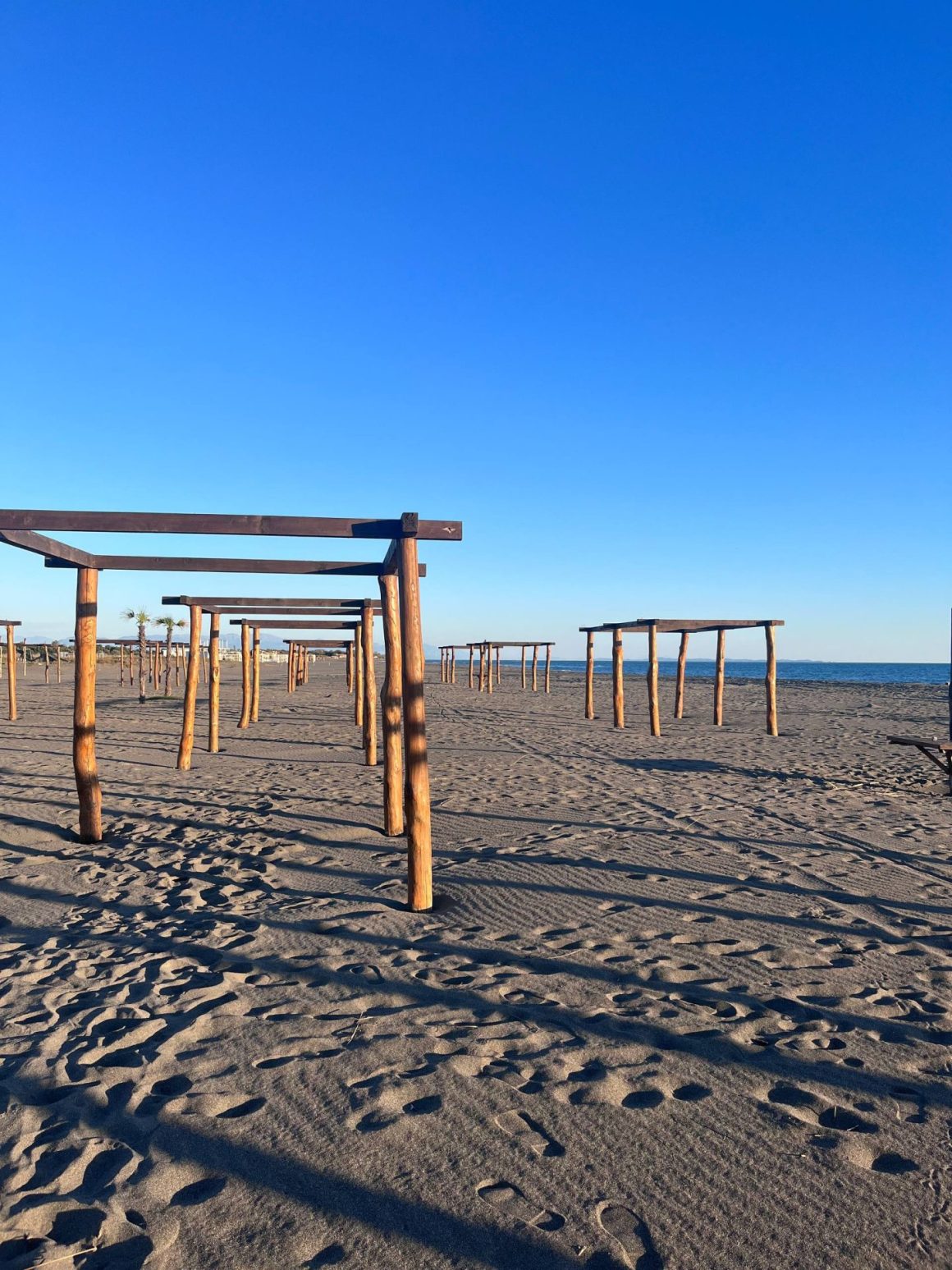
Montenegro’s longest — and arguably most impressive — beach, with a laid-back surf vibe and a gentle, shallow entry into the water. You’ll find it in Ulcinj, right at the edge of the country, just before Albania.
It stretches for almost 13 kilometres, up to 60 metres wide, with fine, dark sand. Velika Plaža is considered a mecca for kitesurfers and windsurfers — on most days, the horizon is dotted with dozens of bright kites.

There are plenty of beach clubs and kitesurfing schools here. The crowds are light, and the sunsets are especially striking.
5. Kotor, Old Town
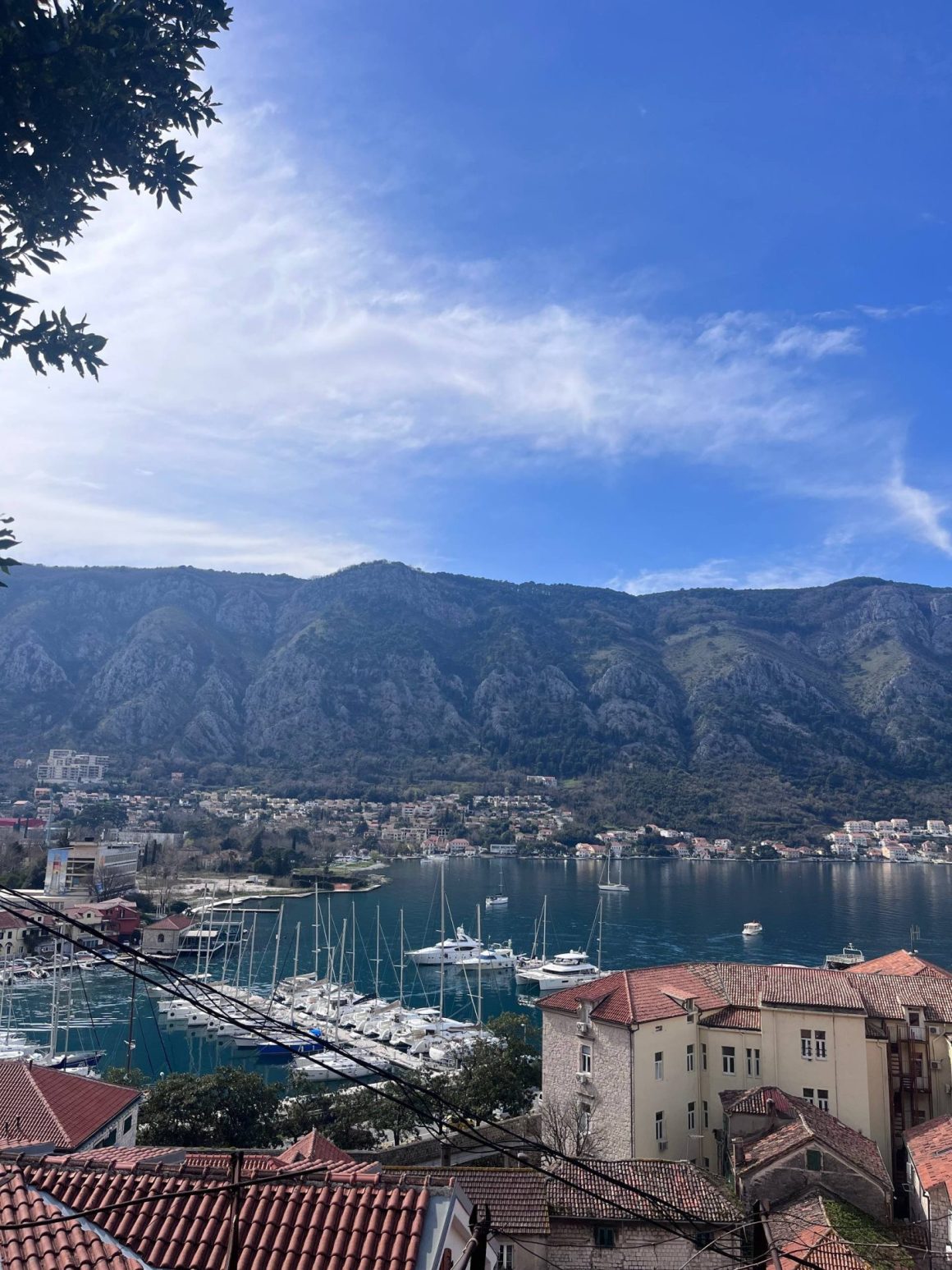
You can’t travel through Montenegro without stopping in Kotor — a UNESCO World Heritage city.
The Old Town is wrapped in formidable fortifications that climb high into the mountains. Inside, it’s a medieval maze of narrow lanes, stone squares, churches, and Venetian-style palaces.

The city’s main church, the Cathedral of Saint Tryphon, dates back to the 12th century. The best way to explore is with no plan at all: drift into tiny cafés, artisan workshops, and souvenir shops, and let the sound of the bells lead the way.
Afterwards, it’s worth tackling the 1,350 steps up to the Fortress of Saint John for a sweeping panorama over the town and the bay.
6. Durmitor National Park and Black Lake
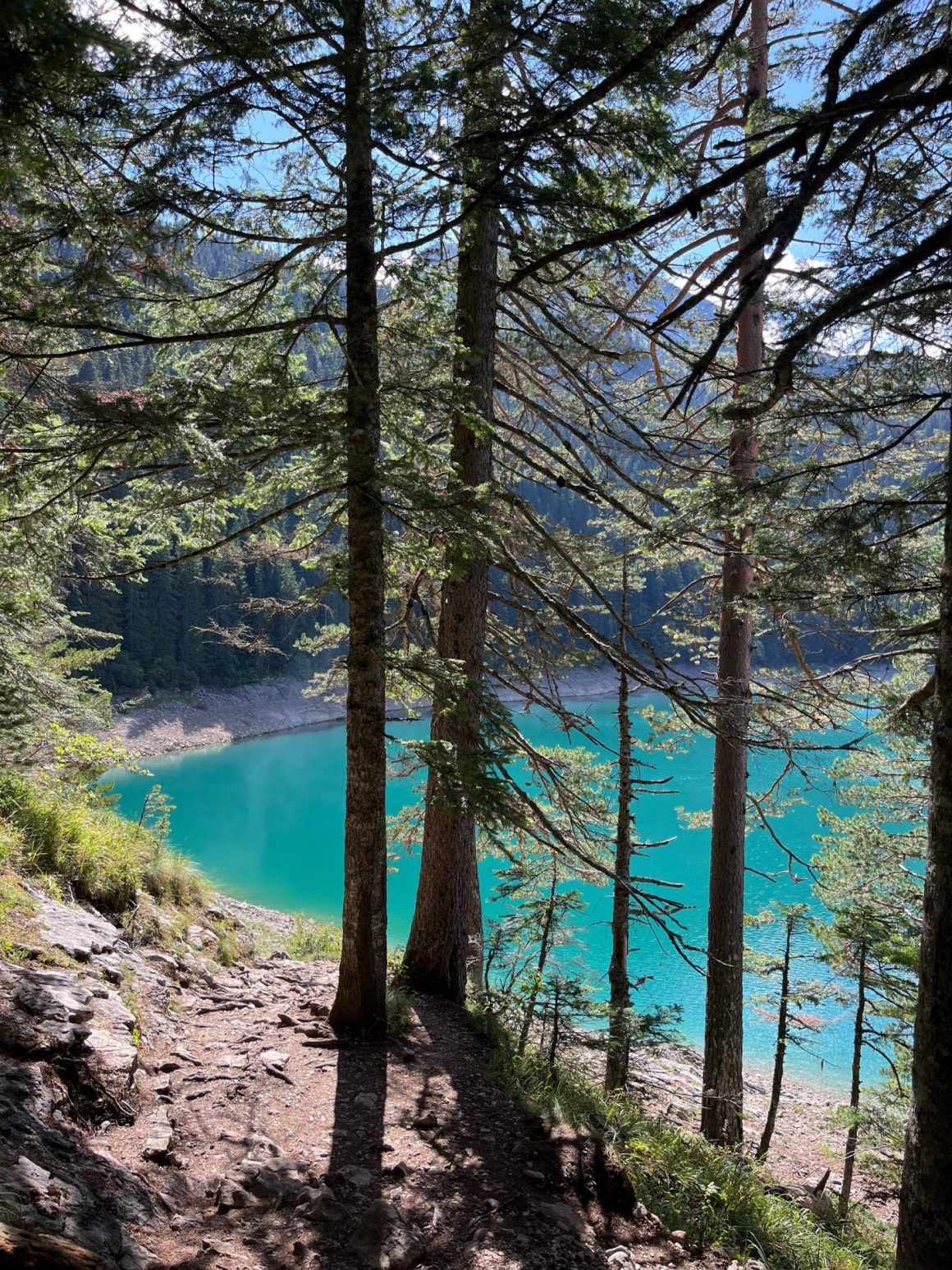

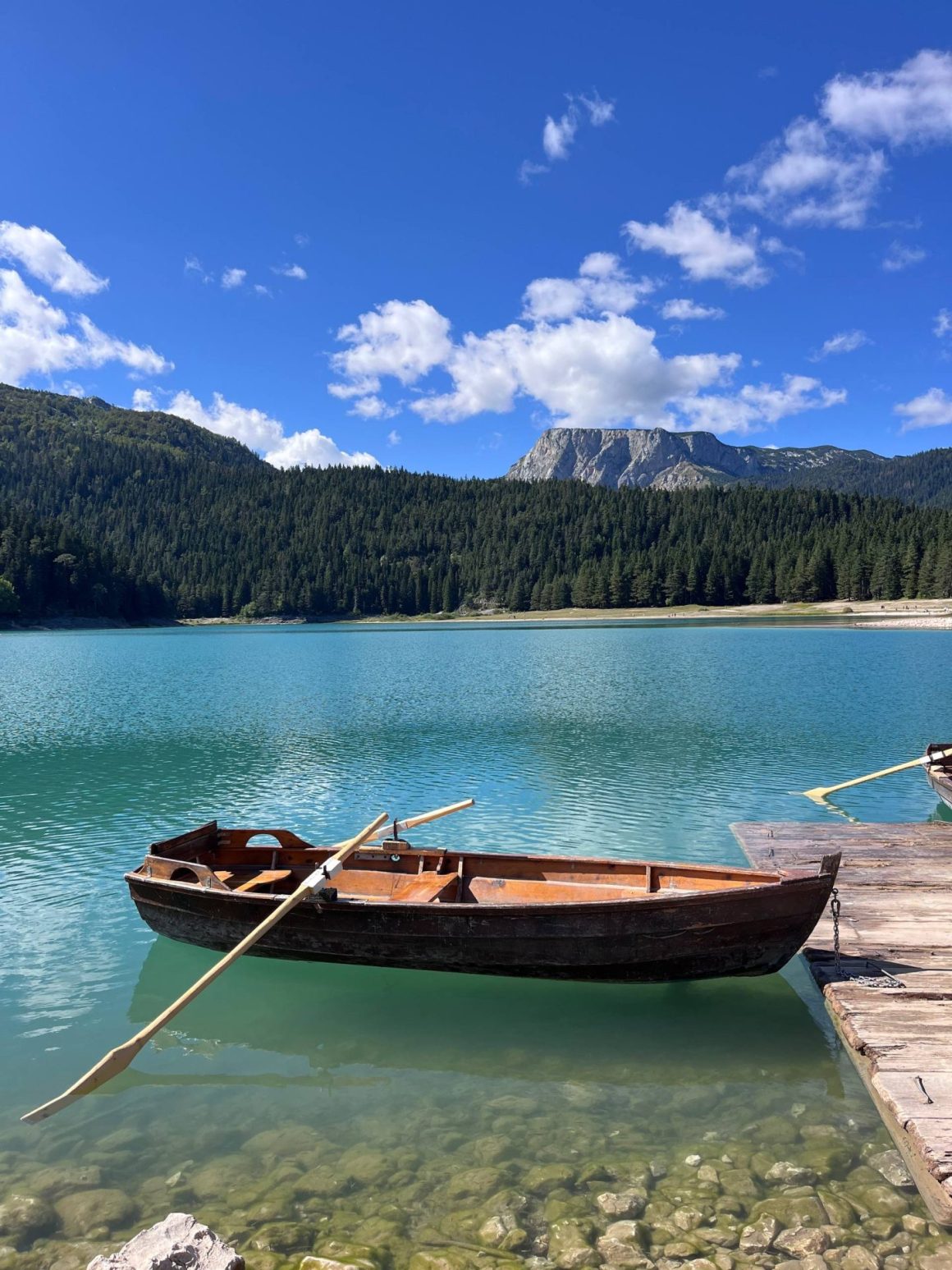
This park lies in the north of Montenegro, about 3 kilometres from Žabljak. It’s a UNESCO World Heritage site, bringing together rugged peaks, dense conifer forests, and glacial lakes.
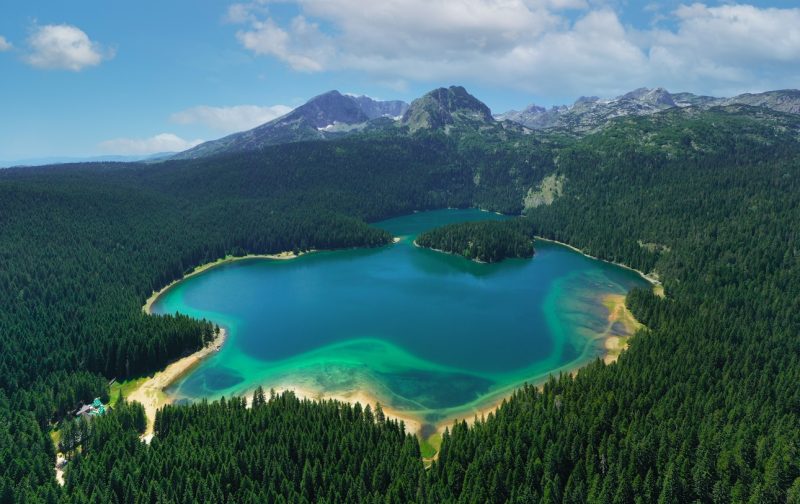
There are more than 40 summits above 2,000 metres and a whole network of hiking trails — from easy walks to serious alpine climbs. The park’s most famous landmark is Black Lake (Crno jezero), Durmitor’s signature sight.
The lake is made up of two sections connected by a narrow strip of land, and it’s framed by pine forests. The water is crystal-clear, and its colour shifts with the weather and time of day — from deep blue to almost black (hence the name).

In summer, it is pleasant to walk along the path around the lake (about 3.5 km), go boating, or simply enjoy the silence and fresh air. In winter, the place captivates with its snow-covered landscape. Admission to the park costs €5 per person, and boat rental is about €10 per hour.
If this local map has you daydreaming about staying a little longer, consider building in a softer, slower chapter — Montenegro has a long-standing wellness tradition, and its climate does a lot of the heavy lifting. For a more restorative itinerary, bookmark our guide to Montenegro’s best healing and detox retreats — including why the Bay of Kotor is often linked with respiratory wellness, and how Prčanj earned its reputation as a climate health resort.