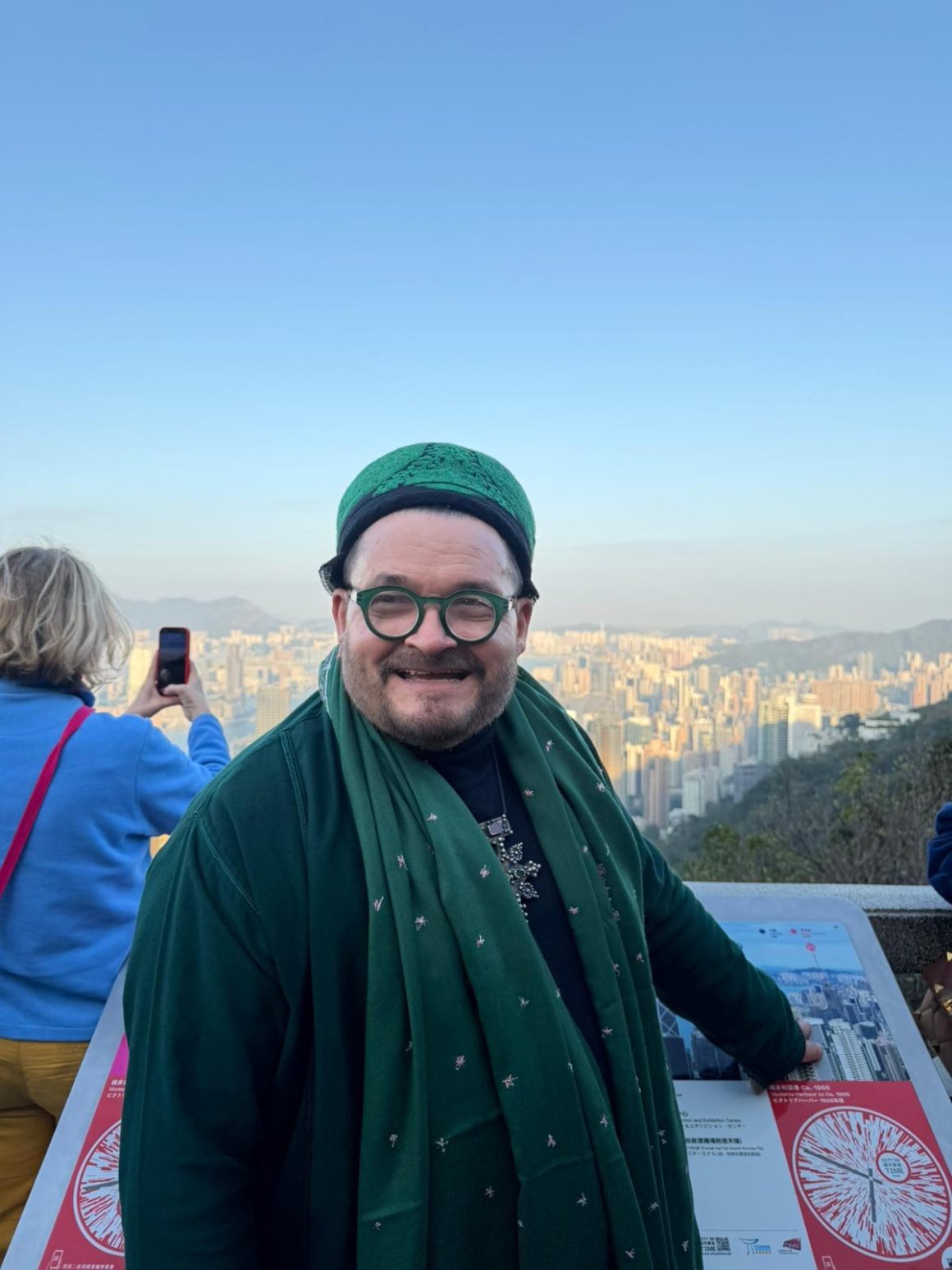
Fashion historian and television presenter Alexandre Vassiliev travels constantly, but Hong Kong is not a tourist destination for him. He lived here in the ’90s — when the British flag still flew over the city, before July 1, 1997, when Hong Kong returned to China.
Exclusively for Locals Insider, the fashion historian, set designer, and collector has put together a Hong Kong guide that opens the city from a side no guidebook will show you.
The Financial Capital That Still Remembers Britain
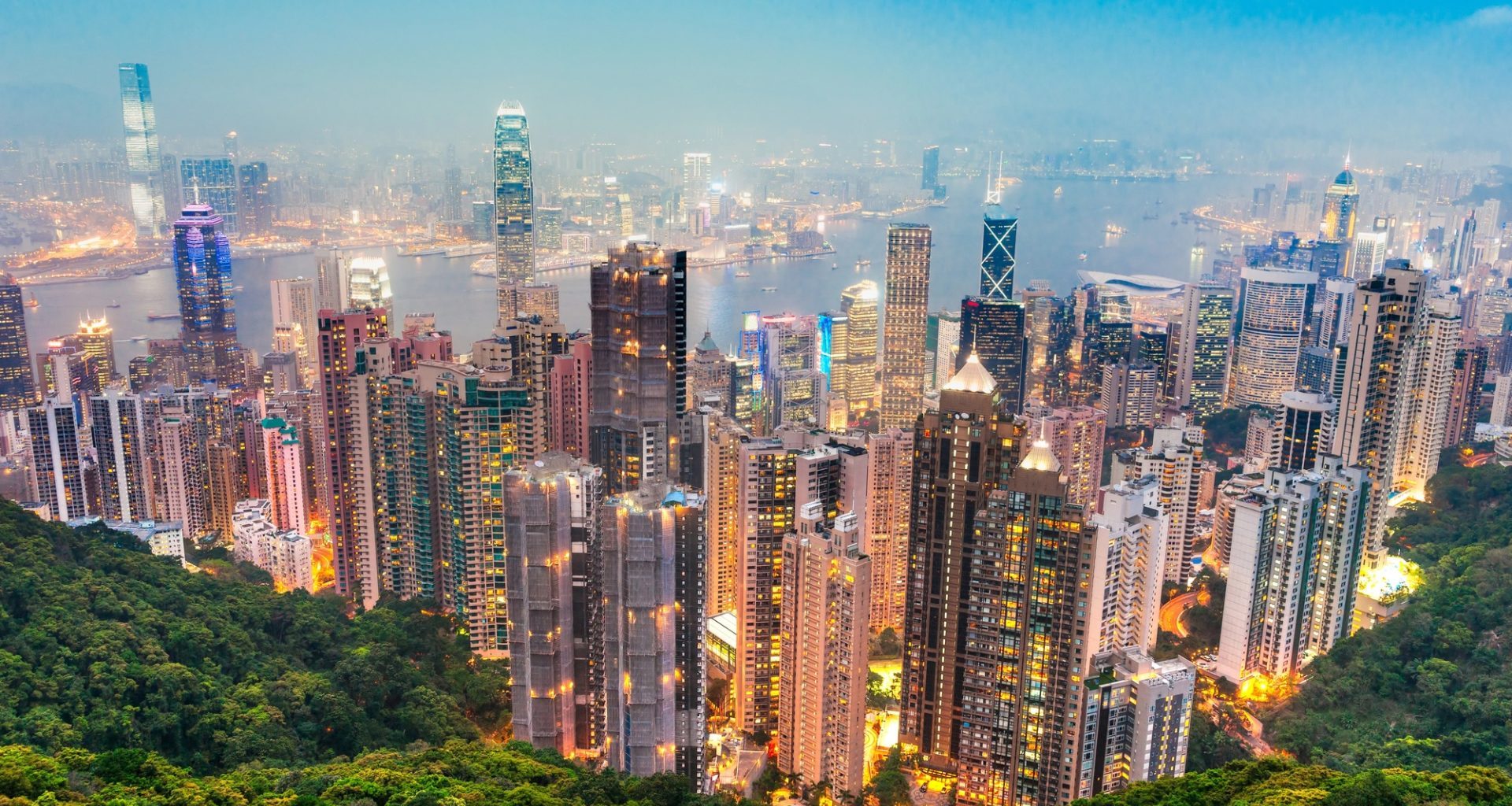
Hong Kong is the financial capital of Southeast Asia — a city on China’s southern coast that, to this day, carries the air of Britain’s colonial past.
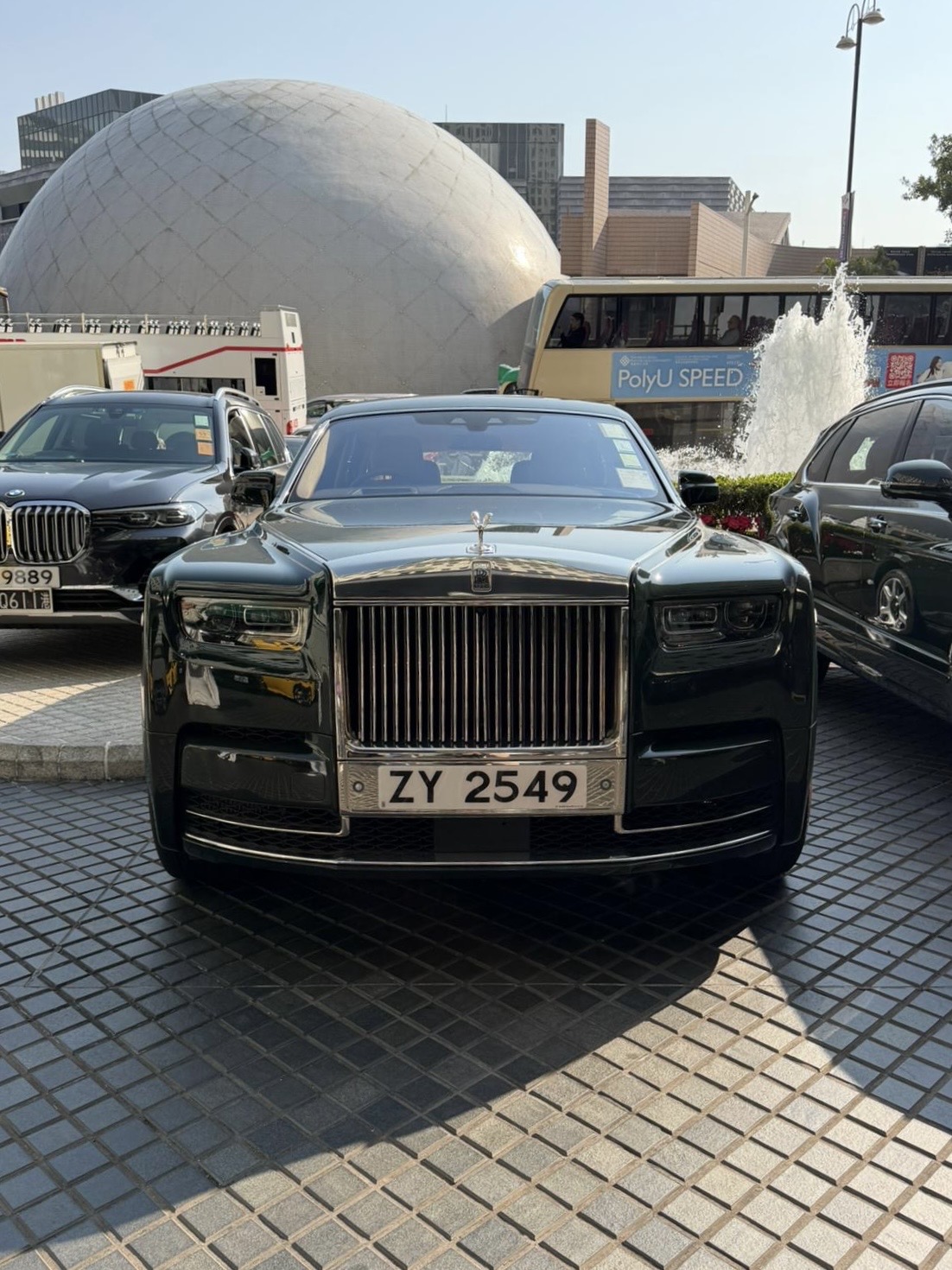
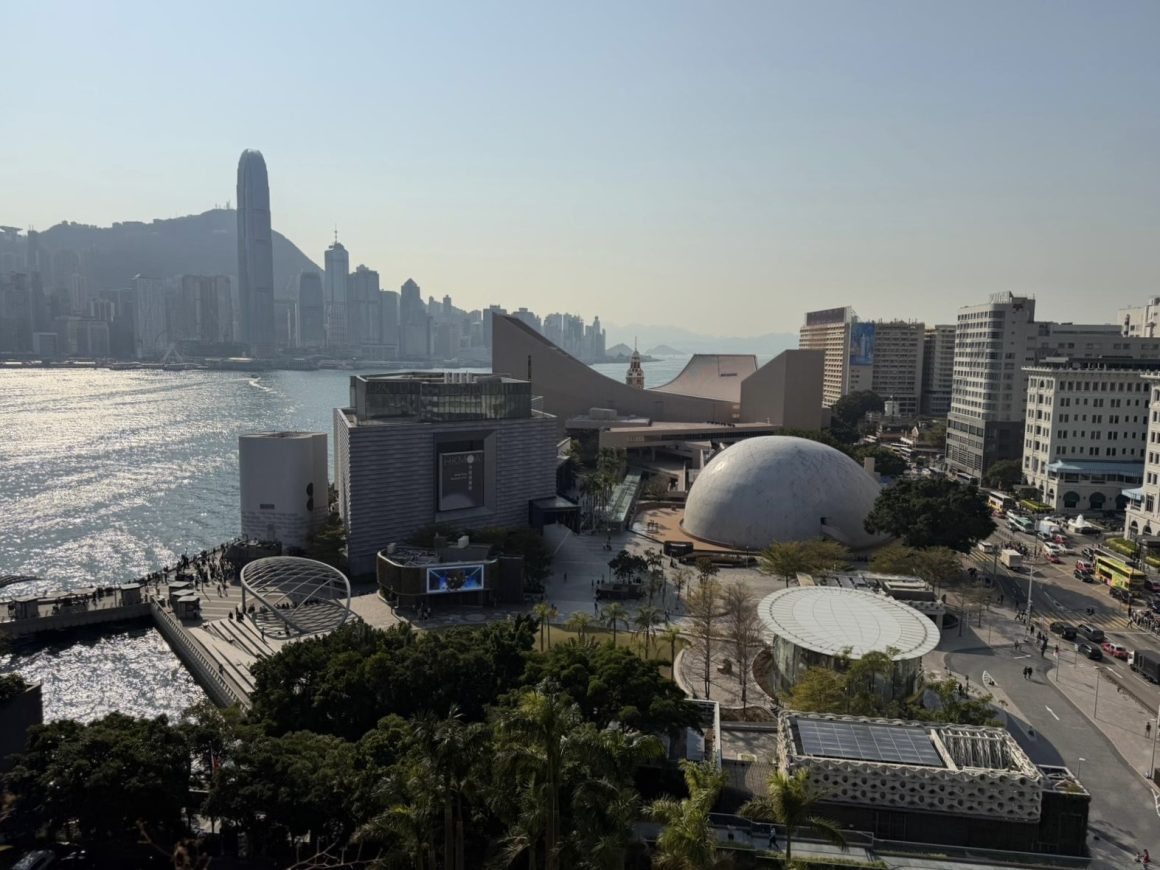
The island where Hong Kong grew up is called Hong Kong Island, and its business district on the northern shore is named Victoria, after the Queen of England. Across the harbor is the Kowloon Peninsula. Beyond that begin the New Territories, leased from China in 1898 for 99 years — and it was the 1997 expiration of that lease that became the central question of the city’s future.
1997: How Hong Kong Returned to China
Margaret Thatcher was prime minister at the time. The Chinese wanted back only the New Territories — Hong Kong Island and Kowloon, ceded to Britain “in perpetuity” under the Treaty of Nanking (1842) and the Convention of Peking (1860), were something they mentioned less.
But drinking water, utilities, and railways all ran through the New Territories. That may be the real reason why, on December 19, 1984, Thatcher signed the Sino-British Joint Declaration in Beijing, handing all of Hong Kong back to China.
It devastated those of us living in Hong Kong at the time — and I lived here in the ’90s. We were all certain the Chinese would tear down everything the British had built, erase any trace of it, rename every street, the way empires often do when they take over someone else’s territory. But to everyone’s astonishment, nothing of the kind happened.
The Chinese didn’t rename a single street. They’re still called Queen’s Road, Hollywood Road, Gloucester Road, Glasgow, Cambridge — just as the British named them. The signage is still in English. The British also left behind an impeccably clean, fast metro system, and it still runs beautifully today.
The City That Hasn’t Been Renovated in 30 Years
But the Chinese had a different strategy: they never carried out major renovations on the public infrastructure the British left behind. Every road marking, every iron grate, every parapet and crosswalk had been carefully painted. No major overhaul was done. And now Hong Kong has an air of slightly faded shabbiness — like a vintage shop where everything is in its place, just thirty years older.
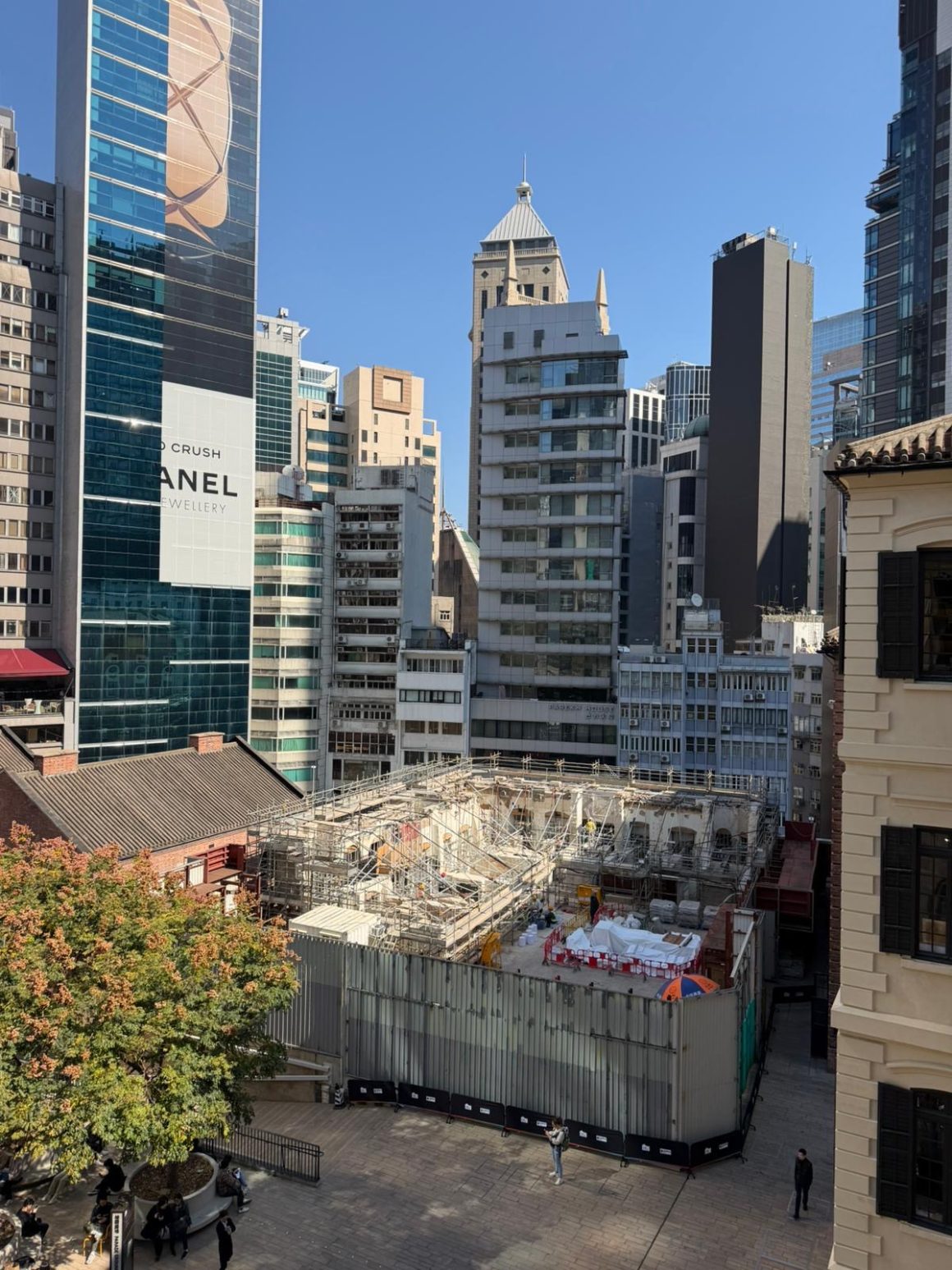
Today entry is open to visitors from around the world, and people arrive and say, “Why does everything look so run-down?” Travelers who never saw the city under the British — who don’t realize that the investment was deliberately halted because Shanghai is now the priority — look around and say, “There was nothing so great about the British days. What we have now is brighter, better.”
What to See in Hong Kong
Hong Kong’s museums are mostly on the Kowloon side. The flagship is the Hong Kong Museum of Art on Salisbury Road, directly across from the iconic Peninsula hotel and right beside the Hong Kong Cultural Centre, where operas and ballets are staged.
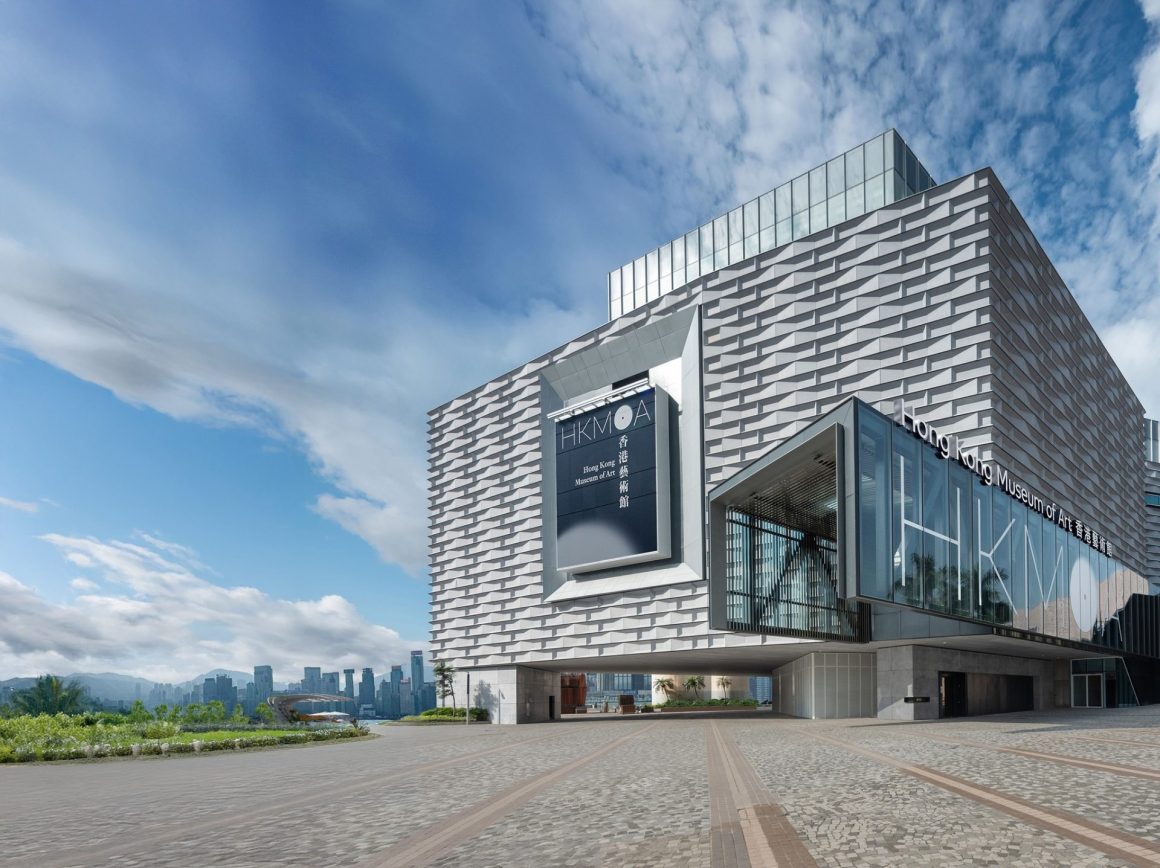
It’s an enormous free museum with escalators and elevators across four floors, with an unforgettable collection: the colonial life of Hong Kong told through furniture, silk, costume, porcelain, jewelry, and painting — and rotating contemporary exhibits such as fans or miniature shoes.
The Chinese have a deep love for jade. For them, jade is a sacred stone. Among other gems, their particular favorite is amber — but only white amber. It’s a rare variety: in most of the world amber is yellow, ochre, or even nearly black. White amber is very scarce, and there is no better gift for a Chinese person than a strand of white amber beads. They buy it up with extraordinary enthusiasm.
The Peninsula: The Tea Room You Can’t Get Into
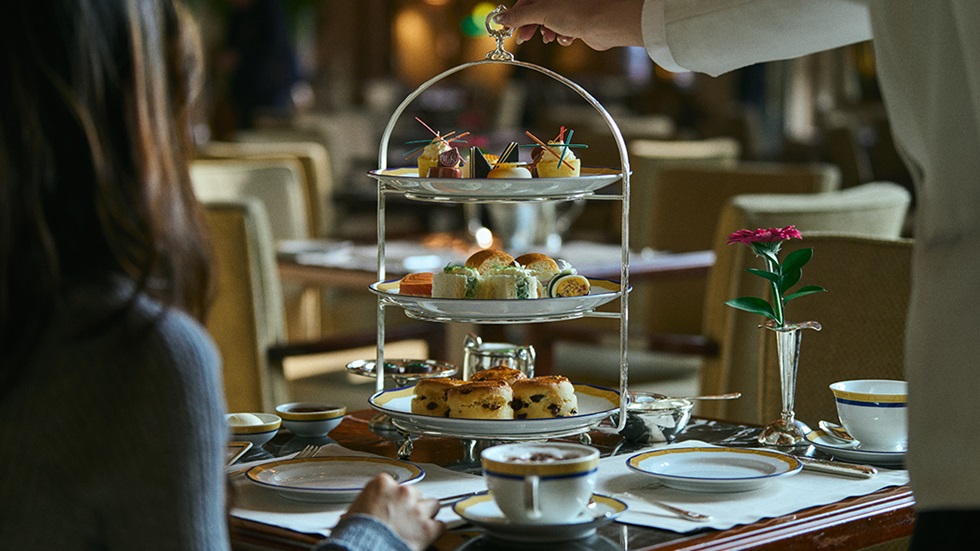
Across from the museum stands the iconic Peninsula Hotel, opened on December 11, 1928. It’s the oldest operating hotel in Hong Kong, and its Lobby — the famous colonial-style tea room with harp and string quintet — is one of those places you essentially cannot get into. Everything is by advance reservation.
Hong Kong’s Markets and the Rule of Facing the Sun
Hong Kong has one of the most extraordinary food markets in the world, where you can buy anything — from live snakes eaten on the spot to dried chickens, ducks, and every kind of preserved meat. The Cantonese have a saying: “We eat anything that swims except submarines, anything that flies except airplanes, and anything with four legs except the table.” In my own variation: “anything that moves with its back to the sun except a tank.” Funny, but true. They really do love to eat.
The Chinese don’t engage much with Westerners. They tend to keep a certain aloofness, on the assumption that Westerners will never understand them anyway. Which may well be true.
Where to Eat: China Club and Cantonese Cuisine
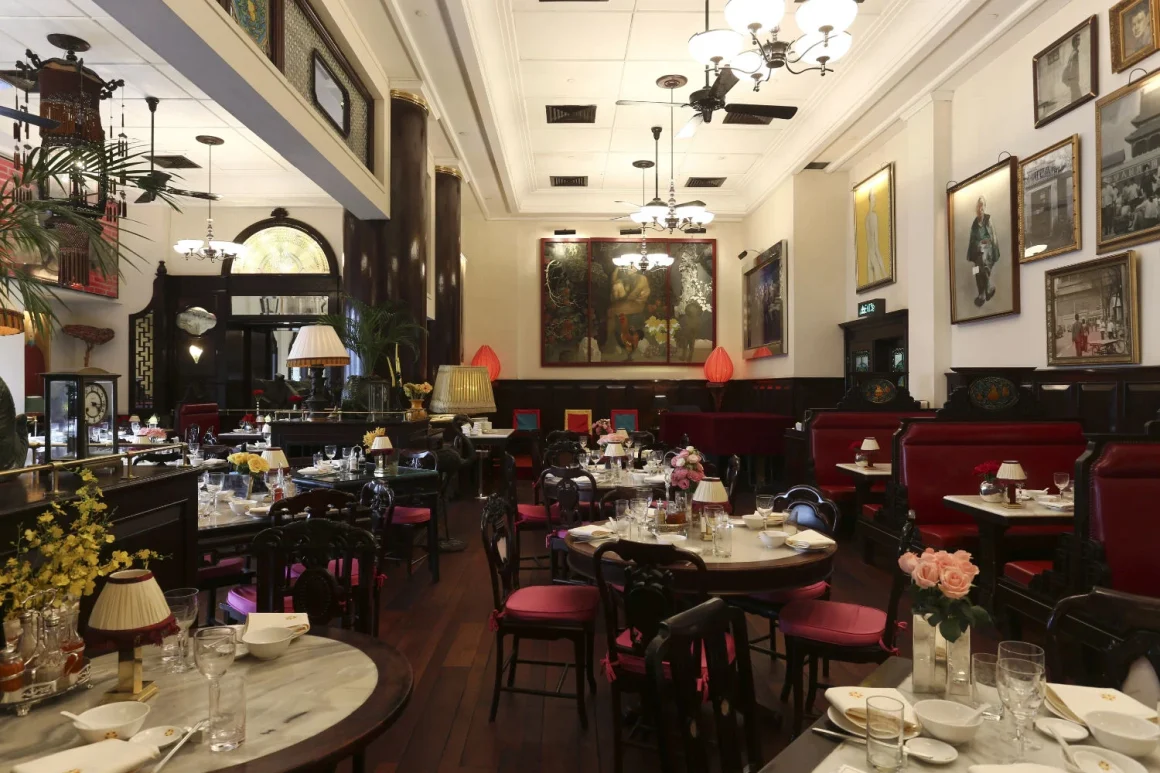
Hong Kong has spectacular restaurants, and there is no shortage of them. Among the best I’d name the China Club — a deeply traditional restaurant-club with interiors straight out of 1930s Shanghai, a strict dress code, and a demanding reservation policy. In Hong Kong, many restaurants enforce a dress code: no sweaters, collared shirts only.
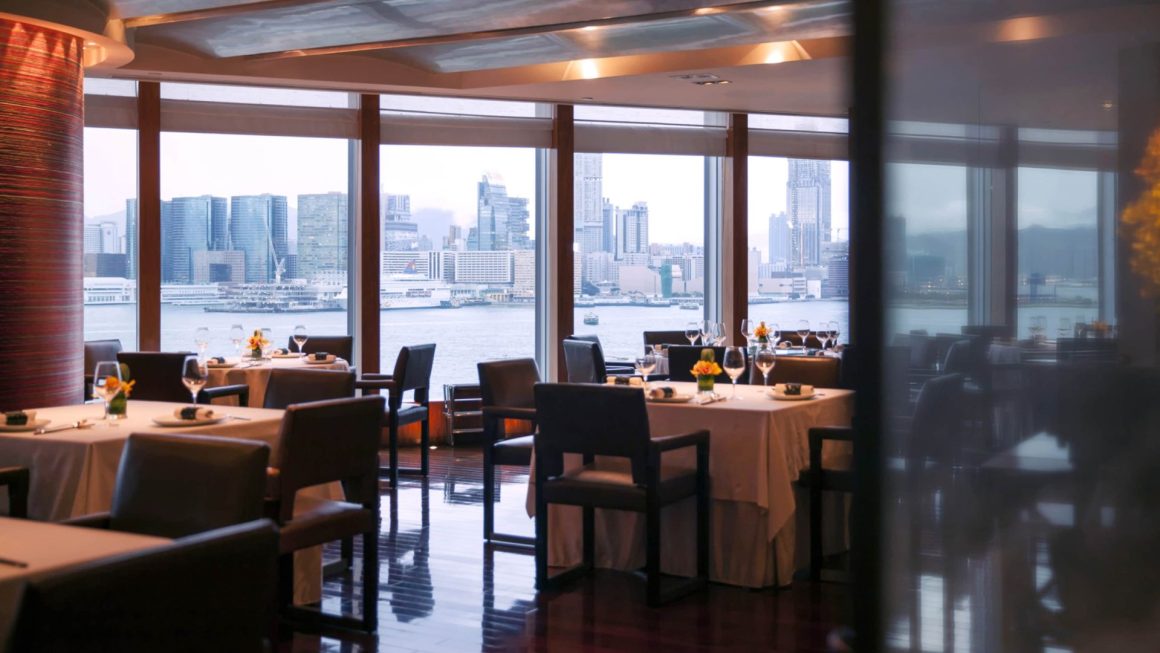
Hong Kong’s Best Restaurants, Picked by Locals Insider
- China Club — Floors 13–15, Old Bank of China Building, Central. Opened in 1991 by Sir David Tang. Decor is pure 1930s Shanghai: lacquer, dark wood, vintage ceiling fans. Serious prices, reservations essential, strict dress code.
- Lung King Heen — Four Seasons, 8 Finance Street, Central. The first Chinese restaurant in the world to receive three Michelin stars. High-end Cantonese with sweeping views of Victoria Harbour.
- T’ang Court — The Langham, 8 Peking Road, Tsim Sha Tsui. Three Michelin stars. Classic Cantonese in a restrained, refined setting.
- Yung Kee — 32–40 Wellington Street, Central. Legendary roast goose since 1942. No pretense, all heritage. Open daily.
- Mott 32 — Standard Chartered Bank Building, 4 Des Voeux Road, Central. Fashion-forward Cantonese in a bank basement — industrial design, inventive dim sum, Peking duck on a 48-hour recipe.
Here is our guide to HK that includes the best addresses for the highest rooftop bars in the city.
Public Transport: The Double-Decker Tram
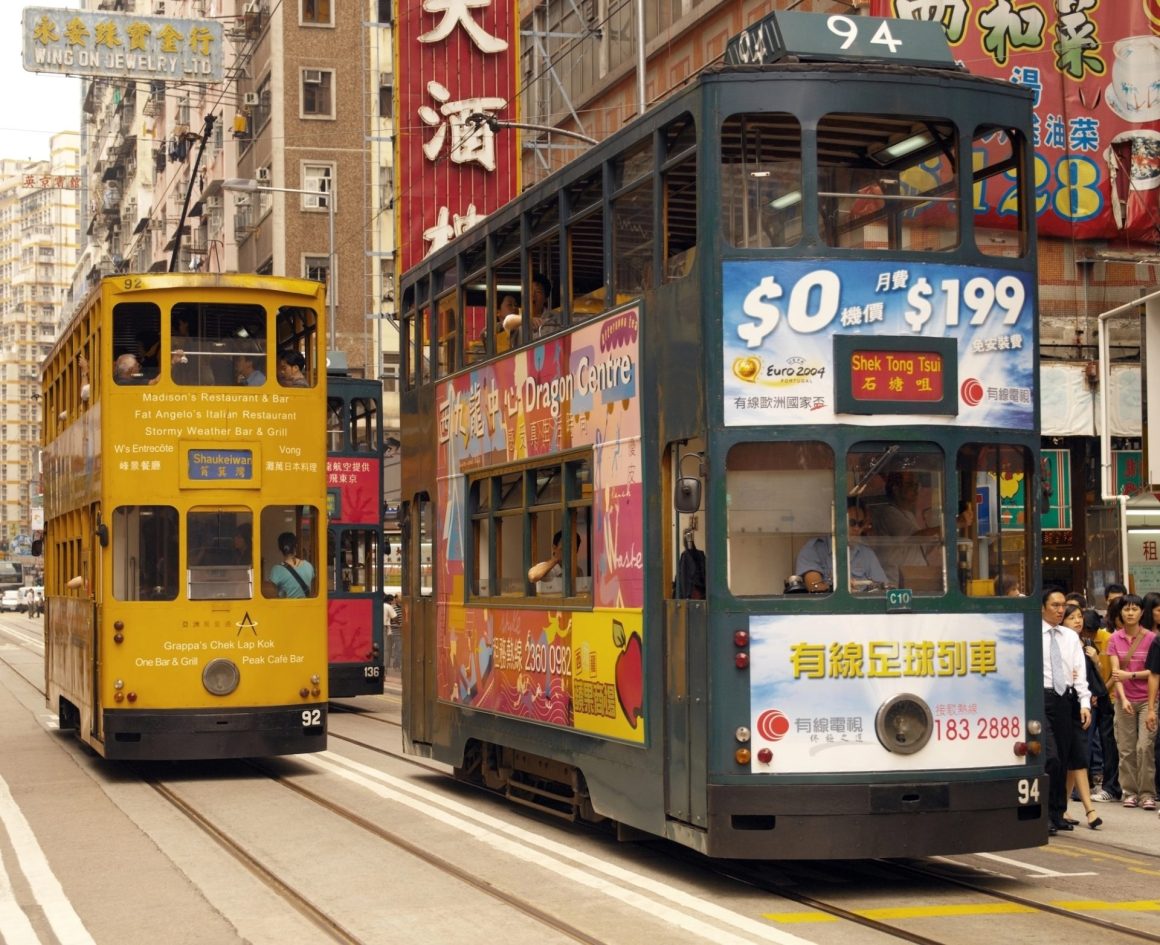
Hong Kong has plenty of taxis — a perfectly safe way to get around. But the most enjoyable way to move is the tram that runs along Hong Kong Island. It’s double-decker, like London buses. The trams are beautifully archaic — the design goes back to roughly the 1940s, and it’s thrilling. The fare is symbolic.
The Cemeteries of Happy Valley
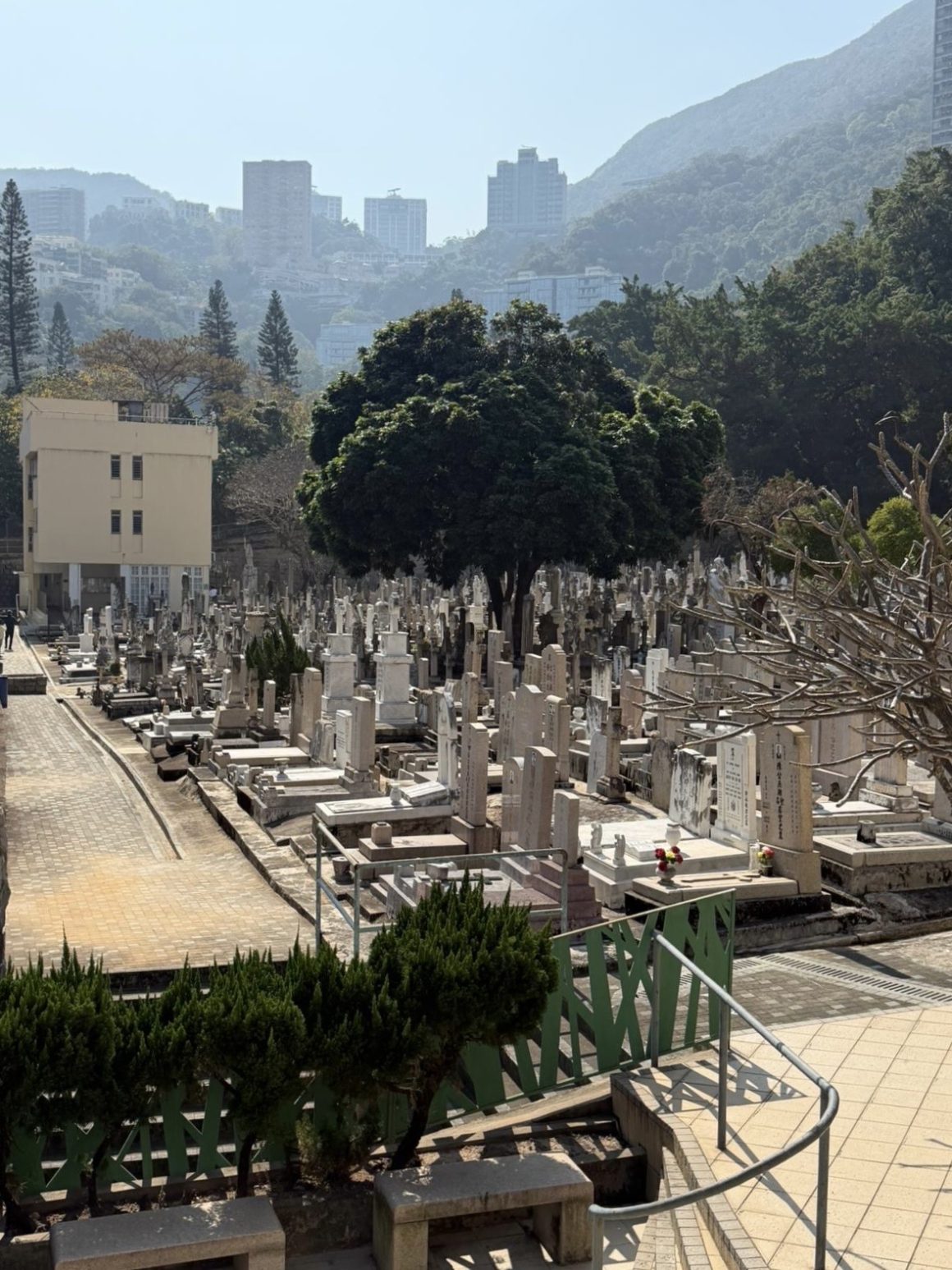
Around the Happy Valley Racecourse lies one of Hong Kong’s most unexpected sights: a cluster of European cemeteries side by side. The Hong Kong Cemetery (formerly the Protestant, or Colonial, Cemetery), the Catholic St. Michael’s — for Portuguese from neighboring Macau, for Spaniards and French. Jewish, Hindu, Muslim, and Parsi cemeteries, too. It’s a quiet, nearly empty place — the colonial ghost of the city laid out on a hillside. Strongly recommended.
Antique Hollywood Road and Souvenir Cat Street
Hong Kong has an extraordinary street — Hollywood Road in Central. It’s the city’s main antique district: shops stand door to door, more than 25 of them. You’ll find only Chinese goods — you have to love Far Eastern art. Porcelain, jade, ivory, carved wood. Enormously varied, enormously beautiful, and enormously expensive: the Chinese cherish their own art, and nothing here is cheap.
Parallel to Hollywood Road runs Cat Street (Upper Lascar Row) — a street of tourist souvenirs that are simpler and cheaper. But you’ll find your own treasure there too.
Hong Kong’s Best Antique and Vintage Stops, Picked by Locals Insider
- Hollywood Road — Central. The main antique street: Chinese porcelain, jade, ivory, carvings. 25+ galleries. Open from 11 a.m. to 6 p.m.; many closed on Sundays.
- Upper Lascar Row (Cat Street) — Parallel to Hollywood Road. Souvenirs, vintage finds, curiosities. Cheaper and livelier.
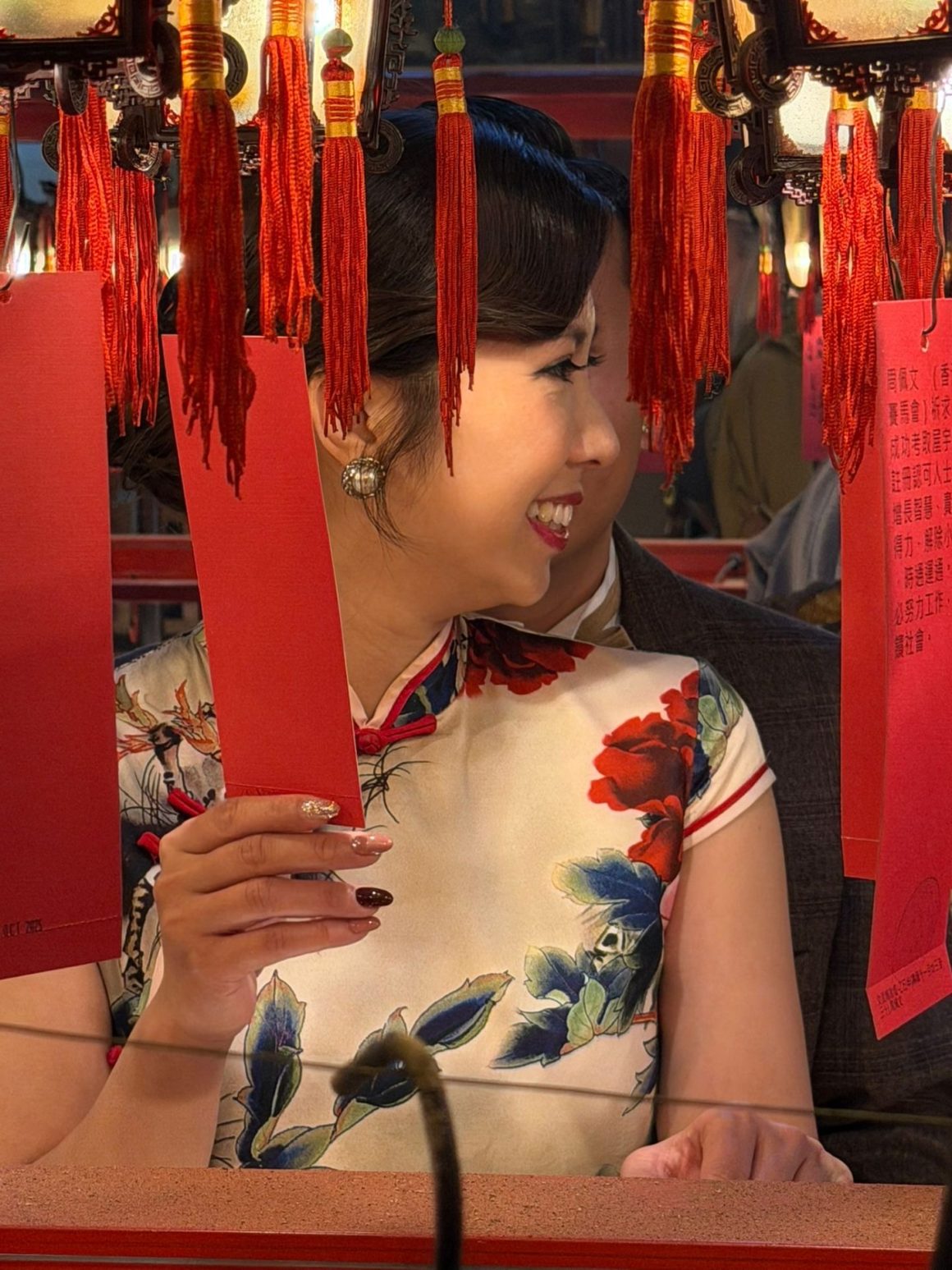
- Man Mo Temple — 124–126 Hollywood Road. Not a shop, but the anchoring point of Hollywood Road: one of Hong Kong’s oldest temples, built in 1847, wreathed in clouds of incense. A necessary stop between galleries.
- PMQ — 35 Aberdeen Street, Central. A former police married quarters turned design district: contemporary Hong Kong designers of clothing, jewelry, ceramics.
- Ladies’ Market — Tung Choi Street, Mong Kok, Kowloon. A night market of clothing and accessories. Not antiques, but living Hong Kong. Haggling expected.
Lan Kwai Fong: Expat Quarter After Work
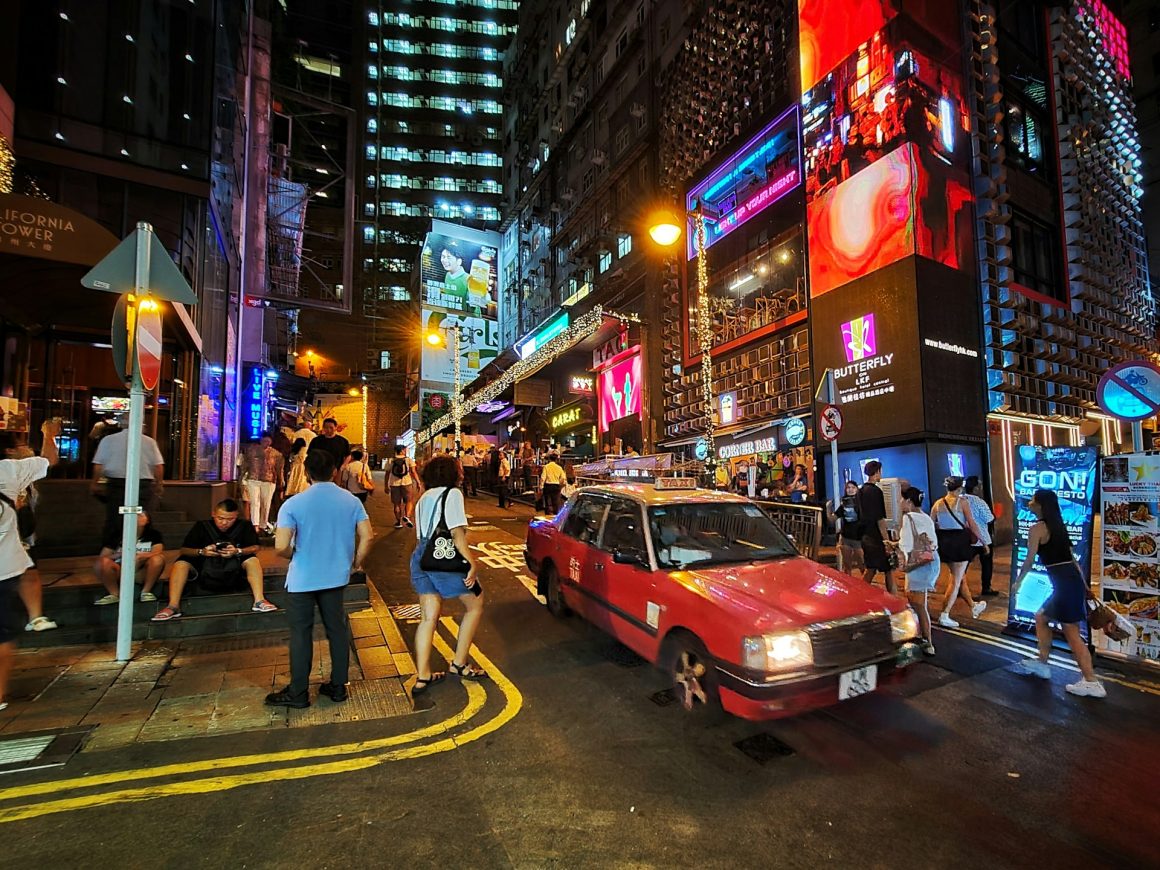
The most boisterous quarter of Hong Kong is Lan Kwai Fong. In the evenings, expats — émigrés from Australia, New Zealand, Canada, mostly working in finance — do what one might vulgarly call “hang out.” It’s an address I pass along to any young woman looking to meet an Australian banker: it couldn’t be easier. The crowd is all men, all in suits and ties, all half-drunk. A perfect place for introductions.
Hotels: The Mandarin, the Grand Hyatt, and Their Tea Rooms
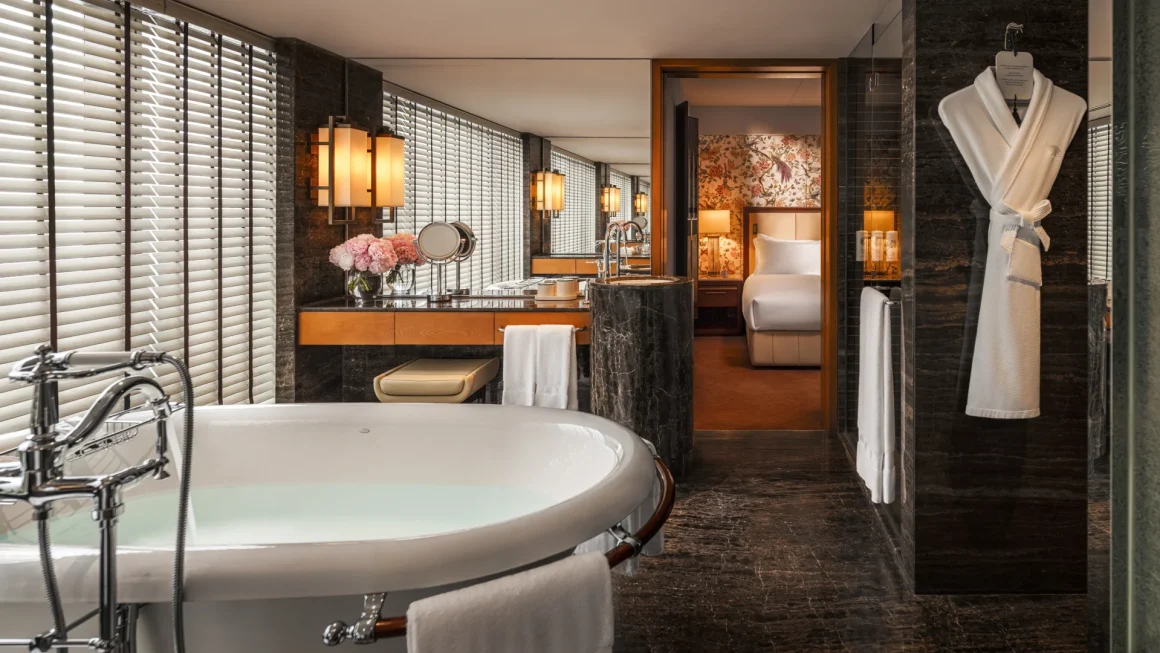
Hong Kong’s Admiralty district and the old colonial parliamentary quarter are beautiful to walk through. Among the great hotels, the Mandarin Oriental is one to see. Another is the Grand Hyatt, famous for its tea room, where one can always break at 4 or 5 in the afternoon for English-style tea.
Hong Kong’s Best Hotels, Picked by Locals Insider

- The Peninsula Hong Kong — Salisbury Road, Tsim Sha Tsui, Kowloon. Opened 1928. Fleet of Peninsula-green Rolls-Royce Phantoms, afternoon tea in The Lobby, Philippe Starck-designed Felix restaurant on the 28th floor. From HK$5,500 per night.
- Mandarin Oriental Hong Kong — 5 Connaught Road, Central. Opened 1963. Legendary colonial hotel — where Leslie Cheung stayed in 2003. Two-Michelin-starred Man Wah, and The Chinnery, the most elegant bar in the city. From HK$5,000 per night.
- Grand Hyatt Hong Kong — 1 Harbour Road, Wan Chai. Postcard view of Victoria Harbour. Legendary Tiffin Lounge for afternoon tea. Pool in a coconut grove on the roof. From HK$4,500 per night.
- The Upper House — Pacific Place, 88 Queensway, Admiralty. A boutique hotel from Swire Hotels, designed by André Fu. No reception desk in the conventional sense, no noise, city views from the 49th floor. For those who prefer restrained luxury. From HK$6,000 per night.
- Rosewood Hong Kong — Victoria Dockside, 18 Salisbury Road, Tsim Sha Tsui. The new (2019) Rosewood flagship on the old Holiday Inn site — 65 floors, a Henry Moore sculpture in the lobby, eleven restaurants and bars, DarkSide the most prominent among them. From HK$6,000 per night.
A Day Trip: Macao
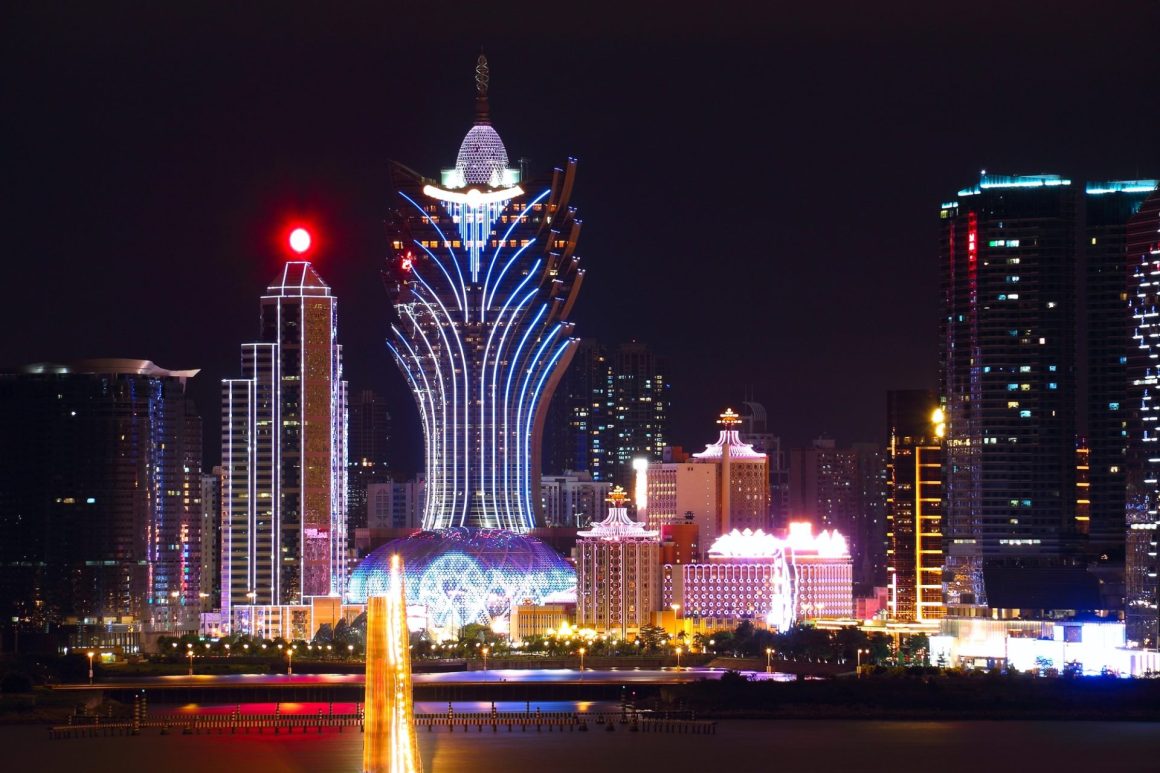
Every hour a ferry leaves Hong Kong for Macao, the former Portuguese colony. The crossing takes exactly one hour. Many people make it a day trip: there everything is Baroque, with nothing in common with Hong Kong. Seventeenth-century Portuguese architecture, Catholic churches, Portuguese cuisine.
Shopping in Hong Kong: Clothes, Accessories, and Milan-Runway Copies
Hong Kong is full of shops for clothing and fashion accessories. Much of it is made in mainland China, but foreigners love coming here for the low prices. Hong Kong is a city of magnificent, affordable shopping — if you want to refresh your wardrobe, come here. You’ll find everything in abundance.
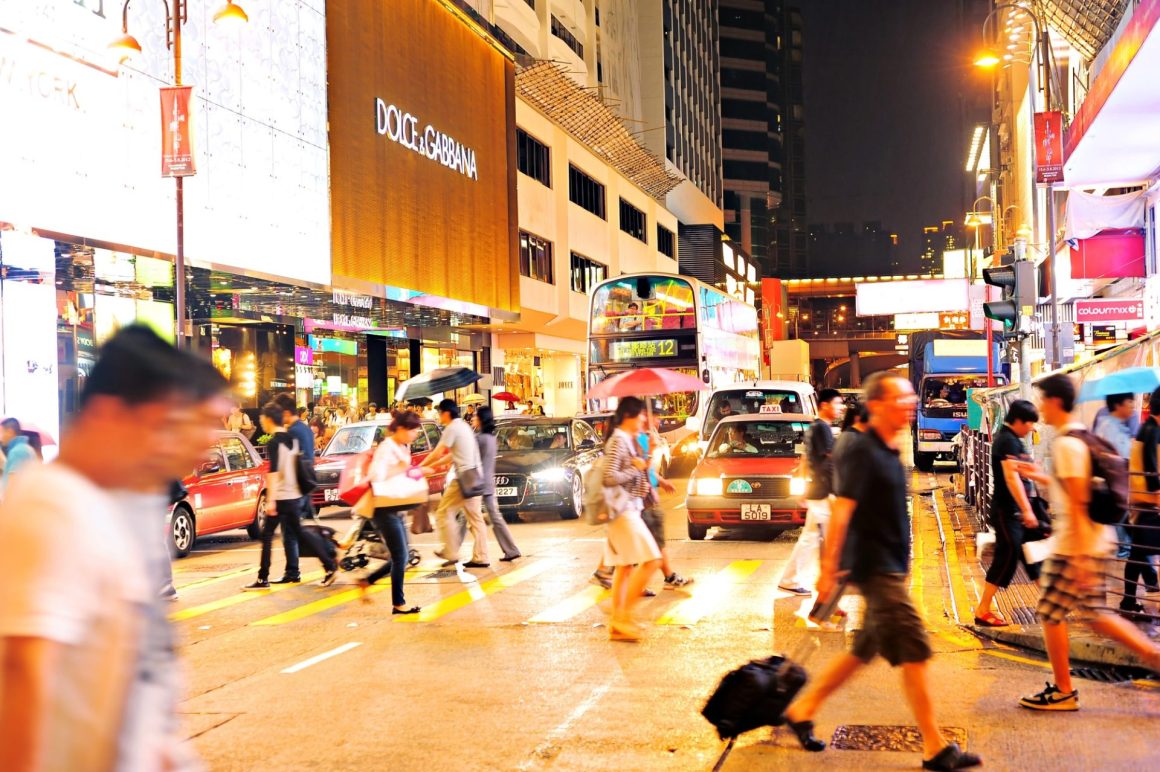
What’s notable about Hong Kong’s fashion designers is that they copy — on the same day that Milan or Paris Fashion Week ends — everything they saw on the runway that could conceivably be sold. Curious, no?
Tips from the Hong Kong Guide by Alexandre Vassiliev
- Hollywood Road in the morning, Lan Kwai Fong after 9 p.m. Antique dealers close early; expats open late.
- Take the double-decker tram at least once. The design hasn’t changed much since the 1940s, the fare is symbolic, and the route runs the length of the island — the most romantic way to see Hong Kong.
- The dress code in restaurants is not a joke. Many clubs and restaurants won’t let you in wearing a sweater. Bring a collared shirt even for dinner: this is Hong Kong, not a beach resort.
- Always keep your money in the hotel safe. Trust no one.
- For a Chinese host, a strand of white amber beads. The Chinese know how to pick their own jade; white amber is the rarity they prize most.
- Choose restaurants where the antipasti are on display. Hundreds of thousands of tourists mean hundreds of thousands of tourist traps. If they’re showing you the food, they’re not going to fool you.
- For Macao, plan a full day. One hour there, one hour back, plus the city itself — Baroque, Portuguese cuisine, and the casinos. It’s a different world.
Planning a Trip to the Other Side of the World?
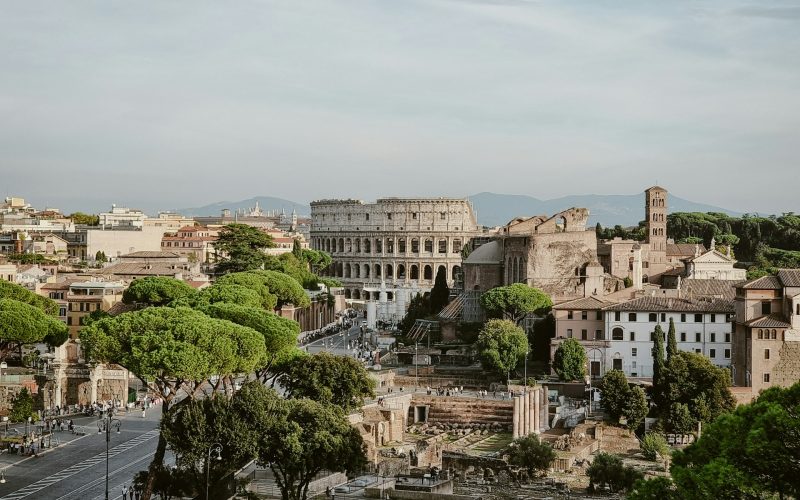
If the idea of a city that accumulates eras rather than erasing them appeals to you, read our Rome guide by Alexandre Vassiliev: from Queen Christina of Sweden’s room in Trastevere to the antique dealers of Via dei Coronari. The same authorial eye — only instead of British trams, you’ll meet Roman facades from seven different eras on a single street.