

Ever dreamed of walking the streets of King’s Landing or climbing the cliffs to Dragonstone? While Westeros may be fictional, the Game of Thrones filming locations are very real—and breathtaking. The HBO series, created by David Benioff and D.B. Weiss, filmed between 2011 and 2019, became one of the most ambitious global productions ever. Despite the controversial ending, the series remains a tourism juggernaut, with fans still flocking to its now-famous filming spots.
Here’s your cinematic itinerary through Westeros by LocalsInsider — with where to go, what scenes were filmed there, and the best time to snap a nice photo.
Dubrovnik, Croatia – King’s Landing
Location: Dubrovnik Old Town, Croatia
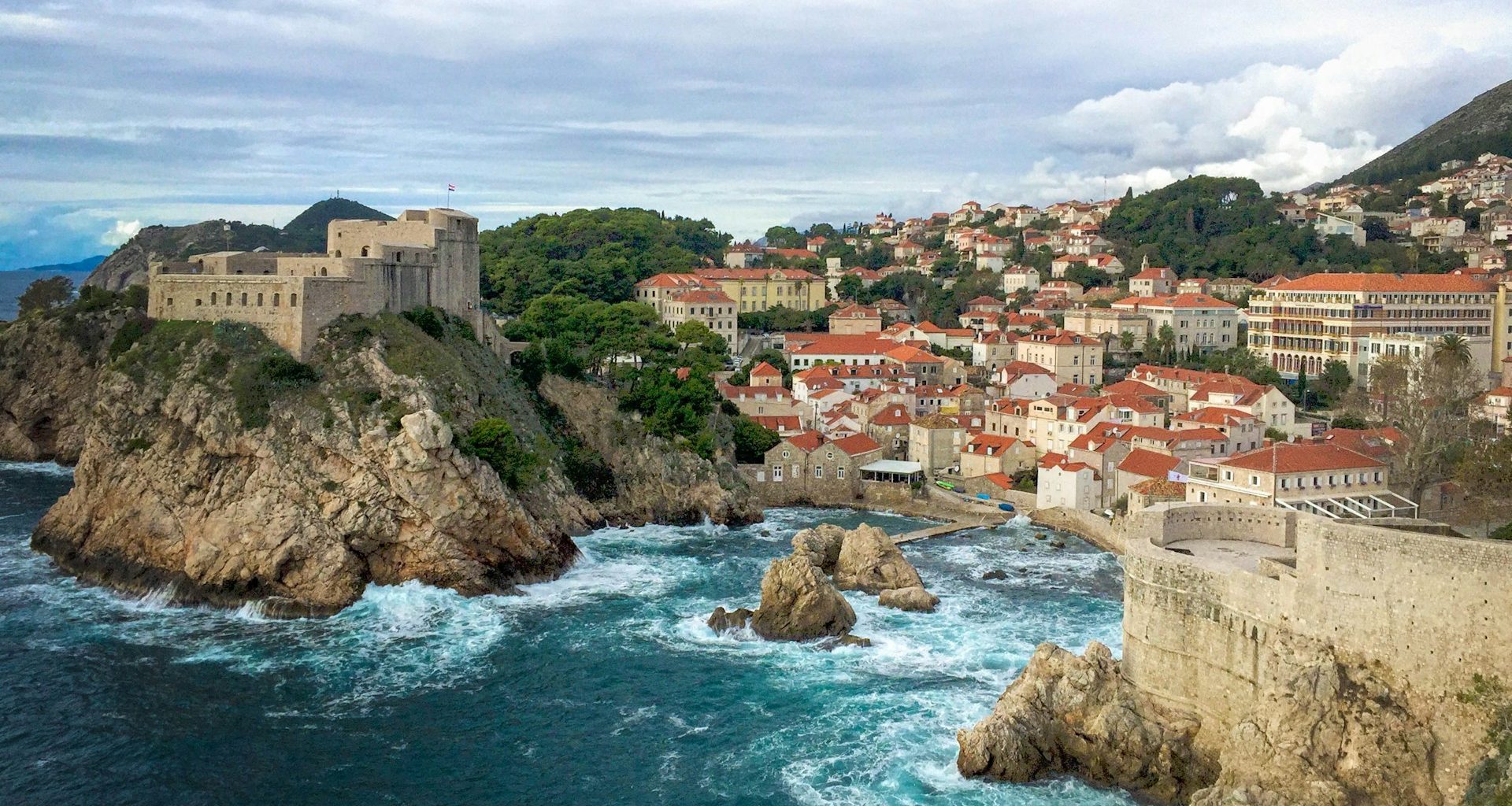
From Season 2 onwards, Dubrovnik became the face of King’s Landing. Walk along the medieval City Walls and you’re retracing Cersei’s infamous Walk of Atonement (Season 5, Episode 10), which begins at the Church of St. Ignatius. Fort Lovrijenac, overlooking the Adriatic, doubled as the Red Keep, site of many intense showdowns including Joffrey’s royal wedding. For a less-crowded experience and golden lighting, head up the City Walls just after 5pm before closing time.
While the “Walk of Shame” scene caused some controversy with locals, it’s now one of the most visited spots in Dubrovnik. What happened? The scene was shot on the steps and streets of Dubrovnik’s historic Old Town, particularly near the Jesuit Stairs, a real religious and residential area. Locals (and church officials) reportedly objected to filming a graphic nude scene in a sacred or culturally significant location. There were concerns about disrespecting religious sites and traditions.
Despite the initial backlash, the filming location has become hugely popular with tourists, especially Game of Thrones fans. The “Walk of Shame” stairs are now a major attraction, and many visitors come to reenact or photograph the spot—controversy or not.
Best photo angle: Climb the western end of the walls near Fort Bokar for sweeping, cinematic views over terracotta rooftops and the sea — this is the skyline shot of King’s Landing.
San Juan de Gaztelugatxe, Spain – Dragonstone
Location: Bermeo, Biscay, Spain
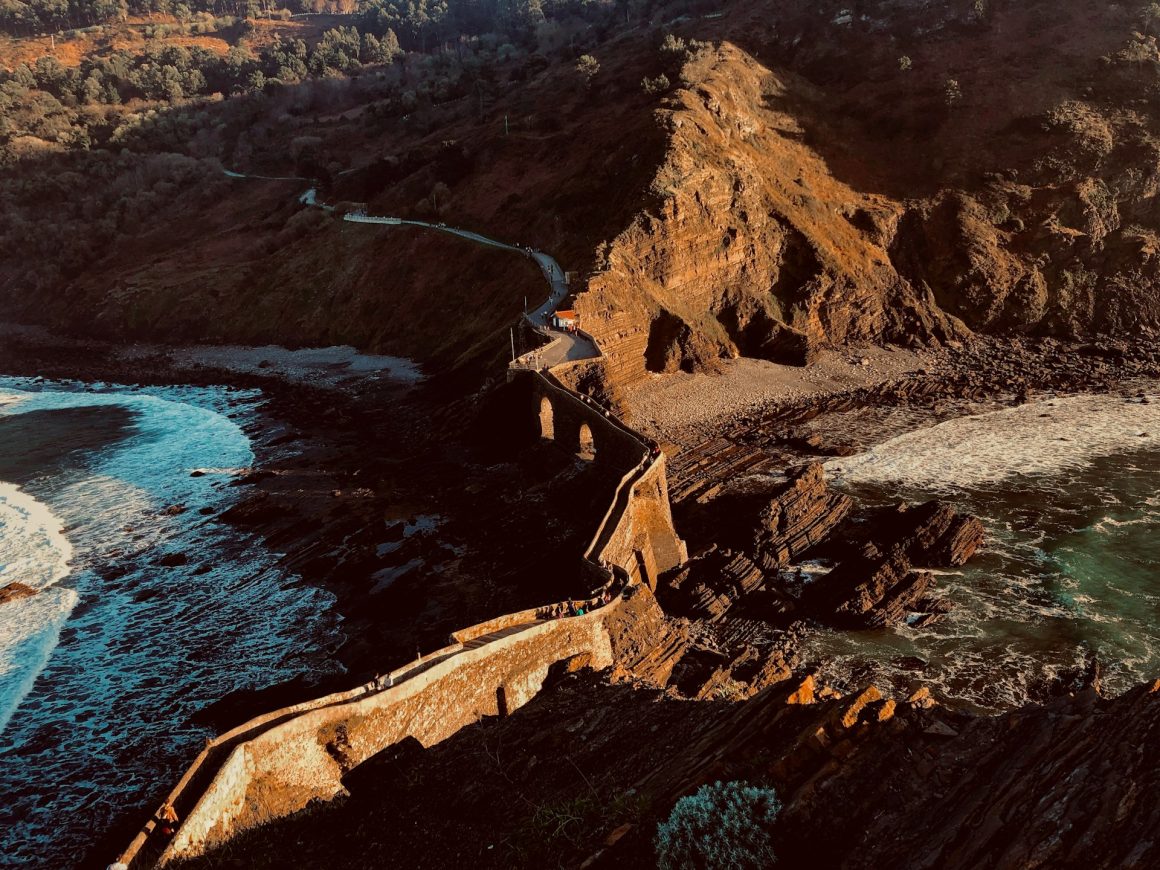
This striking islet with 241 winding steps became Daenerys Targaryen’s ancestral home in Season 7. Her arrival scene, where she touches the sand and gazes toward the horizon, was filmed here. The real site lacks the castle (added digitally), but the walk up is just as dramatic.
Go early in the morning to beat the crowds and see the sunrise bounce off the rocks. This location is often windy — perfect for recreating your own Mother of Dragons moment.
In the show, the Dragonstone throne room scenes were shot on a soundstage, but all exterior scenes—including where Jon Snow and Daenerys meet for the first time—were filmed here.
Best photo angle: Stand halfway up the staircase for a symmetrical shot of the snaking path and chapel above — perfect for Instagram.
Ballintoy, Northern Ireland – Iron Islands
Location: Ballintoy Harbour, County Antrim
This tiny, rugged harbour in Northern Ireland became Pyke, the main port of the Iron Islands. It’s where Theon Greyjoy returns to prove himself to his family in Season 2. The wild, craggy coastline and narrow quay offer an atmospheric window into the world of the Ironborn.
Ballintoy still functions as a working fishing village, and the contrast between its quiet, everyday life and its intense on-screen drama makes it a fascinating stop. Locals still set out in small boats from the harbor, hauling in crab and lobster traps—sometimes right next to tourists posing in full Ironborn cosplay.
The harbor itself dates back to the 18th century and was used to ship local limestone, long before it stood in for the Iron Islands. Visit early in the morning and you might see mist curling off the rocks, making it eerily easy to imagine Theon Greyjoy sailing home in disgrace.
Best photo angle: From the cliffs above the harbour at sunset, you get crashing waves and moody skies – a true Ironborn vibe.
Thingvellir National Park, Iceland – The Vale and Beyond the Wall
Location: Þingvellir, Iceland
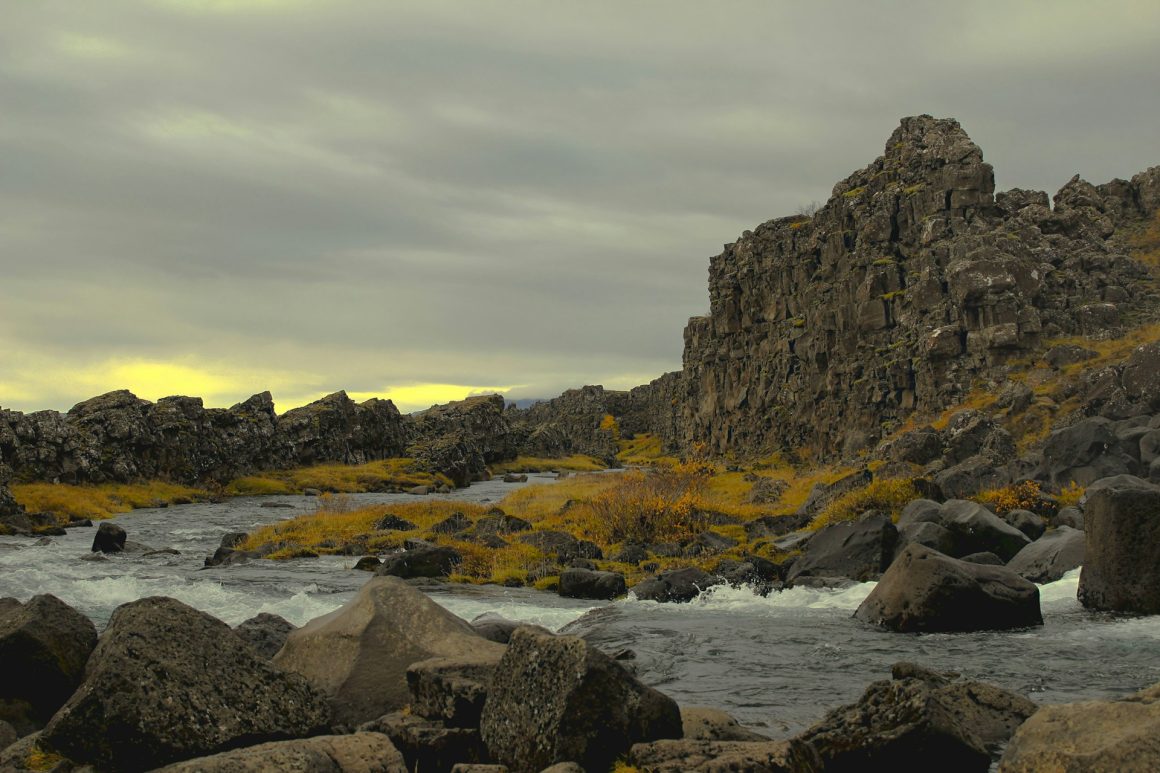
This UNESCO site with volcanic canyons and icy rivers hosted scenes Beyond the Wall in Seasons 3 and 4. It’s where Jon Snow treks with the Night’s Watch and meets Ygritte. The park also doubled as the rugged terrain of the Vale of Arryn.
It’s the only place in the world where you can walk between two continental plates—no CGI required. The dramatic rift valley lies between the North American and Eurasian tectonic plates, which are slowly drifting apart year by year. You can literally hike (or even snorkel) through the gap. The landscapes here are otherworldly—cracked lava fields, deep fissures, moss-covered rocks. We confirm – standing in the Silfra fissure, where the earth is pulling itself apart, is one of those rare moments where geology feels almost spiritual.
Best photo angle: Near Oxararfoss waterfall, where the cliffs open up dramatically – perfect for an epic Jon Snow moment. Visit between June and early September to avoid snow and tourist congestion.
Alcázar of Seville, Spain – Water Gardens of Dorne
Location: Patio de las Doncellas, Seville
In Season 5, the Alcázar of Seville was transformed into the palace of House Martell. It’s where Jaime and Bronn sneak in to rescue Myrcella and where Ellaria Sand plots revenge. The royal gardens, tiled courtyards, and reflection pools bring Dorne to life beautifully.
Its foundations date back to the 11th century, and it’s been home to over a dozen monarchs. Today, Spain’s royal family still uses the upper floors for official ceremonies, making it a rare blend of living history and open museum. With its mix of Islamic, Gothic, and Renaissance architecture, it almost feels like stepping into a fantasy — which is exactly why it doubled as the Water Gardens of Dorne in Game of Thrones. Don’t miss the ornate tiled rooms, hidden courtyards, and the lush gardens that seem built for secrets.
The Royal Alcázar of Seville isn’t free by default, but you can visit for free during the last hour on Mondays (4–5 p.m. in winter, 6–7 p.m. in summer) if you reserve a timed ticket online in advance, which usually includes a small service fee. Regular tickets cost about $21–$22, with discounts available for students, seniors, local residents, children under 13, and visitors with disabilities.
Best photo angle: The long pool in the central courtyard captures symmetry, colour, and intricate architecture. Go mid-morning for the best natural light and fewer tour groups.
Castle Ward, Northern Ireland – Winterfell
Location: Castle Ward Estate, County Down
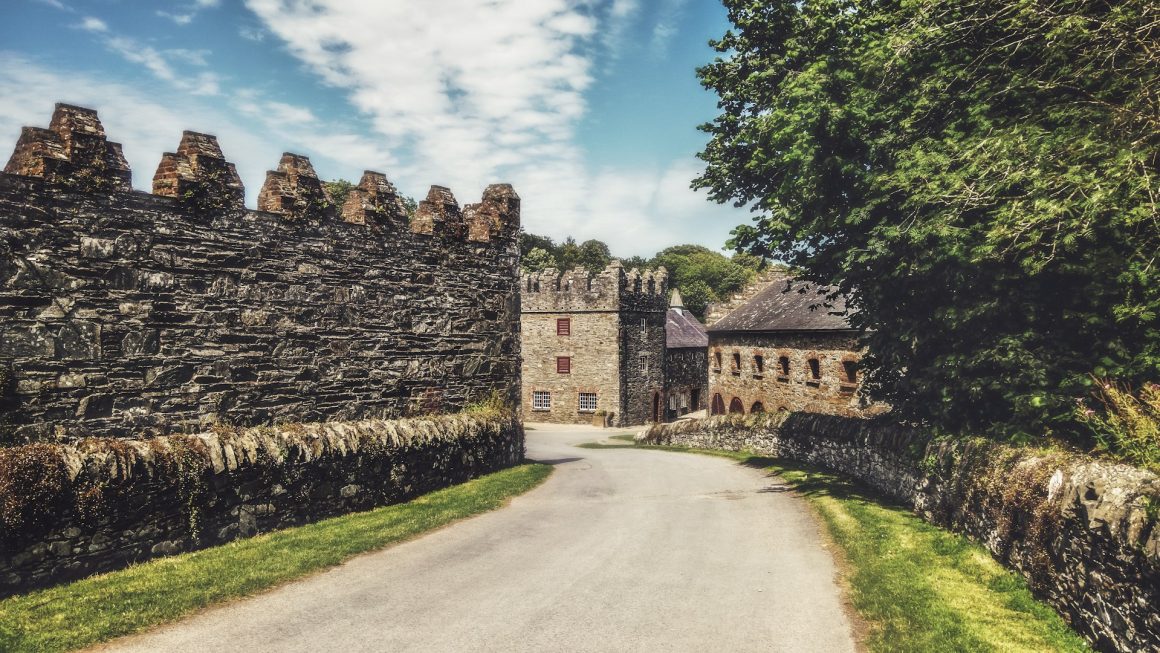
This 18th-century estate became the heart of the North in Seasons 1 and 2. The tower house and surrounding lands hosted many key Stark family scenes, including the very first episode where Ned beheads a deserter from the Night’s Watch.
You can test your skills with archery, try axe-throwing, don a Stark cloak, and even meet one of the real direwolves used in the series.
Castle Ward is open daily from 10 a.m. to 6 p.m., with general admission priced around £14 (about $18 USD) for adults and £7 ($9 USD) for children; kids under 5 enter free. Visitors can book Game of Thrones experiences like archery, guided filming location tours, and direwolf meet-and-greets separately through local tour operators. Free parking is available on-site, and the estate is about an hour’s drive from Belfast.
Best photo angle: At the courtyard entrance with the stone towers behind – it’s where the Starks gathered for announcements and is instantly recognisable.
Grjótagjá Cave, Iceland – Jon & Ygritte’s Love Scene
Location: Grjótagjá, near Lake Mývatn, Iceland
This lava cave’s hot spring became the setting for one of the most intimate moments in the series — Jon Snow and Ygritte’s love scene in Season 3. Though bathing is no longer recommended due to unstable temperatures (steamy geothermal water reaches around 100°F (38–43°C), it remains a hauntingly beautiful site.
The cave is free to visit, but bathing is no longer allowed, and the water temperature can fluctuate suddenly — best admired from the rocky entrance or combined with a dip at the nearby Mývatn Nature Baths.
Best photo angle: Shoot from just inside the cave entrance to frame the glowing blue water. Go early morning or off-season to avoid crowds and lens fog.
Mdina, Malta – King’s Landing (Season 1)
Location: Mdina Gate, Malta
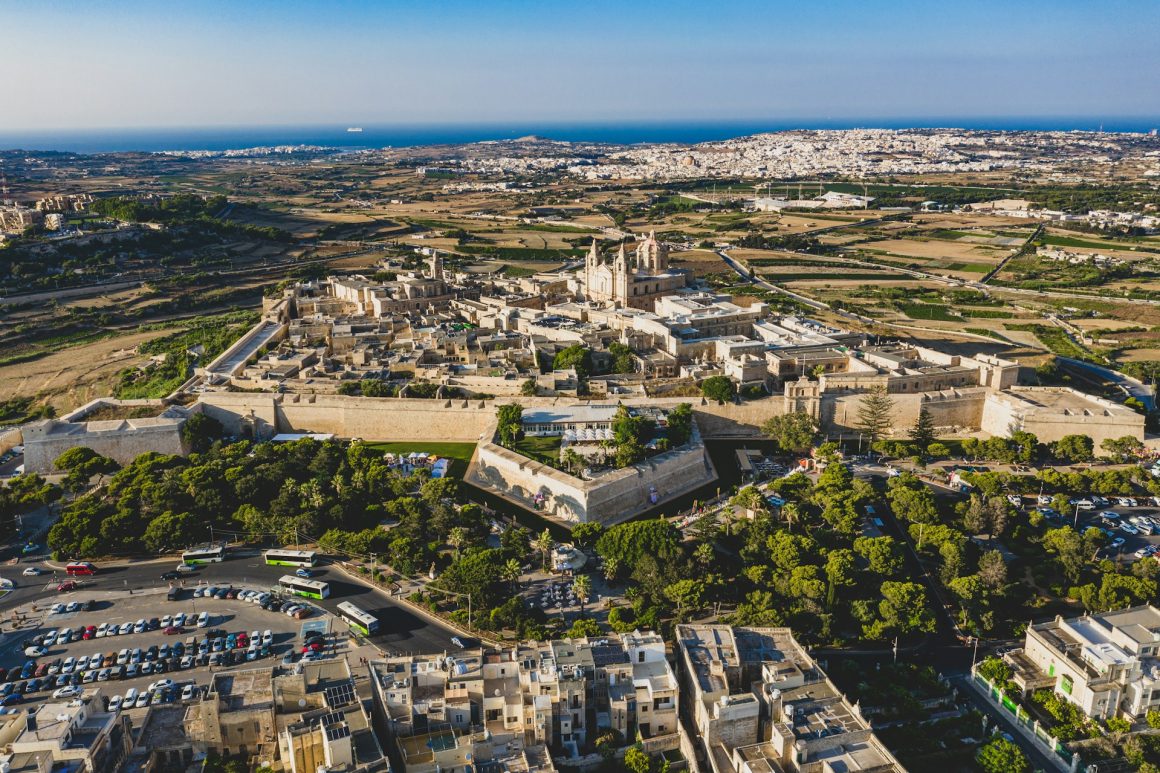
Before Dubrovnik, the medieval Mdina Gate in Malta served as the original entrance to King’s Landing. In Season 1, it’s where Ned Stark first rides into the capital. The cobblestone streets and honey-coloured walls bring the early King’s Landing scenes to life.
Mdina’s fortified gate and Mesquita Square doubled as parts of King’s Landing in Season 1 of Game of Thrones, but after filming, authorities introduced stricter rules on large-scale productions due to environmental concerns—particularly damage to limestone heritage sites during the Azure Window shoot. Today, Mdina still captivates tourists: around 1.5 million tourists a year wander the Silent City’s car-free streets, with many pausing at Mdina Gate to capture that iconic GOT moment. At least there are signs Shhhh to keep quiet to respect the locals (around 250 people live here).
Best photo angle: Capture the gate from the bridge at twilight for a dramatic, historic feel without tourist clutter.
Bardenas Reales, Spain – Dothraki Sea
Location: Navarre, Northern Spain
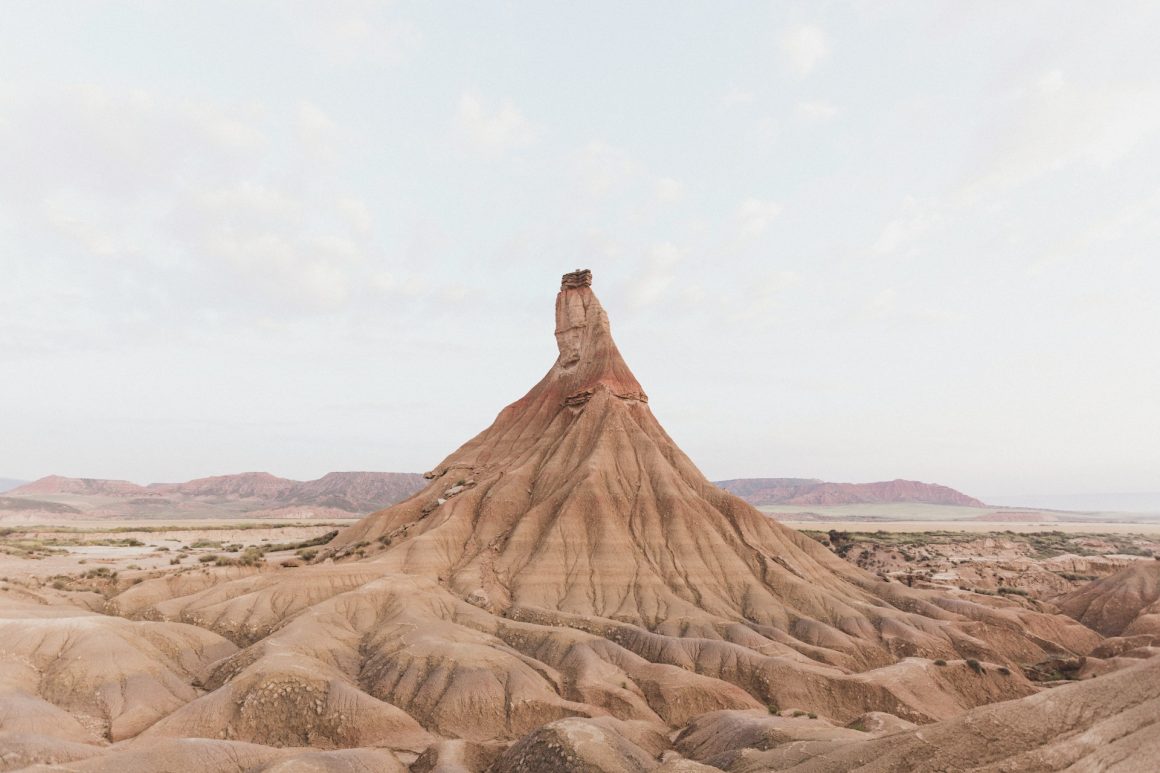
These semi-desert badlands with sweeping plains and wind-sculpted rocks were used for Daenerys’ journey across the Dothraki Sea. In Season 6, she’s taken to Vaes Dothrak after being captured by the Dothraki horde.
The area is a protected natural park and doubles as a military training ground — timing your visit is key.
Best photo angle: From the central plateau at sunrise — the orange glow against stark rock formations creates an otherworldly look.
Magheramorne Quarry, Northern Ireland – Castle Black & The Wall
Location: Magheramorne, County Antrim
The set for Castle Black and the Wall was built in a disused quarry. The massive icy Wall was added with CGI, but the quarry’s black stone backdrop helped create the Night’s Watch grim fortress setting.
The quarry also hosted Hardhome’s battle scenes, one of the show’s most intense episodes.
Best photo angle: The site is not open to the public, but drone-friendly areas nearby offer distant views and are popular with local photographers.