





There are plenty of reasons to visit Montevideo, although the locals don’t tend to shout about their treasures and you might need to search for them.
Walk the Rambla and Beaches (Ramirez, Pocitos, Buceo)
It’s hard to miss the Rambla, and neither should you. It is 24km – 36km if you count the extension out of the city limits – of riverside promenade, the wide pavement running along the coast, ideal for walkers, joggers and cyclists.
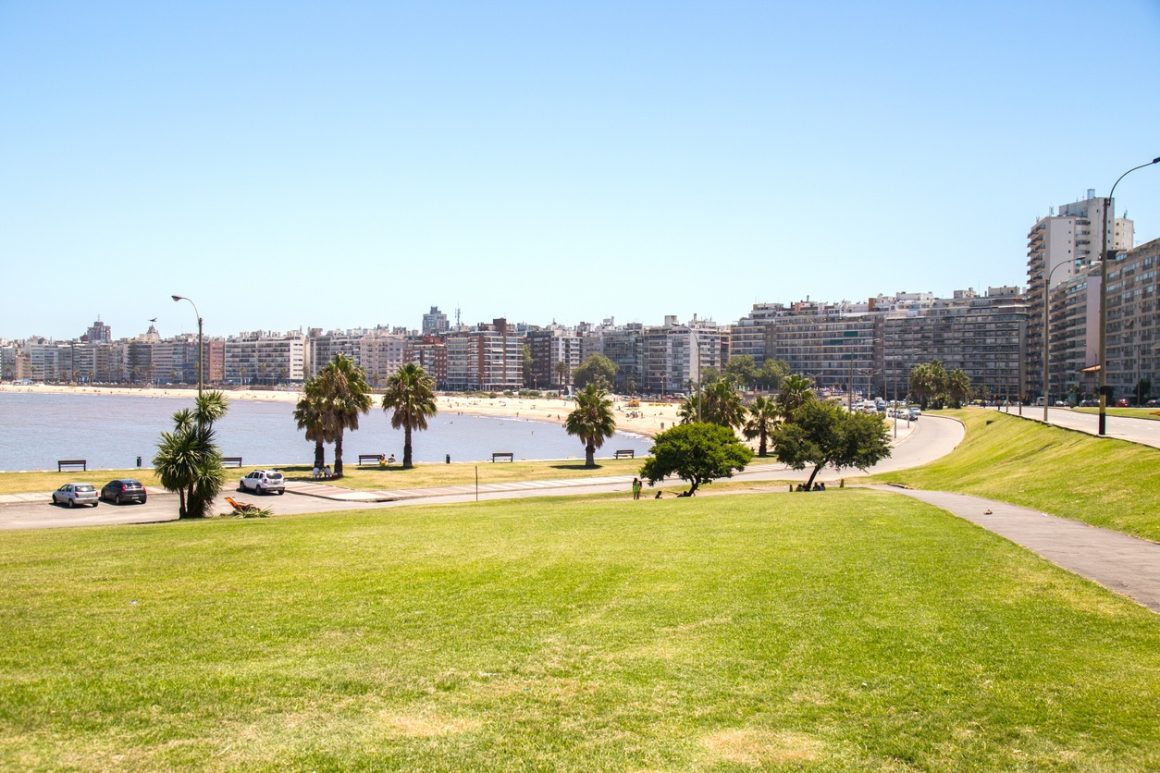
It links the city beaches of Ramirez, Pocitos, Buceo and many more, with changing views, depending on the season and time of day, out over the expansive River Plate or Rio de la Plata – the silver river.
You can’t see Buenos Aires on the other shore, but Uruguayans can never forget its bigger, brasher neighbour is there. The two cities share many similarities – their passion for tango, football and meat among them.
Although Uruguay’s population, like in Argentina, is mostly descended from Spanish and Italian immigrants, it’s the differences that set Montevideo apart. (most locals would consider it an insult to be taken for an Argentine) Only around four million of them – more than a quarter of whom live in and around Montevideo.
Sip Mate Like a Local
The first thing you’ll notice on your arrival is that nearly everyone is sipping something through a metal straw shoved into a gourd – everywhere, all the time, with a thermos full of hot water always at hand. It’s mate (pro: mat-tay), a bitter tea, also imbibed in Argentina, Paraguay and southern Brazil. But no-one drinks as much of it as the Uruguayans.
Plaza Independencia and Palacio Salvo – Iconic Heart of Montevideo
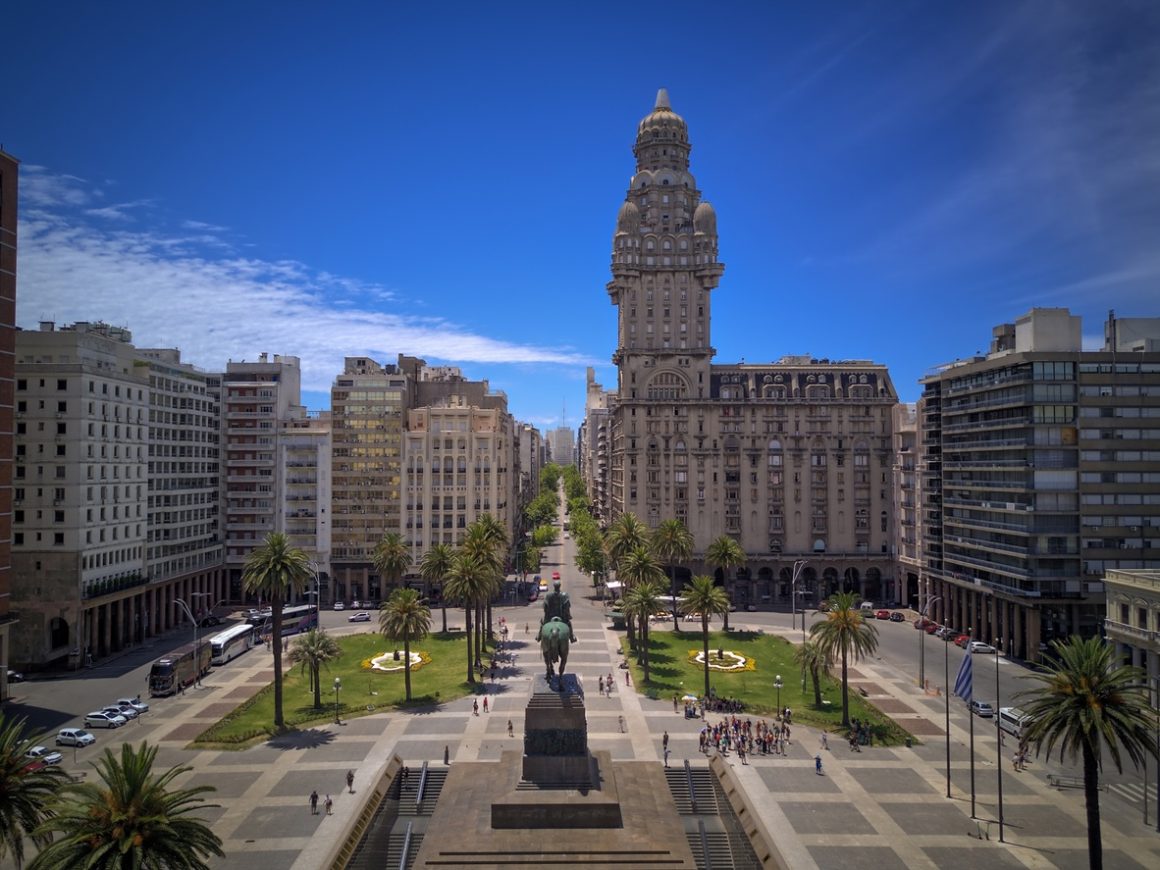
And one of the best places to watch them do it is Plaza Independencia, on the edge of the central district, the entrance to the ciudad vieja or old city, and close to the coast. It’s embellished by the iconic art deco skyscraper from 1928 (a former luxury hotel), Palacio Salvo, once the tallest building in Latin America.
Discover Uruguay’s Liberator – General Jose Artigas & the Fortaleza
As in most Latin American metropolises, the plaza is embellished with a statue in the middle of its liberator from Spanish colonial rule – in Uruguay’s case, General Jose Artigas. He’s even got a fort named after him – the Fortaleza Jose Artigas, which sits on a small hill (Uruguay is very flat and only has small hills) which overlooks the city’s bay.
Not only did he fight the Spanish and the British, he also helped ensure his country’s independence from its much bigger, sometimes overpowering neighbours, Brazil and Argentina.
It’s a battle still being fought, although now more commonly on the football pitch. The Uruguayans are obsessed and have every right to be. They’ll remind you constantly that they’ve won two World Cups (1930 and 1950) and more South American titles than Brazil and only one less than Argentina.
Football Museum at Estadio Centenario: Peñarol vs. Nacional Rivalry
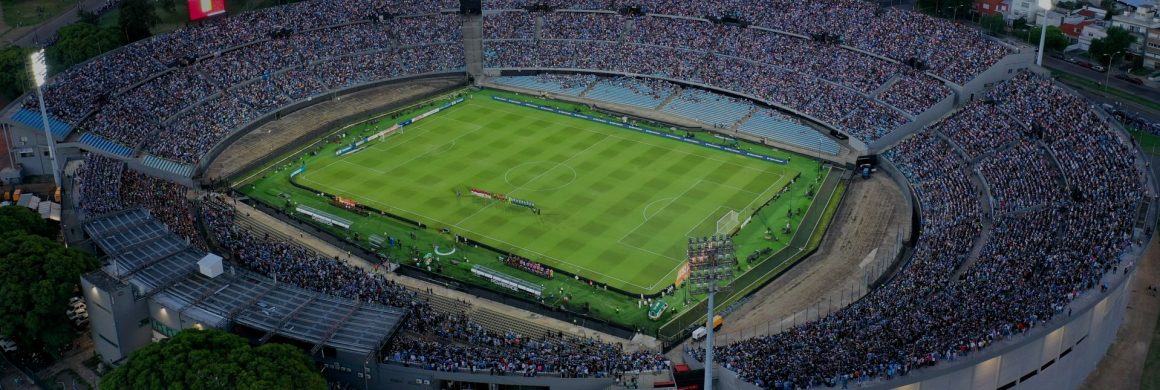
This notable history is laid out in all its glory at the football museum in the grounds of the Estadio Centenario – home in 1930 to the first ever World Cup final, won of course, by Uruguay.
The two main club teams are Peñarol, who play in black and yellow, and Nacional, all blue. Be careful how you dress.
Museo Andes 1972 – Learn About Survival & Tragedy

Perhaps even more offbeat, and certainly more gruesome, is the Museo Andes 1972 (Rincon 619), which tells the story of the sixteen Uruguayan rugby players who in 1972 survived 72 days in gruelling conditions after their plane crashed in the Andes mountains.

And they only survived because some of them ate the meat of their dead teammates. Not for the squeamish.
Teatro Solis – Watch Opera & Explore Uruguay’s Oldest Theatre
On a more cultural note, the Solis Theatre (Buenos Aires 678), is the city’s pride and joy, opened in 1856, making it the oldest theatre in South America. It is where all the major opera, classical music recitals and plays are held. Tours are available.
Mercado del Puerto (Port Market) – Eat, Shop & Listen to Street Music
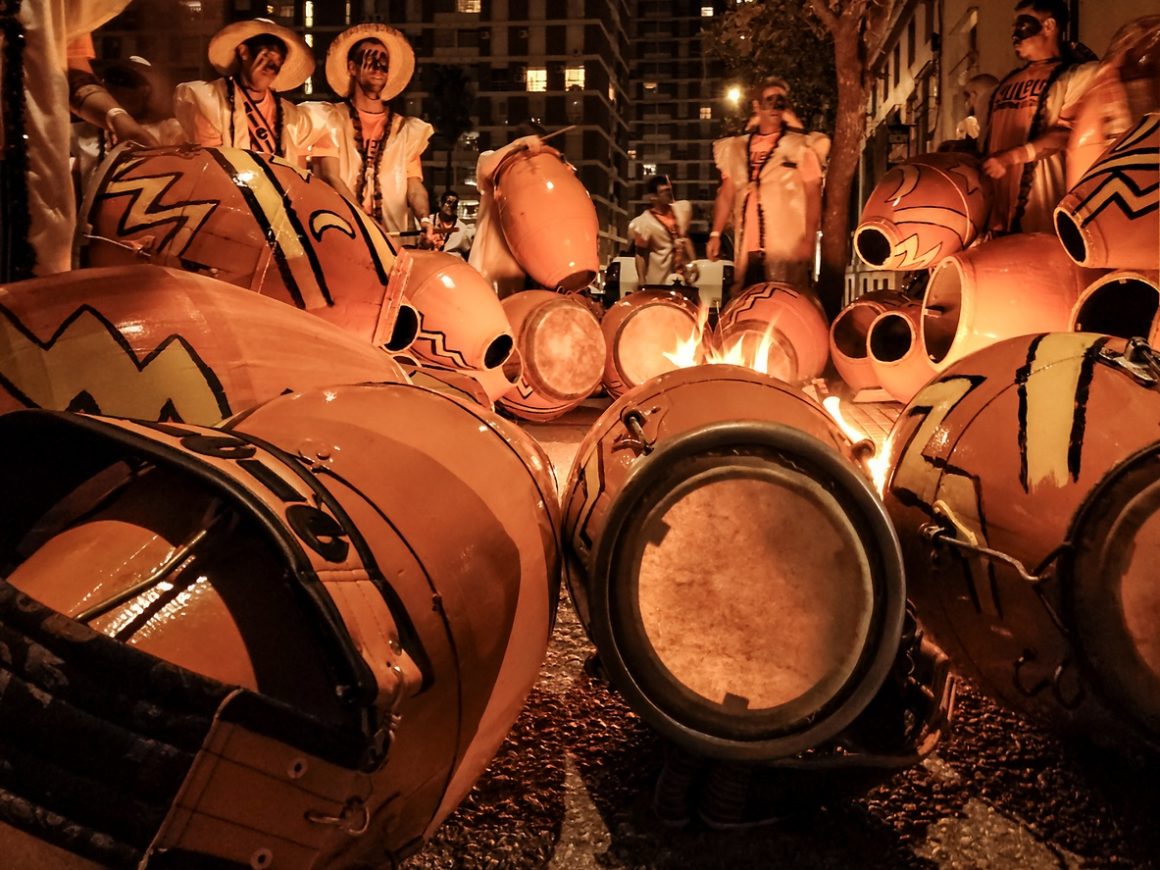
El Mercado del Puerto or the Port Market is a national monument which opened in 1868. It’s no longer a market, not in the traditional sense, but a bubbling site for restaurants, cafes, bars, chic shops, artists and musicians. It makes a strong claim to be the heart of Montevideo, especially on Saturdays when the street entertainment is in full swing.
Parque Rodó & National Museum of Visual Arts
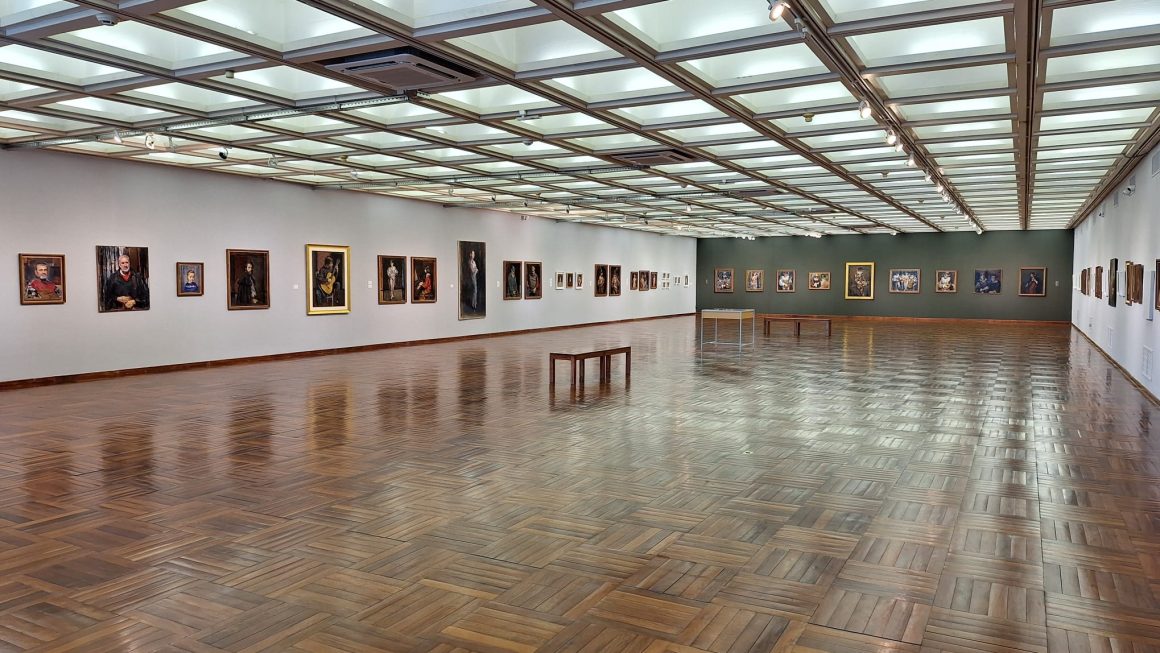
For even more calm in what is already a pretty laid back city, there is always Parque Rodo – 42 hectares of green grass, tranquil lakes and monuments. It houses the National Museum of Visual Arts and an open-air theatre where, in the summer, musical concerts and plays are staged.
Ciudad Vieja (Old Town) – Explore Colonial Streets
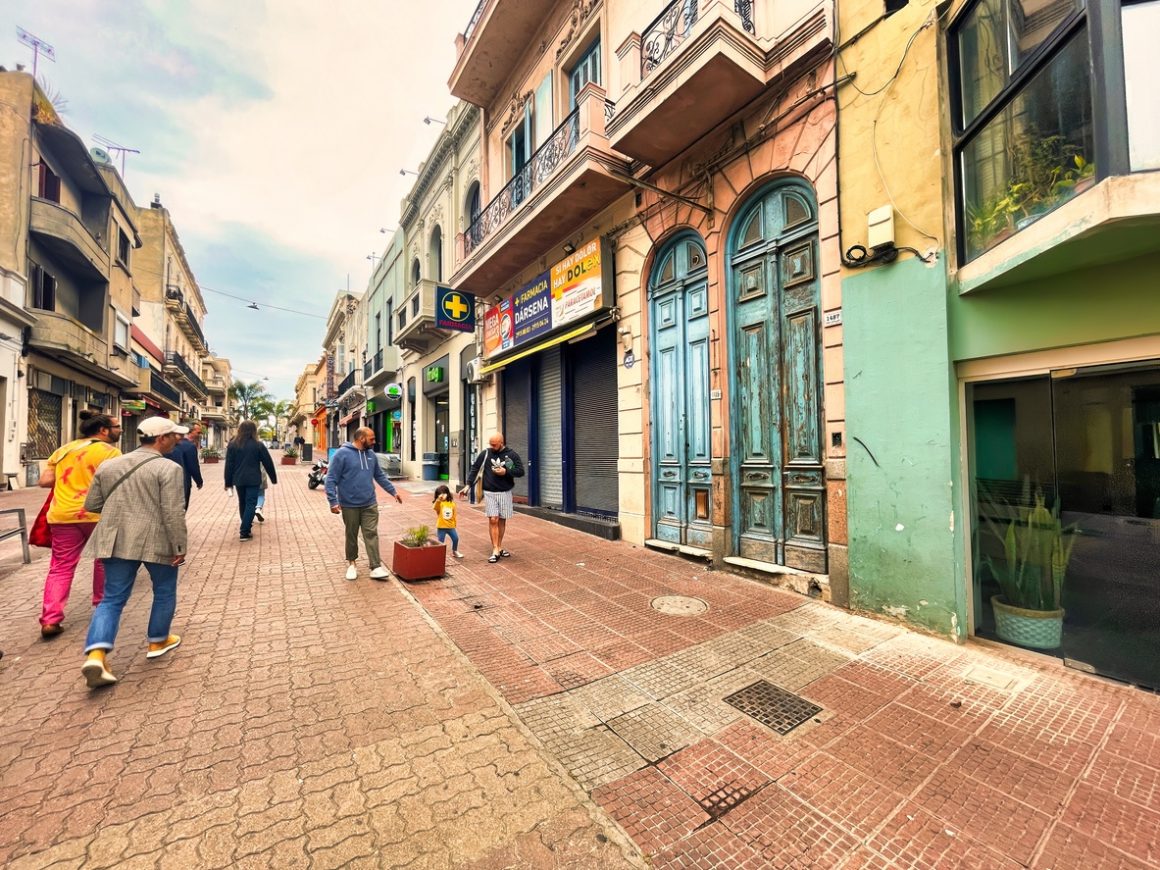
The old city, or ciudad vieja, is an enchanting maze of colonial buildings and cobbled streets, constantly trying but never quite managing to modernise. It’s teeming with quaint shops, intriguing art galleries, restaurants, cafes and bars.
It’s where you’ll probably spend most of your time in Montevideo, when you’re not strolling the Rambla or enjoying the beaches.
Café Brasilero – Drink Coffee in Uruguay’s Oldest Café

And the oldest of the old city is the Cafe Brasilero (Itzaingo 1447) – the oldest bar in Uruguay where customers have been sipping at its polished wooden tables since 1877.
It’s a special sensation to step through its wooden door, onto the worn mosaic floor bearing the name of the cafe and wonder how many customers stepped there before you.
Baar Fun Fun – Drink & Dance Tango at a Local Institution
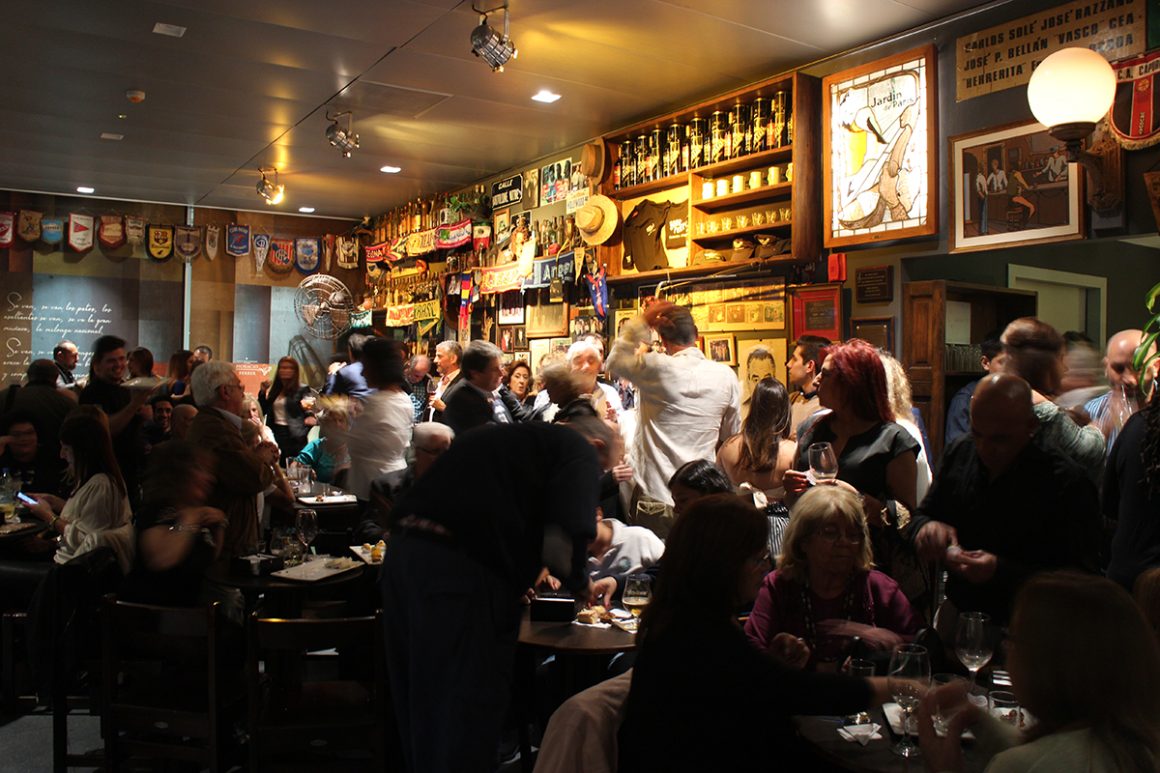
Marginally more modern is Baar Fun Fun (Ciudadela 1229), opened in 1895. It’s still run by the founder’s grandchildren who keep it traditional, while moving with the times.
It is, and always has been, the place to be seen in and boasts among its notable clientele pretty much every writer, poet, artist, singer and actor who has ever needed a drink during their stay in the city.
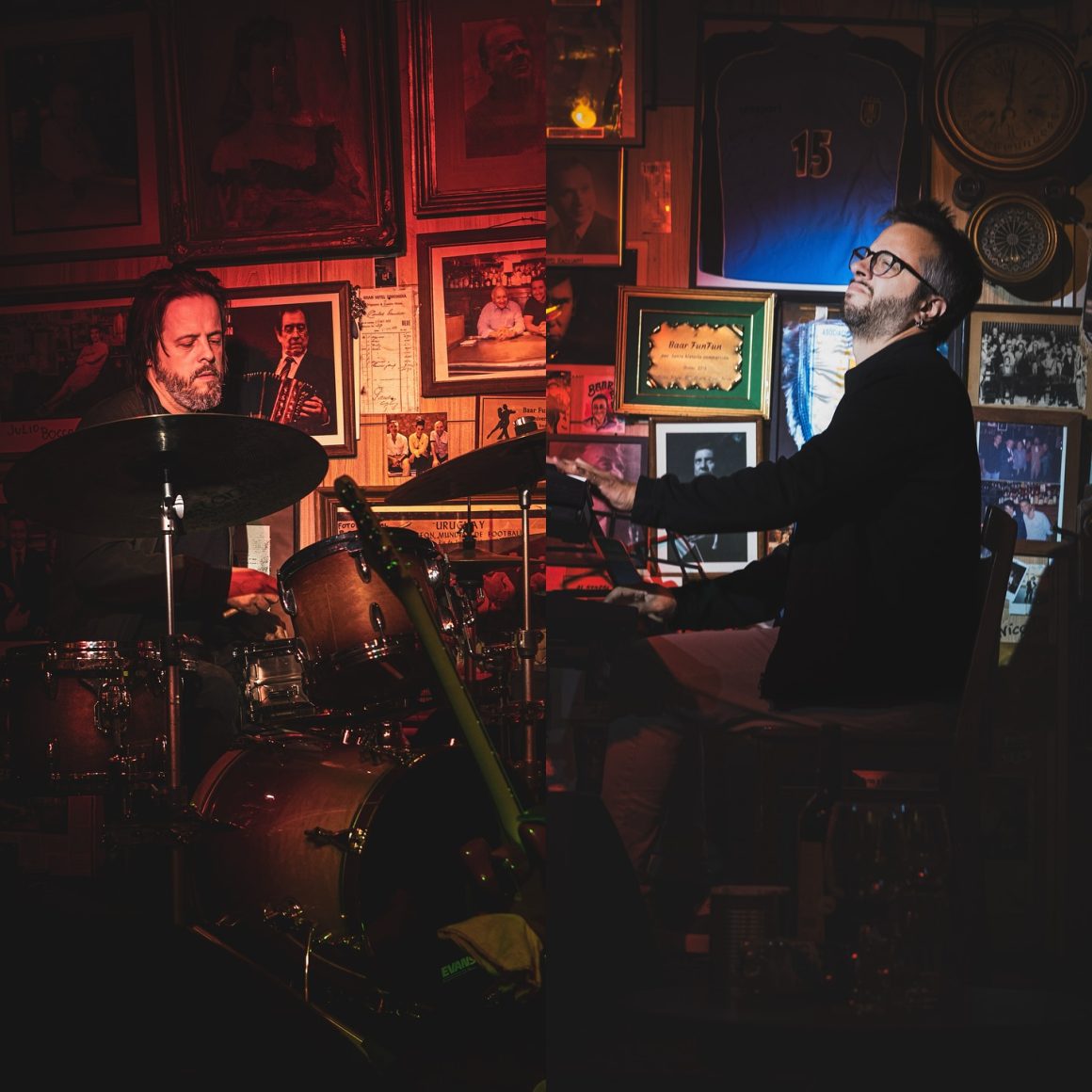
The tango icon, Carlos Gardel, imbibed Uvita, the establishment’s classic drink, here. It hosts live music several nights a week.
La Bodeguita del Sur – Take Salsa Lessons Before Dancing All Night
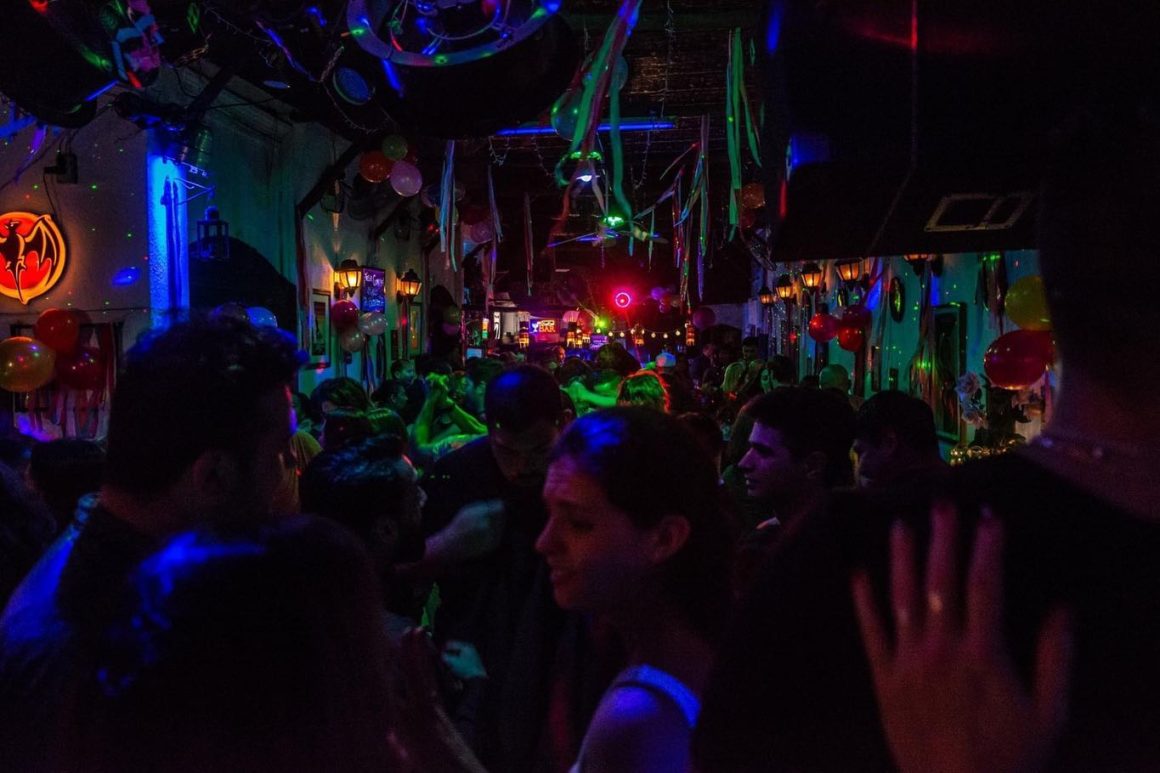
If you want to dance but are worried the locals might laugh at you, then La Bodeguita del Sur (Soriano 840) offers classes in salsa, bachata and merengue before you hit the dance floor until the early hours in one of the best established late night dance venues in the city. It’s where the locals go. They won’t laugh! Food and cocktails too.
Slow down! There’s a lot to see, especially in the old city. You can mostly walk there but if you walk too fast, you’re likely to miss things.
El Estrecho – Eat a Gourmet Lunch at a Tiny Counter

Notably, El Estrecho (Sarandi 413) which, as its name in Spanish suggests, is narrow. However, its lunchtime menu is ample and of the highest quality. You can watch the chefs at work while you sit at the bar, salivating.
El Fogón Steakhouse – Taste Classic Uruguayan Parrilla


Uruguay has around twelve million cows. That’s a ratio of about three for each human inhabitant. So meat is a tradition and excellent beef is not hard to find. El Fogon (San Jose 1080) – big portions, extensive wine list, interesting cocktails and, curiously yet kindly, vegetarian options.
Primuseum – Dine While Watching a Tango Show
Like Argentina and Buenos Aires, Uruguay does tango too. And the Restaurante Primuseum (Calle Perez Castellano 1389) hosts a show in its fine dining room, decorated with antiques while serving delicious food in an intimate atmosphere.
Francis – Enjoy Fresh Seafood by the Coast

With all that water nearby it would be rude not to sample the fish and seafood on offer at Francis (Luis de la Torre 502, Punta Carretas). Lunch and dinner, plus vegetarian options.
Arariyo – Grill & Share Authentic Korean BBQ

Why would you go all the way to Uruguay to eat Korean food? Well, why not? Stepping into Arariyo (Ciudadela 1362), just off the Plaza Independencia (the one with General Artigas on a horse in the middle) is like crossing a continent, traversing the Pacific Ocean and stepping into a little corner of Seoul.
The food is cooked Korean style, on your table, the TV is playing in Korean and when I went there, a group of Korean men were making a lot of noise and playing cards in a side room. It was surreal but a lot of fun.
And there are others to choose from: Charo (Republica de Mexico 6363) on the Rambla river front. And if you’ve dared to stray away from the old city and the river front and find yourself craving Kimchi, then there is BADA (Av. Gral Rivera 3526).
The Chivito Sandwich

Chivito is Spanish for kid goat. But that’s not what’s in the chivito sandwich. Pretty much everything else is though – strips of beef, bacon, fried egg, lettuce, tomato, olives, cheese and more.
The chivito is to Uruguayans what the burger is to Americans, the bratwurst to Germans or fish and chips to the British.
You should try it, served with french-fries. You will regret it. Chivito is served at cafes and restaurants around the country – several claiming to make the best in Uruguay.
Where to Stay in Montevideo: TOP Hotels

- Don Boutique Hotel – Stay Beside Mercado del Puerto
- Alma Histórica Boutique Hotel – Sleep in Rooms Inspired by Uruguay’s Past
- AXSUR Design Hotel – Balcony Views of the Old City & River
- Smart Hotel – Modern, Central, and Walkable Everywhere
- Vivaldi Hotel Loft – Punta Carretas Base with Pool & Fitness
The Don Boutique Hotel (Piedras 234) is right in front of the Mercado del Puerto. It has been described as ‘stylish but low key.’
Then there is the Alma Historica Boutique Hotel (Solis 1433), also in the ciudad vieja, opposite a park. The name is Historica, the theme is historical, with each room dedicated and decorated to mark a different figure from Uruguayan history.
There is also, the AXSUR Design Hotel (Misiones 1260) which has a fine balcony and terrace views of the surrounding streets and the river.
Close to the river front, close to the centre, close to the old city, close to everywhere (Montevideo isn’t that big – population 1.4 million) is the Smart Hotel (Jose German Araujo 1240), modern, spacious, friendly and charming.
Not everything is in the old city, just most of it. There is always Punta Carretas, one of Montevideo’s sought-after residential areas, on the Rambla, with some great restaurants and shopping centres. If that’s what appeals then the Vivaldi Hotel Loft (Blanca del Tabare 2903) is well situated. Also has a swimming pool and fitness centre and a fine view.
How to Get There & When to Visit

- Arrive by Ferry from Buenos Aires – The Most Scenic Route
- Fly into Carrasco International – Montevideo’s Small but Sleek Airport
- Best Time to Visit – Beaches in Summer or Tranquil Streets in Winter
Montevideo boasts a small, beautifully designed airport (Carrasco International Airport). But the easiest and most interesting way to arrive is by ferry across the River Plate from Buenos Aires.
Several companies (Buquebus, Colonia Express) do the crossing which can last anything from fifteen minutes to several hours.
It all depends on the route and vessel you choose, from the speedy hovercraft to the slower ferry that stops in Colonia – or to give it its full name, Colonia del Sacramento, a delightful old colonial town brimming with bars and restaurants crammed into its historical buildings – before a further three hour bus journey to the capital.
The joy of the direct ferry crossing is that it leaves you in the heart of the city.
Since the Rambla and its many beaches are one of Montevideo’s greatest attractions, then when the weather is fine would be the ideal time to go. Unless, of course, exploring the streets of the already serene old city in the winter, when it’s even more tranquilo, is the appeal.
And if you’re not sure and want to enjoy the best of both worlds, then Montevideo’s weather in spring and autumn is rarely severe.
How to Get Around Montevideo
- Walk the Ciudad Vieja & Rambla – Safe and Easy on Foot
- Hop in a Taxi or Rent a Bike – Flat Streets, Guided Tours Available
- Buses Work, But They’re Old – Better for Locals than Visitors
Montevideo is a small city with most of its action packed into the ciudad vieja or old city, the centre and its beaches, joined by the Rambla or riverside walk. It has an old, somewhat ramshackle public transport system.
It’s also flat and relatively safe (one of the lowest crime rates in Latin America, although it does suffer poverty and homelessness).
So walking is recommended. And taxis. So too is cycling. There are many places to hire bikes, if you want to find your own way, and a number of guided tours.
Where Else to Go in Uruguay
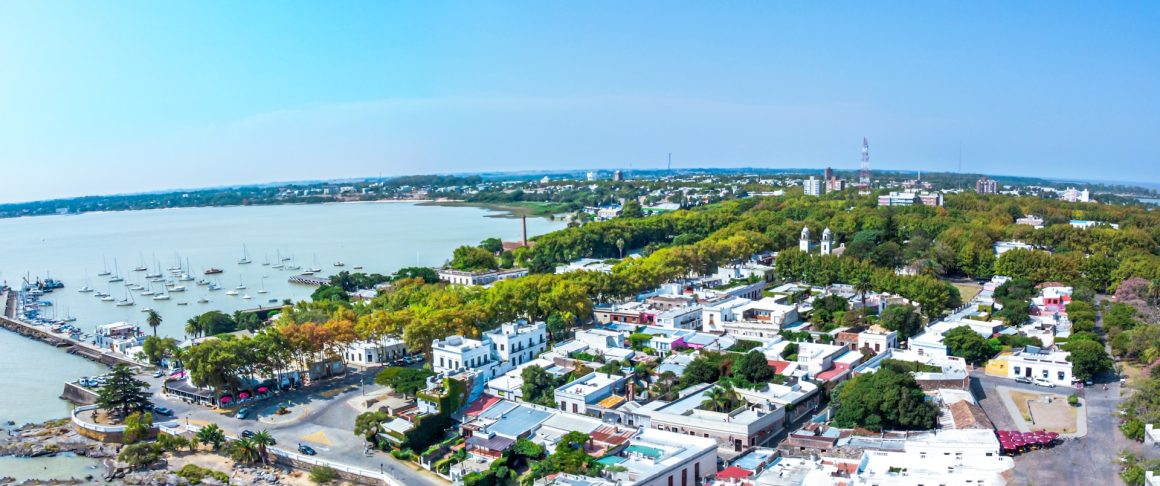
- Colonia del Sacramento – UNESCO Town of Cobblestones & Cafés
- Punta del Este – South America’s Saint-Tropez by the Sea
- Cabo Polonio – Remote Beaches, Lighthouse Views & Off-Grid Charm
I’ve already mentioned Colonia – just under three hours west of Montevideo by bus. The other popular destination is Punte del Este – about two hours east.
It’s the summer tanning paradise for those who need to be seen tanning themselves. It’s the Saint Tropez of South America, popular with Argentinians and Brazilians too. It’s brash, it’s stylish, it’s very sunny in the summer – a bit drab in the winter.
Apart from having a beach, Cabo Polonio is everything Punte del Este is not. It has few roads, little electricity and no wi-fi.
What it does have is a charming lighthouse, quaint bars and restaurants and long walks along the sand. The only way to get there is if you’ve got your own 4×4 or the taxi service that takes you along the beach.
