

I decided to extend my layover in Chongqing by one night in Ürümqi on the way to Tashkent.
Xinjiang means “New Frontier” or “New Territory” in Chinese, a name introduced by the Qing dynasty in the 18th century after the empire consolidated control over the region.
Not many Western travelers go to Xinjiang, so the natural question is: can you actually travel there freely, and what is it like?
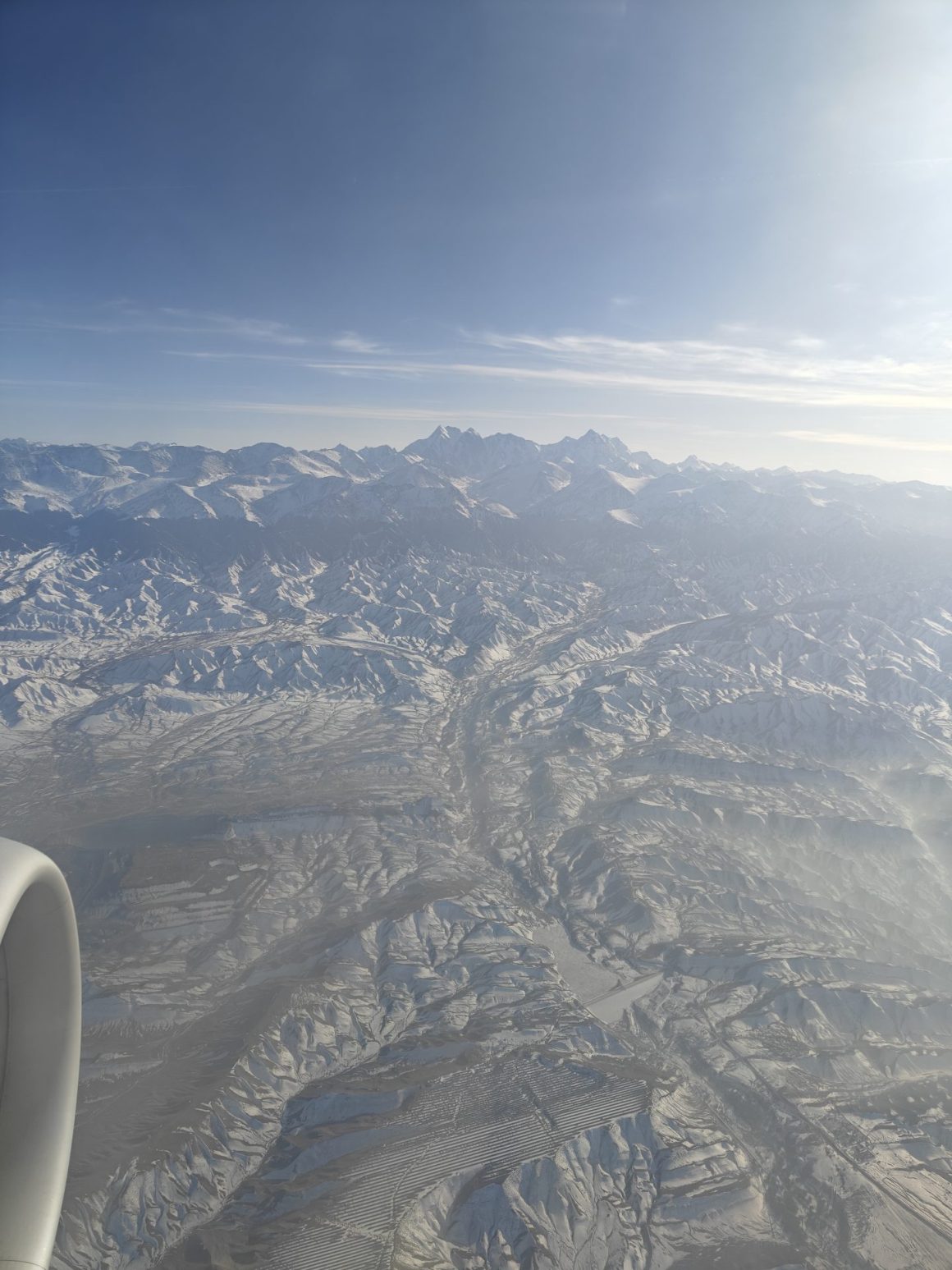
Can you travel freely in the Xinjiang Uyghur Region?
You can travel there freely as a tourist and you can move freely in the city like any other Chinese city.
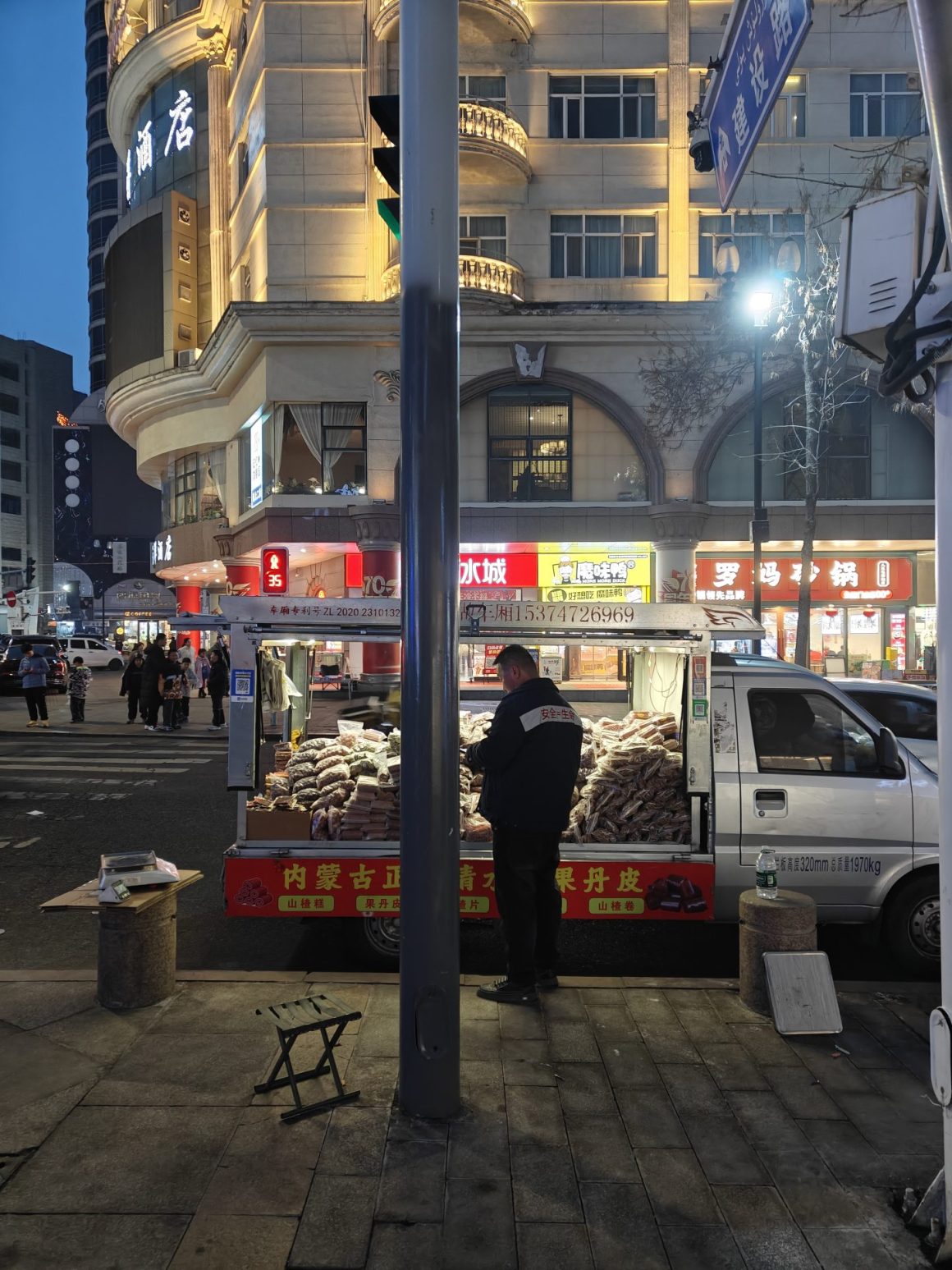
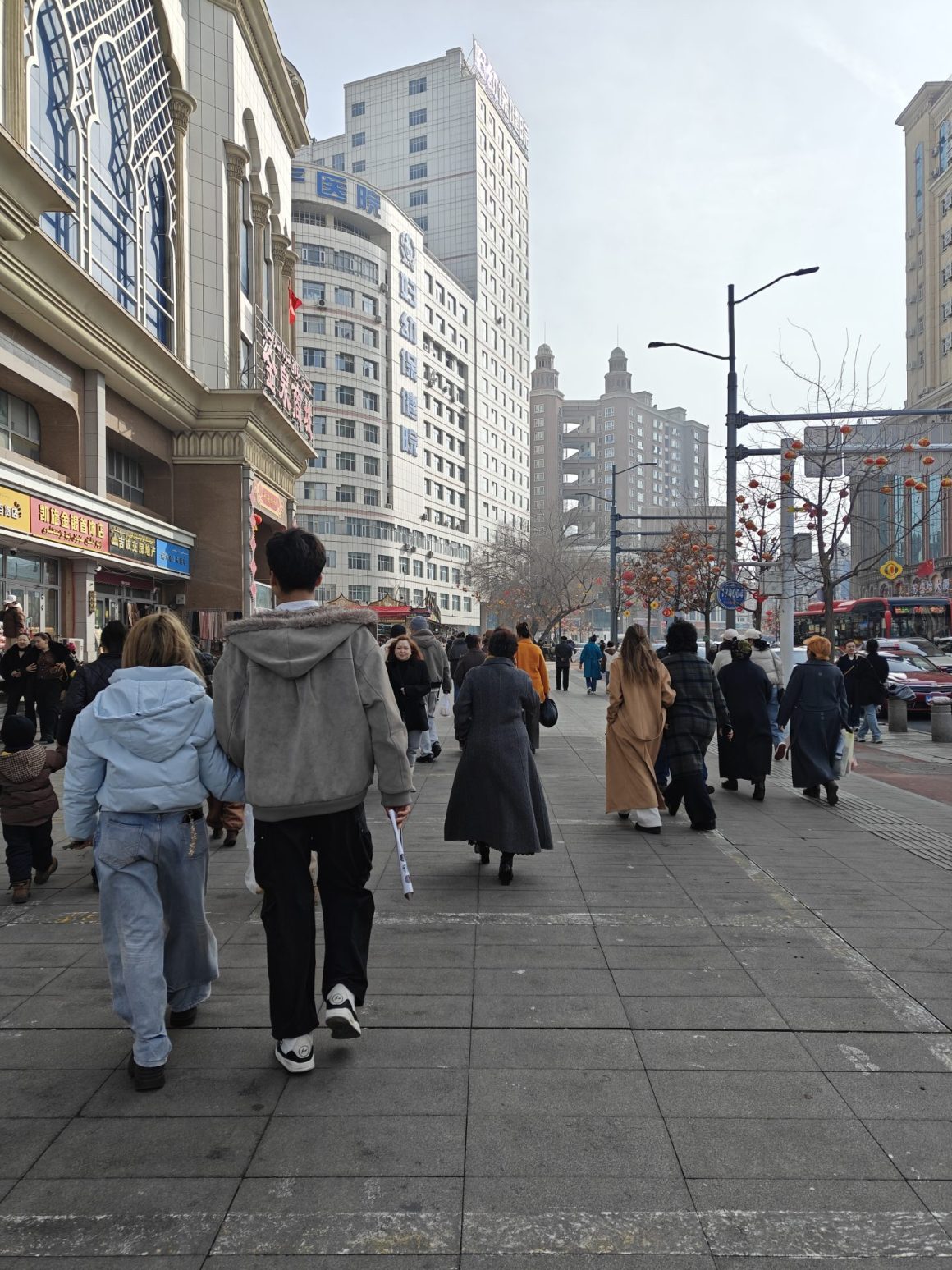
What I did see there was a massive police and semi-military presence on the streets and more cameras at street level. I also felt more eyes on me as the only European on the streets, maybe curiosity. I did not experience any identity checks, which I had read about beforehand, but regular scanners are installed in places where crowds gather.
Where you might find challenges could be if you want to leave the city to explore other areas in Xinjiang.
Also, at check-in at the hotel, the staff member took pictures of all pages in my passport, which made me a bit anxious, and asked for my travel plans, but nothing further happened. And I do not believe I was shadowed, but then who knows.
First impressions of the city
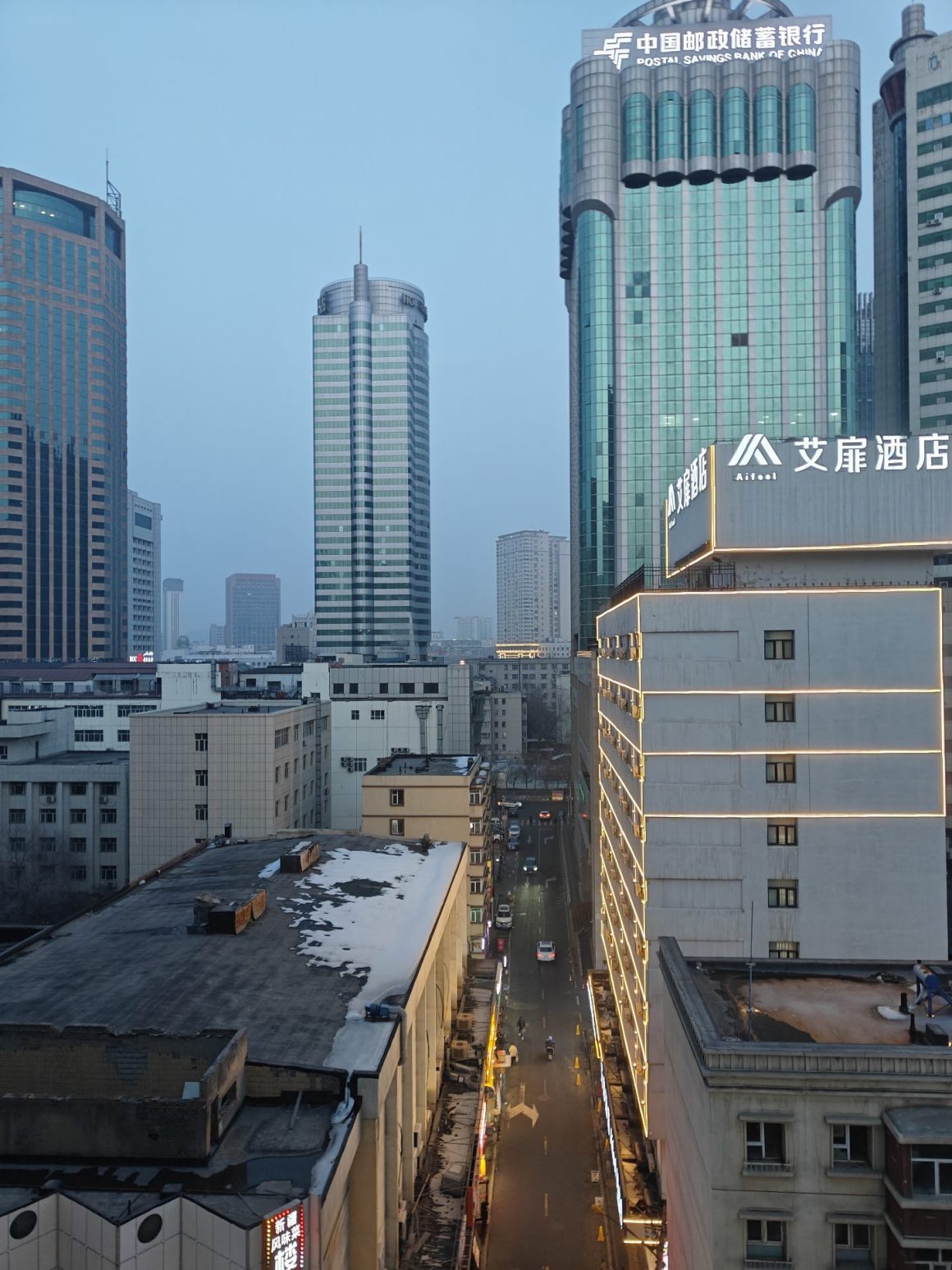
The city is a mix of Uyghur and Chinese cultures. These are the main population groups, so that makes sense.
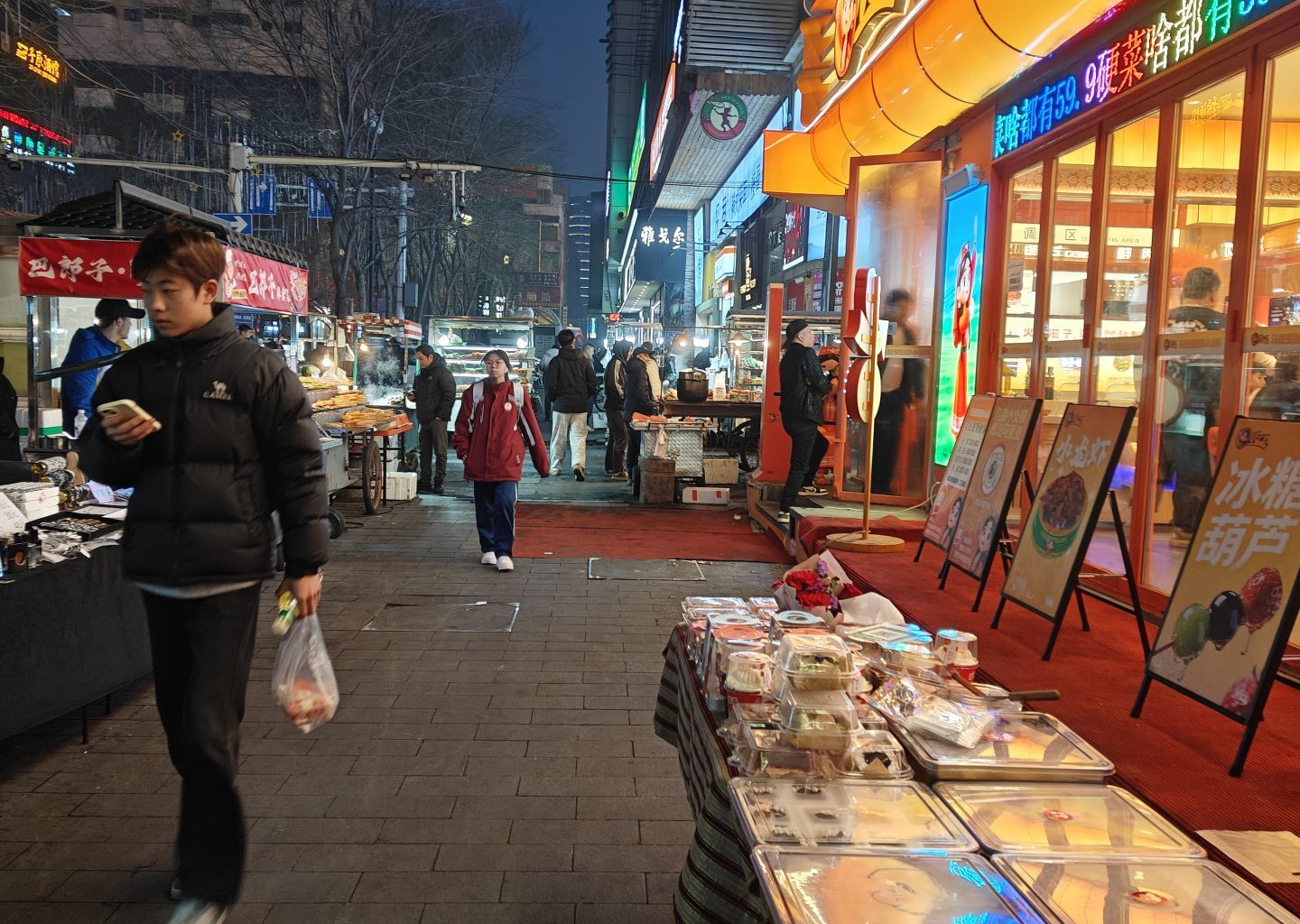
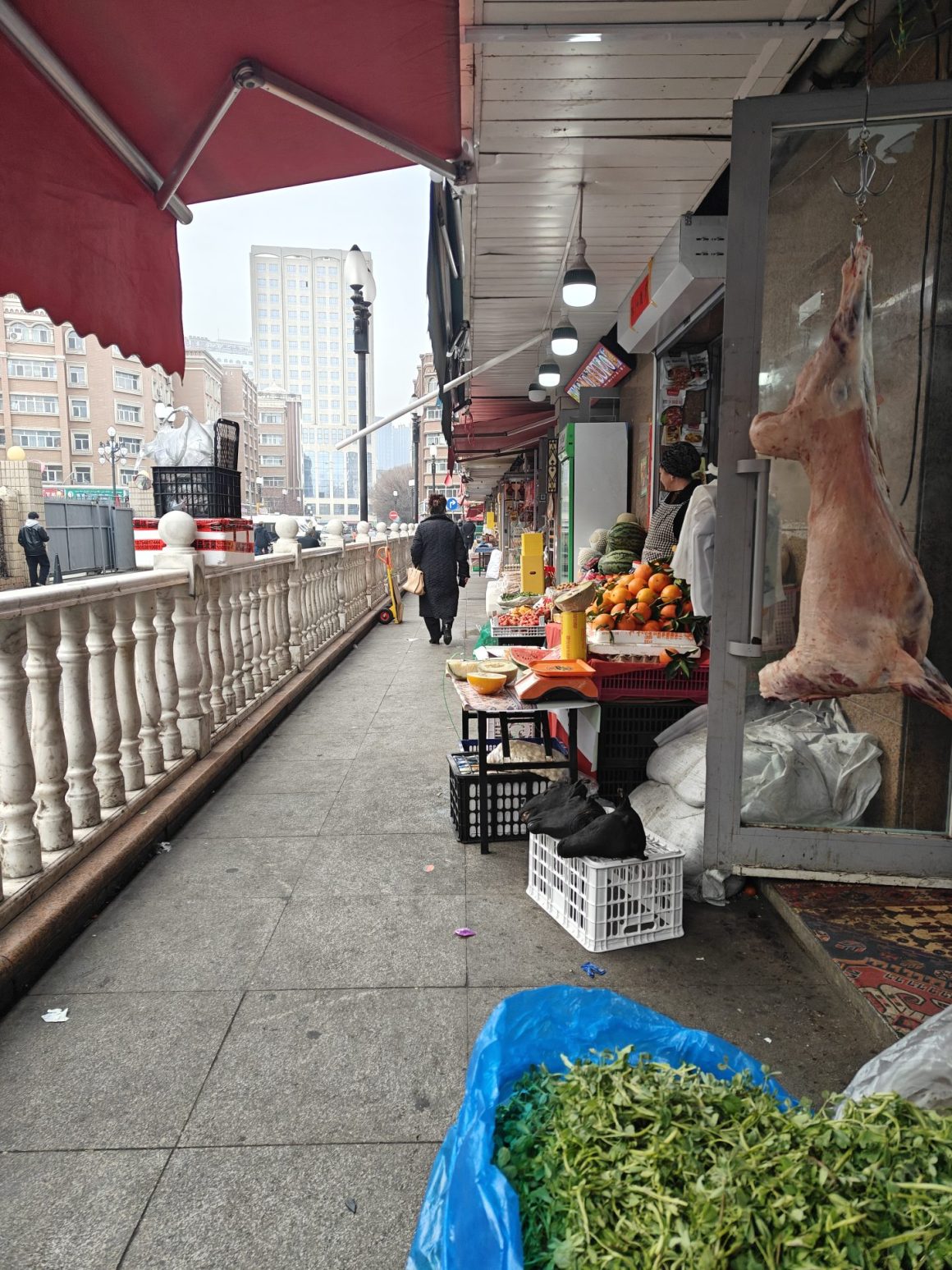
I did notice some fur-focused shops, which also makes sense, and a little bit more bazaar-style stalls, which are slightly less prevalent in major Chinese cities in 2026. I also noticed shops selling large piles of dried fruit and nuts, which Xinjiang is famous for, especially raisins, walnuts, and almonds.
I also noticed that restaurants with more Chinese-focused food seemed to be larger and more crowded, while Uyghur ones were a bit less so.
One interesting detail you notice quickly is how late the sun sets. China uses only one time zone for the entire country, and Xinjiang is the westernmost part of China. Because of that, daylight lasts much longer in the evening compared with eastern Chinese cities.
The first day I arrived in the early evening, but due to heavy smoke I did not want to stay out too long, so I just explored the area around my hotel located in the city center and found a few food places.
Hotels to stay at in
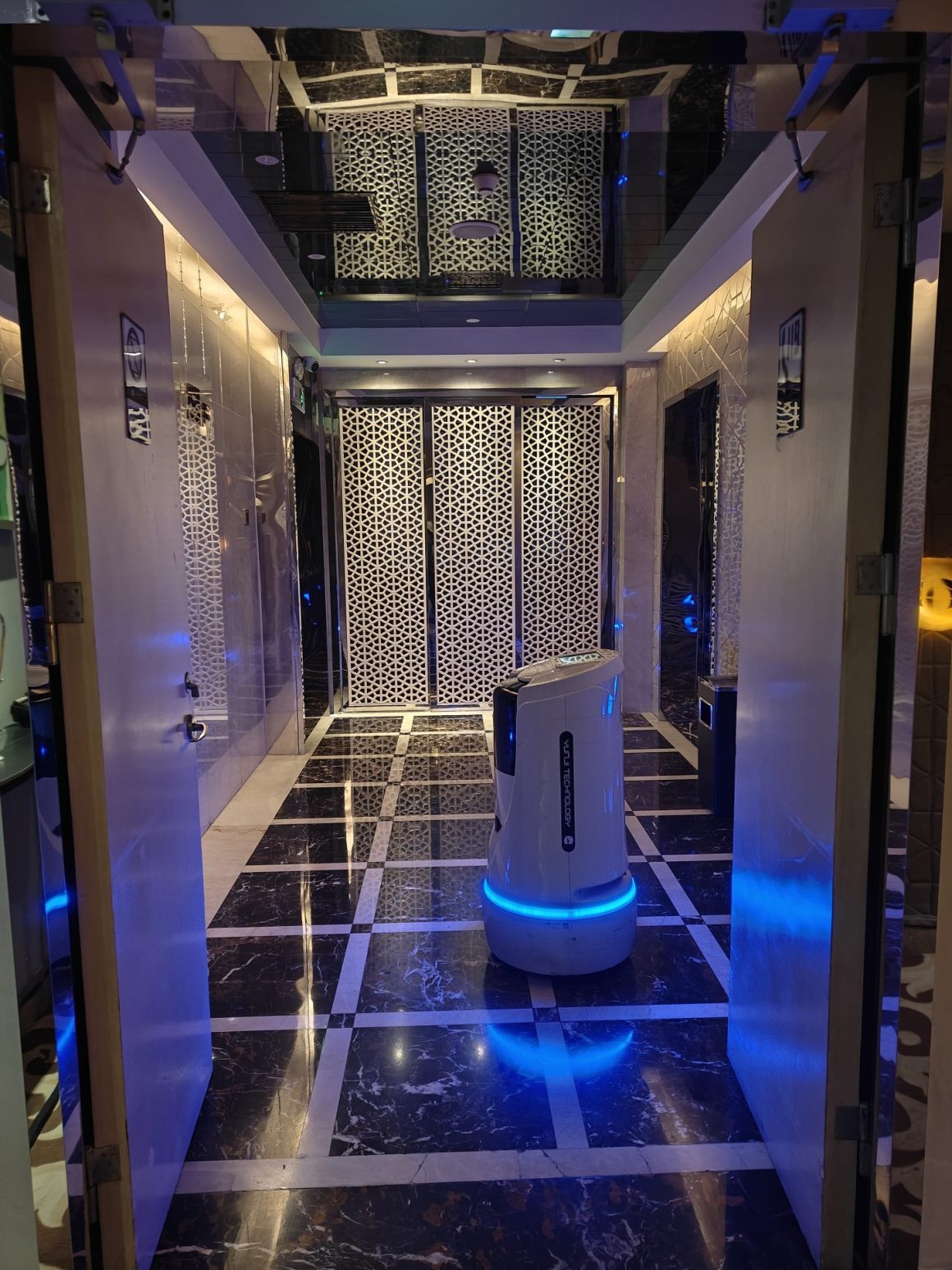
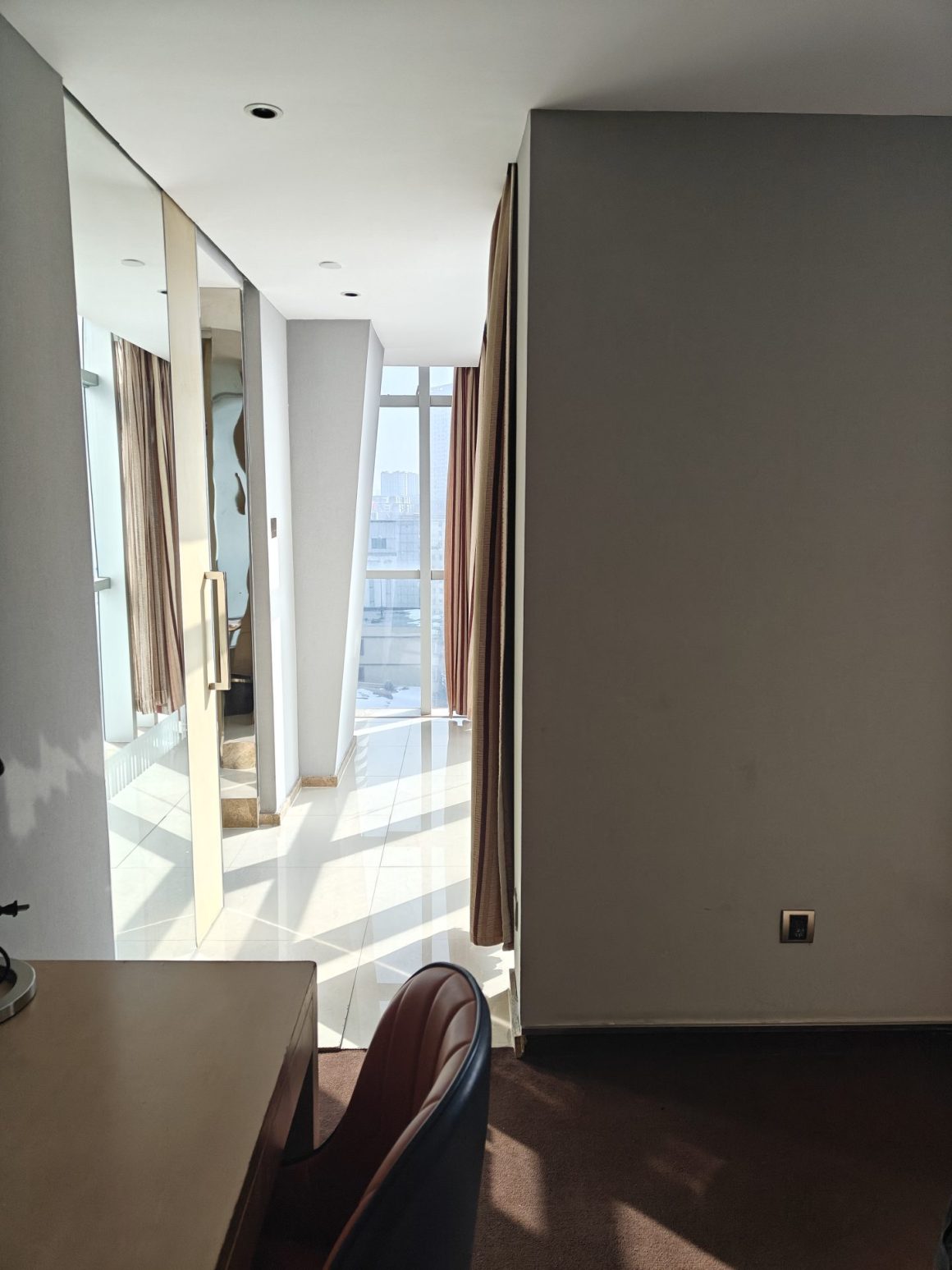
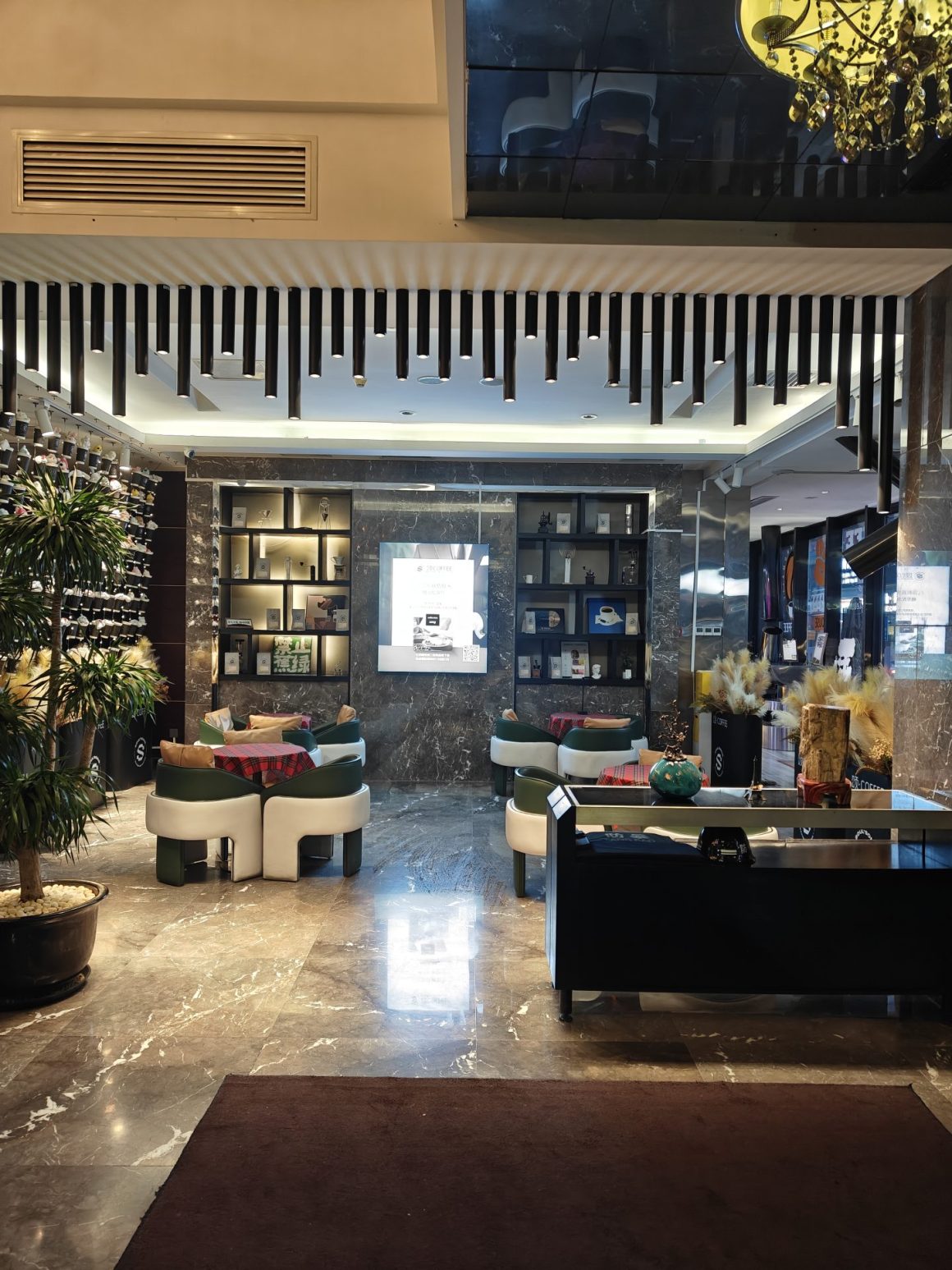
I stayed at Music Box Hotel, paying around $20 with breakfast, which was very good value like the rest of China. The hotel was simple but comfortable and located in the city center.
What to do and see in Urumqi?
Places to go are:
- The Grand Bazaar
- The Xinjiang Regional Museum (Qu Bowuguan)
- Red Hill for a view of the whole city
- The Urumqi Cultural Center in the northern part of the city
Urumqi Cultural Center
I also visited the Urumqi Cultural Center in the northern part of the city.
It is a large modern complex with museums, theatres, and cultural institutions built around wide open plazas, like you find in any modern city around the globe. When I was there, it was almost deserted, with only a few people walking around the large square areas. This modernized area, with no clear cultural character, might show the way the city is heading—something I have also seen in parts of Tashkent.
The Grand Bazaar
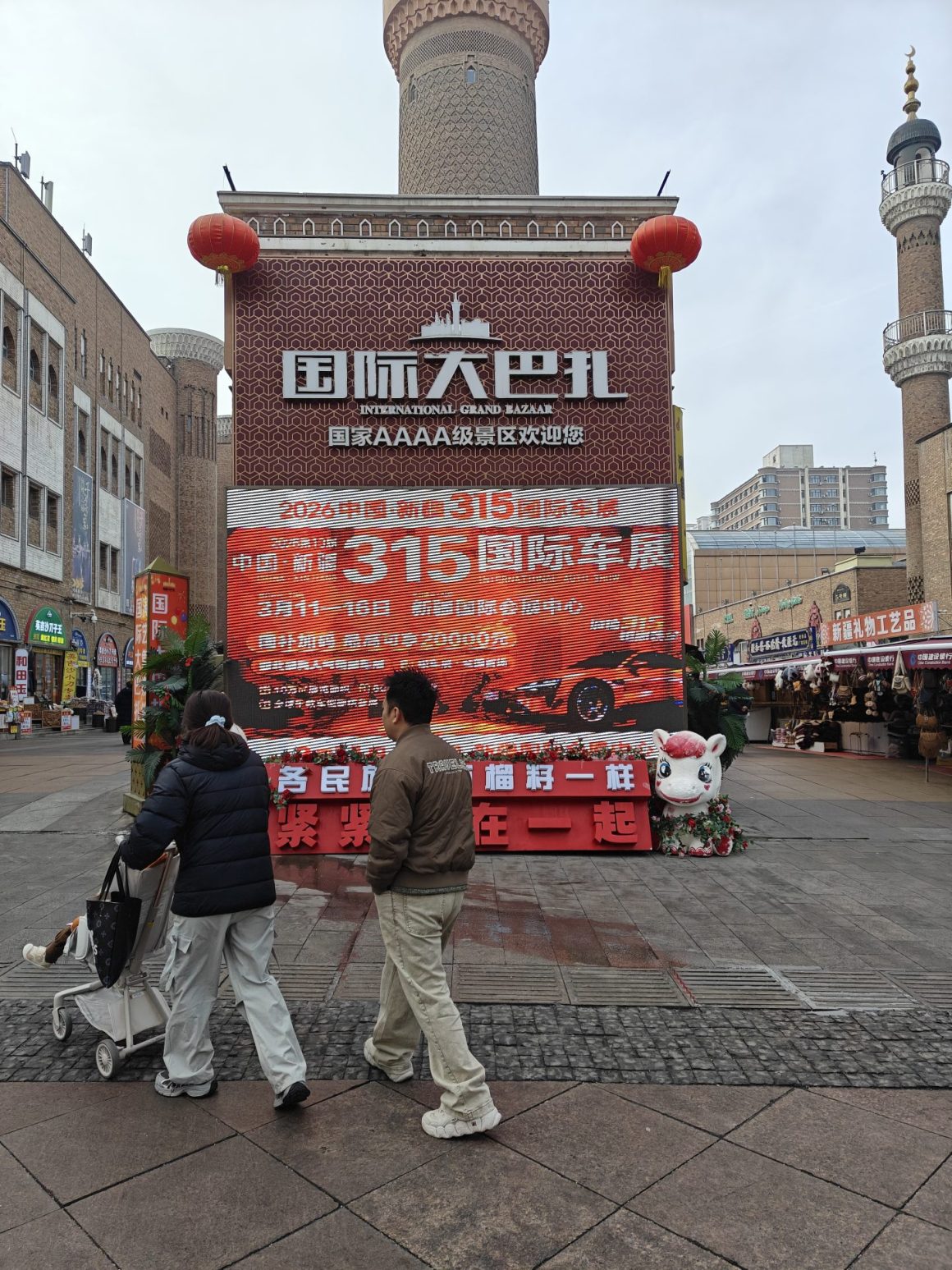
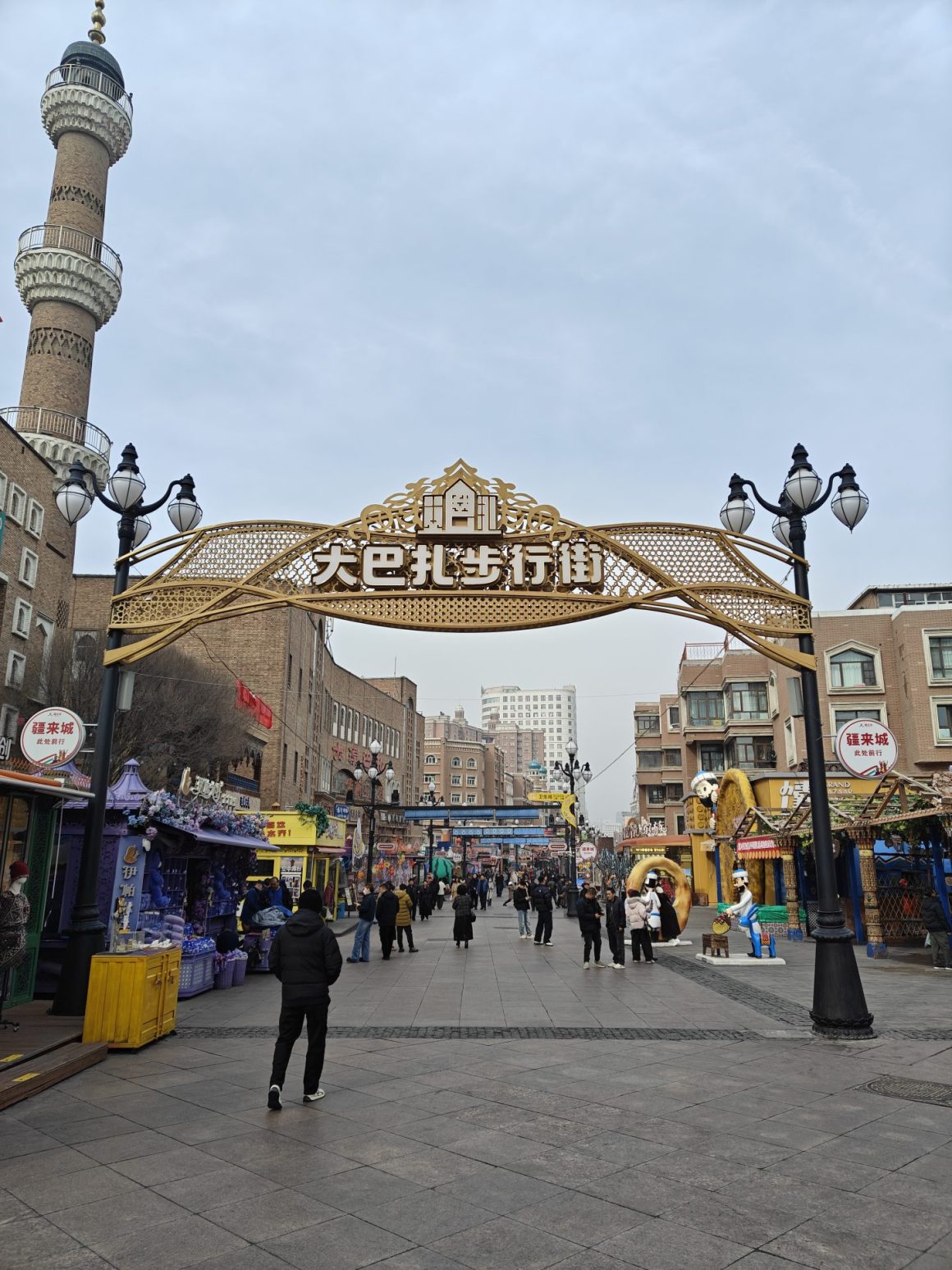
On the second day I went to the Grand Bazaar area.
The bazaar is massive and separated into several areas, and after security you can walk around the brick buildings across several floors. The floors have different specialized shops.
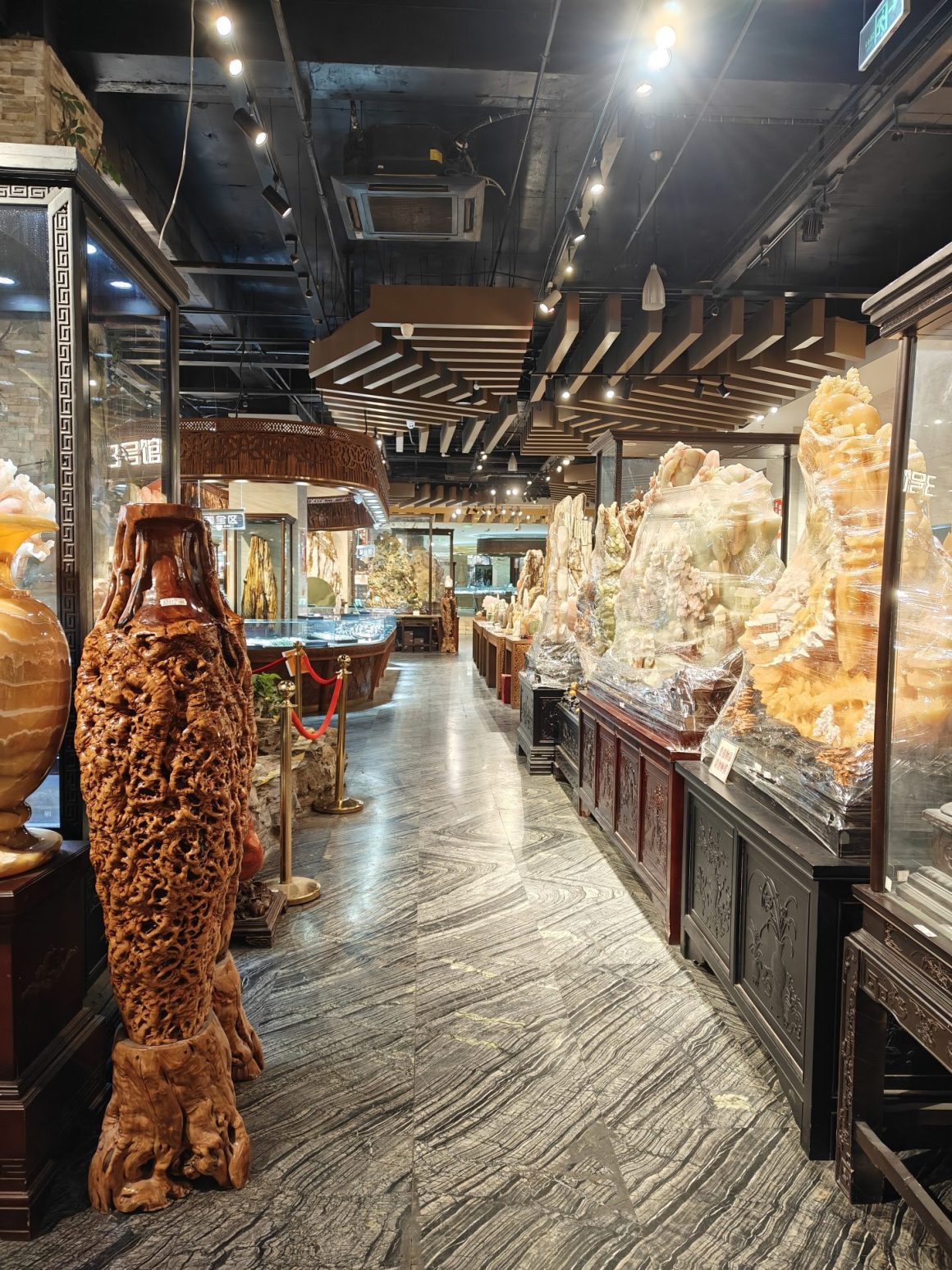
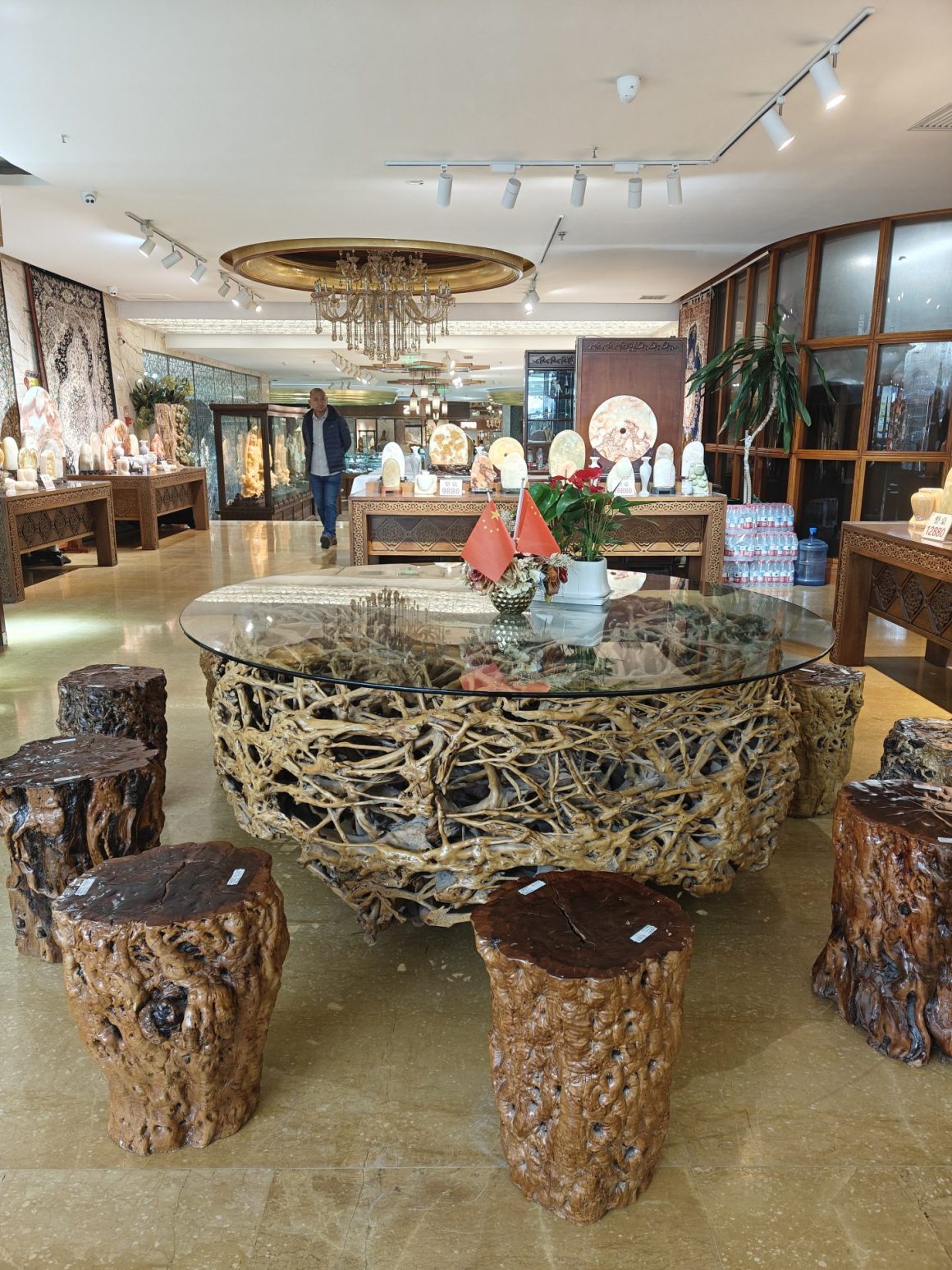
I saw a few of them, including one large shop with carved stone decorations, which seem to be for lobbies and similar spaces, with prices ranging from a few hundred dollars to tens of thousands of dollars. Very impressive, as I have never seen such a collection of carved stones or quartz.
Other shops specialized in jewelry, which also seemed much more prevalent.
The bazaar continues outside, but it never becomes really oriental, more like a Chinese mall with some Uyghur-themed shops selling silk, cashmere, and leather goods.
Outside the main area more preserved foods, fruit, and other more classical bazaar items were found, but the actual bazaar area was cleaner and more commercial, with chain bubble tea shops and other Chinese fast-food stalls.
On the main plaza a few people were dancing what seemed to be a local dance in front of a large crowd.
The bazaar feels more like a shop window for international tradesmen.
The bazaar is quite orderly and resembles more a typical Chinese mall with bubble tea and many stalls, and less the oriental-style bazaars you find in Central Asia and Turkey. They had several specialty shops with huge carved stones, which seems to be their specialty. Of course they also have silk and wool shops with many beautiful textiles. I am not sure whether these are locally produced or from elsewhere in China.
Food in the bazaar
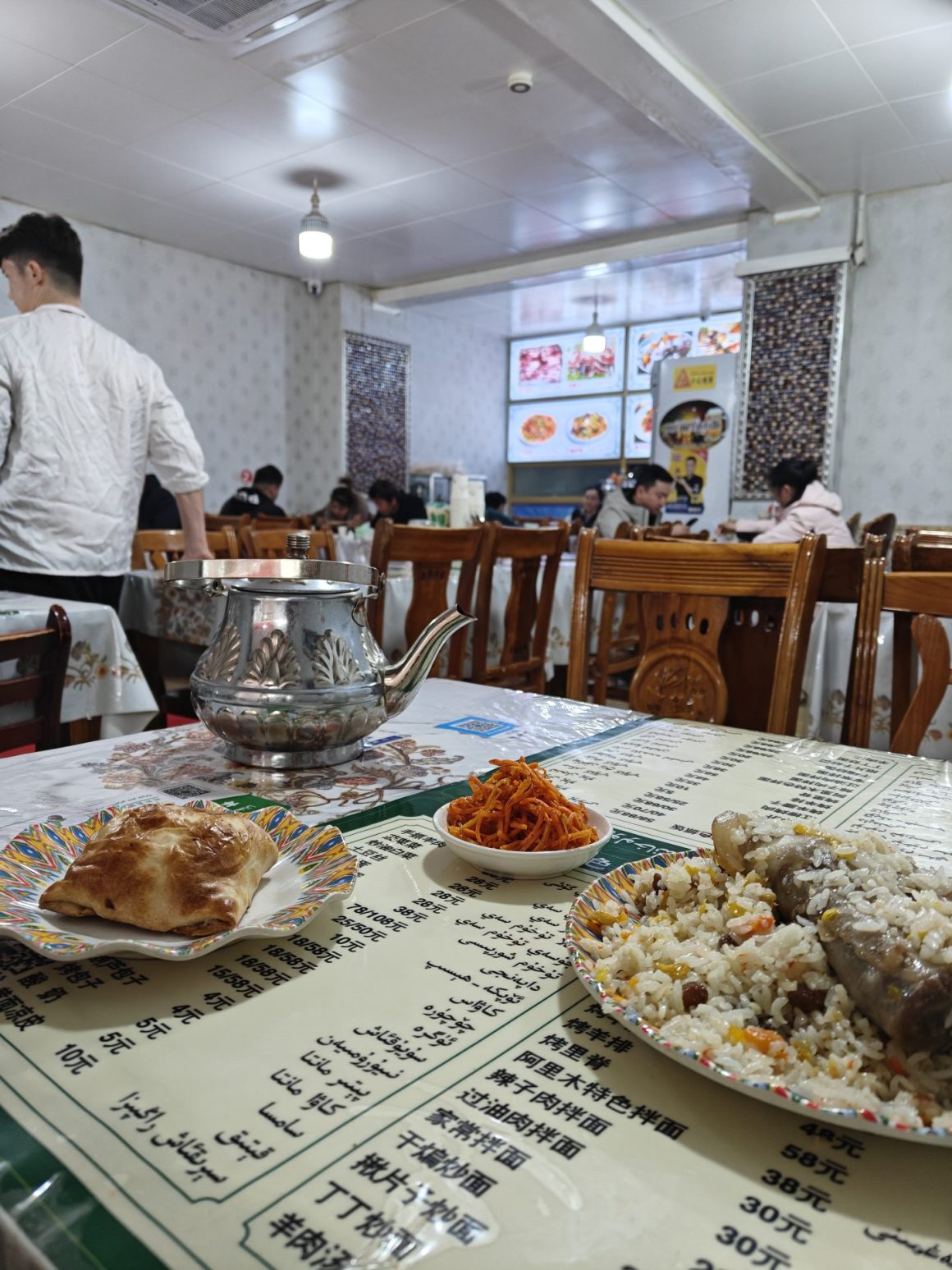
I also tried a few local delicacies.
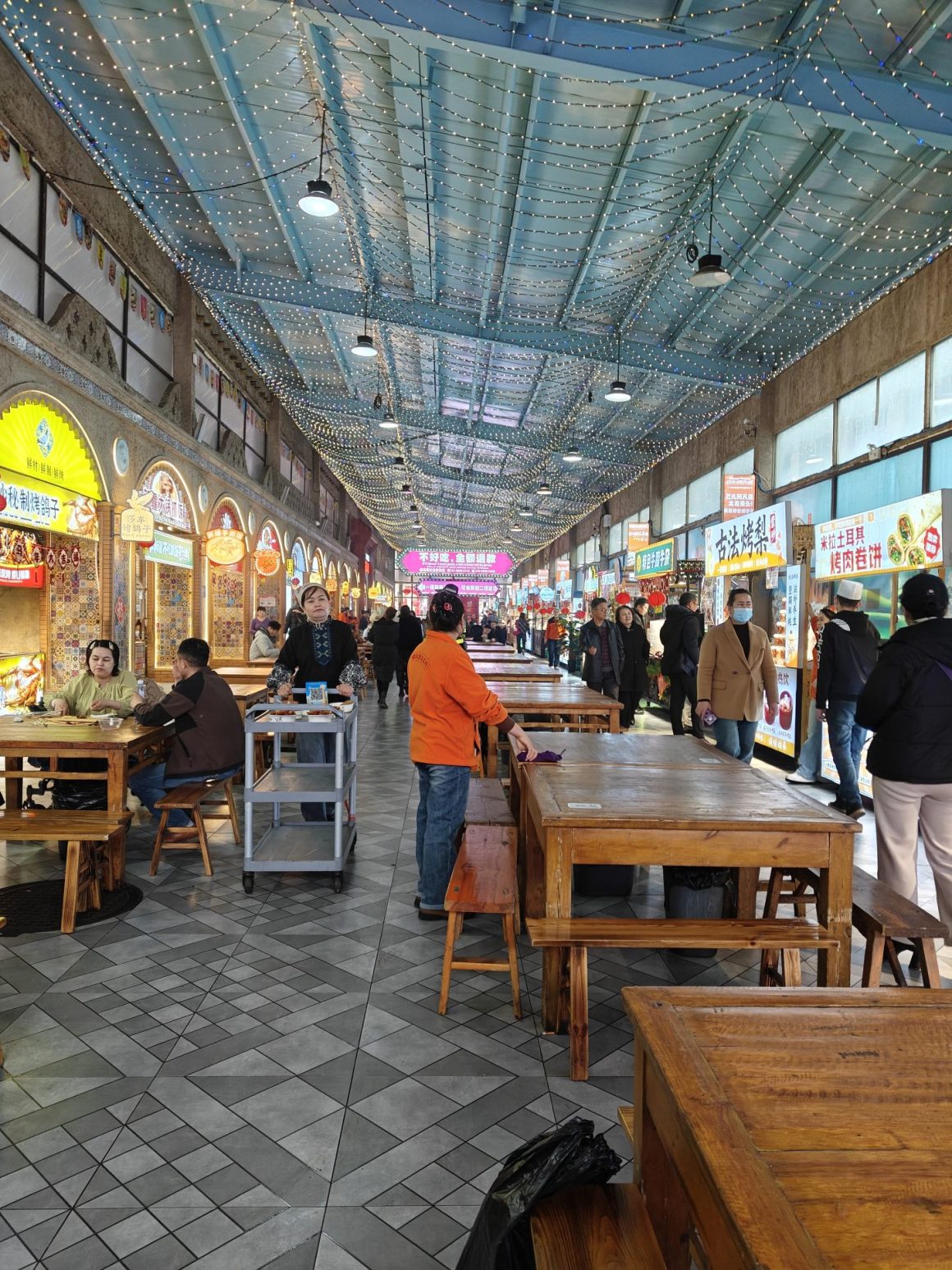
In a food-mile-like food court I tried a few things like honey beer and grilled meat on sticks, which has many names depending on the culture.
Visiting Ürümqi & Xinjiang (Summary and Update)
Ürümqi, the capital of China’s Xinjiang region, is one of the least-visited destinations by Western travelers – but it’s surprisingly accessible if you know what to expect. During a short layover stop, I found a city shaped by both Uyghur and Chinese cultures, with modern plazas, massive bazaars, and a visible security presence. While you can move freely within the city, travel outside urban areas can be more complex.
Hotels are affordable, food is rich in Central Asian flavors, and the experience feels both familiar and slightly surreal – like a Chinese city with a different rhythm, longer sunsets, and a unique cultural mix.
Is it safe to visit Ürümqi?
Yes — for tourists, Ürümqi is generally considered safe in terms of crime. The city is highly monitored, with a strong police and surveillance presence. This can feel unusual, but it also contributes to a low level of street crime.
Can foreigners travel to Xinjiang?
Yes — foreigners can visit Ürümqi and travel within the city freely. However, travel to more remote areas of Xinjiang may involve additional checks or restrictions, and rules can change. Always check current travel advisories before planning.
What is Ürümqi like as a city?
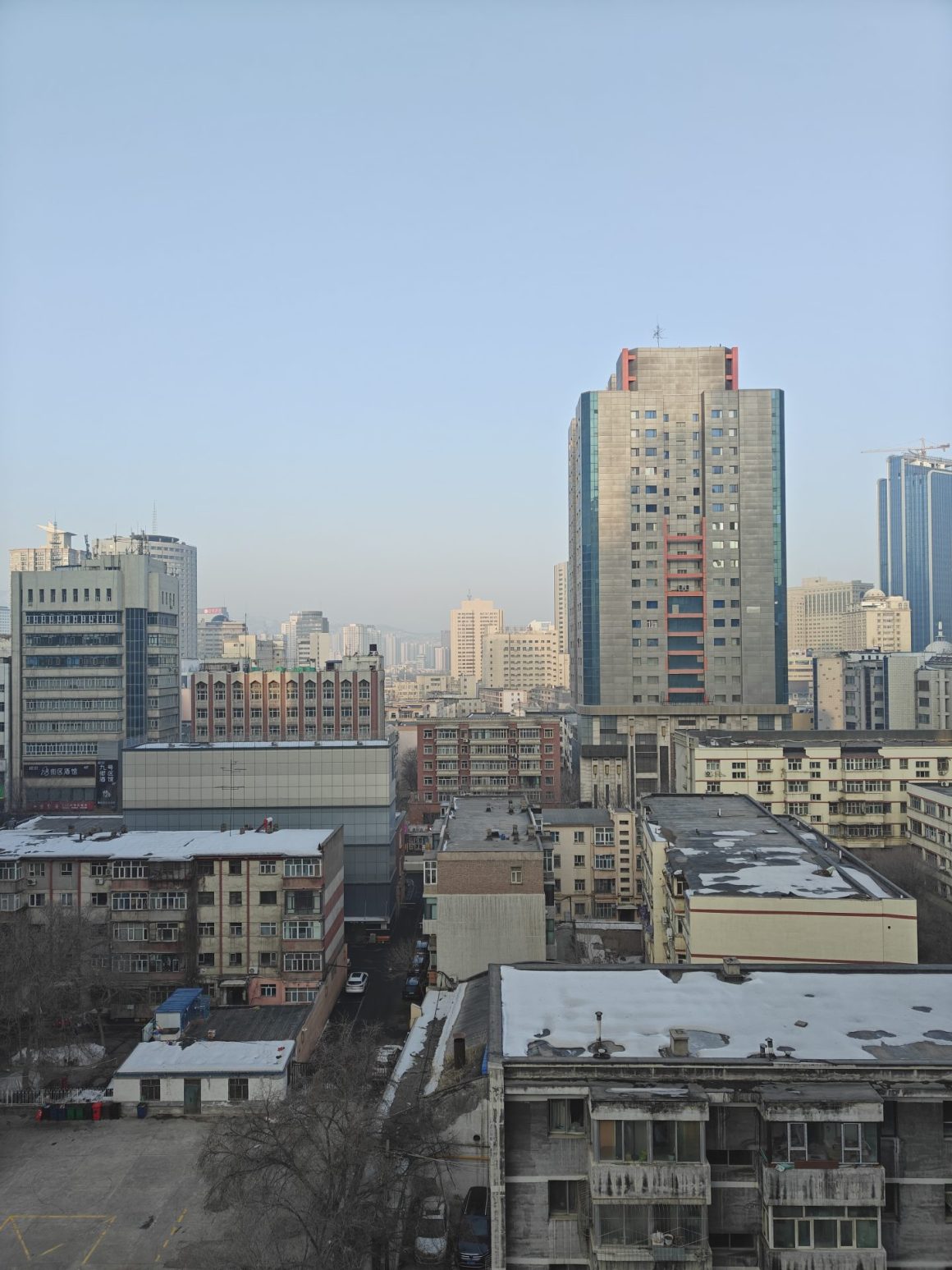
Ürümqi feels like a mix of a modern Chinese infrastructure (shopping malls, wide plazas) and Uyghur cultural elements (food, markets, textiles)
It’s less chaotic than many big Chinese cities and has a slower, more spacious feel — with very late sunsets due to China’s single time zone.
What are the top things to do in Ürümqi?
- Visit the Grand Bazaar (huge, modernized market complex)
- Explore the Xinjiang Regional Museum
- Walk up Red Hill (Hongshan) for city views
- See the Ürümqi Cultural Center for modern architecture
What food should you try?
- Grilled meat skewers (Central Asian style)
- Dried fruits and nuts (raisins, walnuts, almonds)
- Local drinks like honey beer
Are there any unusual things to know before visiting?
- Internet restrictions apply — many Western apps may require a VPN. Here is the list of the best VPN services.
- Hotels may take detailed passport scans at check-in
- Security scanners are common in public places
- Air quality can vary (consider checking apps like IQAir). See the best apps for travel you may need.