


In 1908 a wine grower from Béziers walked into a public auction and bought a 12th-century Cistercian abbey. He was bidding against buyers who intended to take it apart and ship the pieces to America. He won, spent the next decade restoring it, and then asked a friend to paint the library.
The friend was Odilon Redon. The two panels he painted for that room hung there for a hundred and fifteen years. When conservators finally lifted them off the wall, they found drawings underneath: Redon had sketched the composition straight onto the stone, and nobody alive had ever seen it.
Gustave Fayet is the most important French collector most people have never heard of. He owned around a hundred paintings by Gauguin and ten by Van Gogh at a time when neither artist was a safe bet, along with works by Degas, Manet, Pissarro and Redon. He was also a painter, a ceramicist, a carpet designer and a glassworks proprietor, and he ran all of it on the proceeds of Languedoc wine.
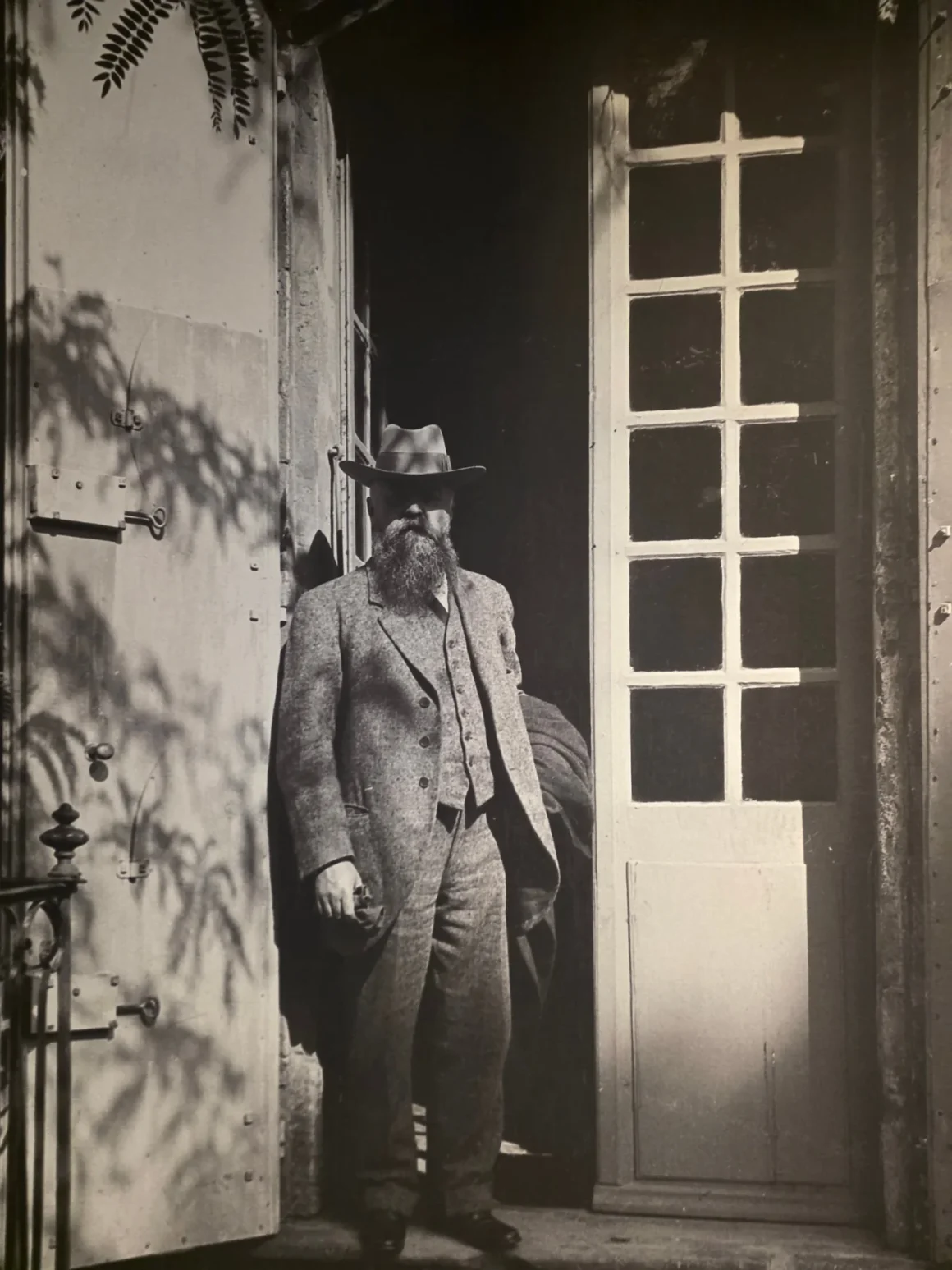
The reason he is half-forgotten is simple: when he died in 1925 the collection was split between his four children and sold off across the world, so there is no Musée Fayet full of Gauguins. What there is instead is the houses. He bought two ruined abbeys and restored both, and almost everything he touched is still standing and, in most cases, open.
Here is the life in nine addresses — and one of them has a deadline.
Béziers: The House He Was Born In Is Now a Museum
Fayet was born here on 20 May 1865, in a 17th-century townhouse that had been enlarged in the 19th and already contained a large artist’s studio — his father Gabriel and his uncle Léon were both painters and collectors. He came to art before he came to money, which is the detail that explains the rest of his life.
The family were wine merchants in Béziers from the late 1600s, and by 1900 he was conservator of the town’s museums, aged thirty-five. His own family gave this house to the town in 1966; it opened as a museum in 1990 and holds the studio collection of the Béziers sculptor Jean-Antoine Injalbert along with European painting from the 17th to the 20th century. In 2019 it was awarded the Maison des Illustres label in his memory.
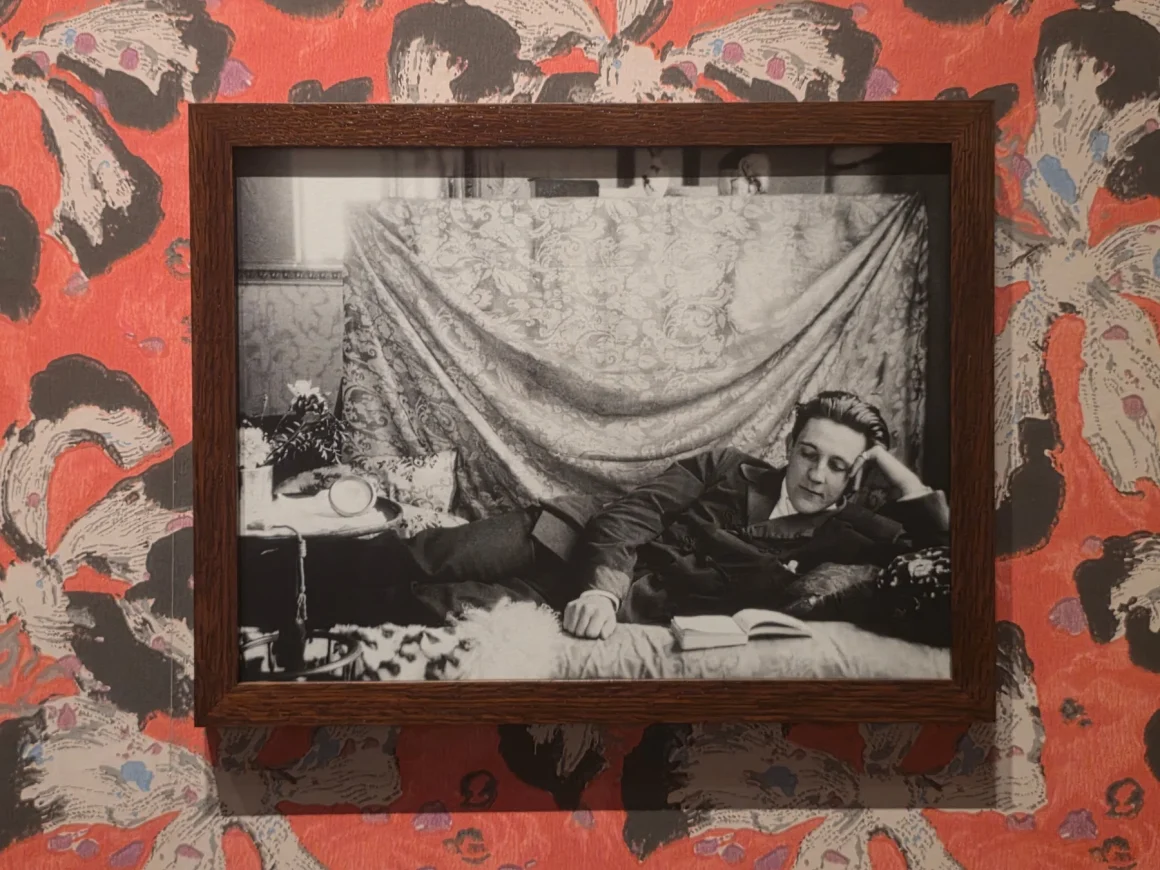
Open Tuesday to Sunday, 11am to 6pm in summer. €3.50, or free on the first Sunday of the month. The museum’s other building, the Hôtel Fabrégat, has been closed since 2018.
Sorèze: The Boarding School Where He Met the Right Person
He was sent to this former Benedictine abbey turned boarding school in the Tarn between 1878 and 1881, and what he got out of it was not an education but a classmate. Maurice Fabre was another Languedoc wine grower’s son who would become a collector in his own right, and two decades later it was Fabre who introduced Fayet to Odilon Redon and to the circle around Gauguin.
The school still stands and holds two museums: one on three centuries of its own unusually progressive teaching, and the Musée Dom Robert, devoted to the monk-painter and to 20th-century Aubusson tapestry. Tickets from €9.
Paris: The Private Gauguin Museum on rue de Bellechasse
From 1905 until his death this was where the collection lived. At its peak the house held close to two hundred Gauguins, hung as a private museum, and anybody who cared about modern painting came to see it: Vollard, Durand-Ruel, Gertrude Stein, Harry Kessler, the Russian collector Ivan Morozov. Picasso came in April 1906.
It also became the base for the Atelier de la Dauphine, the carpet workshop Fayet set up in Paris with Fernand Dumas, weaving his own designs through the early 1920s for clients including Paul Poiret, Jacques Doucet and Jeanne Lanvin.
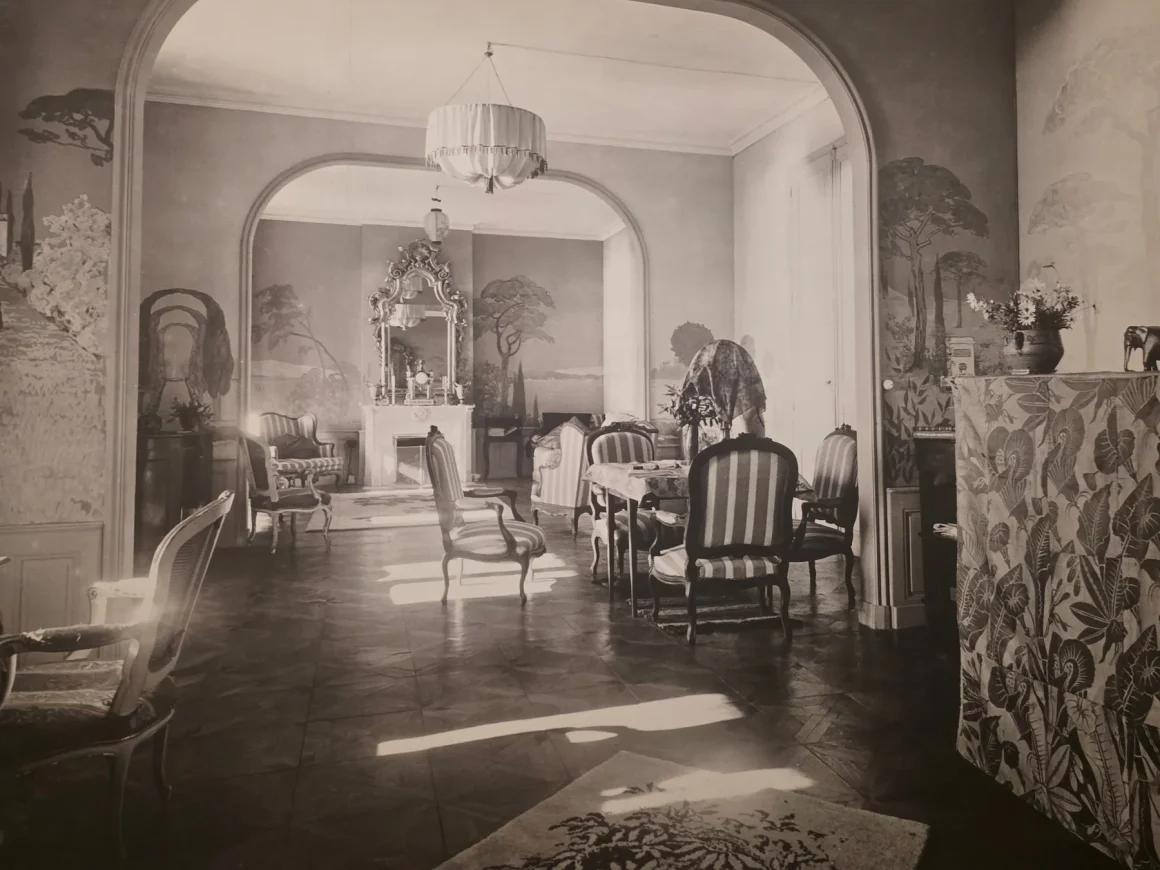
The house is private — this is an address to walk past, not into. It sits on the quiet street running up from the Musée d’Orsay towards the Assemblée Nationale, and if you are making a trip of it, our guide to small, cozy hotels in Paris covers where to sleep a few streets away.
Narbonne: The Abbey He Bought at Auction, and the Room That Cannot Be Moved
This is the one to see. In 1908 Fayet and his wife Madeleine d’Andoque de Sériège bought the abbey at public auction, outbidding buyers who would have exported it, and spent roughly ten years turning it into what the family describe as a total work of art: a home, a working wine estate and a refuge for artist friends.
The library, one floor above the cloister gallery, is the room that matters. Fayet had Odilon Redon paint it in 1910 and install the work himself in 1911: Le Jour and La Nuit, each about two meters high and six and a half long, with Le Silence alongside them. They stayed on those walls, barely touched, for the next hundred and fifteen years.
In 2026 they came down for conservation — and behind the canvases were drawings Redon had made directly on the stone. Figures with medieval faces, some of which turn up again in the finished panels. Nobody knew they existed. Experts read them as real preparatory work rather than idle marks, which makes them the first new Redons to surface in a very long time.
Fayet also founded a glassworks for the sole purpose of making the abbey’s stained glass, with the glassmaker Richard Burgsthal. The abbey is still owned by his descendants and open every day, with a tasting cellar for the estate’s Corbières — reason enough for anyone who follows wine tourism to build a day around it.
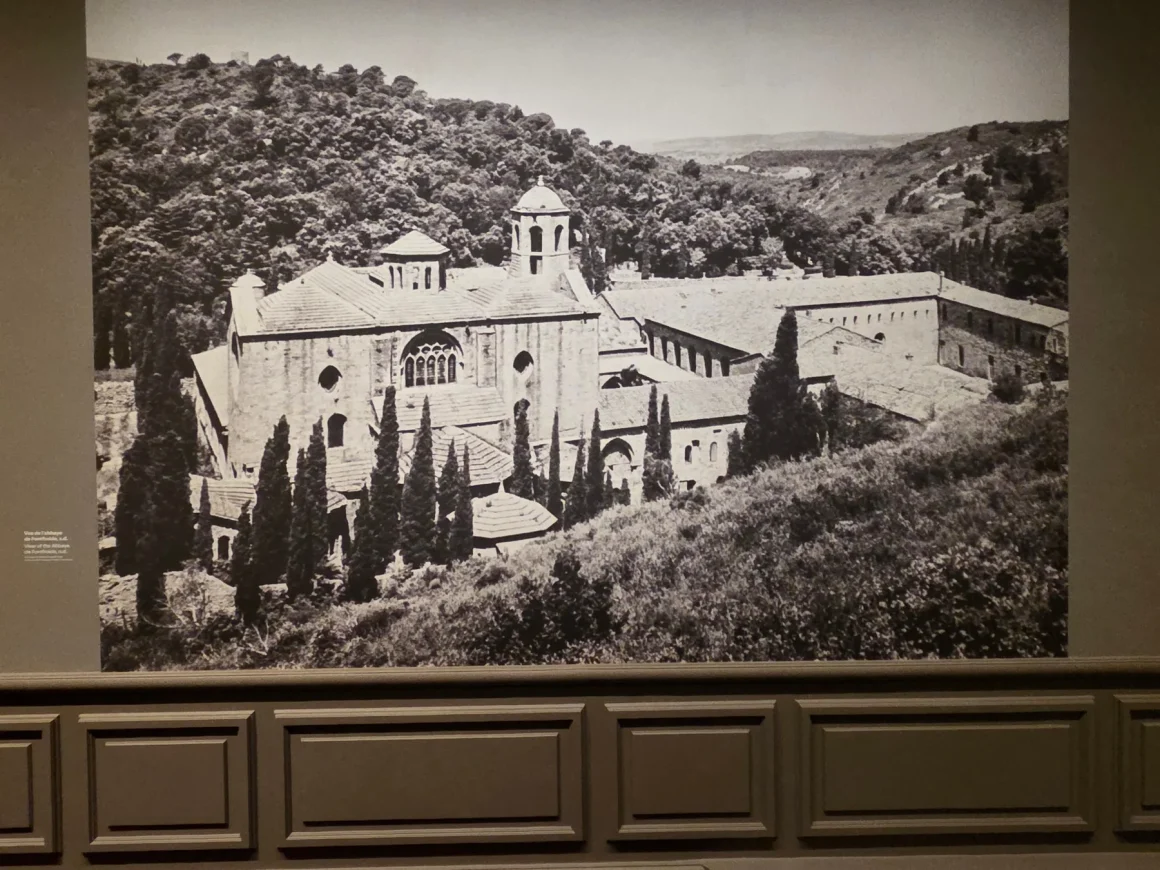
Book the right ticket. The standard routes cover the church, cloister, chapter house and terraced gardens, and they do not include the library or the family rooms: self-guided €14, guided €17.50 for an hour. The Visite Fayet is the one that opens the normally closed spaces, the library among them — €29, or €19 for ages six to twenty-five. Open daily, 10:30 to 5 from November to March, later the rest of the year.
Igny: The Château Nobody Writes About
In 1912 Fayet bought a château in the Bièvre valley, south-west of Paris, and hung part of the collection there rather than in town. The same year he met Richard Burgsthal and financed the Verrerie des Sablons at nearby Bièvres, a glassworks founded to produce the Fontfroide windows and which went on to make some thirty church windows elsewhere.
It is the least visible of his houses, and the only one with no way in. Included here because accounts of Fayet tend to skip it, and because the glassworks it paid for is the reason Fontfroide’s windows look the way they do.
Villeneuve-lès-Avignon: The Abbey He Bought for Somebody Else
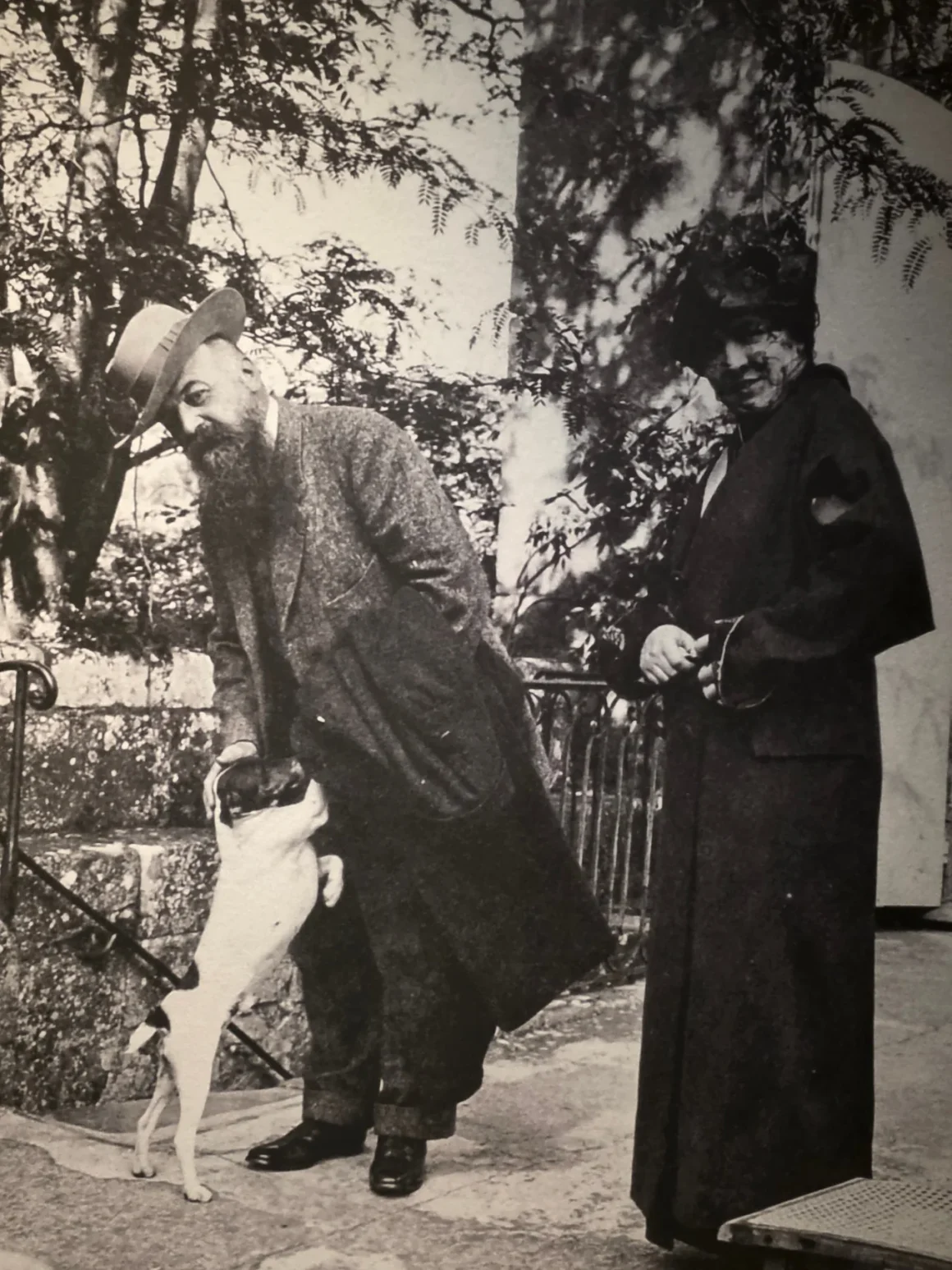
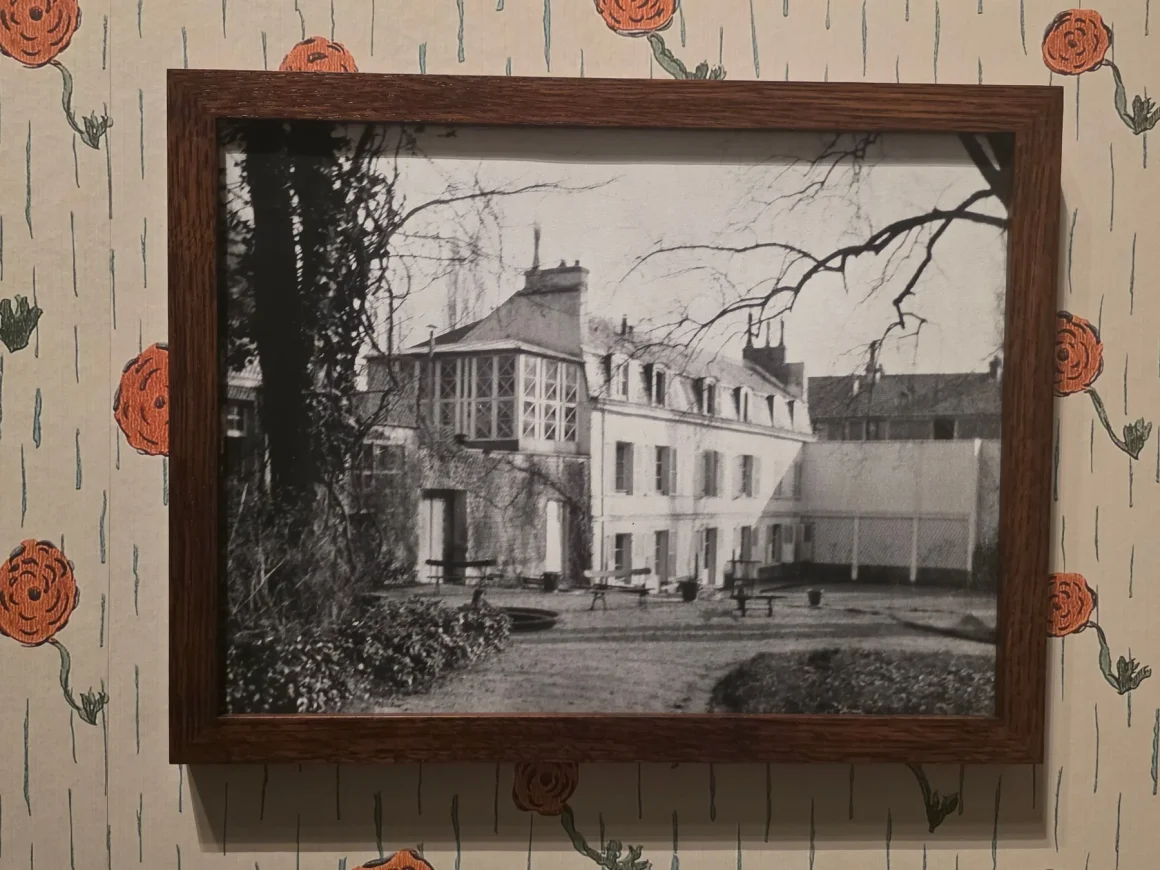
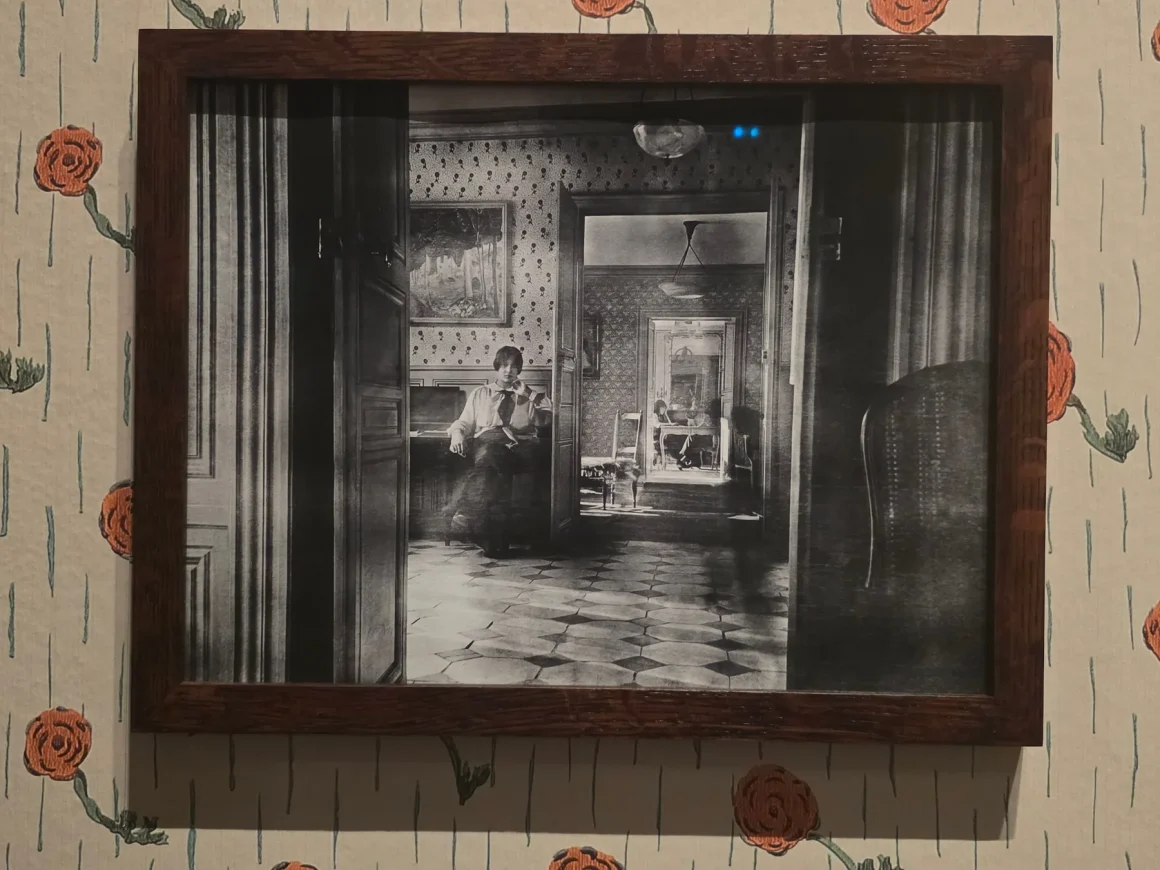
In August 1916, in the middle of the war, Fayet bought a second ruined abbey — this one on the summit of Mont Andaon, looking across the Rhône at the Palais des Papes in Avignon. Then he did something unusual with it: he didn’t move in.
Elsa Koeberlé had discovered the place in 1915. Fayet bought it and installed her as locataire à vie, lifetime tenant. She lived there until her death in 1950 and spent her own fortune restoring it, and Roseline Bacou carried the work on from 1950 and opened the abbey and its gardens to visitors for the first time in 1990.
The abbey and gardens were classified as a monument historique in 1947, and the gardens took the Jardin Remarquable label in 2014. Open 1 March to 31 October, Tuesday to Sunday. If the idea of a monastic building reborn as something else appeals, Hôtel du Couvent in Nice is the same instinct applied a century later and two hundred kilometers east.
Béziers Again: The Grave, and What Happened to the Collection
He spent his last summer traveling in Italy — Venice and Verona, the kind of trip our Venice art guide is still built around — and died in Carcassonne on 24 September 1925, aged sixty. He was brought back to Béziers and buried in the old cemetery, a few minutes from the house where he was born.
Two years earlier he had divided his estates among his four children in a donation-partage. The collection went the same way after his death: split four ways, then sold piece by piece around the world. It is the reason a man who once owned a hundred Gauguins has no museum of his own, and the reason the next address matters.
Paris: Everything Back in One Room, Until 8 March 2027
For the centenary of his death, the collection has been reassembled for the first time since 1925. More than 250 works he owned, including ten Van Goghs — among them the 1889 self-portrait with bandaged ear and pipe, which has not been shown in France since 1937 — hung alongside 374 of his own creations: watercolors on blotting paper, stoneware, and the woven rugs, most of which have never been publicly exhibited. Curated by Sylvie Patry and Angeline Scherf, with scenography by Robert Carsen. 728 works and documents in all.
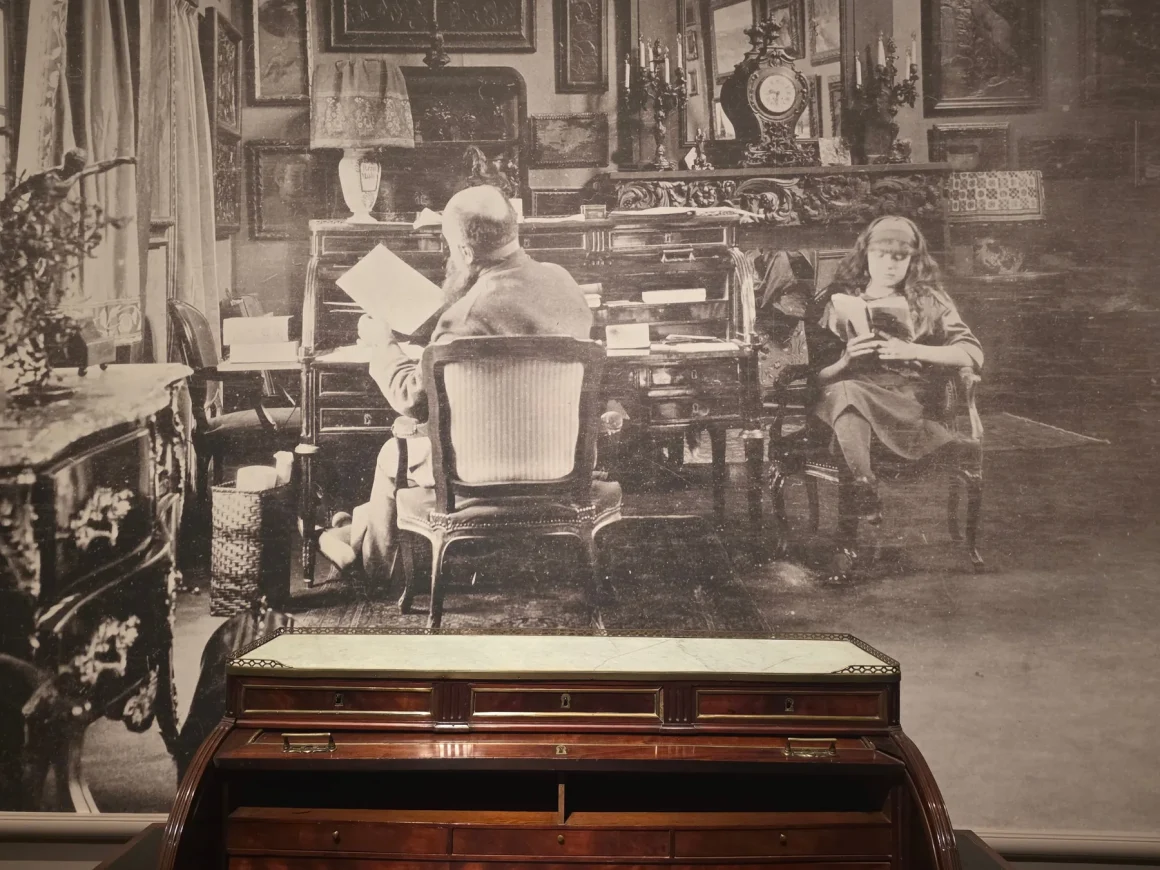
Gustave Fayet, Collectionneur – Créateur. Icônes de l’art moderne runs to 8 March 2027. Tickets from €19.20, children €6.70.
After that the paintings go back to where they live, which is the best argument for seeing them together while you can: Gauguin’s The Yellow Christ returns to the Buffalo AKG Art Museum, Portrait of the Artist with the Yellow Christ to the Musée d’Orsay, Breton Calvary to the Royal Museums of Fine Arts of Belgium in Brussels, and the rest to Boston, Cleveland, the Musée Hyacinthe Rigaud in Perpignan, the Musée des Beaux-Arts de Béziers, and private hands.
How to do it in one trip: Béziers, Narbonne and Sorèze sit within an hour and a half of each other in Occitanie, and Fontfroide is twenty minutes from Narbonne station. Villeneuve-lès-Avignon is two hours further east, directly across the river from Avignon. Paris is the bookend at either end of the story — the house on rue de Bellechasse where the collection hung, and the Fondation Louis Vuitton where it has briefly come home. Start with our guide to France for everything in between.
What to Read and Watch
- Gustave Fayet, Collectionneur – Créateur. Icônes de l’art moderne — the Fondation Louis Vuitton’s 2026 catalogue, curated by Sylvie Patry and Angeline Scherf. The first substantial publication on him, and the reason he is being talked about at all.
- There is no biography in English and no film. That is the whole point of him: a man who owned a hundred Gauguins and ten Van Goghs, and who has to be reconstructed from exhibition catalogues and his own houses.
- For the houses themselves, Fontfroide and the Abbaye Saint-André both publish their own histories, and both are better written than most guidebooks.
Sources: gustavefayet.fr · Ville de Béziers · Plateforme Ouverte du Patrimoine, record PM11003165 · Abbaye de Fontfroide · Abbaye Saint-André · Fondation Louis Vuitton · Musée d’Art Gustave Fayet à Fontfroide · Château de Raissac · Tourisme Occitanie


 Martinique
 Romania
 Scotland