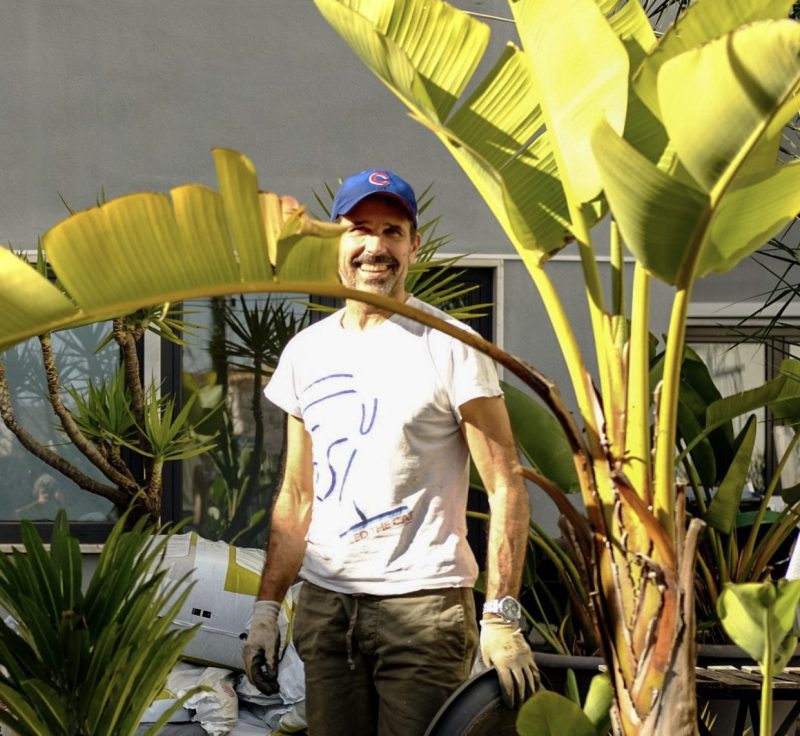




At Volcanic Beings, visitors are asked to keep their hands behind their backs and let the cow make the first move.
Mariana Pereira runs the project on her father’s family dairy farm on São Miguel, in the Azores. She had just graduated in Business Management when she started it. Her father Eduardo owns the farm, and Mariana works as the guide.
She offers three farm experiences, each named after a cow: Mandarina, Bondade and Jéssica. Visits are limited to three a day and seven people per group, and the top tier ends in the milking parlour at 4:30 p.m. Mariana is also moving the farm towards regenerative agriculture.
For Locals Insider she explains how the farm became a project, what cows have taught her, what worries her about farming in Portugal‘s islands, and where she swims, eats, drinks and surfs on São Miguel.

We are nature.
Mariana Pereira
How Volcanic Beings Began on the Farm
Volcanic Beings started at a time in my life when I felt quite lost professionally and was trying to figure out what direction I wanted to take.
I had just graduated with a degree in Business Management, and I knew a few things about myself: I wanted to build something of my own, I loved being outdoors, I enjoyed communicating with people, and I wanted to put those skills to use. But beyond that, I didn’t really have all the answers.
I think we sometimes put so much pressure on ourselves to figure everything out quickly, to have a plan and know exactly where we’re going. And I was doing the same. At some point, I realised I needed to stop trying so hard to find an answer and simply give myself the space to listen.
For me, that space was the farm.
I started spending more time there, without necessarily having a plan or expecting anything to come out of it. It was somewhere I felt grounded, where I could slow down, observe, reconnect with myself and allow my thoughts to settle. And I think that’s when things started falling into place.
When we give ourselves permission to pause and listen to what’s happening inside, we sometimes create the very space we need for new ideas to find us.
I also began looking at the farm from a different perspective. I realised I was incredibly lucky to have grown up surrounded by this world, and that something so familiar to me could be completely new and meaningful to someone else.

Cows are such an emblematic part of the Azorean landscape and identity, yet I felt there was still an opportunity to bring visitors closer to them and to the reality of agricultural life.
I wanted to share a little piece of my world with others. I knew I had the resources around me, the willingness to learn and the skills to bring an idea to life.
And so, what started as a personal journey to find my own direction gradually became Volcanic Beings.
What the Project Is For
I don’t think Volcanic Beings has just one goal. Its purpose has evolved alongside me and the project itself.
At the very beginning, what inspired me was mostly an inner calling. It was an intuition, a feeling that I wanted to explore something that felt genuinely aligned with who I was. I didn’t have every step figured out, nor did I know exactly where it would lead, but something inside me kept drawing me towards this idea, and I decided to trust that feeling.

Although I followed quite an intuitive path, I did have a very specific vision of what I wanted Volcanic Beings to become. I wanted it to feel natural, authentic and genuinely aligned with the values I believe in. I think this is particularly important when building a business of your own.
Your values should be at the heart of the decisions you make, and I believe it’s important to remain true to them as the business grows.
This also influences the way I approach partnerships. I’m quite intentional about the people and businesses I choose to work with. I want to collaborate with people whose values I genuinely believe in, where there’s a natural alignment and a shared understanding of what we’re trying to create.
As the project developed, so did its purpose. One of my main goals is to help demystify agriculture and some of the misconceptions people may have about farming. Of course, I’m also aware that farming is not the same everywhere.
The reality of an Azorean family dairy farm can be quite different from that of a large-scale industrial operation, and I think it’s important to understand those differences rather than look at agriculture as one single reality.

I also want Volcanic Beings to be an invitation to slow down. To be present, to soften a little, to spend time outdoors and reconnect with the natural world. And hopefully, to leave with a better understanding of where our food comes from, how the land is used and what we could be doing better.
I believe that the more informed we are, the more conscious the choices we make become, even something as simple as choosing what to put in our shopping baskets at the supermarket.
Another thing that has become increasingly important to me is raising awareness of the ageing agricultural workforce across Europe. I would love for projects like mine to help younger generations see agriculture differently, become curious about it and perhaps even consider it as a future of their own. If Volcanic Beings could inspire even a few young people to explore a career in agriculture, that would make me incredibly happy.
I think the sector needs new generations, fresh perspectives and people who are willing to bring new ideas to the table.
As for the people who inspired me, my father has probably been one of my greatest influences. He owns the farm, and I’ve always admired the genuine love he has for his work and, especially, for his animals.
He knows every cow by name. He recognises them individually, understands their personalities and has always treated them with an incredible amount of gentleness. I’ve never really seen him shout or lose his temper with them.
He talks to the cows as if they were people, and there’s a natural tenderness in the way he approaches them.
Growing up around that kind of relationship had a profound influence on me. I think I inherited much of that appreciation for animals and the importance of treating them with patience, respect and care.
So, while Volcanic Beings has grown to embrace several different goals, at its heart it still comes from something quite simple: an inner calling, a love for the world I grew up in and a desire to share it with others.
Three Farm Visits, Each Named After a Cow
At Volcanic Beings, I offer three different farm experiences, each named after a cow from our farm. I wanted to give them names that were meaningful to us and that reflected the personal nature of the project.
The first experience is called Mandarina. It’s the simplest option and is particularly suitable for larger groups or visitors with reduced mobility. It consists of a guided walk around the farm, where we get to meet all the animals, with a particular focus on interacting with the cows.
It’s also a very informative experience, where visitors can learn about the farm, how it operates and what daily life in a dairy farm actually involves.
The second experience is Bondade. It includes everything in Mandarina, with two additional activities: a short horse ride and the opportunity to bottle-feed our baby calves. This is a lovely option for people who want a little more hands-on interaction with the animals.

Finally, there’s Jéssica, our most complete experience. It includes everything offered in Bondade, with the addition of participating in the cows’ milking process. This experience takes place at 4:30 p.m., so visitors can join us in the milking parlour and get a closer look at one of the most important parts of dairy farming.

Another aspect that is very important to me is the way we welcome visitors onto the farm. I deliberately limit the number of visits to three per day, with a maximum of seven visitors per group. I want to keep the experience small, personal and, above all, respectful of the environment we’re entering.
The animals are never there simply for our entertainment. We’re guests in their home, and I want visitors to understand that. We always take the utmost care not to disturb their routines or cause them unnecessary stress.
We follow a few simple guidelines throughout the experience, and I ask everyone to respect them and follow my guidance when interacting with the animals.
However, I think one of the most special things about visiting a working farm is that no two visits are ever quite the same. Farm life doesn’t follow a script, and something new is always happening.
Sometimes a cow is about to give birth, and visitors have the opportunity to witness something they’ve perhaps never seen before. On other occasions, there might be an insemination taking place, a cow receiving medical treatment or even new baby goats arriving at the farm. Whenever something like this happens, and it’s appropriate for visitors to observe, I like to explain what’s going on and give them the opportunity to learn more.
These spontaneous moments are often some of the most memorable parts of a visit. They’re a reminder that we’re not simply presenting a farm experience; we’re welcoming people into a real, working farm, with all the unpredictability and little surprises that come with it.
Farm life doesn’t follow a script, and something new is always happening.
Mariana Pereira
Who Can Visit the Dairy Farm
Everyone is welcome to take part in our experiences. Over time, I’ve welcomed a very wide range of visitors, from babies as young as six months old to people aged 95. We’ve also had visitors with disabilities, people with temporary mobility difficulties, including broken feet, and people with very different levels of experience and familiarity with animals.
Although the experiences are open to everyone, I would say that our natural audience tends to be families and people who genuinely love nature, animals and spending time outdoors. People who are curious about the natural world and appreciate the opportunity to connect with it in a more personal way.
Our visitors also come from all sorts of backgrounds and places around the world. I’ve welcomed vegans, people who own or work on farms themselves, and visitors from very different agricultural contexts — including people from New York and from ranching communities in the United States. I find that diversity particularly interesting because everyone brings a different perspective, and there’s always something to learn from one another.
There are no specific requirements in terms of age or background. What matters most is that visitors are willing to follow a few simple guidelines that help us ensure the animals feel comfortable and safe.
For example, we avoid speaking or laughing too loudly, we walk gently and calmly, and we always walk around the cows rather than through the middle of them. We also try to approach them in a way that respects their natural behaviour.
Rather than immediately reaching out with our hands, I usually encourage visitors to keep their hands behind their backs at first, allow the cows to approach in their own time, and follow my guidance throughout the interaction. Sometimes, simply lowering ourselves to their level can make a difference.

Of course, every visitor is different, so I always try to adapt the experience to their individual needs, health, mobility and interests, as much as possible. My aim is to make everyone feel welcome and included, while ensuring that the animals are comfortable too.
What Cows Have Taught Her
Above all else, spending time in nature and with animals grounds me. It helps me slow down, calm my nervous system and create the space I need to listen to myself.
It also gives me a strong sense of purpose. I often feel that I’m working in the service of something bigger than myself, whether that’s looking after the animals’ well-being, contributing to feeding people or taking care of the soil. Knowing that my work has a purpose beyond my own interests is probably what I value most about this way of life.
Of course, farm life isn’t always idyllic. There are difficult decisions to make, situations that are emotionally challenging and, sometimes, sad things that happen on a daily basis. Nature is extraordinary, but it can also be cruel.

I think being exposed to both sides has helped me grow as a person. It has taught me that things aren’t necessarily just good or bad; there is a whole spectrum in between. It’s made me less inclined to see the world in black and white, and more able to accept its complexity.
As for cows, I think they’ve taught me more than I could have imagined. They’re incredibly loving and fascinating animals, and spending time with them has taught me a lot about affection, patience and even selflessness. They have strong social bonds and often look out for one another.
When one of them is struggling, you can see the others offering support in their own way.
They’ve also taught me something quite important about consent. Before approaching a cow, I always try to give her the opportunity to decide whether she wants to interact with me. If she doesn’t, I don’t force it.

I respect her space and leave her be. That simple practice has taught me to observe and listen more carefully, rather than immediately acting or imposing my own intentions.
I think that’s one of the most valuable things animals have taught me: sometimes, the best way to connect is not to do more, but to be present, pay attention and respect what the other being is communicating.
What Visitors Take Home
One of the things I hear most often from visitors is that they had no idea a farm operated the way ours does. Many are surprised by the amount of technology involved in modern dairy farming, while others arrive with certain assumptions about cows, for example, that they might be aggressive or difficult to approach, and leave with a completely different understanding of these animals.
I think a big part of the impact comes from the information and knowledge I share with them, but also from the opportunity to experience everything first-hand. There’s a big difference between being told how a farm works and actually being here, seeing it and becoming part of it, even if just for a little while.
I also think there’s something to be said about the environment itself. I’m welcoming people into a little piece of heaven that I genuinely love and deeply admire. I believe that every place has its own energy, its own rhythm and frequency, and that the farm is no exception.
When you spend time here, I hope you can tune into that frequency, become more aware of the energy around you and allow yourself to be carried by it. There’s something special about being in a place where the work you do is aligned with what you care about. I think that alignment speaks for itself.
I’ve always felt that energy speaks louder than words, and for me, visiting the farm is an invitation to slow down, connect with that energy and become present with everything happening around you.
One of the things that makes me happiest is witnessing people overcome their own fears. Sometimes visitors arrive feeling quite intimidated by the animals and are reluctant to get close to them. By the end of the experience, those same people might find themselves hugging a cow or even lying beside one.
Seeing that transformation is incredibly rewarding. It’s beautiful to watch someone go from fear and hesitation to feeling comfortable enough to show such tenderness towards an animal.


Sometimes the experience can be deeply emotional. I’ve had people cry while bottle-feeding a baby calf because they had never experienced anything like it before. I think these moments can stay with people long after they leave the farm.
Ultimately, I hope visitors leave with a different perspective, not only on farming, but also on animals and our relationship with nature. And perhaps, most importantly, with a little more openness to slowing down, observing and connecting with the world around them.
Why Volcanic, Why Beings
The project’s tagline is “Where fauna meets flora.”
The name Volcanic Beings has a personal meaning to me, and it brings together two ideas.
The first comes from where we’re located. São Miguel, in the Azores, is an island of volcanic origin, so “Volcanic” is a reflection of the land and the landscape we call home.
But “Beings” goes a little deeper. I believe that all living beings deserve to be treated with the same love, care and respect. I don’t see humans as separate from animals, plants or nature itself.
I believe we’re all part of the same oneness. We’re interconnected, constantly influencing one another, and ultimately part of something much bigger than ourselves. To me, recognising this means understanding that our relationship with the natural world shouldn’t be one of separation or superiority, but of coexistence, respect and care.
As for our tagline, “Where fauna meets flora”, it represents the natural connection between animals and the environment they inhabit. It’s about the relationship between our animals, the pastures, the land and the surrounding landscape. Everything has its place and plays a role within this ecosystem.

I also simply loved the way the words came together. There’s something quite beautiful about the sound of them, and I didn’t feel the need to give them an overly complicated meaning. They capture what Volcanic Beings represents: a place where animals and nature coexist, and where people are invited to experience that connection first-hand.
For me, it’s a reminder that we’re not simply surrounded by nature. We are nature. And I think that sense of interconnectedness is at the heart of what we’re trying to share.

What Threatens Farming in the Azores
That’s a very important question, in my opinion, because I think agriculture in the Azores is facing several challenges that will determine its future.
One of the biggest concerns for me is undoubtedly the ageing of the sector. Only a very small percentage of Portuguese farmers are young, and that makes me wonder who will be doing this work in 10, 15 or 20 years. Who will be carrying it forward?
Agriculture requires knowledge, experience and a great deal of dedication, and when fewer young people choose this path, we risk losing not only the people who will take over existing farms, but also valuable knowledge and traditions. That’s one of the reasons I feel so strongly about bringing younger generations closer to agriculture and showing them that this sector has a future and opportunities worth exploring.
Another major challenge is the economic sustainability of farming, particularly when it comes to the price paid for milk. Farmers face increasingly high production costs, from animal feed and fertilisers to energy, machinery, maintenance and labour, while the price they receive for their milk doesn’t always reflect the investment, responsibility and work involved in producing it.
It can be incredibly difficult to make the numbers work, especially when profit margins are already so tight.
Being in the Azores adds another layer of complexity. We’re an outermost region of Europe, right in the middle of the Atlantic Ocean, and our geographical location creates challenges that farmers in mainland Europe don’t necessarily face to the same extent. Almost everything we need that isn’t produced locally has to be transported here, which increases costs and sometimes makes even basic supplies more expensive.
Transporting our own products to larger markets is also a significant challenge. Our geographical isolation can affect access to technical support, specialised services, infrastructure and even the speed at which new technologies and information reach us.
Labour is another major concern. Farming is physically demanding and requires people to be available every day, often without the conventional working hours that other professions offer. Finding people who are willing and prepared to take on that responsibility is becoming increasingly difficult.
Bureaucracy and regulatory uncertainty are also significant challenges. Farmers need to deal with a considerable amount of administrative work, complicated procedures and regulations that can sometimes be difficult to navigate. I think we need simpler processes, more stable and predictable legislation, and policies that provide farmers with the confidence to plan ahead and invest in their businesses.
Agriculture is a long-term activity. Decisions made today can take years to produce results, so having a stable framework is essential.
At the same time, I think we need to look at the future of agriculture not only in terms of how we keep farms economically viable, but also in terms of how we can improve the way we farm. I’m increasingly interested in regenerative agriculture, and it’s an area I want to dedicate more of my work to. We already apply several of its principles on our farm, but it’s still a growing journey for us, and there’s a lot I want to learn and develop.
One subject I particularly want to raise awareness about is soil health. I genuinely believe soil is the foundation of everything. Its health has an impact that goes far beyond the farm itself.
It affects the plants that grow, the animals that depend on them, the water systems, the ocean and ultimately our own health. I think we sometimes overlook how interconnected all these things are, and how much depends on what happens beneath our feet. If we want healthy ecosystems and sustainable food production, we need to start by taking care of the soil.
I think all these challenges are interconnected. When production costs rise, milk prices remain low, bureaucracy becomes overwhelming and working conditions become increasingly demanding, it becomes harder to attract younger people into the sector. And if we want agriculture in the Azores to have a future, we need to make it economically viable, provide farmers with better conditions and create opportunities for the next generation, while also encouraging more thoughtful and regenerative ways of working with the land.
Ultimately, I think we need to move beyond simply encouraging young people to become farmers. We also need to create an environment in which they can realistically build a future for themselves in agriculture, and feel inspired to contribute to its evolution.
São Miguel Beyond the Checklist
São Miguel is such a beautiful island, and there are so many places worth discovering that it’s honestly difficult to choose.
One thing I would say, before recommending specific places, is that I really appreciate slow and conscious tourism. I love when people come here with curiosity and respect, taking the time to get to know the island without exploiting it or making life more difficult for the people who already live here. I think every corner of São Miguel has its own beauty, and sometimes the best thing you can do is simply slow down and allow yourself to discover it.
I have a particular affection for the north of the island, probably because I grew up there. Santa Bárbara Beach is one of my favourite places. I also love our waterfalls, especially Cascata do Limbo, which is close to Praia dos Moinhos, a beautiful black-sand beach.
It’s a lovely combination of landscape and ocean.
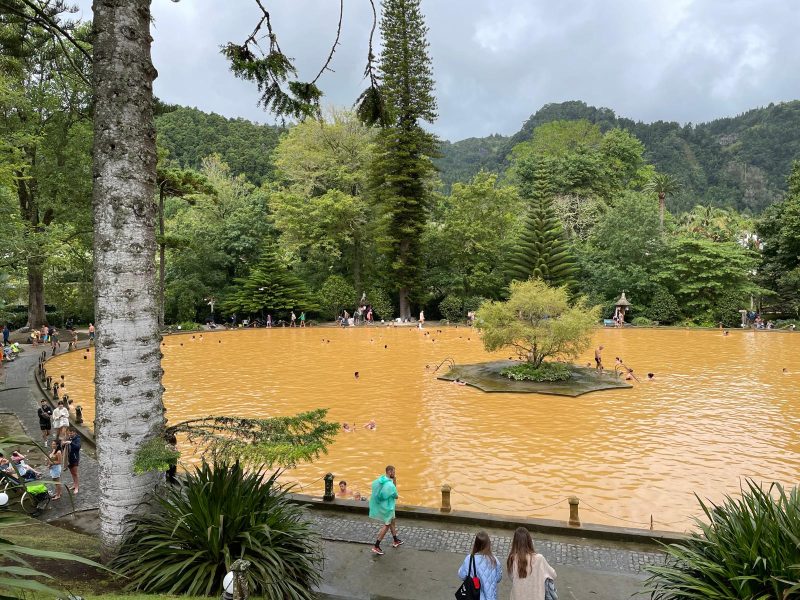
I’m also very fond of the thermal experiences we have here. Poça da Dona Beija is wonderful, and Terra Nostra Garden is somewhere I could easily spend an entire day. The gardens are beautiful, and the thermal pool makes the experience even more special.
For something a little wilder, I really enjoy Praia do Degredo and Praia da Viola. They’re more secluded, unsupervised beaches where you can experience a different side of the island. You won’t find the same facilities as at a developed beach, but that’s part of their charm.
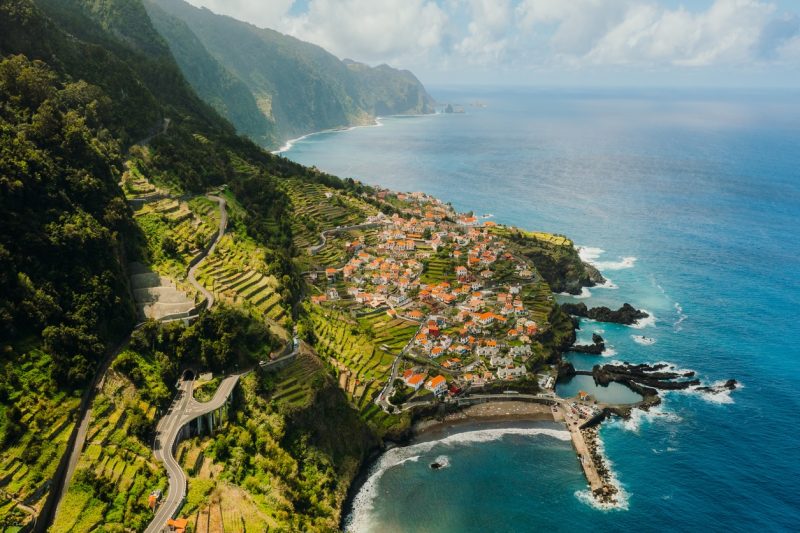
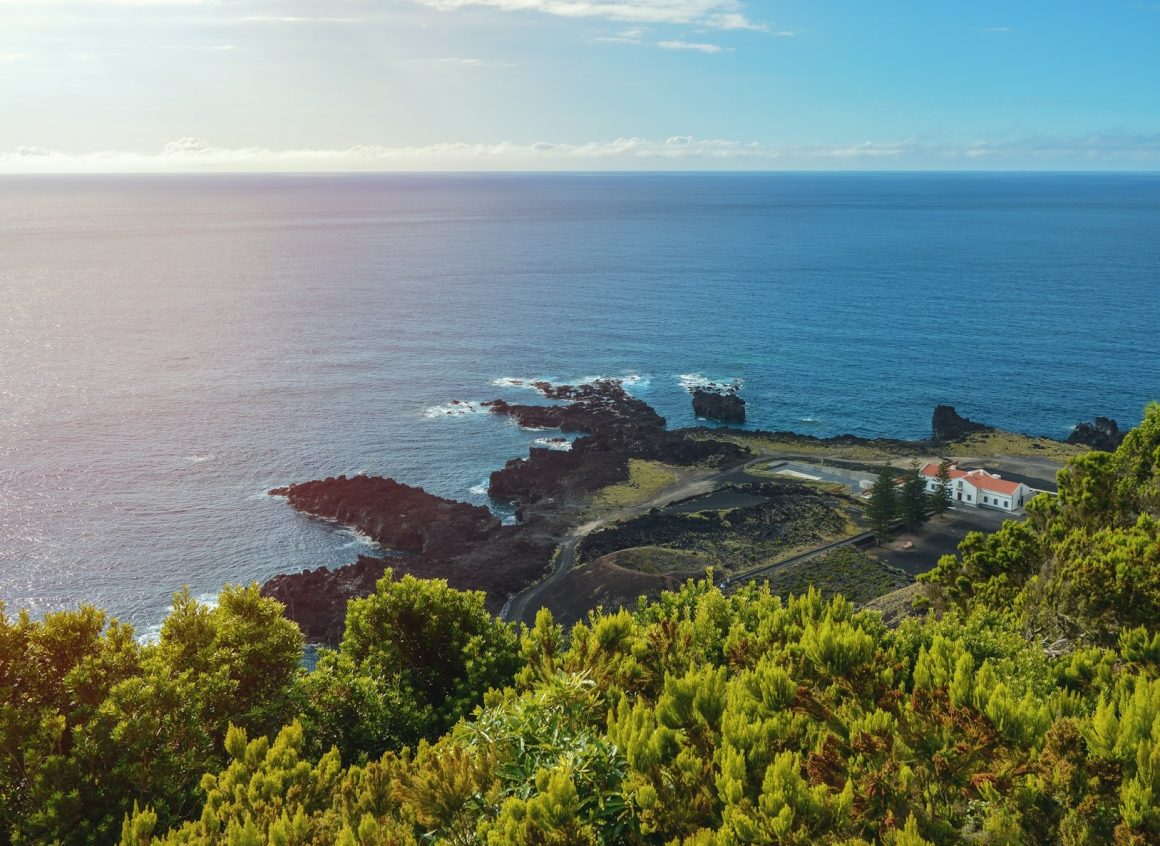
Mosteiros is another place I absolutely love. The volcanic coastline is spectacular, with natural swimming pools formed by the rocks rather than conventional sandy beaches. It’s one of those places that really reminds you of the island’s volcanic origins.
And if you happen to visit Nordeste during the summer, I’d highly recommend watching the sunrise from Miradouro da Ponta da Madrugada. It’s a beautiful way to experience the eastern side of the island.
But honestly, I wouldn’t want people to feel they need to tick every place off a list. São Miguel is best enjoyed without rushing. Leave some room for spontaneous stops, quiet moments and places you weren’t necessarily planning to find.
Sometimes those end up being the most memorable ones.
More from Locals Insider
Where to Drink, Eat and Surf in Azores
That’s another difficult question because there are so many lovely places on the island! But I’ll share a few of my personal favourites.
Bars and places to have a drink
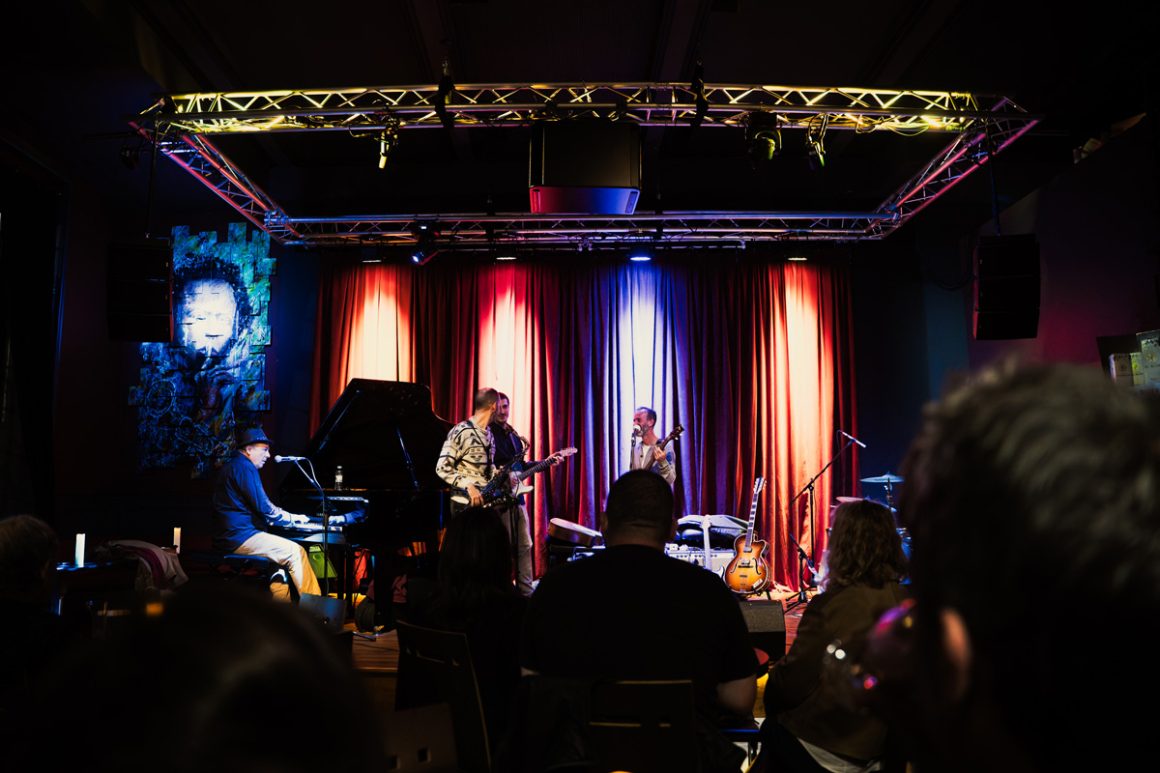
I’d definitely recommend L’Epicure Azores. It’s a lovely jazz-inspired bar, sometimes with live music, and it has a really nice atmosphere.
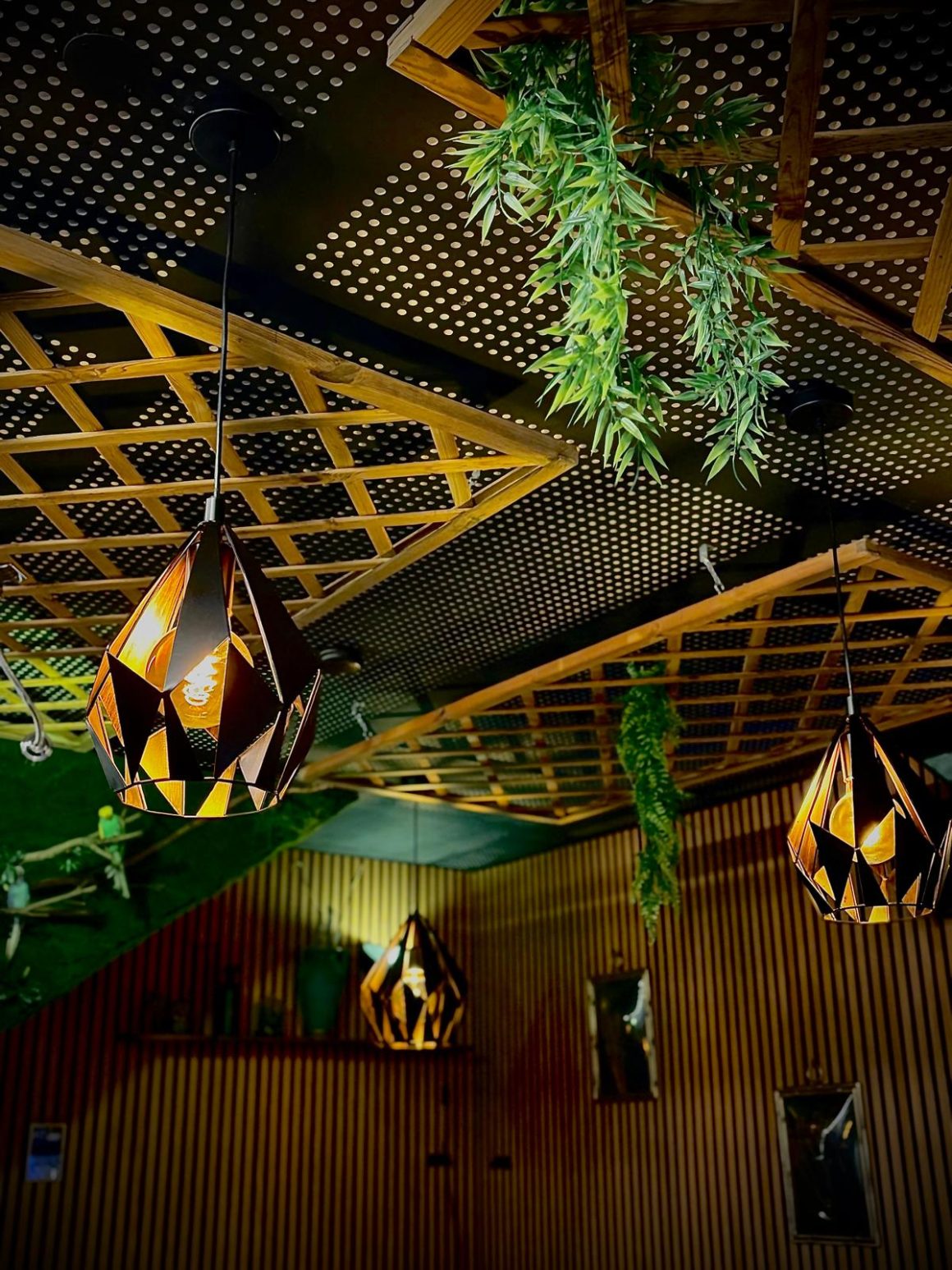
Petrichor is probably my favourite bar on the island, and one I always recommend to visitors. The people who work there are amazing, and I really appreciate the creativity they put into what they do. They make incredibly unique cocktails, often inspired by the Azores, using local flavours and ingredients in ways you wouldn’t necessarily expect.
I think there’s something special about the way they manage to translate a little bit of the island’s identity into their drinks. It’s a place with a lot of personality, and I genuinely love going there.
Sala is another lovely spot, also known for its cocktails and atmosphere.
I also really like Santa Bárbara Beach Club, right next to Santa Bárbara Beach. It has a relaxed, surfer-inspired atmosphere, and you can have some great food there. They make the best açaí bowls, in my opinion!
Restaurants
For fish, I’d recommend Ponta do Garajau, in Ribeira Quente. It’s a great place to enjoy fresh fish, and I really like the atmosphere there. O Pescador, in Rabo de Peixe, is another favourite for fresh fish, as is Maré Cheia, which is conveniently located close to Cascata do Limbo.
If you’re in Mosteiros, I’d also recommend Restaurante Américo Barbosa. It’s a very local place, and they serve what I think is the best octopus on the island.
If you’re in the mood for a good steak, Big Bull is a great option. They serve really good-quality meat.
Art and culture
One of my favourite cultural spaces is Arquipélago – Centro de Artes Contemporâneas, in Ribeira Grande. I really enjoy visiting and seeing the exhibitions they have throughout the year. It’s a wonderful space for contemporary art, and I always appreciate the opportunity to discover what local and international artists are creating.
Festivals and music
During the summer, São Miguel also has some lovely festivals. Azores Burning Summer is one I particularly enjoy. It has a relaxed atmosphere, a strong sustainability focus and a really cool energy.
This year, I also went to Basalto Open Air, which was another great experience. It has a slightly different atmosphere, with beautiful music and more of a sunset vibe.
Surf school and local shop
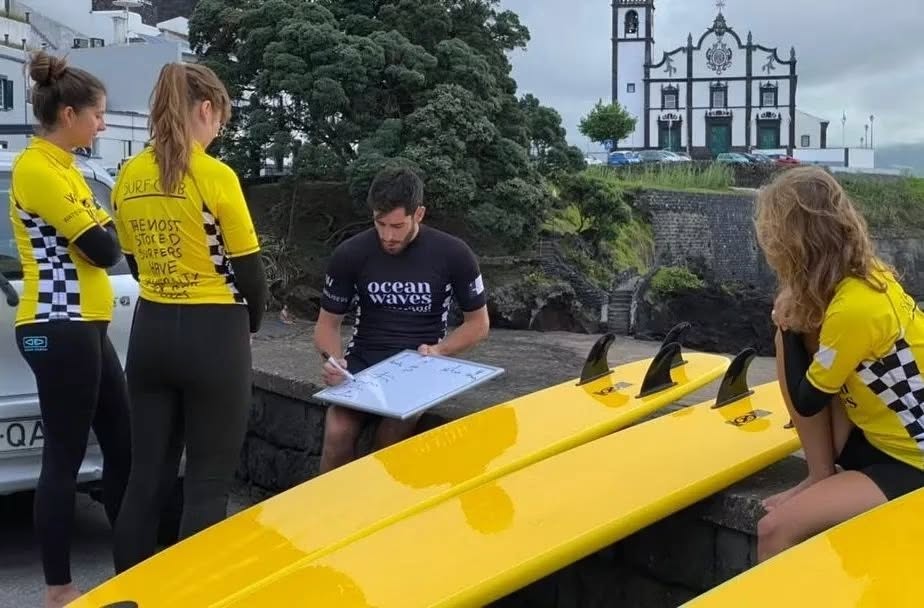
And I can’t finish without recommending Waterglider Surf Club, my favourite surf school, based at Santa Bárbara Beach. The instructors are amazing, incredibly patient and full of energy. They make you feel motivated and comfortable, whatever your level.
They also have a surf shop where you can find some of the coolest Azorean merchandise. I’m always buying their T-shirts and recommending them to visitors. It’s probably my favourite place to find Azorean-inspired clothing and souvenirs.
I think these places give you a lovely mix of what São Miguel has to offer, from food and music to art, surf culture and local creativity. They’re all places I genuinely enjoy and love sharing with people who visit the island.
Locals Insider · São Miguel · 9 places
São Miguel Guide by Mariana Pereira: Bars, Thermal Pools and Viewpoints
Mariana Pereira’s São Miguel, from the hot springs of Furnas to a cocktail bar in Ponta Delgada.
www.parqueterranostra.com Botanical garden and thermal pool · Furnas
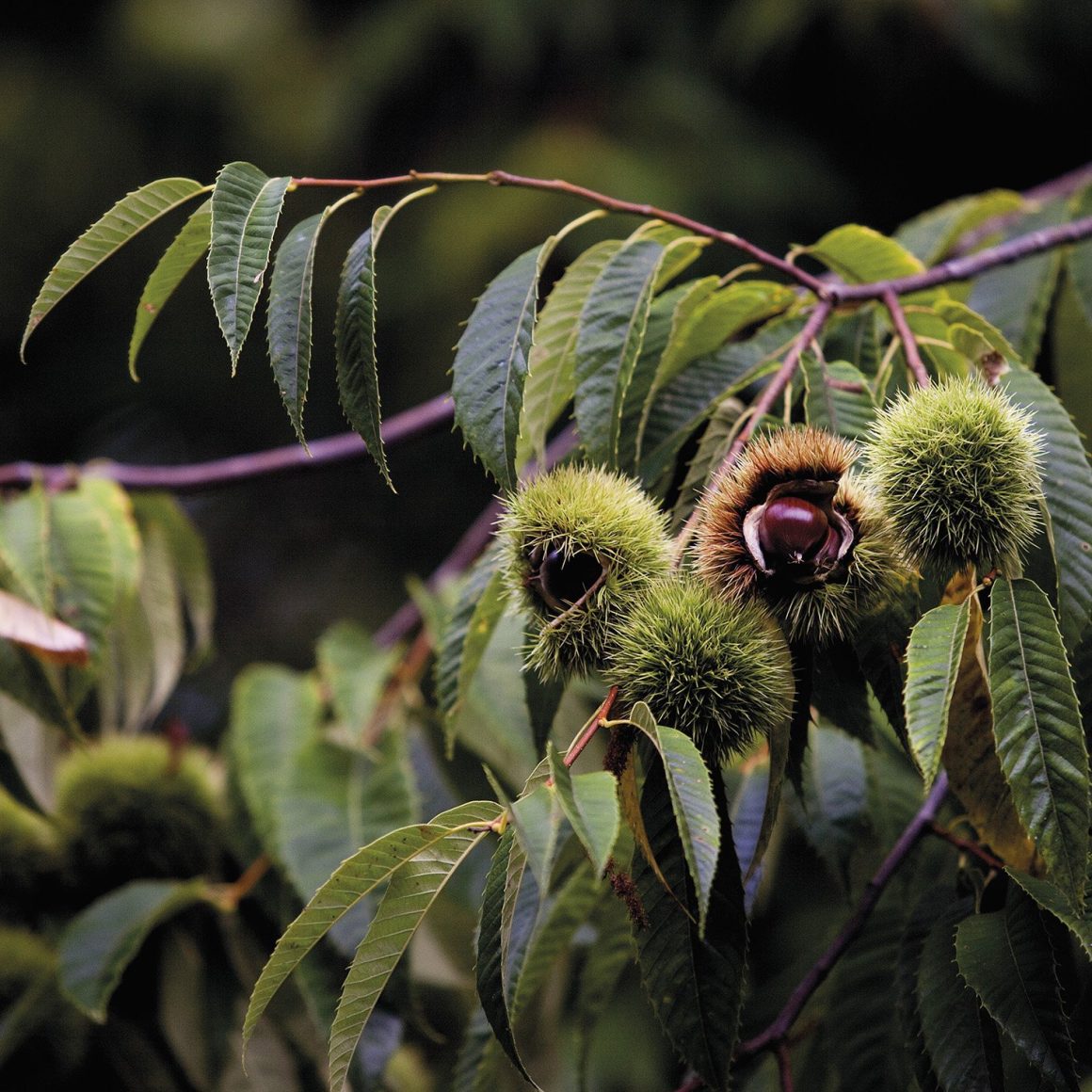
Terra Nostra Garden
Best for a thermal soak
The garden in Furnas holds a camellia collection of over 600 species, some of them unique in the world. It is known worldwide for its thermal pool, filled with iron-rich volcanic water at a steady 40°C. It has also been recognised by Condé Nast Traveller among its Best Green Retreats.
Terra Nostra Garden is somewhere I could easily spend an entire day. The gardens are beautiful, and the thermal pool makes the experience even more special.
- Largo Marquês da Praia e Monforte, 9675-037 Furnas, São MiguelMap
- Official websiteparqueterranostra.com

FB @PocaDaDonaBeija Thermal pools · Furnas
Poça da Dona Beija
Best for an evening soak
A set of iron-rich thermal pools in Furnas, with water at around 39°C. The site sits in lush Azorean vegetation and is open into the evening as well as during the day.
Poça da Dona Beija is wonderful
- Lomba das Barracas s/n, 9675-044 Furnas, São MiguelMap
- Official websitepocadadonabeija.com
unsplash.com Natural swimming pools · Mosteiros
Mosteiros
Volcanic sea pools
The lava fajã of Mosteiros was formed by basaltic lava from Pico de Mafra that advanced towards the sea. It has a black-sand beach and several natural swimming pools at the rocky ends of the fajã, with the Ilhéus dos Mosteiros offshore, the remains of an ancient underwater volcano. The Azores tourism board says the pools area is supervised during the bathing season and has parking and toilets.
The volcanic coastline is spectacular, with natural swimming pools formed by the rocks rather than conventional sandy beaches.
- Rua da Beira Mar de Baixo, 9555-159 Mosteiros, Ponta DelgadaMap
- Official websiteturismo.azores.gov.pt
Autor: Cecília Cunha Aguiar Viewpoint · Nordeste
Miradouro da Ponta da Madrugada
Best for sunrise
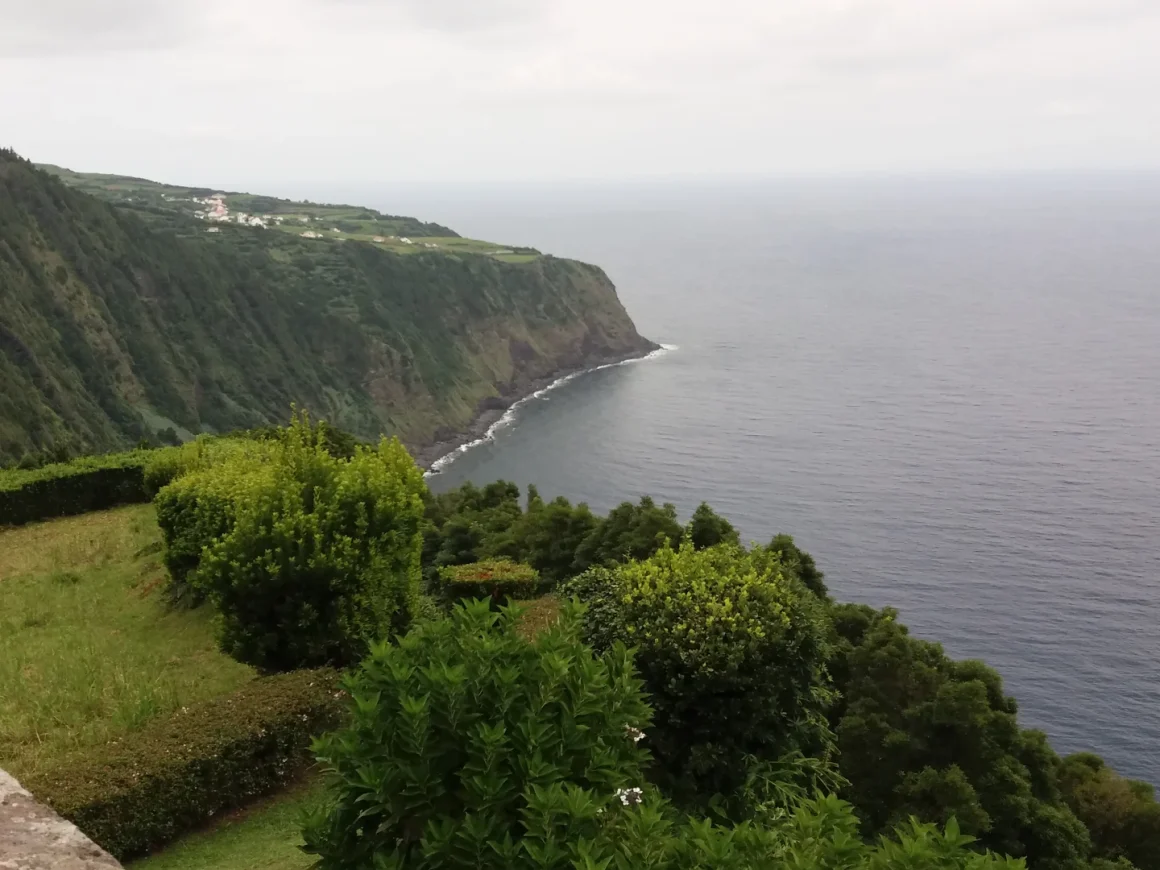
At 276 metres in Pedreira, it is the first viewpoint reached by visitors arriving in the Nordeste municipality from the south. Because it lies at the eastern end of the island, the tourism board calls it an ideal place to watch the sunrise, with gardens and views of the sea and the Serra da Tronqueira. There is a car park and an access ramp for people with reduced mobility.
And if you happen to visit Nordeste during the summer, I’d highly recommend watching the sunrise from Miradouro da Ponta da Madrugada. It’s a beautiful way to experience the eastern side of the island.
- Estrada Regional 1-1ª, 9630 Pedreira, NordesteMap
- Official websiteturismo.azores.gov.pt
lepicureazores.com Live-music bar · Ponta Delgada
L'Epicure Azores
Live music nights
L'Epicure Azores is set in the heart of the Coliseu Micaelense on Avenida Roberto Ivens, where it stages live music. Its own pages describe a mix of bites, sips, music and wine under the motto Pleasure in Every Detail.
It’s a lovely jazz-inspired bar, sometimes with live music, and it has a really nice atmosphere.
- Av. Roberto Ivens, 9500-239 Ponta DelgadaMap
- Official websitelepicureazores.com
www.petrichorbar.pt Cocktail bar · Ponta Delgada
Petrichor
Best for cocktails
A concept cocktail bar on Rua Pedro Homem in Ponta Delgada, built around signature drinks, storytelling and Azorean ingredients. Its first signature menu, Saudade, includes a drink that reinterprets the legend of the two lakes of Sete Cidades.
Petrichor is probably my favourite bar on the island, and one I always recommend to visitors.
- Rua Pedro Homem 15, 9500-099 Ponta DelgadaMap
- Official websitepetrichorbar.pt
- @petrichor.bar

www.santabarbaraazores.com Beach club · Ribeira Grande
Santa Bárbara Beach Club
Best for beach food
The beach club belongs to the Santa Bárbara Eco-Beach Resort, which opened in June 2015 after ten years in the making. Its restaurant and bar serve local products with a view over Santa Bárbara beach, and the beach club itself runs between April and October.
It has a relaxed, surfer-inspired atmosphere, and you can have some great food there. They make the best açaí bowls, in my opinion!
- Estrada Regional nº1, 1º Morro de Baixo, 9600-219 Ribeira Grande, São MiguelMap
- Official websitesantabarbaraazores.com
www.azoreswatergliders.com Surf school · Ribeira Grande
Watergliders Surf Club
Best for surf lessons
A surf club on São Miguel's north coast that offers surf lessons and tours. It is based at Morro de Baixo in Ribeira Grande and is listed among the surf operators on the Visit Azores surf site.
The instructors are amazing, incredibly patient and full of energy. They make you feel motivated and comfortable, whatever your level.
- Morro de Baixo, Estrada Regional nº 1 1º, 9600-219 Ribeira Grande, São MiguelMap
- Official websiteazoreswatergliders.com

FB @arquipelagocentrodeartes Contemporary arts centre · Ribeira Grande
Arquipélago – Centro de Artes Contemporâneas
Best for contemporary art
The arts centre in Ribeira Grande is dedicated to the creation, production and presentation of contemporary art, hosting residencies, exhibitions and performances. Its programme crosses visual and performing arts, music, architecture, design, illustration, literature and fashion.
It’s a wonderful space for contemporary art, and I always appreciate the opportunity to discover what local and international artists are creating.
- Rua Adolfo Coutinho de Medeiros s/n, 9600-516 Ribeira Grande, São MiguelMap
- Official websitearquipelagocentrodeartes.azores.gov.pt


About Volcanic Beings
Volcanic Beings is a farm experience on a family dairy farm on São Miguel in the Azores, founded by Mariana Pereira, who guides small groups of up to seven visitors through the farm. It offers three experiences, Mandarina, Bondade and Jéssica, named after cows on the farm. Find them at volcanicbeings.com and on Instagram at @volcanicbeings.