

 Argentina
 Austria
 Azerbaijan
 Belgium
 Brazil
 Canada
 Chile
 China
 Colombia
 Costa Rica
 Croatia
 Cyprus
 Czech Republic
 Denmark
 Egypt
 Estonia
 Finland
 France
 French Polynesia
 Georgia
 Germany
 Greece
 Greenland
 Hong Kong
 Hungary
 Iceland
 India
 Indonesia
 Ireland
 Italy
 Japan
 Kenya
 Lithuania
 Malta
 Mauritius
 Mexico
 Mongolia
 Montenegro
 Morocco
 Netherlands
 Norway
 Oman
 Peru
 Poland
 Portugal
 Saudi Arabia
 Serbia
 Singapore
 Slovenia
 South Africa
 South Korea
 Spain
 Sweden
 Switzerland
 Taiwan
 Thailand
 Türkiye
 USA
 United Arab Emirates
 United Kingdom
 Uruguay
 Uzbekistan
 Vietnam
Destinations › Asia › China
Country guide · Asia
China
China Travel Guide: Beijing, Shanghai, Xi'an & Where to Go in 2026
China is a country of contrasts. Ancient temples and futuristic megacities coexist here, as do street food stalls and Michelin-starred restaurants. LocalsInsider shares the most interesting places and experiences with you!
Your China guide, curated by Locals Insider
China, by Locals Insider
China is the country that contains entire civilizations within its borders, and where most American travelers underestimate the planning required. Beijing has the Great Wall (skip Badaling, head to Jinshanling at sunrise), the Forbidden City, and the hutongs that haven't been demolished.
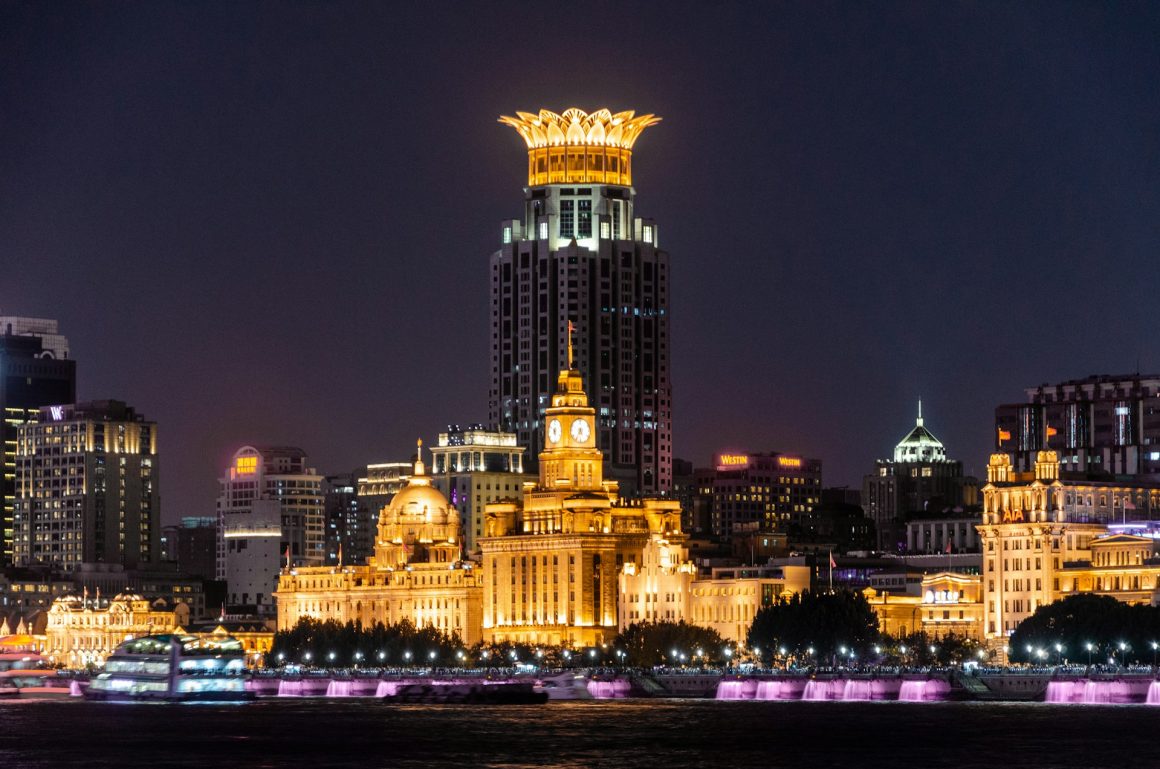
Shanghai is the financial megalopolis with the best skyline on Earth, the Bund's colonial architecture, and a food scene that ranges from $1 xiaolongbao stalls to Paul Pairet's three-Michelin-star Ultraviolet. Beyond the megacities: Zhangjiajie's Avatar pillars, Suzhou's I.M.
Pei-designed museum, Chengdu's pandas and Sichuan intensity.
Our China coverage focuses on Beijing and Shanghai for first-time visitors, plus the trip-planning practicalities (WeChat, Alipay, VPN, high-speed rail) that make the country dramatically easier when you understand them.
Quick facts · Live right now
China at a glance
CapitalBeijing
LanguageMandarin Chinese
CurrencyCNY
Time zoneCST (UTC+8)
Plug typeType A/C/I (220V)
Weather in Beijing
via Open-Meteo · updated every 6 hours
Currency exchange · CNY
via European Central Bank · updated daily
Cities to explore
Where to go in China
Cities with a full guide are marked “City guide”.
Beijing
The Great Wall, Forbidden City, hutongs, dumpling traditions
Shanghai
Shanghai Bund, Pudong skyline, the most cosmopolitan Chinese city
Xi'an
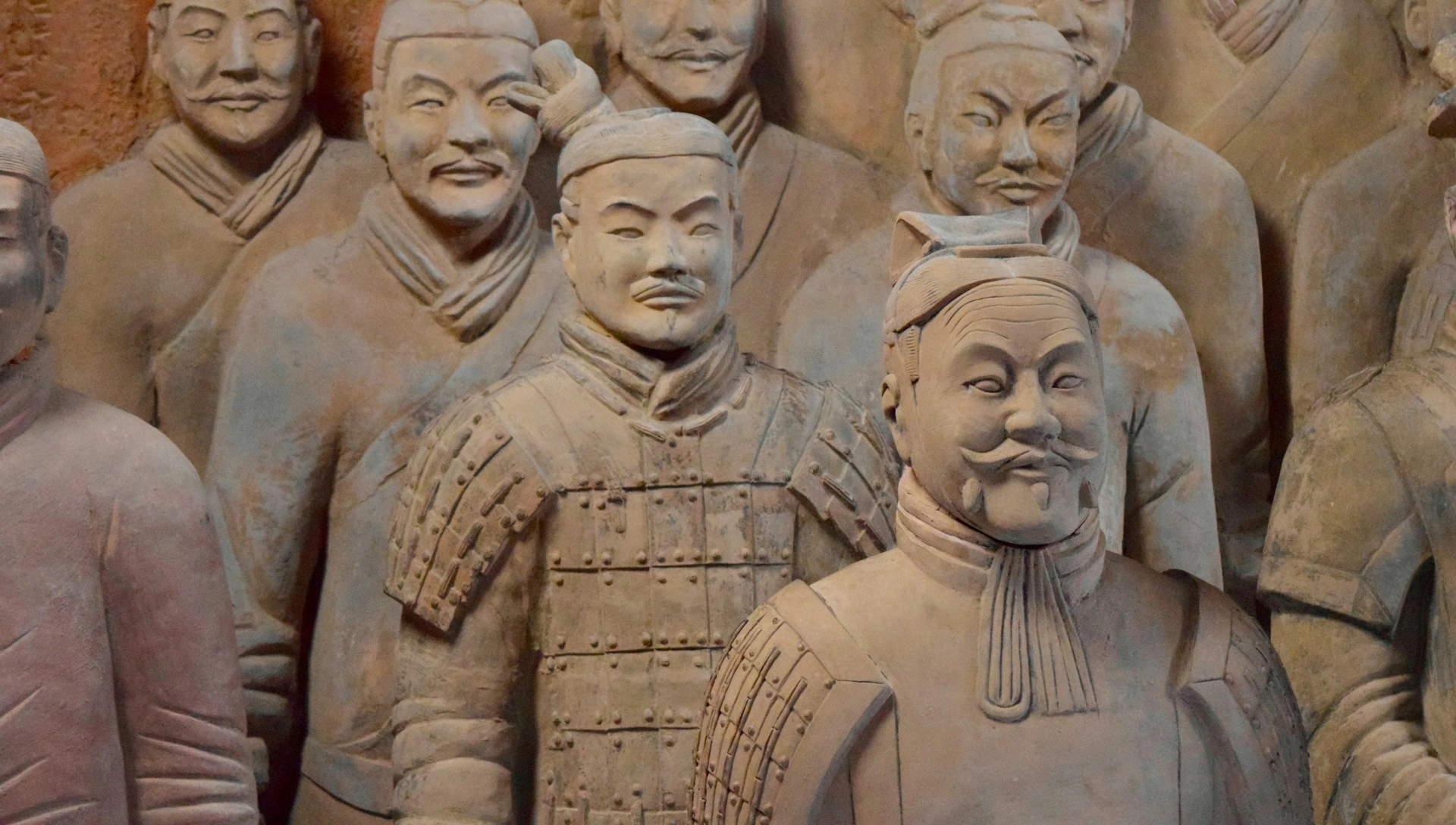
Terracotta Army, Tang Dynasty capital, Muslim quarter food scene
Chengdu
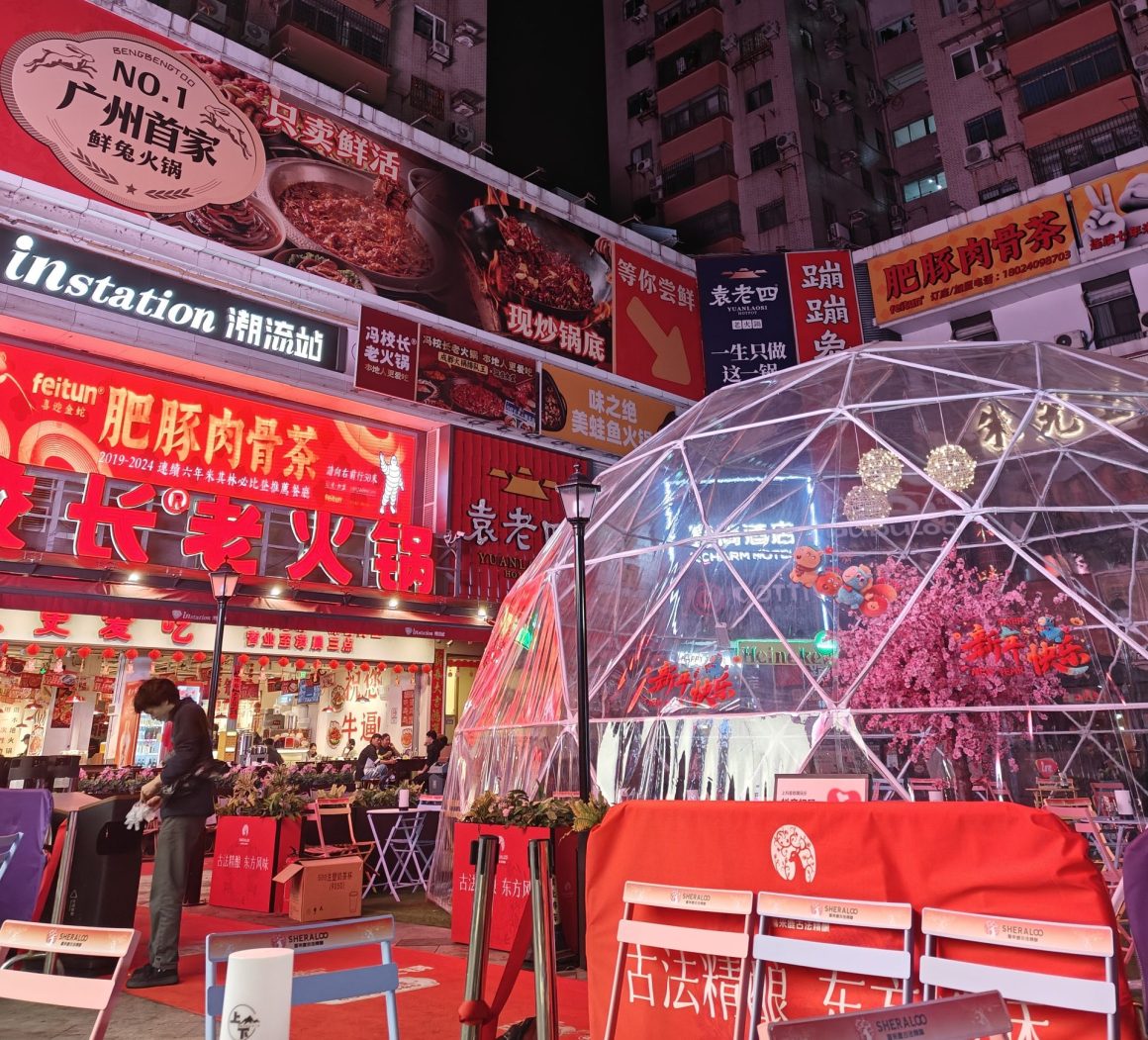
Panda research center, Sichuan food capital, teahouse culture
Stories · updated as we publish
Latest from China
All 6 stories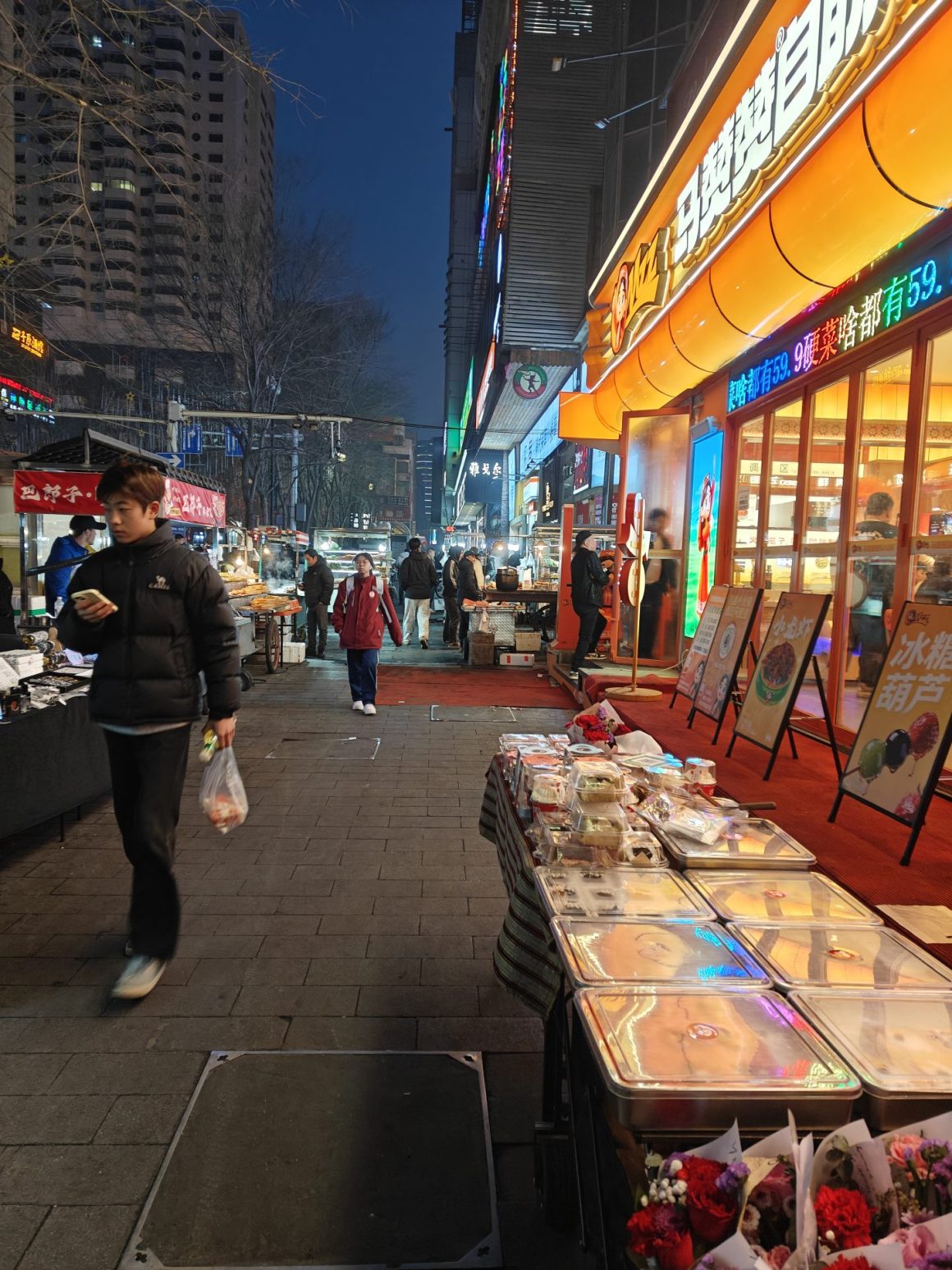
Recommended in our stories
Places in China we recommend and like

Hotel · Chengdu
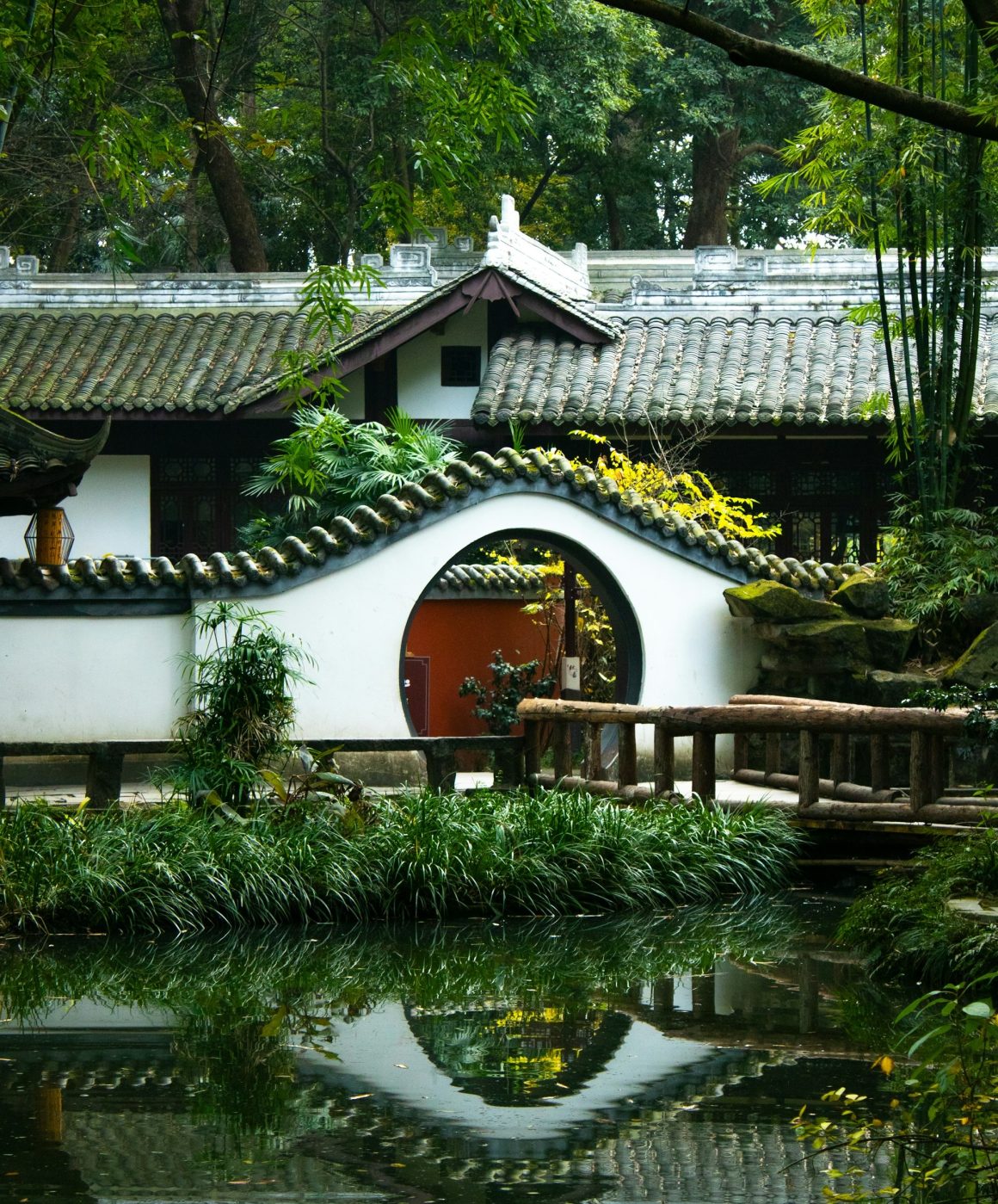
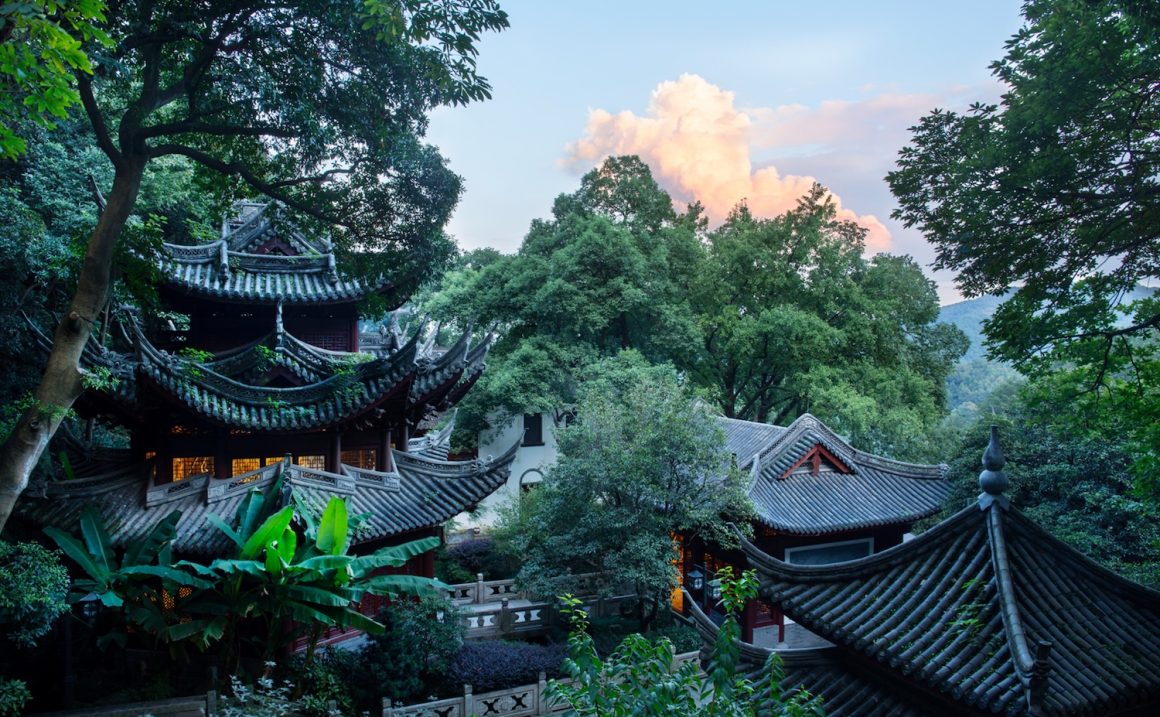
A beautifully designed concept hotel in the center of Chengdu that presents itself as a “temple house.” The property was created as part of a preservation pr…
In Xingchen Yang’s story · Where to Go in Chengdu: Local Favorites and a Gastronomic Journey
Hotel
A spa hotel offering traditional Chinese medicine and meditation near a temple
In Locals Insider’s story · The Best Retreats and Spa Hotels in China

Place · Chengdu
If this is your first visit to the city, begin with the historic center, preserved from the Qing dynasty period.
In Xingchen Yang’s story · Where to Go in Chengdu: Local Favorites and a Gastronomic Journey
Hotel
A spa hotel where you can learn tai chi and restore your qi energy
In Locals Insider’s story · The Best Retreats and Spa Hotels in China

Restaurant · Chengdu
A beautiful city-view restaurant located on the top floor of the Minshan Hotel, recommended by the Michelin Guide for three consecutive years.
In Xingchen Yang’s story · Where to Go in Chengdu: Local Favorites and a Gastronomic Journey
Hotel
A wellness center near Suzhou that combines Chinese medicine, Eastern wisdom, and European comfort
In Locals Insider’s story · The Best Retreats and Spa Hotels in China
Don’t miss
Don’t miss in China
Must visit · Chengde area, Hebei Province
The Great Wall at Jinshanling at sunrise
Skip Badaling (touristy) and Mutianyu (still touristy) — head to Jinshanling, 130 km northeast of Beijing, where the wall is restored just enough to walk safely but mostly left as it crumbles dramatically across the ridges.
Sunrise from a watchtower with no other people around is one of Asia's defining experiences.
2.5 hours from Beijing. Hire a driver or take the 8:30am bus from Wangjing West. Best April-June and September-November.
Sandstone pillar forest
Zhangjiajie National Forest Park
The vertical sandstone pillars that inspired Avatar's Hallelujah Mountains — 3,000+ peaks rising from forest in Hunan Province, the world's first national forest park. The glass bridge above the Grand Canyon adds vertigo if you want it.
Fly to Zhangjiajie Hehua Airport. Park entry ¥225, valid 4 days. Skip rainy June-July.
Experiences
Experiences in China locals love
- Walk the Great Wall at Mutianyu — less touristy than Badaling, dramatic mountain section
- Forbidden City visit at opening time (8:30am) before the tour groups
- Terracotta Warriors at Xi'an's Lintong site — one of archaeology's greatest discoveries
- Bamboo forest in Chengdu's panda research base — pandas eat for 14 hours daily
- Li River cruise from Guilin to Yangshuo — the karst landscape from the 20 yuan note
Insider tips
Insider tips for China
- WeChat and Alipay are required for almost everything — set up before you arrive
- Beijing hutongs: stay in Wudaoying or Nanluoguxiang for old-Beijing courtyard hotels
- Sichuan food is genuinely spicy in a way Chinese restaurants abroad rarely replicate
- High-speed rail (CRH) is excellent — Beijing to Shanghai in 4.5 hours, book on Trip.com
- VPN before you arrive — Google, Facebook, Instagram, WhatsApp all blocked
Our picks
China’s best restaurants, hotels and museums
Checked against Michelin, the venue or Google.
Ultraviolet by Paul Pairet
Michelin
$$$$ ($800+ per person)
Three-Michelin-star avant-garde restaurant — chef Paul Pairet seats just 10 guests per night, each course paired with synchronized projections, sound, and scent. Reservations open quarterly; book months ahead.
Da Dong (Beijing)
Traditional
$$$ (¥400-700 per person)
Chef Dong Zhenxiang's modern interpretation of Peking duck — sliced tableside with the famous 'super-lean' bird, served with house-made pancakes and the original 12-condiment plate. Multiple locations across Beijing.
Mr & Mrs Bund (Shanghai)
New 2026
$$$ (¥500-900 per person)
Paul Pairet's casual French bistro on the Bund — open until 4am, late-night Shanghai legend. The dessert trolley and the Bund views in equal measure.
Din Tai Fung (Shanghai branches)
Traditional
$$ (¥200-350 per person)
Taiwanese xiaolongbao specialist, multiple Shanghai locations Michelin-recommended. Each soup dumpling pleated 18 times exactly.
Aman Summer Palace
Luxury
¥6,000-15,000
Aman's Beijing property — restored Qing Dynasty pavilions directly outside the Summer Palace's east gate, private access through a hidden side gate to the palace gardens after public hours close.
Capella Shanghai, Jian Ye Li
Luxury
¥4,500-9,000
55 shikumen lane house villas in the French Concession — Pritzker laureate Jean-Michel Gathy-designed, the only resort-style property in central Shanghai. Le Comptoir de Pierre Gagnaire restaurant onsite.
Amanyangyun
Luxury
¥6,000-14,000
Aman's countryside Shanghai resort built around 50 transplanted antique Chinese houses (50-minute drive from city center). Surrounded by 10,000 ancient camphor trees, the Aman Spa is one of the largest in the world.
The Middle House
New 2026
¥3,000-6,500
House Collective's Shanghai property — Piero Lissoni-designed in central Jing'an. Long-stay residences alongside hotel rooms, the rooftop pool, the Italian restaurant Frasca. Refreshed 2025.
Long Museum West Bund (Shanghai)
Contemporary art
Atelier Deshaus-designed vaulted-concrete museum on the Huangpu River. Billionaire collector Liu Yiqian's contemporary Chinese art — arguably Asia's most important private museum.
UCCA Center for Contemporary Art (Beijing)
Contemporary art
UCCA in the 798 Art District is China's most ambitious contemporary art center — Ai Weiwei has shown here. Combine with a 798 gallery crawl.
Suzhou Museum (I.M. Pei)
Architecture & history
I.M. Pei's final building — completed 2006 in his ancestral Suzhou, a modern interpretation of the city's classical garden architecture. The garden flows directly into the gallery spaces.
On the world lists
Editor’s picks for China
A few additions for travelers planning Beijing or Shanghai deeper:
Mandarin Oriental Qianmen, Beijing
New entry at #14 on the World's 50 Best Hotels 2025 and named Best New Hotel — a collection of restored siheyuan courtyards in old Beijing.The PuLi, Shanghai
An urban resort in Jing'an — long, narrow, layered, deeply Chinese in feel. The understated alternative to Shanghai's skyline hotels.West Bund Museum, Shanghai
A David Chipperfield building partnered with the Centre Pompidou — major French collections rotate into Shanghai through this collaboration.Aman Summer Palace private after-hours access
The hotel's hidden gate opens directly into the Imperial Summer Palace gardens after public hours — Aman's most quietly extraordinary access perk.
Through the year
China festivals and what’s on
January or February
Chinese New Year (Spring Festival)
The biggest holiday — entire country travels, billions of journeys, two-week celebration
September or October
Mid-Autumn Festival
Family reunion night with mooncakes, lanterns, and full-moon viewing
May or June
Dragon Boat Festival
Boat races nationwide, zongzi (sticky rice dumplings), commemorates ancient poet Qu Yuan
Need a visa for China?
Most travelers need an eVisa or travel authorization to enter China. Apply online in minutes through our trusted partner:
Apply for your China eVisa →Check requirements for your passport
Powered by evisas.com · We'll open your nationality-specific requirements page in a new tab.
Partner link — Locals Insider may receive a small commission at no extra cost to you. Always confirm the latest requirements with the official embassy.
Questions
China FAQ
Do I need a visa to visit China?
China has expanded its visa-free policy dramatically — as of early 2026, 79 countries have visa-free entry, with most stays at 30 days.
The list includes most EU member states (including all Nordics, France, Germany, Italy, Spain), the UK (added February 2026), Canada, Australia, New Zealand, Japan, South Korea, and most ASEAN countries. Russian citizens got visa-free entry from 15 September 2025 to 14 September 2026 (a trial period). US citizens still need a visa, but qualify for the 240-hour (10-day) visa-free transit if flying to a third country — Beijing → Shanghai → Hong Kong counts.
Tibet, Xinjiang, and a few other regions still require a separate permit regardless of nationality. Always check current status before booking — China's policy is changing fast.
How many days do I need for a first trip to China?
China is enormous — a meaningful first trip needs at least 10–14 days.
The classic route: Beijing (3–4 days) for the Forbidden City, the Great Wall at Mutianyu (less crowded than Badaling), Summer Palace, hutongs, Peking duck; Xi'an (2 days) for the Terracotta Warriors and the Muslim Quarter food street; Shanghai (3 days) for the Bund, French Concession, Yu Garden, and contemporary food and architecture; Guilin/Yangshuo or Chengdu (2–3 days) for the karst scenery on the Li River or pandas at the Chengdu Research Base.
Bullet trains (CR/CRH) connect everything fast and cheap — Beijing-Shanghai in 4.5 hours, Beijing-Xi'an in 4.5. Two weeks lets you see all of the above without rushing.
What's the best time to visit China?
April to mid-June and September to mid-November are the universal answers — mild temperatures, lower humidity, gardens in bloom in spring and autumn colours in the north.
Avoid the two big domestic travel weeks: Chinese New Year (late January or February — exact dates shift, 2026 falls February 17) and National Day Golden Week (October 1–7) — half a billion people are on the move and every major attraction is at capacity. Summer (July–August) is hot (35°C+) and humid, but it's the only time to visit Tibet comfortably. Winter is bitterly cold in the north (Beijing routinely -10°C in January), but it's also when the Forbidden City under snow is at its most striking — and there are far fewer tourists.
How do I get around in China without speaking Chinese?
Three tools change everything. Alipay or WeChat Pay — both now support foreign cards (since 2024); set up before flying, since most shops, taxis, and even small noodle stalls only accept QR payments.
Cash is welcome but inconvenient. A VPN installed in advance — Google Maps, WhatsApp, Instagram, and most Western sites are blocked behind the Great Firewall; ExpressVPN and Astrill are the most reliable.
Use Baidu Maps or Amap (高德) for navigation instead of Google Maps — they actually work in China. Pleco is the essential translation/character-recognition app. Bullet train tickets buy via the Trip.com app or Railway Service Center (12306) with your passport.
English signage is good in major cities, patchy outside them — DiDi (the Chinese Uber) lets you order rides in English.
Beyond Beijing and Shanghai, what should I add?
Xi'an for the Terracotta Warriors and the country's most atmospheric old city walls (cycle the top of them at dusk). Chengdu for pandas at the breeding base, then Sichuan cooking that's a different language of spice. Guilin and Yangshuo for the karst-mountain river scenery on the Li River — the landscape on the 20-yuan note. Hangzhou and Suzhou for classical Chinese gardens and West Lake, both an easy bullet train from Shanghai. Zhangjiajie for the sandstone pillars that inspired Avatar. Pingyao for an intact Ming-dynasty walled city.
For the truly off-the-beaten-track, Yunnan province (Dali, Lijiang, Shangri-La) offers minority cultures, mountains, and quieter trails. Tibet, Xinjiang, and Inner Mongolia require additional permits.
Locals Insider
Spotted a mistake? Know a better place?
We check every guide against official sources, but places change. Tell us what’s out of date, or the spot you’d send a friend to.
Tell us about itWant to share your experience about China? Email us at hello@localsinsider.com.
More countries
Is China for you?
The country that contains entire civilizations within its borders. Beijing has the Great Wall and the Forbidden City; Shanghai is the financial megalopolis with the best skyline on Earth; Xi'an's terracotta warriors are one of archaeology's most photographed sites.
Then the country opens up dramatically: Chengdu for pandas and Sichuan food, Guilin and Yangshuo for the karst landscapes, Yunnan for the southern minority cultures, Tibet for the highlands. China requires planning but rewards the effort exponentially.
You’re
The Civilization Traveler
Culture travelers
History buffs
Foodies
Adventure travelers
First-time Asia visitors
Walkability6
Safety9
Weather6
Value for money7
LGBTQ+ friendly3
Crowds8
Food scene10
English spoken4
Remote work5
Safety scores reflect UK FCDO & US State Department travel advisories. LGBTQ+ scores reflect Equaldex and ILGA-Europe rankings. Both refreshed quarterly.
Not sure if China is right for your next trip?We'll compare 53 destinations against your travel style.
Take our country matcher quiz →When to go
Best time to visit China
12 places on the map
Elsewhere on Locals Insider