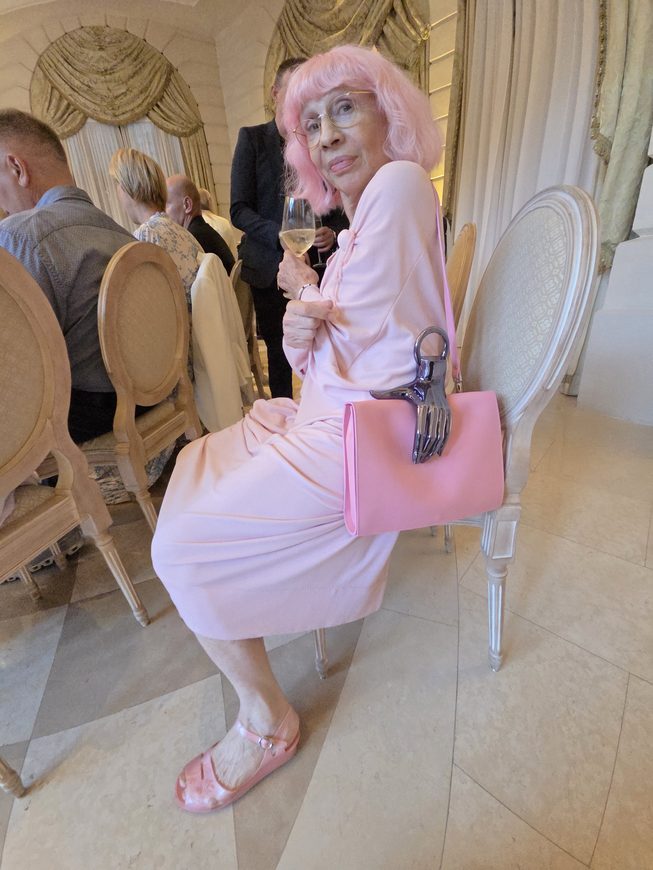


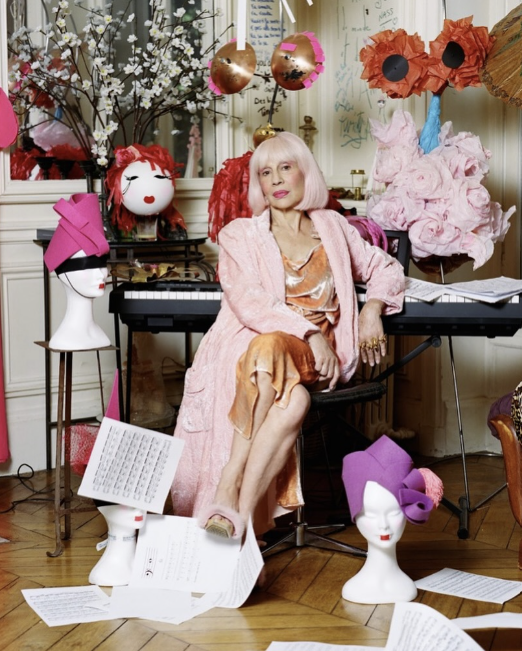
Marie Beltrami is the French surrealist artist and jewelry designer who left Nantes for Paris in 1975 with a Singer sewing machine. Over the next two decades she detourned ordinary objects — plastic lobsters from Les Halles, syringes, chicken feet, keyholes, foam packaging, plumbing parts — into surrealist brooches, bags and clothes that anticipated much of what fashion has spent the last decade rediscovering. She then spent twenty-five years as Jean-Paul Goude’s chief stylist, making his images real: the Chanel Égoïste campaign, the Vanessa Paradis “Coco” bird-in-a-cage, the Dim toreador.
For Locals Insider, Marie wrote about her refusal to choose a single medium, her fascination with Stray Kids’ Hyunjin, her long collaboration with Goude, what Paris has lost since the Palace – and the corner of the city she still calls hers.
On Refusing to Choose a Single Medium
I love art in all its forms. Anything that involves creation moves me, makes me happy — drawing, though I do less of it at the moment; writing, which has caught me with its words that intensify every feeling. I’m finishing a book about a K-pop boy who has also moved me.
Right now I’m working on an idea for dresses glued to the body with medical adhesive. A dress is born like that, intuitively, with a touch of imagination under the fingers — it’s magic. And to take it off, you unstick it by pulling on the fabric, and it disappears. A dress for one evening.
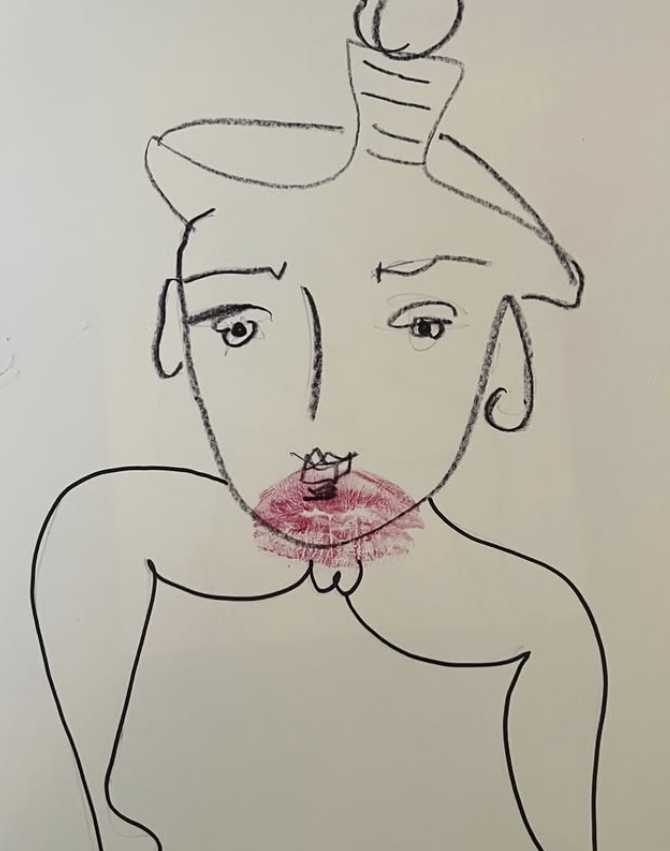
The Great Theater of the Street
It’s because we’re curious that chance calls to us, and the imagination makes something real out of what caught our attention. I never wanted to look like the others, and reality bores me. In my imagination, everything is inspiration — fabrics, shapes that chance offers me, shadows and stains on the ground.
“There is a world beneath our feet — I call it the Great Theater of the Street.”
And I love to divert objects from their context. Nothing is more exciting than making a bag from a rubber car mat, or earrings from a wood drill bit.
Schiaparelli as Godmother
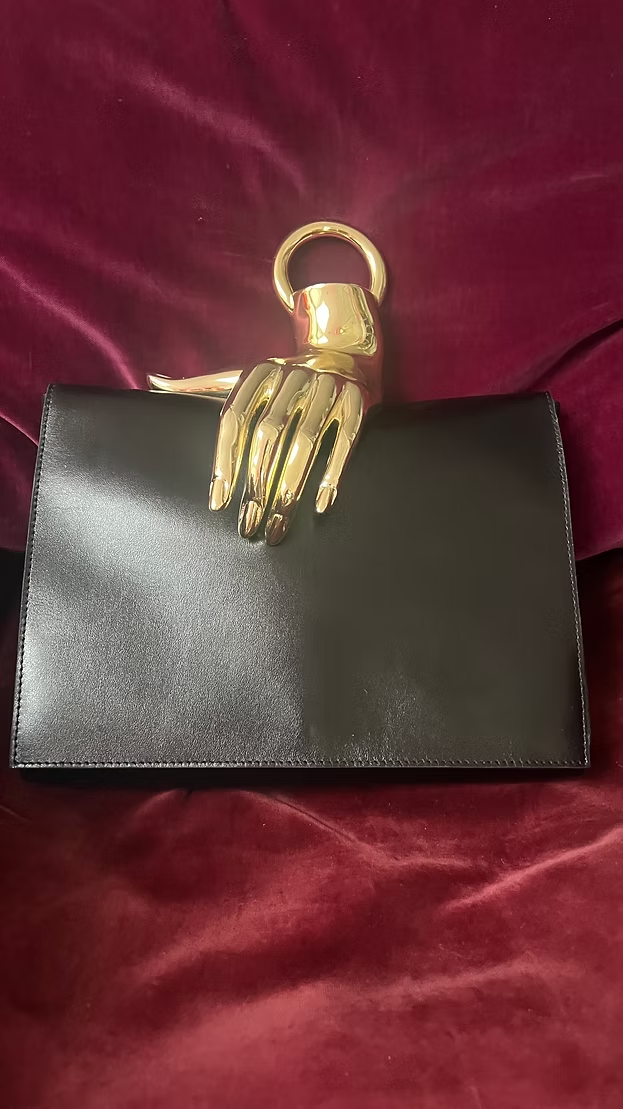
Schiaparelli would be my godmother. I invented things she had already imagined and created in her lifetime — for example, the lobster. In 1978 I made brooches with plastic lobsters in fluorescent pink or green that I found in the Les Halles neighborhood in Paris, and a giant plastic lobster that I wore to the Palace.
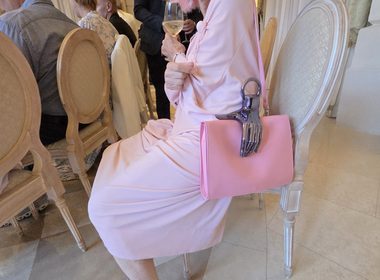
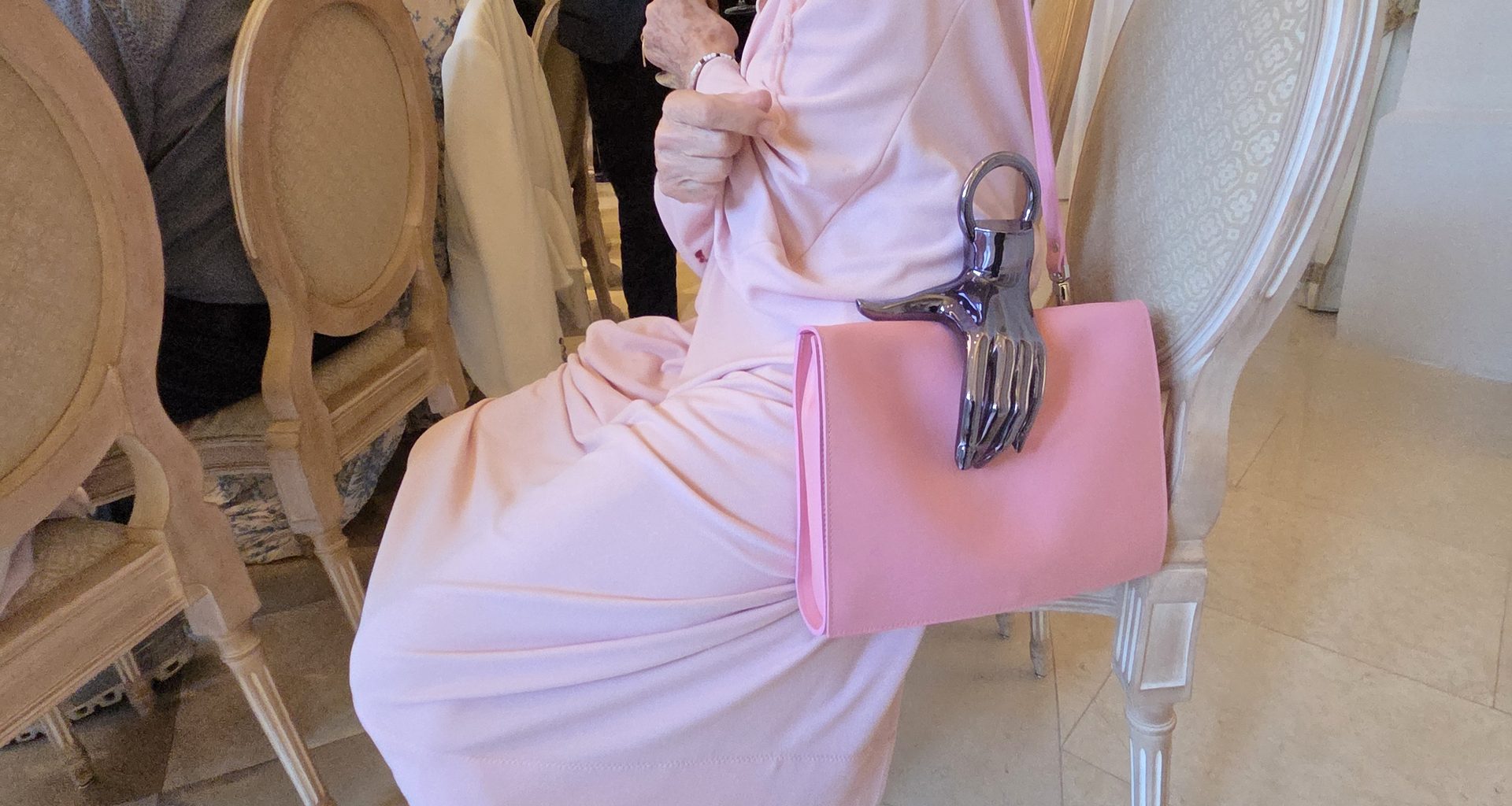
Keyhole earrings for the ears, syringe brooches (a gold one, and a large one in resin about 70 cm long), brooches made of chicken feet. This year Schiaparelli borrowed my chicken foot for their bags. And the magnetized hands you rest on the shoulder.
Jean-Paul Gaultier never influenced me. We were of the same era — often it was he who was inspired by us, by the way we dressed to go to the Palace or Les Bains Douches.
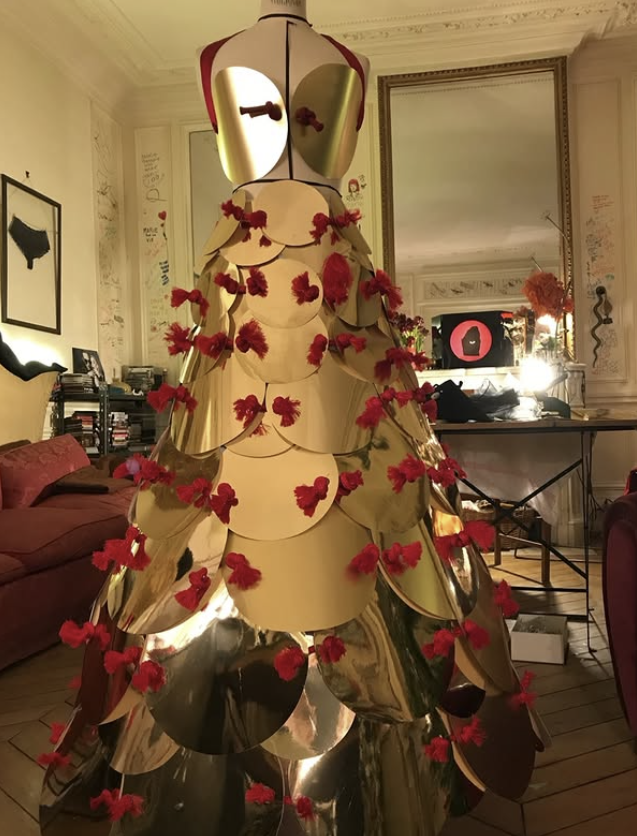
Niki de Saint Phalle and the Circle Around Her
These people were my friends: Niki de Saint Phalle, Jean Tinguely, Andy Warhol, Marina of Greece, Andrée Putman. They gave me the energy to live with my ideas and to push them further. They vindicated my creative freedom.
When I was a little girl, nine or ten years old, my mother used to say “she is completely surrealist” — I didn’t know what that meant. Reality was already boring me.
Twenty-Five Years with Jean-Paul Goude
Working with Jean-Paul Goude was a wonderful time — twenty-five years of collaboration, without conflict, without ego trips. We understood each other completely. I gave life to his drawings with all my creative instinct, without appropriating them. It was a constant exchange.
“For twenty-five years I had to find. And for twenty-five years I found.”
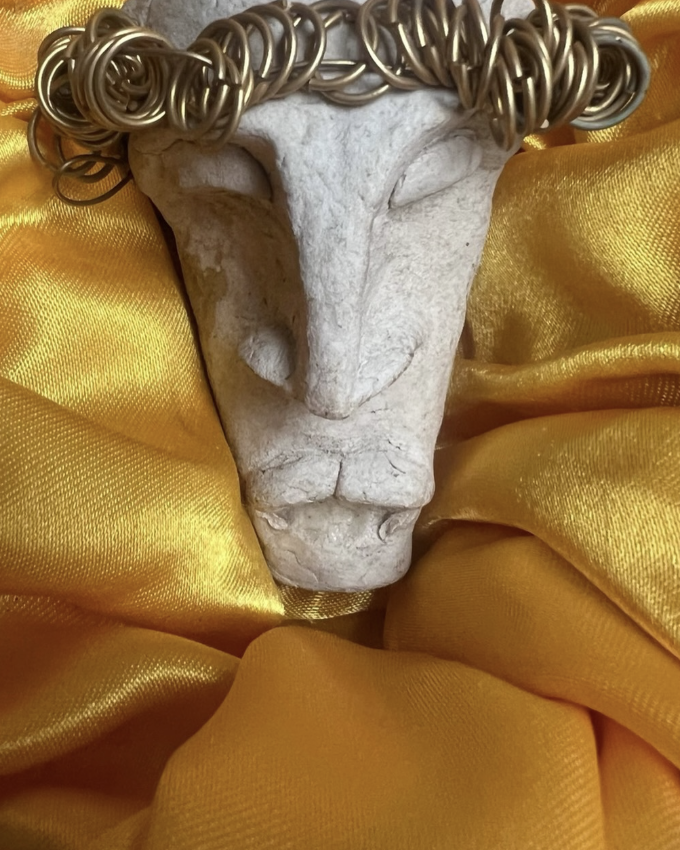
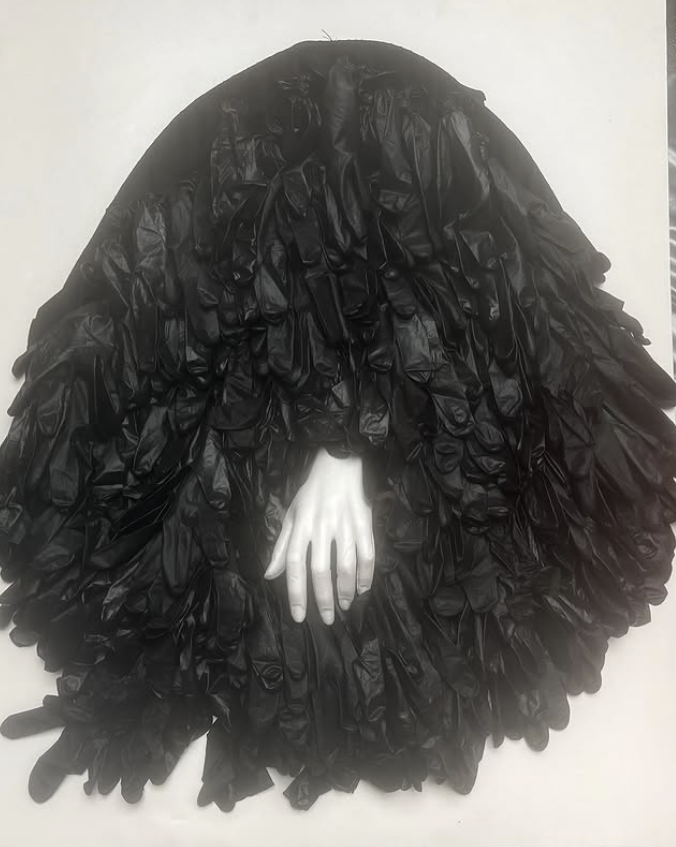
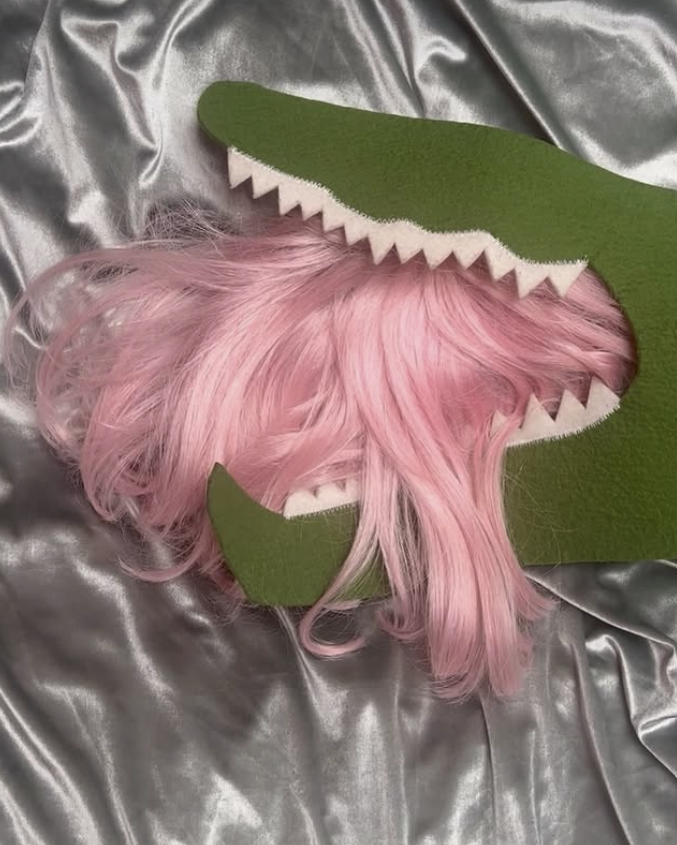
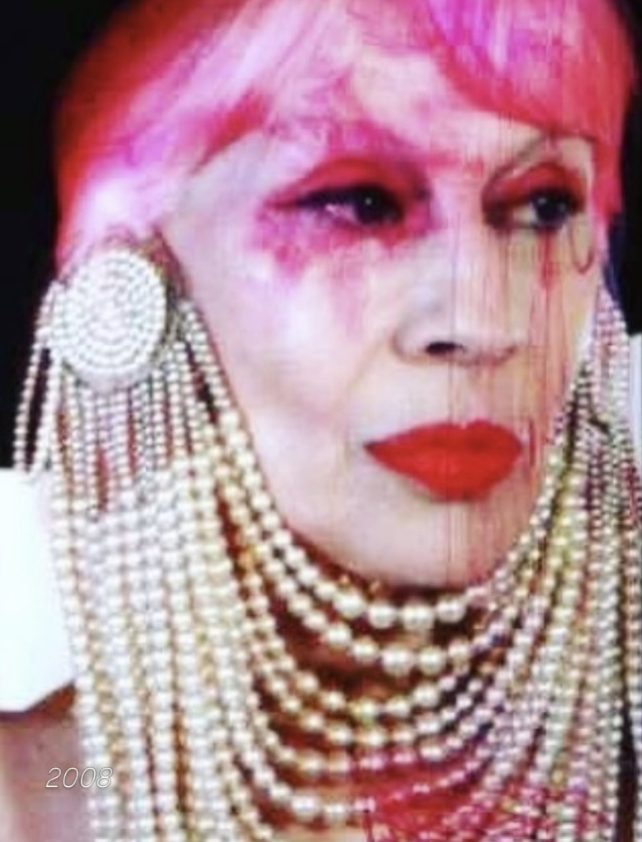
One day we were shooting a Cacharel commercial in Mexico — Isla Mujeres, I think. I had to find an idea, on the spot, for roses placed on the model’s face to fly away. No one for special effects. No AI. So I had an idea: I removed the fresh roses from their cuticles and placed them, intact, on the girl’s face while she lay down. One gust of a fan and everything flew away. I had succeeded. It was always like that with Jean-Paul — I had to find something.
The K-Pop Discovery – Hyunjin

When I first saw him — Hyunjin, a South Korean singer, rapper, visual artist and painter born in 2000, member of the eight-piece K-pop group Stray Kids — on my Instagram, he was blond, his long hair pulled back in a small ponytail, and he was playing with a sword. I fell in love. My chest tightened and I was crying — I didn’t understand what was happening to me. He embodied the perfection of a new masculine. His face, his eyes especially — I adore almond-shaped eyes, a marvel of nature. His sensual, often erotic gestures. His happiness on stage bewitched me.
I understood his happiness. I also loved being on stage, when I used to do strip-teases at funfairs. I was so happy then.
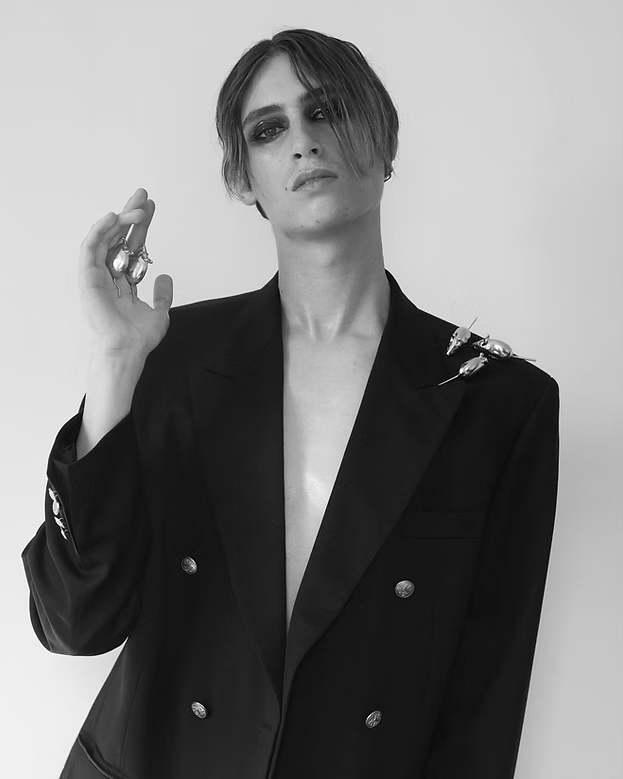
I met him for real at a Saint Laurent party at Bonnie in 2022. I gave him a mouse ring that was confiscated the same day. And since then I’ve been writing a book: “Hyunjin, Autopsie d’une Fascination.”
He has upended my life in a single glance, with a passion I don’t control. I love his soul, his passion, his solitude, his romantic melancholy, his great shyness. It is a new kind of love I’ve discovered, and one I live literarily. I’d like to see him again one day, the way I did the first time — alone, with Felix and me. Not at a concert. He belongs to everyone there.
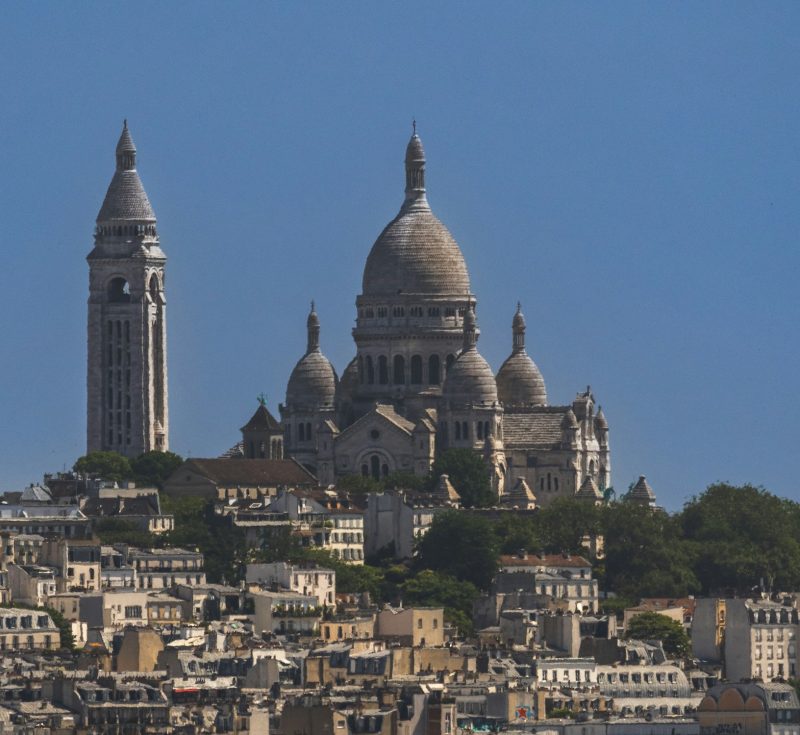
I love his painting, which is the reflection of his emotions. He adores Paris; he said he had left his heart floating on the Seine. What a beautiful image. I made a little film out of it — a heart-shaped balloon floating on the Seine. He loves Montmartre, the painters of the Place du Tertre, and Monet’s garden.
Paris Then and Paris Now
I moved to Paris in 1975.
It’s not the same freedom. We lived in the moment, completely, without a phone. We talked. We argued. We lived real life. A real group of friends who met without really making plans.
But there was a lot of drugs — especially heroin. I don’t know what preserved me from that madness. I lived surrounded by addicts, but I never fell into dope. I survived that dependency, and I never missed it.
On Audacity and Algorithms
I love audacity. It’s a real form of freedom. I don’t live to please others — I want to please myself. In these times, even people who don’t know you attack you for your freedom to live your life, to talk about it. They attack you on the networks, verbally, out of jealousy or lack of references, or perhaps just to exist themselves. The algorithms manage your trends. That’s dictatorship.
“If you’re unlucky enough to say you like leeks, they’ll throw leeks at you in every form. That’s not freedom.”
Fashion has always shocked the uninformed public. Now the public is very informed thanks to social networks. They’re often beautiful, very creative images that dangle dresses more theatrical than ready-to-wear. The jean hasn’t lost its place as the indispensable garment in a wardrobe. I love Korean fashion — extravagant, not costume. Fashion is becoming science fiction.
That’s why I thought of making one-evening dresses. You can do all the extravagances that cost only the price of the fabric and the glue — 50 or 70 euros minimum, and above all imagination, which is free. You stick the fabric on, you sculpt it onto the body, and when you go to sleep you take it off and shower to clean the glue. That’s it. Every evening a new dress.
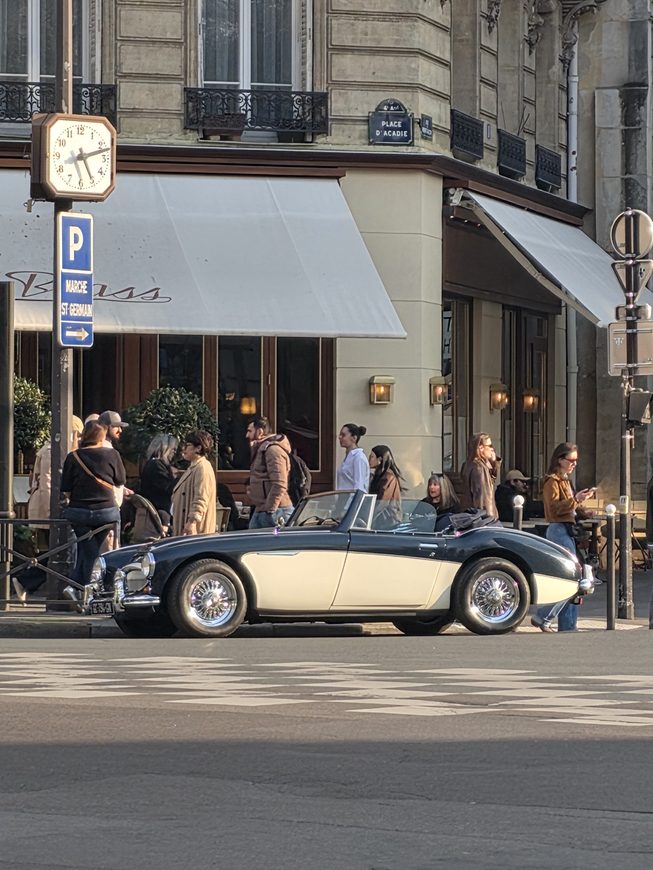
What Paris Lost
Paris has lost its personality. Parisiennes like Loulou de la Falaise no longer exist. Elegance no longer belongs to Parisian women. Everything is off. Values have disappeared.
“It isn’t wearing luxury brands that makes elegance — the talent of elegance is an attitude of the soul.”
There is a lot of arrogance and vanity. And the influencers have taken power.
Not much is left of that past. The earth turns, people turn too, ideas change sides — they belong to social media now. Criticism spreads in every direction. Anyone gives their opinion, without knowing the people they attack. Immediate judgments, without knowing the substance. Fortunately, the opposite also exists — beautiful criticism, real appreciation.
Paris by Marie Beltrami
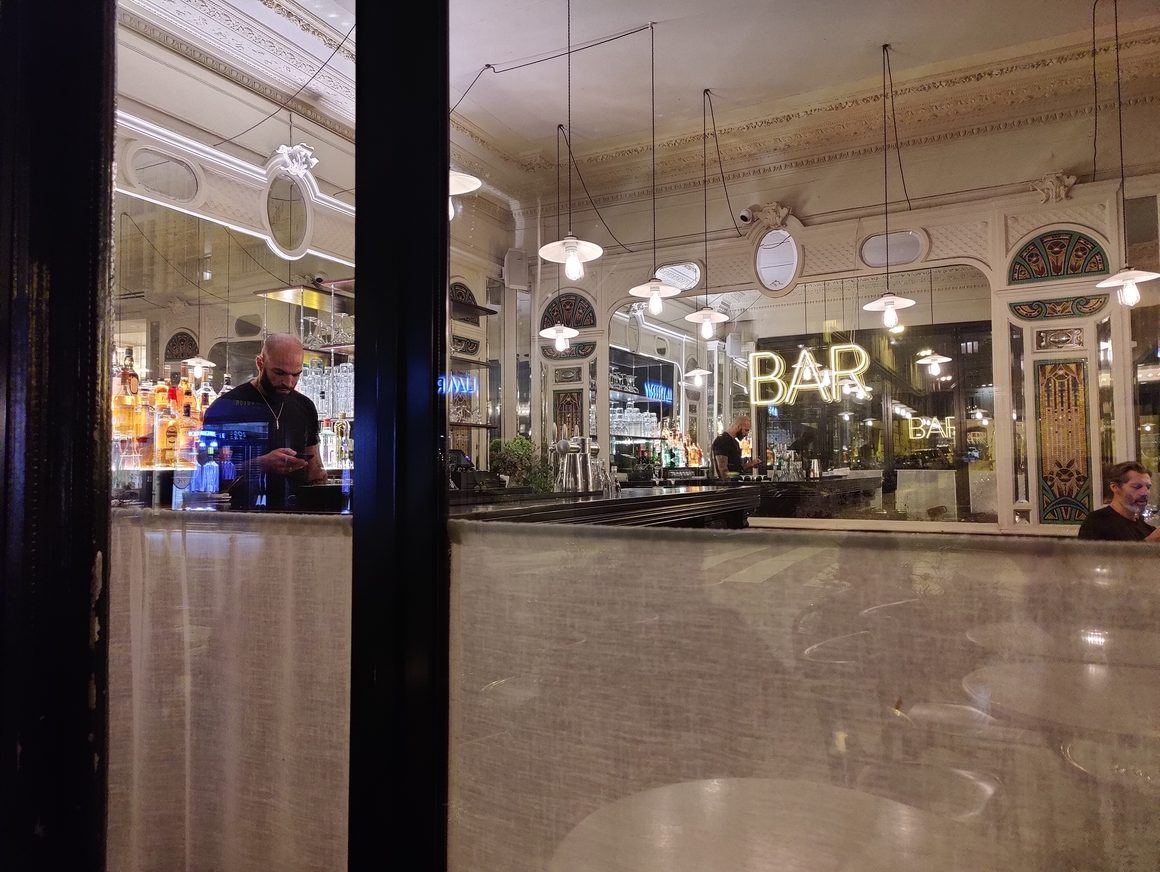
My favorite place is La Belle Époque, rue des Petits Champs, in the 2nd. I lived on that street for twenty-five years in perpetual agitation. Everyone passed through my apartment. It shone between Les Bains Douches and the Palace. Galliano came by with Christian Louboutin. Marianne Faithfull. Loulou de la Falaise. Inès de la Fressange. Isabella Blow. Anita Pallenberg one evening. Sometimes we dressed up in whatever was lying around in my studio. No phones, no selfies — just people who talked to each other and had fun.
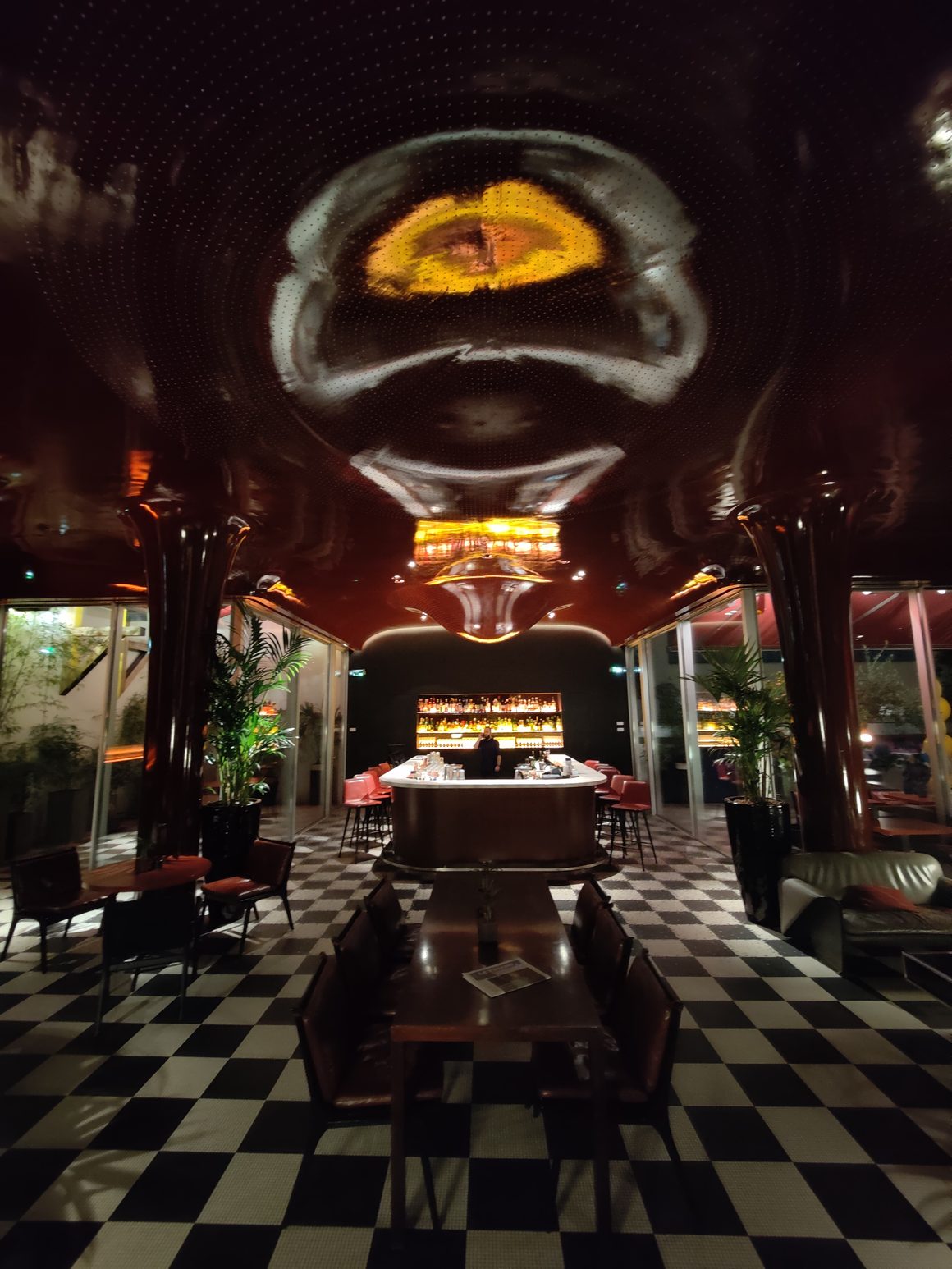
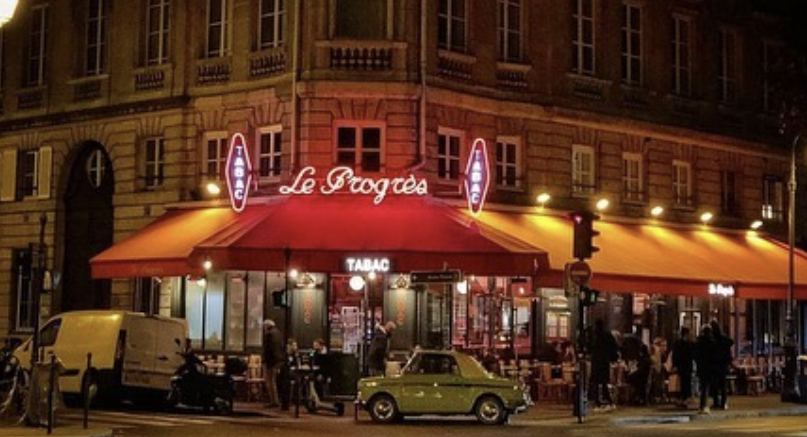
There’s also Serpent à Plume on Place des Vosges. And bars in the 4th like Le Progrès — it’s cool, full of a certain kind of Paris energy. I still love Saint-Germain-des-Prés, the Café de Flore, the galleries on the surrounding streets. But I love receiving guests in my own atelier.
Four Places in Marie’s Paris
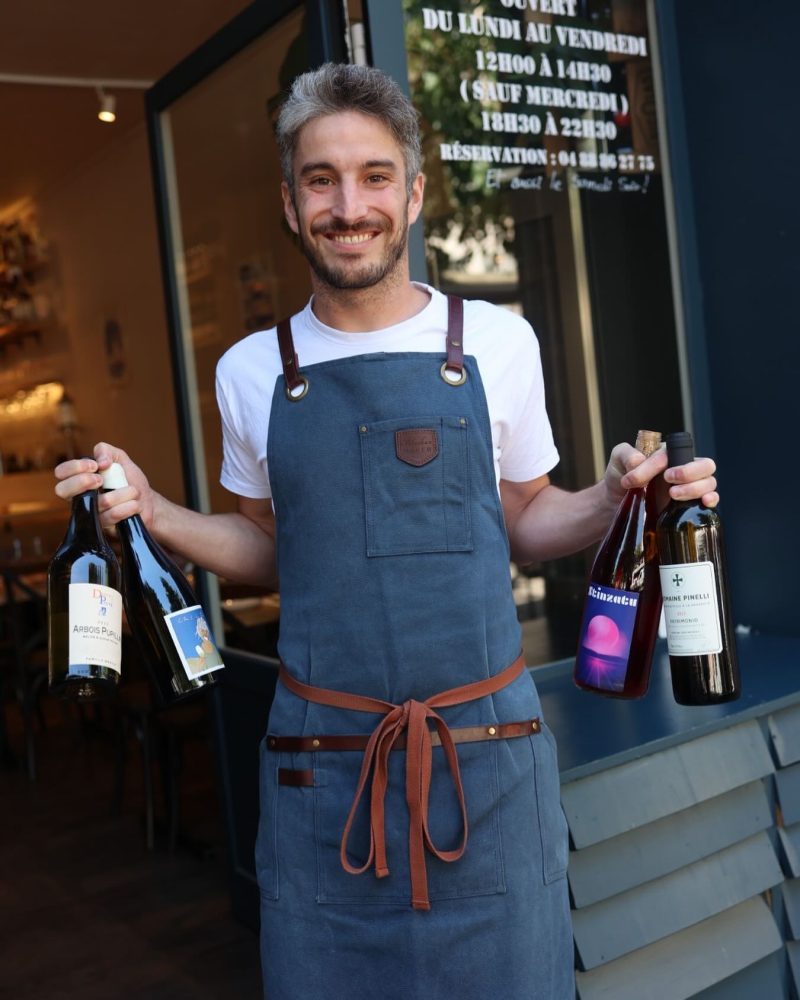
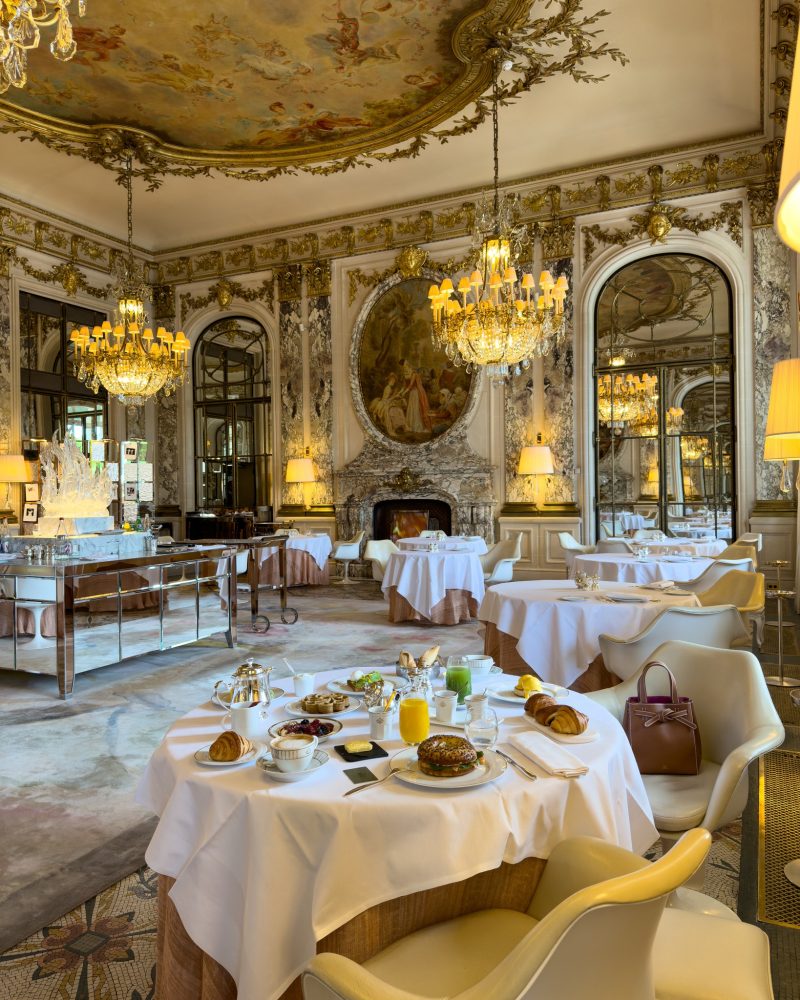
The restaurant on the street she lived on for twenty-five years, the Place des Vosges speakeasy, the Marais bar, and the Saint-Germain café that surrealist artist Marie Beltrami still returns to — with verified addresses and why each one earned its place on her list.
36 rue des Petits Champs, 75002 Paris · 2nd arrondissement, between Palais-Royal and the Opéra · +33 1 49 27 97 17 · Mon–Fri 12:00–02:00, Sat 15:00–02:00, closed Sun · labelleepoqueparis.fr
Once a cabaret dinner-show, La Belle Époque now works as a bar-restaurant open until 2am — traditional French cooking in a warm, spacious dining hall on the ground floor of a 19th-century building. On rue des Petits Champs between Palais-Royal and the Opéra, the same street where Marie lived for twenty-five years in the apartment between Les Bains Douches and the Palace.
24 Place des Vosges, 75003 Paris · Le Marais · Wed–Sun 11:00–02:00 · metro Chemin Vert · serpentaplume.paris
A speakeasy on the oldest square in Paris, opened in 2018 with vaulted-cellar décor by Vincent Darré — reclaimed Mesoamerican statues, a 15-metre white De Sede sofa snaking between lacquered tables, Jean Royère lights. Contemporary French cuisine and cocktails at ground level, live jazz and DJ sets in the cellar bar Wednesdays through Saturdays. Entry through a small gallery on the arcade side of the square.
1 rue de Bretagne, 75003 Paris · corner of rue de Saintonge and rue de Bretagne · Haut-Marais · open daily from breakfast until late
A classic Marais corner café at rue de Bretagne and rue de Saintonge, with a wraparound terrace that catches both streets at once. Coffee and croissants in the morning, wine and small plates from noon, aperos and simple bistrot dinners late — no reservations, open all day, one of the most reliable neighborhood spots in the 3rd for two-way people-watching.
172 Boulevard Saint-Germain, 75006 Paris · corner of Rue Saint-Benoît · open daily 07:30–01:30 · metro Saint-Germain-des-Prés · cafedeflore.fr
The Saint-Germain-des-Prés institution since 1887 — the room where Sartre and de Beauvoir wrote at their table, and where the annual Prix de Flore literary prize is still awarded. Two floors, a busy terrace on Boulevard Saint-Germain, and a café menu that hasn’t changed much in decades: the omelettes, the hot chocolate, the croque monsieur. Walk the galleries on rue Bonaparte, rue Jacob and rue de Seine afterward.
Addresses and hours verified against each venue’s own listings. La Belle Époque closes Sundays outside private events; Serpent à Plume opens Wednesday to Sunday only. Marie notes she also loves receiving guests in her own atelier — for that one, you’ll need a personal invitation.